Selecting the proper pasta shape ensures that every bite carries the optimal amount of sauce and texture for a balanced meal. The structure of the noodle dictates how well it captures heavy meats or clings to light oils. Professional chefs often choose shapes based on the surface area and the presence of ridges or hollow centers. Understanding these pairings elevates home cooking to a restaurant quality experience through thoughtful culinary geometry.
Spaghetti

This long and thin noodle remains the most iconic choice for smooth and simple sauces like classic marinara or olive oil preparations. Its slender shape allows for easy twirling and provides a consistent coating without becoming overwhelmed by heavy ingredients. Traditional recipes often feature spaghetti paired with meatballs or a light garlic and oil base known as aglio e olio. The smooth surface ensures that the sauce stays light and manageable during the meal. It is a versatile pantry staple that often costs less than two dollars per pound in American grocery stores.
Penne Rigate

The ridges on the exterior of this cylindrical pasta are specifically designed to catch and hold onto thicker sauces. Its hollow center allows small pieces of vegetables or ground meat to become trapped inside for a burst of flavor in every bite. This shape works exceptionally well with spicy tomato bases like arrabbiata or hearty meat sauces that require a sturdy vessel. The angled ends increase the surface area for sauce adhesion and make the pasta easy to spear with a fork. Many brands offer different sizes ranging from small pennette to much larger varieties.
Fettuccine

These wide and flat ribbons provide a substantial surface area that is perfect for rich and creamy dairy based sauces. Most famously used in Alfredo preparations, the width of the noodle allows heavy cream and butter to cling effectively to the pasta. The thickness of fettuccine offers a satisfying chew that stands up well to the weight of thick cheese sauces. This shape is also frequently paired with sliced chicken or shrimp for a complete and filling entree. Freshly made versions are especially delicate and absorb the flavor of the cream much faster than dried alternatives.
Rigatoni

Characterized by its large diameter and deep ridges, this tube shaped pasta is the ideal companion for chunky meat sauces like Bolognese. The wide opening at each end allows substantial pieces of sausage or vegetables to enter the hollow center. Its sturdy walls maintain their structure even when baked in the oven with layers of cheese and sauce. Rigatoni provides a hearty mouthfeel that complements the bold flavors of traditional Italian ragu recipes. This pasta is often preferred in southern Italian cooking for its ability to hold up against robust ingredients.
Fusilli

The corkscrew shape of this pasta creates numerous twists and turns that excel at trapping fine ingredients and thin sauces. Pesto is a classic pairing because the herb and oil mixture settles into the spirals for maximum flavor distribution. This shape also performs well in cold pasta salads where vinaigrettes can coat every inch of the surface. The springy texture adds a playful element to the plate while ensuring that no sauce is left behind. It is a durable shape that maintains its integrity during long cooking times or when reheated.
Farfalle
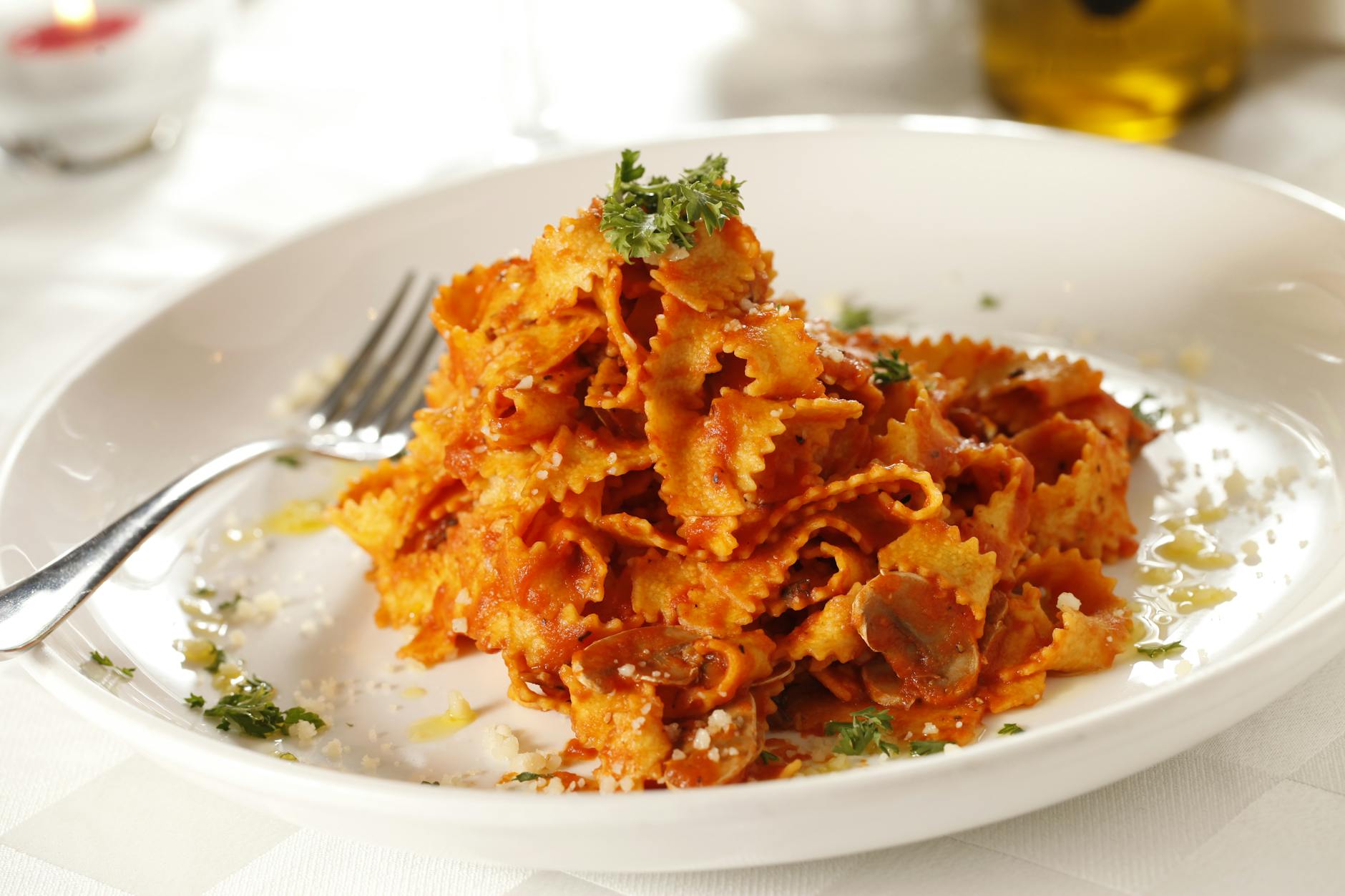
Commonly known as bow tie pasta, this shape features a pinched center and flared edges that offer two different textures in one bite. The center remains firm while the outer edges are softer and more delicate for a unique eating experience. This pasta is frequently used with light cream sauces or tossed with roasted vegetables and lemon juice. Its aesthetic appeal makes it a popular choice for colorful summer dishes and formal dinner parties. The name translates to butterflies in Italian which reflects the whimsical appearance of the shape.
Pappardelle
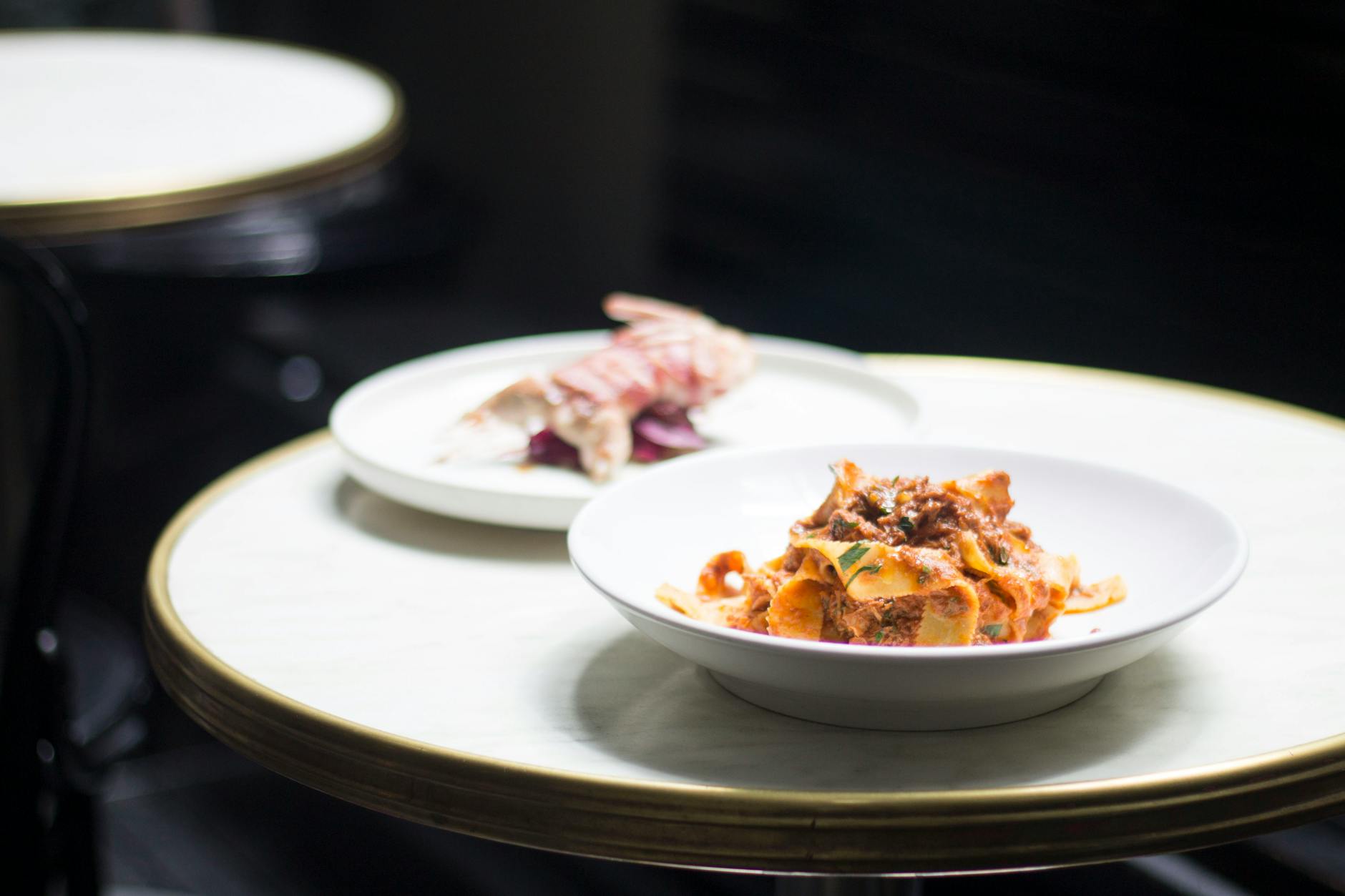
These exceptionally wide and flat noodles are often reserved for the heaviest and most rustic meat sauces available. The broad surface area can support the weight of wild boar or slow cooked beef without breaking apart. Most pappardelle is made with a high egg content which gives the pasta a rich flavor and a distinct golden color. These ribbons typically measure about one inch in width to provide a substantial base for thick ragus. This shape is a staple in Tuscan cuisine where deep flavors and hearty textures are highly valued.
Linguine
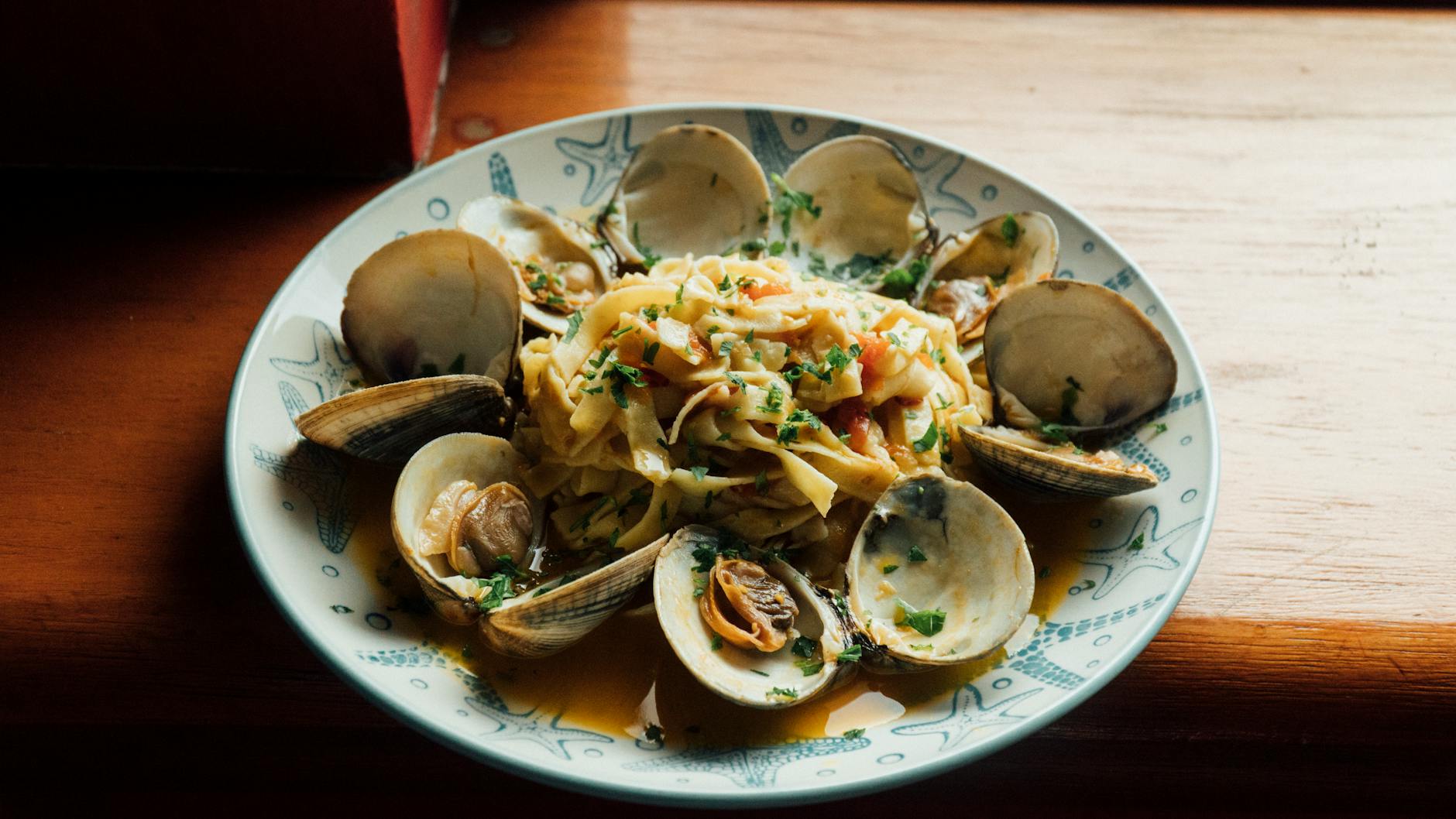
Similar to spaghetti but flatter in shape, linguine is the traditional choice for seafood sauces and clam based dishes. The slightly wider surface area helps the pasta hold onto the briny juices and light oils common in coastal recipes. It offers a more substantial bite than spaghetti while remaining light enough to not overshadow delicate proteins like shrimp or scallops. White wine and lemon sauces find a perfect home on these long and elegant strands. It is a preferred choice for those who enjoy the twirling experience of long pasta with a bit more texture.
Orecchiette

Named for their resemblance to small ears, these cup shaped pasta pieces are perfect for holding small ingredients like peas or crumbled sausage. The indentation in the center creates a natural bowl that scoops up sauce and tiny bits of garnish. This shape is traditionally paired with broccoli rabe and garlic for a classic dish from the Puglia region. The thicker center and thinner edges provide a varied texture that enhances the overall dining experience. It is often handmade in Italian households to ensure the perfect depth for catching sauce.
Conchiglie
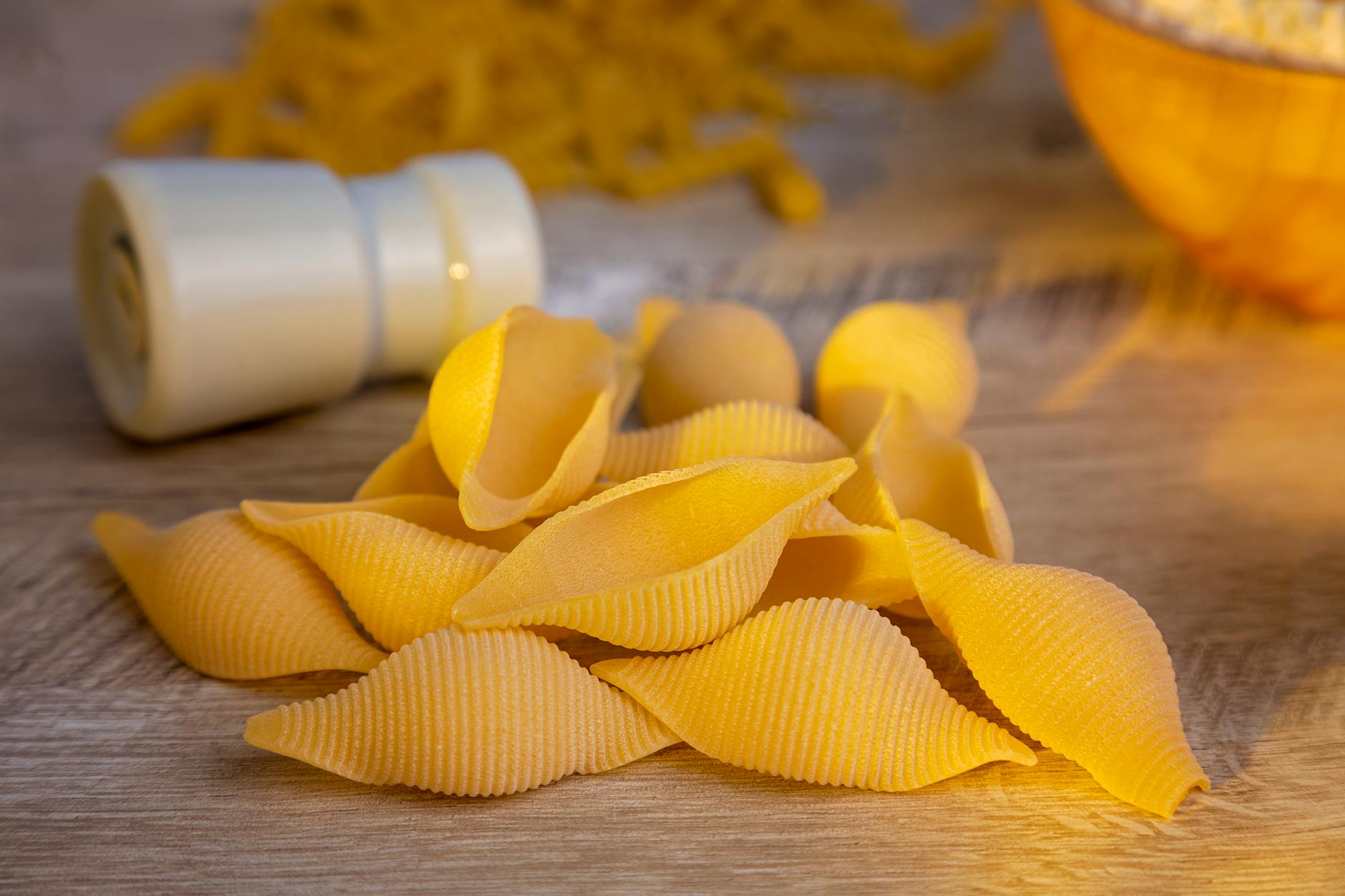
Large shells are designed to be stuffed with ricotta cheese and spinach before being baked under a layer of sauce. Smaller versions of this shape are excellent for macaroni and cheese because the hollow interior acts as a reservoir for melted cheese. The exterior often features ridges that help the sauce stick to the outside as well as the inside. This versatility makes shells a pantry staple for families looking for reliable comfort food options. They are available in various sizes to suit everything from light soups to heavy baked casseroles.
Orzo
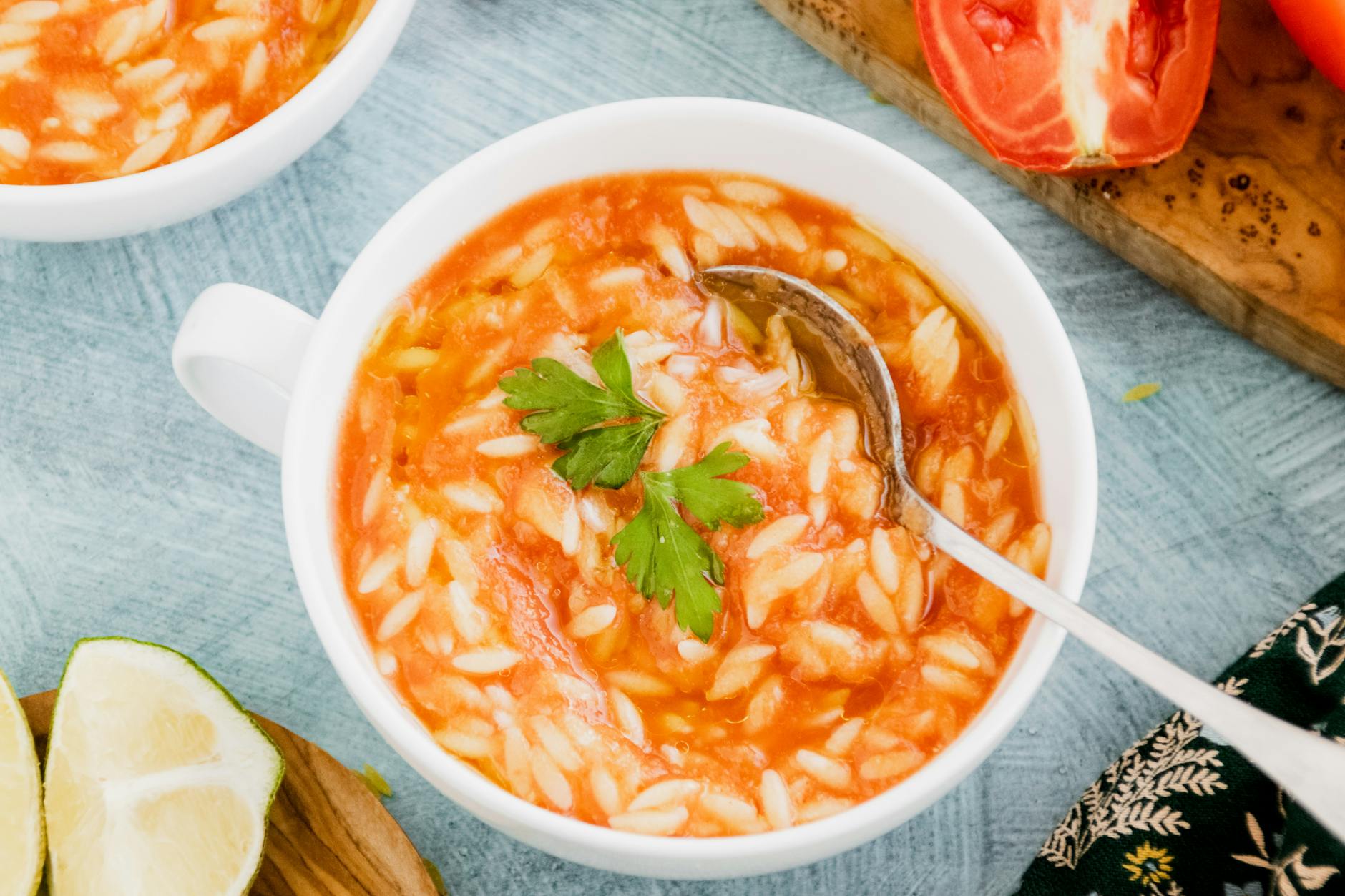
This tiny pasta shaped like a grain of rice is most often found in soups or light Mediterranean salads. Its small size allows it to be eaten with a spoon and it absorbs the flavors of broths and dressings very efficiently. Orzo is an excellent substitute for rice in pilaf dishes or can be used to add bulk to a vegetable focused meal. The smooth texture and quick cooking time make it a convenient choice for busy weekday lunches. It provides a delicate mouthfeel that complements light and refreshing ingredients.
Bucatini

At first glance this pasta looks like thick spaghetti but it actually features a tiny hole running through the entire length. This straw like structure allows sauce to coat both the outside and the inside of the noodle for double the flavor. It is the traditional choice for Amatriciana sauce which features spicy tomato and cured pork. The hollow center gives the pasta a unique and springy resistance when bitten. This shape is especially popular in Rome where it is served with rich and savory sauces.
Cavatappi

This spiraled macaroni shape is often used in modern gourmet versions of baked cheese dishes. Its double turn and ridged surface provide an excellent grip for thick cheese sauces and breadcrumb toppings. The shape is more durable than standard macaroni and adds a sophisticated look to a casual meal. It is also a popular choice for cold pasta salads that feature cubes of cheese and sliced meats. The name means corkscrew in Italian and describes the tightly wound helical shape.
Gemelli
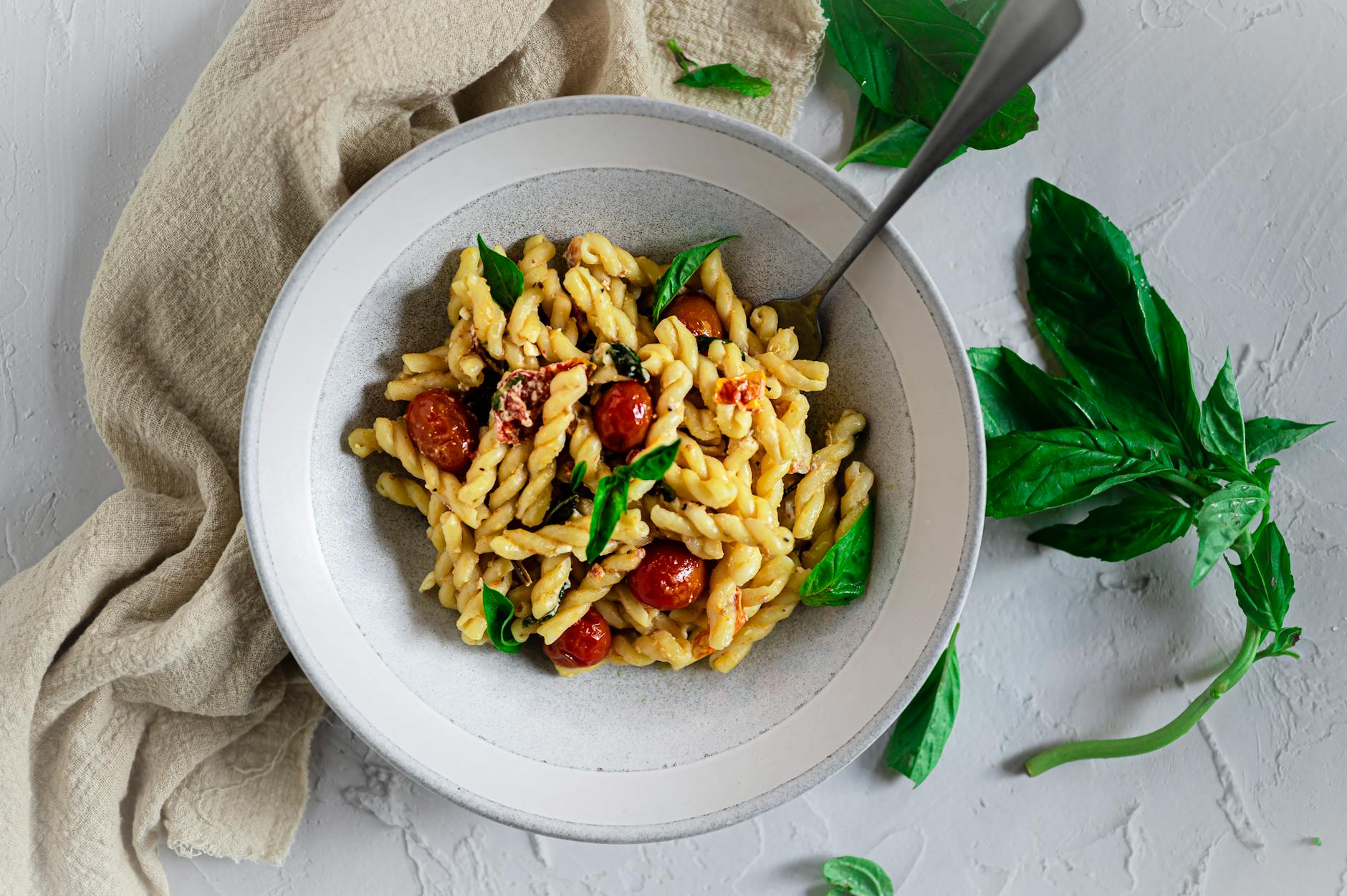
This pasta consists of two strands of dough twisted together to form a tight and elegant spiral. The grooves created by the twist are perfect for holding light tomato sauces or herb infused oils. It offers a firm texture that holds up well during the boiling process and provides a satisfying bite. Gemelli is often used in contemporary Italian cooking to provide a modern twist on classic pasta dishes. The shape is compact enough to work well in both warm entrees and chilled salads.
Tagliatelle

These long and flat ribbons are similar to fettuccine but are typically narrower and thinner in profile. They are the classic accompaniment for a refined butter and sage sauce or fresh truffle shavings. The delicate nature of the noodle requires a sauce that is flavorful but not overly heavy or chunky. Fresh tagliatelle is often sold in nests and provides a luxurious and silky mouthfeel that is highly prized by pasta enthusiasts. It is the traditional pasta used for authentic Bolognese sauce in the city of Bologna.
Tell us about your favorite pasta and sauce combination in the comments.