Home security often relies on clever concealment rather than expensive safes or alarm systems. Burglars typically spend less than ten minutes searching a home and tend to look in predictable locations like master bedroom drawers. Finding creative hiding spots can effectively protect cash and jewelry from theft during a break-in. This guide explores thirty inventive locations throughout the house designed to go unnoticed by intruders.
Hollowed-Out Book

Classic diversion safes disguise themselves as ordinary literature on a crowded bookshelf. You can create one by gluing the pages of a hardcover book together and cutting out a central compartment. This spot works best when placed among dozens of other books to minimize the chance of random selection. It remains a timeless method because searching through an entire library takes too much time for most thieves.
False Air Vent
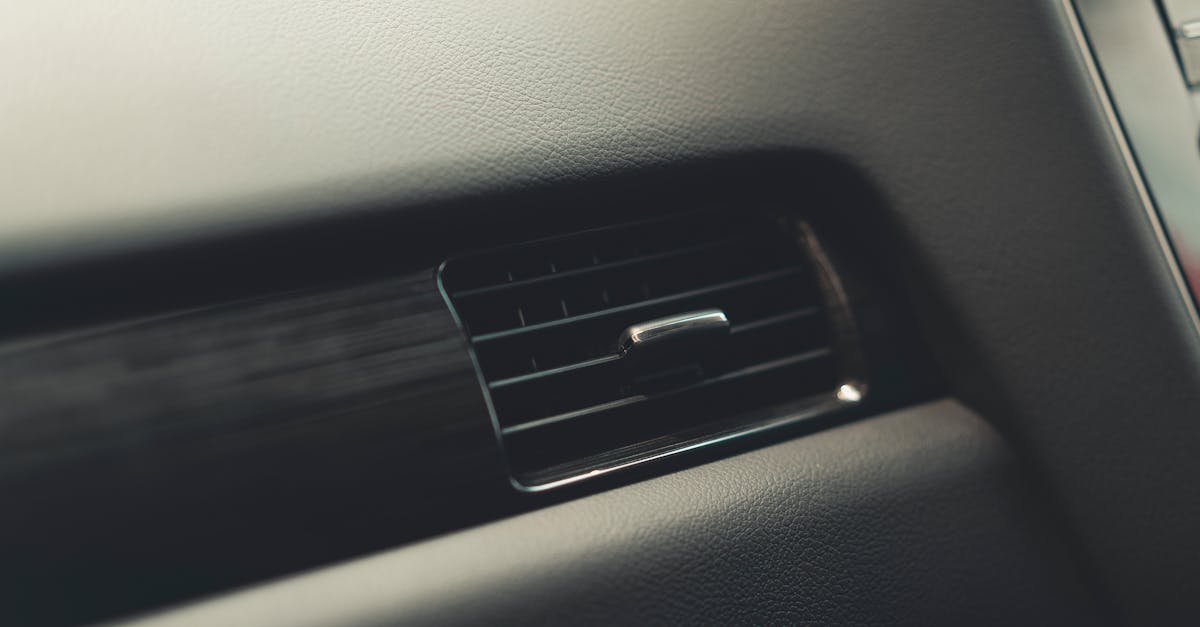
Installing a fake ventilation cover on a wall creates a spacious hidden compartment between the studs. These units look identical to functioning HVAC returns and blend seamlessly into the hallway or bedroom decor. You can access the space by removing screws or using a hidden latch mechanism to release the grille. This location is particularly effective because burglars rarely think to dismantle house infrastructure during a quick robbery.
Frozen Vegetable Bag

The freezer offers a cold environment that most intruders ignore during a standard search for valuables. Placing money inside a watertight bag and concealing it within a bag of frozen peas makes it nearly invisible. You should ensure the package looks unopened or resealed properly to avoid drawing attention to the contents. This method is excellent for storing emergency cash or documents that can withstand low temperatures.
Tennis Ball

A simple rubber tennis ball can transform into a subtle safe for small valuables like rings or gems. You carefully slice a small opening along the seam that remains closed until you apply pressure to the sides. This innocent sports equipment can be tossed into a garage bin or closet without raising suspicion. It is an ideal spot for loose diamonds or rolled bills that need to remain undetectable among clutter.
Heavy Appliance Bottom
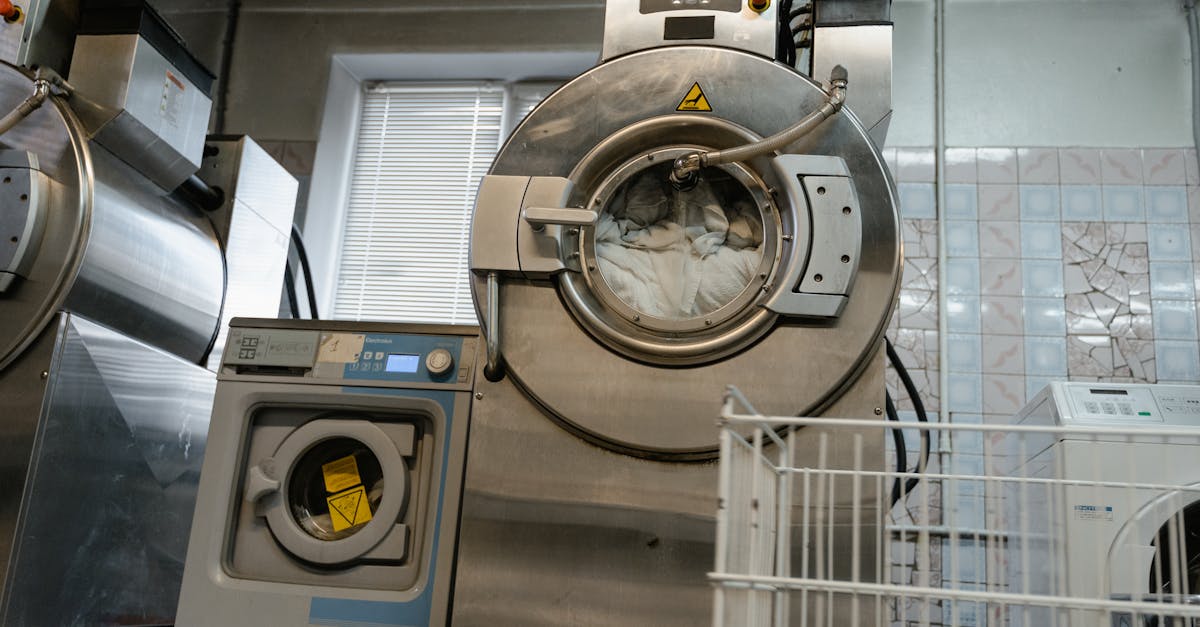
The space underneath heavy furniture or appliances like a refrigerator is rarely checked due to the difficulty of moving them. You can tape an envelope containing documents or cash to the underside of the unit using strong adhesive. Accessing this spot requires significant effort and time that most burglars are unwilling to spend. This location ensures your items remain secure unless the thief intends to steal the appliance itself.
Curtain Rod

Hollow metal curtain rods provide a long and narrow cylinder perfect for rolling up banknotes. You simply remove the decorative finial at the end of the rod to slide your items inside the tube. This hiding spot is elevated above eye level and requires a ladder or chair to access. It utilizes existing home fixtures to create storage that is completely invisible to the naked eye.
Fake Electrical Outlet

Wall safes that resemble standard power outlets offer a professional level of concealment for small items. These units install directly into the drywall and utilize a faceplate that matches your existing electrical hardware. You access the compartment by using a special key to pivot the faceplate outward from the wall. They are incredibly difficult to spot unless the intruder attempts to plug something into every outlet in the room.
Empty Paint Can

A garage or utility room filled with maintenance supplies provides excellent cover for valuables. A clean and empty paint can offers a large volume of space for storing bulky items or larger sums of money. You can place a layer of dried paint on the rim to make the can appear used and unappealing. This spot blends perfectly with the chaotic environment of a workshop where thieves expect to find only tools.
Potted Plant Base
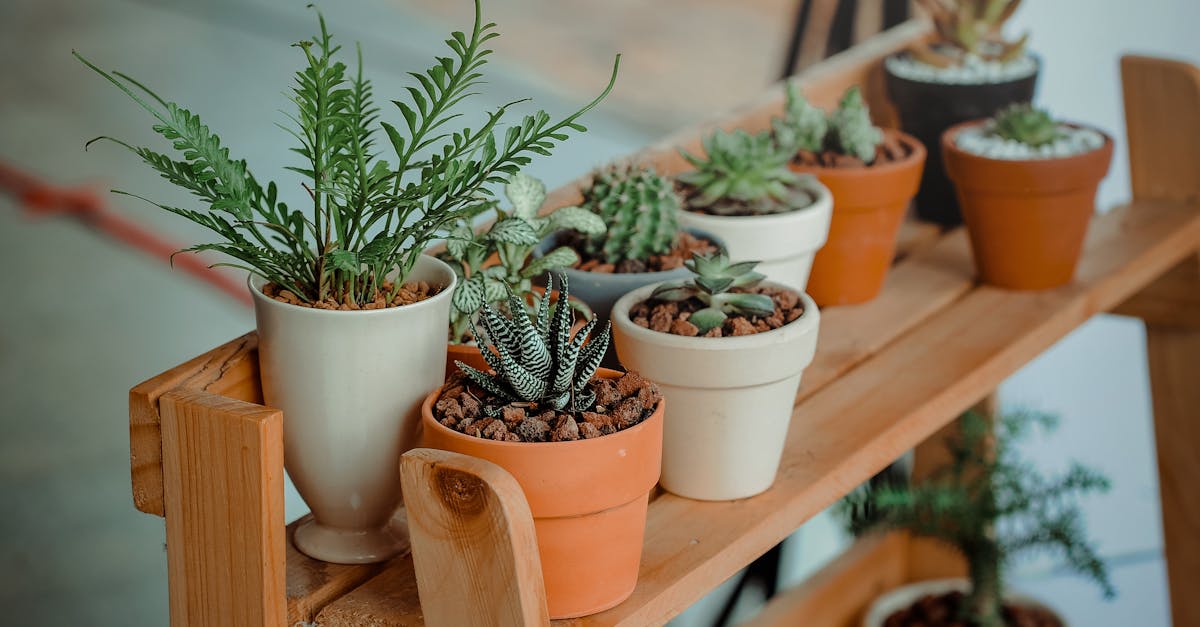
Artificial plants often come with a detachable base or enough foliage to cover a hidden container. You can bury a waterproof canister beneath the decorative moss or stones on the surface of the pot. This adds a natural element of camouflage that discourages digging or tactile searches by intruders. Real plants can also work if you use a double-potting method to keep the valuables dry and separated from soil.
Vacuum Cleaner Bag
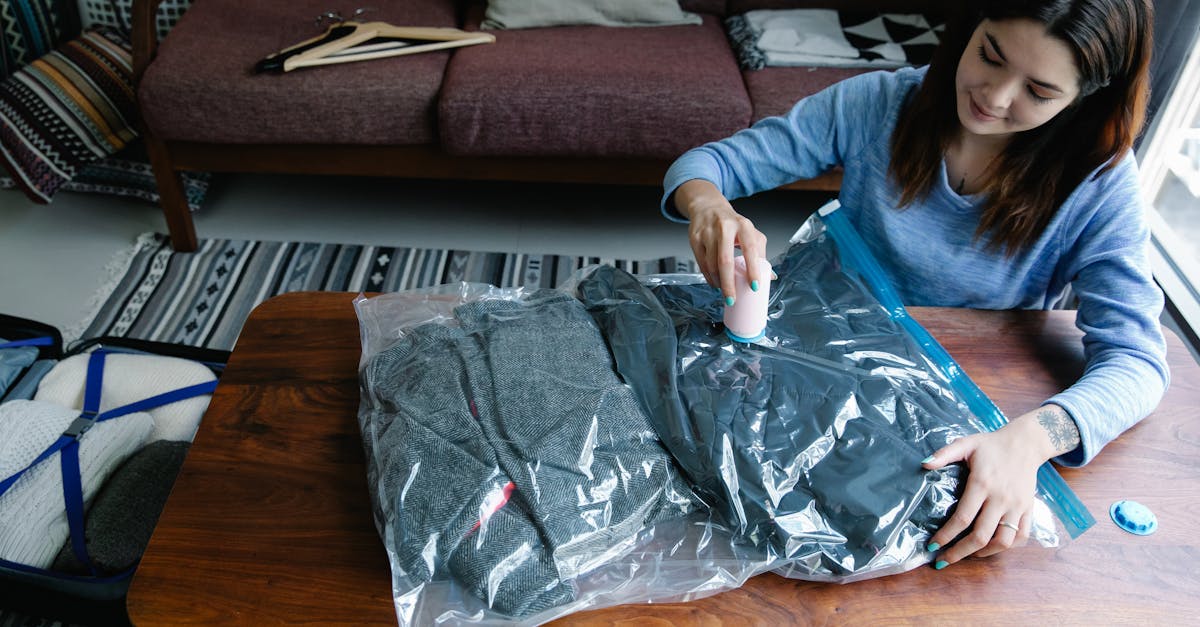
The dust collection compartment of an older vacuum cleaner is a dirty and unappealing place to search. You can place valuables inside a clean bag or container before inserting it into the machine. Most intruders will not touch cleaning equipment because it holds little resale value compared to electronics. This spot is particularly effective if the vacuum is stored in a utility closet with other mundane household items.
Kitchen Toe Kick
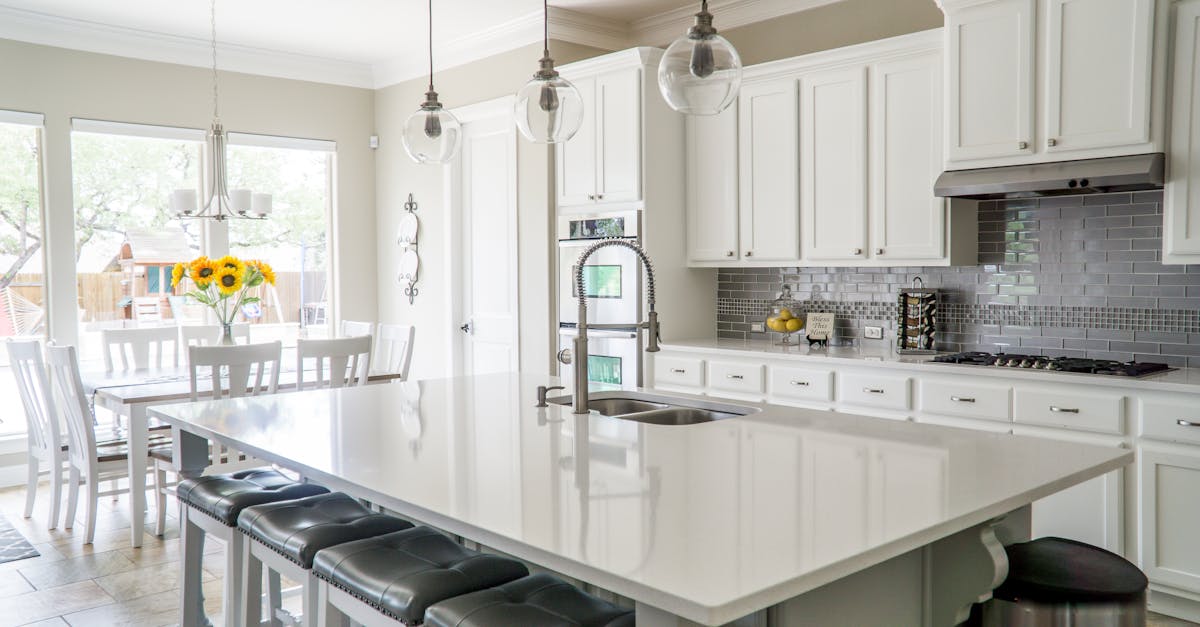
The space beneath your kitchen cabinets behind the toe kick board often contains unused void space. You can modify a section of the board to be removable with magnets or friction clips. This creates a long and narrow compartment running the length of your cabinetry. It is architecturally invisible and requires specific knowledge of carpentry to discover.
Box of Feminine Hygiene Products
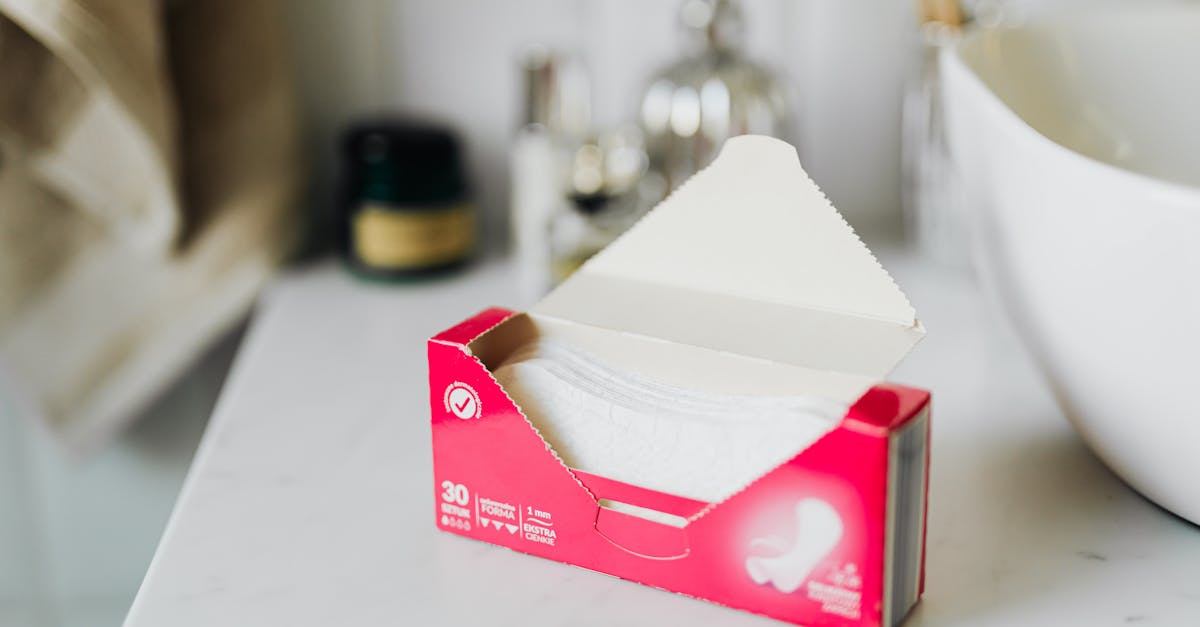
Personal hygiene boxes are rarely opened by male intruders due to social conditioning or disinterest. You can empty a few wrappers to make space for cash or jewelry at the bottom of the box. Placing the actual product on top conceals the hidden items effectively from a casual glance. This strategy relies on psychological deterrents rather than physical barriers to protect your goods.
Hollow Door Top

Solid wood doors can be drilled from the top edge to create a deep cylindrical hiding spot. You drop a metal cigar tube or similar container into the hole where it sits flush with the wood. This area is only visible if someone climbs a ladder or removes the door from its hinges. It utilizes the concept of placing items above the line of sight to great effect.
Pantry Goods Container
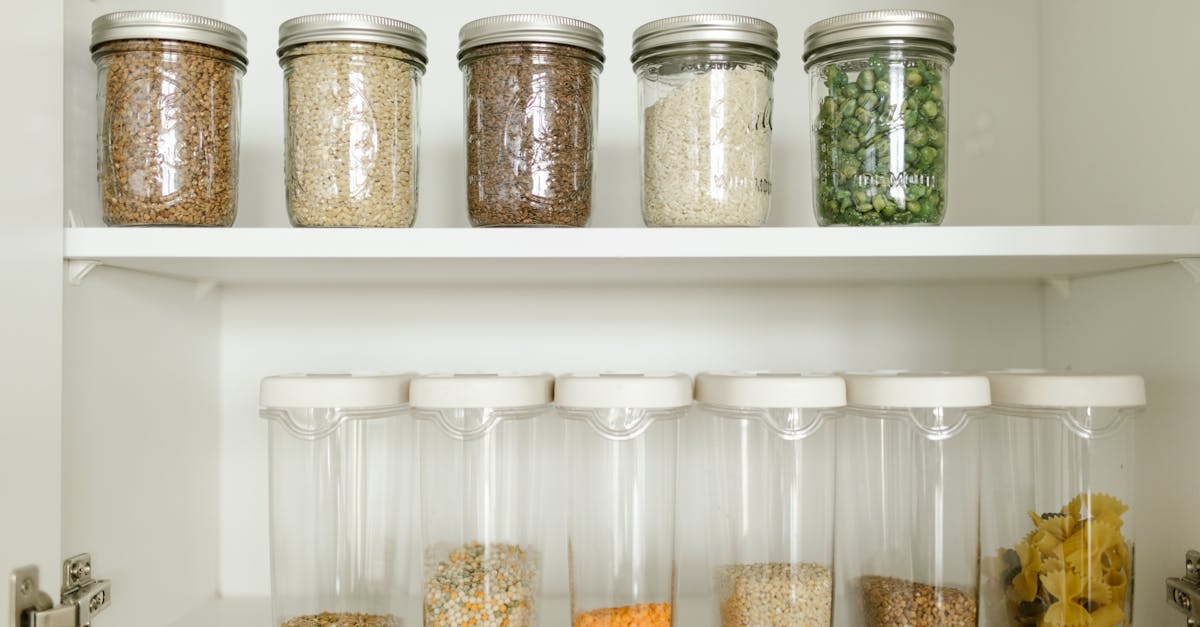
Large containers of rice or flour provide a dense medium for burying sealed waterproof jars. The granular nature of the food completely surrounds the hidden object and blocks it from view. You must ensure the container for the valuables is airtight to prevent contamination of the food supply. This location works well because emptying huge food bins is messy and time-consuming for thieves.
Child’s Stuffed Animal

An unassuming plush toy in a child’s room can serve as a soft safe for jewelry or cash. You can open a seam carefully to insert the items into the stuffing and then sew it back up. This spot is effective because thieves usually avoid children’s rooms or ignore low-value toys. It is important to choose a toy that the child does not play with frequently to avoid accidental discovery.
Deodorant Stick
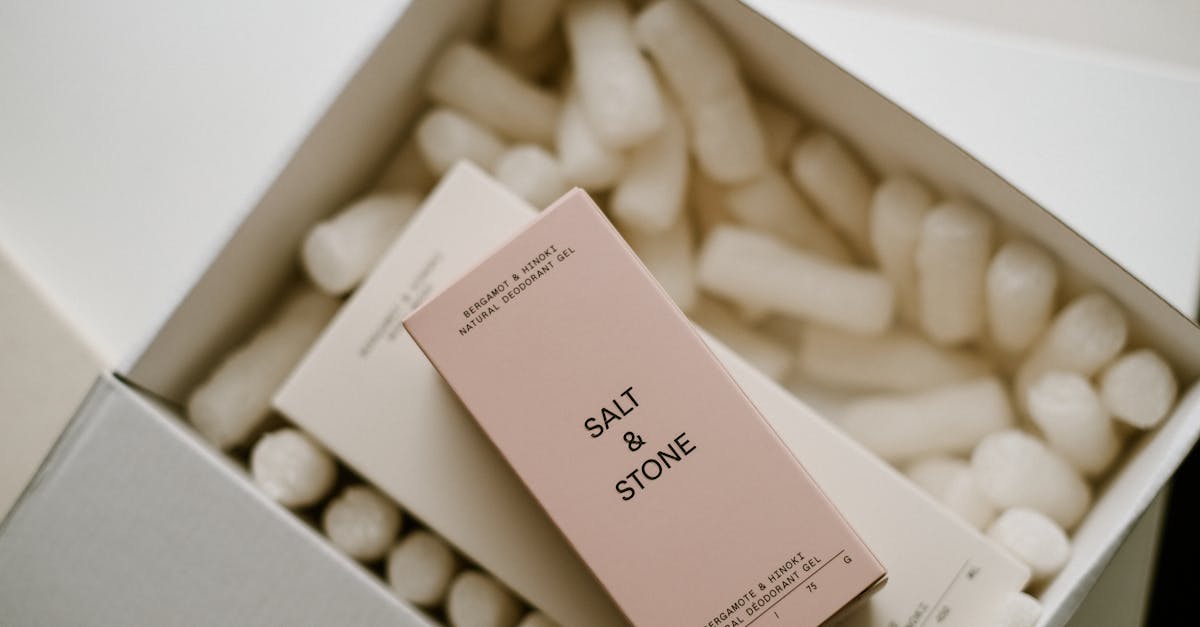
An empty deodorant container offers a small but effective compartment for rolled bills. You remove the remaining product and screw mechanism to create a hollow tube for storage. This item looks perfectly natural sitting in a bathroom cabinet or travel bag. It is a portable solution that can be taken with you or left at home without raising suspicion.
Suspended Ceiling Tile

Homes with drop ceilings offer vast amounts of storage space above the visible tiles. You can lift a single tile and place a lightweight box on the grid system or suspension wires. This area is difficult to search quickly and requires looking upward which is unnatural for most searchers. It provides ample room for larger documents or boxes that do not fit in small containers.
Hollow Table Leg

Some wooden tables feature thick legs that can be hollowed out or already contain a void. You can drill a hole from the bottom or remove a foot pad to access the interior space. This method utilizes the furniture’s structure to hide items in plain sight in the dining room. It is particularly useful for dining tables where the weight makes lifting the furniture unlikely.
Behind a Wall Clock

The space behind a standard wall clock is often large enough to tape an envelope or small bag. You simply hang the clock on a secure hook that can support the additional weight. This object is functional and rarely attracts attention as a potential storage unit. Access is quick and easy for the homeowner but requires the intruder to remove decor from the walls.
Fake Soda Can
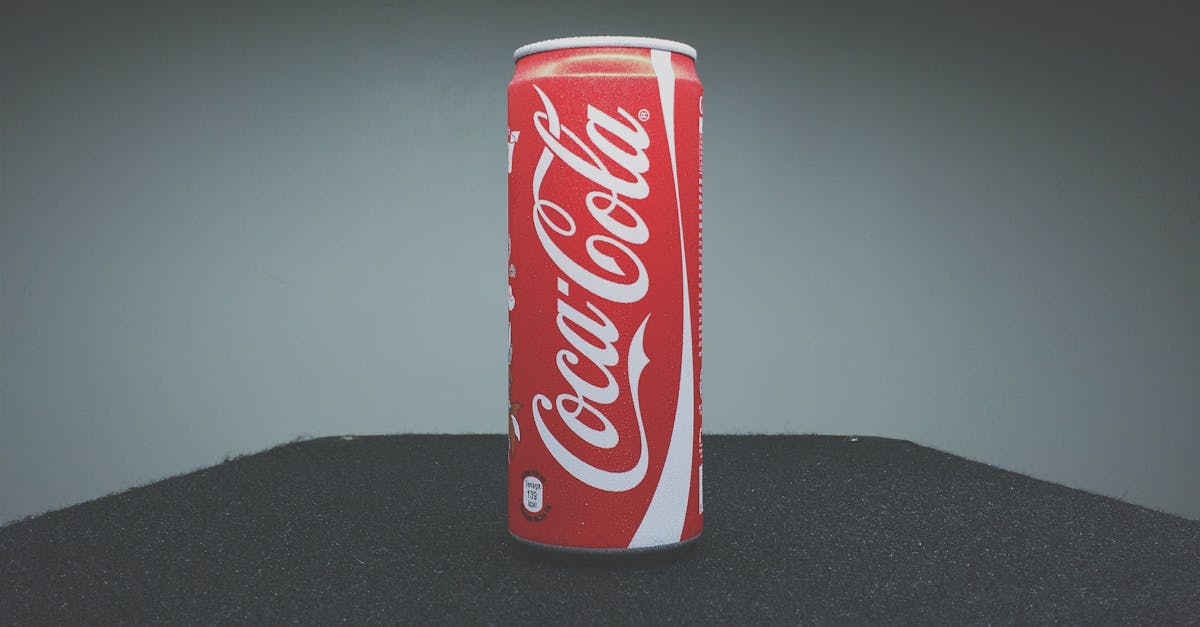
Diversion safes made from genuine soda cans have a screw-off top that reveals a hidden liner. These cans are weighted to feel full and can be placed in the pantry or fridge alongside real beverages. The branding and physical condition make them indistinguishable from the rest of your stock. This is a commercial product that offers high-level camouflage for small amounts of cash.
Inside a Printer

The paper tray of a home printer can conceal flat envelopes beneath a stack of blank paper. Most people ignore office equipment unless it is high-end electronics worth stealing. You should ensure the printer remains plugged in and functional to maintain the illusion. This spot is excellent for emergency cash or passports that need to be kept flat.
Decorative Candle

Large pillar candles can be hollowed out from the bottom to create a wax-encased safe. You carve a space into the wax while leaving the wick and top section intact. The candle can sit on a coffee table or mantle as part of the room’s decor. It is a subtle hiding place that withstands visual inspection unless the candle is turned over.
DVD Case Collection

A movie library offers a repetitive pattern where one case looks exactly like another. You can remove the disc and clips from a case to make room for currency or documents. Placing this specific case in the middle of a large collection makes it statistically unlikely to be chosen. This relies on the needle in a haystack concept to protect your valuables.
Flashlight Battery Compartment

Large heavy-duty flashlights have ample space inside the handle where batteries usually go. You can replace the batteries with a roll of cash and keep the flashlight in a utility drawer. Some users modify the circuit to keep the light working with smaller batteries while saving space. This works well because a flashlight is a common household item that implies utility rather than value.
Picture Frame Backing
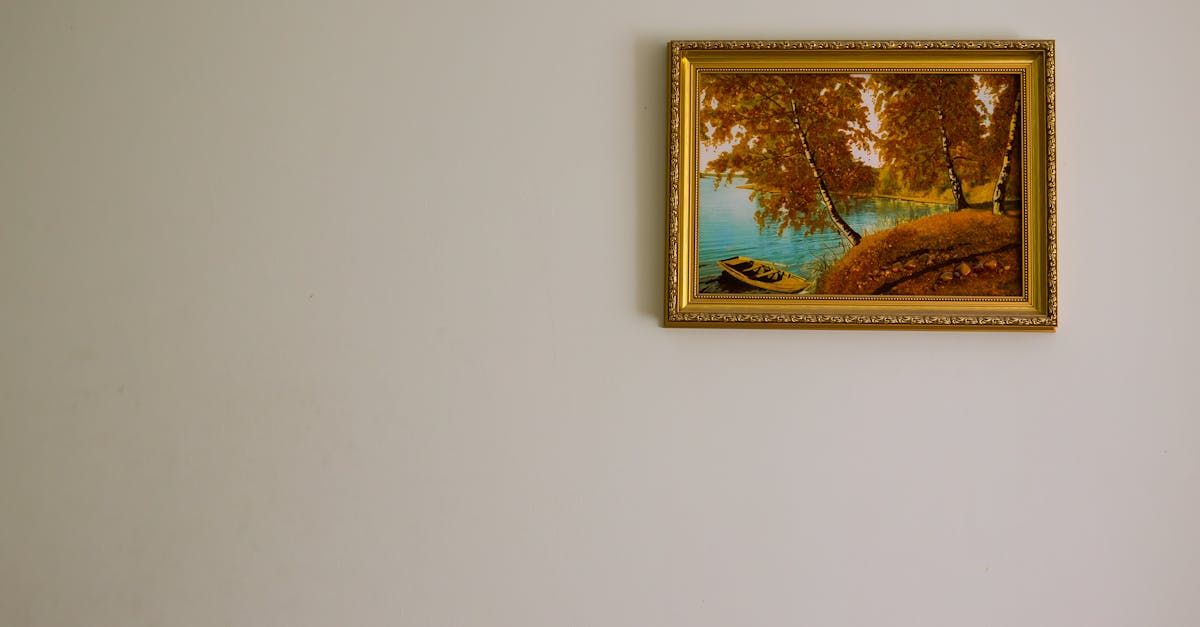
The space between a photo and the cardboard backing of a frame is perfect for hiding large bills. You can layer the money evenly so it does not create a visible bulge on the wall. This method keeps the money flat and crisp while displaying a cherished memory. It is a classic hiding spot that is often overlooked if the art itself does not appear expensive.
Winter Coat Pocket

A heavy winter coat stored in the back of a closet is a seasonal item that is rarely disturbed. You can pin a pocket shut or use an interior zipper pocket to store emergency funds. Burglars typically rifle through dresser drawers rather than searching every garment in a hanging closet. This is a good location for items you do not need to access frequently.
Toilet Tank

A waterproof jar submerged in the toilet tank is a classic movie trope that still works in reality. You must ensure the container is heavy enough to sink and does not interfere with the flushing mechanism. This area is wet and unappealing for a quick search by an intruder. It provides a secure environment for waterproof items that need to be kept out of fire danger.
Old Computer Tower

An obsolete computer tower case offers a massive amount of empty space once the components are stripped. You can place a lockbox inside the case and screw the side panel back on. Thieves may ignore old beige technology in favor of modern laptops and tablets. This serves as a decoy that looks like electronic waste rather than a treasure chest.
Cat Litter Box Container
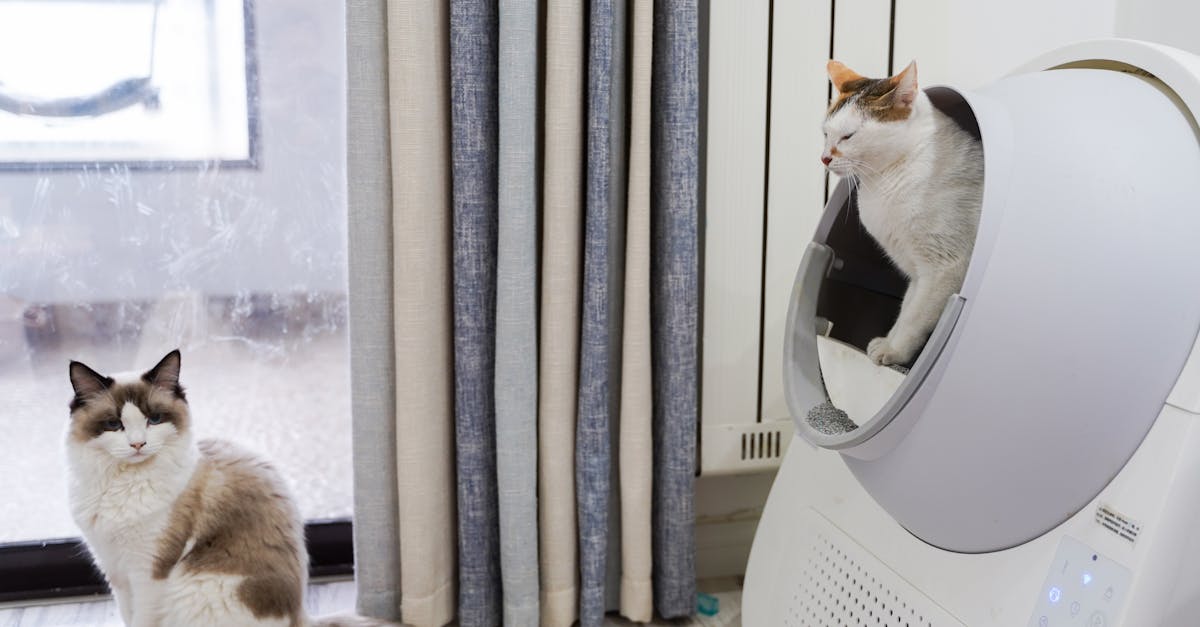
The bottom of a bag of clean cat litter or a compartment in the litter box furniture is a strong deterrent. No one wants to dig through pet supplies or areas associated with animal waste. You can hide a sealed container at the bottom of the bin before pouring the litter on top. The psychological barrier of dealing with pet sanitation makes this a highly secure location.
Holiday Decoration Box

Boxes labeled for Christmas or Halloween stored in an attic or garage are usually ignored. You can bury valuables at the bottom of a box filled with tangled lights and cheap ornaments. These boxes are often taped shut and stacked high which makes them difficult to access. It is a long-term storage solution for items you do not need until a specific time of year.
Please share your own creative security tips or experiences with hiding spots in the comments.