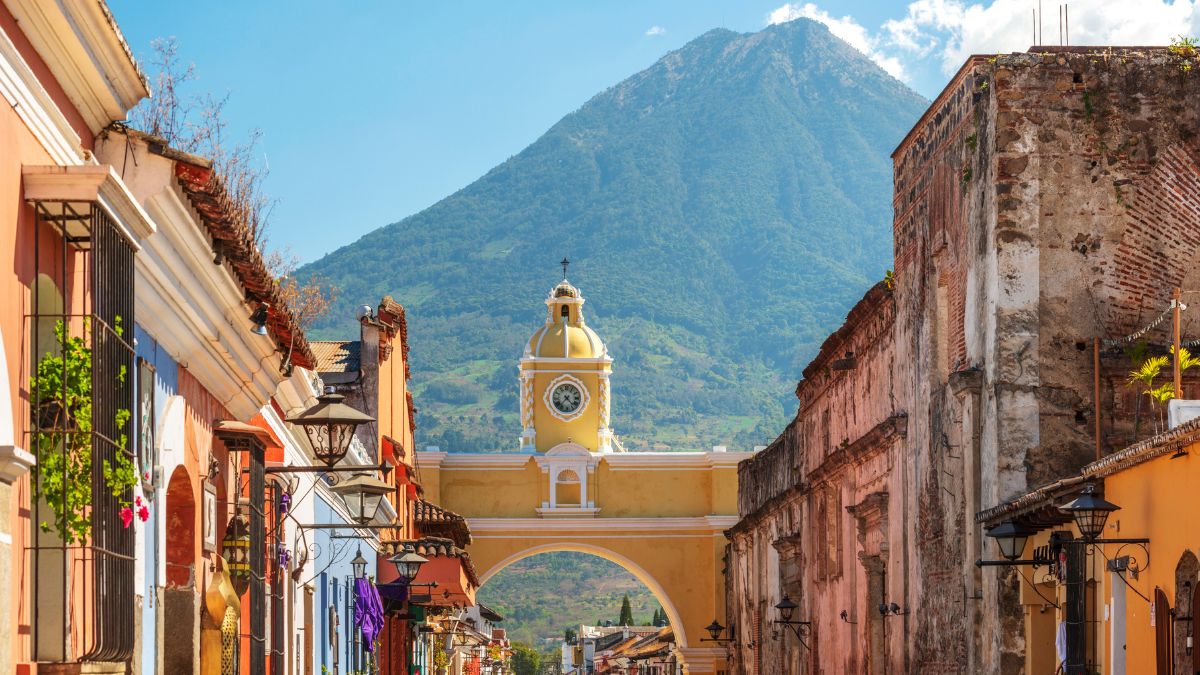
Central America has become one of the most sought-after retirement destinations in the world, drawing retirees with its warm climate, low cost of living, and welcoming communities. From colonial cities steeped in history to beachside towns with modern amenities, the region offers an extraordinary range of lifestyles to suit nearly every preference. Healthcare infrastructure has improved significantly across the isthmus, and many countries offer special residency programs designed specifically for foreign retirees. Whether the dream is a mountain retreat, a Pacific sunset, or Caribbean tranquility, Central America delivers it all at a fraction of the cost found elsewhere.
Boquete, Panama
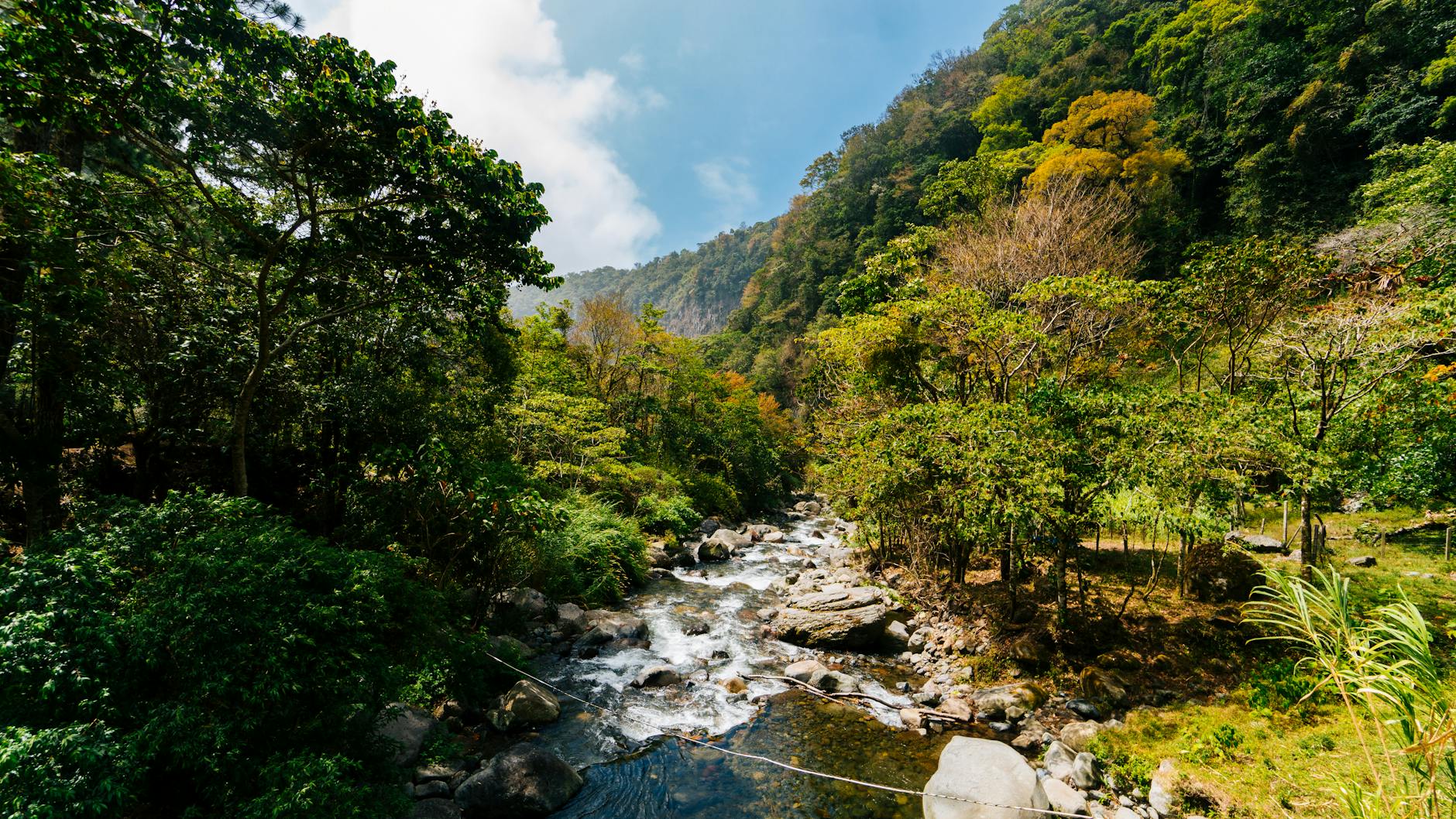
Boquete is a highland town in the Chiriquí province of Panama, sitting at roughly 1,200 meters above sea level and offering a cool, spring-like climate year round. The town has developed a well-established expat community over the past two decades, making the transition into retirement life remarkably smooth for newcomers. Panama’s Pensionado program is among the most generous retirement visa programs in the world, granting significant discounts on healthcare, entertainment, and transportation. The surrounding landscape is blanketed in coffee plantations and cloud forests, providing endless opportunities for hiking, birdwatching, and nature exploration. Boquete consistently ranks among the top retirement destinations not just in Central America but globally.
Antigua, Guatemala
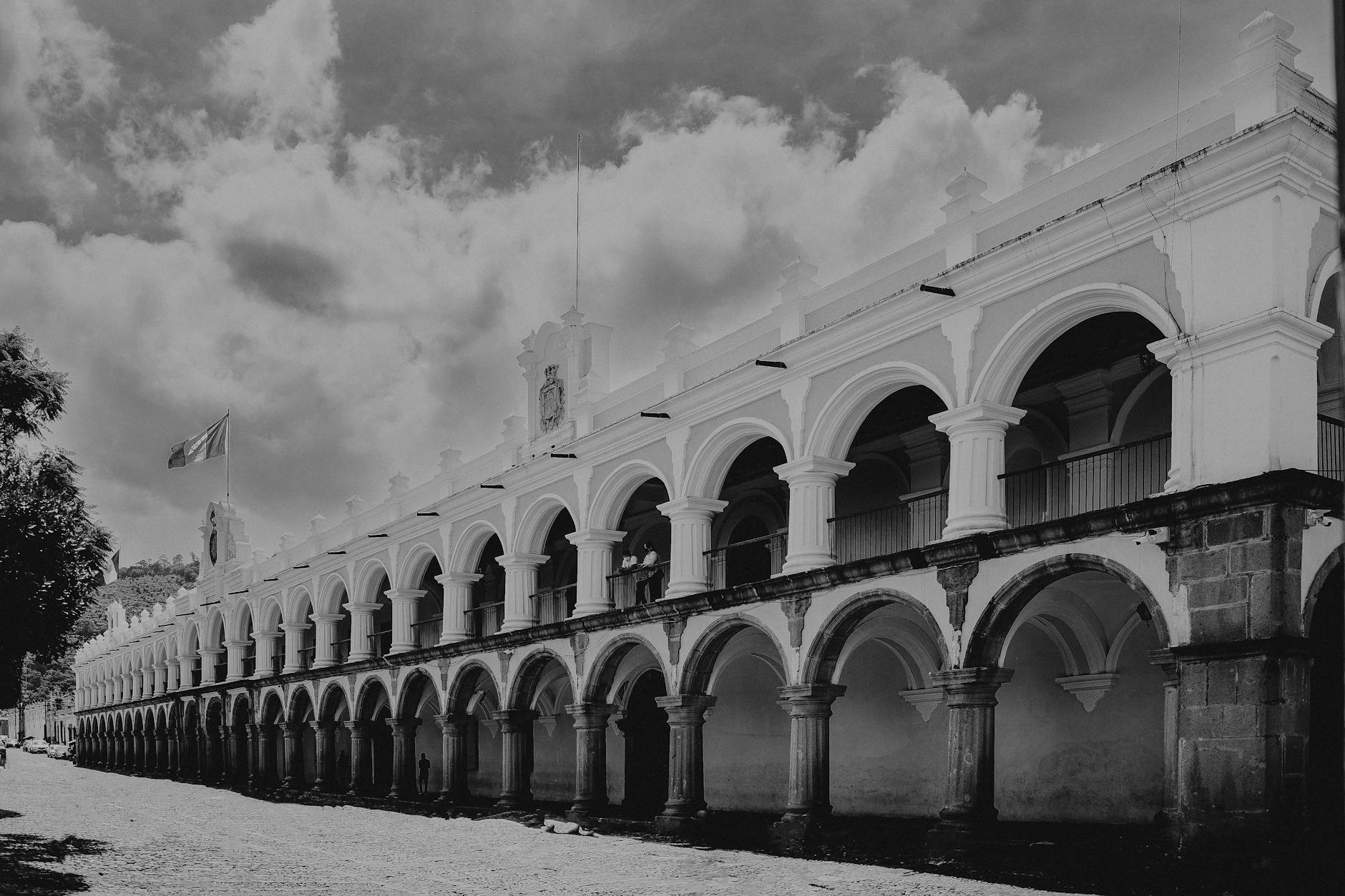
Antigua is one of the best-preserved Spanish colonial cities in the Americas, surrounded by three towering volcanoes that form one of the most dramatic backdrops imaginable. The cobblestone streets, baroque architecture, and vibrant arts scene give the city a cultural richness that appeals strongly to retirees seeking intellectual and aesthetic stimulation. The cost of living is exceptionally low compared to North American and European standards, allowing retirees to live comfortably on modest budgets. A wide network of language schools makes Spanish acquisition straightforward, and the local population is known for being warm and welcoming toward foreigners. Private medical facilities in Antigua offer solid care, with more specialized treatment accessible in nearby Guatemala City.
San Juan del Sur, Nicaragua

San Juan del Sur is a relaxed Pacific beach town in southwestern Nicaragua that has quietly grown into one of the region’s most popular expat retirement spots. The town sits within a natural bay flanked by surf beaches, creating a laid-back coastal atmosphere that strongly appeals to retirees who love ocean living. Nicaragua has one of the lowest costs of living in Central America, and retirees can rent spacious accommodations for a fraction of what they would pay elsewhere. The Nicaraguan government has historically offered attractive incentives for foreign retirees, including tax exemptions on imported household goods. The surrounding area provides easy access to colonial Granada and several nature reserves, keeping retired life varied and enriching.
Lake Atitlán, Guatemala
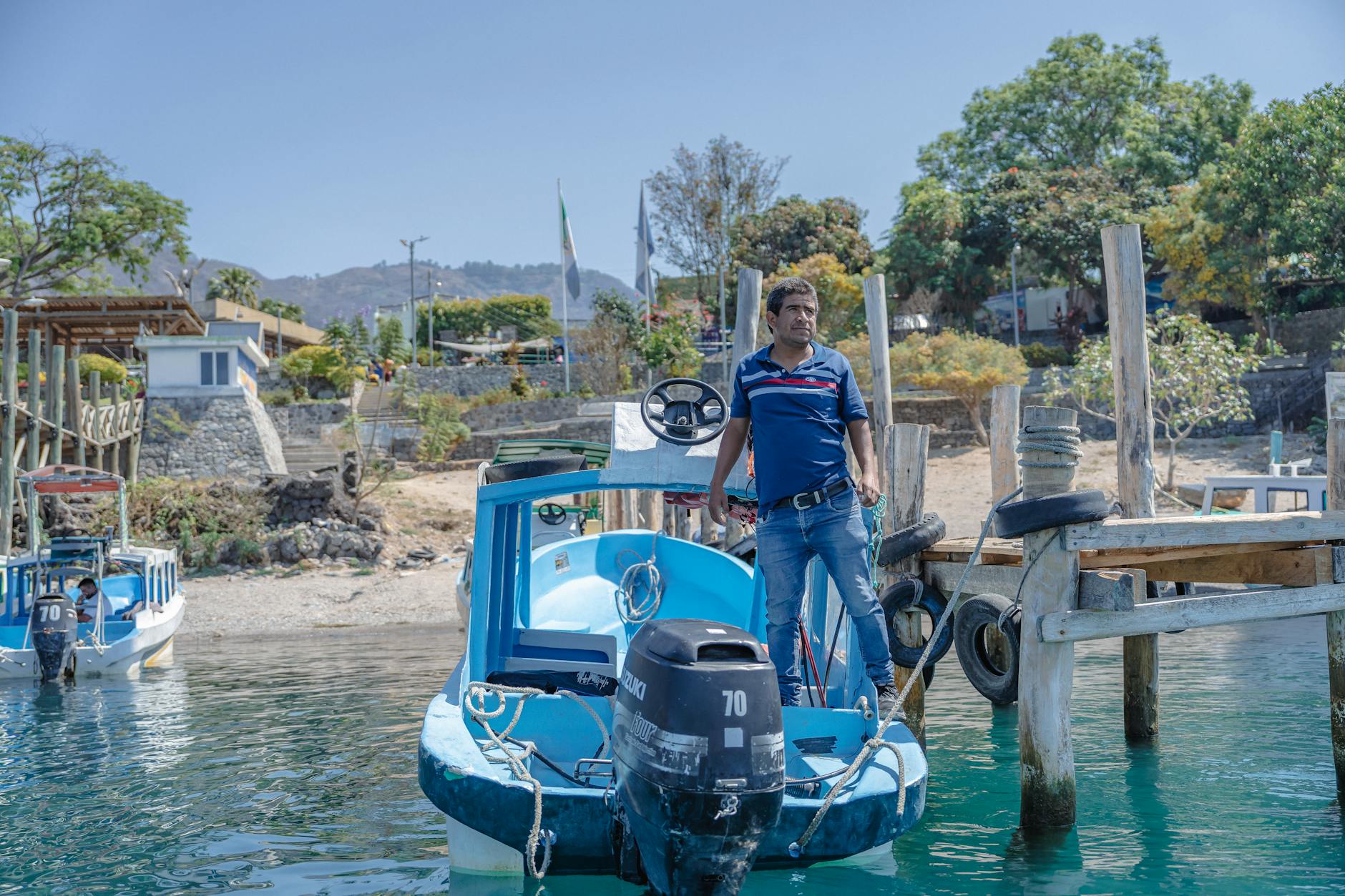
Lake Atitlán is widely regarded as one of the most beautiful lakes in the world, nestled in a volcanic caldera and bordered by indigenous Mayan villages of extraordinary cultural depth. The area encompasses several small towns including Panajachel, San Marcos La Laguna, and San Pedro La Laguna, each with its own distinct personality and expat atmosphere. Retirees are drawn to the mild highland climate, the stunning scenery, and the deeply rooted local culture that gives everyday life a sense of meaning and texture. Yoga retreats, holistic wellness centers, and organic markets have taken root around the lake, making it especially popular among health-conscious retirees. The cost of living around Atitlán is very affordable, and locally grown produce is both abundant and inexpensive.
Coronado, Panama

Coronado is a well-developed Pacific beach community roughly ninety minutes west of Panama City, offering the lifestyle of a coastal retirement with easy access to urban amenities. The area features golf courses, shopping centers, private hospitals, and a variety of restaurants catering to international palates, making it one of the most infrastructure-rich beach communities in the region. Panama uses the US dollar as its currency, which eliminates exchange rate concerns and simplifies financial planning for American retirees in particular. The Pensionado visa program applies here as fully as anywhere else in Panama, providing meaningful discounts across a wide range of daily expenses. Coronado’s proximity to Panama City ensures that specialized medical care, international flights, and big-city conveniences remain within comfortable reach.
Monteverde, Costa Rica
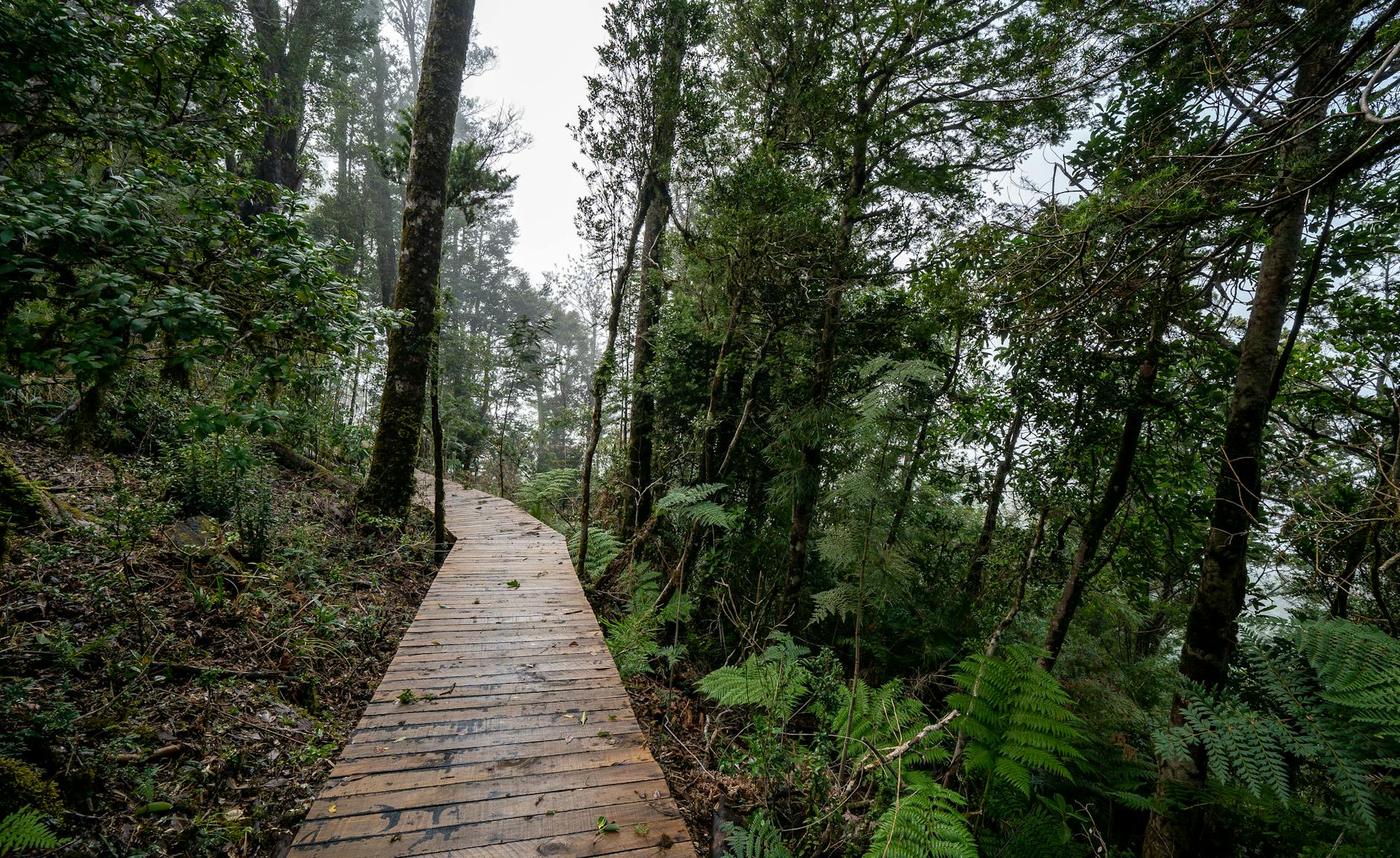
Monteverde is a cloud forest community in the mountains of Costa Rica, celebrated for its extraordinary biodiversity and deeply ingrained conservation culture. The area was originally settled by Quaker farmers in the 1950s, and that heritage of environmental stewardship and community values continues to shape life in Monteverde today. Retirees who settle here tend to appreciate the slow pace, the fresh mountain air, and the proximity to one of the most biodiverse ecosystems on the planet. Costa Rica’s pensionado residency program is straightforward and well regarded, offering legal residency in exchange for proof of a reliable pension income. The community has a welcoming international character while retaining an authentically Costa Rican cultural identity.
Granada, Nicaragua
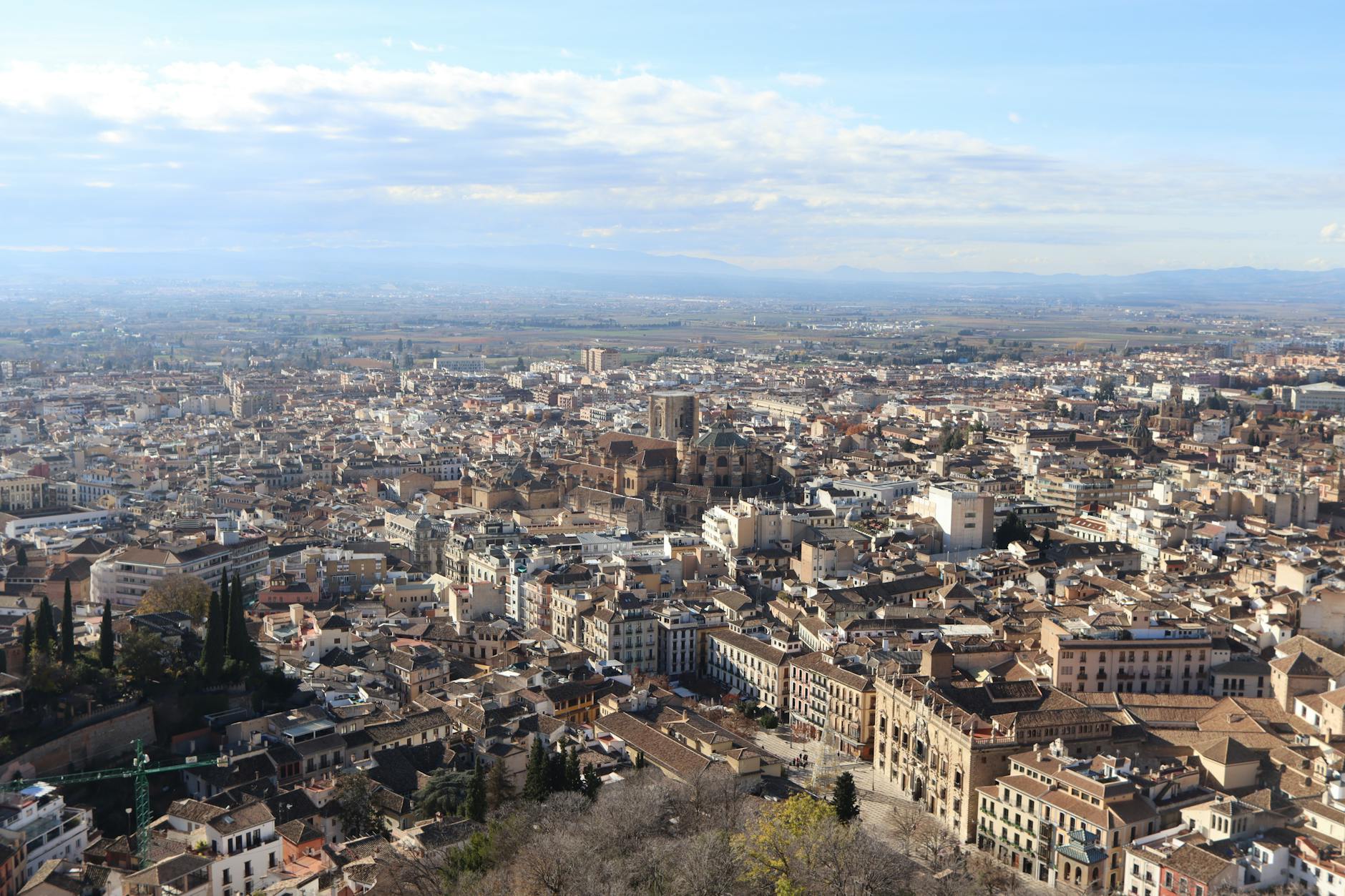
Granada is Nicaragua’s oldest colonial city, founded in 1524 and sitting on the northwestern shore of Lake Nicaragua with a commanding view of the Mombacho volcano. The city’s colorful architecture, lively central park, and vibrant restaurant scene give retired life a distinctly social and culturally stimulating character. Granada has attracted a steady stream of expat retirees over the past decade who have lovingly restored colonial homes and integrated into the local community. The cost of renovating and maintaining a colonial property in Granada remains far lower than comparable real estate in more well-known destinations. Healthcare access has improved notably in recent years, and the city’s location allows for easy day trips to beaches, islands, and nature reserves.
Tamarindo, Costa Rica
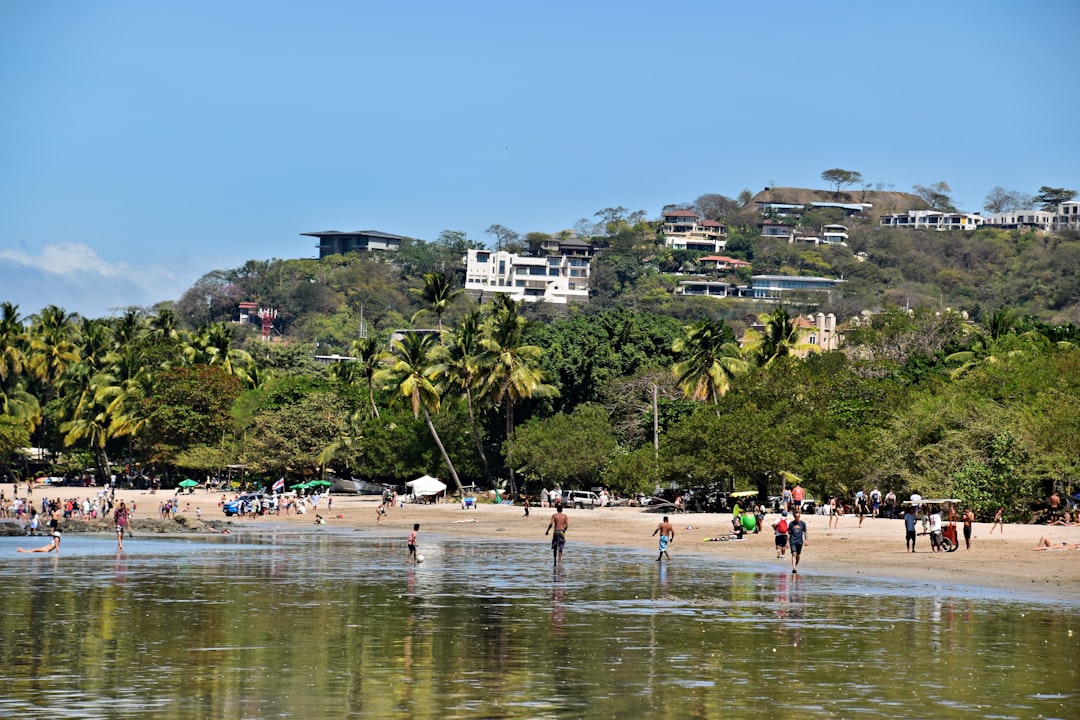
Tamarindo is a Pacific coast beach town in the Guanacaste province of Costa Rica that has evolved from a sleepy surf destination into a well-equipped retirement community. The town offers a full range of modern conveniences including international supermarkets, quality medical clinics, and a diverse restaurant scene that reflects its international population. Costa Rica has long been considered one of the safest and most politically stable countries in Central America, which is a primary factor in its enduring appeal among retirees. The consistent sunshine and warm waters of the Pacific make Tamarindo ideal for retirees who prioritize outdoor living, water sports, and year-round beach access. Property values have risen over the years, but the overall cost of living remains substantially more affordable than comparable coastal towns in Florida or California.
David, Panama
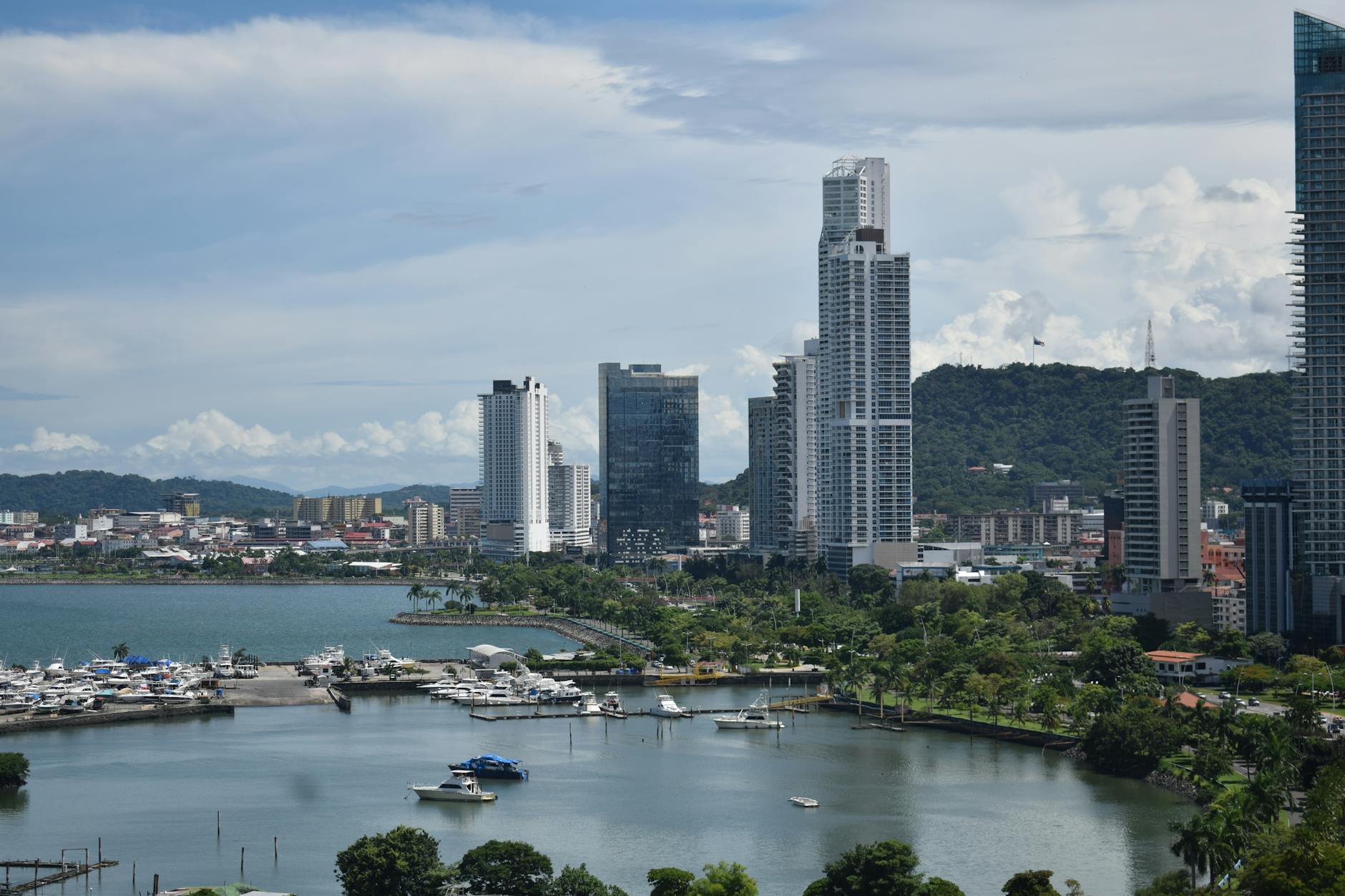
David is the capital of Panama’s Chiriquí province and serves as the commercial and services hub for the western region of the country. The city offers a full complement of modern infrastructure including private hospitals, international chain stores, and well-maintained road networks connecting it to both coastal and highland areas. Retirees who prefer urban conveniences without the pace or cost of Panama City find David to be a highly practical and comfortable base. The surrounding region provides access to beaches on the Pacific side, cool mountain towns like Boquete, and fertile agricultural valleys producing some of Panama’s finest fruits and vegetables. Panama’s favorable retirement visa program applies throughout the country, and David’s lower real estate prices compared to coastal communities make it an economically smart choice.
Pedasi, Panama

Pedasi is a small, charming town on the Azuero Peninsula of Panama, known for its slow pace, pristine beaches, and strong sense of traditional Panamanian culture. The town has attracted a modest but growing expat community who value its authenticity and the relative absence of overdevelopment that has come to characterize more tourist-heavy destinations. Nearby beaches including Playa Venado and Playa El Toro offer outstanding surfing, fishing, and wildlife watching, including seasonal sea turtle nesting. The Azuero Peninsula is also famous for its vibrant festivals and deep folklore traditions, giving retirees a rich cultural calendar throughout the year. Panama’s retirement incentives fully apply to Pedasi, and the lower cost of real estate compared to more established expat towns makes it an attractive option for budget-conscious retirees.
Placencia, Belize
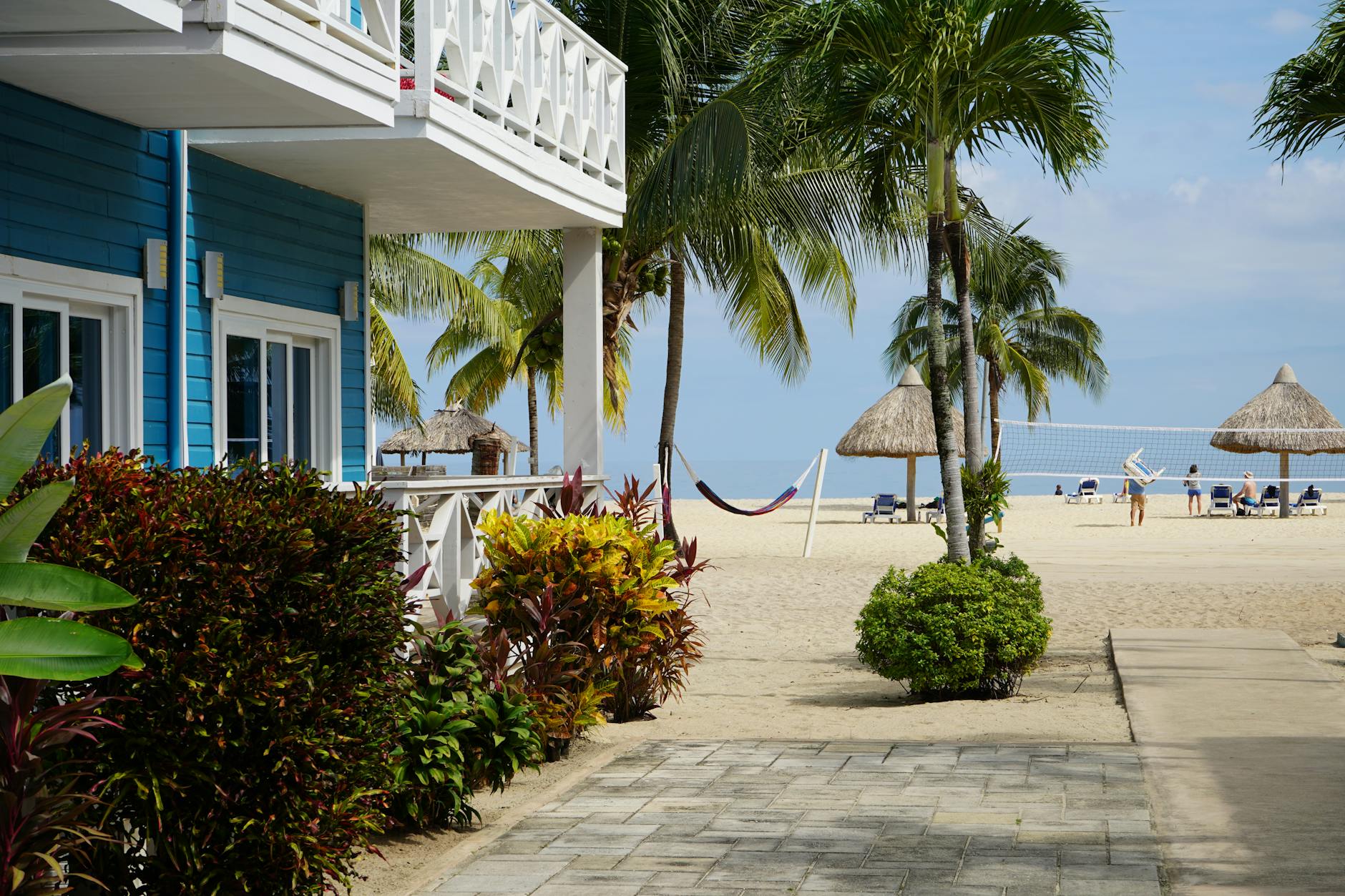
Placencia is a slender peninsula on the southern Caribbean coast of Belize, offering white sand beaches, turquoise water, and a laid-back village atmosphere that strongly appeals to retirees seeking a relaxed coastal lifestyle. Belize is the only English-speaking country in Central America, which removes the language barrier that can be a significant concern for retirees considering the region. The Qualified Retired Persons program in Belize is one of the most accessible in the region, requiring applicants to demonstrate a monthly income from a pension or other qualified source. Placencia has developed a comfortable expat infrastructure over the years with reliable medical services, international restaurants, and a tight-knit community of foreign residents. The Belize Barrier Reef, the second largest in the world, sits just offshore and offers world-class snorkeling and diving opportunities year round.
San José, Costa Rica
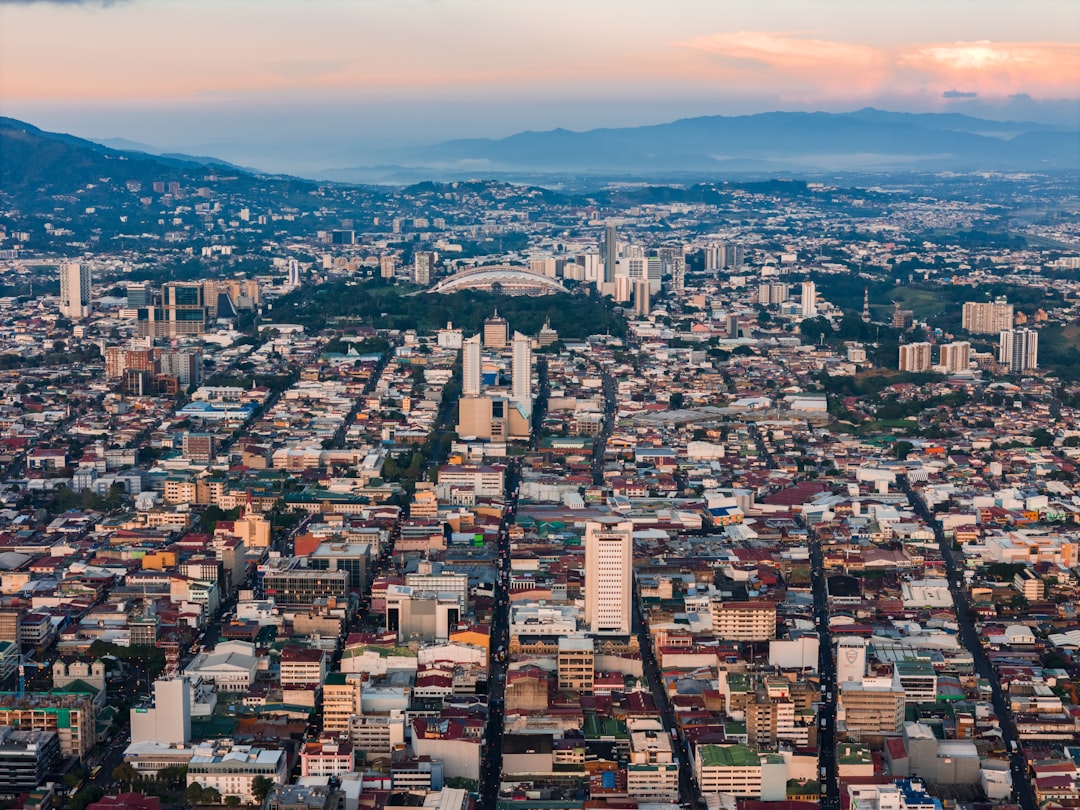
San José is the capital and largest city of Costa Rica, offering retirees the full breadth of urban amenities combined with the renowned stability and healthcare quality the country is known for. The city is home to some of the finest private hospitals in Central America, and Costa Rica’s public healthcare system, known as Caja, is available to legal residents including retirees on the pensionado program. The international airport and extensive transport connections make San José one of the most accessible retirement bases in the region for those who travel frequently or expect regular visits from family. Cultural attractions including museums, theaters, international cuisine, and a thriving arts scene ensure that urban retirees have no shortage of ways to fill their days. The metropolitan area encompasses several distinct neighborhoods and suburbs, each with its own character, allowing retirees to find a setting that matches their preferred lifestyle.
Ambergris Caye, Belize
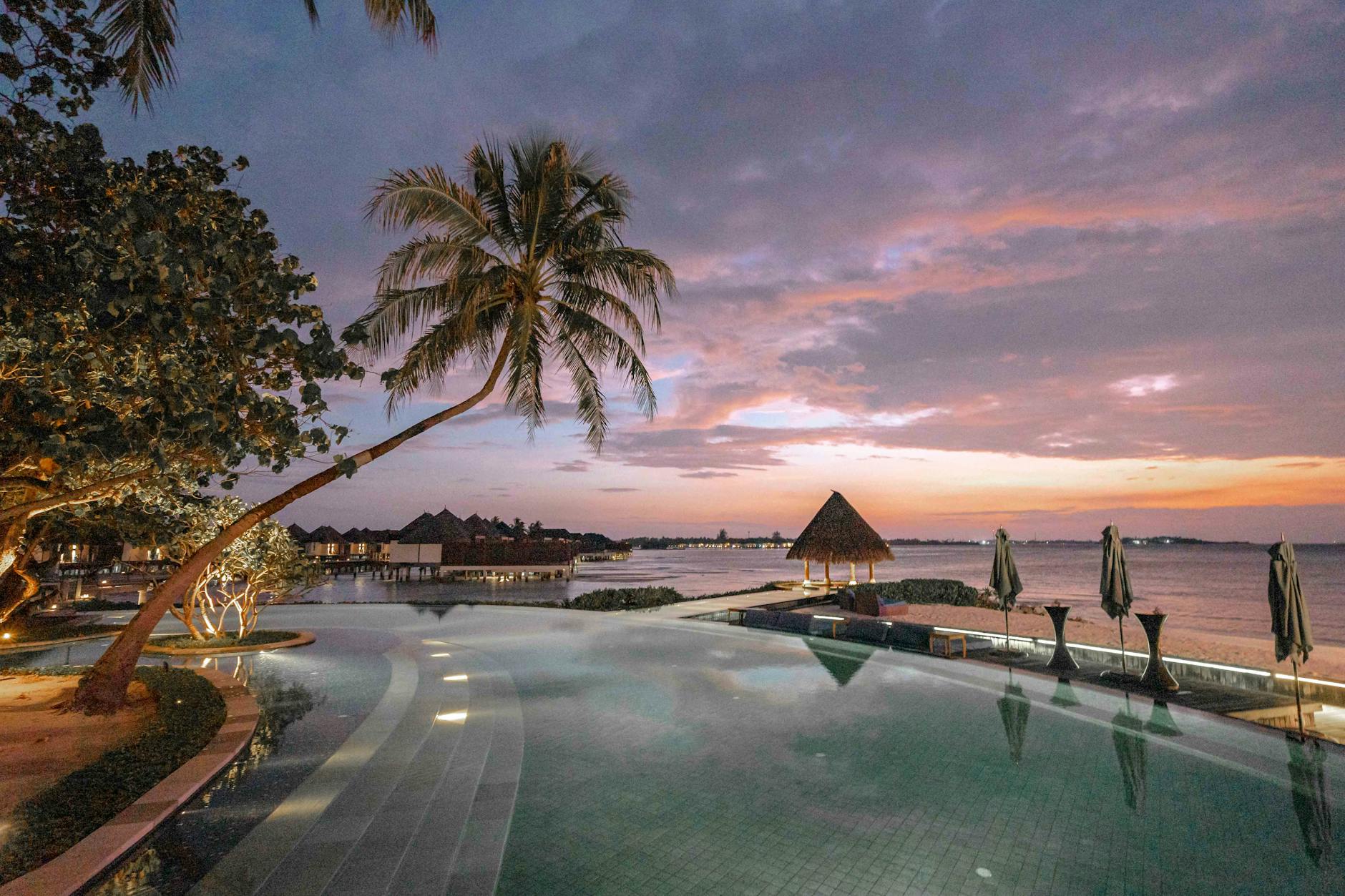
Ambergris Caye is Belize’s largest island, situated just south of the Mexican border and widely considered one of the most desirable addresses in the entire Caribbean basin. The island’s main town of San Pedro has grown substantially over recent decades but retains a warmly casual island character that long-term residents and newcomers alike find deeply appealing. The Belize Barrier Reef runs parallel to the island’s eastern shore, making world-class diving and snorkeling essentially a walk from the front door. English is the official language and the US dollar is widely accepted, which significantly reduces the practical and logistical challenges of relocating from North America. Property values on the island are higher than in mainland Belize, but the overall cost of island living remains considerably more affordable than comparable Caribbean destinations in the US Virgin Islands or the Cayman Islands.
Pérez Zeledón, Costa Rica

Pérez Zeledón is a regional hub in the southern highlands of Costa Rica, offering a temperate mountain climate, fertile valleys, and a lifestyle that feels authentically Costa Rican rather than expat-centric. The area is increasingly attracting retirees who want to integrate into local communities rather than settle in purpose-built expat enclaves, and the region’s warm, tight-knit towns make that integration genuinely achievable. Costa Rica’s pensionado program is fully accessible to retirees settling in the region, and real estate prices remain significantly lower than in the Central Valley or the popular beach corridors. The surrounding landscape encompasses waterfalls, rivers, and easy access to the Chirripó National Park, home to Costa Rica’s highest peak and exceptional hiking terrain. Healthcare services in the area have improved with the expansion of local clinics and easy transport access to larger facilities in San Isidro.
Roatán, Honduras

Roatán is the largest of Honduras’s Bay Islands, positioned in the Caribbean Sea and blessed with some of the most spectacular coral reef diving in the Western Hemisphere. The island has a well-established expat retirement community, particularly concentrated in the western end around West Bay and West End, where infrastructure is most developed. Honduras offers a retirement residency program called the Pensionado visa, which provides import exemptions, tax incentives, and a streamlined path to legal residency. The cost of living on Roatán is generally low compared to other Caribbean island destinations, and fresh seafood, local produce, and affordable housing make daily expenses manageable on most retirement budgets. English is widely spoken across the island, particularly in areas with high expat concentrations, making the adjustment to life on Roatán considerably easier for retirees from English-speaking countries.
Nosara, Costa Rica
Nosara is a pristine Pacific coast community in the Nicoya Peninsula of Costa Rica, composed of several small communities including Playa Guiones, Playa Pelada, and the village of Nosara itself. The area is famously car-dependent in some parts but this has paradoxically helped preserve its natural character, keeping development slower and less concentrated than in other parts of the Guanacaste coast. Nosara has developed a reputation as a wellness destination globally, attracting retirees who prioritize yoga, healthy eating, surf culture, and connection with nature. The Nicoya Peninsula is one of the world’s five Blue Zones, regions where people statistically live longer and healthier lives, which adds compelling lifestyle credibility to retiring in the area. Property values have risen in line with Nosara’s growing international profile, but the cost of daily living including food, services, and local transport remains highly reasonable.
El Valle de Antón, Panama
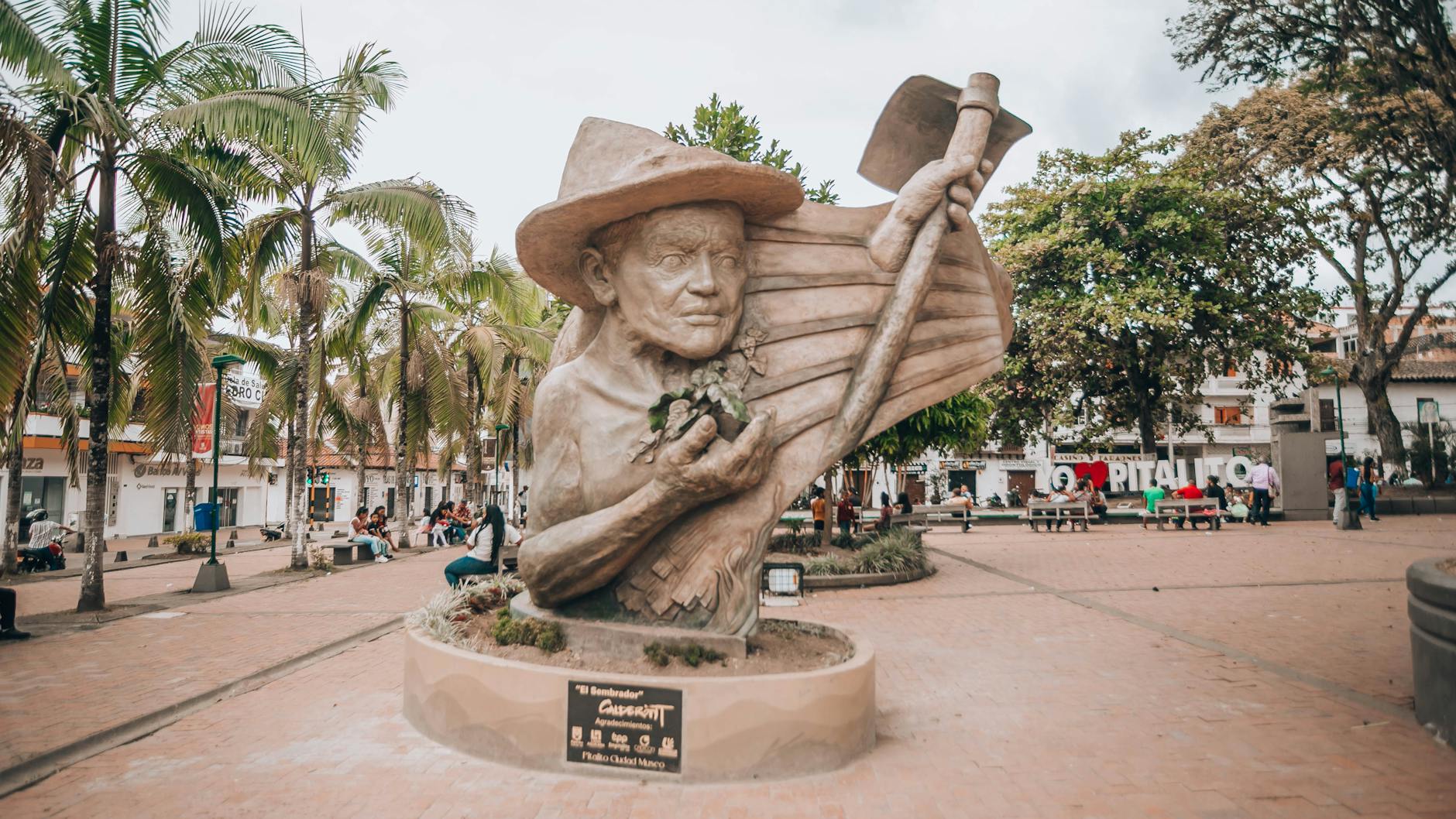
El Valle de Antón is a mountain town located inside the crater of an extinct volcano in central Panama, offering a uniquely lush and temperate environment that feels worlds away from the tropical heat of the lowlands. The town is known for its weekend market, its abundance of orchids, and the hot springs and thermal pools that attract Panamanian and foreign visitors alike. The cool climate, clean mountain air, and extraordinary natural surroundings make El Valle an appealing choice for retirees who find the heat of beach destinations uncomfortable or draining. It sits roughly two hours from Panama City, ensuring that major medical facilities, international airports, and urban services remain accessible when needed. Panama’s pensionado benefits apply fully to residents of El Valle, and real estate values in the area offer good relative value compared to better-known retirement hotspots.
San Pedro Sula Surroundings, Honduras

The metropolitan area around San Pedro Sula in northwestern Honduras serves as a commercial gateway to some of Honduras’s most appealing retirement corridors, including cooler mountain communities in the nearby Sierra de Omoa. Retirees looking beyond the obvious coastal picks will find highland towns within easy reach of San Pedro that offer mild temperatures, affordable real estate, and a strong sense of Honduran community life. Honduras’s Pensionado program provides meaningful financial benefits to foreign retirees including tax exemptions and import allowances that can reduce setup costs considerably. The region’s proximity to the Caribbean coast and the colonial city of Copán Ruinas adds cultural and recreational depth to what might otherwise seem like a purely practical base. Healthcare infrastructure in and around San Pedro Sula is among the most developed in Honduras, with several private hospitals offering services that meet internationally recognized standards.
San Salvador, El Salvador
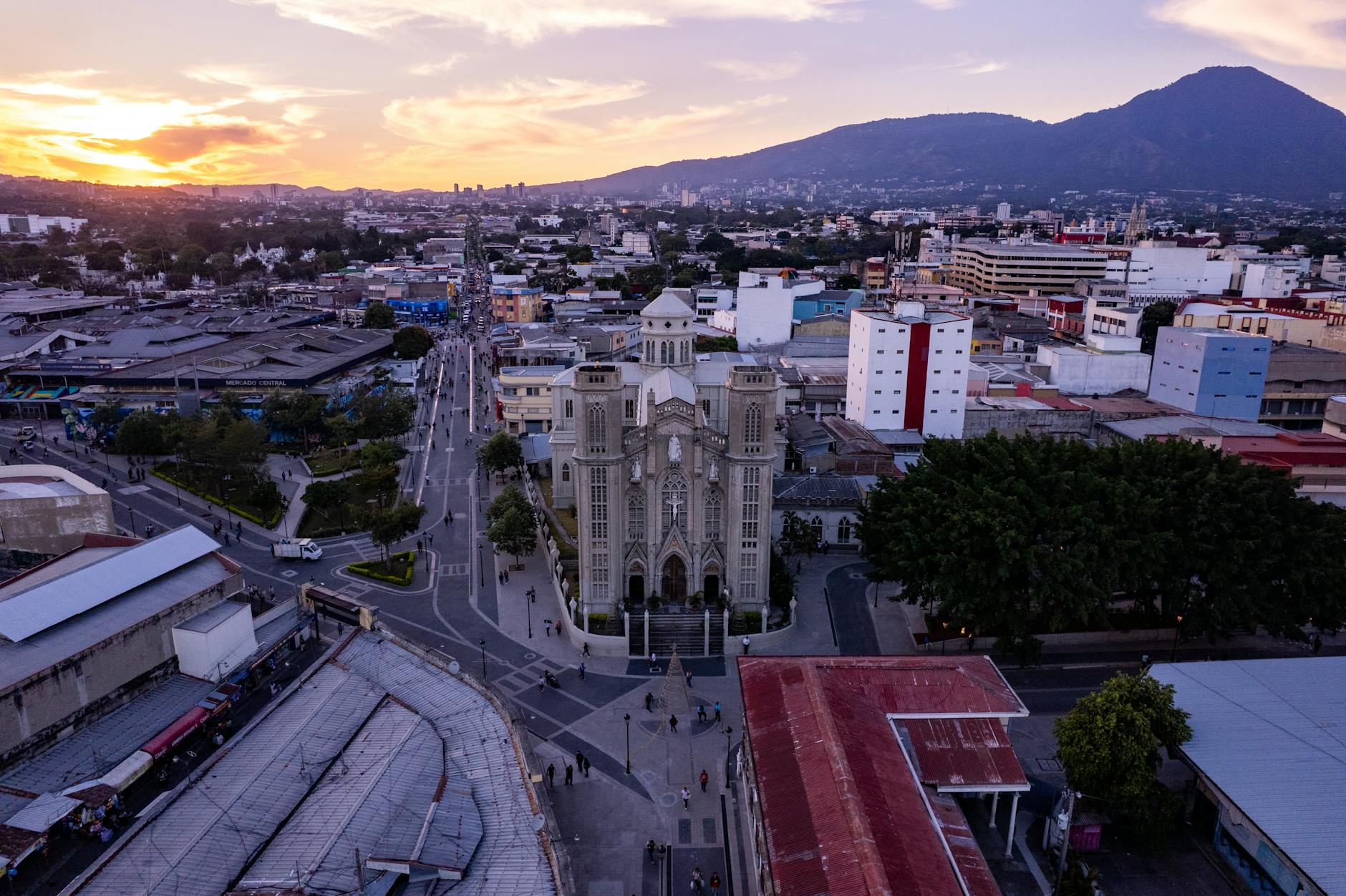
San Salvador is the capital of El Salvador and a city undergoing rapid transformation, with significant improvements in safety, infrastructure, and quality of life that are beginning to attract the attention of forward-thinking retirees. El Salvador adopted Bitcoin as legal tender alongside the US dollar, and the country’s broader economic modernization has brought new investment, improved services, and a growing international community to the capital. The city offers a full urban lifestyle including quality private hospitals, international restaurants, shopping centers, and a vibrant cultural scene that rivals larger Central American capitals. El Salvador’s residency program for retirees has become more accessible in recent years, and the government has actively marketed the country as a destination for foreign investment and relocation. The surrounding region provides easy access to Pacific surf beaches, coffee-growing highlands, and volcanic national parks, ensuring that retirement life in San Salvador extends well beyond the city limits.
Bocas del Toro, Panama
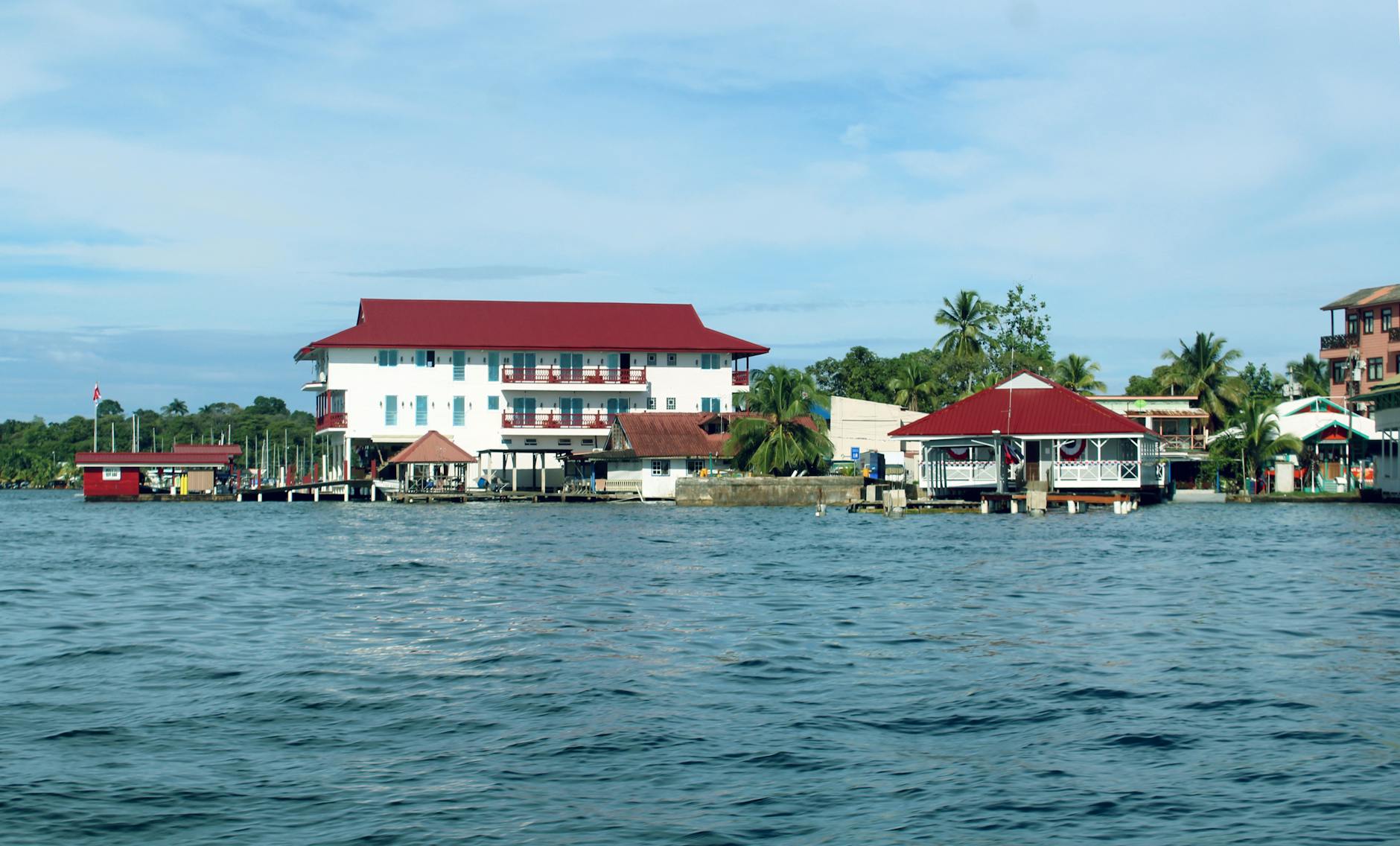
Bocas del Toro is an archipelago of islands off the Caribbean coast of northwestern Panama, offering a distinctly different flavor from the country’s Pacific-facing and highland retirement communities. The islands are known for their colorful Creole architecture, crystal-clear Caribbean waters, abundant marine life, and a famously relaxed pace of life that draws retirees seeking something genuinely off the beaten path. The area supports a diverse expat community drawn from North America, Europe, and beyond, and the social fabric of places like Bocas Town on Isla Colón is lively, informal, and welcoming to newcomers. Panama’s pensionado program applies throughout the archipelago, and while property prices have risen with the destination’s growing popularity, the overall cost of living remains very manageable. Access to mainland Panama and Panama City is available via regular domestic flights, ensuring that retirees in Bocas del Toro are never entirely cut off from urban services and international connections.
If you are considering retiring in Central America, share which destination speaks to you most in the comments.