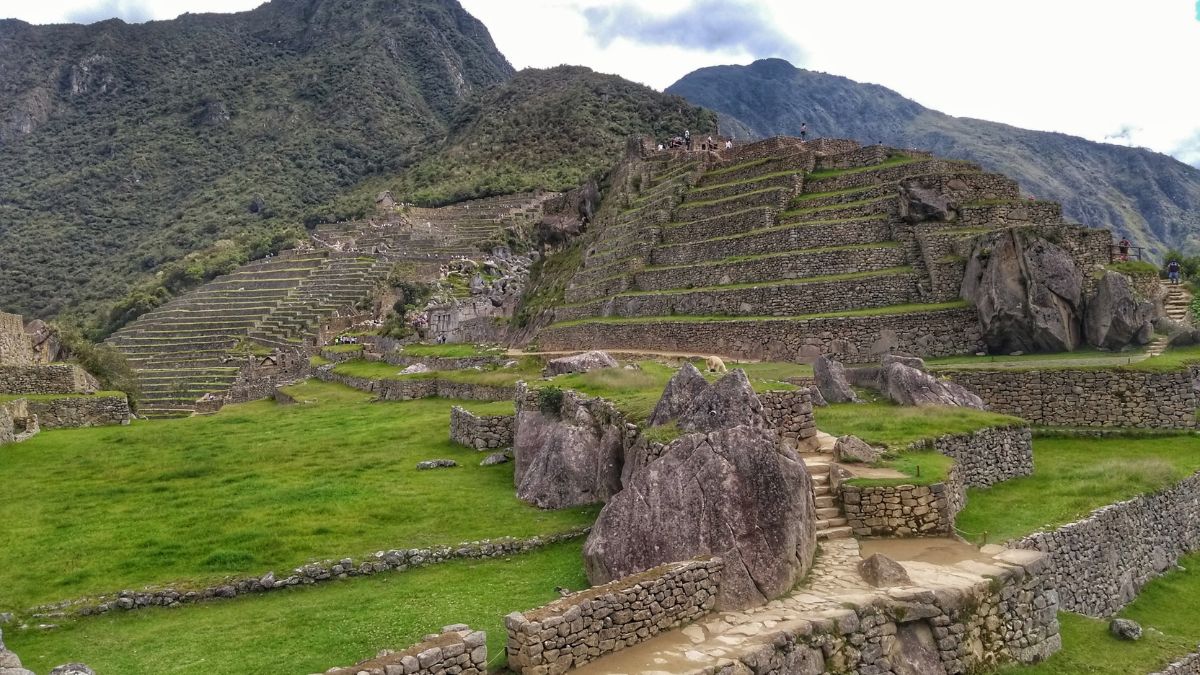
South America is a continent of breathtaking contrasts, where ancient ruins rise above cloud forests and turquoise coastlines stretch for thousands of miles. From the rhythmic energy of its cities to the untouched wilderness of its natural wonders, this part of the world offers an unmatched depth of experience for every kind of traveler. Whether you are drawn to adventure, culture, history, or simply the beauty of the natural world, South America delivers in ways few destinations can rival. These fifteen remarkable places represent the very best the continent has to offer.
Machu Picchu, Peru
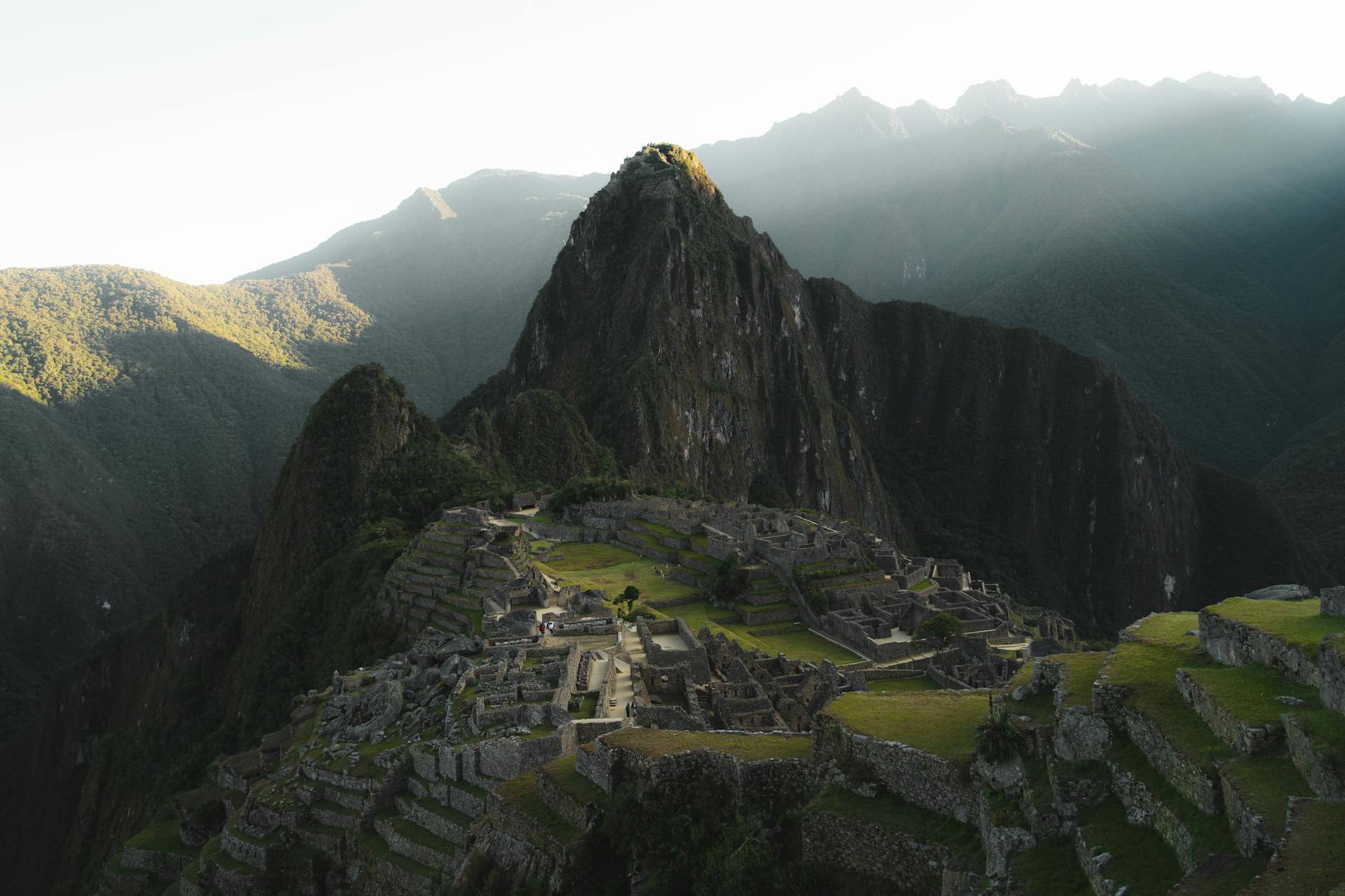
Perched high in the Andes Mountains, Machu Picchu is one of the most iconic archaeological sites on the planet. This fifteenth-century Incan citadel sits above the Sacred Valley and is surrounded by dramatic mountain peaks draped in mist. Visitors can explore remarkably preserved temples, terraces, and residential structures that reveal the sophistication of Incan civilization. The site is best experienced at sunrise when the low light casts golden tones across the ancient stonework. Reaching it via the legendary Inca Trail adds an unforgettable trekking dimension to the journey.
Patagonia, Argentina and Chile
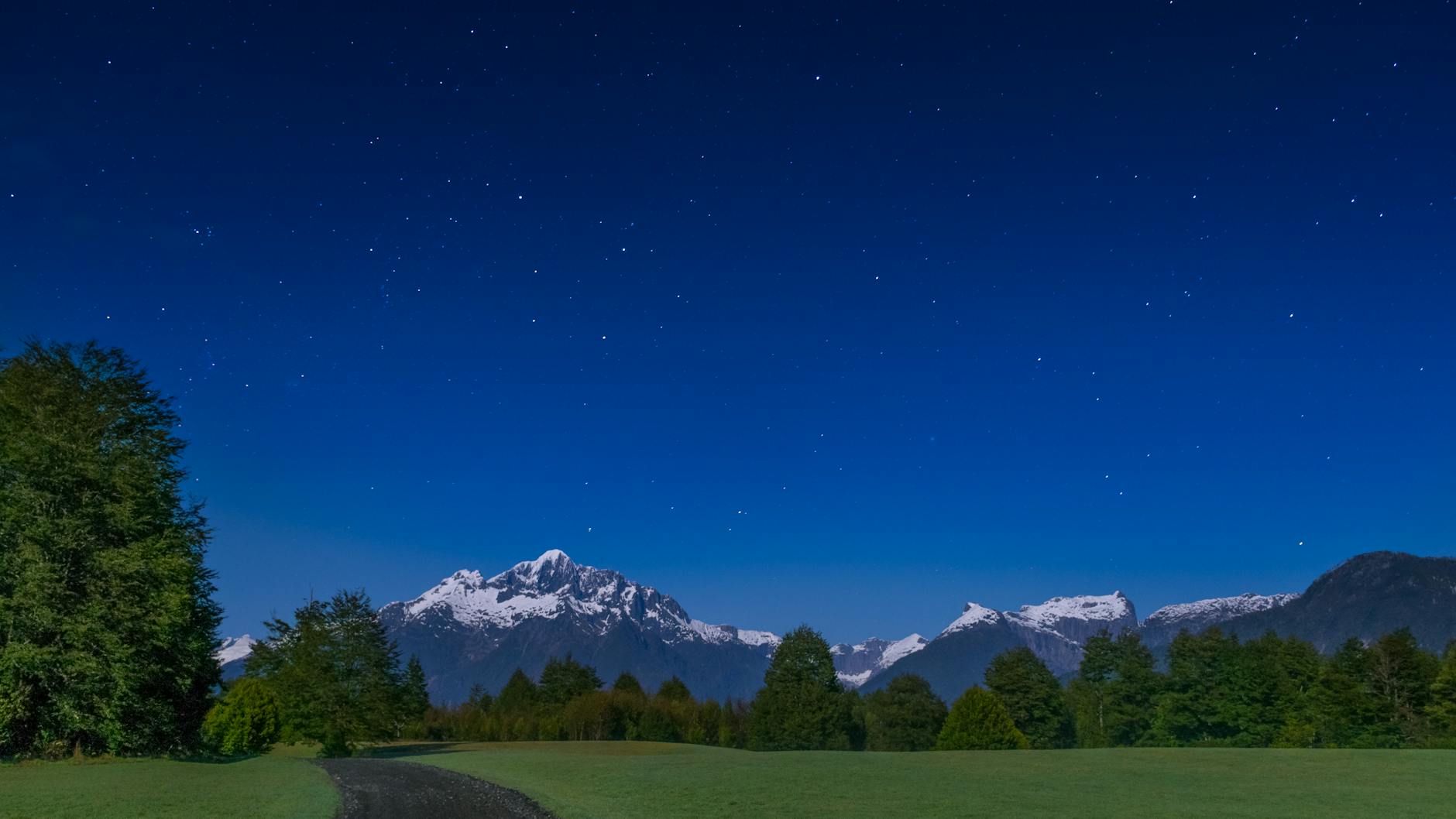
Stretching across the southern tip of the continent, Patagonia is one of the most spectacular wilderness regions in the world. The landscape encompasses glaciers, jagged peaks, vast steppe plains, and pristine lakes of impossible blue. Torres del Paine National Park in Chile and Los Glaciares National Park in Argentina are the twin jewels of this remote region. Hiking, kayaking, and wildlife watching are among the most rewarding ways to experience the area’s raw natural beauty. The sheer scale and silence of Patagonia leave a lasting impression on every traveler who ventures there.
Rio de Janeiro, Brazil
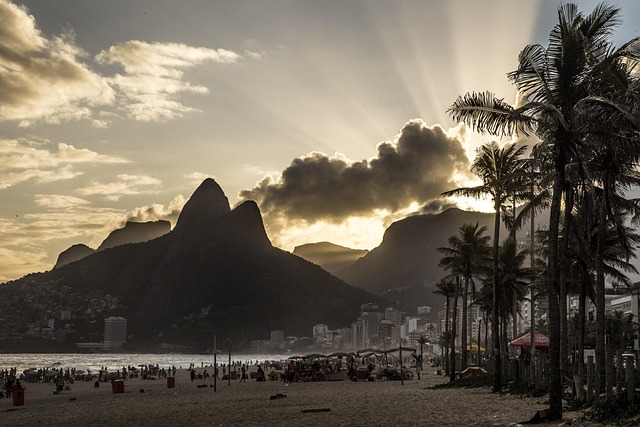
Rio de Janeiro is one of the most visually stunning cities in the world, built between lush mountains and a sparkling coastline. The iconic silhouette of Christ the Redeemer watches over the city from Corcovado Mountain, while the famous Sugarloaf rises dramatically from the bay. Copacabana and Ipanema beaches pulse with a vibrant social energy that is uniquely Brazilian. The city’s neighborhoods each carry their own distinct character, from the colonial architecture of Santa Teresa to the lively streets of Lapa. Rio’s culture of music, carnival, and warmth makes it an endlessly magnetic destination.
The Galápagos Islands, Ecuador
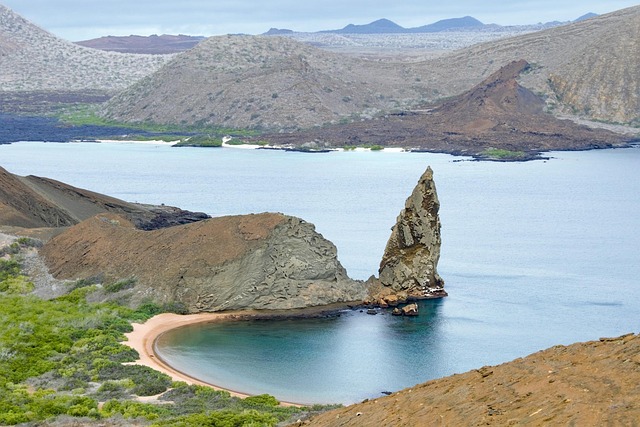
Few places on Earth offer the kind of wildlife encounters found in the Galápagos Islands, located about 1,000 kilometers off the coast of Ecuador. These volcanic islands are home to species found nowhere else, including giant tortoises, marine iguanas, and blue-footed boobies. Because the wildlife here has evolved with little fear of humans, encounters are remarkably up-close and personal. Snorkeling alongside sea lions and swimming with sea turtles are experiences that stay with visitors for a lifetime. The islands also carry enormous scientific significance as the landscape that inspired Charles Darwin’s theory of evolution.
Buenos Aires, Argentina
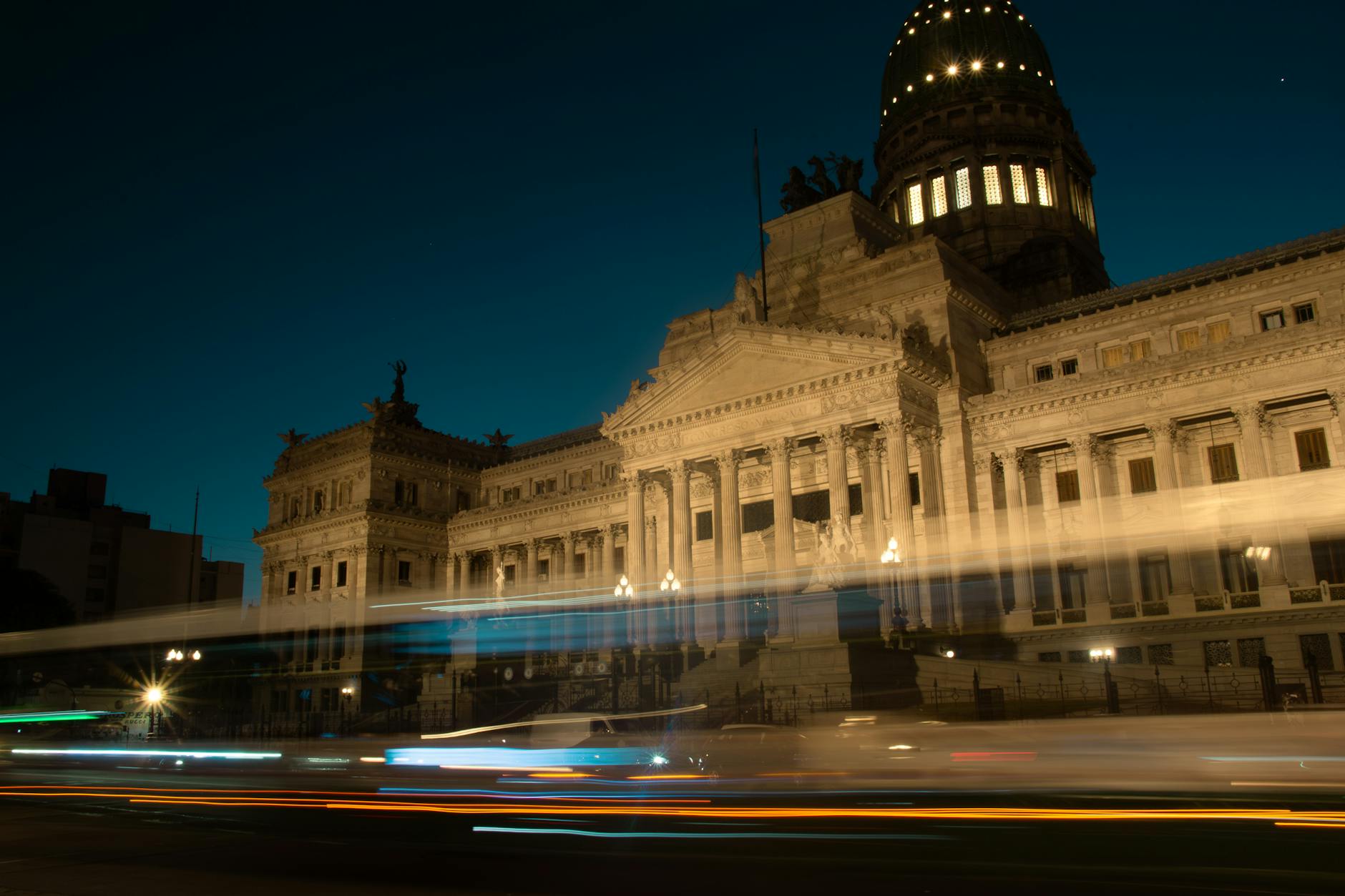
Buenos Aires is a city of grand boulevards, passionate tango, and a café culture that rivals any European capital. Its architecture reflects a rich blend of Italian, Spanish, and Art Deco influences that give the city an elegant, Old World atmosphere. The neighborhoods of Palermo, San Telmo, and Recoleta each offer a different mood, from leafy plazas to antique markets and world-class restaurants. Argentina’s beef is considered among the finest in the world, and Buenos Aires is the ideal city in which to experience it. The city’s creative energy, nightlife, and cultural depth make it one of the continent’s most compelling urban destinations.
The Amazon Rainforest, Brazil and Peru
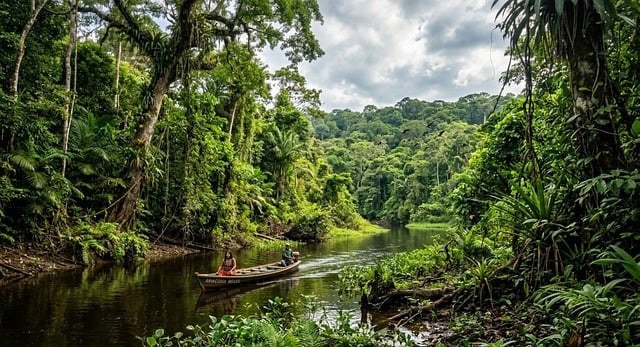
The Amazon Rainforest is the largest tropical rainforest on Earth, spanning nine countries and covering an area larger than most continents. It is home to an extraordinary density of biodiversity, including millions of species of insects, plants, birds, and mammals. Travelers can explore the Amazon by riverboat, staying at eco-lodges deep within the jungle and venturing out on guided canoe excursions. Night walks and early morning wildlife spotting offer glimpses of caimans, pink river dolphins, and exotic bird species. Spending time in the Amazon offers a profound sense of the planet’s living complexity and the importance of its preservation.
Cartagena, Colombia
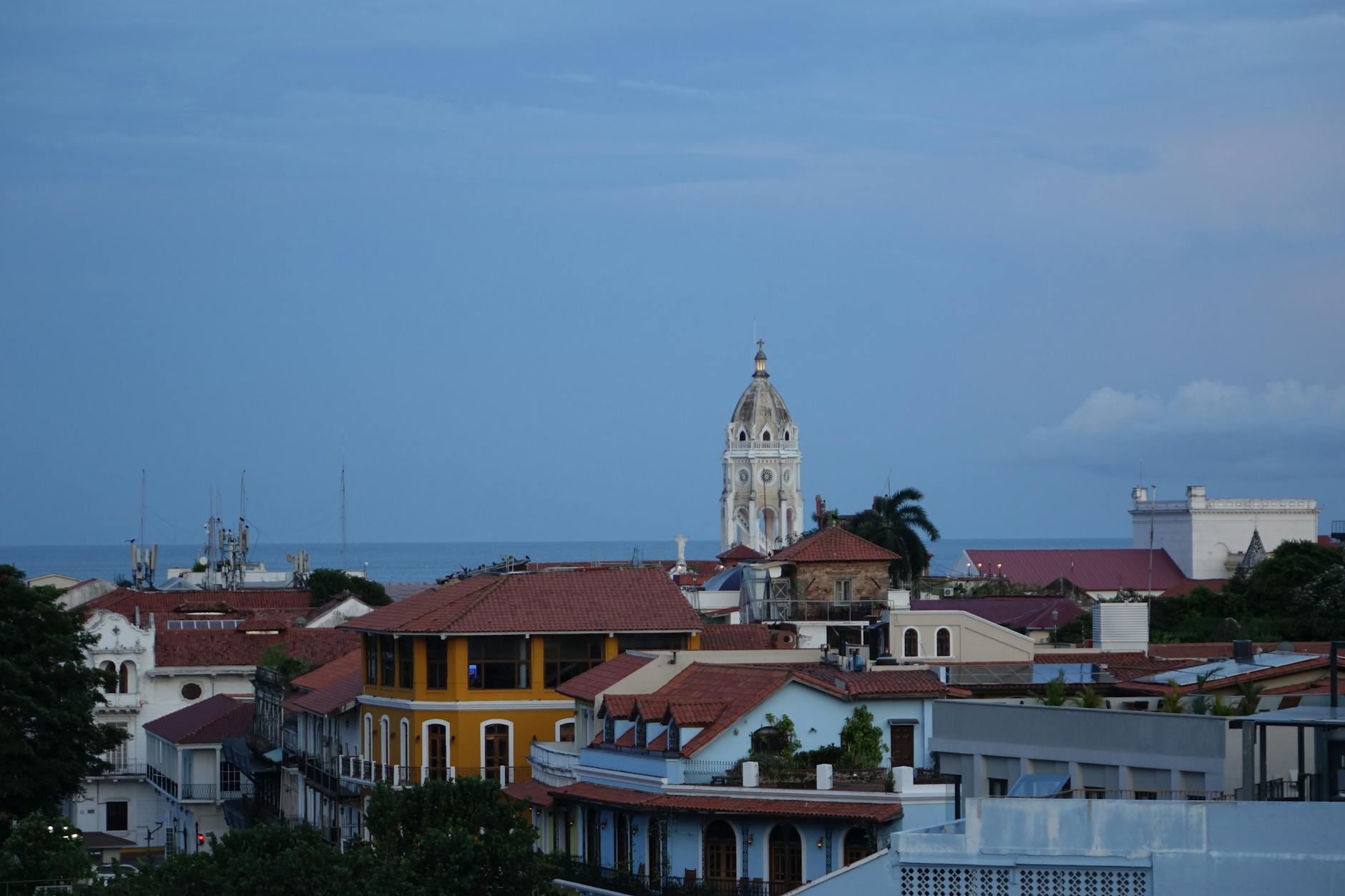
Cartagena is one of the most beautifully preserved colonial cities in Latin America, enclosed within centuries-old fortified walls along the Caribbean coast. Its historic center is a UNESCO World Heritage Site filled with colorful balconied buildings, flower-draped doorways, and lively plazas. The city’s African, Spanish, and indigenous heritage comes through in its food, music, and festivals. The nearby Rosario Islands offer pristine Caribbean waters perfect for snorkeling and boat trips. Cartagena’s warm climate, rich history, and romantic atmosphere make it one of South America’s most captivating cities.
Atacama Desert, Chile
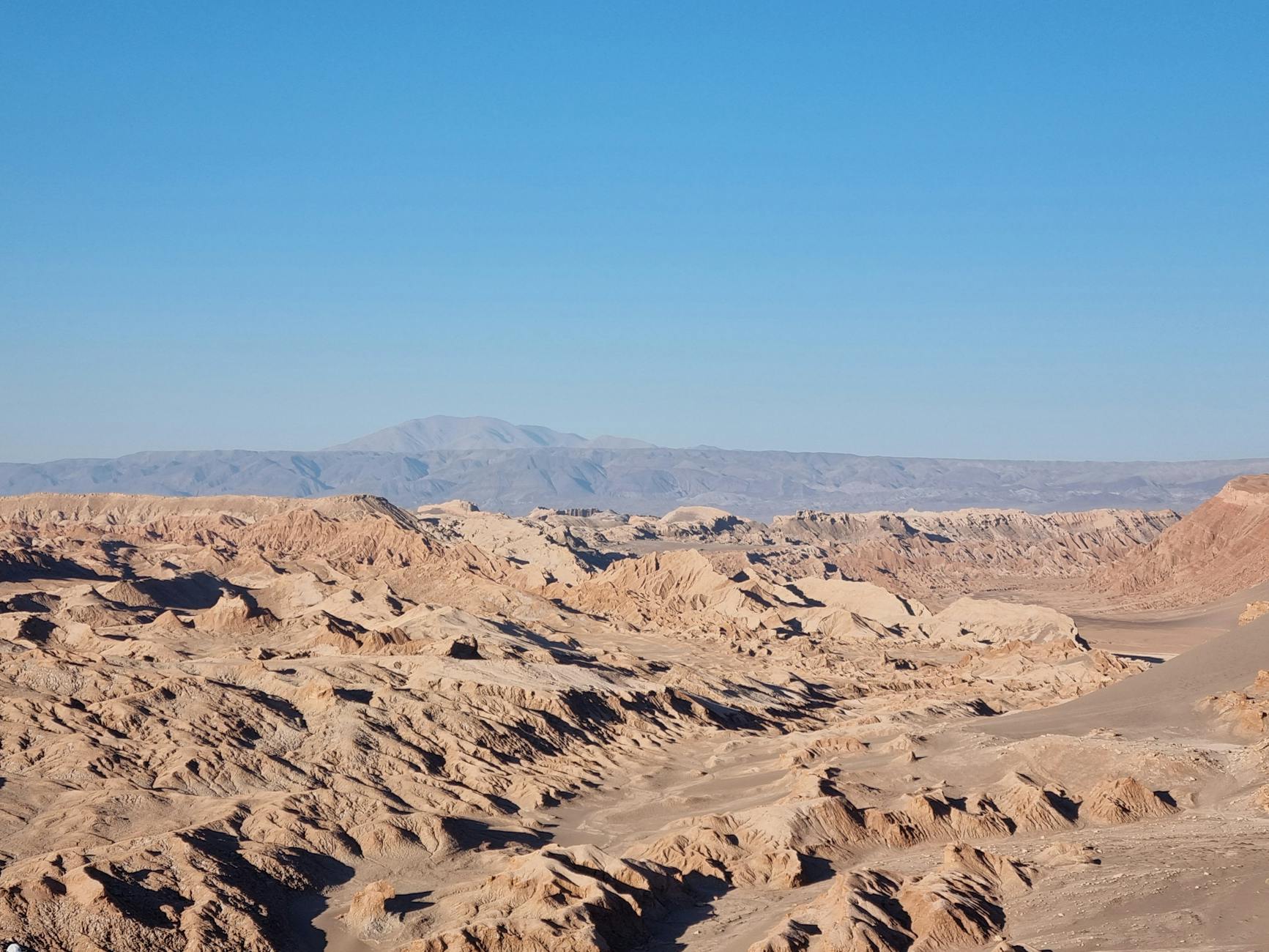
The Atacama Desert is the driest non-polar desert in the world and one of the most otherworldly landscapes on the planet. Located in northern Chile, it spans a high-altitude plateau of salt flats, volcanic peaks, and geothermal fields. The Valle de la Luna formation offers surreal moonlike terrain in shades of rust, white, and ochre, especially stunning at sunset. The Atacama is also one of the best places on Earth for stargazing, with some of the clearest and darkest skies in the world. Despite its extreme aridity, the desert supports a surprising range of life, including flamingos on its salt lakes.
Iguazú Falls, Argentina and Brazil
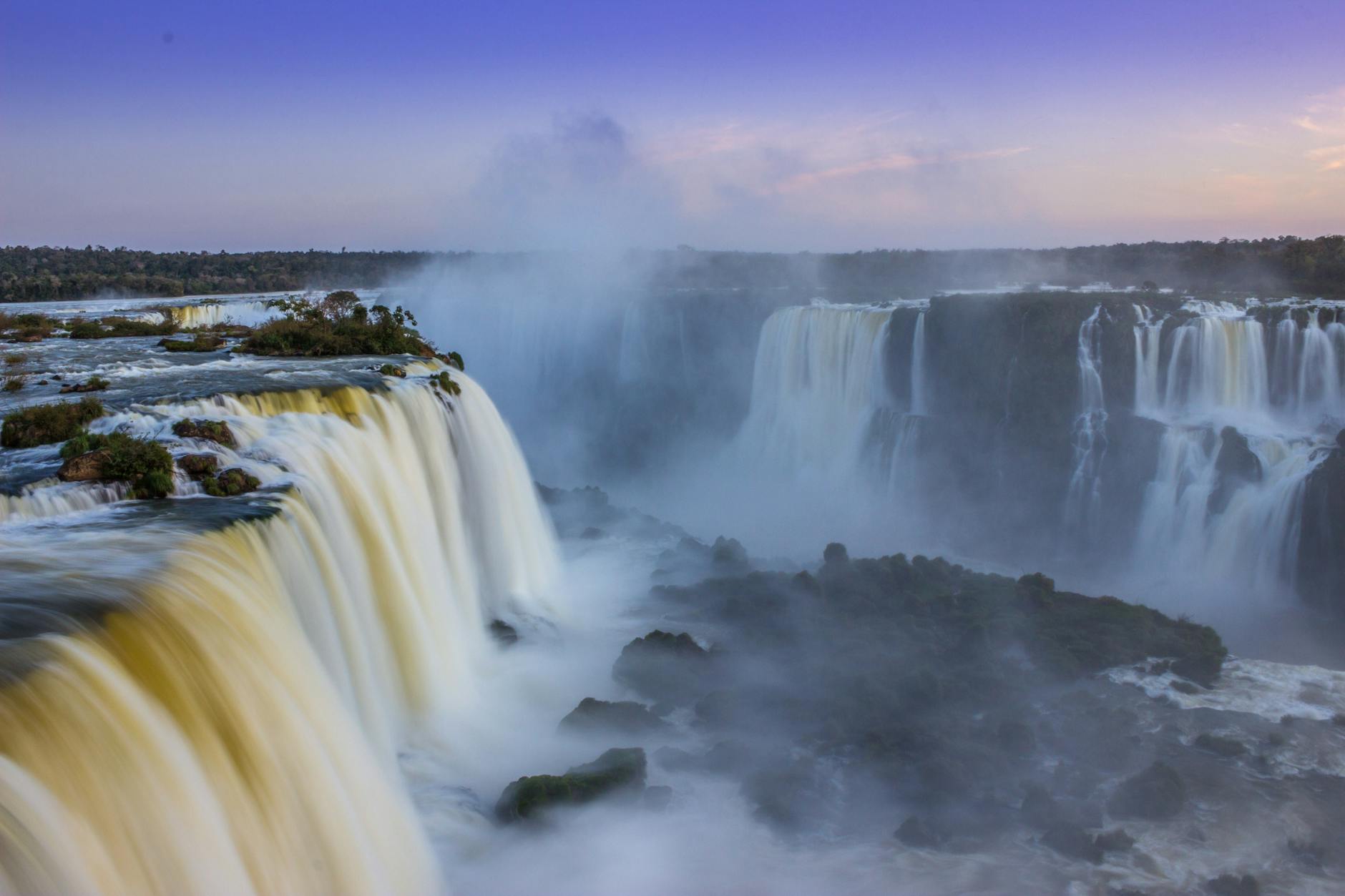
Straddling the border between Argentina and Brazil, Iguazú Falls is one of the most awe-inspiring natural wonders on Earth. The falls consist of 275 individual cascades spread across nearly three kilometers of the Iguazú River, making it wider than both Niagara and Victoria Falls. The Argentine side allows visitors to walk along elevated walkways to within meters of the thundering water. The Devil’s Throat, a U-shaped chasm where fourteen falls converge, is the dramatic centerpiece of the entire complex. The surrounding subtropical rainforest adds to the atmosphere with a rich tapestry of wildlife, including toucans, coatis, and hundreds of butterfly species.
Medellín, Colombia
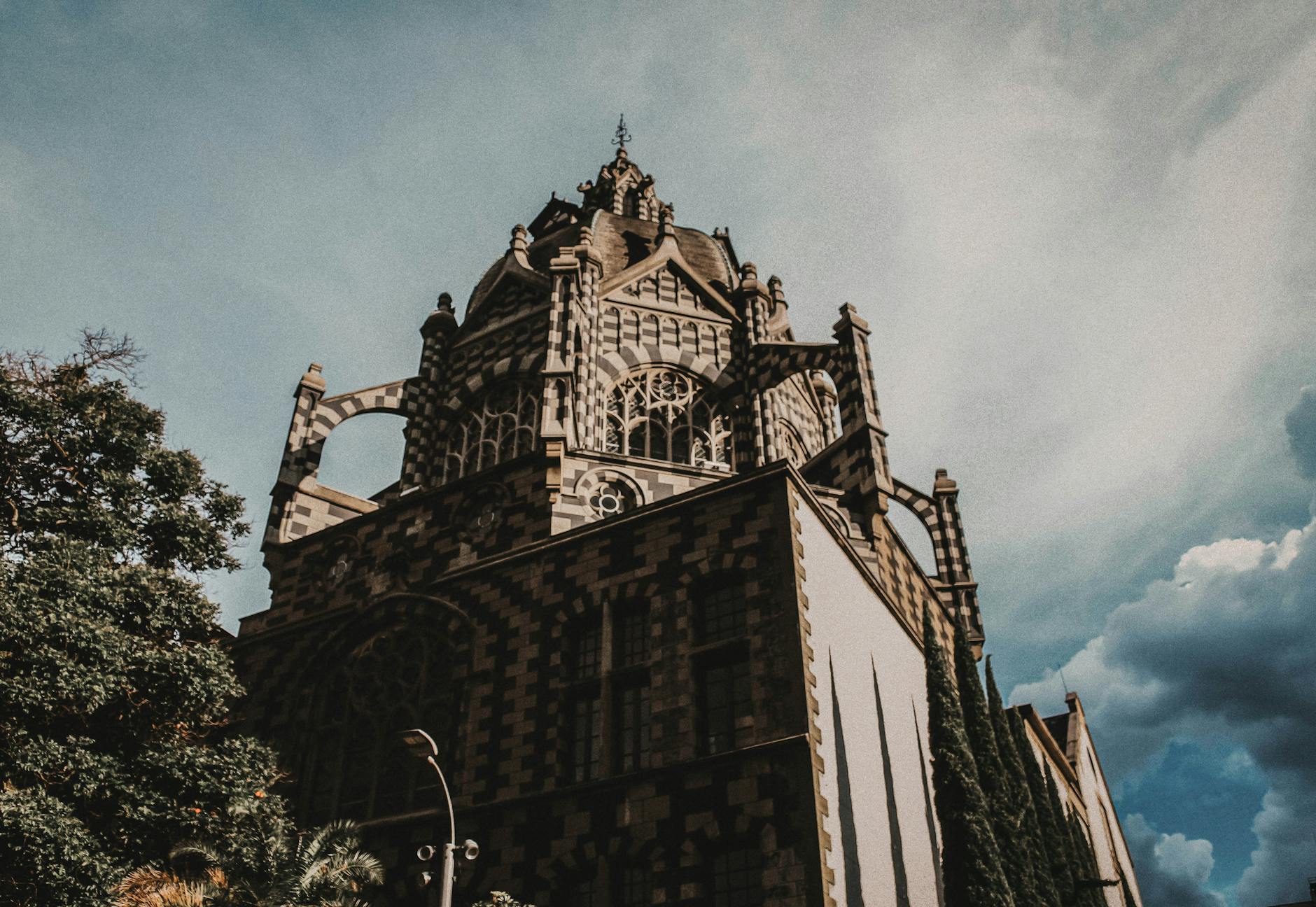
Once known for very different reasons, Medellín has transformed into one of South America’s most dynamic and innovative cities. Innovative urban transport systems, including aerial gondolas connecting hillside neighborhoods to the city center, have made it a model of urban transformation worldwide. The city enjoys an eternal spring climate thanks to its location in the Andes valley, making outdoor exploration consistently pleasant. The colorful El Poblado and Laureles neighborhoods are filled with excellent restaurants, coffee shops, and cultural spaces. Medellín’s remarkable story of reinvention and its warm, forward-looking spirit make it an increasingly essential destination.
Lake Titicaca, Peru and Bolivia
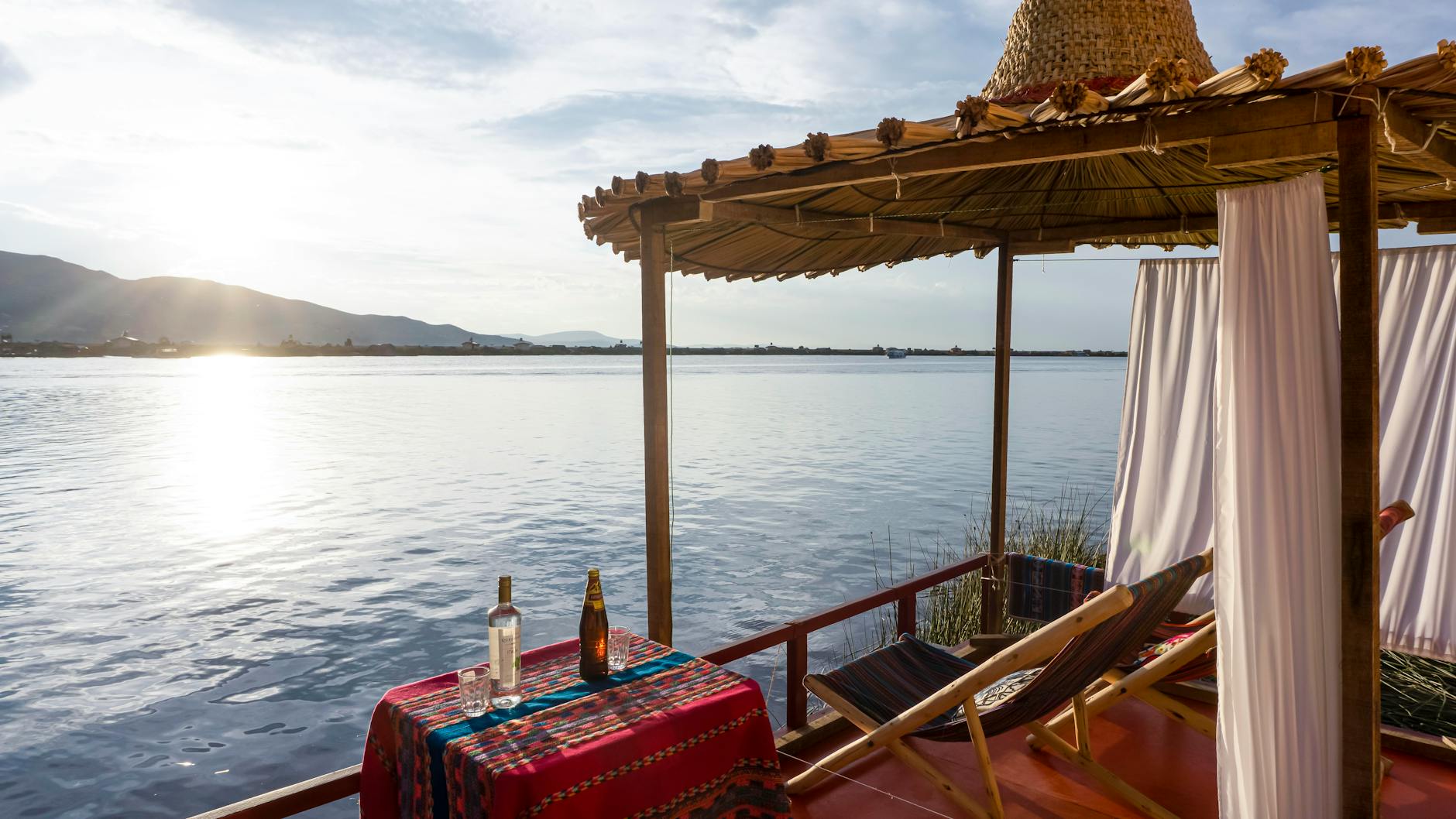
Lake Titicaca sits at over 3,800 meters above sea level on the border of Peru and Bolivia, making it the highest navigable lake in the world. The deep blue of its waters contrasts strikingly with the golden reed beds and snow-capped mountains that frame the horizon. The Uros Floating Islands, constructed entirely from totora reeds, are home to communities that have lived on the lake for centuries. The island of Taquile offers a glimpse into a living Andean culture where traditional textiles and customs remain central to daily life. A boat journey across Titicaca’s vast, still surface is one of the most meditative experiences South America offers.
Salvador, Brazil
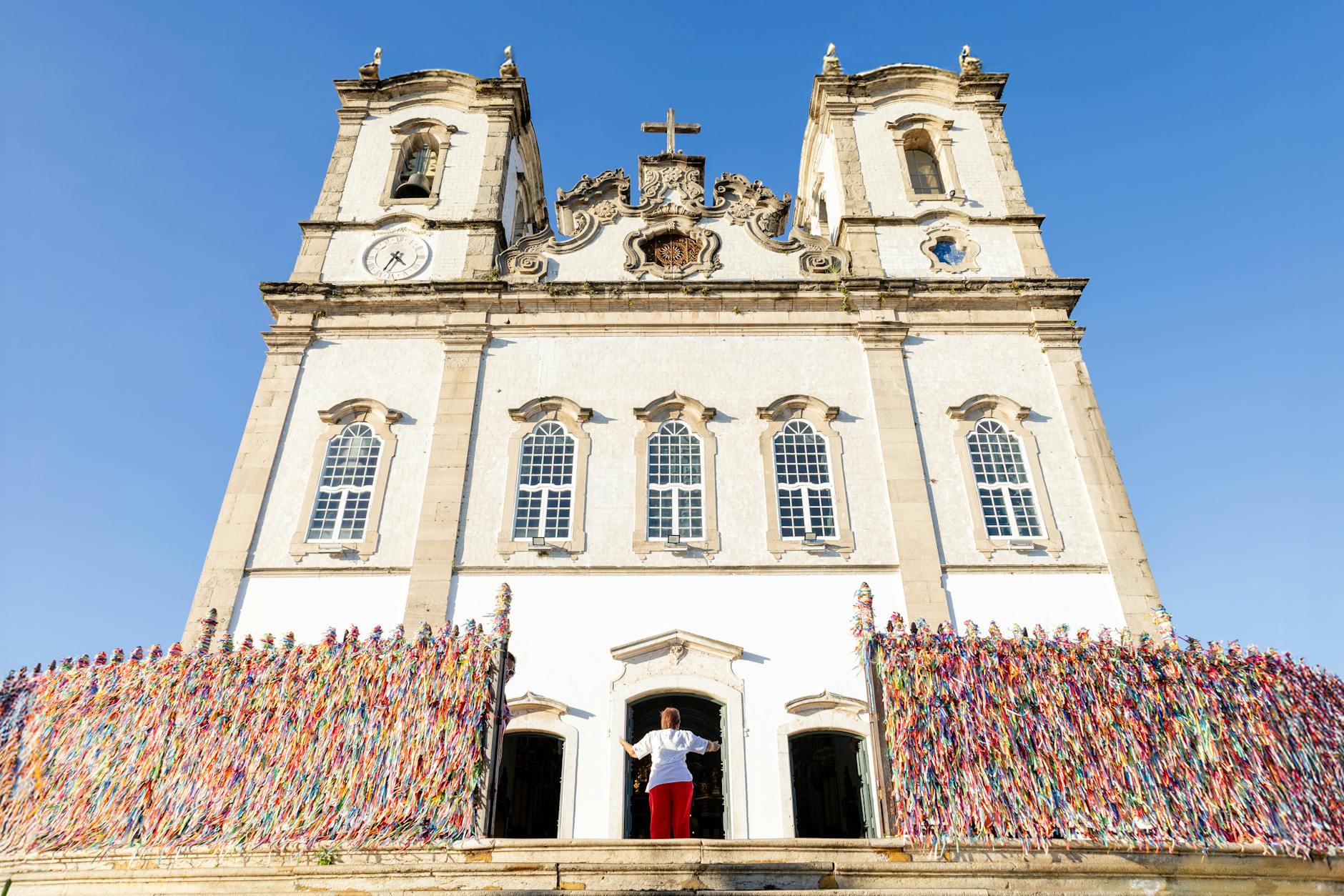
Salvador is the vibrant heart of Afro-Brazilian culture and one of the most historically significant cities in the Americas. Its Pelourinho district is a UNESCO-listed maze of cobblestone streets lined with pastel-colored baroque churches and colonial mansions. The city was the first capital of colonial Brazil and served as the primary port through which millions of enslaved Africans arrived on the continent. This painful history is honored and transformed through the city’s extraordinary music, dance, and religious traditions, including Candomblé and capoeira. Salvador’s cultural richness and coastal energy give it an intensity and authenticity unlike any other city in South America.
Valparaíso, Chile
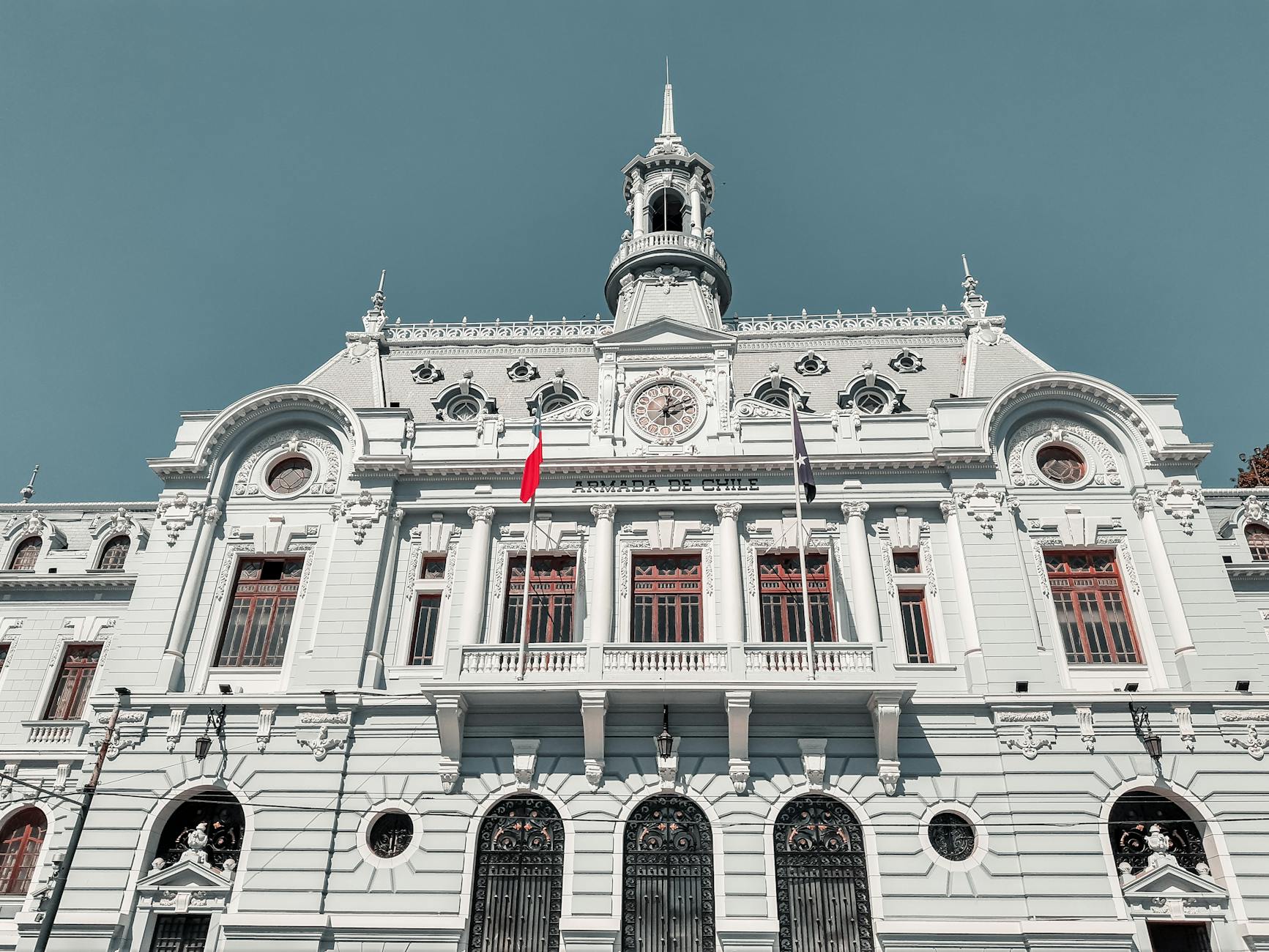
Valparaíso is a colorful port city built across more than forty hills overlooking the Pacific Ocean, earning it a reputation as one of the most visually captivating cities in South America. Its steep hillside neighborhoods, known as cerros, are connected by funicular elevators called ascensores and lined with street art that transforms the urban landscape into an open-air gallery. The city has a bohemian creative spirit that has attracted artists, poets, and writers for generations, most famously the Nobel Prize-winning poet Pablo Neruda. Its maze of winding staircases and painted houses rewards slow, exploratory walking. The sweeping ocean views from the hilltops at dusk are among the most memorable in all of Chile.
Salar de Uyuni, Bolivia
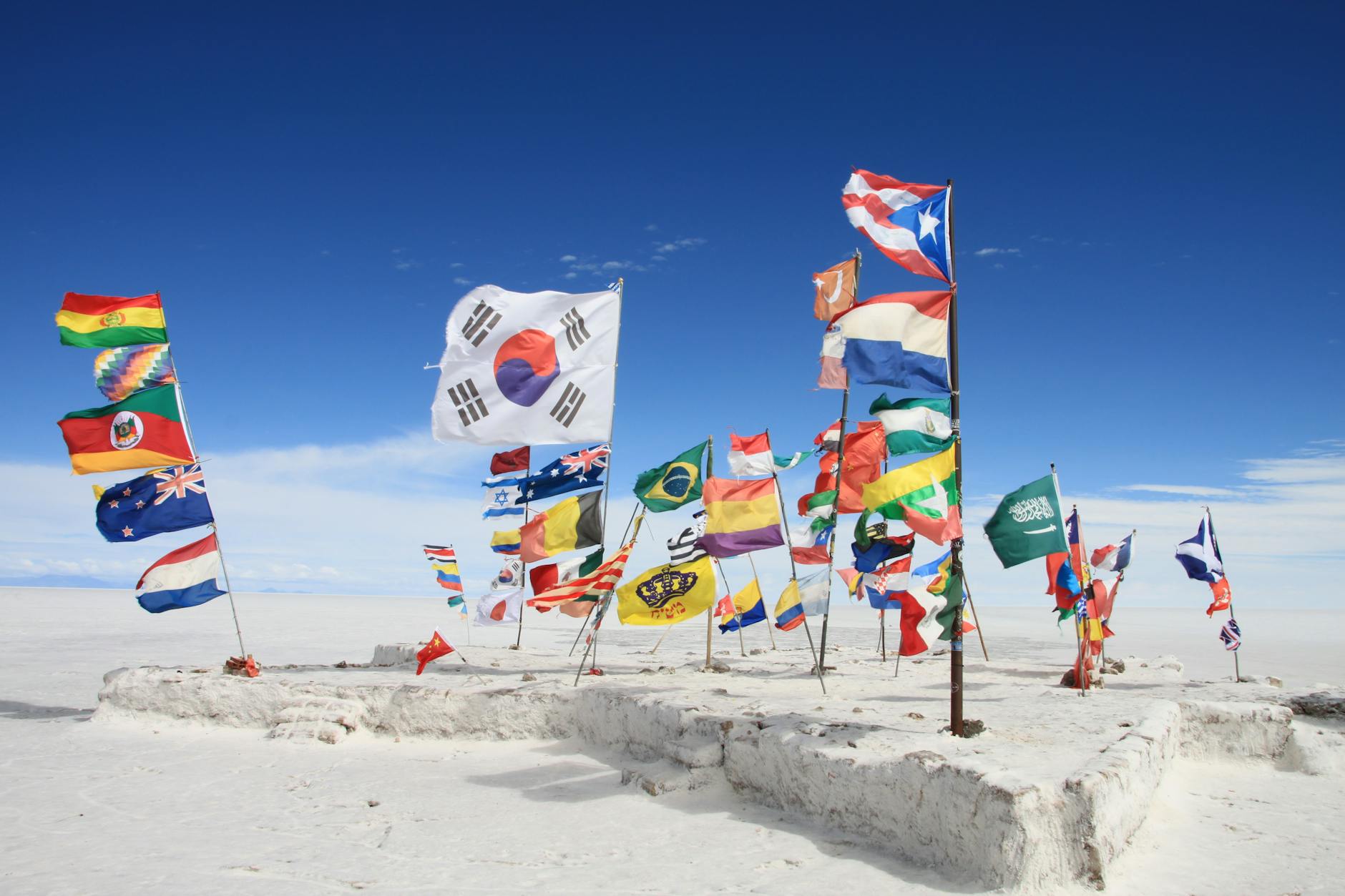
The Salar de Uyuni is the world’s largest salt flat, covering over 10,000 square kilometers on the Bolivian altiplano at an elevation of nearly 3,700 meters. During the dry season, the vast white expanse of hexagonal salt tiles creates an almost abstract, minimalist landscape stretching to every horizon. After rainfall, a thin layer of water turns the surface into a perfect mirror, reflecting the sky with extraordinary clarity and creating one of the most surreal photographic scenes on Earth. The surrounding area is rich in geological wonders, including colorful lagoons tinted red and green by algae and minerals. The salt flat is also an important source of lithium, one of the most significant mineral deposits on the planet.
Torres del Paine, Chile
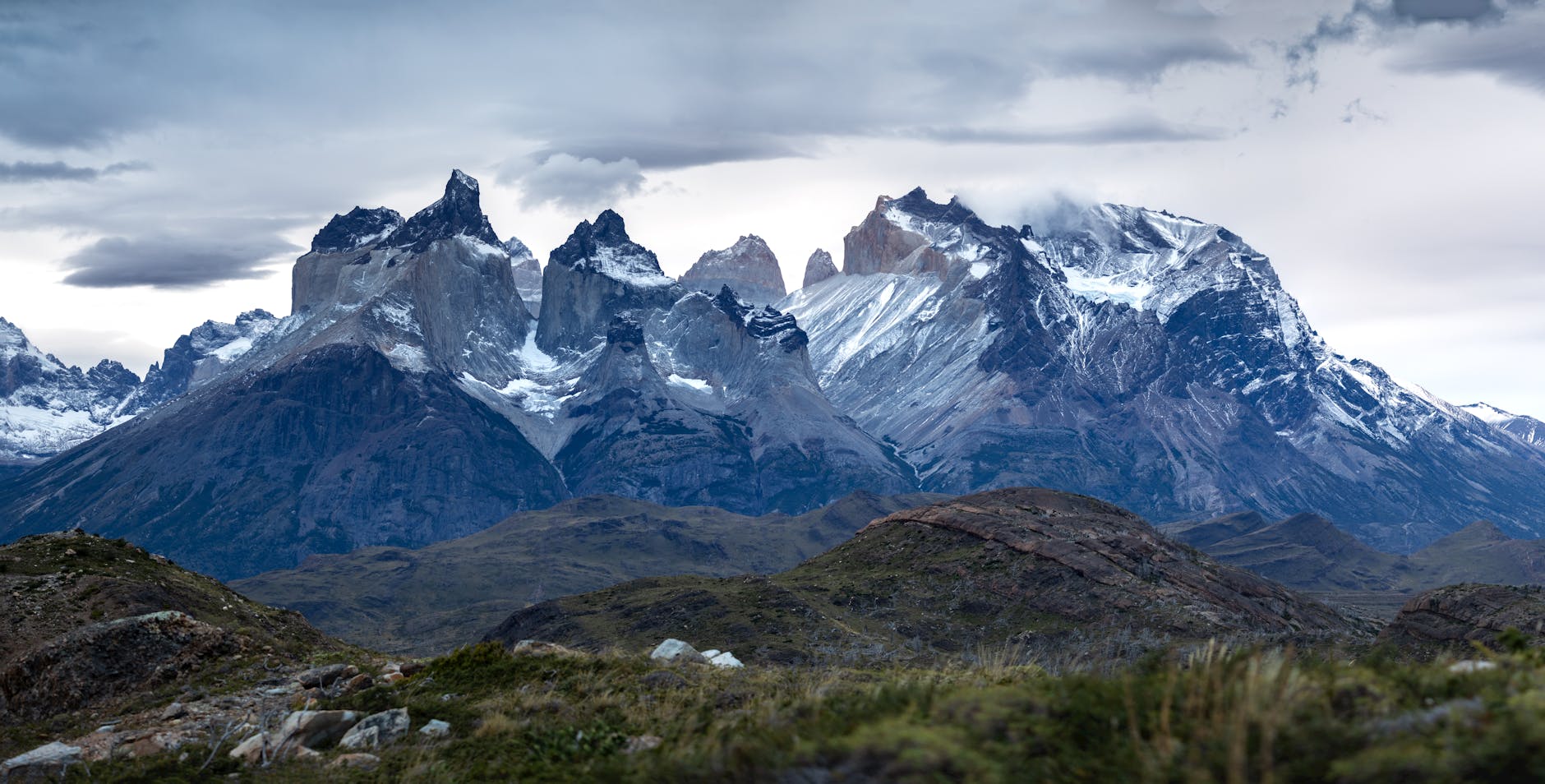
Torres del Paine National Park is the crown jewel of Chilean Patagonia and one of the most celebrated trekking destinations in the world. Its centerpiece is a trio of granite towers that rise sharply from the Patagonian steppe to elevations of nearly 2,900 meters. The park encompasses glaciers, turquoise lakes, rivers, and forests that support populations of guanacos, Andean condors, and pumas. The W Trek and the full Circuit are multi-day hiking routes that take travelers through the park’s most dramatic and varied landscapes. The power and wildness of Torres del Paine make it a place that fundamentally changes the way you see the natural world.
Which of these South American destinations are calling your name? Share your thoughts and travel experiences in the comments.