Understanding the correct water temperature for laundry prevents premature fabric breakdown and keeps garments looking new for years. Different materials require specific thermal care to maintain their structural integrity and color vibrancy. Modern washing machines and advanced detergents perform exceptionally well without relying on extreme heat. Mastering these specific temperature guidelines will completely transform your laundry routine and protect your wardrobe investments.
Everyday Cotton Shirts
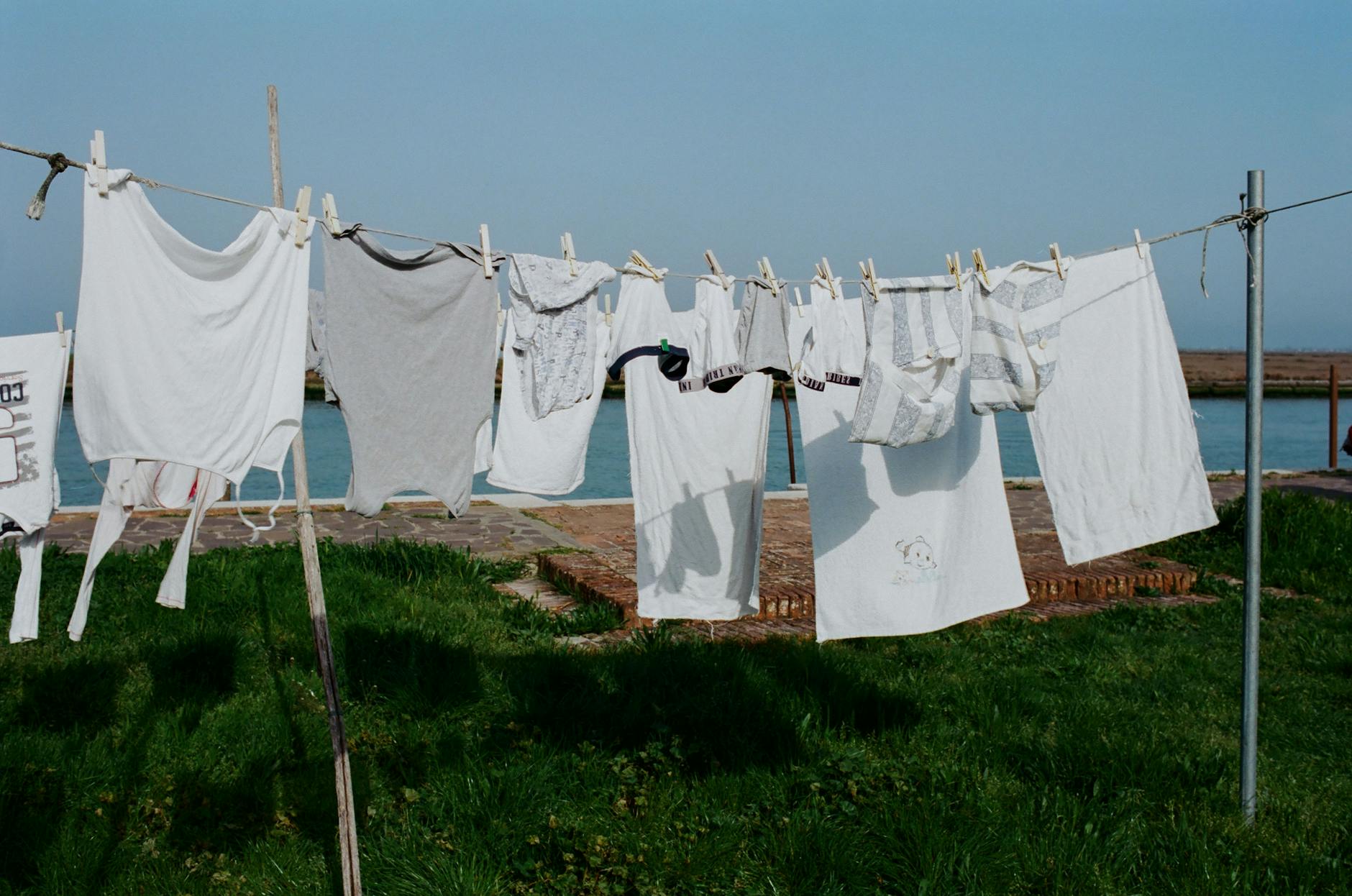
Washing cotton shirts in cold water around 60 degrees Fahrenheit prevents fibers from shrinking and losing their original shape. Cold water gently cleans the fabric while preserving the bright colors of your favorite casual wear. You can use about two ounces of a premium $10 liquid detergent to easily remove daily sweat and light dirt. This temperature choice also significantly reduces the energy consumption of your washing machine over time.
Heavy Denim Jeans
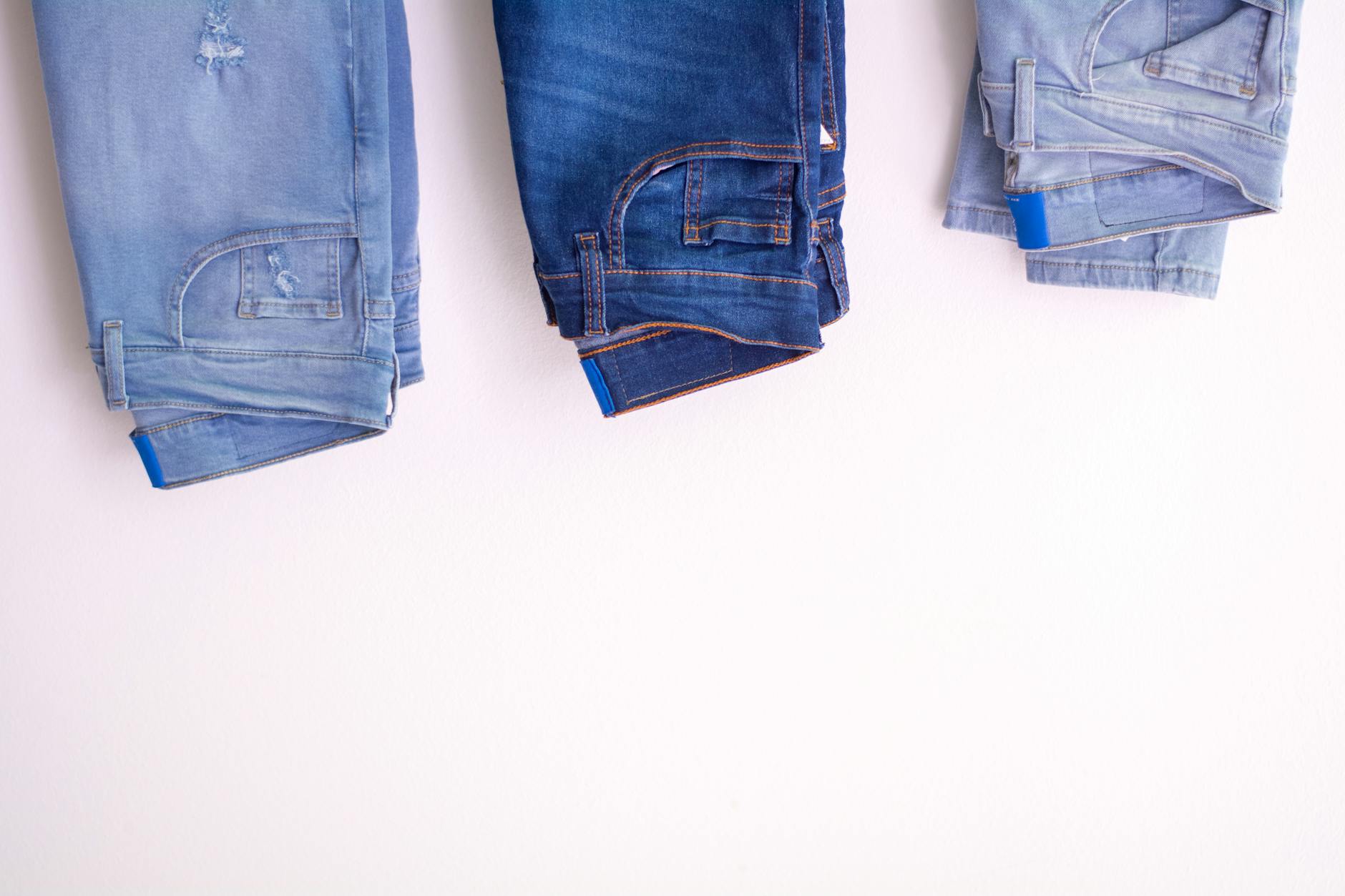
Denim requires cold water around 60 degrees Fahrenheit to prevent the heavy fabric from shrinking and fading prematurely. Reversing your jeans so the interior faces outward before washing protects the outer dye from aggressive friction against the machine drum. A gentle cycle with cold water maintains the stiff weave and prevents the material from becoming uncomfortably tight. You only need to wash these durable garments after ten wears to properly extend their useful lifespan.
Delicate Silk Blouses
Silk fibers demand extreme care and should only encounter cold water at exactly 60 degrees Fahrenheit during washing. Warm or hot water will immediately destroy the natural proteins within the delicate silk threads. Hand washing these garments in a small basin provides the ultimate protection against mechanical stress and fabric tearing. A tiny drop of very mild detergent effectively cleans the material without stripping away its signature glossy sheen.
Thick Wool Sweaters
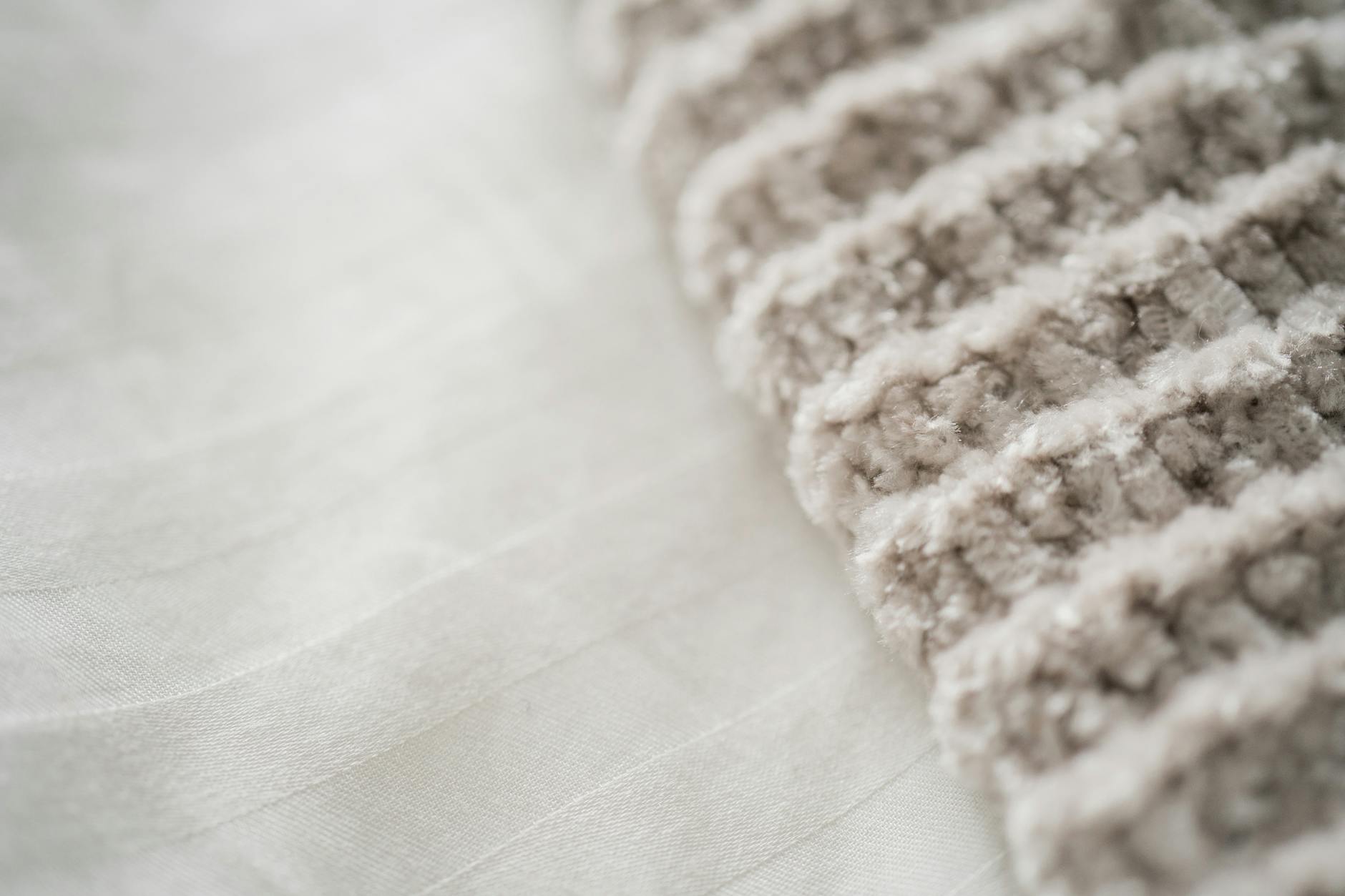
Wool pieces must be washed in cold water hovering near 60 degrees Fahrenheit to avoid disastrous felting and shrinking. Hot water causes the natural animal fibers to lock together and drastically reduce the size of the garment. You should always use a specialized wool detergent and select the most gentle cycle available on your machine. Laying the heavy wet sweater flat on a clean towel prevents the material from stretching out of shape.
Athletic Workout Apparel
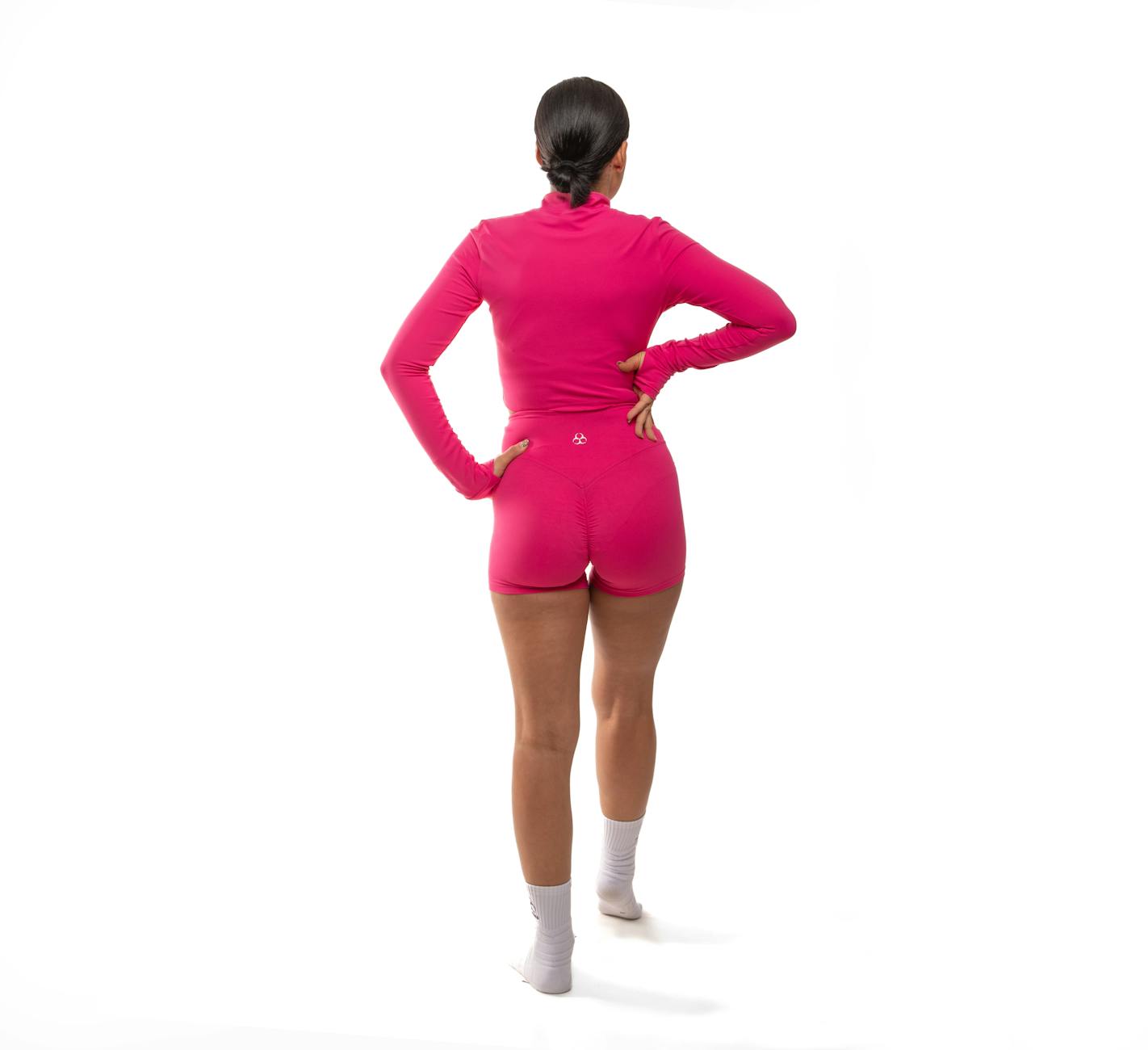
Performance fabrics require cold water around 60 degrees Fahrenheit to protect their stretchy elastane and sweat management properties. Hot water fundamentally degrades the synthetic elastic fibers and ruins the supportive compression of the garments. Specialized sports detergents easily break down heavy sweat and body oils even in completely unheated water. Skipping the fabric softener is crucial because those chemical coats trap unpleasant odors directly inside the technical fabric.
Breezy Linen Garments
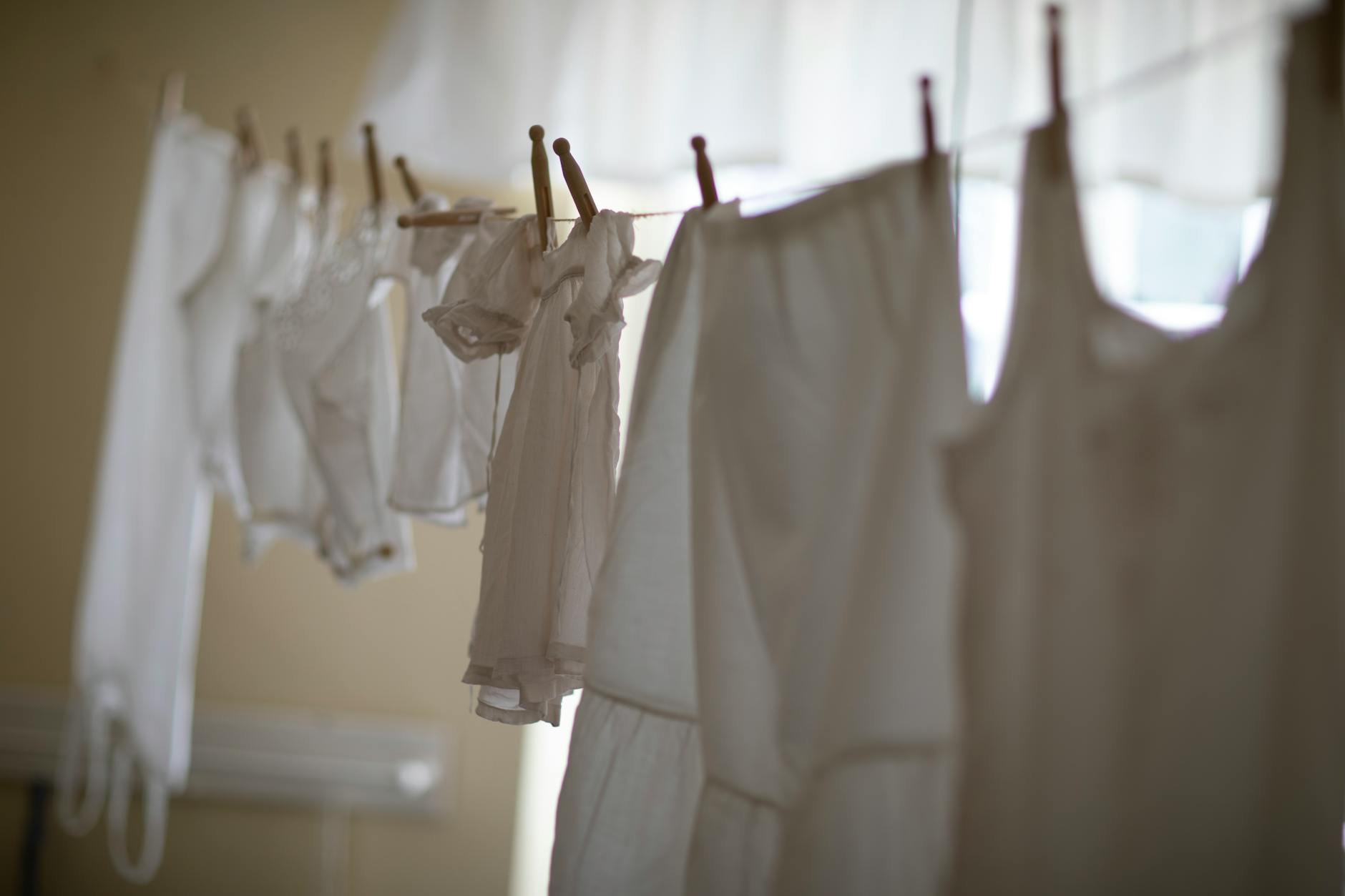
Linen fabric responds best to lukewarm water around 90 degrees Fahrenheit for optimal cleaning and wrinkle prevention. This moderate temperature gently relaxes the stiff flax fibers without causing any unwanted structural shrinkage. The natural material releases dirt very easily when you allow the garments plenty of room to move freely in the wash basin. Air drying these pieces slightly damp helps smooth out the fabric and maintains its relaxed summer aesthetic.
Synthetic Blend Dresses
Dresses made from polyester and nylon blends should be washed in warm water near 90 degrees Fahrenheit to dissolve trapped body oils. The gentle warmth easily lifts everyday stains without causing the artificial fibers to melt or warp out of shape. You should always sort these garments by color to prevent darker synthetic dyes from bleeding onto lighter fabrics. Removing these dresses promptly from the washing machine prevents deep creases from permanently setting into the material.
Cozy Fleece Pullovers
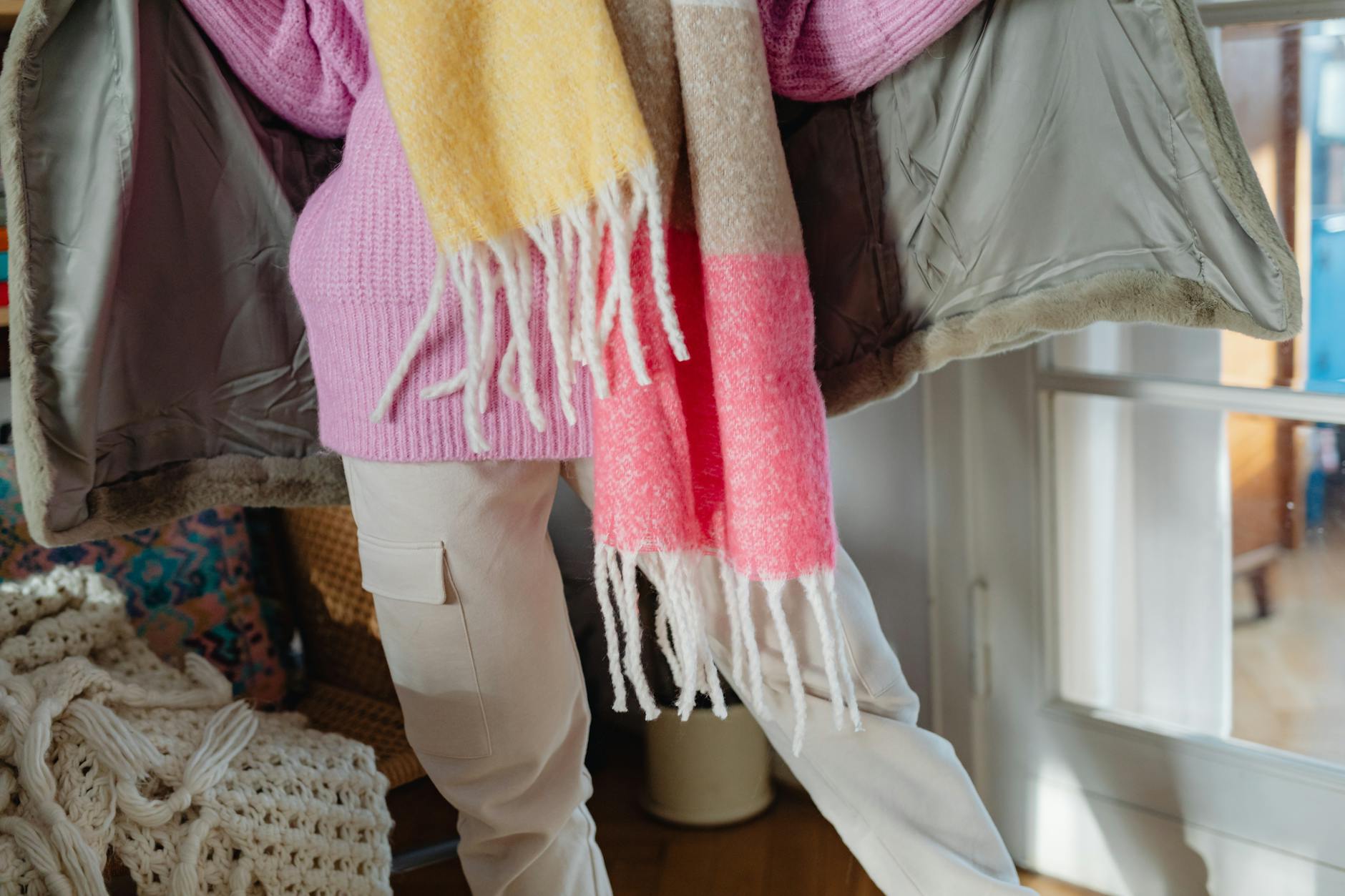
Fleece garments need to be washed in cold water at roughly 60 degrees Fahrenheit to maintain their incredibly soft texture. Heat causes the tiny synthetic fibers to melt together and creates a rough or pillowy surface over time. Washing these cozy items reversed protects the outer fuzzy layer from aggressive rubbing against other heavy clothes. A small amount of standard liquid detergent is perfectly sufficient to refresh the fabric and eliminate lingering odors.
Luxurious Cashmere Knits
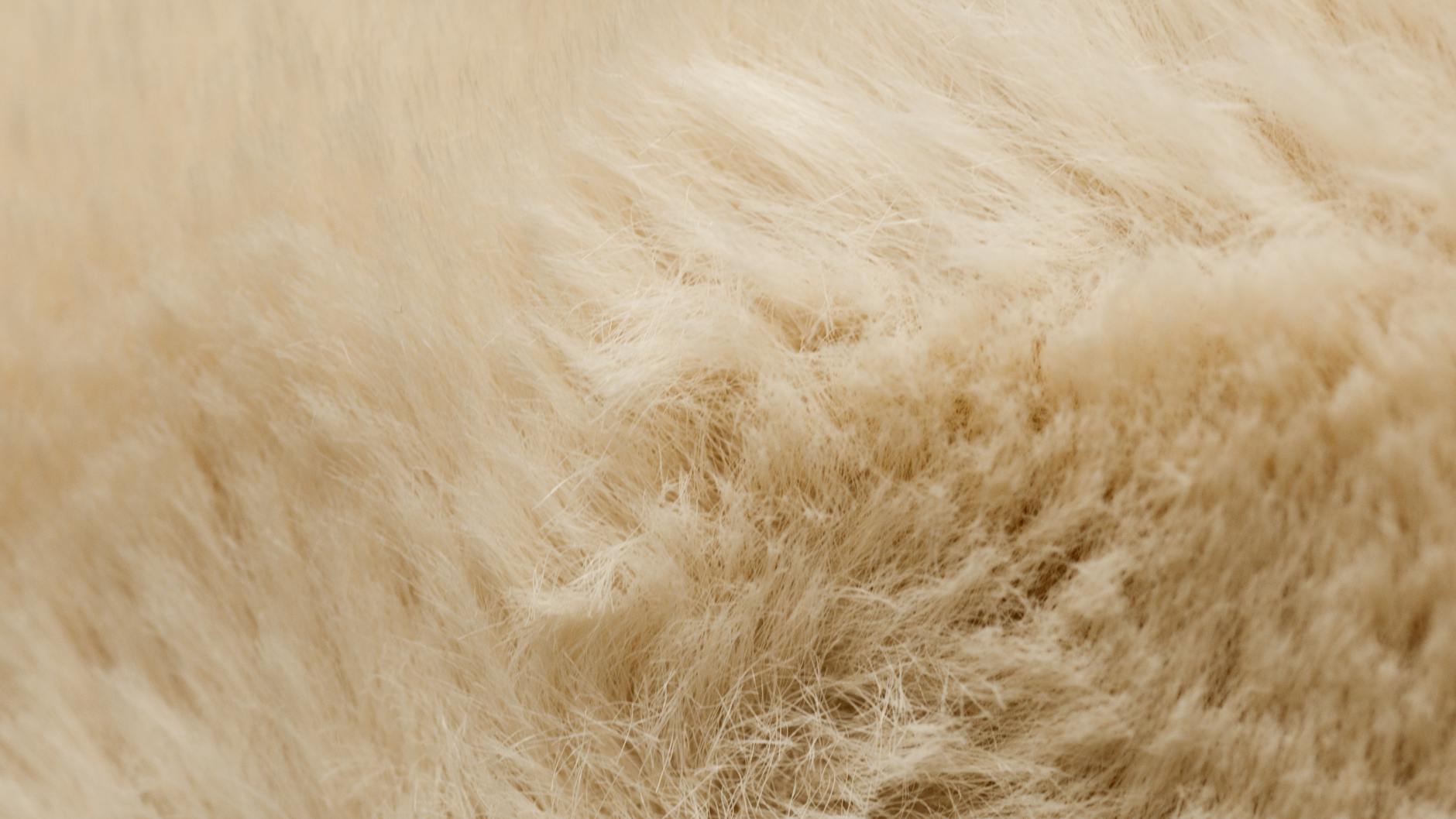
Cashmere requires absolute cold water exactly at 60 degrees Fahrenheit to preserve its incredibly fine and fragile goat hair fibers. Immersing these expensive garments in anything warmer will completely ruin the soft texture and cause severe structural shrinkage. Hand washing in a clean sink with a specialized gentle cleanser is the safest method for routine maintenance. Pressing the water out gently instead of wringing the fabric protects the delicate threads from snapping under pressure.
Intimate Lace Lingerie

Delicate undergarments must always be washed in cold water at 60 degrees Fahrenheit to protect the fragile elastic bands. Warm water quickly deteriorates the stretchy components and causes the delicate lace patterns to fray at the edges. Placing these small items inside a mesh laundry bag prevents the tiny hooks from snagging on other heavy garments. Cold washing ensures these essential everyday pieces maintain their structural support and precise fit for many months.
Everyday Cotton Towels

Bath towels demand hot water around 130 degrees Fahrenheit to completely eradicate trapped bacteria and deeply embedded body oils. The high heat easily breaks down thick dirt and completely refreshes the heavy cotton loops after multiple daily uses. You can safely add half a cup of white vinegar to the rinse cycle to strip away accumulated detergent residue. Washing towels completely separately from your regular clothing prevents rough friction and stops excessive lint transfer between fabrics.
Standard Bed Sheets

Cotton bedding requires a warm wash at 105 degrees Fahrenheit to effectively remove sweat and microscopic skin cells. This specific temperature strikes the perfect balance between thorough sanitation and protecting the fabric threads from premature thinning. Heavy soil or illness might occasionally require hot water but warm water remains ideal for standard weekly maintenance. Using only one cup of mild detergent prevents stiff residue from lingering on your comfortable sleeping surfaces.
Winter Puffer Coats

Winter jackets should be washed in cold water near 60 degrees Fahrenheit to protect the delicate feathers and waterproof outer shell. Warm or hot water completely strips the natural oils from the down clusters and reduces their exceptional insulating properties. Using a detergent specifically formulated for feather stuffed items ensures the insulation remains fluffy and properly distributed inside the baffles. Running an extra rinse cycle guarantees all soap residue is completely removed from the thick outer material.
Rayon Summer Skirts
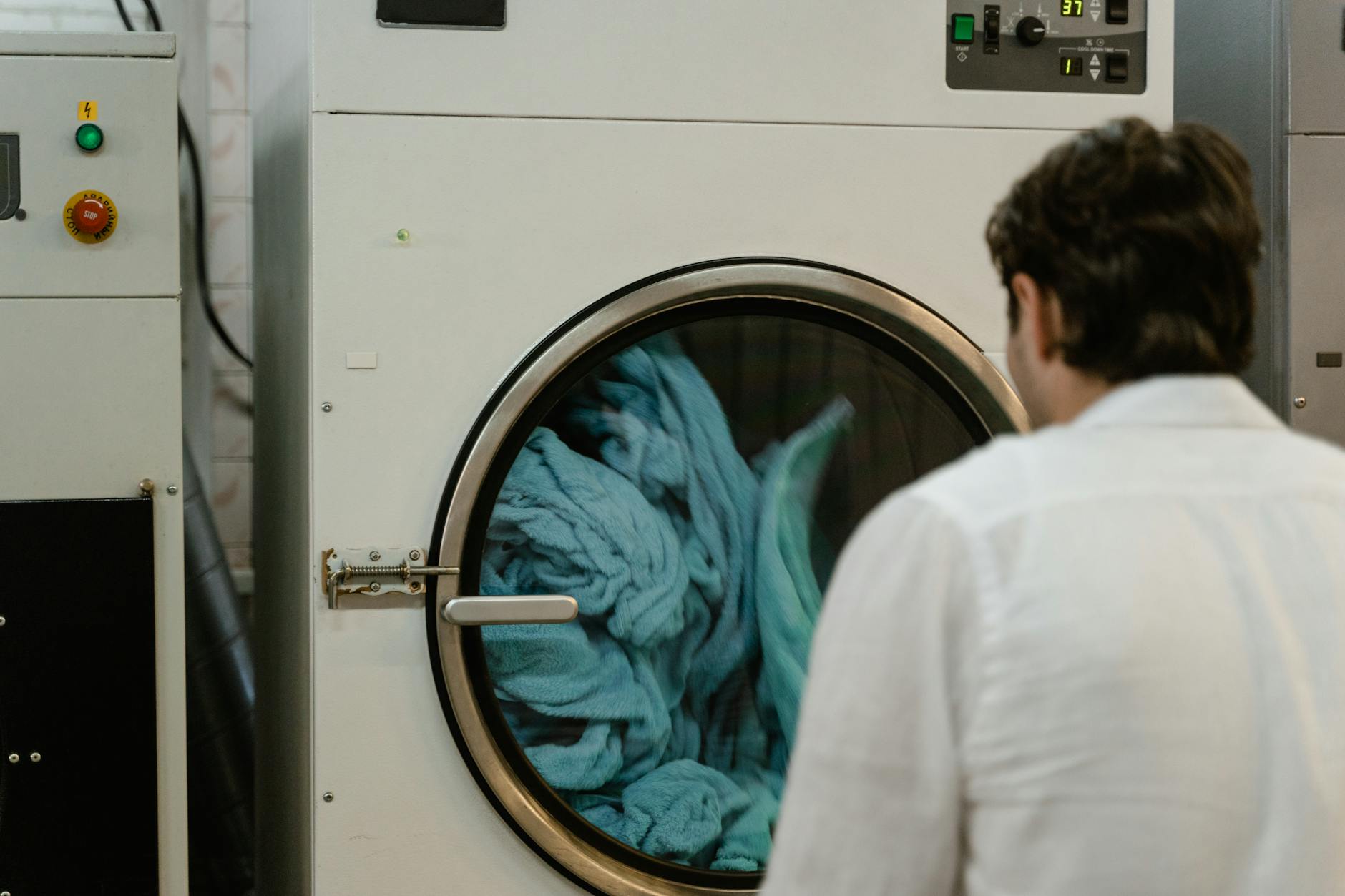
Rayon fabric requires cold water at exactly 60 degrees Fahrenheit because the material becomes exceptionally weak when completely submerged. Warm water causes the fragile cellulose fibers to shrink dramatically and lose their beautiful flowing drape. Washing these garments on the delicate cycle with very low spin speeds prevents extreme stretching and accidental tearing. Air drying these skirts flat on a clean surface keeps the shape perfectly intact for your next summer outing.
Soft Baby Clothes
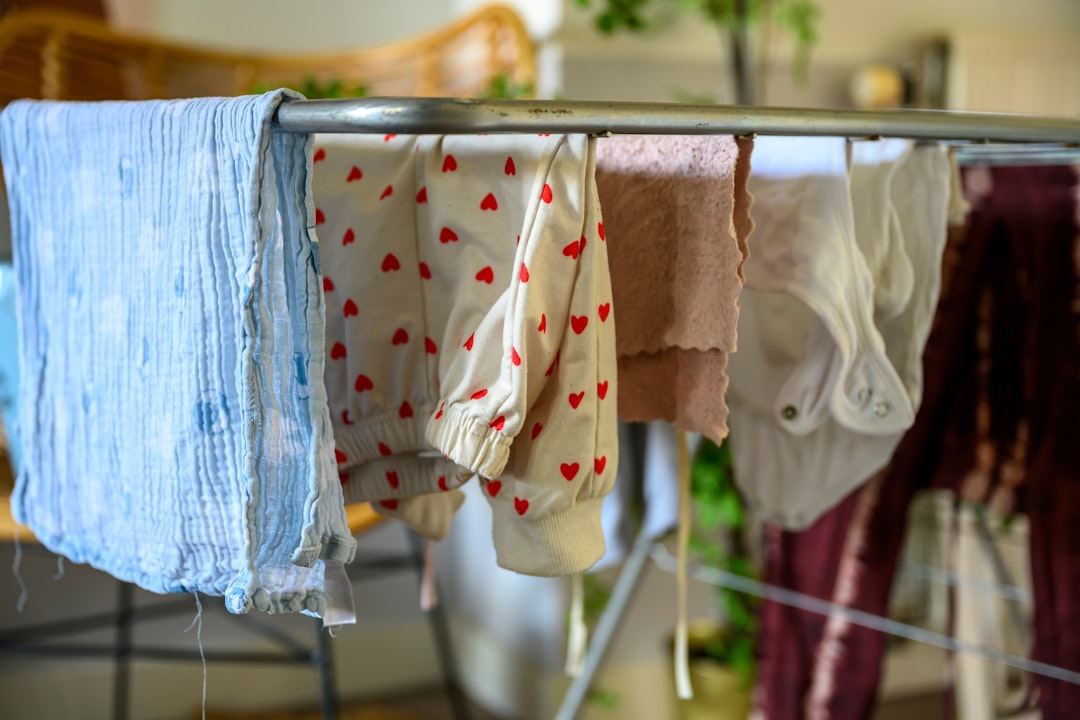
Infant apparel requires warm water around 105 degrees Fahrenheit to safely sanitize the fabric without irritating highly sensitive newborn skin. This moderate heat effectively breaks down formula spills and diaper leaks while remaining gentle on the tiny woven threads. Using a specialized hypoallergenic detergent ensures absolutely no harsh chemical residues remain trapped within the soft cotton fibers. An extra rinse cycle provides absolute certainty that the garments are perfectly clean and safe for daily wear.
Please tell us your own favorite laundry routines and temperature tricks to protect your wardrobe in the comments.