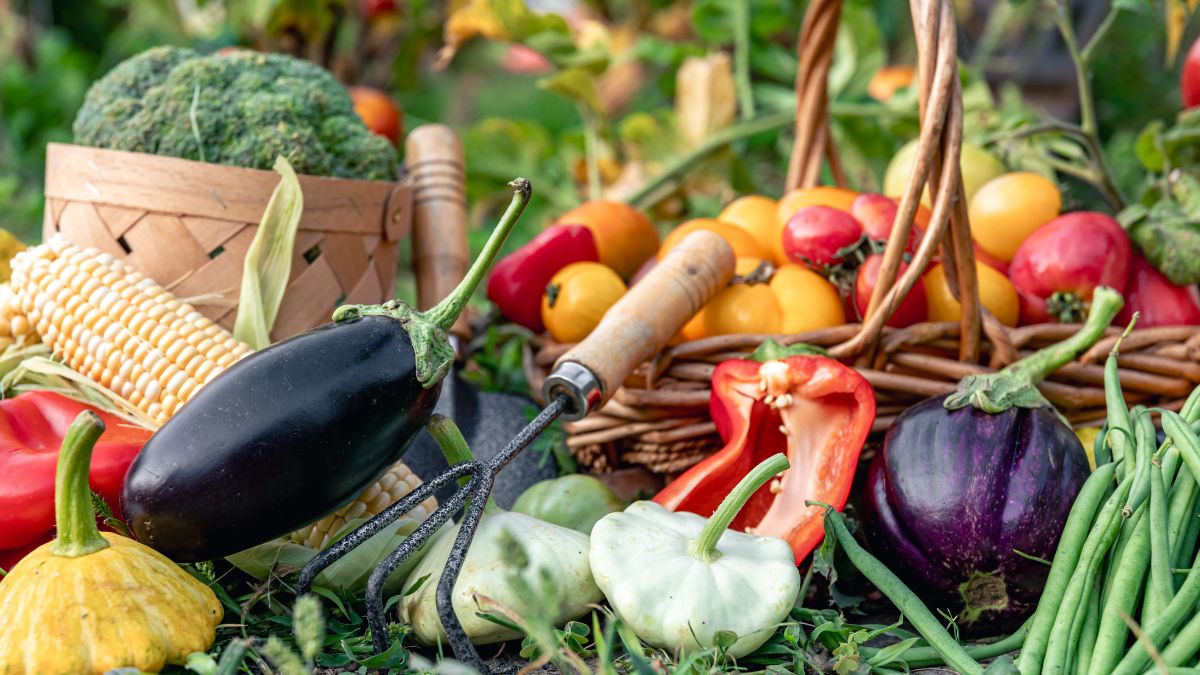
A summer garden bursting with fresh produce is one of the most rewarding projects a home grower can take on. The key to a successful harvest lies in choosing the right vegetables at the right time, giving each plant the warmth, water, and space it needs to thrive. Whether you are working with a sprawling backyard plot or a collection of container beds on a patio, the right selection makes all the difference. These seventeen vegetables are among the most productive and satisfying choices for a warm-season garden.
Tomatoes
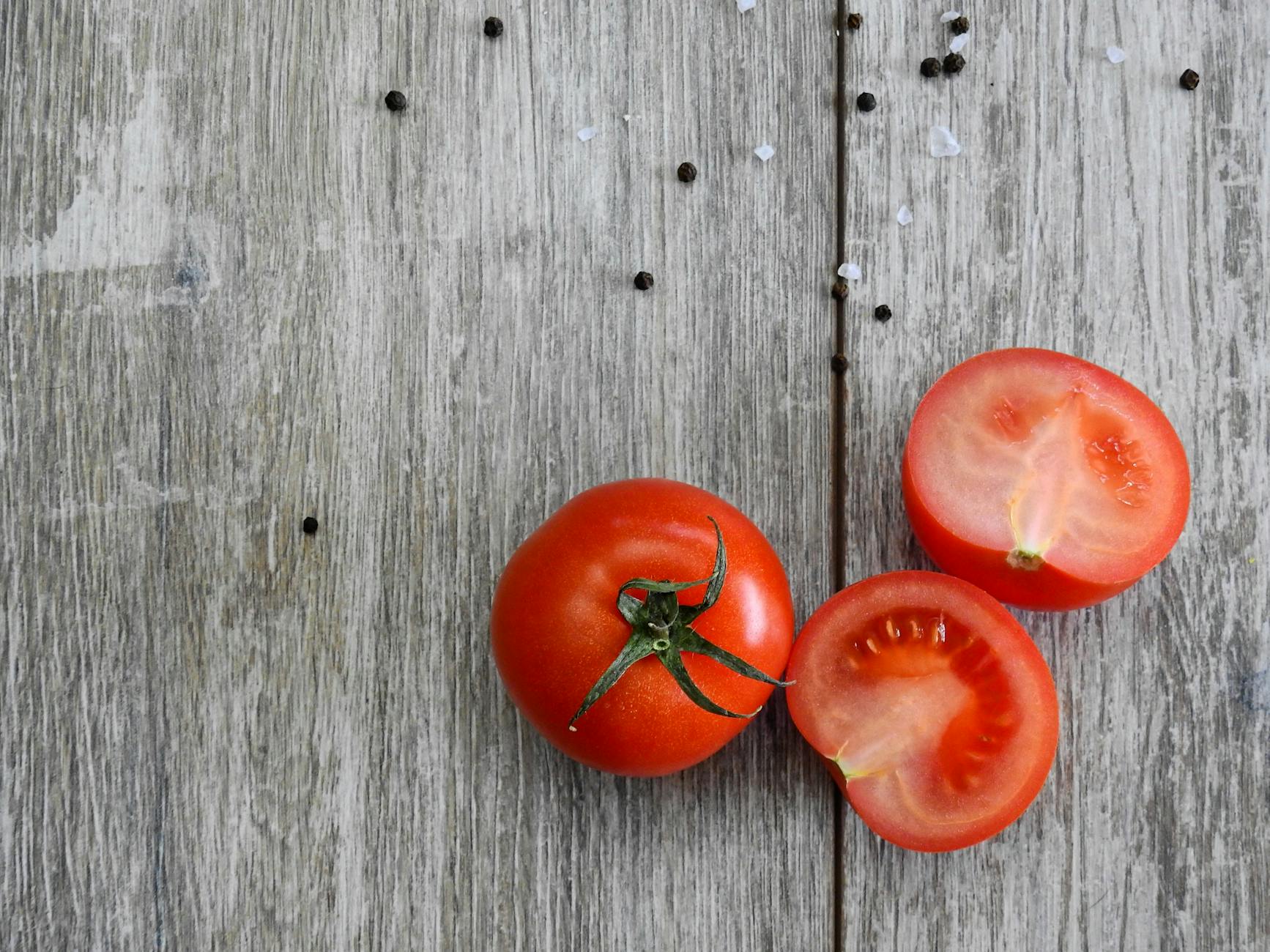
Tomatoes are one of the most popular warm-season crops in home gardens around the world. They thrive in full sun and require at least six to eight hours of direct light each day to produce abundant fruit. Most varieties take between 60 and 80 days to reach maturity, making early planting essential for a generous summer yield. Staking or caging plants early helps support vigorous growth and keeps fruit off the ground. Cherry, beefsteak, and heirloom varieties each offer distinct flavors and textures suited to different culinary uses.
Zucchini
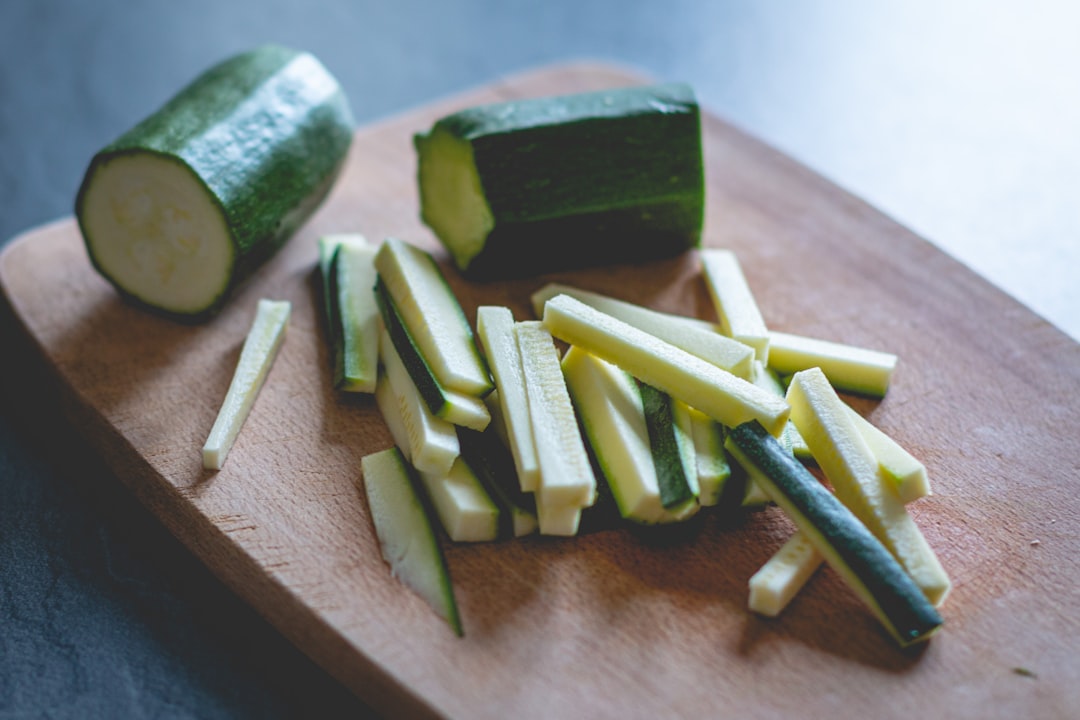
Zucchini is one of the most productive vegetables a summer gardener can grow, often yielding more than expected from just a few plants. It grows quickly in warm soil and can produce harvestable fruit within 50 days of planting. The large, spreading leaves shade the ground and help retain moisture around the base of the plant. Regular harvesting encourages continuous production throughout the season. Both green and golden varieties perform well in garden beds and raised planters alike.
Cucumbers
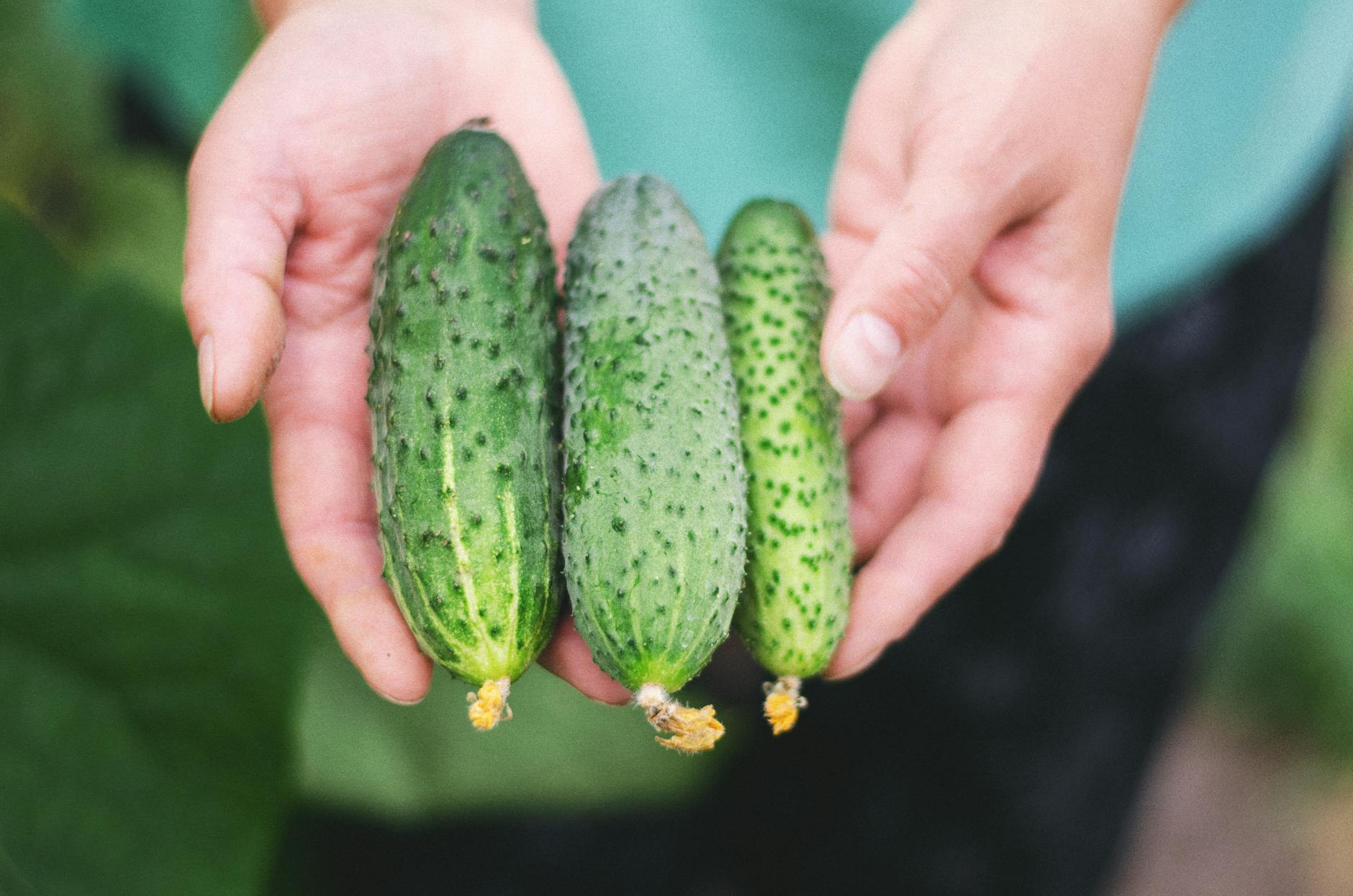
Cucumbers are heat-loving vines that reward consistent watering with a generous and steady harvest. They grow best when trained up a trellis or support structure, which improves air circulation and keeps fruit clean and straight. Most varieties are ready to harvest within 55 to 65 days and should be picked regularly to encourage new fruit development. Slicing varieties are ideal for fresh eating while pickling types are bred for firmer texture and thicker skins. Warm nights and sunny days create the perfect conditions for cucumbers to flourish.
Bell Peppers
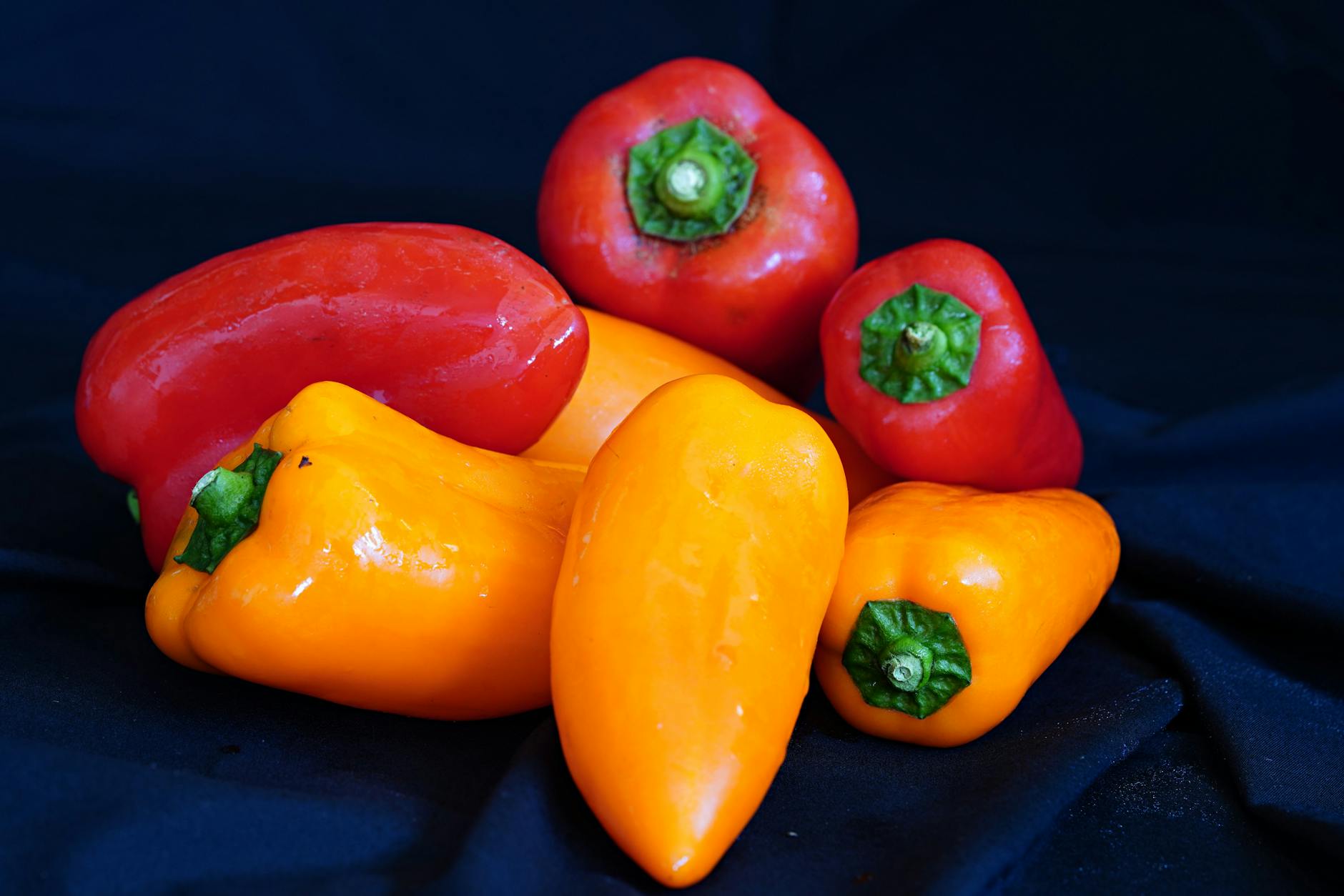
Bell peppers thrive in long, warm summers and produce colorful, sweet fruit in shades of green, red, yellow, and orange. They prefer consistently warm soil and do best when transplanted as seedlings rather than direct sown. Plants typically take 70 to 90 days to reach full maturity and benefit from staking as the fruit becomes heavy. Feeding with a balanced fertilizer during the flowering stage supports strong fruit development. Peppers are highly versatile in the kitchen, making them a popular and rewarding addition to any summer garden.
Green Beans
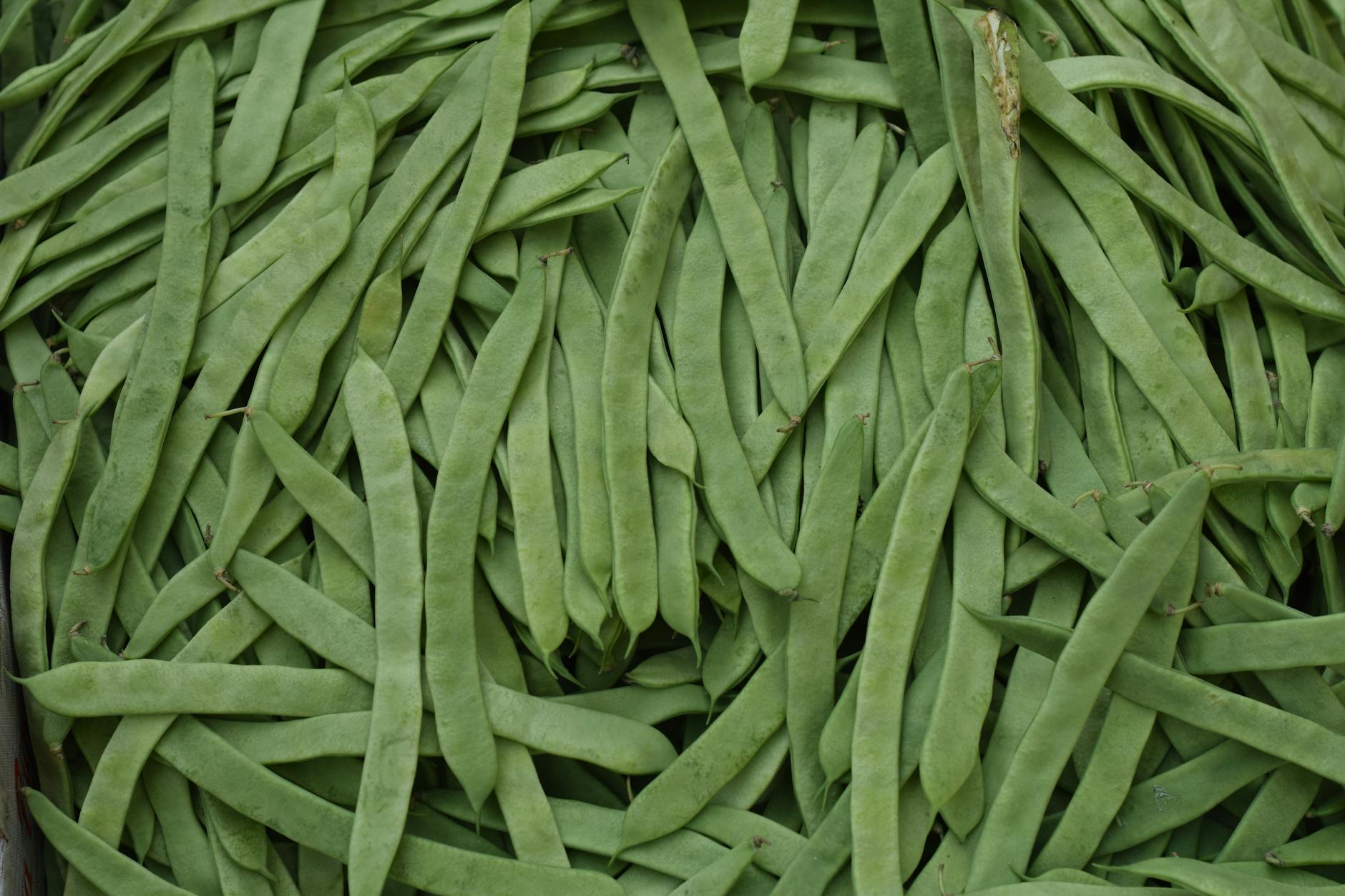
Green beans are one of the easiest and most rewarding vegetables to grow during the summer months. Bush varieties are compact and require no staking, while pole varieties climb readily and produce over a longer period. Seeds can be sown directly into warm garden soil and typically germinate within a week under favorable conditions. Most varieties reach harvest stage in 50 to 60 days, producing crisp, tender pods in abundance. Successive sowings spaced a few weeks apart extend the harvest window well into the summer season.
Sweet Corn
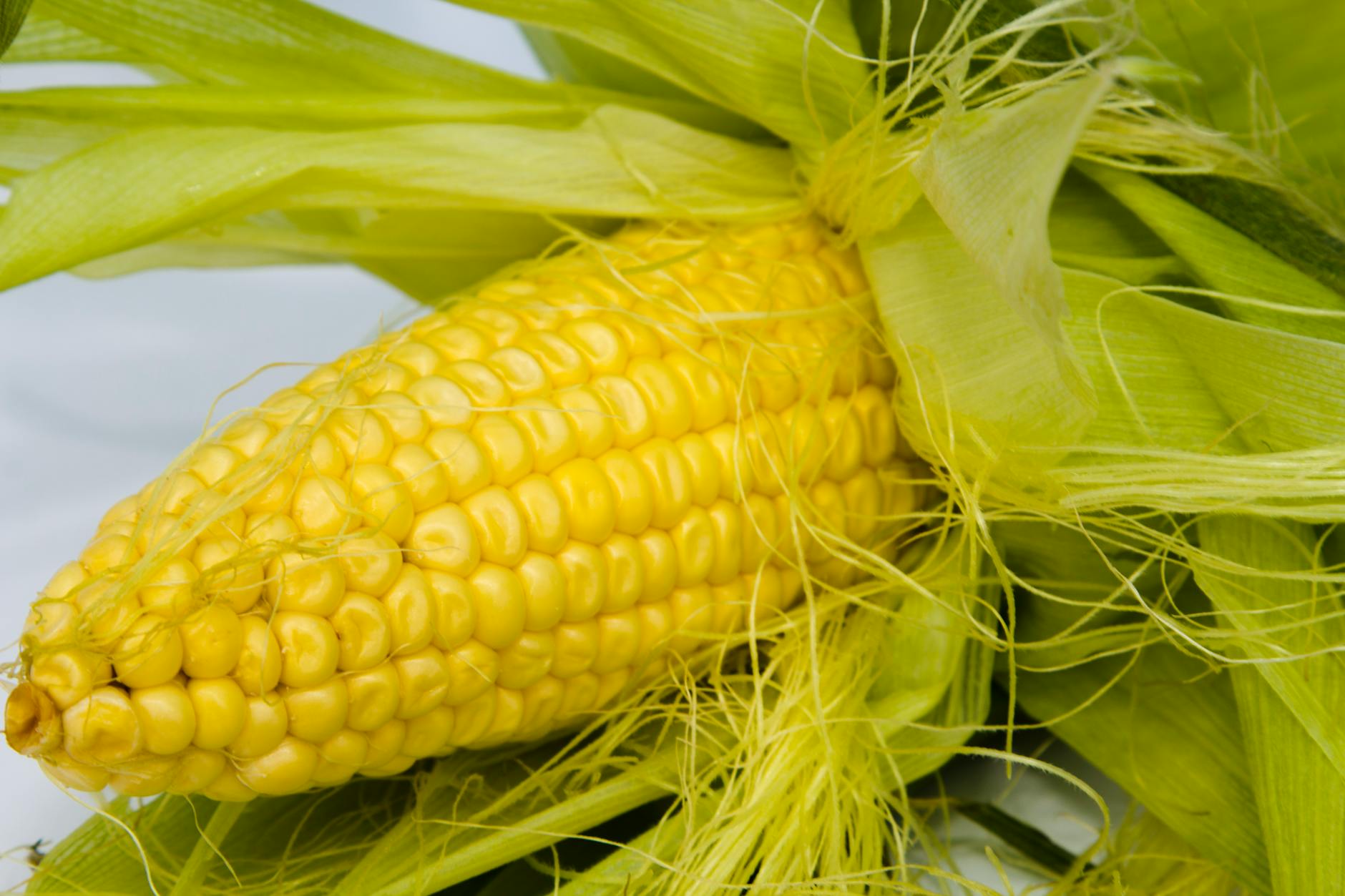
Sweet corn requires ample space and full sun but delivers one of the most satisfying harvests of the summer garden. It is wind-pollinated and should be planted in blocks rather than single rows to ensure effective pollination and full ear development. Most varieties mature in 70 to 90 days and are best harvested when the silk turns brown and the kernels are plump and milky. Consistent moisture is critical during the tasseling and silking stages to prevent poor kernel set. Freshly picked corn has a noticeably sweeter flavor than store-bought varieties, making it a garden staple worth the effort.
Eggplant
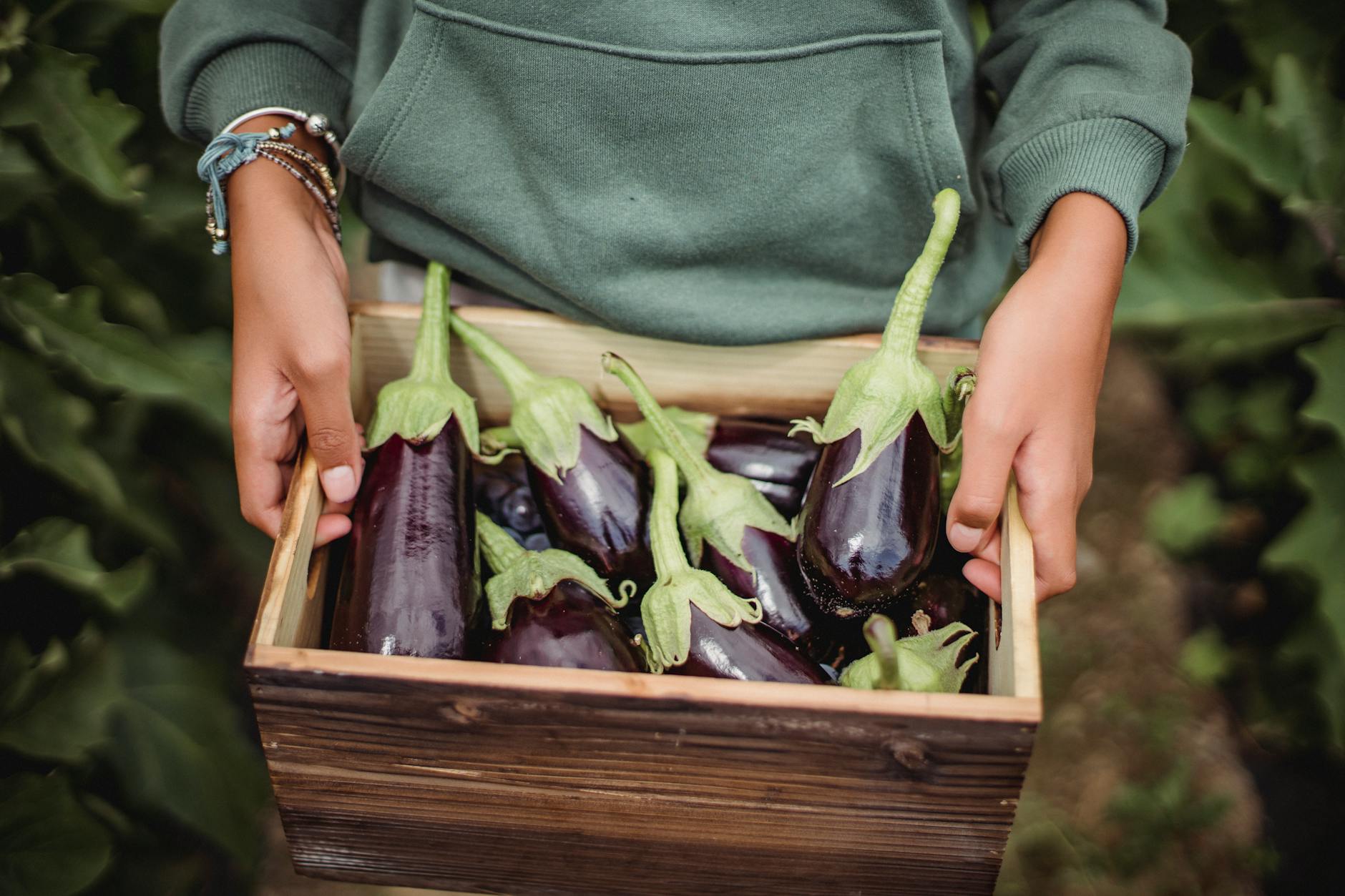
Eggplant is a heat-loving crop that produces glossy, tender fruit in a range of sizes and colors beyond the familiar deep purple. It requires warm soil and air temperatures to establish well and should not be planted outdoors until all risk of frost has passed. Plants benefit from staking as they mature and produce fruit that can become quite heavy on individual stems. Most varieties take 70 to 85 days to reach full maturity and should be harvested before the skin loses its shine. Eggplant is highly versatile in cooking and performs well in roasted, grilled, and braised dishes.
Butternut Squash
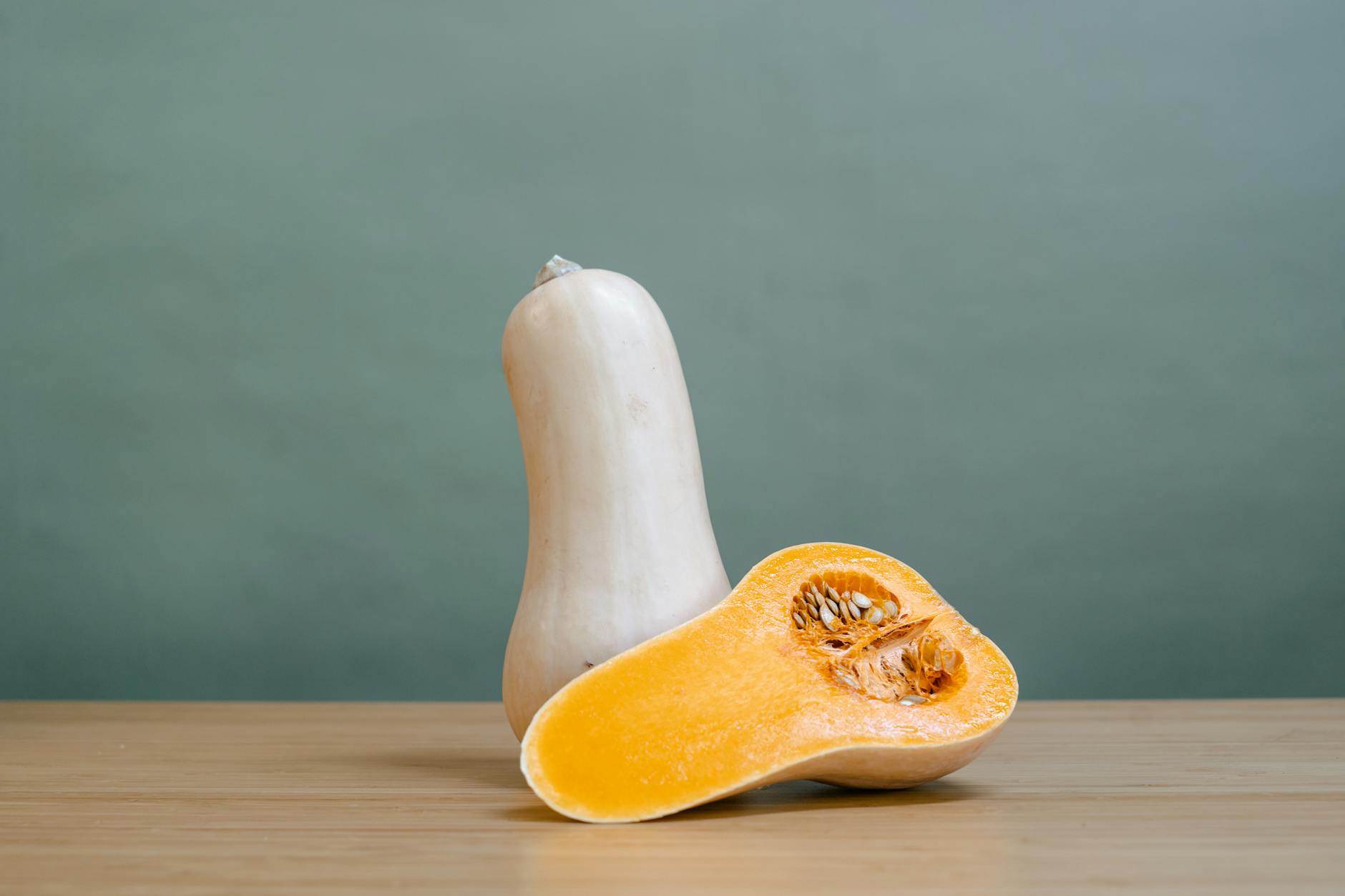
Butternut squash is a reliable warm-season crop that stores exceptionally well after harvest, making it a practical choice for summer gardens. It requires a long growing season of around 80 to 100 days and plenty of spreading room for its vigorous vines. Plants thrive in full sun with deep, consistent watering during fruit development. The thick skin that develops as the squash matures helps protect it during storage for several months after picking. A single plant can produce multiple large fruits, offering excellent value for the garden space it occupies.
Basil
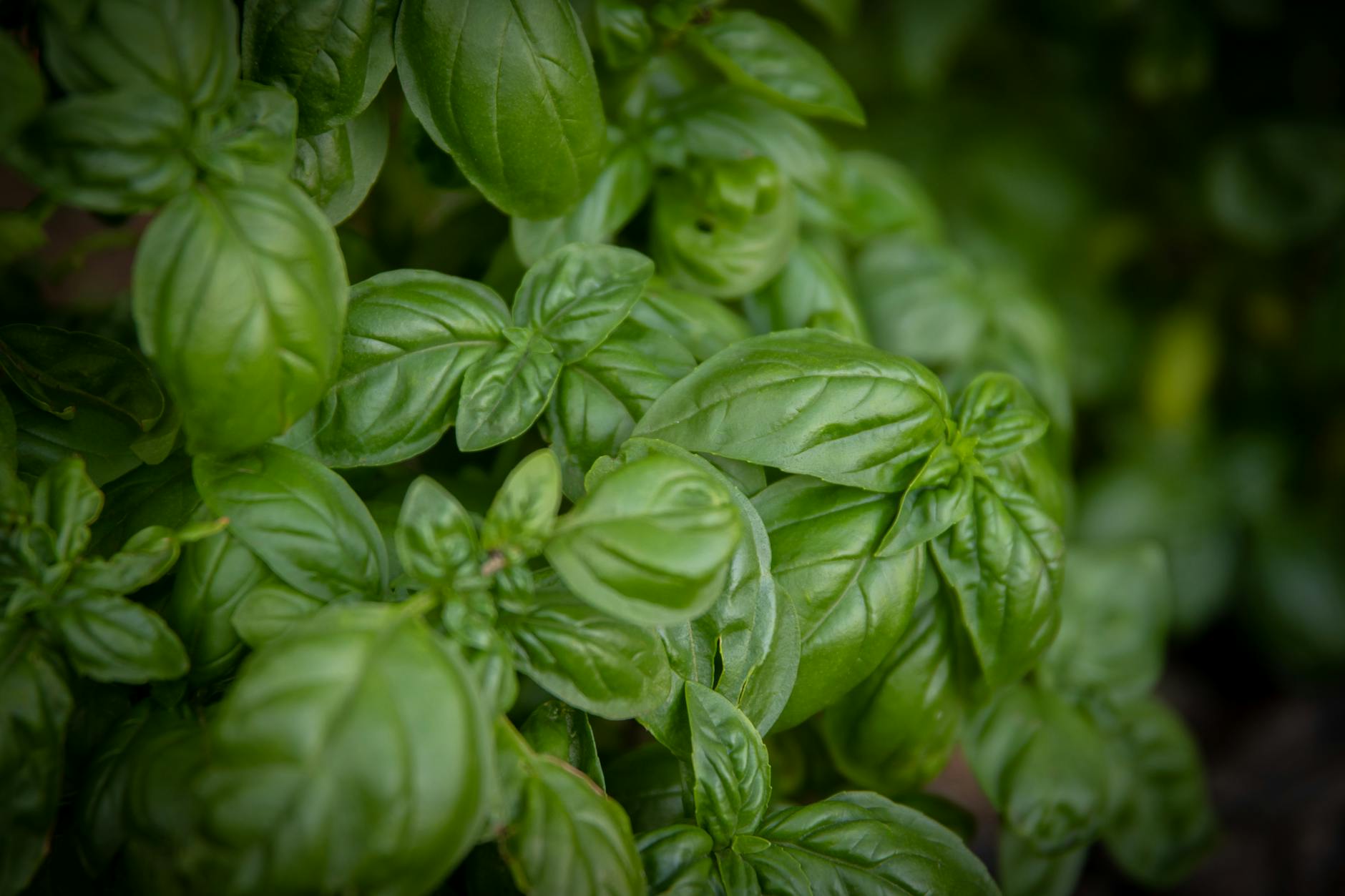
Basil is a warm-season herb that pairs naturally with many summer vegetables and thrives in the same sunny, well-drained conditions. It grows quickly from seed or transplant and can be harvested repeatedly by pinching back the top leaves to encourage bushy growth. Keeping basil plants from bolting by regularly removing flower buds extends the productive harvest period throughout the season. Sweet, Thai, and purple basil varieties each offer distinct aromatic profiles suited to different culinary applications. Planting basil near tomatoes is a traditional companion planting strategy believed to support healthy growth in both crops.
Radishes
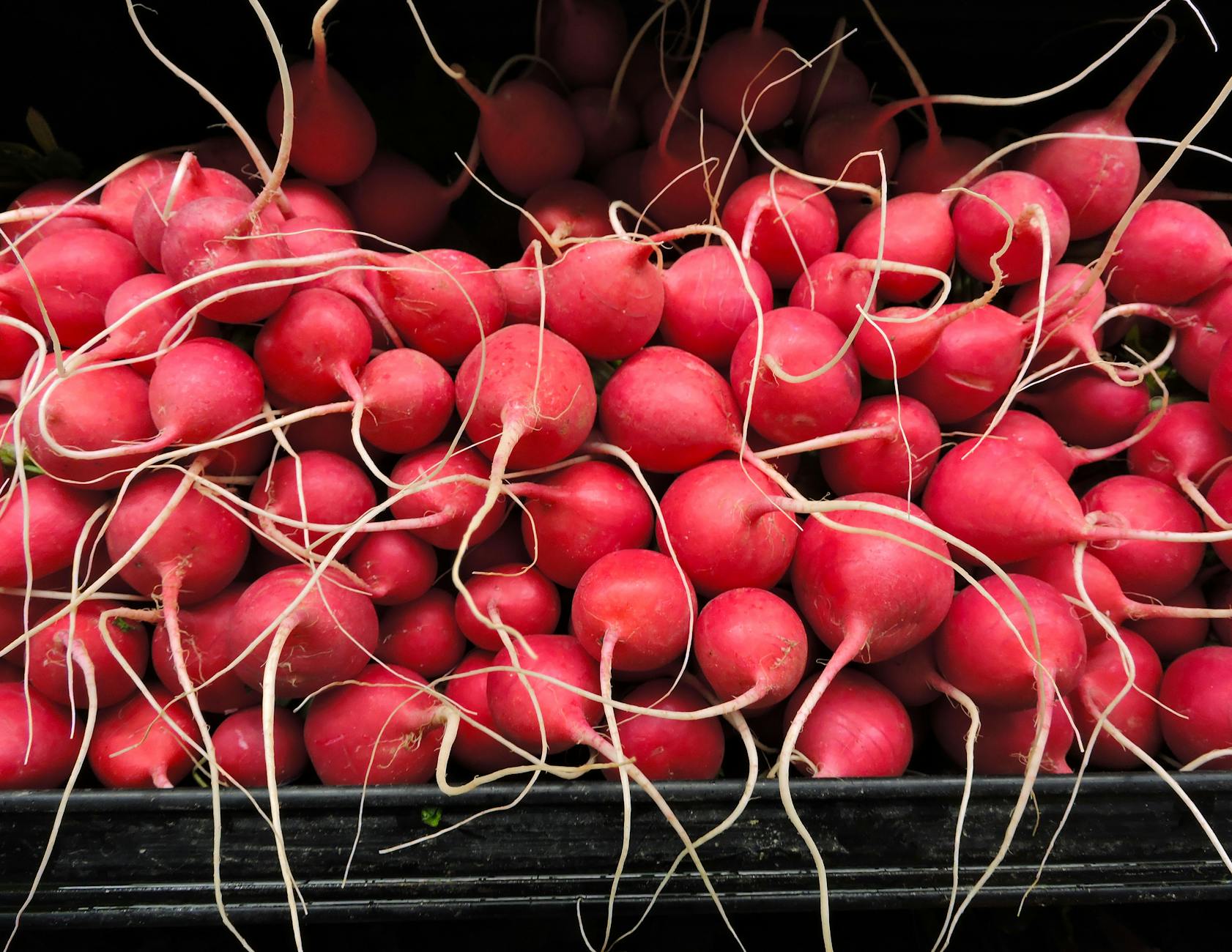
Radishes are among the fastest-maturing vegetables available to summer gardeners, with many varieties ready to harvest in as little as 22 to 30 days. They are ideal for filling gaps in garden beds between slower-growing crops and can be succession sown every two weeks for a continuous harvest. Radishes prefer cooler soil and can be planted at the start and end of summer to avoid the most intense heat. Their crisp, peppery roots add texture and flavor to fresh salads and slaws. Daikon and French breakfast varieties offer alternatives to the classic round red radish with milder flavors and different culinary uses.
Spinach
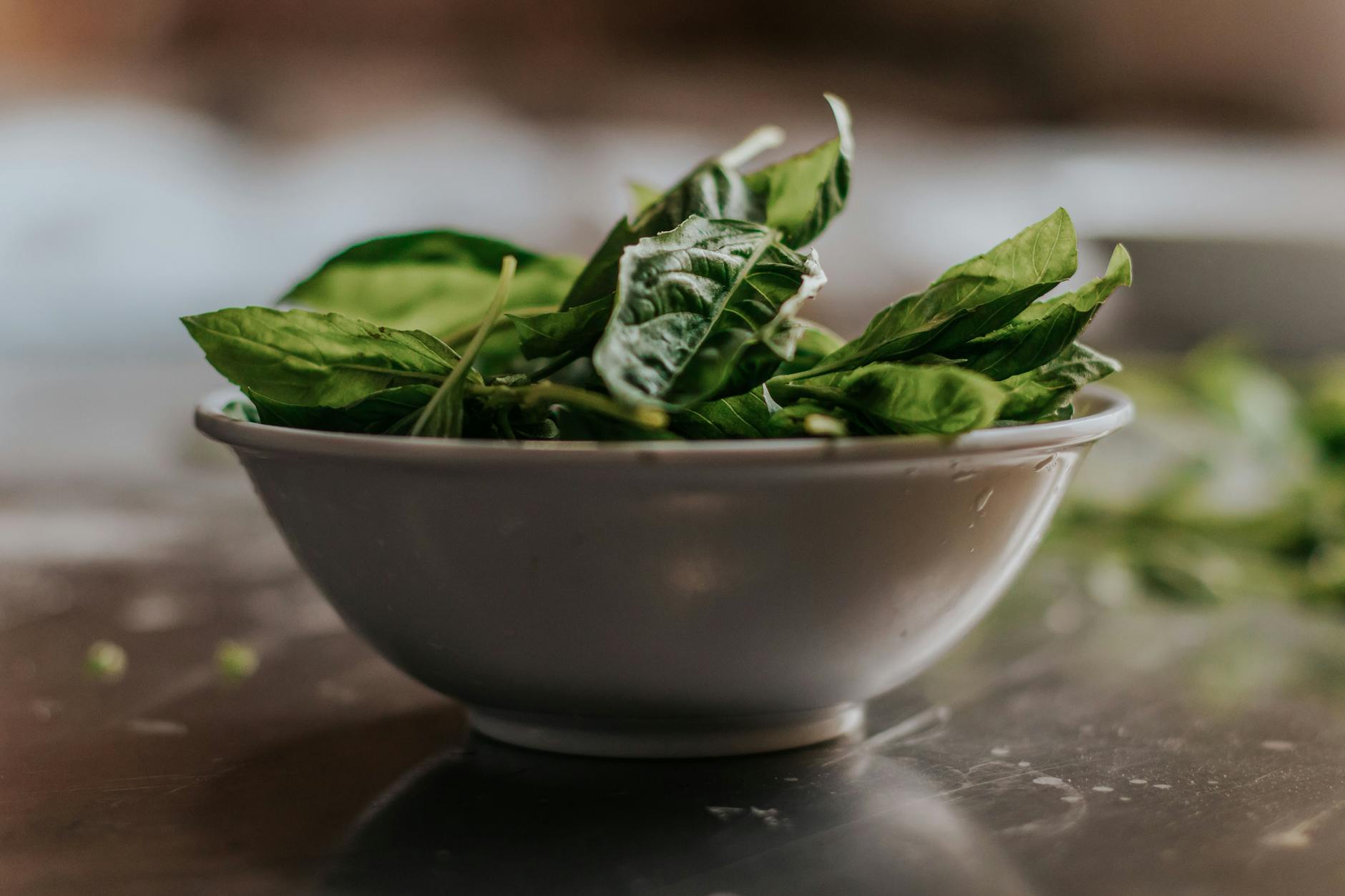
Spinach is a nutrient-dense leafy green that grows best during the cooler edges of summer, particularly in the early weeks of the season. It can be sown directly into garden beds and is typically ready for a first harvest within 40 to 50 days. Harvesting outer leaves regularly while leaving the center intact allows the plant to continue producing over several weeks. In warmer climates, spinach benefits from partial shade during the hottest parts of the day to prevent premature bolting. Baby spinach leaves harvested young are especially tender and well-suited to salads and light cooking.
Kale
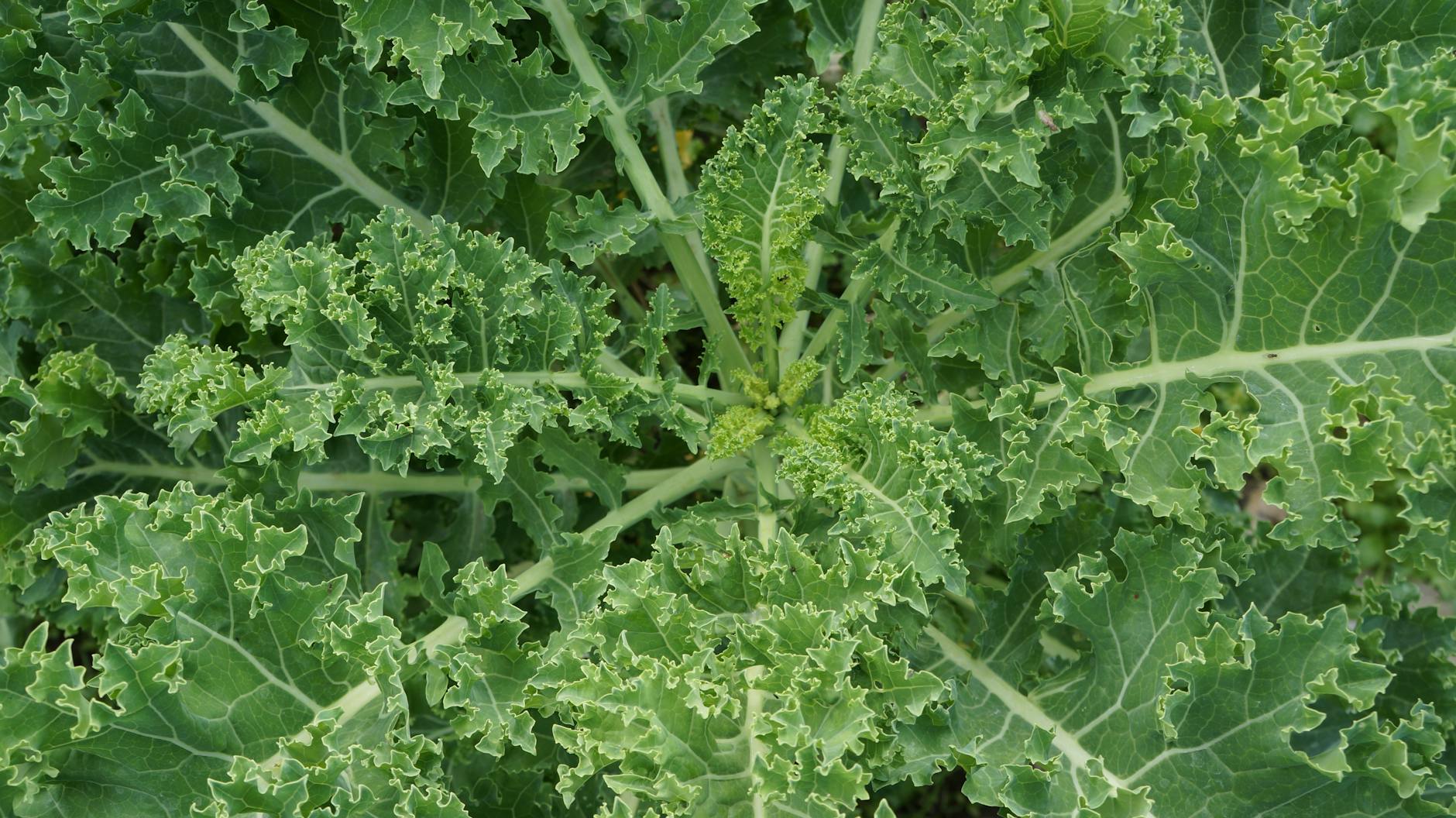
Kale is a hardy and nutritious leafy green that tolerates heat better than many other brassicas when provided with adequate water and some afternoon shade in warmer regions. It can be started from seed or transplant and produces harvestable leaves within 55 to 75 days depending on the variety. Curly, Tuscan, and Red Russian types each offer different textures and slightly varying flavors suited to raw and cooked preparations. Kale continues to produce throughout the season as long as the central growing tip is left intact during harvesting. Its high nutritional content and long productive window make it one of the most practical additions to a summer kitchen garden.
Garlic
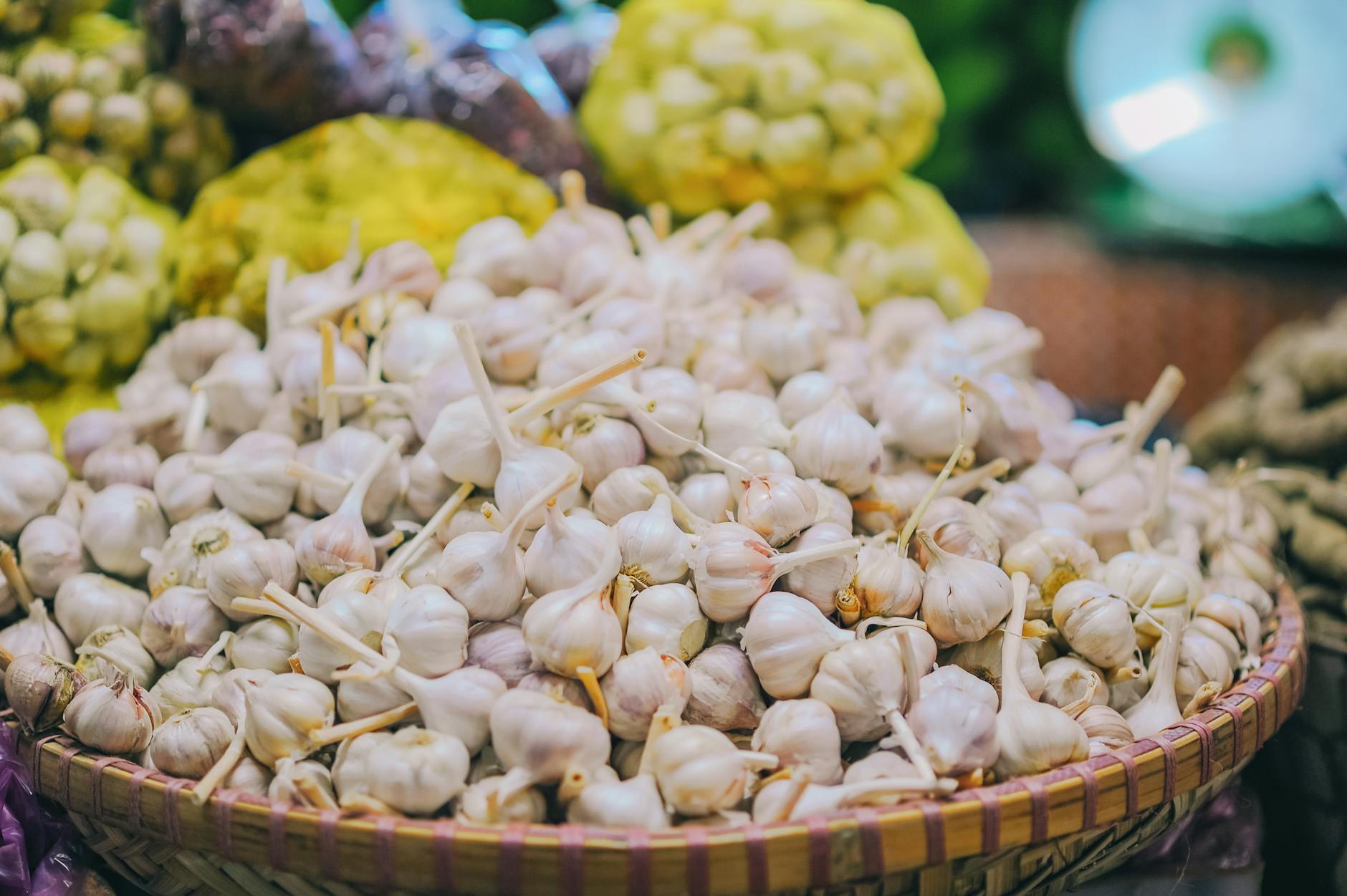
Garlic planted in late spring can be harvested by midsummer and requires relatively little attention once established in well-drained soil. Individual cloves are planted a few inches deep with the pointed end facing upward, and plants are spaced to allow room for the bulb to develop fully underground. Scapes, the curling green shoots that emerge from hardneck varieties, can be harvested and used in cooking before the main bulb is ready. Garlic is ready to harvest when the lower leaves begin to yellow and dry, typically around 90 days after planting. Curing the harvested bulbs in a warm, dry location extends their shelf life considerably after the summer growing season ends.
Lettuce
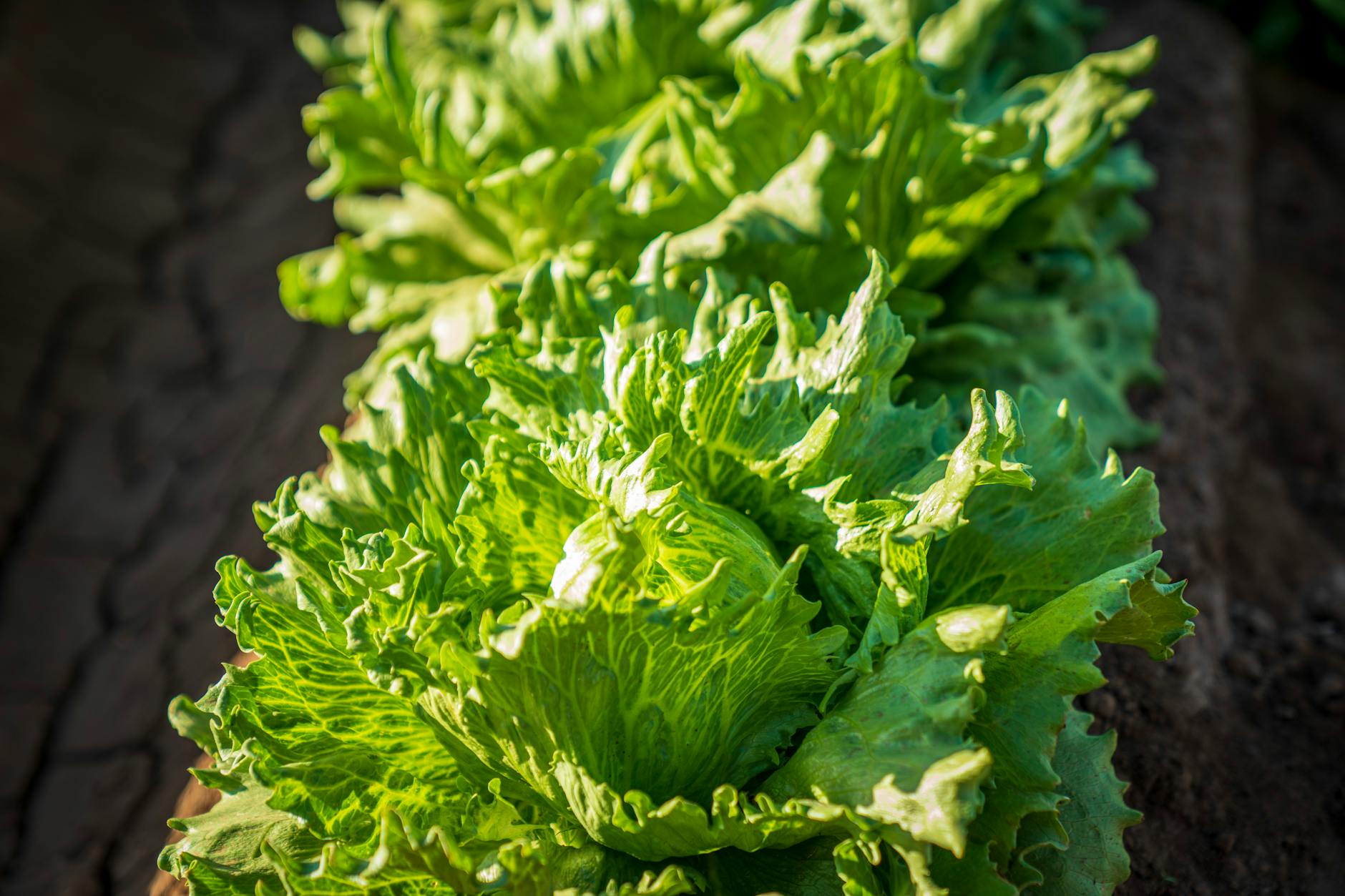
Lettuce is a cool-season crop that can be grown successfully at the beginning and end of summer when temperatures are more moderate. Loose-leaf varieties are particularly well-suited to repeated cut-and-come-again harvesting, producing tender leaves over an extended period. In warmer climates, growing lettuce under shade cloth or in partially shaded garden beds helps prevent premature bolting during hot spells. Most varieties are ready to harvest within 45 to 60 days and benefit from consistent moisture to maintain crisp, flavorful leaves. Growing multiple varieties simultaneously adds color, texture, and visual interest to both the garden and the plate.
Beets
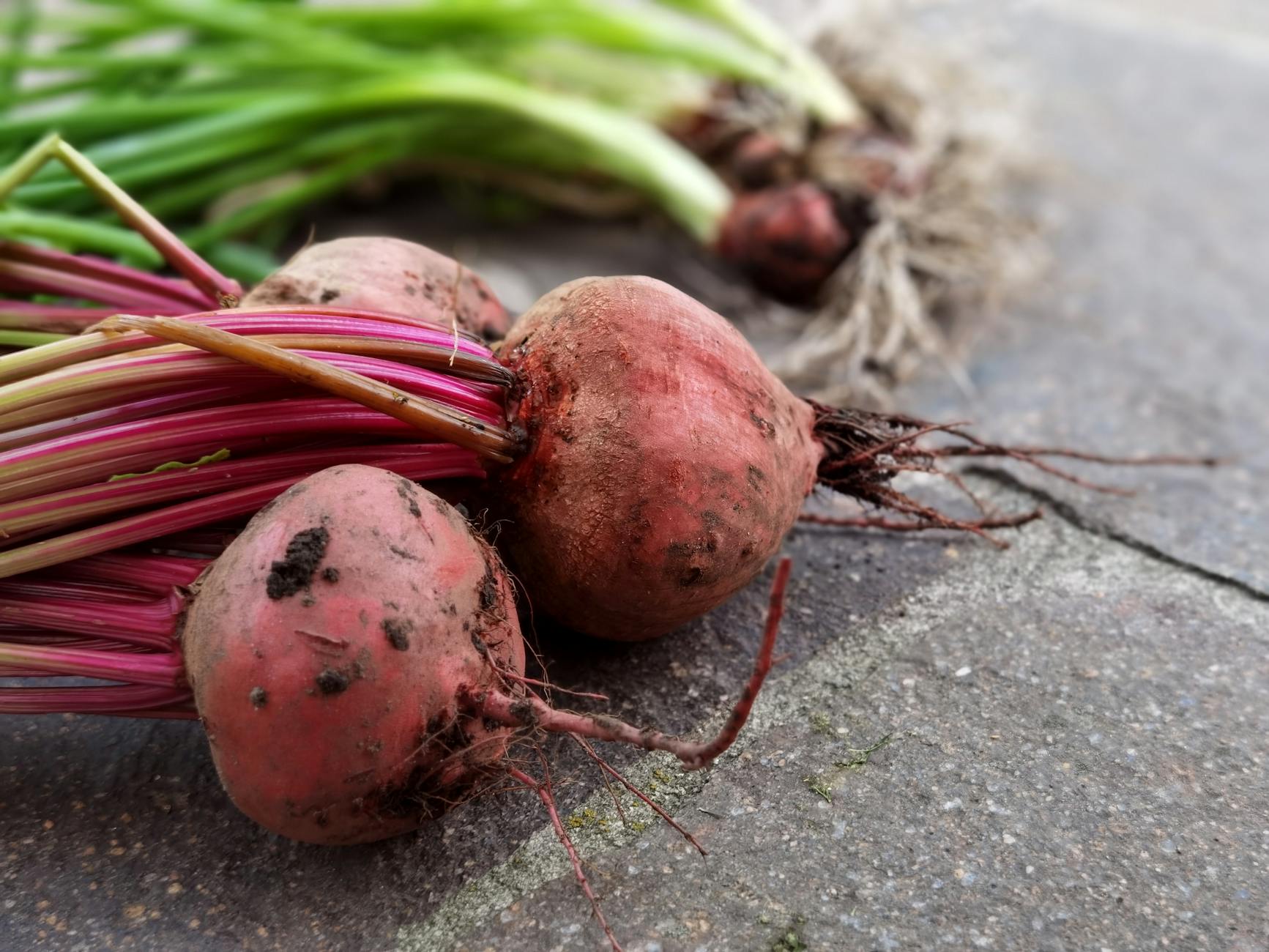
Beets are a versatile root vegetable that offers two harvests in one plant, with both the roots and the leafy tops being edible and nutritious. They are direct sown into the garden and prefer loose, well-amended soil that allows the roots to expand without obstruction. Most varieties mature in 55 to 70 days and should be harvested before the roots become overly large and woody in texture. The greens can be harvested young and used in the same way as Swiss chard or other leafy greens. Golden and Chioggia varieties offer milder, sweeter flavors and striking visual appeal alongside the traditional deep red type.
Swiss Chard
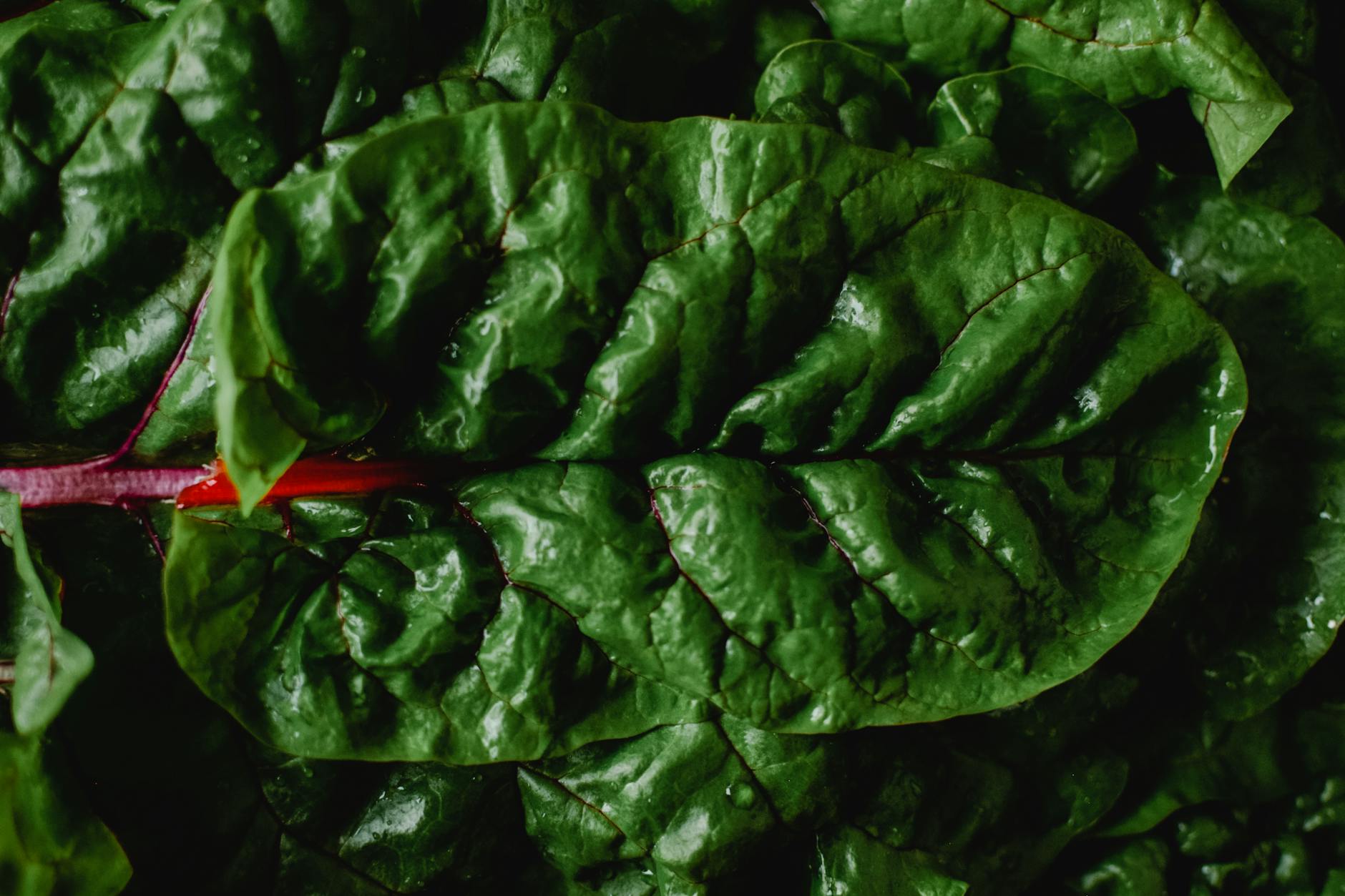
Swiss chard is a heat-tolerant leafy green that continues producing through the full summer season with minimal care once established. Its broad, glossy leaves come in a range of stem colors including red, yellow, orange, and white, making it as visually striking in the garden as it is useful in the kitchen. Plants can be started from seed directly in the garden bed and are typically ready for a first harvest within 50 to 60 days. Harvesting outer stalks while leaving the center to continue growing ensures a productive plant throughout the entire season. Swiss chard performs well in both raw preparations and cooked dishes, offering considerable flexibility for summer cooking.
Peas
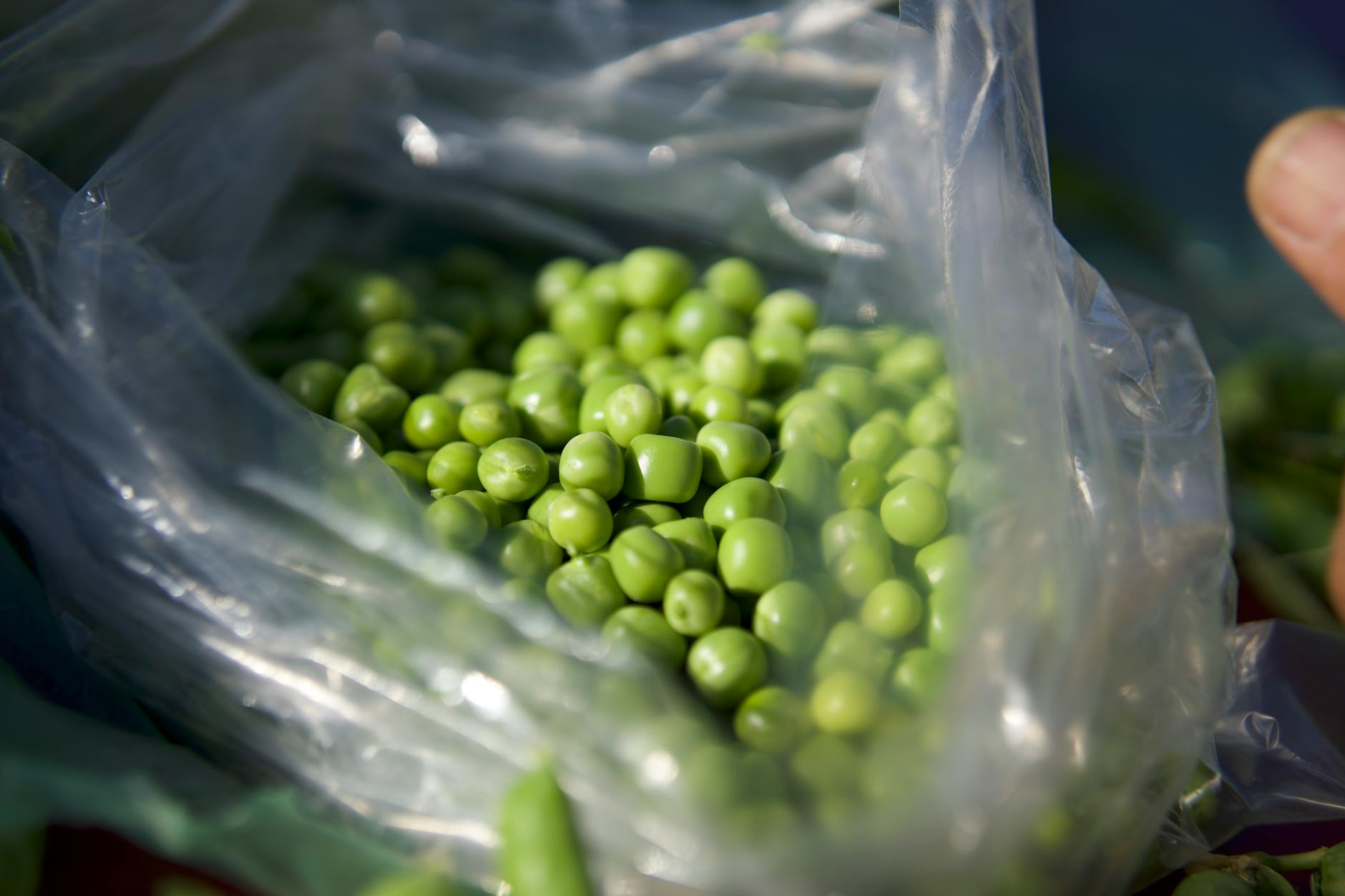
Peas are a cool-season crop that perform best when planted early in summer or as a second planting toward the end of the season when temperatures begin to moderate. Sugar snap varieties offer edible pods and sweet, plump peas within the same harvest, making them one of the most efficient choices for small gardens. Most varieties climb readily and benefit from a simple trellis or netting for support as they grow. Consistent picking once pods are filled out encourages continuous production over several weeks. Fresh garden peas have a noticeably sweeter and more delicate flavor than commercially processed varieties, which makes growing your own a genuinely worthwhile endeavor.
If you are planning your summer garden this year, share which vegetables you are most excited to grow in the comments.