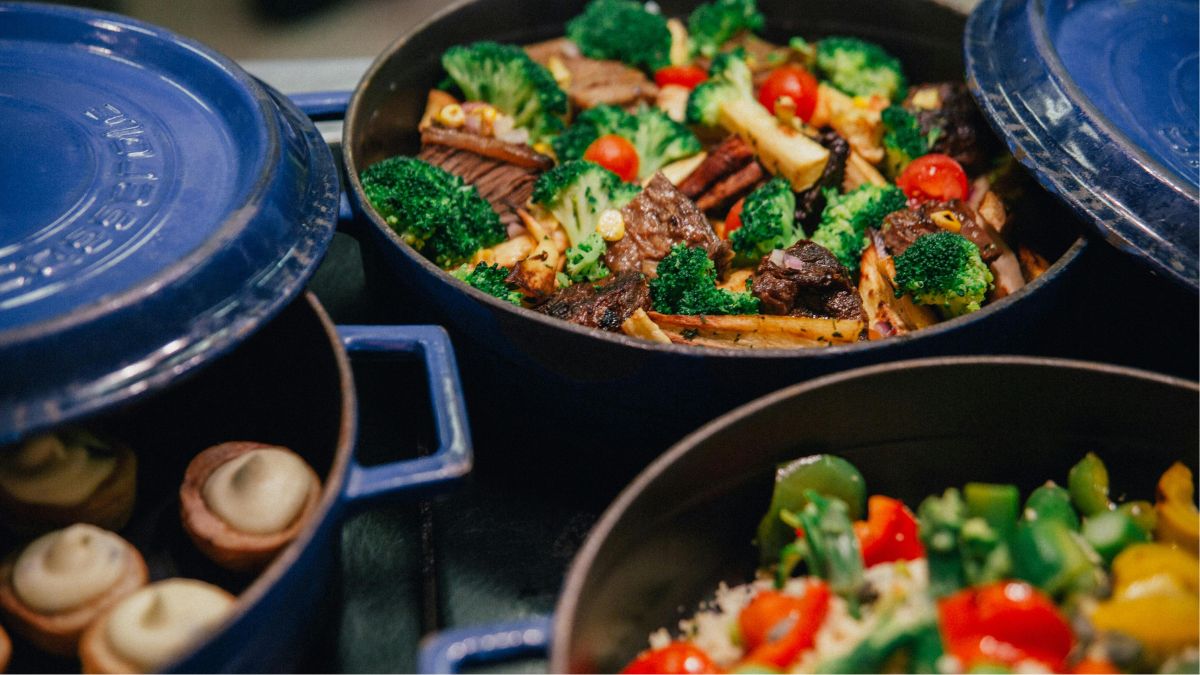
As women enter their fifties and beyond, the body’s nutritional needs shift in meaningful ways that make targeted supplementation more important than ever. Hormonal changes, reduced bone density, slower metabolism, and shifts in how the body absorbs nutrients all play a role in determining which vitamins deserve a place in the daily routine. The right combination of supplements can support energy, cognition, heart health, and longevity well into the decades ahead. Understanding which vitamins carry the most evidence behind them is the first step toward building a smarter wellness strategy.
Vitamin D
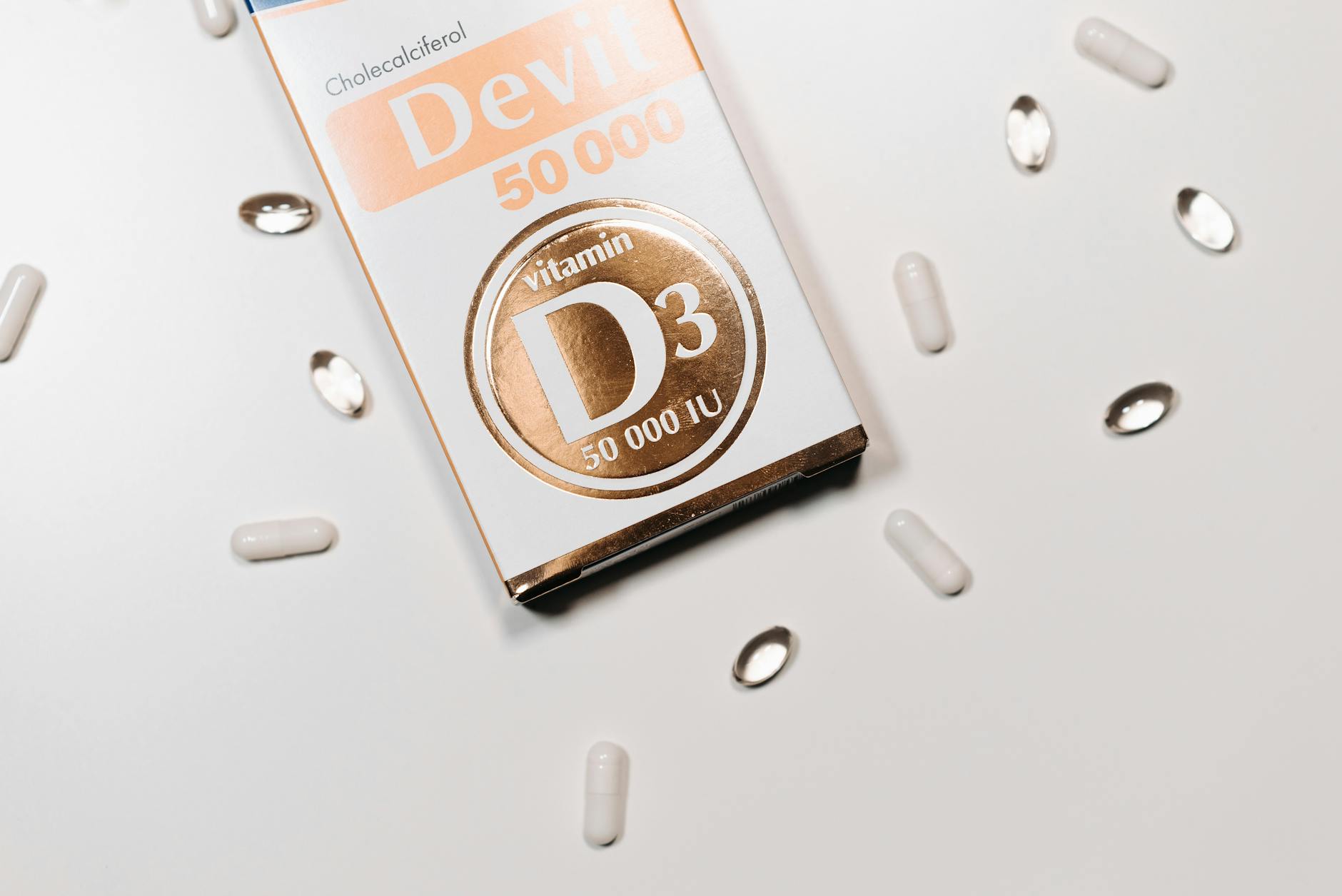
Vitamin D plays a foundational role in calcium absorption, making it one of the most critical supplements for women over 50 who face increasing risk of osteoporosis. After menopause, estrogen levels drop significantly and the body becomes less efficient at synthesizing vitamin D through sun exposure alone. Most health organizations recommend that women in this age group aim for between 600 and 800 IU daily, though some practitioners suggest higher amounts depending on blood levels. Deficiency in vitamin D has also been linked to fatigue, mood disturbances, and a weakened immune response. Regular testing can help determine the right dosage for individual needs.
Calcium
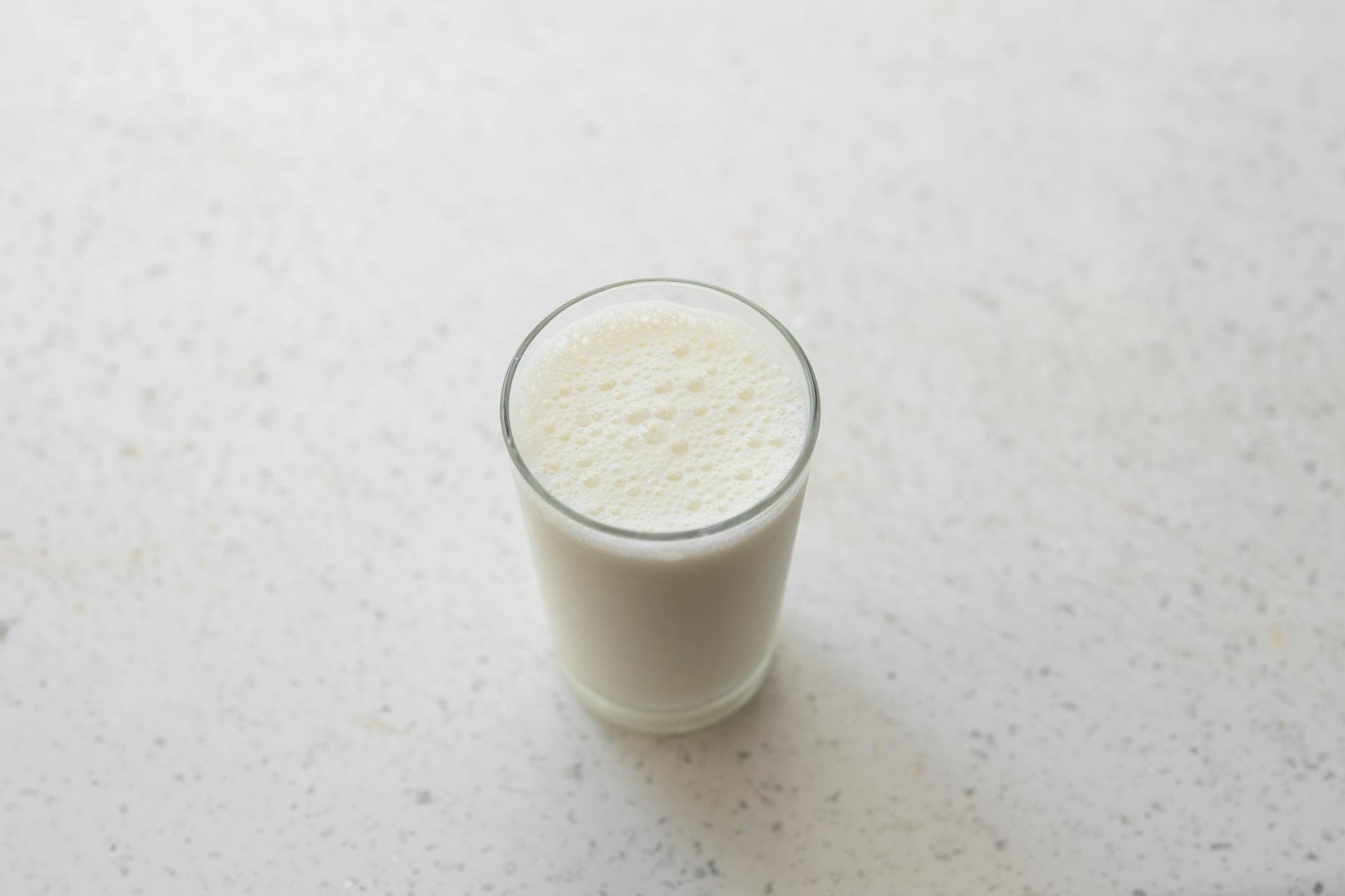
Calcium is the mineral most closely associated with bone strength, and its importance only intensifies after the age of 50 when bone loss accelerates. Women who have gone through menopause lose bone density at a faster rate, making adequate calcium intake a non-negotiable part of a protective health routine. The recommended daily intake rises to around 1200 milligrams for women in this group, which can be difficult to achieve through diet alone. Calcium supplements are best absorbed when taken in smaller doses throughout the day rather than in one large serving. Pairing calcium with vitamin D enhances its absorption and maximizes its protective effect on skeletal health.
Magnesium
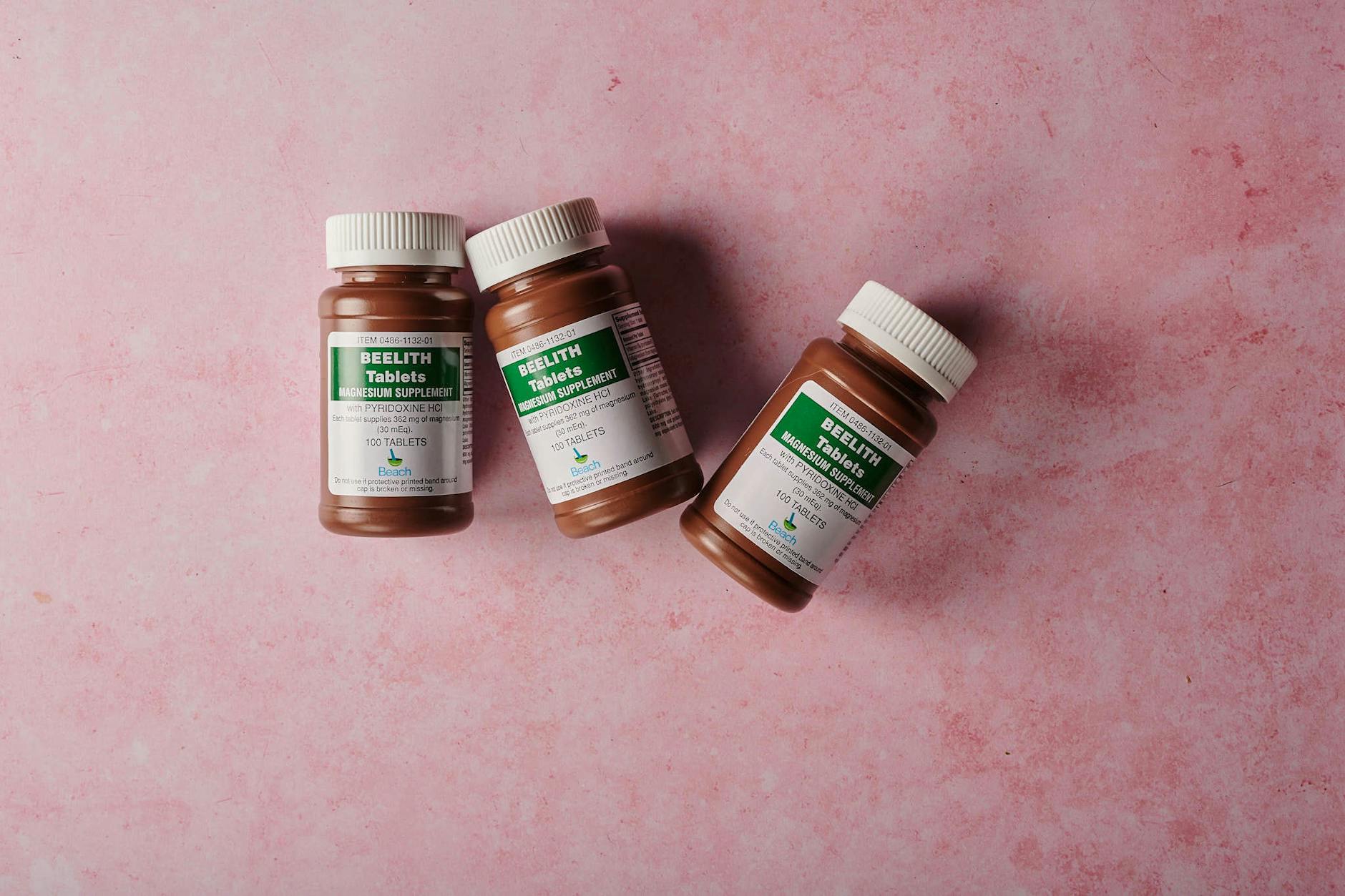
Magnesium is involved in over 300 enzymatic processes in the body, yet it remains one of the most commonly under-consumed minerals among older women. It supports muscle and nerve function, regulates blood sugar levels, and plays an important role in maintaining healthy blood pressure. Women over 50 who struggle with sleep disturbances or muscle cramps may find that magnesium supplementation offers noticeable relief. It also works in tandem with calcium and vitamin D to support bone mineral density. Magnesium glycinate and magnesium citrate are among the most bioavailable forms for daily supplementation.
Vitamin B12

Vitamin B12 is essential for nerve function, red blood cell production, and the maintenance of healthy cognitive performance. As the body ages, the stomach produces less hydrochloric acid, which is needed to separate B12 from food proteins during digestion, making deficiency increasingly common in women over 50. Low B12 levels have been associated with fatigue, memory lapses, tingling in the extremities, and mood imbalances. Women who follow plant-based diets are at particularly elevated risk, as B12 is found almost exclusively in animal-derived foods. Sublingual supplements or methylcobalamin forms are often recommended for their superior absorption compared to standard tablets.
Omega-3 Fatty Acids
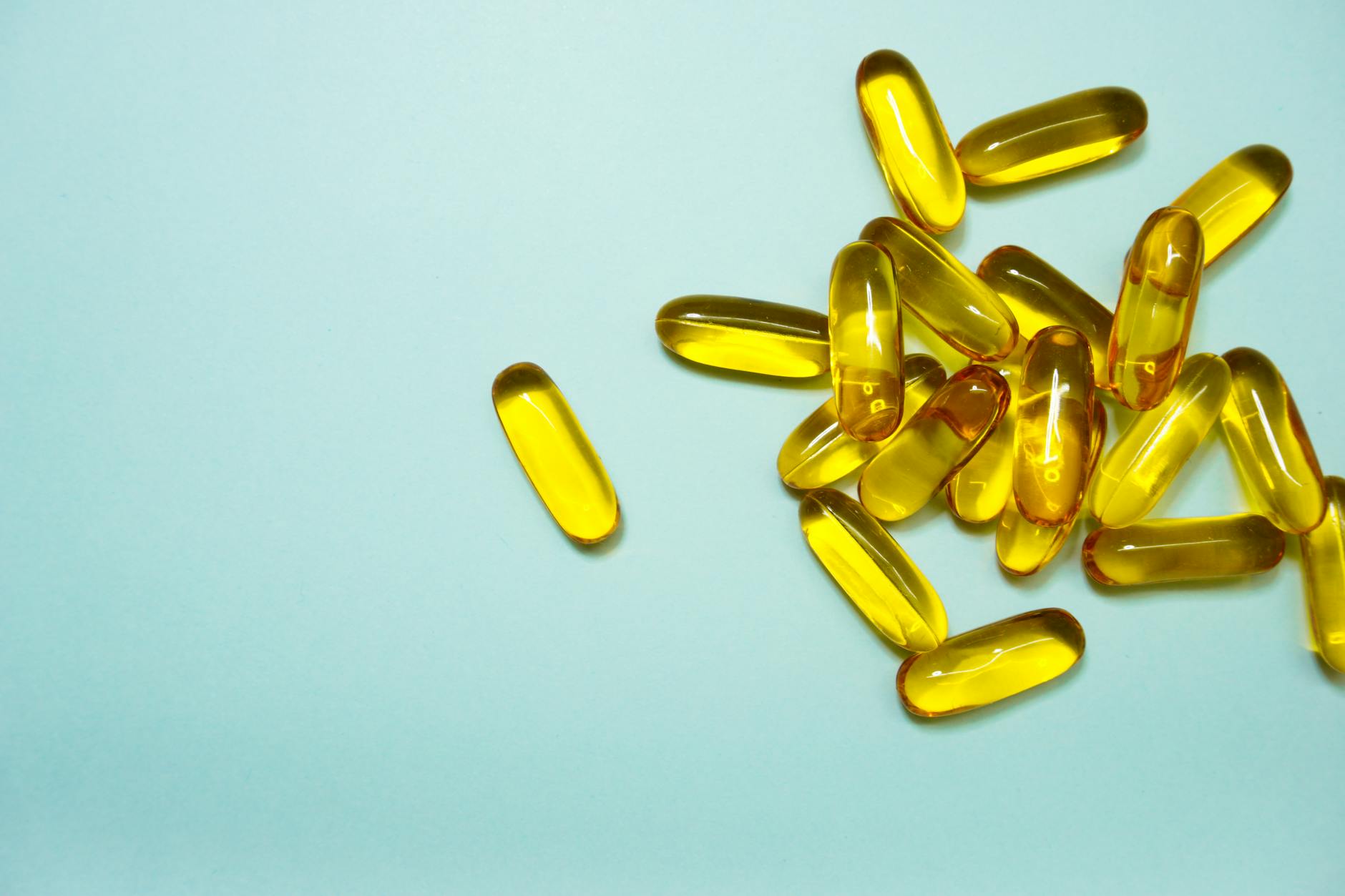
While technically a fatty acid rather than a vitamin, omega-3 supplements are widely recommended by health professionals for women over 50 due to their extensive cardiovascular and cognitive benefits. EPA and DHA, the two primary omega-3 compounds found in fish oil, help reduce inflammation, support heart rhythm, and may play a protective role in brain health as women age. Post-menopausal women face a heightened risk of heart disease, and consistent omega-3 intake has been shown to support healthy triglyceride levels. Omega-3s also contribute to joint comfort and skin hydration, two areas that tend to be affected by hormonal changes. Plant-based alternatives derived from algae offer a suitable option for those who prefer to avoid fish-derived products.
Vitamin K2

Vitamin K2 is a lesser-known but highly valuable nutrient that works alongside calcium and vitamin D to direct calcium into the bones rather than allowing it to accumulate in the arteries. This makes it particularly relevant for women over 50 who are simultaneously managing bone health and cardiovascular risk. Research suggests that K2 activates proteins that regulate where calcium is deposited in the body, offering a dual protective function. MK-7 is the most studied and longest-acting form of vitamin K2 and is widely available in supplement form. Foods such as fermented soy and aged cheeses are natural dietary sources, though supplementation is often needed to reach optimal levels.
Folate

Folate, the natural form of vitamin B9, supports DNA repair, red blood cell formation, and cardiovascular health in women over 50. Adequate folate intake has been linked to reduced levels of homocysteine, an amino acid associated with increased cardiovascular risk when elevated. Women who carry a common genetic variation called MTHFR may have difficulty converting synthetic folic acid into its usable form, making methylfolate a preferred supplemental choice. Folate also supports healthy brain function and may play a role in protecting against age-related cognitive decline. It is found naturally in leafy greens, legumes, and fortified grains, though supplementation helps bridge dietary gaps.
Vitamin C
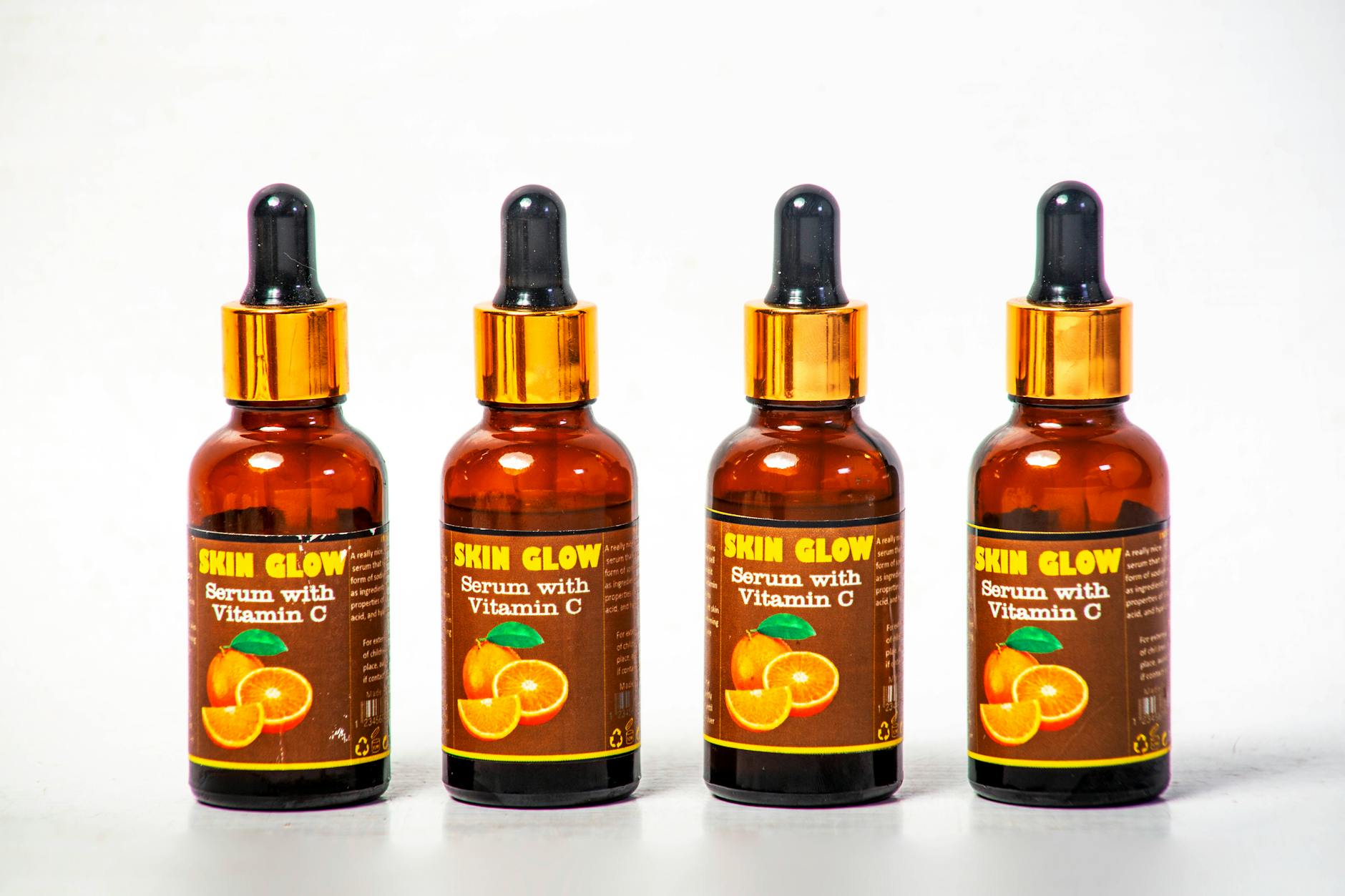
Vitamin C is a potent antioxidant that supports immune function, collagen synthesis, and the repair of tissues throughout the body. For women over 50, its role in collagen production is particularly relevant as skin elasticity and joint cartilage begin to diminish with age. It also enhances the absorption of non-heme iron from plant sources, which can be beneficial for maintaining healthy energy levels. Vitamin C helps neutralize free radicals that contribute to cellular aging, supporting long-term health across multiple body systems. Buffered or liposomal forms are gentler on the digestive system and may offer improved absorption for sensitive individuals.
Vitamin E
Vitamin E functions primarily as a fat-soluble antioxidant, helping protect cell membranes from oxidative damage throughout the aging process. For women over 50, it has been studied for its potential role in supporting skin health, immune resilience, and the management of menopausal symptoms such as hot flashes. It works synergistically with vitamin C, helping to regenerate the antioxidant capacity of that vitamin after it has been used by the body. Mixed tocopherol forms of vitamin E are considered more complete than supplements that contain only alpha-tocopherol. As a fat-soluble vitamin, it is best absorbed when taken alongside a meal that contains healthy fats.
Iron
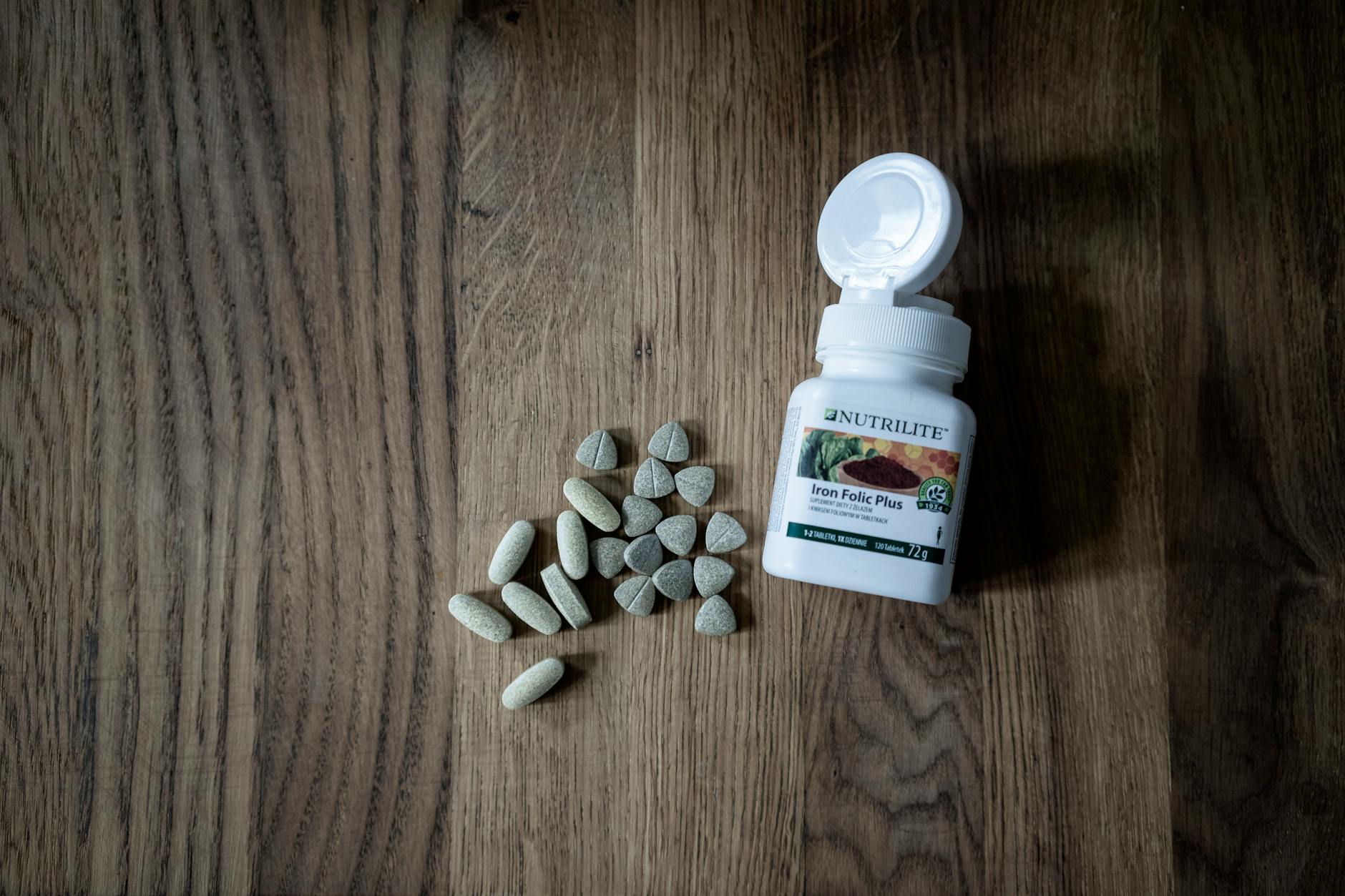
Iron needs typically decrease after menopause, but women who experience ongoing fatigue, weakness, or poor concentration may still benefit from monitoring their iron status. Iron is essential for the production of hemoglobin, the protein in red blood cells that carries oxygen throughout the body. Post-menopausal women who follow restrictive diets or have gastrointestinal conditions that impair absorption may be at risk for mild deficiency. Ferrous bisglycinate is a well-tolerated form that is less likely to cause digestive discomfort compared to traditional ferrous sulfate. Any iron supplementation should be guided by a blood test, as excess iron carries its own set of health risks.
Zinc

Zinc is a trace mineral that plays a significant role in immune defense, wound healing, hormonal regulation, and the maintenance of taste and smell. Women over 50 often absorb zinc less efficiently, particularly if digestive function has slowed or dietary variety has decreased. It also supports the activity of over 300 enzymes involved in metabolism, DNA synthesis, and cellular repair. Adequate zinc levels have been associated with healthier skin, improved thyroid function, and better resilience against common infections. Zinc picolinate and zinc bisglycinate are among the most bioavailable forms and are widely used in supplements formulated for older adults.
Coenzyme Q10
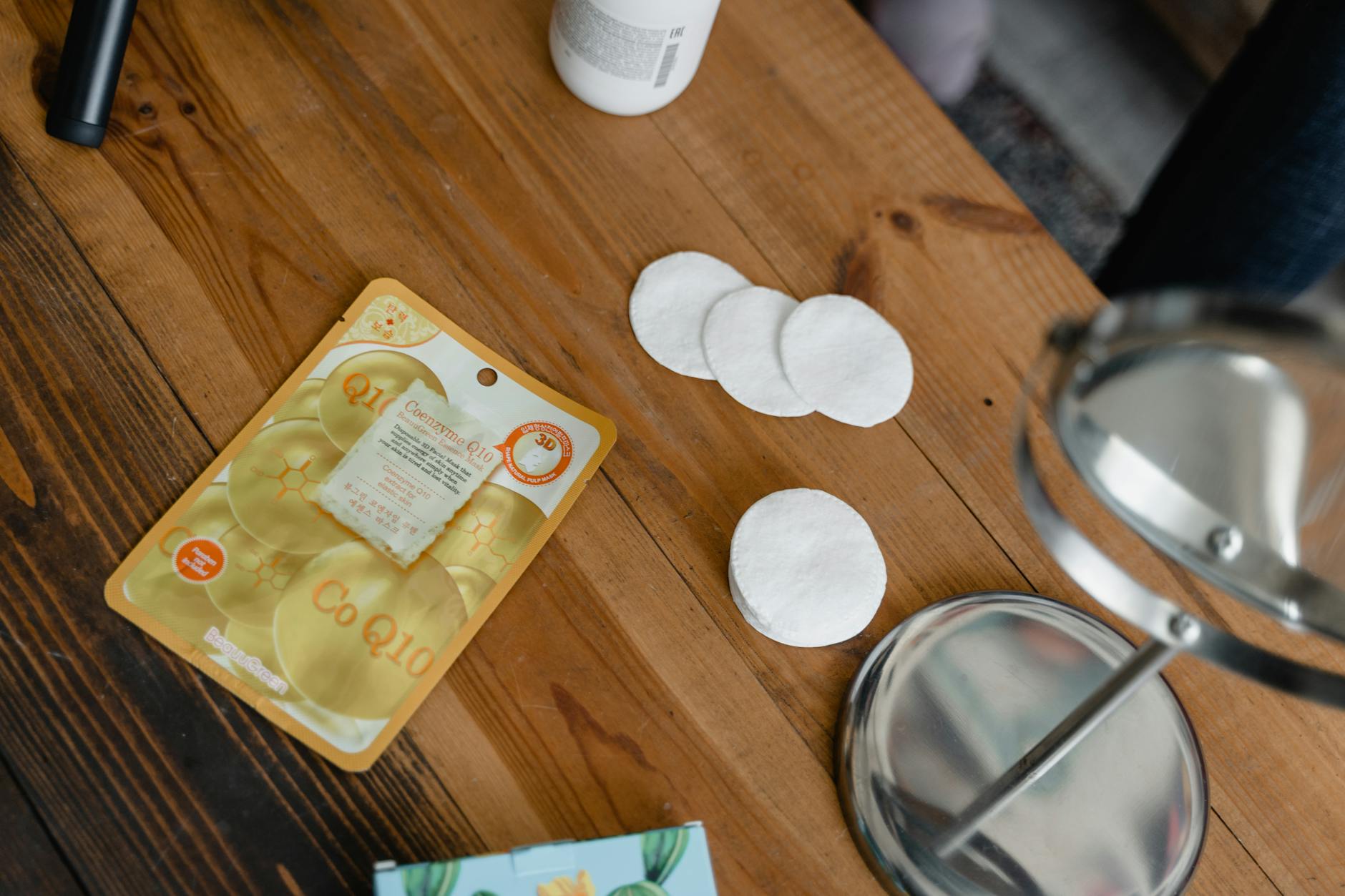
Coenzyme Q10 is a naturally occurring antioxidant compound that supports cellular energy production and is concentrated in organs with high energy demands such as the heart, liver, and kidneys. Its natural levels in the body decline with age, and women over 50 who take statin medications may experience even greater depletion. Supplementing with CoQ10 has been associated with improved energy levels, reduced oxidative stress, and better cardiovascular function in aging adults. The ubiquinol form is generally considered more bioavailable than standard ubiquinone, particularly for women over 50 whose bodies may be less efficient at converting between the two forms. It is a fat-soluble compound and should be taken with a meal containing dietary fat for optimal absorption.
Probiotics
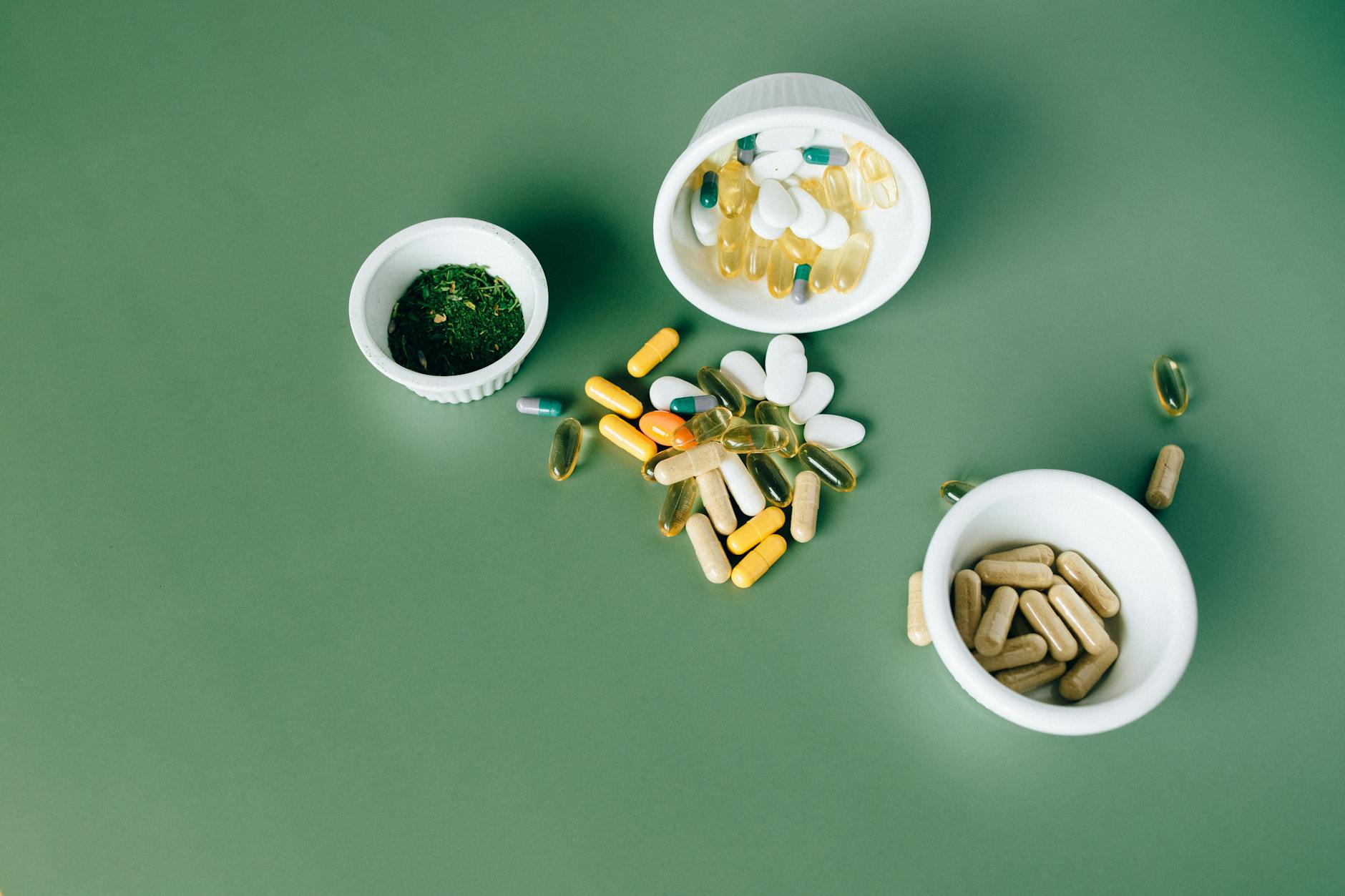
Probiotics are live beneficial bacteria that support gut health, immune function, and the absorption of key nutrients from food and supplements. As women age, the diversity and balance of gut microbiota can shift, affecting everything from digestion and inflammation to mood and metabolic health. A healthy gut microbiome also plays a role in how efficiently the body extracts and utilizes vitamins like B12, K2, and magnesium. Strains such as Lactobacillus acidophilus and Bifidobacterium longum have been studied for their relevance to the aging digestive system and immune response. Choosing a multi-strain probiotic with at least 10 billion CFUs and storing it properly according to the label ensures potency and effectiveness.
Iodine
Iodine is essential for thyroid hormone production, which governs metabolism, energy regulation, and body temperature in women of all ages. Women over 50 are at increased risk of thyroid dysfunction, particularly hypothyroidism, making iodine status an important consideration in overall wellness planning. Adequate iodine intake supports the production of triiodothyronine and thyroxine, the two hormones that regulate how efficiently the body uses energy. Iodine deficiency can manifest as persistent fatigue, weight gain, brain fog, and sensitivity to cold. Women who avoid iodized salt or follow diets low in seafood and dairy may benefit most from targeted supplementation under professional guidance.
Biotin

Biotin, a water-soluble B vitamin, supports the metabolism of fats, carbohydrates, and proteins while also playing a well-documented role in the health of hair, skin, and nails. Women over 50 frequently notice changes in hair thickness and nail strength as hormonal fluctuations affect the hair growth cycle and keratin production. Biotin supports the synthesis of keratin, the structural protein that forms the basis of both hair and nails, making it a popular choice in supplements designed for aging adults. It also plays a supportive role in blood sugar regulation, which becomes an increasingly relevant area of focus after the age of 50. Because biotin can interfere with certain laboratory test results, women should inform their healthcare provider before beginning supplementation.
Which vitamins are part of your daily routine? Share your thoughts in the comments.