Hair growth is influenced by many factors, but nutrition plays a foundational role in keeping strands strong, thick, and healthy from the inside out. Certain vitamins are especially effective at supporting the hair growth cycle, reducing shedding, and improving overall scalp health. Whether you’re dealing with thinning hair, slow growth, or dullness, incorporating the right vitamins into your daily routine can make a meaningful difference over time. Understanding which nutrients your body needs is the first step toward building a regimen that truly delivers results.
Biotin

Biotin is one of the most widely recognized vitamins for supporting hair growth and is a form of vitamin B7 that plays a key role in keratin production. Keratin is the structural protein that makes up the hair shaft, meaning adequate biotin levels are essential for strong and resilient strands. Research suggests that individuals with biotin deficiencies often experience noticeable hair thinning and increased shedding. Supplementing with biotin has been shown to improve hair thickness and reduce breakage when taken consistently over several months. It is found naturally in eggs, nuts, and sweet potatoes but is also widely available in supplement form.
Vitamin D
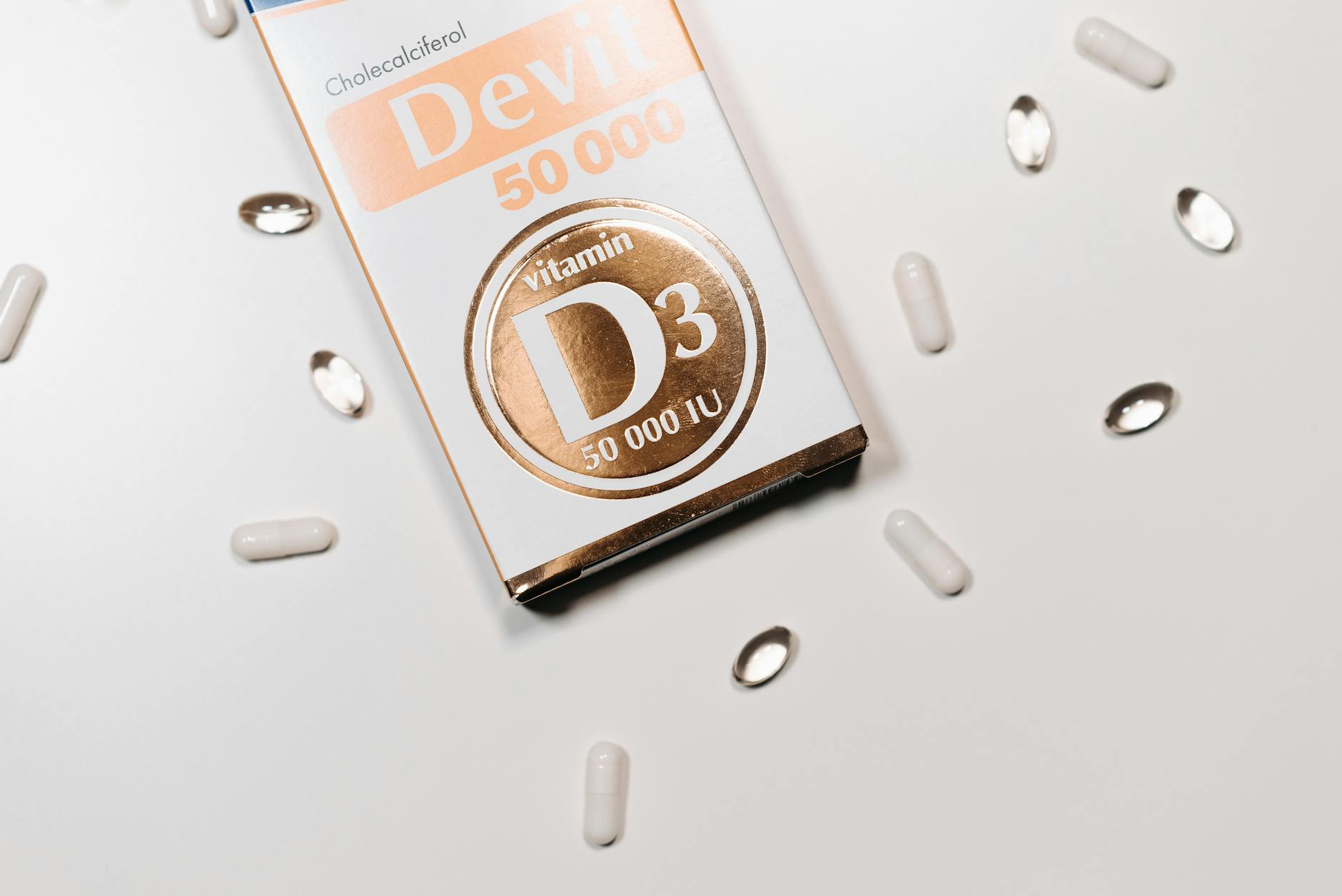
Vitamin D is critical for the creation of new hair follicles and helps maintain the health of existing ones throughout the growth cycle. Low levels of this vitamin have been linked in multiple studies to conditions such as alopecia and telogen effluvium, both of which cause significant hair loss. The body produces vitamin D through sun exposure, but many people do not get sufficient amounts through sunlight alone. Supplementing with vitamin D3 is considered the most bioavailable form and is commonly recommended by dermatologists for hair health. Getting levels checked through a blood test is a practical way to determine whether supplementation is necessary.
Vitamin E

Vitamin E is a powerful antioxidant that protects hair follicles from oxidative stress caused by environmental damage and free radicals. It supports healthy scalp circulation, which is important for delivering nutrients and oxygen directly to the roots. Studies have found that vitamin E supplementation can increase hair count significantly in individuals experiencing hair loss. It is found in abundance in foods such as sunflower seeds, almonds, and avocados, making it accessible through both diet and supplements. A healthy scalp environment supported by vitamin E creates the ideal conditions for consistent and sustained hair growth.
Iron
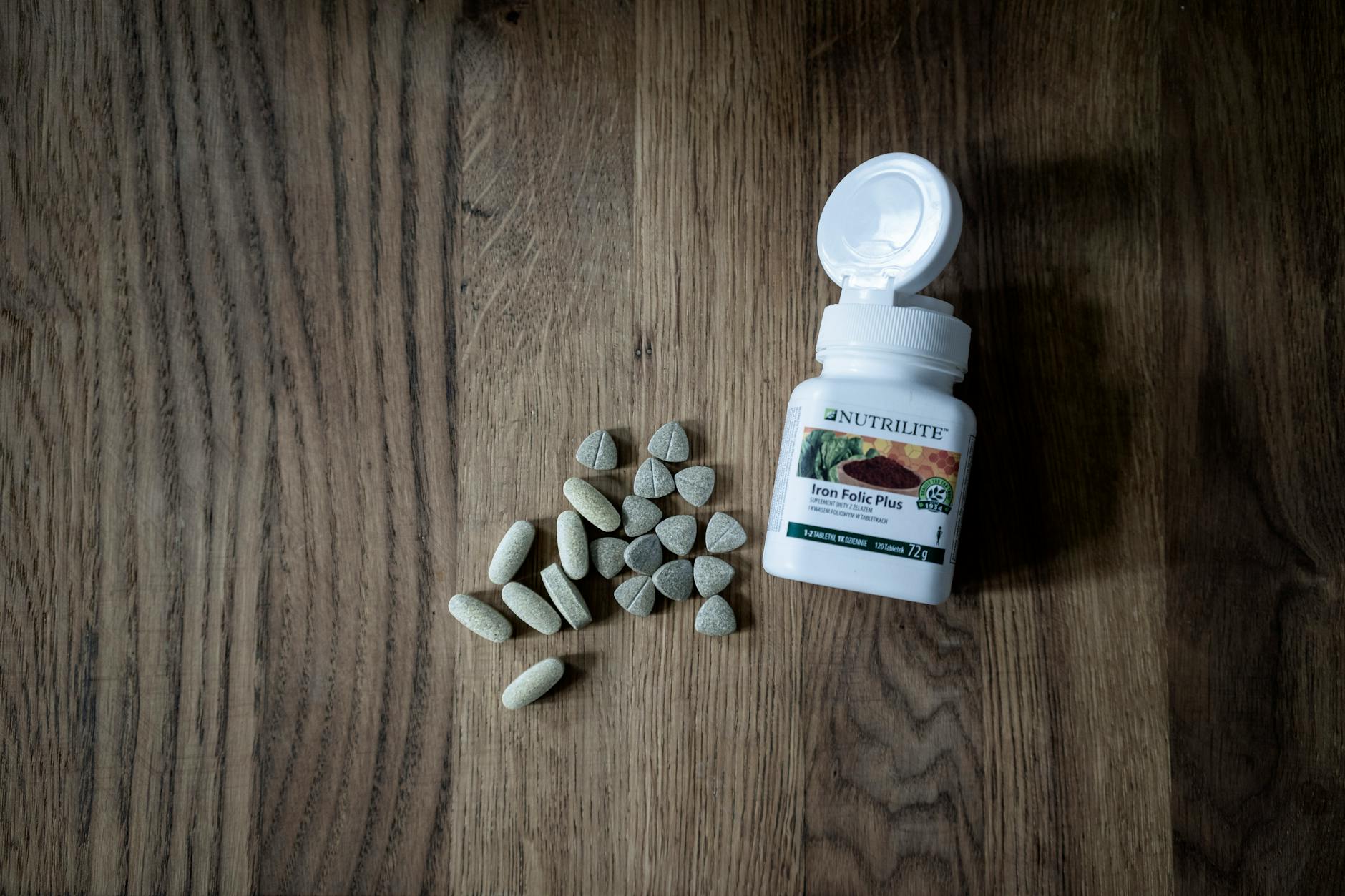
Iron deficiency is one of the most common nutritional causes of hair loss, particularly among women of reproductive age. This essential mineral helps red blood cells carry oxygen to the scalp and hair follicles, fueling the energy-intensive process of hair production. When iron stores are depleted, the body prioritizes vital organs over hair growth, often resulting in increased shedding and slowed regrowth. Ferritin levels, which reflect stored iron, are often checked by specialists when evaluating hair loss concerns. Supplementing with iron under medical guidance can lead to meaningful improvements in hair density over time.
Vitamin A
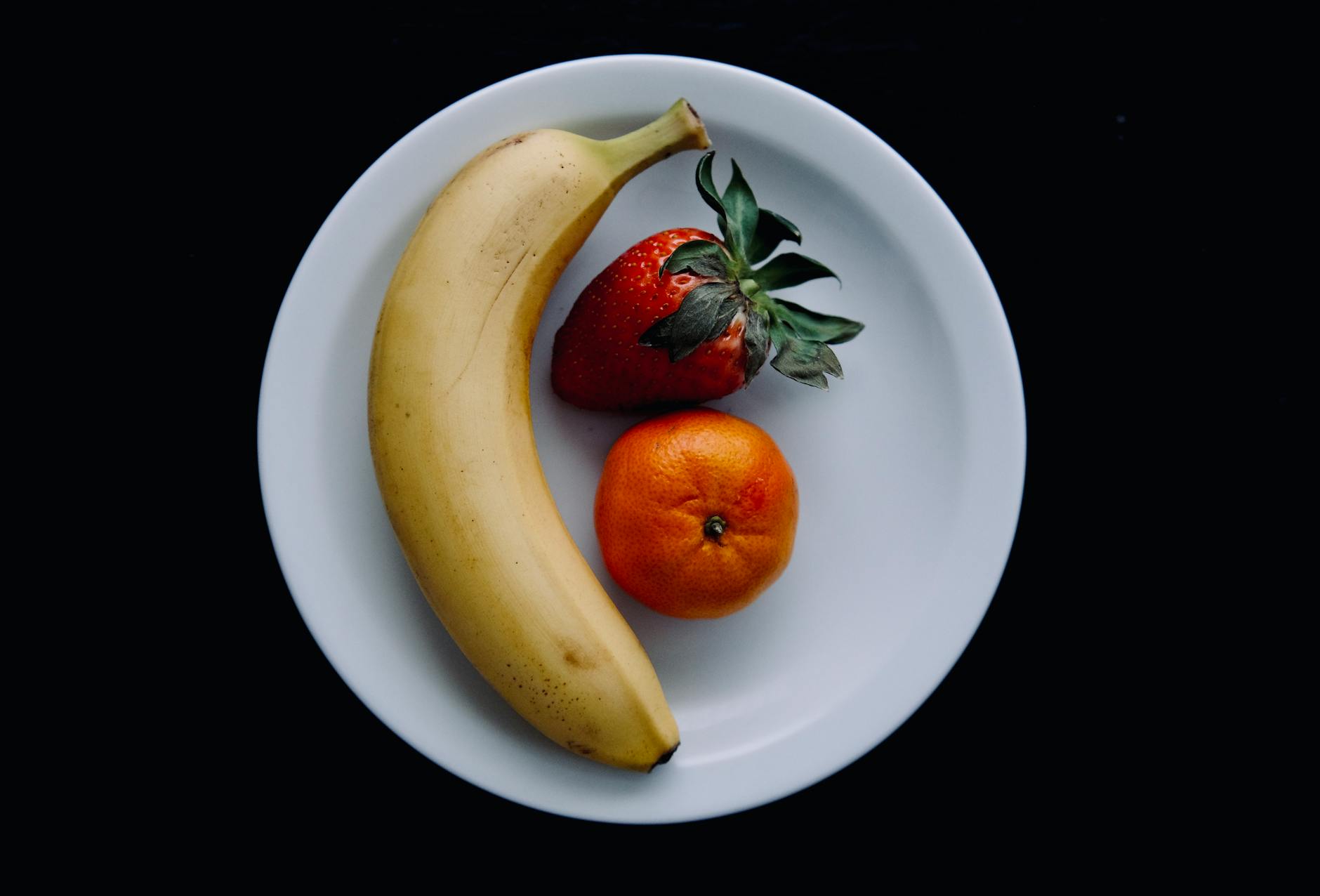
Vitamin A supports the production of sebum, the natural oil that moisturizes the scalp and keeps hair from becoming dry and brittle. It also plays a role in cell growth, which is fundamental to the ongoing renewal of hair follicle cells. A deficiency in vitamin A can lead to a dry, flaky scalp and noticeably weakened hair strands. However, it is important to avoid excessive intake, as too much vitamin A has been shown to actually contribute to hair loss rather than prevent it. Obtaining vitamin A through beta carotene rich foods like carrots and leafy greens is generally considered a safer approach than high dose supplementation.
Zinc

Zinc supports tissue growth and repair throughout the body, including within the hair follicle structure where it helps regulate the hair growth cycle. It also plays a role in managing oil gland function around follicles, which contributes to a balanced and healthy scalp. Research has consistently found that zinc deficiency is associated with hair thinning and loss across various age groups. Supplementing with zinc has demonstrated positive effects on hair regrowth, particularly in individuals whose levels are confirmed to be low. Foods such as pumpkin seeds, lentils, and chickpeas are excellent dietary sources of this essential mineral.
Niacin
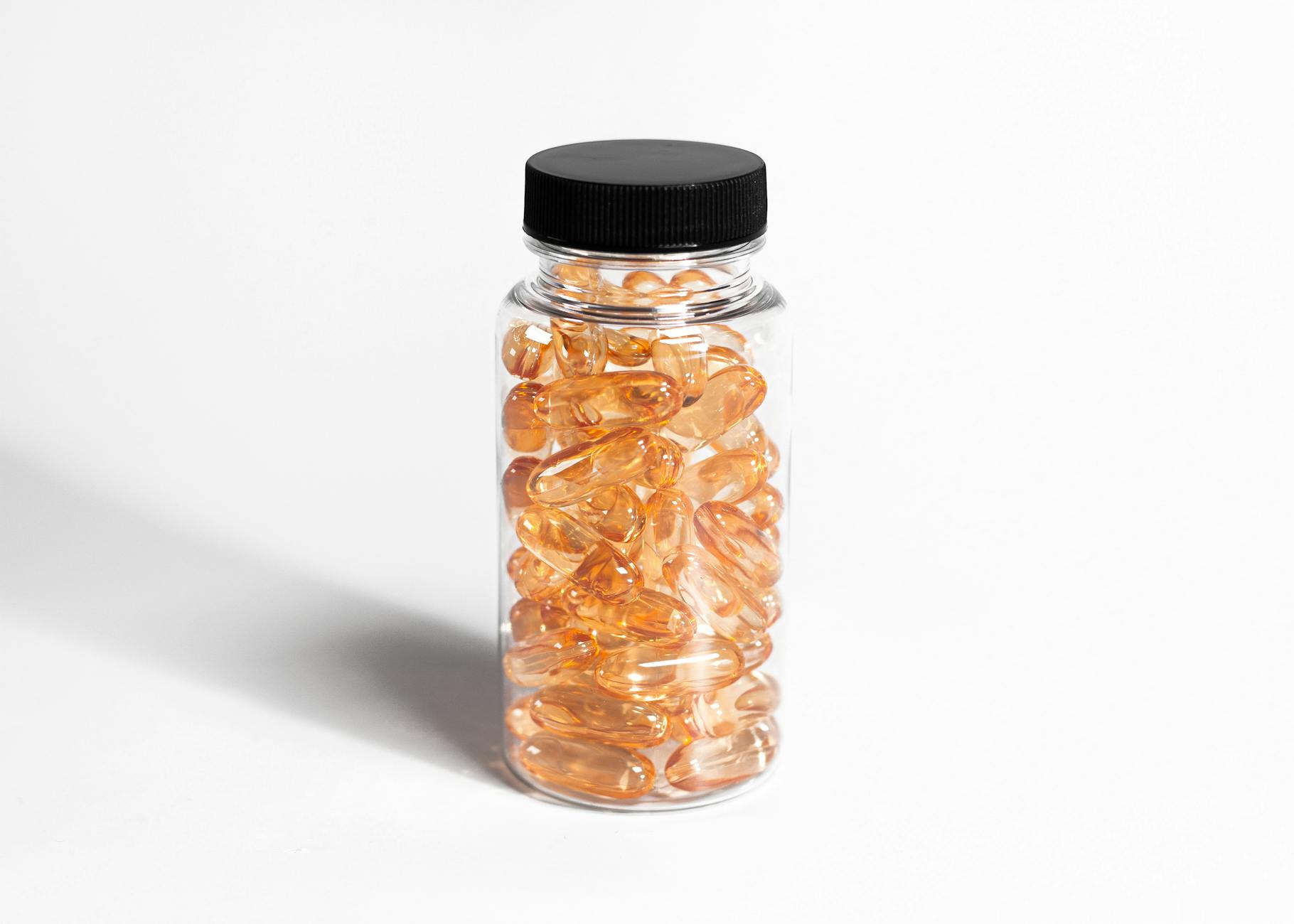
Niacin, also known as vitamin B3, enhances blood flow to the scalp by dilating blood vessels and improving microcirculation in the skin. Better circulation means more nutrients and oxygen reach the hair follicles, supporting a more active and efficient growth phase. It has also been shown to assist in building keratin, making it directly involved in the structural integrity of each hair strand. Niacin is present in foods like turkey, tuna, peanuts, and mushrooms, and is commonly included in hair growth supplement formulas. Consistent intake of niacin is associated with improved hair thickness and a reduction in the appearance of thinning over time.
Folic Acid

Folic acid, a form of vitamin B9, is essential for cell division and tissue growth, both of which are critical processes in the production of new hair. It supports the rapid multiplication of hair follicle cells during the active growth phase, helping maintain a fuller and denser appearance. Folic acid deficiency has been connected to premature hair greying as well as increased shedding in some individuals. It is commonly found in leafy green vegetables, legumes, and fortified cereals, and is also available as a standalone supplement. Pregnant individuals are often already familiar with folic acid due to its importance in prenatal health, but its benefits for hair are equally well documented.
Vitamin C
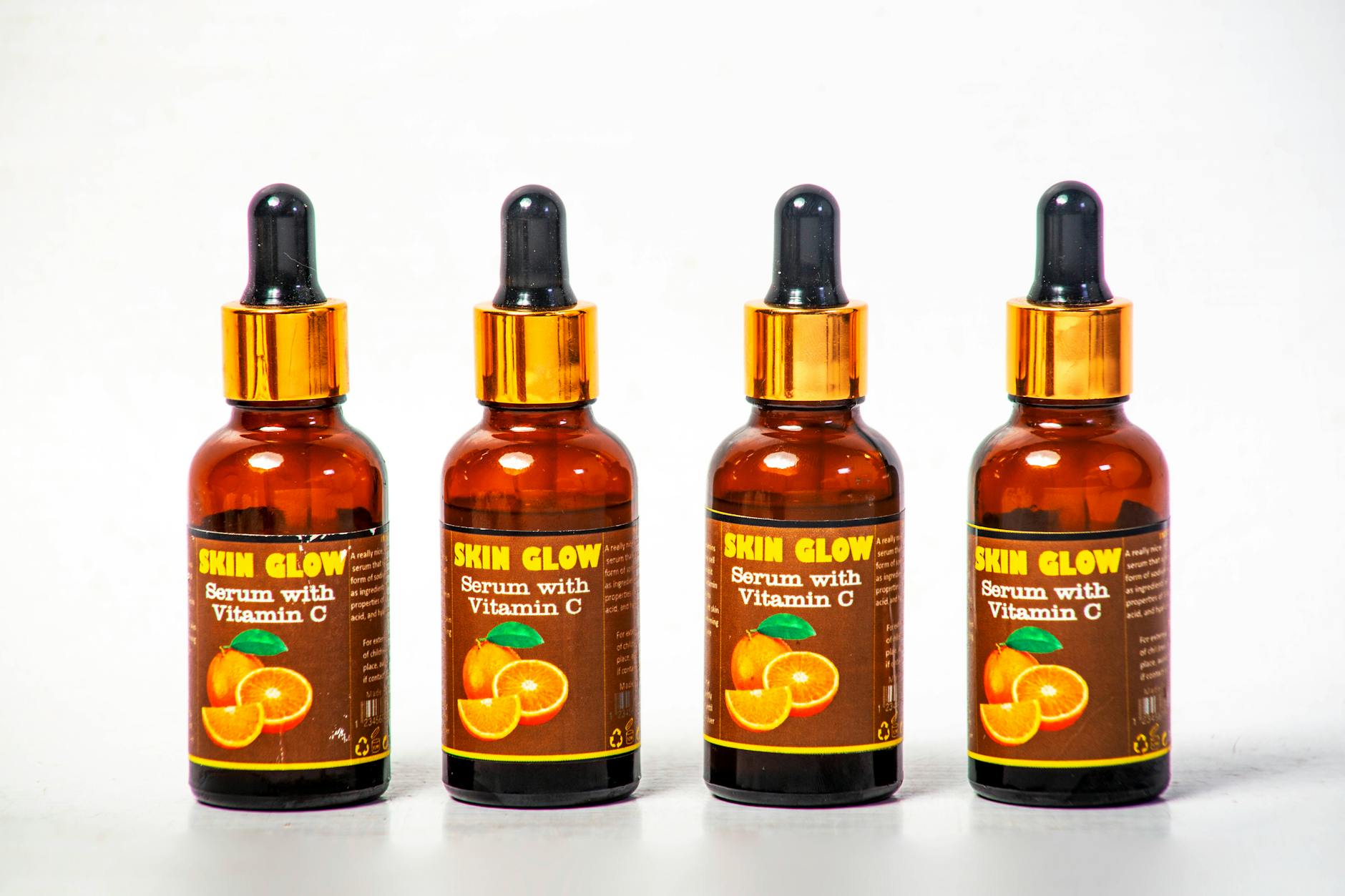
Vitamin C is a potent antioxidant that protects hair follicles against damage while also playing a vital role in collagen synthesis. Collagen is a structural protein that helps maintain the strength of the hair shaft and supports the connective tissue surrounding each follicle. Vitamin C also enhances the body’s ability to absorb non heme iron from plant based foods, making it doubly beneficial for those managing iron related hair loss. A deficiency in vitamin C can lead to dry, brittle hair that is prone to breakage and lacks natural shine. Citrus fruits, bell peppers, and strawberries are among the richest dietary sources of this versatile and widely available vitamin.
Omega-3 Fatty Acids
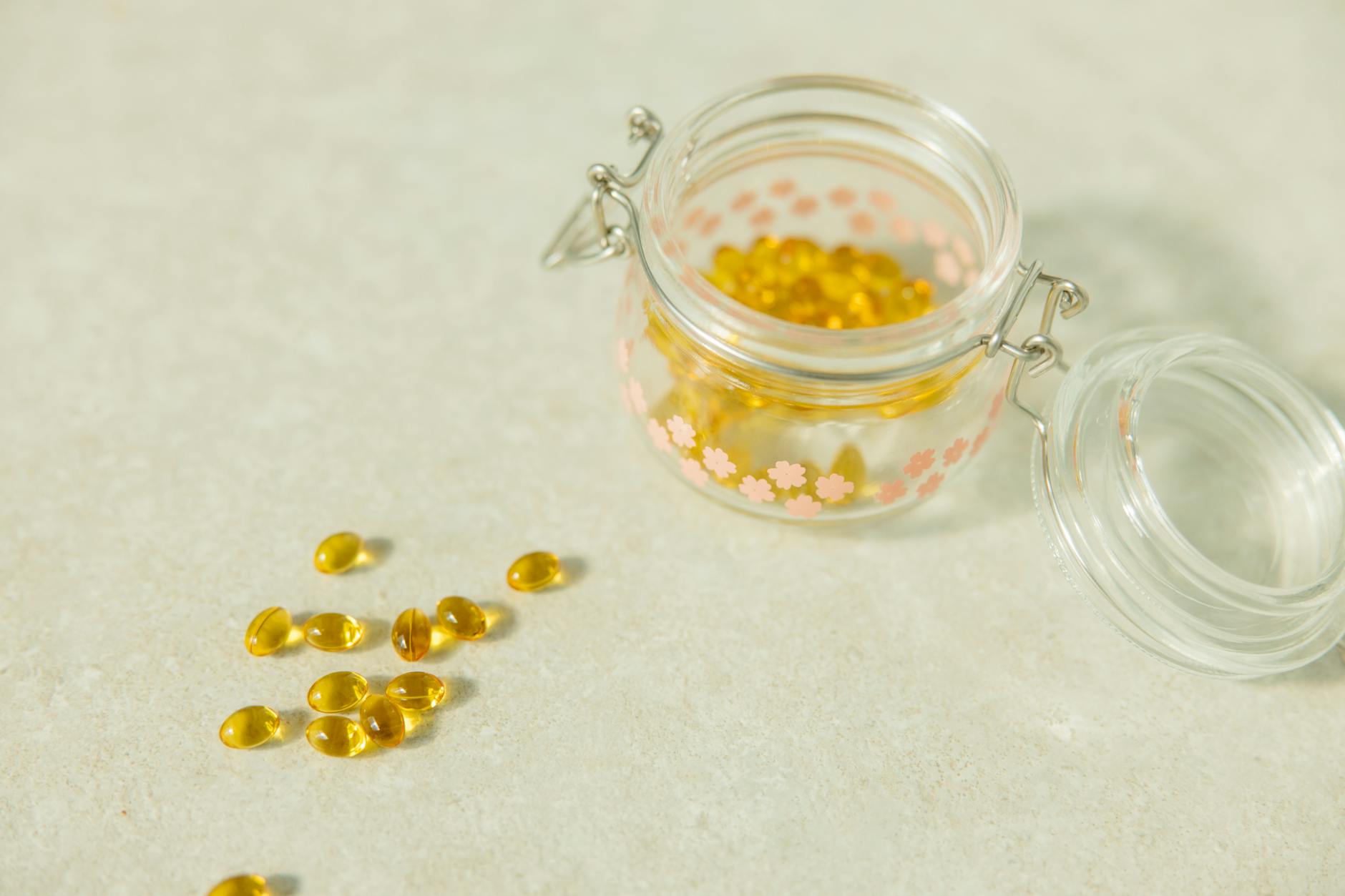
While technically classified as a fatty acid rather than a vitamin, omega-3s are consistently grouped with hair health nutrients due to their significant impact on follicle function and scalp condition. They help nourish hair follicles from within by reducing inflammation that can otherwise inhibit healthy hair growth. Omega-3s also contribute to a hydrated and balanced scalp, reducing flakiness and dryness that can interfere with the growth cycle. Found naturally in fatty fish, flaxseeds, and walnuts, they are also available in fish oil and algae based supplements. Regular omega-3 intake has been linked to improved hair density and a noticeable reduction in hair shedding over time.
If you’ve tried any of these vitamins for hair growth, share your experience and results in the comments.