Public tantrums represent one of the most universally stressful experiences for parents and caregivers everywhere. These emotional outbursts often occur when a child is overwhelmed by sensory input or frustrated by a lack of communication skills. Navigating these moments requires a diverse toolkit of strategies ranging from immediate de-escalation to sensory regulation. The following methods provide practical and effective ways to manage meltdowns while maintaining dignity for both the parent and the child.
The Bear Hug

This technique involves holding the child firmly against your chest to provide physical containment. The deep pressure helps regulate their nervous system and signals that they are safe despite their overwhelming feelings. You remain silent or hum softly while waiting for the physical thrashing to subside. It reinforces the idea that you can handle their big emotions without becoming distressed yourself.
The Whisper Method

lowering your voice to a barely audible whisper creates a stark contrast to the loud screaming. The toddler often pauses their vocalization instinctively to hear what you are saying. This sudden drop in volume forces a break in the crying cycle and reduces the overall intensity of the situation. It also prevents you from escalating the noise level and adding to the chaos.
The Change of Scenery

Removing the child physically from the immediate environment often resets their focus. Walking outside the store or moving to a different room breaks the association with the trigger. Fresh air or a change in lighting can have an immediate physiological effect on a distressed toddler. This action also removes the audience and lowers the pressure on the parent to perform.
Verbal Validation

Acknowledging the specific emotion the child is feeling can sometimes stop a tantrum in its tracks. You state clearly that you understand they are angry or sad about not getting what they want. This helps the child feel heard and understood rather than ignored or dismissed. It models emotional intelligence and gives them the vocabulary to express themselves next time.
Hydration Break

Offering a sip of cold water works by physically interrupting the physiological response of crying. The act of swallowing forces the child to regulate their breathing pattern. Holding a cup requires a shift in focus and motor coordination that distracts from the emotional outburst. Water specifically helps cool down the body temperature which often rises during a screaming match.
The Limited Choice

Offering two acceptable options gives the toddler a sense of control over their situation. You might ask if they want to walk to the car or be carried to the car. This strategy shifts their brain from an emotional state to a decision-making state. It empowers them to participate in the solution rather than feeling forced into compliance.
Getting to Eye Level

Kneeling down to look the child in the eye removes the physical intimidation of a looming adult. It establishes a connection and shows that you are fully present with them in their distress. This posture signals that you are an ally rather than an adversary during the conflict. It helps quiet the situation by creating a private bubble of communication amidst a public space.
The Distraction Game

Pointing out something novel or interesting in the environment diverts attention away from the trigger. You might enthusiastically notice a red balloon or a funny dog passing by. This relies on the short attention span of a toddler to pivot quickly to a new topic. It works best when the new object of focus is visually stimulating or surprising.
Deep Breathing Modeling

Exaggerating your own deep breaths serves as a visual and auditory guide for the child to follow. You can pretend to blow out birthday candles or smell a flower to make it accessible. The child often mimics this behavior unconsciously due to mirror neurons. Oxygenating the brain helps lower cortisol levels for both the parent and the child.
The Silent Presence

Sitting quietly nearby without trying to fix the situation allows the emotion to run its course. This approach shows that you are not afraid of their feelings and will not abandon them. It removes the power struggle because there is no negotiation taking place. Once the energy of the tantrum dissipates the child often seeks comfort immediately.
Asking for Help

Giving the toddler a simple task can redirect their energy toward a productive goal. You might ask them to help you hold the keys or push the cart. This restores their sense of agency and importance within the family unit. It pivots the dynamic from opposition to cooperation quickly.
The Snack Reset

Hunger is a frequent and powerful trigger for emotional collapses in young children. Providing a healthy snack stabilizes blood sugar levels and improves mood rapidly. The physical act of chewing and swallowing promotes calmness and focus. It addresses a basic biological need that the child may not have been able to articulate.
Sensory Reduction

Covering the ears or eyes playfully can help block out overwhelming environmental stimuli. Stores are often too bright and loud for sensitive developing nervous systems. Reducing this input allows the brain to process the situation more effectively. You can create a makeshift tent with a jacket or scarf to create a dark and quiet zone.
The Heavy Work Technique

Asking the child to push against your hands or jump up and down provides proprioceptive input. This type of heavy muscle work is known to have a calming and organizing effect on the brain. It channels the aggressive energy of a tantrum into a controlled physical activity. This serves as a physical release that is safer than hitting or kicking.
Funny Faces

Making a surprising or goofy face can break the tension through unexpected humor. Laughter releases endorphins that counteract the stress hormones present during a meltdown. It changes the atmosphere from serious to playful in an instant. This works best for minor tantrums rather than full-blown sensory meltdowns.
The Compassionate Narrative

Quietly narrating what happened helps the child process the sequence of events. You explain that they wanted the toy and you said no and now they are sad. This logic helps bridge the gap between their desire and the reality of the situation. It organizes the chaos in their mind into a coherent story.
Singing a Song

Singing a familiar and comforting tune can cut through the noise of crying. The rhythm and melody engage a different part of the brain than the emotional center. It often provides a soothing anchor that the child associates with sleep or safety. Parents stay calm because reciting lyrics is an automatic process.
The Tight Squeeze

Squeezing the child’s hands or feet gently provides tactile feedback that grounds them. This sensory input helps them feel where their body ends and the world begins. It is less restrictive than a hug but offers similar regulating benefits. It can be done discreetly while standing in a checkout line.
Ignoring the Audience

Focusing entirely on the child and blocking out the stares of strangers is crucial for parental composure. Reminding yourself that bystanders do not matter helps you stay calm and effective. The child needs to know they are the priority over social embarrassment. This mental shift reduces parental anxiety which often fuels the child’s distress.
The Object Swap

Trading the forbidden item for an acceptable toy creates a compromise. If they cannot have the glass jar you hand them a plastic bottle instead. This acknowledges their desire to hold something while maintaining safety boundaries. It satisfies the grasping instinct without surrendering to the original demand.
Mirroring Emotions

Reflecting the child’s facial expression shows deep empathy and attunement. If they look angry you make a sympathetic angry face to match them. This nonverbal communication validates their experience more faster than words can. It creates a bond of shared feeling that de-escalates isolation.
The Counting Warning

Counting slowly gives the toddler a predictable timeframe to pull themselves together. It signals a transition is coming without immediate force or abruptness. This technique works well when the tantrum is about refusing to leave a location. It offers a structured countdown that prepares the mind for the next step.
Lowering Body Temperature

Wiping the child’s face with a cool cloth or wet paper towel interrupts the heat of the moment. Tantrums raise body temperature and heart rate significantly. The cooling sensation is a sensory shock that resets the nervous system. It is a physical intervention that often stops crying to focus on the sensation.
The Stroller Retreat

Placing the child back in the stroller creates a contained and safe space. You can cover the front with a blanket to create a sensory deprivation cocoon. Moving the stroller provides a rocking motion that is naturally soothing. It also allows the parent to continue moving toward an exit or a quieter area.
Animal Sounds

Asking the child what sound a cow makes engages the cognitive part of the brain. It forces them to stop screaming to formulate the correct answer. This game is simple enough for a distressed toddler to process. It shifts the context from conflict to play immediately.
The Apology

Apologizing if you lost your temper or made a mistake models accountability. You might say you are sorry for yelling or for not understanding what they wanted. This admission disarms the situation and shows that adults are human too. It resets the interaction on a foundation of mutual respect.
Visual Timers

Showing the child a timer on a phone provides a concrete visual aid for waiting. It helps when the tantrum is caused by impatience or transitions. Watching the sand fall or the circle close creates a hypnotic focal point. It removes the parent as the “bad guy” because the timer dictates the schedule.
The Planned Ignore

Deliberately looking away while staying close teaches that tantrums do not yield attention. This is different from neglecting the child because you are monitoring for safety. It reinforces that calm communication is the only way to engage with you. The behavior usually extinguishes quicker when it lacks an audience.
Sticker Distraction

Keeping a sheet of stickers in your bag offers a quick and cheap diversion. The fine motor skill required to peel and stick a sticker demands focus. It provides a small reward and a tactile activity to break the mood. The novelty of a sticker often outweighs the frustration of the moment.
The Magic Candle

Holding up a finger and pretending it is a candle to blow out encourages deep exhalation. The child focuses on the imaginary flame and controls their breath to extinguish it. Long exhalations trigger the parasympathetic nervous system to relax. It turns a calming exercise into an imaginative game.
The Partner Tag

Swapping duties with a partner allows the calmer adult to take over. Children sometimes react differently to a fresh face with different energy. It gives the frustrated parent a moment to breathe and regroup. This united front prevents the child from playing parents against each other.
Leaving the Cart

Walking away from a full grocery cart is sometimes the only viable option. It prioritizes the child’s well-being over the completion of errands. This decisive action removes the child from the store immediately. It signals that behavior standards are more important than groceries.
The Crouch and Wait
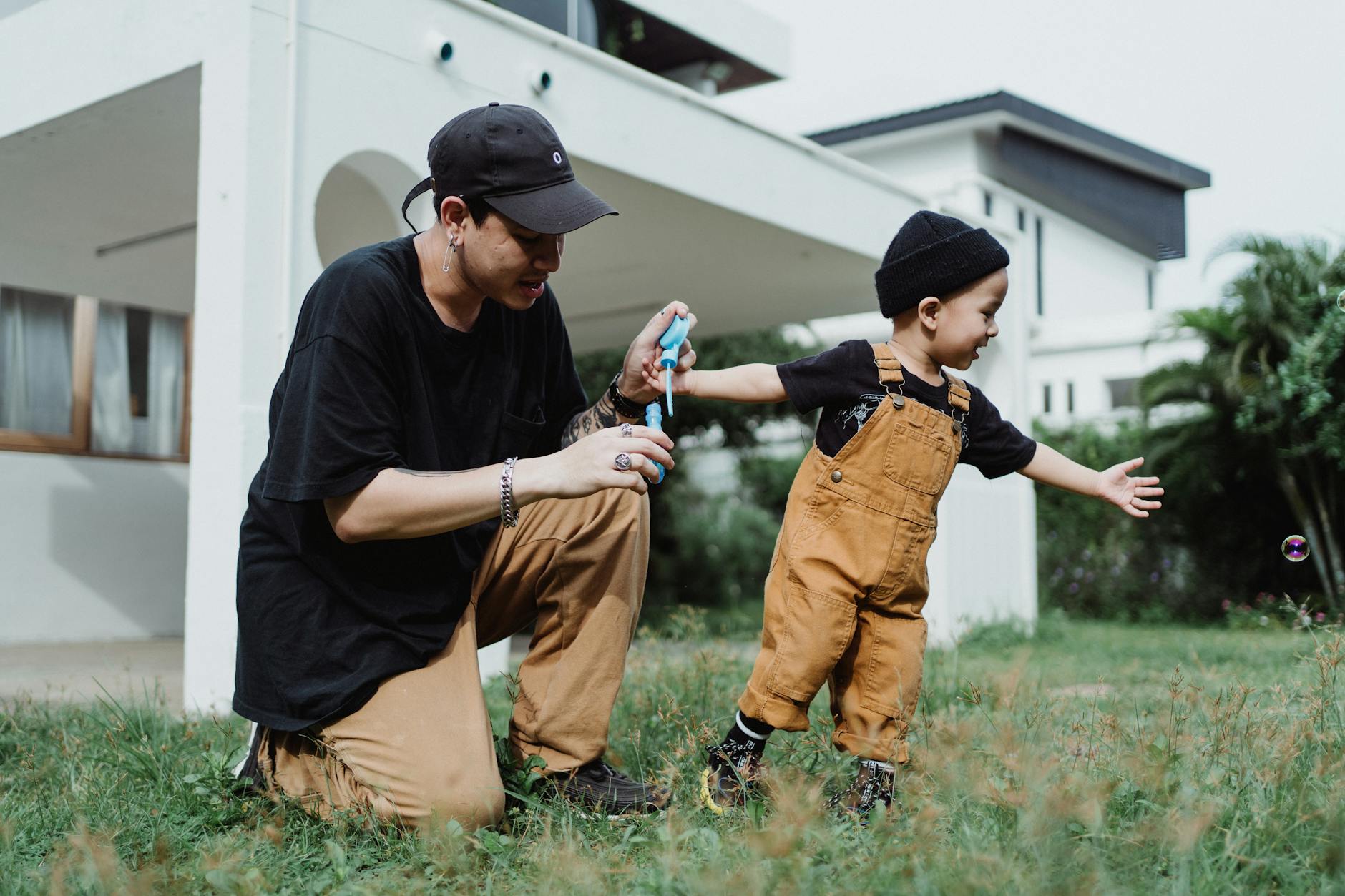
Crouching nearby and waiting silently creates a supportive anchor. It offers physical proximity without imposing touch if the child is touch-averse. This stance is non-threatening and patient. It allows the child to come to you when they are ready for comfort.
Sign Language

Using simple hand signs for words like help or water can bypass verbal frustration. Toddlers often understand more than they can speak during stress. Signs provide a motor outlet for communication. It reduces the screaming that stems from not being understood.
The Mantra

Repeating a short calming phrase helps the parent stay centered and reassures the child. You might say “we are safe” or “this will pass” over and over. The rhythmic repetition is soothing and hypnotic. It blocks out the negative thoughts and judgment from others.
The Hooded Escape

Pulling a hood up over the child’s head can create a sense of hiding and safety. It acts as blinders to the busy world around them. This simple adjustment reduces visual clutter. It provides a feeling of being shielded and protected.
Jumping Jacks

Doing physical exercise together burns off the adrenaline spike of the tantrum. You start jumping and encourage the child to join in. The rhythmic impact is regulating for the sensory system. It turns a negative physical outburst into a positive physical release.
The Photo Review

Showing the child photos of themselves on your phone distracts them with familiar faces. They enjoy seeing themselves and recalling happy memories. It shifts the brain from the present distress to past joy. This is a readily available tool for most modern parents.
The Compassionate Nod

Simply nodding your head while they scream validates their intensity without words. It shows you are listening and accepting their message. This prevents the child from feeling they need to scream louder to be heard. It is a subtle way to maintain connection during the storm.
Hand Squeezes

Teaching a code where three squeezes mean “I love you” offers a silent comfort. Using this signal during a tantrum reminds them of the relationship bond. It focuses their attention on the tactile sensation in their hand. It is a private communication that excludes the public.
The Imaginary Wall

Pretending to build a wall against the bad feelings can be an empowering visualization. You use your hands to push away the air and invite the child to help. It externalizes the anger as something separate from the child. This makes the emotion an object that can be managed.
The Quick Cuddle

Offering a brief hug before backing off respects their need for space. Some children need reassurance but are too overstimulated for a long hold. It tests the waters to see if they are ready for contact. It reminds them that affection is available whenever they are ready.
Naming the Color

Asking the child to find something blue in the store engages the visual cortex. It forces the brain to switch from emotional processing to visual processing. This grounding technique brings them back to the present reality. It is a neutral request that carries no pressure.
The Shoe Removal

Taking off the child’s shoes allows them to feel the ground with their feet. This tactile input can be grounding and distracting. It cools down the body slightly and changes the sensory environment. It also makes it harder for them to run away.
The Fabric Rub

Encouraging the child to feel the texture of your shirt or a soft blanket provides soothing input. Rubbing soft fabric releases oxytocin and calms the nervous system. It gives busy hands something appropriate to touch. This creates a focal point for their sensory attention.
The Surprise Whisper

Whispering a secret or a silly word in their ear captures curiosity. The child has to stop screaming to decipher the message. It creates an intimate moment of connection. It breaks the barrier of anger with intrigue.
The Water Fountain

Walking to a water fountain combines movement with a sensory reward. Watching the water flow is visually calming. The act of drinking regulates breathing. It provides a legitimate reason to leave the immediate area.
The Pocket Toy

Keeping a special toy that only comes out during emergencies preserves its novelty. The child does not have time to get bored with this specific item. Its appearance signals a special distraction event. It can be a simple fidget spinner or a small figure.
The Safety Statement

Firmly stating that you will not let them hurt themselves or others sets a boundary. This provides structure during a time when the child feels out of control. It reassures them that you are the sturdy leader. It defines the limits of the tantrum clearly.
Post-Tantrum Reconnect

Once the storm passes it is vital to hug and reassure the child immediately. You do not hold a grudge or lecture them while they are fragile. This restores the relationship and security. It allows both parties to move forward with the day.
Share your most effective public tantrum strategy in the comments.