A bright and confident smile often serves as a universal greeting that transcends language barriers. Many individuals seek natural alternatives to harsh chemical treatments to enhance their dental aesthetics safely. Maintaining oral hygiene while incorporating gentle natural remedies can gradually lift surface stains and promote whiter enamel. This comprehensive guide explores effective methods to brighten teeth using ingredients found in nature or simple daily habits. These approaches prioritize oral health and enamel preservation for a radiant smile.
Coconut Oil Pulling

This ancient Ayurvedic practice involves swishing a tablespoon of high quality coconut oil around the mouth for twenty minutes. The lauric acid found in coconut oil attacks harmful bacteria that cause plaque buildup and yellowing. Regular users report a reduction in inflammation and a gradual brightening of their smile over time. You should spit the oil into a trash can rather than the sink to prevent plumbing clogs. This daily ritual removes toxins before they can stain the enamel surface.
Baking Soda Brushing
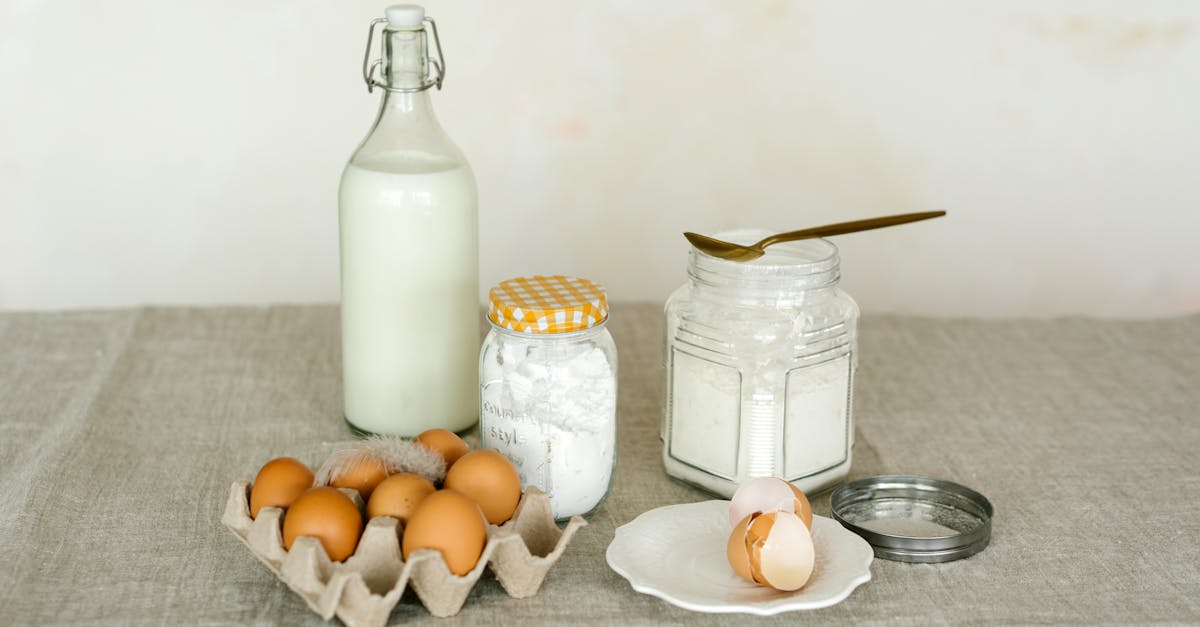
Sodium bicarbonate acts as a mild abrasive that gently scrubs away surface stains on the teeth. Creating a paste with water and baking soda creates an alkaline environment in the mouth which prevents the growth of bacteria. Many commercial toothpastes include this ingredient because of its proven effectiveness in whitening teeth safely. It is important to brush gently to avoid eroding the enamel over an extended period. This method serves as one of the most accessible and affordable ways to brighten a smile at home.
Diluted Hydrogen Peroxide Rinse

Hydrogen peroxide is a natural bleaching agent that also kills bacteria in the mouth. A diluted solution used as a mouthwash can help whiten teeth when used consistently over time. Most experts recommend using a concentration of no more than one and a half percent to ensure safety for gum tissue. Swishing this solution for one minute before brushing can reduce bacteria and lift minor discoloration. Proper dilution is crucial to prevent sensitivity while achieving desirable results.
Strawberry Scrub

Strawberries contain malic acid which is a natural enzyme known for removing surface discoloration from teeth. Mashing a ripe strawberry and mixing it with a pinch of baking soda creates a powerful natural whitening paste. The seeds of the fruit provide a gentle exfoliation effect that aids in cleaning the enamel surface. This mixture should sit on the teeth for a few minutes before being thoroughly rinsed away with water. Following up with regular brushing ensures that any residual acid and sugar are removed to protect the teeth.
Pineapple Consumption

This tropical fruit contains an enzyme called bromelain which effectively breaks down plaque and removes stains. Bromelain is naturally found in the stem and fruit of pineapples and works as a natural stain remover. Eating fresh pineapple regularly can contribute to a cleaner and brighter smile through natural enzymatic action. Toothpastes containing bromelain have been shown to have significant whitening effects compared to standard formulas. Incorporating this fruit into a balanced diet offers both nutritional benefits and dental aesthetic improvements.
Papaya Enzyme Treatment

Papaya contains an enzyme known as papain that functions similarly to bromelain by breaking down proteins on the tooth surface. This reaction helps reduce the appearance of stains and prevents fresh plaque from forming. Eating raw papaya or using oral care products derived from papaya extract can support natural whitening. The enzyme targets the pellicle layer of the teeth where stains often adhere and accumulate. Regular exposure to papain aids in maintaining a naturally white appearance without abrasive scrubbing.
Crunchy Apple Snacking

Biting into a crisp apple acts as a natural toothbrush that scrubs away plaque and debris. The high water content in apples increases saliva production which neutralizes acids and washes away food particles. Chewing on the fibrous texture of the fruit massages the gums and cleans the interdental spaces. Malic acid present in apples also contributes subtly to the stain removal process during consumption. This healthy snack promotes oral hygiene while providing essential vitamins for the body.
Raw Carrots

Chewing on raw carrots requires significant mechanical action that helps scrape off plaque buildup. The abrasive texture of the vegetable cleans the tooth surface while stimulating blood flow in the gums. Increased saliva production during chewing helps balance the pH levels in the mouth. This natural cleansing process prevents the accumulation of bacteria that leads to yellowing. Carrots also provide vitamin A which is essential for maintaining healthy tooth enamel.
Celery Sticks

Celery is often referred to as nature’s dental floss due to its fibrous and stringy texture. Chewing celery breaks down into fibrous strands that naturally clean between teeth and along the gumline. The high water content stimulates saliva flow to wash away stain-causing compounds and food debris. It acts as a low abrasive cleaner that is safe for daily consumption and enamel health. Adding celery to a daily diet supports gum health and keeps tooth surfaces polished.
Banana Peel Rub

The inside of a banana peel is rich in minerals such as potassium and magnesium and manganese. Rubbing the inside of the peel against the teeth for two minutes allows these minerals to absorb into the enamel. Many proponents claim this simple trick helps whiten teeth without the need for harsh abrasives. After rubbing the peel on the teeth it is best to wait ten minutes before brushing as usual. This gentle method utilizes waste from a common fruit to enhance dental brightness.
Orange Peel Rub
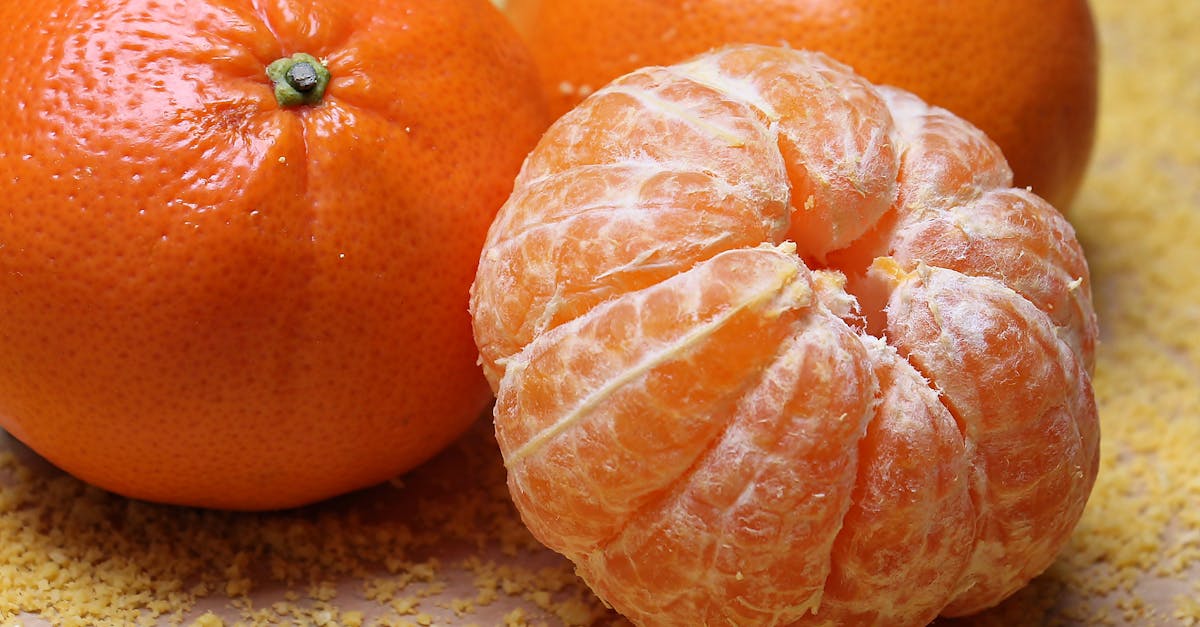
Orange peels contain d-limonene which is a compound often found in commercial whitening products. Rubbing the white part of the orange peel on teeth introduces this compound directly to stained areas. The mild citric acid helps to break down stubborn accumulation while the limonene fights stains. Users should rinse their mouth thoroughly afterward to remove any acidic residue that could affect enamel. This technique offers a vitamin-rich alternative to chemical bleaching strips.
Activated Charcoal

Activated charcoal is a fine black powder that is highly absorbent and binds to toxins and stains. Brushing with a small amount of charcoal powder can pull stains from the teeth through a process called adsorption. It effectively removes tannins found in coffee and tea that cause deep discoloration. Care must be taken to brush gently as the powder can be abrasive if used too aggressively. Rinsing thoroughly is necessary to ensure no black residue remains between the teeth or gums.
Turmeric Paste

Turmeric is a bright yellow spice known for its potent anti-inflammatory and antimicrobial properties. Although it stains clothes it surprisingly helps whiten teeth when used as a paste. Mixing turmeric powder with coconut oil creates a natural mixture that cleans gums and brightens enamel. The gentle abrasive nature of the spice polishes teeth while improving overall gum health. Thorough rinsing is required to remove the yellow tint from the gum line immediately after use.
Powdered Milk Scrub
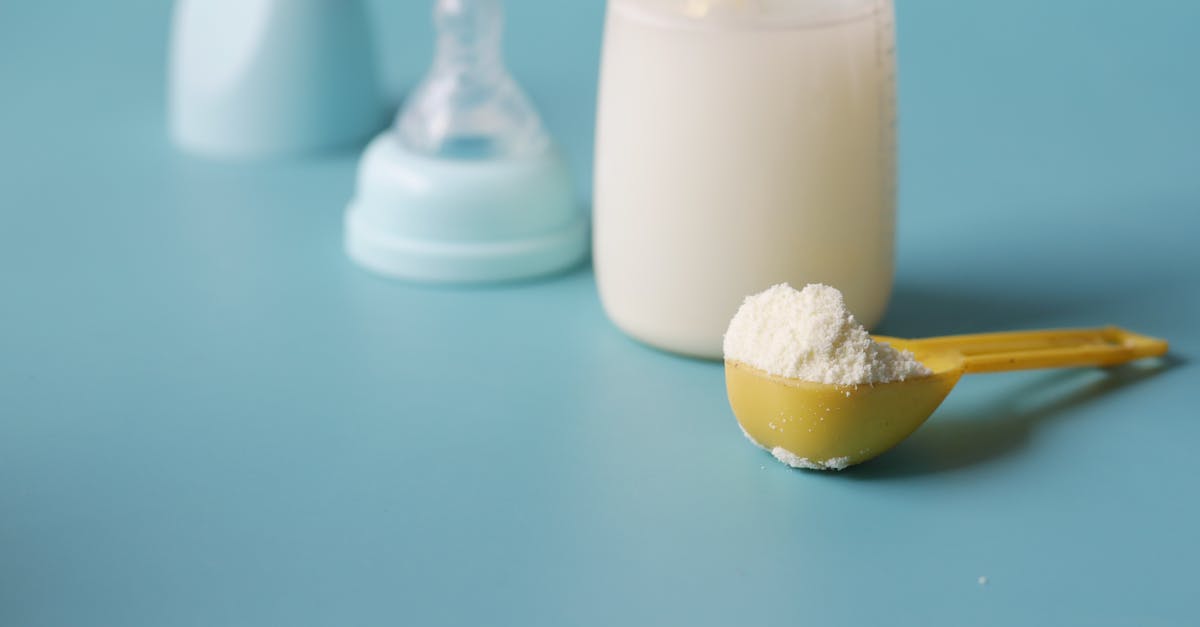
Dairy products are rich in calcium and phosphorus which are essential minerals for remineralizing tooth enamel. Using powdered milk as a scrubbing agent can help strengthen teeth and make them appear whiter. The lactic acid in milk also aids in removing surface stains gently without damaging the protective layer. Mixing the powder with toothpaste or water creates a nutrient-dense cleaning paste. This method supports structural integrity while enhancing the cosmetic appearance of the smile.
Holy Basil Paste

Holy basil has traditional medicinal uses and also offers dental benefits including whitening and bleeding gum prevention. Sun drying the leaves and grinding them into a powder creates a natural dental cleaner. Mixing this powder with mustard oil creates a paste that can be used to brush teeth. This combination fights bacteria and strengthens gums while lifting surface discoloration. It provides a comprehensive oral health treatment that has been used for generations.
Neem Twigs

Neem has been used for centuries in the Indian subcontinent as a complete oral hygiene tool. Chewing on a neem twig releases antibacterial oils that fight plaque and prevent gum disease. The mechanical action of chewing the fibrous wood cleans teeth effectively and naturally. Neem branches act as a disposable toothbrush that maintains white teeth and fresh breath. This traditional method requires no plastic waste and utilizes entirely biodegradable materials.
Sesame Oil Pulling
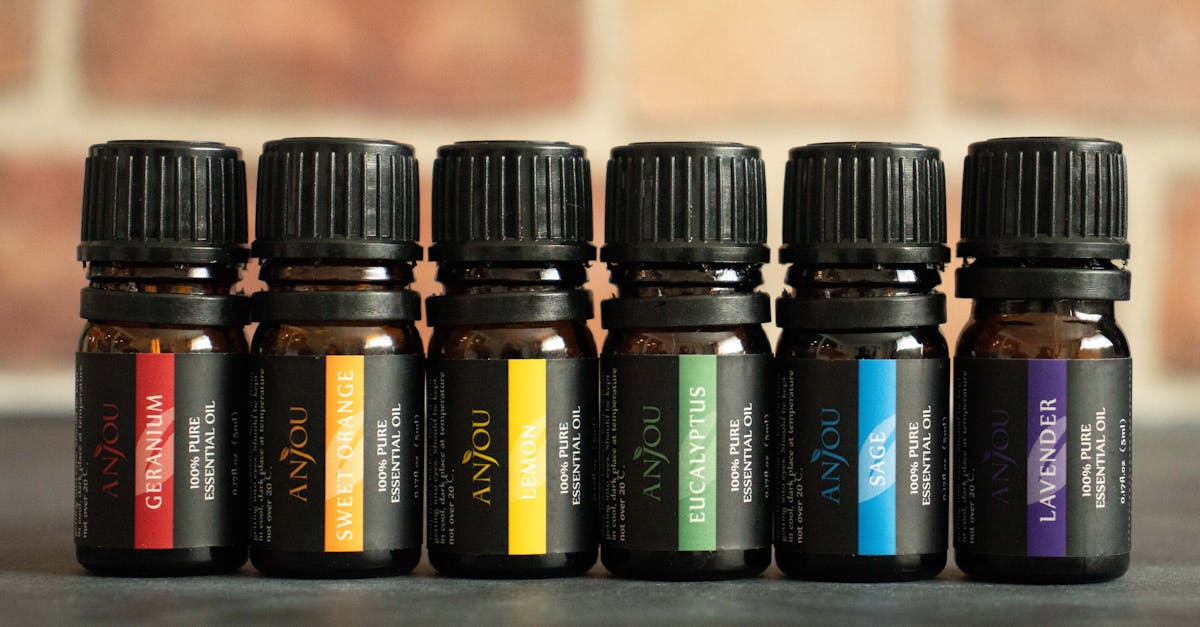
Sesame oil is a traditional alternative to coconut oil for the practice of oil pulling. Swishing this oil reduces the bacterial count in the mouth known as Streptococcus mutans. The reduction in bacteria leads to less plaque formation and healthier gum tissue. Omega fatty acids in the oil support the healing of gum tissues and prevent inflammation. Regular practice results in a cleaner oral environment and naturally brighter teeth.
Bentonite Clay

Bentonite clay is a natural absorbent that acts like a magnet for heavy metals and toxins in the mouth. It is gentle enough to be used as a tooth powder that polishes teeth without scratching enamel. The clay contains minerals like calcium and magnesium that help remineralize the teeth during brushing. Mixing it with water or coconut oil creates a smooth paste for daily cleaning. This detoxifying agent leaves the mouth feeling exceptionally clean and the teeth looking polished.
Kaolin Clay

Kaolin clay is a very soft white clay that serves as a gentle cleanser and polisher. It effectively removes debris and stains without being too abrasive for sensitive teeth. The high mineral content supports tooth health while the texture scrubs away plaque. It is often found in natural toothpastes due to its safety and efficacy profile. Using pure kaolin clay powder provides a preservative-free way to maintain a white smile.
Epsom Salt Mix

Epsom salt consists of magnesium sulfate which acts as a natural cleanser and stain remover. Mixing the salt with water allows the granules to gently exfoliate the yellow film on teeth. Magnesium is beneficial for oral health and can be absorbed through the mucosal lining. This mixture also fights bacteria that cause bad breath and gum inflammation. It is a cost-effective method using a common household ingredient.
Guava Leaves

Chewing on fresh guava leaves or using a paste made from them can address multiple oral health issues. The leaves contain flavonoids and phenols that fight oxidative stress and bacterial growth. Applying the paste helps remove plaque which is a primary cause of tooth discoloration. This natural remedy also soothes inflamed gums and reduces tooth sensitivity. Regular use contributes to a healthier oral environment and a cleaner smile.
Licorice Root

Dried licorice root contains antibacterial compounds that suppress the growth of cavity-causing bacteria. Chewing on the fibrous root creates a natural brush that cleans teeth mechanically. It leaves a fresh taste in the mouth and stimulates saliva flow to neutralize acids. This method has been used historically in many cultures to maintain oral hygiene. Using real licorice root rather than candy ensures the teeth benefit from the natural properties without added sugar.
Dairy Product Intake

Consuming cheese and yogurt provides high levels of calcium that fortify tooth enamel. Casein is a protein found in dairy that helps repair tooth enamel and prevents decay. Hard cheeses also require chewing which increases saliva and physically cleans the teeth. Lactic acid in yogurt protects teeth against decay and may have mild whitening effects. A diet rich in these foods builds a strong defense against yellowing and erosion.
Water Rinsing

Rinsing the mouth with plain water immediately after eating helps dislodge food particles and sugars. It prevents highly pigmented foods like wine or berries from settling into the enamel pores. This simple habit neutralizes the pH in the mouth and reduces the risk of acid erosion. Keeping the mouth hydrated ensures optimal saliva production for natural cleaning. Water is the safest and most readily available tool for preventing stains throughout the day.
High Fiber Diet

Foods high in fiber act as a detergent for the mouth by stimulating heavy saliva flow. The chewing required for fiber-rich foods physically scrubs the surfaces of the teeth. Saliva contains traces of calcium and phosphate that restore minerals to areas of teeth that have lost them. This natural buffering system protects against acid attacks that cause yellowing. A diet emphasizing whole grains and vegetables supports lasting dental whiteness.
Vitamin C Rich Foods

Foods rich in Vitamin C such as kiwi and oranges are vital for maintaining healthy gums. Healthy gum tissue provides a strong seal around teeth and prevents the recession that exposes yellow roots. While citric acid should be managed carefully the systemic benefits of Vitamin C support the structure of the mouth. Strong gums provide the necessary framework for a healthy and attractive smile. Consuming these vitamins naturally is preferable to using harsh acidic applications directly on enamel.
Aloe Vera Gel

Aloe vera is known for its healing properties and can be used as a non-abrasive tooth gel. It effectively kills the bacteria that cause cavities and eliminates plaque buildup. The gel is gentle on sensitive teeth and soothing for irritated gums. Commercial or homemade toothpastes with aloe vera base offer a gentle cleaning alternative. This succulent plant provides a refreshing way to clean teeth without harsh chemicals.
Walnut Tree Bark
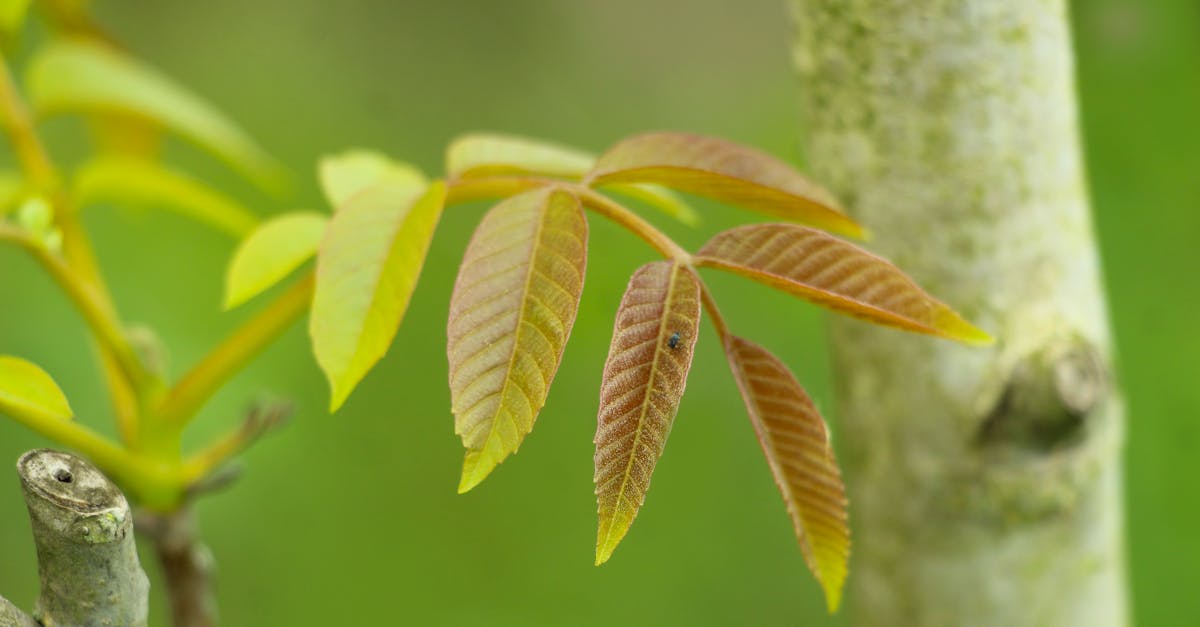
Rubbing teeth with the bark of a walnut tree is a folk remedy used to brighten smiles. The bark possesses natural stain-removing properties when applied gently to the enamel. It also contains antimicrobial compounds that support general oral hygiene. This method is less common but highlights the diversity of natural cleaning agents found in plants. Users typically rub the inner bark against the teeth for a few minutes to see results.
Sea Salt Rinse

Sea salt is less processed than table salt and retains trace minerals beneficial for gums and teeth. Rinsing with a warm sea salt solution increases the pH balance in the mouth making it difficult for bacteria to survive. The granular texture of salt can also be used as a gentle scrub before it dissolves. This antibacterial rinse promotes healing of oral wounds and reduces gum inflammation. A healthy oral environment reduces the likelihood of plaque-related discoloration.
Sunflower Oil Pulling

Sunflower oil serves as another effective medium for the practice of oil pulling. It is lighter in taste than coconut or sesame oil which makes it palatable for some users. The oil binds to the lipid layer of bacterial cell membranes and pulls them away from the teeth and gums. Regular swishing helps prevent gingivitis and the buildup of tartar. This accessible pantry staple offers a simple route to better oral hygiene and whiter teeth.
Share your favorite natural teeth whitening experience or recipe in the comments.