Minimalism is frequently promoted as a guaranteed path to mental clarity and financial freedom through the reduction of material possessions. Influencers often showcase pristine white rooms and curated capsule wardrobes while ignoring the complex psychological challenges involved in the process. Adopting this lifestyle requires confronting deep emotional attachments to physical objects and navigating a society built on consumption. The reality of living with less involves logistical hurdles and interpersonal friction that rarely appear in aesthetic social media posts. The following points illuminate the unexpected difficulties and hidden downsides that accompany the pursuit of a minimalist life.
Obsessive Decluttering

The initial satisfaction of clearing space can mutate into a compulsive need to remove items constantly. You may find yourself scanning every room for something to discard rather than enjoying the living environment you created. This hyper-focus on removal often generates anxiety instead of the promised peace of mind. The pursuit of the perfect empty counter becomes a source of stress whenever a daily object is left out. True relaxation becomes difficult when every possession is viewed as potential clutter to be eliminated.
Gift Giving Anxiety

Holidays and birthdays turn into navigated minefields when family members express love through physical objects. You must awkwardly explain that you do not want material goods without sounding ungrateful or judgmental of their gesture. Refusing gifts often hurts the feelings of loved ones who derive joy from the act of giving. Receiving unwanted items forces you to deal with the immediate burden of disposal or donation. This dynamic creates significant tension during celebrations that are meant to be joyful occasions.
The Cost of Quality

The minimalist philosophy often encourages purchasing fewer items of higher quality that will last a lifetime. This approach creates a high financial barrier to entry where only the wealthy can afford to own so few things. Replacing a cheap item with a designer version is frequently just consumerism disguised as intentional living. The pressure to own the perfect version of everything can drain savings accounts more quickly than buying average goods. Many people find themselves priced out of the very lifestyle that was supposed to save them money.
Loss of Sentimental History

Discarding heirlooms and old photographs to achieve a clean aesthetic often leads to deep regret later in life. You might purge items that connect you to deceased relatives or past versions of yourself in a moment of decluttering fervor. The realization that you have erased tangible links to your personal history creates a sense of hollowness. Future generations lose the opportunity to hold and see objects that defined their family narrative. Digital scans rarely carry the emotional weight of physical artifacts that have weathered time.
Inconvenience of Not Having Spares
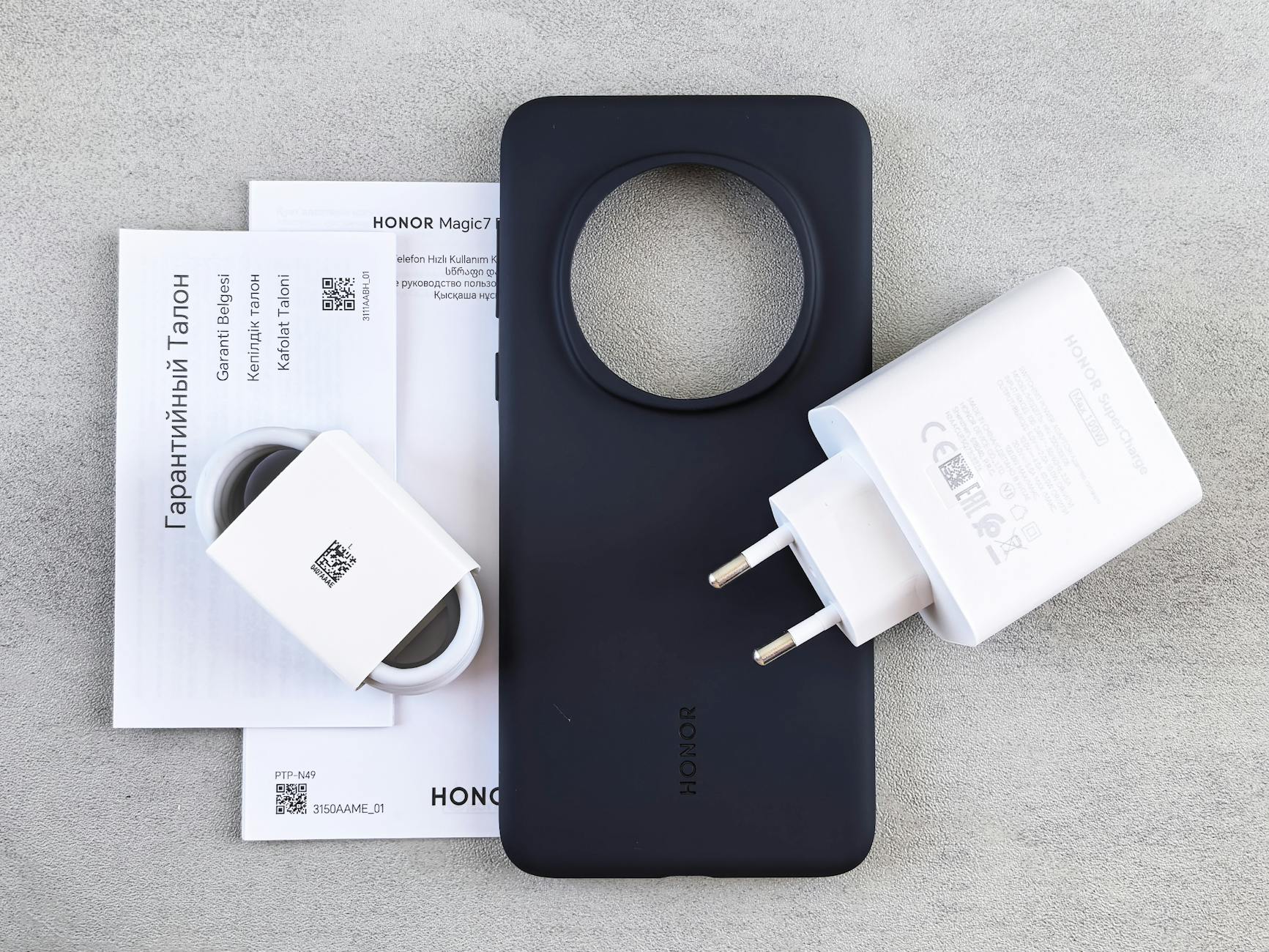
Living without backup items means that a single breakage disrupts your entire day or week. You lose the buffer of having an extra phone charger or a spare set of sheets when emergencies arise. This lack of redundancy forces you to run to the store immediately rather than solving the problem with what you have on hand. The mental load increases as you must ensure that your solitary version of an item is always functional. Efficiency is sacrificed when you lack the tools to handle minor household mishaps.
Social Isolation
Adopting a minimalist lifestyle can inadvertently distance you from friends whose social lives revolve around shopping or collecting. You may find yourself declining invitations to malls or browsing trips because the activity no longer aligns with your values. This divergence in interests can make it difficult to relate to peers who bond over the acquisition of new trends. Conversations about the latest gadgets or fashion sales often feel alienating or tedious. The result is a shrinking social circle as common ground with consumerist friends evaporates.
The Eco-Guilt Trap

The process of becoming a minimalist often involves generating a significant amount of waste as you purge your home. You may feel intense guilt while filling trash bags with plastic items that could still be used. Donating items does not guarantee they will be used by others since thrift stores are often overwhelmed with inventory. The irony of trashing functional goods to achieve an eco-friendly aesthetic is a heavy psychological burden. This wasteful phase is a dirty secret that contradicts the sustainability goals of the movement.
Aesthetic Sterility
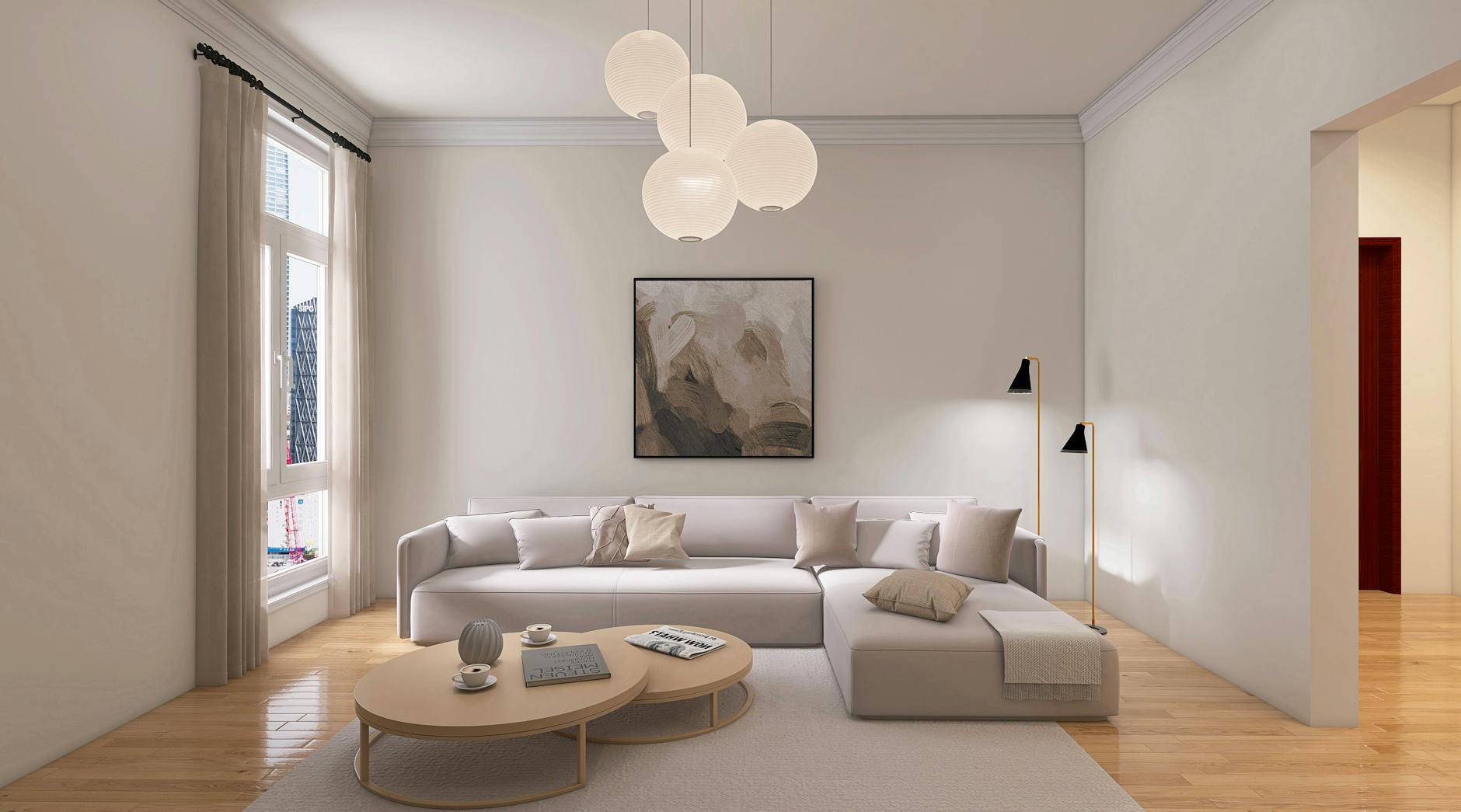
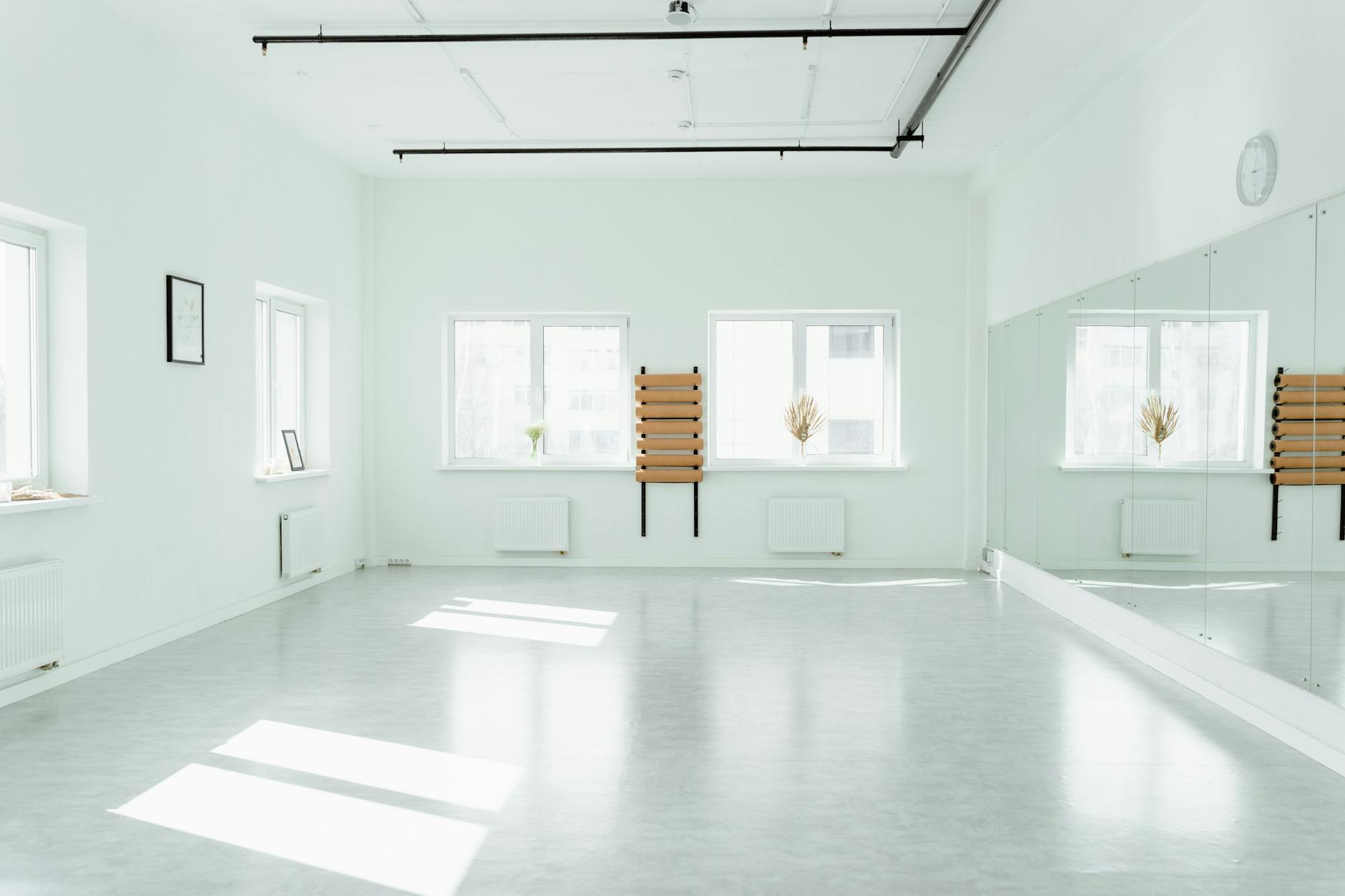
Homes stripped of personal knickknacks and diverse textures can easily start to feel like hospitals or hotel lobbies. The lack of visual noise often results in a space that feels cold and devoid of human personality. Guests may feel uncomfortable or afraid to touch anything in such a curated environment. The removal of comforting clutter can strip a home of the coziness that makes a space inviting. Living in a stark white box often fails to provide the warmth needed for true emotional comfort.
Hobby Restrictions

Many creative hobbies require a significant amount of gear and supplies that clash with minimalist principles. You may feel pressured to abandon activities like painting or woodworking because the tools take up too much space. The need to keep surfaces clear stifles the messy process of experimentation and creation. Reducing your supplies to the bare minimum often limits the scope of what you can produce. This restriction forces a choice between a tidy home and a creatively fulfilling life.
Partner Resentment
Living with a spouse or roommate who does not share your minimalist vision guarantees constant friction. You might view their normal possessions as clutter while they view your empty spaces as oppressive. Arguments over what stays and what goes can erode the foundation of a relationship over time. The non-minimalist partner often feels judged or controlled in their own home. Compromise becomes exhausting when two people have fundamentally different definitions of a comfortable living space.
Rebuying Regret

The cycle of purging often leads to rebuying items you previously discarded when a specific need arises again. You might throw away a specialty kitchen tool only to realize you need it for a holiday recipe six months later. This churn wastes money and resources while fueling the manufacturing demand you tried to escape. The frustration of repurchasing something you once owned creates a sense of defeat. It highlights the impracticality of keeping only what is used on a weekly basis.
Digital Hoarding

The desire to clear physical space often results in a massive accumulation of digital files and clutter. You spend hours scanning documents and photos to store them on hard drives that become disorganized digital graveyards. This invisible clutter induces the same anxiety as physical piles but is harder to visualize and clean. Managing thousands of emails and unorganized folders becomes a new full-time job. The mental load simply shifts from physical objects to virtual ones without actually disappearing.
Emergency Unpreparedness
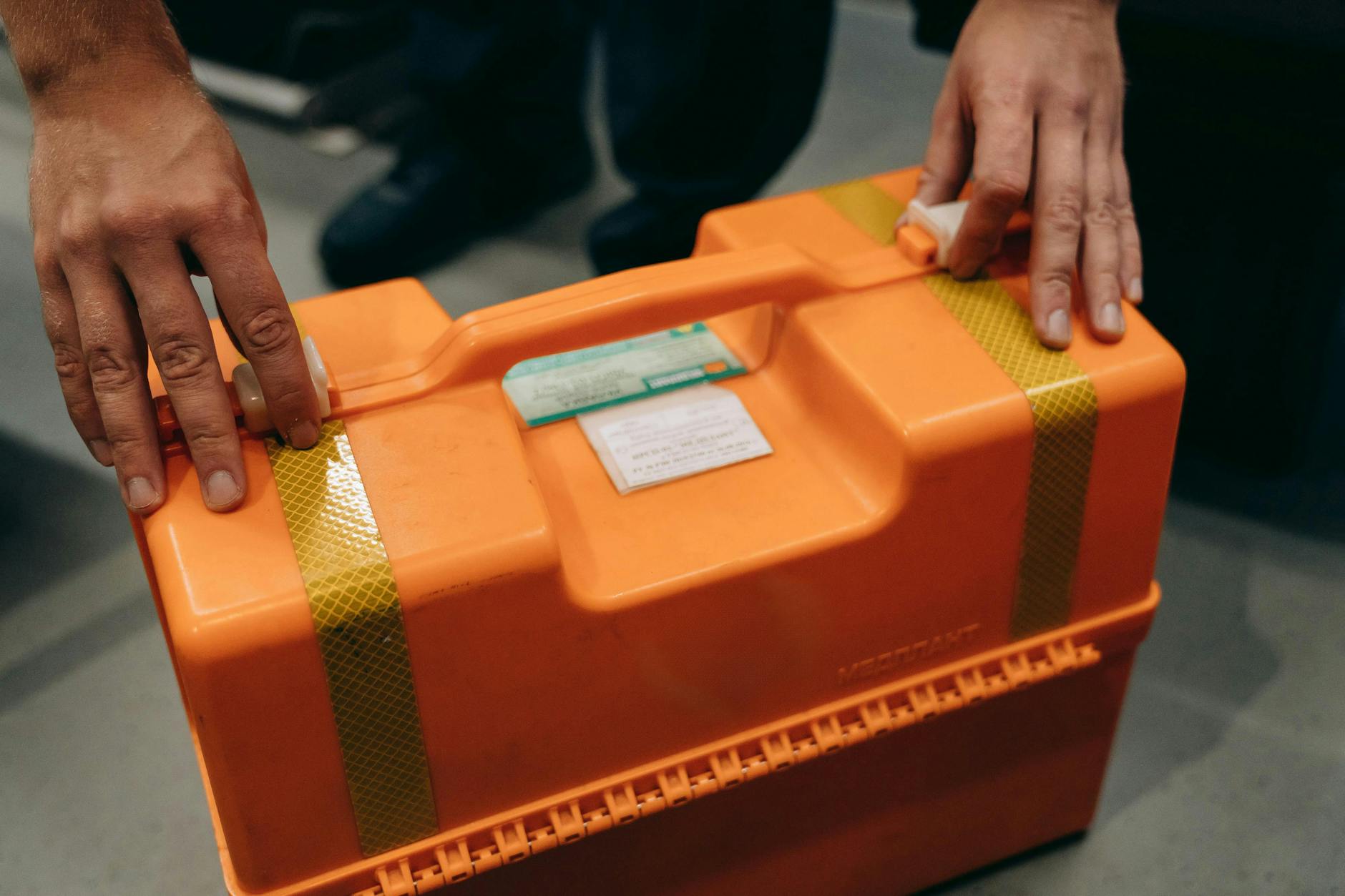
Strict minimalism often discourages the storage of emergency supplies like bulk food or extra medical gear. You may find yourself vulnerable during natural disasters or supply chain disruptions because you kept only what was necessary for the current week. The lack of a well-stocked pantry forces reliance on external systems that may fail in a crisis. Prioritizing clear shelves over preparedness can be dangerous when stability is threatened. This fragility is a significant risk that purely aesthetic minimalism ignores.
Maintenance Fatigue

White walls and empty surfaces require constant cleaning to maintain their pristine appearance. Every speck of dust or stray hair becomes immediately visible against the stark backdrop of a minimalist room. You spend more time wiping and polishing to preserve the look than you would in a more lived-in home. The labor required to keep the aesthetic perfect contradicts the promise of having more free time. The home becomes a demanding master rather than a place of rest.
Identity Crisis
Stripping away possessions often forces a confrontation with who you are without the props of your lifestyle. You may realize that much of your personality was constructed around the brands you bought and the collections you displayed. This vacuum can trigger an existential crisis as you struggle to define yourself independently of material goods. The silence left behind by the absence of stuff can be deafening and uncomfortable. Rebuilding a sense of self without consumer markers is a difficult internal process.
Perceived Snobbery
People outside the lifestyle often perceive minimalists as judgmental or morally superior. Your choice to live with less can be interpreted as a silent critique of their choice to live with abundance. This perception creates awkward barriers in conversation and can lead to defensiveness from others. You may be labeled as pretentious for prioritizing experiences over the things your community values. This social stigma makes it hard to discuss your lifestyle without seeming arrogant.
Hosting Challenges
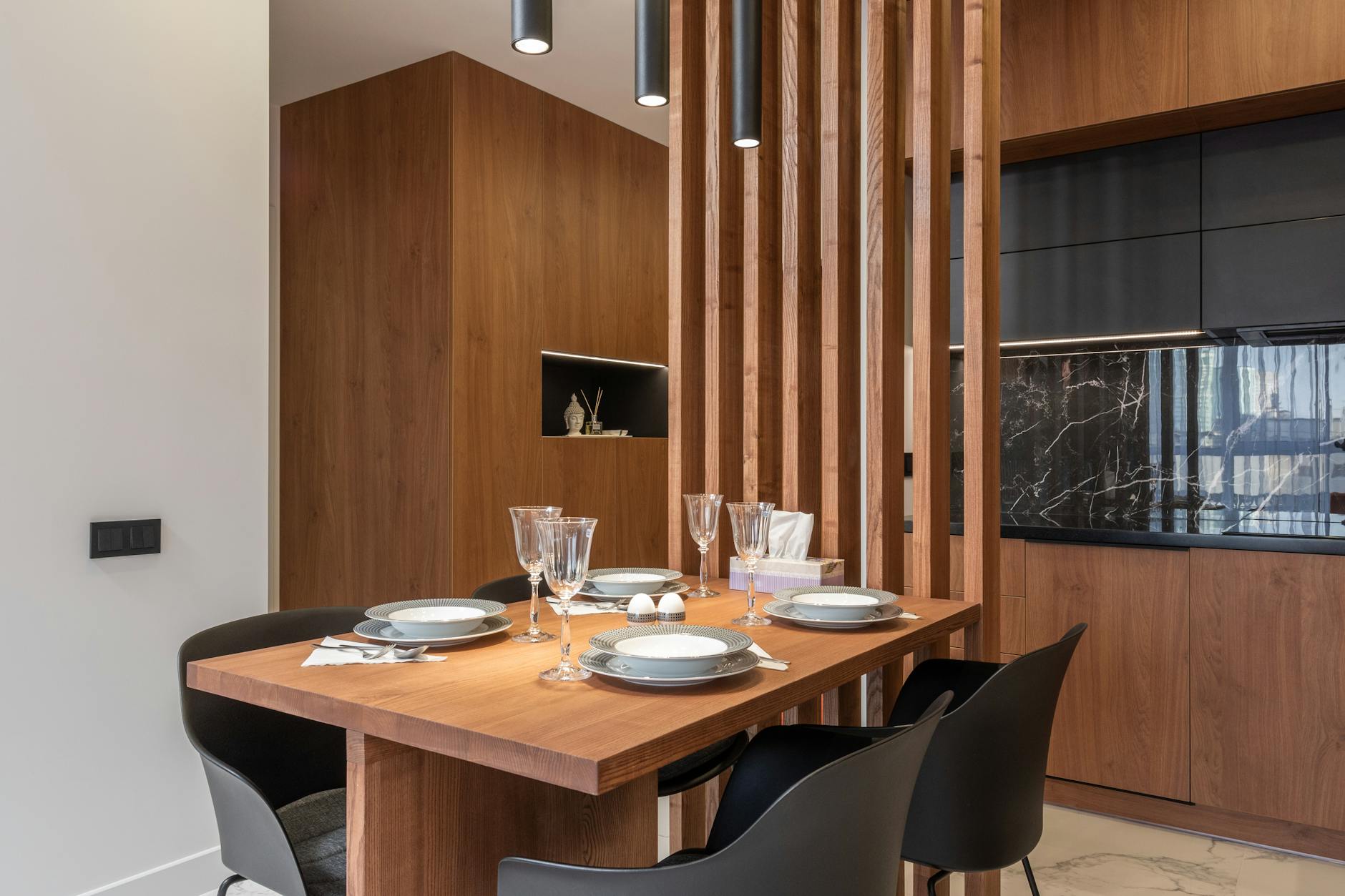
Entertaining guests becomes a logistical nightmare when you only own four plates and four chairs. You must scramble to borrow furniture or ask guests to bring their own supplies for dinner parties. The lack of spare linens and pillows makes hosting overnight guests uncomfortable or impossible. Your home ceases to be a gathering hub because it lacks the infrastructure to support a crowd. Minimalism often creates a barrier to the communal aspects of life.
Travel Pressure

The minimalist community often fetishizes the concept of one-bag travel which creates immense pressure to underpack. You might find yourself hand-washing clothes in a hotel sink every night instead of enjoying your vacation. The anxiety of strictly adhering to a small luggage limit detracts from the travel experience. You sacrifice comfort and preparedness for the sake of traveling light. This rigid adherence to packing rules turns a holiday into an exercise in deprivation.
The Time Cost

Selling used items on online marketplaces to ensure they are reused takes an incredible amount of time and effort. You must photograph items, write descriptions, negotiate with buyers, and handle shipping logistics. This administrative work often consumes the free time that minimalism was supposed to liberate. The alternative of simply donating everything feels irresponsible but the selling process is a second job. The transition to minimalism is labor-intensive and mentally draining.
Visual Boredom
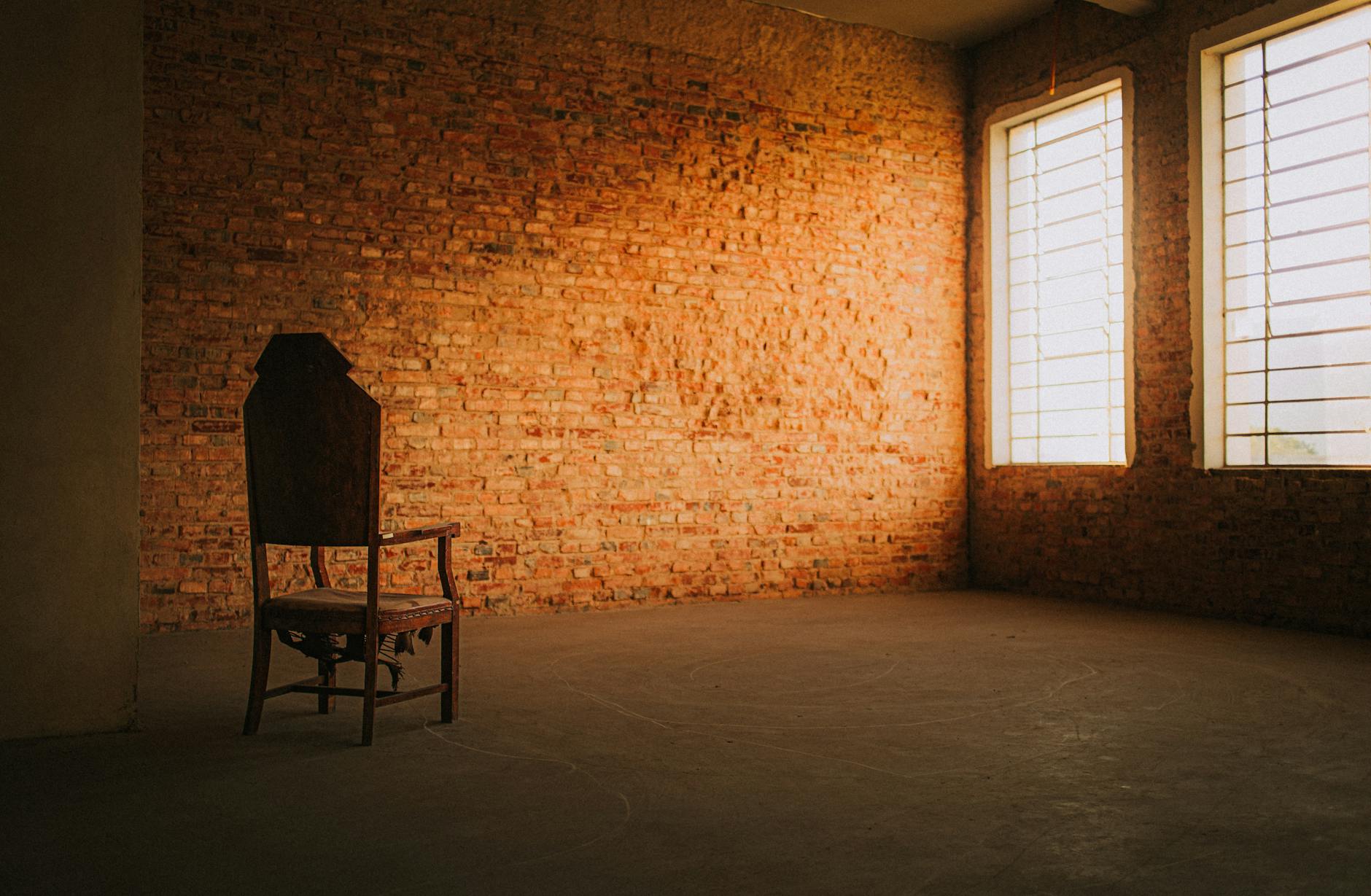
A lack of visual stimulation in your environment can lead to a sense of monotony and under-stimulation. The eye has nowhere to travel in a room that has been stripped of art, books, and patterns. This sensory deprivation can stifle creativity and make the home feel stagnant. Humans often thrive in environments that offer complexity and visual interest. The minimalist home can end up feeling like a waiting room where nothing ever changes.
Privilege Blindness
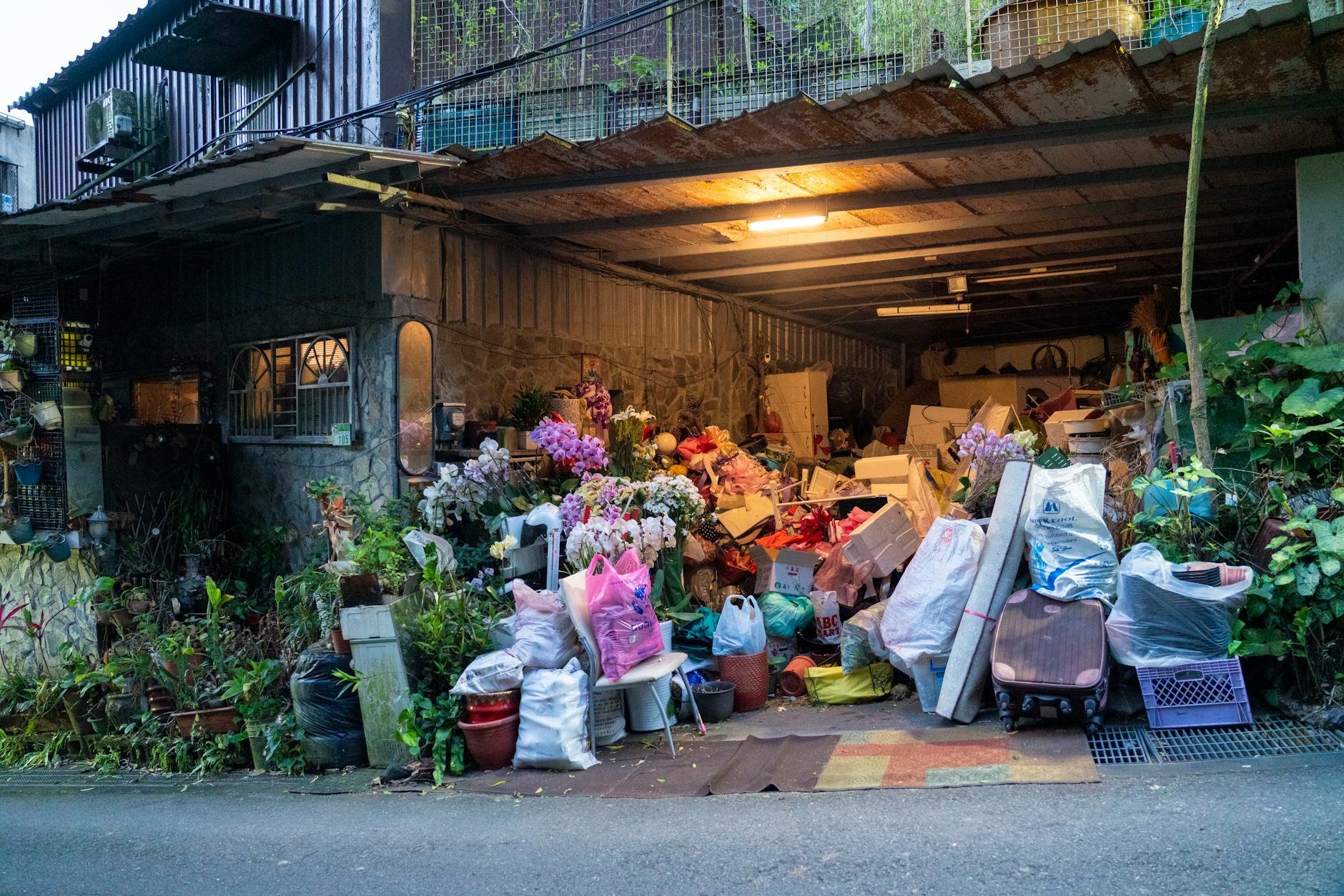
Minimalism is often a choice available only to those who have the financial safety net to replace things if needed. Poor people often hoard items because they cannot afford to buy them again if a need arises. This lifestyle ignores the reality that clutter is often a survival mechanism for those with fewer resources. Preaching minimalism can seem tone- deaf to the struggles of those living in poverty. It creates a class divide disguised as a lifestyle preference.
Perfectionism Paralysis
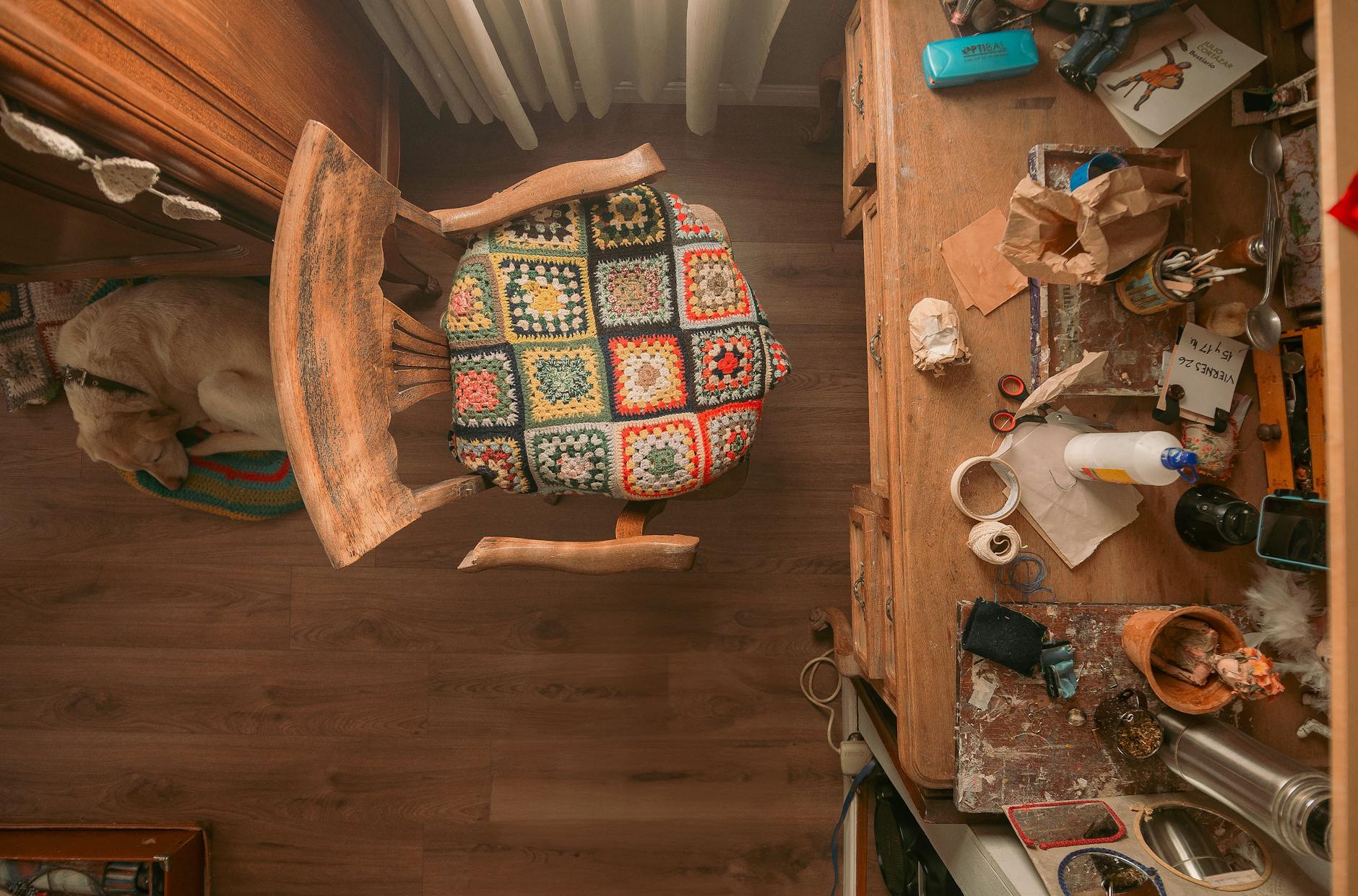
The drive to have a perfectly curated home can lead to paralysis where you are afraid to bring anything new into the space. You might agonize for weeks over the purchase of a simple necessity because it does not match your aesthetic. This obsession with the perfect object prevents you from meeting your basic needs efficiently. The fear of ruining the visual flow of a room creates a rigid and inflexible living environment. Life becomes about managing the aesthetic rather than living in the space.
Child Rearing Difficulties
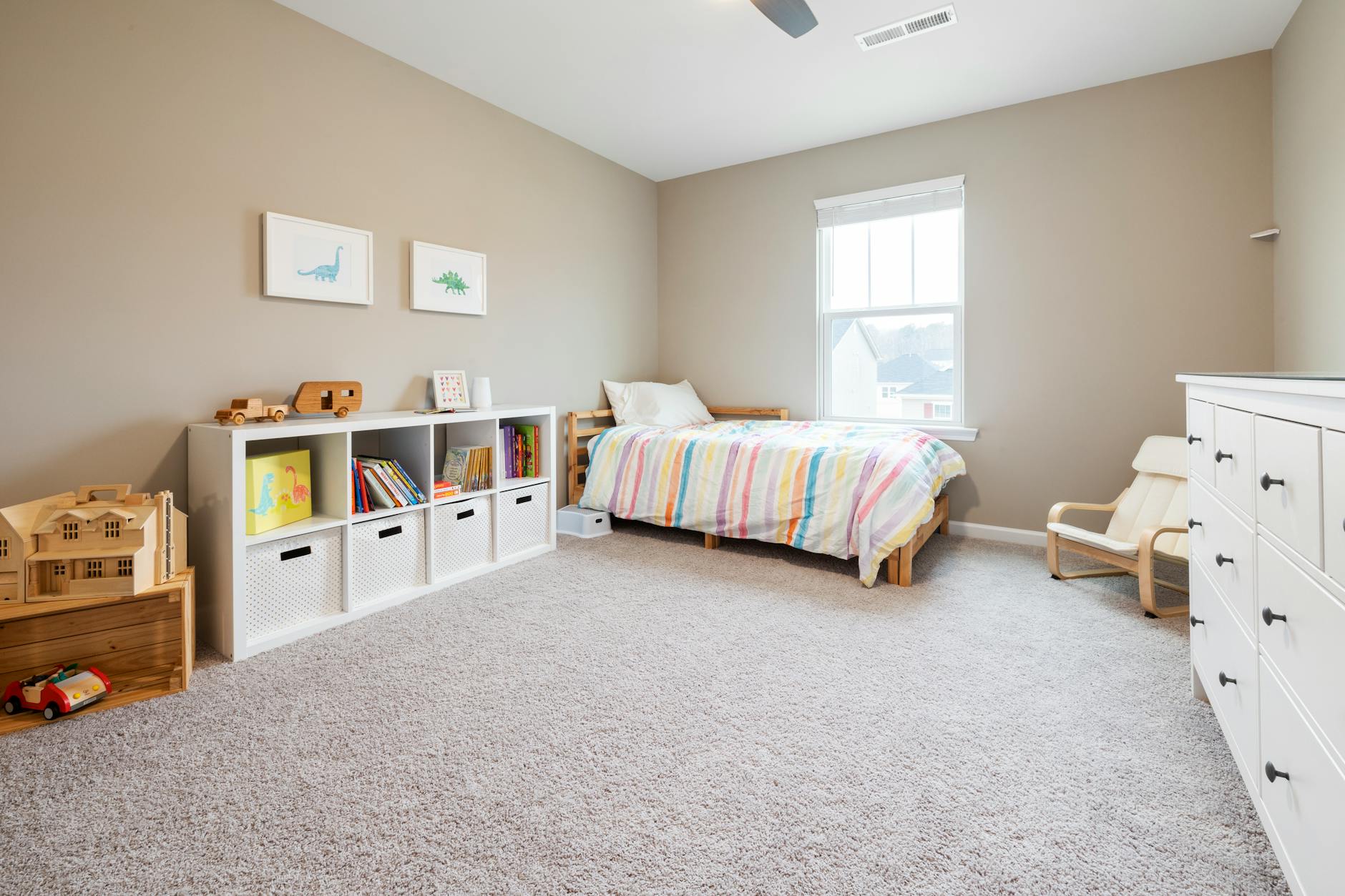
Children naturally accumulate toys, artwork, and school projects that clash with a minimalist ethos. Trying to impose strict minimalist rules on kids can stifle their development and creativity. Parents often feel like they are fighting a losing battle against the influx of plastic and paper that comes with raising a family. This conflict creates guilt for the parent and restriction for the child. A barren home is rarely a stimulating environment for a growing mind.
Constant Inventory Management
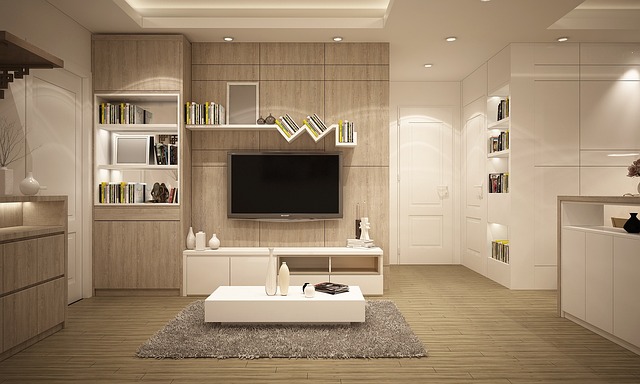
A minimalist is often mentally counting and cataloging every item they own to ensure the number stays low. This constant inventory management takes up significant mental bandwidth that could be used for other thoughts. You become hyper-aware of every object entering the home and its potential impact on your total item count. The mental freedom promised by minimalism is replaced by a new form of neurotic tracking. Peace is lost to the surveillance of one’s own possessions.
The Void
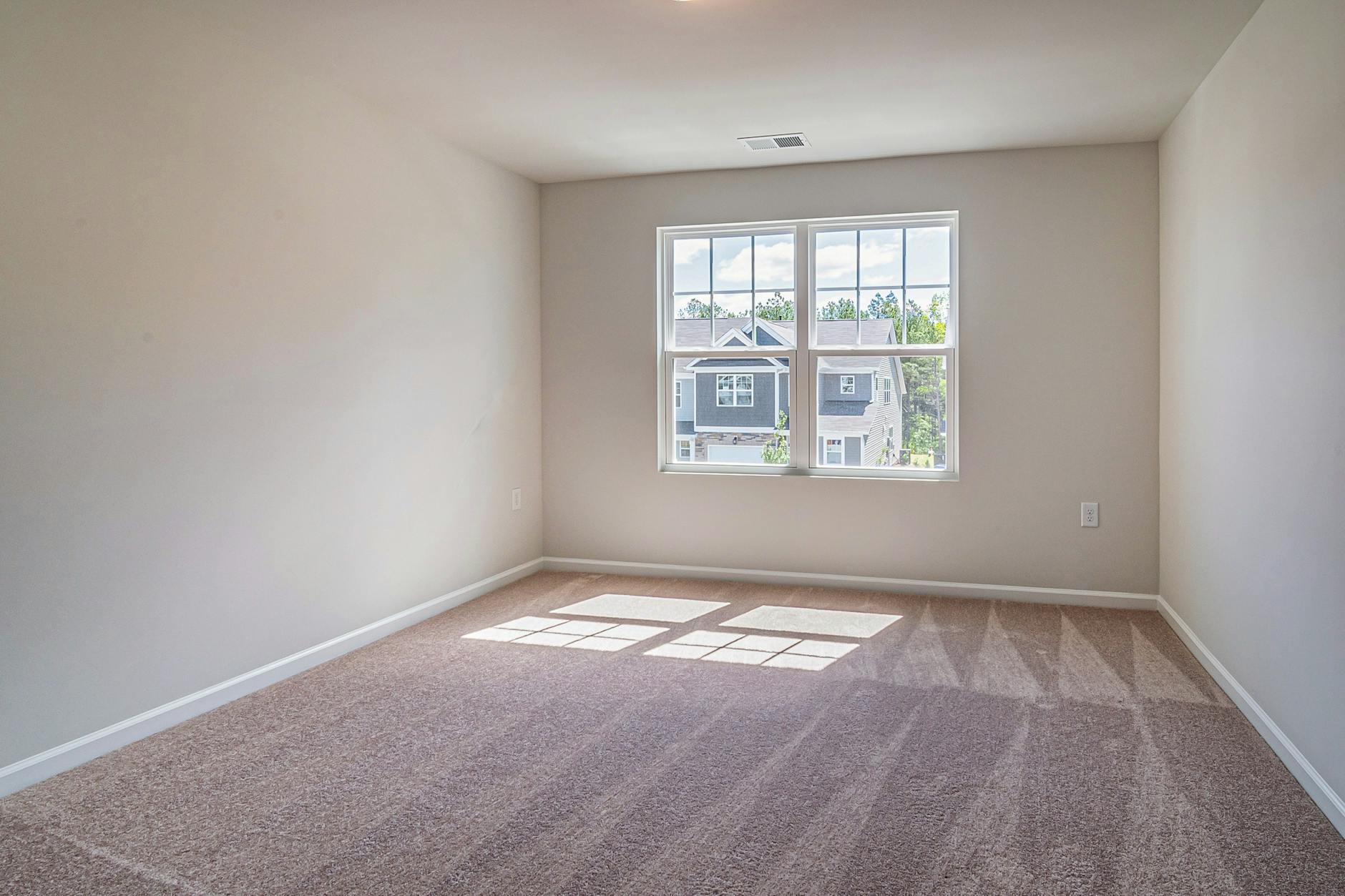
Once the decluttering is finished you are left with the silence and emotions that shopping was masking. Many people use consumption to distract themselves from loneliness, trauma, or unhappiness. Removing the distraction forces you to face these demons without your usual coping mechanism. The initial high of clearing space fades to reveal the unresolved personal issues beneath. Minimalism removes the bandage but does not cure the underlying wound.
Share your own experiences with the challenges of downsizing in the comments.