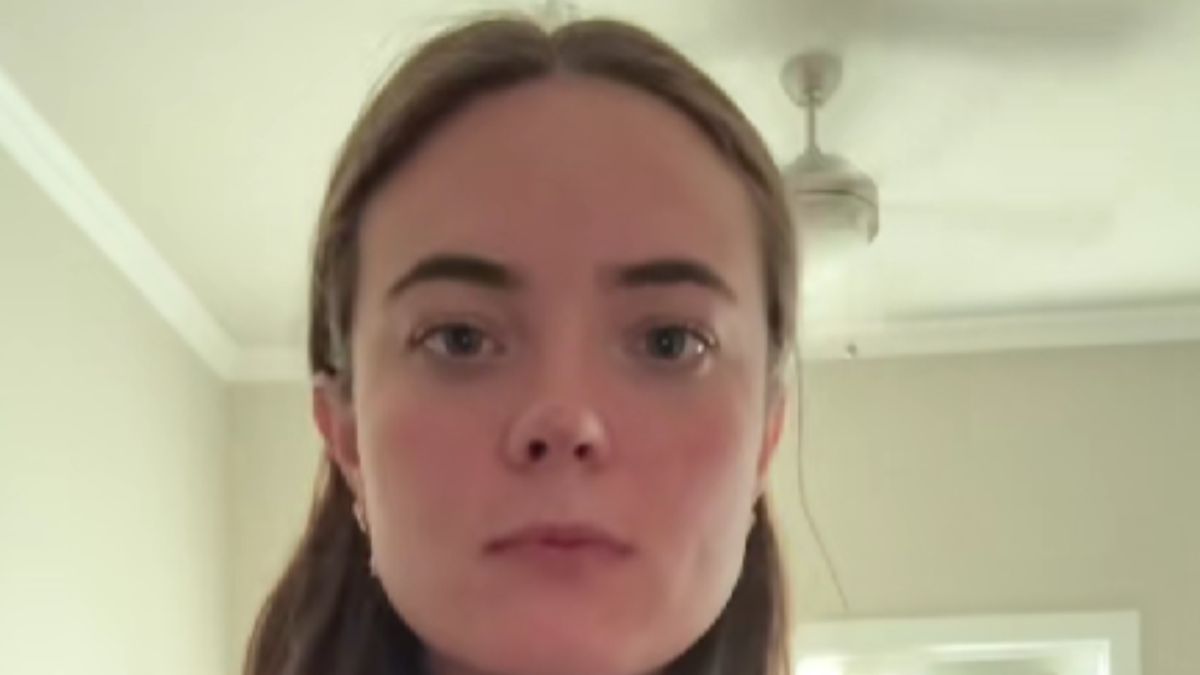
A viral social media trend has sparked heated debates between generations about something as simple as a facial expression. Known as the Gen Z stare, this blank or deadpan look has left many older people confused and frustrated during everyday encounters. While younger folks defend it as a natural reaction to awkward or silly moments, millennials often see it as a complete breakdown in basic social skills. The phenomenon highlights deeper differences in how people communicate today versus just a decade or two ago.
The discussion gained traction on platforms like TikTok where young people in service jobs share videos of their responses to odd customer questions. One TikToker explained that when someone says something truly unbelievable, the best move is to stay silent with a neutral face rather than risk saying something that escalates the situation into chaos. This approach serves as a protective shield, especially for those dealing with rude or clueless interactions all day. Yet from the other side, it feels like young workers or customers simply freeze up and offer no acknowledgment at all.
Millennials point out that the real issue arises in ordinary settings such as cafes, stores, or casual conversations. Someone might greet a Gen Z employee or ask a straightforward question only to receive total silence and an empty gaze in return. It is not about reacting to a boomer comment but about failing to engage even at the most fundamental level. As one observer noted on X, the problem surfaces when customers from that generation enter a place and ignore the simplest queries, leaving staff hanging without any response.
@madelinewatson idk why it’s not clocking to you people… if everyone misinterpreted it that badly, maybe it’s not as much of a thing for the entire generation that you have generalized it to… gen z is literally 28-12…. most of the upper part of that has no clue what you meant. I edit: my bad fam. I misunderstood what it was. sorry kings and queens! slay on. #genzstare#genz ♬ Dramamine – Flawed Mangoes
Experts and commenters link this behavior partly to heavy screen time during formative years, which may have limited opportunities to practice face-to-face exchanges. The effects of pandemic lockdowns get mentioned too, although many Gen Z individuals were already young adults by then. Others argue that social anxiety plays a big role or that some simply feel they do not owe strangers extra energy or politeness. Defenders push back by saying frustrated older people are the same ones who never properly taught communication skills to their own children.
What genz think their genz stare is VS what it really looks like pic.twitter.com/3tnaHc6g6N
— ☆ michelle tuan ☆ (@michelletuanz) July 12, 2025
In reality the stare often functions as a defense mechanism against perceived foolishness or intrusion. Gen Z users emphasize that staying quiet prevents unnecessary drama while preserving their own peace. On the flip side, those on the receiving end experience it as rude disengagement that disrupts normal flow. Social media threads overflow with personal stories from both camps, yet no clear winner emerges in the conversation.
It’s funny watching y’all misinterpret what the gen z stare is. It’s when I try to make friendly conversation with you and you look at me like you were born yesterday and don’t have language capacity. Just emotionless and nothing going on in your head as far as social skills
— ness (@plantedherb) July 11, 2025
This generational clash reveals shifting norms around politeness and emotional labor. What feels like self-protection to one group registers as indifference or incompetence to another. Over time such misunderstandings can build tension in workplaces, customer service, and even family settings. Understanding the roots, whether rooted in technology habits or changing social expectations, might help bridge the divide.
The debate shows no signs of slowing as more videos and anecdotes circulate online. It serves as a reminder that communication styles evolve with each new cohort entering adulthood. Rather than assigning blame, recognizing these differences could lead to more patience on all sides.
What do you think about the Gen Z stare. Share your thoughts in the comments.