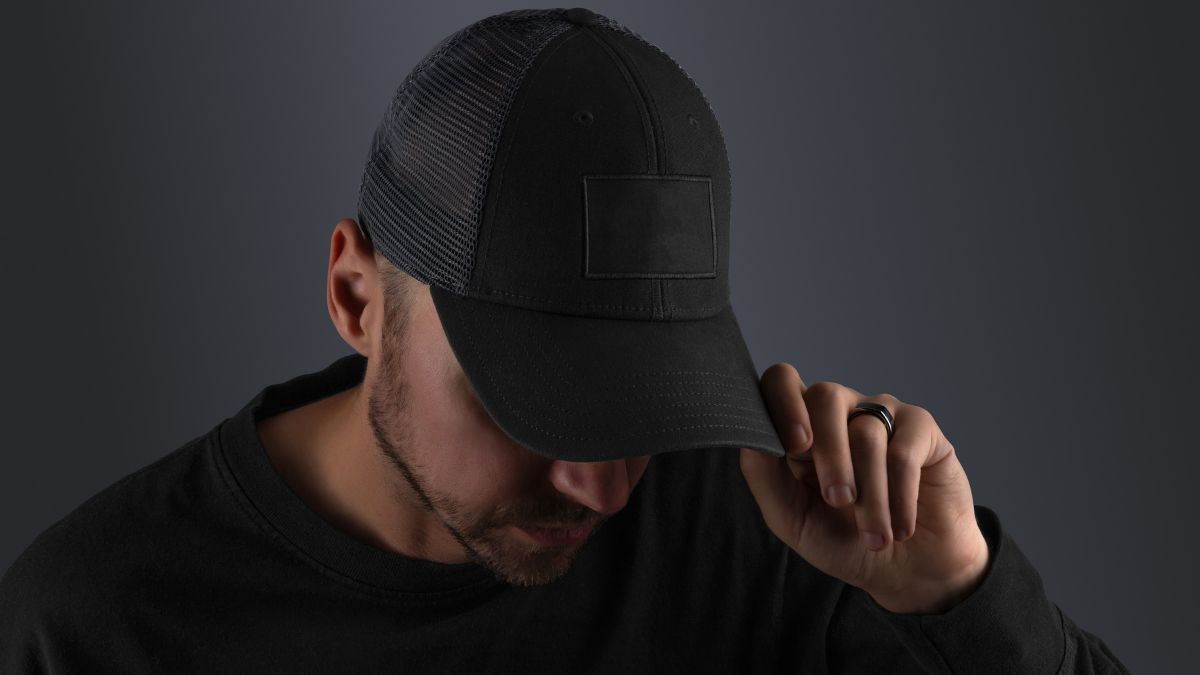
If you regularly wear a hat, you have probably wondered at some point whether it could be making your hair fall out. It is one of those long-standing beliefs that gets passed around, and many people take it seriously regardless of whether they wear a beanie, a baseball cap, or a headscarf. The good news is that a dermatologist has weighed in with a clear answer, and it should put your mind at ease. Hair loss is already a stressful enough topic without adding unnecessary worry about your wardrobe choices.
According to Dr. Mansha Sethi, a dermatologist with St. Luke’s University Health Network in Pennsylvania, putting on a hat has nothing to do with going bald. She explains that the root causes of hair loss are almost always internal, and shedding is typically a signal that something is happening inside the body. “Wearing a hat is not considered a significant cause of hair loss,” Sethi said, adding that the only real caution is to avoid headwear that is excessively tight and puts pressure on the scalp. Beyond that, your favorite cap is completely off the hook.
Hair loss is far more common than many people realize, which is part of why so many myths have formed around it. Androgenetic alopecia, the most widespread form, affects more than 50 million men and 30 million women in the United States alone. Under normal circumstances, losing anywhere from 50 to 100 strands of hair per day is considered perfectly healthy. It is when various health factors disrupt the natural growth cycle that problems begin to develop.
The reasons behind hair loss are varied and sometimes surprising. Genetics play a significant role, especially when it comes to when thinning begins and how it progresses. Dr. Sethi explained that both maternal and paternal genes are involved, and that the sensitivity of hair follicles to a hormone called dihydrotestosterone (DHT) largely determines where the scalp starts to thin. “For most men, that tends to be the front and top of the scalp,” she noted. Since DHT is derived from testosterone, higher testosterone levels can make the situation worse. Beyond genetics, other culprits include thyroid disorders, childbirth, surgery, and deficiencies in iron, vitamin D, and protein.
Prolonged stress, rapid weight loss (including from medications like Ozempic), serious illness, and even fungal infections of the scalp can all trigger or worsen hair shedding. A condition called tinea capitis, for example, can cause a rash on the scalp and prevent hair from growing in the affected areas. Autoimmune conditions like alopecia areata are another factor, where the immune system mistakenly attacks hair follicles and leads to patchy thinning. The bottom line is that the causes are complex and highly individual, which is why a professional evaluation matters so much.
When it comes to reversing hair loss, timing is everything. “Hair loss is best treated in the early stages,” Dr. Sethi said, pointing out that recovery is possible as long as the follicles have not been scarred. She cautioned against falling for the flood of products marketed online, urging people to speak with a dermatologist before spending money. “I constantly see ads for various solutions, and some of them sound too good to be true, so it is important to do your research, talk to an expert, and not waste money on products that do not actually help,” she said. Proven options include topical and oral minoxidil, finasteride, nutritional supplements like saw palmetto, ashwagandha, and pumpkin seed oil, and hair transplant surgery. Transplants typically cost between $5,000 and $15,000 depending on how many grafts are needed. Many medications are not covered by insurance, which adds to the long-term financial burden. Dr. Sethi recommends 5% minoxidil foam as a solid over-the-counter starting point, though she stresses consulting a dermatologist first to avoid any unwanted interactions with other medications.
@qrome.dtori Night Bald Maxing Routine 🧼💪🏽 Bald isn’t a fallback. It’s a statement. Here’s how I take care of the 👨🏼🦲& the beard before bed: 🪒 Used the @freebird to keep the head smooth 🧼 Washed the beard to remove buildup 💨 Blow dried it to prevent ingrown hairs 🧴 Applied face moisturizer to lock in hydration 🧪 Massaged in beard oil to soften and grow 🪮 Combed it down for shape & discipline “But I discipline my body and keep it under control, lest after preaching to others I myself should be disqualified.” — 1 Corinthians 9:27 This ain’t vanity. It’s stewardship. When you look sharp, you act sharp. Take care of the temple. 👑 #BaldMaxing #SelfCareForMen #FaithFitnessFocus #NightRoutine #BeardCare #DisciplineWins ♬ Fell In Luv – pouu & Shayyn!
It is also worth mentioning that choosing not to treat hair loss is a completely valid path. A trend known as “baldmaxxing” has gained traction in recent years, encouraging people to fully embrace a shaved or thinning head rather than constantly trying to conceal it. Communities have built up around this idea, focusing not just on the physical aspect but also on the psychological journey of accepting baldness with confidence.
Hair grows in three distinct phases known as anagen (active growth), catagen (transition), and telogen (resting and shedding). The anagen phase can last anywhere from two to seven years, which is why some people can grow very long hair while others cannot. On average, hair grows about half an inch per month. Follicle health is directly tied to blood circulation in the scalp, nutrition, and hormonal balance, which is why lifestyle factors can have a genuine impact on how hair looks and how long it lasts. Understanding these basics helps put the entire hair loss conversation in a much more informed context.
If you have been worrying about whether your hat collection is thinning your hair, feel free to share your experience or questions in the comments.