Traveling brings wonderful opportunities to explore new cultures and see iconic landmarks around the world. The massive influx of visitors often strains local infrastructure and disrupts the daily lives of residents. Many travelers unknowingly engage in behaviors that frustrate the people who actually live and work in these destination cities. Understanding these common missteps helps visitors become more respectful and welcome guests in foreign communities.
Stopping in the Middle of the Sidewalk

Locals treat sidewalks as commuting highways to get to work or school efficiently. Groups of tourists frequently halt without warning to check maps or take photos of buildings. This sudden stop causes pileups and forces residents to step into dangerous streets to bypass the human roadblock. Stepping off to the side or finding a quiet corner keeps the pedestrian flow moving smoothly.
Disrespecting Sacred Sites
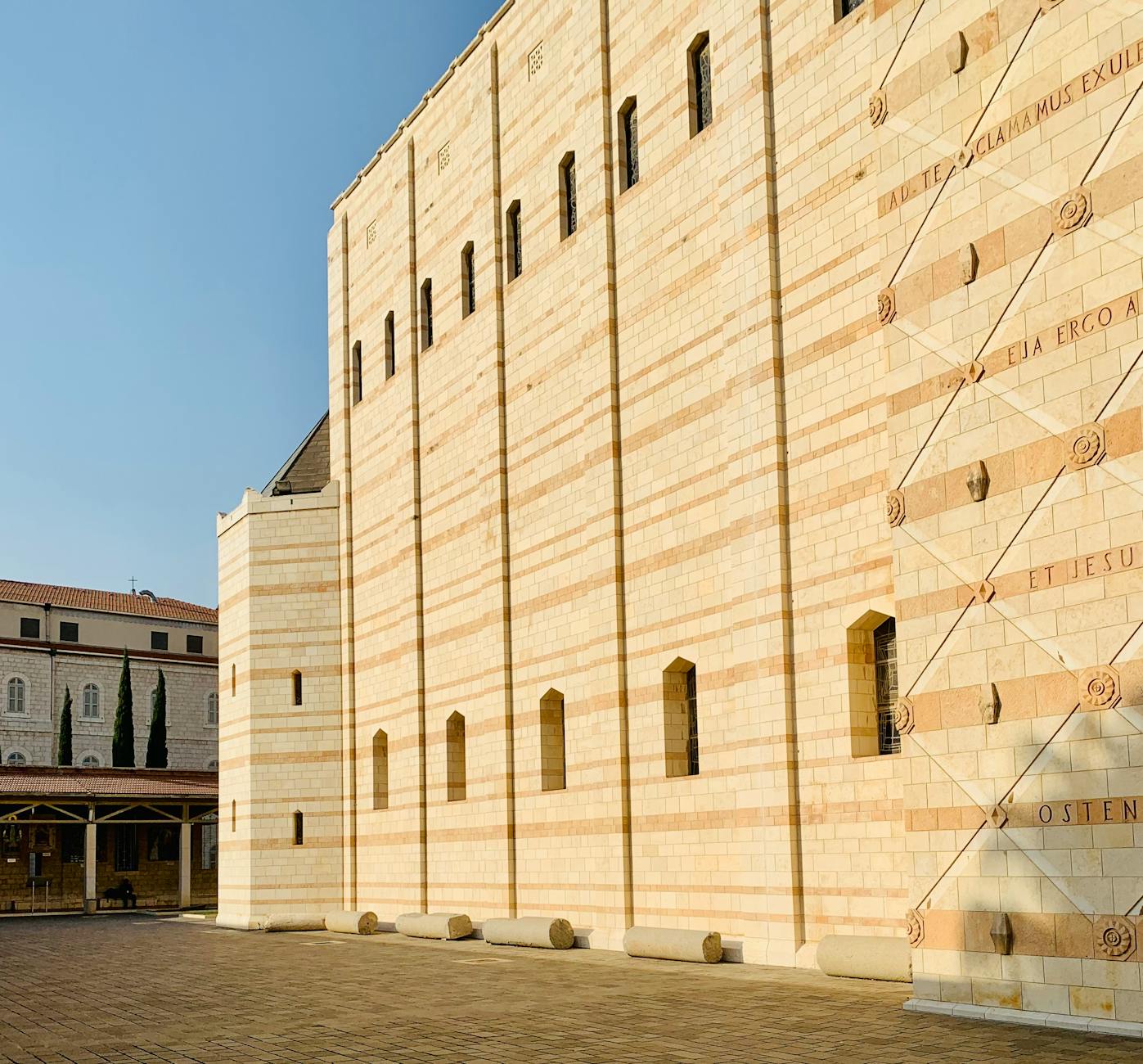
Religious buildings serve as active places of worship rather than simple photo backdrops for visitors. Tourists often ignore dress codes by wearing shorts and tank tops into cathedrals and temples. Loud talking and inappropriate posing for social media pictures disrupt the peaceful atmosphere intended for prayer. Observing the local customs and maintaining a quiet demeanor preserves the sanctity of these important cultural monuments.
Treating Locals Like Props

Residents going about their daily lives are not paid actors in a vacation fantasy. Visitors frequently point their cameras at random people on the street without asking for permission first. This aggressive photography makes locals feel objectified and violates their basic right to privacy in their own neighborhoods. A polite request goes a long way and respectful travelers accept a refusal gracefully.
Littering and Disregarding Waste Rules

Every city struggles with waste management and millions of visitors drastically increase the daily garbage output. Tourists often leave food wrappers on benches or toss plastic bottles onto beautiful natural landscapes. Many destinations have specific recycling rules that visitors completely ignore out of convenience. Keeping trash in a bag until finding the proper receptacle protects the local environment for everyone.
Ignoring Local Customs
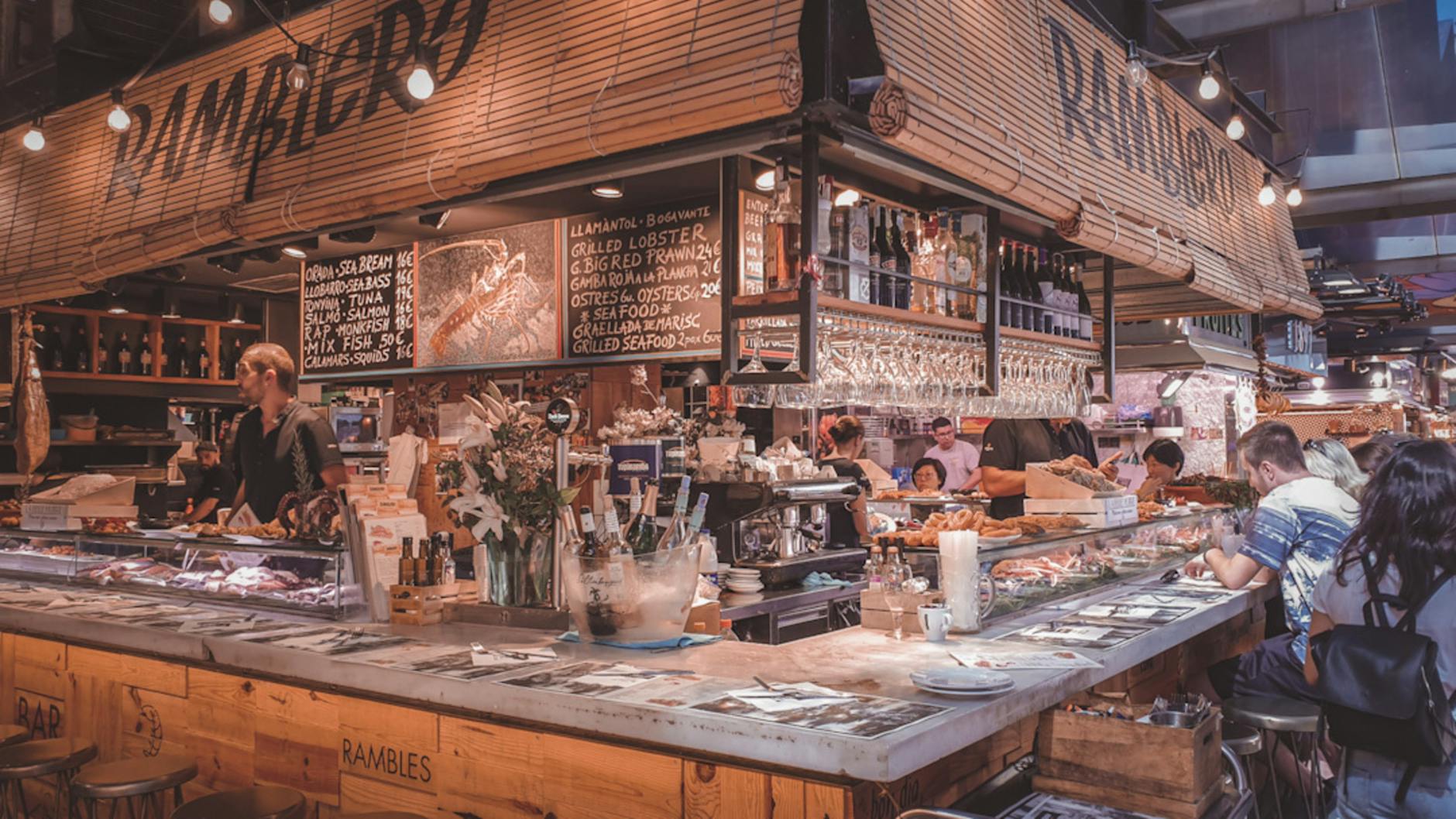
Every culture operates under unwritten rules regarding greetings and physical contact in public spaces. Visitors who refuse to adapt their behavior often come across as rude and culturally insensitive to residents. Something as simple as failing to learn basic phrases like hello and thank you signals a lack of effort. Embracing these small cultural nuances bridges the gap between outsider and welcome guest.
Expecting Everyone to Speak English

English serves as a common global language but it is unreasonable to demand fluency in every destination. Travelers often approach locals and launch into rapid English without asking if the person understands them. Raising one’s voice does not make the language any easier to comprehend for a nonnative speaker. Attempting a few words in the local language shows respect and usually results in much better assistance.
Blocking Public Transportation Doors
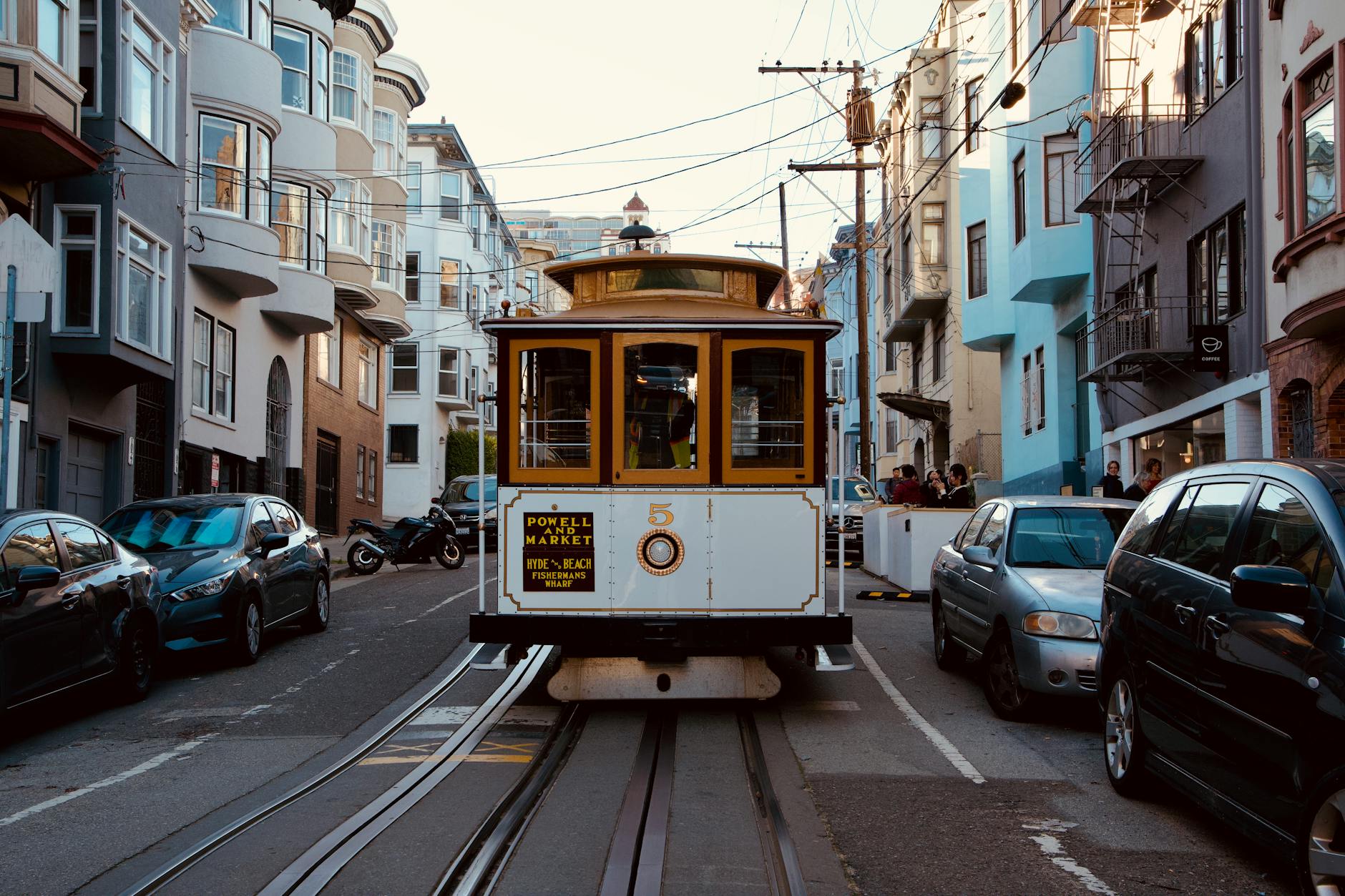
Trains and buses run on tight schedules to get residents across the city on time. Tourists carrying large backpacks frequently stand directly in the doorways and prevent locals from boarding or exiting. Refusing to move down the aisle creates artificial overcrowding in the entry areas of the vehicle. Taking off bulky bags and moving away from the doors ensures a smoother commute for the entire carriage.
Haggling Too Aggressively
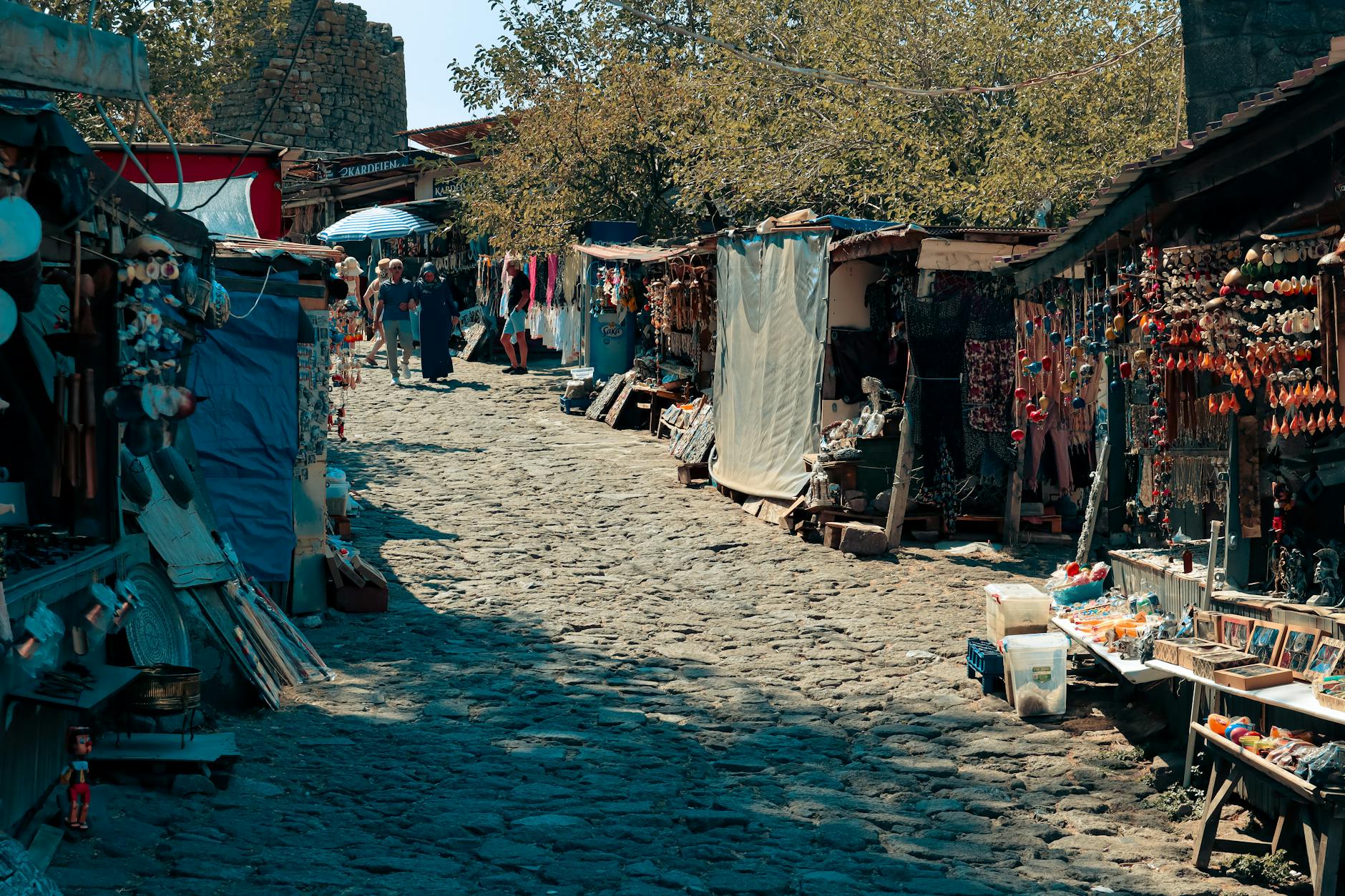
Bargaining is an expected part of the shopping experience in many global markets. Some visitors take this practice too far and argue aggressively over pennies with small business owners. This relentless negotiation damages the livelihood of artisans who rely on fair prices to feed their families. Paying a reasonable rate supports the local economy and respects the labor poured into the handmade goods.
Vandalizing Historical Monuments

Ancient structures and natural wonders require intense preservation efforts to survive for future generations. Some tourists feel the urge to carve their initials into stone pillars or snap pieces off coral reefs. This destructive behavior permanently damages priceless heritage sites that belong to the local community. Leaving these landmarks exactly as found guarantees that they remain intact for centuries to come.
Creating Excessive Noise

Residential neighborhoods require peace and quiet during the late evening and early morning hours. Groups of vacationers often shout and sing while walking back to their rental apartments after midnight. Rolling heavy suitcases over cobblestone streets at dawn also disrupts the sleep of locals living on the ground floor. Maintaining a low volume in residential zones demonstrates basic consideration for the working population.
Flouting Traffic Laws
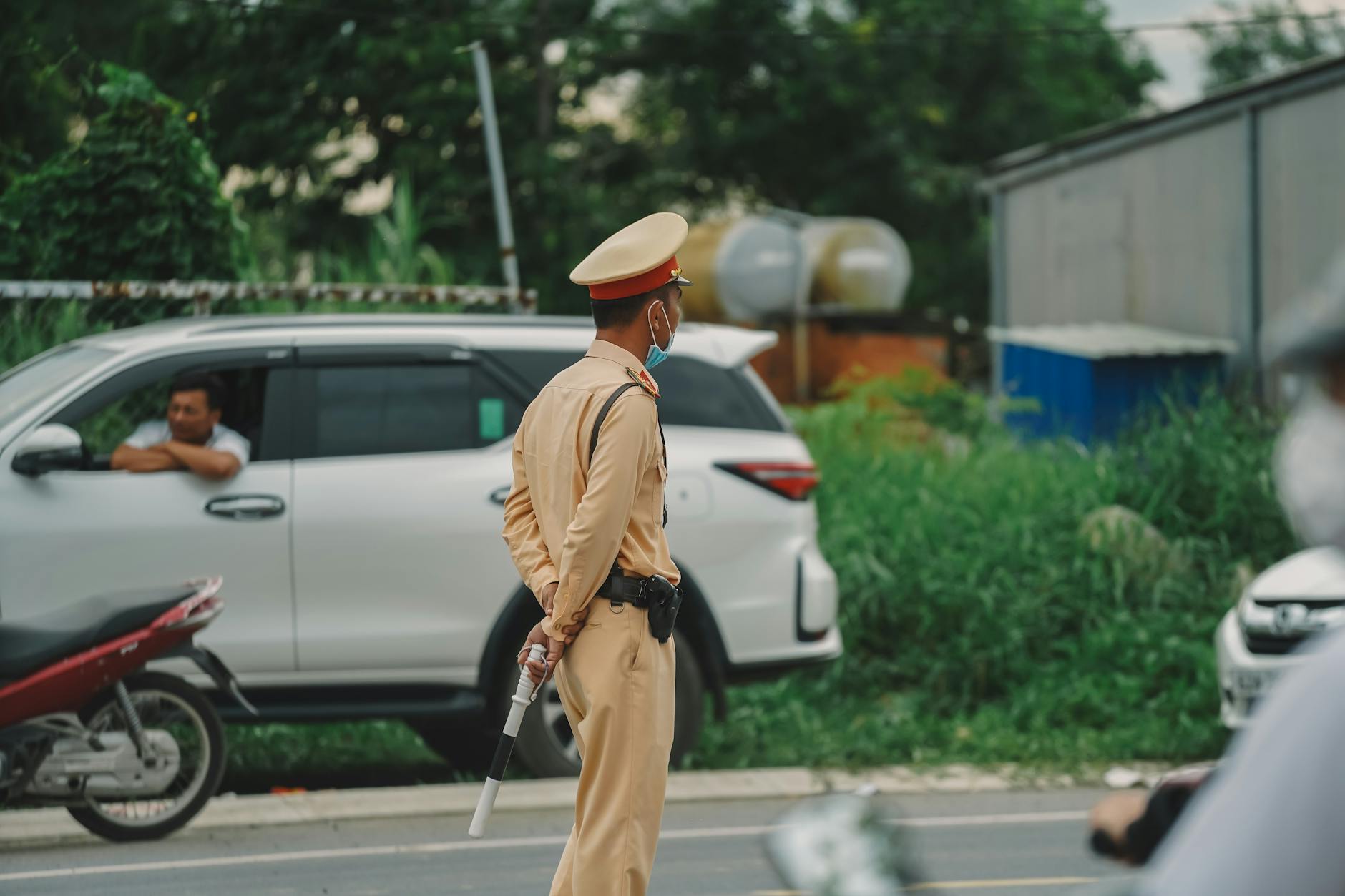
Renting a scooter or bicycle offers a fun way to explore a new city at a leisurely pace. Unfamiliarity with the streets often leads tourists to ignore traffic lights and ride the wrong way down one way roads. This unpredictable driving endangers both the visitors and the locals trying to navigate their regular commute. Learning the basic road rules of the destination prevents accidents and keeps the streets safe.
Overcrowding Small Businesses

Tiny cafes and independent shops operate with very limited square footage and specific capacities. Large tour groups sometimes flood these intimate spaces just to look around without buying anything. This blocks regular paying customers from entering and costs the small business owner valuable daily income. Splitting into smaller groups and actually making a purchase helps these local establishments thrive.
Disregarding Dress Codes
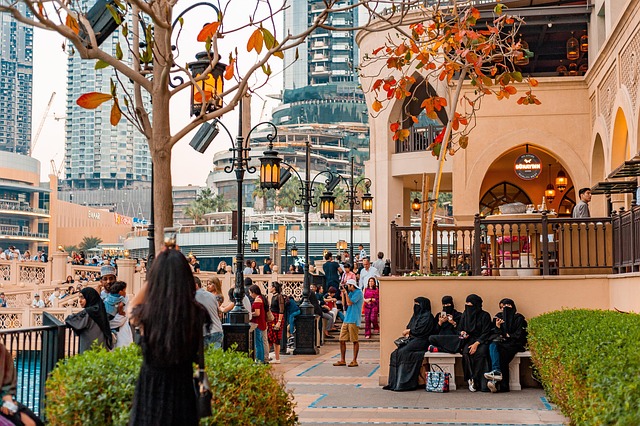
Different cultures maintain varying standards of modesty and acceptable public attire outside of beach areas. Tourists walking through city centers in swimwear or shirtless often offend the conservative sensibilities of the local population. Covering up before leaving the immediate vicinity of the water shows respect for the community norms. Proper attire prevents uncomfortable interactions and allows travelers to blend in more seamlessly.
Feeding Wildlife

Urban animals and park wildlife rely on natural food sources to maintain a healthy ecosystem. Visitors frequently toss bread to birds or offer junk food to monkeys for a quick photograph. This artificial feeding makes the animals aggressive and causes severe health problems for the local wildlife populations. Observing creatures from a distance without interfering preserves the natural balance of the destination.
Complaining About Authentic Food

Culinary exploration stands out as a primary reason many people choose to travel abroad. Some tourists complain loudly when traditional dishes do not taste like the modified versions available in their home country. Demanding that local chefs alter recipes to suit foreign palates insults the culinary heritage of the region. Trying new flavors with an open mind allows visitors to truly experience the culture.
Misusing Rental Scooters
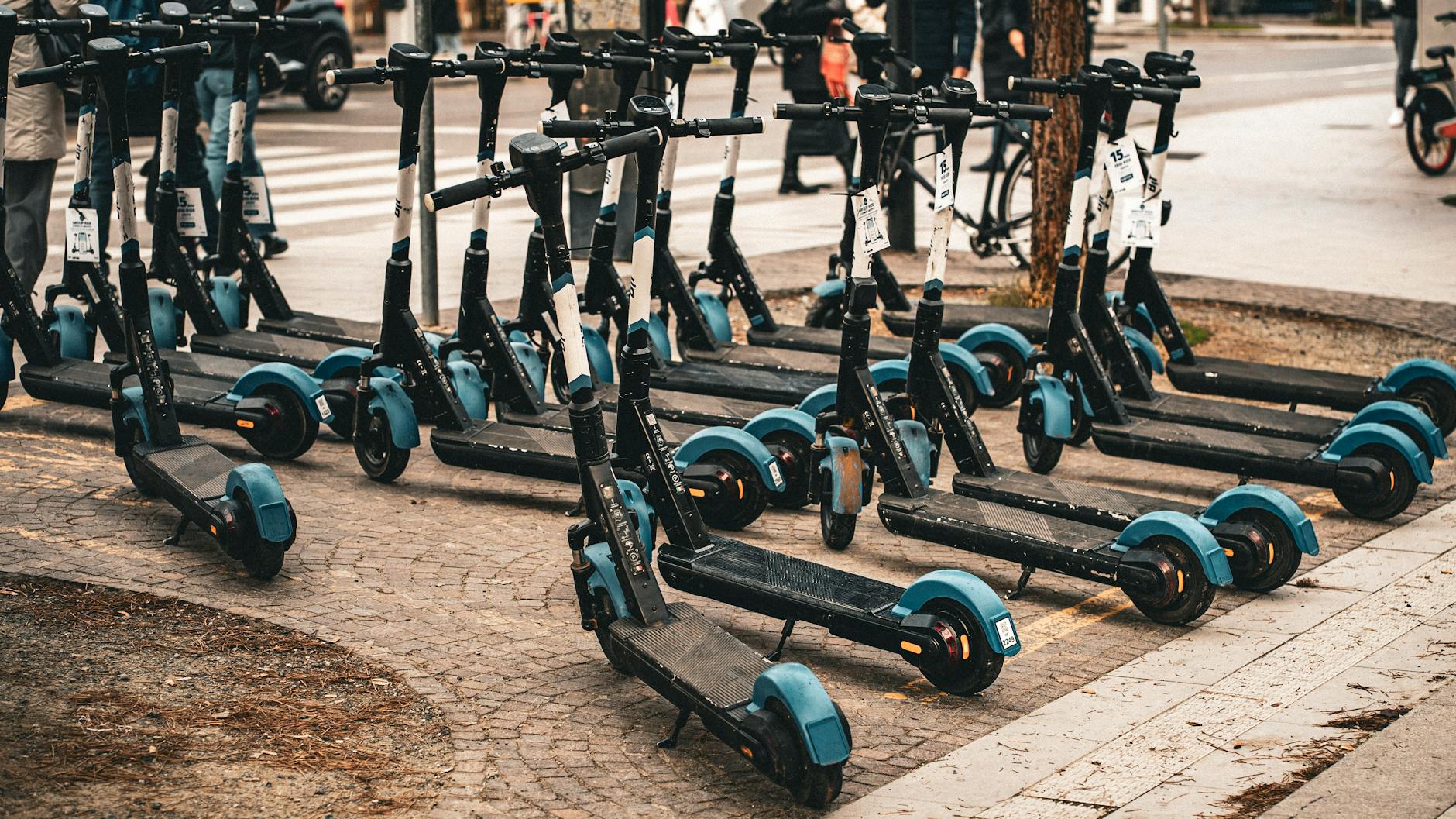
Electric scooters provide cheap and fast transportation across sprawling urban landscapes. Tourists frequently abandon these devices in the middle of pedestrian walkways or block wheelchair access ramps. Riding them on crowded sidewalks instead of designated bike lanes creates a severe hazard for elderly residents and children. Parking the scooters in approved zones keeps the city accessible and organized for everyone.
Treating Service Workers Poorly
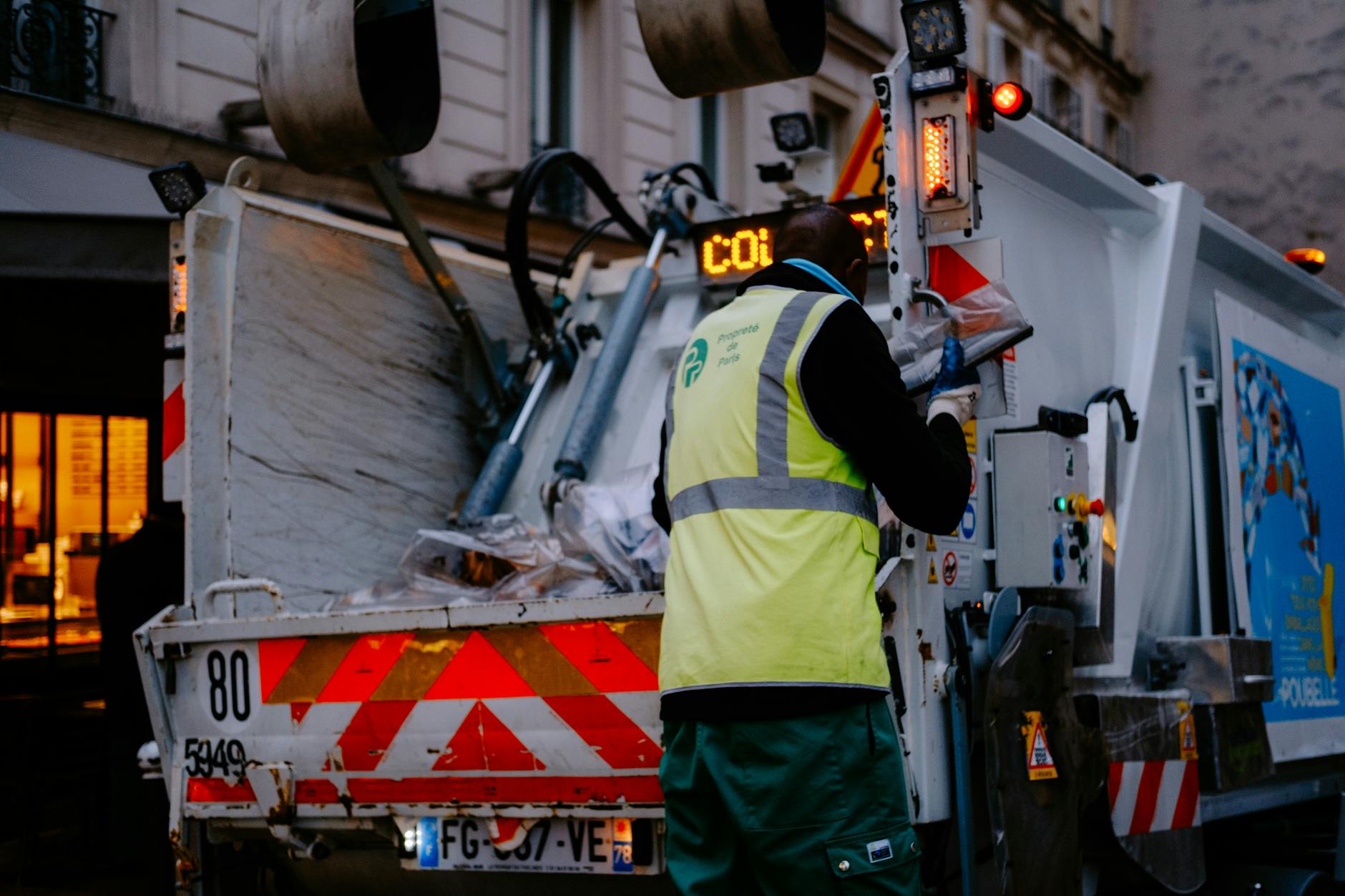
Waiters and hotel staff work long hours to ensure visitors have a pleasant stay in their city. Frustrated travelers sometimes snap at these employees over minor inconveniences or cultural misunderstandings. Snapping fingers or yelling across a dining room creates a hostile environment for the hardworking locals. Exhibiting patience and practicing basic politeness ensures better service and a positive interaction for both parties.
Trespassing for Photos

Social media drives many people to seek out unique locations for the perfect vacation post. Tourists frequently climb over fences or walk into private gardens to get a better angle of a famous landmark. This blatant trespassing violates the privacy and property rights of the residents who live there. Staying on marked public paths respects the boundaries of the local community.
Ignoring Queue Etiquette
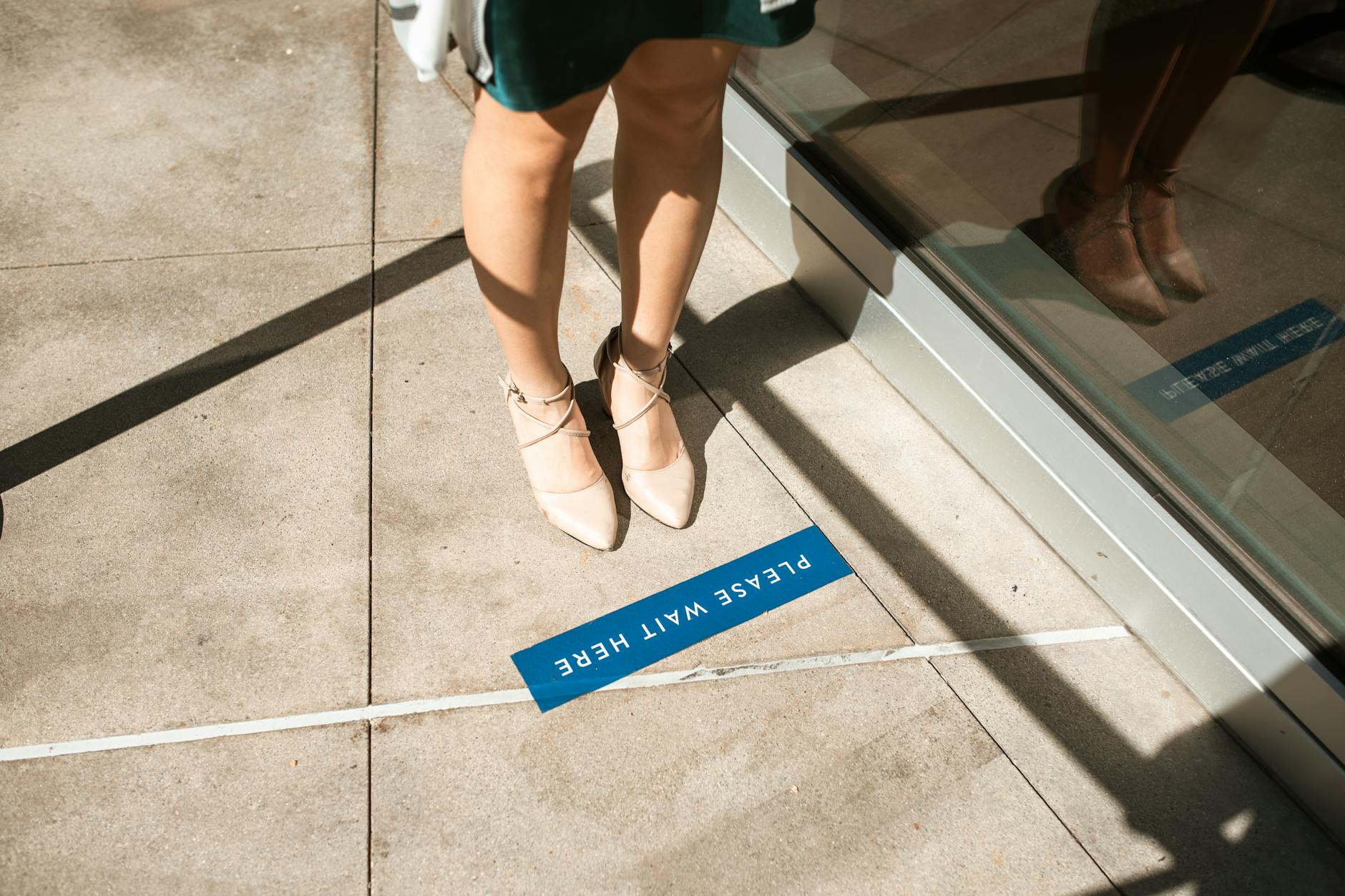
Waiting in line represents a universal social contract that maintains order in busy public spaces. Impatient visitors sometimes attempt to skip ahead of locals waiting at bus stops or bakery counters. This entitled behavior immediately angers residents who follow the established rules of their community. Waiting one’s turn patiently demonstrates basic social grace and avoids unnecessary conflict.
Overusing Flash Photography

Museums and galleries house delicate artifacts that suffer degradation from intense light exposure. Tourists routinely ignore clear signage prohibiting flash photography in these sensitive cultural institutions. The constant bursting of bright lights also ruins the viewing experience for other patrons trying to enjoy the exhibits. Turning off the flash preserves the art and allows everyone to appreciate the gallery in peace.
Monopolizing Public Seating
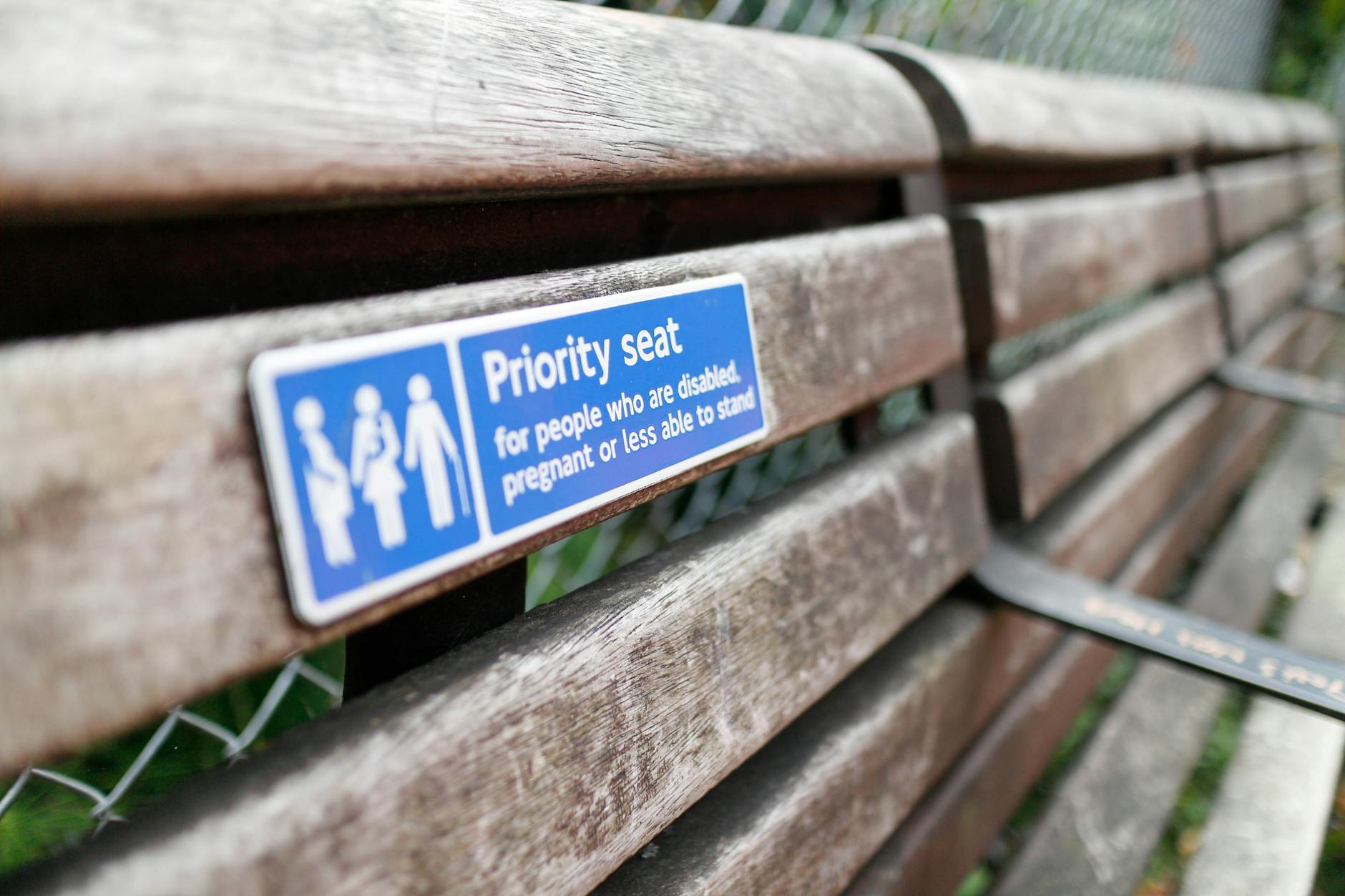
City squares and parks offer limited benches for residents to rest during their daily activities. Groups of travelers often occupy these seats for hours while placing their shopping bags on the remaining empty spaces. This prevents elderly locals or pregnant women from finding a place to sit down. Keeping bags on the ground and moving along after a reasonable rest period shares the public amenities fairly.
Walking Five Abreast
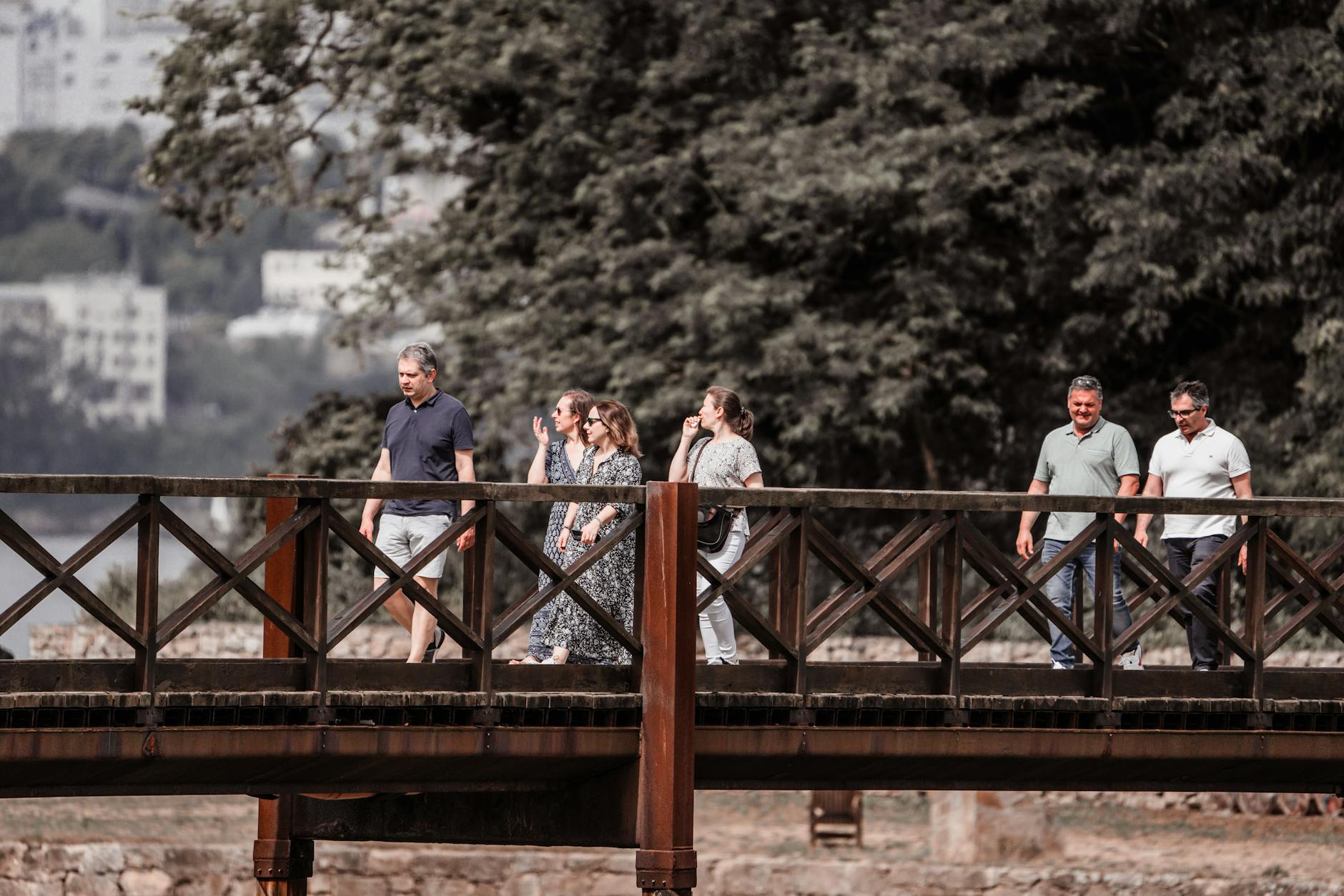
Exploring a city with friends often leads to walking side by side down narrow European streets. This wide formation creates a moving wall that completely blocks residents trying to pass in either direction. Locals find themselves trapped behind slow moving groups or forced into the gutter to get around them. Collapsing into a single file line when others approach keeps the walkways functional for everyone.
Participating in Poverty Tourism
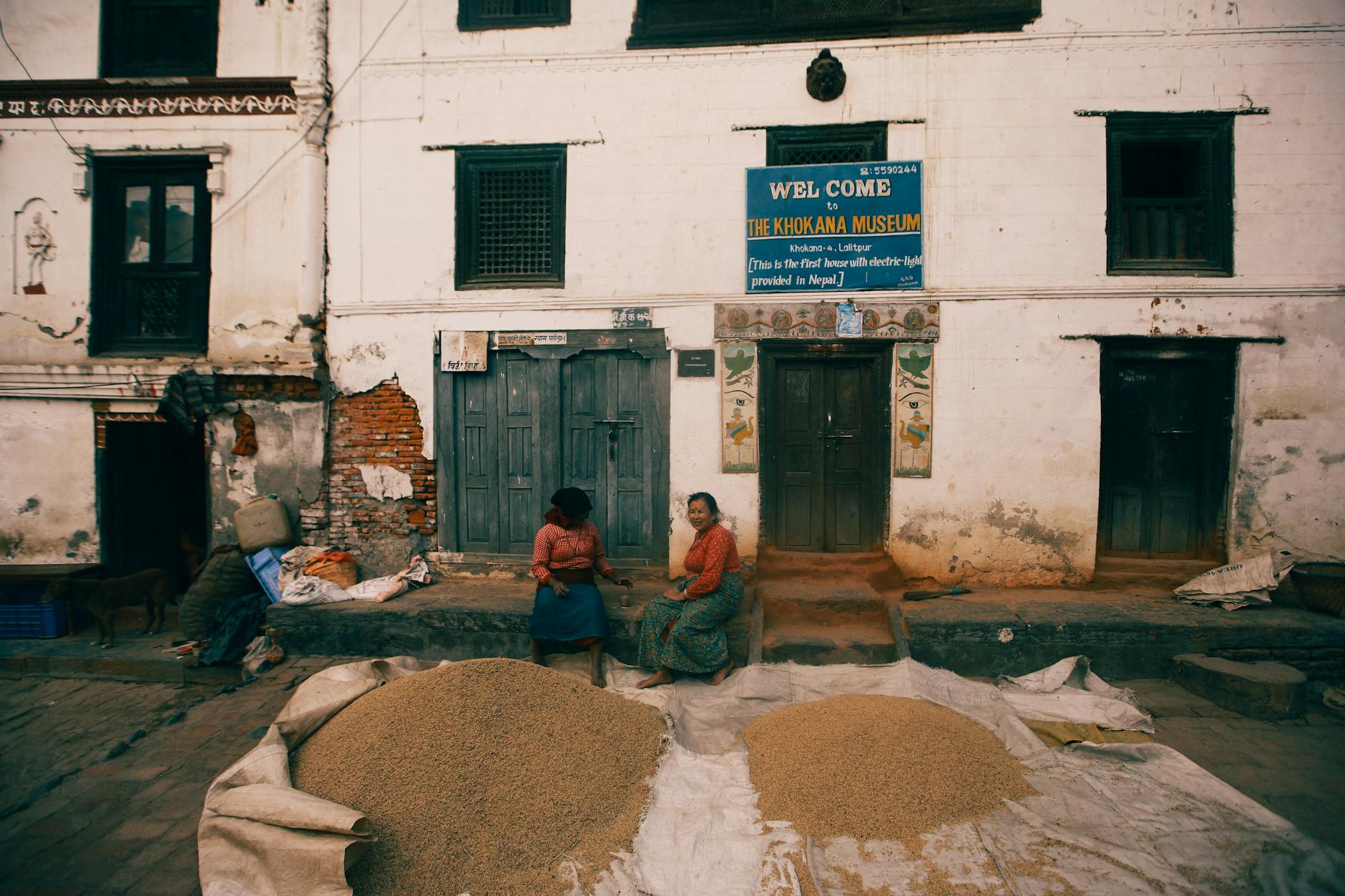
Visiting economically disadvantaged neighborhoods purely for observation turns the daily struggles of residents into a spectacle. Tourists riding through these areas in air conditioned buses rarely contribute anything positive to the local economy. This practice treats human beings like zoo exhibits and strips them of their dignity. Engaging with these communities through legitimate local charities provides actual support rather than exploitation.
Ignoring Safety Warnings
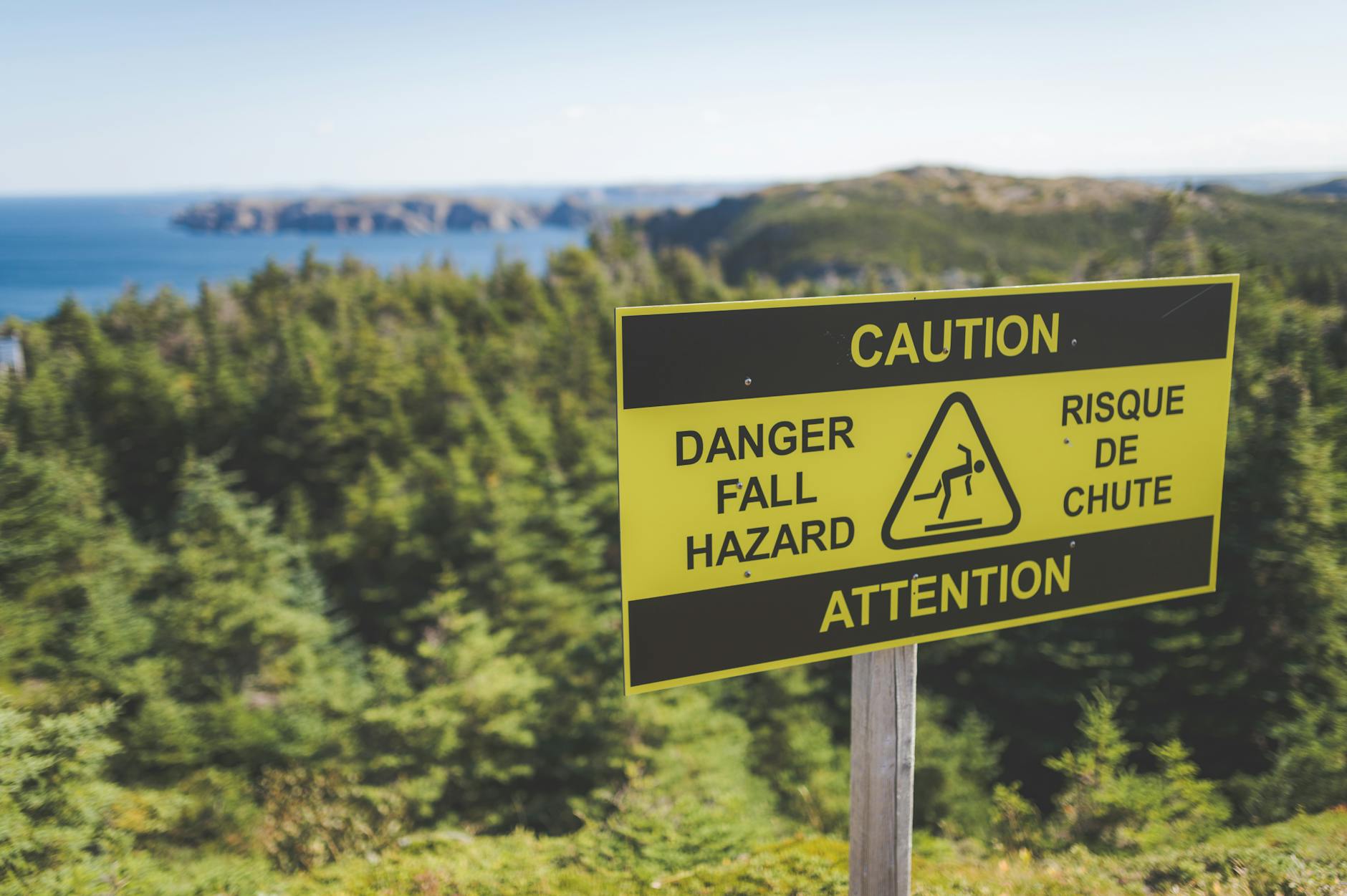
Coastal areas and mountain regions feature specific warning flags and signs to prevent tragic accidents. Visitors seeking a thrill often bypass these barriers to swim in dangerous currents or hike closed trails. This reckless behavior forces local emergency services to risk their own lives to rescue stranded tourists. Obeying all safety directives protects both the traveler and the first responders of the community.
Complaining About the Siesta

Many hot climates utilize a midday break where shops and restaurants close for several hours. Tourists completely unaccustomed to this schedule often complain loudly about the lack of afternoon services. Demanding that businesses stay open ignores the intense heat and the traditional rhythms of the local culture. Planning activities around these standard closing times allows travelers to appreciate the relaxed pace of life.
Please share your own experiences with annoying tourist behaviors in the comments.