Navigating modern social situations often brings up confusing dilemmas that leave people wondering how to behave appropriately. Understanding proper etiquette helps smooth over uncomfortable moments and preserves relationships in both personal and professional settings. This guide addresses common awkward scenarios by providing clear and practical solutions based on contemporary manners. Mastering these simple guidelines ensures a polite and confident approach to everyday social interactions.
Forgotten Names

A polite apology is the most effective approach when a previously introduced person approaches and their name escapes memory. Simply admitting the memory lapse with a warm smile diffuses the tension immediately and prompts the other person to reintroduce themselves. Offering your own name first often encourages them to automatically respond with theirs without requiring a direct question. Addressing the situation swiftly prevents prolonged awkwardness and shows respect for the interaction.
Bill Splitting

Dividing a restaurant check among a large group often causes confusion when dietary preferences and alcohol consumption vary widely. The person organizing the dinner should establish the payment method before ordering begins to set clear expectations for all guests. Asking the server for separate checks in advance is perfectly acceptable and prevents complicated math at the end of the meal. Paying equal shares remains appropriate only when everyone consumed roughly the same amount of food and beverages.
Unwanted Gifts
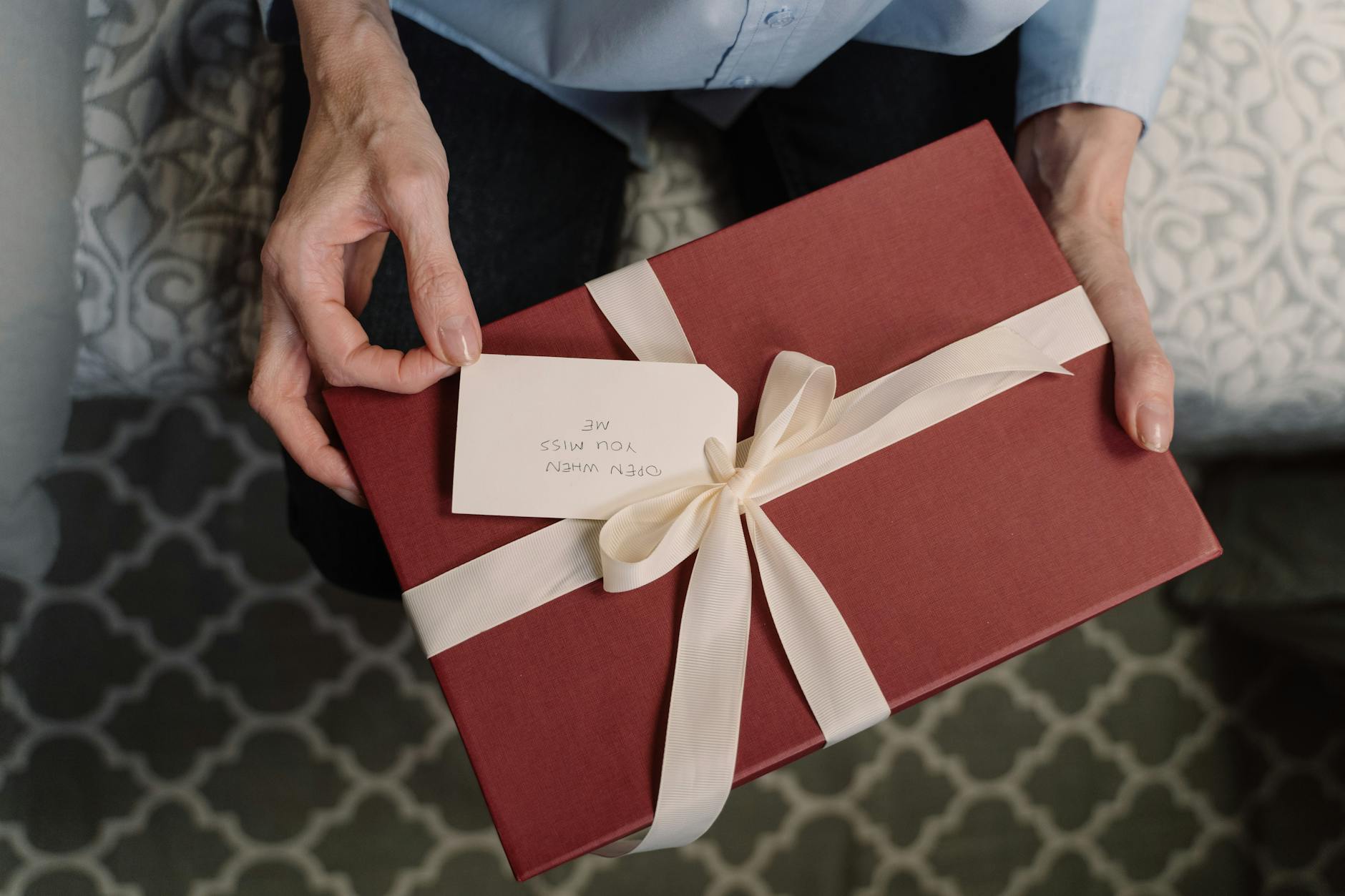
Receiving a present that does not suit personal tastes requires gracious acceptance regardless of actual feelings about the item. The appropriate response focuses entirely on expressing gratitude for the thought and effort the giver put into selecting the gift. Displaying the item temporarily when the giver visits shows appreciation without demanding permanent placement in the home. Reassigning the gift to someone who might truly enjoy it is acceptable provided the original giver never finds out.
Late Arrivals

Unexpected delays happen but proper communication mitigates the frustration experienced by those waiting at the agreed location. Sending a brief text message with an accurate estimated time of arrival allows the waiting party to adjust their expectations. Repeated apologies upon arrival only draw unnecessary attention to the tardiness and make everyone feel more uncomfortable. Briefly explaining the delay and immediately moving forward with the planned activities keeps the interaction positive and productive.
Dietary Restrictions
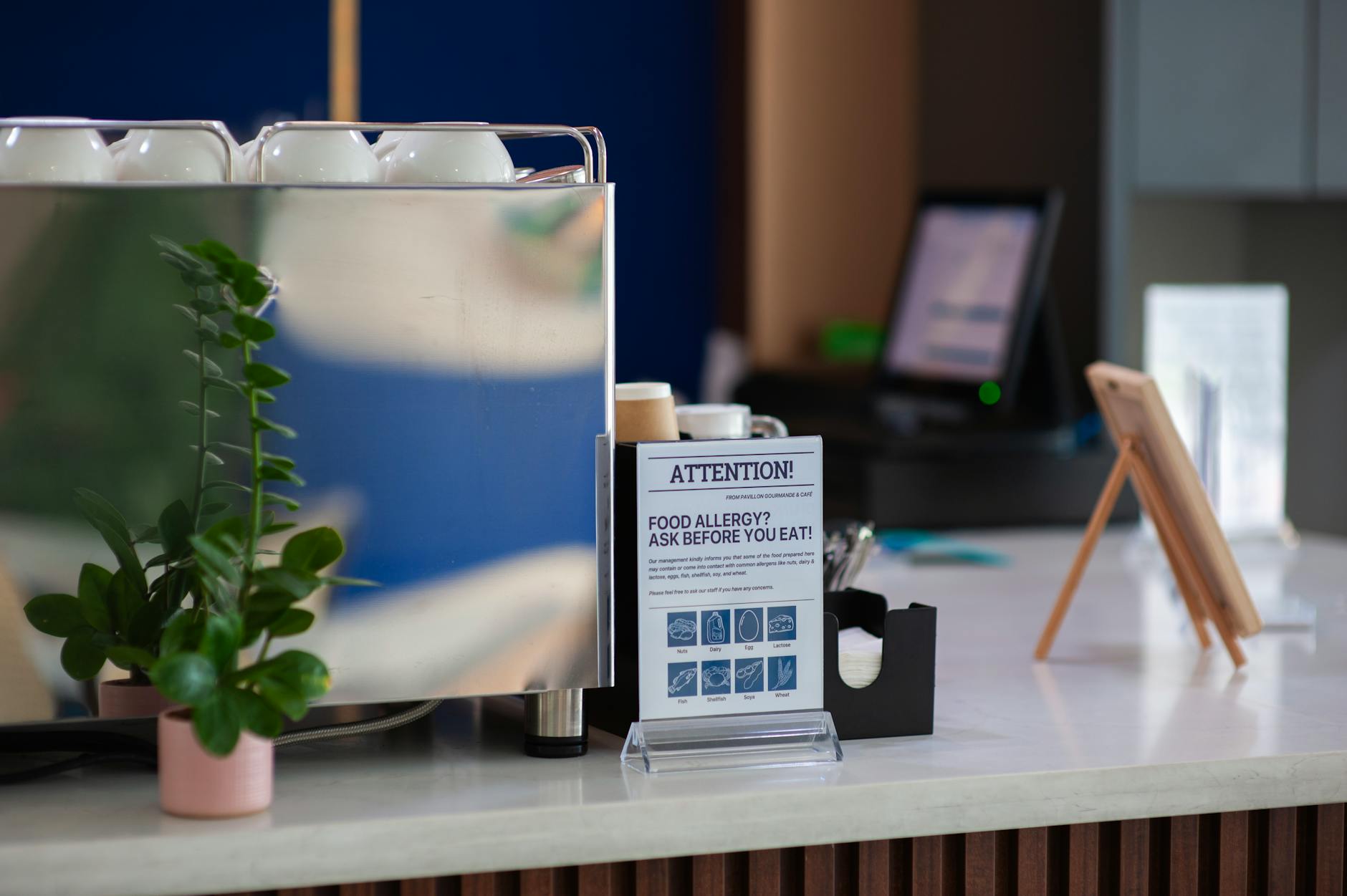
Guests attending a dinner party bear the responsibility of informing their host about any severe food allergies or strict dietary needs well in advance. Hosts appreciate receiving this information early so they can plan a safe and inclusive menu for all attendees. Bringing a supplementary dish ensures the guest has something substantial to eat while removing undue pressure from the host. Quietly passing on problematic dishes during the meal prevents drawing attention to the restrictions and maintains the flow of conversation.
Talkative Colleagues
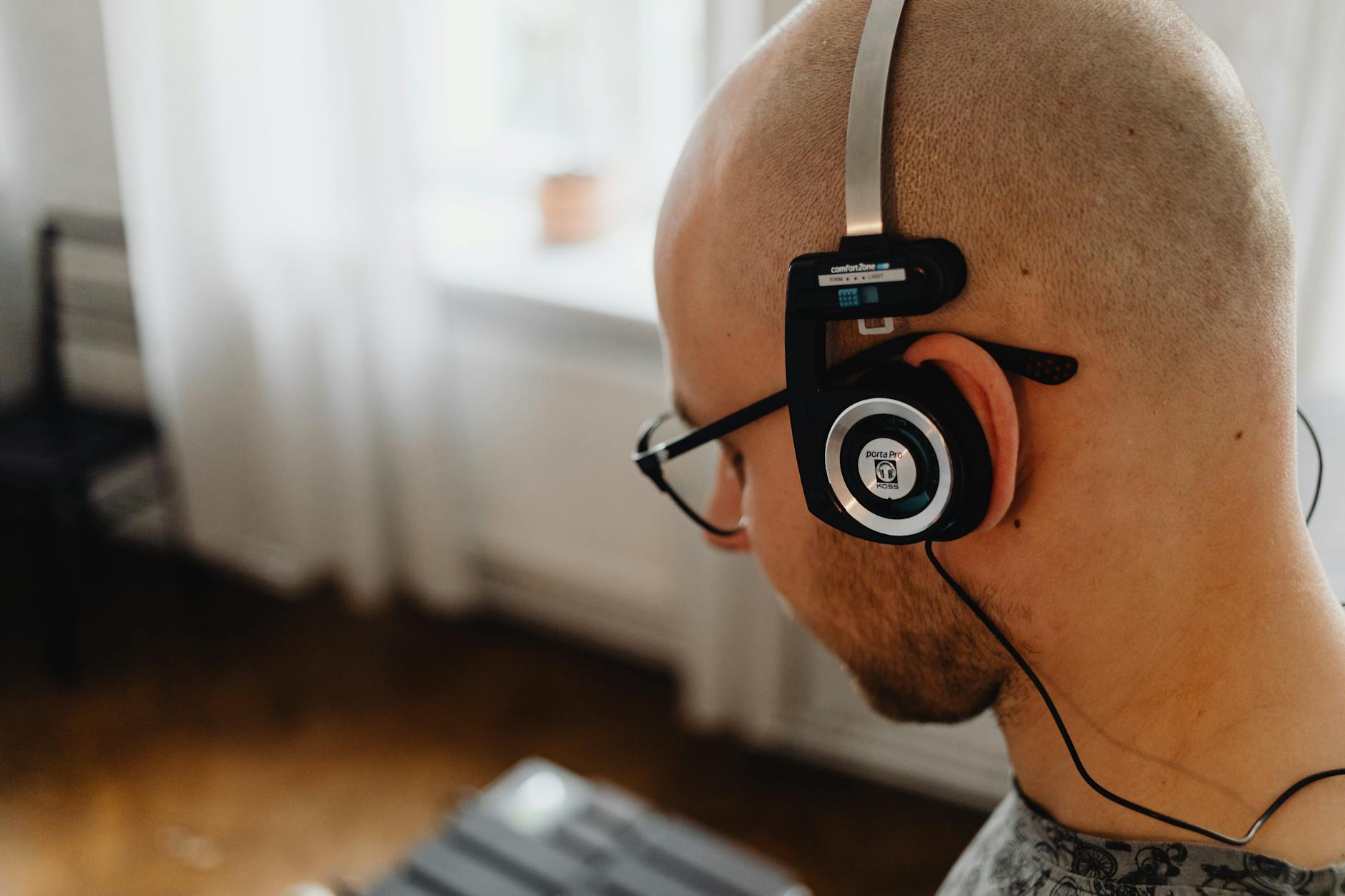
Managing a coworker who constantly interrupts productive work time requires establishing firm but polite boundaries in the office environment. Using clear physical cues like wearing headphones signals a need for focus and discourages casual interruptions. A gentle verbal redirection stating a pressing deadline effectively pauses the conversation while offering a later time to catch up. Standing up from the desk when approached subtly communicates that the interaction must be brief and strictly professional.
Handshake Refusals

Declining a physical greeting requires a smooth alternative to prevent the other person from feeling rejected or embarrassed. A warm smile paired with a slight nod or a polite wave serves as an excellent substitute for physical contact. Briefly mentioning a mild cold or a preference for avoiding germs provides a universally understood and completely acceptable reason. The key is maintaining steady eye contact to ensure the greeting remains cordial and entirely respectful.
Overstaying Guests

Hosts needing to conclude a gathering must employ subtle social cues to signal the end of the evening without seeming rude. Offering a final round of water or coffee traditionally indicates that the event is naturally winding down. Beginning to gather empty glasses or politely mentioning an early morning commitment helps guests realize it is time to depart. Thanking everyone warmly for coming makes the conclusion feel celebratory rather than abrupt.
Mispronounced Words

Hearing someone consistently mispronounce a common term presents a delicate situation that requires immense tact to correct. Allowing minor mispronunciations to pass without comment is usually the most gracious choice in casual social settings. Repeating the word correctly in a natural response offers a gentle correction without explicitly pointing out the error. Private corrections are only appropriate for close friends or colleagues preparing for an important public presentation.
Personal Questions

Intrusive inquiries about finances or relationships demand a response that protects privacy while maintaining conversational grace. A polite pivot changing the subject effectively signals discomfort without requiring a direct confrontation. Answering a question with another broad question redirects the focus back to the curious individual. Simply stating a preference to keep certain matters private is completely acceptable and establishes necessary personal boundaries.
Accidental Insults

Realizing a comment unintentionally offended someone requires immediate action to repair the social dynamic and restore comfort. A sincere and concise apology issued without making excuses is the fastest way to resolve the misunderstanding. Listening quietly if the offended party wishes to explain their feelings demonstrates genuine respect and accountability. Moving the conversation to a neutral topic afterward helps everyone recover from the awkward moment gracefully.
Name Changes

Addressing someone who recently altered their name or pronouns demands attention and respect for their stated preferences. Making a sincere effort to use the new identifiers immediately shows support and validates their identity. A brief and quiet apology followed by the correct usage is the best course of action when a mistake occurs. Overly dramatic apologies center the conversation on the person who made the error rather than the person whose identity was overlooked.
Dress Code Confusion

Arriving at an event significantly over or under dressed creates an immediate sense of unease that is best handled with confidence. Owning the outfit choice without constantly pointing out the mismatch helps normalize the appearance in the eyes of others. A quick private joke with the host about missing the memo diffuses any lingering tension regarding the attire. Focusing energy on engaging in excellent conversation distracts from clothing differences and highlights interpersonal skills instead.
Unexpected Guests

Handling an attendee who brings an uninvited companion to a formal event requires a calm and accommodating demeanor from the host. Quickly checking with the catering team or adjusting seating arrangements prevents the unexpected arrival from causing a scene. Welcoming the uninvited person warmly ensures they do not feel awkward about a mistake they likely did not make. The host can address the etiquette breach privately with the original guest at a later date.
Public Disciplining

Witnessing another parent struggling with a misbehaving child in a public space often tempts onlookers to intervene or offer unsolicited advice. Averting one gaze provides the parent with privacy and reduces the pressure of an audience during a stressful moment. Offering a sympathetic smile is the maximum level of involvement appropriate for a stranger in these delicate situations. Intervening is only acceptable if a child is in immediate physical danger and requires urgent assistance.
Please share your most awkward etiquette moments and how you handled them in the comments.