Purchasing a home involves complex financial decisions and significant emotional investment. First-time buyers often navigate this process without prior experience or knowledge of potential pitfalls. Awareness of common errors can save thousands of dollars and prevent years of future regret. This comprehensive guide outlines thirty frequent missteps to avoid during the journey to homeownership.
Skipping Mortgage Pre-Approval

Many buyers start viewing homes before speaking with a lender to understand their actual borrowing power. This mistake often leads to disappointment when a desired property proves to be completely out of budget. Sellers prioritize offers accompanied by a pre-approval letter because it demonstrates financial readiness and intent. Securing this document early streamlines the search process and prevents wasting time on unaffordable options.
Underestimating Closing Costs
First-time buyers often focus solely on saving for the down payment and forget about the fees required to finalize the deal. Closing costs typically range between two and five percent of the loan amount and must be paid upfront. These expenses cover essential items such as appraisal fees and title insurance along with property taxes. Being unprepared for this substantial financial requirement can derail the transaction days before the scheduled move.
Depleting All Savings

Using every available cent for the down payment leaves a new homeowner vulnerable to financial shock. Unexpected expenses often arise immediately after moving in and require readily available cash. Financial experts recommend maintaining an emergency fund distinct from home purchase funds. A lack of liquidity creates stress and may force the use of high-interest credit cards for basic needs.
Ignoring Hidden Maintenance Costs

Renters are accustomed to calling a landlord for repairs but homeowners must handle every issue themselves. New owners frequently fail to budget one to three percent of the home value annually for ongoing upkeep. Major systems like HVAC units or roofs eventually require expensive replacement or servicing. Ignoring these inevitable costs creates financial strain when an emergency arises shortly after closing.
Making Large Purchases Before Closing

Lenders recheck credit reports and debt-to-income ratios just before finalizing the mortgage. Buying furniture or a new car during the escrow period can alter these ratios enough to disqualify the loan. Small changes in credit usage can lower a credit score and increase the interest rate. It is crucial to freeze all significant spending until the house keys are officially in hand.
Falling for Staging

Professional staging is designed to mask flaws and make rooms appear larger than they actually are. Buyers often fall in love with the decor and furniture rather than assessing the structural reality of the house. Focusing on the layout and the condition of the walls and floors is more important than the aesthetic appeal of rented furniture. Removing the emotional attachment to the staging allows for a more objective evaluation of the property.
Waiving the Home Inspection
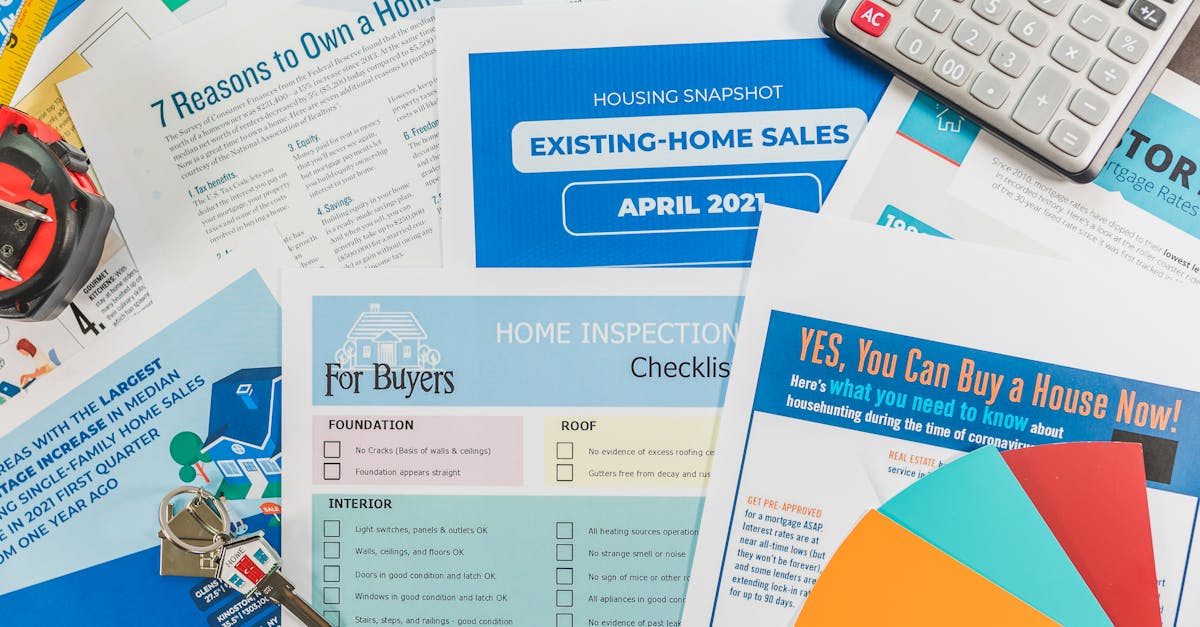
In a competitive market buyers sometimes waive inspections to make their offer more attractive to sellers. This is a dangerous gamble that can result in inheriting major structural or electrical problems. An inspection provides a detailed report on the safety and condition of the property. Skipping this step denies the buyer the opportunity to request repairs or negotiate a lower price based on defects.
Overlooking the Neighborhood

The house itself is only one part of the purchase as the surrounding environment dictates the daily living experience. Buyers often fail to research local crime rates or school district quality before making an offer. Visiting the area at different times of day reveals traffic patterns and noise levels that might be bothersome. A perfect home in a problematic location often leads to buyer remorse.
Misjudging Commute Times

Distance on a map does not always correlate with actual travel time during rush hour traffic. Buyers who fail to test the drive to work during peak hours often underestimate the daily stress of a long commute. This miscalculation can significantly impact work-life balance and overall happiness. Checking public transportation options and alternate routes provides a realistic view of accessibility.
Focusing Only on Monthly Payments

Lenders may approve a loan amount that pushes the borrower to the absolute limit of their monthly income. Focusing strictly on the mortgage payment ignores other costs like insurance and utilities. A budget that is too tight leaves no room for lifestyle enjoyment or savings goals. It is wiser to purchase a home that fits comfortably within a broader financial plan.
Ignoring Resale Value

First-time buyers often assume their first home will be their forever home and ignore marketability. Life circumstances change and the ability to sell the property later is a crucial financial safety net. Quirky layouts or properties near busy highways often sit on the market longer when it is time to sell. Considering what future buyers might want protects the investment in the long term.
Underestimating Renovation Costs

Reality television shows often make home renovation look faster and cheaper than it is in real life. Buyers of fixer-uppers frequently underestimate the price of materials and the availability of skilled labor. Projects often uncover hidden issues that double the original budget and timeline. It is essential to get firm quotes from contractors before committing to a property that needs work.
Not Shopping for Mortgage Rates

Many buyers accept the first interest rate offered by their primary bank without looking elsewhere. Even a fraction of a percentage point difference can save tens of thousands of dollars over the life of a loan. Comparing offers from multiple lenders and brokers ensures the best possible terms. Failing to shop around is leaving money on the table for no reason.
Ignoring Restrictive Covenants

Properties located in planned communities often come with strict Homeowners Association rules. Buyers sometimes neglect to read the bylaws regarding parking or exterior paint colors and pet restrictions. These rules can limit personal freedom and come with monthly fees that increase over time. Understanding these obligations upfront prevents conflict and unexpected expenses later.
Letting Emotions Drive the Decision
Falling in love with a specific house can blind a buyer to serious flaws or financial overreach. Emotional attachment leads to overbidding and ignoring the advice of real estate professionals. Maintaining a level of detachment helps in making rational decisions based on facts and inspection reports. A house is a financial asset and should be treated with businesslike scrutiny.
Not Checking Flood Zones

Flood maps change and properties that were once safe may now require expensive flood insurance. Standard homeowners insurance policies rarely cover flood damage. Failing to verify the flood zone status can lead to mandatory insurance premiums that destroy the monthly budget. Buyers should always consult current FEMA maps and insurance agents before making an offer.
Timing the Market

Waiting for prices to drop or interest rates to hit a specific low is often a losing strategy. The real estate market is unpredictable and waiting can result in being priced out entirely. The right time to buy is when personal finances are stable and a long-term commitment is feasible. Trying to outsmart the market cycle usually leads to missed opportunities.
Ignoring the Age of the Roof

The roof is one of the most expensive components of a house to replace. Buyers often look at the interior upgrades and fail to ask about the age and condition of the roof shingles. An old roof can lead to leaks and water damage that compromise the structure of the home. Insurance companies may also refuse to cover homes with roofs nearing the end of their lifespan.
Disregarding Utility Costs

Larger homes or older properties with poor insulation often come with shockingly high utility bills. Buyers rarely ask sellers for copies of past electric and gas bills to estimate future costs. High energy expenses can add hundreds of dollars to the monthly cost of ownership. Factoring these variables into the budget ensures the home remains affordable year-round.
Failing to Check Permits
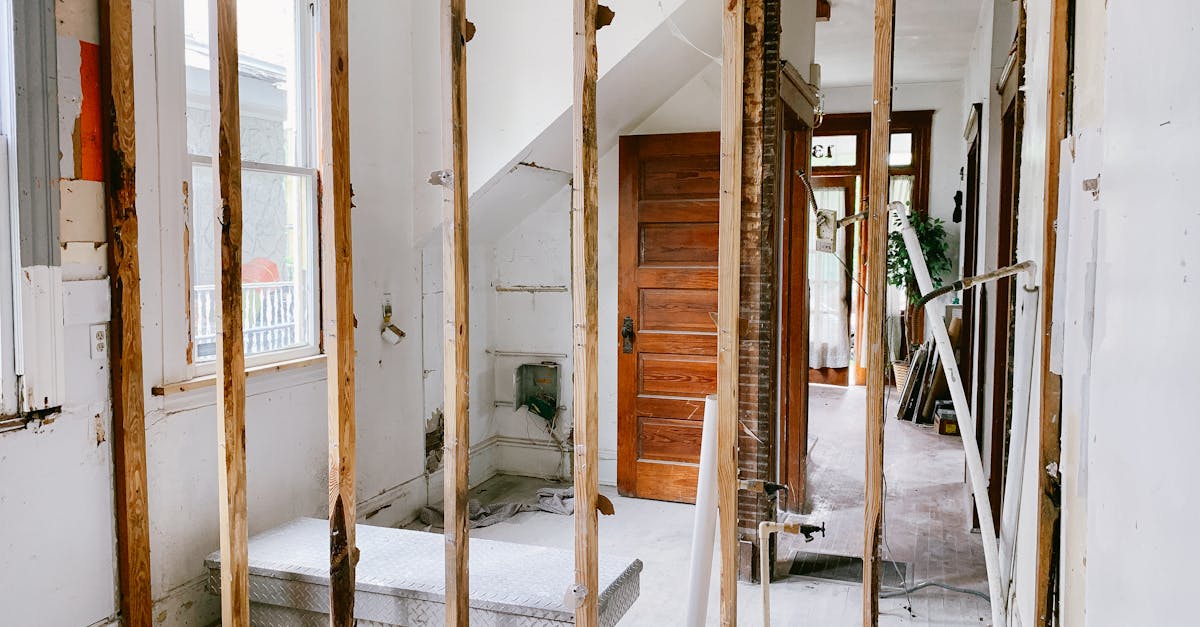
Homeowners often make additions or renovations without obtaining the necessary city permits. Buying a home with unpermitted work can lead to legal issues and fines for the new owner. The city may require the demolition of unpermitted structures at the owner’s expense. Verifying the permit history protects the buyer from inheriting someone else’s legal liability.
Not Working with a Buyer’s Agent

Trying to navigate the market without professional representation puts the buyer at a disadvantage. The listing agent represents the seller and their goal is to get the highest price possible. A buyer’s agent advocates for the purchaser and negotiates repairs and terms. Going it alone often results in missed protections and overpayment.
Lowballing in a Seller’s Market

Making an aggressively low offer in a competitive market usually results in immediate rejection. Sellers may be offended and refuse to engage in further counteroffers. Understanding local market conditions is vital for structuring a competitive and respectful bid. A realistic offer based on comparable sales data has a higher chance of acceptance.
Overlooking Storage Space
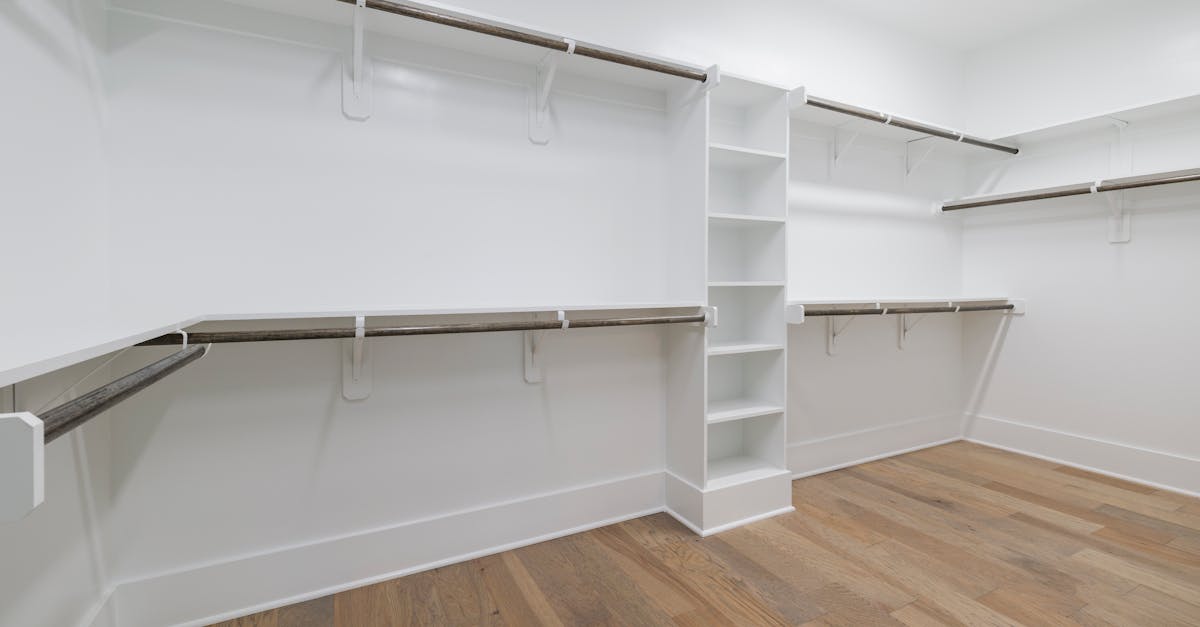
Minimalist staging often hides a lack of practical storage solutions in a home. Buyers frequently forget to check the size of closets and the availability of garage or attic space. A lack of storage leads to clutter and frustration shortly after moving in. Assessing where vacuum cleaners and holiday decorations will go is a practical necessity.
Assuming the Floor Plan Can Change

Knocking down walls to create an open concept is not always structurally or financially feasible. Buyers often assume they can easily remodel without consulting a structural engineer. Load-bearing walls require expensive beams and professional installation to remove safely. Buying a house with a layout that already works is often smarter than banking on a complex renovation.
Forgetting to Check Cell Reception

It is easy to assume that mobile phone coverage is universal in residential areas. Buyers rarely pull out their phones to check signal strength while touring a property. Poor reception can be a major daily annoyance that is difficult to fix without expensive boosters. This small check prevents frustration for remote workers and heavy data users.
Buying the Most Expensive House on the Block

Real estate values are heavily influenced by the surrounding properties. Buying the best house in the neighborhood limits the potential for appreciation as lower-priced homes drag down the value. It is generally better to buy the worst house in a good neighborhood than the best house in a bad one. Future resale value relies on the desirability of the entire street.
Not Reading the Contract

Real estate contracts are lengthy legal documents filled with contingencies and deadlines. Buyers who skim these documents may miss critical dates for inspections or financing approval. Missing a deadline can result in the loss of the earnest money deposit. Careful review and asking questions about every clause ensures rights are protected.
Disregarding Smells and Noises

Visiting a home during an open house with music playing and candles burning can mask underlying issues. Pet odors or cigarette smoke can be deeply embedded in carpets and walls. Nearby train tracks or airports might be quiet during a brief weekend visit but loud during the week. A private viewing without distractions allows for a sensory check of the environment.
Focusing Too Much on Cosmetics
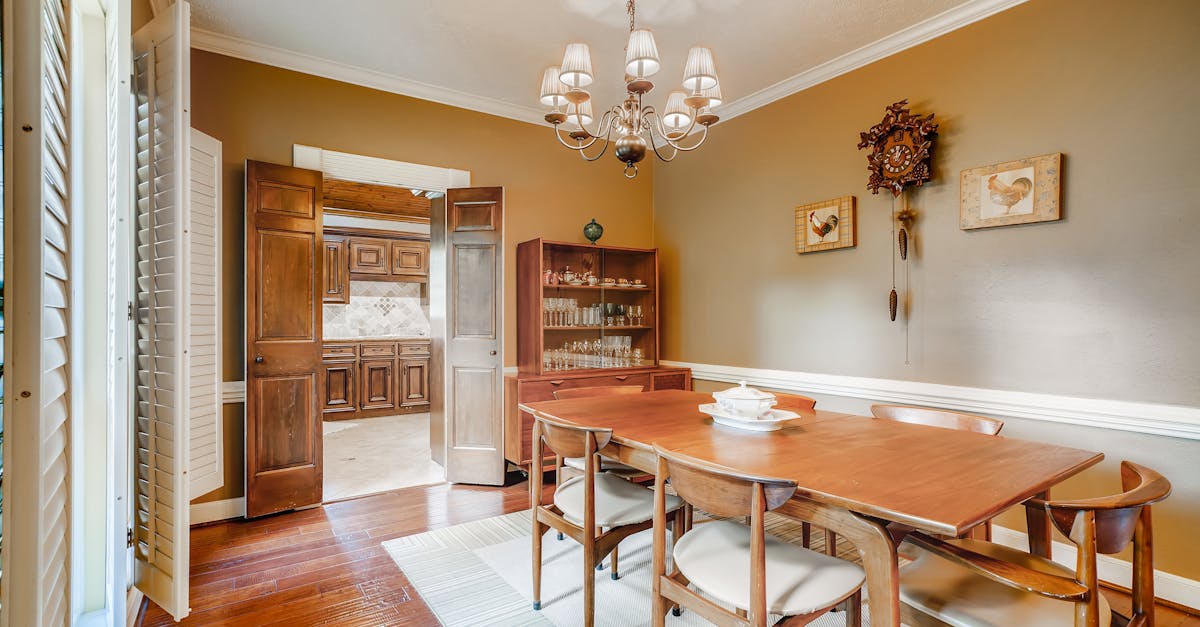
Paint colors and old carpeting are easy and relatively cheap to change. Buyers often pass on solid homes because they dislike the superficial aesthetic choices of the seller. Looking past the ugly wallpaper reveals the potential of a property with good bones. Cosmetic updates offer the easiest way for a new owner to build instant equity.
Rushing the Process

The pressure to buy quickly can lead to settling for a home that does not meet long-term needs. Panic buying often occurs when a lease is ending or during a sudden relocation. Taking the time to understand the market and personal requirements results in a better decision. Patience is a financial asset when selecting a place to live for many years.
Please share your own experiences with home buying or additional tips in the comments.