Every driver understands the critical importance of keeping their eyes on the road yet distractions remain a leading cause of accidents worldwide. Modern vehicles are equipped with safety features but human error and loss of focus continue to pose significant risks to everyone on the pavement. A split second of inattention can lead to catastrophic consequences that alter lives forever. Understanding the specific behaviors that pull attention away from the task of driving is the first step toward safer roadways. This comprehensive guide identifies thirty common yet hazardous habits that compromise driver safety every single day.
Texting Behind the Wheel
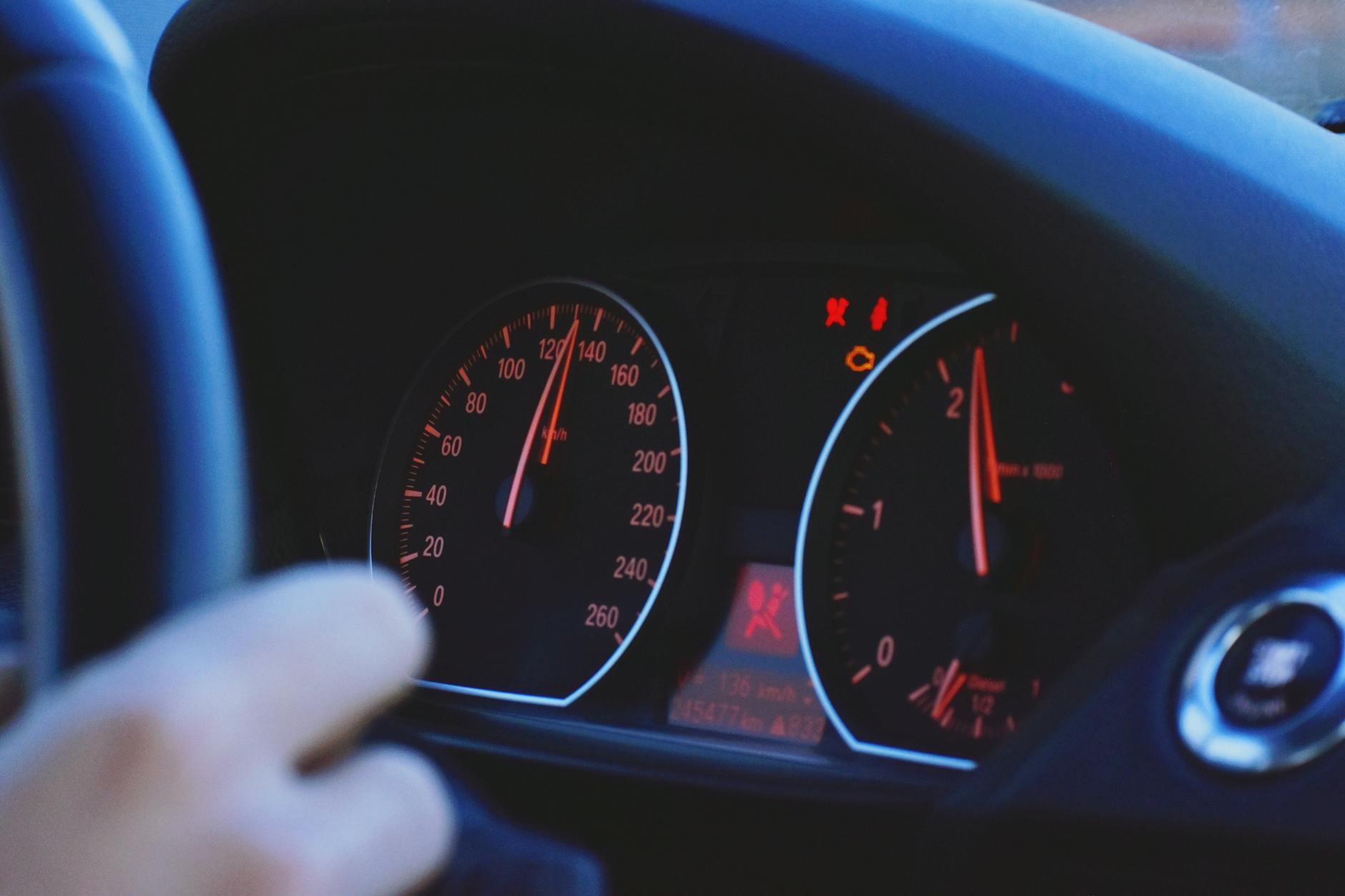
Sending or reading a text message diverts visual and cognitive attention for alarming periods of time. Drivers who look down at their phones effectively travel the length of a football field without seeing the road when moving at highway speeds. This behavior significantly delayed reaction times to braking vehicles or crossing pedestrians. Many jurisdictions have banned this practice due to its high correlation with severe traffic collisions.
Talking on a Handheld Phone

Holding a phone to your ear removes one hand from the steering wheel and limits your ability to maneuver quickly. The conversation itself pulls your mind away from the complex task of navigating traffic and anticipating hazards. Drivers often miss traffic signals or fail to maintain their lane while engrossed in a call. This physical and mental multitasking creates a dangerous environment for the driver and those around them.
Engaging in Hands-Free Conversations
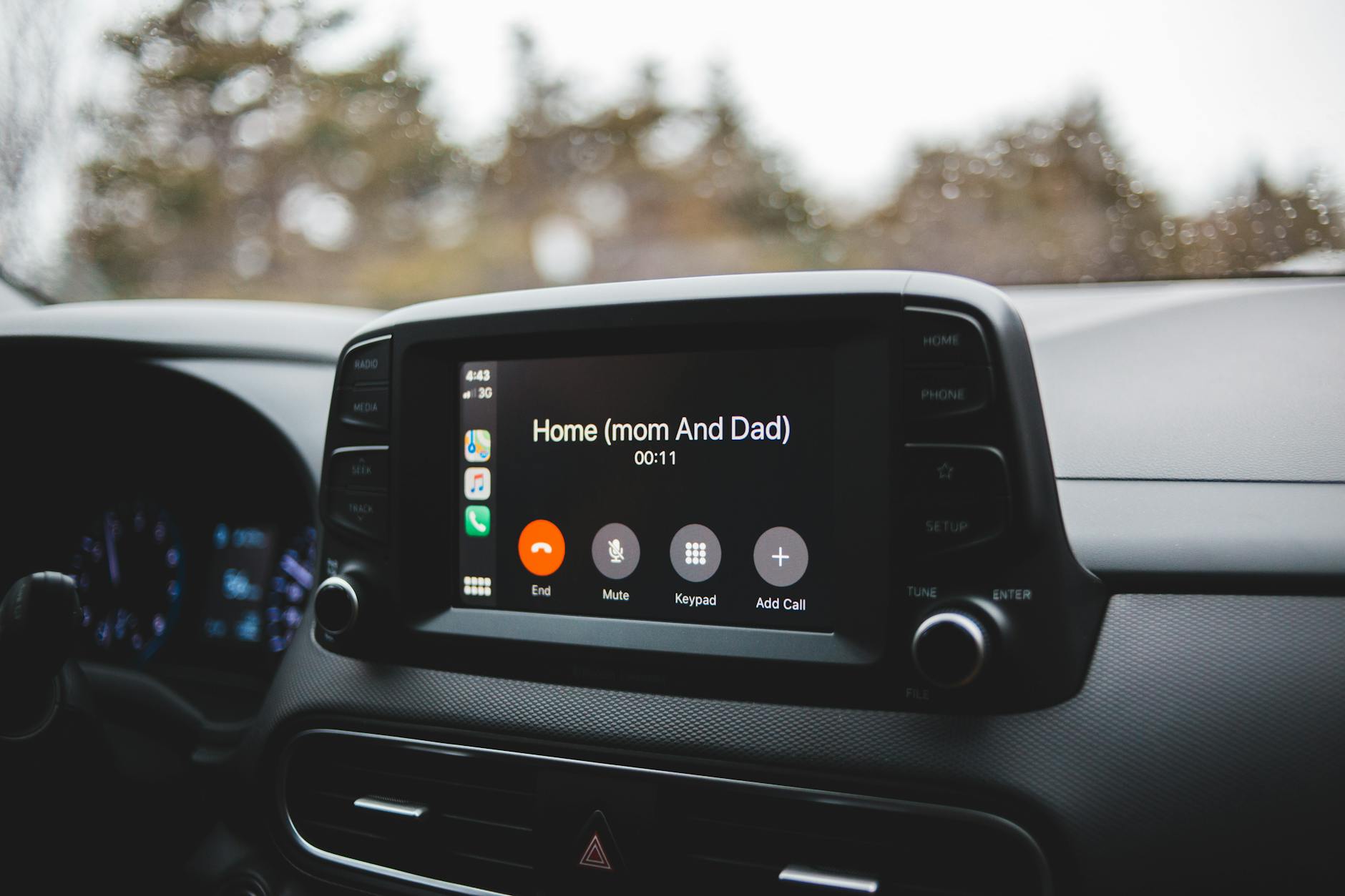
Many drivers mistakenly believe that hands-free devices eliminate the risks associated with phone use. Research shows that the cognitive load of a conversation still leads to a phenomenon known as inattention blindness. You may look at the road but fail to process visual information like stop signs or brake lights. The brain struggles to switch focus between the discussion and the dynamic road conditions ahead.
Chatting with Passengers
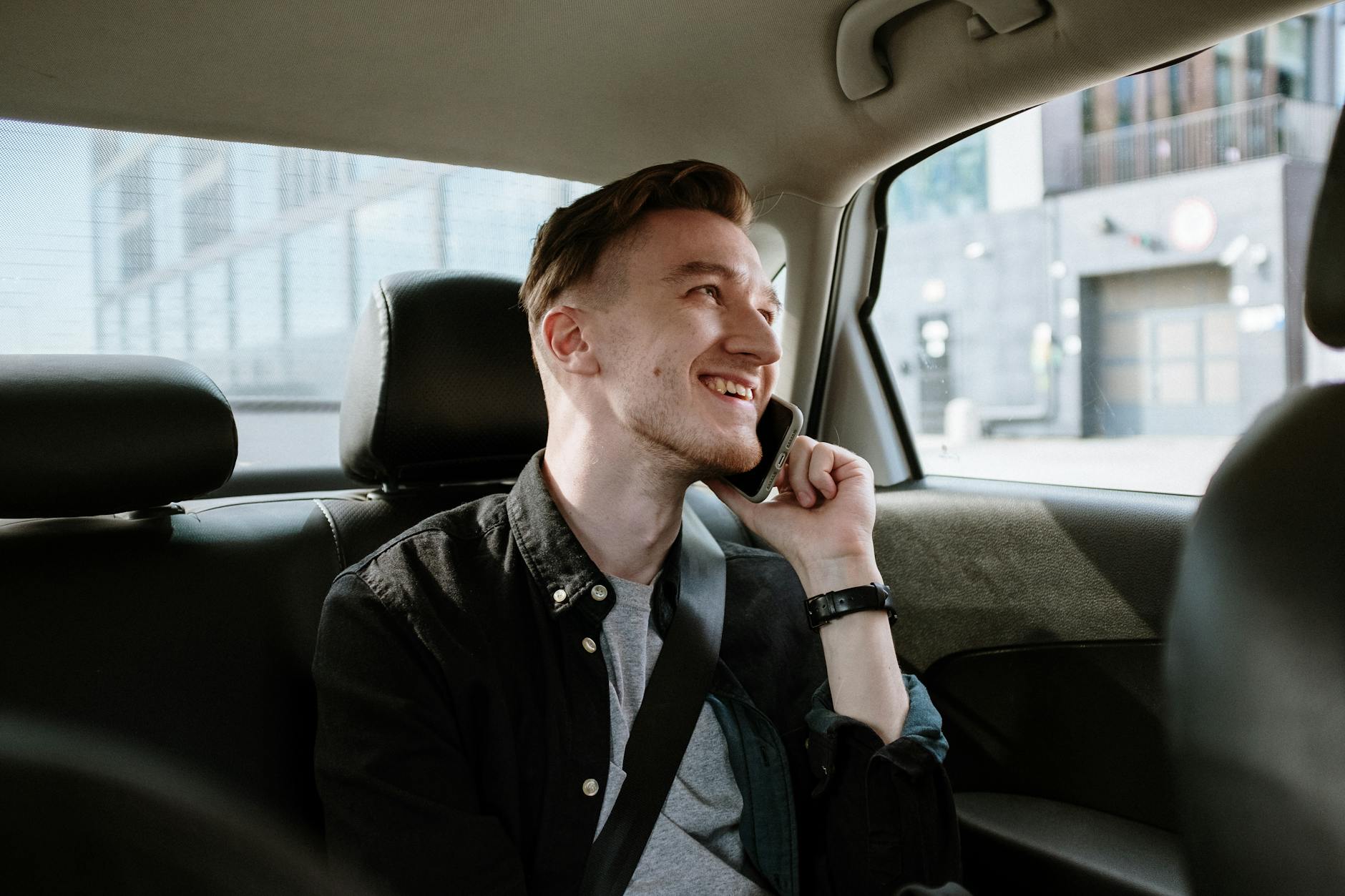
Intense conversations with people in the car can be just as distracting as talking on the phone. A driver might turn their head to make eye contact or become emotionally involved in a debate. This diversion of attention reduces the ability to scan the road for potential dangers. Keeping chatter light and eyes forward is essential for maintaining full situational awareness.
Attending to Children

Parents often feel the need to turn around to address fighting siblings or retrieve dropped toys in the back seat. This action requires taking eyes off the road and often involves removing a hand from the wheel. The distraction is compounded by the stress and noise levels that naturally occur with unhappy children. Pulling over to a safe location is the only secure way to handle these common parental challenges.
Unrestrained Pets
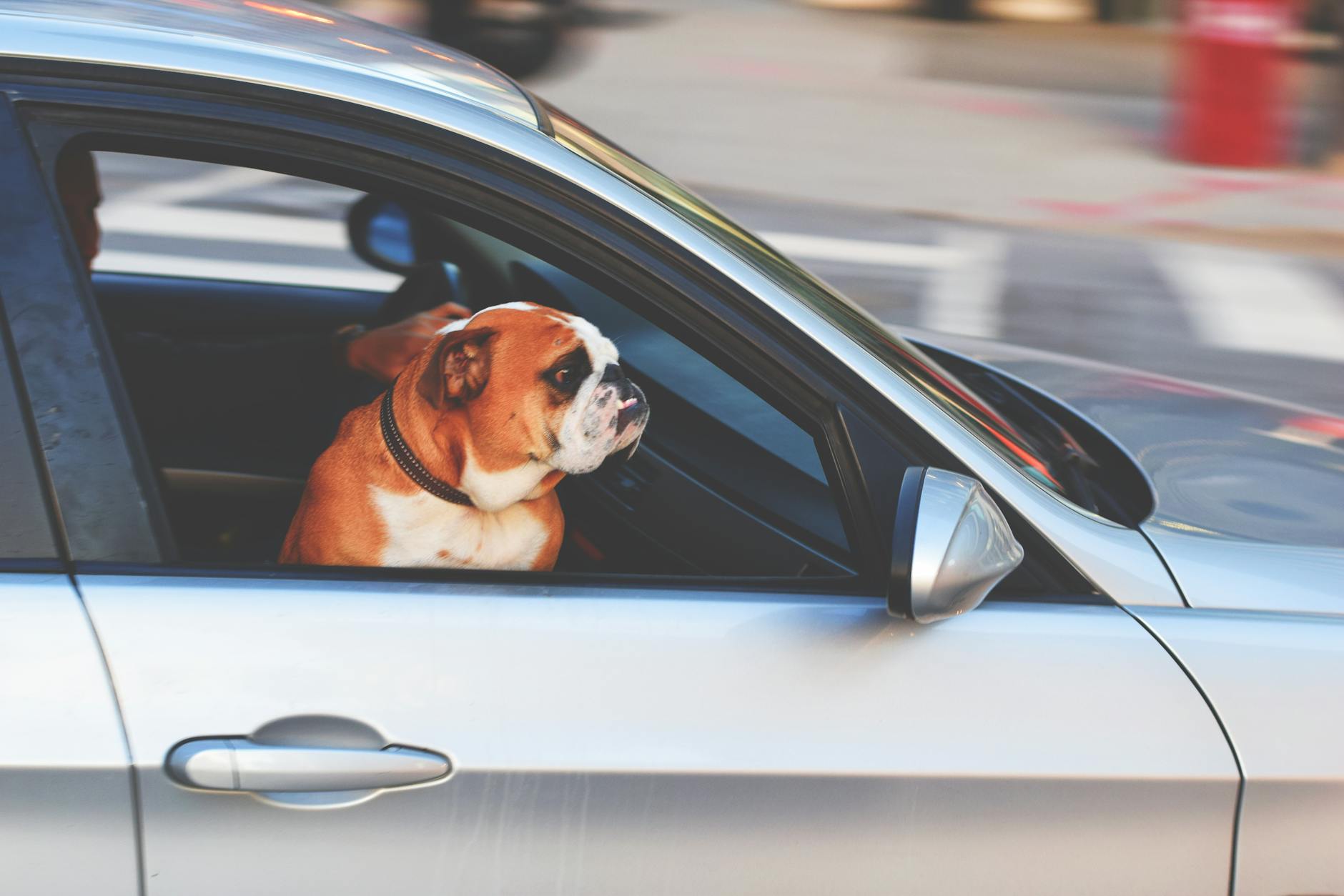
A loose dog or cat moving around the vehicle creates unpredictable physical and visual distractions. An animal might jump into the driver’s lap or block the view of the side mirrors at a critical moment. Sudden movements by a pet can startle the driver and cause an instinctive but dangerous swerve. Securing pets in a crate or with a harness ensures they remain safe and do not interfere with vehicle operation.
Eating Messy Foods
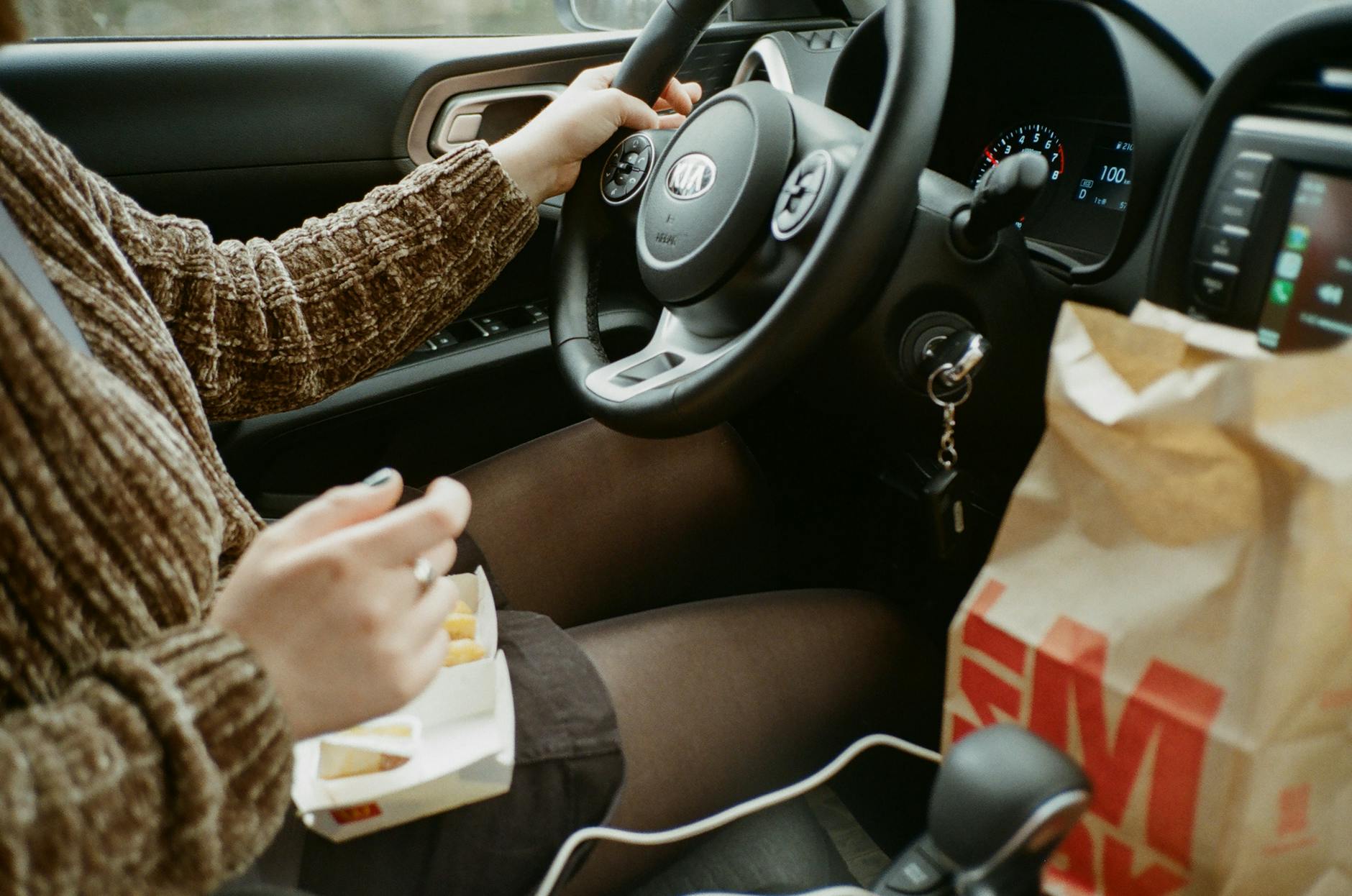
Consuming burgers or tacos while driving forces you to juggle food and the steering wheel simultaneously. Spilling sauce or crumbs can cause an immediate panic reaction that draws eyes away from the windshield. The manual distraction of holding food limits your control over the vehicle during sudden stops. It is much safer to park the car for a few minutes to enjoy a meal without risk.
Drinking Hot Beverages

Sipping hot coffee or tea presents a risk beyond simple manual distraction. A sudden spill can cause physical pain and a reflex reaction that may result in losing control of the car. The lid might obscure your vision as you tilt the cup to drink. Waiting until you reach your destination prevents burn injuries and keeps your focus entirely on the road.
Smoking Cigarettes

The act of lighting a cigarette requires both hands and visual attention to locate the lighter and the tip. Ash can fall onto clothing or upholstery and cause a sudden distraction as the driver tries to brush it away. Smoke filling the cabin can irritate eyes and reduce visibility inside the vehicle. This habit introduces fire hazards and physical distractions that are easily avoidable.
Using Vaping Devices

Vaping involves locating the device and often pressing buttons to operate it while driving. Large clouds of vapor can temporarily blind the driver and obscure the view through the windshield and mirrors. Dropping the device between seats often leads to dangerous reaching behaviors while the car is in motion. The combination of visual and manual impairment makes this a risky habit on the road.
Adjusting Audio Systems

Fiddling with the radio or scrolling through playlists on a touchscreen takes eyes off the road for dangerous intervals. Modern infotainment systems often require navigating complex menus that demand significant cognitive focus. A driver looking at a screen cannot see the car braking in front of them. Setting up playlists before starting the engine helps maintain a consistent focus on driving.
Programming Navigation
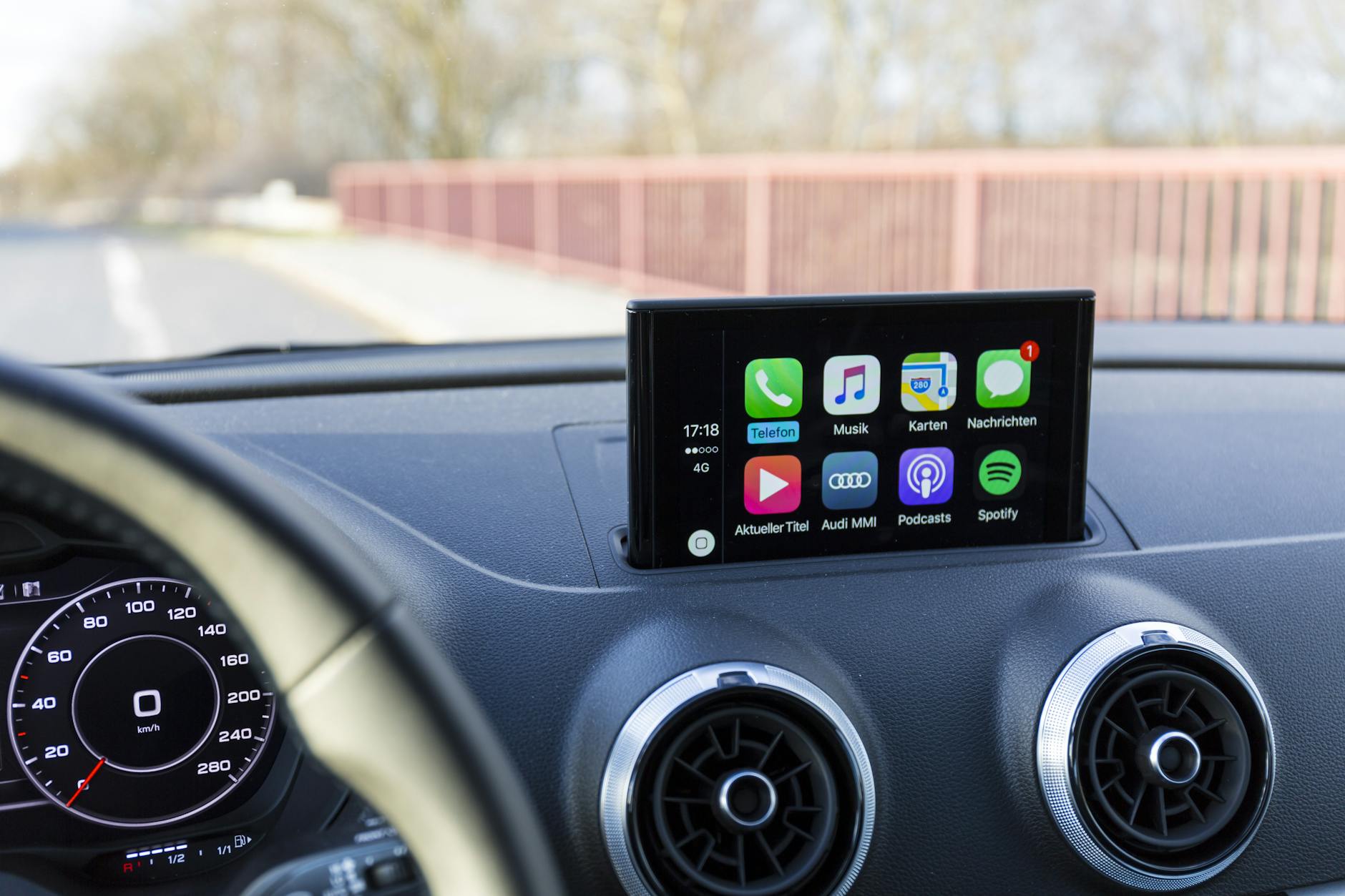
Typing an address into a GPS system is one of the most demanding tasks a driver can attempt while moving. The process requires visual concentration and fine motor skills that are incompatible with safe vehicle operation. Voice commands can help but often still require verifying the route on the screen. It is crucial to set the destination and review the directions before the car leaves the driveway.
Applying Makeup
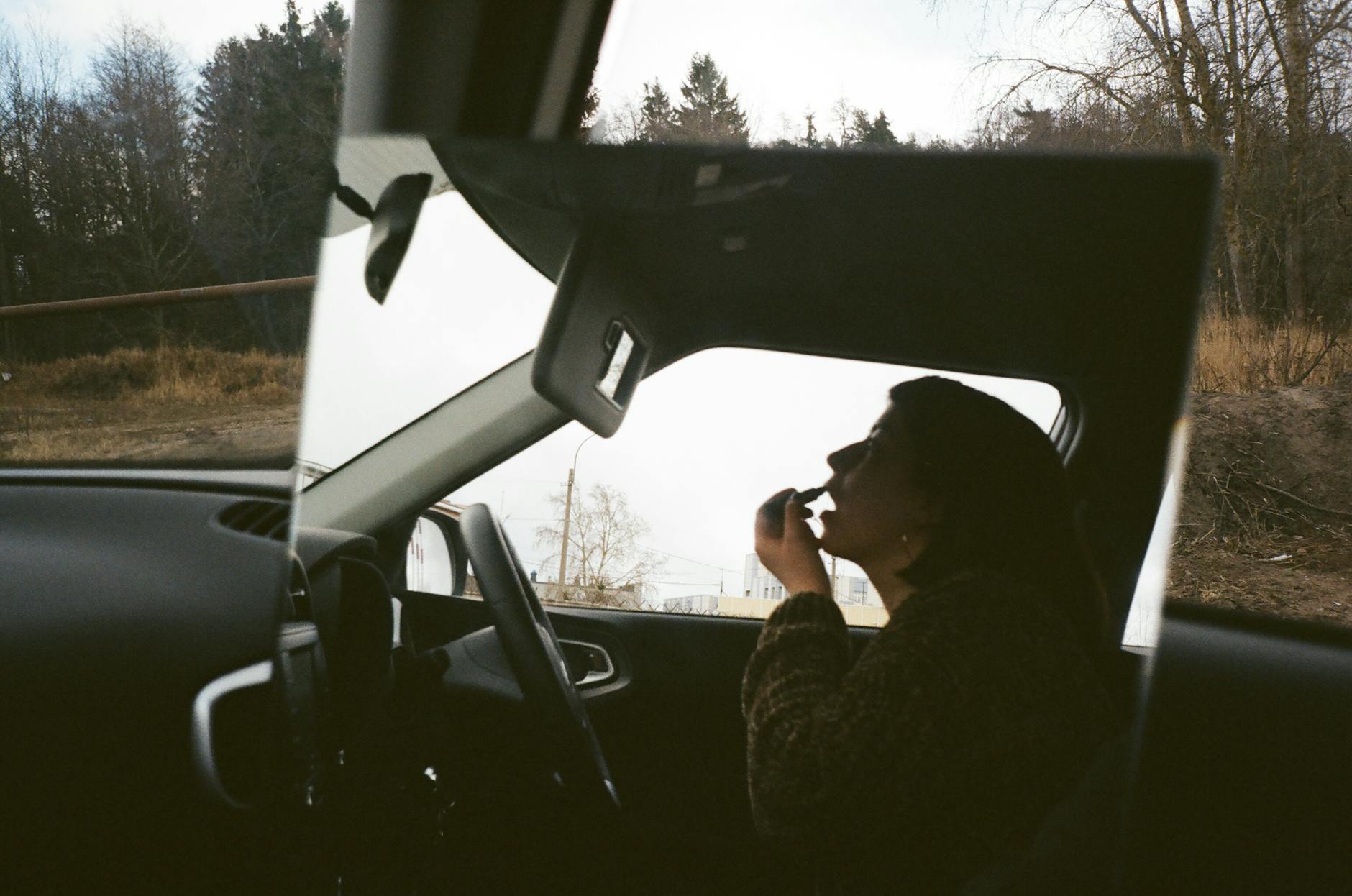
Putting on mascara or lipstick involves using the rearview mirror for grooming rather than checking traffic. This behavior creates a visual blockage and requires steady hands that are not on the steering wheel. A sudden stop can result in eye injuries from applicator wands. Morning routines should be completed at home to ensure full attention is available for the commute.
Shaving or Hairstyling

Some drivers attempt to save time by using electric shavers or brushing hair during their commute. These personal grooming tasks occupy hands and divert eyes to the mirror instead of the road ahead. The distraction is both manual and visual and significantly increases the likelihood of a crash. Personal hygiene tasks belong in the bathroom and not on the highway.
Daydreaming and Lost Focus

Letting the mind wander is a common but subtle form of cognitive distraction that affects many drivers. You might arrive at a destination with no memory of the last few miles because your brain was on autopilot. This lack of active engagement delays reactions to sudden changes in traffic flow. Staying mentally alert requires conscious effort to monitor the environment continuously.
Rubbernecking at Accidents
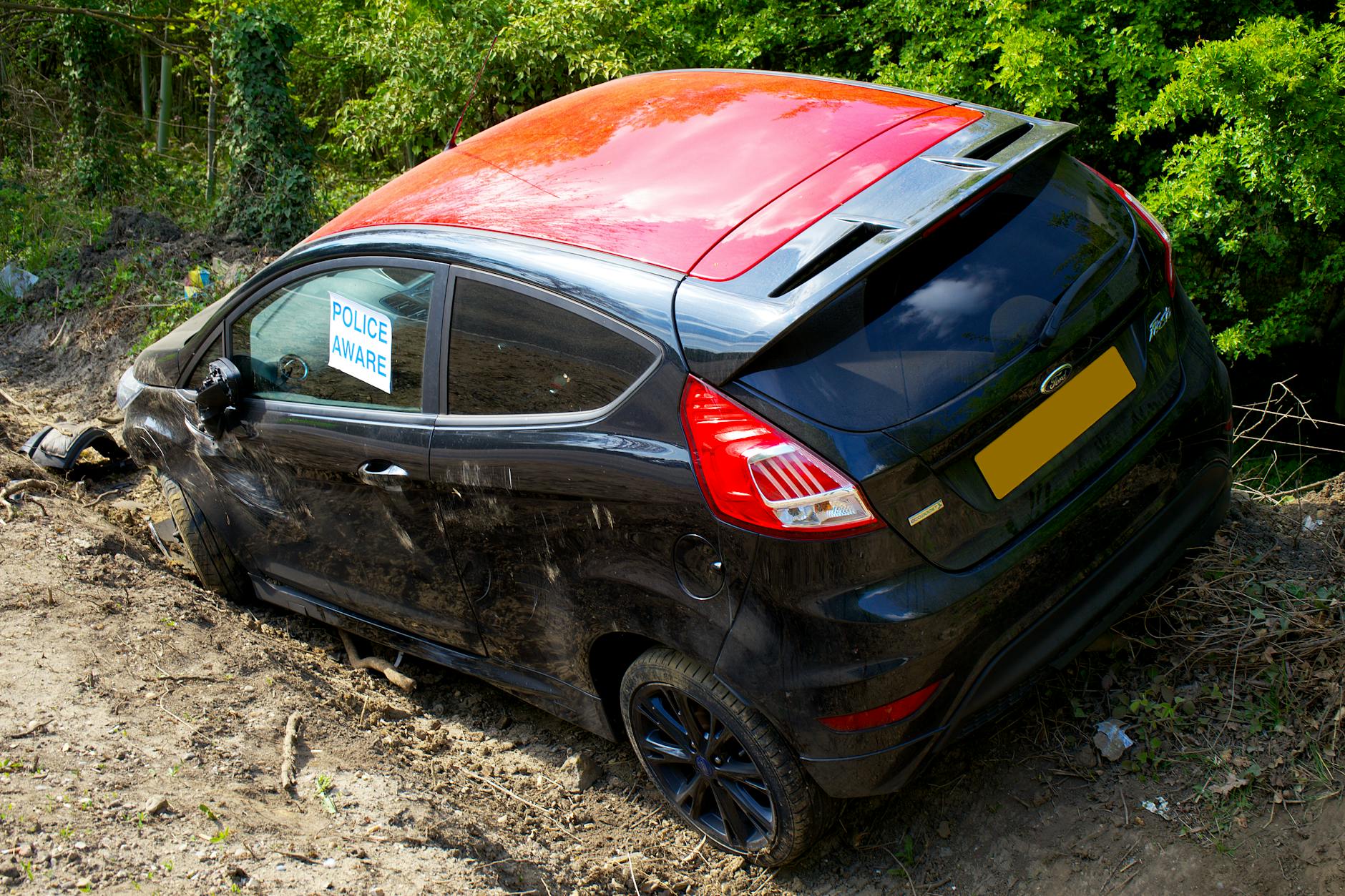
Slowing down to look at a crash scene or a police stop causes congestion and secondary accidents. The urge to see what happened pulls eyes away from the car in front of you. This behavior disrupts the smooth flow of traffic and frustrates other drivers. Keeping your eyes forward helps clear the area faster and prevents you from becoming part of another incident.
Gazing at Scenery and Billboards

Flashy advertising and beautiful landscapes are designed to catch your eye but can be dangerous for drivers. Staring at a roadside attraction for too long means you are not watching the road. Drivers may drift out of their lane while fixated on something outside the vehicle. A quick glance is acceptable but prolonged staring creates a serious hazard.
Reaching for Objects

Trying to grab a bag or a falling item from the floorboard forces the driver to lean and look away. This physical shift often causes the steering wheel to turn unintentionally. The driver loses the ability to see the road and control the vehicle simultaneously. Items should be secured before the trip or retrieved only after the car is safely parked.
Drowsy Driving
Fatigue impairs reaction time and decision-making skills in a manner similar to alcohol intoxication. A tired driver may experience microsleeps where they lose consciousness for a few seconds without realizing it. Staying awake requires more than just loud music or an open window. Pulling over for a rest is the only effective solution when exhaustion sets in.
Crying or Intense Emotion

Driving while overwhelmed by sadness or anger significantly clouds judgment and observation. Tears can blur vision while emotional distress distracts the mind from the task of driving. Aggressive maneuvers often follow intense emotional outbursts. It is vital to calm down before getting behind the wheel to ensure rational decision-making.
Road Rage

Getting angry at other drivers leads to aggressive behaviors like tailgating and cutting people off. The focus shifts from safe driving to retaliating against a perceived slight. This emotional state elevates heart rate and reduces the ability to perceive risks accurately. Remaining calm and ignoring provocations keeps everyone on the road much safer.
Blasting Loud Music

Music played at high volumes can mask important auditory cues like sirens or horns. The sensory overload can also decrease cognitive performance and distract from the driving task. Drivers may become too immersed in the song and lose track of their speed or surroundings. Keeping volume at a moderate level allows for better situational awareness.
Using Voice-Activated Systems
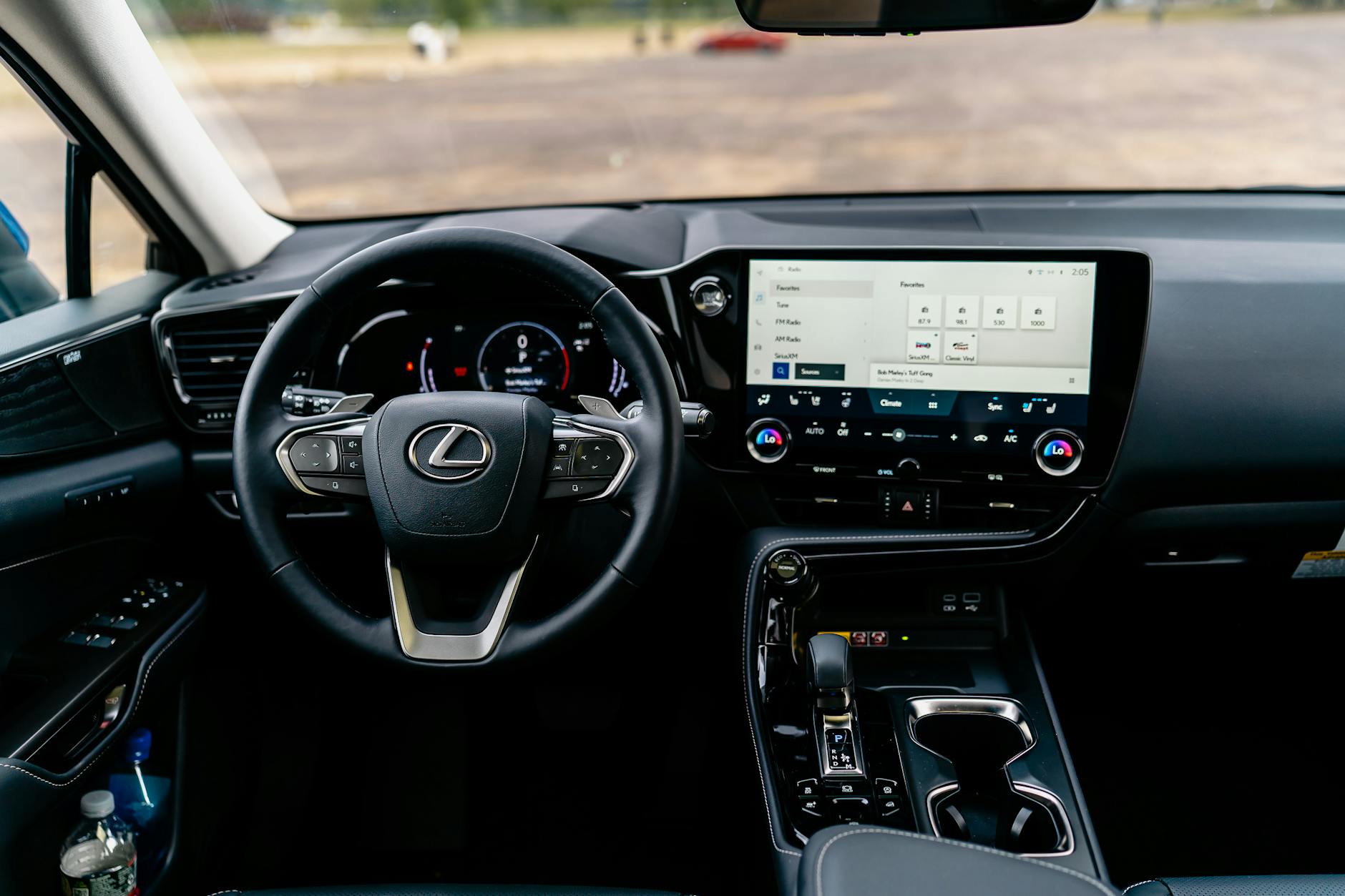
Voice commands are often marketed as a safer alternative but they still create cognitive lag. The system may misunderstand commands and cause frustration that distracts the driver. The mental effort required to interact with the software takes processing power away from road monitoring. Technology should be used sparingly to minimize mental workload.
Reading Documents

Glancing at a map or reading paperwork while driving is an extremely dangerous visual distraction. The eyes must focus on small print instead of the large objects on the road. This behavior completely removes the driver from the traffic environment. All reading material should be put away until the vehicle is stopped.
Watching Videos
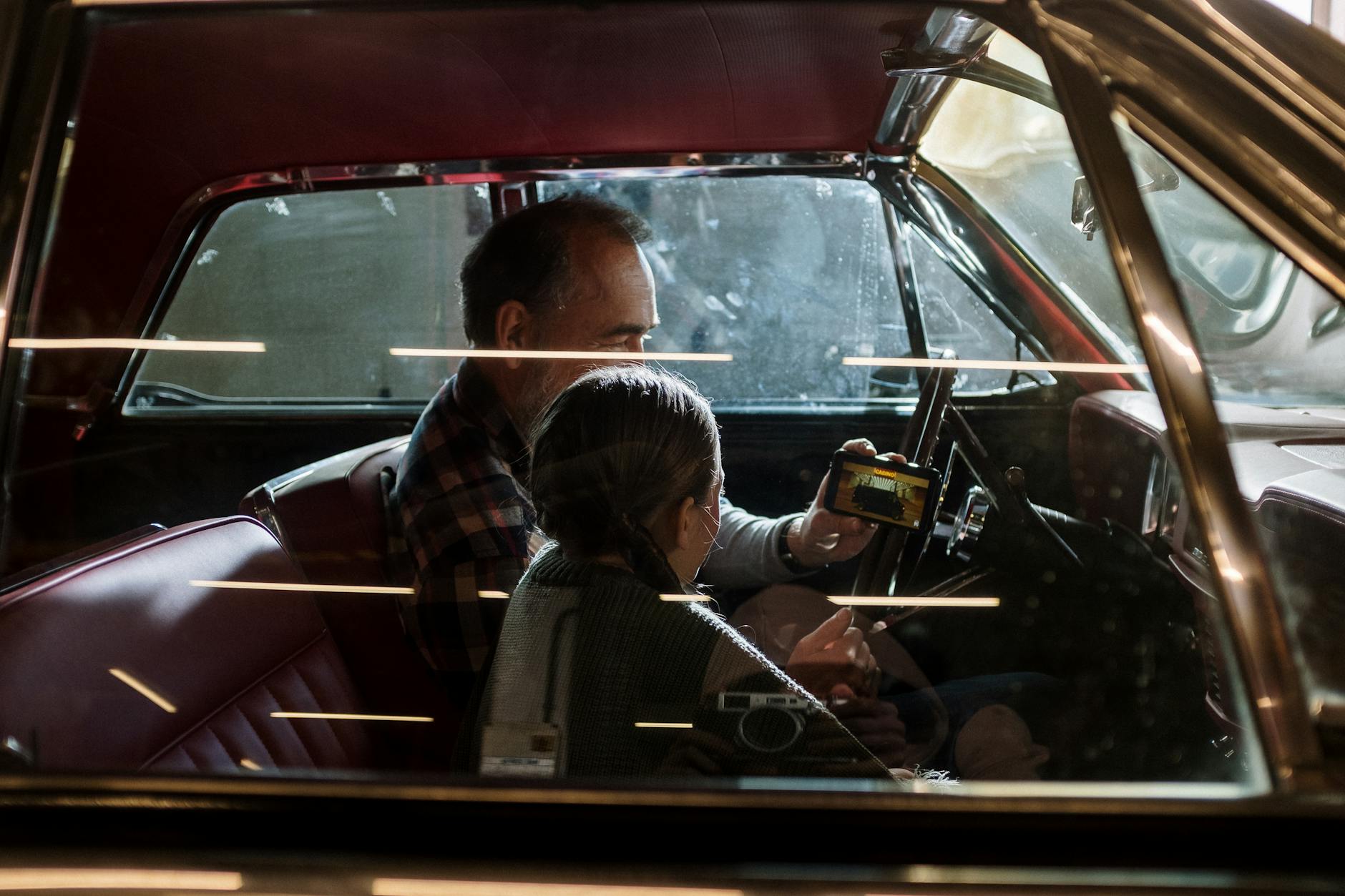
Some drivers attempt to watch movies or clips on their phones while stuck in traffic or moving slowly. This activity demands total visual and mental attention that should be dedicated to driving. Peripheral vision is not enough to navigate a vehicle safely while watching a screen. This habit is illegal in many places because of the extreme risk it poses.
Reacting to Insects

A bee or spider in the car can cause panic and sudden erratic driving maneuvers. The driver may try to swat the insect while neglecting the steering wheel. This fear response overrides the focus on road safety and can lead to swerving. It is safer to pull over calmly to deal with the intruder than to fight it while driving.
Adjusting Mirrors
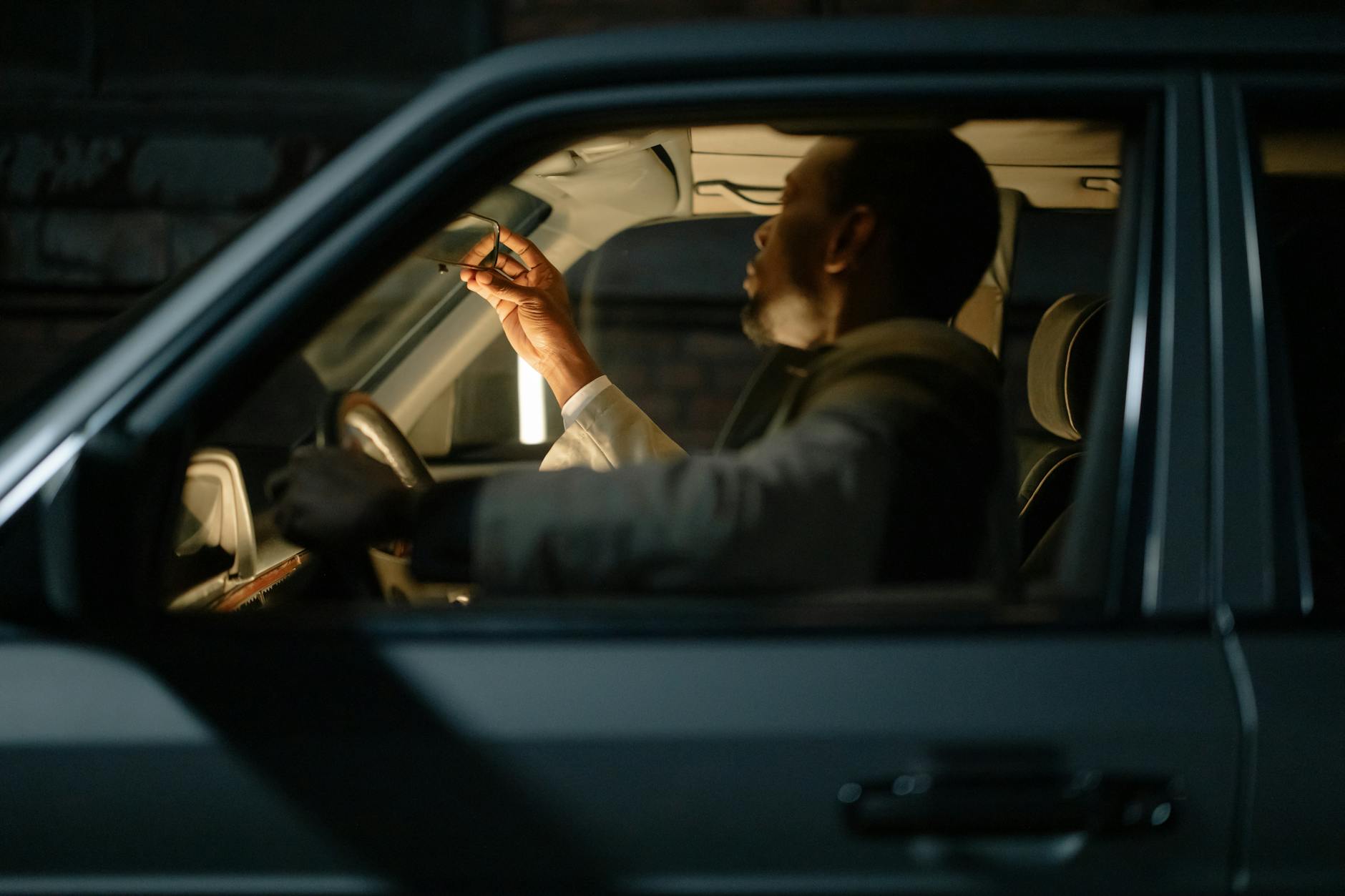
Mirrors should be positioned correctly before the car begins to move. Trying to adjust them while driving requires looking away from the road and using hands that should be steering. You may lose track of your lane position during the adjustment process. Proper preparation prevents the need for these mid-drive corrections.
Changing Clothing
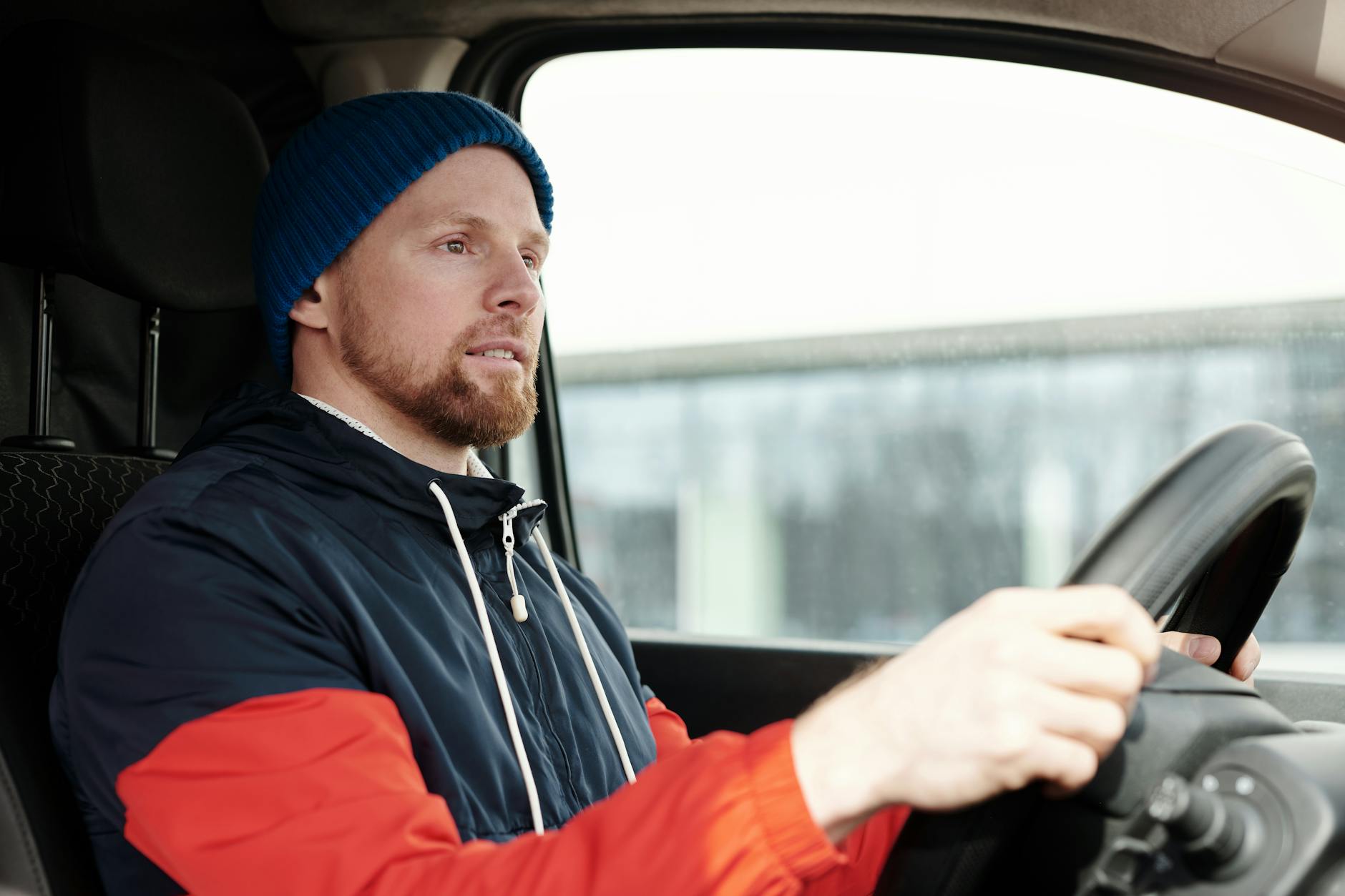
Removing a jacket or swapping shoes while driving is a manual distraction that severely limits control. The physical struggle to remove clothing can restrict arm movement and cause the car to swerve. Eyes are often diverted to deal with zippers or laces. Comfortable clothing should be chosen before the journey begins.
Taking Selfies

Snapping a photo for social media takes eyes off the road and a hand off the wheel. The focus is on the camera angle and facial expression rather than the traffic ahead. This narcissistic habit has led to numerous documented accidents. No social media post is worth risking a life.
Wearing Headphones

Using headphones isolates the driver from the auditory environment of the road. You may not hear emergency vehicles or the sound of mechanical issues with your own car. It creates a sensory bubble that detaches the driver from reality. Using the car speakers allows for better connection to the necessary sounds of traffic.
Which of these distractions do you see most often on your daily commute? Share your thoughts and experiences in the comments.