Every responsible pet owner wants to share the best of their life with their furry companion but sharing food from the table can lead to serious health consequences. Many common human ingredients are perfectly safe for us yet toxic or even fatal when ingested by canines due to their different metabolism. Understanding exactly what needs to be kept out of reach is the first line of defense in protecting your dog from accidental poisoning. This guide outlines thirty dangerous foods to avoid to ensure your pet stays happy and healthy for years to come.
Chocolate
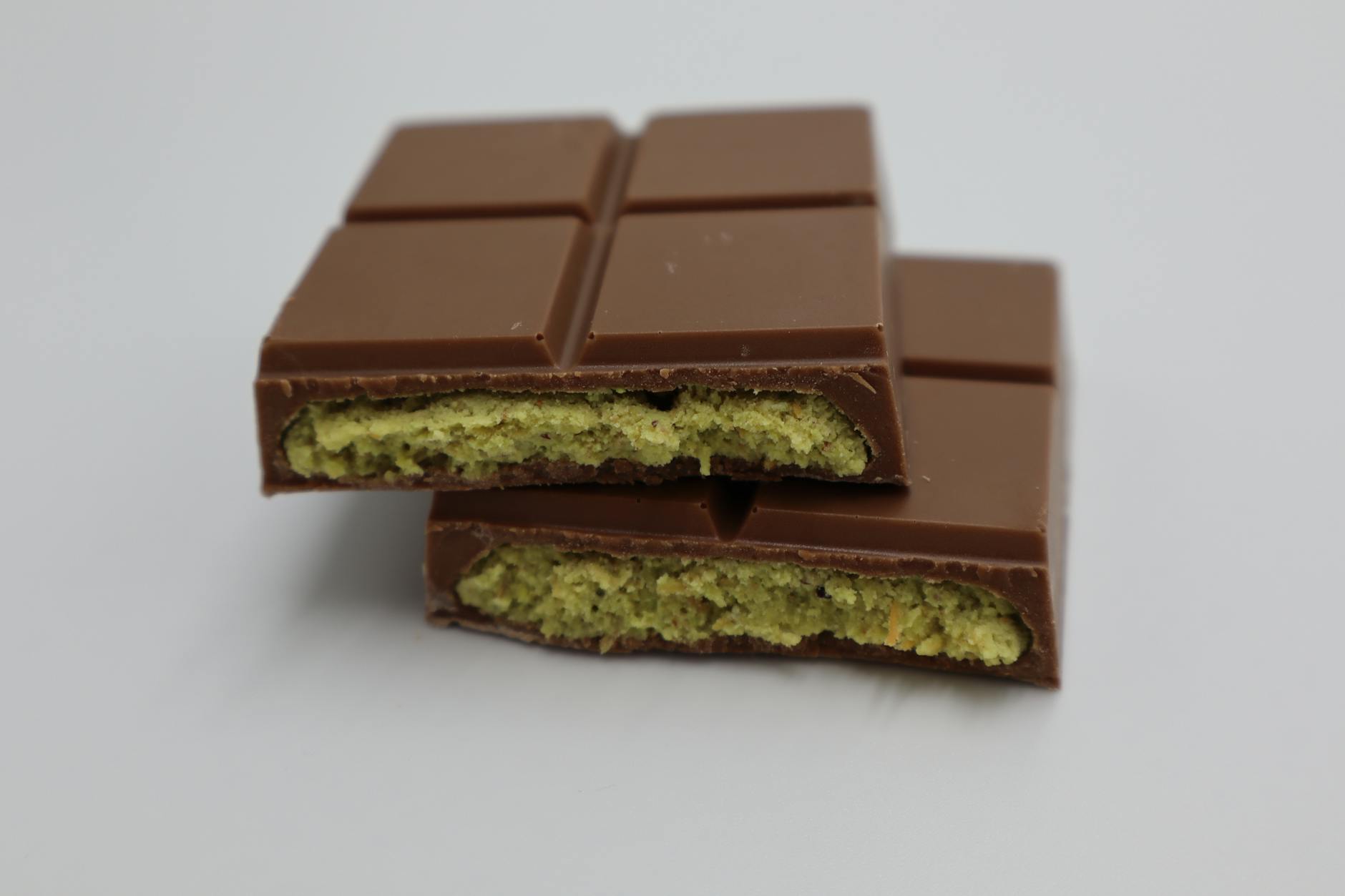
Chocolate contains theobromine and caffeine which are both stimulants that dogs cannot metabolize effectively. Ingestion often causes severe symptoms such as vomiting and diarrhea alongside excessive thirst. Darker chocolate and baking chocolate pose the highest risk due to higher concentrations of cocoa solids. Even small amounts may lead to heart arrhythmias or seizures in smaller breeds. Immediate veterinary attention is vital if accidental consumption occurs to prevent serious complications.
Xylitol
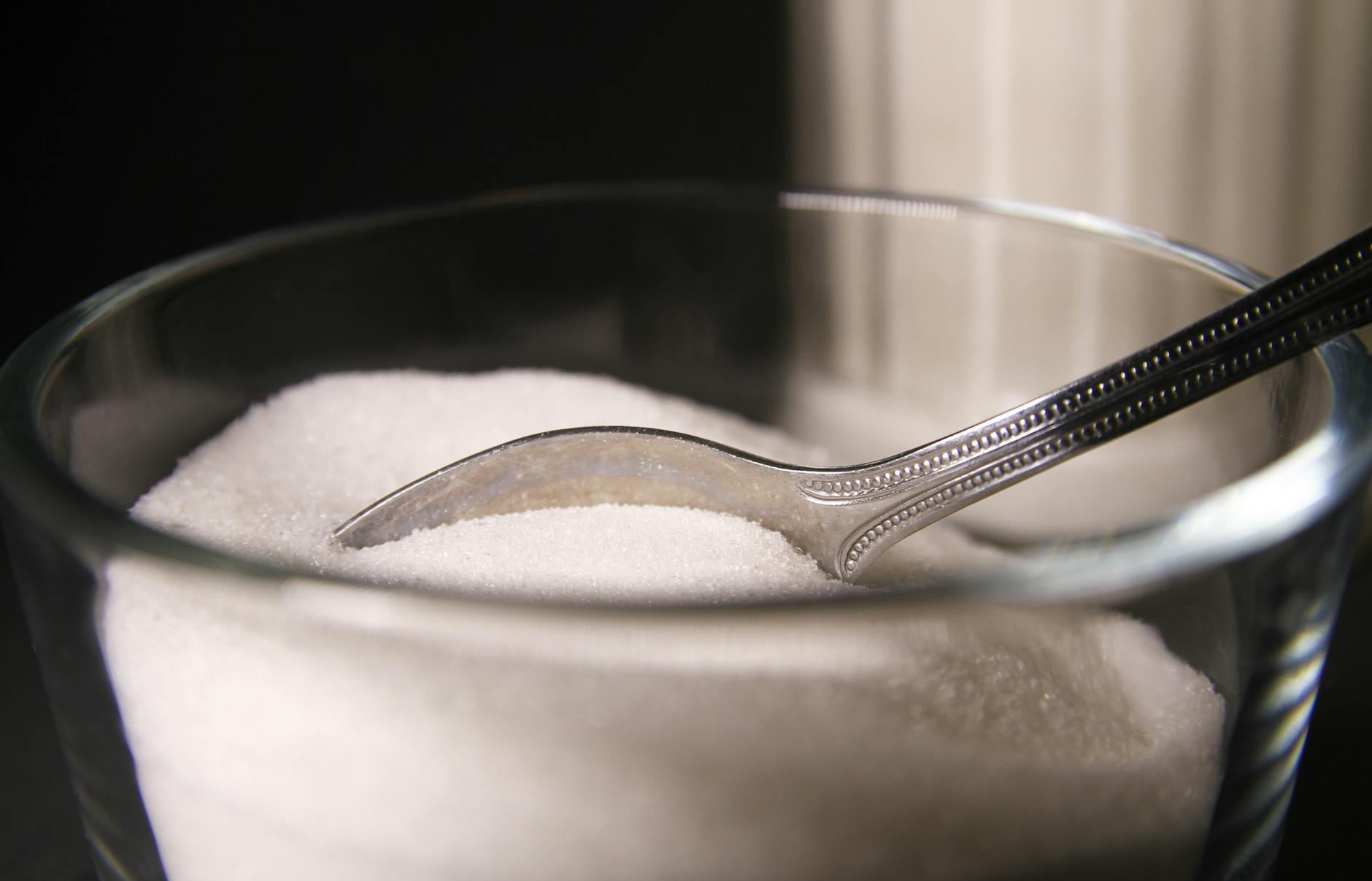
This artificial sweetener is found in many sugar-free products including gum and candy as well as some peanut butters. When a dog eats xylitol it causes a rapid release of insulin which leads to a dangerous drop in blood sugar levels. Symptoms of hypoglycemia can appear within minutes and may include vomiting or loss of coordination. Liver failure can occur just a few days after ingestion if the dog is not treated immediately. Always check ingredient labels on household products to ensure this sweetener is not present.
Grapes and Raisins
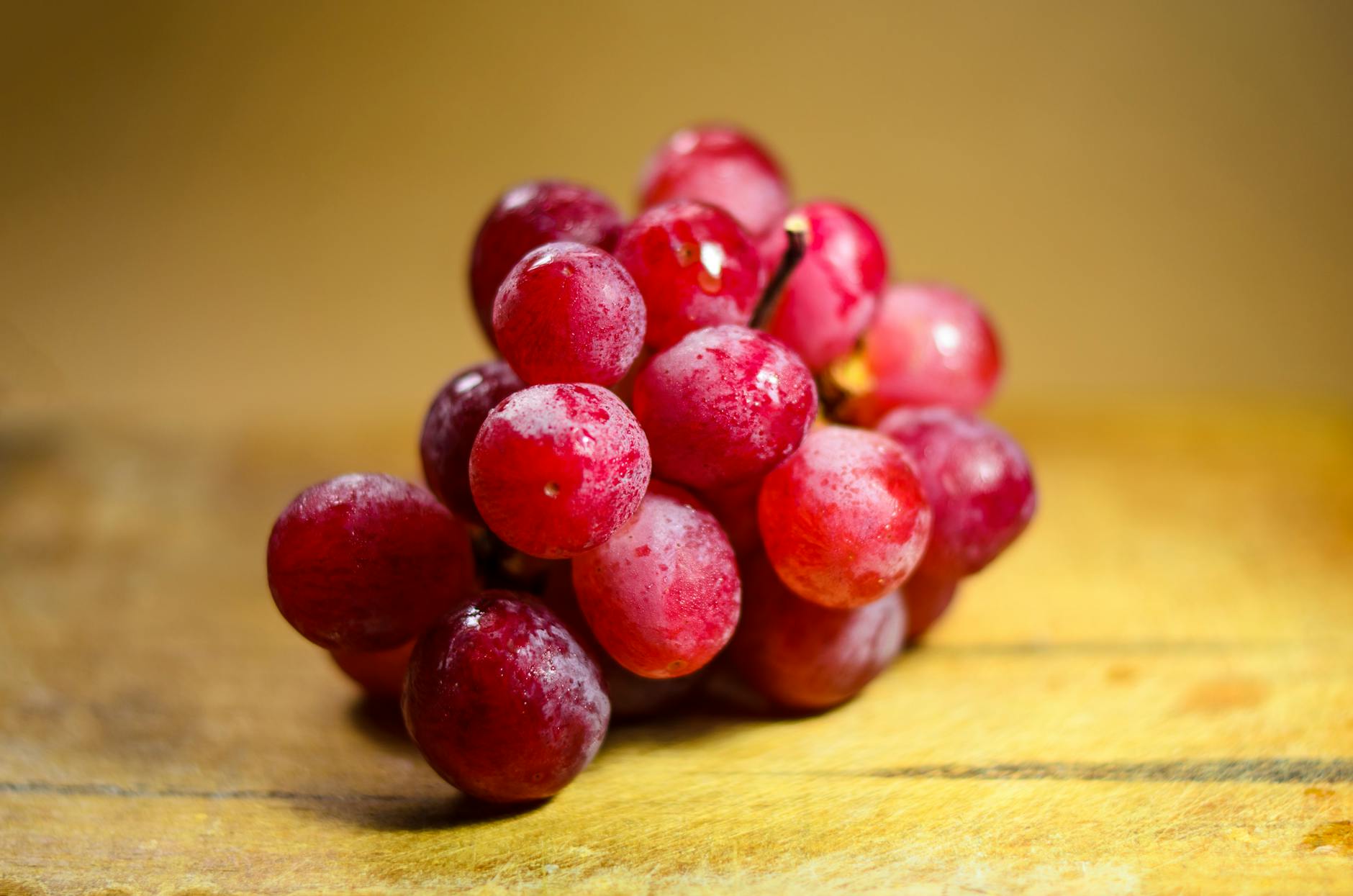
Grapes and their dried counterparts are highly toxic to dogs and can cause sudden acute kidney failure. The exact substance within the fruit that causes this reaction remains unknown so avoiding them entirely is necessary. Some dogs may show signs of toxicity after eating just a handful while others might react to even less. Early symptoms often include vomiting and lethargy followed by depression. Veterinary care is essential to support kidney function if ingestion is suspected.
Onions
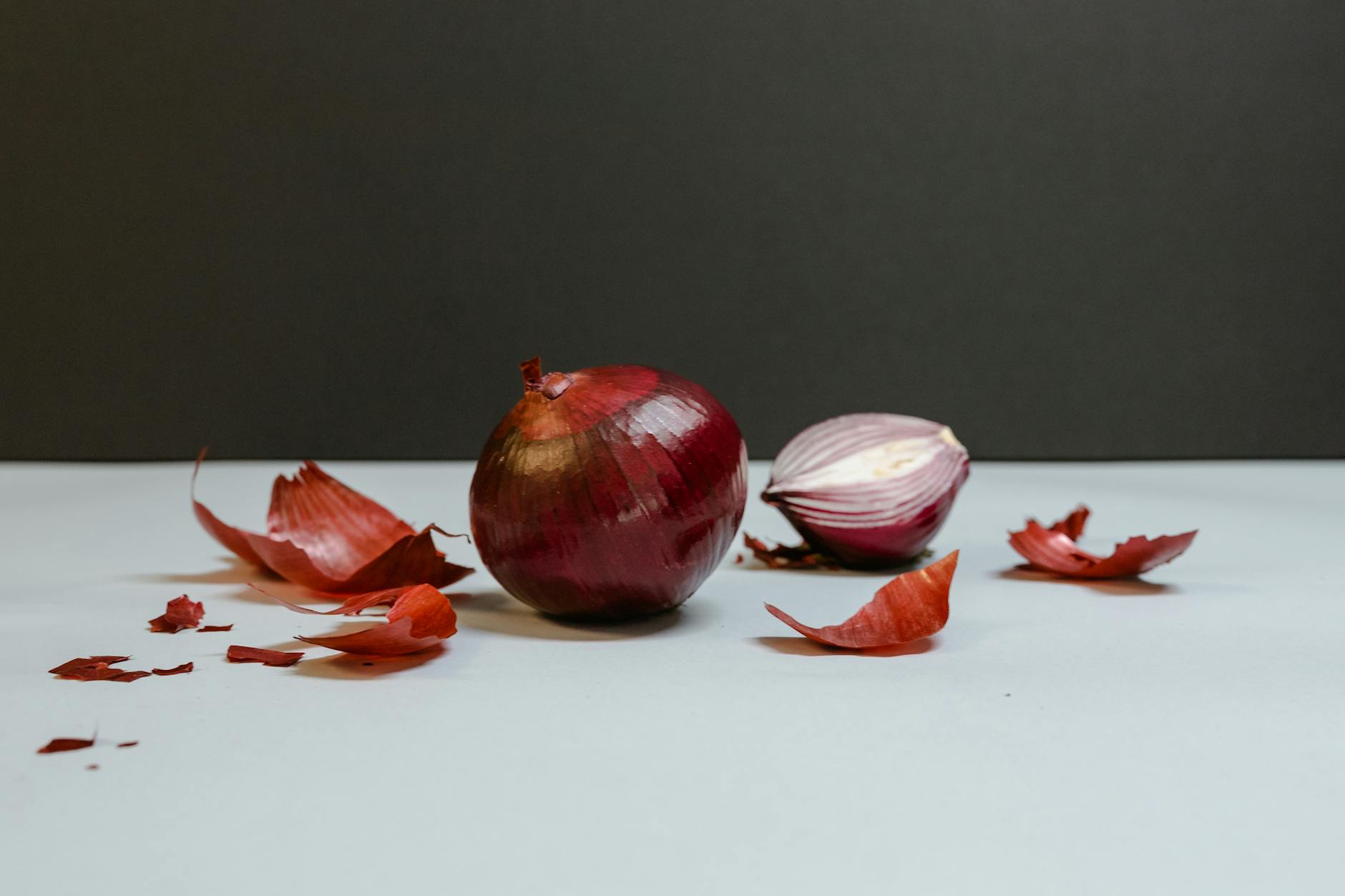
Onions contain compounds called disulfides and thiosulphates which can damage red blood cells in dogs. This damage leads to a condition called hemolytic anemia where the red blood cells burst and cannot carry oxygen. Both raw and cooked forms of onion are dangerous alongside powdered onion found in soups or baby food. Symptoms may not appear immediately and can take several days to manifest as weakness or breathlessness. Consistent exposure to small amounts can be just as harmful as a single large dose.
Garlic
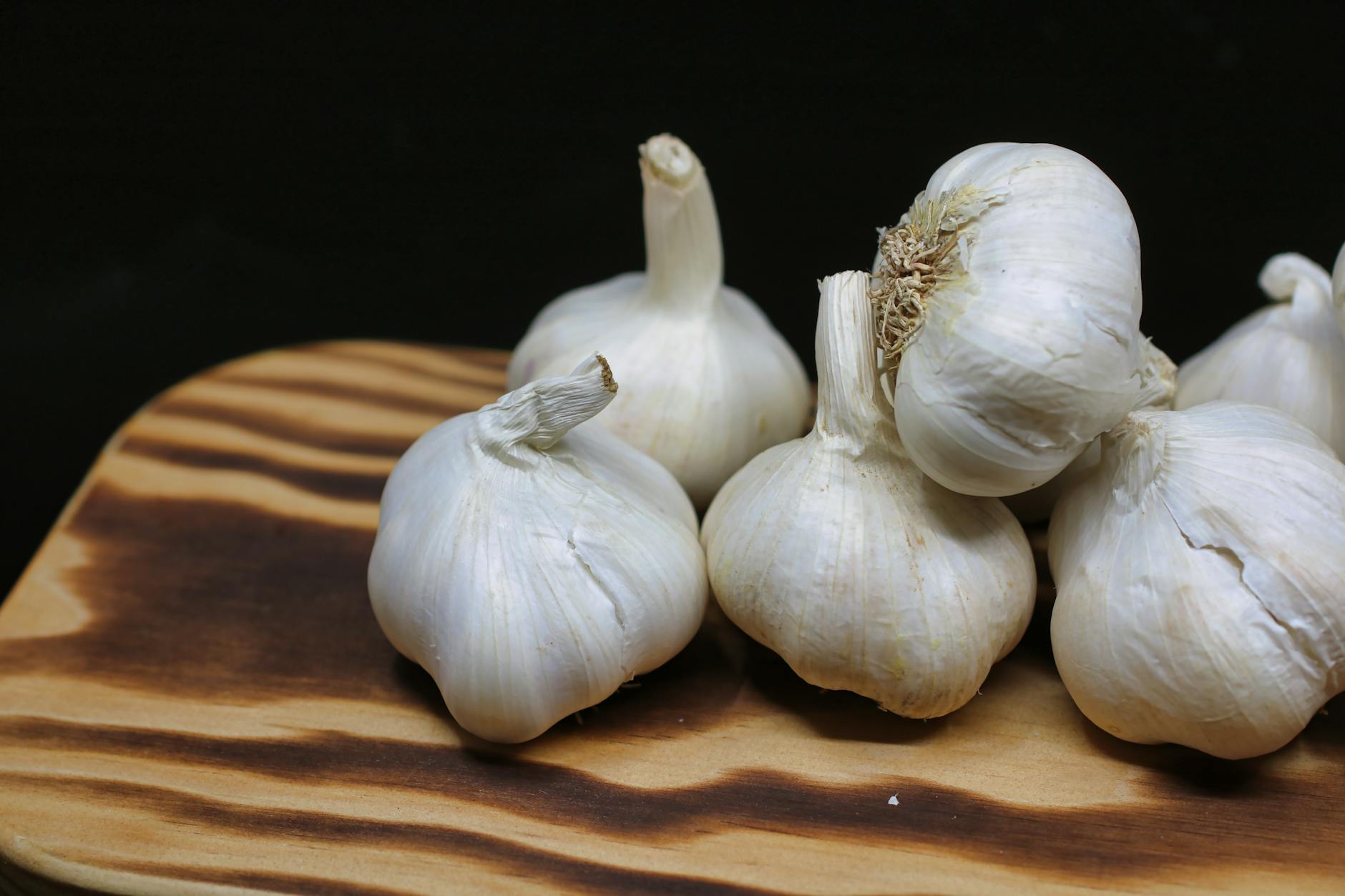
Garlic is significantly more potent than onions and belongs to the same plant family known as Allium. It destroys red blood cells and causes anemia along with gastrointestinal upset like nausea and drooling. While some owners use small amounts for parasite control the risk of toxicity outweighs the potential benefits. Signs of poisoning include pale gums and an elevated heart rate coupled with general weakness. It is safer to use veterinary approved products for flea and tick prevention.
Alcohol
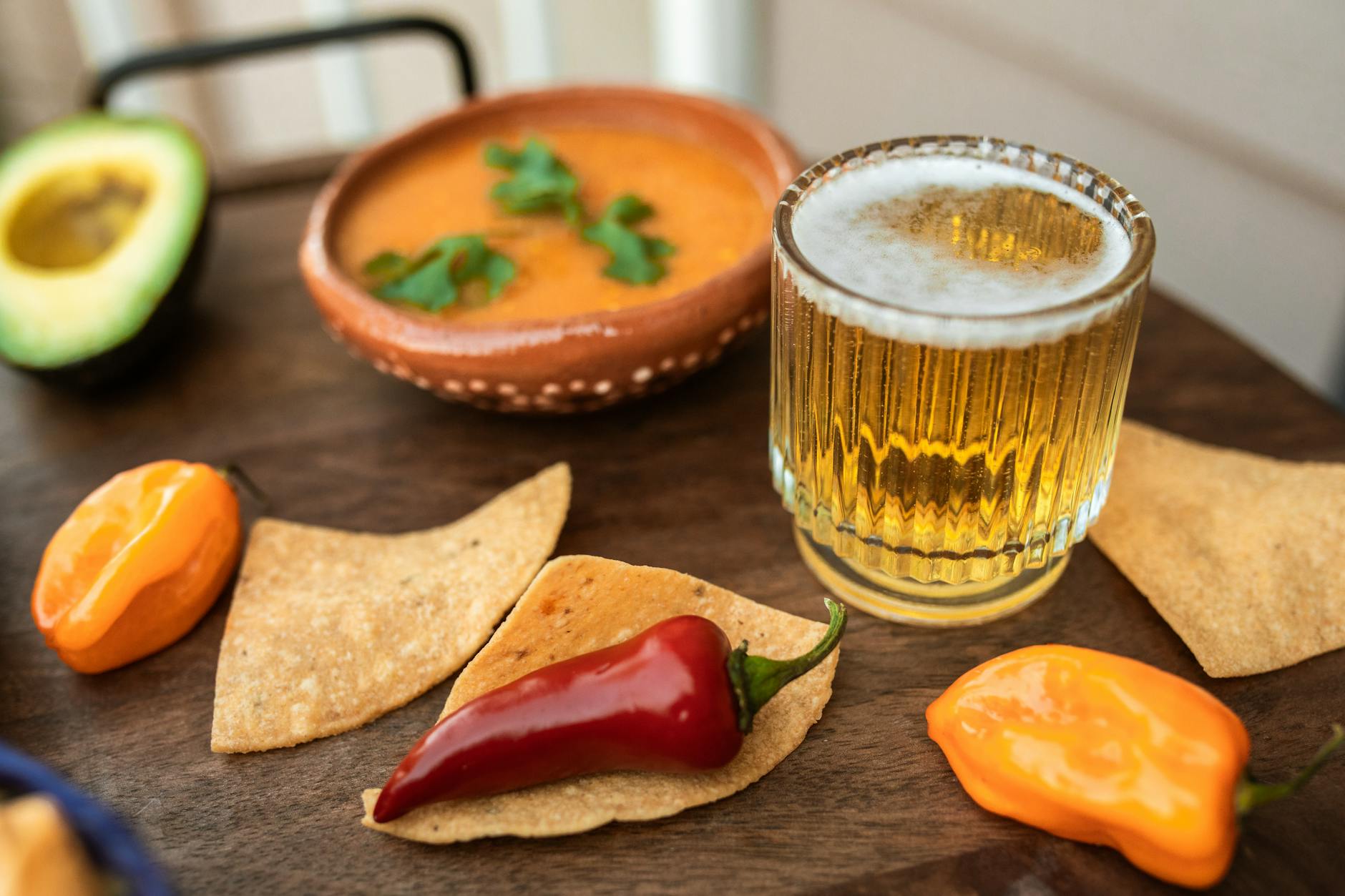
Alcohol has the same effect on a dog’s liver and brain that it has on humans but it takes far less to cause damage. Even small amounts found in drinks or syrups can cause vomiting and coordination problems. Severe intoxication can lead to difficulty breathing and tremors or even coma and death. The smaller the dog is the greater the risk becomes from even tiny sips or spills. Alcohol should never be left unattended where a curious pet might taste it.
Caffeine
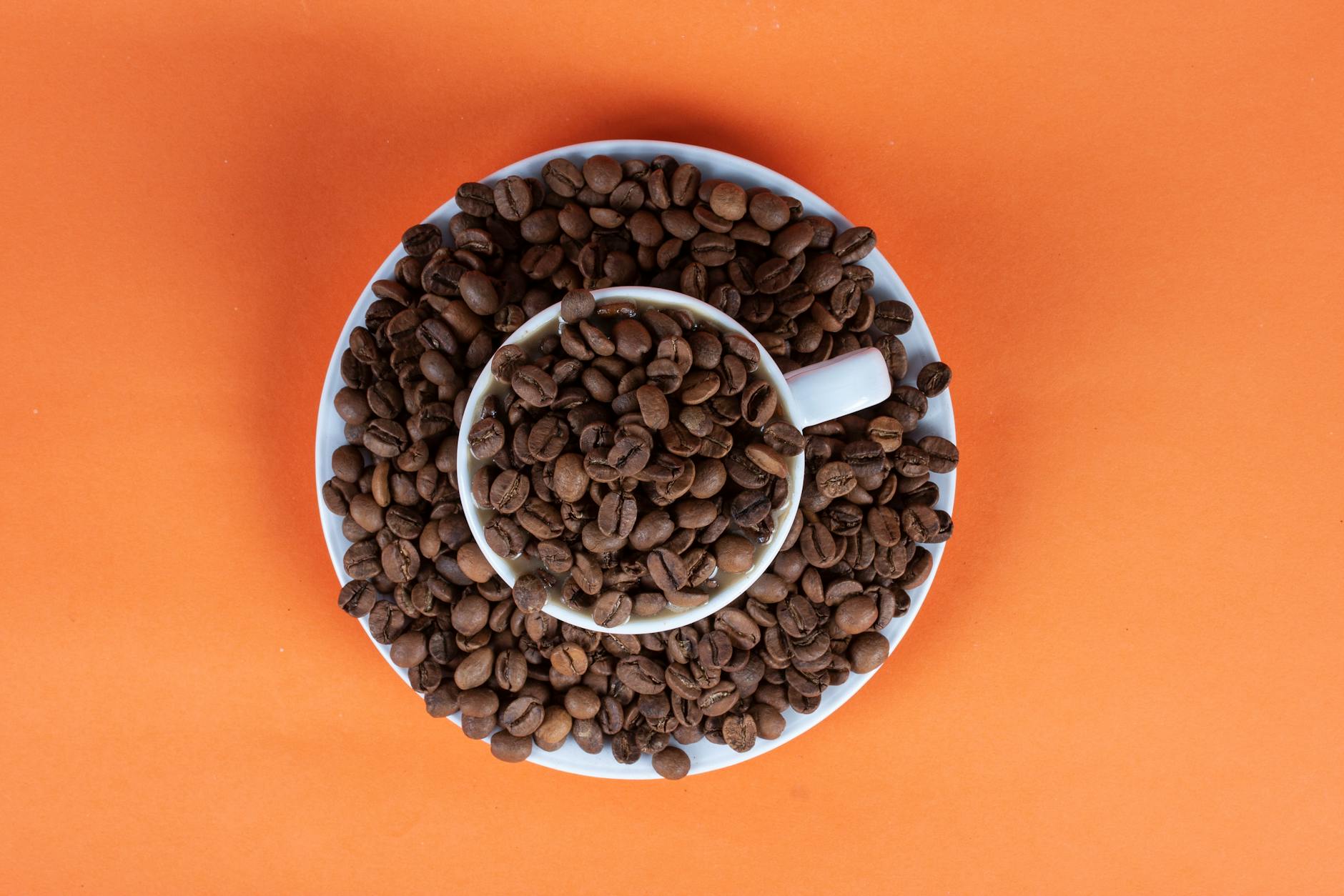
Caffeine is found in coffee and tea as well as many sodas and energy drinks. Dogs are more sensitive to the effects of caffeine than people and can suffer from hypertension or cardiac arrhythmias. Ingestion can cause restlessness and rapid breathing along with muscle tremors. Large amounts can be fatal and there is no antidote for caffeine poisoning. Keeping beans and grounds securely stored is the best way to prevent accidental ingestion.
Macadamia Nuts
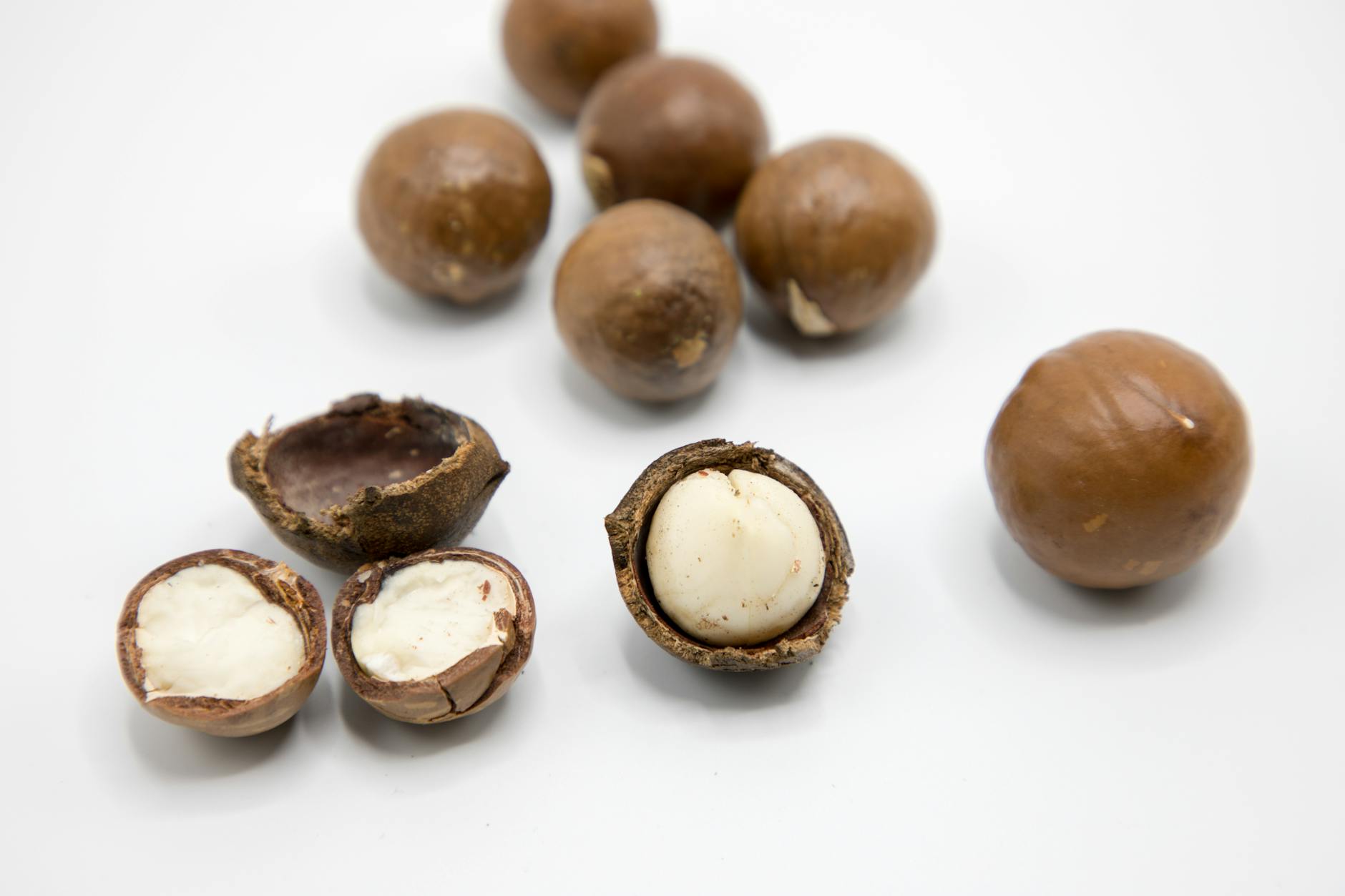
These nuts are among the most poisonous foods for dogs and can affect their nervous system and muscles. Ingestion often leads to weakness in the back legs and vomiting within twelve hours. Other symptoms include tremors and hyperthermia where the body temperature rises dangerously high. The high fat content can also trigger pancreatitis in susceptible animals. The toxicity mechanism is unknown but the effects are distressing and require supportive veterinary care.
Avocado
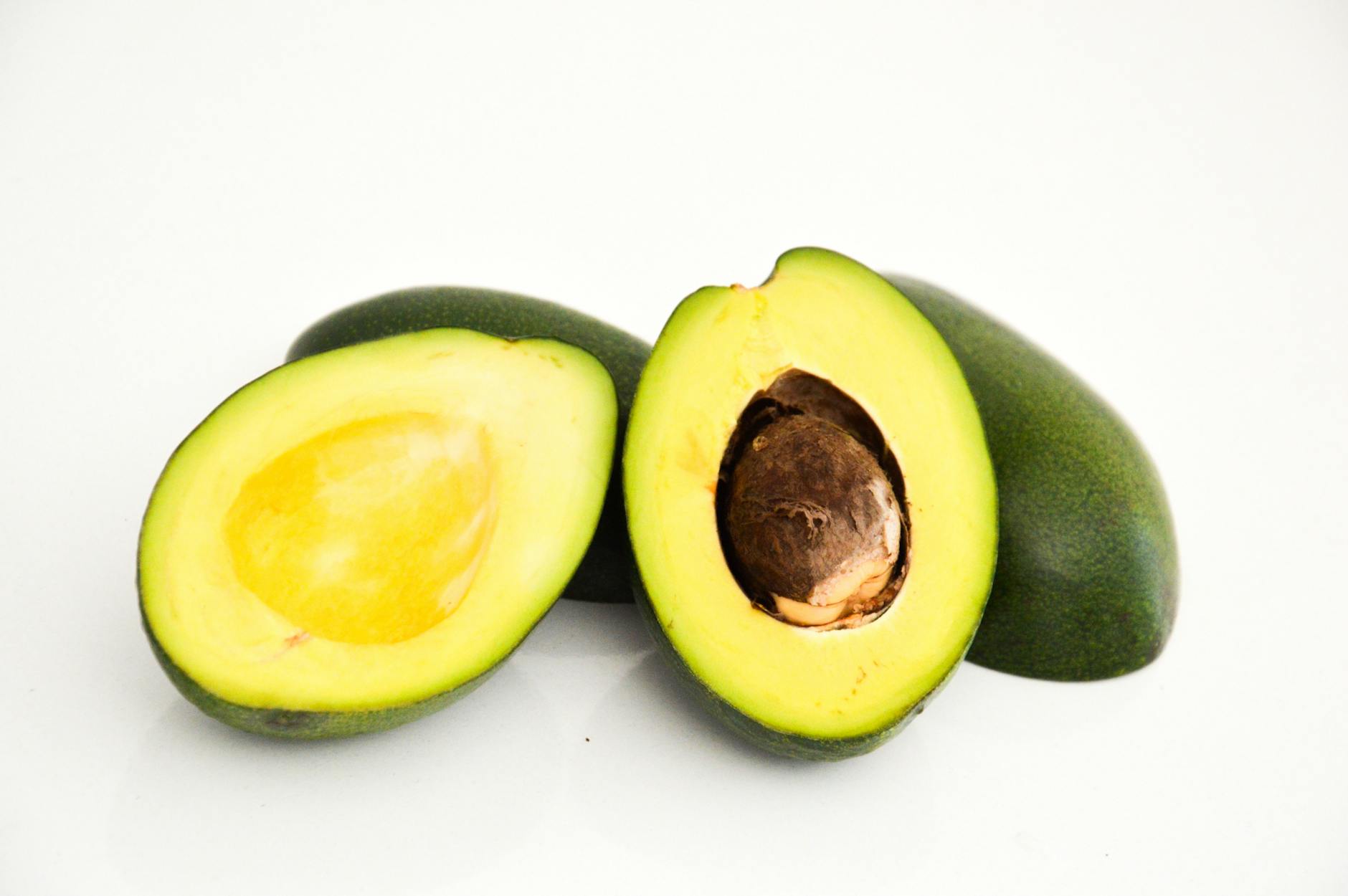
Avocados contain a fungicidal toxin called persin which can cause serious health issues in many animals. While dogs are more resistant to persin than birds or horses it can still cause vomiting and diarrhea in high doses. The large pit poses a significant choking hazard and can cause a life-threatening obstruction in the digestive tract. The high fat content in the flesh may also lead to pancreatitis. It is best to keep the guacamole away from your pet entirely.
Cooked Bones
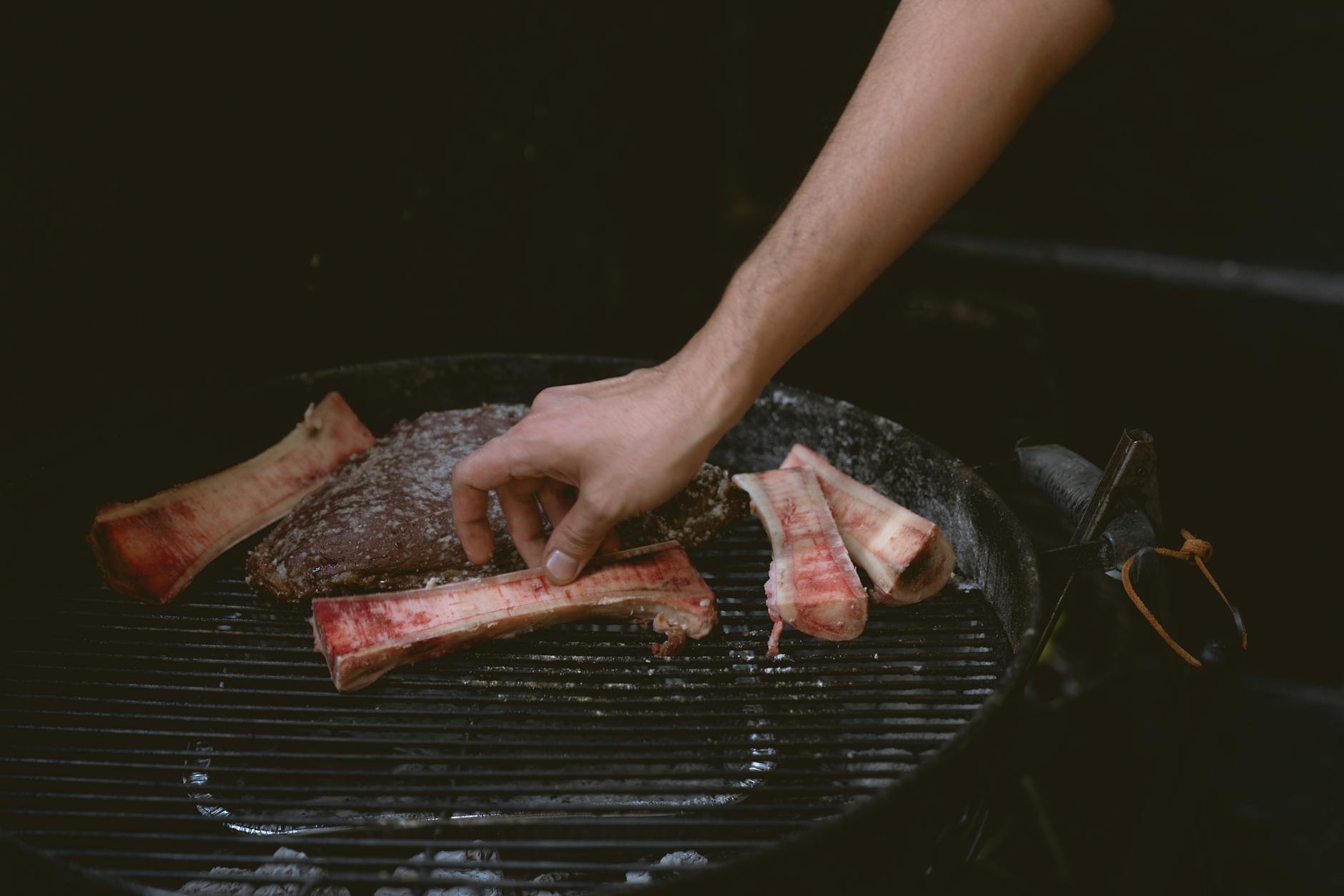
Cooked bones become brittle and can easily splinter into sharp shards when chewed by a dog. These splinters can puncture the digestive tract or cause severe choking hazards. Serious injuries often require emergency surgery to repair damage to the mouth or stomach. Raw bones generally do not splinter in the same way but carry their own bacterial risks. Sticking to commercially prepared chew toys is a safer alternative for satisfying the urge to chew.
Dairy Products
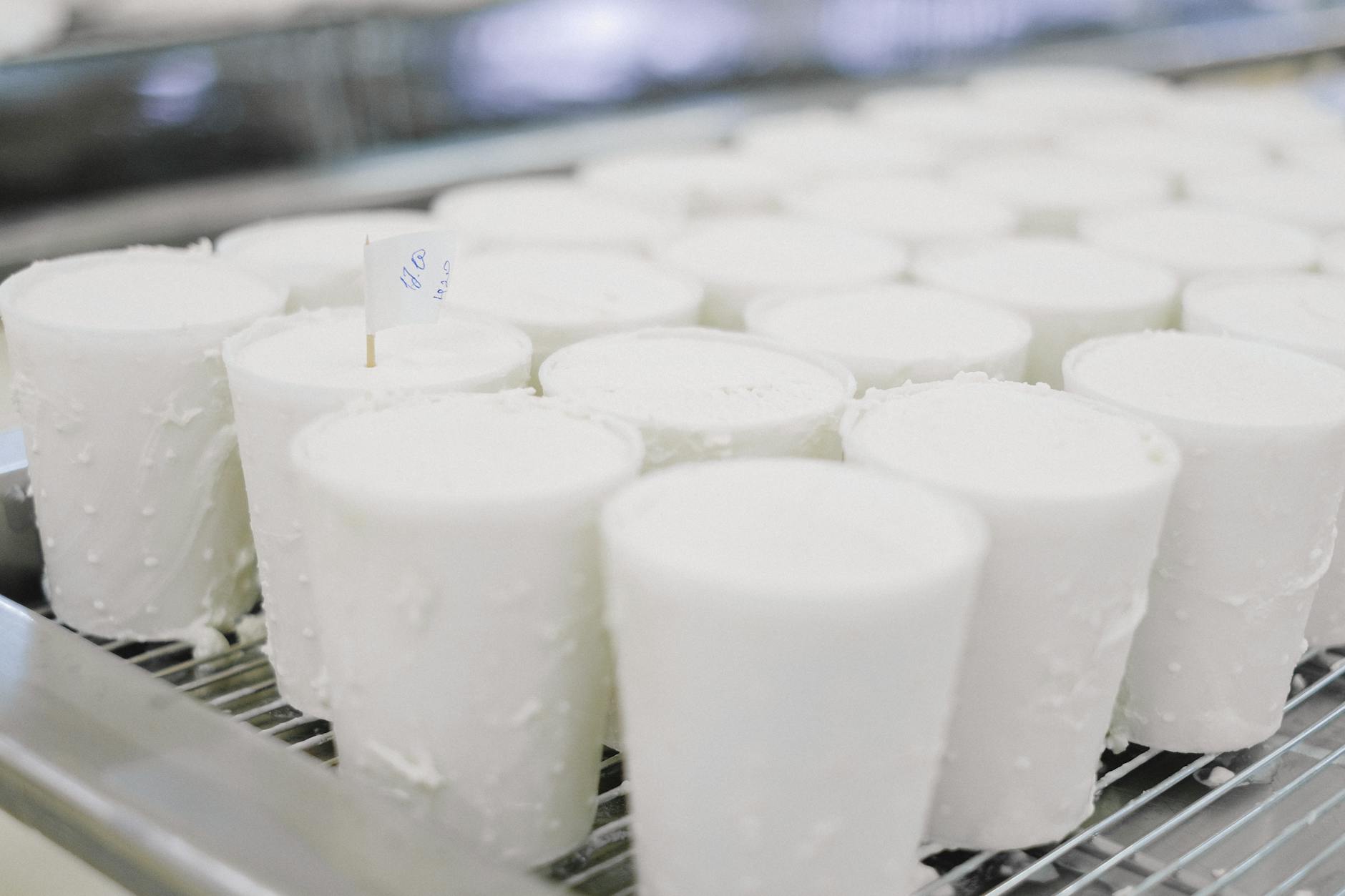
Many dogs are lactose intolerant and lack the enzyme lactase needed to digest milk properly. Consuming dairy products like milk or ice cream can lead to gas and bloating or diarrhea. While some dogs can tolerate small amounts of plain yogurt or cheese without issue it often causes digestive distress. Repeated exposure can lead to chronic gastrointestinal inflammation and discomfort. It is wiser to offer lactose-free treats specifically designed for canine consumption.
Raw Meat
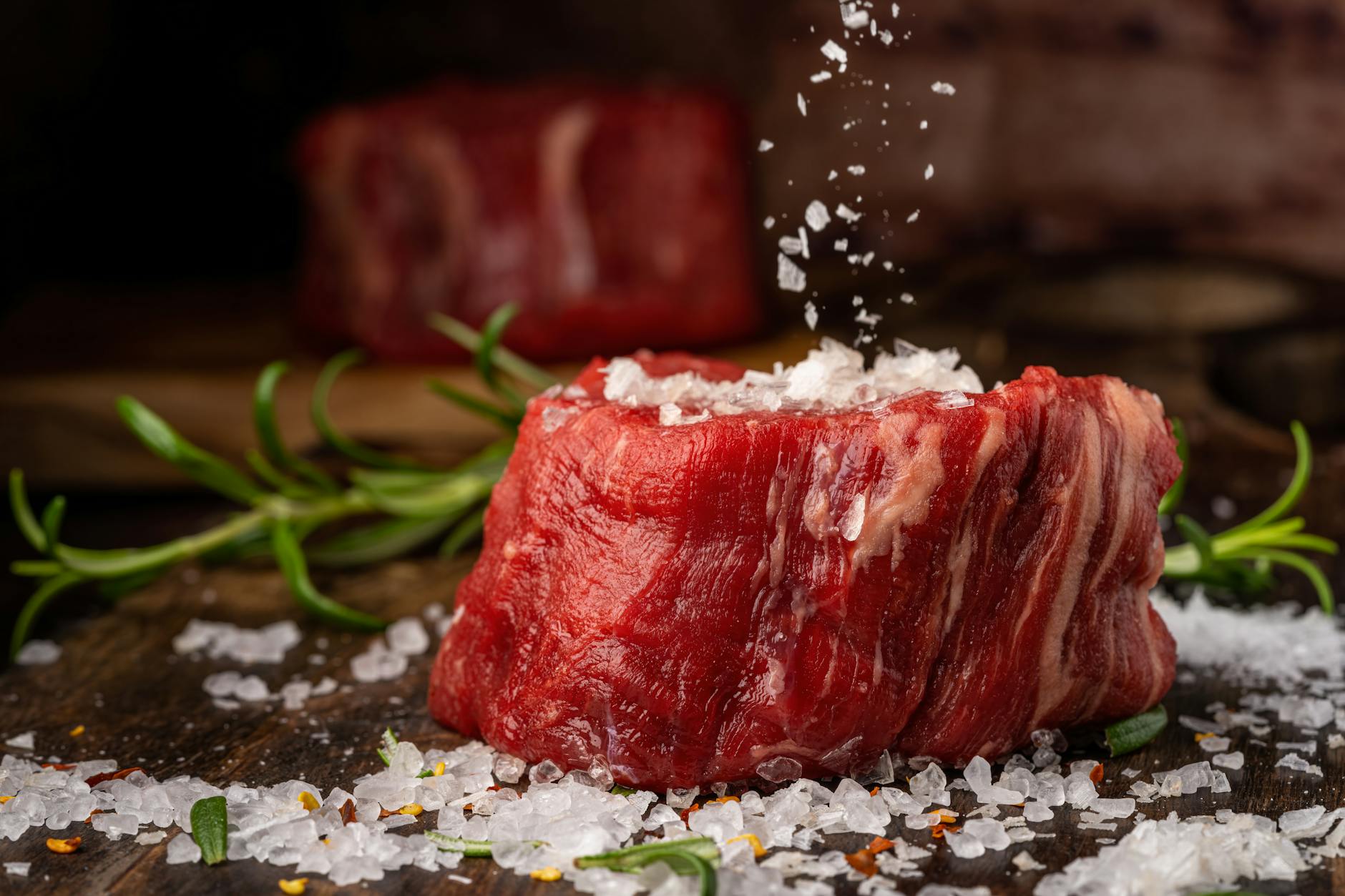
Raw meat diets can contain harmful bacteria such as Salmonella and E. coli which pose risks to both pets and owners. These pathogens can cause severe food poisoning resulting in vomiting and bloody diarrhea. Bones in raw meat can also present choking hazards or damage teeth if they are too hard. Handling raw meat requires strict hygiene practices to prevent cross-contamination in the kitchen. Many veterinarians recommend cooking meat thoroughly to kill potential parasites and bacteria.
Raw Eggs
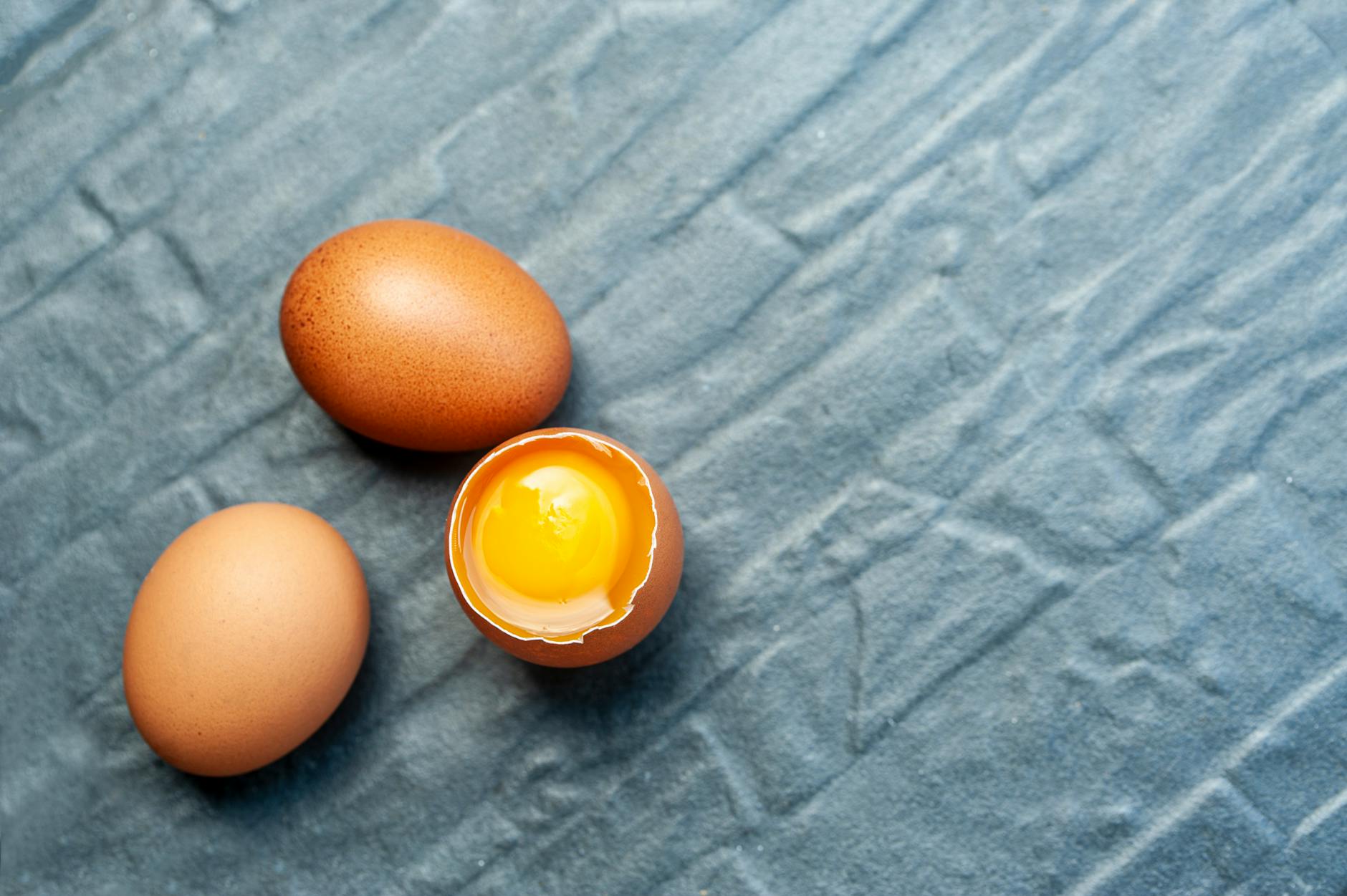
Raw eggs contain an enzyme called avidin which decreases the absorption of biotin leading to skin and coat problems. They also carry the risk of Salmonella contamination similar to raw meat. Symptoms of biotin deficiency include hair loss and skin lesions or infection. Cooking eggs neutralizes the avidin and kills bacteria making them a safe treat. Feeding cooked eggs provides a good source of protein without the associated risks.
Salt
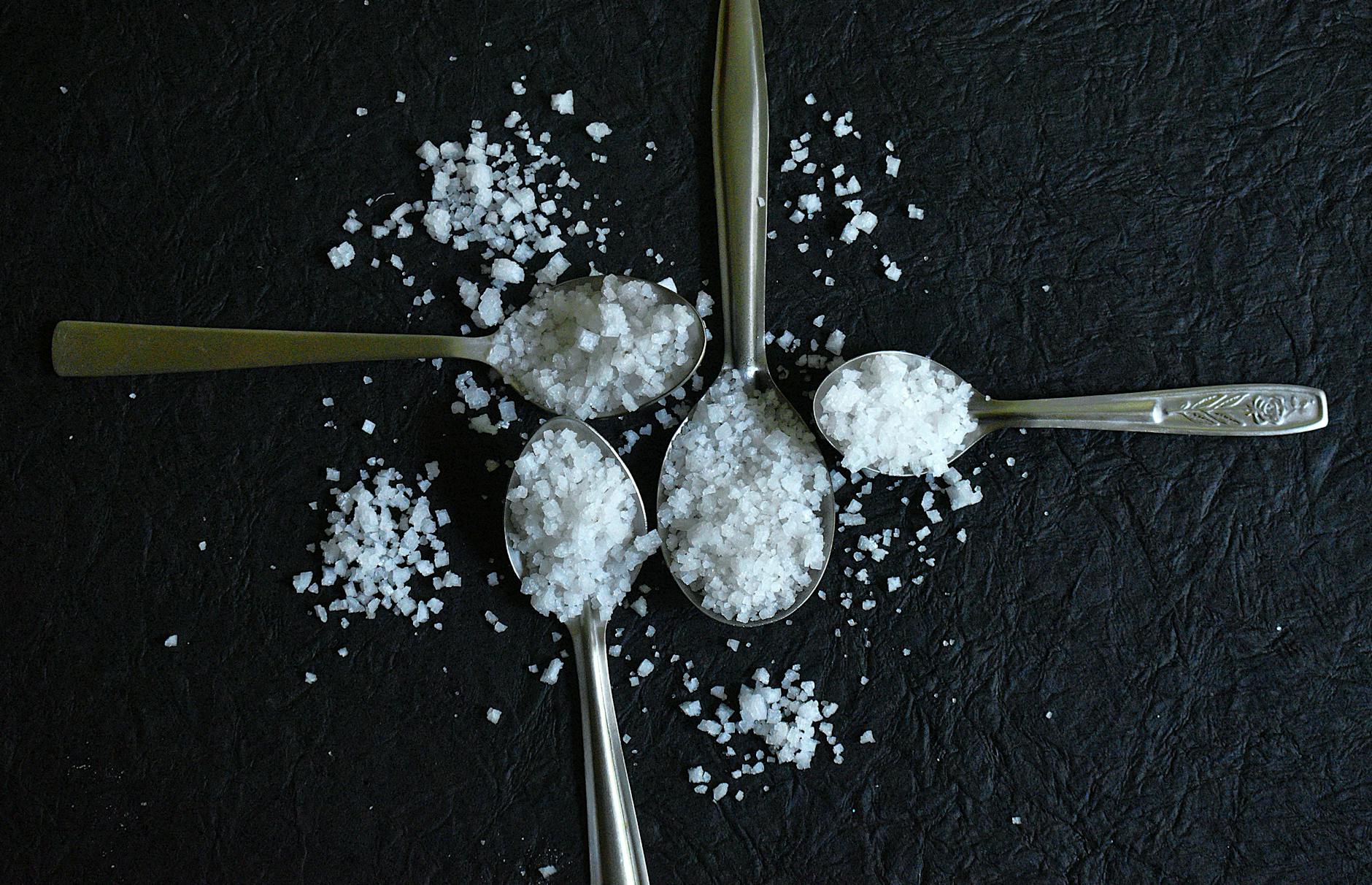
Excessive salt intake can lead to sodium ion poisoning which is potentially fatal for dogs. Symptoms include excessive thirst and urination followed by vomiting and diarrhea. Severe cases can progress to tremors and seizures or fluid accumulation in the brain. Many processed human foods like chips and pretzels contain dangerous levels of salt for a dog. Ensuring access to fresh water is critical if accidental ingestion of salty food occurs.
Sugary Foods
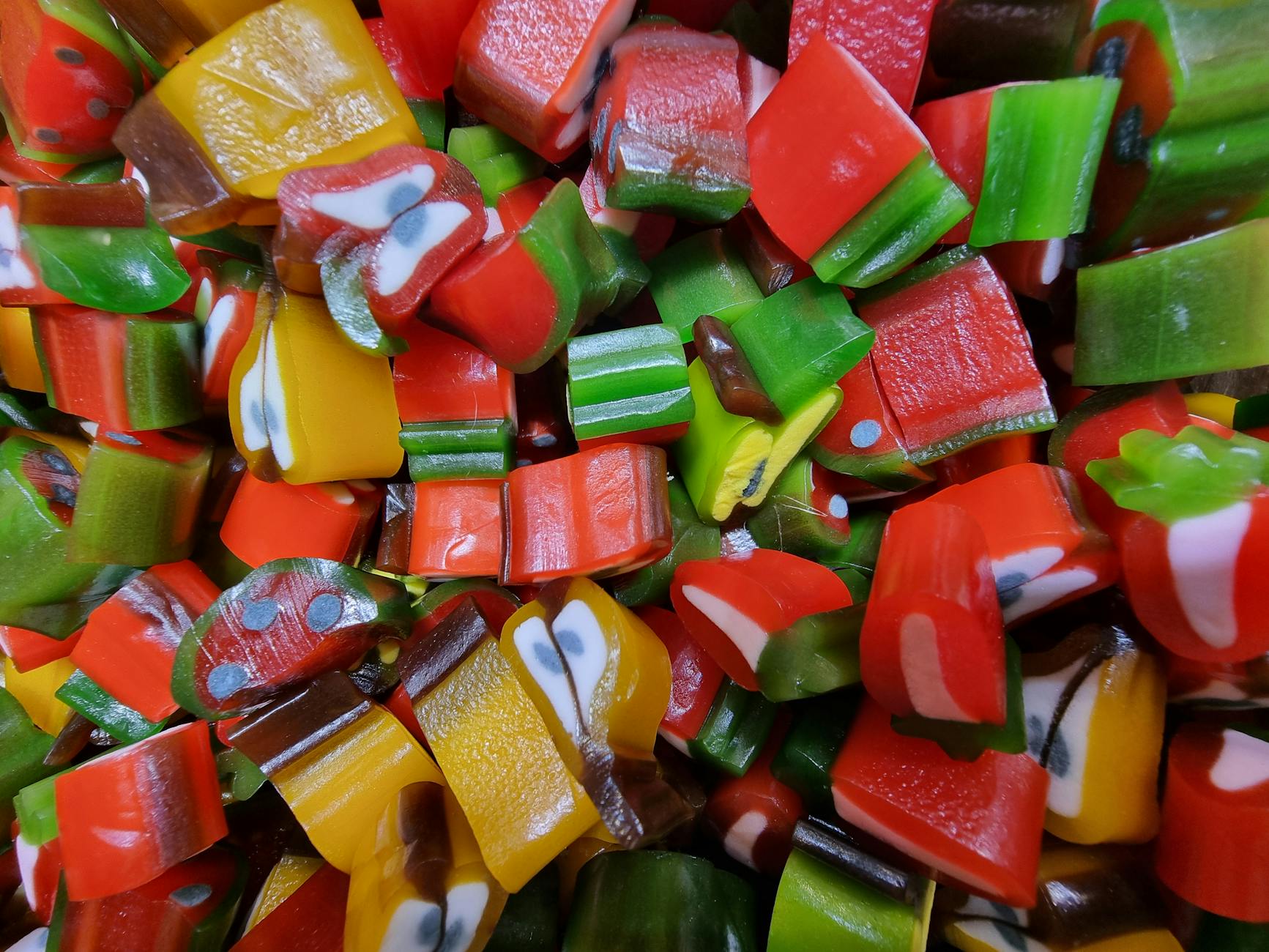
Foods high in sugar can lead to the same problems in dogs as they do in humans including obesity and dental issues. Excessive sugar consumption can also contribute to the onset of diabetes over time. Even natural sugars found in fruits should be given in moderation to prevent weight gain. Processed sugary treats offer no nutritional value and can upset the metabolic balance. Treats formulated for dogs are always a healthier choice than candy or cake.
Yeast Dough

Raw yeast dough can expand in a dog’s warm stomach and cause severe bloating or gastric torsion. As the yeast ferments it produces alcohol which can lead to alcohol poisoning. The expansion of the dough can stretch the stomach and cut off blood flow to vital organs. This painful condition often requires emergency surgical intervention to save the animal. Keep rising dough in a secure warm place well out of reach of curious noses.
Human Vitamins with Iron
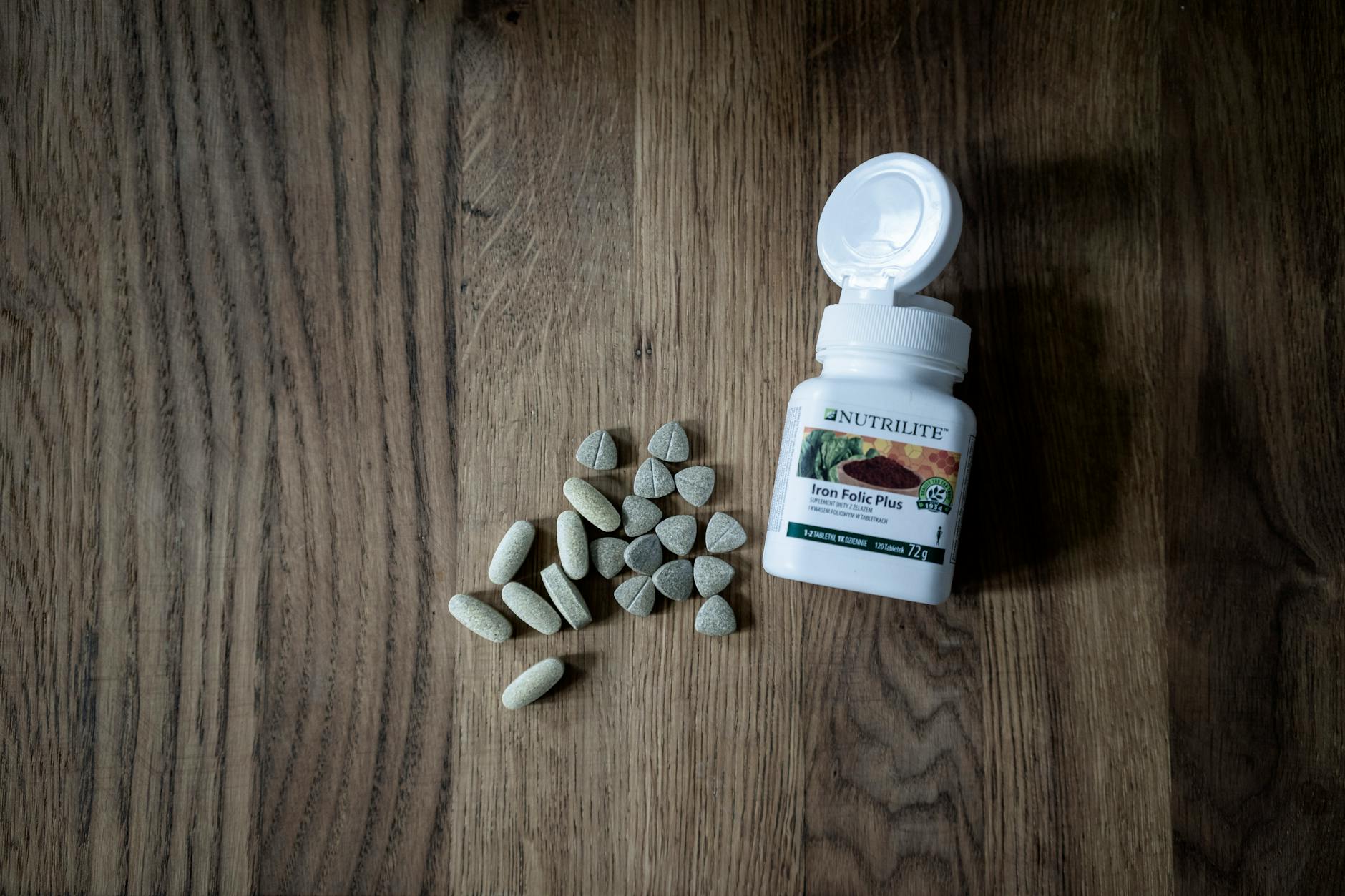
Iron supplements meant for humans can damage the lining of the digestive system and be toxic to the liver and kidneys. Prenatal vitamins are particularly dangerous because they typically contain higher amounts of iron. Symptoms of iron toxicity include bloody vomiting and diarrhea along with abdominal pain. Severe poisoning can lead to shock and organ failure within hours of ingestion. All medications and supplements should be stored securely in high cabinets.
Peach Pits
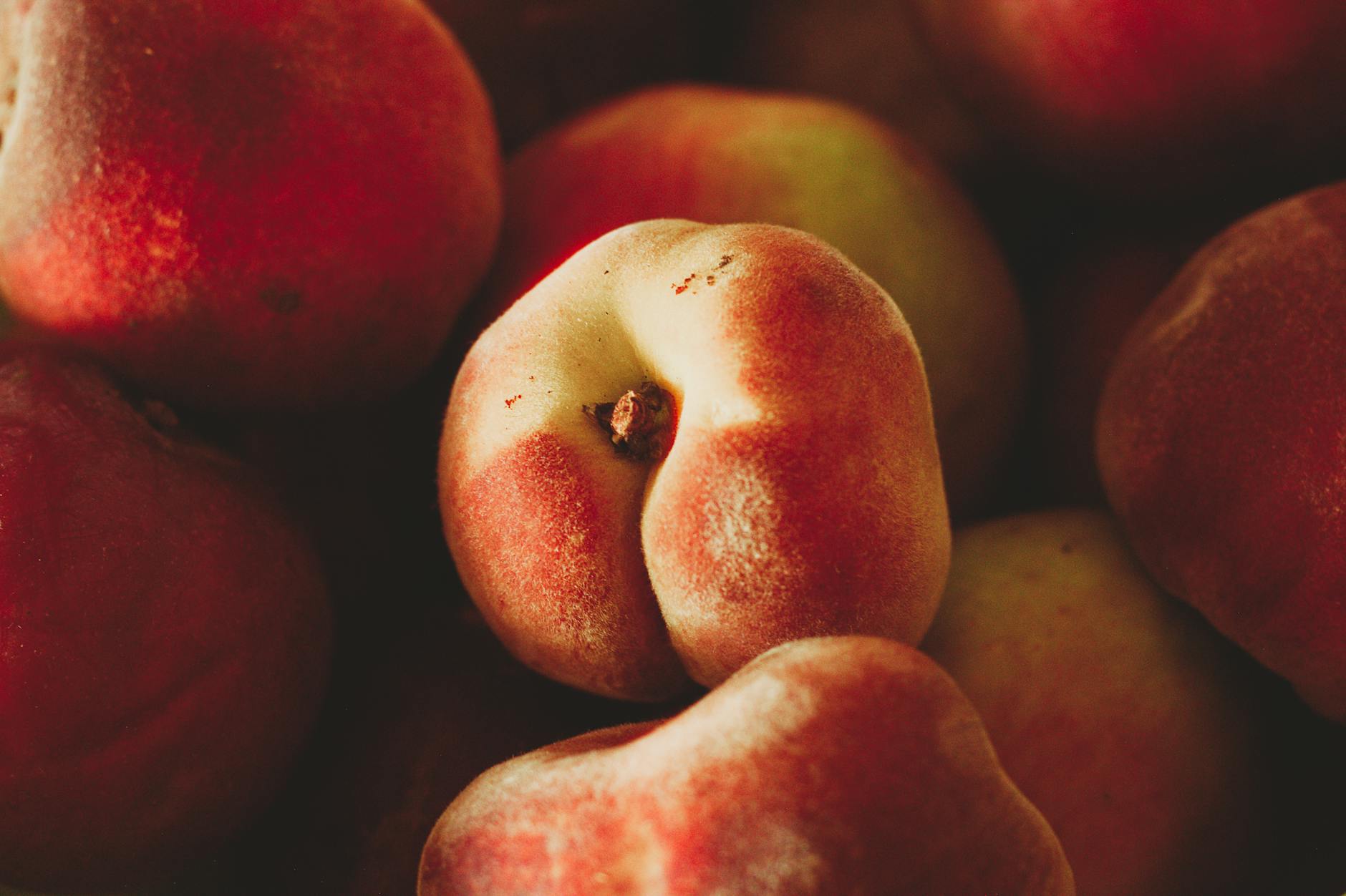
The pits of peaches contain amygdalin which breaks down into cyanide when chewed or digested. Ingesting cyanide disrupts oxygen transport in the blood and can be rapidly fatal. The pits also present a physical danger as a choking hazard or intestinal blockage. Signs of cyanide poisoning include dilated pupils and bright red gums along with difficulty breathing. Always slice fruit and remove the pit before offering any flesh to your dog.
Plum Pits
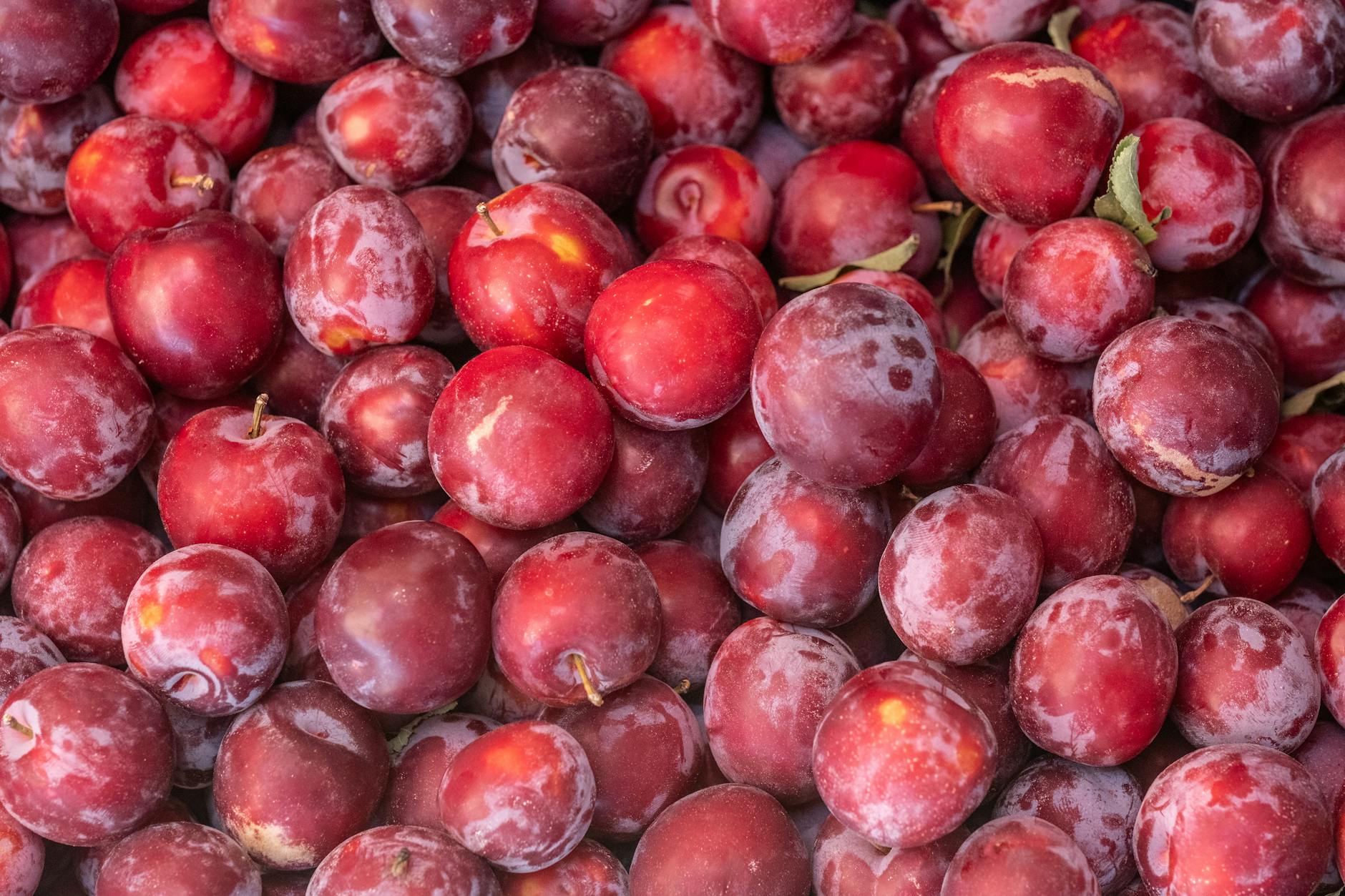
Plum pits pose the same cyanide risk as peach pits and are equally dangerous if swallowed or chewed. The sharp edges of the pit can also damage the esophagus or intestines as it passes through. Cyanide poisoning prevents cells from using oxygen and leads to respiratory collapse. Dogs may be attracted to the sweet fruit left on the pit so disposal must be careful. Immediate veterinary treatment is necessary if a pit is consumed.
Apple Seeds
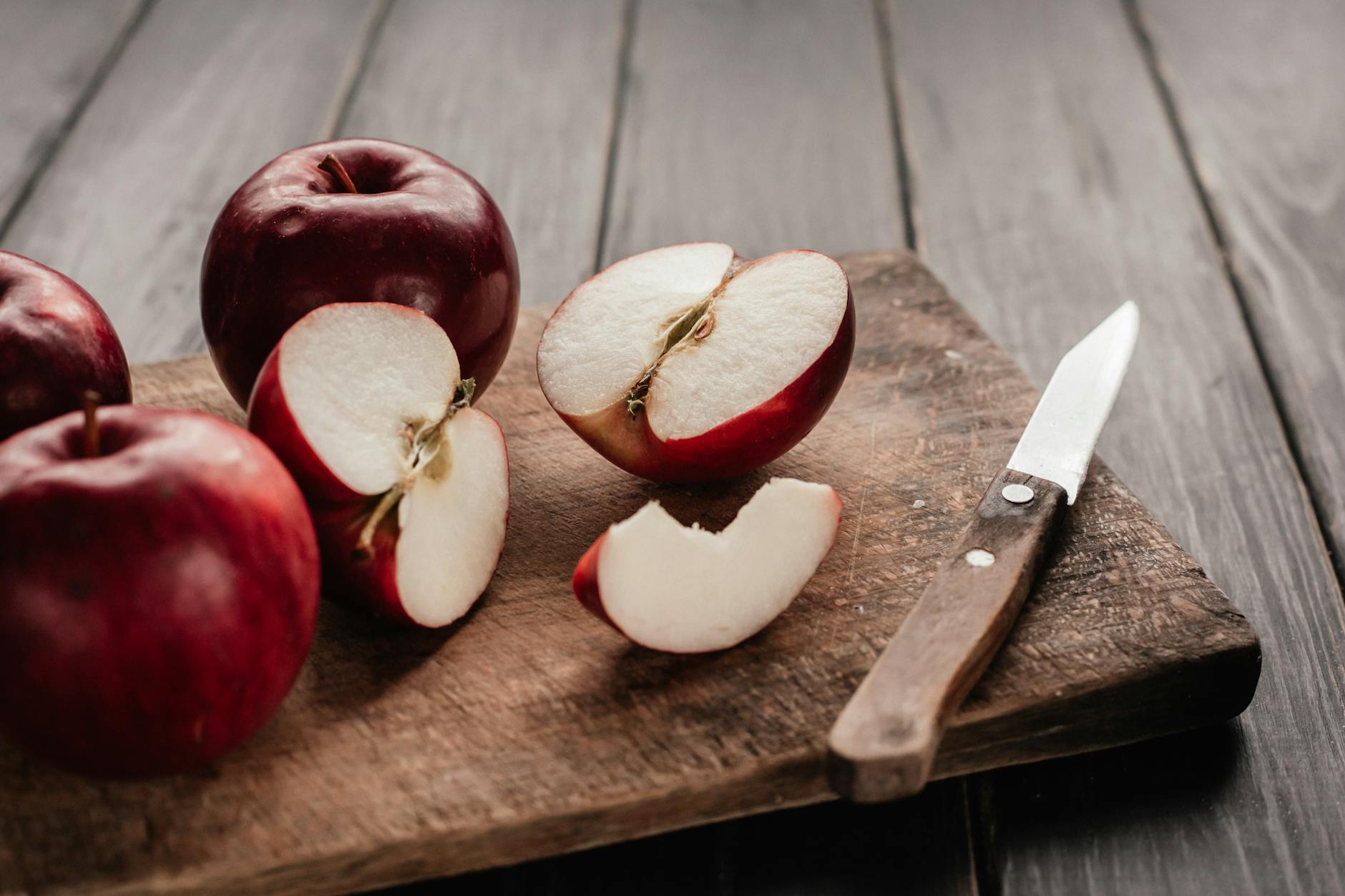
Apple seeds also contain amygdalin and release cyanide when crushed or chewed by the dog. While a few seeds may not cause harm consuming a large quantity can result in toxicity. The accumulation of cyanide over time can lead to chronic health issues even without acute symptoms. It is best to core apples and remove all seeds before sharing slices as a treat. This simple precaution eliminates the risk while allowing the dog to enjoy the fruit.
Nutmeg
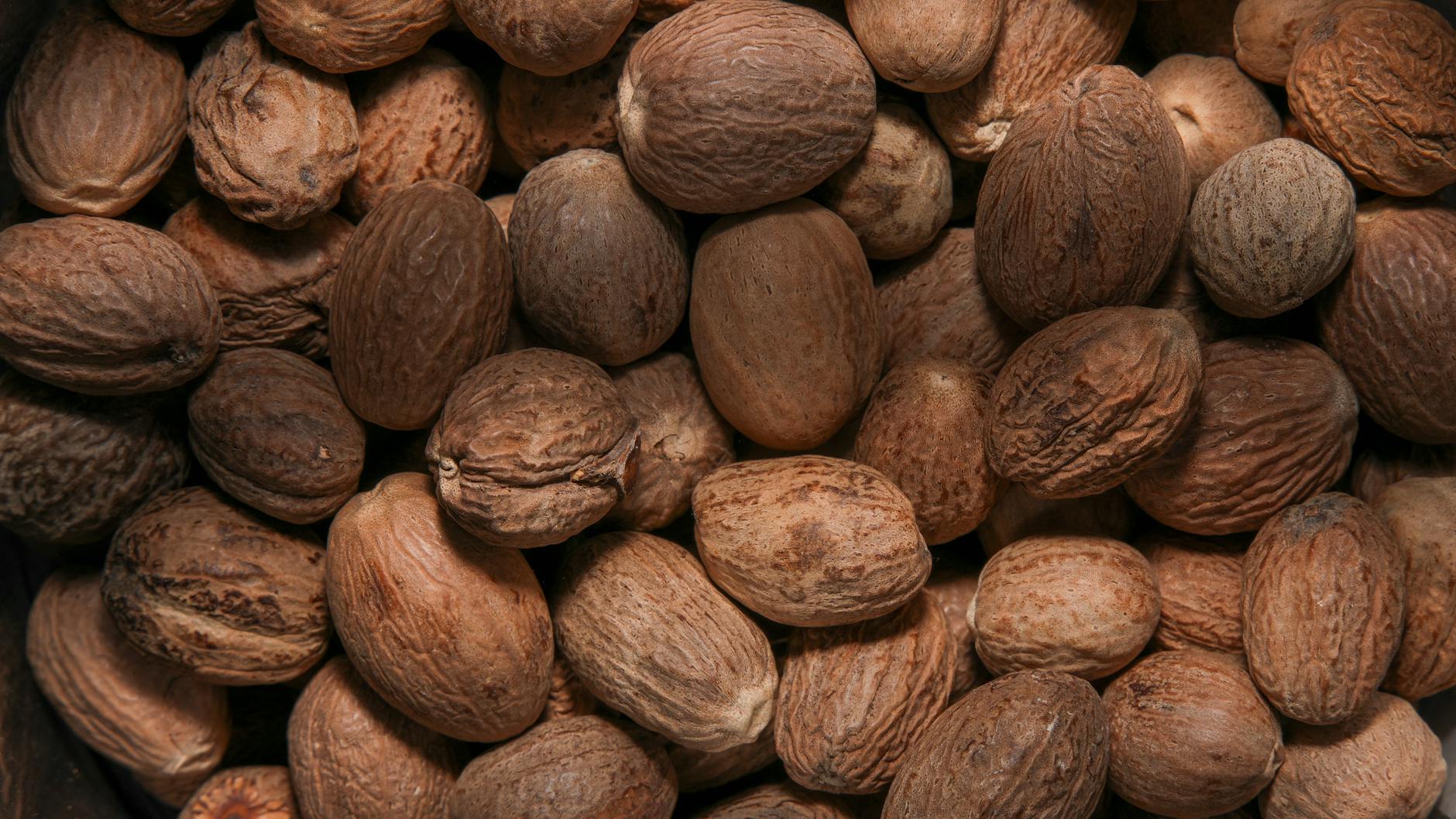
Nutmeg contains a compound called myristicin which is toxic to dogs in large amounts. Ingestion can cause hallucinations and disorientation along with increased heart rate. High doses may lead to seizures and dry mouth or abdominal pain. While a small amount in a baked good might not be fatal it is best to avoid feeding spiced foods entirely. Keeping spice jars tightly sealed prevents accidental spills that could tempt a pet.
Wild Mushrooms
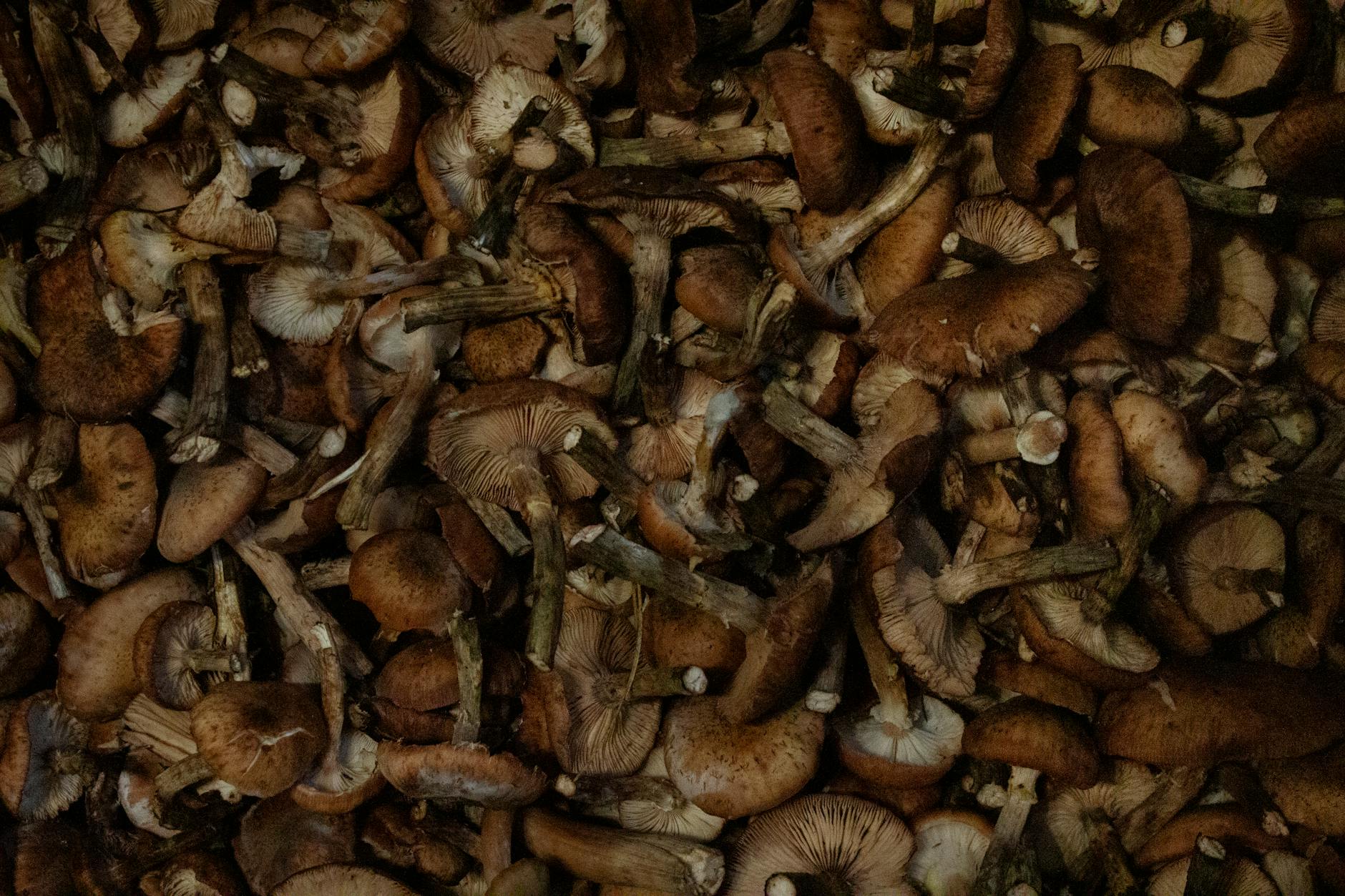
Many varieties of wild mushrooms are hepatotoxic and can cause liver failure or death. It is difficult for the average person to distinguish between safe and toxic species found in the yard. Symptoms of mushroom poisoning include vomiting and uncoordinated movements or seizures. Effects can be rapid and severe making immediate veterinary intervention critical. Regular yard maintenance to remove fungal growth helps prevent accidental ingestion.
Rhubarb
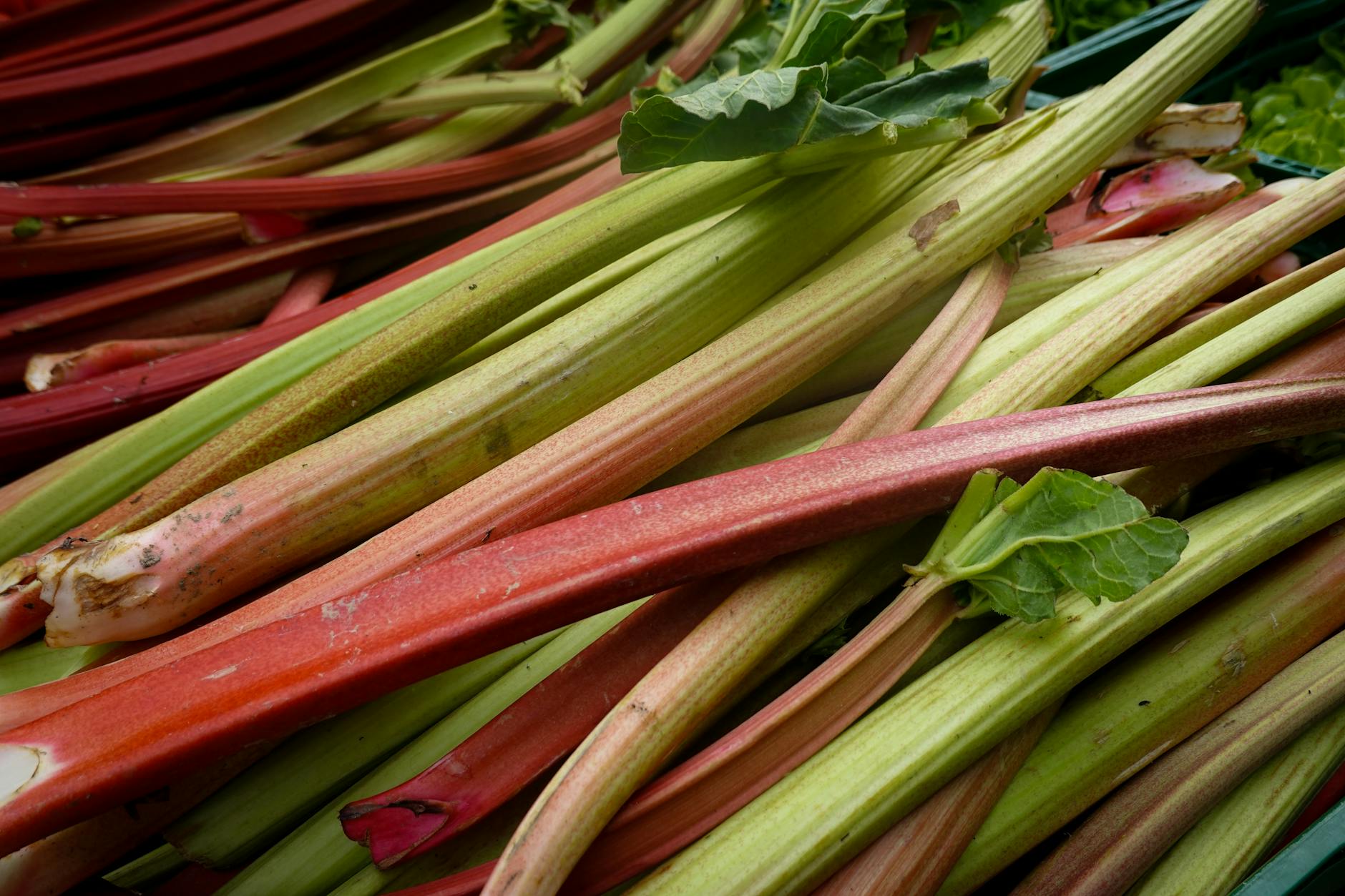
Rhubarb leaves contain soluble oxalate crystals which can cause kidney failure in dogs. The stalks are less toxic but the leaves are dangerous and can cause tremors and drooling. Ingestion depletes calcium levels in the body leading to weakness and potential heart complications. Cooking does not remove the toxins from the leaves so they should never be fed. Gardeners should fence off rhubarb plants to keep curious pets away.
Green Tomato Plants
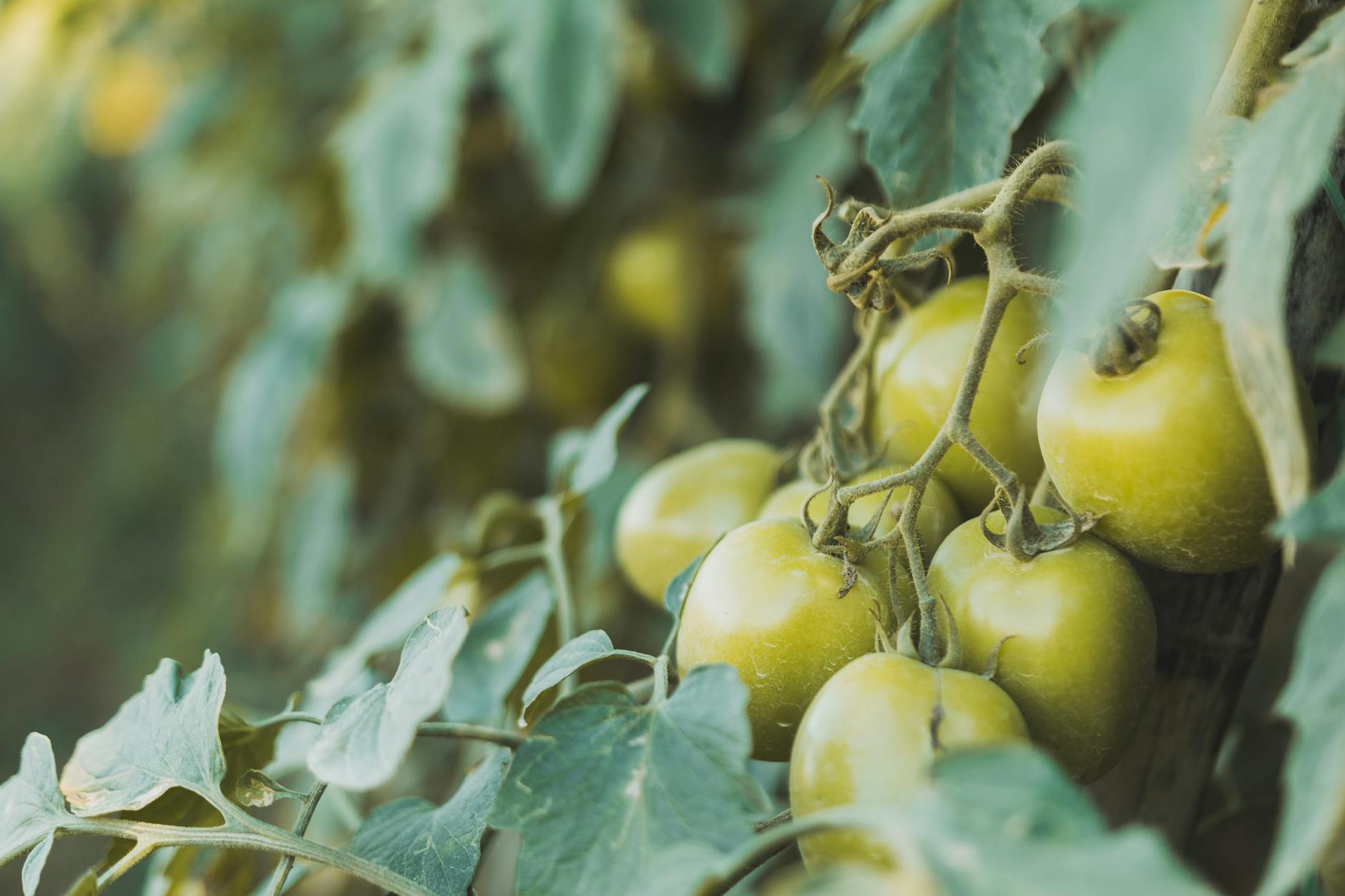
The green parts of the tomato plant including the stems and leaves contain solanine which is harmful to dogs. Consuming these parts can cause severe gastrointestinal upset and confusion or weakness. Solanine interferes with nerve transmission and can lead to a slow heart rate. Ripe red tomatoes are generally safe in small amounts but the greenery is strictly off-limits. Preventing access to vegetable gardens is the most effective safety measure.
Raw Potatoes
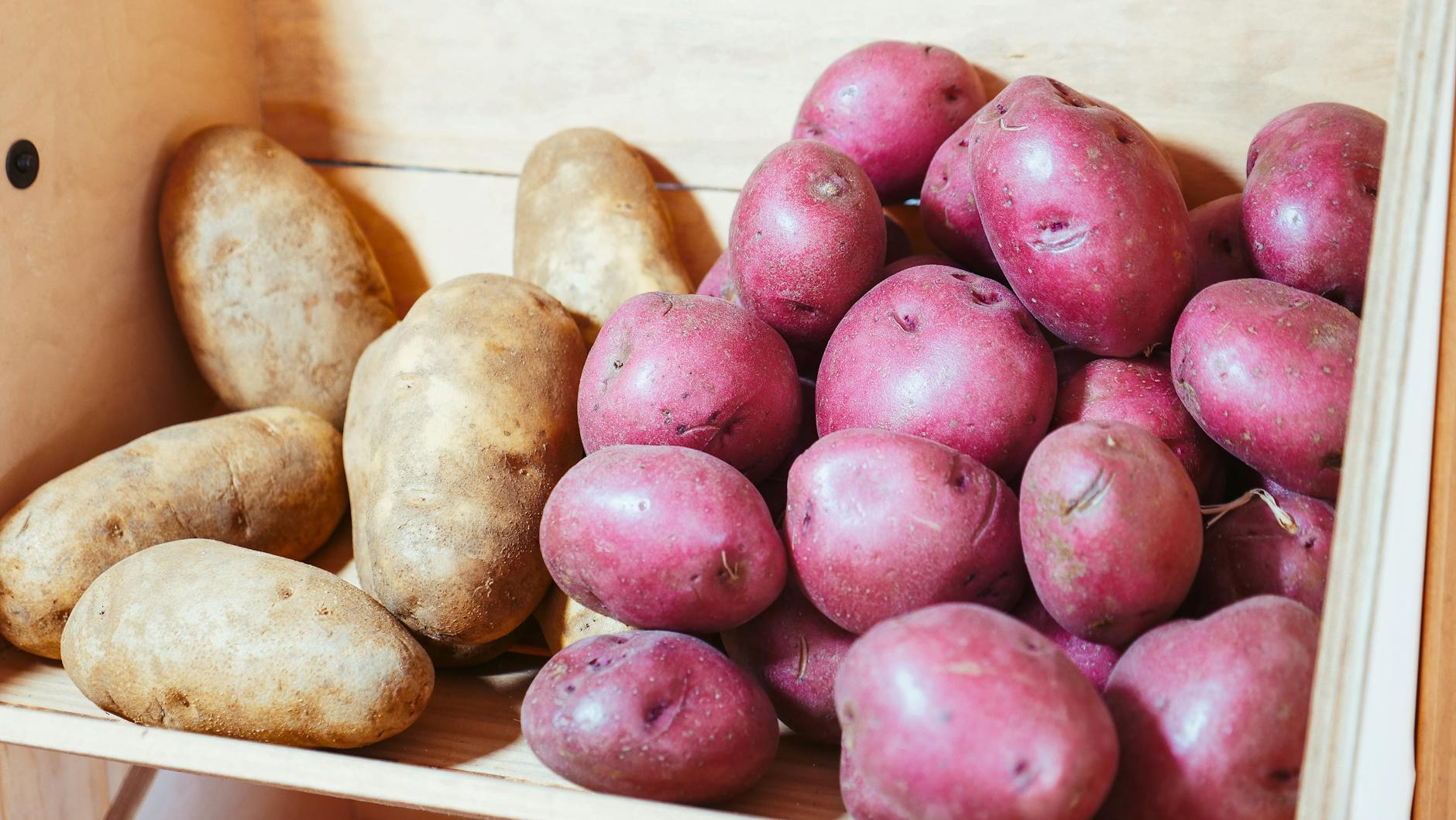
Raw potatoes and potato plants belong to the nightshade family and also contain solanine. Eating raw potatoes can cause vomiting and diarrhea along with central nervous system depression. Cooking the potato reduces the solanine levels and makes it safer for consumption in moderation. Green potatoes are particularly dangerous due to higher toxin concentrations. Always store raw potatoes in a pantry where dogs cannot access them.
Fat Trimmings
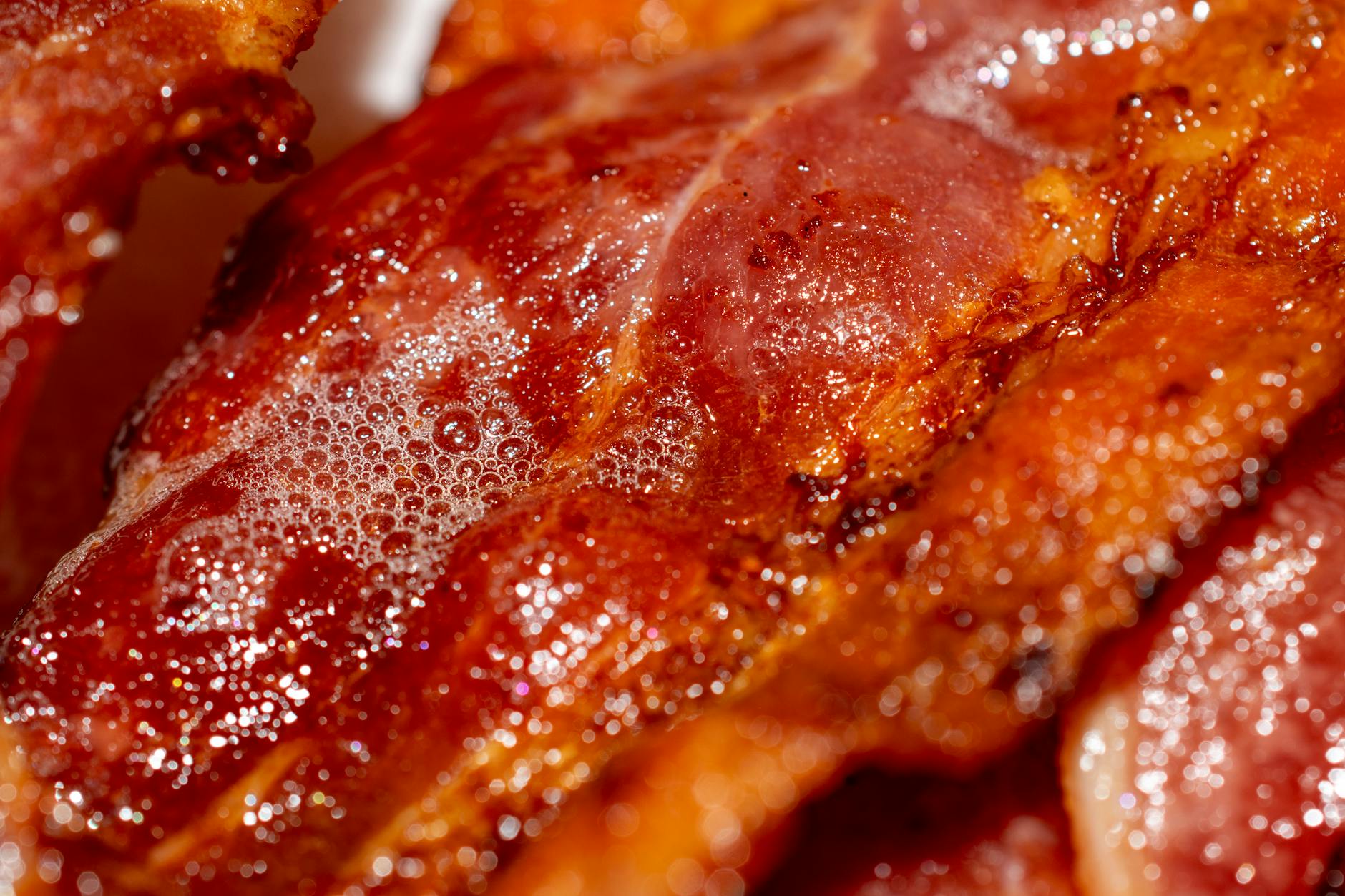
Trimmings from meat whether cooked or uncooked can cause pancreatitis in dogs. The high fat content overwhelms the pancreas causing it to become inflamed and painful. Symptoms include vomiting and abdominal pain often requiring hospitalization for fluids and pain management. Even a small piece of fatty bacon or steak fat can trigger this reaction in sensitive dogs. Lean meats are a much safer treat option for your pet.
Liver

Feeding small amounts of liver is healthy but excessive amounts can cause vitamin A toxicity. This condition affects muscles and bones and can lead to bone spurs or deformation. Symptoms include constipation and weight loss along with stiffness in movement. The toxicity builds up over time so it is important to limit liver intake. Consult a veterinarian about appropriate portion sizes for organ meats.
Persimmon Seeds
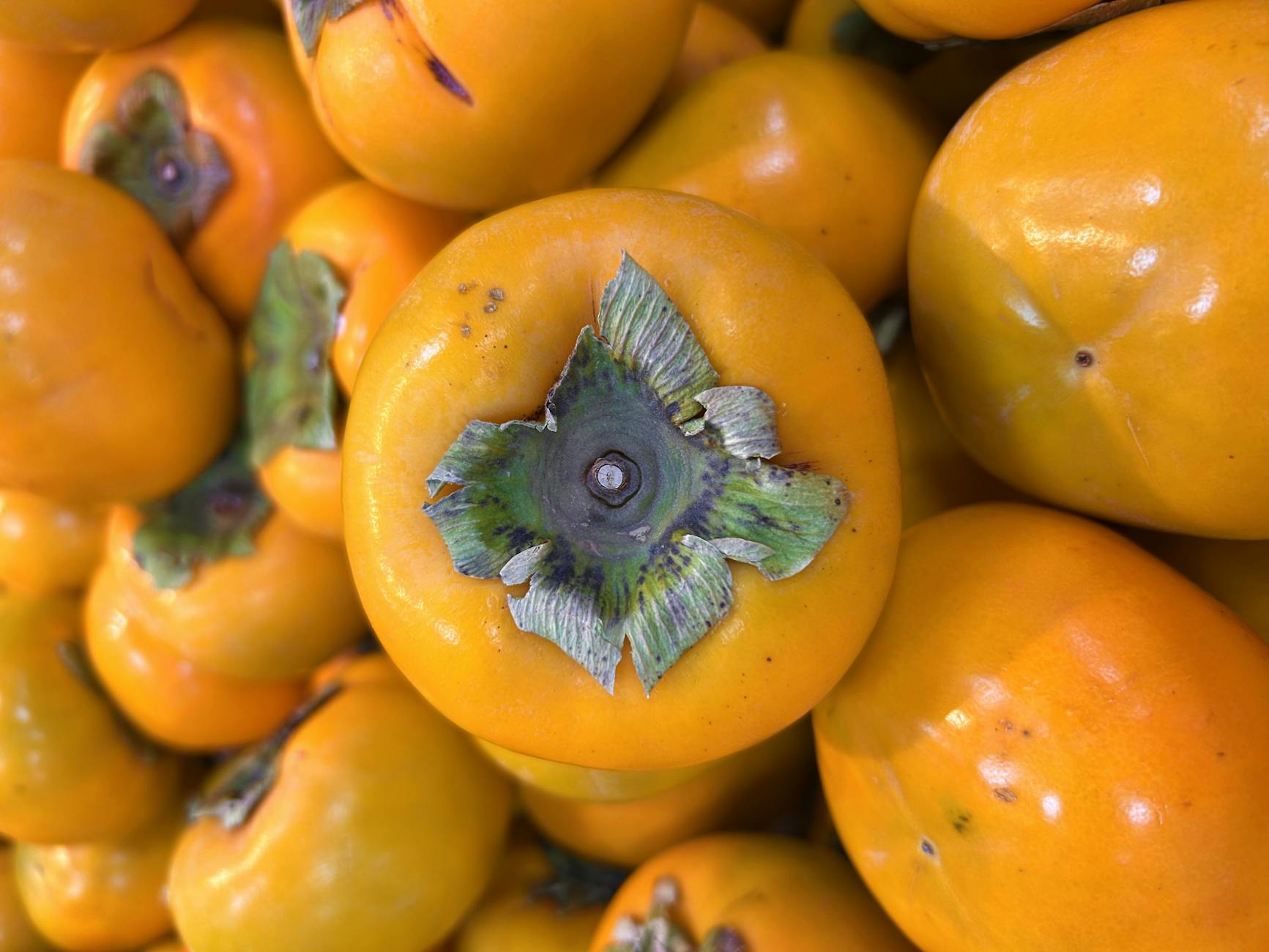
Persimmon seeds can cause inflammation of the small intestine and lead to intestinal obstruction. The seeds are also slippery and can easily be inhaled into the windpipe. Obstructions often require surgical removal and can be life-threatening if not treated. The fruit itself can be safe if the seeds are carefully removed beforehand. Avoiding the risk entirely by choosing other fruits is often the best strategy.
Corn on the Cob
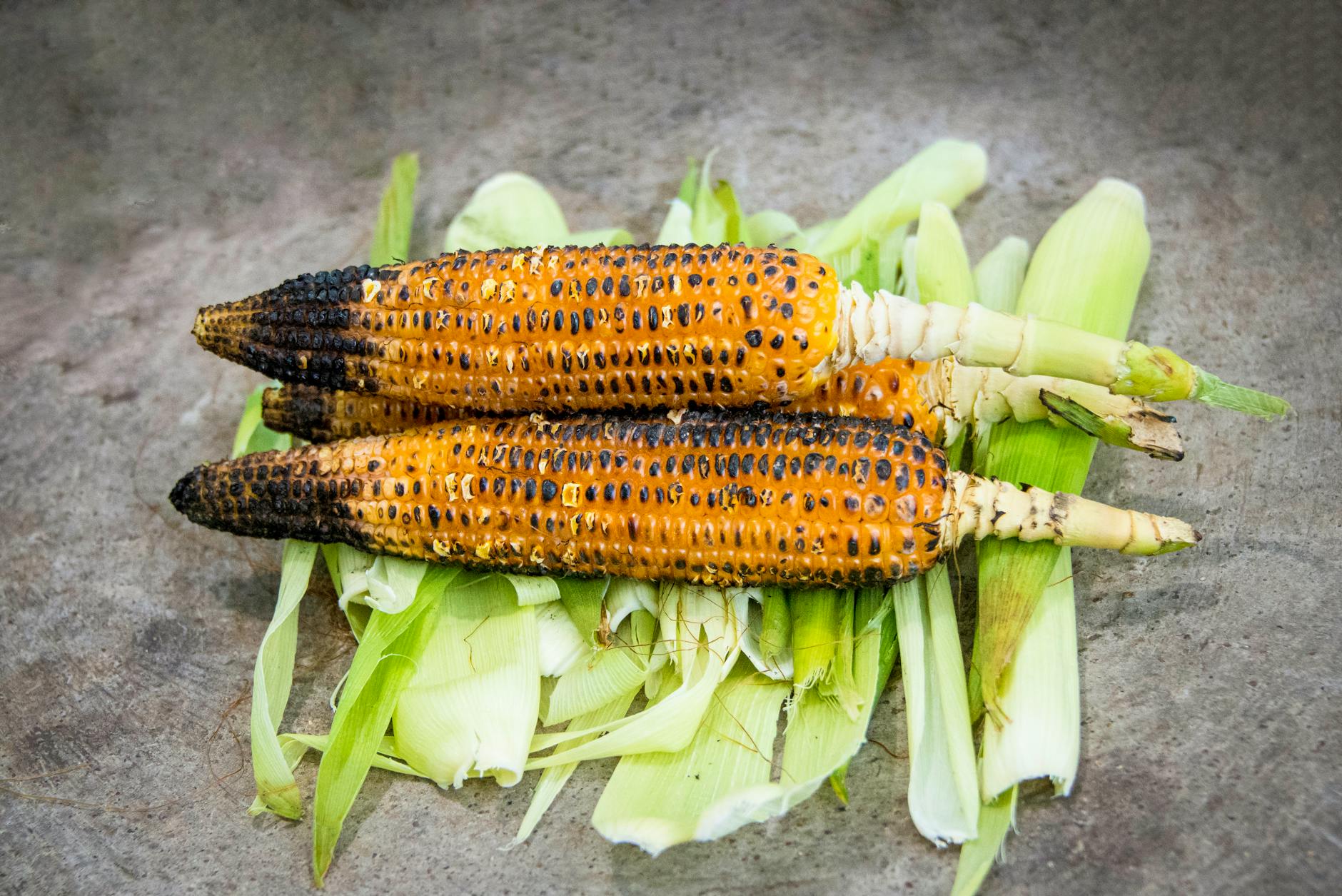
While corn kernels are safe for dogs the cob itself is a major choking hazard and causes intestinal blockages. The cob does not break down in the stomach and can become lodged in the digestive tract. Signs of obstruction include vomiting and straining to defecate or lethargy. Surgery is almost always required to remove a corn cob from the intestines. Dispose of cobs immediately in a secure trash bin after eating.
Moldy Food
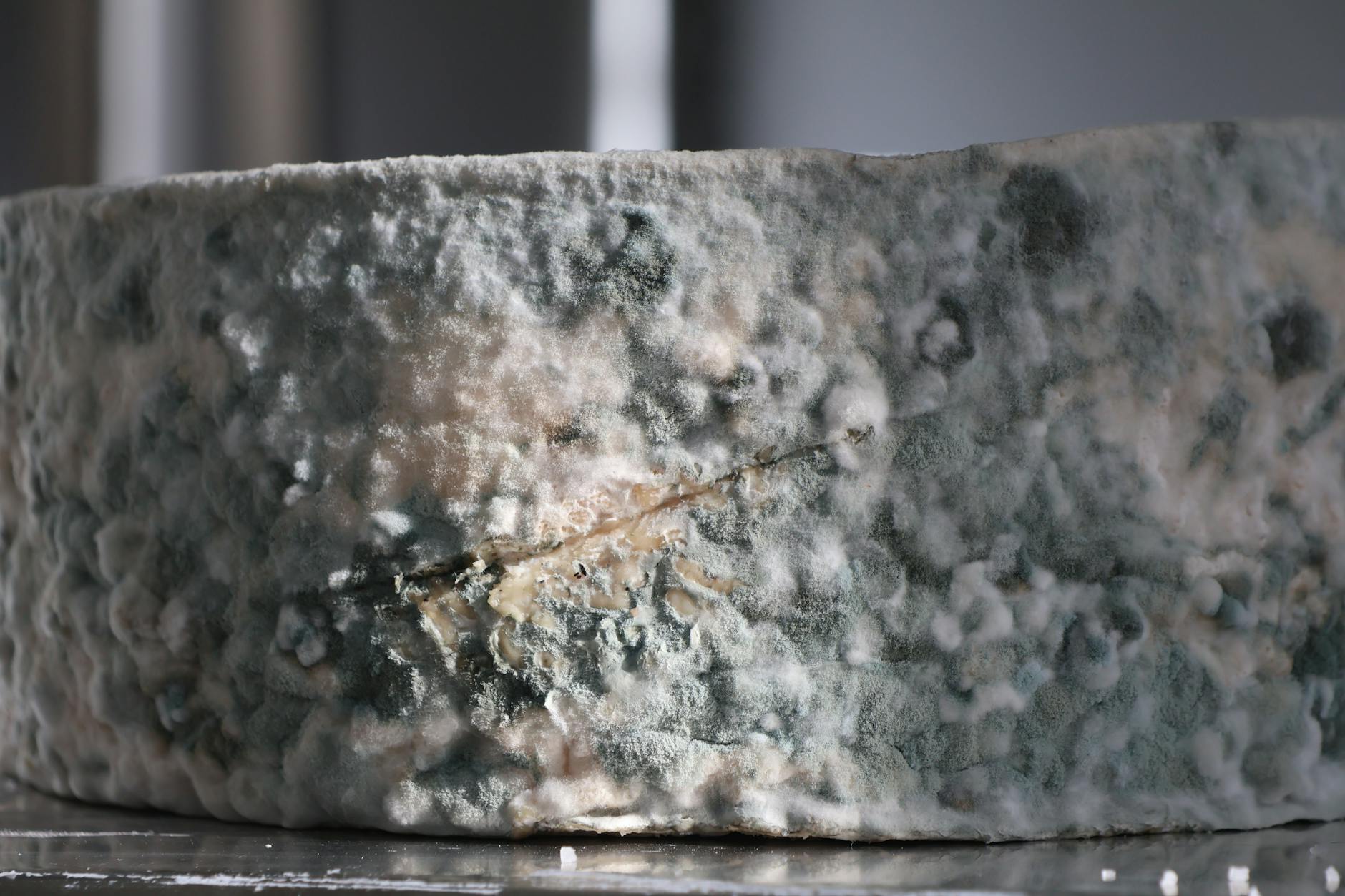
Moldy food from the garbage or compost pile often contains mycotoxins which are extremely dangerous. Tremorgenic mycotoxins found in moldy dairy or walnuts can cause severe muscle tremors and convulsions. Ingestion requires emergency treatment to control seizures and remove the toxins. Symptoms can progress rapidly and may be fatal without prompt care. Securing trash cans and compost bins prevents dogs from scavenging dangerous waste.
Please tell us in the comments which of these foods surprised you the most or if you have any safety tips to add.