Winter weather transforms landscapes into beautiful scenery but also introduces hidden hazards that require careful preparation. Many individuals venture into freezing conditions without understanding the severe physiological and environmental risks involved. Recognizing common errors in winter safety can significantly reduce the likelihood of hypothermia or cold weather injuries. Proper knowledge and proactive measures ensure outdoor activities remain safe and enjoyable during the colder months.
Ignoring Layered Clothing Principles

Wearing a single thick coat instead of multiple layers traps moisture against the skin and accelerates body heat loss. Base layers made of synthetic materials wick sweat away from the body to keep the skin dry. A middle insulating layer traps warmth while an outer waterproof shell protects against wind and precipitation. Failing to utilize this system often leads to a rapid drop in core temperature during physical exertion.
Consuming Alcohol for Warmth

Many people mistakenly believe drinking alcoholic beverages helps warm the body during cold weather exposure. Alcohol actually causes blood vessels to dilate and moves warm blood away from the core toward the surface of the skin. This physiological reaction creates a false sensation of warmth while actively decreasing the overall internal body temperature. Consuming alcohol also impairs judgment and reduces a person’s ability to recognize the early warning signs of frostbite.
Neglecting Proper Eye Protection
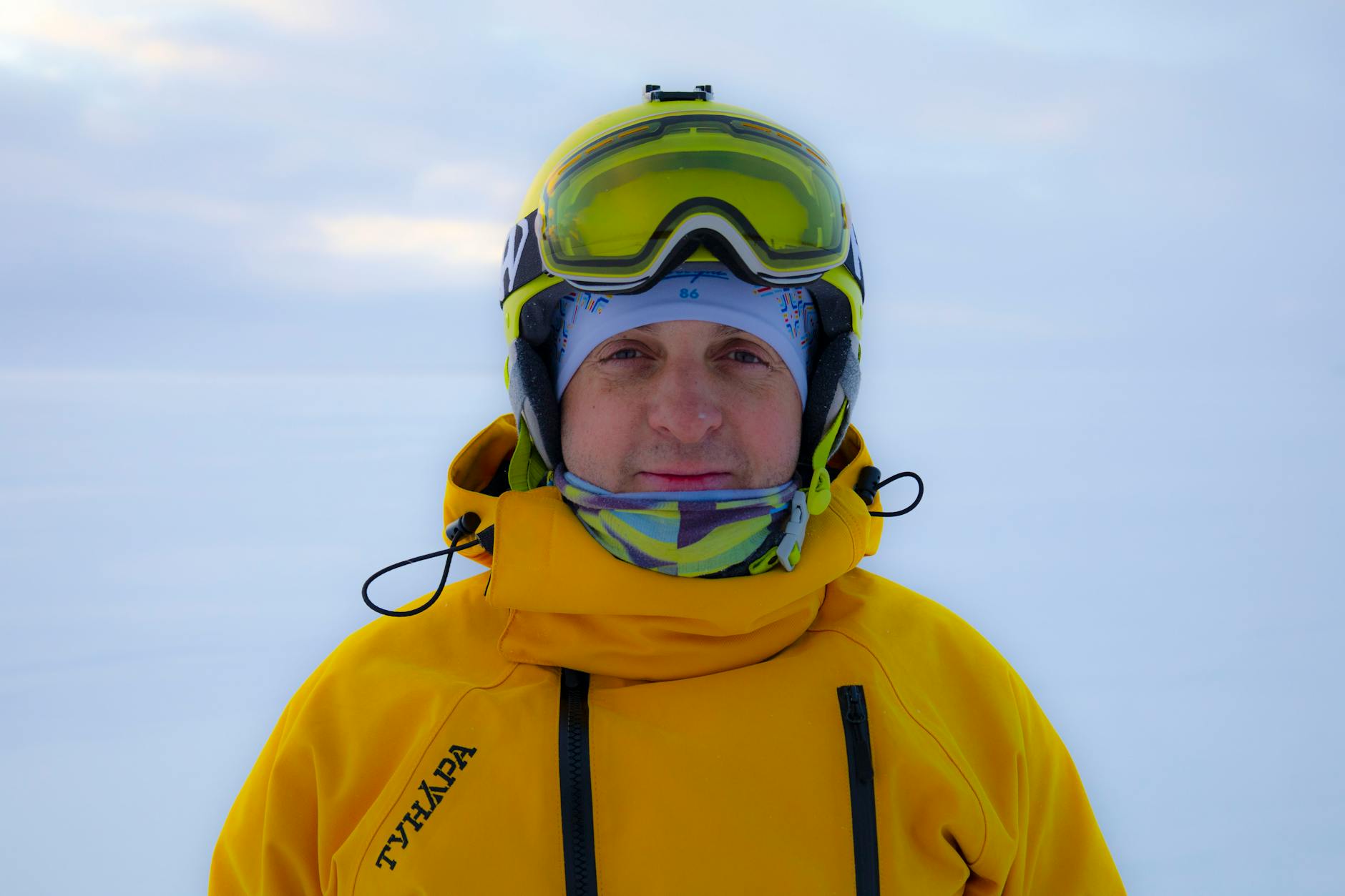
Snow reflects a massive percentage of ultraviolet sunlight and greatly intensifies exposure to the eyes. Spending extended periods in snowy environments without proper sunglasses or goggles can cause a painful condition called snow blindness. This temporary vision loss results from corneal sunburn and severely disorients individuals in unfamiliar terrain. Wraparound eyewear with polarized lenses provides the necessary defense against these intense reflected rays.
Overexerting During Snow Shoveling
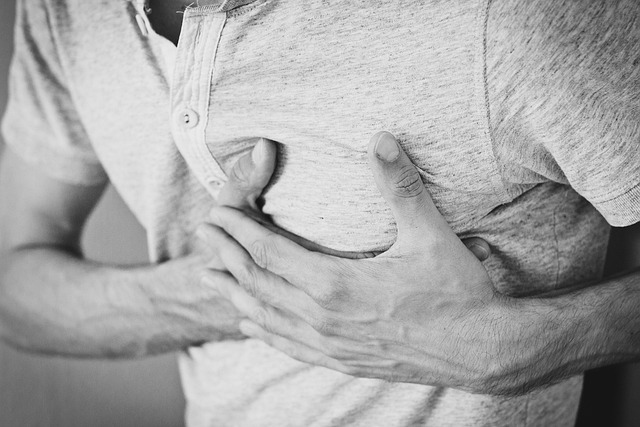
Removing heavy snow from driveways places sudden and extreme stress on the cardiovascular system. Cold temperatures constrict arteries and increase blood pressure while the physical labor forces the heart to work much harder. This combination creates a perfect storm for heart attacks in individuals who are not accustomed to vigorous exercise. Taking frequent breaks and using ergonomic shovels can mitigate the immense physical strain placed on the body.
Wearing Cotton Base Layers

Cotton fabrics absorb moisture rapidly and lose all of their insulating properties once they become wet. Sweating during winter activities dampens cotton garments and leaves a cold layer clinging directly to the skin. This trapped moisture drastically increases the speed at which the body loses essential heat to the freezing environment. Opting for merino wool or specialized athletic synthetics prevents this dangerous cooling effect altogether.
Ignoring the Extremities

Fingers and toes are highly susceptible to frostbite because the body naturally diverts blood flow to protect vital organs during cold stress. Many individuals wear insufficient gloves or thin socks that fail to provide adequate thermal protection. Insulated and waterproof mittens consistently keep hands warmer than traditional fingered gloves by allowing body heat to circulate around all digits. Proper winter footwear with thick soles creates a necessary thermal barrier against the freezing ground.
Relying on Cell Phones for Navigation
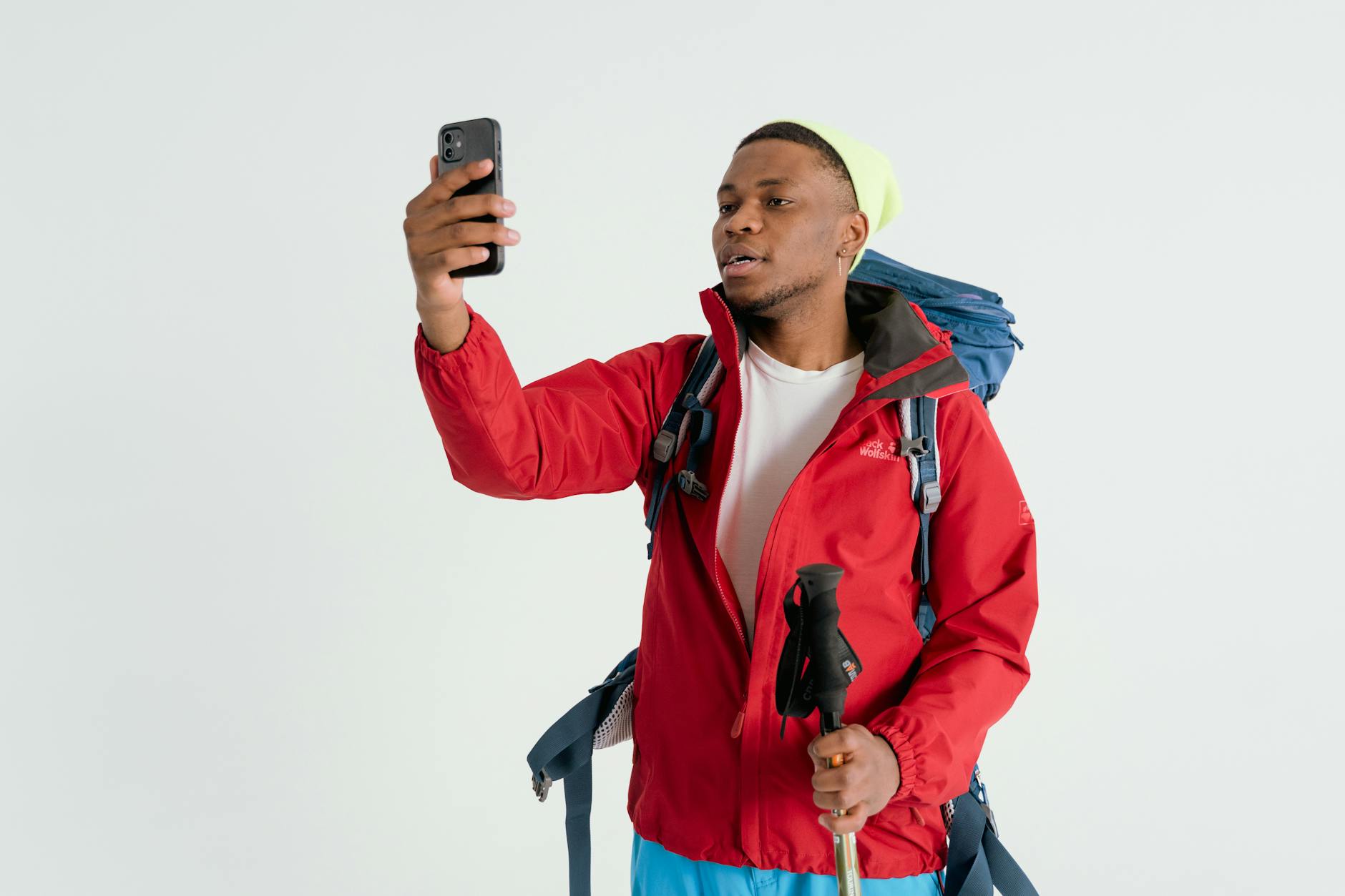
Modern smartphones experience rapid battery depletion when exposed to freezing temperatures. Relying solely on a digital map app can leave hikers completely stranded and disoriented if the device suddenly shuts down. Cold environments degrade lithium battery performance and cause unexpected power failures even when the indicator shows a high charge. Carrying a physical topographic map and a traditional compass ensures safe navigation back to shelter.
Underestimating Ice Thickness
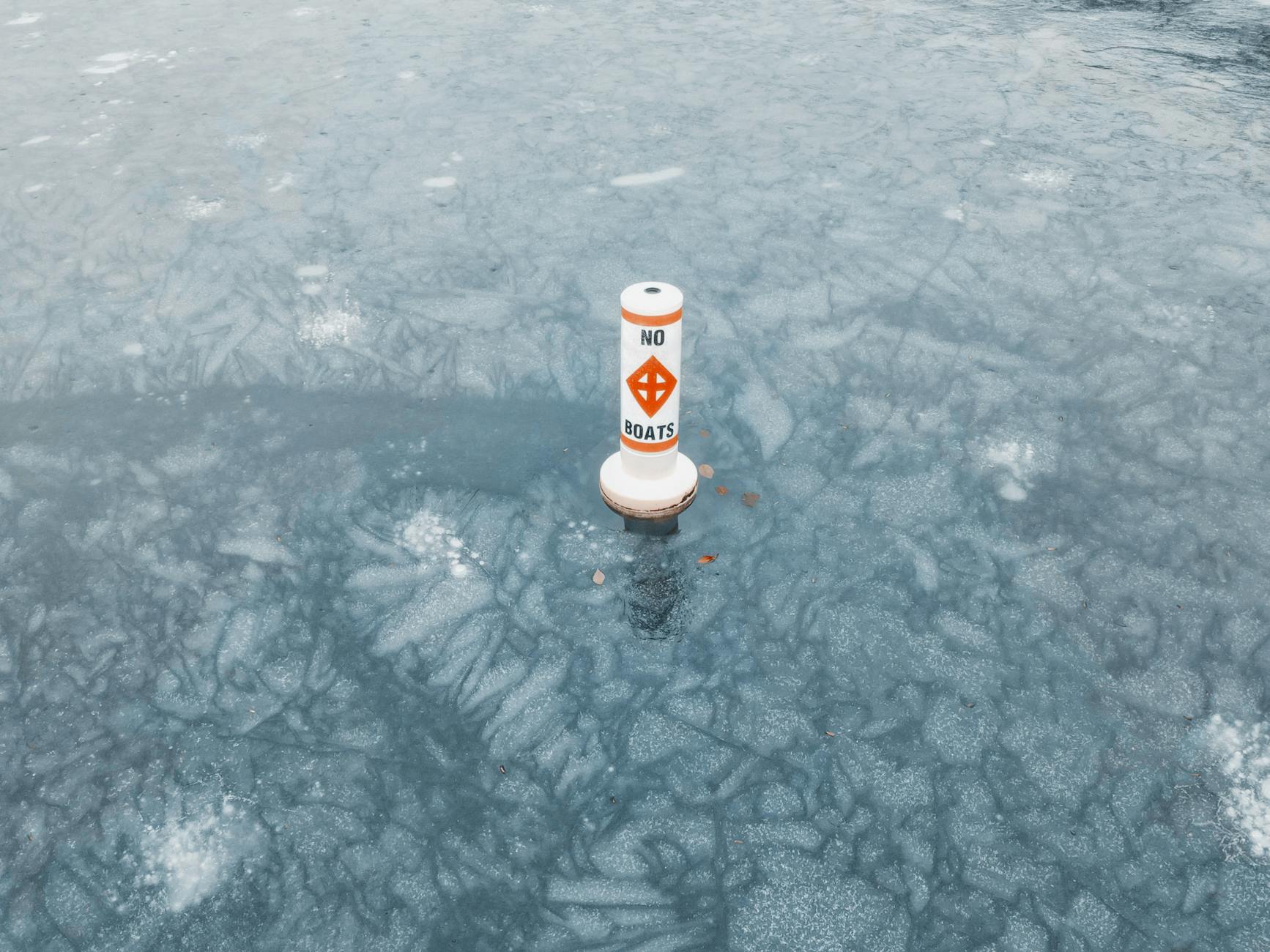
Walking or skating on frozen bodies of water without verifying the ice thickness leads to catastrophic immersion accidents. Ice rarely freezes at a uniform depth and can easily conceal dangerously thin spots caused by underwater currents. Falling into freezing water triggers an involuntary gasp reflex that often results in immediate water inhalation and drowning. Experts recommend drilling test holes to confirm a minimum solid depth before stepping onto any frozen lake or pond.
Driving Too Fast for Conditions
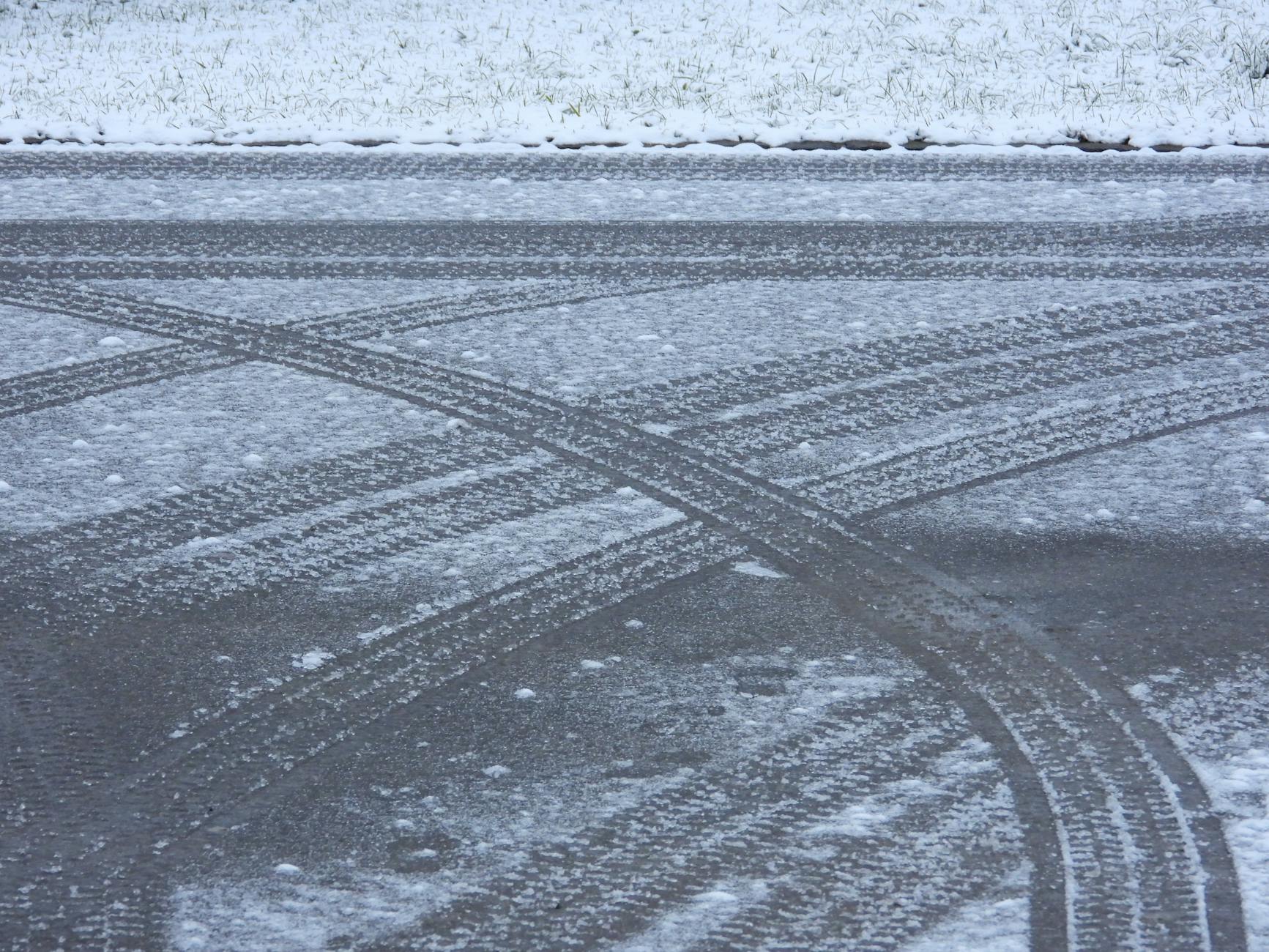
Snow and ice drastically reduce tire traction and multiply the distance required to bring a vehicle to a complete stop. Four wheel drive systems help a vehicle accelerate in slippery conditions but offer absolutely no advantage when attempting to brake. Drivers who overestimate their vehicle capabilities often lose control and slide off the roadway or into oncoming traffic. Reducing speed and leaving ample space between vehicles prevents the majority of winter driving collisions.
Failing to Hydrate Adequately

Cold weather suppresses the natural thirst mechanism and causes people to consume far less water than they actually need. Breathing cold dry air strips significant moisture from the lungs with every exhalation and accelerates overall dehydration. The physical exertion of walking through deep snow also burns massive amounts of energy and increases fluid loss through sweat. Drinking warm fluids consistently throughout the day maintains proper hydration levels and helps regulate internal body temperature.
Ignoring the Signs of Hypothermia
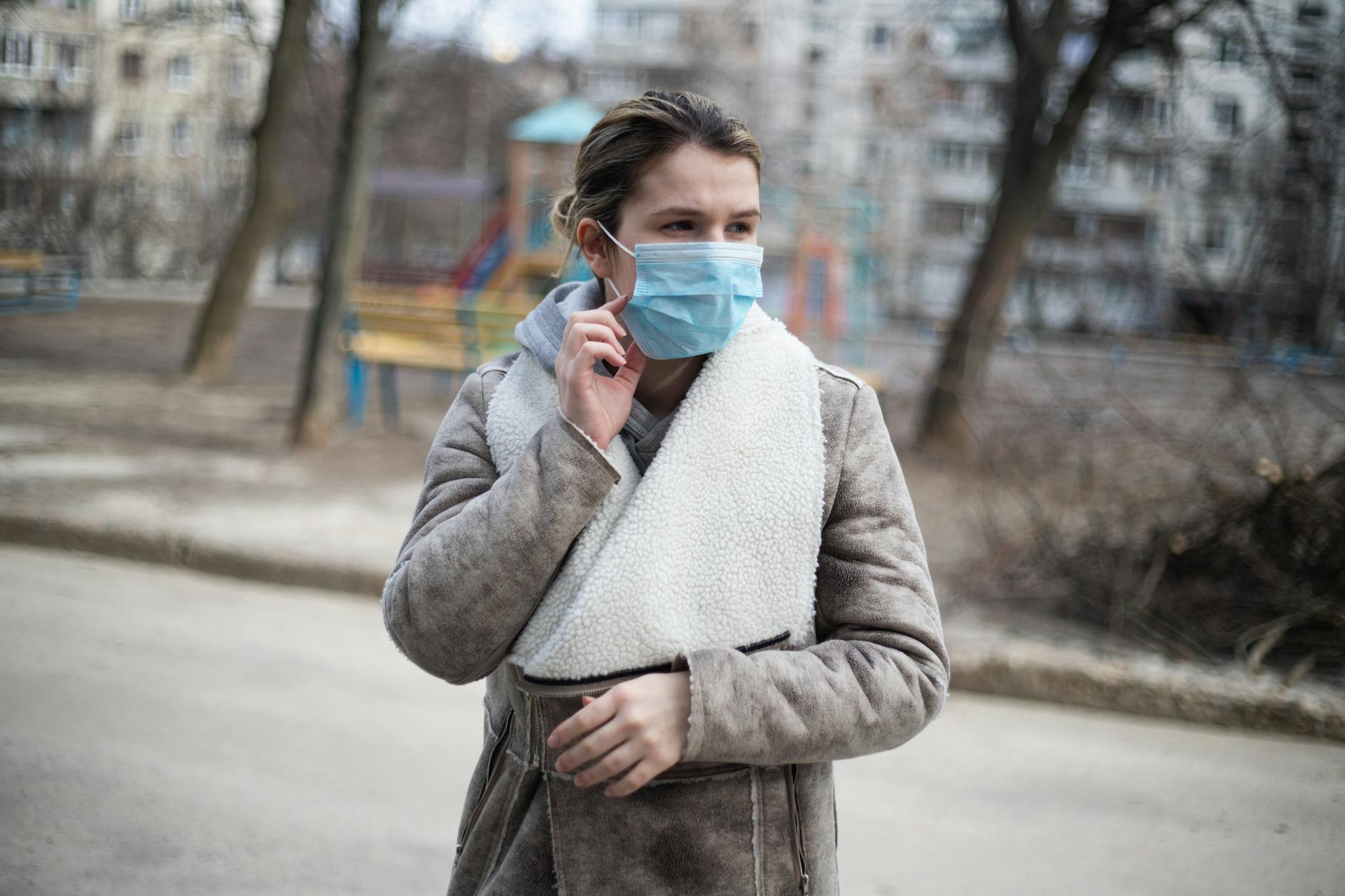
Hypothermia occurs when the body loses heat faster than it can produce it and leads to a dangerously low core temperature. Early symptoms include intense shivering and mild confusion but many people dismiss these warning signs as normal cold reactions. As the condition worsens shivering may stop entirely while coordination and speech become severely impaired. Immediate action to find dry shelter and warm the body is required to prevent life threatening medical emergencies.
Leaving Skin Exposed to Wind
Wind chill rapidly strips away the thin layer of warm air surrounding the body and drastically accelerates heat loss. Even a mild breeze on a freezing day can cause exposed skin to develop frostnip or frostbite within minutes. Covering the face and neck with balaclavas or scarves provides essential protection against the biting cold air. Minimizing exposed surface area serves as a primary defense mechanism against severe tissue damage.
Venturing Out Without Emergency Supplies
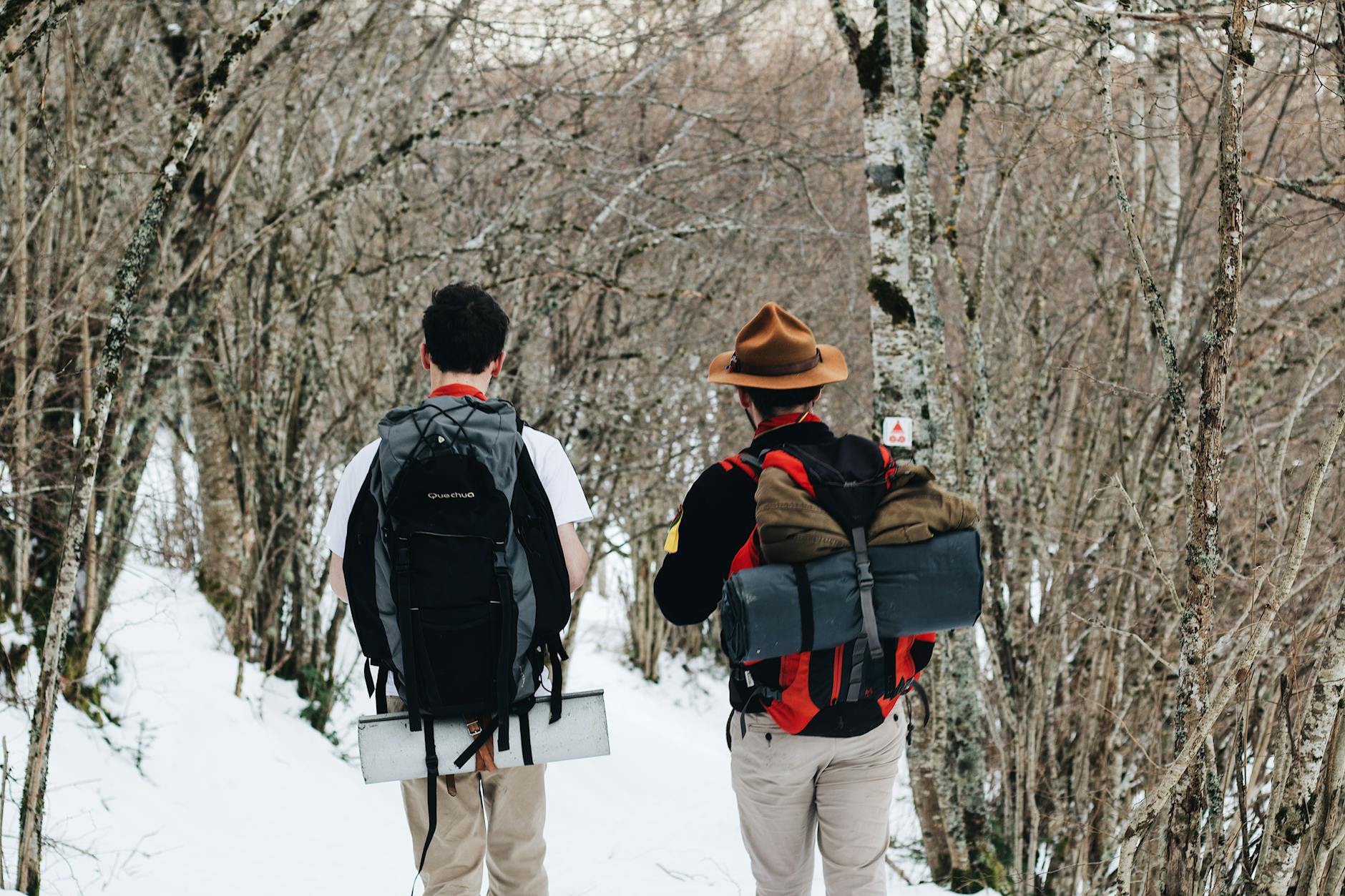
Taking short hikes or drives in winter weather without backup supplies leaves individuals vulnerable to sudden weather changes. Vehicles sliding off rural roads can trap passengers for hours while they wait for emergency rescue teams to arrive. Keeping extra blankets and high energy snacks packed ensures survival if a minor delay turns into an extended wait. Small survival kits containing chemical hand warmers and signaling devices make a massive difference in emergency situations.
Ignoring Avalanche Warnings
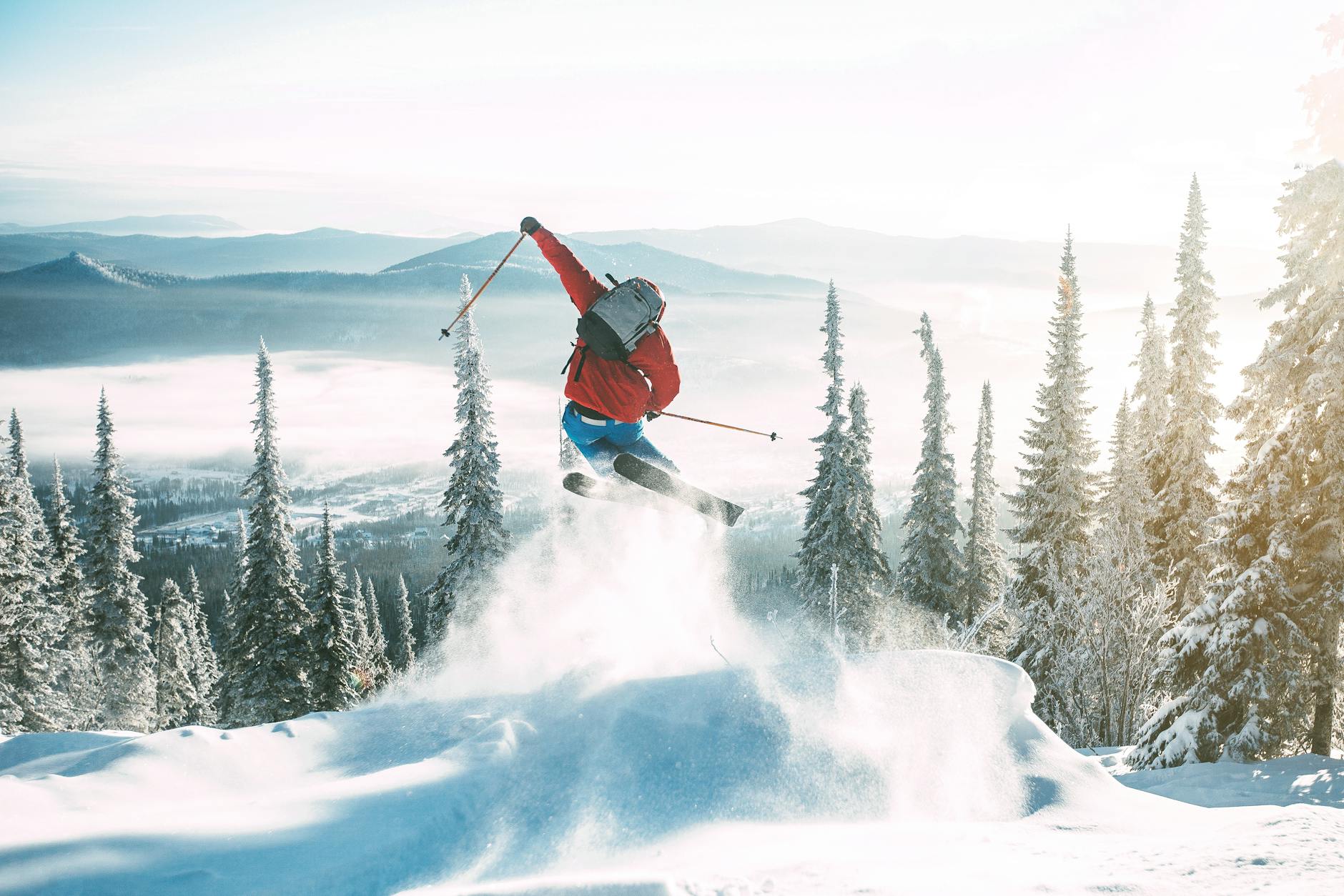
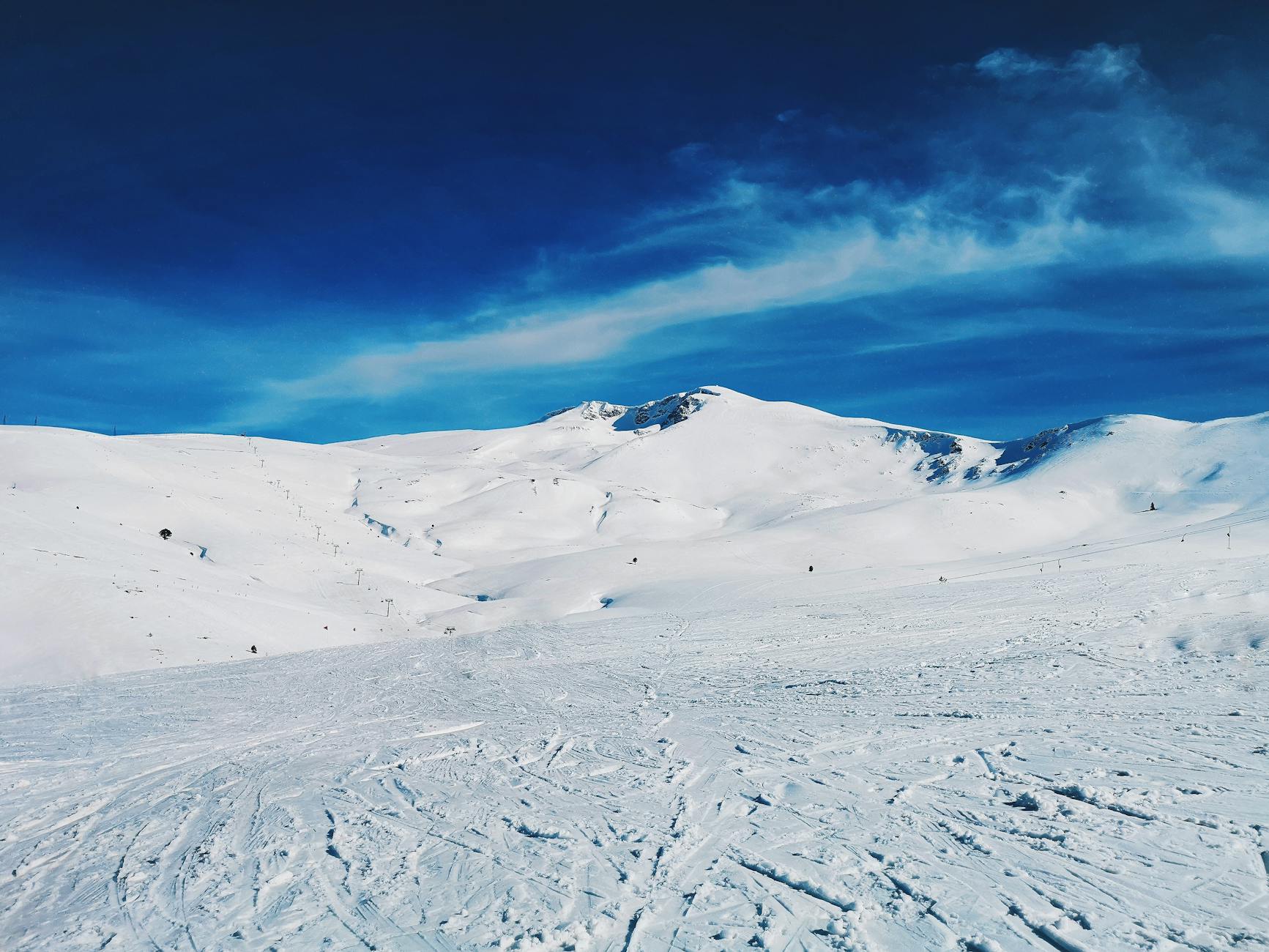
Skiers and snowboarders often venture out of bounds into backcountry areas without checking local avalanche forecasts. Fresh heavy snow accumulation on steep inclines creates highly unstable conditions that trigger easily under human weight. Traveling without proper avalanche rescue beacons and probes drastically reduces the chances of survival if a slide occurs. Respecting boundary markers and heeding expert warnings prevents tragic accidents in unpredictable mountain terrain.
Overdressing Before Physical Activity
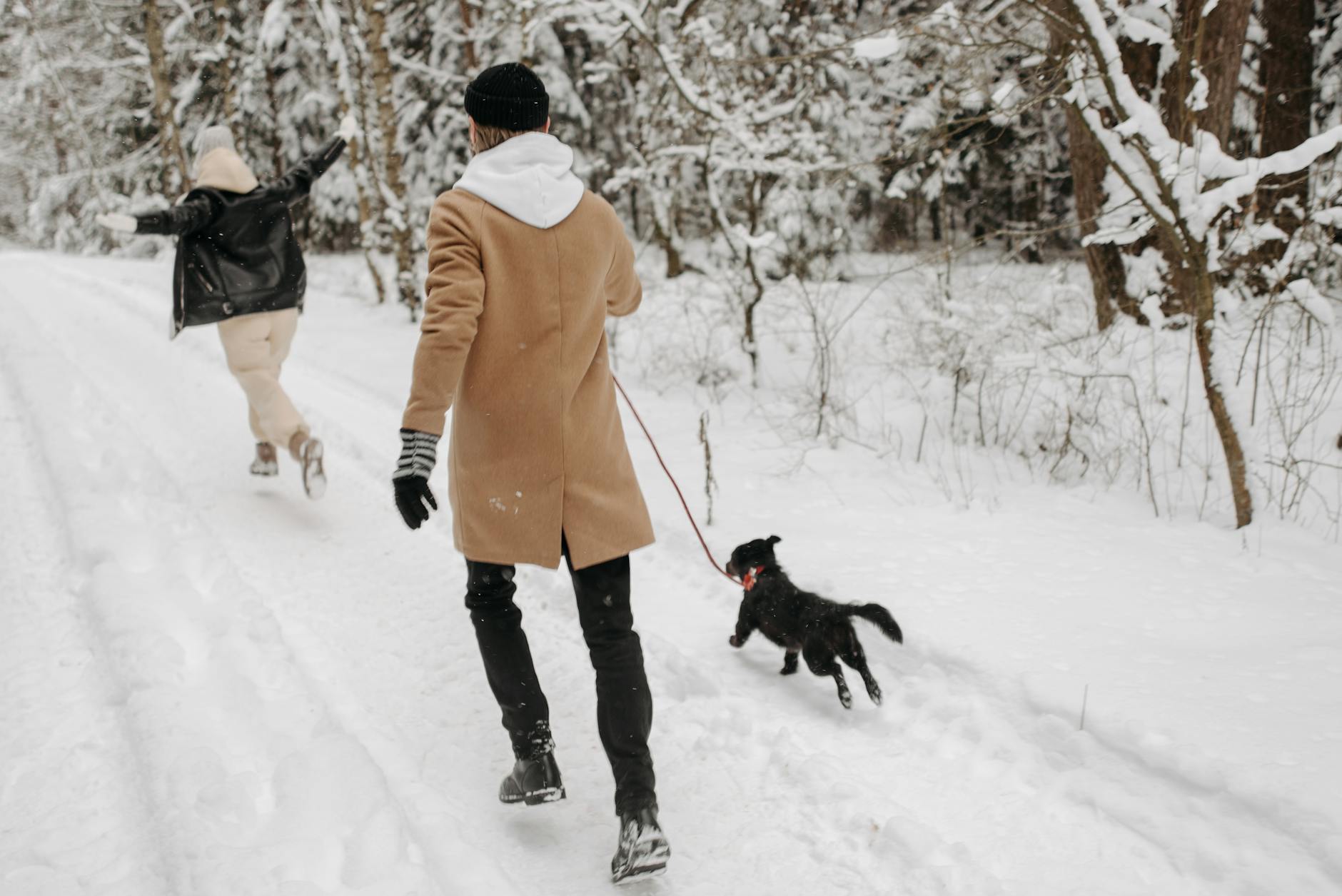
Starting a strenuous outdoor activity while wearing too many heavy layers guarantees excessive sweating right from the beginning. Once the activity stops or slows down that accumulated sweat freezes and causes a rapid chill. Experts recommend starting a hike or ski session feeling slightly cold because the body will naturally generate heat through movement. Adjusting zippers and removing a layer before sweating begins helps maintain a safe and comfortable internal climate.
Please share your own winter safety tips or experiences with cold weather mistakes in the comments.