Urban exploration often rewards the curious traveler with hidden gems and vibrant culture but certain districts demand extreme caution after the sun sets. Walking alone in specific neighborhoods can expose individuals to significant risks ranging from petty theft to serious violent crime. Awareness of these high-risk zones is an essential part of travel preparation for anyone visiting major metropolitan areas around the globe. The following list identifies twenty specific areas where safety is frequently compromised during nighttime hours.
Cité Soleil
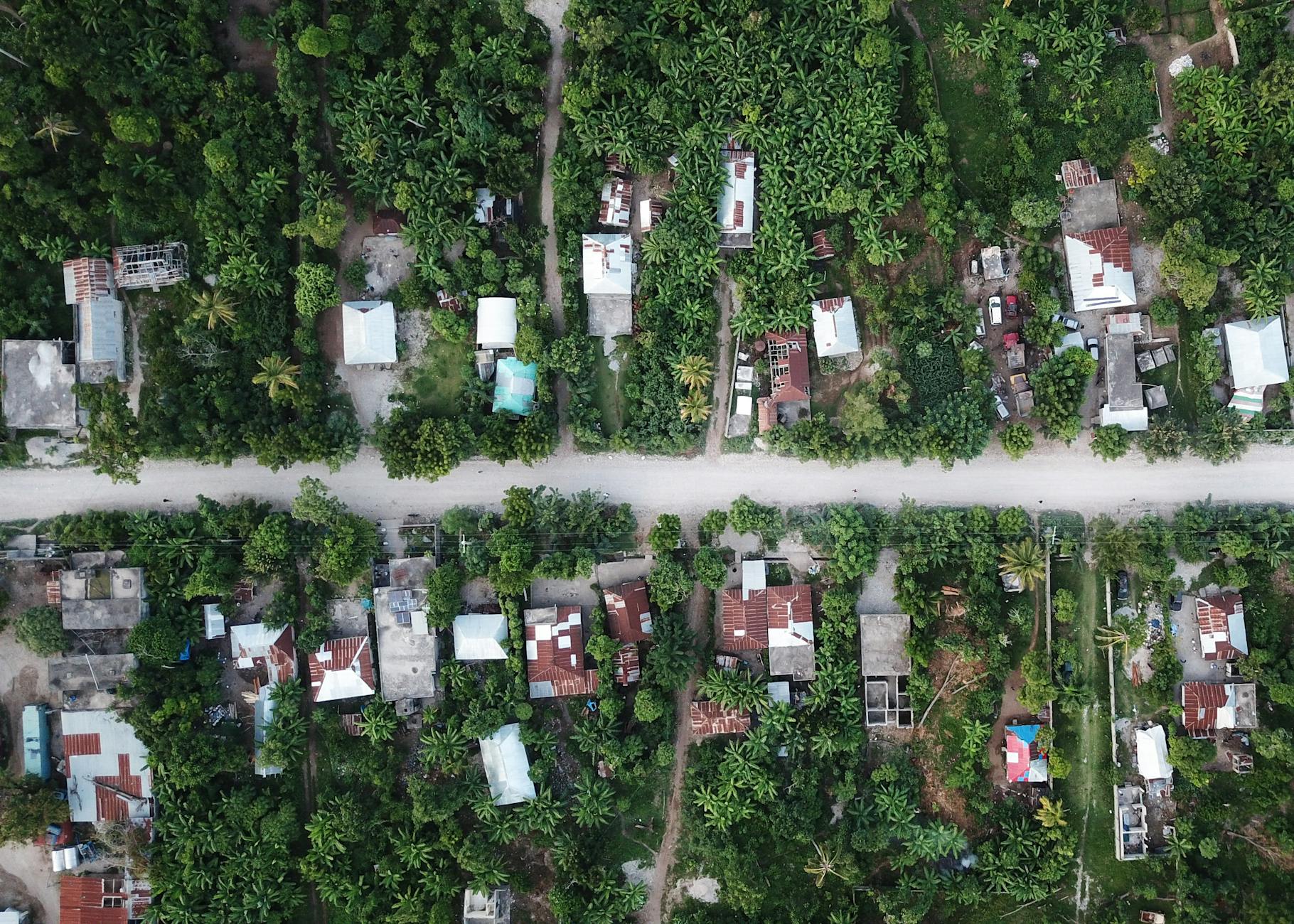
This densely populated commune in the metropolitan area of Port-au-Prince is widely considered one of the most dangerous areas in the Western Hemisphere. The lack of effective police presence allows local gangs to control the streets and impose their own rules. Violence often erupts without warning and makes walking alone at night exceptionally perilous for outsiders and residents alike. Humanitarian aid workers and journalists typically avoid entering this zone without heavy security and local negotiation.
Petare
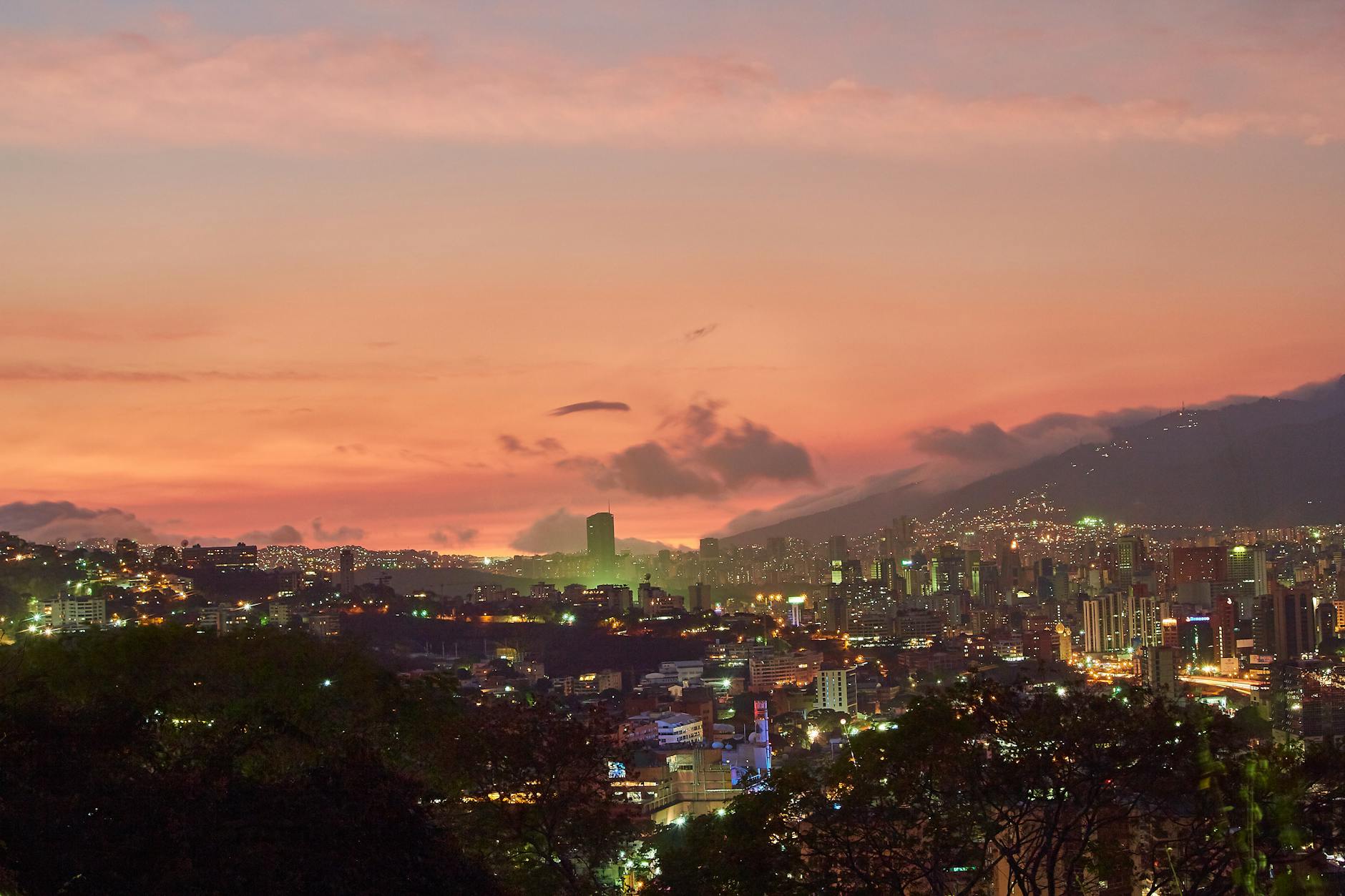
Located in the eastern part of Caracas this sprawling neighborhood is one of the largest slums in Latin America. The area struggles with high homicide rates and frequent armed robberies that intensify significantly after dark. Narrow streets and limited lighting create an environment where criminal activity can occur with relative impunity. Travelers are consistently advised by local authorities to avoid this district entirely and to stick to safer municipal zones.
Cape Flats
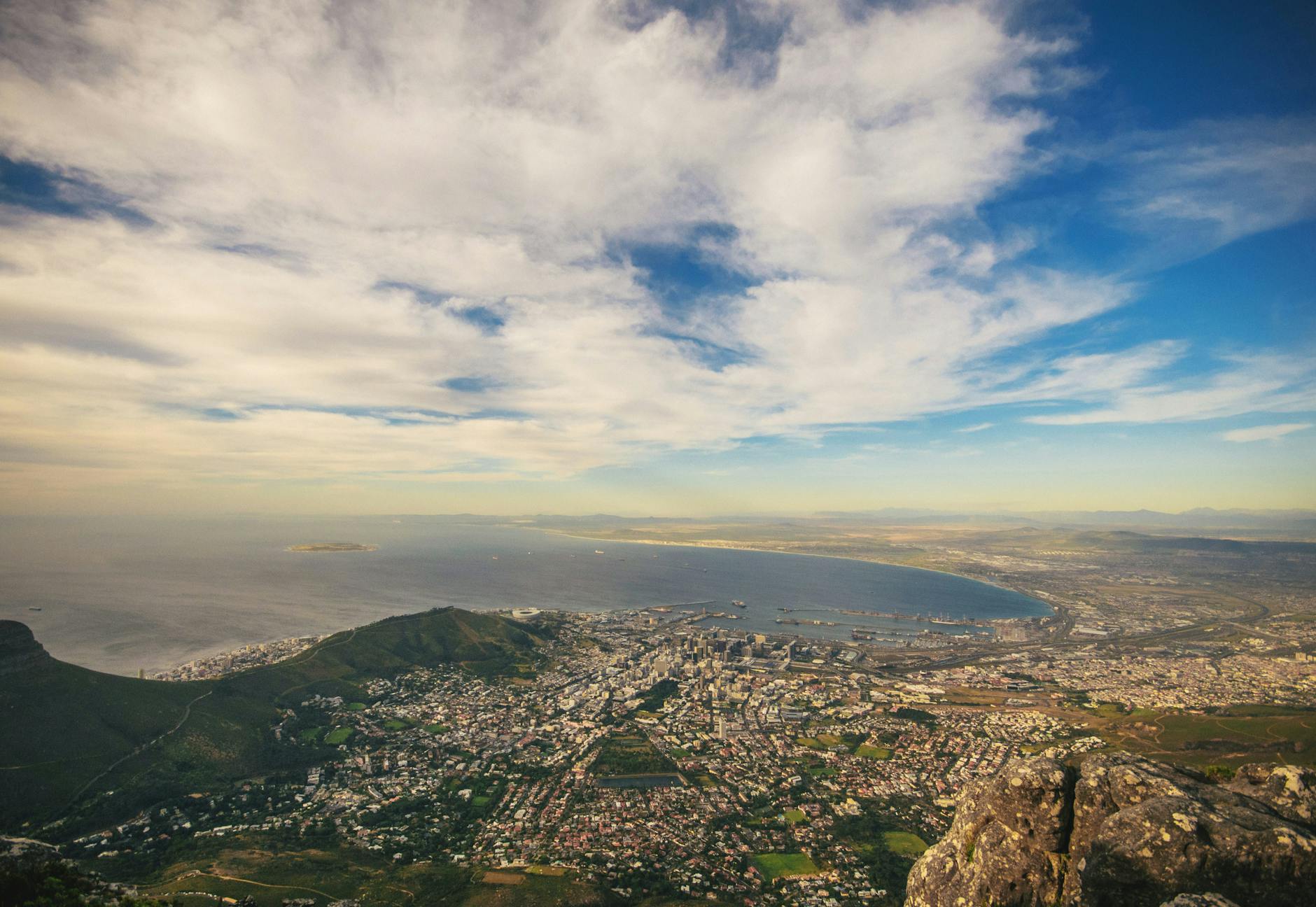
This expansive area to the southeast of the central business district in Cape Town is known for organized gang activity and high violent crime rates. The flat geographical layout consists of various townships where turf wars can break out unexpectedly. Public transport is unreliable at night and walking alone leaves individuals vulnerable to muggings or assault. Local residents often abide by self-imposed curfews to ensure their own safety during the volatile evening hours.
Tepito
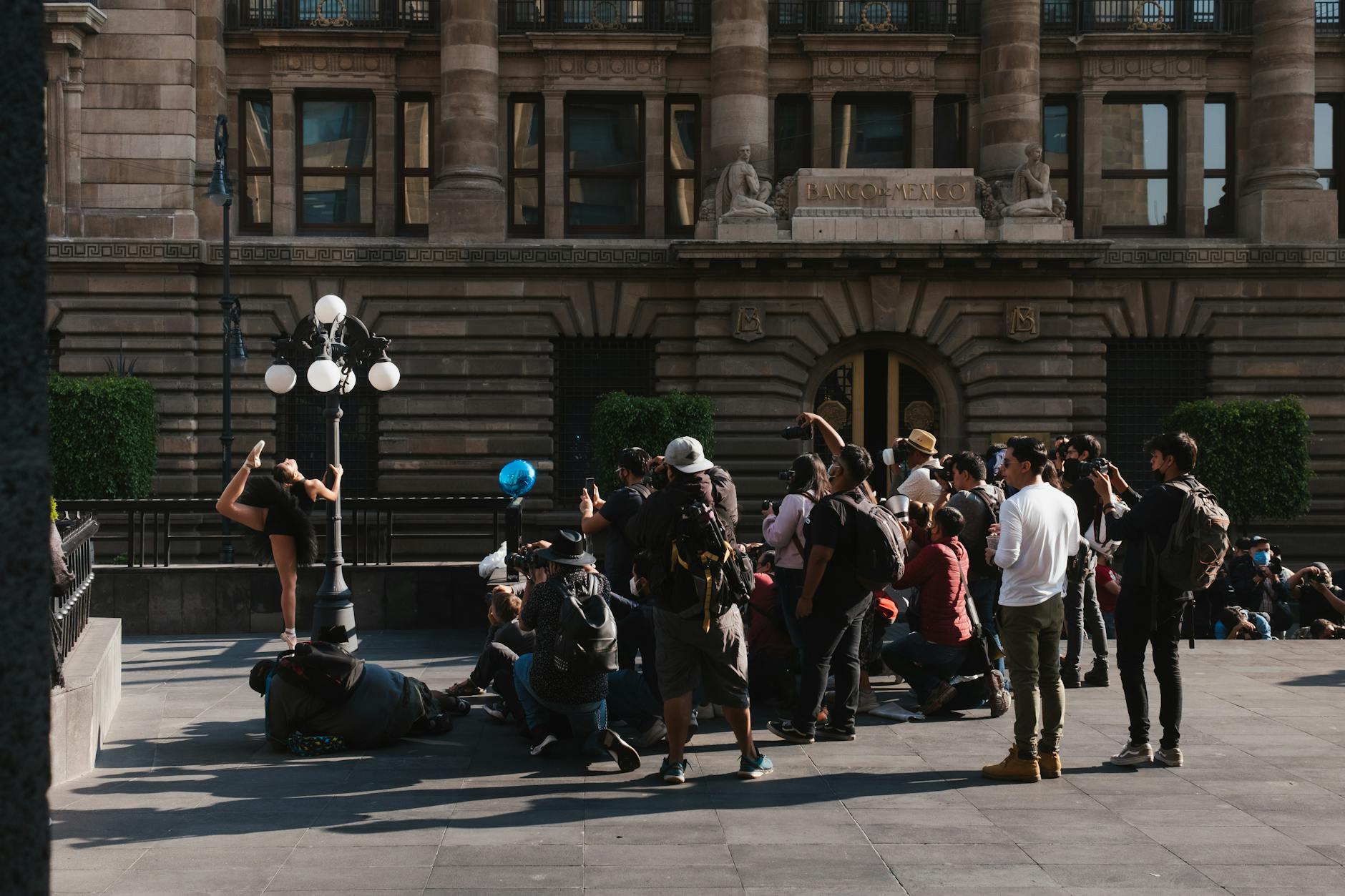
Often referred to as the Barrio Bravo this neighborhood in Mexico City has a fierce reputation for counterfeit goods and illicit trade. The labyrinthine market stalls that bustle during the day become desolate and dangerous corridors at night. Police patrols are infrequent and the area operates under a strong code of silence that protects local criminal enterprises. Tourists who wander into this district after dark face a very high risk of robbery or kidnapping.
Scampia
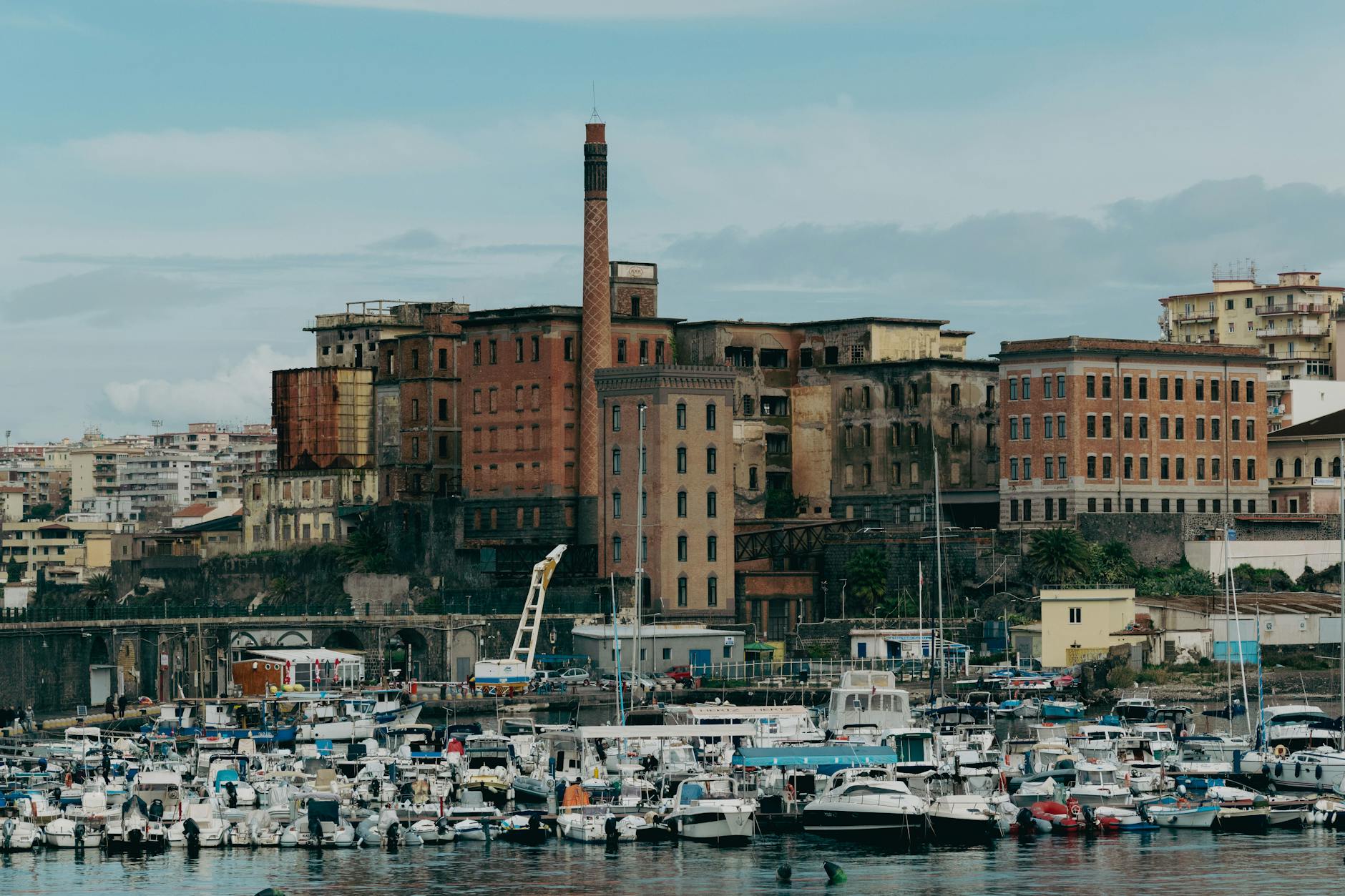
This northern suburb of Naples gained international notoriety for its connection to organized crime syndicates and open-air drug markets. The distinct brutalist architecture creates a fortress-like atmosphere that can be intimidating and disorienting for visitors. Recent revitalization efforts have improved some sections but the risk of crime remains elevated compared to the city center. Walking solo here at night is strongly discouraged due to the potential for getting caught in criminal crossfire or targeted for theft.
Skid Row
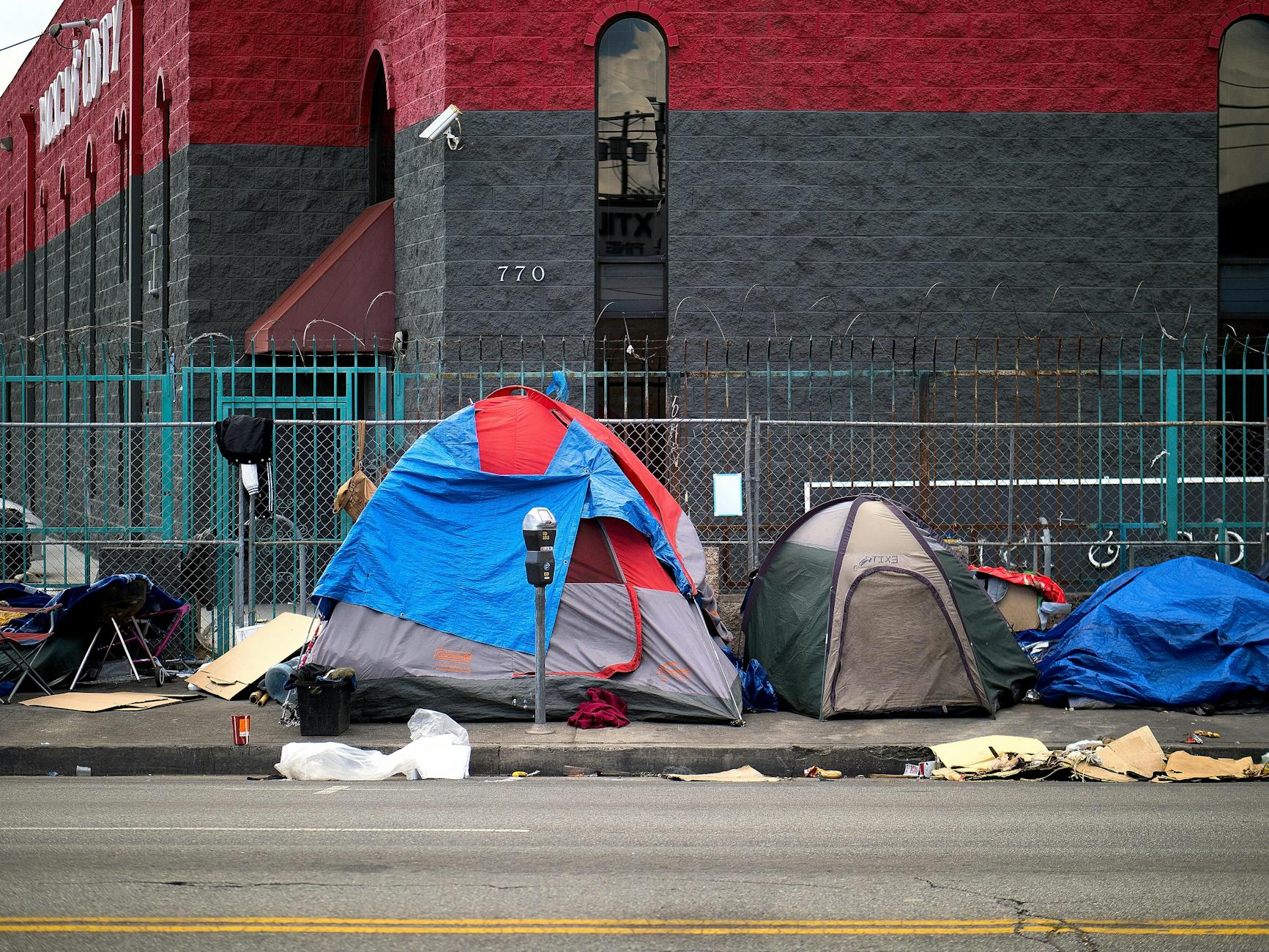
This fifty-block area in downtown Los Angeles contains one of the largest stable populations of homeless individuals in the United States. The concentration of tents and makeshift shelters on the sidewalks makes pedestrian travel difficult and unpredictable at night. Mental health crises and substance abuse issues contribute to a volatile atmosphere where verbal and physical harassment are common. Visitors to nearby downtown attractions should avoid taking shortcuts through this neighborhood after sunset.
Ciudad Bolívar

Perched on the mountainous southern edge of Bogotá this locality is home to a large population of displaced persons and struggles with poverty. The steep and winding streets are difficult to navigate and offer few escape routes during a confrontation. Gang presences in specific sectors enforce invisible borders that can be dangerous for uninitiated pedestrians to cross. Nighttime in this district is particularly risky as street lighting is sparse and police response times are slow.
Kensington
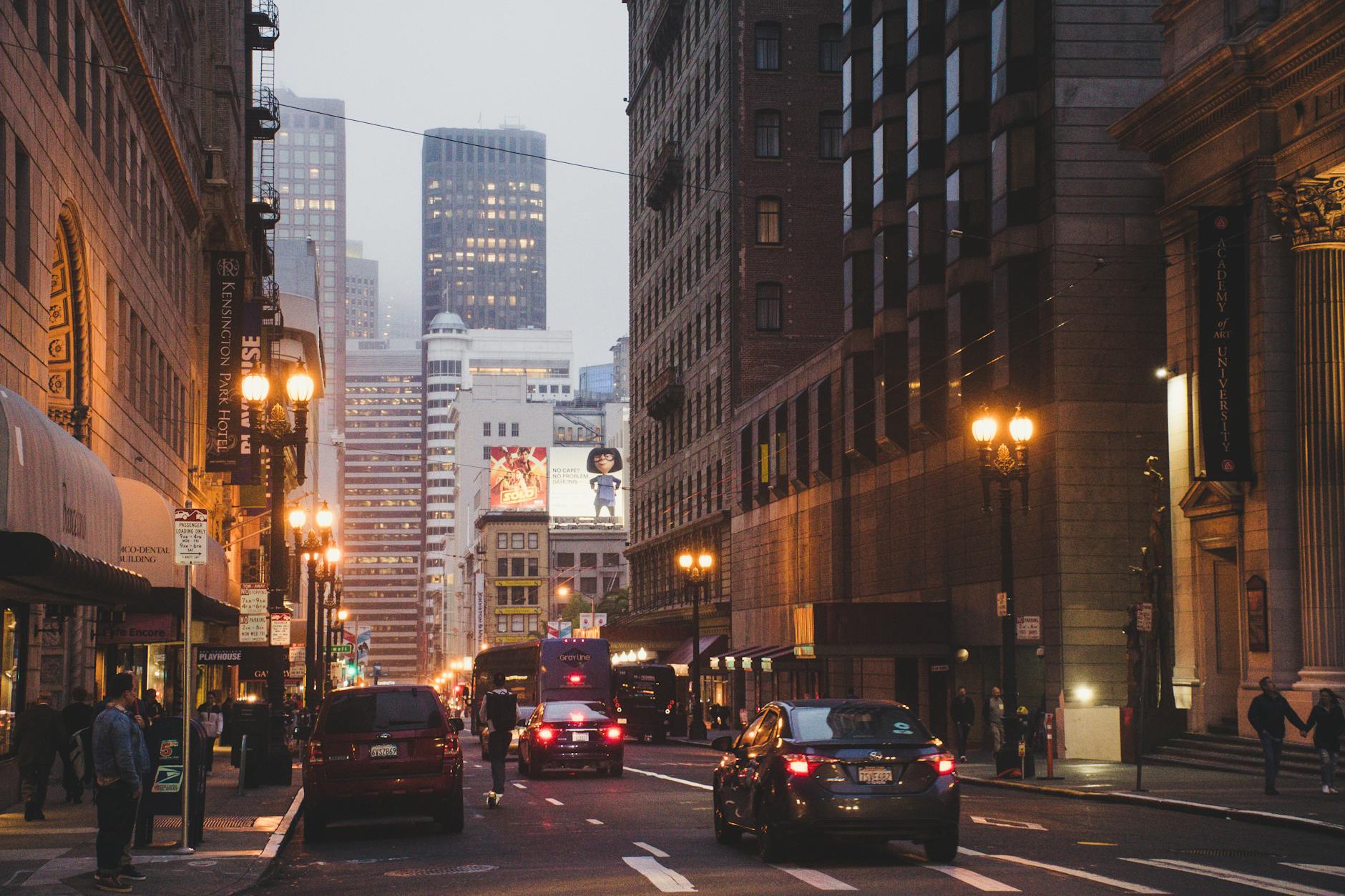
This neighborhood in Philadelphia faces a severe public health crisis driven by open drug use and the associated criminal activity. The presence of narcotics markets on street corners creates a chaotic environment that persists well into the night. Pedestrians walking alone may encounter unpredictable behavior or become targets for opportunistic crimes. Local community groups advise avoiding the area after dark unless accompanied by someone familiar with the specific block dynamics.
Nyanga
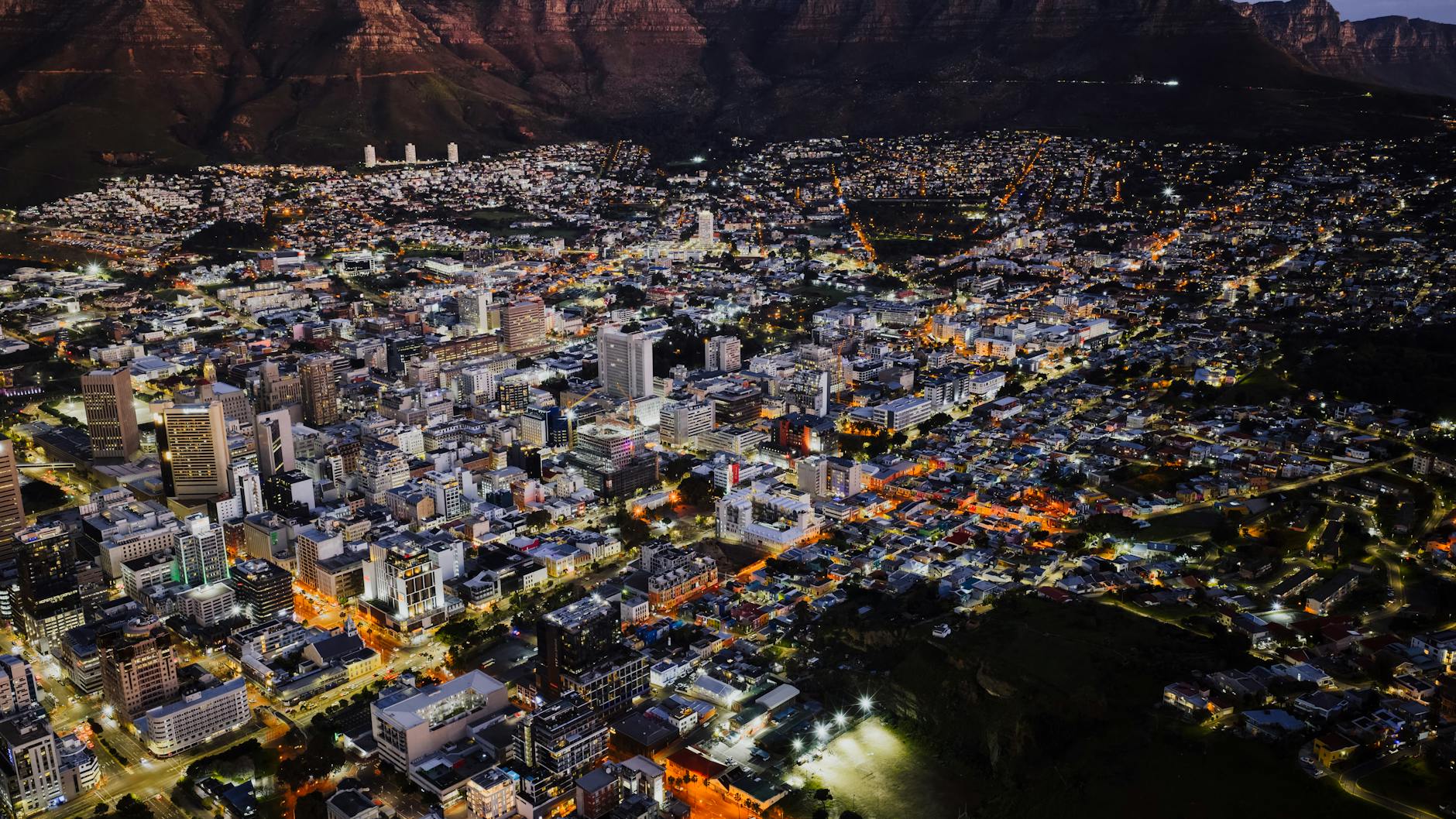
Located near the international airport in Cape Town this township consistently records some of the highest violent crime statistics in South Africa. Carjackings and armed robberies are primary concerns for anyone traveling through the area at night. The high unemployment rate contributes to social instability and desperation that fuels criminal incidents. Motorists are advised to keep doors locked and pedestrians should simply not be on the streets alone after dark.
West Point
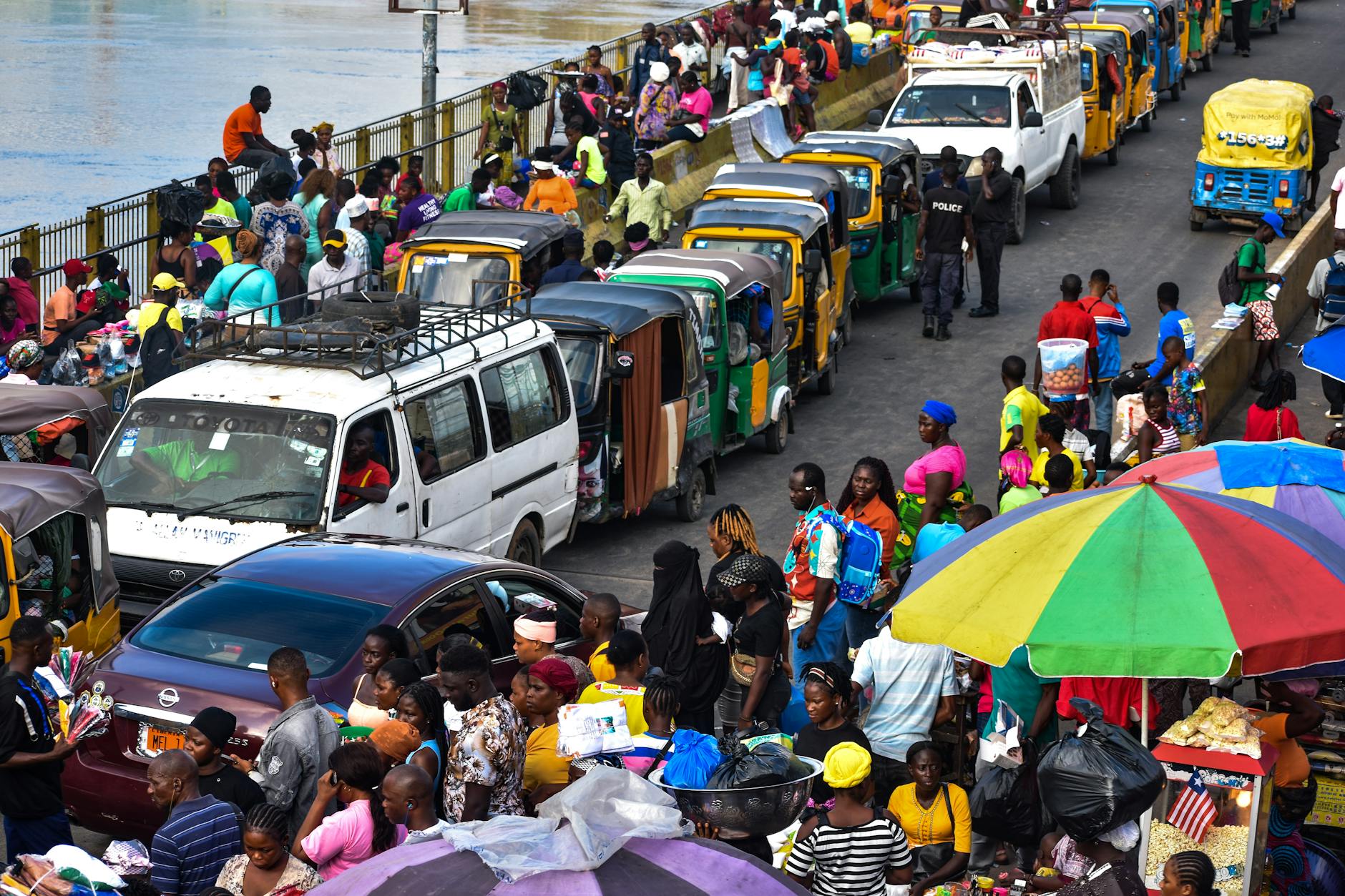
This township in Monrovia sits on a peninsula jutting out into the Atlantic Ocean and is extremely densely populated. Sanitation challenges and overcrowding are compounded by a high rate of theft and assault during the night. The maze of shacks and alleyways makes it easy for perpetrators to disappear quickly after committing a crime. Visitors to Liberia are universally warned against entering this area without a trusted local guide even during daylight hours.
Trench Town

Immortalized in reggae music this neighborhood in Kingston holds deep cultural significance but struggles with ongoing violence. Factional conflicts between rival groups can flare up and turn streets into no-go zones overnight. The infrastructure is aging and poor lighting aids those looking to commit crimes against unsuspecting pedestrians. Fans of music history should visit during the day with a reputable tour operator rather than attempting a solo night visit.
Hillbrow
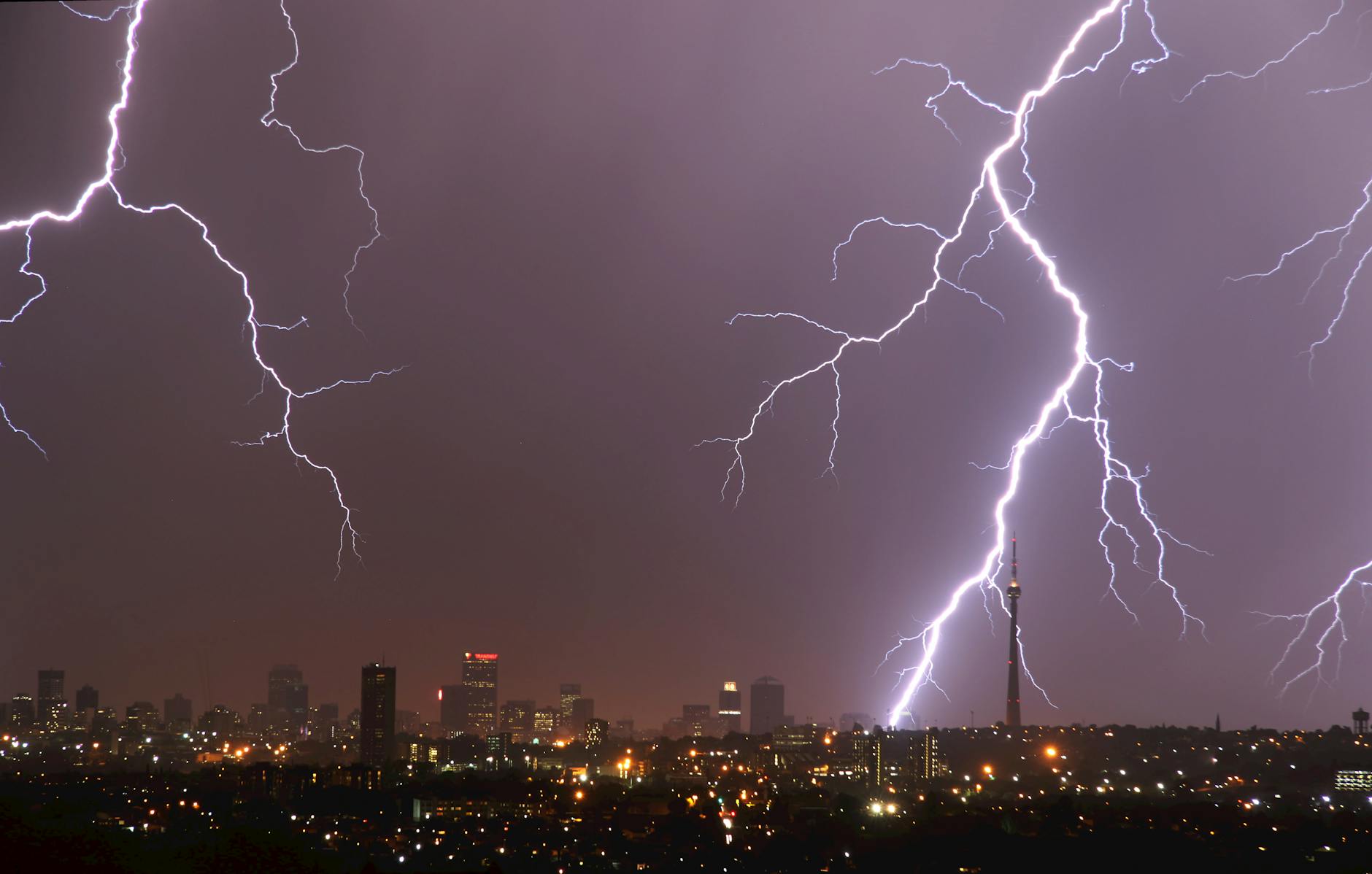
Once a cosmopolitan center in Johannesburg this high-rise inner-city neighborhood now suffers from urban decay and high crime levels. The density of the population leads to crowded streets that can feel threatening and chaotic after the sun goes down. Mugging and snatch-and-grab theft are common occurrences that target anyone displaying signs of wealth. Most hotels and businesses in the safer suburbs advise guests to avoid this area completely at night.
Chamelecón

This sector of San Pedro Sula in Honduras has historically been a stronghold for powerful street gangs that control the territory. Checkpoints and extortion rings are common realities for the residents living in this part of the city. Walking alone at night is virtually unheard of for those who want to ensure their physical safety. The threat of violence is so pervasive that even local taxis may refuse to enter the neighborhood after certain hours.
Englewood

This community on the South Side of Chicago faces significant challenges related to gun violence and gang disputes. The crime rate in this specific pocket is substantially higher than the national average and poses a real threat to safety. Nighttime activity is often dampened by the risk of shootings or armed robbery on quiet residential blocks. Visitors to the city are advised to use ride-share services rather than walking if they need to travel near this area at night.
Complexo do Alemão
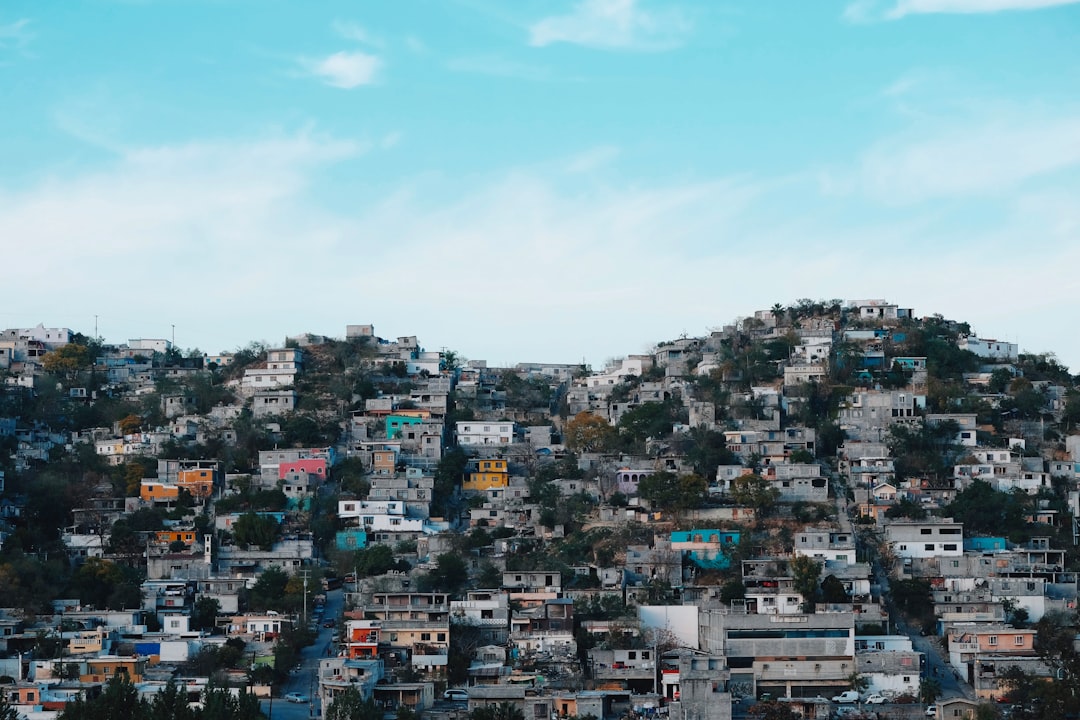
This group of favelas in the North Zone of Rio de Janeiro is a massive urban complex with a history of conflict between security forces and traffickers. The narrow winding alleys are impossible for outsiders to navigate safely and are often patrolled by armed groups. Stray bullets and sudden confrontations pose a lethal risk to anyone walking the streets without authorization. Tourists should restrict their visits to guided cable car tours during the day and avoid the ground level at night.
Zona Norte
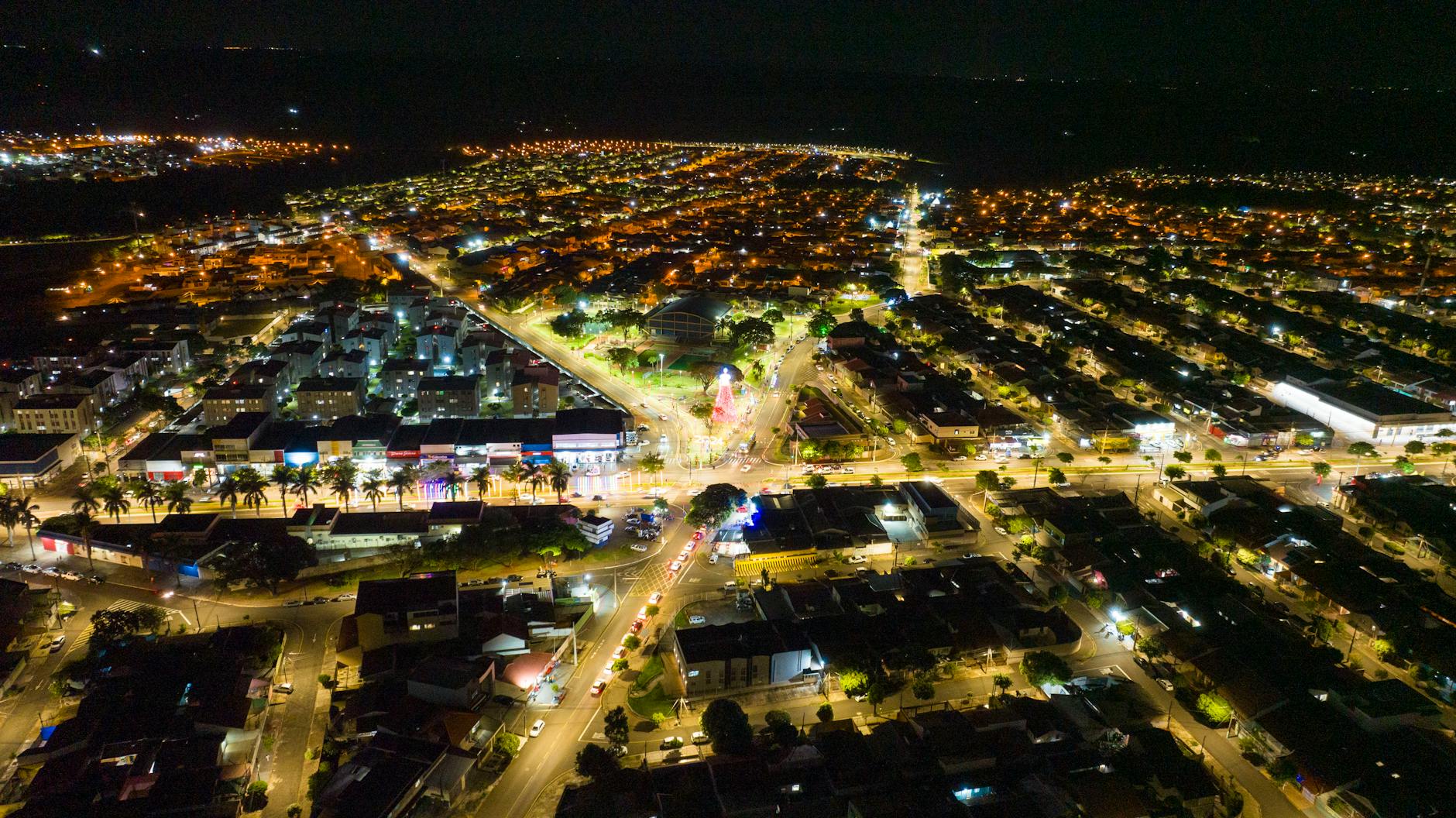
The northern district of Tijuana bordering the United States is a hub for illicit activities that cater to cross-border traffic. The area is known for its red-light district where predatory crimes against tourists and locals are frequent. Scams and muggings are common risks for those walking alone through the bustling but gritty streets at night. Travelers are urged to stay on the main tourist avenues and avoid wandering into poorly lit side streets in this zone.
North City
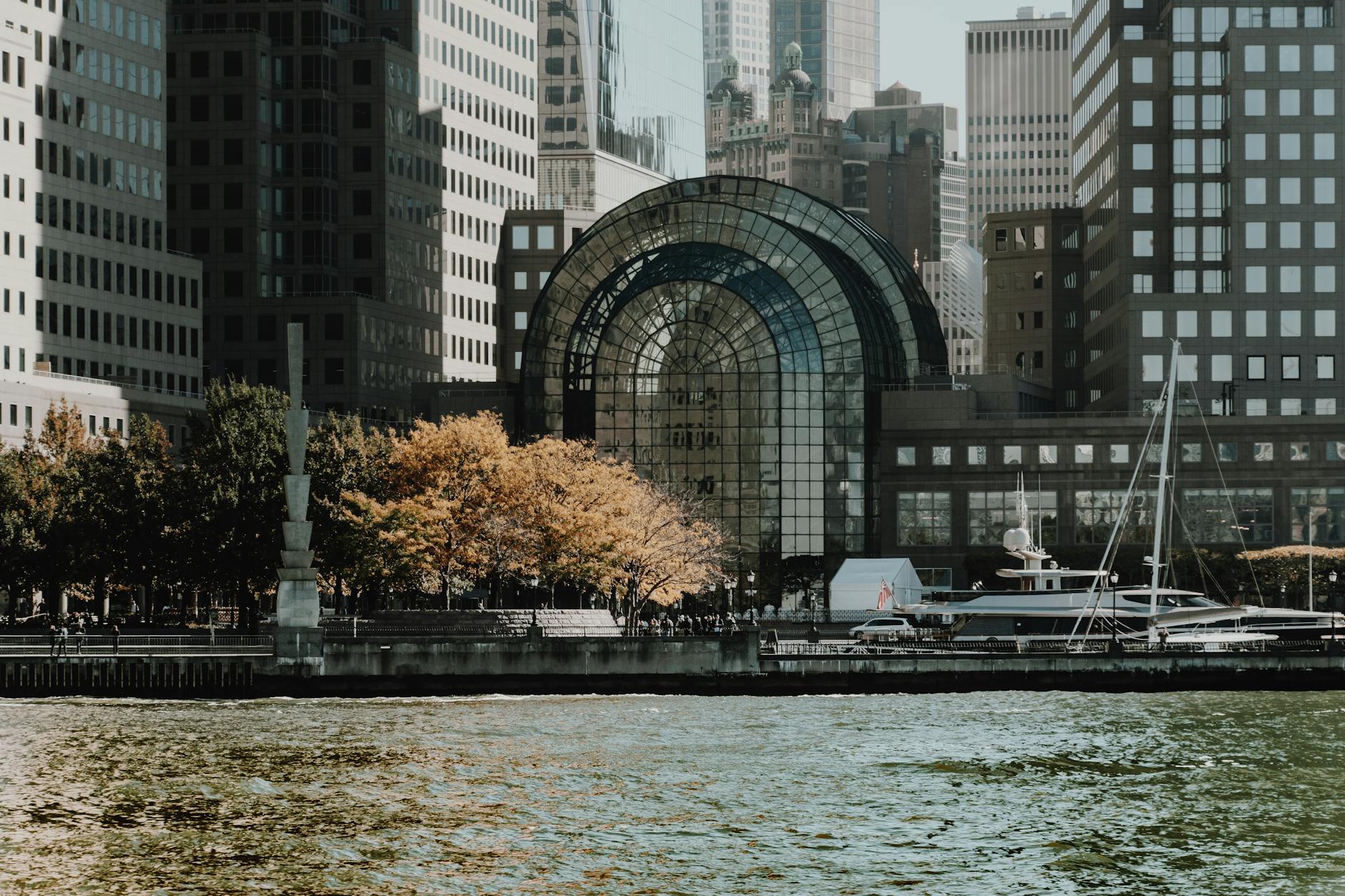
Several neighborhoods in the northern section of St. Louis struggle with depopulation and high concentrations of violent crime. Abandoned buildings provide cover for illicit activities and create a desolate atmosphere on many blocks at night. The lack of foot traffic means that pedestrians walking alone are easily isolated and targeted by criminals. Staying in well-populated commercial districts is the only safe option for nightlife in this city.
West Baltimore
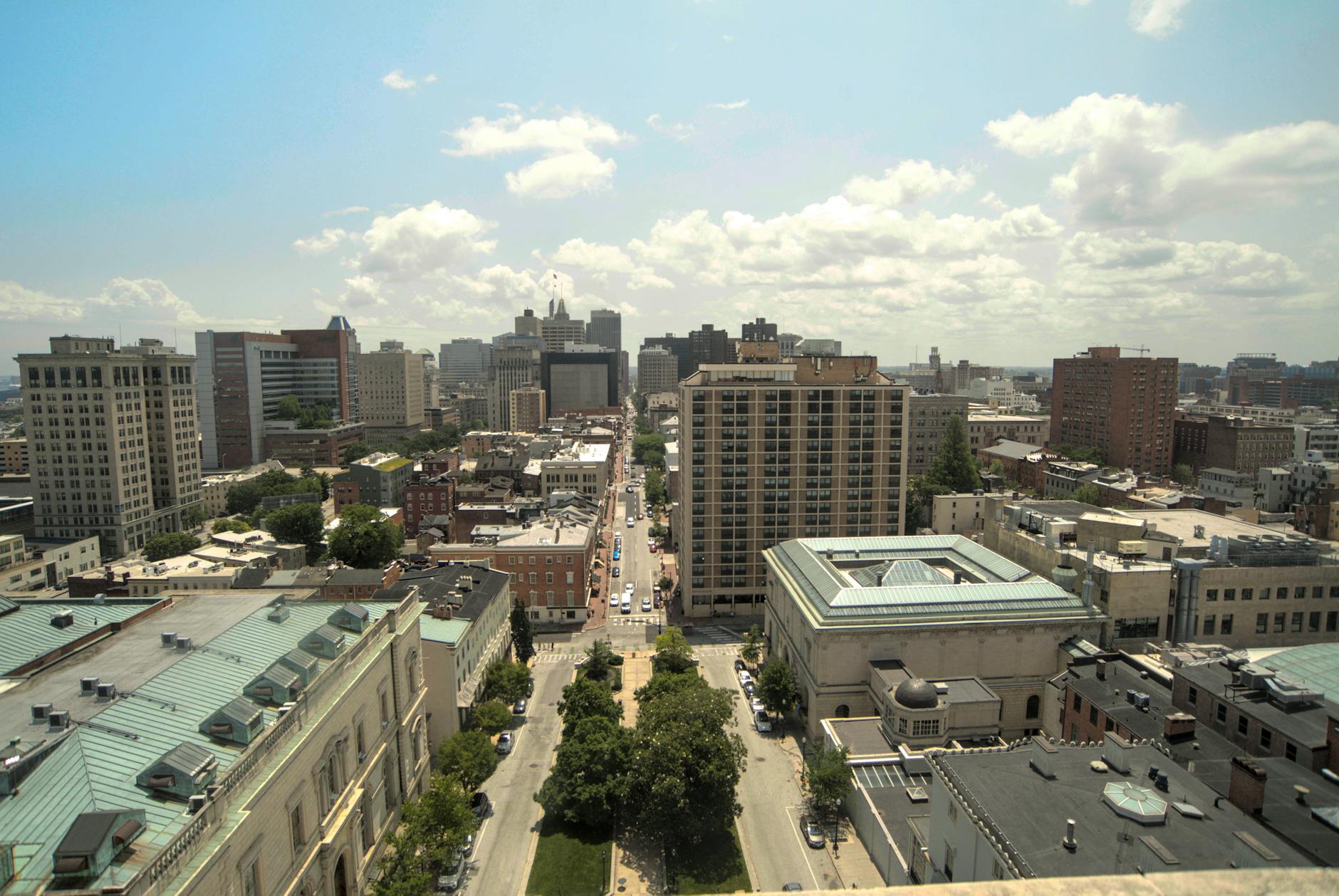
Sections of West Baltimore such as Sandtown-Winchester have faced decades of economic hardship and high rates of violent crime. The drug trade fuels local disputes that make street corners dangerous places to linger after dark. Walking alone invites unwanted attention and the risk of becoming a victim of armed robbery is statistically significant. Visitors should stick to the Inner Harbor and other developed waterfront areas for evening entertainment.
Barra do Ceará
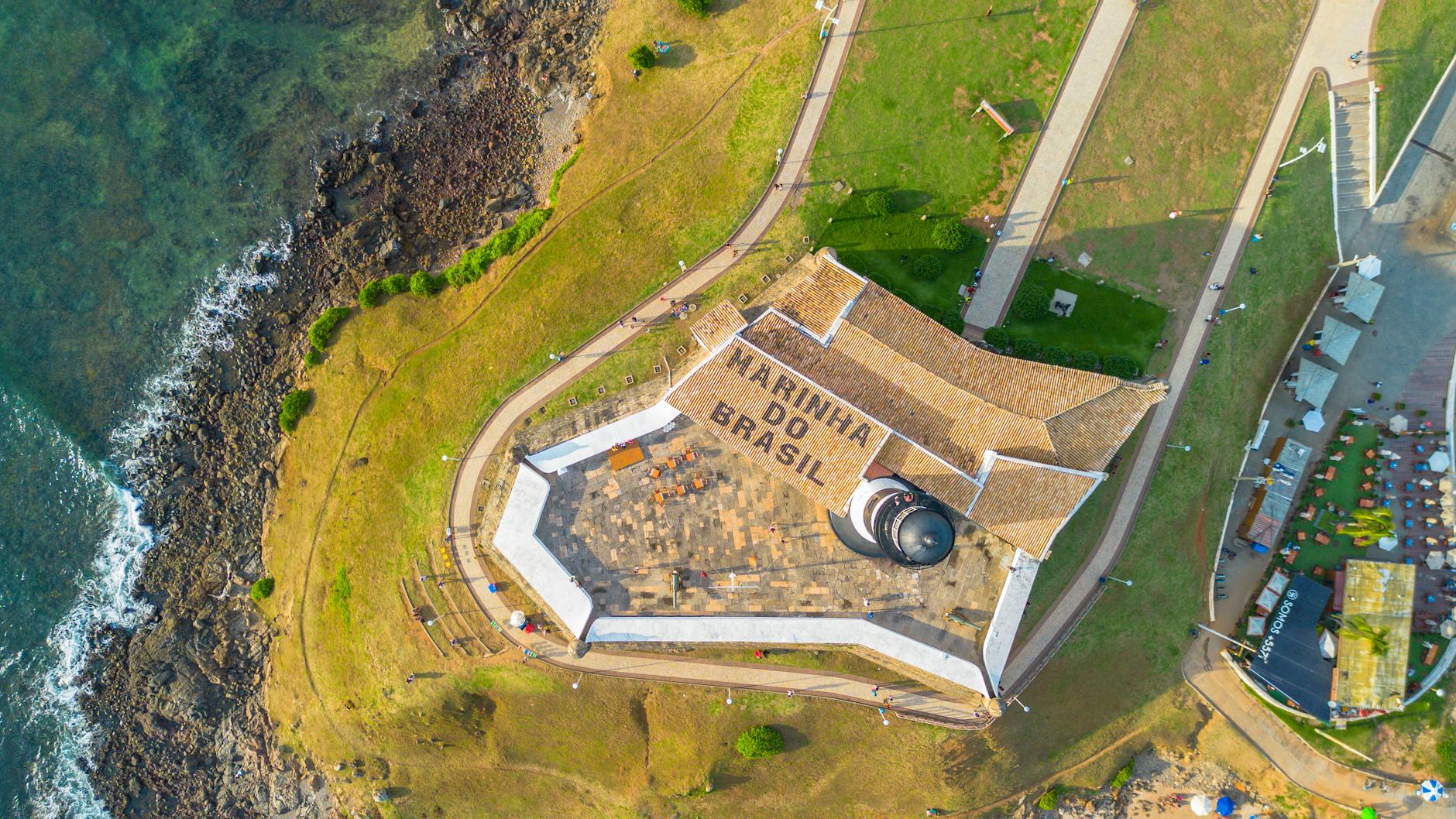
Located in the coastal city of Fortaleza this neighborhood experiences high rates of homicide and gang-related territorial disputes. The beautiful coastline contrasts sharply with the danger present in the streets just blocks away from the beach. Tourists are frequent targets for theft and walking on the sand or nearby streets at night is extremely ill-advised. Local authorities recommend using taxis for all transport after sunset to avoid dangerous encounters.
Settlements of Port Moresby
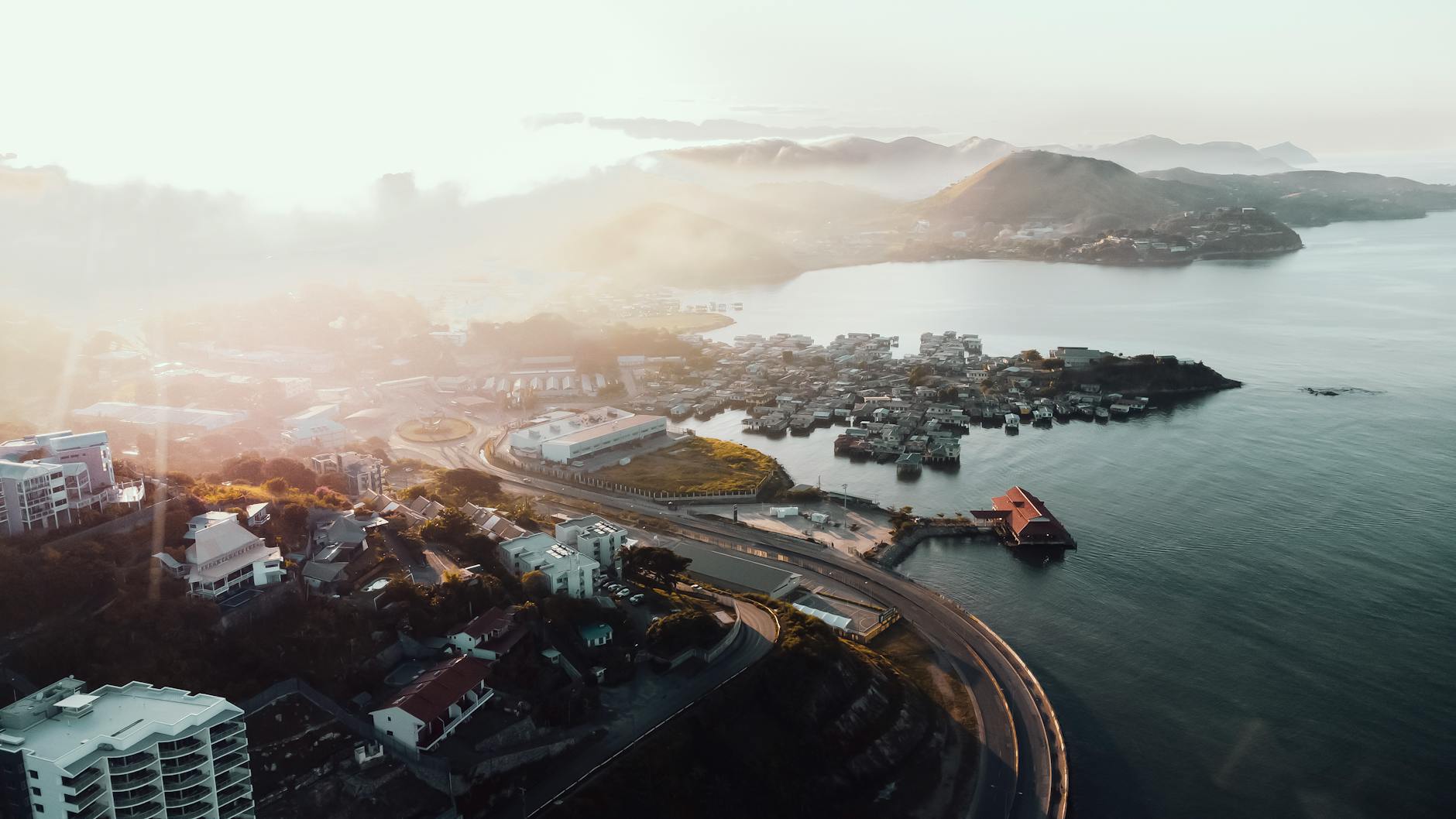
The informal settlements surrounding the capital of Papua New Guinea are known for “raskol” gangs that operate with little fear of police intervention. Carjackings and machete attacks are serious threats for anyone traveling without security escorts at night. The terrain is often rough and unpaved which makes fleeing from a potential threat difficult for pedestrians. Expatriates and visitors typically adhere to strict security protocols that forbid walking alone after dark in these areas.
If you have experiences or advice regarding safety in these cities please leave your story in the comments.