Encountering a spider in your living space is a common phobia for many people around the world. Most arachnids are harmless and help control pest populations by eating insects like flies or mosquitoes. Some specific species possess potent venom that can cause serious medical issues for humans or pets. Identifying these creatures correctly allows homeowners to take appropriate safety precautions without unnecessary panic. Understanding their habits and typical hiding spots is the first step toward a safer home environment.
Sydney Funnel-Web Spider
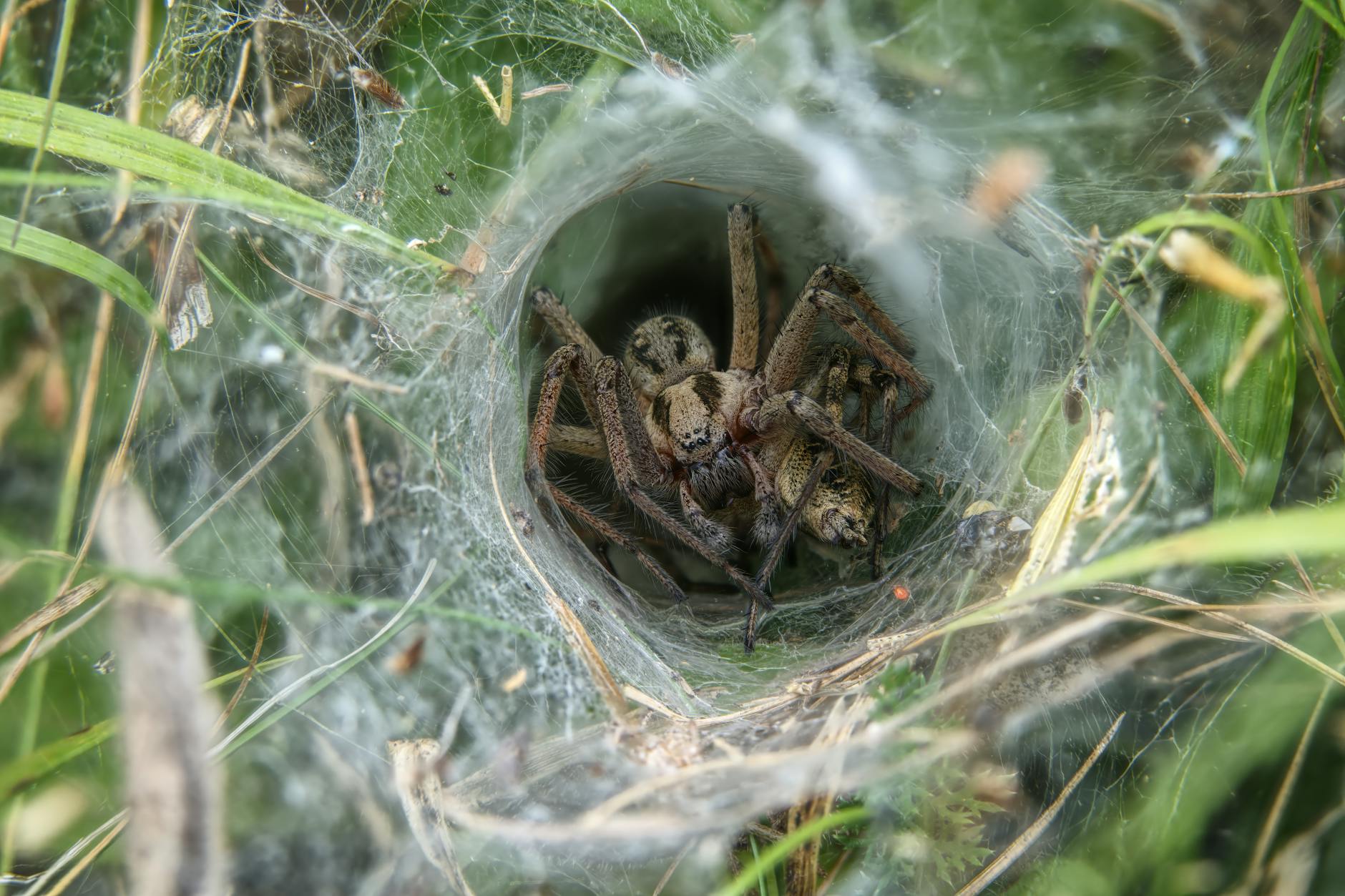
This arachnid is widely feared due to its highly toxic venom and aggressive behavior when threatened. It is native to eastern Australia and often seeks shelter in cool or humid areas like shoes and laundry piles. The male of the species carries a unique component in its venom that is particularly dangerous to primates and humans. Immediate medical attention and antivenom administration are crucial if a bite occurs. Modern medical advancements have significantly reduced fatalities associated with this intimidating creature.
Brazilian Wandering Spider
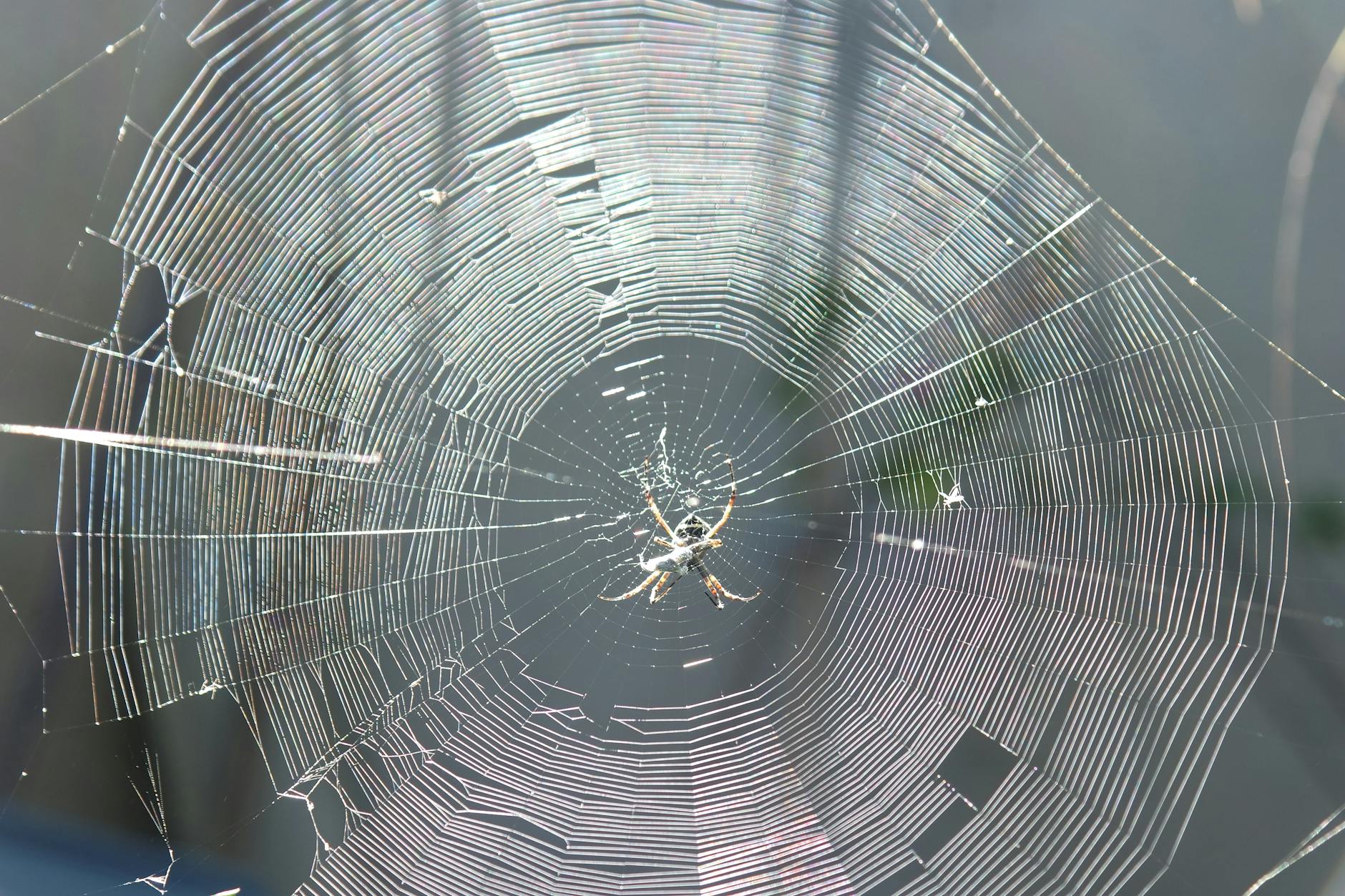
This species is known for its tendency to roam the jungle floor at night rather than building a stable web. It sometimes seeks shelter in human dwellings or inside bunches of bananas during the day. The venom contains a potent neurotoxin that causes intense pain and inflammation along with other systemic symptoms. Medical experts consider this spider one of the most venomous on the planet due to its complex chemical cocktail. Prompt treatment is necessary to manage the severe pain and potential complications resulting from a bite.
Southern Black Widow
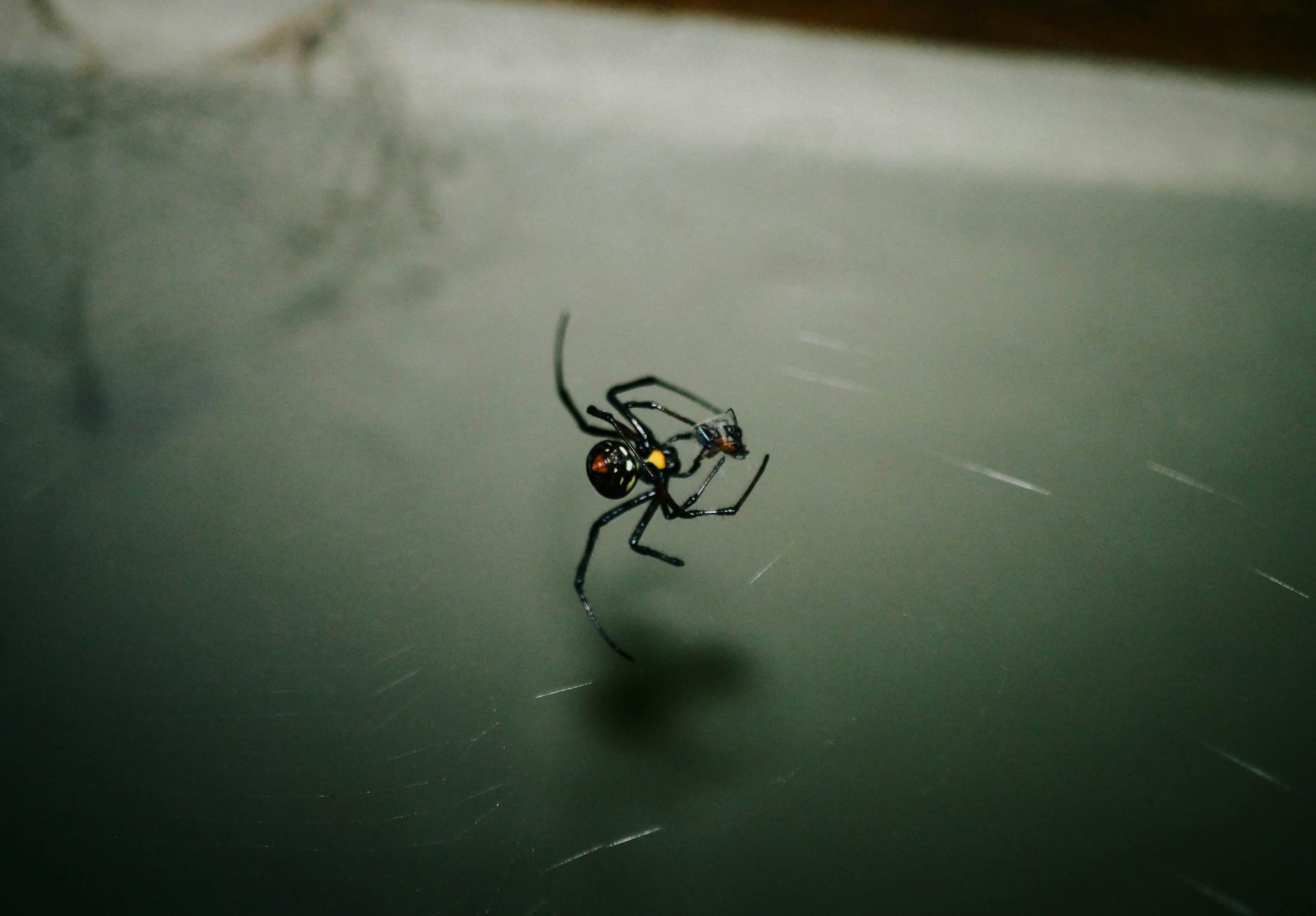
The shiny black body and distinctive red hourglass marking make this spider easily identifiable to many people. They prefer dry and dark locations such as woodpiles or garages and cluttered basements. Their venom is a potent neurotoxin called latrotoxin which targets the nervous system and causes muscle cramps. Bites are rarely fatal to healthy adults but can be extremely painful and dangerous for children or the elderly. Most bites happen when the spider is accidentally pinched or pressed against human skin.
Brown Recluse
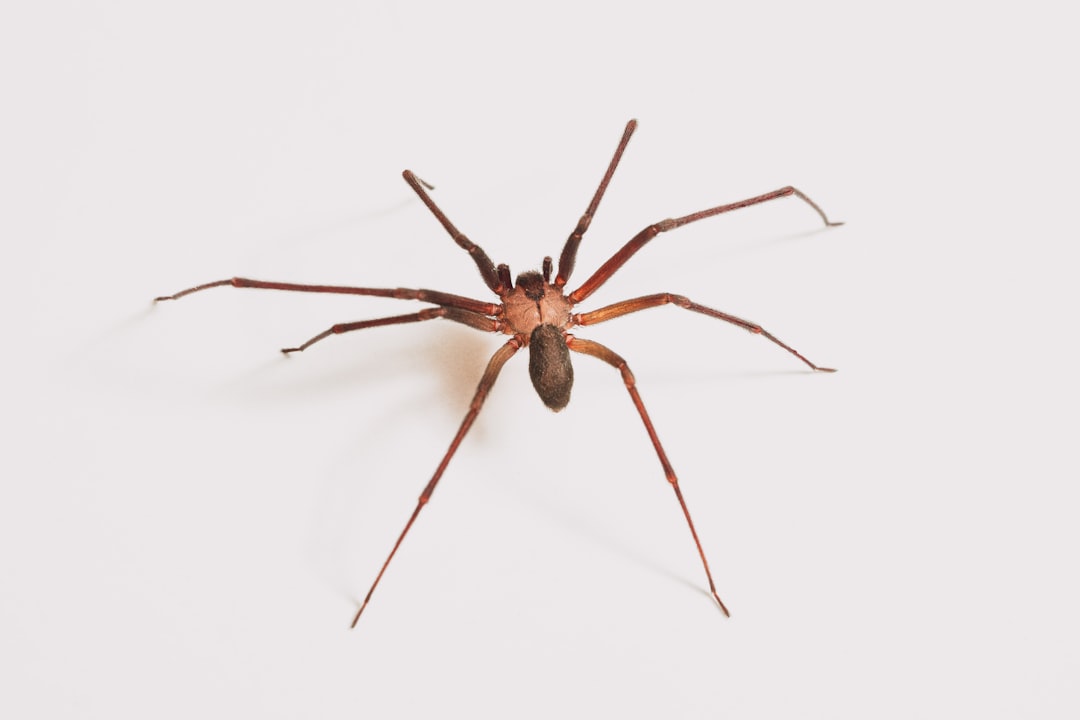
This spider is famous for the dark violin-shaped marking on its back and its solitary nature. It typically hides in undisturbed areas like cardboard boxes or the backs of closets and attics. The venom is hemotoxic and can cause necrosis or tissue death surrounding the bite area. Many bites result in only mild irritation but some develop into deep open wounds that heal very slowly. Identification is often difficult because they resemble many other harmless brown spiders found in homes.
Redback Spider
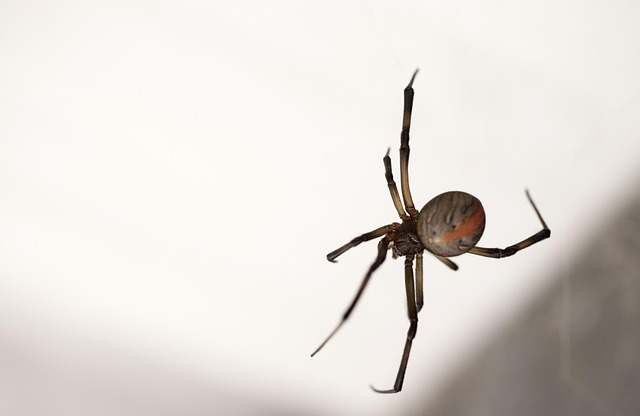
This Australian relative of the Black Widow is responsible for the majority of serious spider bites in its native region. It builds messy webs in garden sheds or under outdoor furniture and sometimes moves indoors during hot weather. The female is larger than the male and possesses a neurotoxic venom that induces severe pain and sweating. Antivenom is readily available and highly effective in treating the intense symptoms caused by a bite. Bites are common but deaths are virtually non-existent since the introduction of the antivenom.
Chilean Recluse
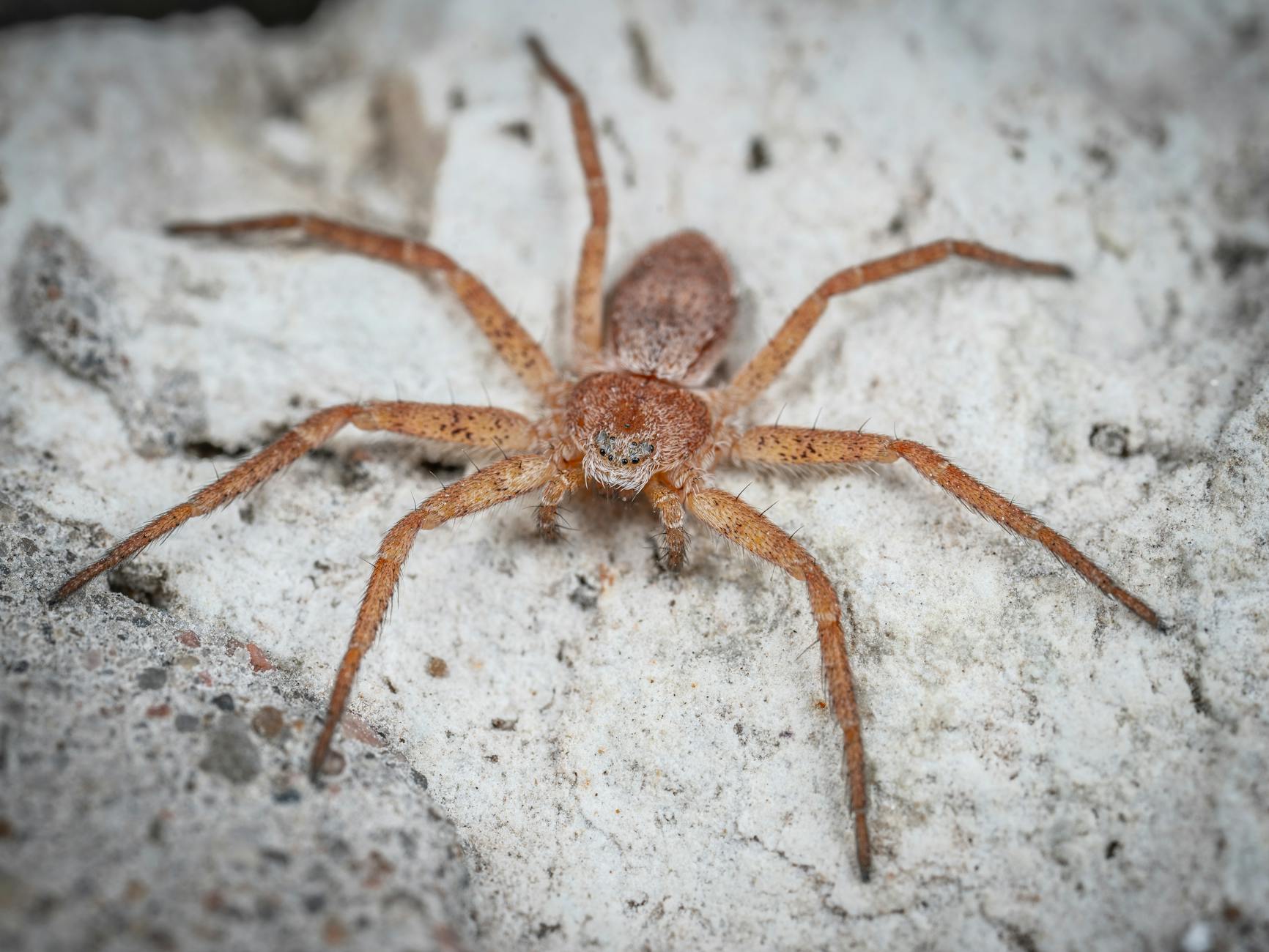
This species is widely considered the most dangerous of all recluse spiders due to its potent necrotic venom. It is native to South America but has established populations in other parts of the world. They are nocturnal hunters that often hide in clothing or behind furniture and picture frames. Bites can result in severe skin lesions and sometimes lead to systemic kidney failure in rare cases. Their elusive nature means they can live in a home for a long time without being detected.
Mouse Spider
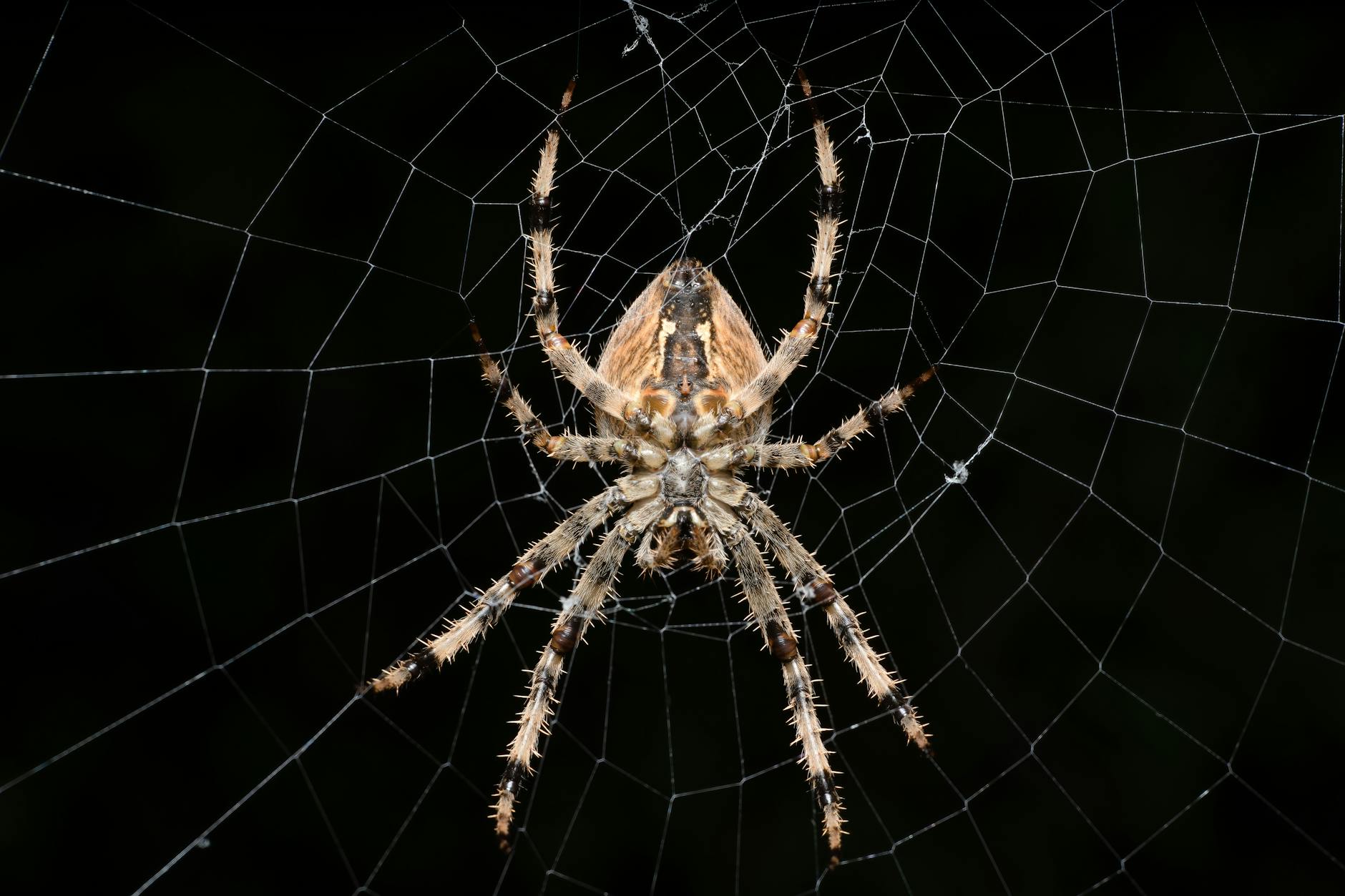
These spiders are often mistaken for funnel-webs due to their similar appearance and stocky black bodies. They are found throughout Australia and can deliver a painful bite with significant venom yield. The venom is chemically similar to that of the funnel-web spider and can cause serious illness in humans. They are generally less aggressive than their funnel-web cousins and often give dry bites without injecting venom. Medical professionals treat severe bites with the same antivenom used for funnel-web envenomation.
Noble False Widow
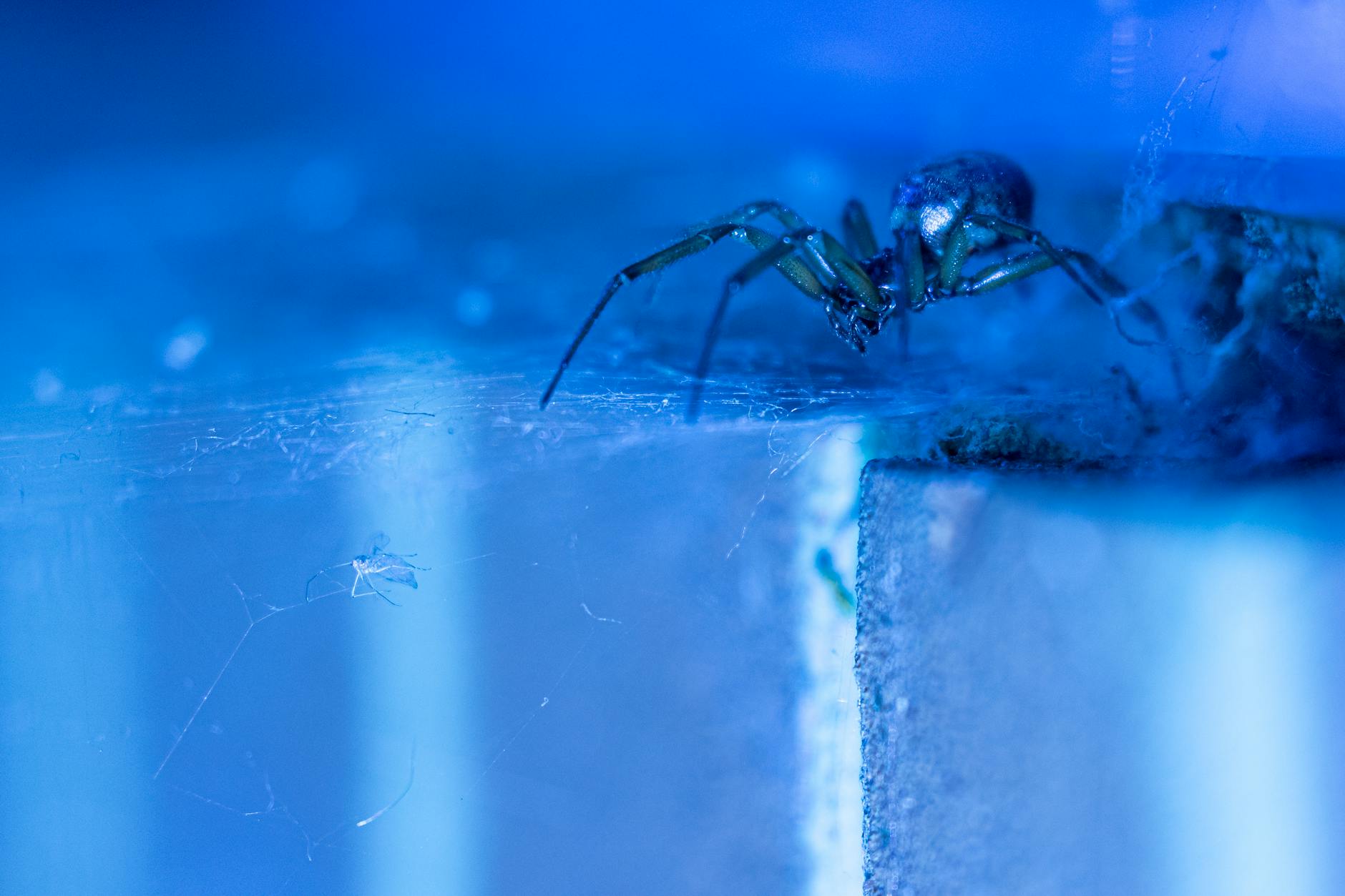
This spider has expanded its range significantly and is now a common resident in homes across Europe and parts of the Americas. It resembles the black widow in shape but lacks the distinctive red hourglass marking on the abdomen. Bites can cause stinging pain and swelling or throbbing that radiates from the site of the wound. Symptoms may last for several hours but usually resolve without requiring professional medical intervention. They favor warm spaces like conservatories or window frames where they build strong irregular webs.
Hobo Spider
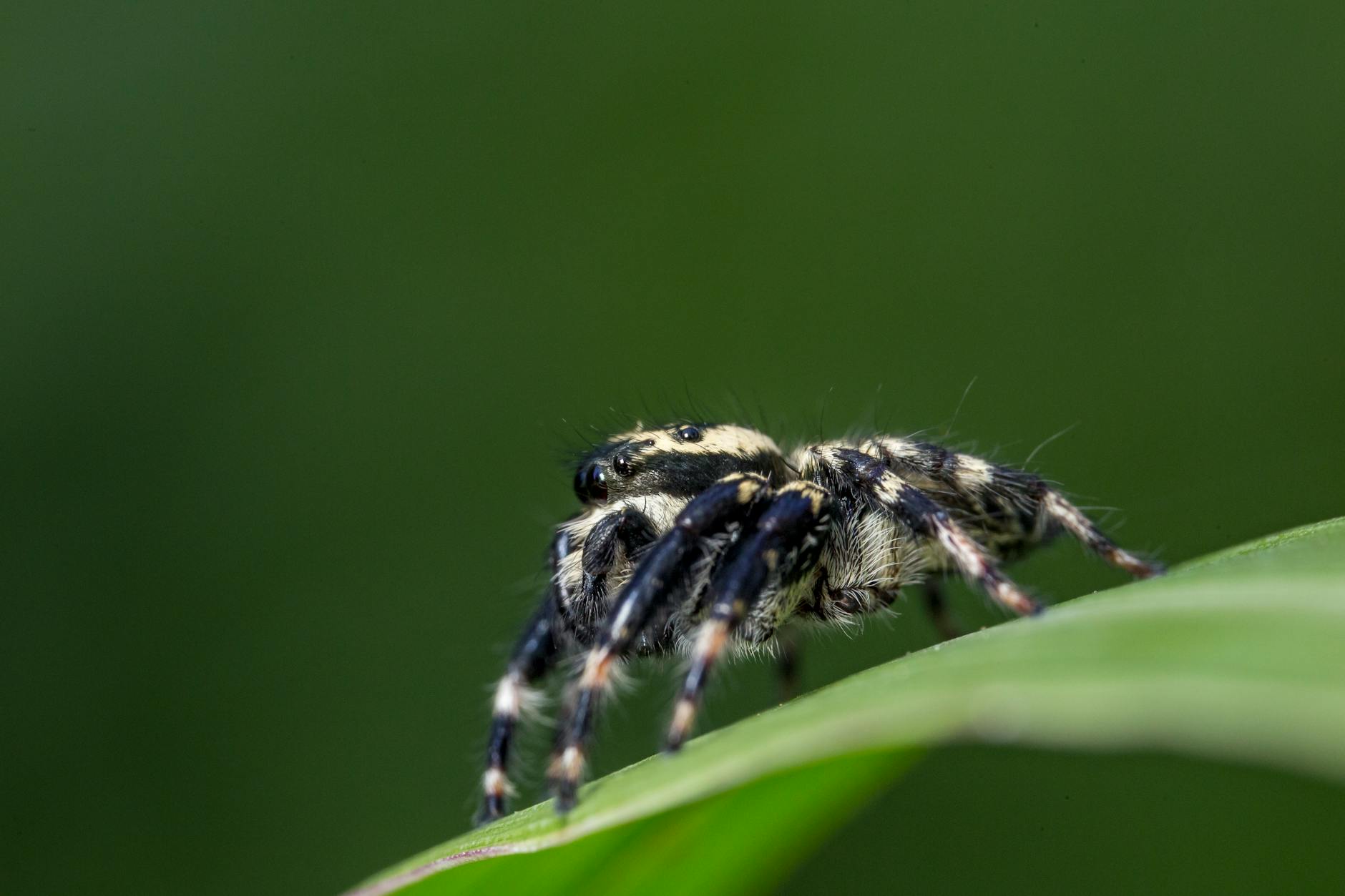
This funnel-weaver was once thought to cause necrotic wounds similar to the brown recluse but recent research disputes this. It builds funnel-shaped webs in basements or window wells and woodpiles near building foundations. They are fast runners that may enter homes especially during the mating season in late summer. Bites may cause redness and pain or mild swelling that usually subsides within a day or two. Misidentification is common because they look very similar to many other harmless house spiders.
Yellow Sac Spider
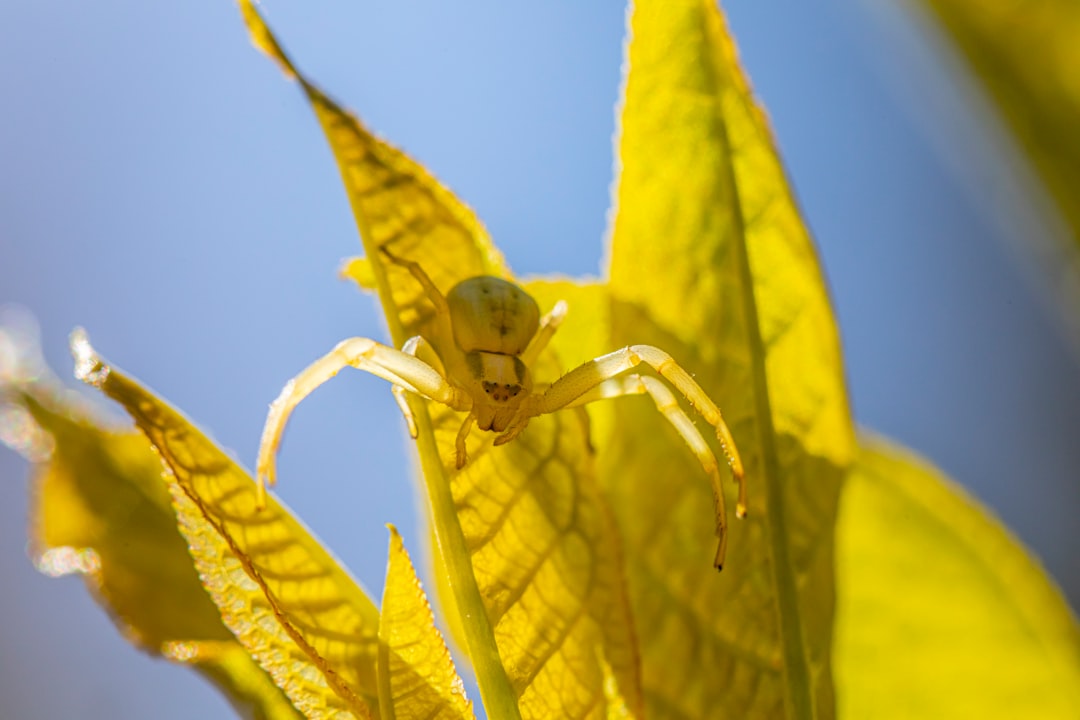
These pale spiders are responsible for more bites than any other species in many parts of North America. They construct small silken sacs in the corners of walls or ceilings rather than spinning large webs. Their venom is cytotoxic and can cause a small nasty lesion that is often mistaken for a brown recluse bite. The bite typically stings like a bee or wasp and heals relatively quickly without major complications. They are active hunters that wander walls and ceilings at night searching for prey.
Tell us about your own encounters with these eight-legged houseguests in the comments.