Traveling across Europe offers incredible cultural experiences but also requires vigilance against sophisticated schemes targeting unsuspecting visitors. Scammers constantly evolve their tactics to exploit distracted tourists in crowded landmarks and busy transport hubs. Awareness serves as the best defense against these common tricks designed to separate travelers from their money or valuables. The following guide outlines the specific mechanics of prevalent scams found in major European cities to help you stay safe.
The Friendship Bracelet

A friendly individual approaches you to tie a colorful string around your wrist as a gesture of peace or friendship. They tighten the knot so you cannot remove it and then aggressively demand payment for the bracelet. Accomplices often surround the victim to intimidate them into paying a significant amount of cash to resolve the situation. Travelers often find themselves cornered and pay simply to escape the uncomfortable confrontation. This scam frequently occurs near major tourist landmarks like Sacré-Cœur in Paris or the Spanish Steps in Rome.
The Gold Ring Trick

A person walking in front of you suddenly stoops down to pick up a plain gold ring from the ground. They ask if you dropped it and try to hand it to you while claiming it looks valuable or authentic. If you refuse the ring they will insist you keep it for good luck and ask for a small bit of money for food in exchange. This distraction technique often allows a second person to pickpocket you while you are engaged in the conversation. The ring is actually made of worthless brass and the scammer seeks either your cash or your wallet.
The Spilled Drink Distraction

Someone bumps into you and accidentally spills a drink or ice cream or condiment onto your clothes. They profusely apologize and begin to clean the mess off your jacket or shirt with aggressive blotting motions. While you are flustered and focused on the stain their accomplice quietly removes your wallet or phone from your pocket. The scammers vanish into the crowd before you realize your valuables are missing along with your clean clothes. This tactic relies entirely on creating a moment of physical chaos and confusion.
The Fake Petition
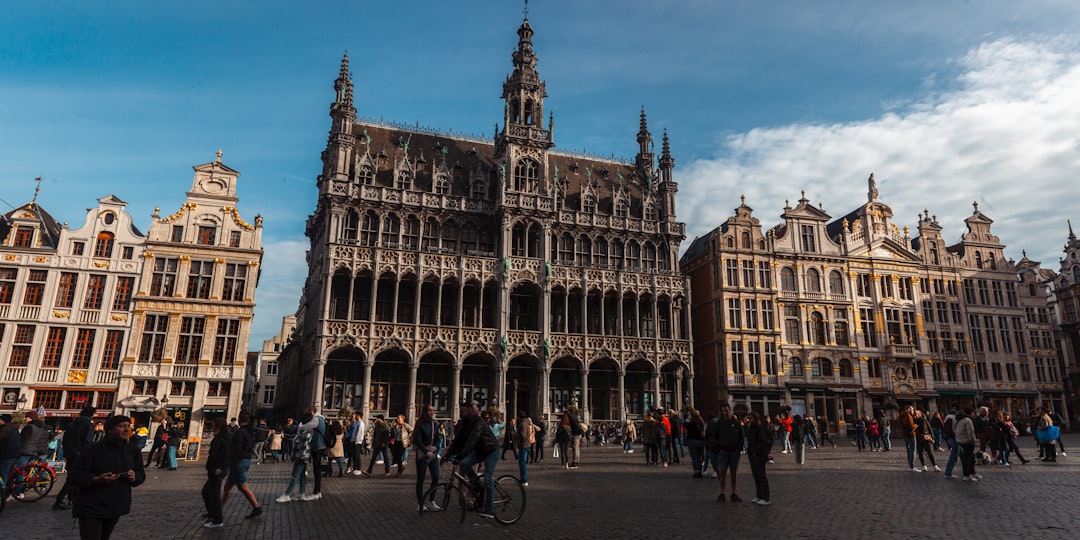
A group of people often pretending to be deaf or mute will approach you with a clipboard asking for a signature for a charity. Once you sign the paper they point to a column indicating a required donation amount and demand cash immediately. While you argue with the clipboard holder other members of the group may pick your pockets or check where you keep your wallet. They often operate in tourist-heavy areas like the Eiffel Tower or Berlin museum districts. The charity is nonexistent and the collected money goes directly to the scammers.
The Shell Game

A street performer shuffles a small ball under one of three cups or boxes on a cardboard table while a crowd watches. Audience members who are actually shifters win easily to demonstrate how simple the game appears to be. Once you place a bet the operator uses sleight of hand to remove the ball so you can never win. While you are focused on the game pickpockets work through the distracted crowd to steal wallets and phones. This illegal gambling operation is rampant on the bridges of London and the streets of Barcelona.
The Broken Camera
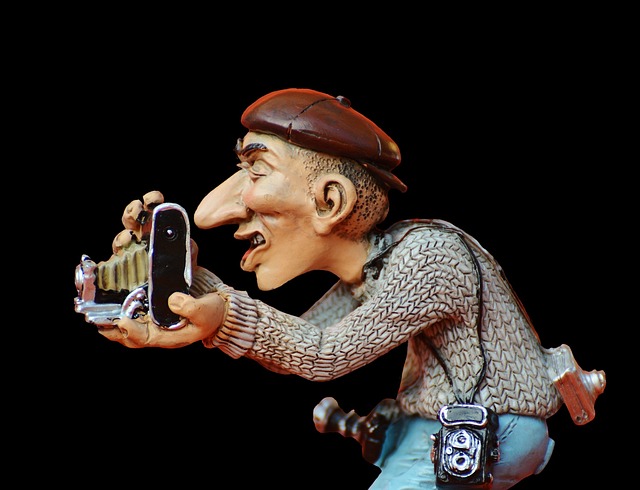
A tourist asks you to take a photo of them with their camera or phone but the device does not work when you try to use it. When you hand it back they drop it and the device shatters on the pavement. The scammer creates a scene and blames you for breaking their expensive equipment while demanding compensation. They intimidate you by threatening to call the police if you do not pay for the damages immediately. The camera was already broken before they handed it to you.
The Fake Police Officer

Two men in plain clothes approach you flashing a fake badge and claiming to be tourist police investigating counterfeit currency or drug smuggling. They ask to inspect your wallet or passport to check for fake bills or identification issues. While one officer distracts you the other uses sleight of hand to steal cash from your wallet before returning it. Real police officers will never ask to inspect your wallet or count your cash on the street. This scam is particularly common in cities like Barcelona and Rome.
The Rosemary Gift

An older woman offers you a sprig of rosemary as a symbol of good luck and friendship. She grabs your hand to read your fortune and then demands payment for the service. If you refuse to pay she creates a loud scene and may curse you or your family to embarrass you into compliance. This creates a high-pressure environment where tourists pay just to make the shouting stop. This scam is prevalent in Spanish cities like Madrid and Seville near cathedrals.
The Friendly ATM Helper
A local approaches you while you are using an ATM and claims the machine is broken or functioning strangely. They offer to help you navigate the screen or avoid bank fees by pressing buttons for you. Their true goal is to memorize your PIN while their accomplice creates a distraction to swipe your card. Sometimes they use a card skimmer attached to the machine to clone your data for later use. You should always cover the keypad and refuse assistance from strangers at bank terminals.
The Overpriced Menu
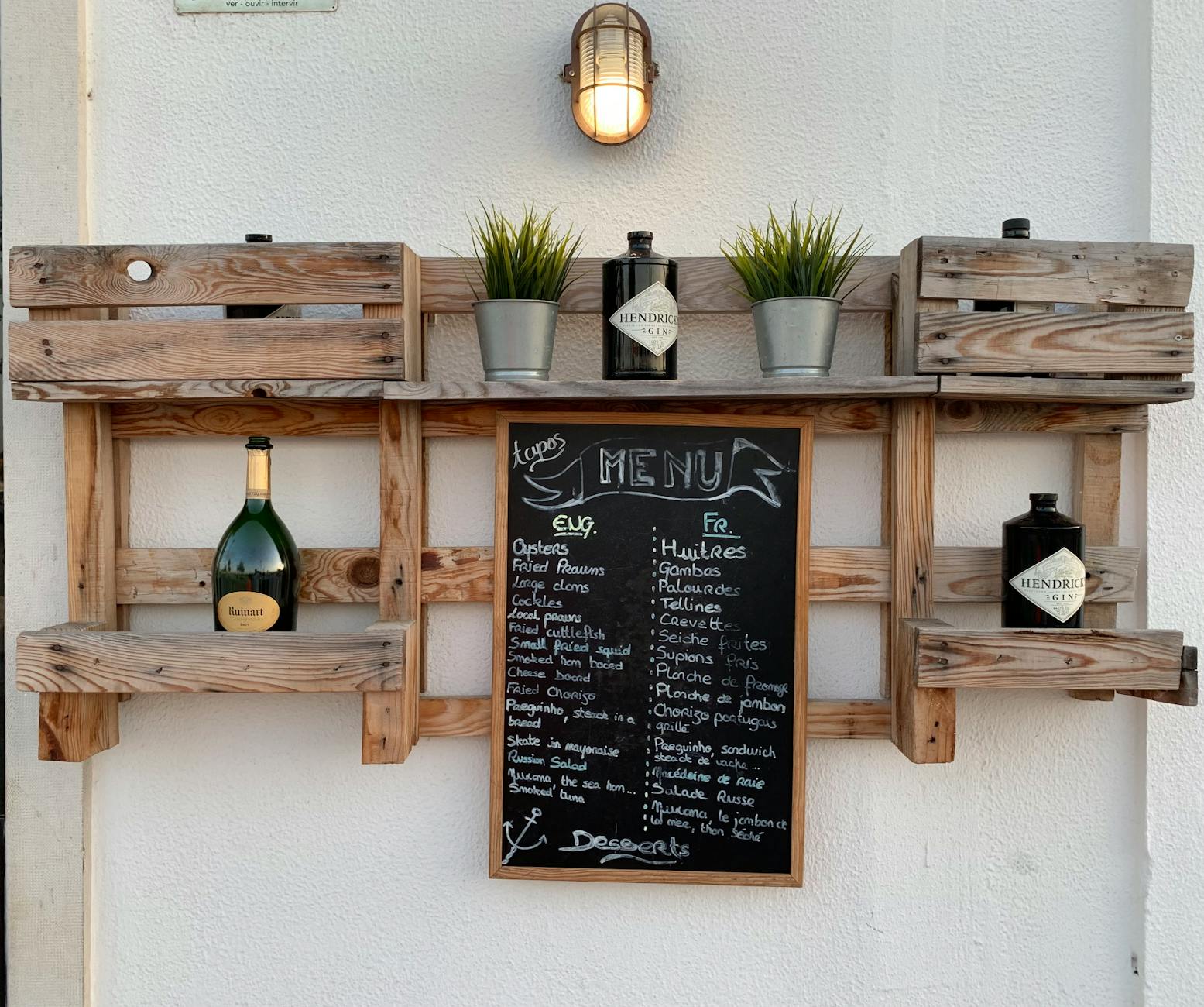
Restaurants near major tourist sites sometimes display menus without prices or offer daily specials that are vaguely described. When the bill arrives you are charged exorbitant amounts for simple items like fresh fish or house wine. The staff may intimidate you into paying by claiming you ordered premium items by weight rather than by the portion. Some establishments add heavy service charges or cover fees that were never mentioned during the meal. Always insist on a printed menu with clear prices before ordering food or drinks.
The Bird Poop Scam

You feel a wet substance hit your shoulder or hair and a helpful stranger immediately points out that a bird pooped on you. They offer tissues and begin to help you clean off the mess while getting uncomfortably close. This is a distraction technique that allows them or a partner to steal your valuables while you are disgusted and occupied. The substance is usually a white paste or condiment that the scammer threw at you moments earlier. This is a messy but effective variation of the spill scam found in many European capitals.
The Fake Train Inspector

A person wearing an official-looking uniform approaches you on a train or platform asking to see your ticket. They claim your ticket is invalid or not stamped correctly and demand an immediate cash fine. The scammer relies on your fear of authority and lack of knowledge about local transport rules. Real inspectors will usually carry a machine to check tickets and can issue an official receipt for any fines. This scam targets confused tourists on regional trains in Italy and Central Europe.
The Hotel Room Inspection
Two people wearing uniforms knock on your hotel room door claiming to be maintenance staff or inspectors. They say they need to check the room for a maintenance issue or verify the minibar inventory. While one person keeps you occupied in conversation the other steals valuables left in the open. They rely on the uniform to gain trust and entry into your private space. You should always call the front desk to verify any unexpected visits before opening the door.
The Bar District Lure
An attractive person approaches you on the street and strikes up a flirtatious conversation. They suggest going to a specific nearby bar or club that they claim is a local favorite. Once there you order drinks and receive a bill for hundreds or thousands of euros for cheap champagne. Bouncers will block the exit and force you to pay the inflated bill under threat of violence. This trap is notoriously common in Budapest and Krakow and targets solo male travelers.
The Found Wallet
You see a wallet on the ground and pick it up to return it or check for identification. A person immediately approaches you claiming it is their wallet and accuses you of stealing cash from it. They demand you replace the missing money or they will call the police to report you for theft. This intimidation tactic is designed to panic you into handing over your own money to avoid legal trouble. The wallet was planted there specifically to entrap a helpful tourist.
The Gladiator Photo
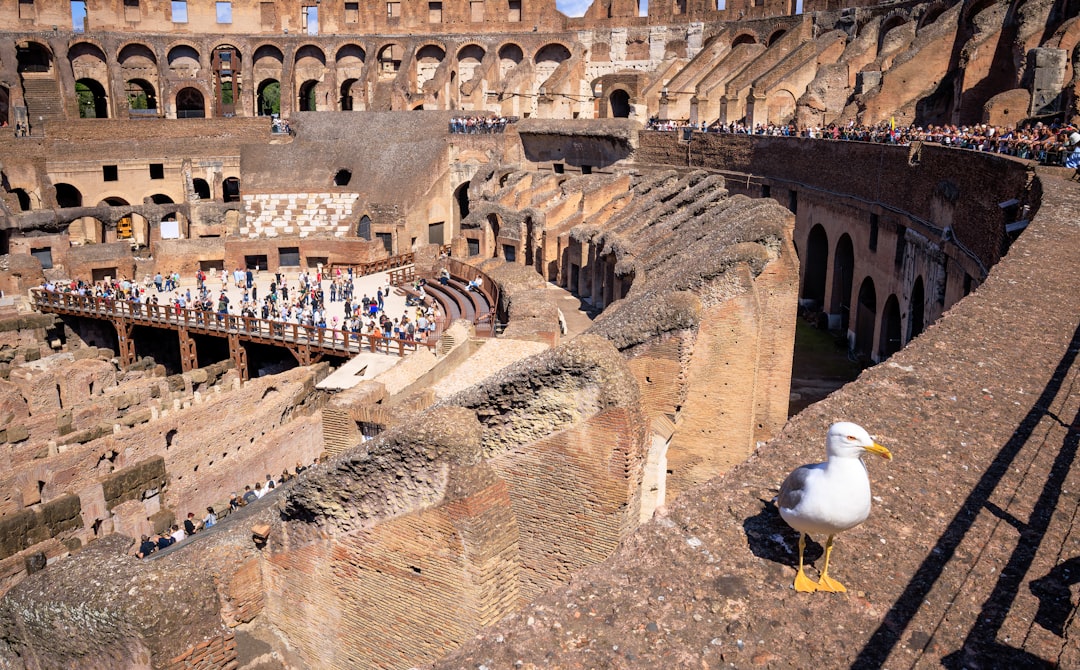
Men dressed in gladiator costumes outside the Colosseum in Rome invite you to take a photo with them. They act friendly and encourage you to pose for multiple shots with their props. After the photos are taken they aggressively demand an outrageous fee of 50 euros or more per person. They can become physically imposing if you refuse to pay the requested amount. It is illegal to charge for these photos but they continue to operate by intimidating tourists.
The Map Seller
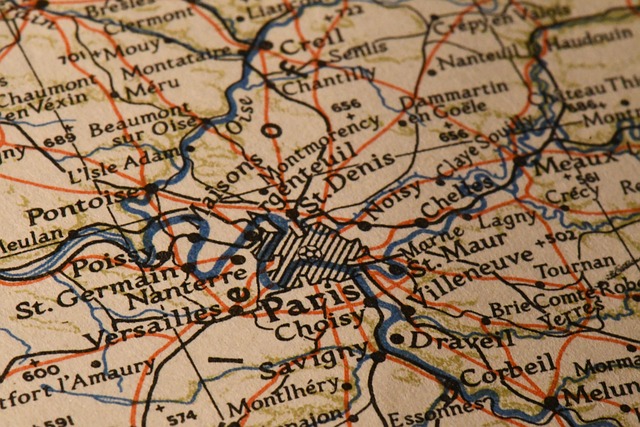
A person approaches you with a large map and offers to help you find your way around the city. They unfold the map and hold it up close to your face or over your bag to block your view. Under the cover of the large map their hands are busy stealing from your pockets or purse. By the time they finish giving you directions and walk away your valuables are gone. This scam uses the map as a physical shield to hide the theft.
The Fake Monk

Men dressed in orange or grey robes resembling Buddhist monks offer you a shiny amulet or peace card. They place the item in your hand or pocket and ask for a donation to build a temple. If you offer a small amount they open a notebook showing large donations from previous tourists to shame you into giving more. They are not real monks and the money is purely for personal gain. This scam appears in major cities like London and Paris near tourist hubs.
The Dropped Baby

A woman approaches you and suddenly tosses what looks like a baby into your arms. Your instinct is to drop everything you are holding to catch the child and protect it from harm. While your hands are full and you are in shock a gang of children surrounds you to pick your pockets. The baby is actually a doll wrapped in blankets used to exploit your protective reflexes. This extreme distraction robbery is rare but still reported in parts of Italy.
The Pickpocket Sign Warning
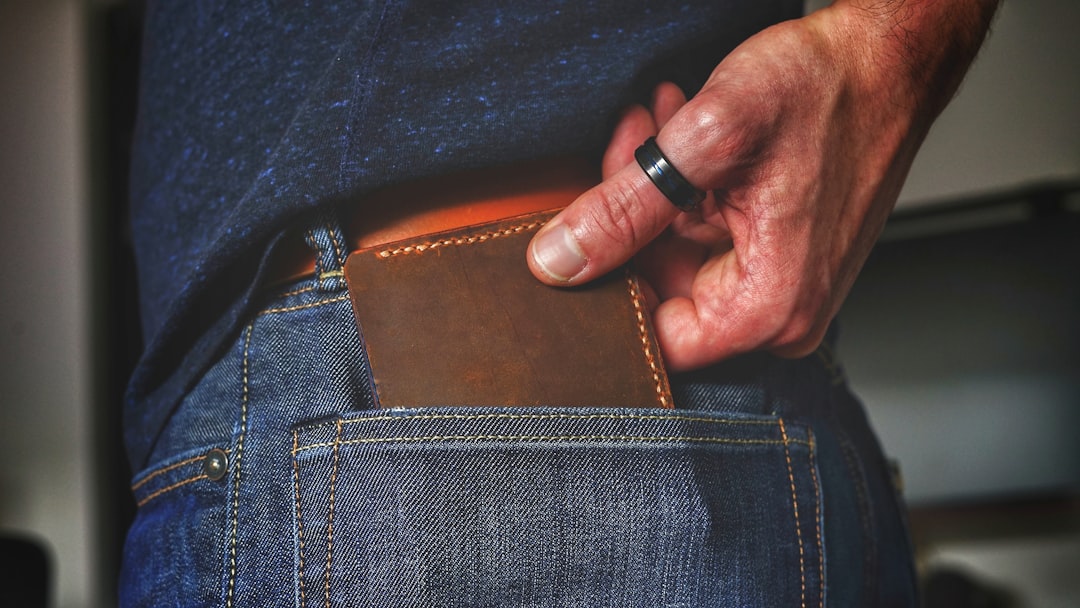
Someone yells out a warning that pickpockets are in the area or you see a sign warning of thieves. Your natural reaction is to immediately tap or check the pocket where your wallet or phone is stored. Spotters watching the crowd look for these subconscious movements to identify exactly where you keep your valuables. They communicate this information to a partner who targets you further down the street. It is safer to keep your valuables in a secure interior pocket and avoid patting them.
The Currency Exchange Switch
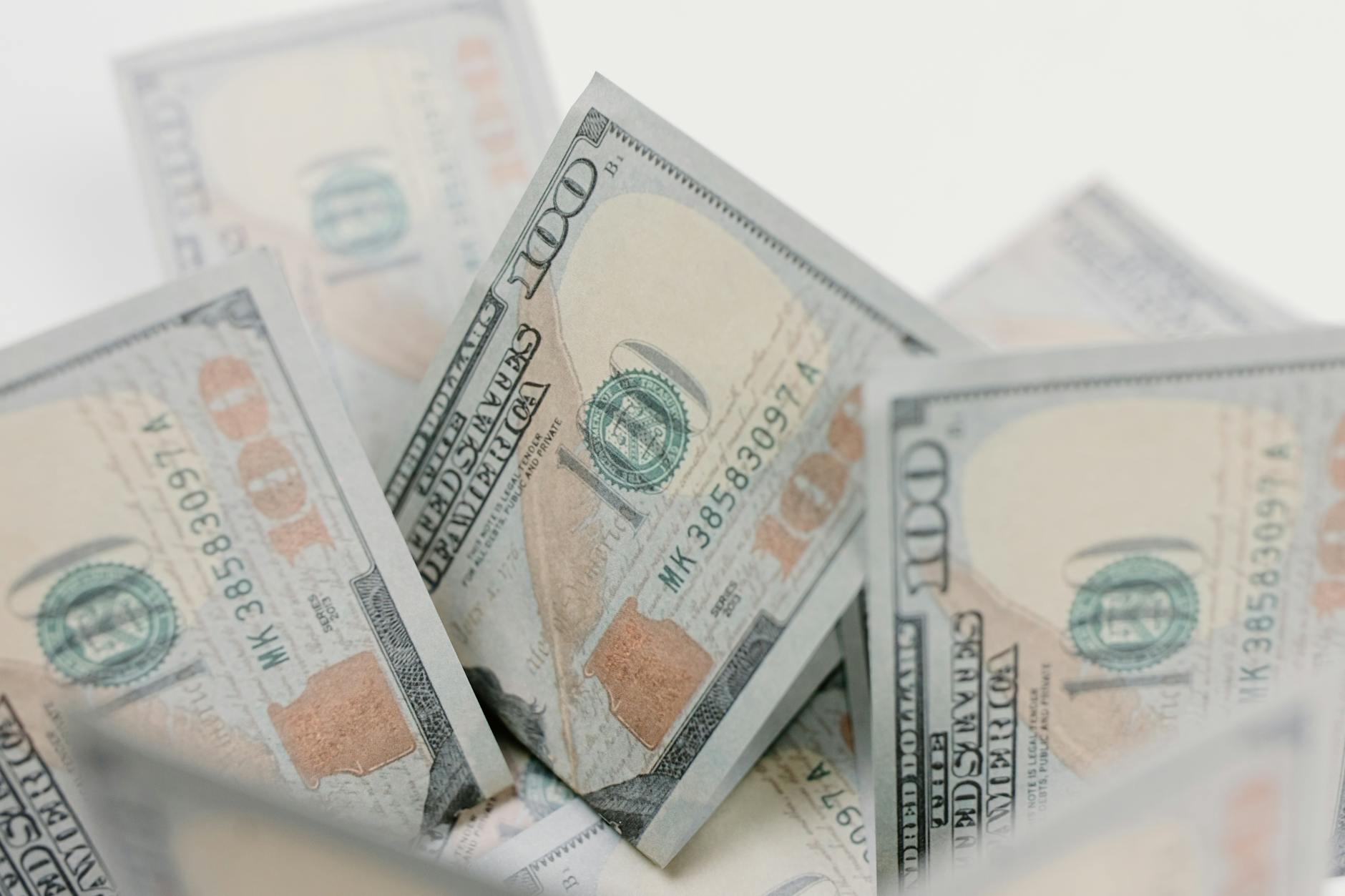
You visit a currency exchange booth that advertises zero commission and excellent rates on a large board. After the transaction you realize you received significantly less money than calculated. The clerk points to a tiny sign or the back of the receipt stating the good rate only applies to massive transactions. They refuse to refund your money and claim the transaction is final. This deceptive practice is very common in Prague and targets tourists needing local cash.
The Wrong Change
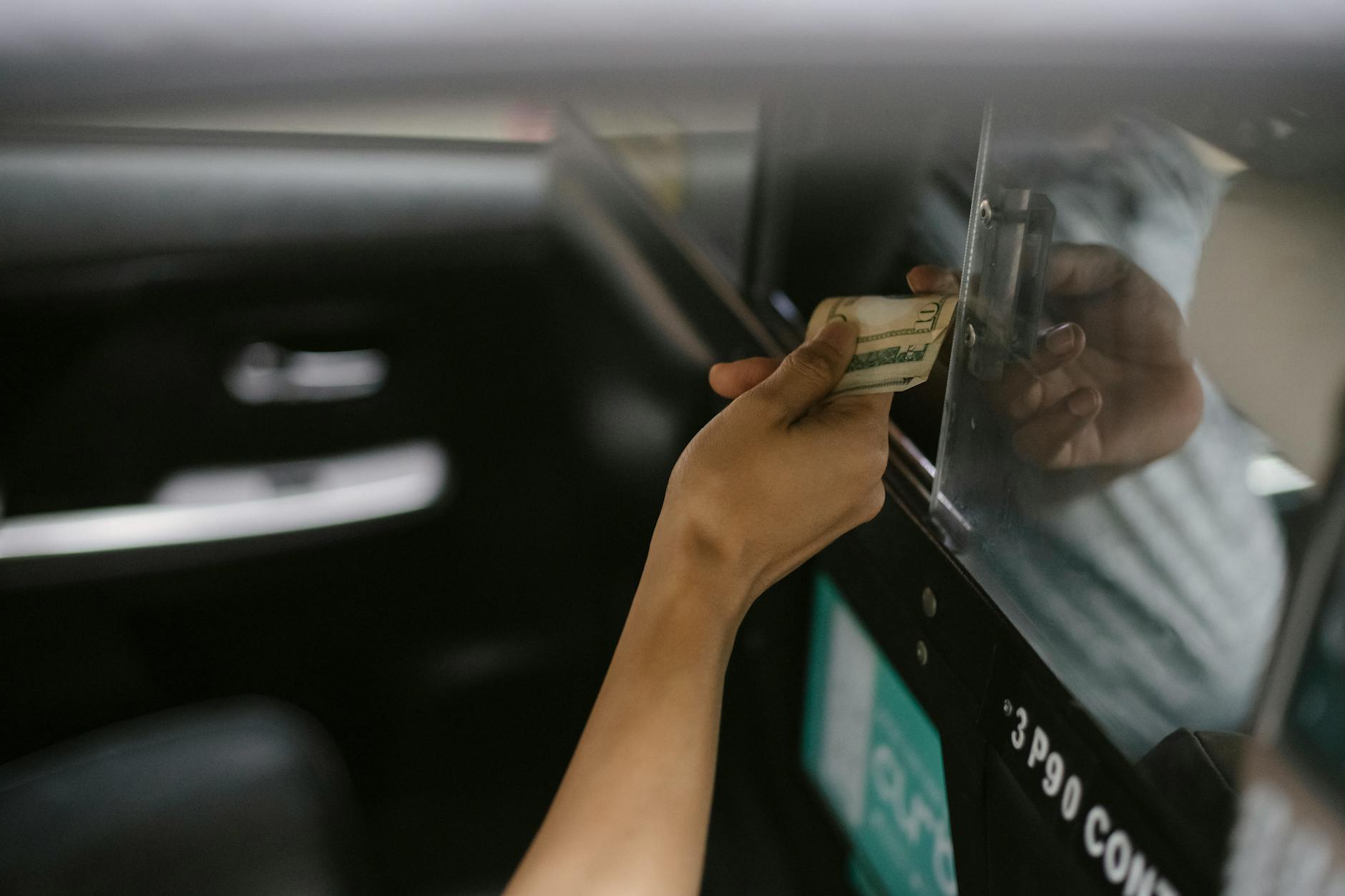
A taxi driver or shopkeeper takes your large bill and drops it while fumbling for change. They swap it for a smaller bill using sleight of hand and claim you underpaid them. Alternatively they count out your change very slowly and intentionally give you the wrong amount hoping you are in a rush. They rely on your unfamiliarity with the local currency colors and sizes. You should always announce the value of the bill you are handing over and count change immediately.
The Closed Attraction
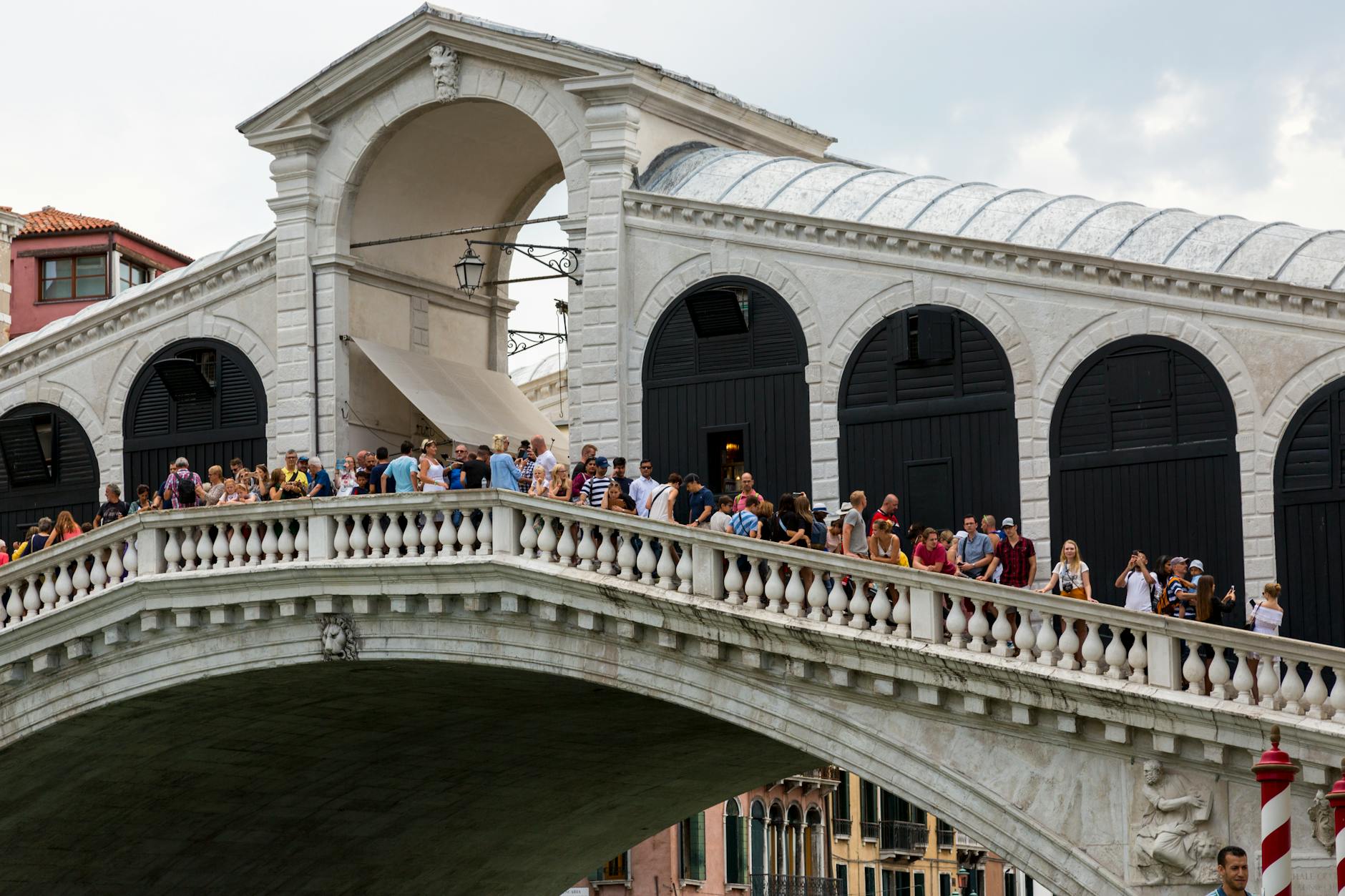
A helpful local approaches you as you walk toward a major site like the Grand Palace or a museum. They inform you that the attraction is closed for lunch or a private ceremony or a holiday. They suggest you visit a different shop or attraction nearby where they get a commission for bringing you. The original site is actually open and they are lying to divert you to a high-pressure sales environment. Always check official websites or walk to the entrance gate yourself to verify opening hours.
The Wi-Fi Honeypot
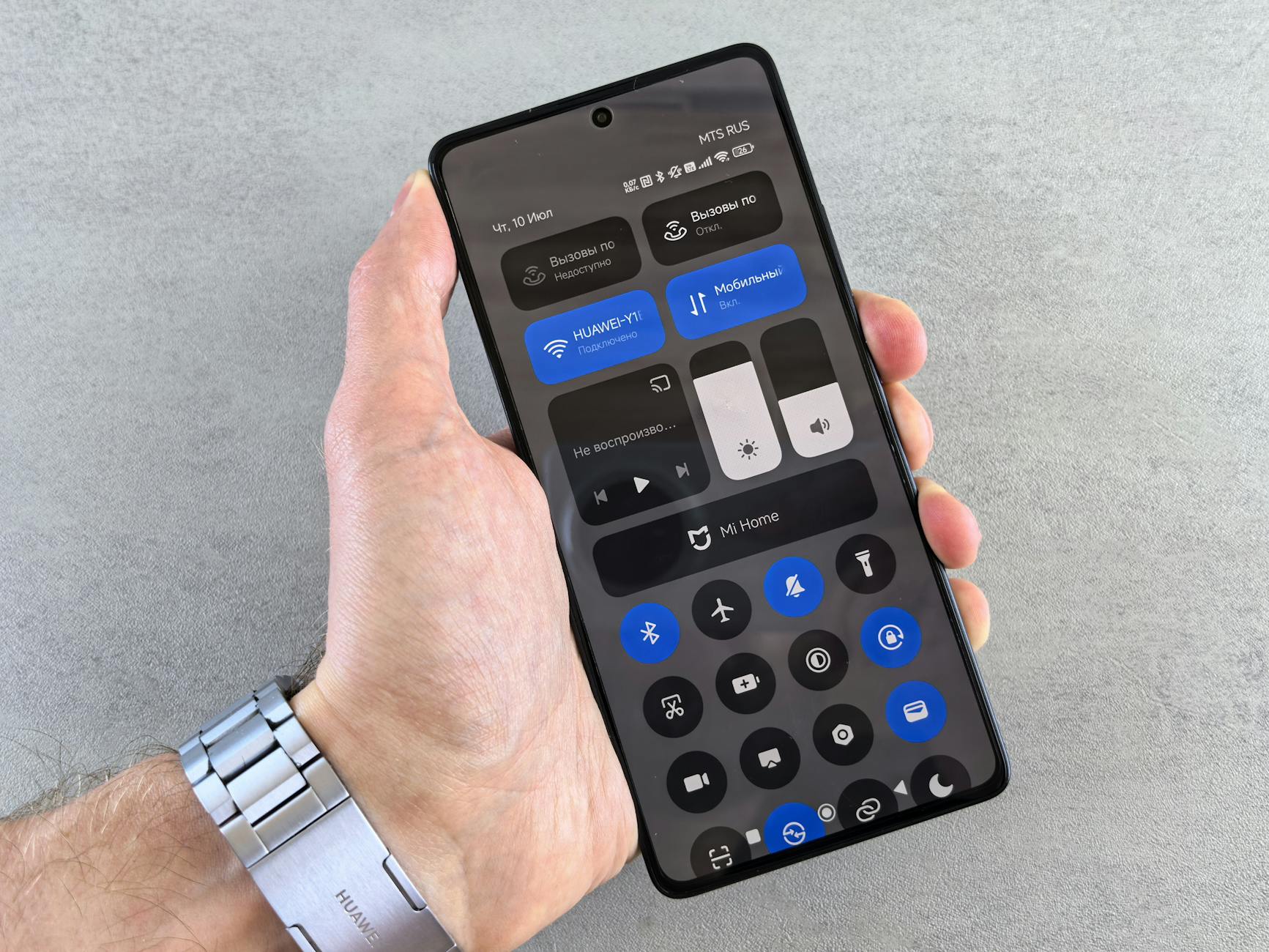
You see a free Wi-Fi network at an airport or cafe with a name very similar to the official venue. Once you connect the hackers monitoring the network can steal your passwords and credit card information. The network was created specifically to harvest data from travelers desperate for an internet connection. These unsecured networks often require you to create an account with sensitive details. You should use a VPN or stick to official password-protected networks when traveling.
The Distraction Mugging
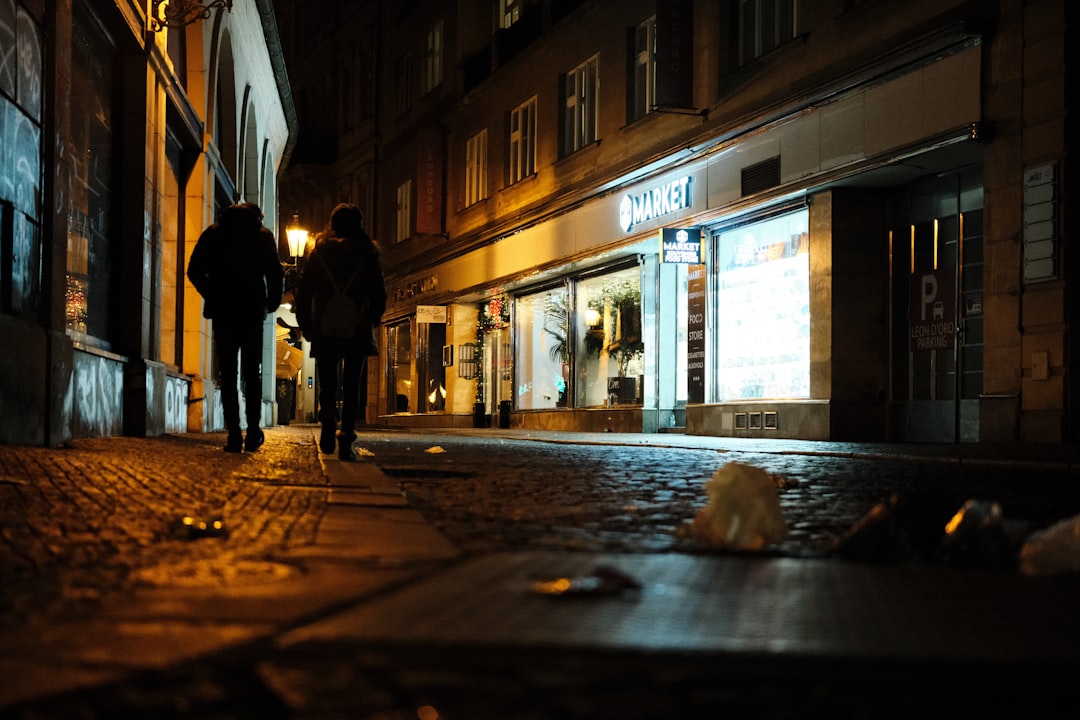
A group of teenagers or young adults surrounds you while laughing and shouting or playing loud music. They may start pushing each other or dancing around you to create a sense of confusion and invasion of space. Amidst the chaos they strip you of your watch and wallet and phone before scattering in different directions. This relies on overwhelming the victim with noise and movement so they cannot focus on defense. This type of aggressive street theft is a risk in cities like Naples or Paris.
The Slow Count
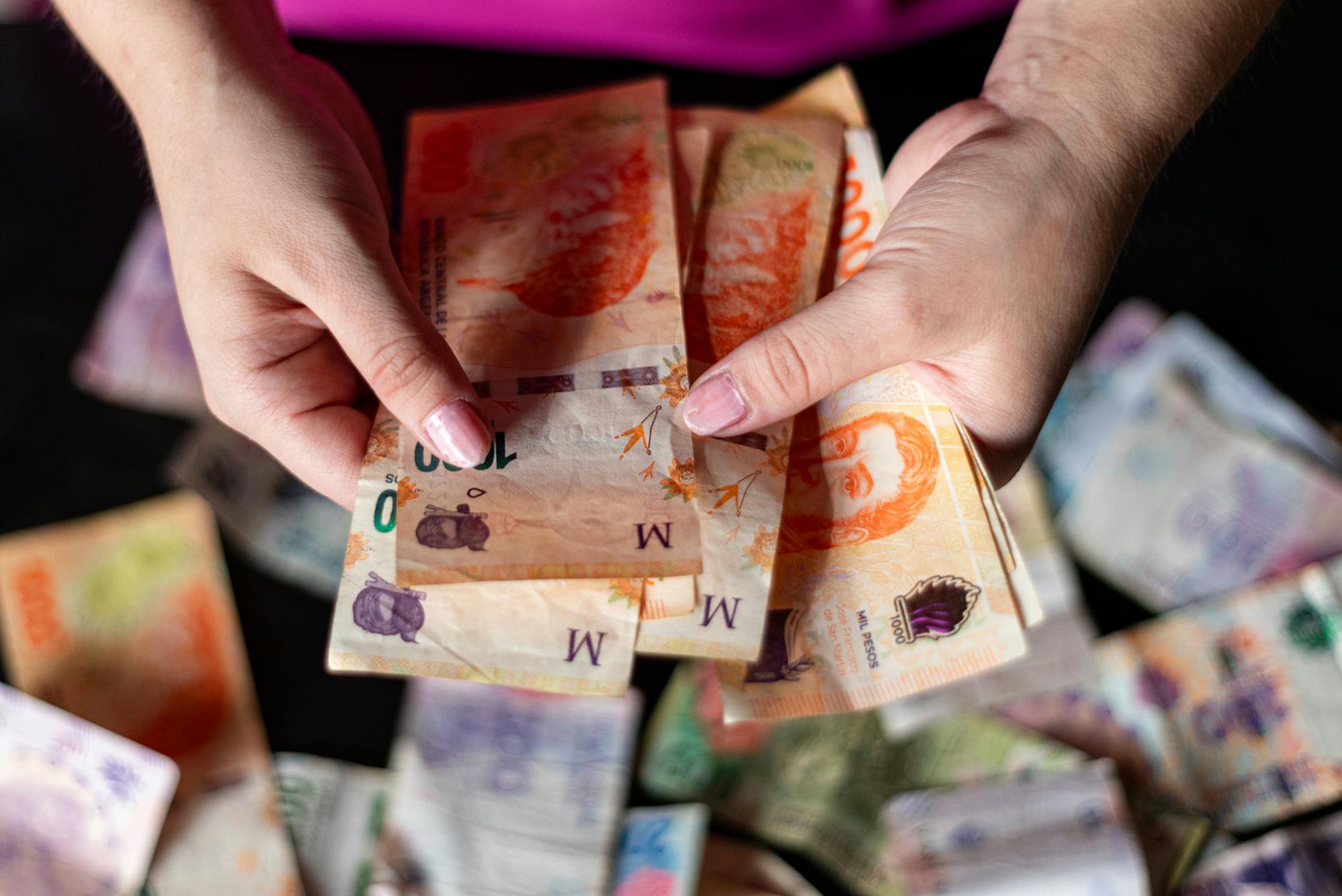
A cashier at a convenience store counts your change back to you at an agonizingly slow pace. They pause frequently and look at you to see if you become impatient or distracted. If you look away or start to grab the money they stop counting short of the full amount. They bank on you grabbing the pile of coins and leaving just to end the interaction. Always wait for the full count and verify the total before walking away.
The Shoe Shine trick
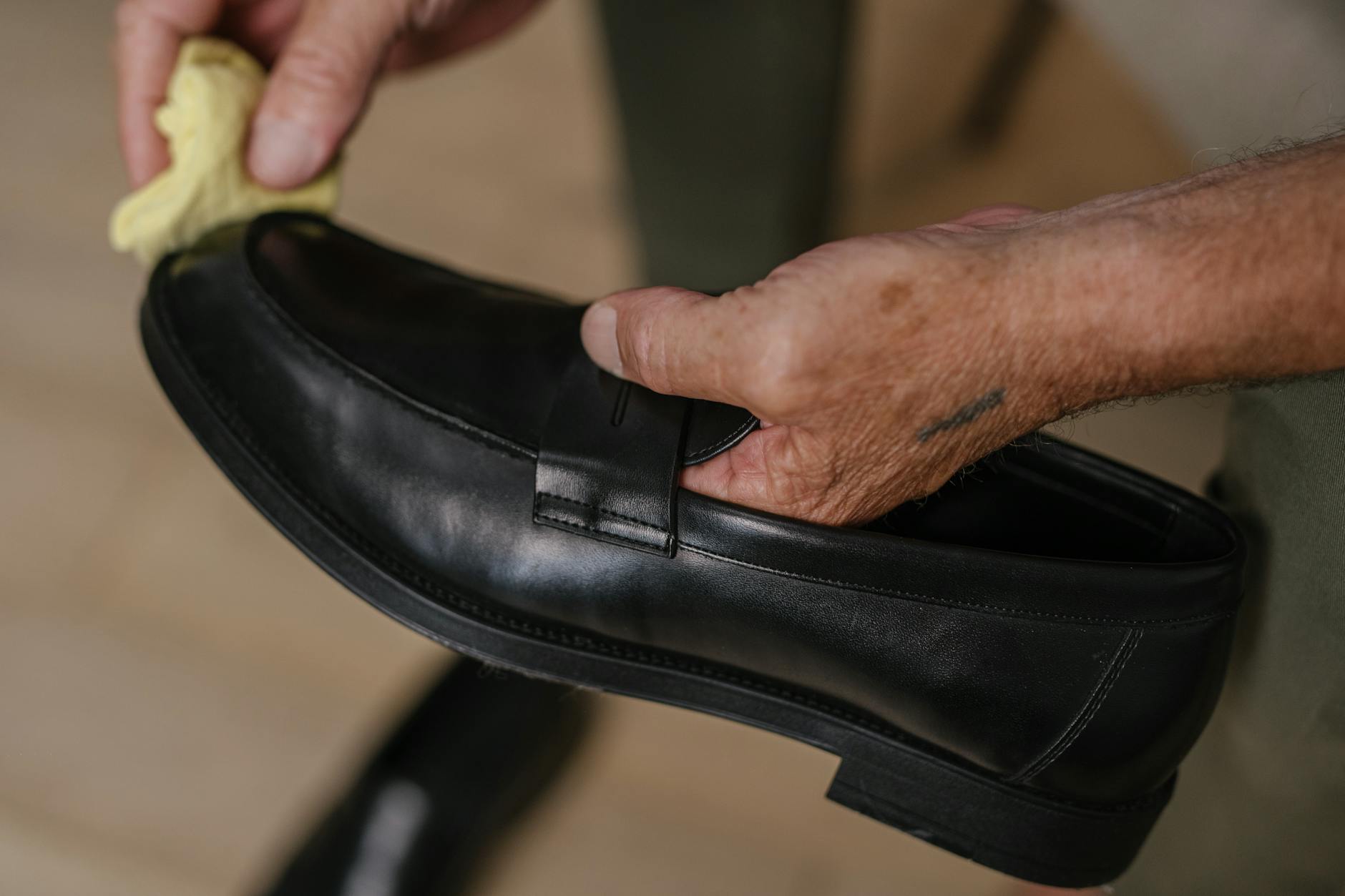
A shoe shiner walking in front of you drops their brush and continues walking without noticing. When you pick it up and return it they insist on giving you a shoe shine to say thank you. Once they start cleaning your shoes they demand a large payment for the service. If you refuse they act insulted and cause a scene to attract attention. This manipulates your desire to be polite and helpful to strangers.
The Fake Station Staff
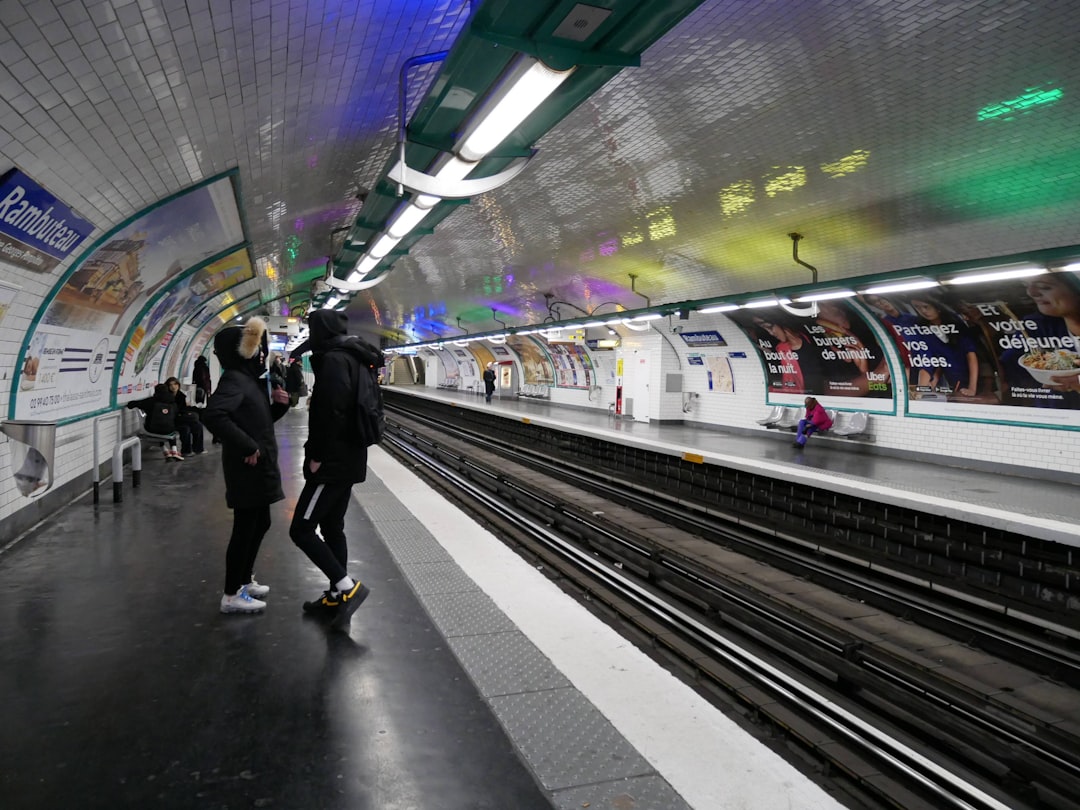
People standing near ticket machines in the Paris Metro wearing vests that look official offer to help you buy tickets. They sell you a ticket that is for a child or a different zone which is much cheaper than what you paid them. When you try to use the ticket later you may get fined by real inspectors for having the wrong fare. The scammers pocket the difference between the cash you gave them and the cheap ticket cost. Only buy tickets from the machine yourself or from a window with a glass barrier.
The Rental Damage Scam
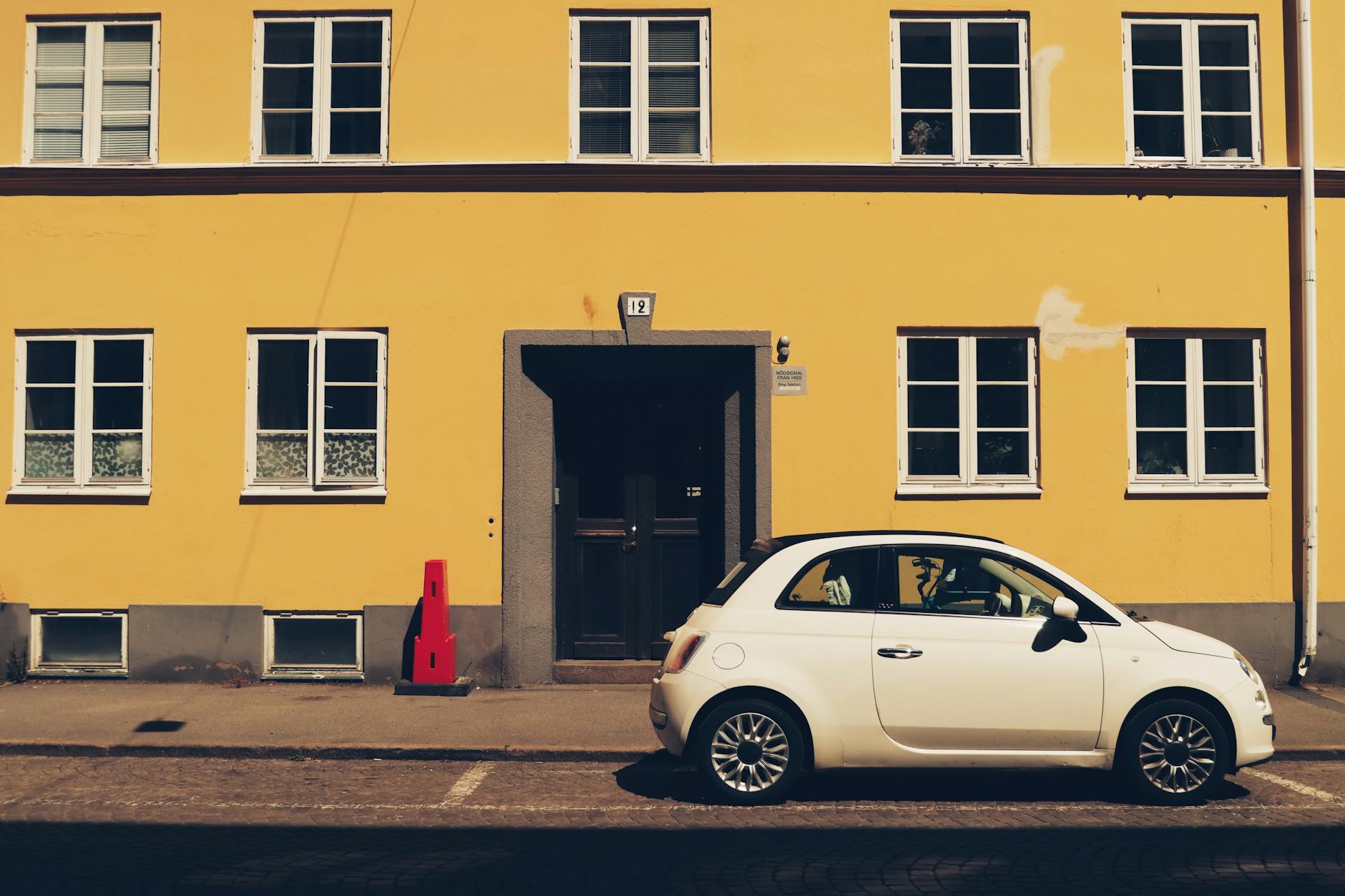
You rent a scooter or car and return it in the same condition you received it. The rental agency claims you caused a scratch or dent that was actually there previously. They demand a large cash payment for repairs and threaten to charge your credit card an even higher amount. They often paint over scratches with water-soluble paint that washes off after you leave the lot. You must take detailed photos and videos of any rental vehicle before you drive it away.
The Restaurant Switch

You order a specific bottle of wine or a premium steak based on the menu price. The waiter brings a bottle or cut that looks similar but is actually a much more expensive vintage or grade. When the bill comes you are charged the higher price and the staff claims you agreed to the recommendation. They rely on you not checking the label or asking the price of the suggestion. Always confirm the price of any item the waiter brings to the table before they open or serve it.
The Tragic Story

A well-dressed person approaches you claiming they have been mugged and lost their wallet and passport. They speak excellent English and tell a convincing story about needing money for a train ticket to get to the embassy or home. They may even offer to show you a police report or give you contact details to pay you back. This is a professional beggar who uses a refined appearance to lower your guard. The story is a fabrication used to collect cash from sympathetic tourists.
The Snap and Grab
Thieves on bicycles or mopeds ride on the sidewalk or close to the curb looking for pedestrians using phones. They speed past you and snatch the phone from your hand before you can react. The speed of the vehicle makes it impossible to chase them or recover the device. This crime has surged in London and targets people checking maps or texting near the road. You should stand with your back to a wall or inside a doorway when using your phone in public.
The Taxi Meter Trick
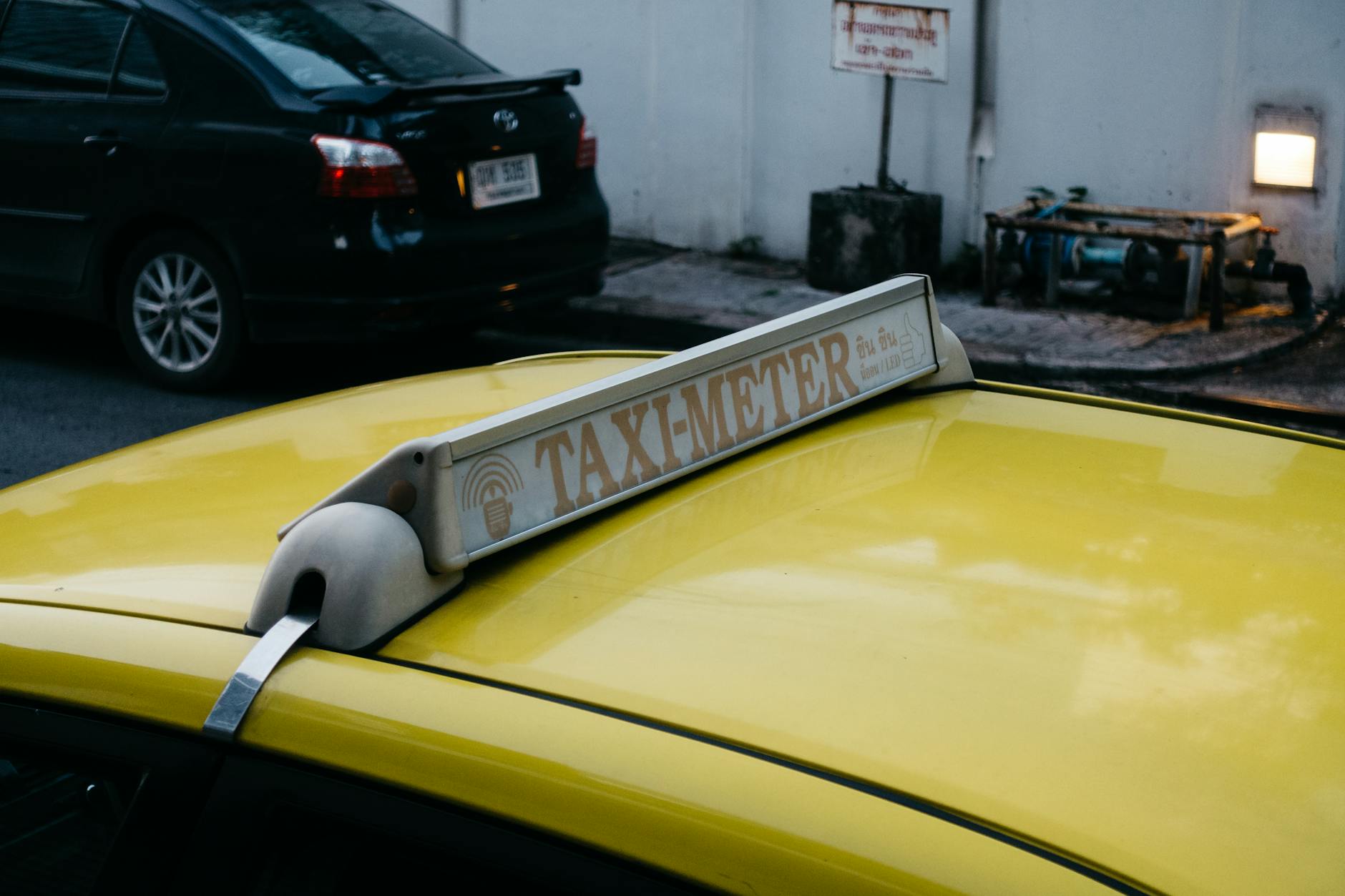
A taxi driver tells you the meter is broken and offers a flat rate for the ride. The flat rate is invariably three or four times higher than the standard metered fare would be. Alternatively they may use a remote control to speed up the meter during the drive to inflate the cost. Illegal taxis may also have rigged meters that run faster than regulated ones. You should only use official taxi stands and insist on the meter being used before entering the vehicle.
The Vegetable Vendor Switch
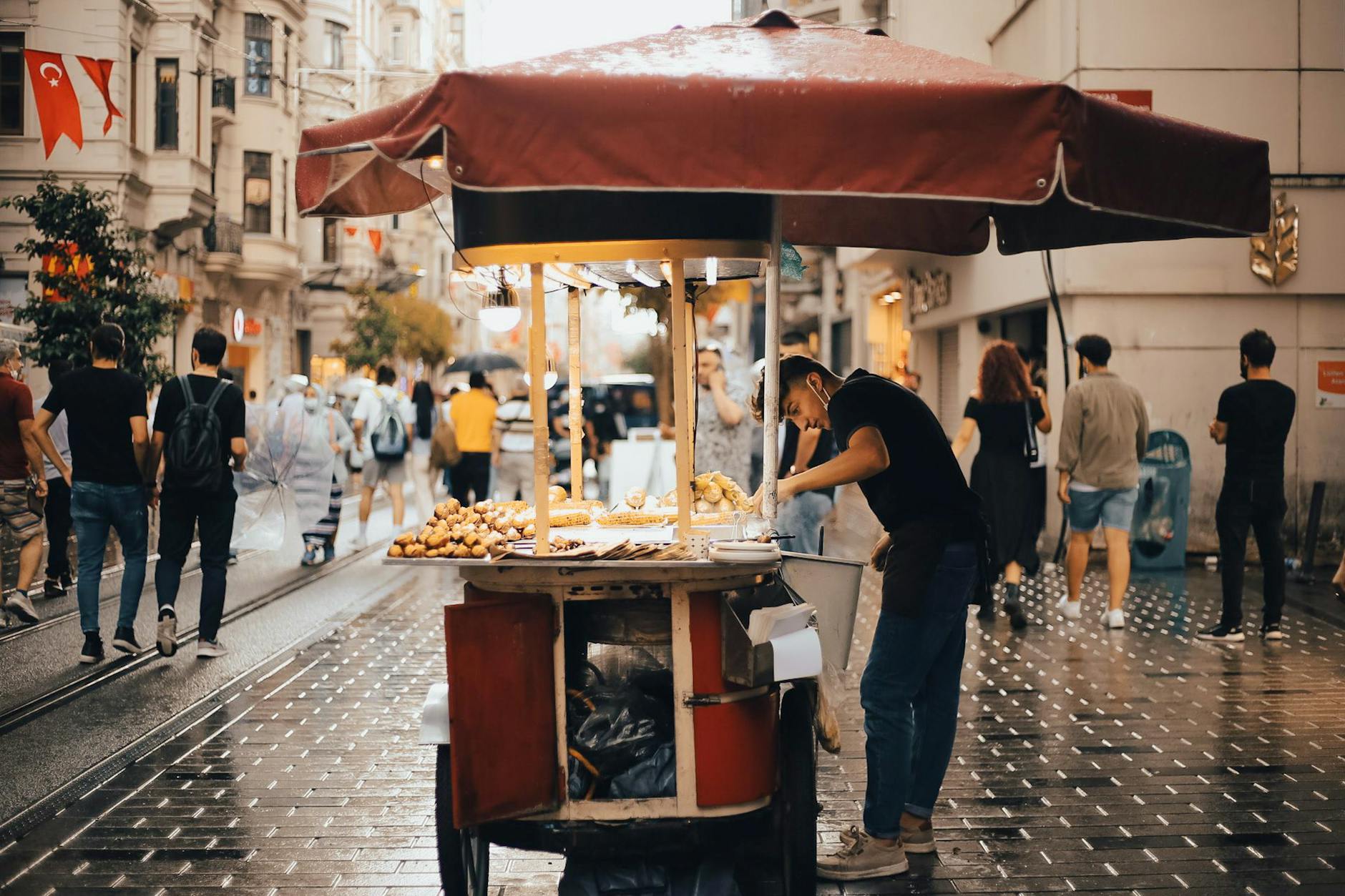
You buy fruit or vegetables from a street stall and the vendor selects the items for you. They bag the produce behind the counter or swap the bag you chose for one filled with bruised or rotting items. You only discover the poor quality of the goods when you return to your accommodation. They rely on the fact that tourists are unlikely to return to complain or demand a refund. You should select your own produce and watch the bagging process closely.
The Typsy Traveler

A friendly stranger at a bar buys you a drink or offers a toast with a shot. The drink is spiked with a substance that makes you groggy or unconscious. While you are incapacitated they rob you of your belongings or lead you to an ATM to withdraw cash. This dangerous crime can lead to severe physical harm beyond just financial loss. Never accept open drinks from strangers and watch your glass at all times.
Would you like me to create a printable checklist of these scams for your next trip?