Grocery stores are high-traffic environments where hundreds of people handle the same surfaces every single day. Most shoppers focus on their lists and budgets without realizing they are navigating a landscape filled with invisible microbial activity. Bacteria and viruses transfer easily from hands to products and back again as customers move through the aisles. High-touch areas often go hours or even days without thorough sanitization from store staff. Awareness of these common hotspots can help individuals make smarter choices about hand hygiene while shopping.
Shopping Cart Handles
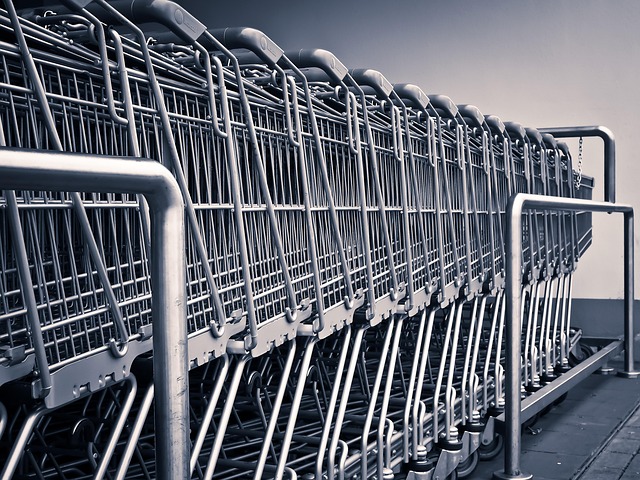
These metal or plastic bars see more human contact than almost any other surface in a retail environment. Thousands of shoppers grip them every week while coughing or sneezing nearby. Sweat and oils from palms create a sticky film that traps dirt and bacteria effectively. Tests have revealed traces of E. coli and other pathogens on a significant percentage of handles. Wiping them down before use is a simple step that removes the bulk of surface contaminants.
Child Safety Seats
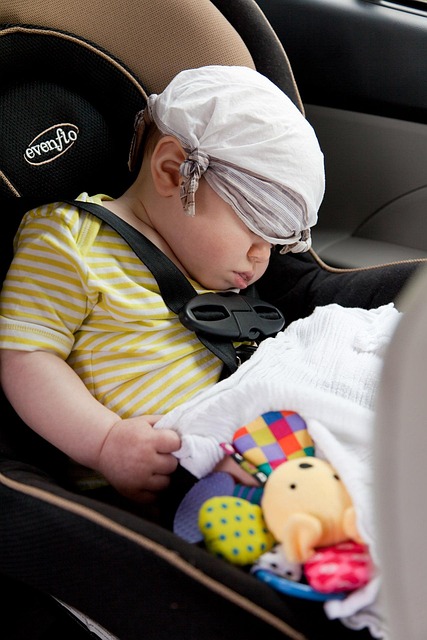
The folding seats in shopping carts are frequently exposed to leaky diapers and dirty shoes. Food scraps often get stuck in the crevices where bacteria can multiply rapidly. Parents often place raw meat packages or unwashed produce in this small area to keep them separate. This section of the cart rarely receives a deep cleaning despite being a high-contact zone for toddlers. Surfaces here can harbor more germs than the handle due to the variety of organic matter present.
Shopping Cart Baskets
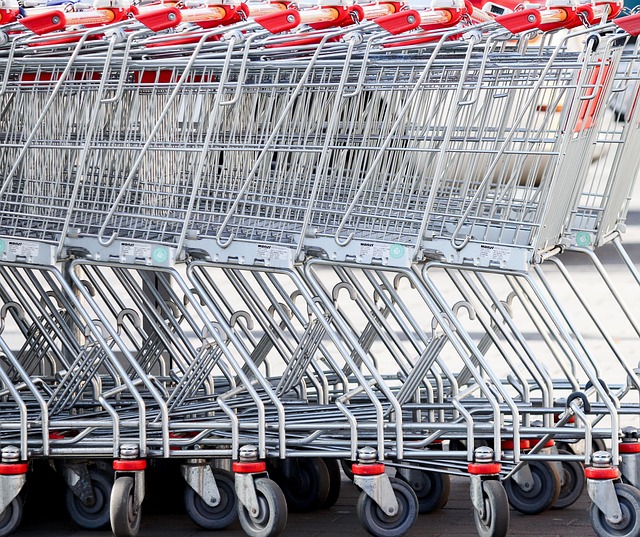
The main wire or plastic basket area is a catch-all for every type of grocery item imaginable. Leaking meat packages drip juices onto the bottom grid where they dry and remain for days. Fresh produce rests directly on these surfaces after being handled by previous customers. Dirt from the wheels of other carts often transfers when they are nested together in the corral. This cross-contamination makes the bottom of the cart a significant reservoir for bacterial growth.
Handheld Shopping Baskets
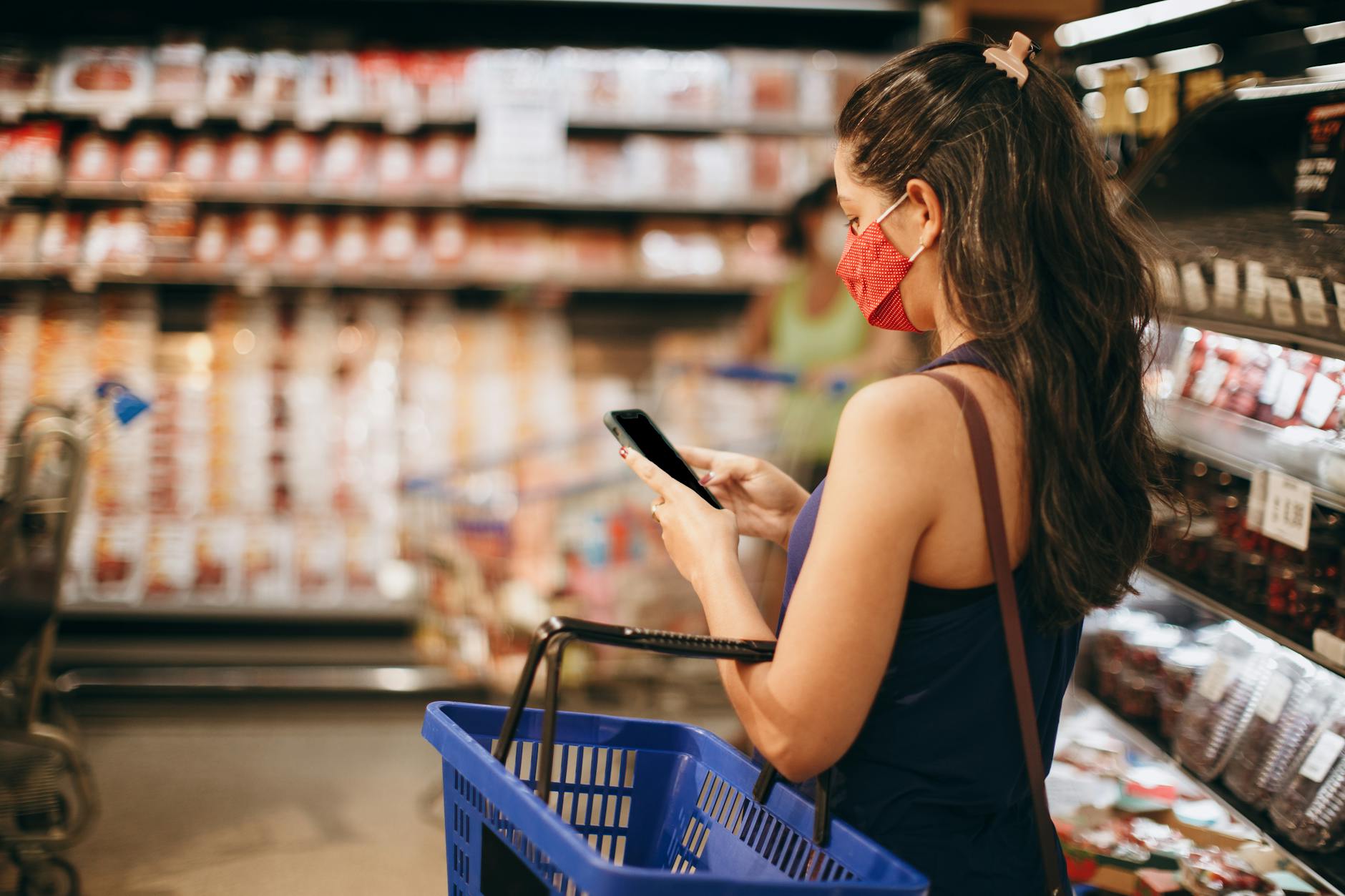
Plastic baskets are often placed on the floor by shoppers while they browse low shelves. The handles accumulate germs from hundreds of different hands throughout a busy day. Bacteria from the floor transfer to the bottom of the basket and then to the checkout counter. Spills from milk or sticky residue from fruit often go unnoticed in the solid plastic bottoms. These stackable items are difficult to clean thoroughly and are often overlooked during routine store sanitization.
Produce Scales
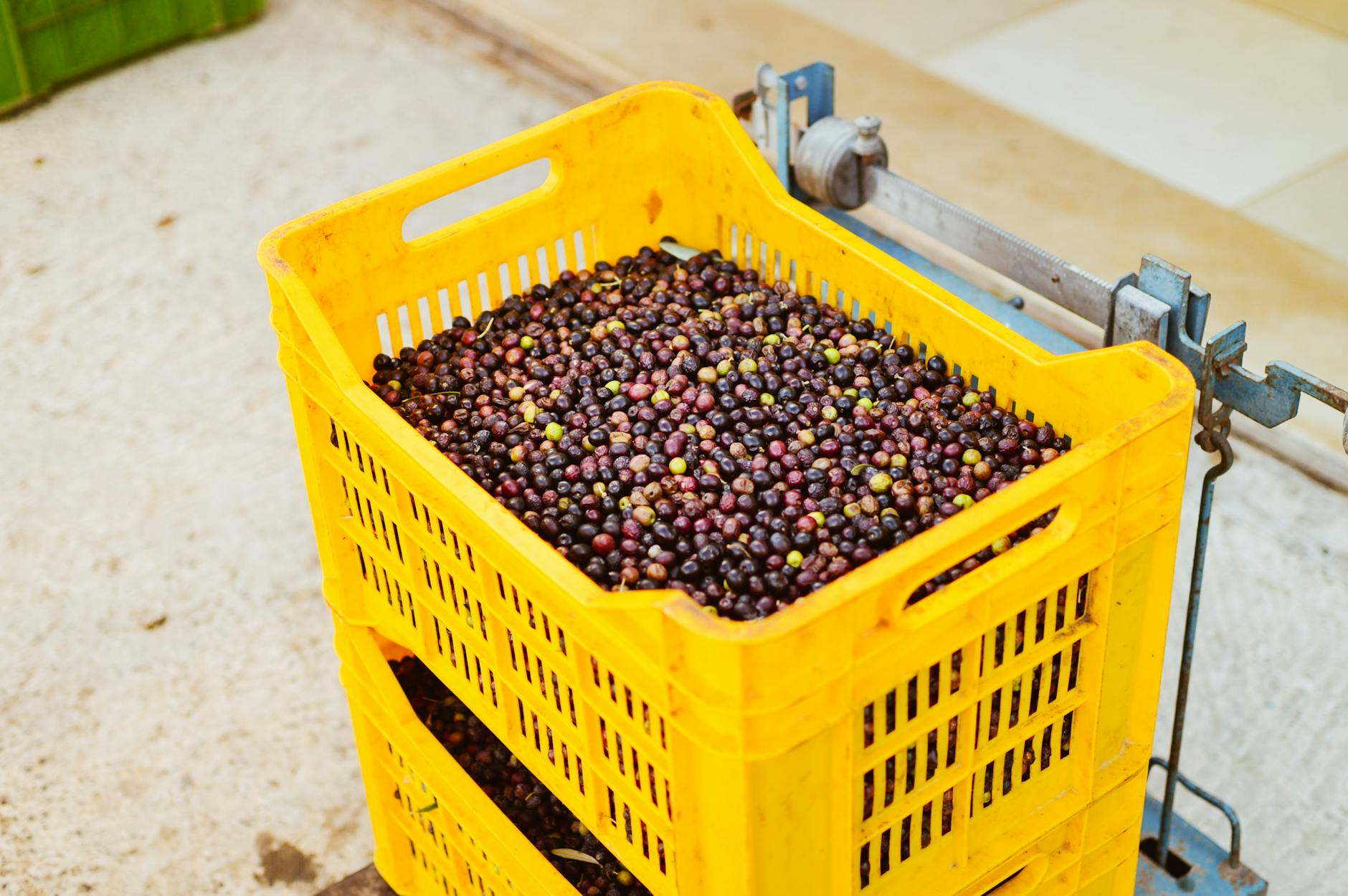
Shoppers place unwashed fruits and vegetables directly into the weighing pan. Dirt from potatoes and onions accumulates in the tray along with pesticide residues. Multiple people touch the keypad or buttons to enter codes without washing their hands first. Moisture from wet leafy greens creates a damp environment where bacteria can survive for hours. This shared equipment is a prime location for cross-contamination between different types of raw foods.
Produce Bag Dispensers
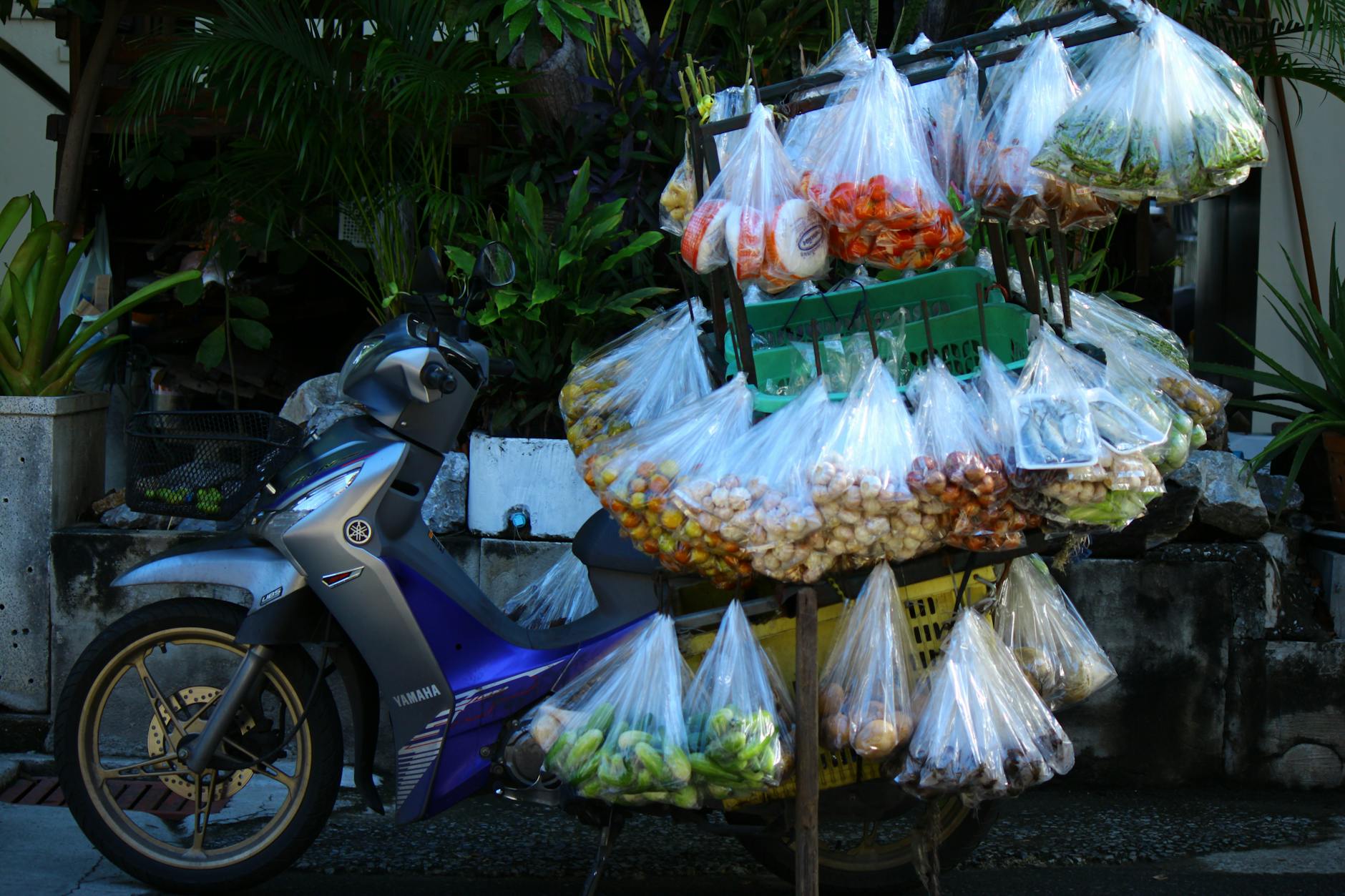
The struggle to open a thin plastic bag often involves licking fingers or aggressive rubbing. Hundreds of shoppers touch the dispenser roll every day to tear off their bags. The static nature of the plastic attracts dust and airborne particles to the surface. People often handle the dispenser immediately after touching raw produce items like potatoes. This high-touch point is rarely sanitized because it is considered a disposable supply area.
Bulk Bin Scoops
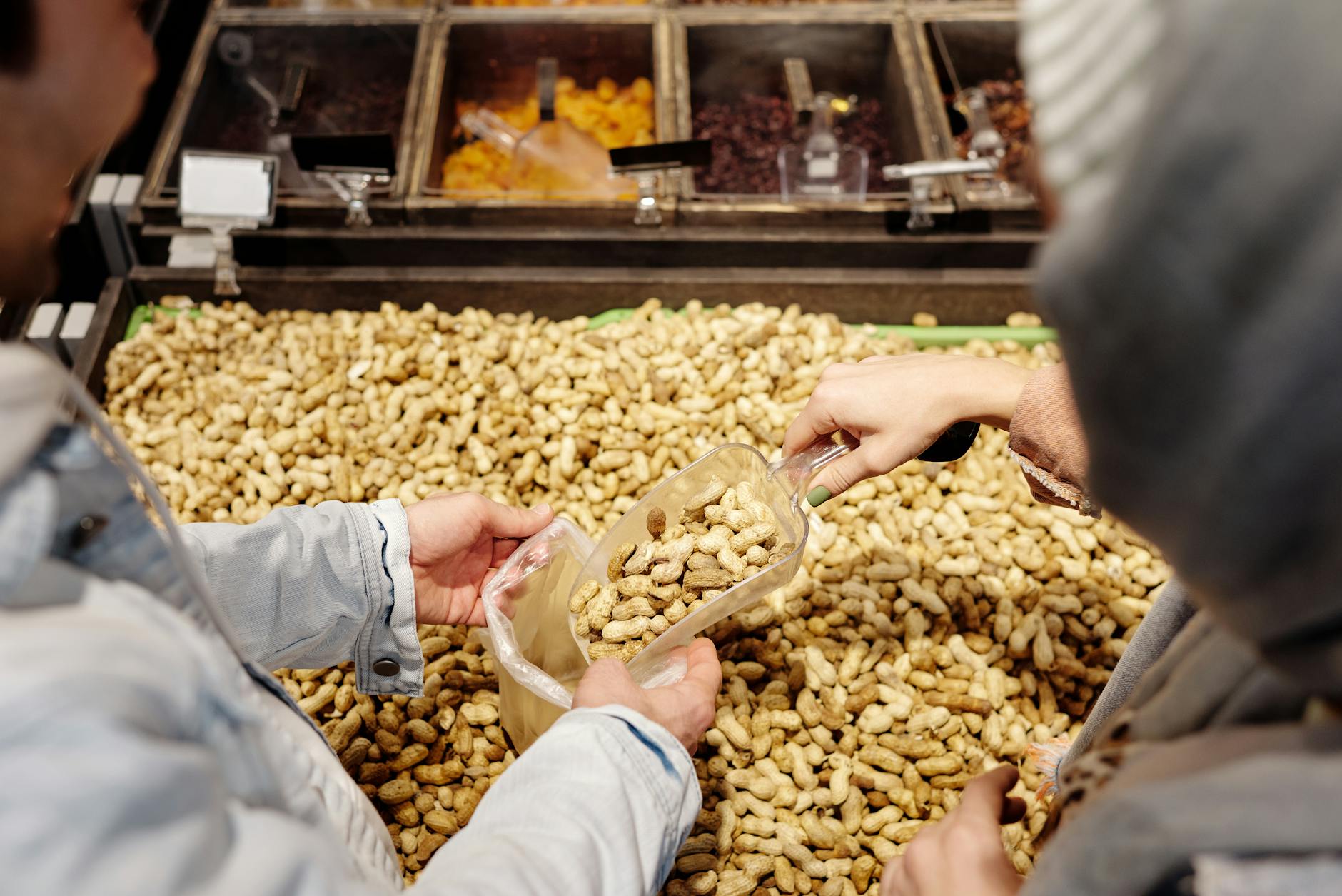
Handles on bulk food scoops are touched by countless people digging for nuts or flour. The scoop itself often falls into the food product and transfers germs from hands to the bin contents. Cross-contamination occurs when shoppers use the same scoop for different bins without thinking. Staff members may not wash these utensils as frequently as other food preparation tools. The shared nature of bulk sections makes them a focal point for germ transmission.
Bulk Bin Lids
Plastic lids on gravity-fed bins require physical lifting by every customer who wants product. Sticky residue from dried fruit or candy often coats the handle and traps dirt. Dust and airborne contaminants settle on these surfaces throughout the store’s operating hours. Shoppers often cough or sneeze while holding the lid open to dispense their items. The warm environment of the store helps bacteria survive on these plastic surfaces for extended periods.
Tongs
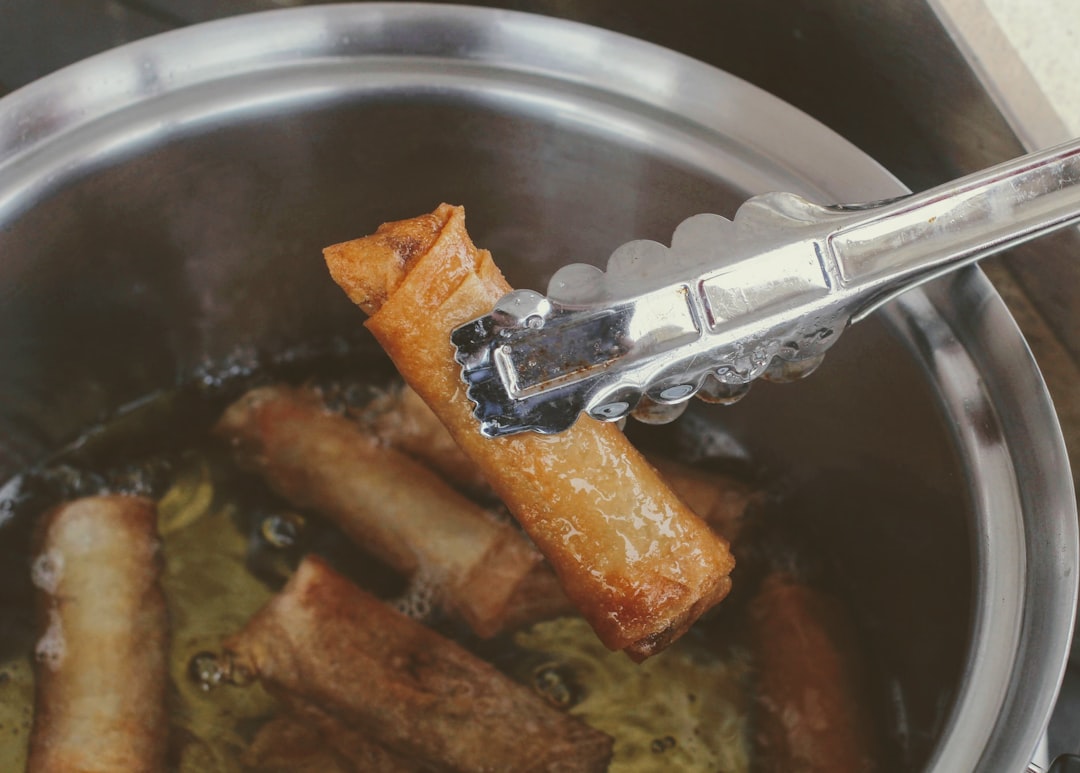
Bakery and deli tongs are handled by dozens of customers in a short period. Many people drop them and simply place them back on the rack without notification. Grease and crumbs from pastries accumulate on the handle and create a breeding ground for germs. The lack of supervision in self-serve areas means hygiene protocols are loosely followed by the public. These utensils are a direct link between the hands of strangers and the food you eat.
Freezer Door Handles
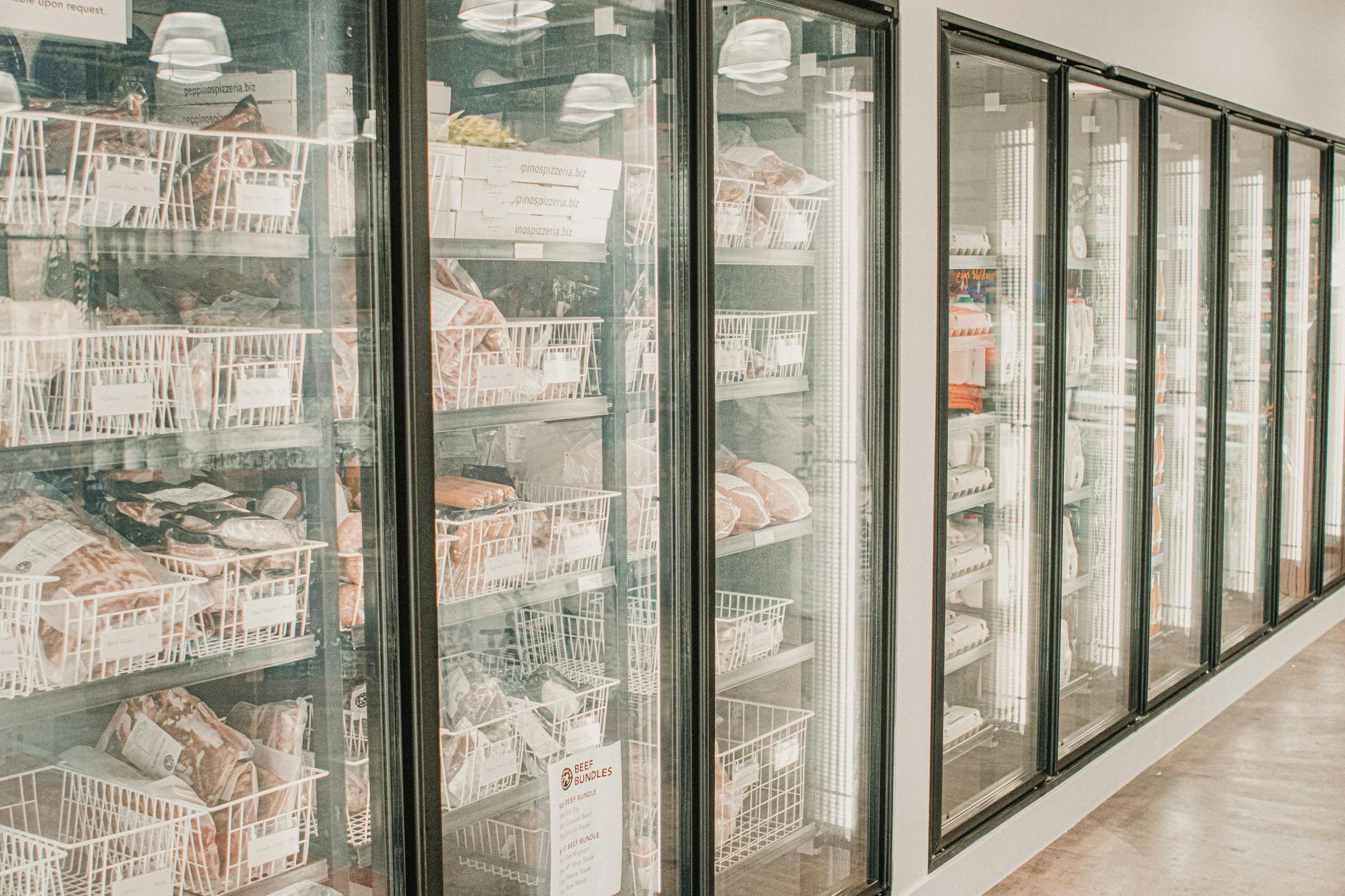
The cold environment of the freezer aisle does not necessarily kill all bacteria on surfaces. Condensation on the handles provides moisture that allows some germs to persist longer. Shoppers grip these handles firmly to open the heavy sealed doors. People often browse this section after handling raw meats in the adjacent aisles. The frequency of contact makes these handles one of the top germ hotspots in the entire store.
Refrigerator Door Handles

Dairy and juice sections see constant traffic as shoppers grab daily staples. The handles are often sticky with residue from leaked milk or orange juice. Warmer temperatures in the main aisle allow bacteria on these surfaces to thrive. Customers frequently touch these handles while eating samples or checking their phones. Regular cleaning schedules often miss these vertical surfaces in favor of floors and counters.
Raw Meat Packaging
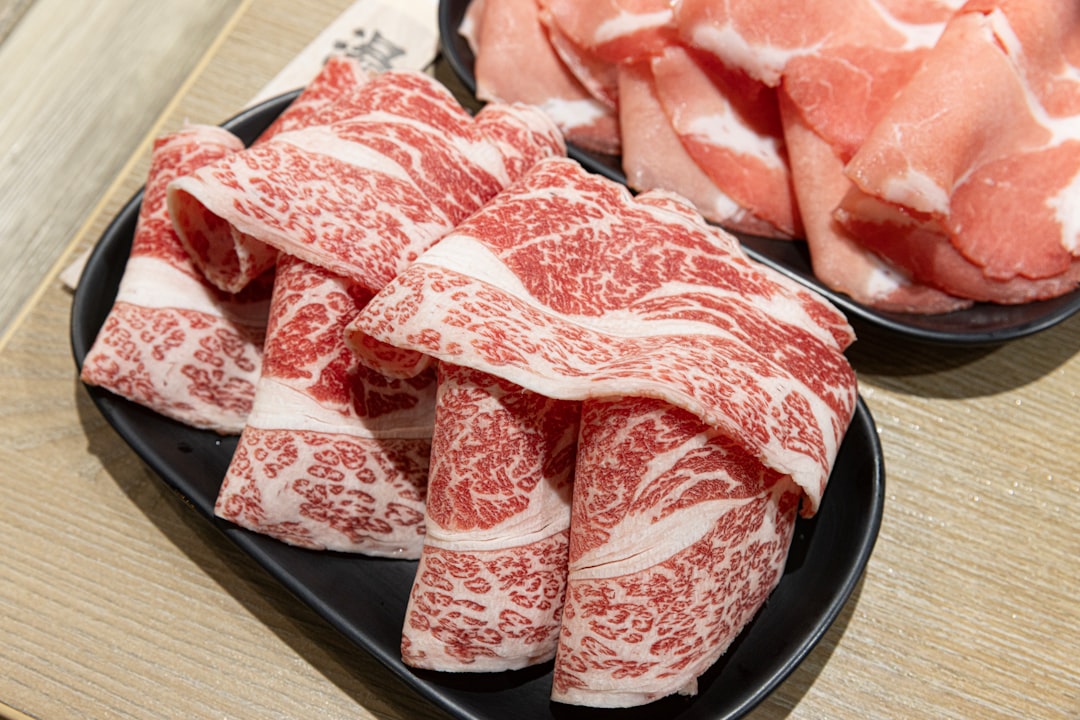
Plastic wrap on meat trays is often contaminated with juices during the packing process. Bacteria like salmonella and campylobacter can survive on the exterior of these packages. Shoppers touch multiple packs to check prices and fat content before making a selection. Leaks from one package can easily contaminate an entire stack in the display case. Handling these items requires immediate hand washing to prevent spreading dangerous pathogens to other groceries.
Fresh Produce
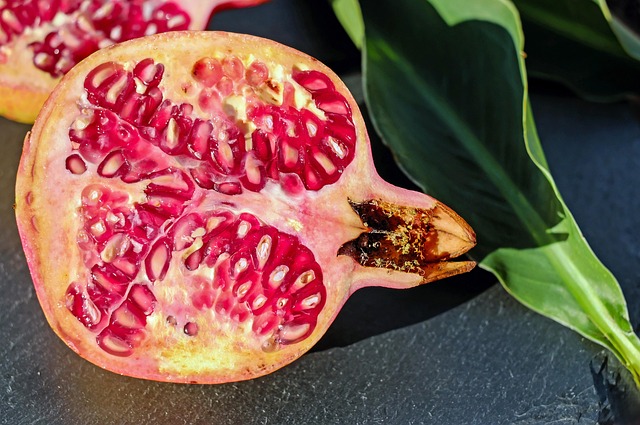
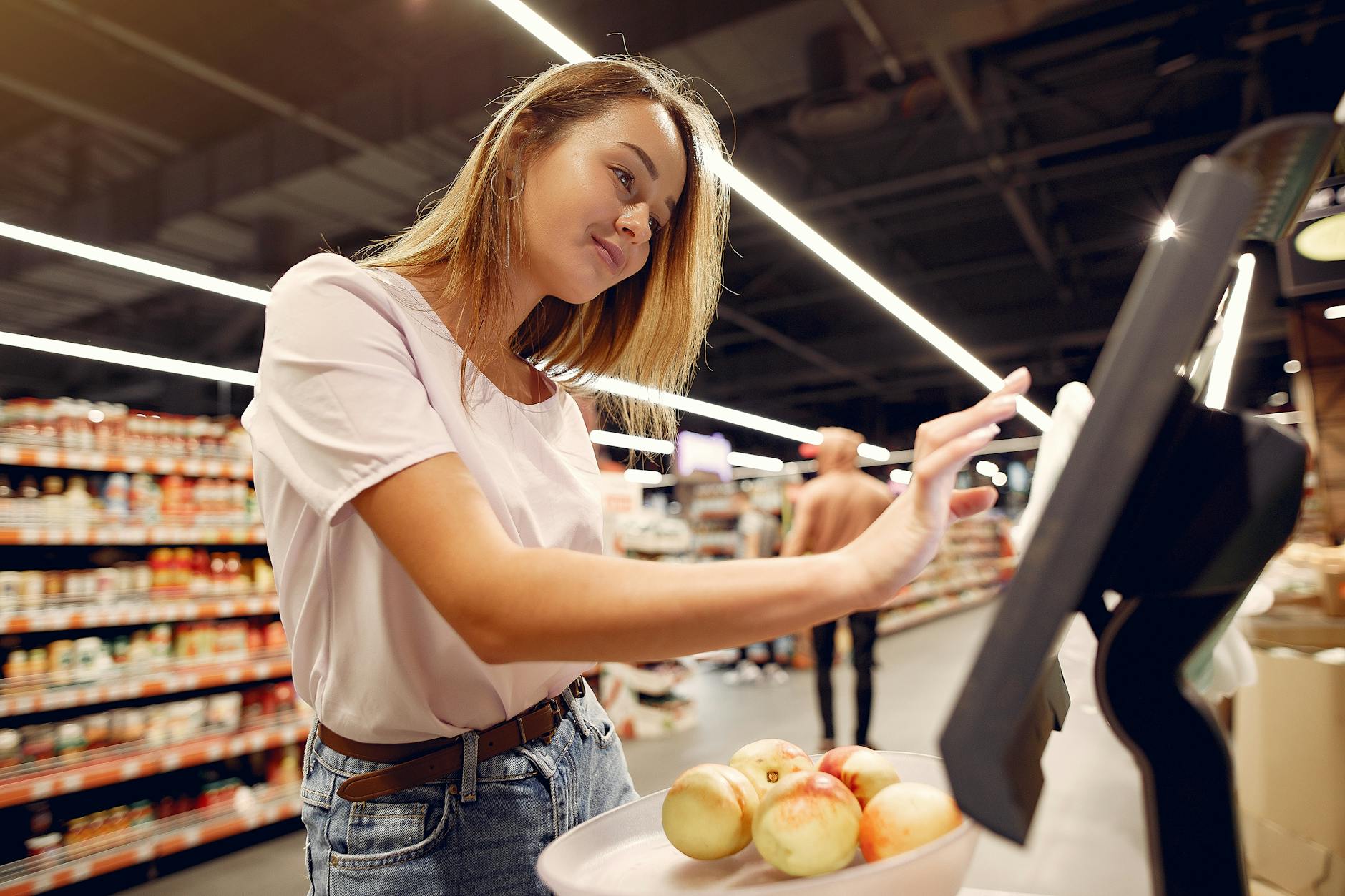
Fruits and vegetables are touched, squeezed, and examined by numerous people before purchase. The natural texture of items like cantaloupe or peaches can trap dirt and bacteria effectively. Agricultural soil and water residues often remain on the skin of these products. Items that are eaten raw pose a higher risk if not washed thoroughly at home. The journey from farm to display involves many points of contact that introduce germs.
Deli Ticket Dispensers
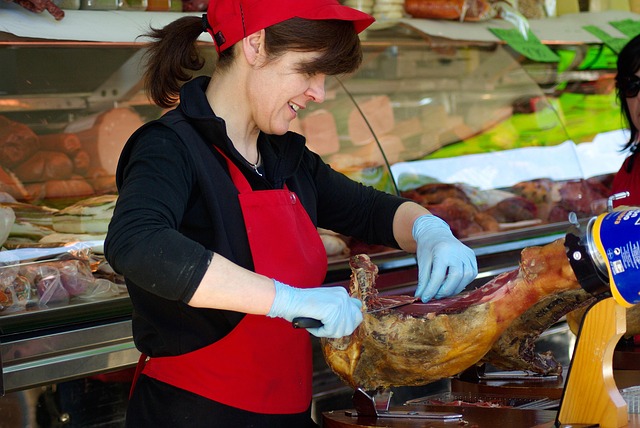
Customers instinctively grab a paper ticket from the dispenser without looking. The plastic housing is touched by everyone waiting for service at the counter. Bacteria from the floor and other aisles travel to this specific waiting area. The paper tickets themselves can carry germs if the dispenser is not clean. This small machine is a centralized touchpoint for a large crowd of people.
Self-Checkout Touchscreens
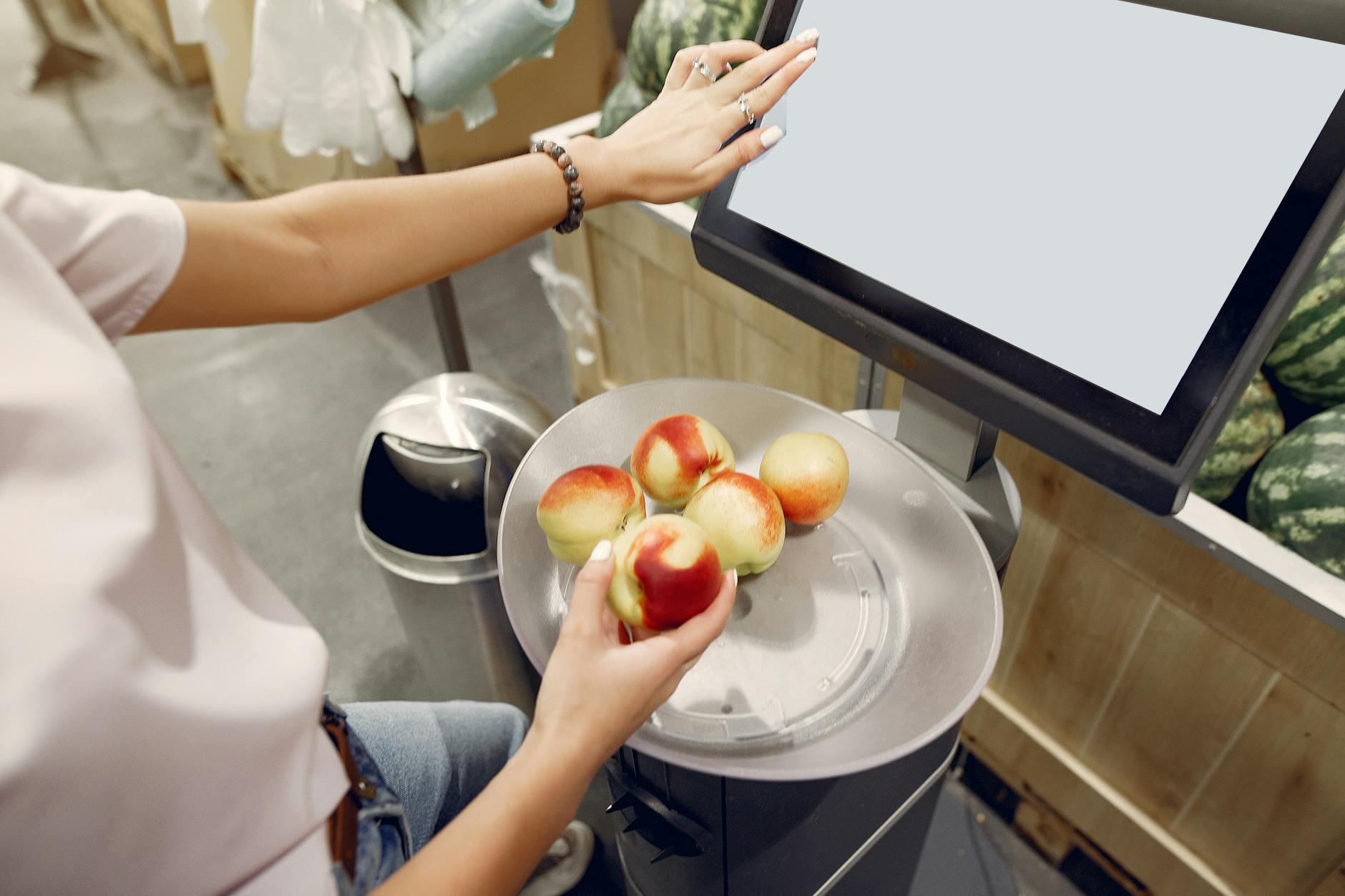
Fingerprints cover every inch of the glass screens at self-service kiosks. Shoppers interact with these machines after handling every single item in their cart. The warmth generated by the electronic screen can help bacteria survive and multiply. Cleaning crews may simply wipe them with a dry cloth rather than a disinfectant. Research shows these screens often harbor fecal bacteria and other alarming pathogens.
Card Payment Terminals
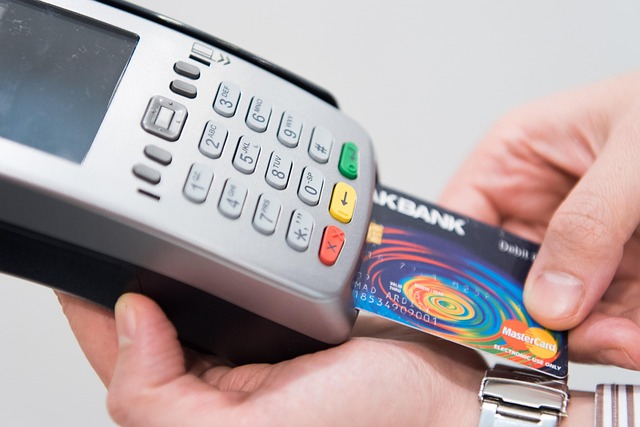
Every paying customer must interact with the card reader and keypad. The rubber buttons provide small crevices where grime and germs accumulate. People press these keys after coughing or adjusting their face masks. The slot for chip cards accumulates dust and debris that can transfer to your personal card. It is one of the final and most consistent touchpoints in the shopping experience.
Payment Terminal Stylus
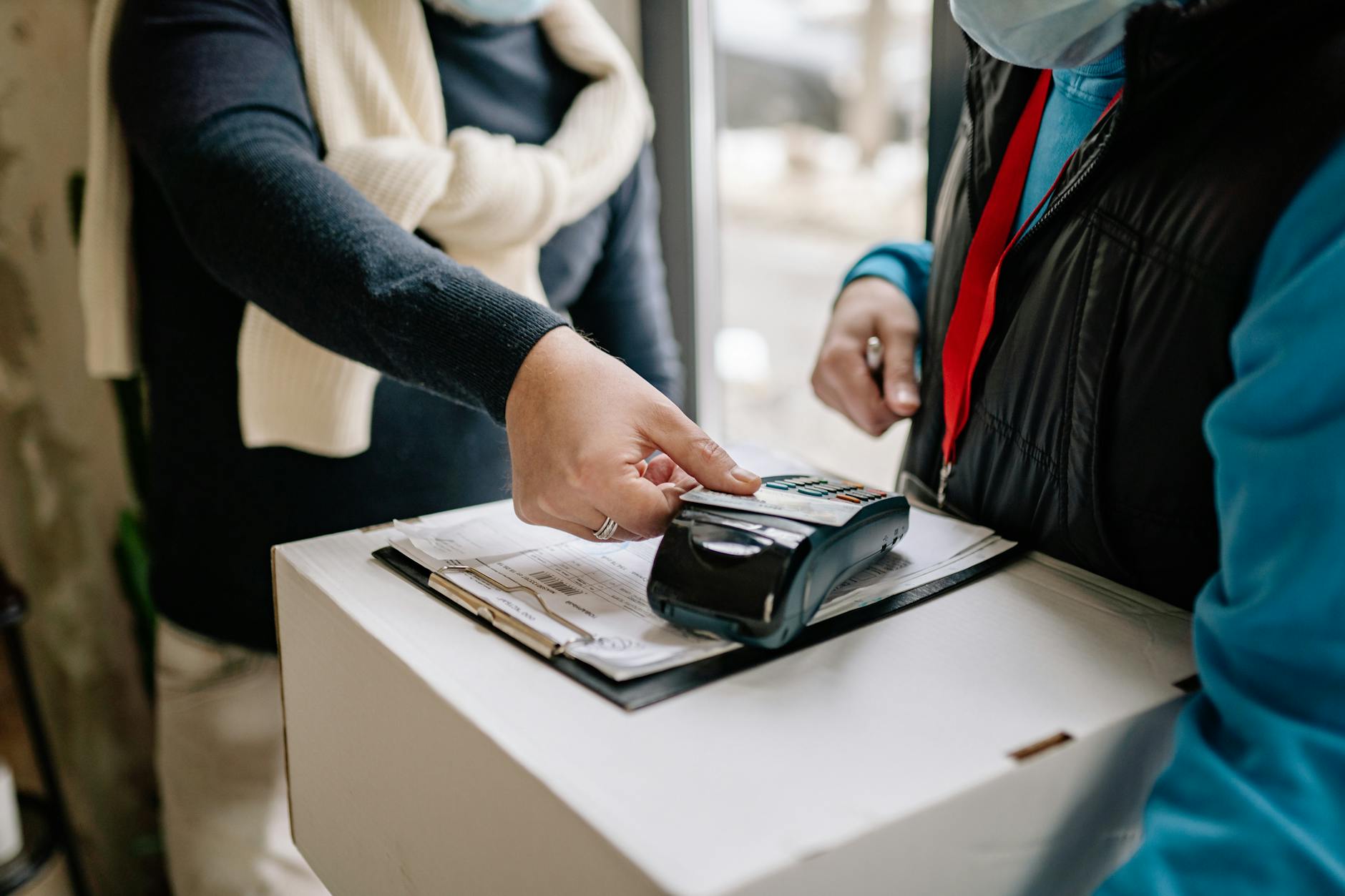
The plastic pen attached to the card machine is a major vector for germ transmission. It dangles on a cord and often rests on the dirty counter surface. Hundreds of people grip it daily to sign their names on the digital pad. The textured grip on the stylus traps oils and dirt from fingertips. Rarely is this specific accessory targeted for individual cleaning between customers.
Checkout Conveyor Belts
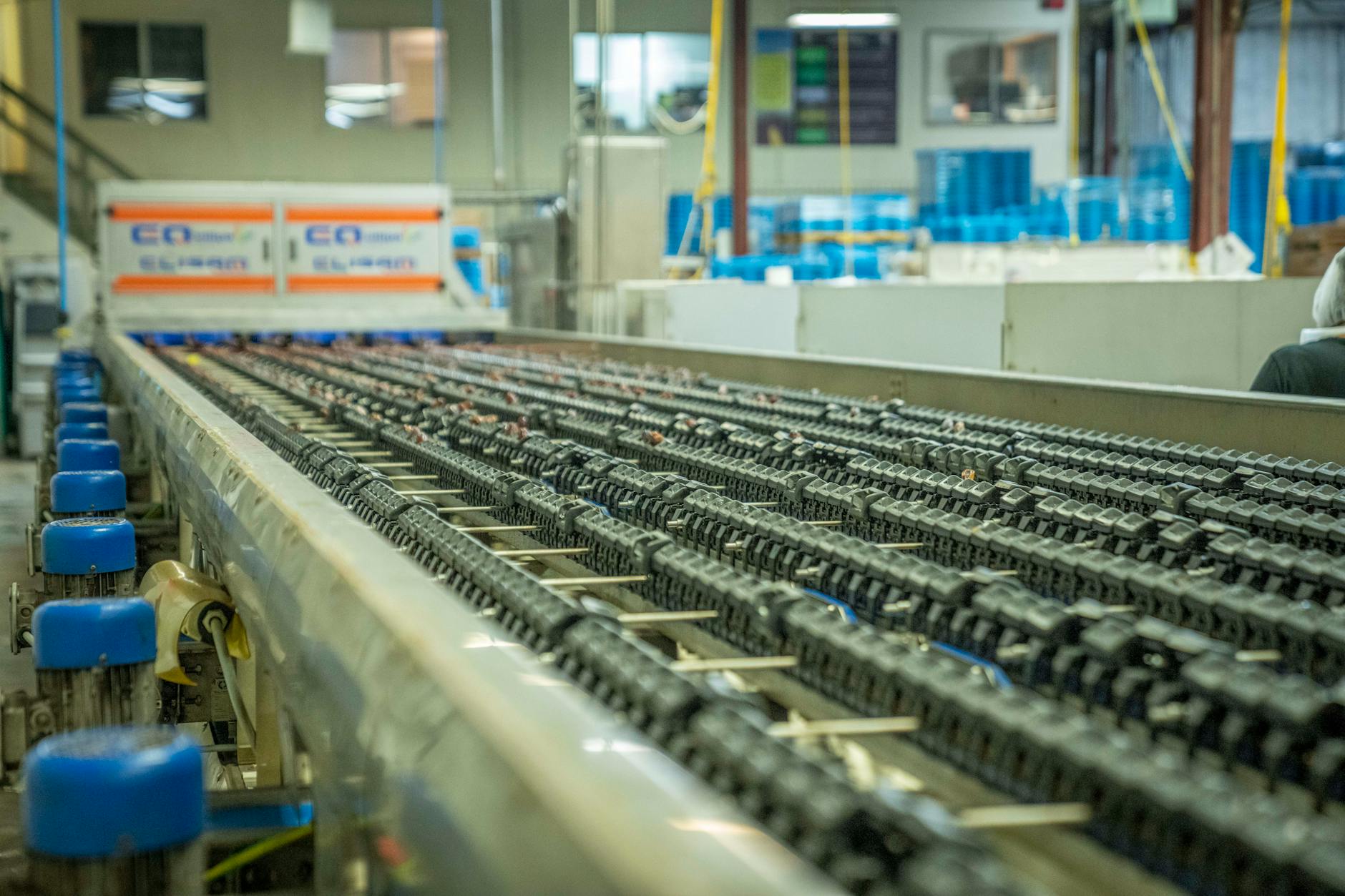
This moving black belt carries raw meat and fresh produce for every customer in the lane. Sticky spills and leaks dry onto the porous material and are difficult to remove completely. The belt rotates continuously and spreads contaminants from one section to the entire loop. Bacteria can live on this surface for days if it is not sanitized with the right chemicals. Items placed here pick up whatever invisible residue was left by the previous shopper.
Checkout Lane Dividers
The plastic bars used to separate orders are handled by almost everyone in line. They slide along the dirty conveyor belt and pick up residue from the surface. Cashiers and customers pass them back and forth with unwashed hands. They are rarely cleaned during a shift and accumulate layers of grime. These dividers are a primary vehicle for moving germs between different grocery orders.
Cashier Countertop
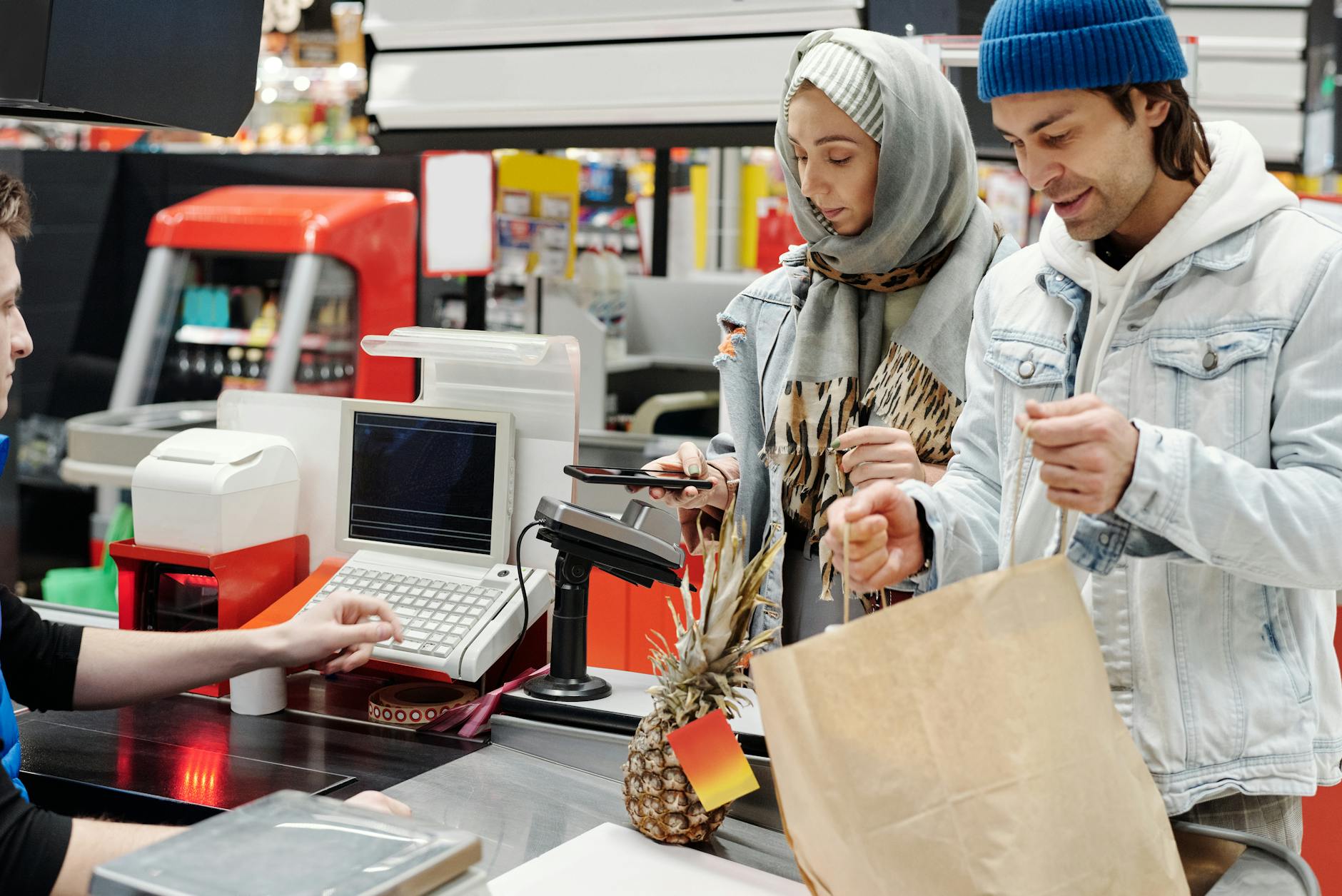
The small area near the register is where customers place personal items like purses and phones. Money is exchanged over this surface and introduces germs from wide circulation. Cashiers touch this area constantly while scanning items and bagging groceries. Coughs and sneezes often land here as customers interact with staff. It serves as a collection point for bacteria from the entire store.
Receipts

Thermal paper receipts are coated with chemicals like BPA that can be absorbed through skin. The paper is handled by the cashier and then immediately by the customer. Bacteria can survive on the paper surface during the transfer. Many people place these receipts directly into their bags or wallets with their groceries. This final exchange is a subtle but effective way to pass contaminants.
Bathroom Door Handles

Public restrooms in grocery stores are high-traffic areas for all customers. The exit handle is touched by individuals who may not have washed their hands properly. Moisture and warmth in the bathroom environment promote bacterial growth. These handles are often the dirtiest surface in the entire facility. Using a paper towel to open the door is a common defense for a reason.
Bathroom Faucets
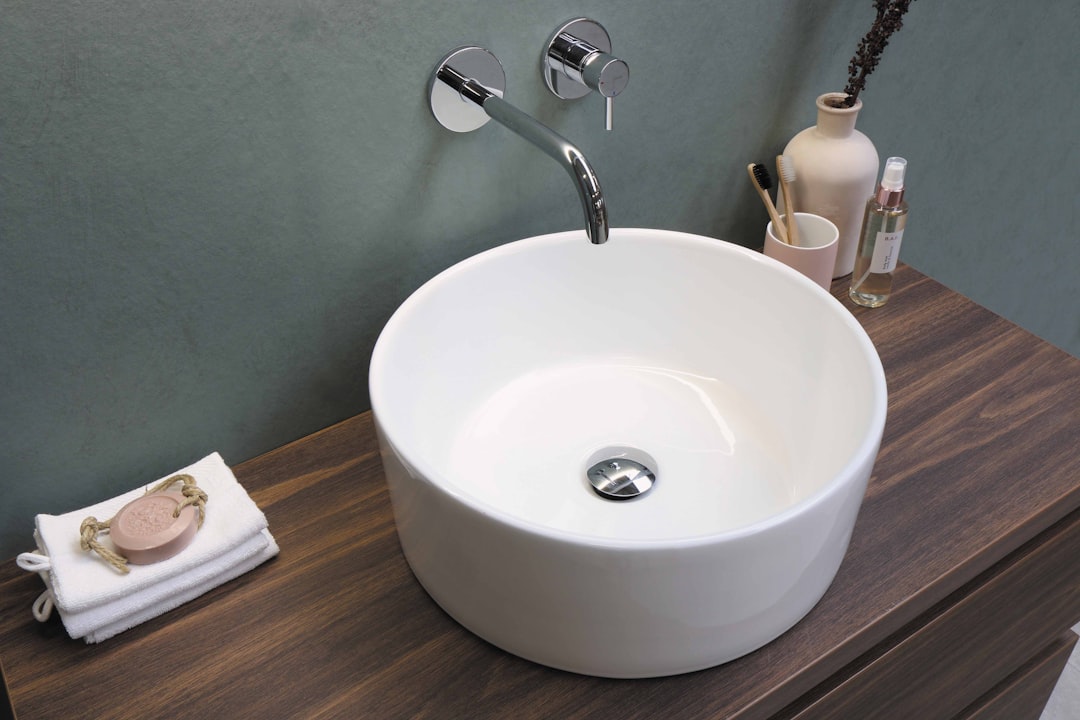
Manual faucet handles require contact with dirty hands to turn the water on. People touch them immediately after using the restroom facilities. Water pooling around the base creates a breeding ground for mold and bacteria. Re-contaminating hands by turning the water off is a frequent occurrence. Automatic sensors reduce this risk but manual handles remain common in many stores.
Soap Dispensers

The button or lever on a soap dispenser is a paradox of hygiene. People touch it when their hands are at their absolute dirtiest. Grime and bacteria build up heavily on the activation point. Refilling the dispenser often introduces new contaminants to the container. It is often one of the most contaminated objects in the restroom.
Magazine Rack
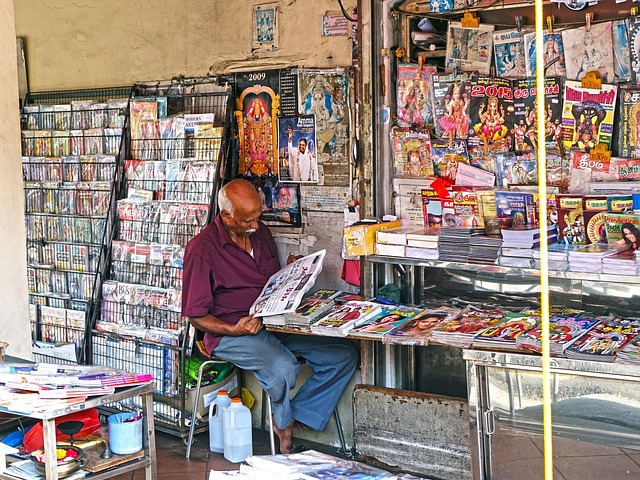
Browsing magazines in the checkout lane is a common way to kill time. Glossy pages are turned by hundreds of people who never purchase the item. Readers often lick their fingers to separate the pages. The rack itself collects dust and debris from the high foot traffic area. These periodicals can remain on the shelf for a month and gather a significant viral load.
Greeting Cards

Shoppers frequently pick up and read multiple cards before finding the right one. Envelopes and card stock are handled by people with varying levels of hand hygiene. The paper surface is porous and can hold onto germs for extended periods. People often cough or laugh while reading the funny cards in the aisle. This section sees a lot of browsing with relatively low purchase rates per touch.
ATM Keypads
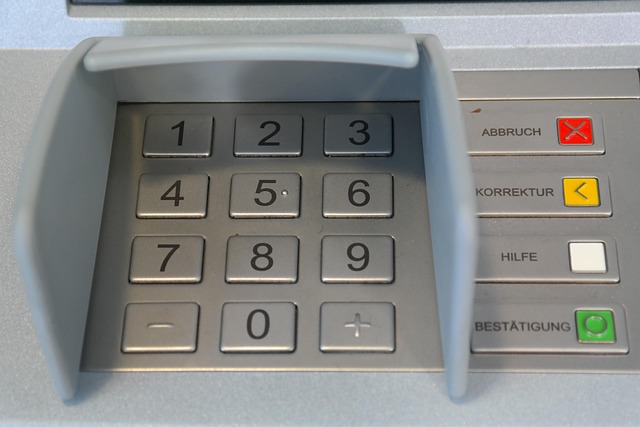
Cash machines located near the entrance are touched by people coming from the outside world. The keypad is a dense cluster of buttons that traps dirt and oil. Users interact with these machines before and after touching store merchandise. Money dispensed from the machine is also a carrier of pathogens. These machines are often serviced by third parties and not cleaned by store staff.
Coin Counting Machines

Kiosks that count loose change are magnets for dirt and bacteria. Coins are notoriously dirty objects that have circulated through thousands of hands. Shoppers dump large jars of money into the tray and touch the screen. The reject tray is often filled with sticky residue and debris. These machines are rarely wiped down and serve as a concentrated point for germ exchange.
Milk Jug Handles

Plastic milk jugs are heavy and require a strong grip to lift from the cooler. Leaks from other jugs often coat the handles in a sticky, nutrient-rich residue. Spilled milk provides an ideal food source for bacteria to multiply. Shoppers often reach deep into the cooler to find the latest expiration date. The handle is the primary contact point for a product that enters almost every home.
Canned Goods Tops
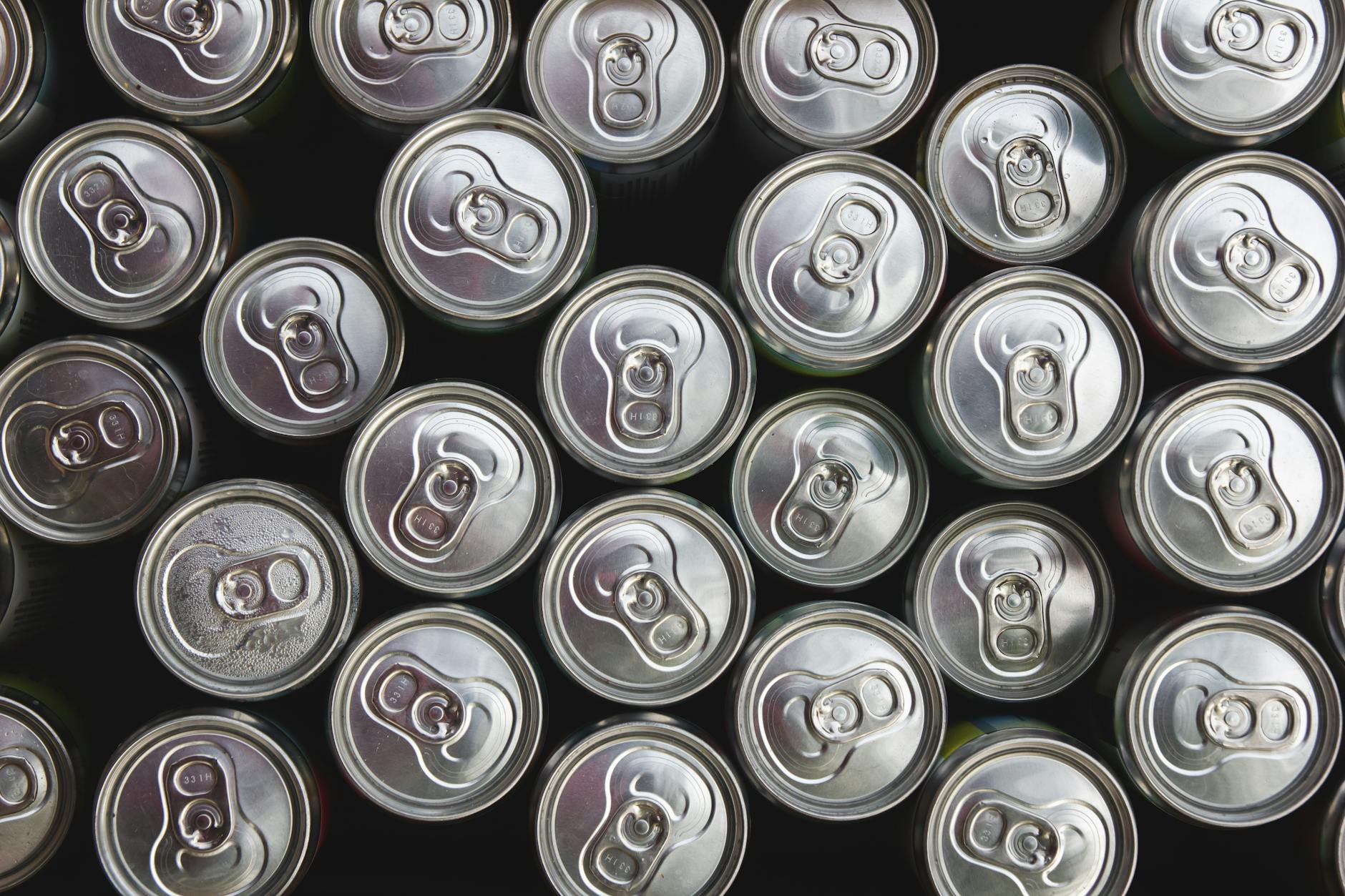
Dust and debris settle on the tops of cans that sit on shelves for weeks. Rodents or insects may travel over these surfaces in storage warehouses. Shoppers touch the tops to check for dents or expiration dates. The rim of the can is difficult to clean and traps particles effectively. Opening the can without washing it first can push these contaminants into the food.
Tell us about your own grocery store hygiene habits and tips in the comments.