Travelers often assume their temporary accommodation is pristine simply because the bed is made and the bathroom smells of bleach. Visual cleanliness does not always equate to proper sanitation or the removal of invisible pathogens left by previous occupants. Studies reveal that high-touch surfaces frequently escape the rigorous attention of housekeeping staff due to tight turnover schedules. Identifying these specific danger zones allows guests to take proactive measures for their health during their stay. A few simple cleaning habits can significantly reduce exposure to bacteria and viruses in even the most luxurious suites.
TV Remote
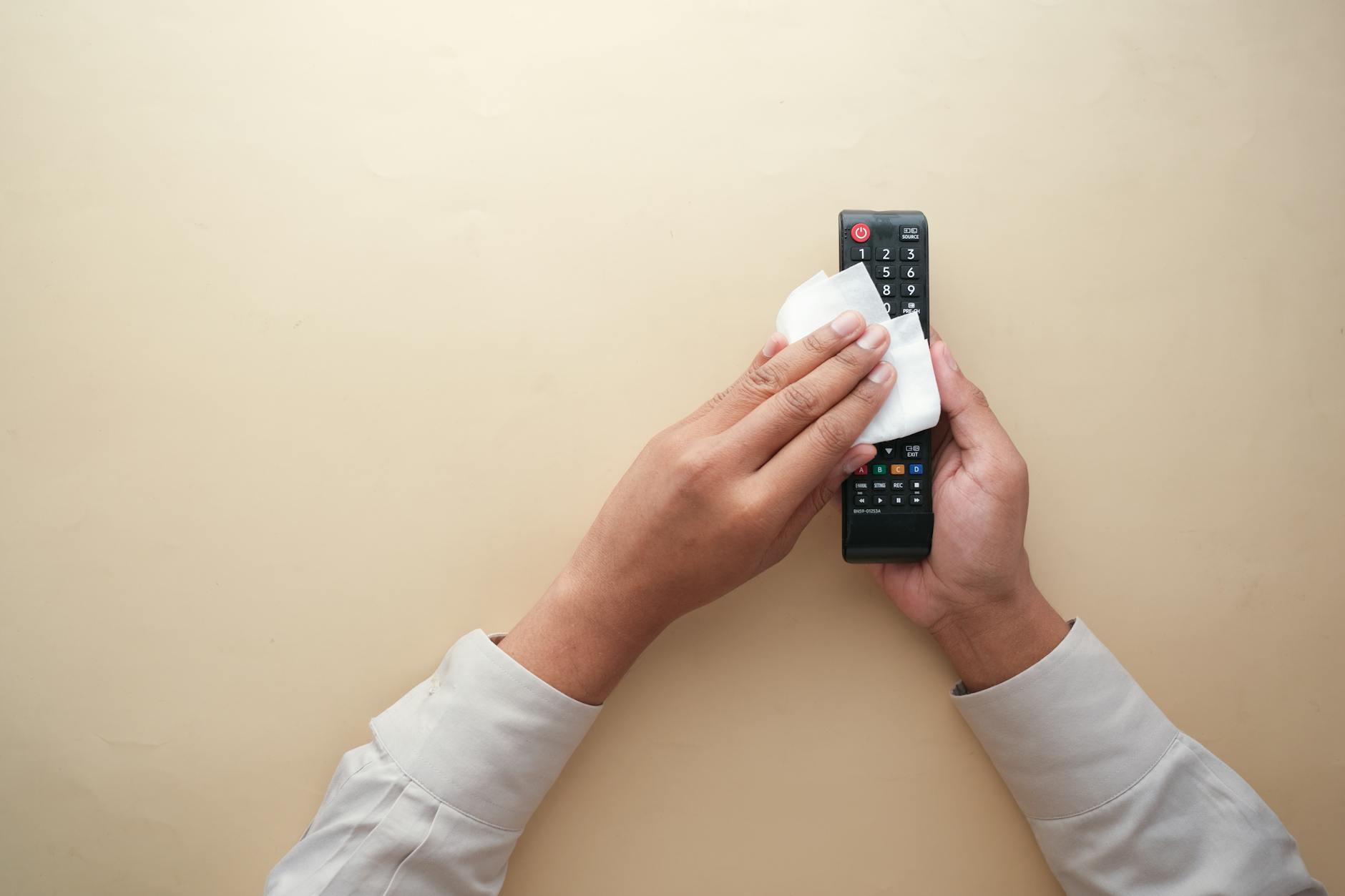
Research consistently identifies the television remote as the single most contaminated object in a standard hotel room. Housekeeping staff rarely have the time to disinfect the small spaces between the rubber buttons where bacteria thrive. You should immediately place the remote inside a clear plastic bag or shower cap to create a safe barrier while surfing channels. Wiping the entire surface with a high-alcohol disinfectant wipe offers a secondary method of defense against lingering microbes. This precaution is essential since the device is handled by nearly every guest who stays in the room.
Light Switches
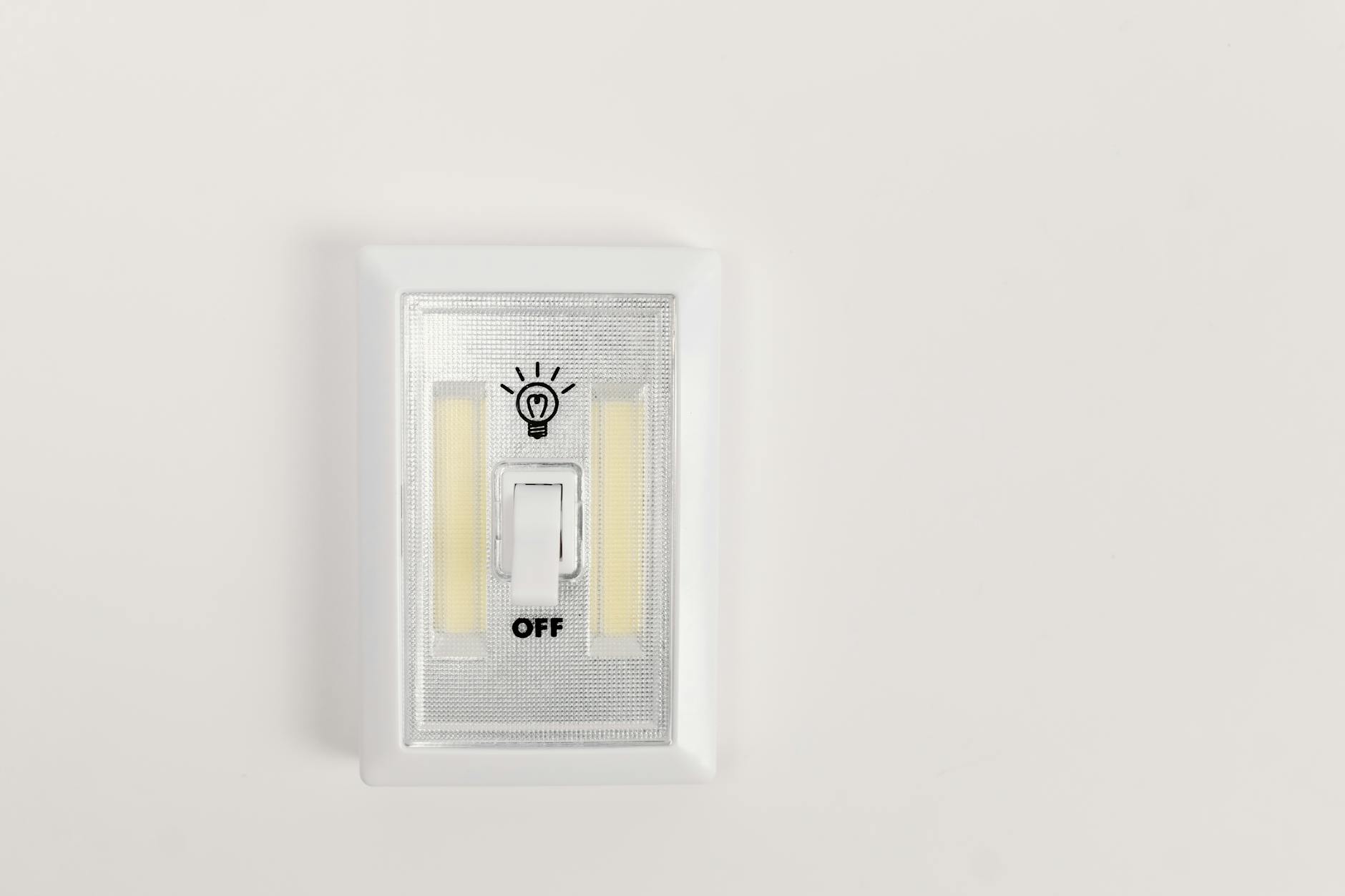
The primary light switches near the entrance and bedside are touched by hundreds of unwashed hands throughout the year. These high-traffic contact points act as major vectors for transferring cold and flu viruses from one traveler to the next. A quick scrub with an antibacterial wipe immediately upon entering the room neutralizes most surface pathogens. Paying special attention to the toggle mechanism itself ensures you cover the area with the highest bacterial load. Regular sanitization of these switches is a critical first step in securing your environment.
Telephone
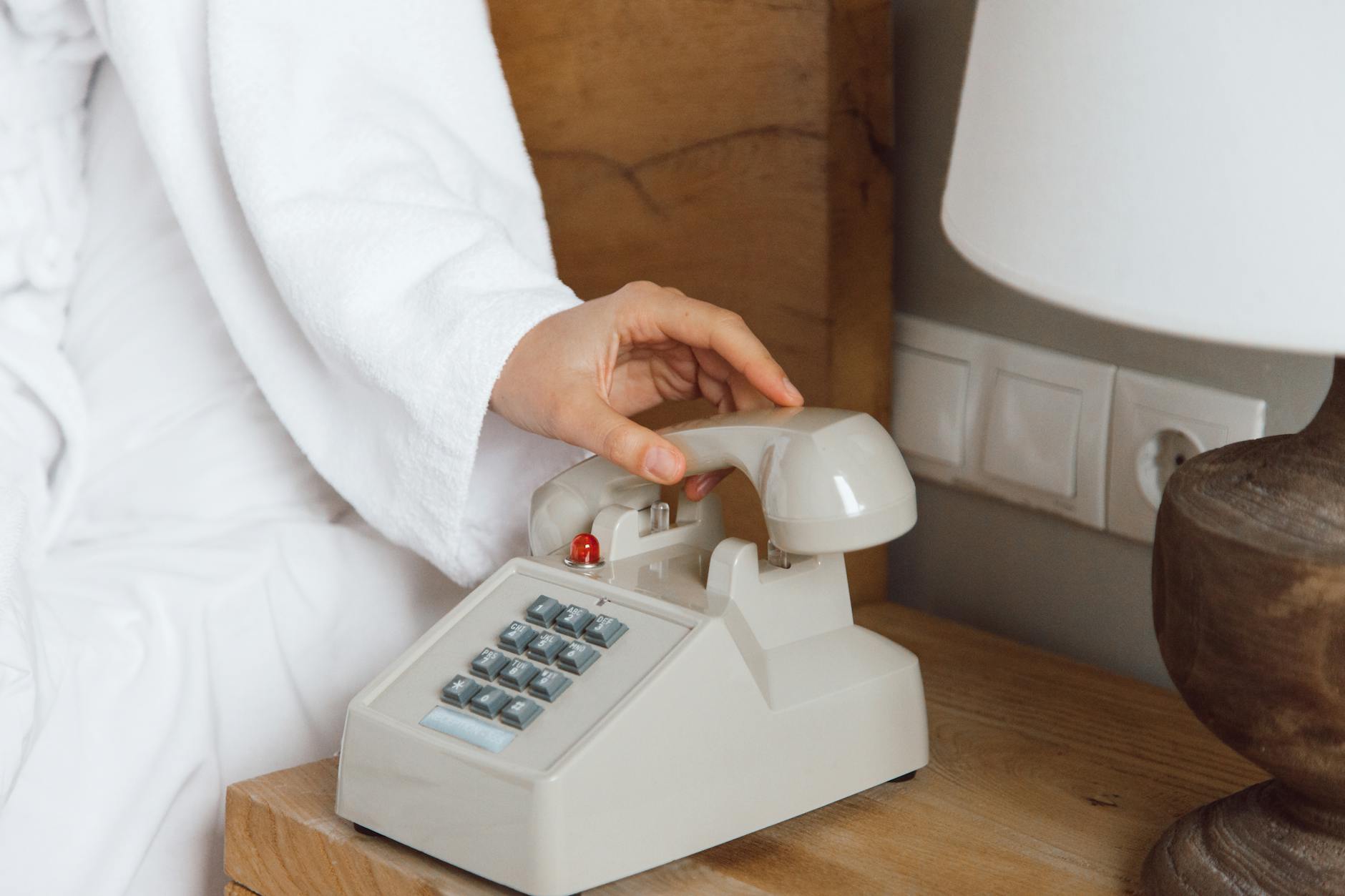
Hotel room telephones harbor significant amounts of bacteria because users breathe directly onto the receiver while speaking. The keypad and handset are prone to collecting saliva droplets and skin oils that facilitate germ growth over time. You should thoroughly sanitize the mouthpiece and ear section with a disinfectant wipe before making any calls. Using the speakerphone function eliminates the need for direct contact with your face and reduces potential exposure. This device often goes unnoticed during standard cleaning rotations despite its proximity to the mouth and nose.
Bathroom Door Handle
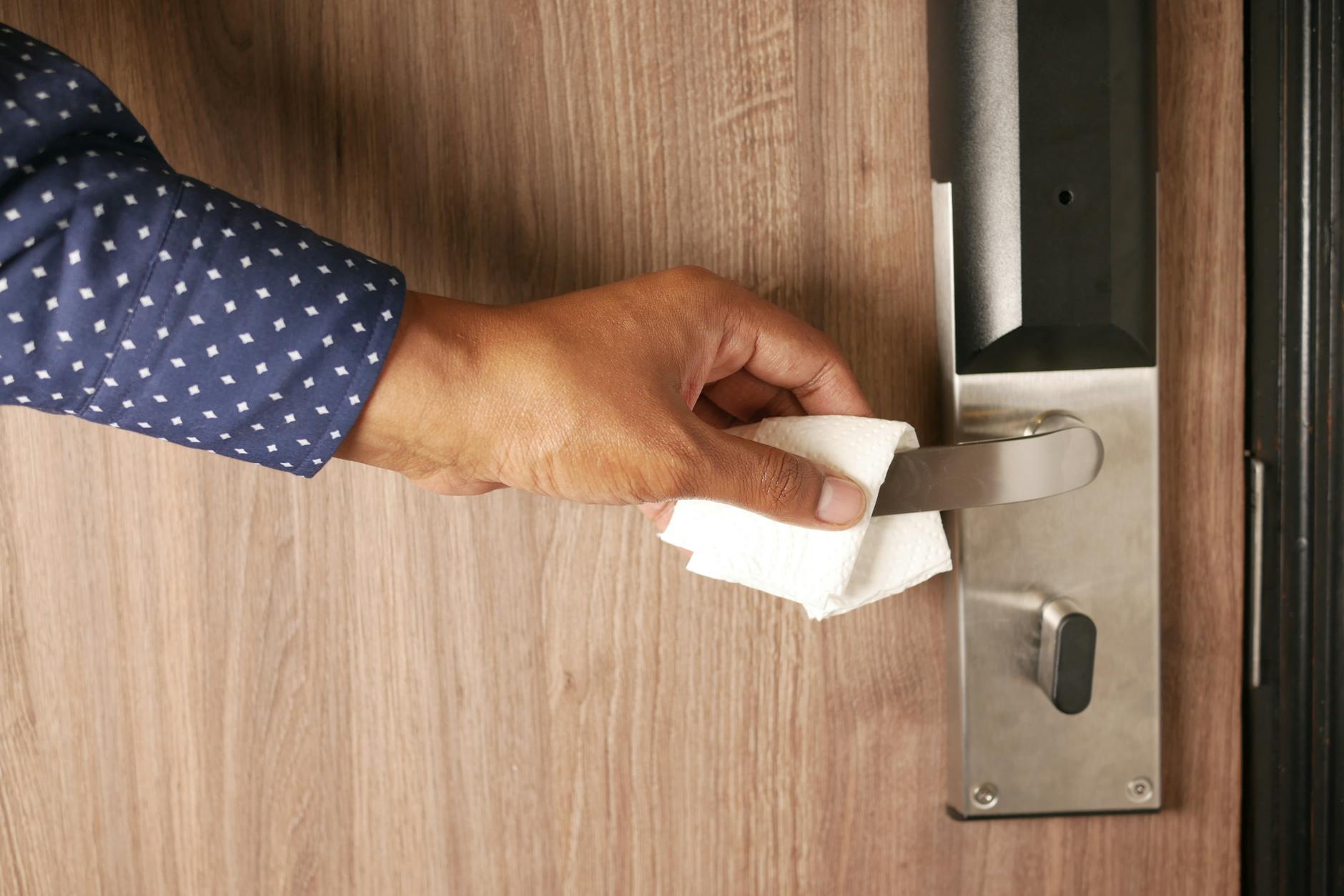
The handle to the bathroom acts as a frequent transfer point for fecal matter and other dangerous pathogens. Guests often touch this surface before washing their hands which compounds the accumulation of bacteria with every use. You can use a paper towel or tissue to open the door to avoid direct skin contact with the metal hardware. A generous application of disinfectant spray or a strong wipe down will kill most microbes residing on the lever. Keeping this specific touchpoint clean is vital for maintaining personal hygiene within the suite.
Ice Bucket
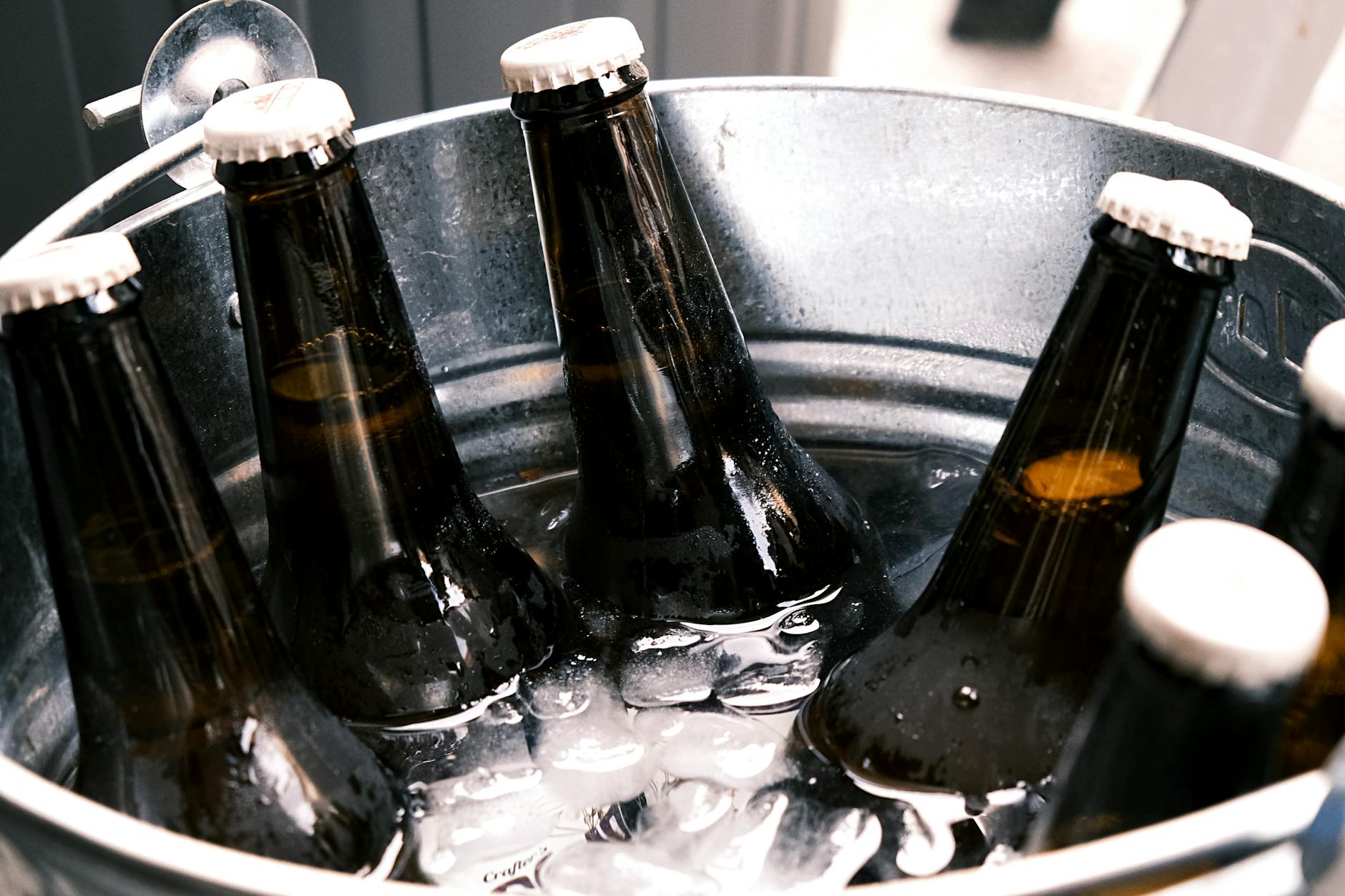
The ice bucket is notorious among microbiologists because it is often used by guests for purposes other than storing ice. Housekeeping may merely rinse the container rather than sanitizing it with hot water and soap between stays. You must always use the plastic liner provided by the hotel to create a sanitary barrier between the ice and the bucket walls. If no liner is available you should avoid using the bucket entirely to prevent ingesting contaminants. This simple item carries a high risk of cross-contamination if not used with extreme caution.
Drinking Glasses
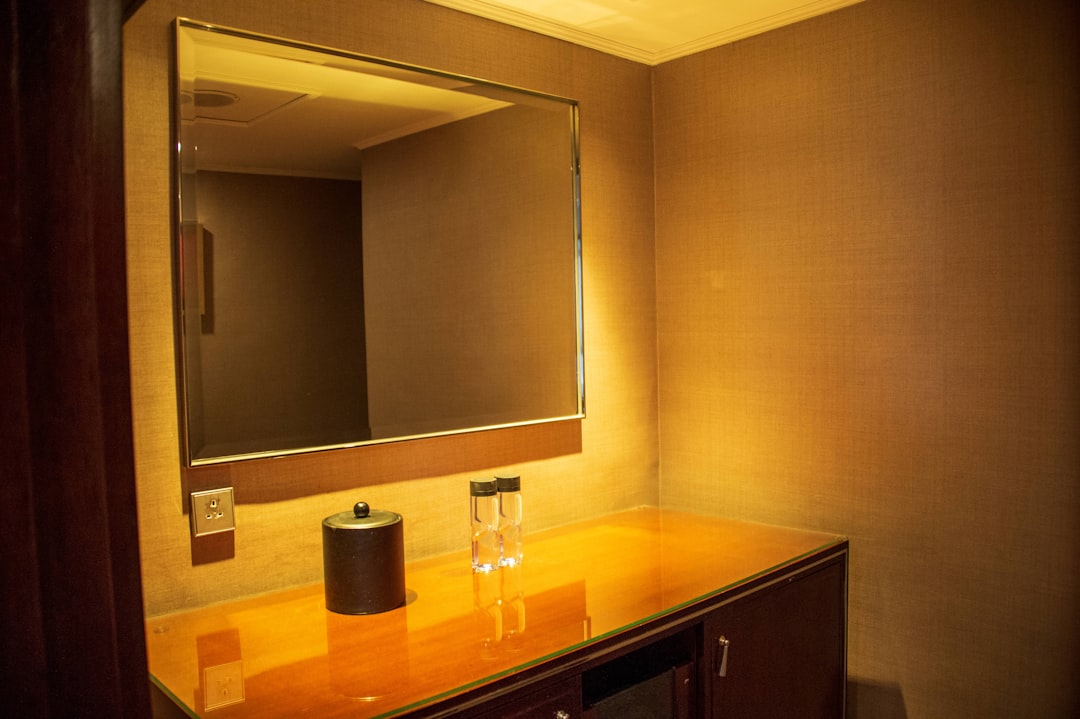
Glassware sitting on the bathroom vanity or mini-bar shelf is not always run through a high-temperature dishwasher. Some cleaning staff may rinse these glasses in the sink or wipe them with the same cloth used on other surfaces. Washing the glasses yourself with hot water and soap is the only way to ensure they are truly safe for drinking. Using disposable cups or drinking directly from a water bottle eliminates the risk completely. Taking this extra step prevents the ingestion of cleaning chemicals or leftover germs.
Bedspread
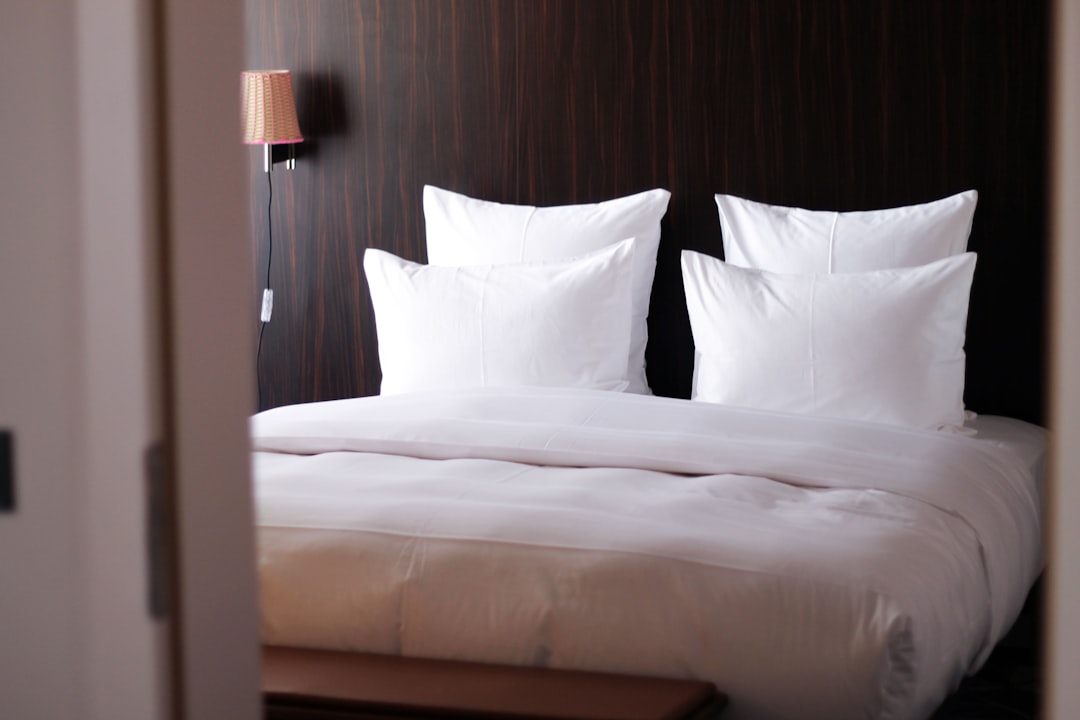
Heavy comforters and decorative bedspreads are frequently removed by guests but are not necessarily laundered between every check-in. These bulky items can collect dust mites and bodily fluids over weeks or even months of continuous use without a deep clean. You should immediately fold the bedspread and place it in a corner or closet to avoid sitting on it. Requesting fresh blankets upon arrival ensures that your bedding has been recently sanitized. Removing this top layer significantly lowers your contact with accumulated allergens and bacteria.
Pillowcases
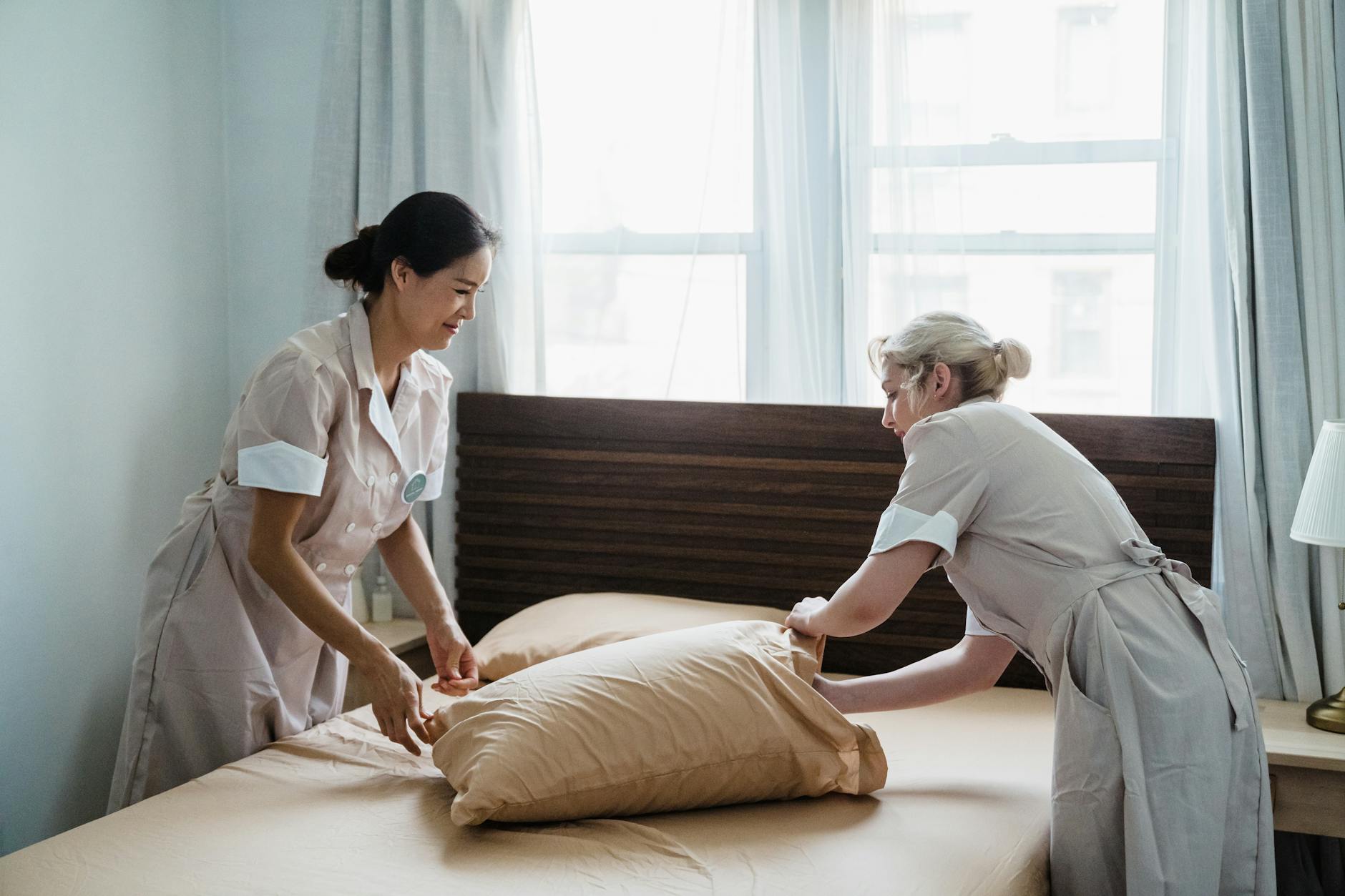
While sheets are changed regularly the pillows themselves can harbor fungi and bacteria deep within the stuffing. Housekeeping changes the cases but the underlying pillow absorbs sweat and saliva over its lifespan. Bringing your own pillowcase or requesting a hypoallergenic protector adds a necessary layer of separation. You should also check the pillow for stains or odors before settling in for the night. Sleeping on a verified clean surface protects your face and respiratory system from potential irritants.
Carpet
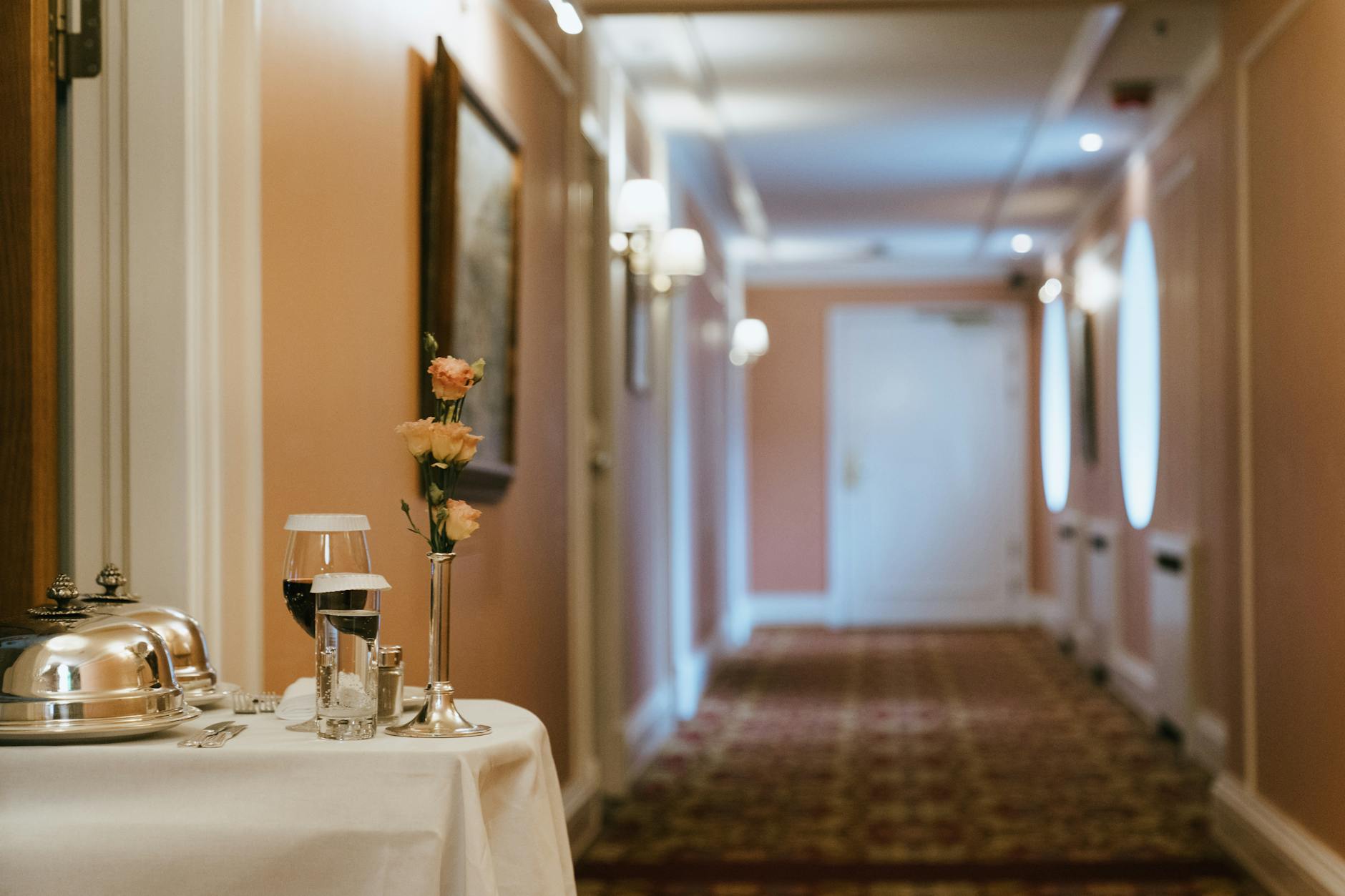
Hotel carpets act as a reservoir for dust, food particles, and tracked-in debris from outdoor shoes. Vacuuming removes visible dirt but rarely addresses the bacteria and microscopic organisms living deep in the fibers. You should never walk barefoot on the carpet and instead wear socks or slippers at all times. Sitting on the floor is ill-advised as it exposes clothing and skin to whatever has settled into the rug. Keeping luggage off the floor by using the rack further minimizes the transfer of pests or germs.
Curtains
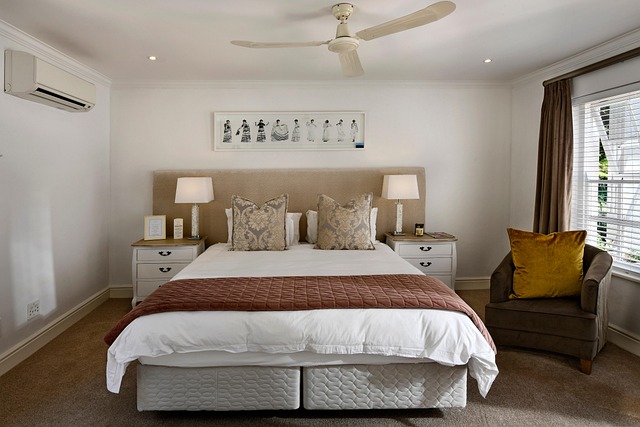
Thick drapery is rarely cleaned and serves as a collection point for dust and airborne particles circulating in the room. Guests frequently grab the same spots on the fabric to open and close the blinds each day. You can use a disinfectant wipe on the pull wands or touch only the very top of the fabric to minimize contact. Washing your hands after adjusting the lighting levels prevents the spread of dust to your face or food. Avoiding unnecessary contact with the heavy fabric is the best strategy for this fixture.
Coffee Maker
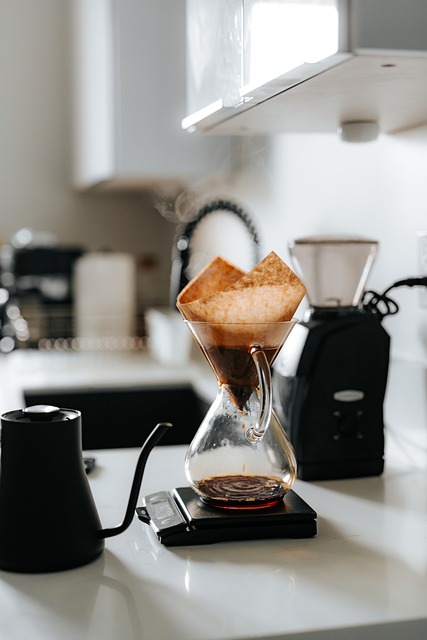
The moisture-rich environment of a coffee maker reservoir encourages mold and bacterial growth if not dried properly. Previous guests may have used the machine to boil water for non-food items or failed to rinse it after use. Running a cycle with plain water and vinegar or a packet of citric acid cleaner sanitizes the internal components. You should wipe down the handle and buttons with an antibacterial pad before brewing your morning cup. Ensuring the machine is clean prevents the ingestion of mold spores and stale residues.
Hair Dryer
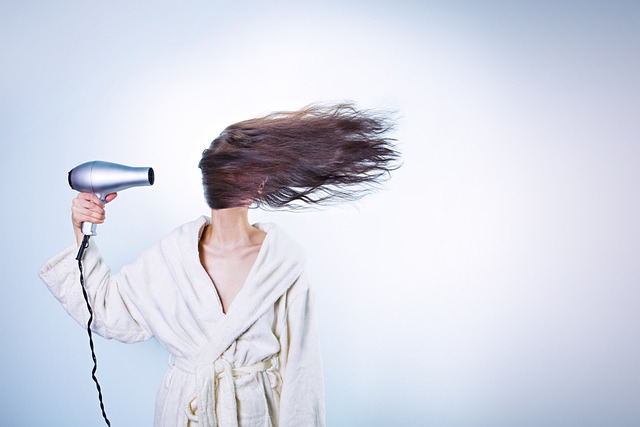
This bathroom appliance is handled by many guests who may have unclean hands after using the facilities. The handle and buttons collect grime that is rarely removed during the standard room cleaning process. Wiping the entire unit with a disinfecting cloth makes it safer to handle while drying your hair. Holding the device with a small towel offers another layer of protection if wipes are unavailable. This frequently overlooked item carries a surprisingly high bacterial load due to its location.
Desk Surface
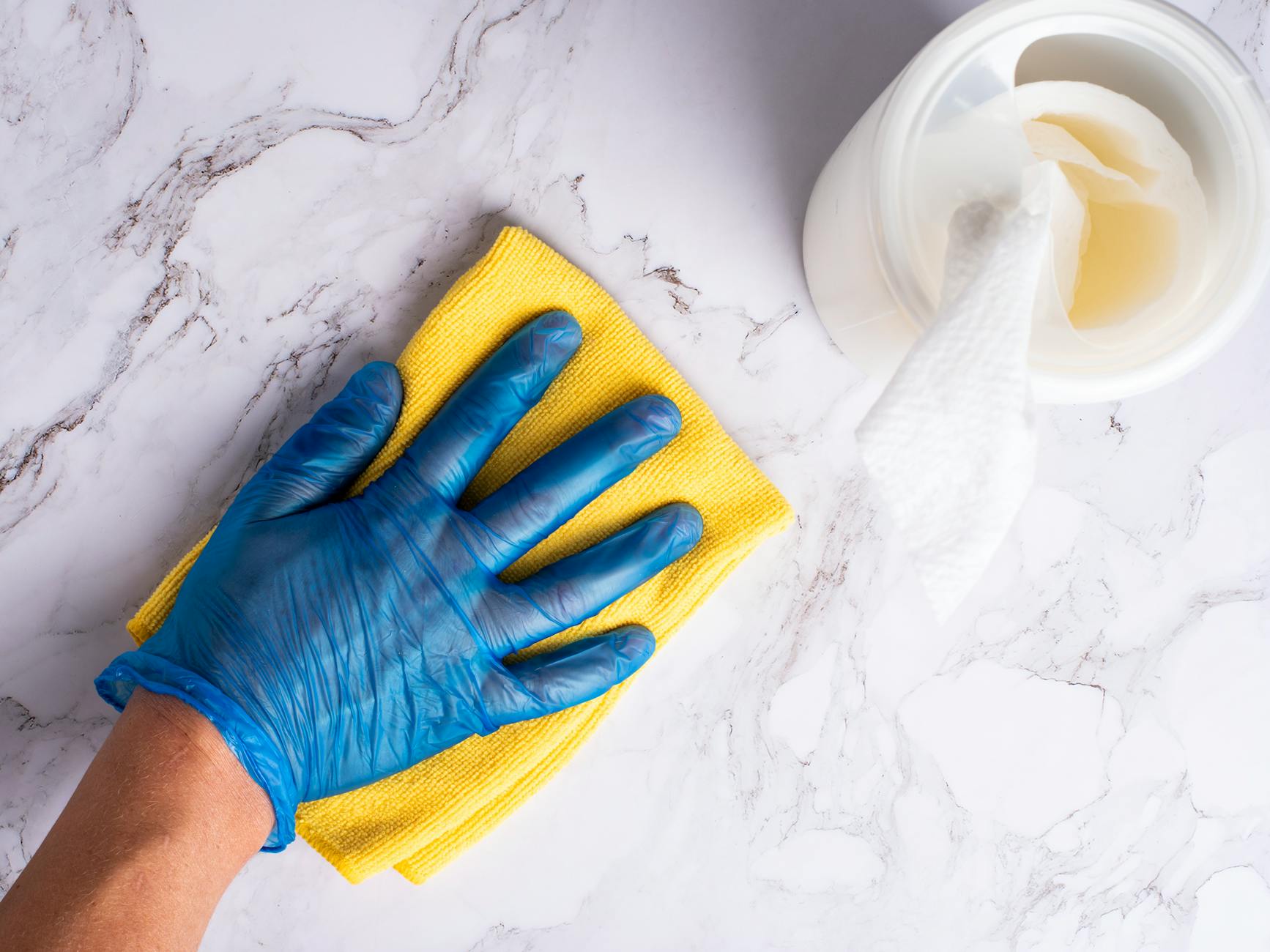
The desk area serves as a dining table and workstation and catch-all for various personal items. It is often wiped down with a generic cloth that may spread germs from the bathroom or other areas. Spraying the surface with a travel-sized disinfectant and wiping it with paper towels ensures a clean workspace. You should avoid placing food directly on the desk even if it looks visibly polished. A quick sanitation routine here protects your laptop and personal effects from surface contamination.
Chair Arms
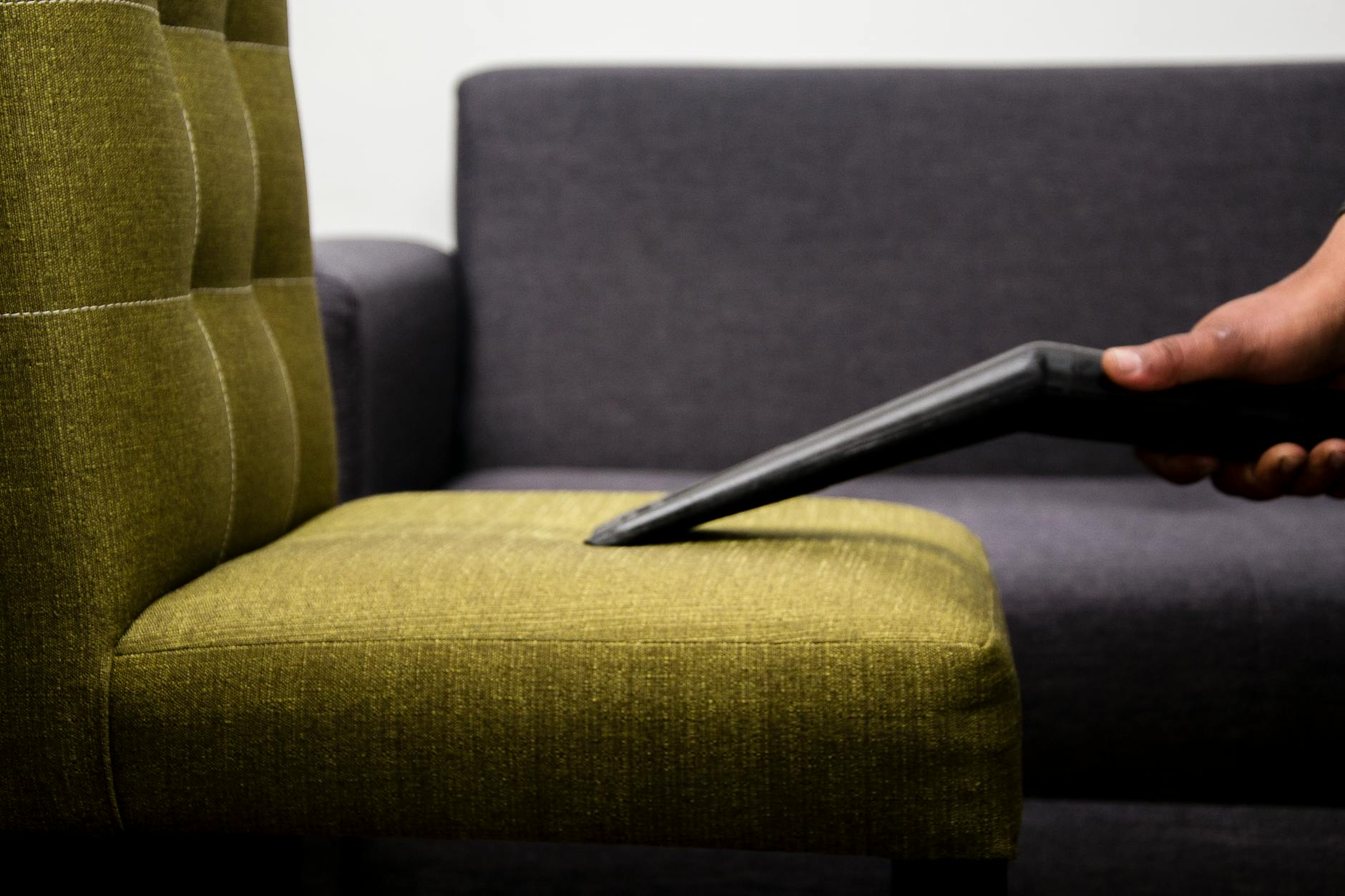
Upholstered chairs and their armrests are difficult to deep clean and often trap sweat and spills. Guests unconsciously grip these areas while relaxing or working which builds up a layer of organic residue. You can place a clean towel over the seat and arms to create a physical barrier while you sit. Spraying the fabric with a fabric-safe disinfectant spray can help neutralize surface odors and bacteria. Limiting direct skin contact with hotel furniture is a prudent habit for hygiene.
Room Key Card
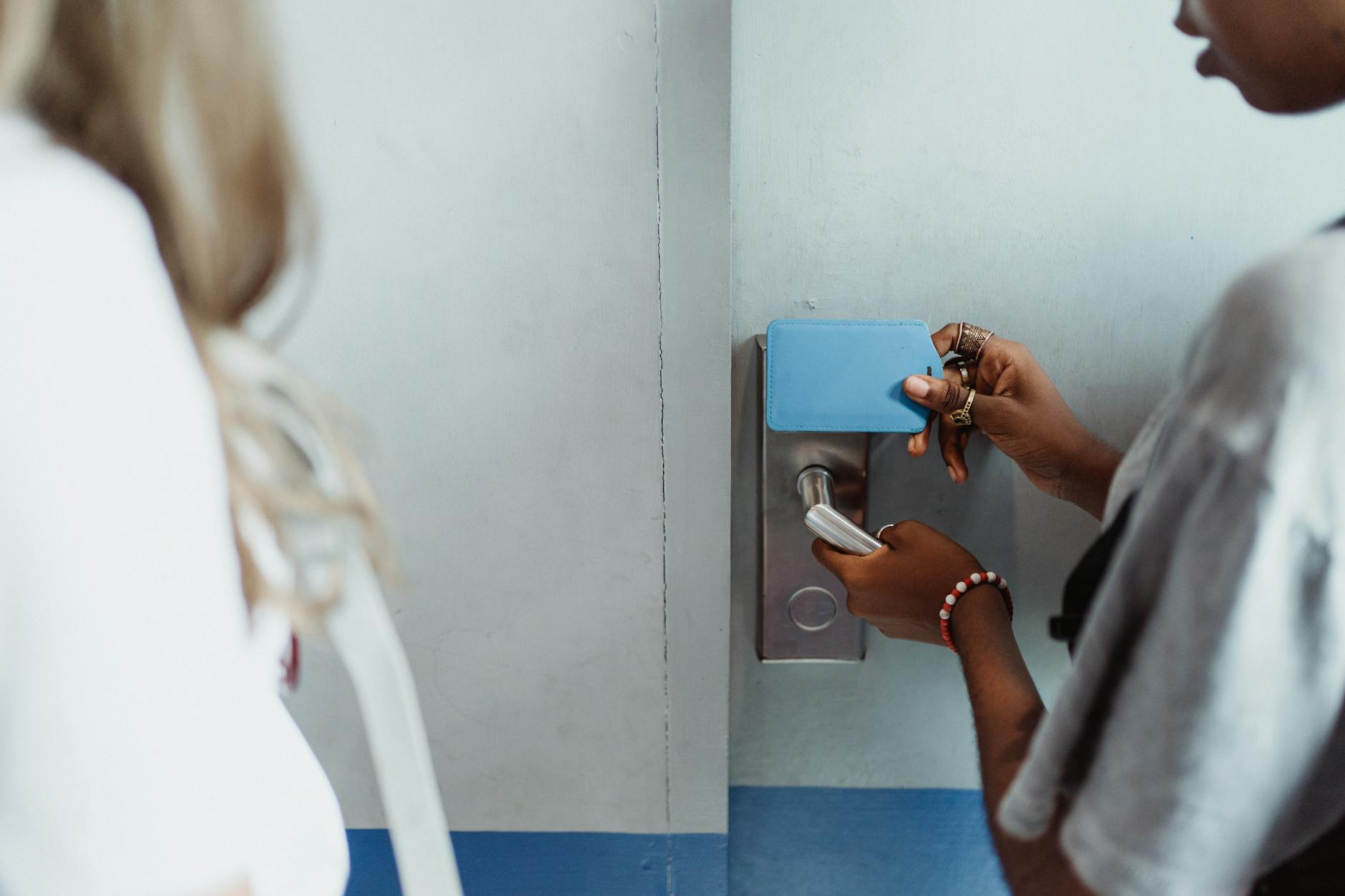
Plastic key cards are passed between hundreds of guests and the front desk staff without regular sanitization. These cards spend time in pockets and wallets and dirty hands before being handed to you. Wiping the card with an alcohol swab immediately after receiving it prevents germs from entering your personal space. You should also avoid placing the card on your dining table or bedside stand without cleaning it first. Treating the key card as a contaminated object reduces the transfer of microbes to your hands.
Faucet Handles
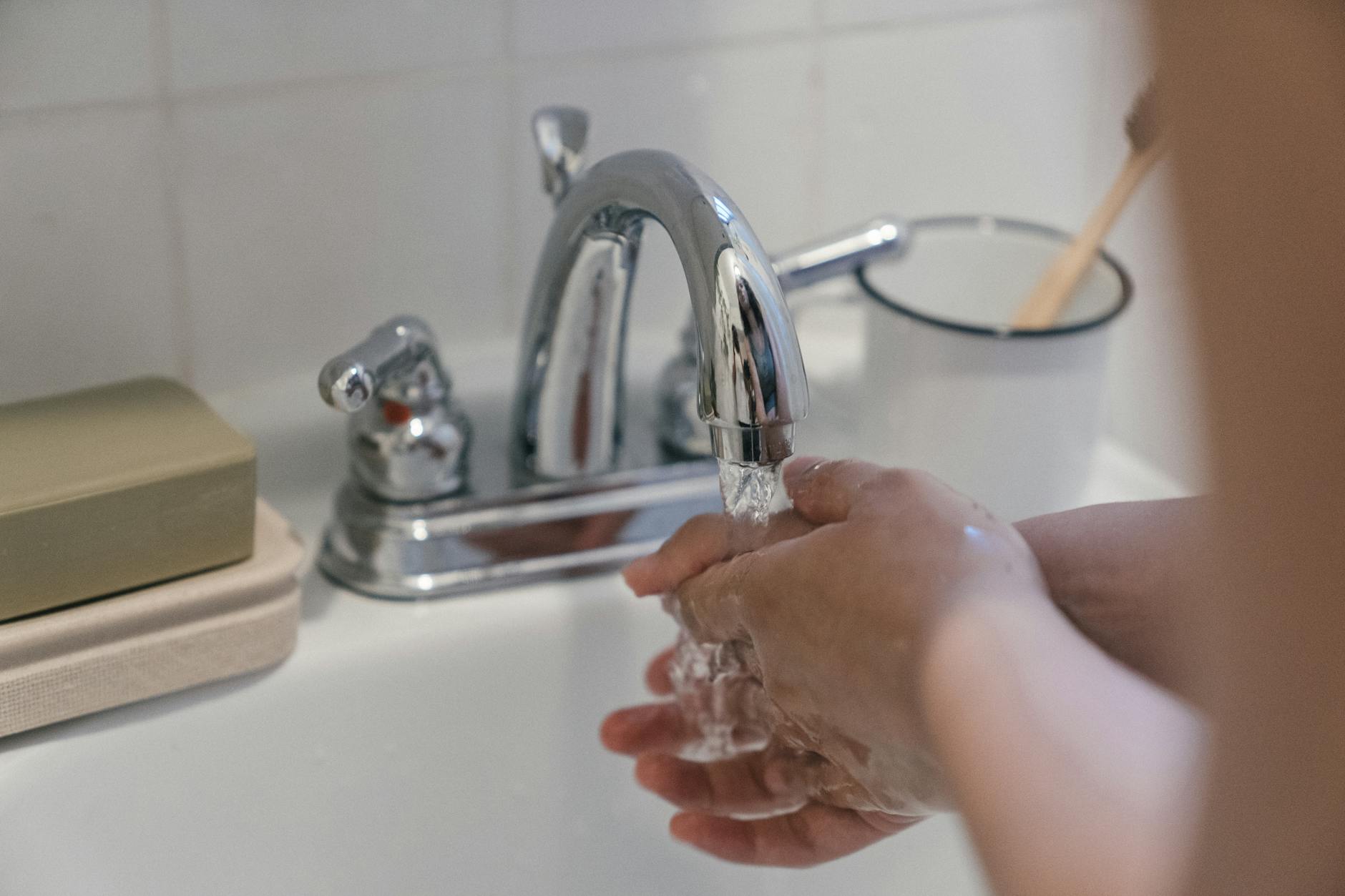
Sink faucets are touched with dirty hands immediately after using the toilet or upon entering the room. Moisture around the base of the handles promotes the growth of mold and mildew that cleaning staff might miss. Scrubbing the handles with hot soapy water or a disinfectant wipe neutralizes the immediate threat. Using a paper towel to turn the water off keeps your hands clean after washing them. This simple barrier method is standard practice for maintaining hand hygiene in shared spaces.
Shower Curtain
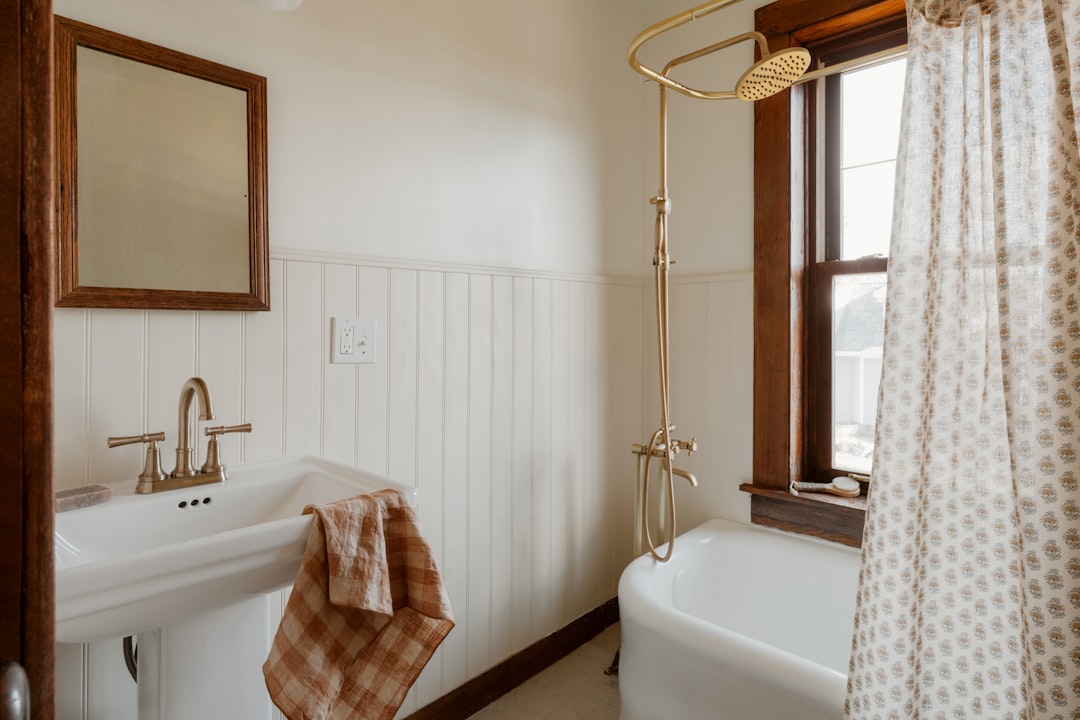
The bottom edge of a shower curtain often retains moisture and soap scum that breeds pink mold and bacteria. Vinyl liners are difficult to scrub perfectly and may not be replaced until visible damage occurs. You should avoid letting the curtain touch your skin while showering to prevent contact with fungal growth. Keeping the curtain drawn closed after use helps it dry faster and reduces humidity in the folds. Inspecting the liner for black spots upon arrival alerts you to request a replacement if necessary.
Alarm Clock
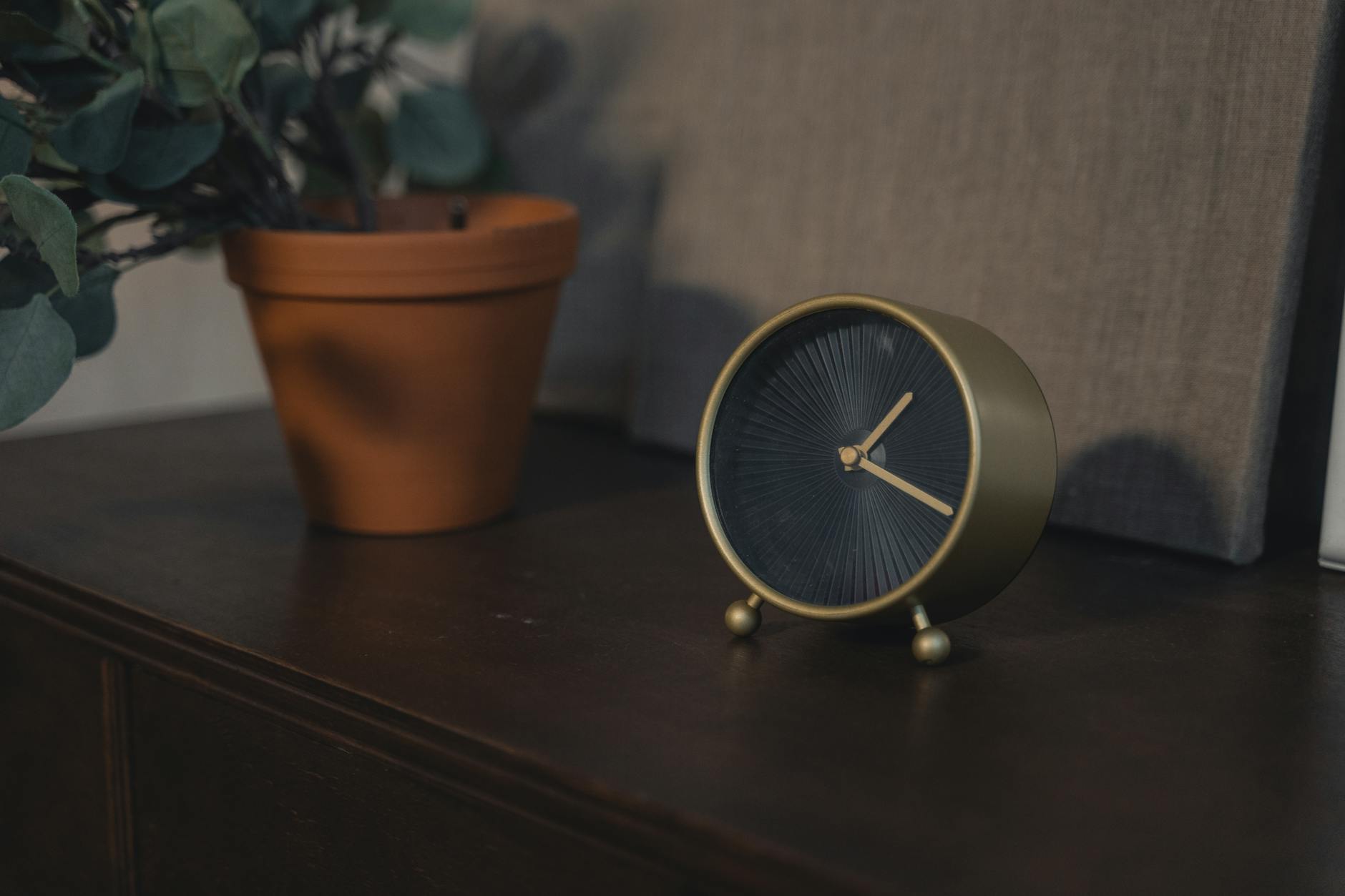
The bedside clock is a high-touch item that guests fiddle with to check the time or set wake-up calls. Dust and germs accumulate on the buttons and top surface which are rarely sanitized thoroughly. You should wipe down the snooze button and setting keys with a disinfectant wipe before use. Unplugging the clock and relying on your smartphone is a hygienic alternative that avoids the device entirely. Keeping this area clean prevents the transfer of pathogens near your sleeping space.
Closet Hangers
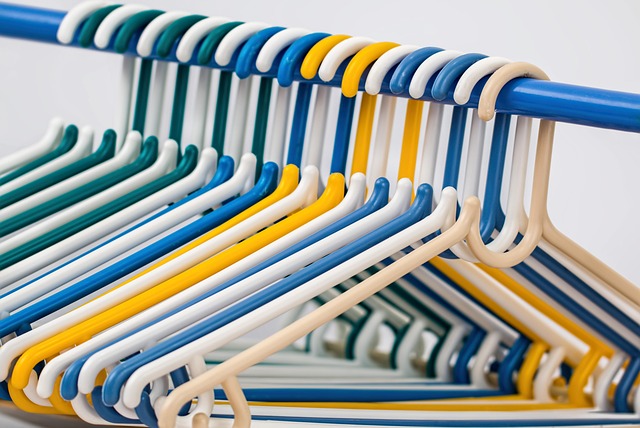
Wooden or plastic hangers in the closet are handled by every guest who hangs up coats or suits. These items collect oils and germs from hands and clothes over long periods of use. Wiping the hook and shoulder areas of the hangers protects your clean garments from contamination. You might prefer to bring a few travel hangers to ensure your clothes only touch sanitized surfaces. This precaution keeps your wardrobe fresh and free from previous guests’ residues.
Iron
The handle of the iron is another surface that sees frequent handling but infrequent cleaning. Water left inside the reservoir from previous use can become stagnant and develop a musty odor or bacteria. You should empty any old water and let the iron steam for a minute before pressing your clothes. Wiping the handle with a sanitizing cloth removes surface grime and bacteria. These steps ensure your clean clothes remain fresh and sanitary.
Bible or Religious Texts
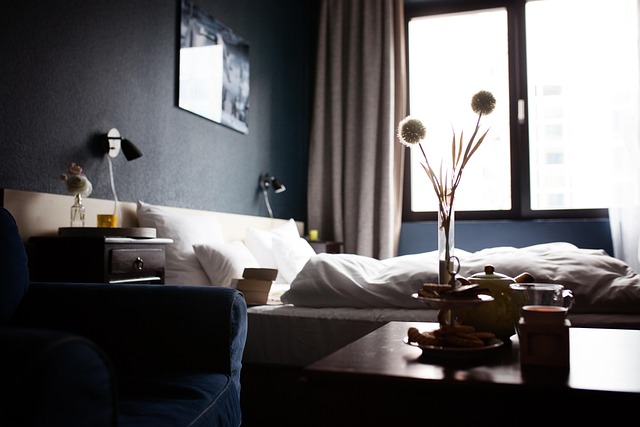
Books placed in bedside drawers are flipped through by countless travelers but are impossible to disinfect without damaging pages. The paper and binding can hold onto bacteria and viruses for extended periods. You should wash your hands thoroughly after handling any reading materials provided by the hotel. Avoiding these communal books or using a digital version on your own device is the safest option. Minimizing contact with porous communal items reduces the risk of picking up germs.
Menu and Guest Guide
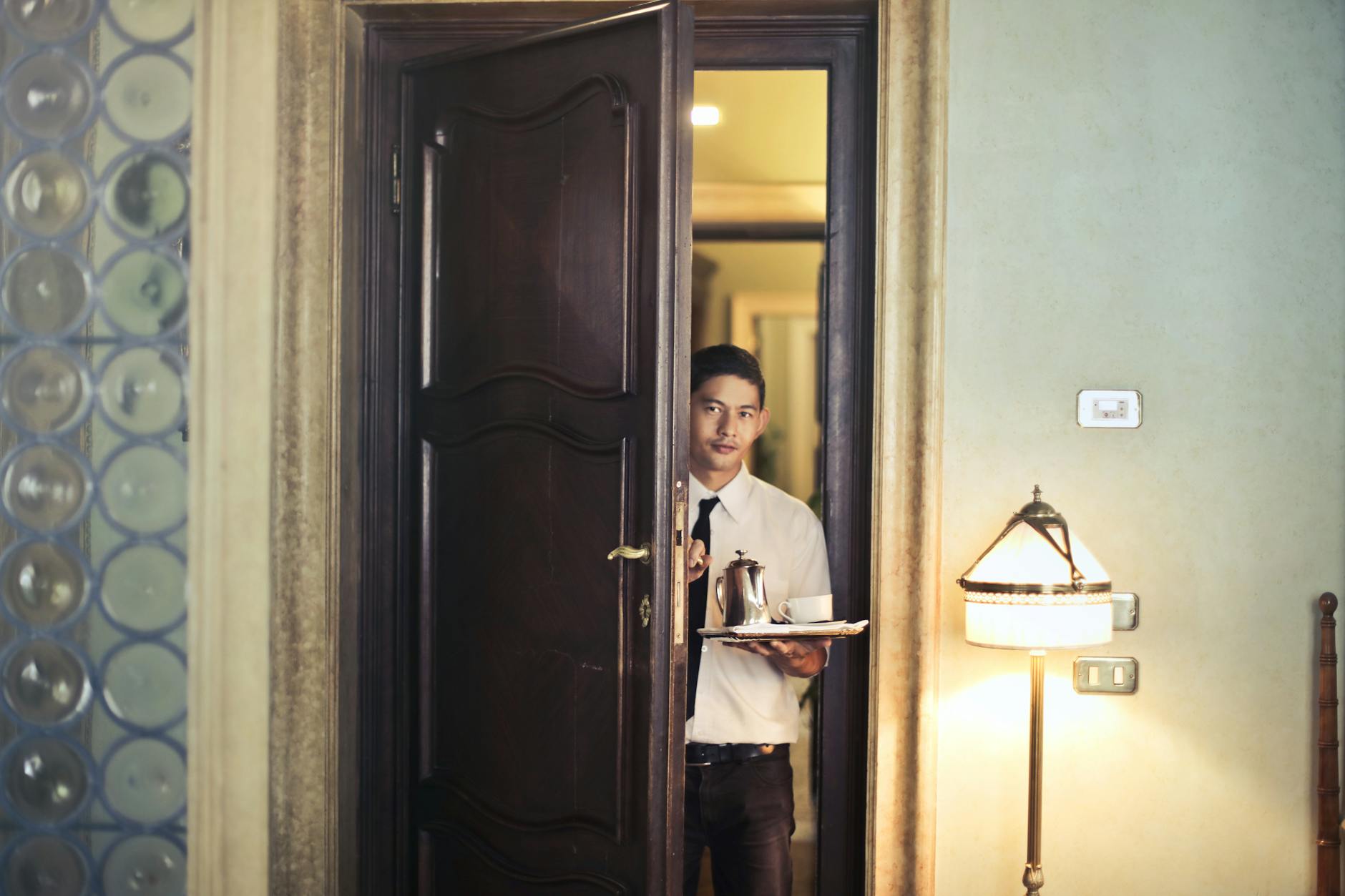
Laminated menus and guest service binders are some of the filthiest items found in hotel rooms. They are often browsed while eating or lying in bed and rarely receive more than a superficial dusting. You can access hotel information and room service options via your smartphone or the TV to avoid touching them. If you must use the physical menu you should wipe the cover and wash your hands immediately afterward. Digital alternatives are increasingly common and offer a much more hygienic solution.
Air Conditioning Vents

The slats of the heating and cooling unit collect dust and circulate airborne particles throughout the room. Mold can grow inside the damp interior of the machine and spores are blown out when the fan activates. You should inspect the vents for visible dust buildup and request a room change if the air quality feels heavy. keeping the fan on a low setting may reduce the turbulence of dust in the room. Ensuring the filters are clean is vital for guests with allergies or respiratory sensitivities.
Luggage Rack
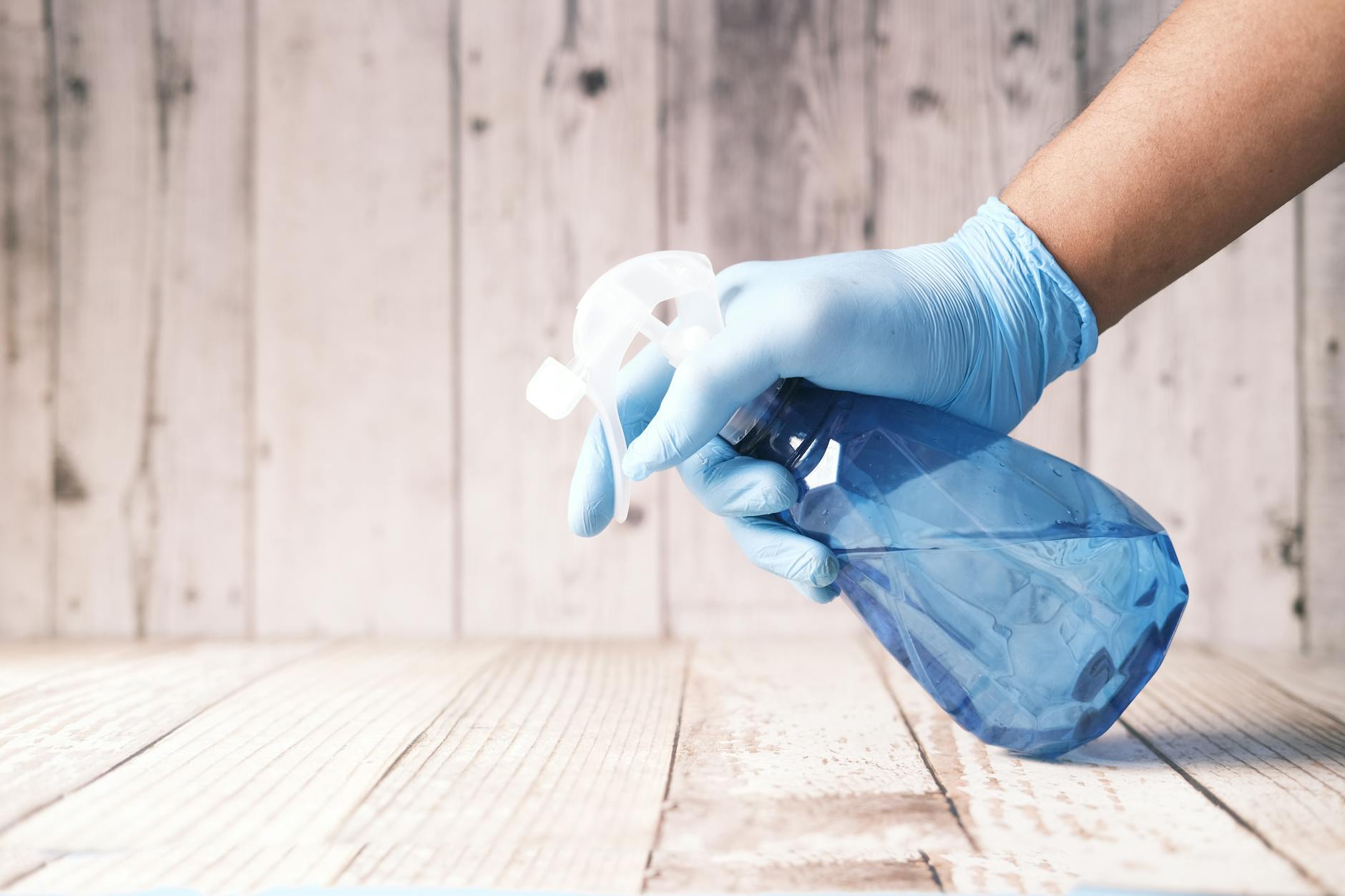
The folding luggage rack is often stored in the closet and sees the bottoms of suitcases that have traveled across dirty floors. Bed bugs and other pests can hide in the crevices of the webbing straps. You should wipe down the metal or wooden frame with a disinfectant wipe before placing your bag on it. keeping your suitcase hard-shelled allows for easier cleaning and prevents pests from hitching a ride. Using the rack is still preferable to the bed or floor but requires a quick inspection first.
Soft Headboard
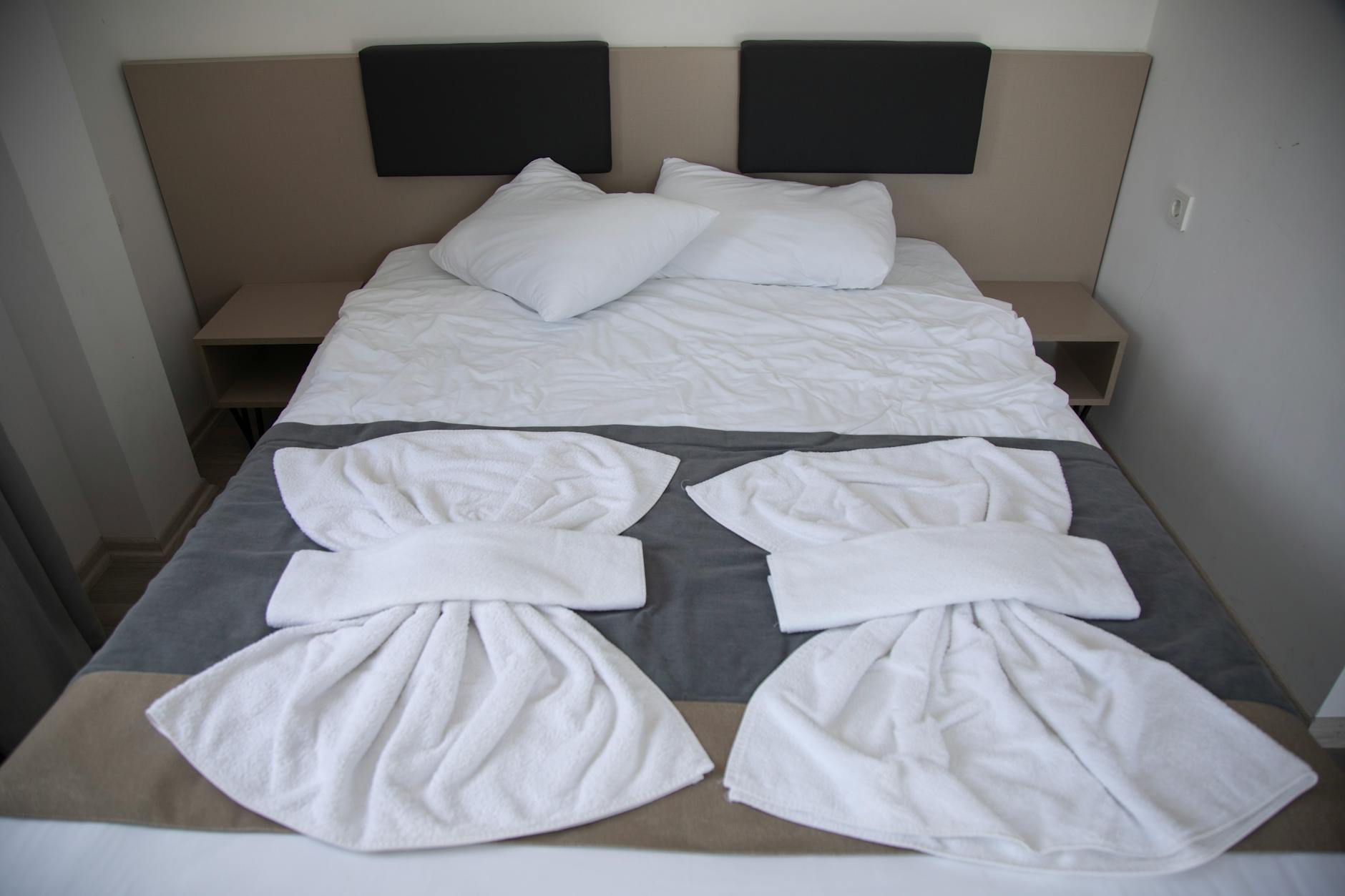
Fabric headboards provide a comfortable aesthetic but absorb oils and products from hair and skin. Unlike wooden or metal headboards these cannot be effectively wiped down by housekeeping between stays. You should avoid leaning your head or face directly against the upholstery while reading or watching TV. Placing a clean towel or extra pillow over the fabric creates a necessary sanitary barrier. This prevents direct contact with allergens and bacteria embedded in the cloth.
Tell us which of these cleaning tips you plan to use on your next trip in the comments.