Air pollution remains one of the most pressing environmental challenges facing the modern world and affects millions of people across every continent. Rapid industrialization and urban sprawl have created atmospheric conditions that frequently exceed safety guidelines set by global health organizations. Travelers and residents in these regions often face visibility issues and respiratory health risks due to high concentrations of particulate matter. The following locations represent a diverse cross-section of the globe where the fight for clean air is an ongoing daily battle.
N’Djamena
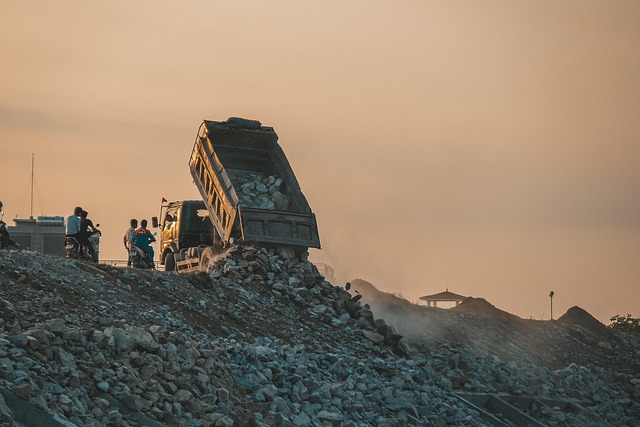
The capital of Chad consistently ranks as one of the most polluted cities on Earth due to a combination of natural and human factors. Severe dust storms from the nearby Sahara Desert sweep through the city and trap coarse particles in the stagnant air. Residents also rely heavily on wood and charcoal for cooking which adds a thick layer of smoke to the already dusty atmosphere. The geographical position of the city prevents these pollutants from dispersing effectively during dry seasons.
Begusarai
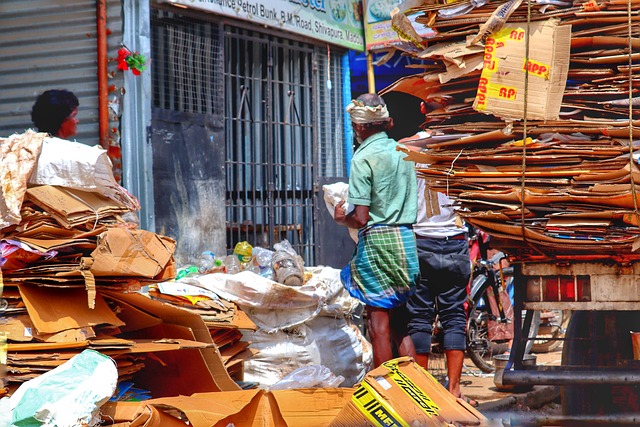
This industrial center in eastern India has gained global attention for its dangerously high levels of fine particulate matter. Heavy machinery and unchecked emissions from power generation facilities contribute to a persistent gray haze that blankets the region. The lack of wind during winter months traps pollutants near the ground and causes visibility to drop significantly. Local authorities struggle to balance the economic demands of industry with the urgent need for breathable air.
Lahore
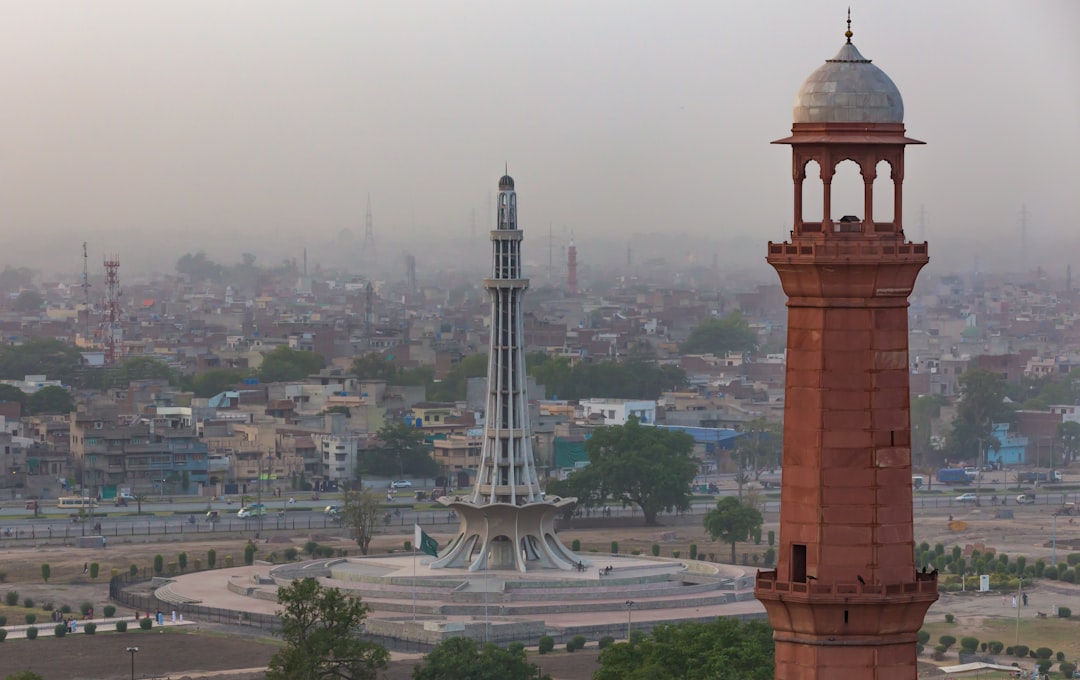
Pakistan’s cultural capital suffers from a phenomenon known as the fifth season where toxic smog paralyzes daily life for weeks. Farmers in the surrounding province burn crop residue at the same time that cooler temperatures cause an atmospheric inversion. This combination locks smoke and vehicle exhaust over the city and forces frequent closures of schools and parks. The air quality index here often reaches levels that are considered hazardous for all age groups.
Dhaka
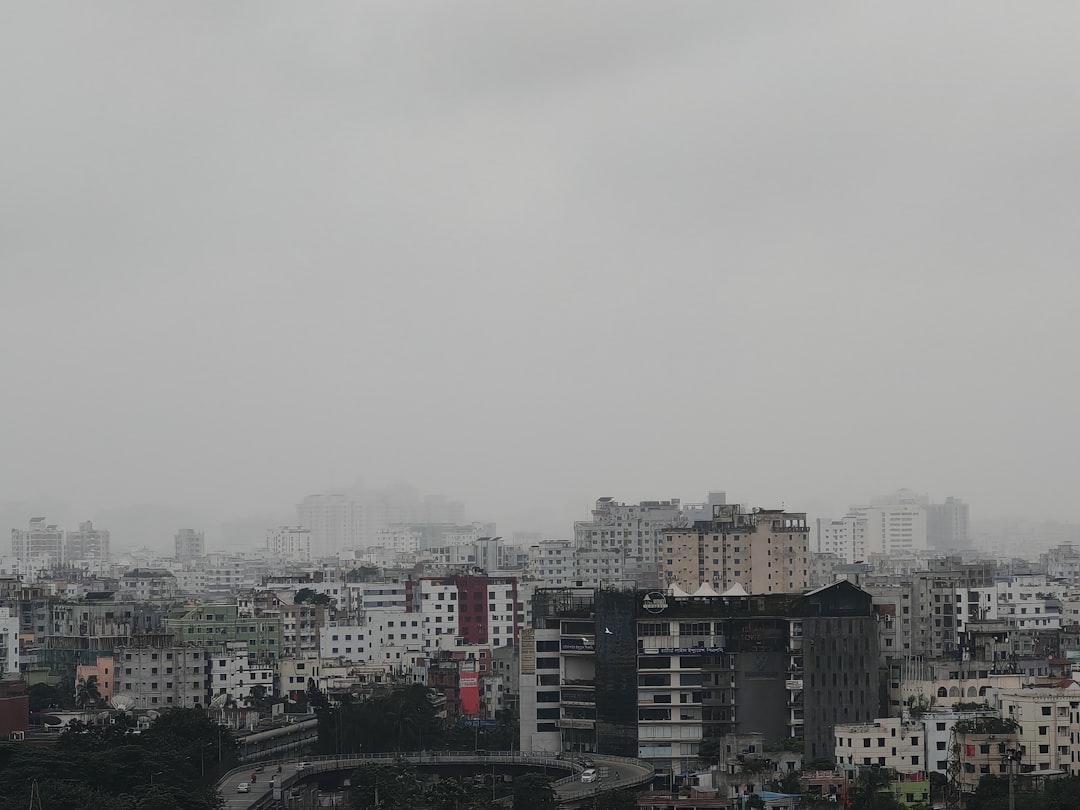
Brick kilns surrounding the capital of Bangladesh pump out massive volumes of black smoke that drift directly into the densely populated urban core. Massive construction projects and unpaved roads add a constant suspension of fine dust to the humid air. Millions of old vehicles idle in gridlocked traffic and release untreated exhaust fumes that linger between high-rise buildings. The result is a heavy and metallic-tasting atmosphere that rarely clears completely.
Hotan
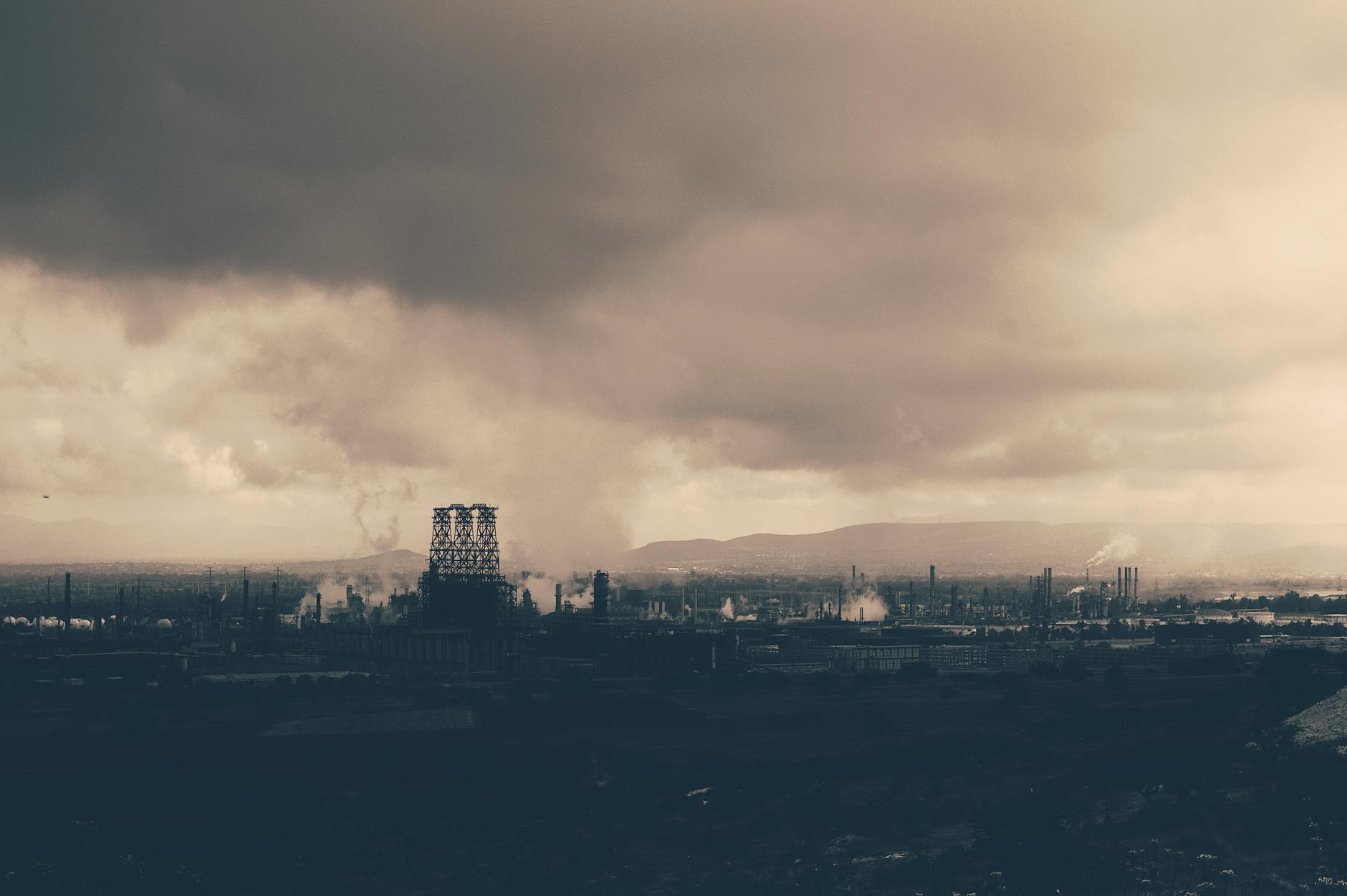
Located in western China near the Taklamakan Desert this city faces a unique challenge from frequent and intense sandstorms. The natural geography creates a bowl effect that captures windblown dust and keeps it suspended for days at a time. Modern industrial activities and coal burning for heat exacerbate the situation during the freezing winter months. The sky frequently takes on an ominous orange or yellow hue due to the sheer density of airborne particles.
Sarajevo
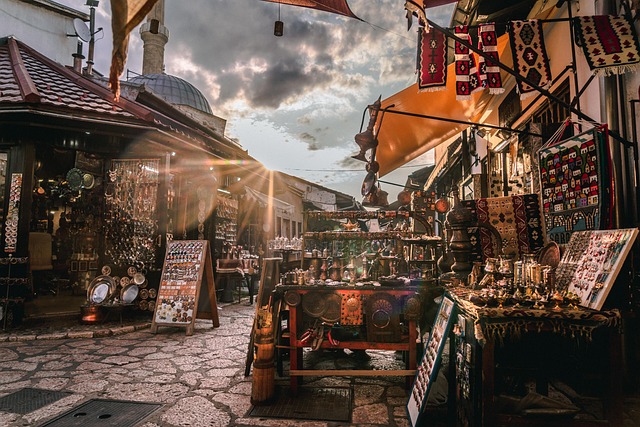
The capital of Bosnia and Herzegovina sits in a deep valley that traps smoke from thousands of residential wood and coal stoves. Temperature inversions in the winter act like a lid and seal pollutants inside the city bowl for extended periods. Old cars and a lack of modern filtration on industrial chimneys contribute further to the toxic mix. It remains one of the most polluted capitals in Europe during the heating season.
Baghdad
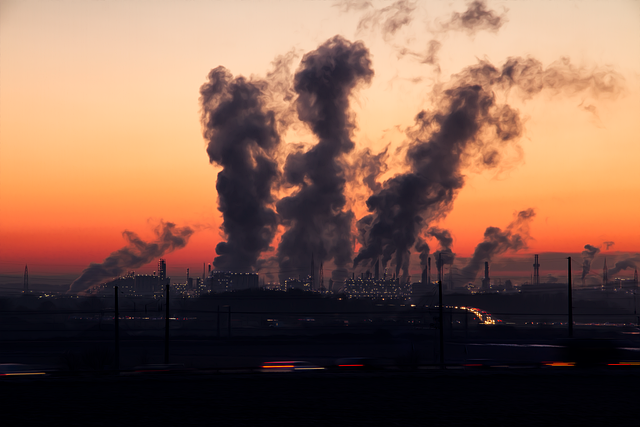
Iraq’s capital experiences a harsh combination of desert dust and emissions from oil refineries and power plants. Conflict and instability have left much of the infrastructure damaged which leads to unregulated burning of waste in open areas. The arid climate allows fine sand particles to mix with chemical pollutants from heavy traffic and generators. Residents often have to contend with air that is thick enough to irritate the eyes and throat immediately.
New Delhi
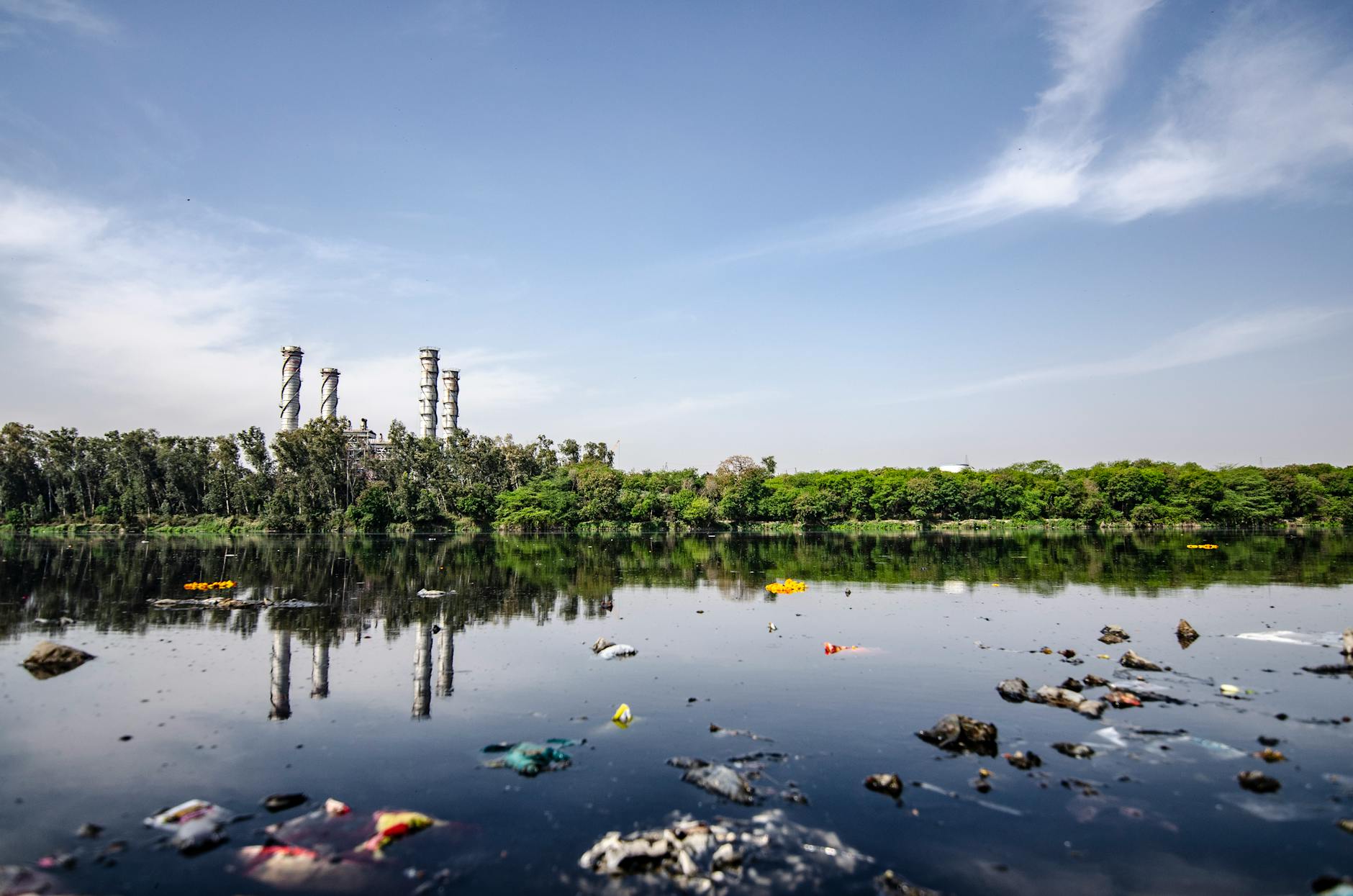
The administrative center of India faces a yearly crisis where smoke from agricultural burning mixes with urban pollution. Vehicular emissions and construction dust create a toxic cocktail that frequently shuts down the city during November and December. Green spaces in the area are insufficient to filter out the overwhelming volume of particulate matter generated daily. It serves as a stark example of the environmental costs associated with rapid mega-city expansion.
Skopje
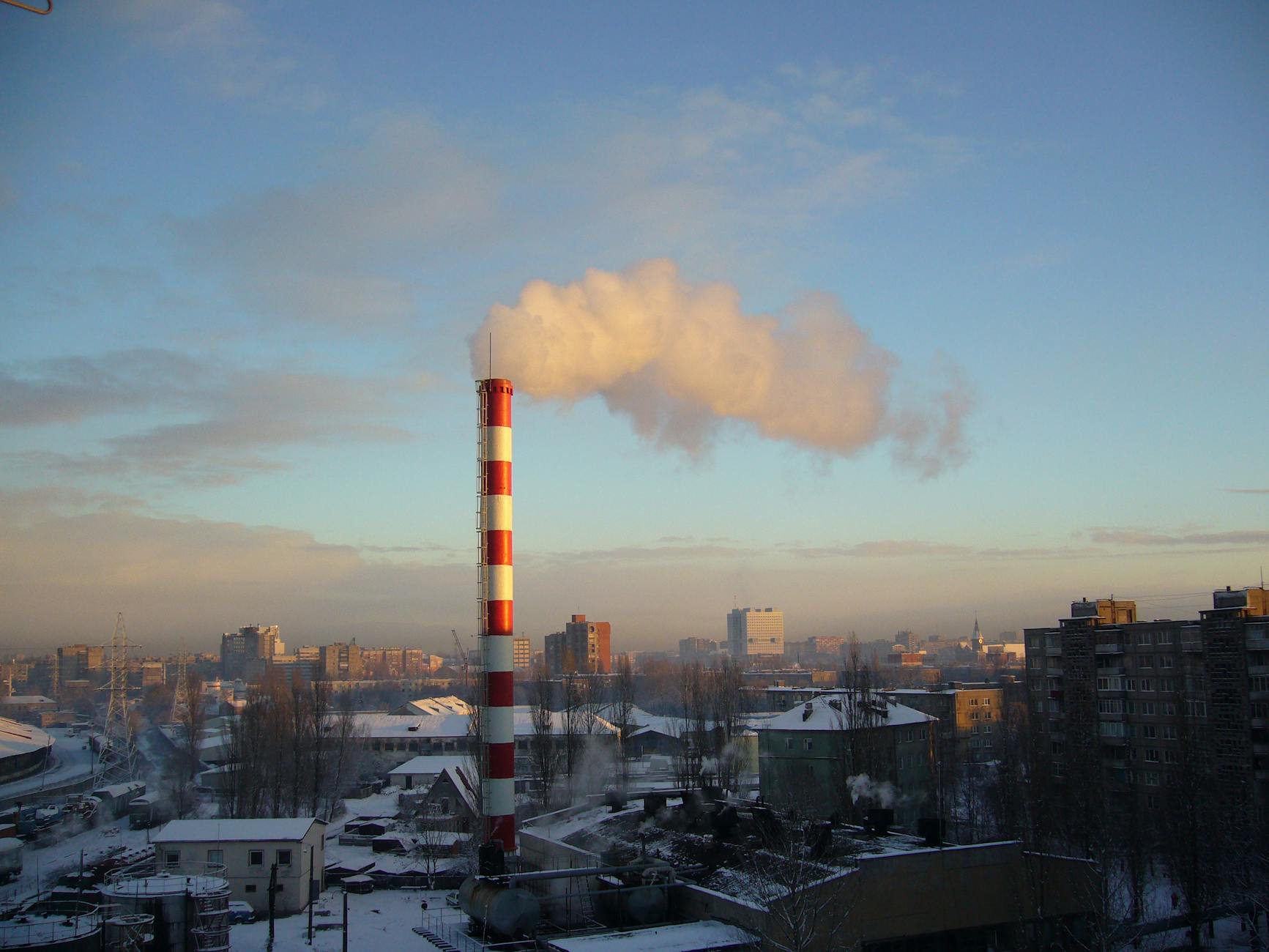
North Macedonia’s capital is another Balkan city that suffers immensely during the winter due to its geography and heating methods. Households burning synthetic materials and waste for heat release dangerous chemicals into the valley air. The surrounding mountains prevent the wind from clearing out the smog that accumulates from traffic and industry. Public health officials frequently advise citizens to wear masks outdoors during peak pollution days.
Jakarta
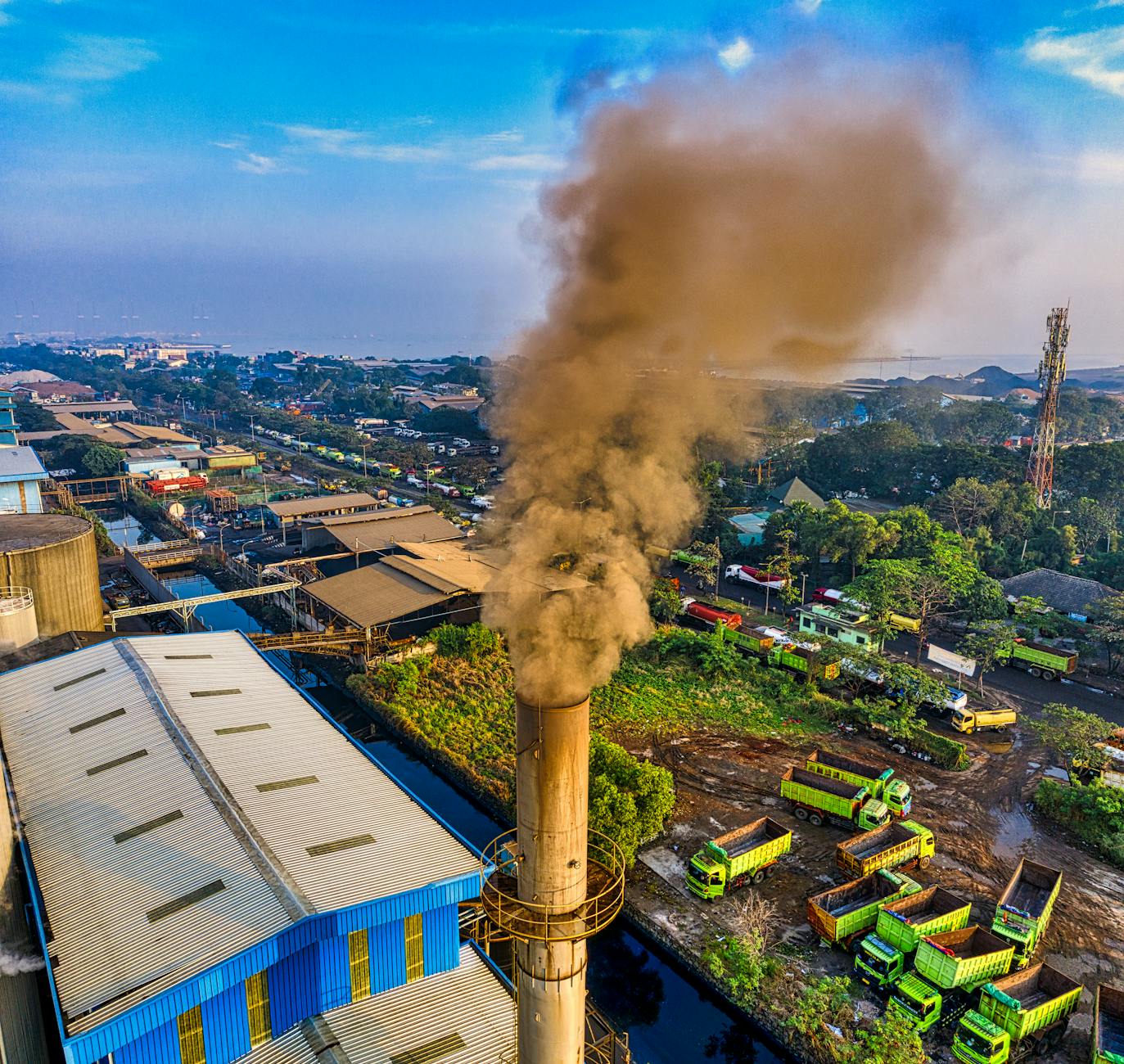
Indonesia’s massive capital struggles with emissions from millions of motorcycles and cars that jam its roadways daily. Coal-fired power plants located just outside the city limits send plumes of smoke drifting into the residential areas. The tropical humidity helps to trap these pollutants and creates a permanent gray haze over the skyline. Recent years have seen the city top global pollution charts even during the dry season.
Chiang Mai
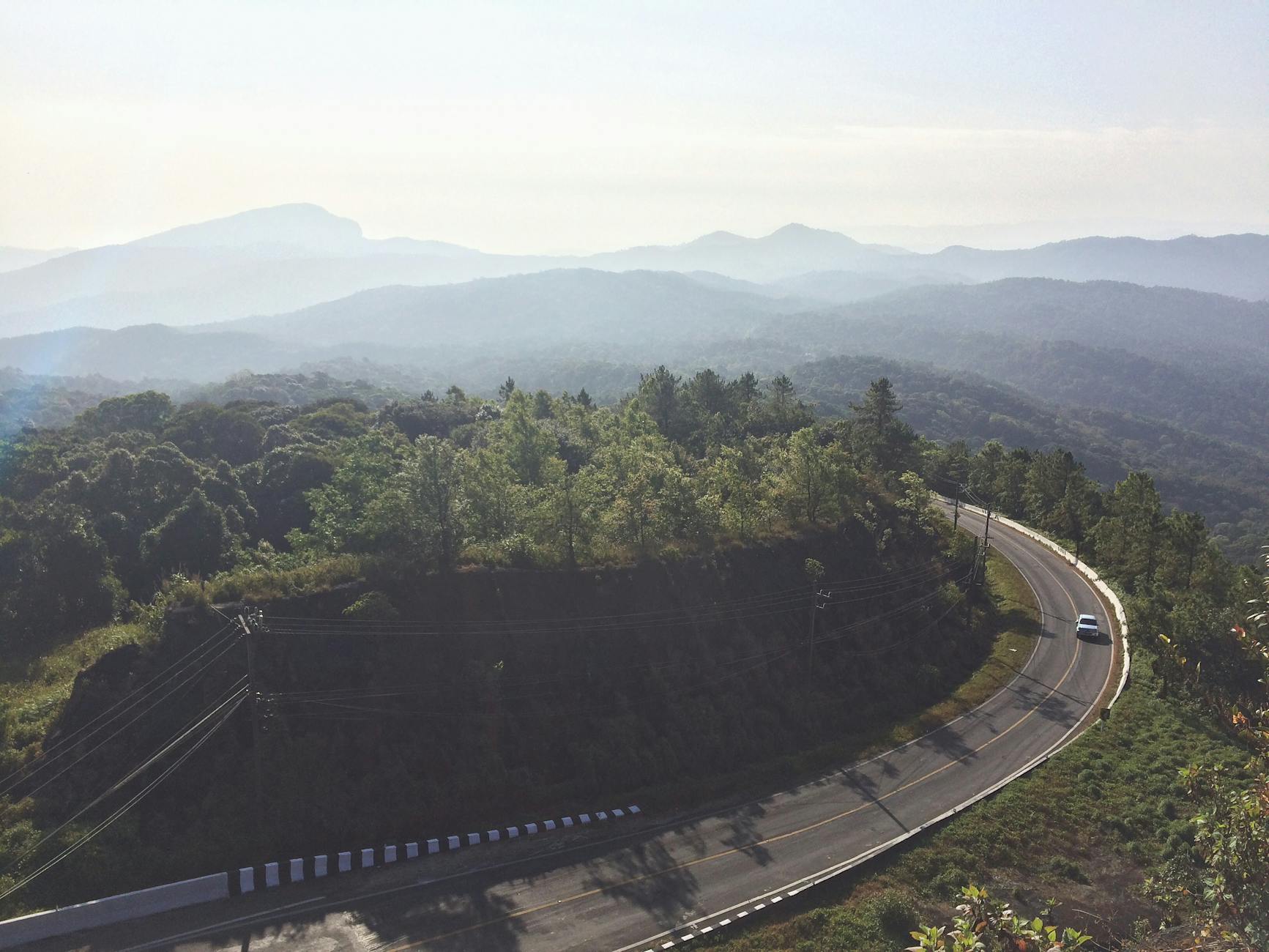
This popular tourist destination in northern Thailand faces a severe seasonal crisis known locally as the burning season. Farmers in the region burn fields to prepare for the next crop cycle which fills the valley with thick acrid smoke. Forest fires in the surrounding mountains often drift down and compound the issue significantly. Tourists and locals alike often flee the city during these months to escape the hazardous air quality.
Bishkek
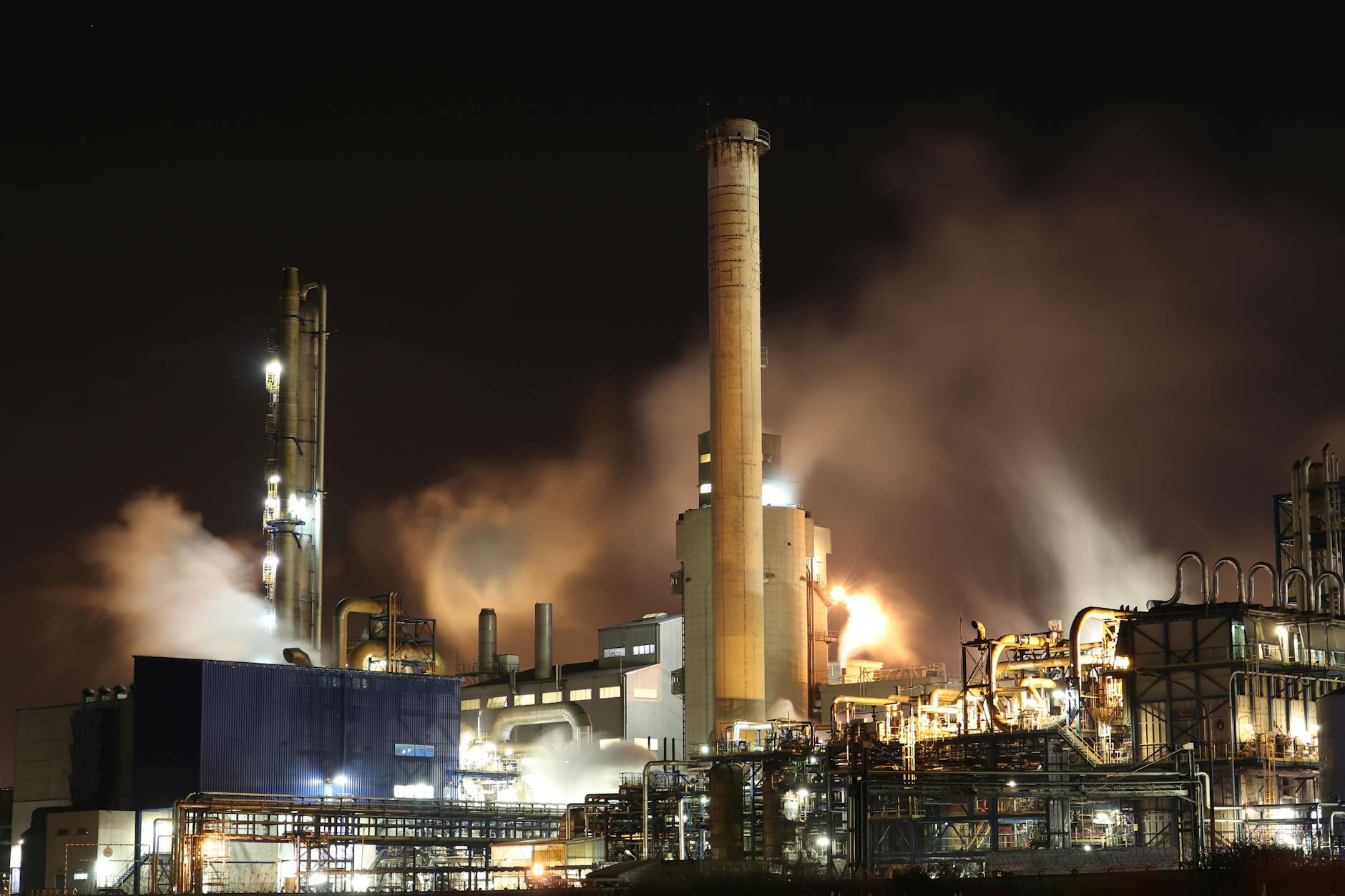
The capital of Kyrgyzstan relies heavily on a coal-fired power plant and individual home heating stoves during its harsh winters. The city was built to allow wind to flush out the air but unauthorized construction has blocked these natural ventilation corridors. Smog settles over the city in a dense layer that can reduce visibility to just a few meters. The smell of burning coal is pervasive and coats the city in a layer of soot.
Hanoi
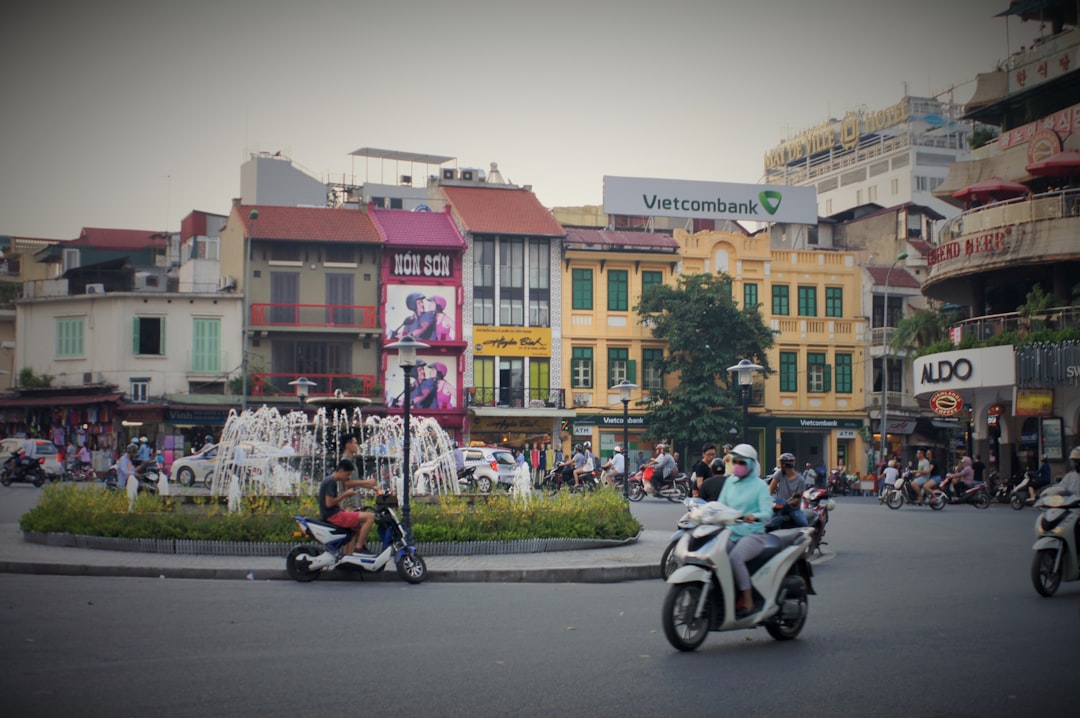
Vietnam’s capital has seen air quality deteriorate rapidly alongside its economic boom and construction frenzy. Millions of motorbikes release exhaust that mixes with dust from major infrastructure projects occurring throughout the city. The humid climate traps these particles close to the ground and creates a misty smog that obscures the sun. Health advisories are becoming increasingly common as particulate levels rise year over year.
Cairo
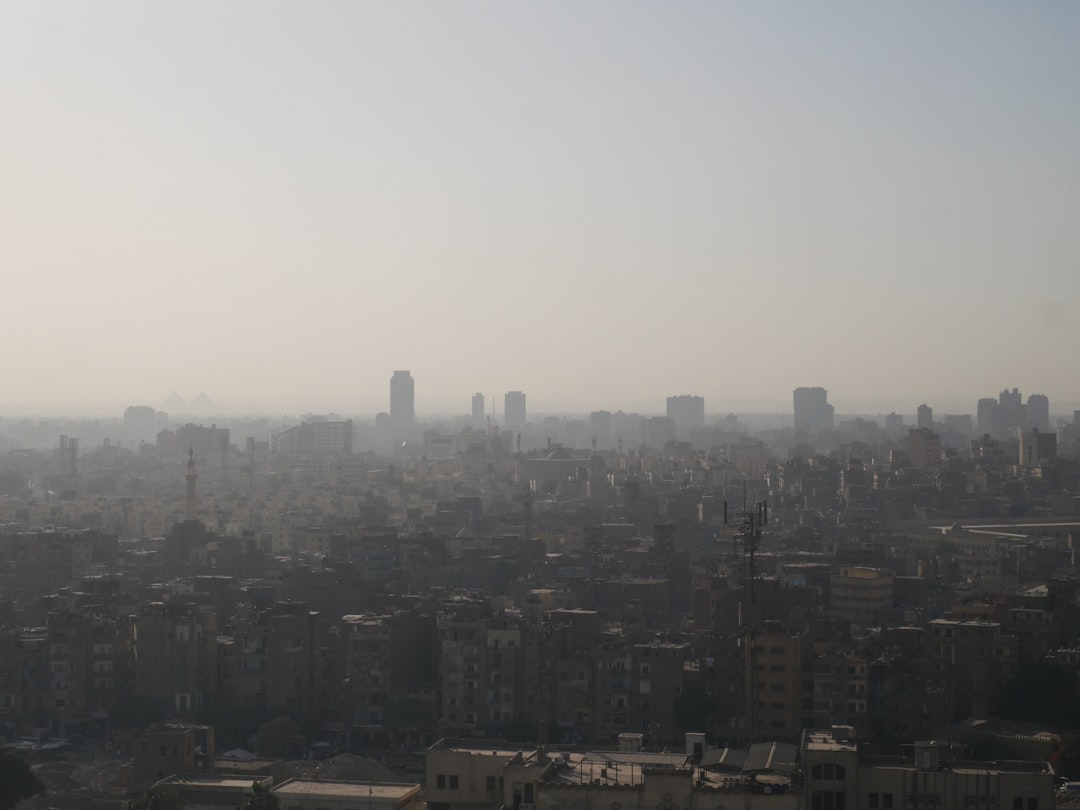
The sprawling capital of Egypt sits in a river valley where industrial smoke and desert dust combine to form a black cloud. Emissions from aging factories and the open burning of rice straw in the delta contribute to the poor air quality. The sheer density of traffic on the city’s roads ensures a constant supply of nitrogen dioxide and other pollutants. The phenomenon is so regular that locals have specific terms for the darkest days of the year.
Kampala
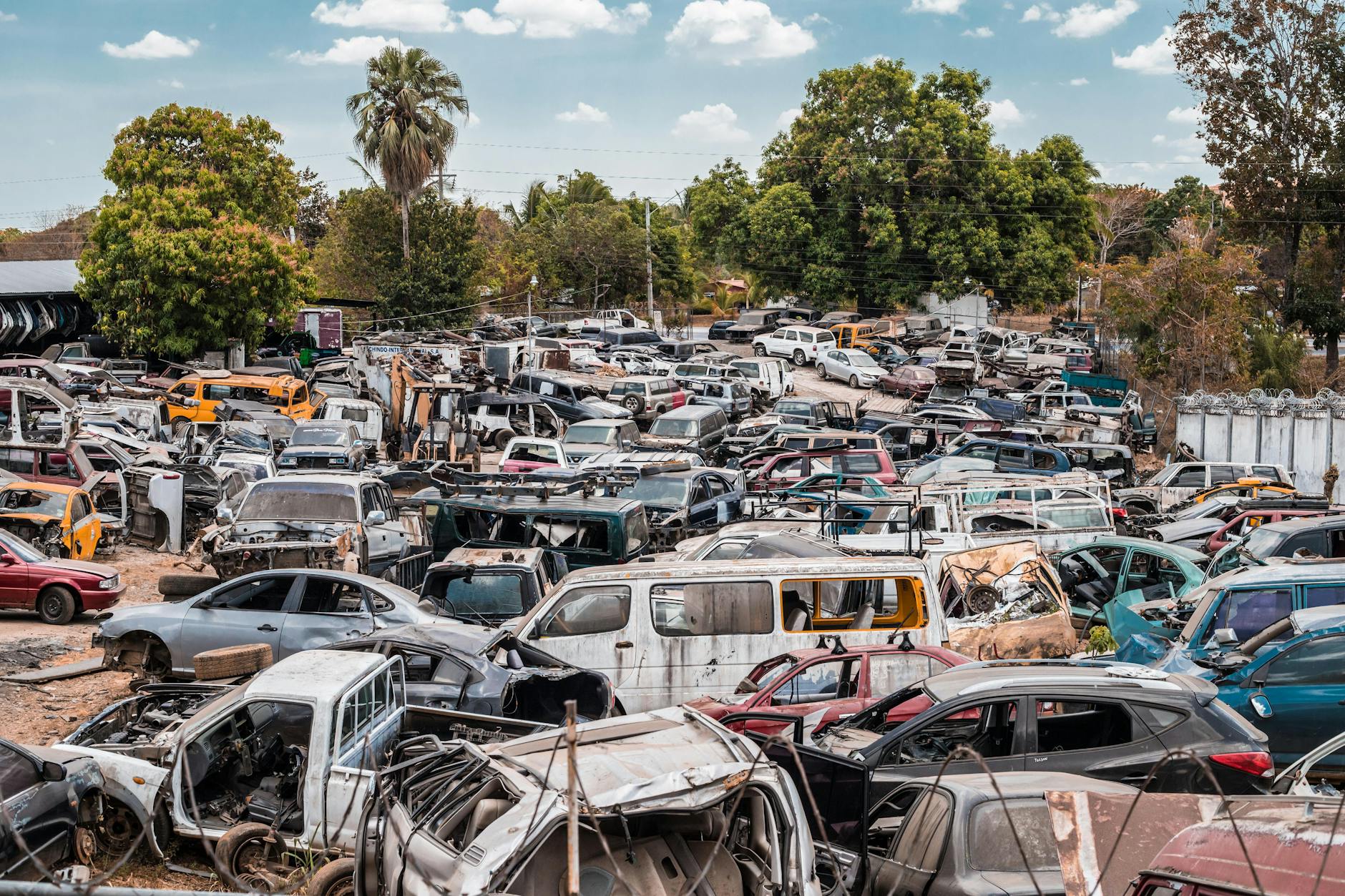
Uganda’s capital faces significant pollution challenges from unpaved roads that kick up constant clouds of red dust. Old vehicles imported from other regions operate without emission controls and spew black smoke into the streets. Open burning of waste is a common disposal method that adds toxic chemicals to the immediate breathing zone. The topography of the city often allows these pollutants to stagnate over low-lying residential areas.
Ulaanbaatar
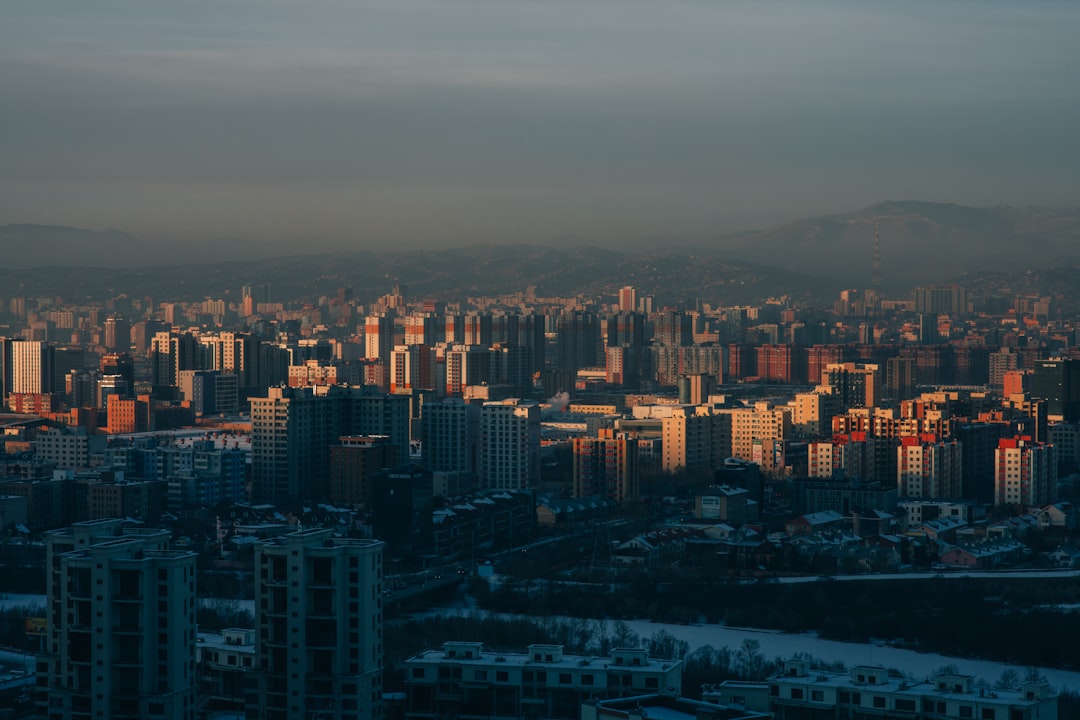
The coldest capital city in the world sees its residents burn raw coal and plastics to survive temperatures that drop far below freezing. The traditional ger districts that ring the city are the primary source of this thick and choking smoke. Geography plays a cruel role as the city sits in a valley that traps the emissions perfectly during calm winter nights. Respiratory issues are widespread among children who grow up breathing this heavy winter smog.
Santiago
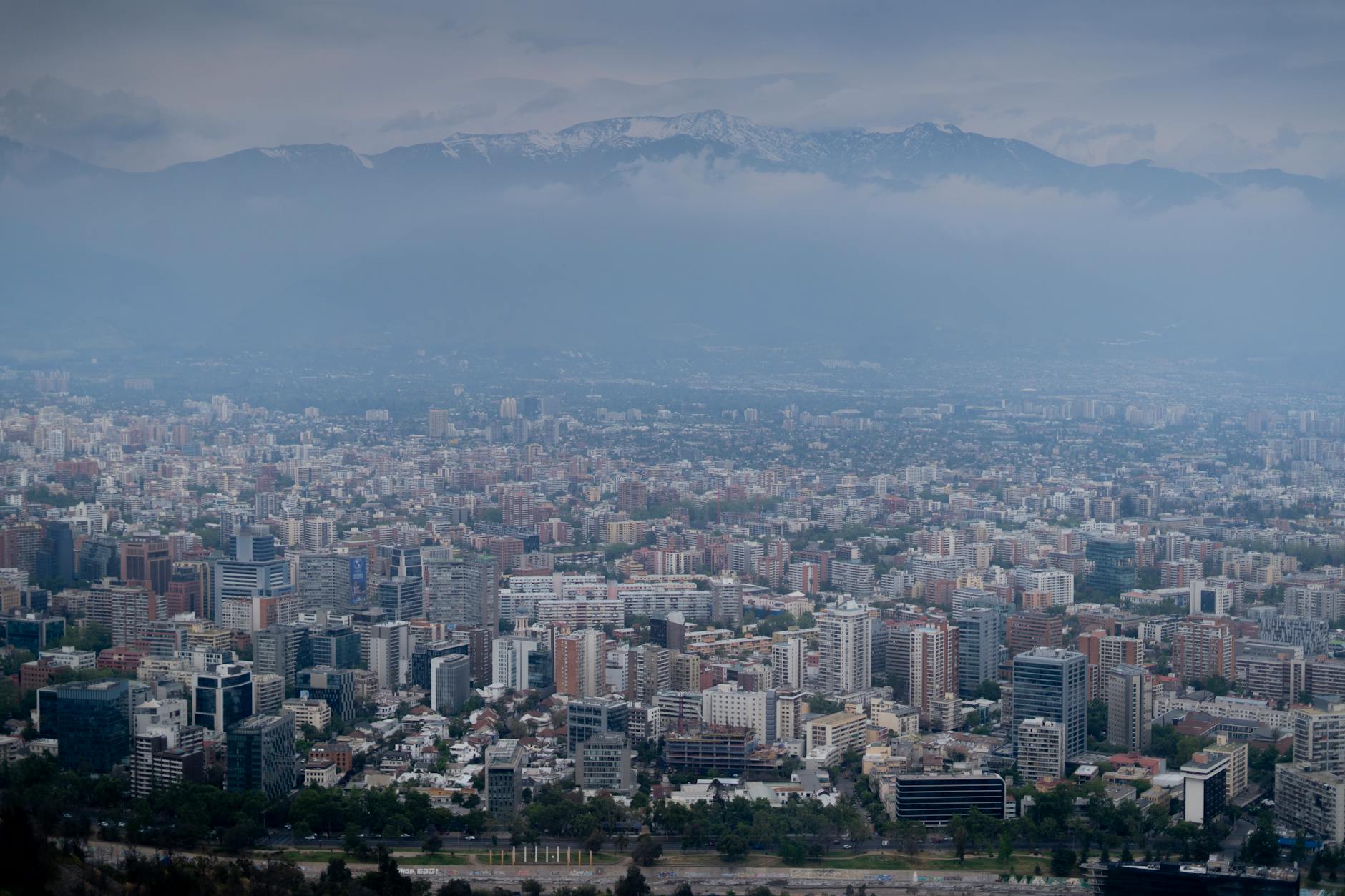
Chile’s capital is nestled between the Andes mountains and the coastal range which creates a natural trap for urban emissions. Smog from diesel buses and industrial activities accumulates in the basin and has nowhere to escape. Winter months bring thermal inversions that press the layer of pollution down onto the city streets. Authorities frequently restrict driving and industrial activity to try and mitigate the worst episodes.
Kathmandu
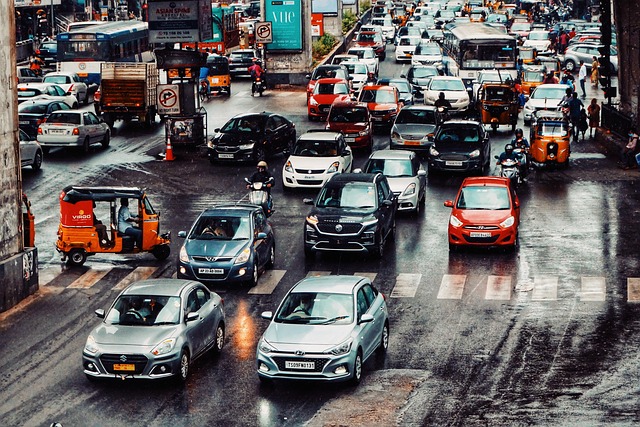
Nepal’s capital lies in a bowl-shaped valley that collects pollution from brick kilns and old vehicles. The rapid urbanization has outpaced the development of public transport and leads to severe traffic congestion. Dust from road expansion projects hangs in the air and coats buildings and trees in a fine gray powder. The haze often obscures the view of the surrounding Himalayan peaks that the city is famous for.
Manama
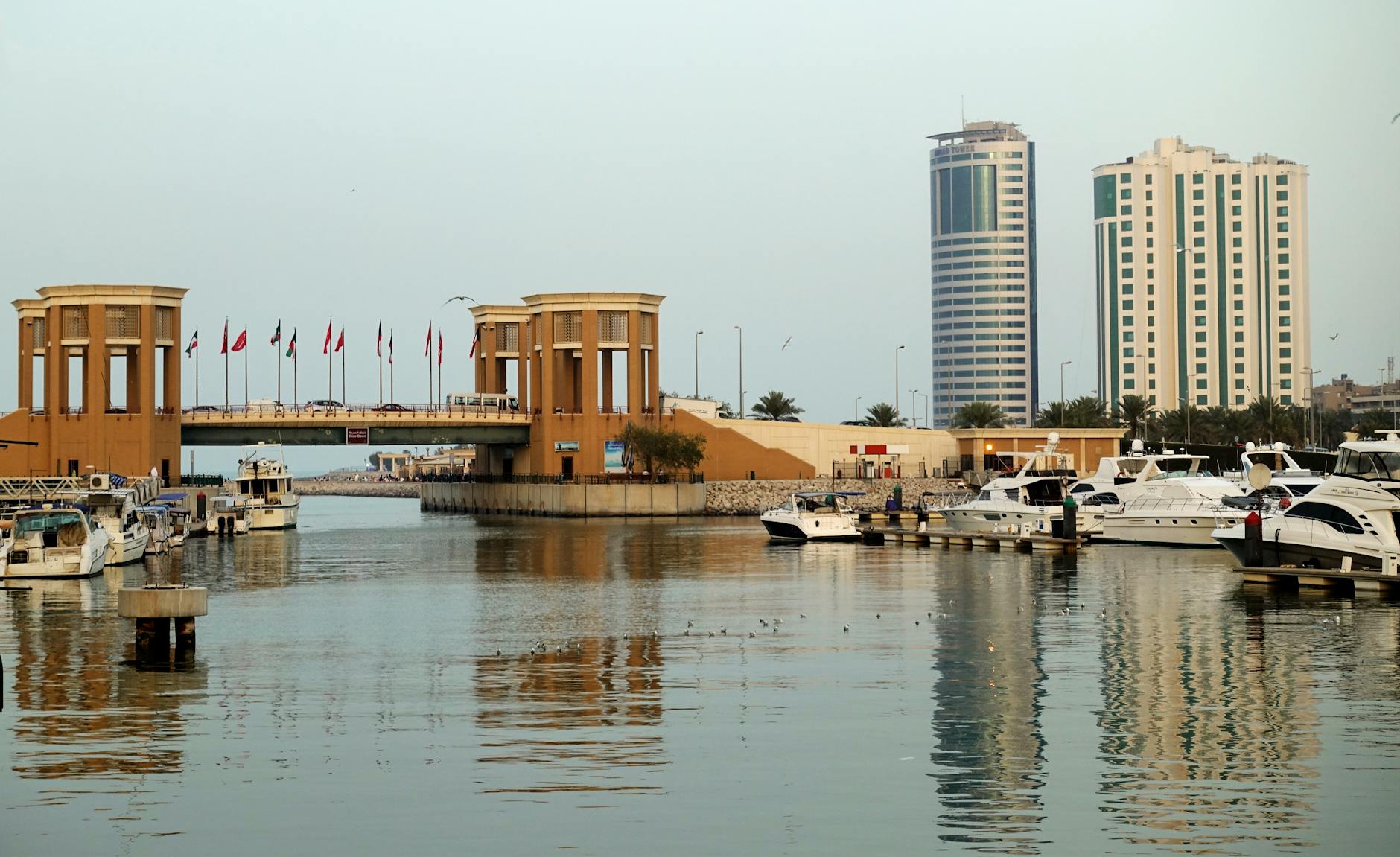
The capital of Bahrain contends with high levels of particulate matter from both natural dust and industrial sources. Oil refineries and aluminum smelters release emissions that mix with the fine sand of the desert environment. The high temperatures and humidity can cause these pollutants to react and form secondary smog. Residents spend much of their time indoors in filtered air to avoid the harsh outdoor conditions.
Lima
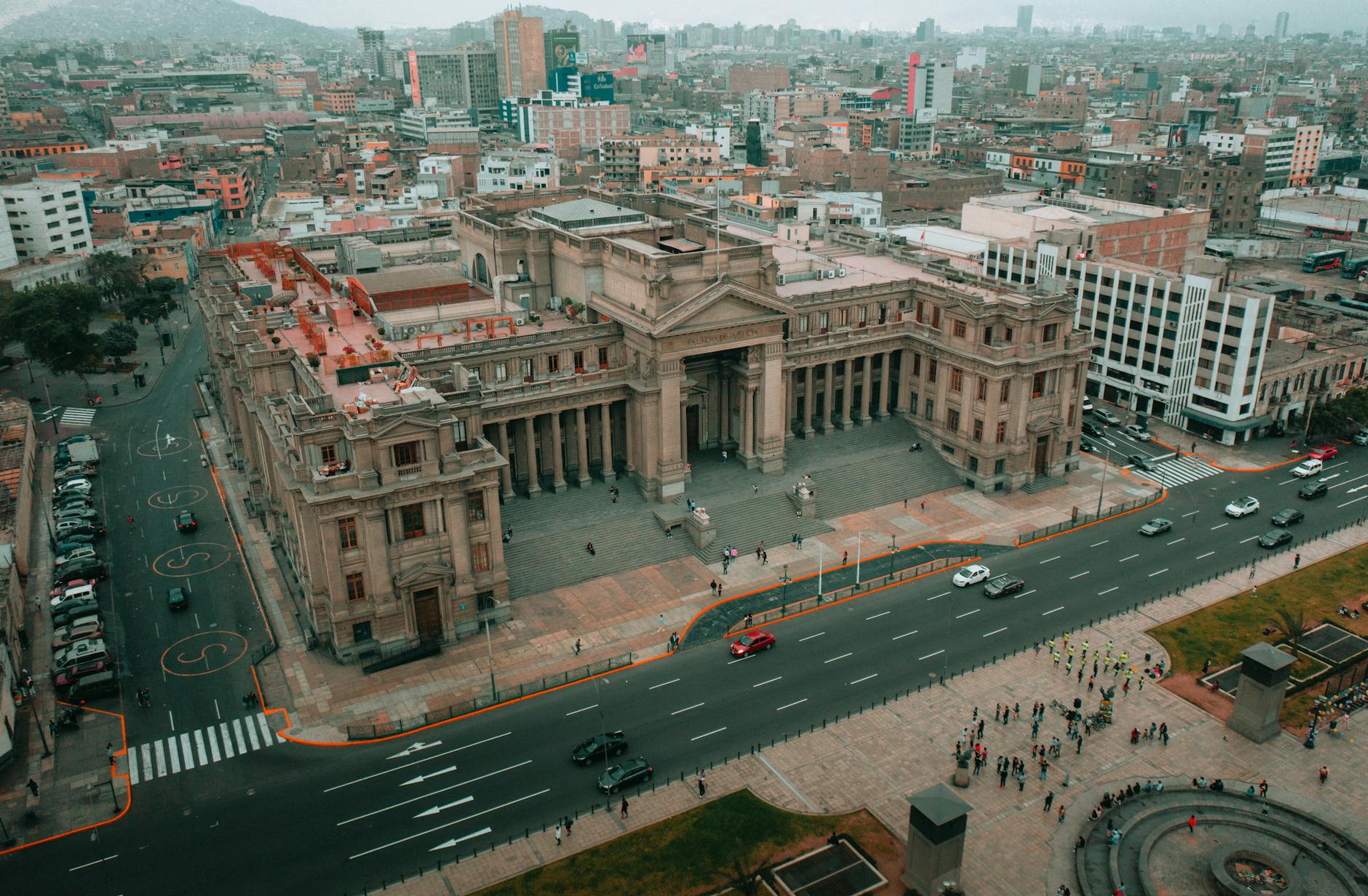
Peru’s capital is located in a desert strip where it rarely rains enough to wash pollutants out of the air. The city has a high concentration of old buses and taxis that run on low-quality diesel fuel. The geography of the coast and the Andes mountains creates a stable atmospheric condition that traps smog over the city. The result is a persistent gray sky that locals have come to accept as the norm.
Krakow
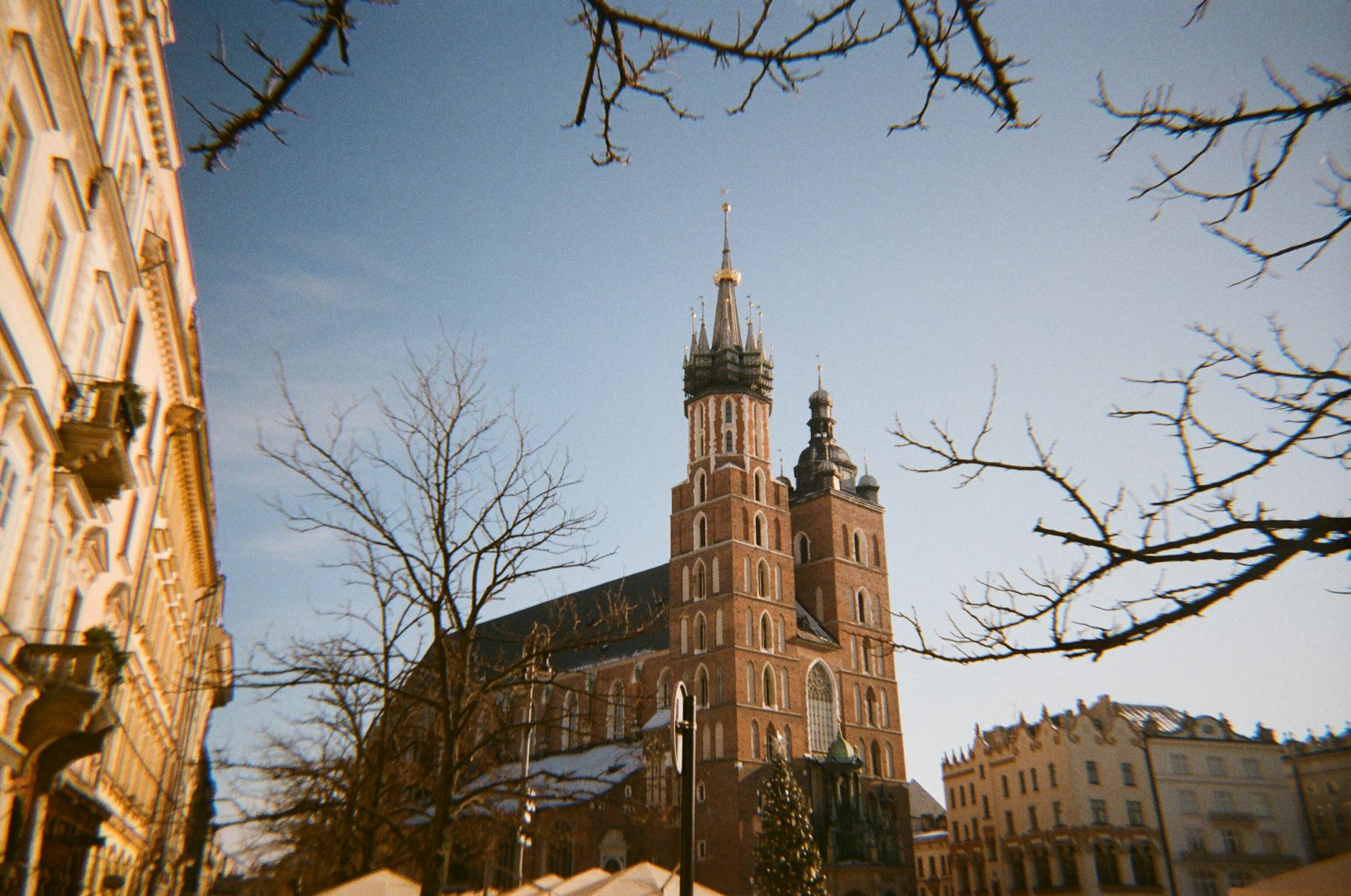
This historic Polish city has long battled with smog caused by the burning of low-quality coal in domestic furnaces. Its location in a valley prevents the wind from blowing away the smoke generated during the cold winter months. Recent bans on solid fuel burning have helped but the surrounding municipalities still contribute to the problem. The air often smells distinctly of sulfur and soot during the heating season.
Lagos
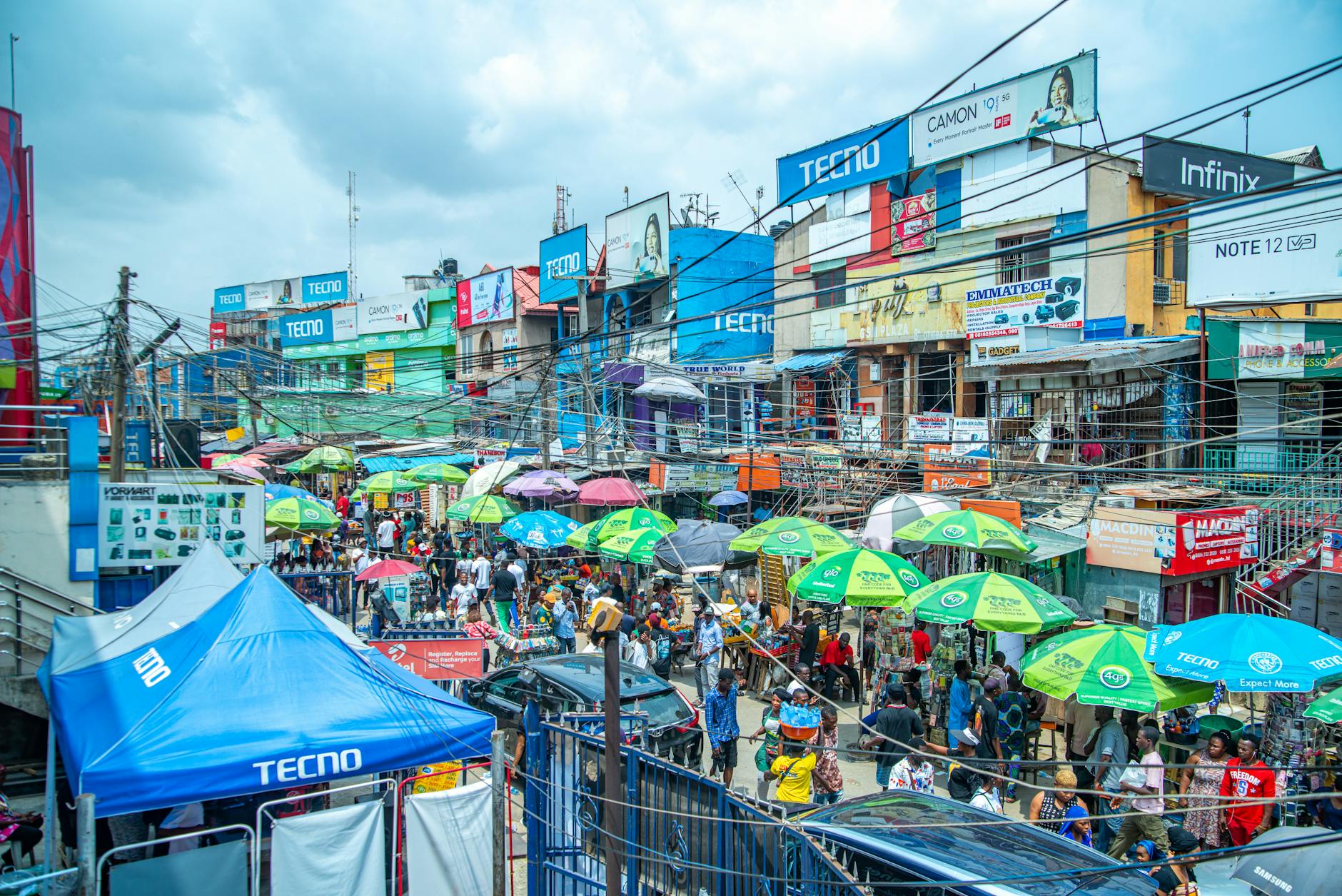
Nigeria’s largest city is a bustling metropolis where millions of generators run daily to compensate for unstable power grids. The exhaust from these generators mixes with emissions from millions of vehicles to create a toxic atmosphere. Electronic waste processing and open trash burning in massive dumpsites release dangerous chemicals into the air. The smog is often visible as a dark band hanging over the city skyline.
Kuwait City
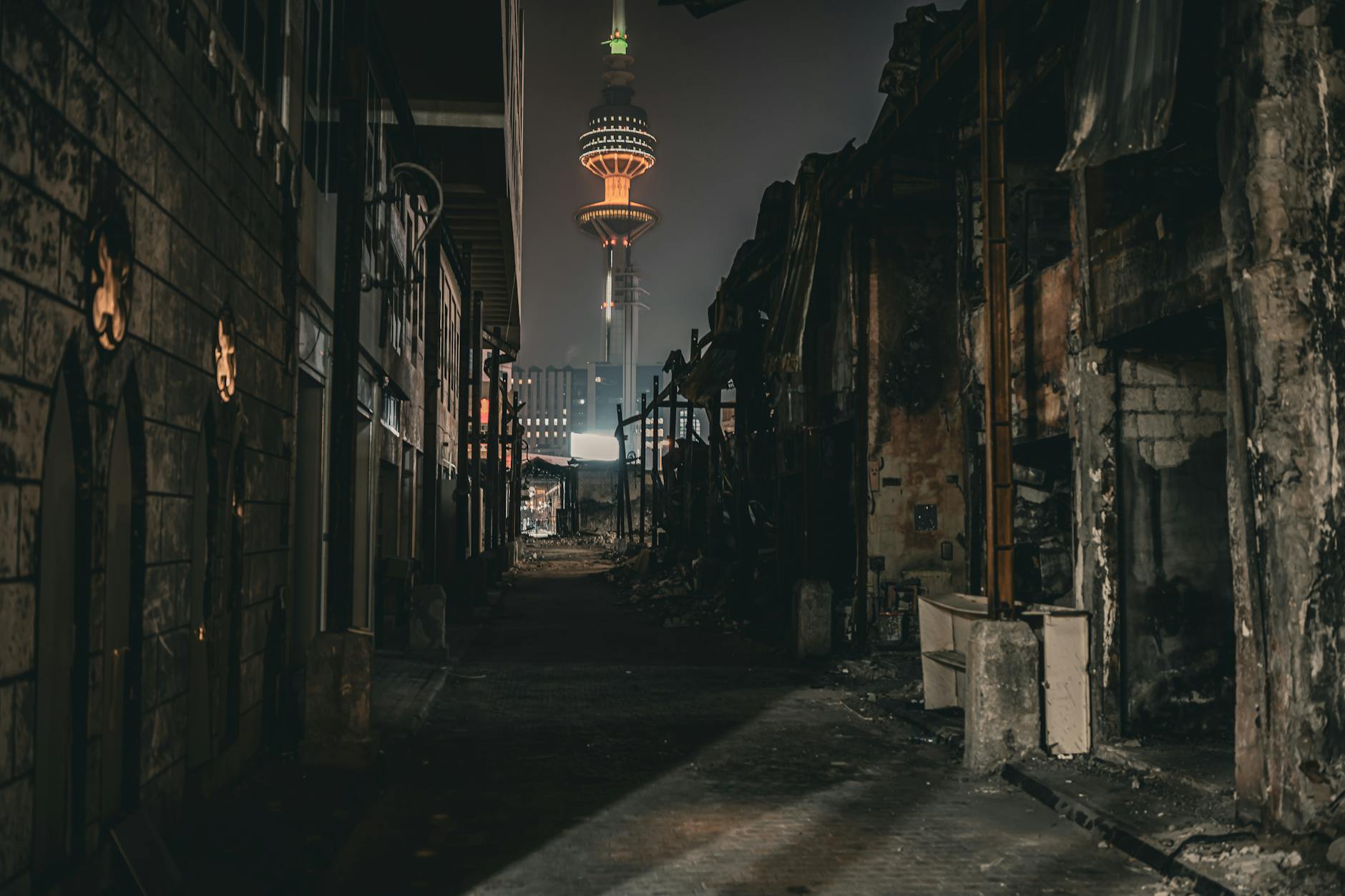
The capital of Kuwait sits in a region dominated by oil extraction and processing facilities that release volatile organic compounds. Frequent dust storms add a layer of natural particulate matter to the industrial emissions. The extreme heat of the summer months accelerates the formation of ground-level ozone which is harmful to breathe. It consistently ranks as one of the most difficult environments for respiratory health in the Middle East.
Kashgar
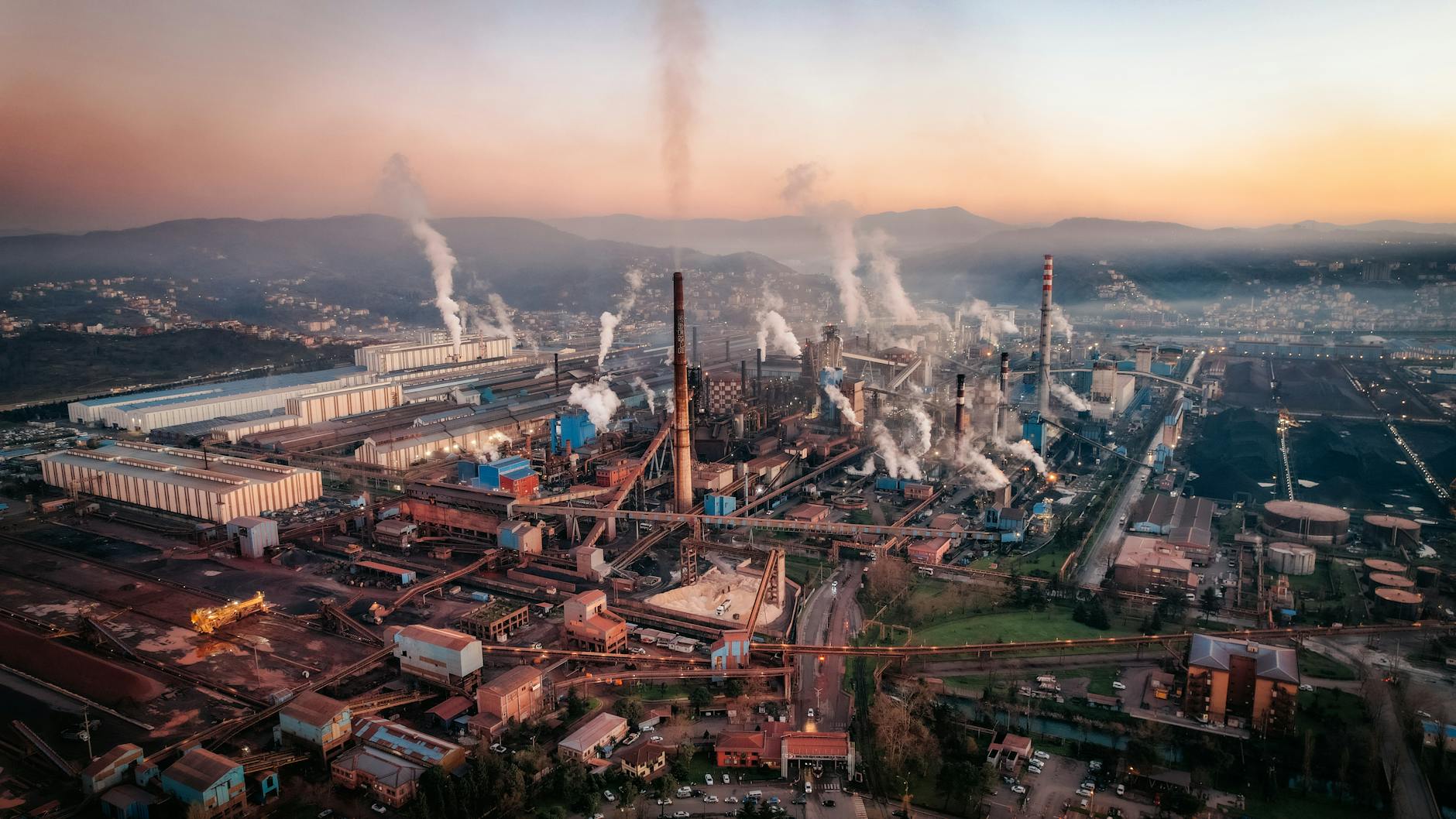
This oasis city in western China acts as a gateway to the desert and faces a constant barrage of windblown dust. The air quality is frequently compromised by sandstorms that can block out the sun for hours. Urban development has added coal smoke and vehicle exhaust to the natural dust load. The environment is harsh and dry with air that feels gritty and heavy in the lungs.
Doha
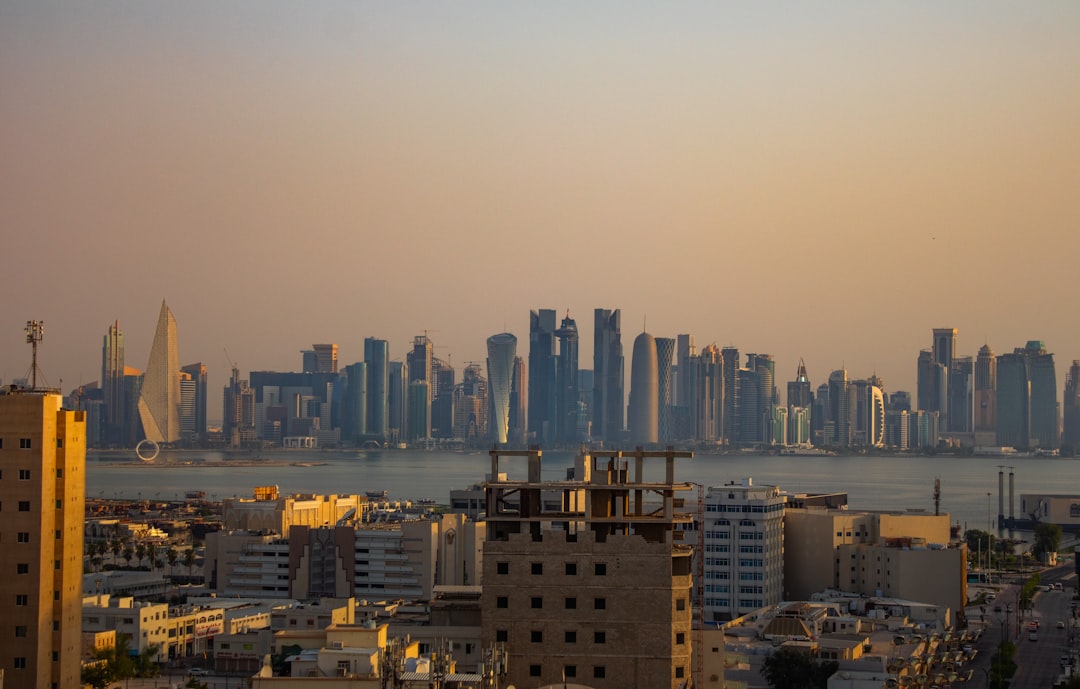
Qatar’s capital is a rapidly growing city where massive construction projects generate significant amounts of dust. The heavy reliance on desalination plants and energy production adds industrial emissions to the air. High temperatures contribute to the formation of photochemical smog from the traffic on the expanding highway network. The air quality often forces residents to limit outdoor exercise during the hottest parts of the day.
Accra
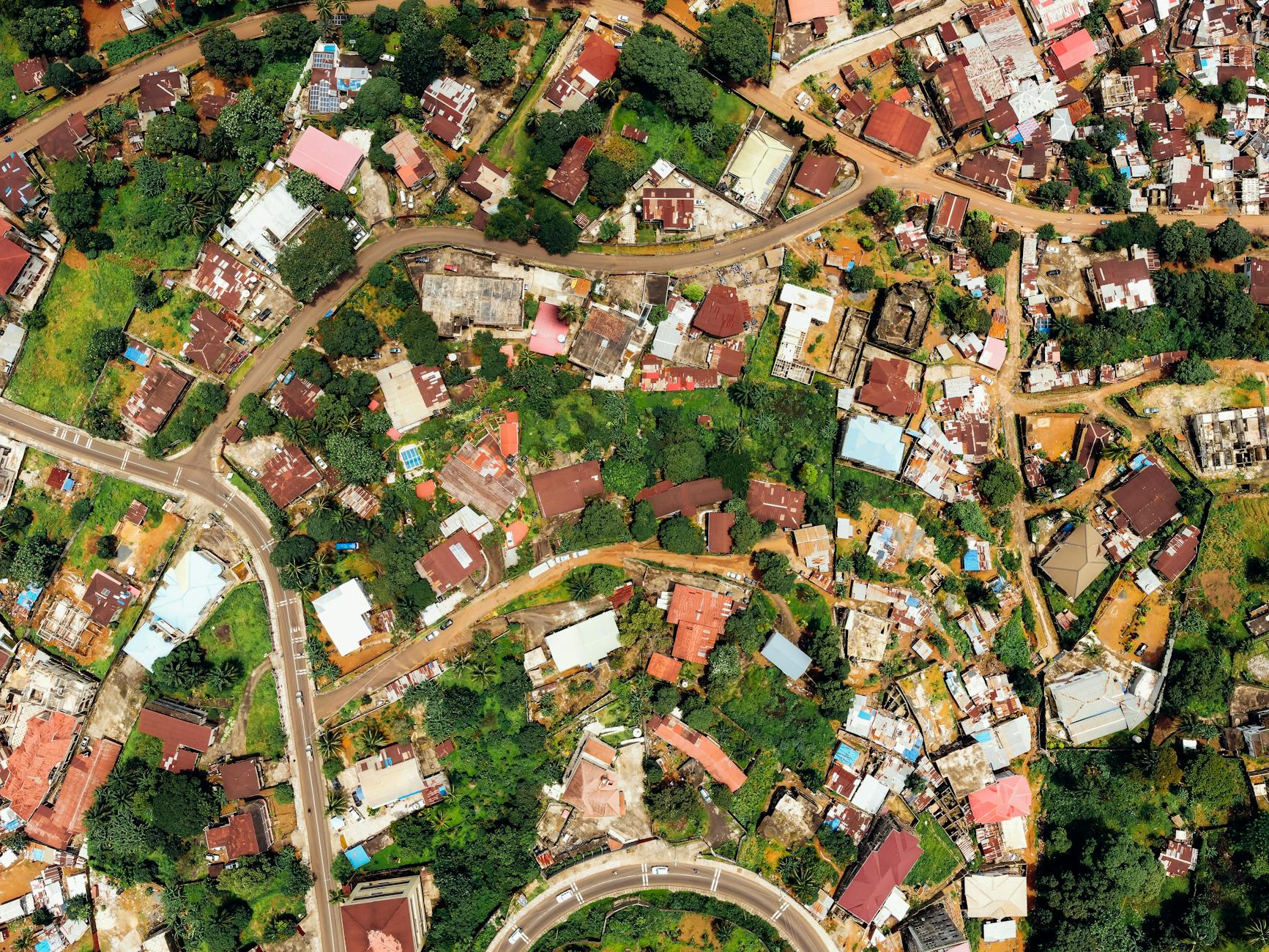
Ghana’s capital struggles with pollution from the burning of electronic waste to recover valuable metals. Old commercial vehicles that lack catalytic converters dominate the roads and fill the streets with black exhaust. The burning of biomass for cooking in lower-income areas adds to the citywide particulate burden. The smog is particularly dense in the mornings before the heat of the day helps it disperse.
Mexico City
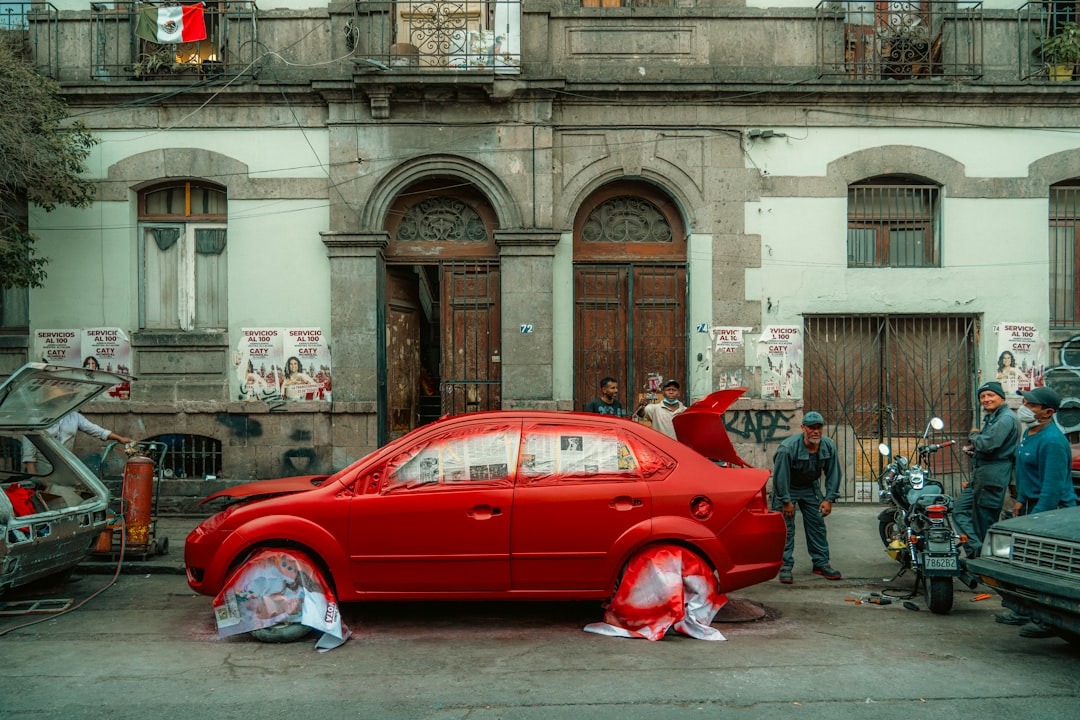
The high-altitude capital of Mexico sits in a volcanic crater that effectively traps pollutants from millions of vehicles. The thin air at this elevation makes engines burn fuel less efficiently and produce more emissions. Sunlight reacts with these chemicals to form ozone which irritates the lungs and eyes. Decades of regulation have improved the situation but the sheer size of the city keeps it on the list.
Tehran
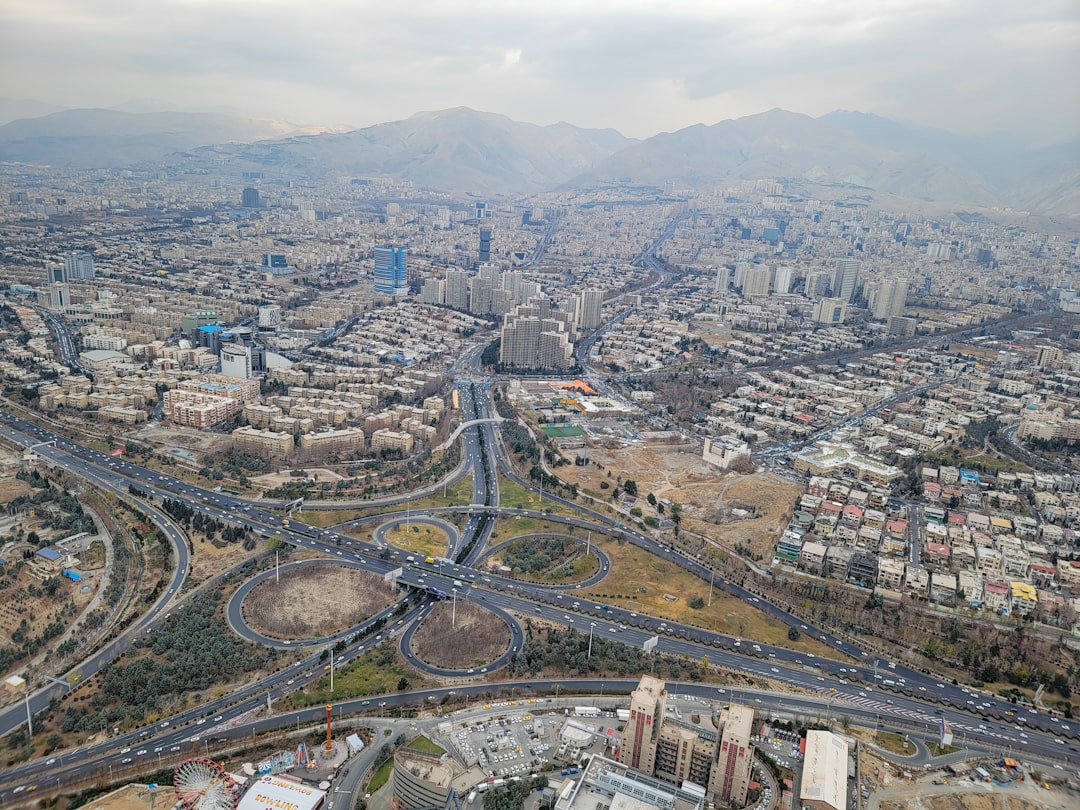
Iran’s capital is surrounded by high mountains on three sides which stops the wind from clearing away urban smog. Millions of old cars and motorcycles run on fuel that often does not meet modern standards. The city frequently closes schools and government offices when the air becomes too dangerous to breathe. The pollution appears as a thick gray blanket that obscures the view of the Alborz mountains.
Milan
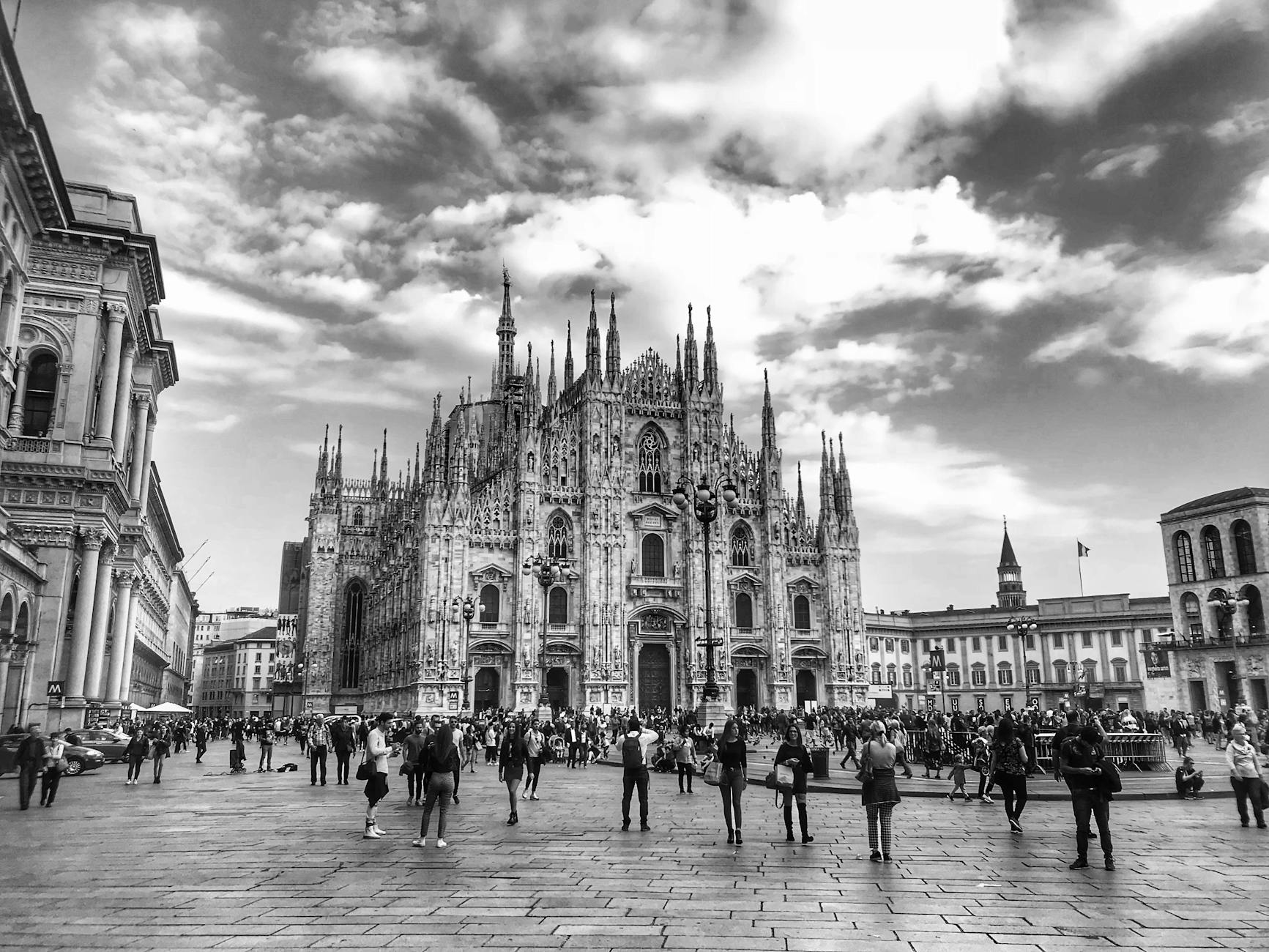
The economic engine of Italy is located in the Po Valley where air circulation is notoriously poor. Industrial emissions and traffic fumes get trapped by the Alps and the Apennines. Agricultural emissions from the surrounding fertile plains add ammonia to the mix which forms secondary particles. It remains one of the most consistently polluted major cities in Western Europe.
Faisalabad
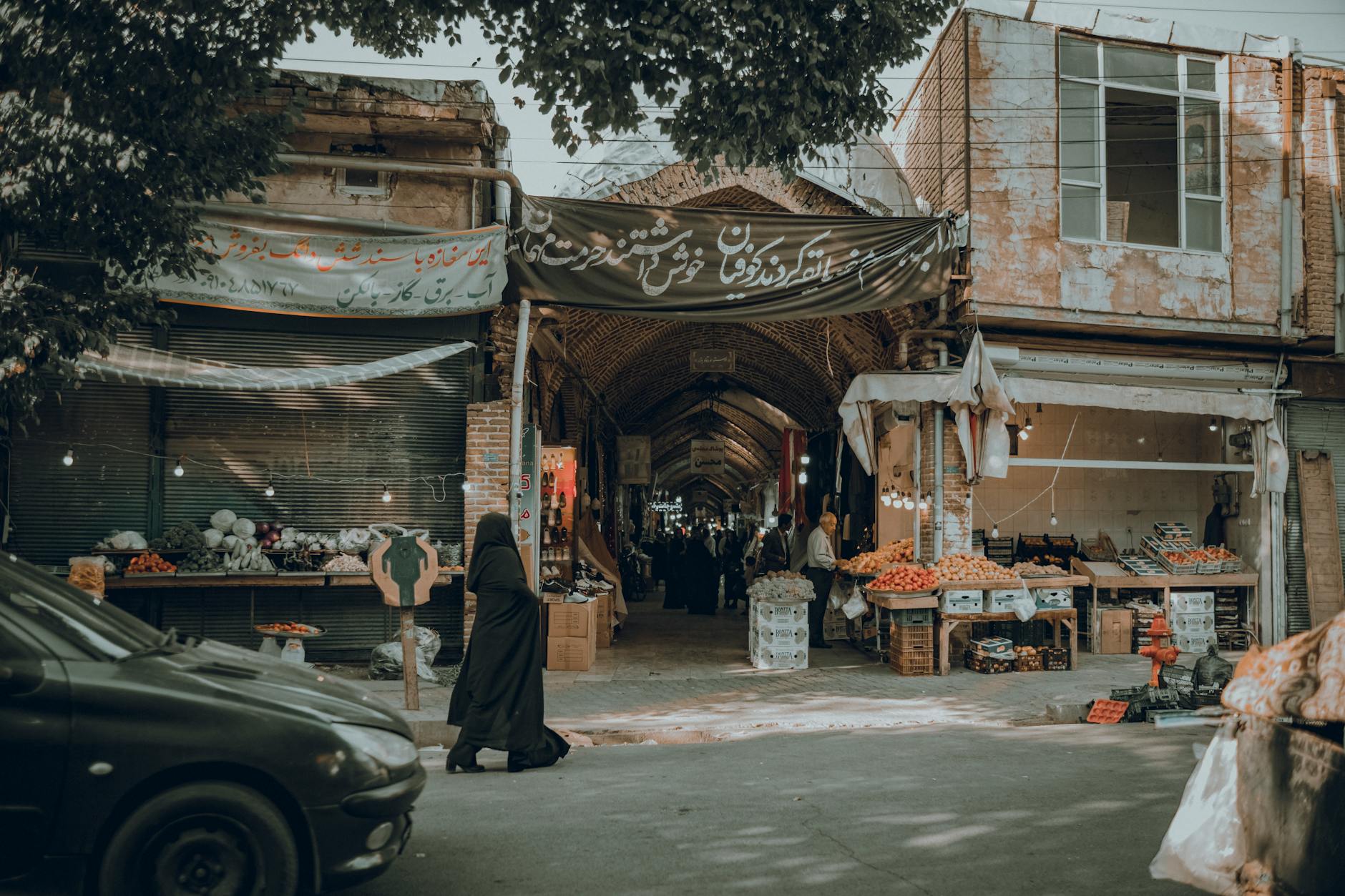
This major industrial hub in Pakistan is filled with textile factories that operate with little environmental oversight. The smoke from these facilities mixes with dust from the surrounding arid landscape to create hazardous conditions. Brick kilns on the outskirts of the city contribute a steady stream of unfiltered black smoke. The air quality is frequently categorized as unhealthy for sensitive groups throughout the year.
Which of these cities surprised you the most with its inclusion on the list? Please share your thoughts in the comments.