True remoteness offers a rare form of tranquility and adventure for travelers willing to journey beyond the beaten path. These destinations require significant planning and often involve multiple flights or long sea voyages to reach their isolated shores. The following locations represent some of the most inaccessible yet visitable points on the globe where distinct cultures and pristine environments thrive in solitude. Exploring these areas provides a unique glimpse into life at the edges of the map where nature dictates the rhythm of daily existence.
Tristan da Cunha
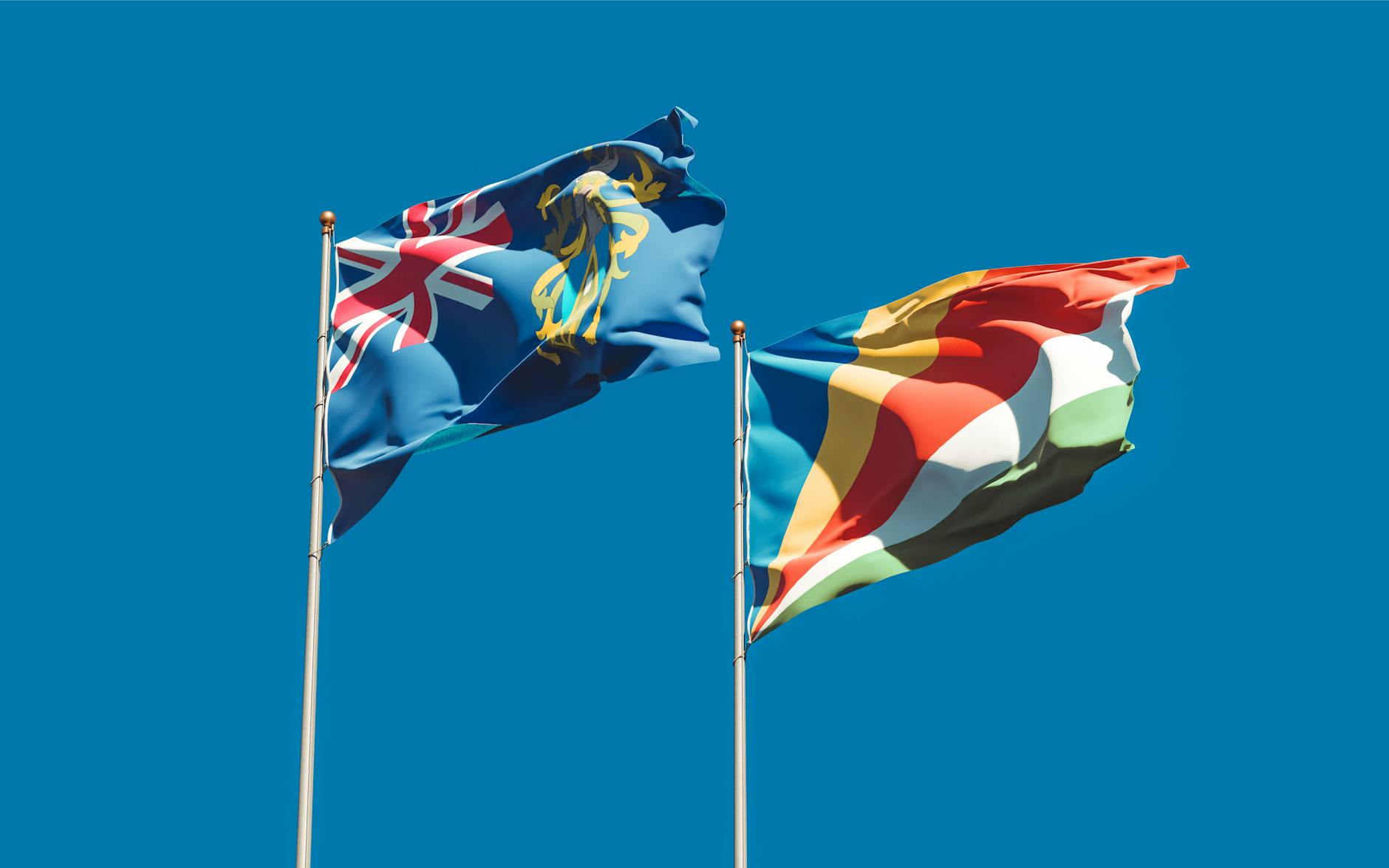
This volcanic island in the South Atlantic Ocean holds the title of the most remote inhabited archipelago in the world. Visitors must endure a boat journey of roughly six days from South Africa as there is no airstrip on the rugged terrain. The small community of Edinburgh of the Seven Seas offers a warm welcome and a glimpse into a self-sufficient way of life. Hiking the volcanic peak and observing the northern rockhopper penguins are primary activities for the few adventurous souls who make the trip.
Pitcairn Island
Located in the southern Pacific Ocean this tiny British Overseas Territory is famous as the home of the descendants of the HMS Bounty mutineers. Access is exclusively by sea via a supply ship that departs from French Polynesia on a quarterly schedule. The island features lush subtropical foliage and a close-knit community of fewer than fifty permanent residents. Travelers can explore the local museum or swim in the clear waters of St Paul’s Pool during their stay.
Ittoqqortoormiit Greenland
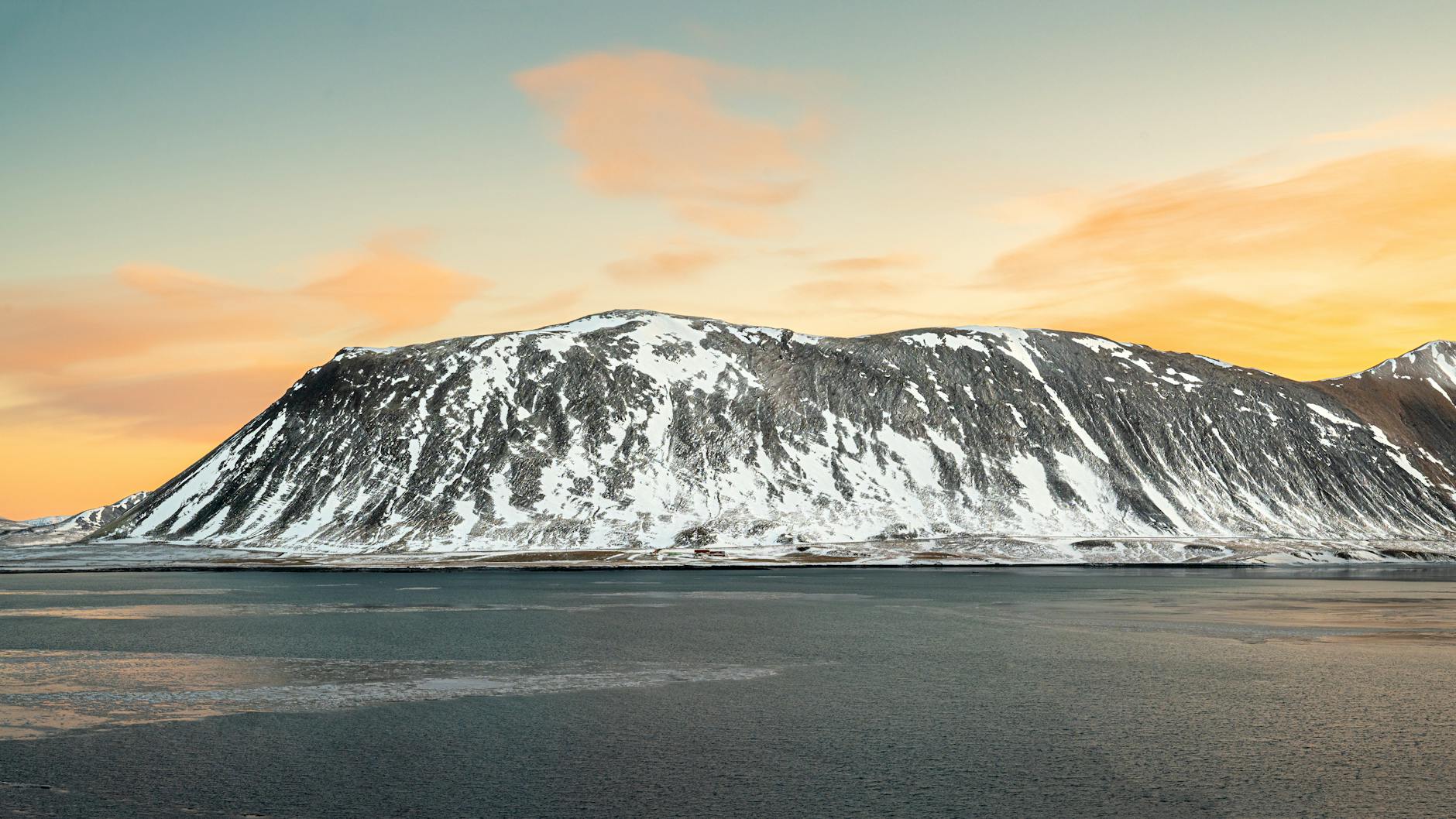
The settlement of Ittoqqortoormiit stands as one of the most isolated towns in the Western Hemisphere on the eastern edge of Greenland. Reaching this frozen outpost requires a flight from Iceland to a remote airfield followed by a helicopter transfer or boat ride. The colorful wooden houses contrast sharply against the stark white landscape of the surrounding fjord system. Dog sledding and viewing the Northern Lights are central to the winter tourism experience in this quiet Arctic village.
Kerguelen Islands
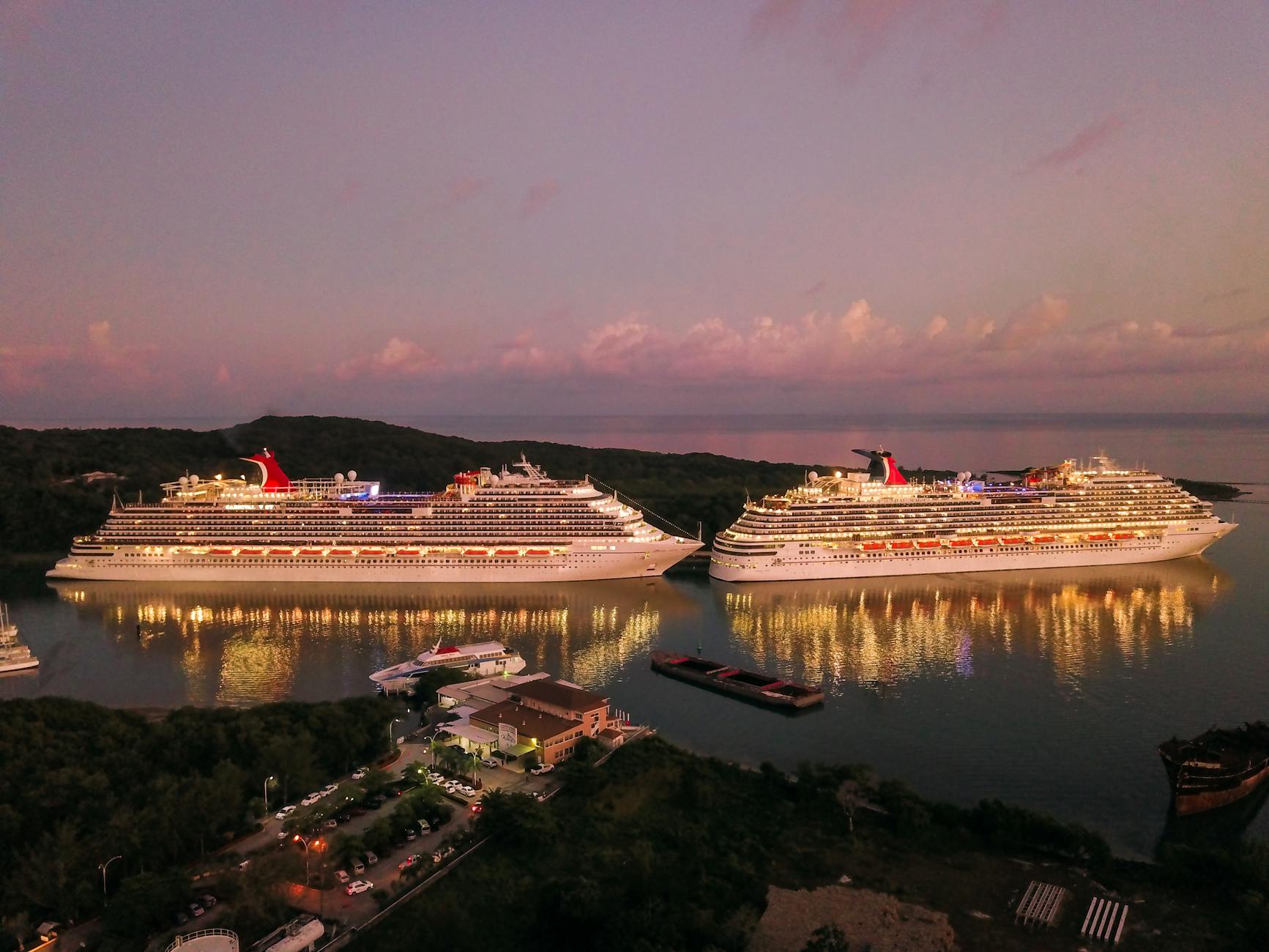
These windswept islands in the southern Indian Ocean are often called the Desolation Islands due to their extreme distance from any continent. Visits are generally limited to passengers on the French supply ship Marion Dufresne which services the scientific research base. The landscape is dominated by glaciers and active volcanoes that create a dramatic backdrop for the large colonies of penguins and elephant seals. Tourism here is strictly regulated to protect the fragile sub-Antarctic ecosystem.
Easter Island
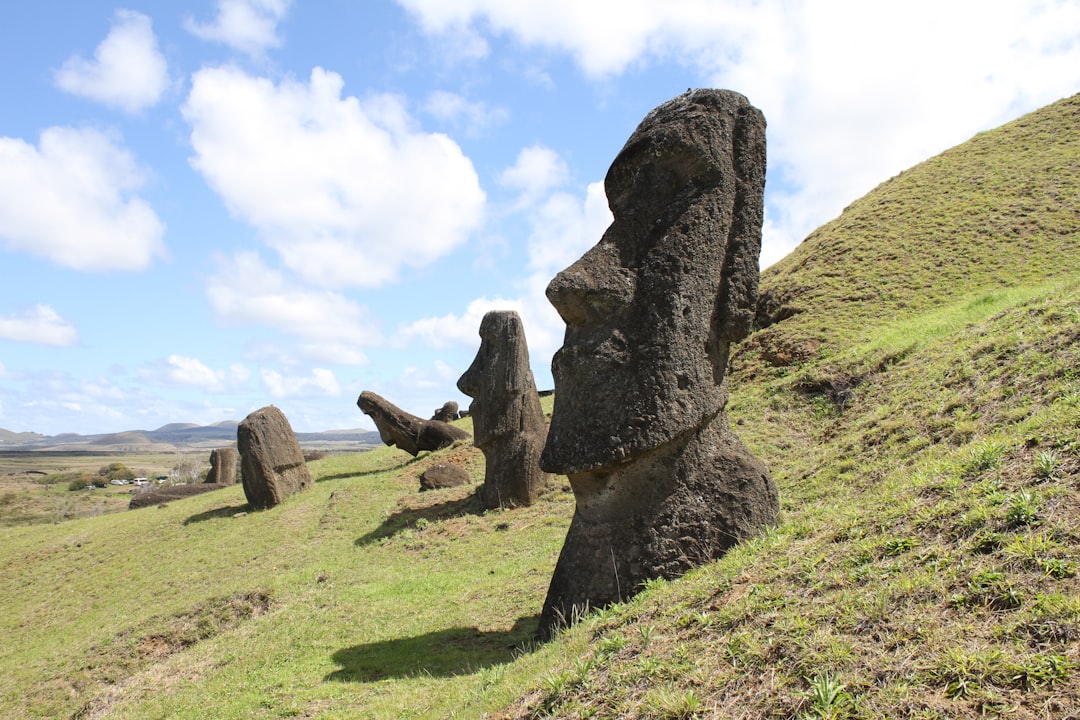
Famous for its enigmatic monumental statues called moai this Chilean territory sits over two thousand miles from the South American mainland. Flights from Santiago or Tahiti are the only practical way to reach this Polynesian cultural treasure. Visitors spend days exploring the Rapa Nui National Park where hundreds of stone figures stand guard over the rolling hills and coastline. The island also offers pink sand beaches and volcanic craters that provide stunning panoramic views of the vast Pacific.
South Georgia Island
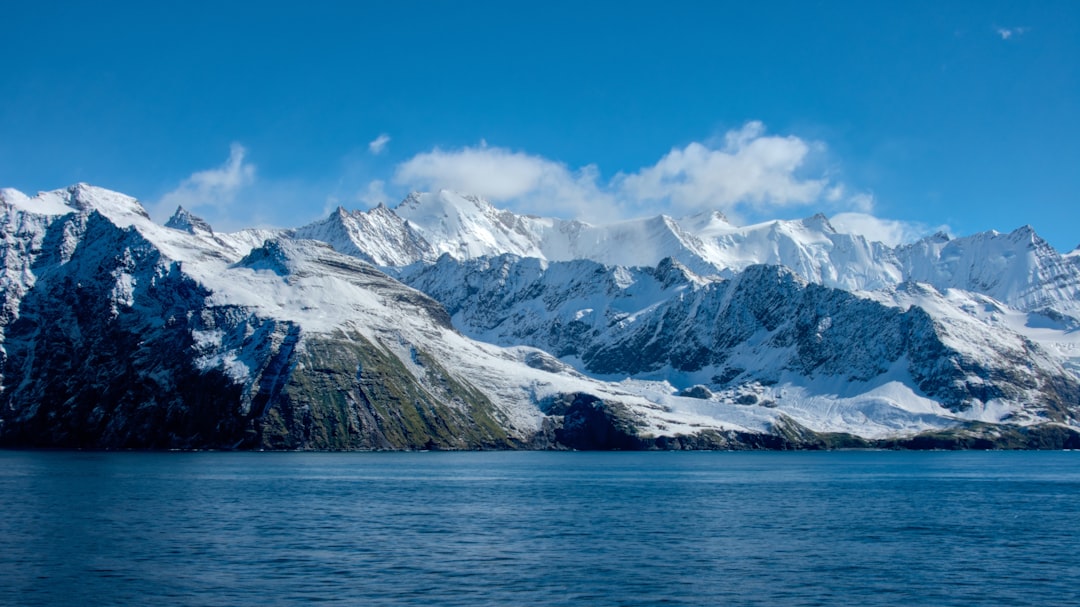
This mountainous island in the South Atlantic is a haven for wildlife enthusiasts and history buffs alike. Accessible only by expedition cruise ships the journey often takes two days or more from the Falkland Islands or South America. The beaches are crowded with king penguins and fur seals that have reclaimed the former whaling stations. Shackleton enthusiasts often hike the final leg of the explorer’s desperate trek across the island’s glaciers to reach the abandoned station at Stromness.
Union Glacier Camp Antarctica
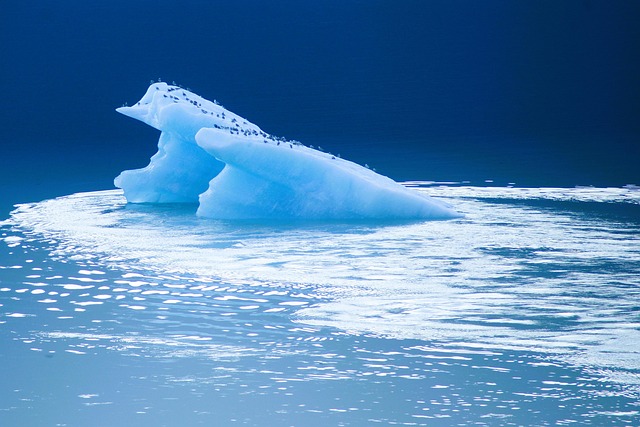
Located in the southern Ellsworth Mountains this private seasonal camp serves as a logistic hub and a base for deep-field tourism. Guests fly in on specialized transport aircraft from Chile to land on a natural blue-ice runway during the austral summer. The camp provides comfortable tented accommodation and meals in one of the most inhospitable environments on Earth. Activities include fat-tire biking on groomed snow trails and excursions to see the majestic Emperor penguin colonies near the coast.
Oymyakon Russia
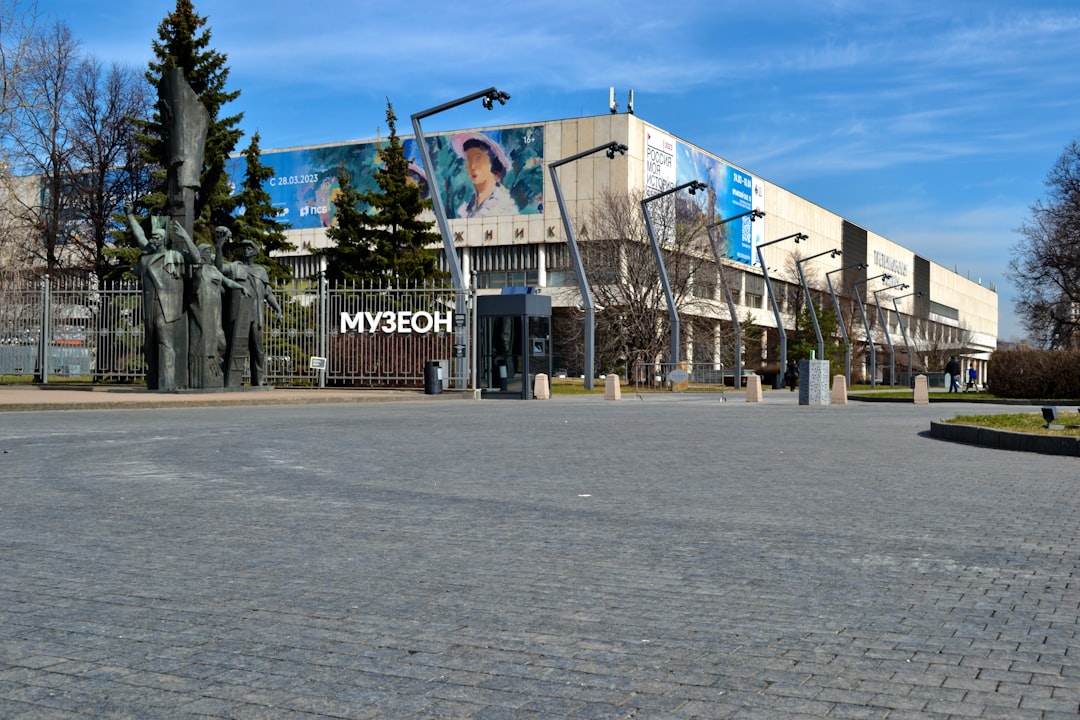
This rural locality in the Sakha Republic is widely known as the coldest permanently inhabited settlement on Earth. Travelers typically arrive by driving the Kolyma Highway from Yakutsk which is itself a remote city built on permafrost. The village attracts visitors eager to experience temperatures that can drop below minus sixty degrees Celsius during the long winter. Local culture centers on reindeer herding and ice fishing which are essential for survival in the extreme climate.
Socotra Yemen
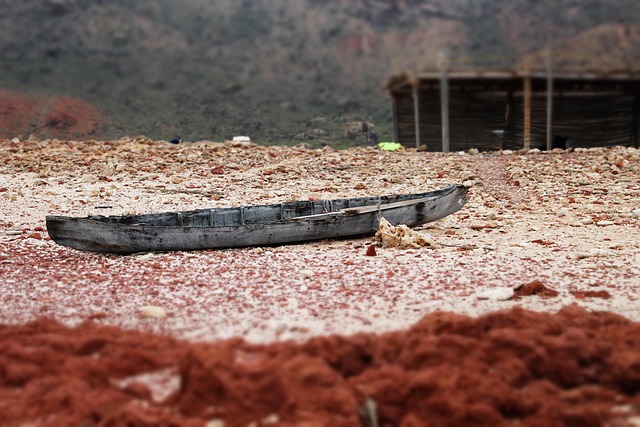
The alien landscape of Socotra in the Arabian Sea is defined by the iconic dragon blood trees that look like upturned umbrellas. Visiting currently requires joining organized tours that arrange flights from Abu Dhabi or Cairo due to the complex political situation in the region. The island has evolved in isolation for millions of years resulting in a high number of endemic plant and animal species. Hiking through the Diksam Plateau reveals limestone caves and white sand dunes that remain largely untouched by mass tourism.
Supai Arizona

Nestled within the Havasupai Indian Reservation at the bottom of the Grand Canyon this village is the only place in the United States where mail is still delivered by mule. Visitors must hike eight miles down a steep canyon trail or take a helicopter to reach the turquoise waterfalls that define the area. A permit and campground reservation are mandatory and often sell out immediately upon release each year. The absence of cars and roads creates a peaceful atmosphere dominated by the sound of rushing water and rustling cottonwood trees.
La Rinconada Peru

Perched high in the Peruvian Andes this gold mining town holds the distinction of being the highest permanent settlement in the world. The journey involves a treacherous drive up unpaved mountain roads to an altitude exceeding five thousand meters above sea level. Oxygen is scarce and the conditions are harsh with freezing temperatures persisting year-round. Adventurous travelers come to witness the extreme lengths to which humanity will go in search of precious metals.
Macquarie Island Australia

Lying halfway between New Zealand and Antarctica this UNESCO World Heritage site is a pest-free sanctuary for millions of seabirds. Access is restricted to passengers on select expedition cruises that hold permits to land on the designated beaches. The island is the only place on earth where rocks from the earth’s mantle are actively being exposed above sea level. Royal penguins congregate here in massive numbers and create a spectacle that covers entire hillsides during the breeding season.
Ellesmere Island Canada
This vast island in the Qikiqtaaluk Region of Nunavut reaches to within five hundred miles of the North Pole. Access is typically via charter plane to Quttinirpaaq National Park where visitors can hike under the midnight sun. The landscape features towering granite peaks and massive ice shelves that have existed for millennia. Wildlife sightings often include muskoxen and arctic hares that have adapted to the severe polar desert conditions.
Svalbard Norway
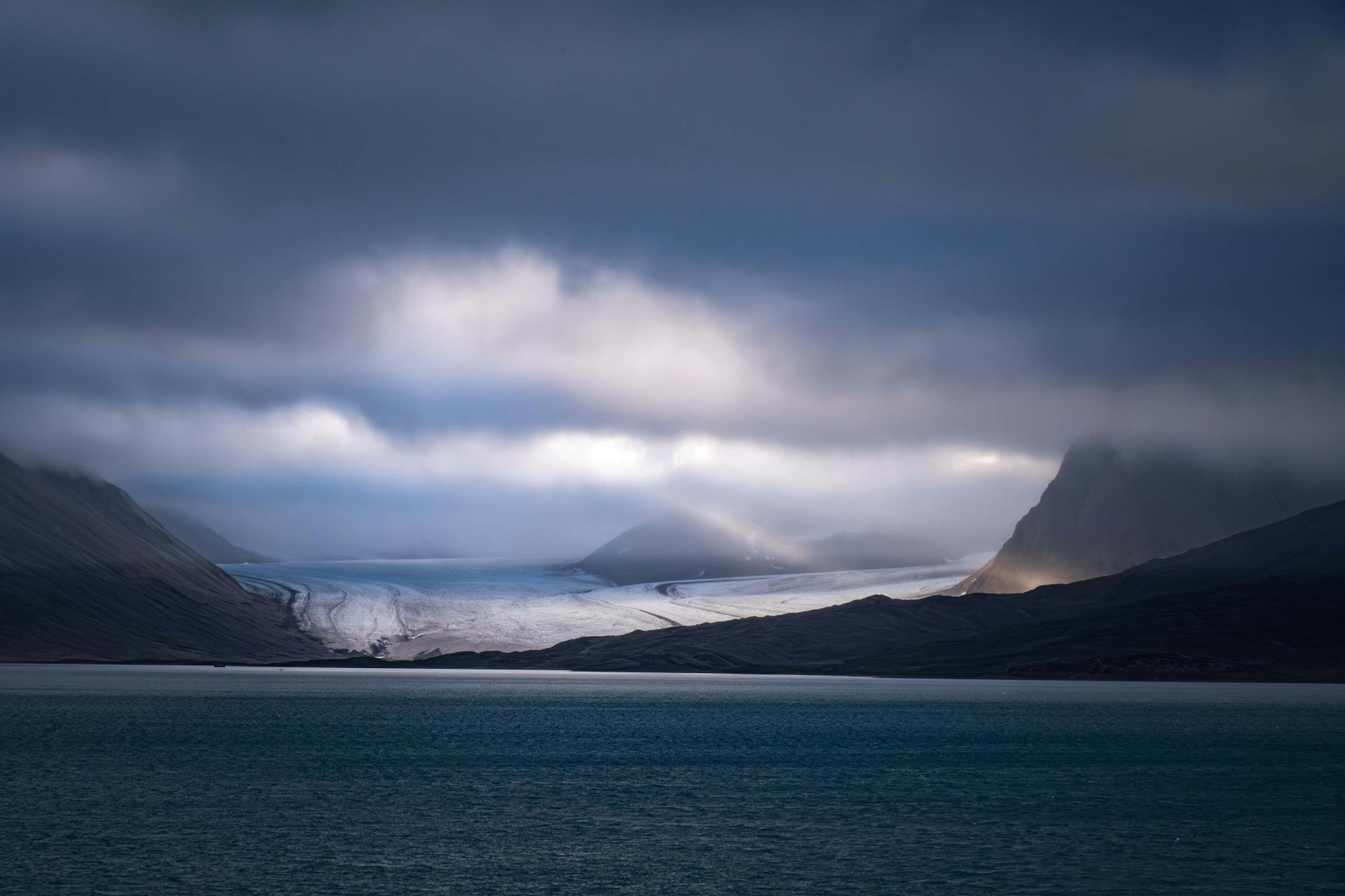
This Norwegian archipelago situated well north of the Arctic Circle offers the most accessible high Arctic experience for modern travelers. Regular flights connect the main settlement of Longyearbyen to mainland Norway and provide a gateway to the frozen wilderness. Polar bears outnumber humans here and carrying a rifle for protection is mandatory when leaving the town limits. Boat trips in the summer allow visitors to see calving glaciers and walruses lounging on ice floes.
Saint Helena
This tropical volcanic island in the South Atlantic was the place of exile for Napoleon Bonaparte until his death. A newly constructed airport has recently supplemented the five-day boat journey that was once the only way to arrive. The island features varied terrain ranging from barren cliffs to lush green interior hills known as the Peaks. History enthusiasts can visit Longwood House to see the French emperor’s final residence preserved in its original state.
Ascension Island
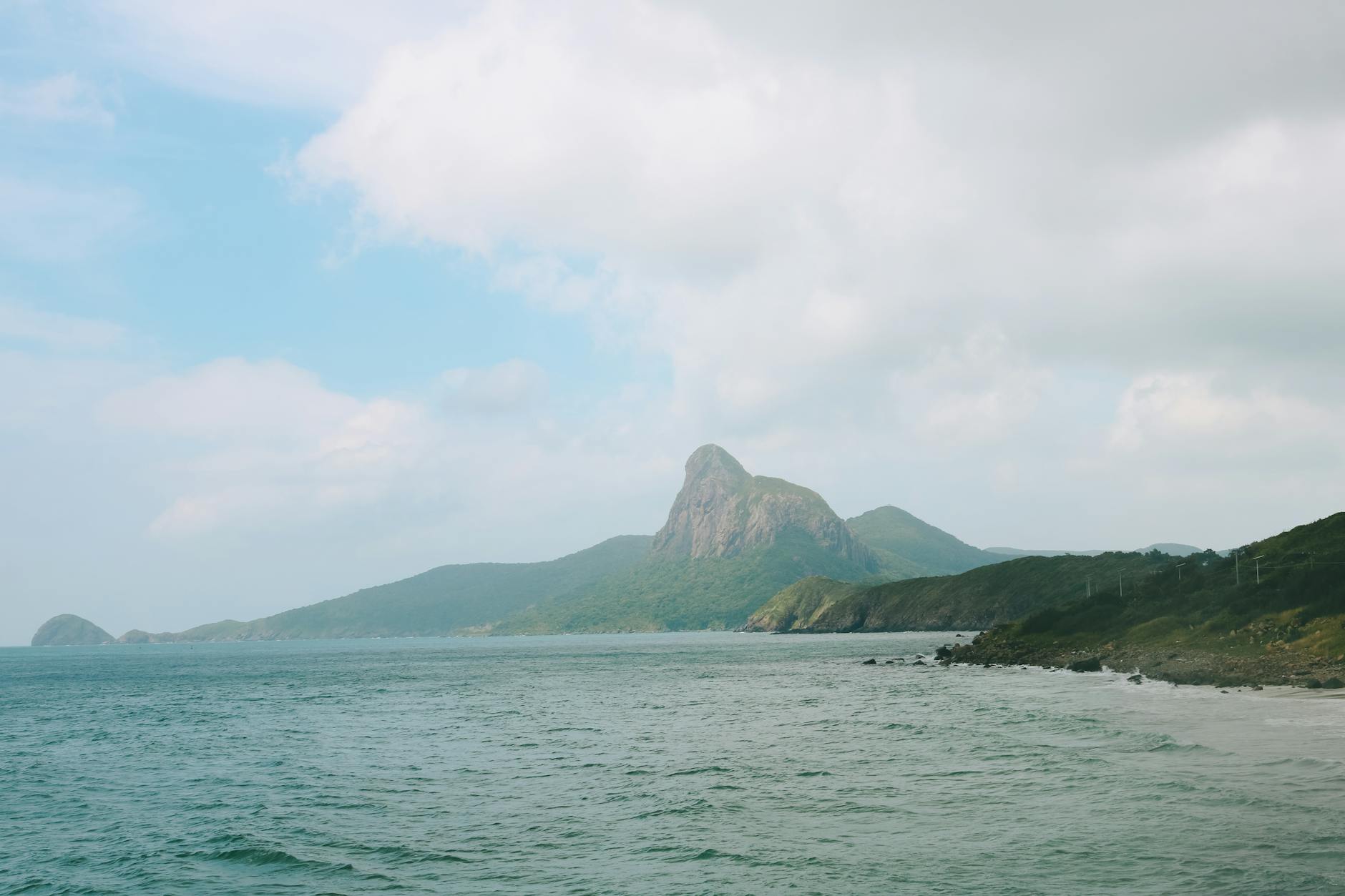
Located near the equator in the South Atlantic this isolated volcanic island functions primarily as a military and communications outpost. Civilians can visit via flights from Saint Helena or the UK but must obtain an entry permit well in advance. The landscape is a contrast of desolate lava fields and a man-made cloud forest on Green Mountain. Visitors can observe the green turtles that come ashore to lay eggs on the pristine beaches between December and June.
Nauru
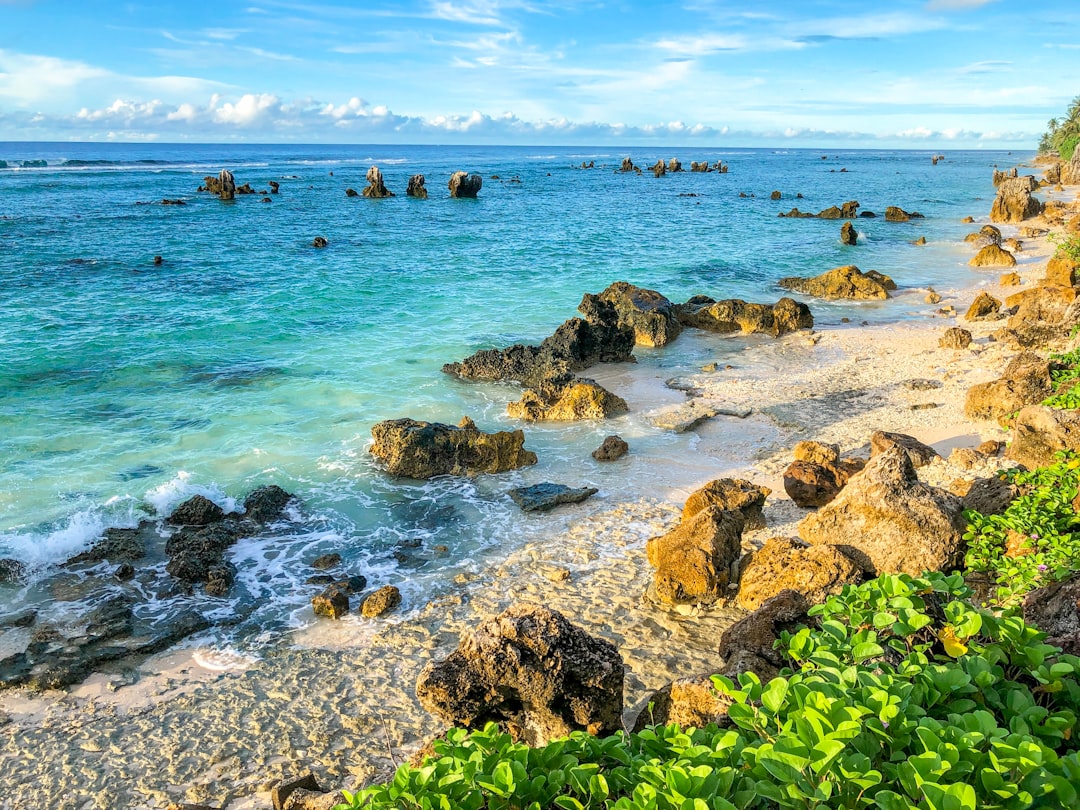
The tiny island nation of Nauru in Micronesia is the least visited country in the world and can be circled by car in under thirty minutes. Flights arrive a few times a week from Brisbane or Fiji and land on a runway that occupies a significant portion of the landmass. The interior is defined by jagged limestone pinnacles left behind by decades of phosphate mining. Travelers can explore the rusting relics of the mining industry or swim in the sheltered waters of Anibare Bay.
Tuvalu
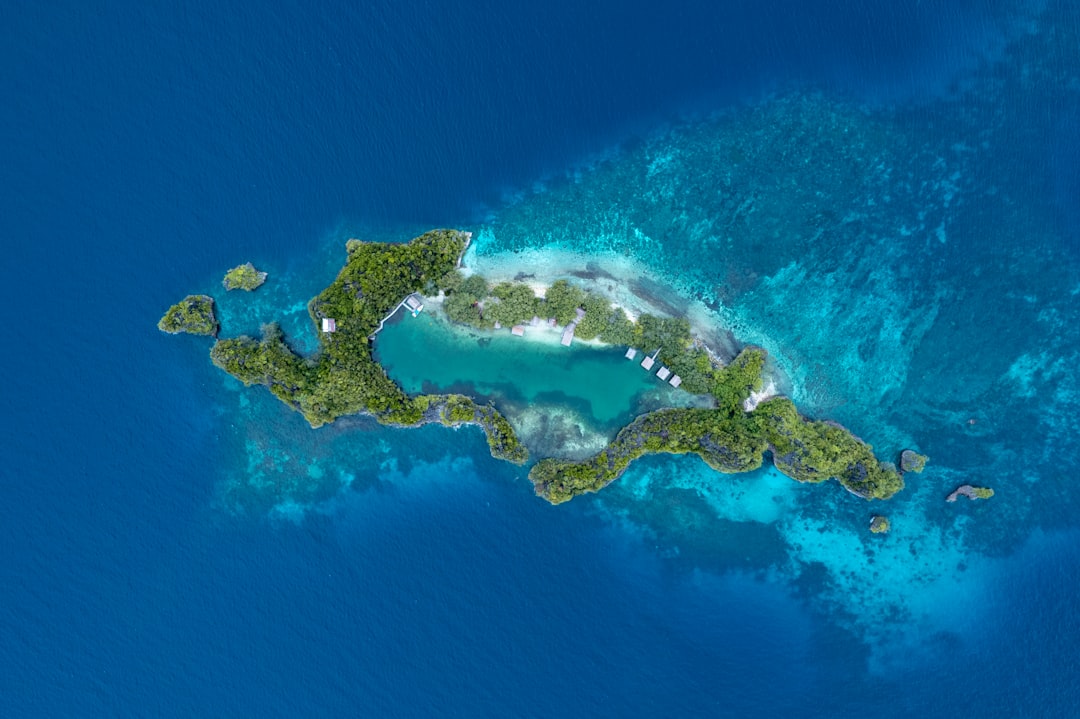
This Polynesian nation is comprised of nine low-lying atolls and reef islands that are vulnerable to rising sea levels. Flights from Fiji land at the Funafuti International Airport where the runway doubles as a public park and sports field in the evenings. The lagoons offer exceptional snorkeling and diving opportunities in waters teeming with tropical fish. Visitors often spend their time relaxing in eco-lodges and learning about the local efforts to preserve their culture against environmental threats.
Kiribati
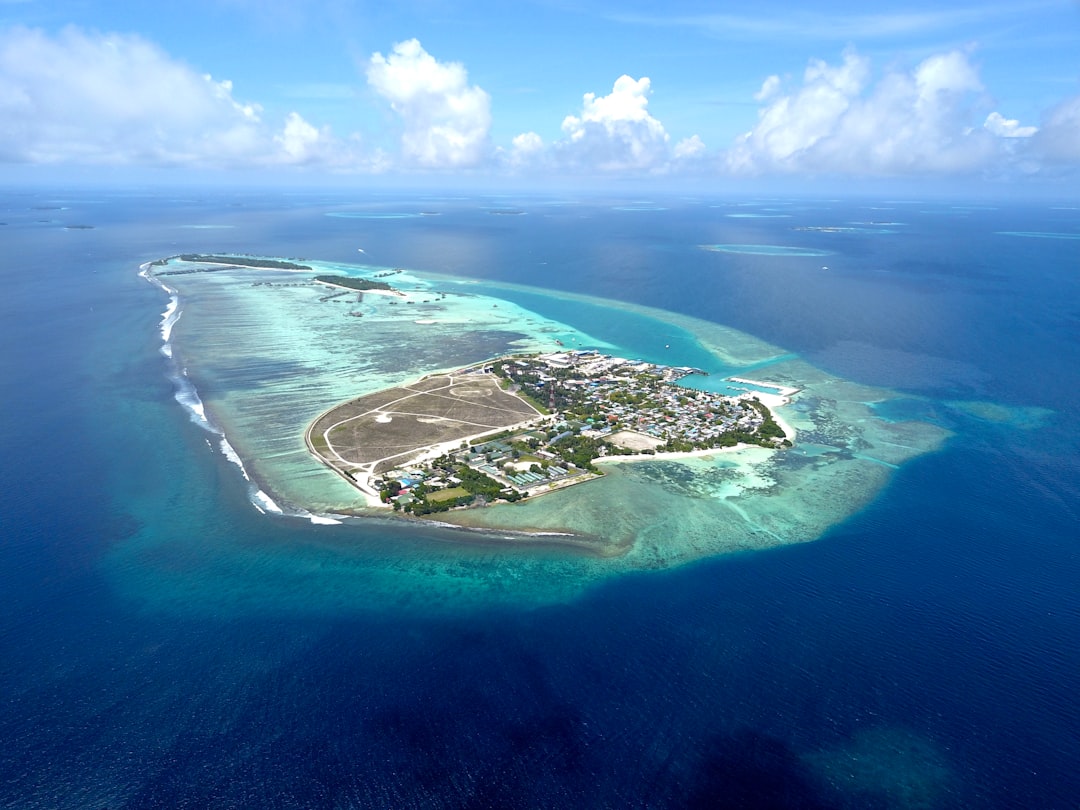
Straddling the equator and the International Date Line this sprawling nation includes the remote Line Islands and the Phoenix Islands. Flights to the main atoll of Tarawa are available from Fiji or Nauru while the distant Kiritimati requires a flight from Hawaii or Fiji. The country is a prime destination for world-class fly fishing and bird watching on uninhabited motus. War relics from the fierce battles of World War II can still be found scattered across the beaches and shallow waters.
Falkland Islands
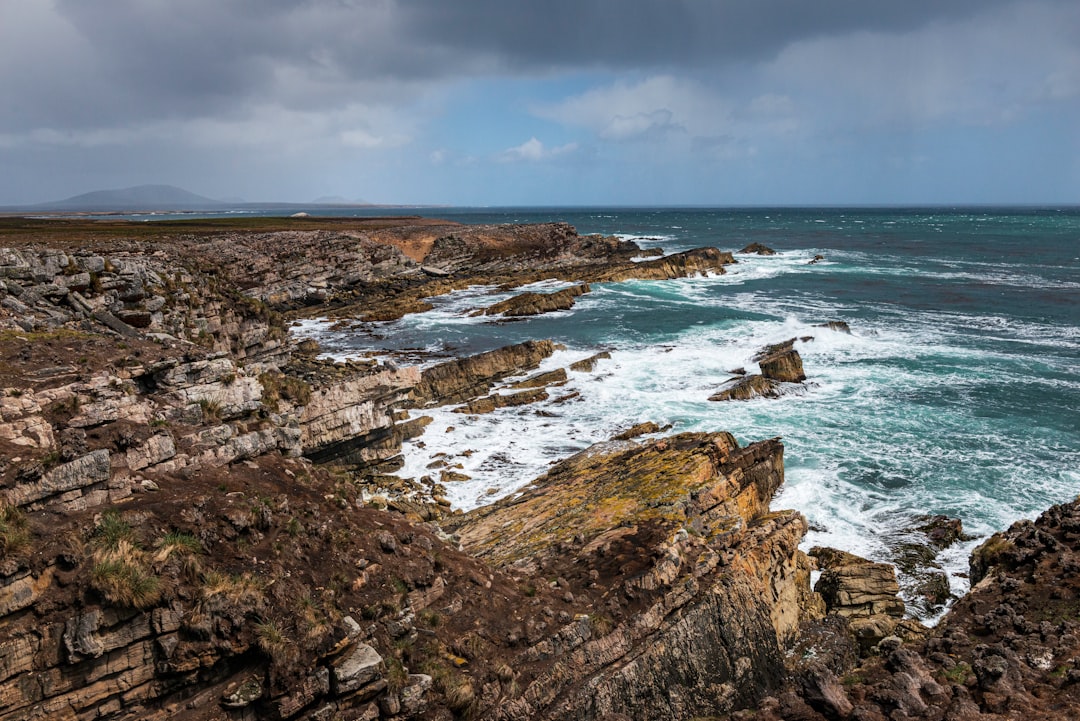
This British Overseas Territory in the South Atlantic is renowned for its rugged beauty and abundant birdlife. Flights arrive from Chile or the UK to the Mount Pleasant airport followed by transfers to the capital of Stanley. Visitors can take small inter-island planes to stay in remote lodges surrounded by colonies of rockhopper and gentoo penguins. The landscape consists of treeless moors and white sand beaches that feel completely untouched by modern development.
Kamchatka Peninsula Russia
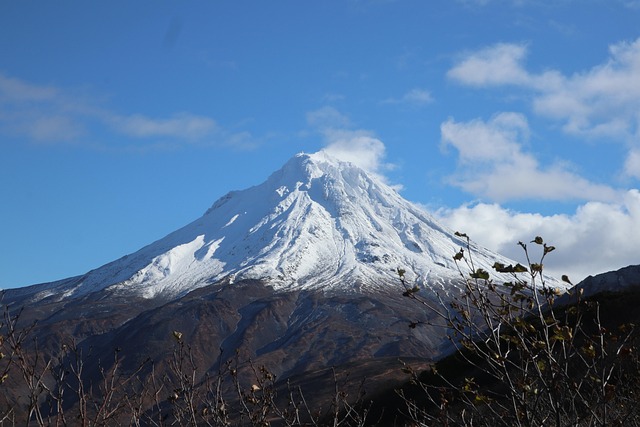
The Kamchatka Peninsula in the Russian Far East is a land of fire and ice with a high density of active volcanoes. Access is primarily by flight to Petropavlovsk-Kamchatsky followed by helicopter or six-wheel-drive truck tours into the wilderness. The Valley of Geysers is a major attraction where steam vents and boiling mud pots create a prehistoric atmosphere. Brown bears are frequently spotted fishing for salmon in the pristine rivers that flow through the volcanic terrain.
Franz Josef Land Russia
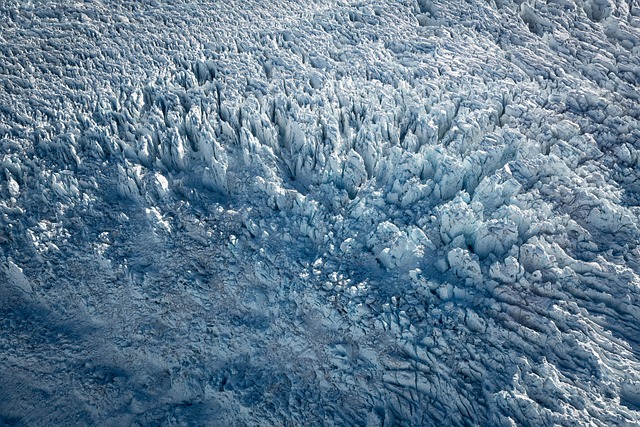
This uninhabited archipelago in the Arctic Ocean is the northernmost territory of Russia and was a former closed military zone. Expedition cruises now take tourists to explore the glaciated islands and historical huts left by early polar explorers. The region is a haven for polar bears and walruses that thrive on the pack ice surrounding the islands. Massive spherical stone concretions on Champ Island are a geological mystery that draws photographers from around the world.
Siwa Oasis Egypt
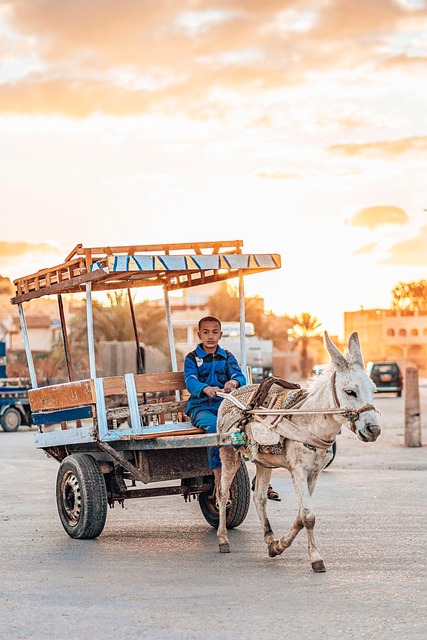
Located deep in the Western Desert near the Libyan border this fertile basin is isolated from the rest of Egypt by hundreds of miles of sand. A long bus ride or private drive from Cairo is required to reach the town which is famous for its distinct Berber culture and language. The ruins of the Oracle of Amun and the crumbling mud-brick fortress of Shali dominate the town center. Visitors can float in the hypersaline salt lakes or take jeep safaris into the endless dunes of the Great Sand Sea.
Motuo County China

Tucked away in the Tibetan Autonomous Region Motuo was the last county in China to be connected by a highway. The road traverses a high mountain pass and descends into a lush subtropical valley that contrasts sharply with the high plateau. The region is known for its incredible biodiversity and the unique culture of the Menba and Lhoba ethnic groups. Travelers must navigate strict permit requirements and challenging road conditions to experience this hidden sanctuary.
Deception Island Antarctica
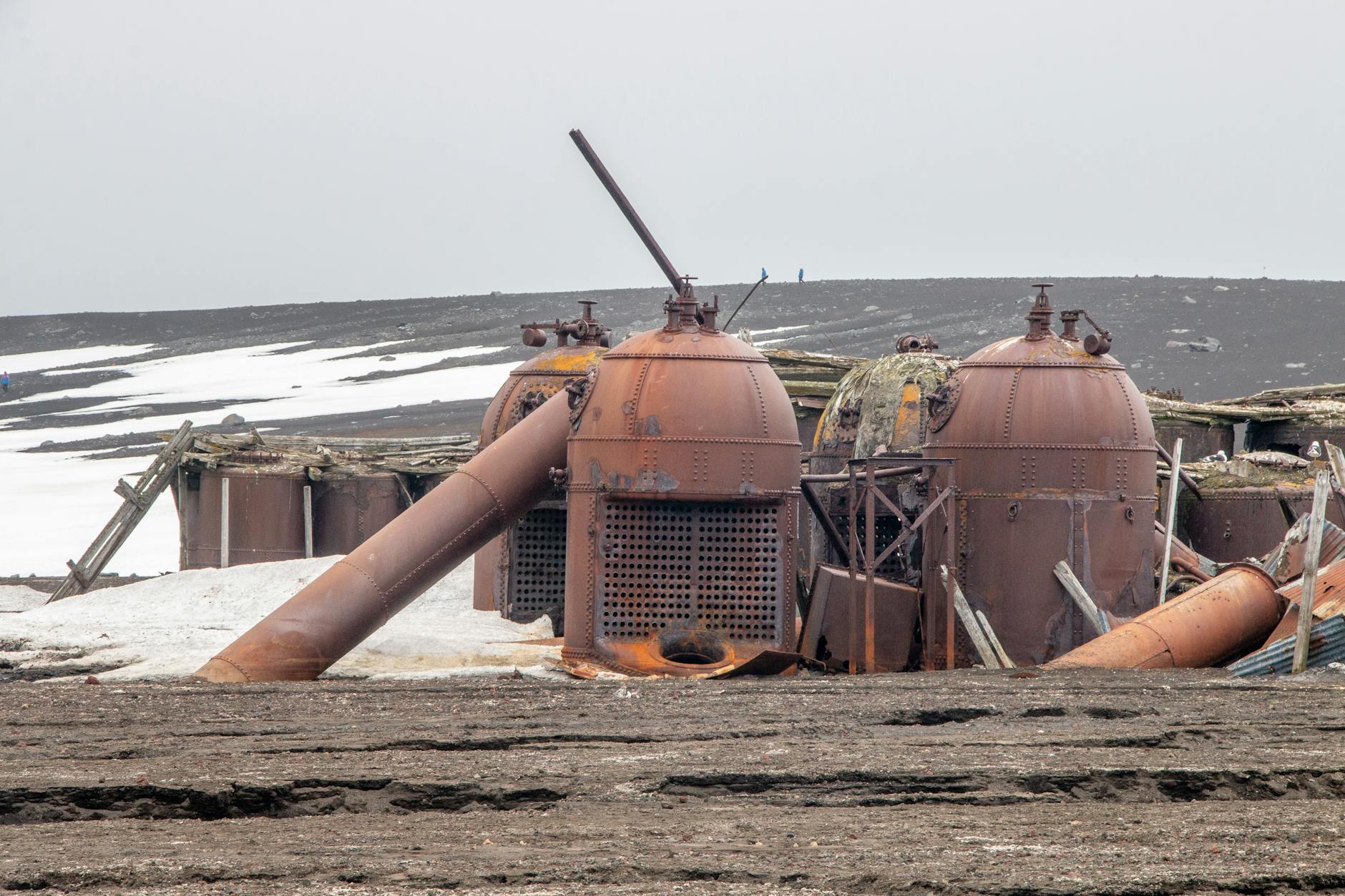
This ring-shaped island in the South Shetland Islands is actually the caldera of an active volcano. Cruise ships sail through the narrow opening known as Neptune’s Bellows into the sheltered harbor inside the crater. Visitors can walk on black volcanic sand beaches while steam rises from the geothermally heated shoreline. The rusting remains of a Norwegian whaling station and a British aircraft hangar stand as ghostly reminders of the island’s commercial and scientific past.
Would you be willing to share which of these remote destinations is now on your bucket list in the comments?