Well-meaning words can carry a hidden weight that does more harm than good. Phrases dressed in encouragement often invalidate real emotional experiences and push people further into silence. Language that appears supportive on the surface can actually discourage vulnerability and deepen feelings of isolation. Understanding why certain go-to phrases cause damage is the first step toward becoming a more emotionally conscious communicator. These are the twenty most common offenders worth removing from your vocabulary right now.
“Everything Happens for a Reason”

This phrase is one of the most commonly used responses to someone experiencing grief, loss, or failure. It implies that pain is part of a predetermined plan, which can feel deeply dismissive to someone in acute distress. People processing trauma do not benefit from having their suffering reframed as cosmically necessary before they are ready. The statement shuts down emotional conversation by suggesting there is nothing left to process or feel. It replaces empathy with a philosophical conclusion the other person never asked for.
“Stay Positive”

Telling someone to stay positive during a difficult time communicates that their negative emotions are unwelcome or problematic. Psychological research consistently shows that suppressing difficult feelings leads to greater emotional distress over time. The instruction puts the burden entirely on the suffering person to manage not only their situation but also their emotional presentation. It suggests that sadness, fear, or anger are personal failures rather than natural human responses. Genuine support involves sitting with someone in their reality rather than redirecting them away from it.
“Good Vibes Only”

Popularised heavily through social media culture, this phrase creates an emotionally exclusive environment where only pleasant feelings are permitted. It signals to others that expressing struggle, doubt, or sadness will not be tolerated or welcomed. Relationships and spaces built on this premise tend to be emotionally shallow because authenticity requires the full spectrum of human feeling. The phrase has become a way of avoiding discomfort under the guise of positivity. It rewards performance over genuine emotional expression.
“Just Be Grateful”

Gratitude is a genuinely powerful practice but weaponising it against someone mid-struggle is a form of emotional invalidation. The word “just” in particular minimises the complexity of what someone is experiencing. This phrase implies that acknowledging blessings should be enough to override pain, which is not how human psychology works. A person can be simultaneously grateful and heartbroken, and both states deserve space. Redirecting someone to gratitude before they feel heard often causes them to withdraw entirely.
“You’ll Get Over It”

This phrase reduces serious emotional pain to a temporary inconvenience that requires little acknowledgment. It communicates an expectation that the person move on quickly rather than process their experience at their own pace. Grief, disappointment, and heartbreak are not problems to be solved on a timeline. Telling someone they will get over something before they are anywhere near that point creates shame around how long healing is taking. It prioritises the comfort of the speaker over the genuine needs of the person suffering.
“Other People Have It Worse”
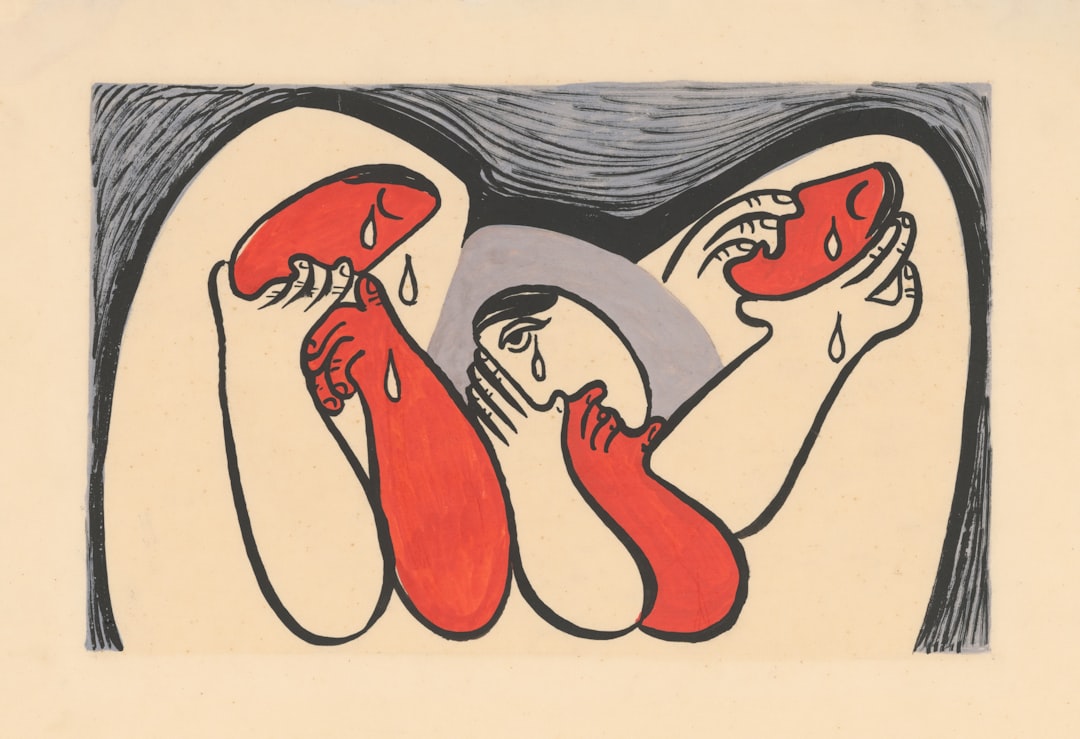
Comparative suffering is one of the most well-documented forms of emotional dismissal in interpersonal communication. The implication is that pain is only valid when it is the worst pain in the room, which sets an impossible and cruel standard. Someone experiencing anxiety, burnout, or heartbreak does not have their experience lessened by the existence of greater suffering elsewhere. This phrase teaches people that their emotions are not proportional enough to deserve attention. It consistently results in people feeling guilty for struggling rather than supported.
“Time Heals Everything”

While time can offer perspective, it does not automatically resolve unprocessed emotional wounds without deliberate care and attention. This phrase is often used to end a conversation about pain rather than engage meaningfully with it. It hands the responsibility of healing over to an abstract concept rather than offering any real presence or support. People who receive this response frequently report feeling brushed aside at moments when they most needed connection. Healing typically requires active work alongside the passage of time.
“It Could Be Worse”
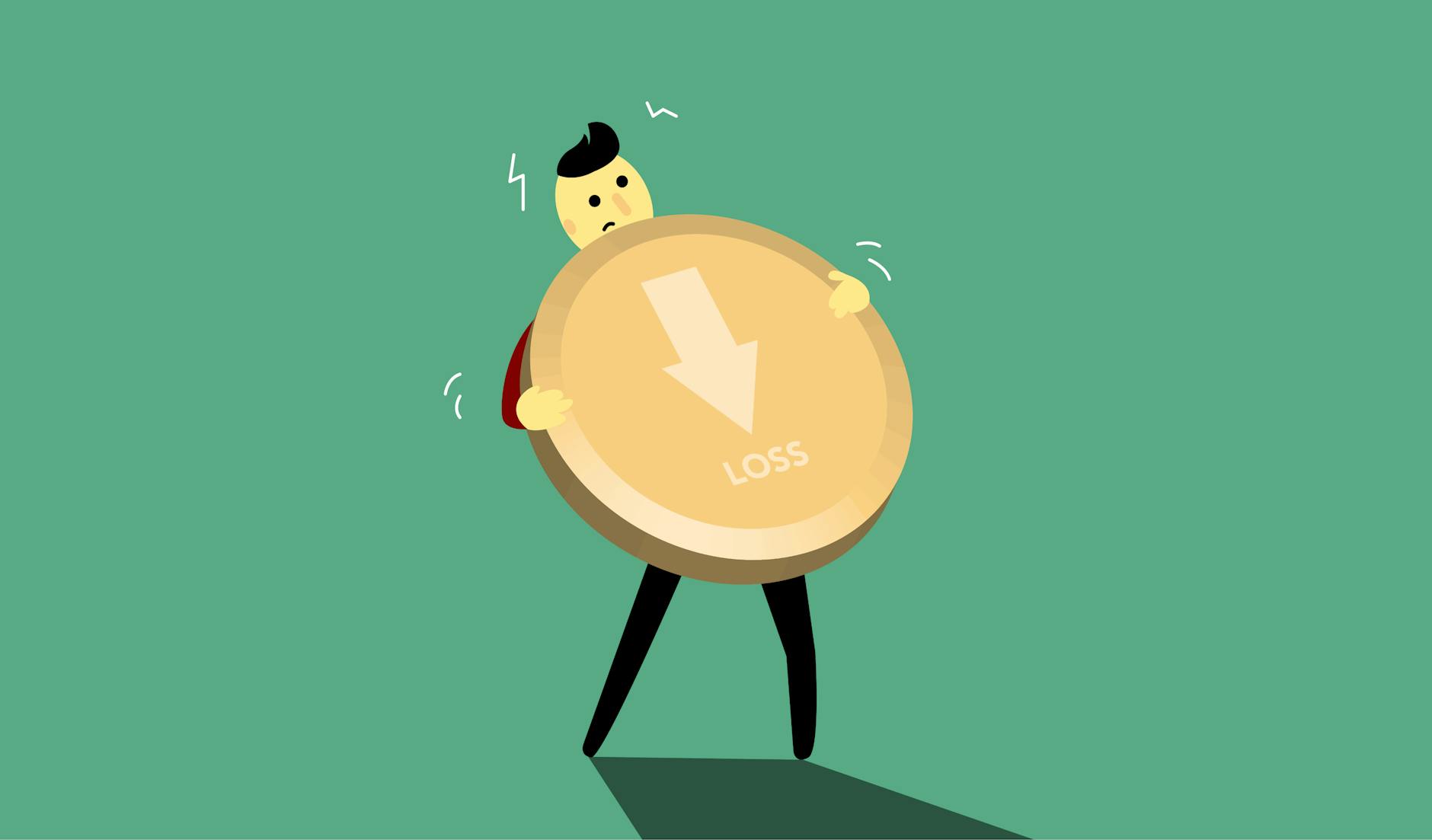
Much like its counterpart about others having it worse, this phrase asks someone to imagine a more terrible version of their reality as a means of feeling better. That cognitive exercise rarely produces comfort and more often produces anxiety or guilt. It reframes the conversation around a hypothetical rather than the actual experience being shared. The person in pain came to share their reality, not to workshop how bad things could theoretically get. Genuine empathy meets people where they are rather than moving the goalposts.
“You’re So Strong”

Telling someone they are strong during a crisis, while often said with affection, can inadvertently signal that vulnerability is not welcome. It places the person in a role they may not have chosen and may not feel capable of filling in that moment. Strength as a compliment during suffering can make people feel they are not allowed to break down or ask for help. It also tends to be disproportionately directed at certain groups, creating an expectation that they simply cope and endure. Sometimes people need permission to be fragile rather than praise for their resilience.
“Just Push Through It”

This phrase glorifies endurance without questioning whether what is being endured is healthy or sustainable. It is frequently said in response to burnout, grief, mental health struggles, and physical exhaustion without acknowledgment of the actual situation. Encouraging someone to push through rather than pause and assess can result in serious long-term consequences for their wellbeing. It frames rest, reflection, or help-seeking as signs of weakness rather than intelligent self-management. The cultural obsession with pushing through has contributed significantly to cycles of burnout and breakdown.
“Think Happy Thoughts”
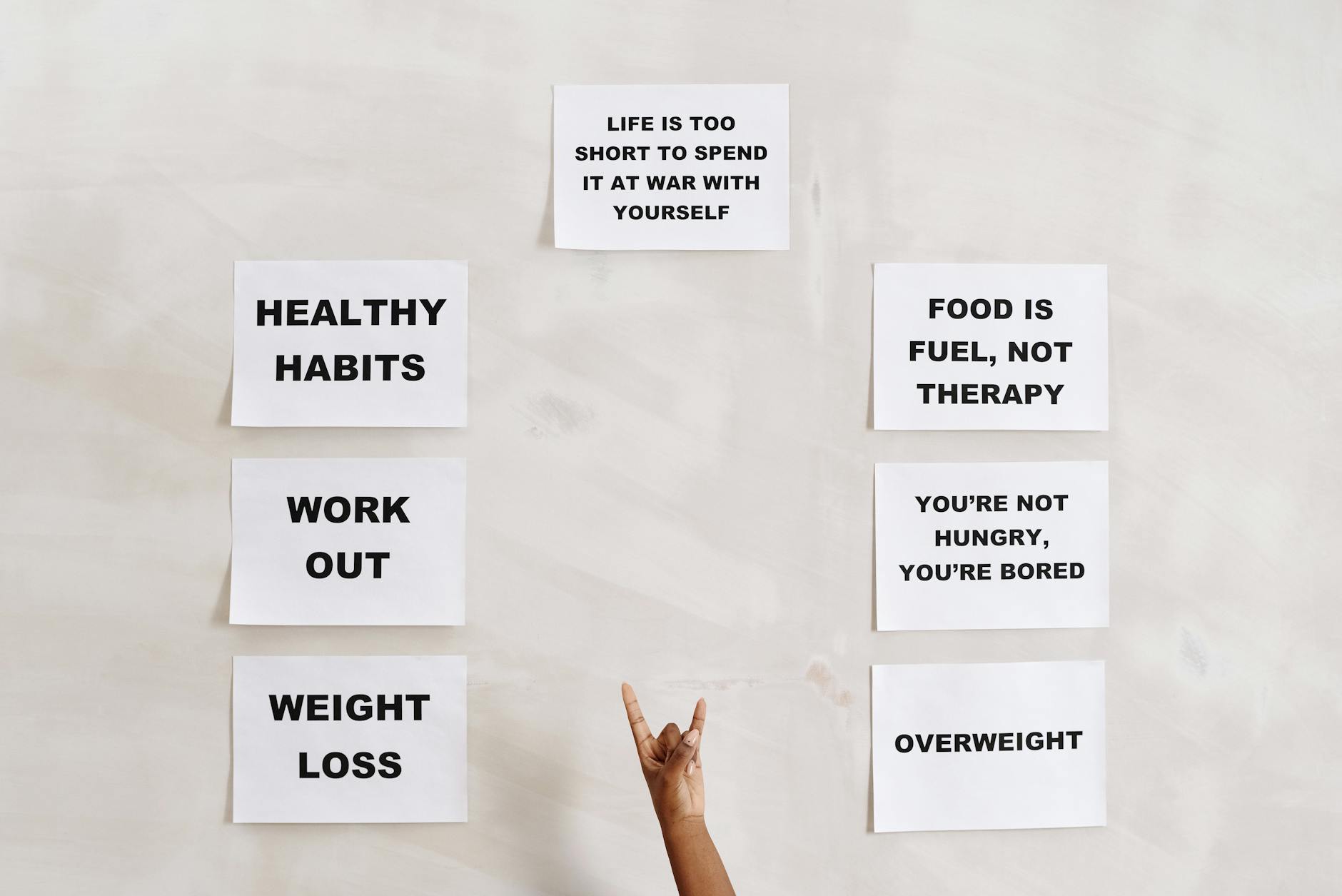
Rooted in a misunderstanding of how thought patterns and mental health actually work, this phrase trivialises conditions like anxiety and depression. Cognitive reframing is a legitimate therapeutic tool but it requires structured practice and professional guidance. Telling someone casually to think happy thoughts suggests their suffering is a matter of insufficient mental effort. It implies that negativity is a choice the person is making rather than a response to real circumstances or neurological patterns. The phrase leaves people feeling both unheard and incompetent.
“Everything Will Work Out”

Offering this assurance without any basis in the person’s actual situation is a form of false comfort that prioritises the speaker’s desire to fix things. It bypasses the present reality in favour of a projected future that has not happened and may not happen. People in crisis often need acknowledgment of their current experience before they can hold space for hope. Projecting optimism prematurely can make the other person feel their concern is being dismissed as unnecessary worry. It also sets an unspoken expectation that the person should already be feeling fine.
“Look on the Bright Side”

Prompting someone to identify silver linings before they have finished processing the cloud is emotionally premature and frequently counterproductive. This phrase suggests that the correct response to difficulty is immediate reframing rather than honest acknowledgment. It teaches people to rush past uncomfortable emotions rather than understand and learn from them. The bright side, if one exists, becomes far more accessible once a person feels genuinely heard rather than redirected. Jumping straight to positives can feel like a denial of what someone is living through.
“At Least…”

The “at least” construction is one of the most reflexive and least helpful responses in everyday conversation. It immediately pivots away from the painful thing being shared toward something comparatively better, which negates the original experience. Brené Brown’s research on empathy has highlighted this phrasing as a classic example of sympathy masquerading as support. People sharing difficult news or feelings are not looking for an immediate counterpoint. They are looking for acknowledgment that what they are experiencing is real and deserves space.
“You Just Need to Stay Busy”

Busyness as a prescription for emotional pain encourages avoidance rather than processing. Staying distracted from grief or distress does not resolve it and often causes it to resurface more intensely later. This phrase implies that sitting with difficult emotions is unproductive when in fact it is essential to working through them. It can be particularly harmful when said to someone experiencing loss, as it discourages the natural grieving process. Unprocessed emotion that is buried under constant activity tends to manifest in other physical and psychological ways.
“What Doesn’t Kill You Makes You Stronger”

This phrase romanticises suffering in a way that can be deeply harmful to people in vulnerable situations. It implies that all trauma has an upside and that surviving hardship automatically produces growth and resilience. Research in trauma psychology shows that without proper processing and support, difficult experiences can leave lasting negative impacts. The phrase also risks minimising the severity of what someone has been through by packaging it as character development. Not every painful experience makes a person stronger and suggesting otherwise can create shame around struggling.
“It Was Meant to Be”

Applying a sense of destiny to painful outcomes can feel profoundly alienating to someone who is grieving or processing loss. It removes human agency from the equation and suggests that suffering is simply fated rather than something worth examining and working through. For people who do not hold spiritual or fatalistic worldviews, the phrase can feel dismissive and out of touch. Even among those who do hold such beliefs, timing is crucial and hearing this during acute pain rarely brings comfort. It tends to close conversations rather than open them.
“Just Smile More”

Directing someone to alter their physical expression as a response to emotional pain reduces complex internal experiences to surface presentation. Research in behavioural science has shown that forced smiling without genuine emotional alignment does not improve wellbeing in a meaningful way. The phrase suggests that appearing happy is more important than actually being supported through difficulty. It also carries a long history of being used to silence people who are expressing discomfort or dissatisfaction. Emotional health requires authentic expression, not curated performance.
“Be the Bigger Person”

While healthy conflict resolution is genuinely valuable, this phrase is often deployed in situations where it actually asks someone to absorb harm without acknowledgment. It implicitly frames the person who was wronged as responsible for restoring peace, which redirects accountability away from the person who caused the harm. It can discourage people from setting necessary boundaries or asking for a genuine apology. The concept of being bigger is rarely applied evenly and tends to fall on those who have already been hurt. Healthy resolution requires both parties to participate, not just the one in pain.
“You Need to Let It Go”

This phrase places the entire responsibility for emotional resolution on the person who was hurt rather than addressing the situation that caused the pain. Letting go is a legitimate goal in the long arc of healing but it cannot be rushed or externally commanded. Telling someone to let go before they have processed what happened often results in suppression rather than genuine release. It also communicates that the person’s lingering feelings are inconvenient rather than understandable. Releasing pain is something that happens as a result of feeling heard, not as a substitute for it.
If any of these phrases have shown up in your own conversations, share your thoughts and experiences in the comments.