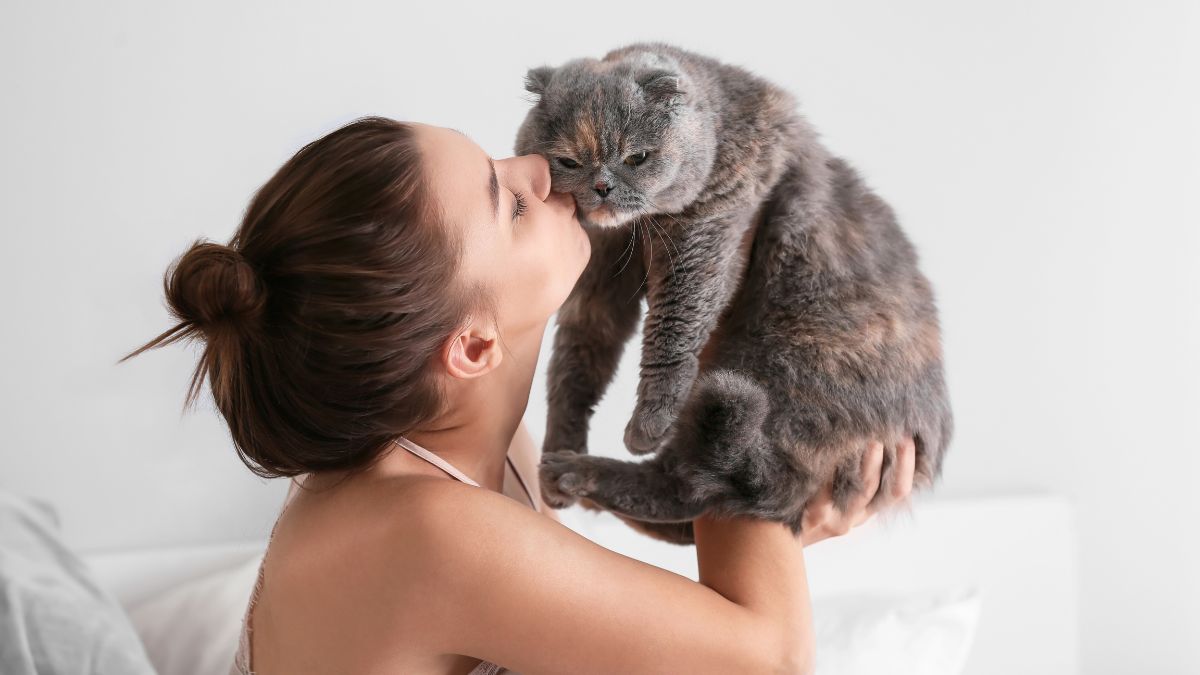
Some cats are content to move through the world in near silence while others have an entirely different approach to life at home. Certain breeds have been selectively developed over generations to communicate openly and often with the humans they share their space with. These talkative felines use a wide range of sounds from chirps and trills to full meowed conversations to express their needs moods and desires. Whether you are a seasoned cat owner or considering your first feline companion understanding vocal tendencies can help you find the perfect match for your lifestyle. The fifteen breeds ahead are widely recognised as the most communicative cats in the world.
Siamese
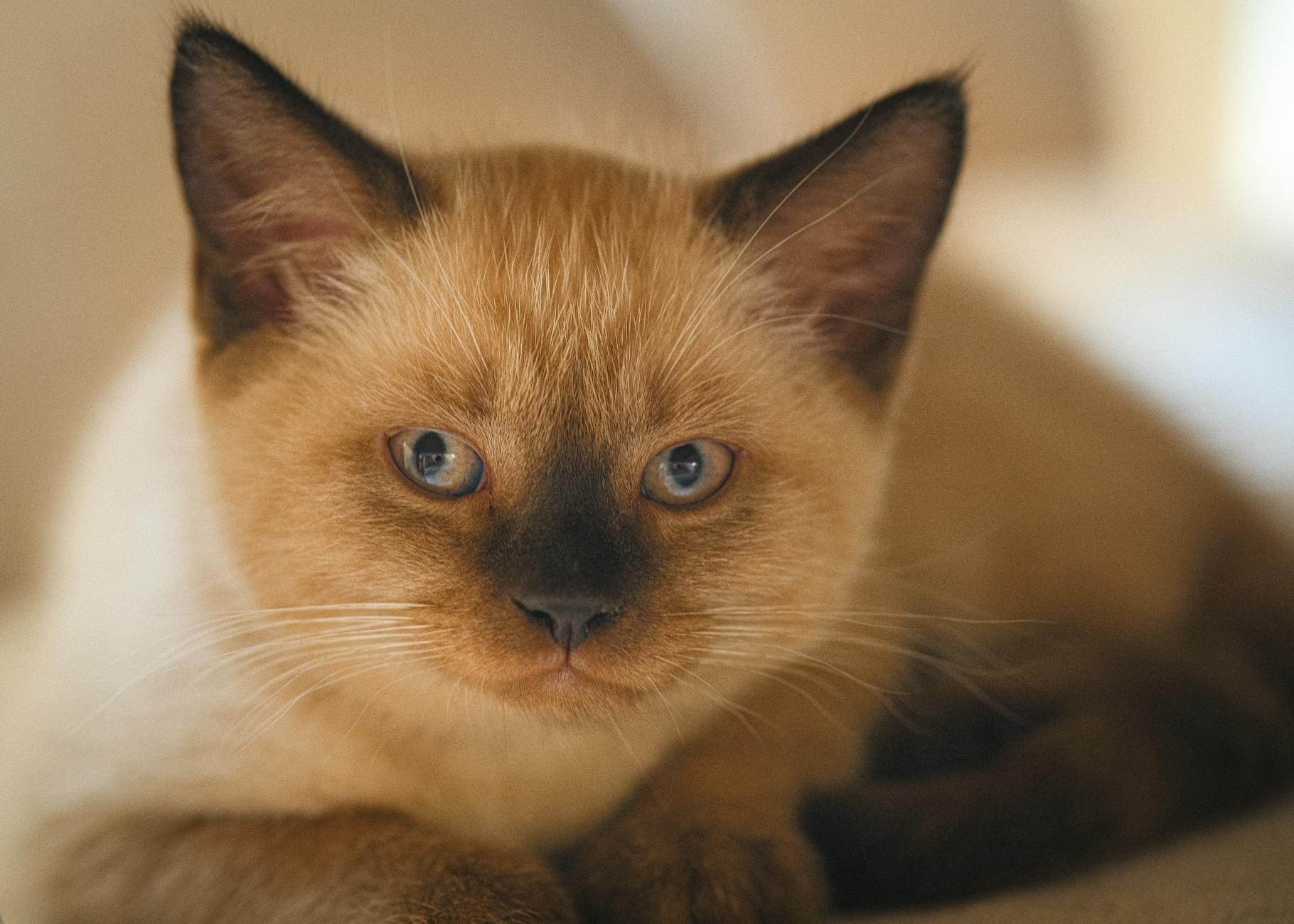
The Siamese is arguably the most famous talker in the entire cat world and has earned that reputation over centuries of close human companionship. This breed produces a loud low pitched call often described as similar to the cry of a human infant which can be startling to those unfamiliar with it. Siamese cats use vocalisation to demand attention express hunger signal boredom and simply engage in what appears to be genuine back and forth conversation. They are deeply social animals and tend to follow their owners from room to room while keeping up a steady running commentary. The breed thrives in households where people are home frequently and willing to engage with them throughout the day.
Oriental Shorthair
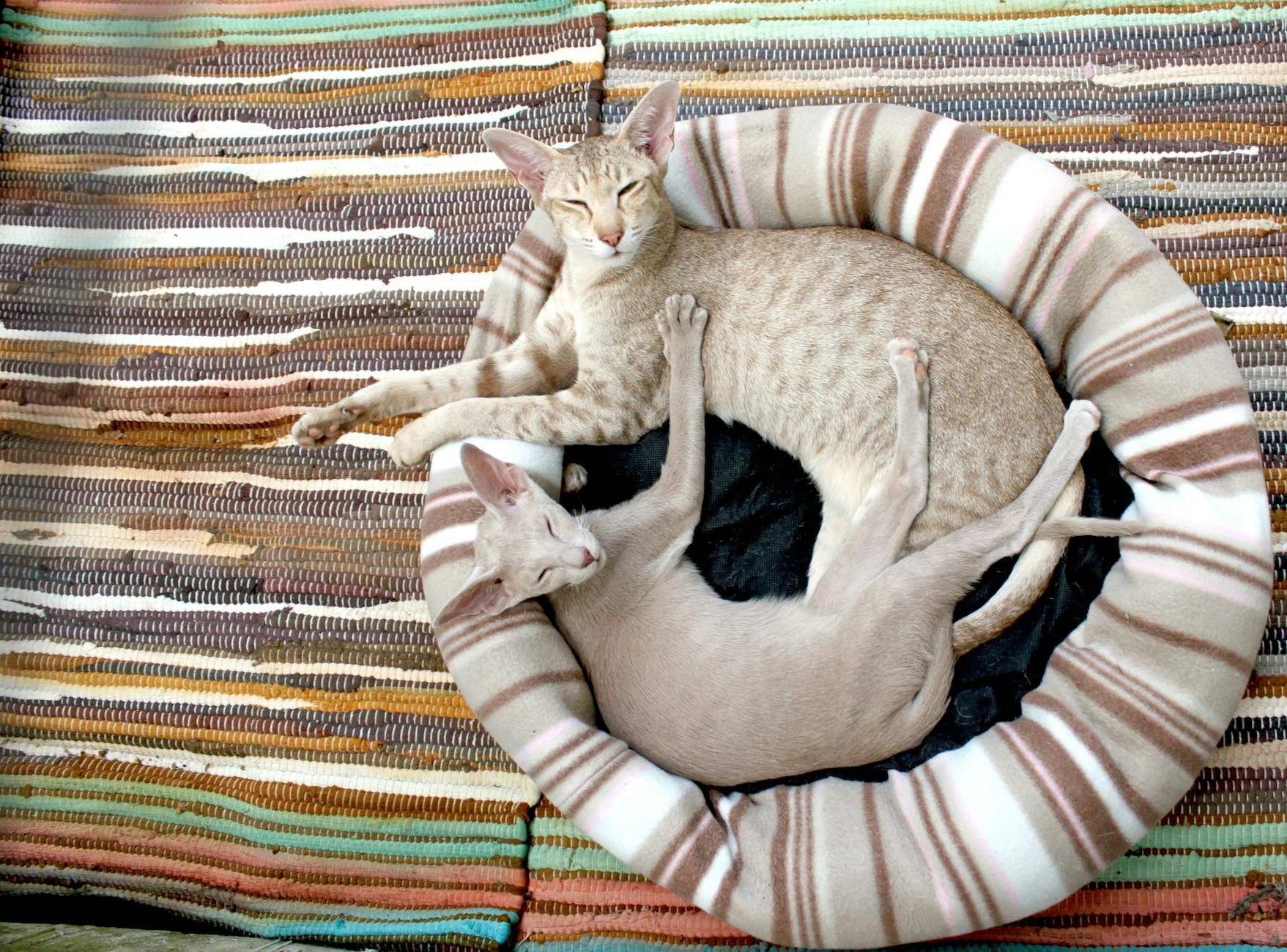
The Oriental Shorthair shares its ancestry with the Siamese and has inherited the same strong instinct to communicate through sound. This breed is known for having an exceptionally wide vocal range producing everything from soft enquiring chirps to surprisingly loud and insistent meows. Oriental Shorthairs are highly opinionated cats and rarely hesitate to make their feelings known about food routines changes in the home or a lack of sufficient playtime. They form intense bonds with their chosen people and often become distressed when left alone for long periods without interaction. Their expressive nature makes them a favourite among owners who enjoy an active and communicative relationship with their pet.
Balinese
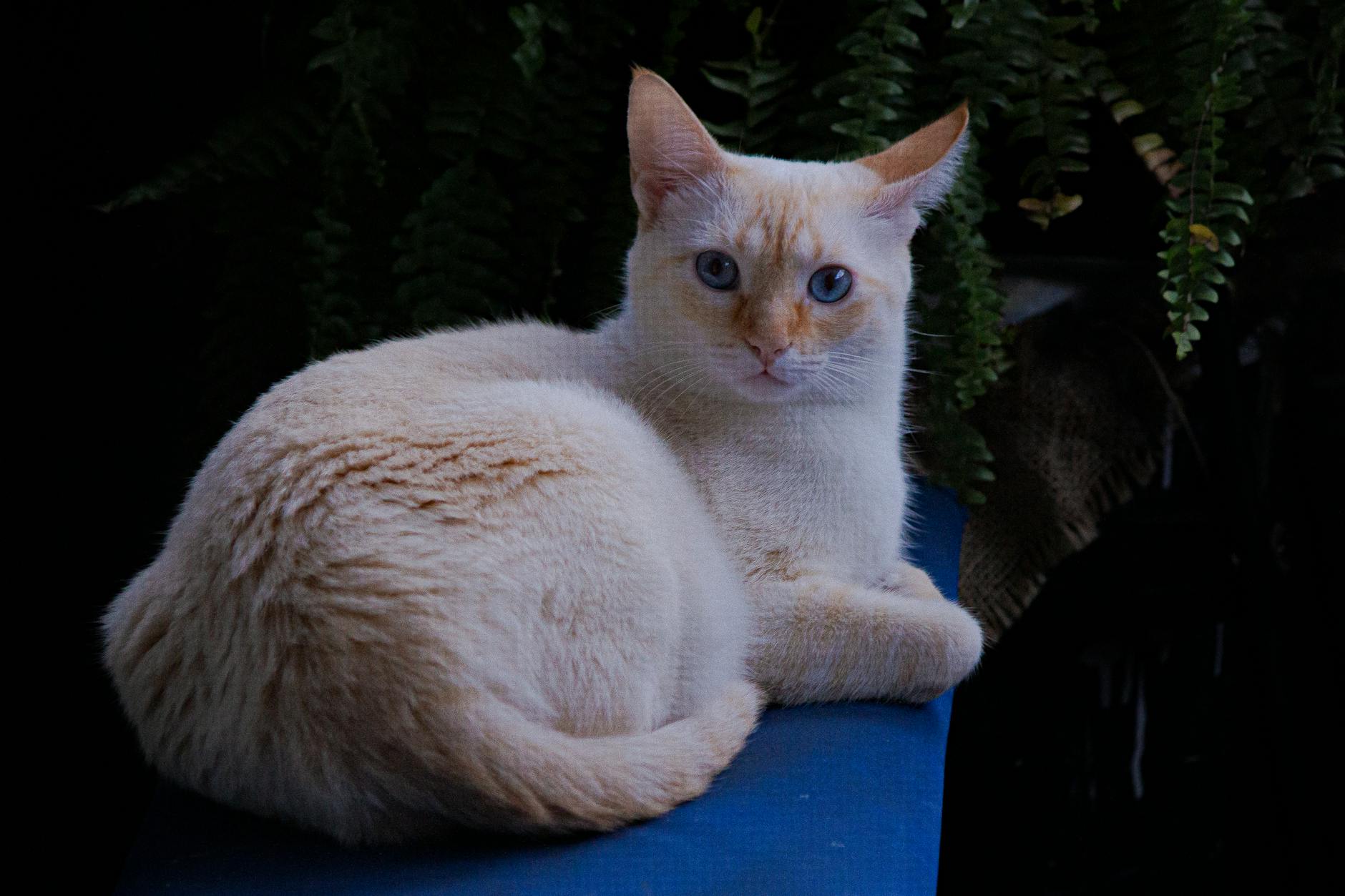
The Balinese is often described as a long haired version of the Siamese and carries the same gift for vocal expression wrapped in a silkier coat. Their voice is slightly softer and more melodic than their Siamese cousins but they are no less persistent when they have something to communicate. This breed engages in extended vocal exchanges with owners and appears to genuinely respond to the tone and content of human speech. Balinese cats are emotionally intelligent and use sound not only to request things but also to offer what seems like comfort or companionship to the people around them. They are well suited to households where conversation and connection are valued parts of daily life.
Burmese
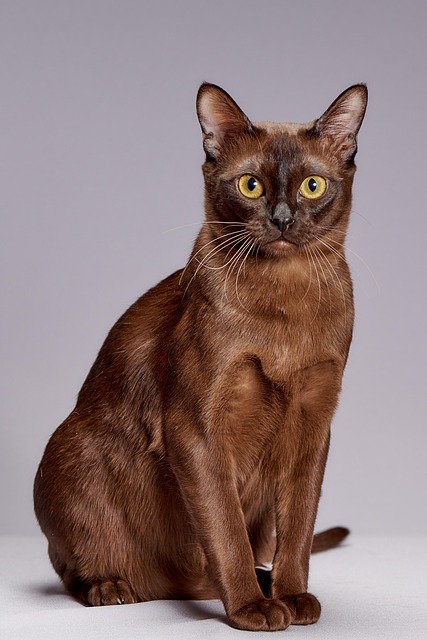
The Burmese cat is one of the most affectionate breeds in existence and uses vocalisation as a primary tool for maintaining closeness with its human family. Their voice is softer and rounder in tone than that of the Siamese giving their communications a warm and almost gentle quality. Burmese cats are known to greet their owners at the door hold lengthy vocal exchanges and protest audibly when routines are disrupted. This breed tends to be particularly communicative around mealtimes and will begin announcing their hunger well before the bowl hits the floor. Their sociable and dependent nature means they are happiest in homes where they receive generous amounts of daily attention.
Tonkinese
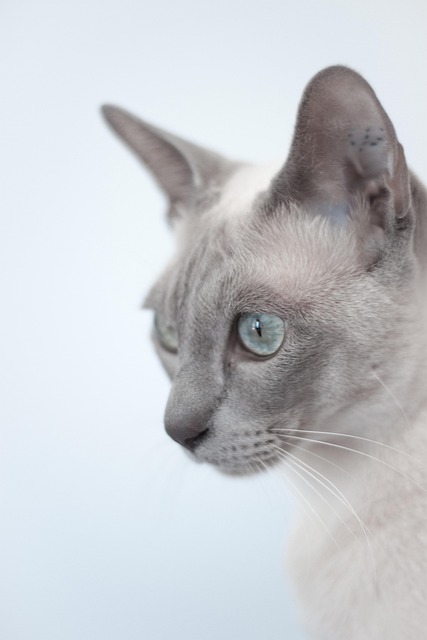
The Tonkinese is a crossbreed between the Siamese and Burmese and combines vocal enthusiasm from both parent breeds into one highly expressive package. Their voice sits somewhere between the sharp assertiveness of the Siamese and the softer warmth of the Burmese creating a distinctive and appealing sound. Tonkinese cats are playful curious and socially motivated which means they have plenty of reasons to vocalise throughout the day. They are known to initiate conversations with their owners and will often respond when spoken to with a series of varied and seemingly intentional sounds. This breed is particularly popular with people who want a cat that feels less like a pet and more like an engaged household companion.
Bengal
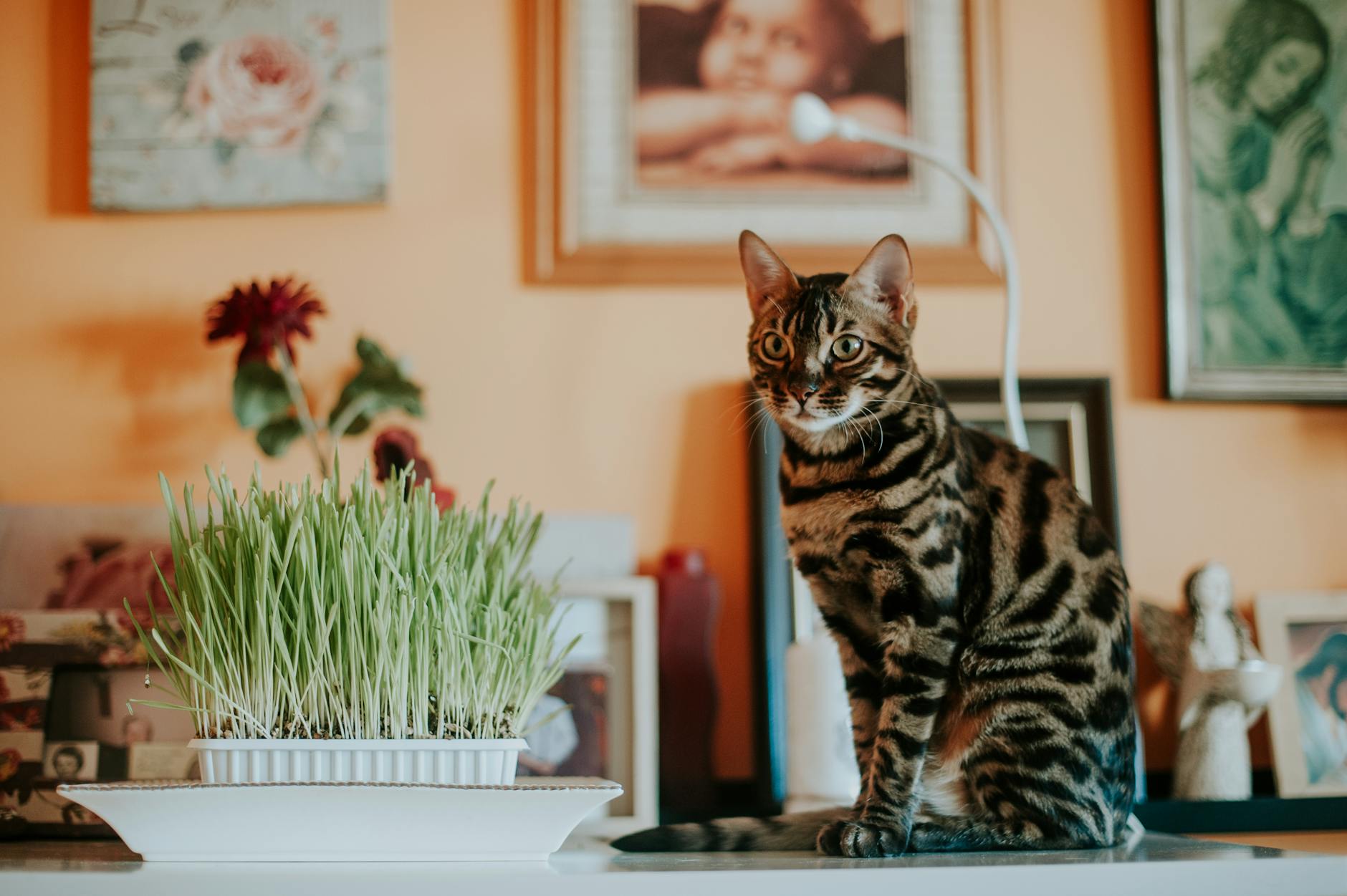
The Bengal is a striking and athletic breed with a vocal style that reflects its wild ancestry and high energy temperament. Rather than producing traditional meows Bengals frequently use chirps yowls chatters and trills creating a uniquely varied and sometimes dramatic soundscape. This breed vocalises to communicate excitement frustration boredom and affection often in rapid succession depending on what is happening around them. Bengals are highly intelligent and require significant mental and physical stimulation which means an under-stimulated Bengal is likely to become an especially loud one. Their communicative nature is best appreciated by owners who have the time and energy to match their intensity.
Maine Coon
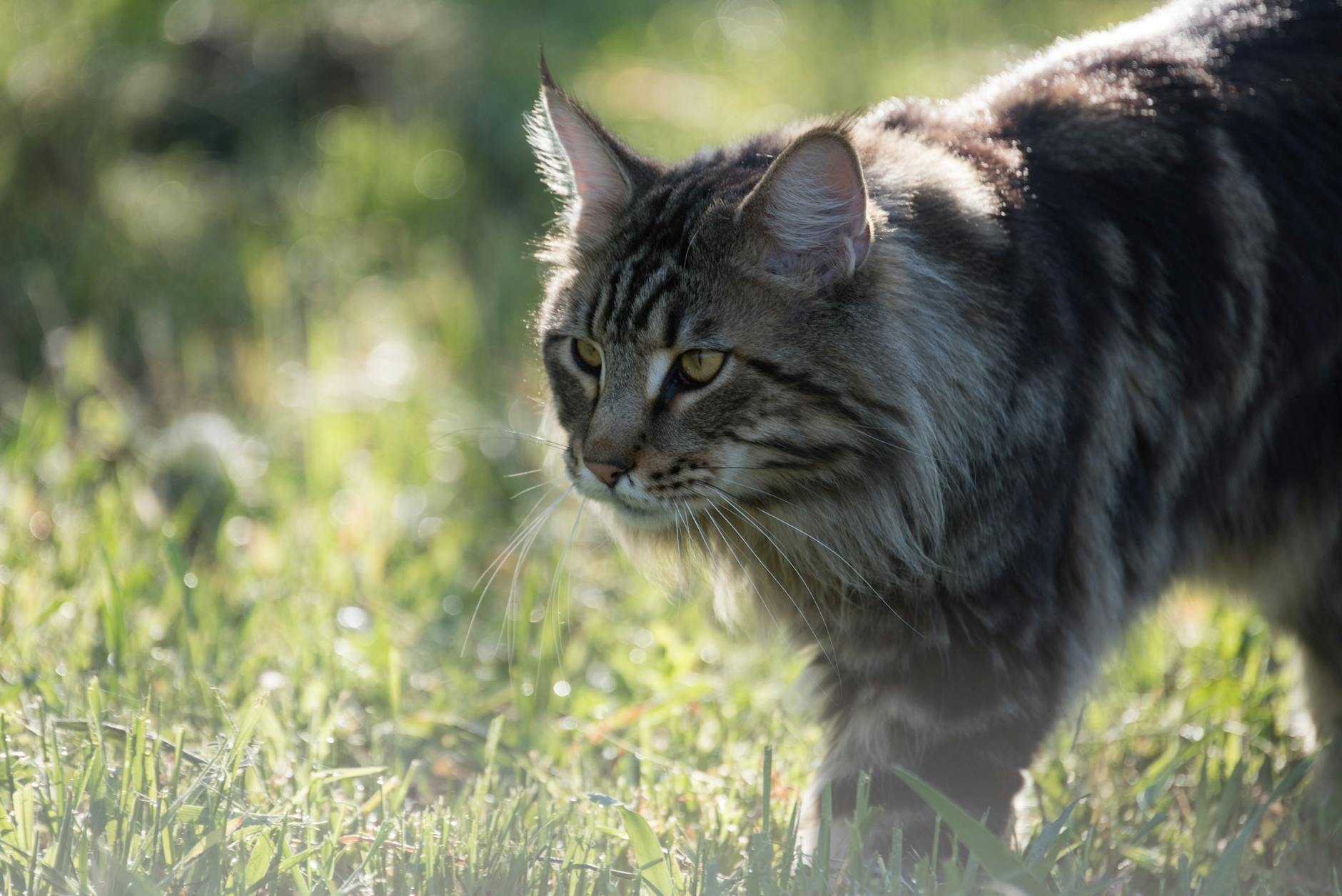
The Maine Coon is one of the largest domestic cat breeds in the world and is known for a vocal style that is endearingly out of proportion with its impressive size. Rather than producing loud meows Maine Coons tend to communicate through soft chirps trills and musical chirping sounds that many owners describe as genuinely conversational. They are gentle and sociable animals who enjoy being involved in household activities and will often narrate their movements with a quiet but persistent stream of sounds. Maine Coons are known to respond to their name and to carry on extended exchanges with family members in a soft and unhurried manner. Their friendly and communicative temperament has made them one of the most popular breeds among families worldwide.
Turkish Angora
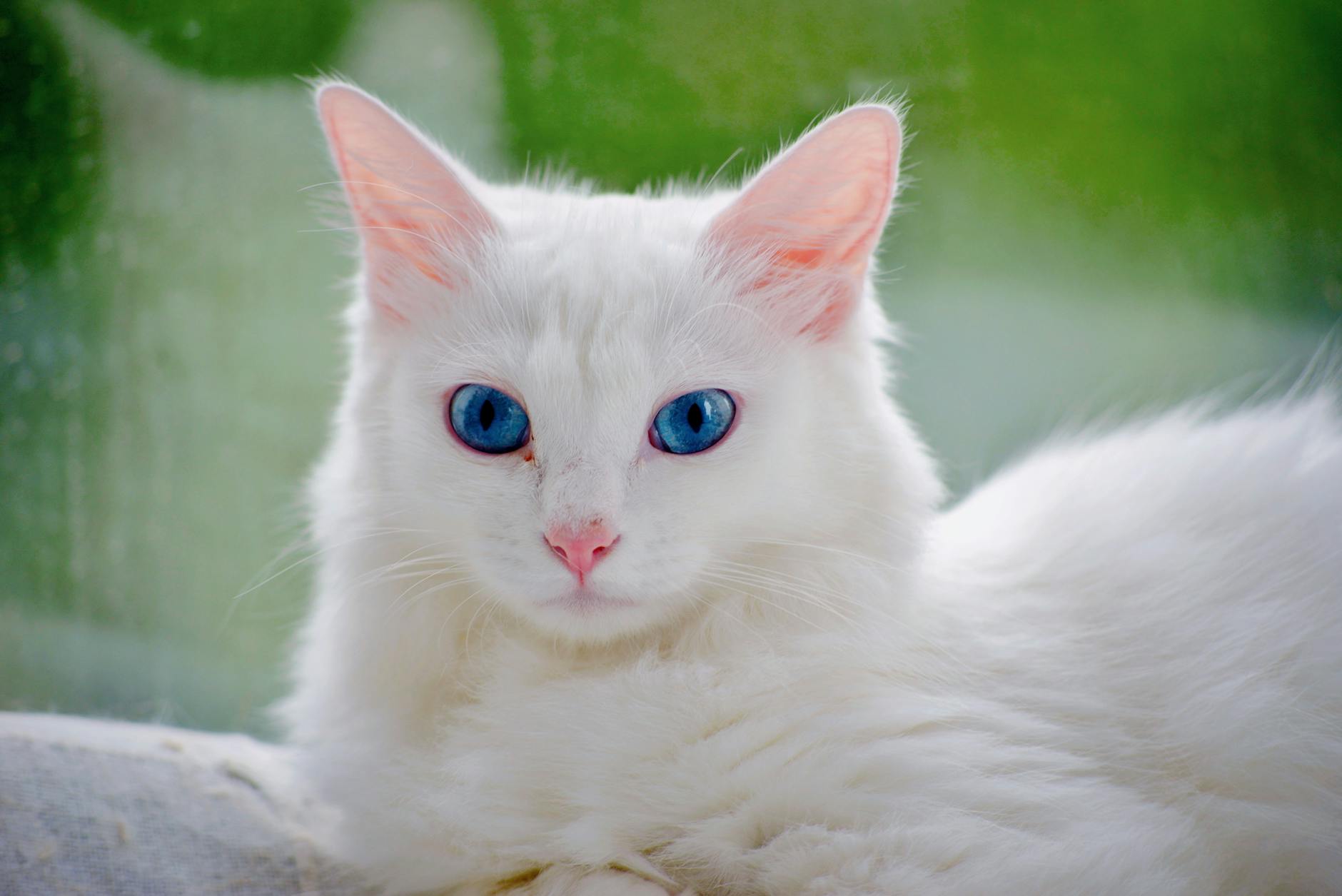
The Turkish Angora is an ancient and elegant breed with a confident personality that extends fully into its vocal behaviour. These cats are known for being assertive in communicating their preferences and will not hesitate to meow loudly and persistently until their needs are acknowledged. Turkish Angoras are highly intelligent and can become bored quickly which often translates into increased vocalisation as a way of seeking engagement or entertainment. They tend to select a favourite person in the household and direct a significant portion of their vocal energy toward that individual throughout the day. Their expressive nature combined with their graceful appearance has made them a cherished breed in households across the world for many centuries.
Sphynx
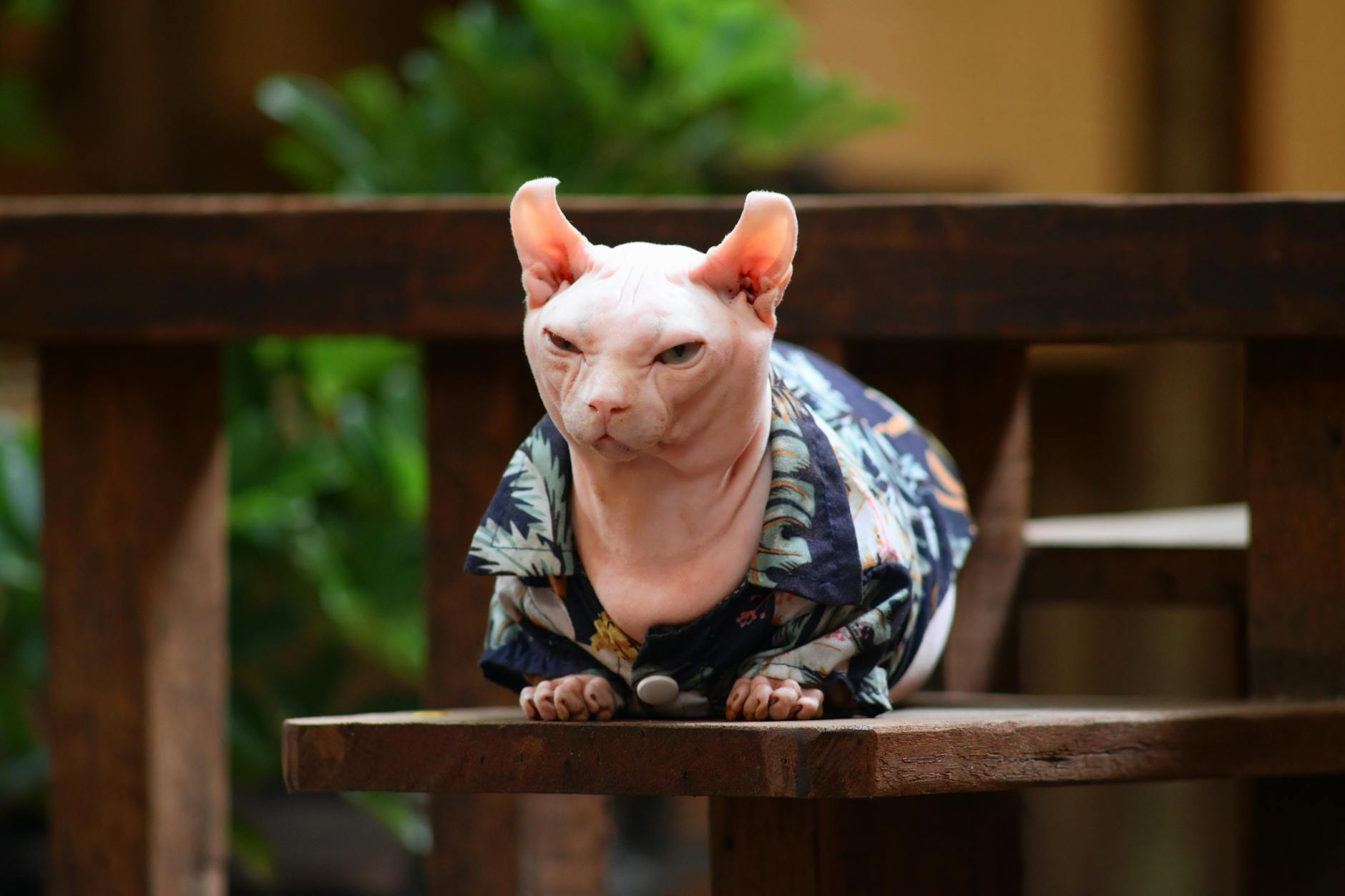
The Sphynx is best known for its distinctive hairless appearance but owners of this breed are equally familiar with its surprisingly loud and enthusiastic voice. Sphynx cats are extroverted social and deeply attached to their human companions which gives them constant motivation to vocalise and interact. They use sound to greet visitors demand cuddles signal hunger and simply keep in touch with the people around them as they move through the home. Unlike some breeds that meow occasionally the Sphynx tends to maintain a near constant stream of chirps meows and conversational murmurs throughout the day. Their warmth both in personality and in the literal heat their bare skin produces makes them a uniquely engaging and expressive companion.
Peterbald
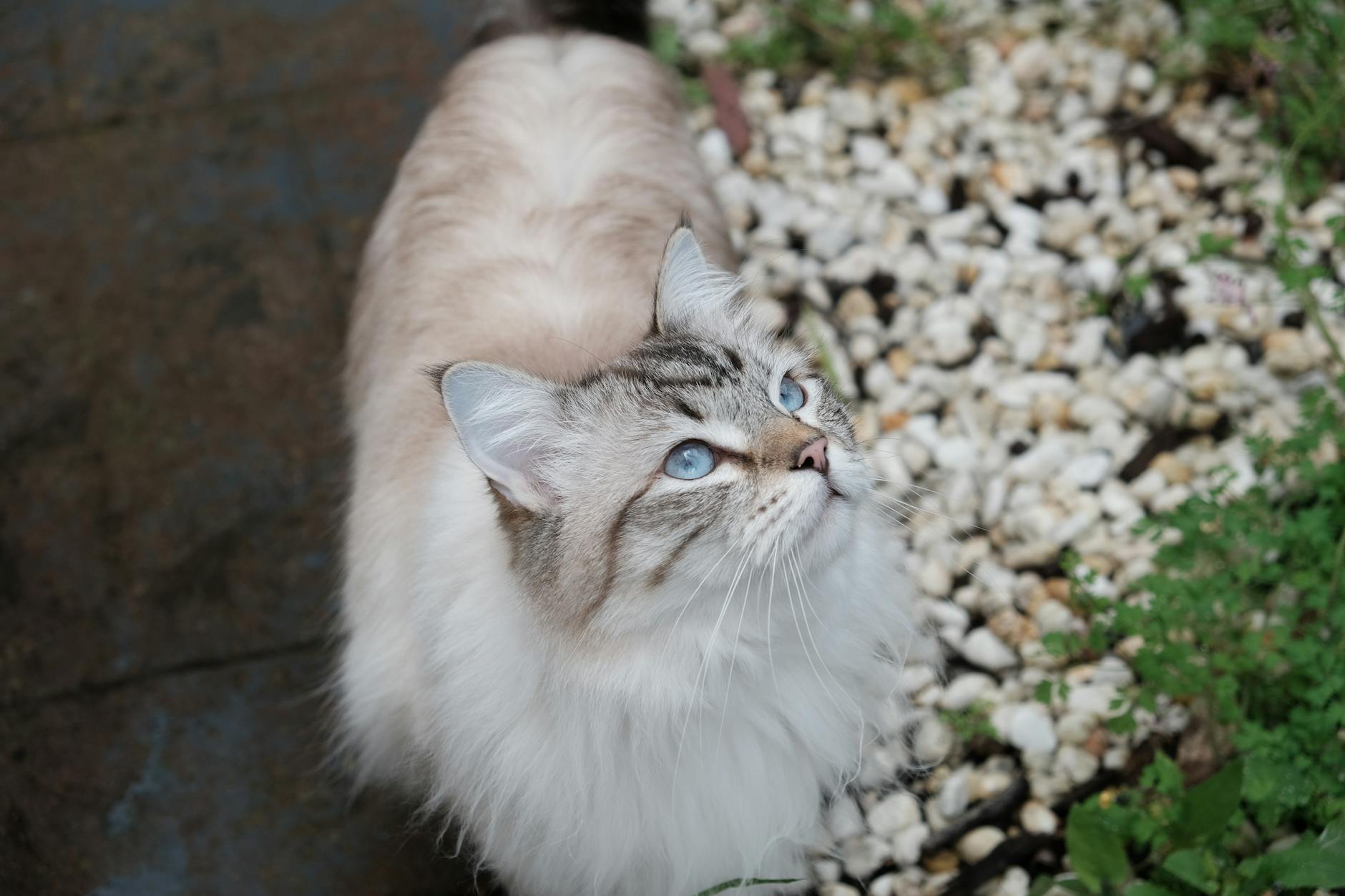
The Peterbald is a Russian breed that is relatively rare outside its country of origin but has earned a strong reputation among enthusiasts for its extraordinary level of vocal engagement. These cats are closely related to the Oriental Shorthair and share the same tendency toward persistent and varied communication with the people they live with. Peterbalds are described as dog-like in their devotion and will follow owners around the home producing a steady stream of sounds to maintain the connection. They are sensitive to changes in routine and to the emotional atmosphere of the household and often vocalise in response to stress or disruption. Their openness and communicative nature make them a deeply interactive breed suited to attentive and present owners.
Japanese Bobtail
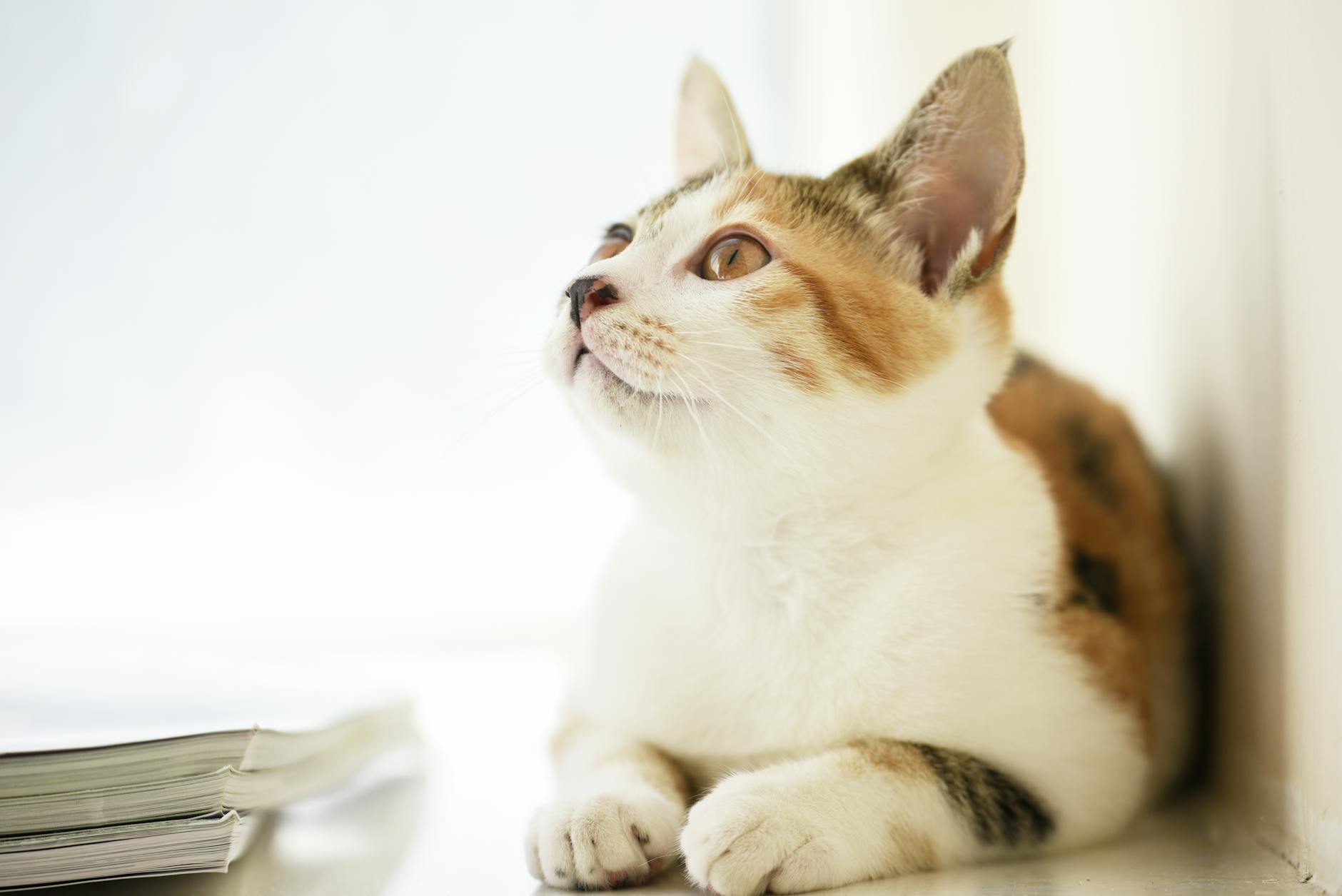
The Japanese Bobtail is a breed with centuries of history in its native country and has long been associated with good fortune as well as lively and cheerful vocalisation. This breed produces a notably musical range of sounds including soft melodic calls that owners frequently describe as singing rather than simple meowing. Japanese Bobtails are playful and people oriented and use sound as a way of inviting interaction initiating play and staying engaged with the humans in their environment. They are adaptable cats that tend to get along well with children and other pets and their vocal nature contributes to a generally lively and communicative household atmosphere. Their chirping song-like voice is considered one of their most distinctive and beloved characteristics.
Devon Rex
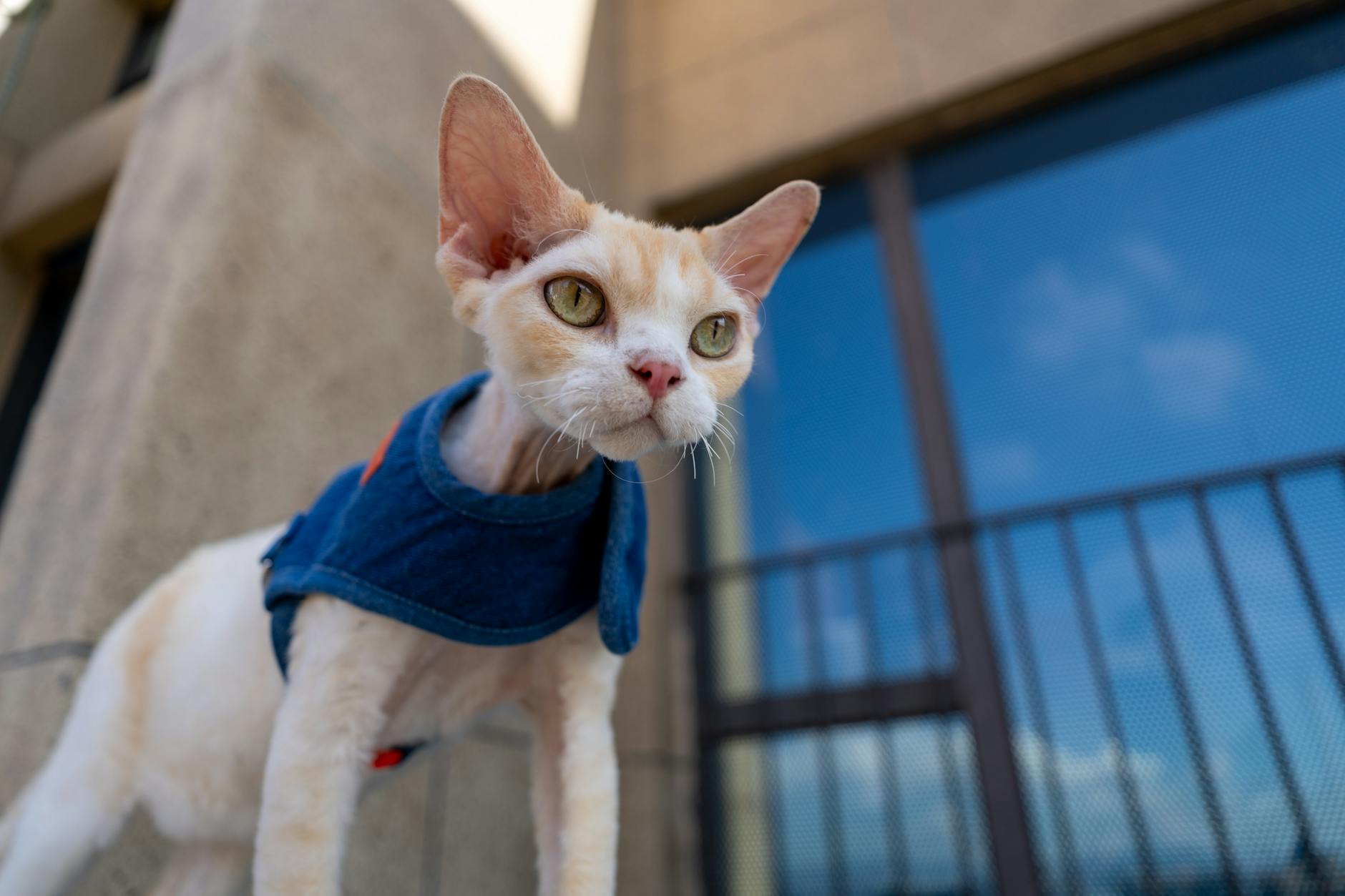
The Devon Rex is a curious and mischievous breed with an impish appearance and a vocal personality that matches its lively character. These cats produce a soft but surprisingly frequent range of sounds and are known for their habit of chirping and trilling rather than producing traditional meows. Devon Rex cats are extremely social and become deeply attached to their owners which means they vocalise regularly as a way of maintaining closeness and expressing their needs and moods. They are active and playful animals that enjoy being at the centre of household activity and will often use sound to insert themselves into whatever is happening around them. Their elfin looks combined with their communicative and affectionate nature have earned them a devoted following among cat enthusiasts globally.
Siberian
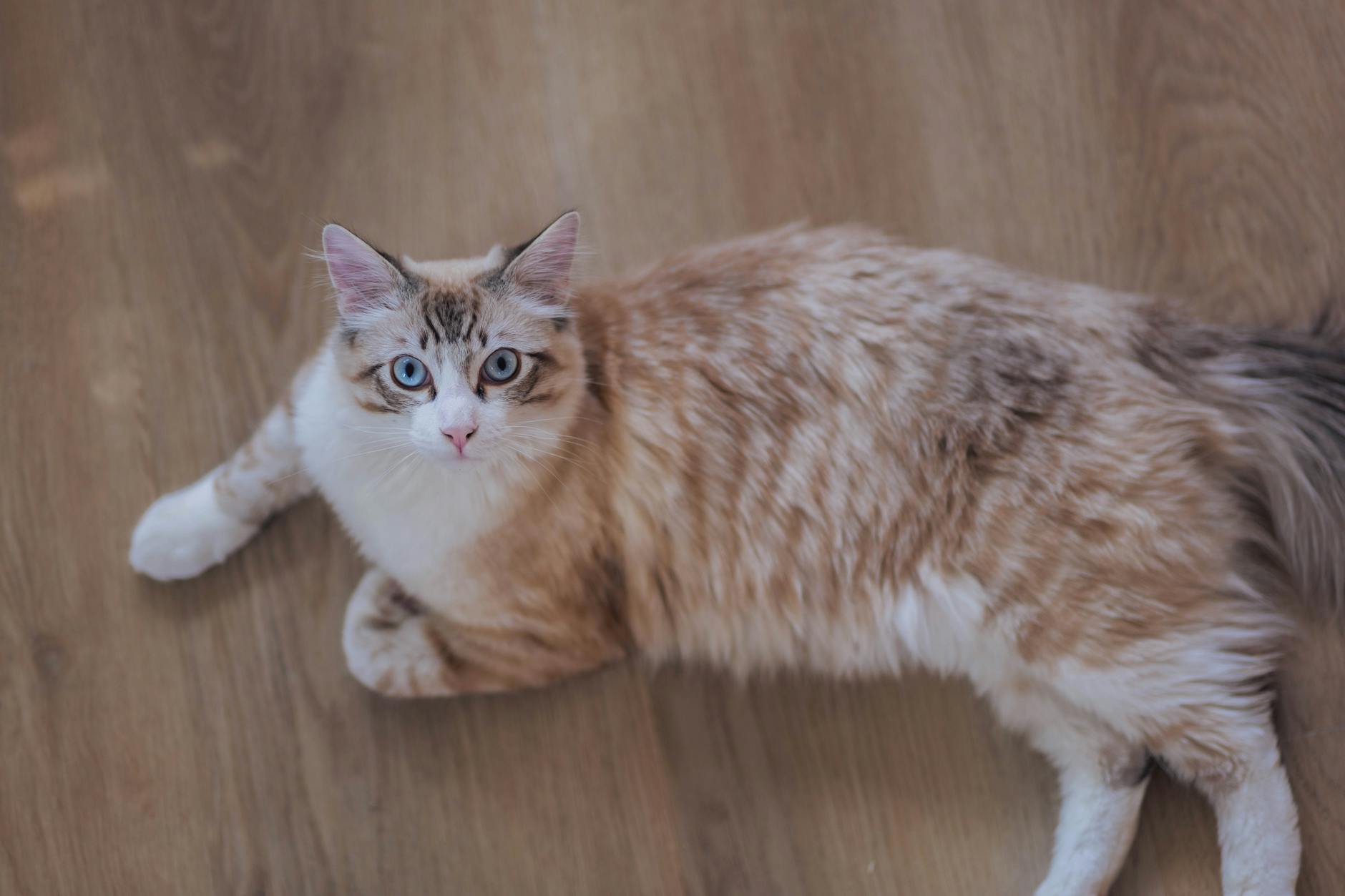
The Siberian is a large and powerful breed native to Russia that surprises many new owners with its rich and varied vocal repertoire. While not as relentlessly loud as the Siamese the Siberian communicates frequently through chirps trills and soft melodic meows that carry a distinctly warm and conversational quality. This breed is known for being highly attuned to the emotions of its owners and often vocalises in what appears to be a comforting or responsive manner during moments of stress or sadness. Siberians are family oriented cats that enjoy being present for daily activities and use sound as one of several tools for staying connected with the people they love. Their combination of physical size gentle temperament and expressive communication makes them an impressive and deeply rewarding companion.
Abyssinian
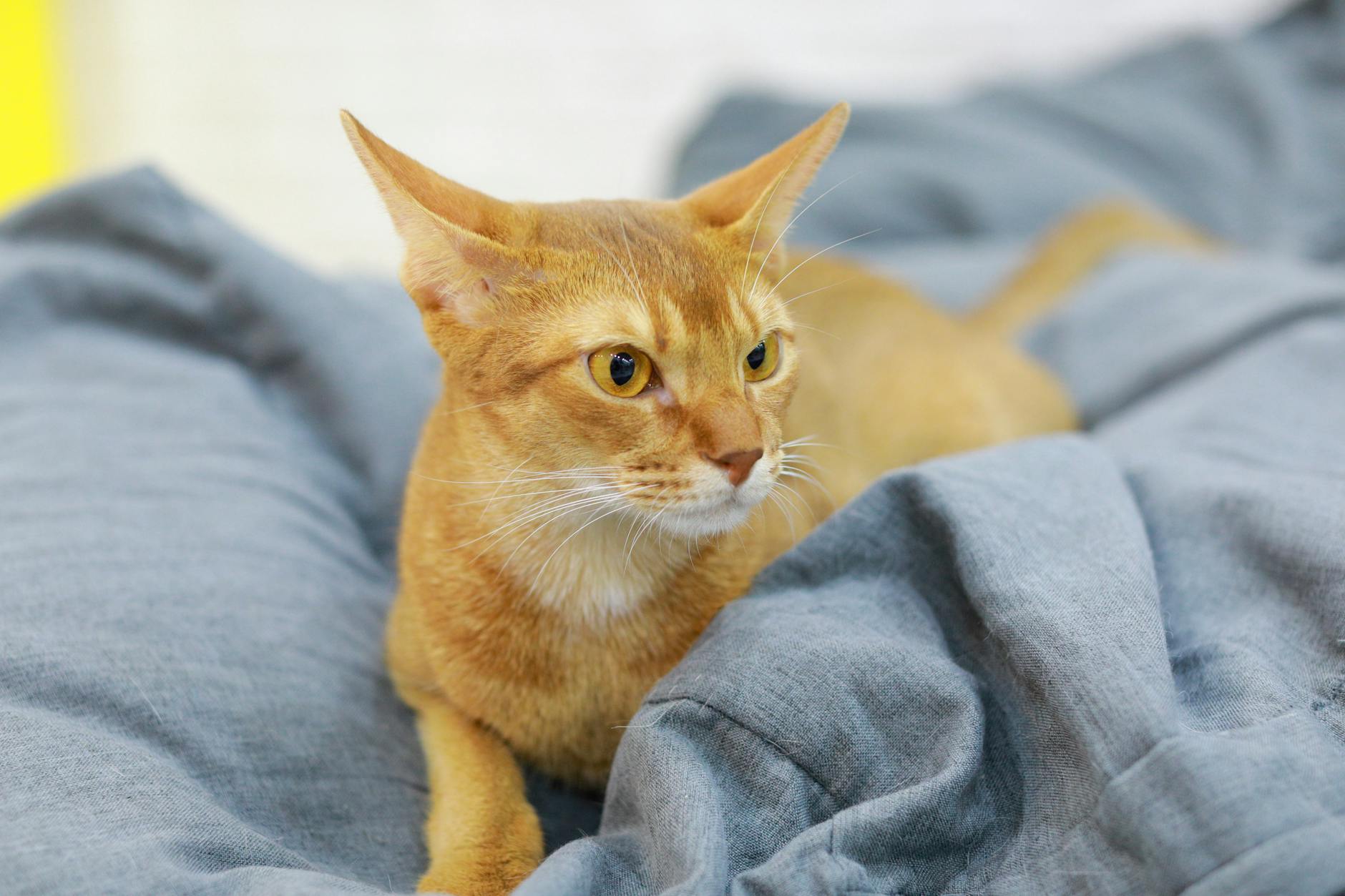
The Abyssinian is one of the oldest and most athletic cat breeds in the world and pairs its tireless energy with a distinctly communicative personality. This breed tends to produce soft chirping sounds and quiet trills rather than loud meows creating a style of vocalisation that feels curious and exploratory rather than demanding. Abyssinians are intensely interested in their environment and in the activities of their owners and will often narrate their explorations with a quiet but persistent stream of sound. They are not lap cats by nature but they maintain closeness through vocal engagement following their people and keeping up a gentle commentary as they move through the home. Their high intelligence and communicative curiosity make them a fascinating and entertaining breed to share a living space with.
Chirping Turkish Van
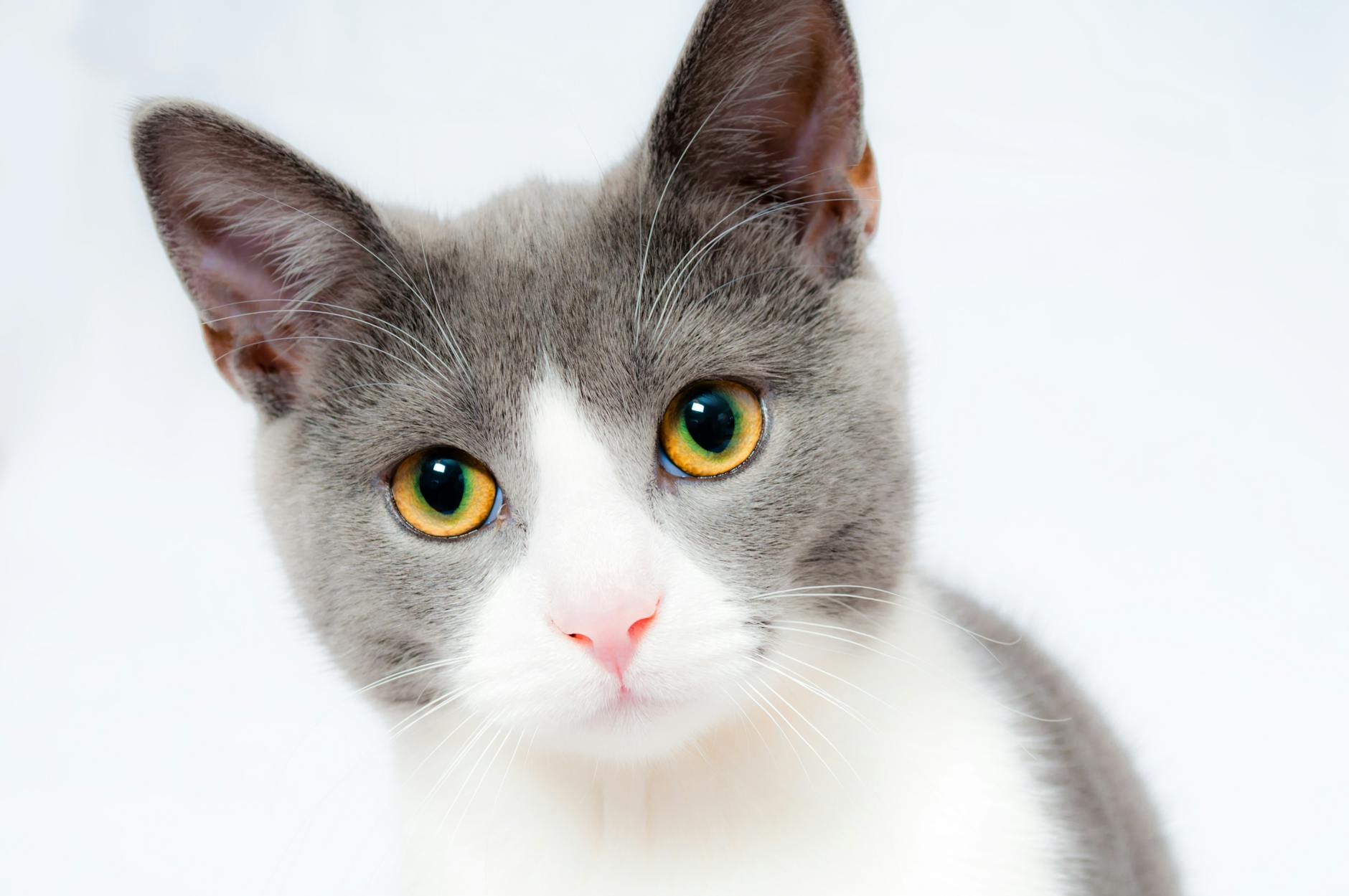
The Turkish Van is a bold and independent breed that expresses its strong personality partly through a surprisingly assertive and frequent voice. Unlike the more needy vocal breeds the Turkish Van vocalises on its own terms using sound to announce its presence signal interest in play or register displeasure at being ignored or confined. This breed is highly energetic and tends to be in constant motion around the home which means there is rarely a shortage of things to communicate about. Turkish Vans are known for being selective with their affection but when they bond with a person that relationship is expressed openly through both physical closeness and vocal interaction. Their combination of independence and expressive communication gives them one of the most distinctive personalities in the domestic cat world.
If you share your home with a vocal cat breed or have a personal favourite from this list share your thoughts in the comments.