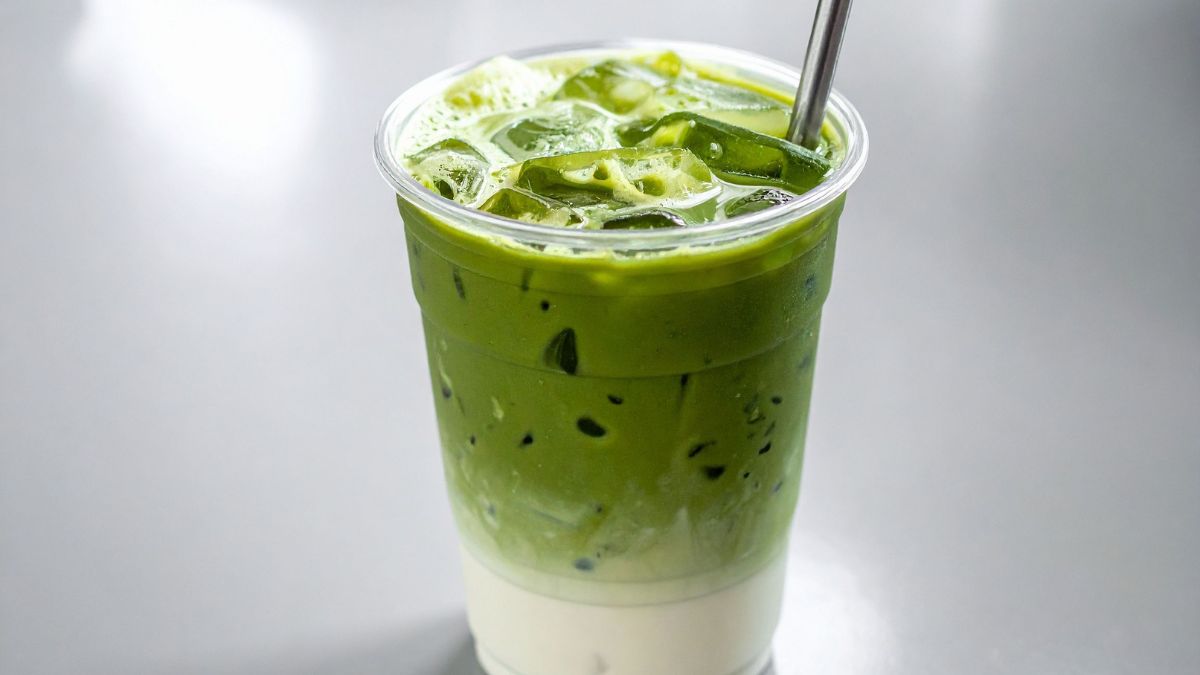
Matcha has become one of the defining food trends of the last several years, with the vibrant green Japanese tea cropping up in cafes, on social media feeds, and in the daily routines of millions of people worldwide. Its appeal is easy to understand: the caffeine releases gradually rather than in a sharp spike, it pairs well with a wide variety of flavors, and it photographs beautifully, making it a natural fit for the era of aesthetically curated online content. Many devoted drinkers have even begun to see it as a serious alternative to coffee, pointing to its antioxidant content and its association with calm, sustained focus. But dentists have started to notice something less picturesque happening in the mouths of regular matcha drinkers, and one viral warning from Dr. Onkar Mudhar has put the whole conversation under a much brighter light.
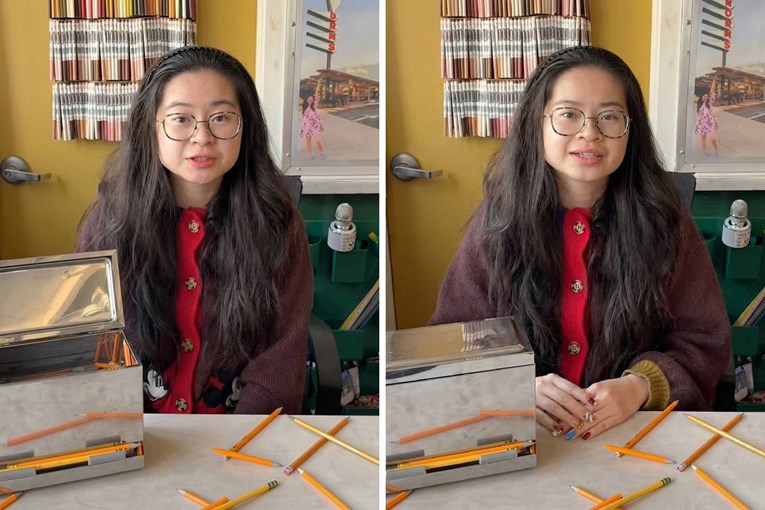
Dr. Mudhar, a dentist who creates content focused on oral health, recently went viral after posting what he described as a warning that was “actually quite concerning.” The term at the center of his message was “matcha mouth,” a playful but pointed phrase that dental professionals have started using to describe the tooth damage that can result from regularly consuming the sweetened, syrup-laden versions of matcha that most cafes serve. His video resonated widely because it addressed a disconnect that many people had not previously considered: the difference between what matcha actually is and what most people are ordering when they ask for it.
The core of Dr. Mudhar’s argument is that the health benefits associated with matcha belong to the plain, unsweetened version of the tea, not to the elaborately constructed drinks that have made it famous on social media. Pure matcha, when consumed on its own, has been studied for its potential to fight the bacteria responsible for gum disease, reduce acidity in the mouth, protect tooth enamel, and even reduce bad breath. The café versions, however, are frequently loaded with flavored syrups, sweetened milk alternatives, and whipped toppings that introduce repeated sugar exposure to the teeth. “Multiple sweet drinks, whether it’s coffee, matcha, or bubble tea, will increase the number of sugar attacks on your teeth,” he warned, noting that using a straw does not provide meaningful protection since the liquid still makes contact with the teeth.
@dronkarmudhar some of y’all got matcha mouth #dentist #matcha ♬ original sound – Dr. Onkar | Dentist
He also addressed the psychological dimension of the problem, which he sees as central to why the issue has grown so quickly. The perception that a drink is “healthy” leads people to treat it as risk-free, consuming it far more frequently and without the caution they might apply to something they already know to be sugary. “Healthy drinks create the impression that they carry no risk,” Dr. Mudhar said, adding that viral matcha drinks have evolved into a full social phenomenon. “Being seen with matcha or another popular drink on social media is part of its appeal,” he observed. That social layer makes the habit harder to examine critically, because questioning someone’s matcha order can feel like criticizing their entire lifestyle.
Younger generations are particularly vulnerable to these patterns, and Dr. Mudhar flagged that concern directly. Many younger people already face challenges accessing affordable dental care, which means that existing oral health issues are more likely to go untreated. When combined with a daily habit of consuming sweet trendy beverages, the conditions for accelerating tooth decay become almost ideal. He was careful to frame this not as a condemnation of matcha itself but as a call for awareness about frequency and context.
The response in his comments illustrated just how deeply the habit has taken hold. “I had to give it up. I realized I was only drinking it for the sugar,” one viewer admitted. Another noted, “It’s the same with coffee. Nobody actually likes coffee, they like the sugar and the syrups.” Dr. Mudhar’s practical advice for those unwilling to give up their matcha routine centers on a few manageable adjustments. Choosing sugar-free syrups eliminates the biggest risk factor, even if artificial sweeteners carry their own minor considerations. Drinking the beverage all at once rather than sipping it slowly over an extended period significantly reduces the duration of sugar exposure. Rinsing the mouth with water immediately afterward helps neutralize acidity before it can do meaningful damage. And treating the sweetened version as an occasional treat rather than a daily fixture allows people to enjoy it without accumulating the kind of consistent exposure that leads to cavities.
Matcha powder is actually made from green tea leaves that are shade-grown for the final three to four weeks before harvest, a process that dramatically increases the chlorophyll content and gives the powder its signature intensely green color, which is also why lower-quality matcha turns yellowish or brownish rather than staying vivid. The L-theanine in matcha, the compound responsible for its reputation for producing calm alertness, is actually found in almost all green teas but is present in much higher concentrations in matcha because you consume the entire ground leaf rather than just an infusion. And the global matcha market has grown so rapidly that traditional Japanese tea-growing regions like Nishio and Uji are reportedly struggling to keep up with export demand, with some producers warning of quality declines as farms rush to scale production.
Do you drink matcha regularly and has this changed how you think about it? Share your thoughts in the comments.