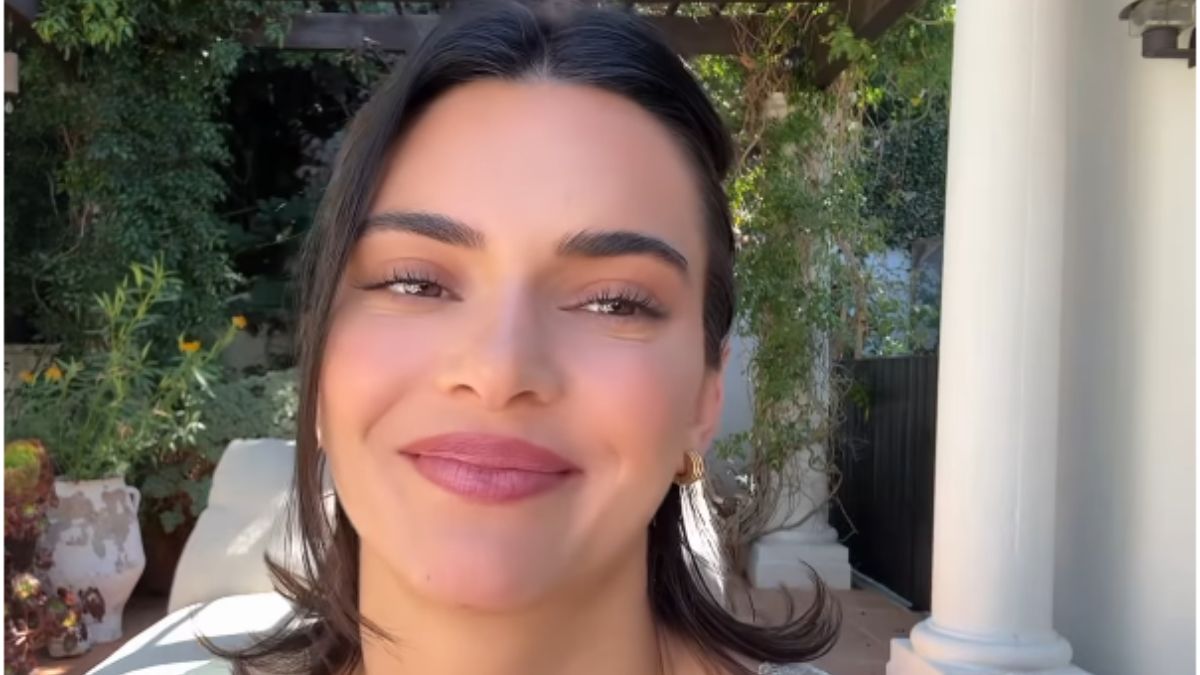
A deeply melancholic new trend has taken over TikTok, and it is being called one of the most heartbreaking things to emerge from the platform in recent memory. Young women from Generation Z are publicly confessing that they serve as “weekend lovers” to men who are happy to spend Saturday night with them but offer zero attention or affection once Monday rolls around. The videos are set to Prince’s iconic song ‘Purple Rain,’ specifically the lyric “I never wanted to be your weekend lover,” and the emotional weight behind each clip is impossible to ignore. Women are filming themselves in pajamas staring sadly into the camera, sharing screenshots of dismissive text messages, and even documenting their so-called “walk of shame” the morning after.
The confessions shared in these videos paint a painful picture of modern dating dynamics. One user captioned her video with the words “I never wanted to be your weekend lover, but that’s all I’ve ever been to anyone,” while another wrote “I never wanted to be the girl you like but don’t want to date.” Some women went even further, posting humiliating messages they had received from the men in question. One message read “I’d be ashamed if people knew about us, but I’m crazy in love with you. Can you still come over tonight?” Another incident involved a young man sending a message to the wrong woman on Snapchat, followed immediately by the message “Oh, wrong girl.” The power imbalance on display is striking and hard to watch, with tearful and emotionally wounded young women on one side and casually indifferent men on the other, according to The Post.
Dating apps are widely seen as a major contributor to this kind of dynamic. They have a tendency to turn people into disposable options, conditioning users, and particularly men, into believing that a better match is always just one swipe away. That mindset makes genuine emotional investment harder to come by, and women often bear the emotional cost of that. Social media adds another layer by normalizing public displays of romantic pain as though they are simply an expected part of life rather than a sign that something has gone wrong in how people value themselves and each other.
@67delulu67 #weekendlover #fypシ #relateable #tragic #trend ♬ original sound – niche_edits
The so-called “situationship,” a term used to describe a relationship that floats somewhere between casual sex and an actual committed partnership, is especially common among college students and people in their twenties. One TikTok user shared that her “weekend lover” would block her at the start of every week, only unblocking her when Friday evening came around. Psychologists and relationship experts have noted that this kind of inconsistency causes significant emotional harm, particularly for people who are already prone to anxious attachment. “I thought I could make him fall for me, and I know the girls in my comments feel the same way,” one user admitted, capturing the shared vulnerability that made the trend spread so rapidly.
Not everyone watching these videos responded with sympathy, however. TikToker Ashley LaMarca pushed back directly, questioning why anyone would voluntarily broadcast their role as a backup option. “Why are you publicly posting that you’re his side option? Do you really think that when he sees it, he’ll think ‘I should ask her to be my girlfriend’?” she said. “If you want a man to respect you, participating in this trend is definitely not the way to get there.” A user named Alice echoed that sentiment with some dry humor, writing “I would rather eat a pair of jeans than post anything related to the weekend lover trend. Why would anyone want that permanently recorded on the internet?”
The trend has struck a nerve partly because Generation Z grew up in an era of radical oversharing, where putting private pain on display for public validation has become almost second nature. But relationship researchers point out that the deeper issue is one of emotional literacy and self-worth. When someone repeatedly accepts a dynamic in which they are ignored, minimized, and treated as convenient rather than valued, it reflects patterns that often trace back to unmet needs and low relational confidence. The viral nature of the trend, while offering a sense of community for some, may also be inadvertently reinforcing those same patterns by framing them as relatable rather than worth changing.
It is worth noting some broader context around the cultural forces at play here. The term “situationship” entered mainstream vocabulary around the early 2020s and was added to several major dictionaries by 2023, reflecting just how widespread the phenomenon had become. Prince released ‘Purple Rain’ in 1984 and the song went on to become one of the most recognizable power ballads in music history, which explains why its lyrics carry so much emotional resonance for younger generations who encounter it through social media rather than radio. TikTok, launched globally in 2018, has become one of the primary platforms through which Gen Z processes shared emotional experiences, with trends like this one often reaching tens of millions of viewers within days. The “walk of shame” concept, while long present in popular culture, has increasingly been reclaimed and reframed by younger women as they grapple publicly with the emotional aftermath of casual relationships.
If this trend says something to you about where modern dating culture has gone, share your thoughts in the comments.