Sick Building Syndrome describes a condition where residents experience acute health effects linked to time spent in a specific building. This phenomenon frequently stems from poor indoor air quality or flaws in heating and ventilation systems. Identifying the specific causes requires a keen eye for physical deterioration and a clear understanding of physiological reactions. Homeowners must remain vigilant against moisture accumulation and chemical contaminants that compromise a healthy living environment. The following signs indicate that a residence may be negatively impacting the well-being of its occupants.
Persistent Musty Odors

A lingering earthy smell often serves as the first indicator of hidden moisture issues within walls or under floorboards. This specific odor suggests that mold or mildew is actively growing in areas with poor air circulation. Air fresheners usually fail to eliminate the scent because the fungal source continues to multiply behind surfaces. Identifying the location of the dampness remains essential to preventing extensive structural damage.
Visible Mold Growth

Dark spots appearing on ceilings or in bathroom corners act as a clear visual warning of biological contaminants. These patches release spores into the air that degrade indoor quality and irritate the respiratory system. Scrubbing the surface often proves insufficient if the moisture source remains unresolved. Professional remediation is frequently necessary when growth covers large areas or recurs despite cleaning efforts.
Excessive Window Condensation

Water droplets collecting on the interior of windows indicate high humidity levels that the house cannot ventilate properly. This moisture accumulation creates a breeding ground for mold and attracts various pests. Persistent fogging suggests that the thermal envelope of the home lacks sufficient airflow exchange. Ignoring this sign often leads to rotting window frames and water damage on surrounding drywall.
Peeling Wallpaper

Adhesive failure behind wallpaper frequently points to dampness seeping through the walls from the exterior. The paper may bubble or curl at the edges as the moisture breaks down the glue. This separation often hides fungal growth spreading across the drywall surface underneath. Restoring the wall requires stripping the paper and sealing the exterior leak before redecorating.
Warped Flooring

Wooden floorboards that cup or buckle suggest significant moisture imbalances in the subfloor or crawl space. This physical distortion occurs when wood fibers absorb water and expand beyond their intended dimensions. Laminate flooring might feel spongy or uneven underfoot due to a deteriorating moisture barrier. Addressing the humidity levels in the foundation is crucial to saving the flooring material.
Dust Mite Accumulation

Thick layers of dust reappearing shortly after cleaning indicate poor air filtration or excessive particulate matter. These microscopic creatures thrive in humid environments and settle into carpets and upholstery. High populations of mites significantly reduce air quality and trigger reactions in sensitive individuals. upgrading HVAC filters and reducing humidity helps control their rapid proliferation.
Chronic Headaches

Residents experiencing frequent head pain only while at home may be suffering from carbon monoxide or volatile organic compounds. Poor ventilation traps these gases indoors where they reach concentrations that affect the nervous system. The symptoms typically subside after leaving the house for a few hours. Installing detectors and improving airflow usually resolves the environmental trigger.
Respiratory Irritation
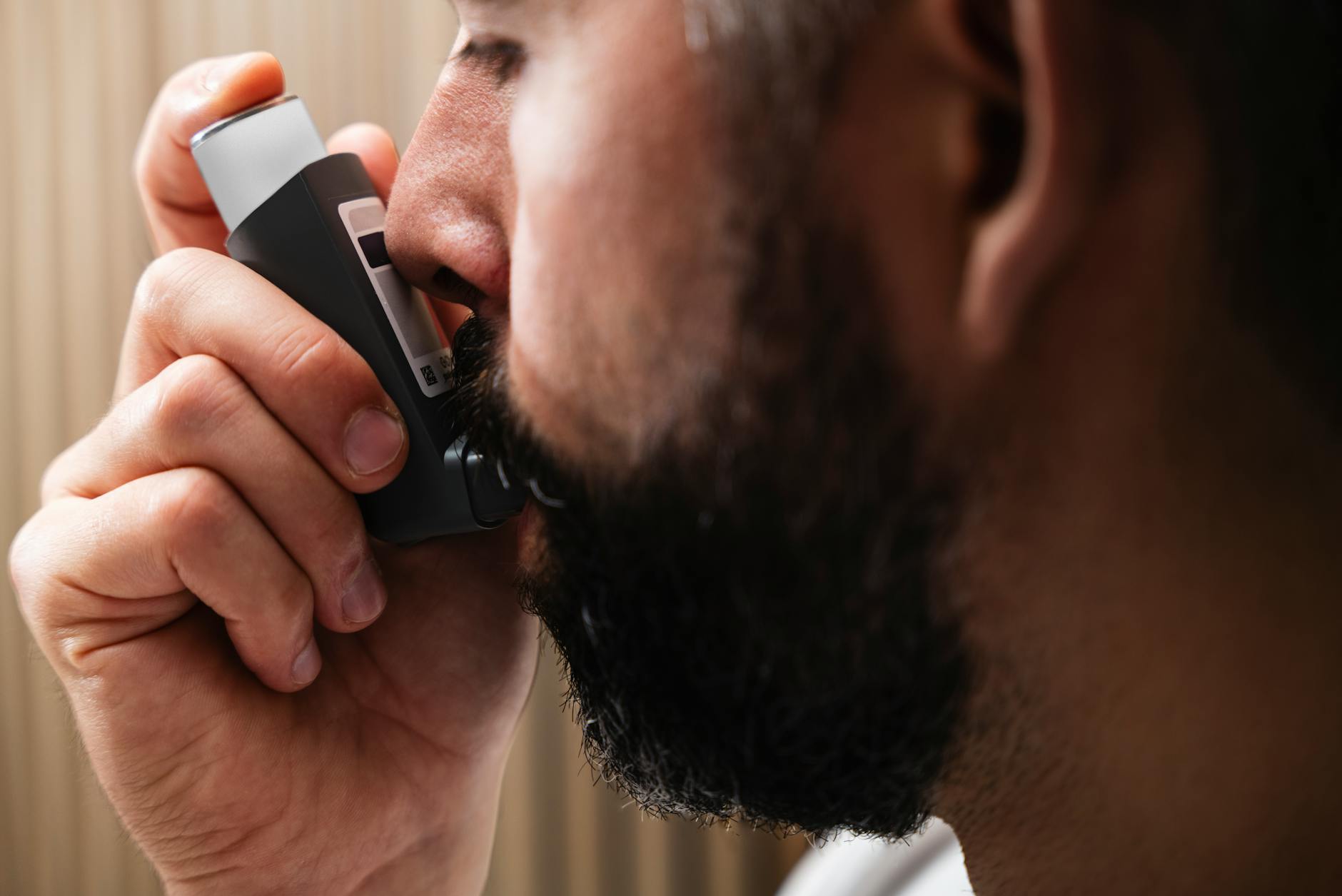
Coughing or wheezing that persists indoors points to airborne irritants circulating through the heating or cooling system. Particulates from dirty ducts or chemical off-gassing irritate the lining of the throat and lungs. This issue often mimics seasonal allergies but continues regardless of the time of year. Regular duct cleaning and air purification help remove the suspended particles causing distress.
Unexplained Skin Rashes

Redness or itching can result from contact with airborne fibers or chemical residues settling on surfaces. Certain building materials release irritants like fiberglass or formaldehyde when they degrade or overheat. These reactions often occur on exposed skin areas and disappear when the person spends time away from home. Identifying the specific material causing the reaction involves eliminating potential sources systematically.
Extreme Fatigue

Feeling exhausted specifically when inside the home suggests poor oxygen levels or the presence of toxins. Inadequate ventilation causes carbon dioxide to build up and makes occupants feel lethargic and unmotivated. High levels of indoor pollutants tax the body and drain energy reserves throughout the day. Opening windows to create cross-ventilation often provides immediate relief from this induced tiredness.
Static Electricity Shocks

Frequent shocks when touching metal surfaces indicate that the indoor air is excessively dry. Low humidity dries out mucous membranes and increases susceptibility to airborne viruses. This environment also causes wood furniture and structural beams to crack over time. Adding a humidifier to the HVAC system helps balance moisture levels and improves comfort.
Stagnant Air

Rooms that feel stuffy or suffocating often lack the necessary air exchange rates to maintain a healthy environment. Air pockets form in corners where circulation is blocked by furniture or poor architectural design. This stagnation allows pollutants to concentrate in specific zones of the house. Installing ceiling fans or updating the ventilation system promotes better air movement.
Lingering Cooking Smells

Aromas from the kitchen that persist for days suggest the exhaust hood is not venting effectively to the outside. Grease and food particles trapped in the air degrade quality and settle on furniture fabrics throughout the home. This indicates that the ventilation system cannot handle the volume of particulate matter produced. Cleaning the filters and checking the ductwork ensures that pollutants are removed efficiently.
Blistering Paint

Paint that bubbles or loses adhesion signals that moisture is trapped between the paint layer and the wall. This frequently happens in bathrooms without adequate exhaust fans or on exterior walls with insulation gaps. The trapped water vapor pushes the paint outward until the surface bond breaks. Scraping the damaged area and applying a moisture-resistant primer prevents recurrence.
Chemical Odors

Smells resembling plastic or solvents often come from volatile organic compounds off-gassing from new furniture or carpets. These chemicals evaporate into the indoor air and can cause dizziness or nausea in high concentrations. The odor is typically strongest in newer homes or recently renovated spaces with poor ventilation. Airing out the room helps accelerate the dissipation of these harmful compounds.
Excessive Dust Bunnies
Large clumps of dust gathering in corners indicate that the air return vents are not pulling in enough air for filtration. This suggests the HVAC system is unbalanced or the filters are too clogged to function. The accumulation allows allergens to remain on the floor rather than being trapped in the filter media. routine system maintenance ensures particulates are removed from the living space.
Cracked Drywall

Fissures appearing in walls or ceilings can signal structural shifting caused by humidity fluctuations. While some settling is normal the expansion and contraction of framing lumber due to moisture stress causes cracks. These openings allow air from the attic or crawlspace to enter the living area. Sealing the cracks and stabilizing indoor humidity prevents further cosmetic damage.
Insect Infestations

The presence of silverfish or cockroaches often correlates with high humidity and hidden water leaks. These pests seek out damp environments and food sources provided by decaying building materials. Seeing them frequently suggests the house provides the wet conditions they need to survive. Pest control measures must include fixing moisture problems to be truly effective.
Water Stains on Ceilings

Brown or yellow rings on the ceiling provide direct evidence of a leak in the roof or plumbing system above. The discoloration occurs as water saturates the drywall and brings mineral deposits to the surface. Neglecting these stains allows the water to weaken the structural integrity of the ceiling joists. Immediate repair of the leak source is required to stop the spread of damage.
Rusting Pipes

Corrosion on visible plumbing pipes indicates high humidity in the basement or utility room. The metal oxidizes when exposed to consistent moisture in the surrounding air. This deterioration eventually leads to pinhole leaks and potential flooding. Insulating the pipes and running a dehumidifier helps protect the plumbing system.
Poor Bathroom Ventilation
Mirrors that stay foggy for an hour after a shower suggest the exhaust fan is underpowered or blocked. Excessive moisture remains on surfaces and encourages the rapid growth of mildew on grout lines. This humidity migrates to other parts of the house and raises the overall moisture load. upgrading the fan ensures water vapor is evacuated before it condenses.
Drafty Rooms

Feeling cold currents of air in specific rooms indicates gaps in the building envelope or poor insulation. These drafts bring in outdoor pollutants and pollen while letting conditioned air escape. The temperature inconsistency makes the HVAC system work harder and reduces energy efficiency. Sealing windows and adding weather stripping blocks the unwanted air infiltration.
Eye Irritation

Burning or watery eyes while indoors often stem from airborne allergens or chemical irritants. Formaldehyde from pressed wood products is a common culprit that affects sensitive mucous membranes. The sensation typically lessens when the individual steps outside into fresh air. Increasing ventilation rates helps dilute the concentration of the irritant.
Sore Throat

A scratchy throat that improves away from home can result from dry air or mold spores. Low humidity dries out the protective mucus layer in the throat while mold causes inflammation. This symptom is often mistaken for a viral infection but lacks other accompanying fever or aches. Monitoring humidity and inspecting for mold helps identify the true cause.
Nausea or Dizziness

Sudden onset of nausea can indicate the presence of gas leaks or high levels of combustion byproducts. Unvented space heaters or a malfunctioning furnace can release dangerous fumes into the living area. This serious symptom requires immediate investigation of all gas appliances and ventilation flues. Carbon monoxide detectors provide a necessary safety net for detecting invisible threats.
Difficulty Concentrating

Mental fog or an inability to focus is a subtle sign of high carbon dioxide levels in the home. Poor ventilation allows CO2 from breathing to accumulate to levels that impact cognitive function. This issue is prevalent in modern airtight homes without mechanical air exchange systems. Opening windows periodically restores oxygen levels and mental clarity.
Temperature Fluctuations

Inconsistent temperatures between rooms suggest the HVAC system is not distributing air evenly or effectively. Blocked ducts or inadequate insulation causes some areas to be sweltering while others remain freezing. This imbalance stresses the body and makes it difficult to maintain a comfortable internal temperature. Balancing the duct dampers helps regulate airflow throughout the house.
Noisy HVAC Systems

Clanking or rattling sounds from the furnace often mean the system is struggling to push air through the house. Mechanical strain reduces the efficiency of air filtration and circulation. The noise indicates wear that can lead to system failure and poor air quality. Professional servicing ensures the unit operates quietly and effectively.
Dirty Air Vents

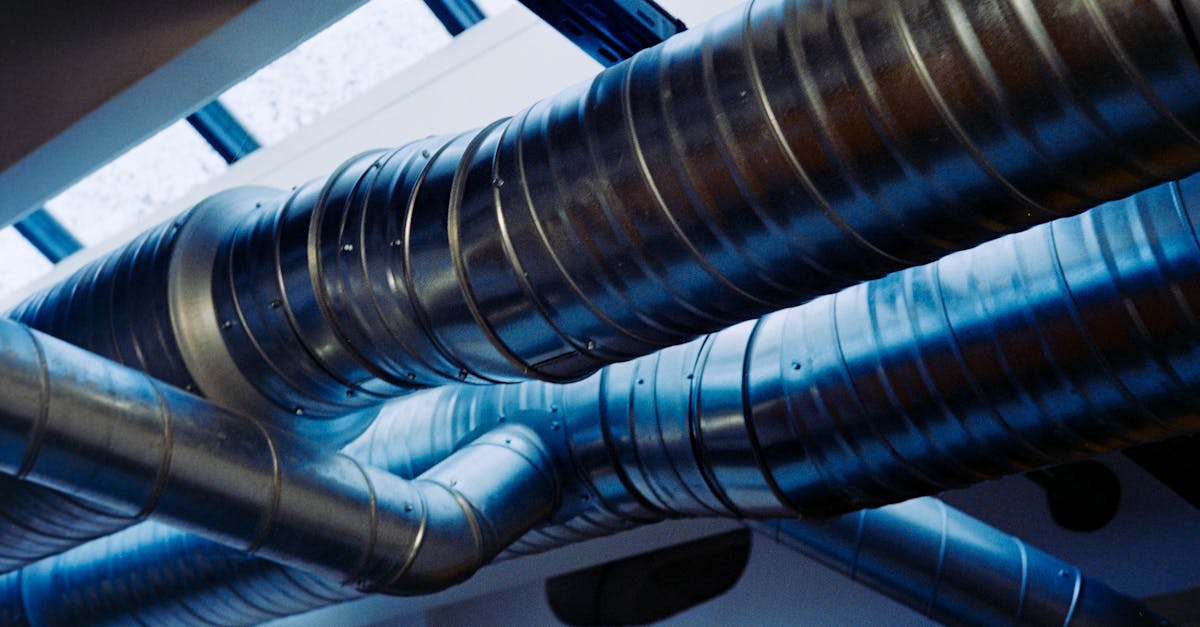
Black dust or debris around the register grilles shows that the ducts are heavily contaminated. The air blowing through these vents picks up the dirt and redistributes it into the room. This visual sign confirms that the lungs of the house need professional cleaning. Vacuuming the registers helps but does not solve the internal buildup.
Rotting Wood

Soft or crumbling wood around windowsills and door frames points to long-term water exposure. Fungi that feed on cellulose break down the cellular structure of the timber. This rot compromises the structural security of the home and invites pests. Replacing the affected wood and flashing prevents water from entering the wall cavity.
Worsening Asthma

Asthma symptoms that intensify indoors indicate the presence of strong triggers like dust mites or mold. The home environment acts as a reservoir for allergens that inflame the airways. Standard medication often becomes less effective if the environmental exposure remains high. modifying the home to reduce allergen reservoirs improves respiratory health.
Symptom Relief When Leaving

The most telling sign of a sick house is feeling physically better after being away for a few hours or days. This pattern confirms that the source of the ailment is located within the residential environment. Tracking this correlation helps homeowners pinpoint the connection between their health and their house. It serves as the primary motivation for investigating indoor air quality.
White Mineral Deposits on Brick

Efflorescence appears as a white powdery substance on masonry walls and signals moisture migration. Water dissolves salts inside the brick and leaves them behind on the surface as it evaporates. This indicates that the foundation or walls are absorbing water from the ground or rain. waterproofing the exterior prevents this slow degradation of the masonry.
High Radon Levels

Radon is an odorless and invisible gas that seeps into homes through cracks in the foundation. Long-term exposure significantly increases the risk of lung cancer for the inhabitants. The only way to detect this danger is through specific testing kits or professional monitoring. Installing a mitigation system vents the gas safely outside before it enters the living space.
Declining Indoor Plants

Houseplants that wither or develop spots despite proper care may be reacting to airborne toxins. Plants are often more sensitive to chemical changes and air quality than humans. Their decline can serve as an early warning system for environmental issues. Ensuring plants have clean air and proper light helps assess the overall room health.
Share your own experiences with indoor air quality or home maintenance challenges in the comments.