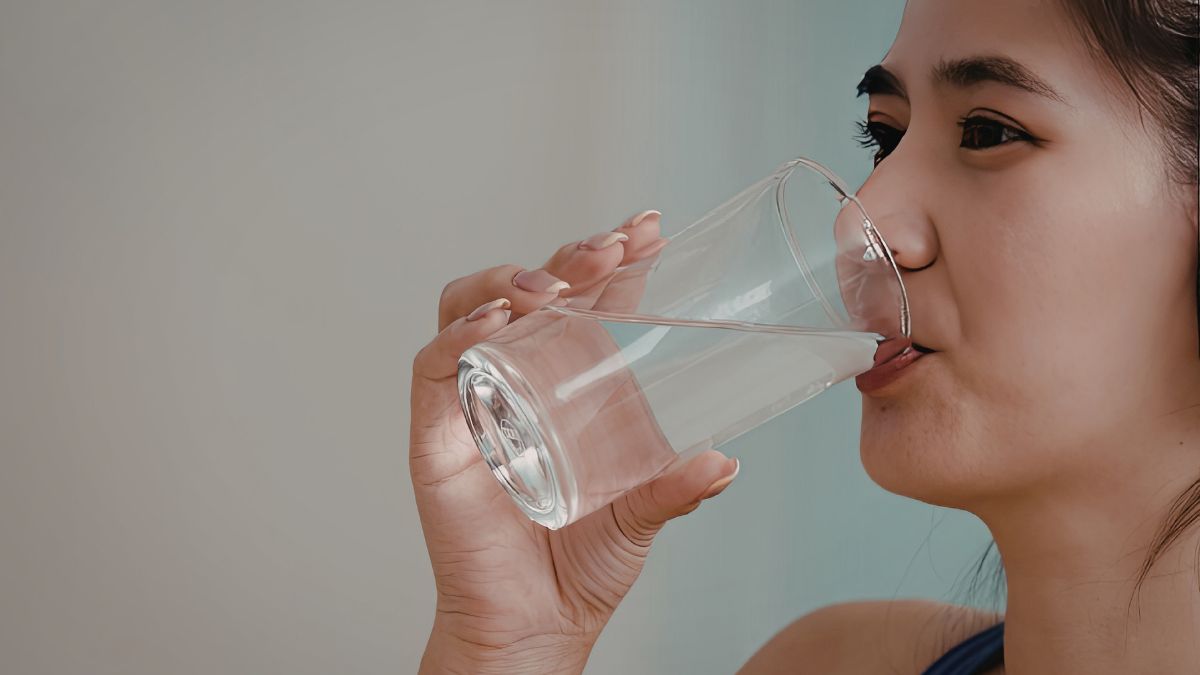
Most people know that the human body is largely made up of water, yet few of us stop to think about it during our daily routines. Health recommendations suggest that men should drink around 15 glasses of water per day, while women should aim for roughly 11 glasses to keep the body properly hydrated. That is a significant amount of liquid, and it plays a critical role in keeping nearly every system in the body functioning normally. What many people do not realize, however, is that doctors and medical professionals say the temperature of the water you drink matters just as much as the quantity.
Experts point out that water temperature can have a real impact on digestion, energy levels, and physical performance. Whether the water is cold, warm, or at room temperature can change the way the body responds to it. According to reporting by Upworthy, many specialists consider room-temperature water, around 68°F, to be the best general choice for staying hydrated throughout the day. It tends to be easier to consume in larger amounts and does not place any extra burden on the digestive system.
Many nutritionists and wellness practitioners specifically recommend drinking room-temperature water first thing in the morning, particularly right after waking up. This approach is associated with what is known as “Japanese water therapy,” which involves drinking four to five glasses of water upon rising and then waiting about 45 minutes before eating breakfast. The idea is that room-temperature water gently activates the digestive system and may encourage regular bowel movements. It is also simply a practical choice since many people find it easier to drink larger volumes of water when it is not ice cold.
Dr. Jill Blakeway, a licensed practitioner of acupuncture and Chinese medicine, explains that traditional Chinese medicine has long favored warm water for digestive health. “Drinking cold water can solidify fats from food and thereby slow digestion,” said Dr. Blakeway. She adds that the body absorbs water more readily when it is not very cold, which makes room-temperature or slightly warm water a particularly good option for people with sensitive stomachs.
When it comes to physical activity, cold water tends to have a clear advantage. Athletes and fitness enthusiasts commonly reach for cold water, somewhere around 41°F from the refrigerator or closer to 60°F straight from the tap. Research shows that cold water can help bring down the body’s core temperature during or after exercise. Gastroenterologist Dr. Brian Weiner explains that there is also a reflex at play: “It seems that sweating stops even before the liquid is fully absorbed into the body,” he noted, adding that cold tap water activates this reflex more strongly and helps the body cool down more efficiently during intense physical effort.
Warm water, on the other hand, tends to shine during illness or recovery. A 2008 study found that warm beverages can bring relief from common cold symptoms including a runny nose, cough, sore throat, and fatigue, and that the effect can be both quick and lasting. The steam rising from a hot cup can help clear congested sinuses, while the warmth itself may relax the muscles of the digestive tract. One smaller study also found that warm water could support recovery and digestive health in patients following surgery. That said, water that exceeds 160°F can damage the esophagus and taste buds, so very hot water should always be approached with caution.
There are situations where certain water temperatures are best avoided altogether. A 2001 study found that cold beverages can trigger or worsen headaches in people who suffer from migraines. For those with achalasia, a disorder affecting the esophagus, cold water may aggravate symptoms, while warm water can actually help relax the lower esophageal sphincter and bring some relief. Dietitian Vanessa Rissetto also cautions that drinking warm water on extremely hot days can dampen the sensation of thirst, which is a problem because the body loses more fluid through sweat in high temperatures. If thirst goes unnoticed, the risk of dehydration increases significantly.
Water is the most essential nutrient for human survival, and the body can typically go only three to five days without it. Around 60 percent of the adult human body is composed of water, though this percentage varies by age, sex, and body composition. The kidneys play a central role in regulating fluid balance, filtering roughly 50 gallons of blood every single day. Proper hydration supports everything from joint lubrication and nutrient transport to temperature regulation and cognitive function, making it one of the simplest and most impactful health habits a person can maintain.
What temperature water do you prefer to drink, and have you ever noticed a difference in how your body feels based on it? Share your thoughts in the comments.