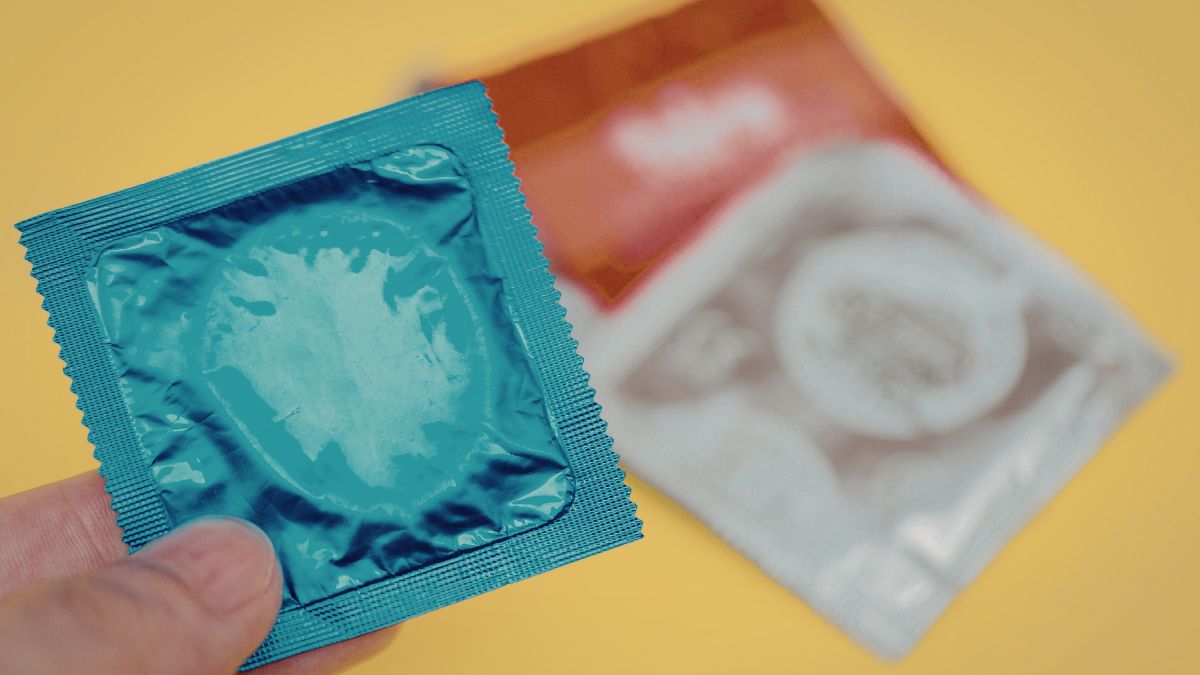
Condoms have long been known primarily for preventing pregnancy and sexually transmitted infections, but their history reveals far more versatile uses, especially during times of conflict. In recent online discussions about preparing for worst-case global scenarios, they have surprisingly appeared on many essential lists. Historians point out that these items have played practical roles in survival and even influenced outcomes in past wars, extending well beyond their bedroom origins. Their durability, waterproof qualities, and sterility make them invaluable in chaotic environments where resources run low.
One clever tactic emerged during World War II when Norwegian soldiers reportedly distributed condoms dusted with itching powder to German troops. The goal was to convince the enemy they had caught a venereal disease, sparking panic and medical checks among the ranks. This disruption allegedly delayed German submarine missions as soldiers sought treatment for the mysterious irritation. Such psychological maneuvers show how everyday objects could undermine morale and slow enemy operations without direct combat.
In the Vietnam War, American forces took a different psychological approach by commissioning extra-long condoms measuring about 12 inches. These were scattered around Ho Chi Minh City to create feelings of inadequacy among Vietnamese fighters. The stunt aimed to demoralize the opposition through subtle humiliation, highlighting how unconventional items sometimes served as tools in mind games rather than on the battlefield.
Beyond tricks and intimidation, condoms offered straightforward survival benefits in harsh conditions. Soldiers in both world wars slipped them over rifle barrels to keep mud and debris from jamming the weapons during muddy advances. Their watertight design also turned them into reliable pouches for storing matches, fire-starting materials, medicines, electronics, and other critical gear away from moisture or dirt. In flooded areas or after bombardments, they could protect fresh food supplies or hold clean drinking water inside shelters.
@history.with.damian The US army tried to win a war with condoms #historytime #coldwar #viral ♬ Судно (Борис Рижий) – Molchat Doma
Their sterile nature opened medical possibilities too. Condoms stepped in as makeshift surgical gloves to avoid spreading infection when handling wounds. Unlubricated versions worked as improvised bandages, holding dressings securely while keeping injuries dry and protected. These adaptations proved especially useful when proper medical supplies were scarce or unavailable.
Even in broader collapse scenarios, condoms carried potential as barter items due to their compact size and multiple functions. People could trade them for food, tools, or other necessities when traditional currency lost value. The combination of practicality and ingenuity explains why experts often recommend stocking them in emergency kits today.
These examples illustrate how something so ordinary gained extraordinary importance when survival hung in the balance. From sowing confusion among adversaries to safeguarding essentials, condoms quietly contributed to endurance and strategy in wartime.
Have you come across any other surprising survival uses for everyday items like this in the comments?