New parents often receive an overwhelming amount of unsolicited guidance from well meaning friends and relatives during their first few months of parenthood. This constant stream of suggestions can easily create unnecessary stress and confusion for couples trying to find their footing. Many of these traditional parenting tips rely on outdated practices that contradict modern pediatric recommendations and safety guidelines. Understanding which pieces of advice to ignore helps new families establish healthy routines that work specifically for their unique households. The following collection highlights some of the most unhelpful recommendations commonly directed at first time mothers and fathers.
Sleep When The Baby Sleeps

This classic recommendation completely ignores the reality that household chores and personal hygiene needs still require daily attention. A newborn infant might take multiple short naps that barely provide enough time for an exhausted parent to fall asleep. Laundry and meal preparation often demand completion during these brief windows of quiet time. Telling parents to sync their sleep schedules with a newborn creates unrealistic expectations about daily productivity and rest. Caregivers actually need flexible strategies that allow for both adequate recovery and basic household management.
Let Them Cry It Out Immediately

Suggesting that parents ignore a crying newborn during the first few weeks completely contradicts established developmental science. Infants under four months of age lack the neurological capacity to self soothe and require external comfort from their caregivers. Responding promptly to early distress signals actually helps infants build secure attachments and regulate their developing nervous systems. Ignoring a tiny baby can elevate their stress hormones and disrupt their delicate feeding schedules. Modern experts encourage parents to offer immediate comfort during the fourth trimester to establish a strong foundation of trust.
Add Rice Cereal To The Bottle
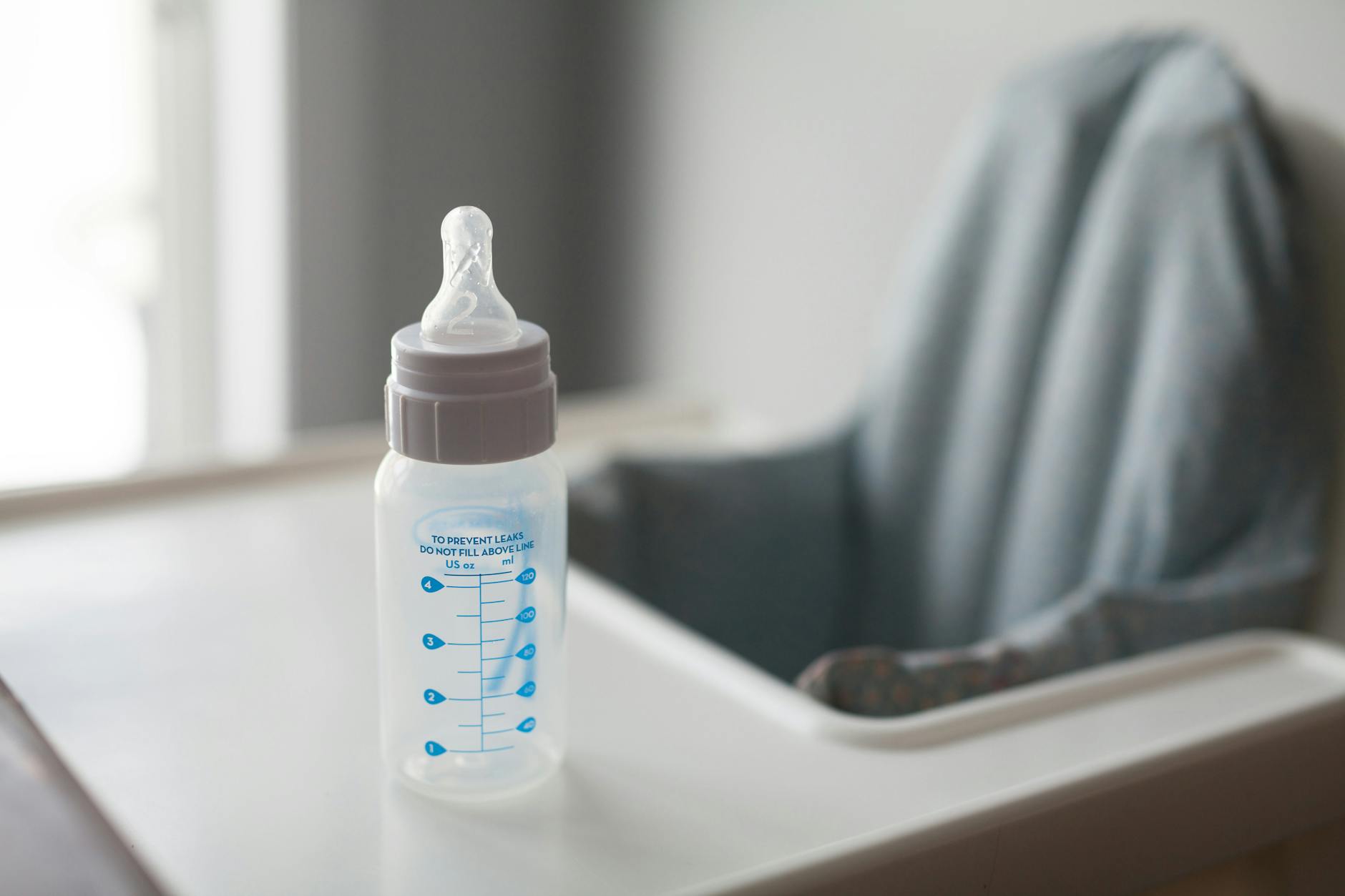
Many older relatives still insist that thickening formula or breastmilk with cereal will help an infant sleep through the night. Pediatricians strongly advise against this practice because a newborn digestive system cannot properly process solid foods before four to six months of age. Introducing grains too early increases the risk of choking and excessive weight gain in young babies. Infants might also consume fewer essential nutrients from milk if their tiny stomachs become full of empty carbohydrates. Safe sleep duration depends entirely on brain development and natural growth rather than heavy artificial meals.
Rub Whiskey On Teething Gums

This dangerous folk remedy suggests using hard liquor to numb the oral pain of an erupting tooth. Any amount of alcohol is highly toxic to an infant weighing only fifteen or twenty pounds. The substance can cause severe blood sugar drops and respiratory distress in young children even in very small doses. Safe alternatives like chilled teething rings or pediatrician approved pain relievers offer much better solutions for sore mouths. Medical professionals strictly warn against using any intoxicating substances for pediatric pain management.
Never Hold The Baby Too Much

Warnings about spoiling a newborn by offering constant physical affection remain incredibly common yet entirely inaccurate. Human infants are biologically primed to expect close physical contact and frequent holding for optimal brain development. Extended periods of carrying and rocking actually help regulate the heart rate and body temperature of a small child. Parents who provide abundant physical affection raise children who demonstrate greater emotional independence later in life. You simply cannot spoil an infant by meeting their innate need for warmth and security.
Keep The House Completely Silent

Tiptoeing around a sleeping newborn trains the infant to wake up at the slightest ambient noise. Babies spend nine months in a surprisingly loud womb environment where maternal heartbeat and digestive sounds create constant background noise. Normal household activities like vacuuming and talking help newborns distinguish between day and night cycles. Running a fan or a white noise machine provides comforting auditory continuity while masking sudden loud disturbances. Acclimating an infant to regular daily sounds creates much more adaptable sleep habits for the future.
Push Solid Foods At Three Months
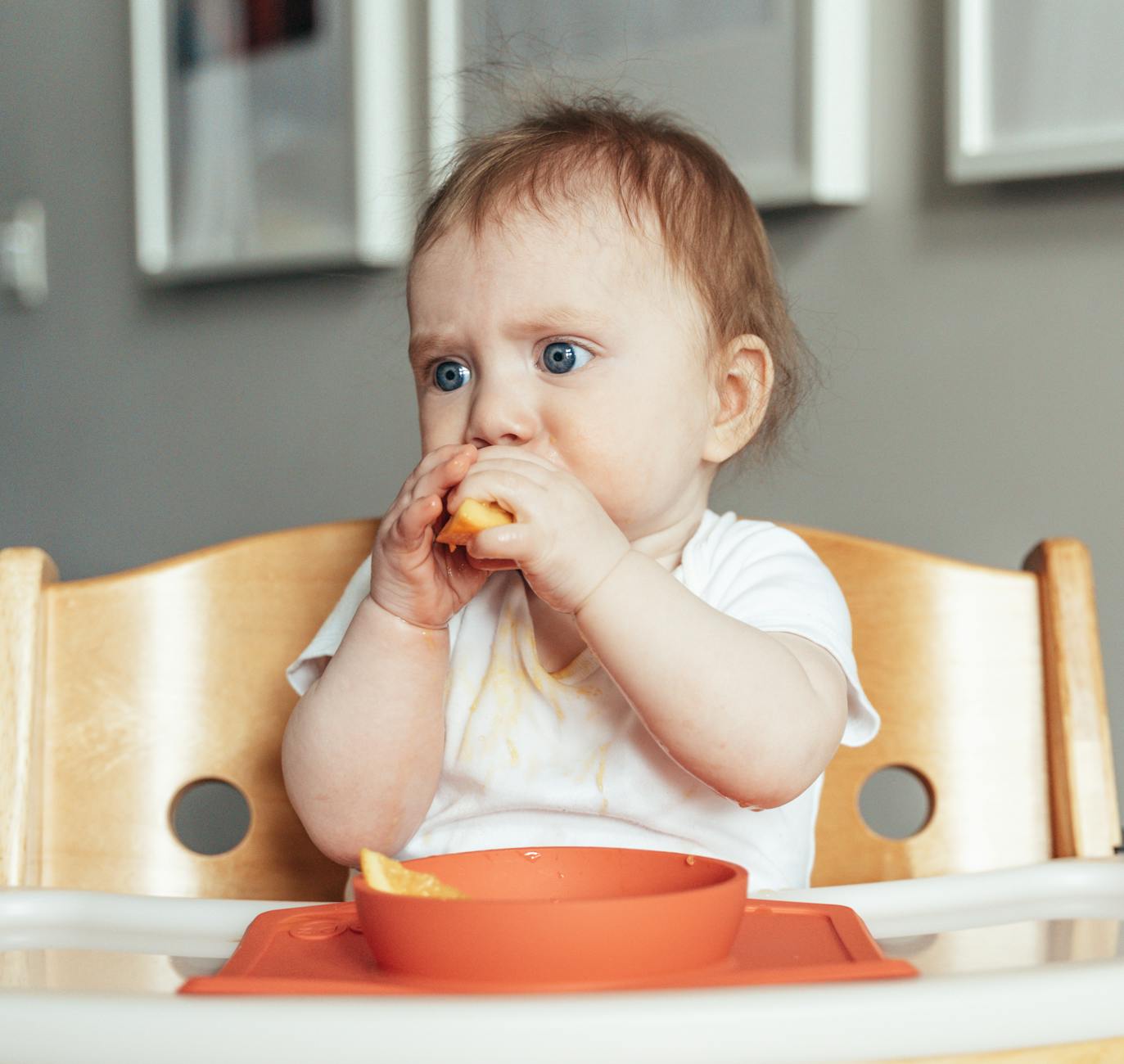
Eager relatives frequently pressure parents to introduce purees before the infant shows any signs of physical readiness. A baby must be able to sit up independently and maintain good head control before safely swallowing solid foods. The tongue thrust reflex remains highly active in early infancy to prevent dangerous choking incidents. Starting purees too early can trigger food allergies and cause severe gastrointestinal distress for the child. Organizations governing pediatric health universally recommend waiting until the six month mark to begin any dietary transitions.
Dress The Baby In Extra Layers

Grandparents often worry that newborns feel cold and insist on bundling them in heavy blankets and thick sweaters. Overheating poses a significant risk factor for sudden infant death syndrome during both sleep and waking hours. A good rule of thumb suggests dressing the infant in only one more layer than an adult requires to feel comfortable in the same room. Checking the back of the neck provides a much more accurate reading of infant body temperature than touching their naturally cool hands or feet. Proper indoor temperature management eliminates the need for excessive clothing and heavy winter gear inside the house.
Put Babies To Sleep On Their Stomachs
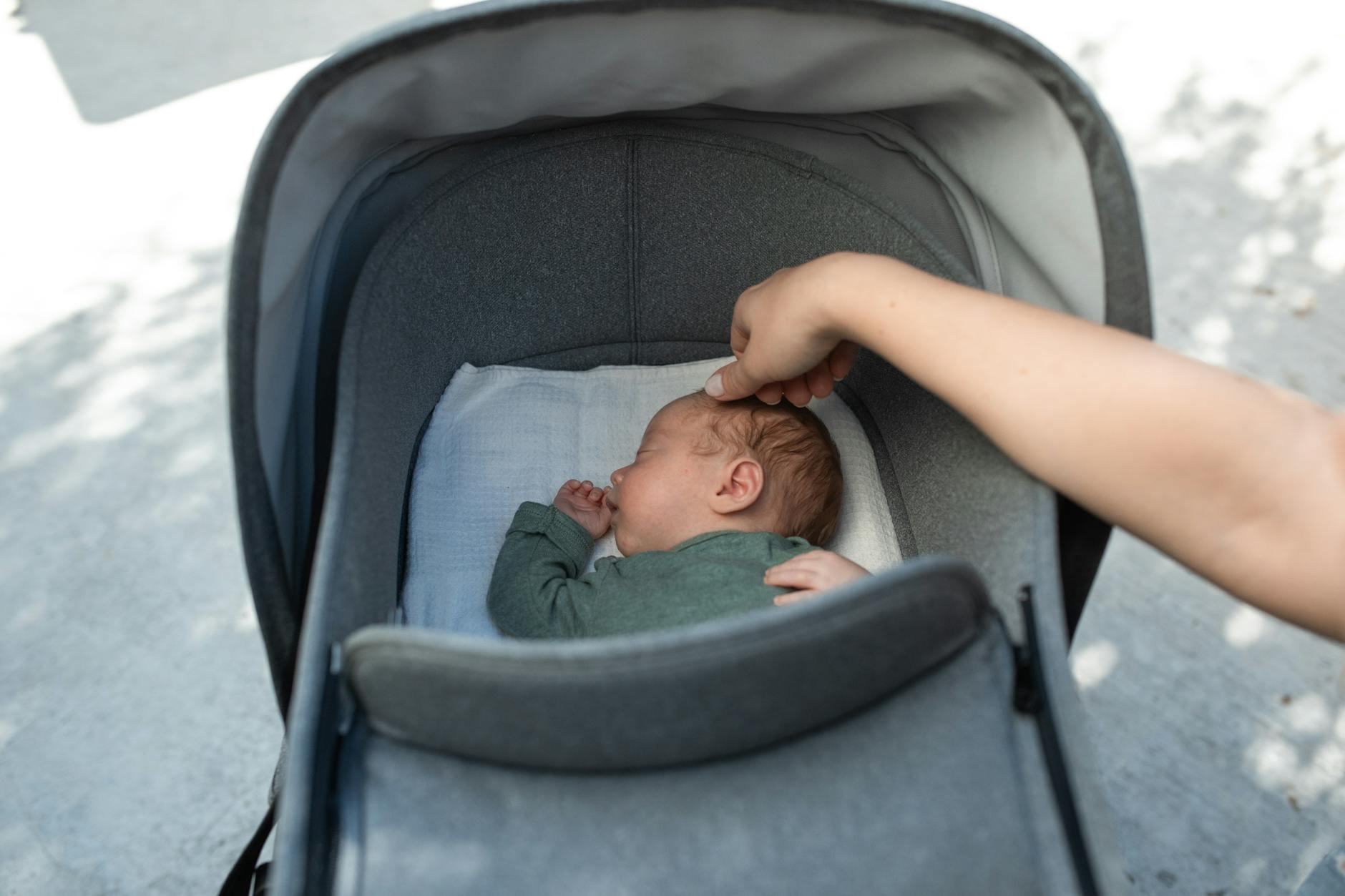
Some older individuals argue that infants sleep deeper and longer when placed face down in their cribs. Decades of medical research prove that stomach sleeping drastically increases the likelihood of fatal sleep accidents and airway obstruction. The widespread Back to Sleep campaign successfully reduced infant mortality rates by teaching parents the safest possible sleeping position. Infants should always remain flat on their backs on a firm mattress completely free of loose bedding or soft toys. Caregivers must prioritize safety over sleep duration during the entire first year of life.
Keep Them Awake All Day

Attempting to exhaust a baby by denying them daytime naps almost always results in a disastrous bedtime experience. An overtired infant experiences a surge of adrenaline and cortisol that makes falling asleep incredibly difficult. Babies require frequent periods of rest to process new stimuli and support their rapid physical growth. Establishing a predictable rhythm of wake windows and naps prevents the severe fussiness associated with extreme fatigue. Good daytime sleep directly translates to better nighttime rest for both the infant and the parents.
Force A Strict Feeding Schedule
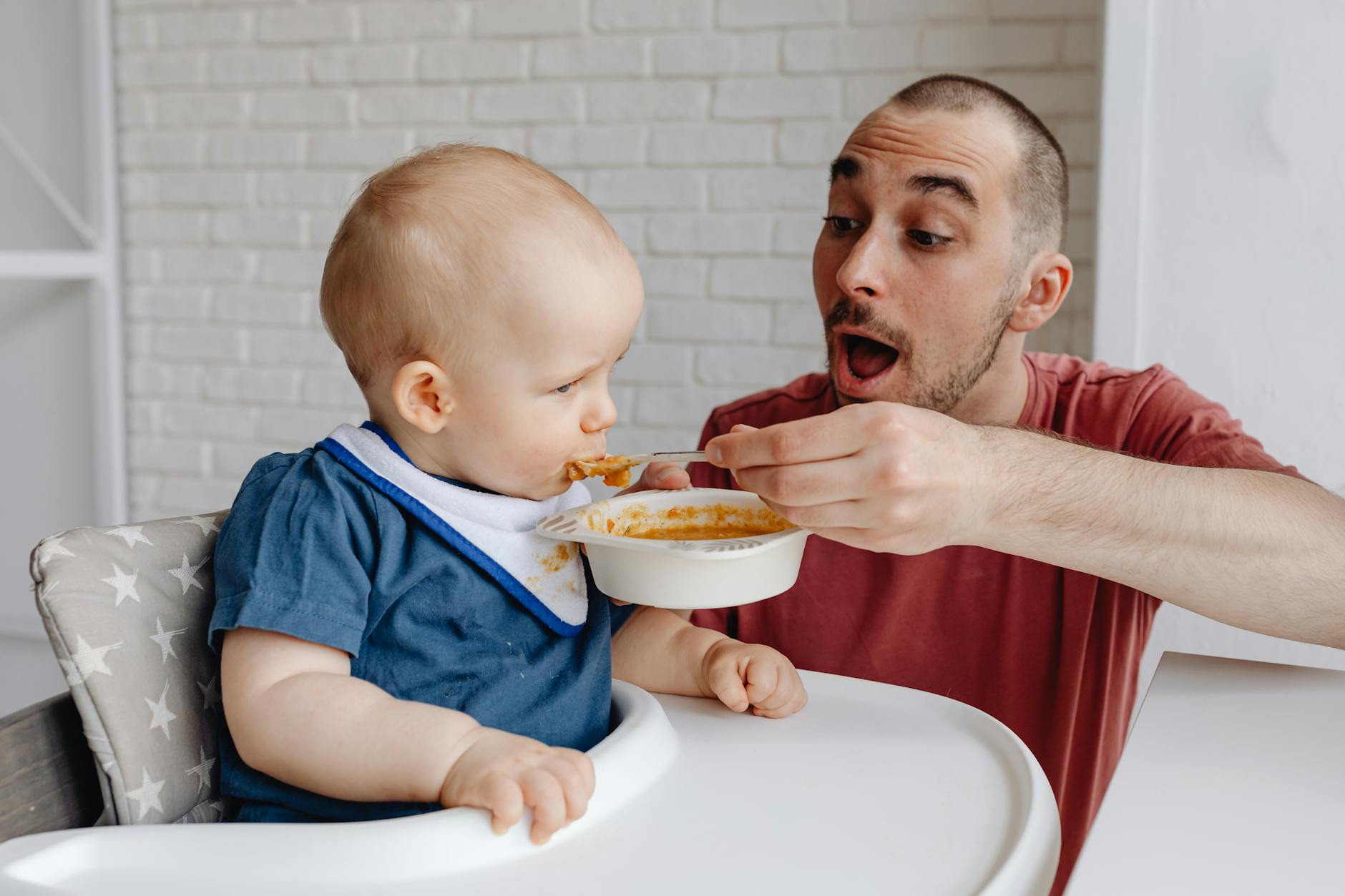
Rigidly timing meals every three hours ignores the natural hunger cues of a rapidly growing newborn. Growth spurts frequently cause infants to demand milk much more often than a clock might dictate. Responsive feeding ensures the baby receives adequate calories while helping nursing mothers establish a healthy milk supply. Watching for early hunger signs like lip smacking or rooting proves much more effective than waiting for the baby to cry in frustration. Flexibility during the early months supports better nutritional outcomes and reduces mealtime anxiety.
Bounce Them Vigorously To Stop Crying

Frustrated parents sometimes receive advice to bounce or jiggle a screaming infant with increasing force. Vigorous shaking or bouncing poses extreme danger to the fragile neck muscles and developing brain of a newborn. Gentle swaying and rhythmic rocking provide much safer methods for calming an upset nervous system. Placing the infant safely in a crib and walking away for five minutes is always better than physical escalation. Parents must always support the head and employ smooth motions when trying to soothe their child.
Give Water On Hot Days
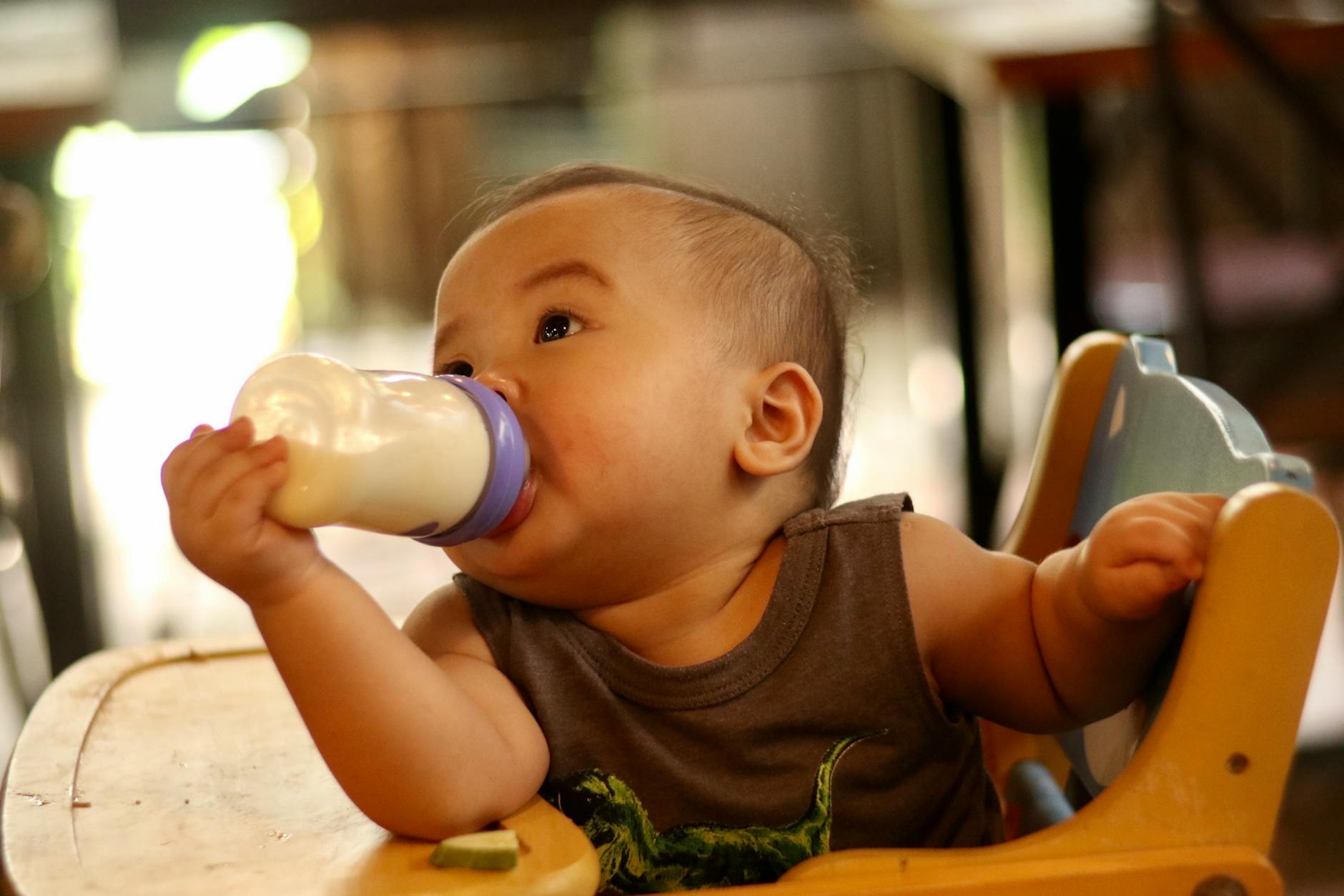
Offering supplemental water to a baby under six months old seems logical during summer heatwaves. Breastmilk and prepared formula already contain perfect ratios of hydration and nutrition for a tiny body. Drinking plain water can dangerously dilute the sodium levels in an infant and lead to a condition called water intoxication. Extra milk feedings provide all the necessary fluids a baby needs to stay safely hydrated in warm weather. Pediatricians strongly discourage any water consumption until the child begins eating solid meals.
Stop Nursing If You Get Sick

Many people mistakenly believe that a mother with a common cold will transmit the virus through her breastmilk. The maternal body actually produces specific antibodies to fight the illness and passes those protective proteins directly to the infant. Continuing to nurse provides the baby with a customized immune system boost precisely when they need it most. Basic hygiene practices like thorough hand washing prevent the spread of germs much more effectively than weaning. Abruptly stopping lactation often causes painful engorgement and unnecessary emotional distress for both parties.
Use A Drop Side Crib
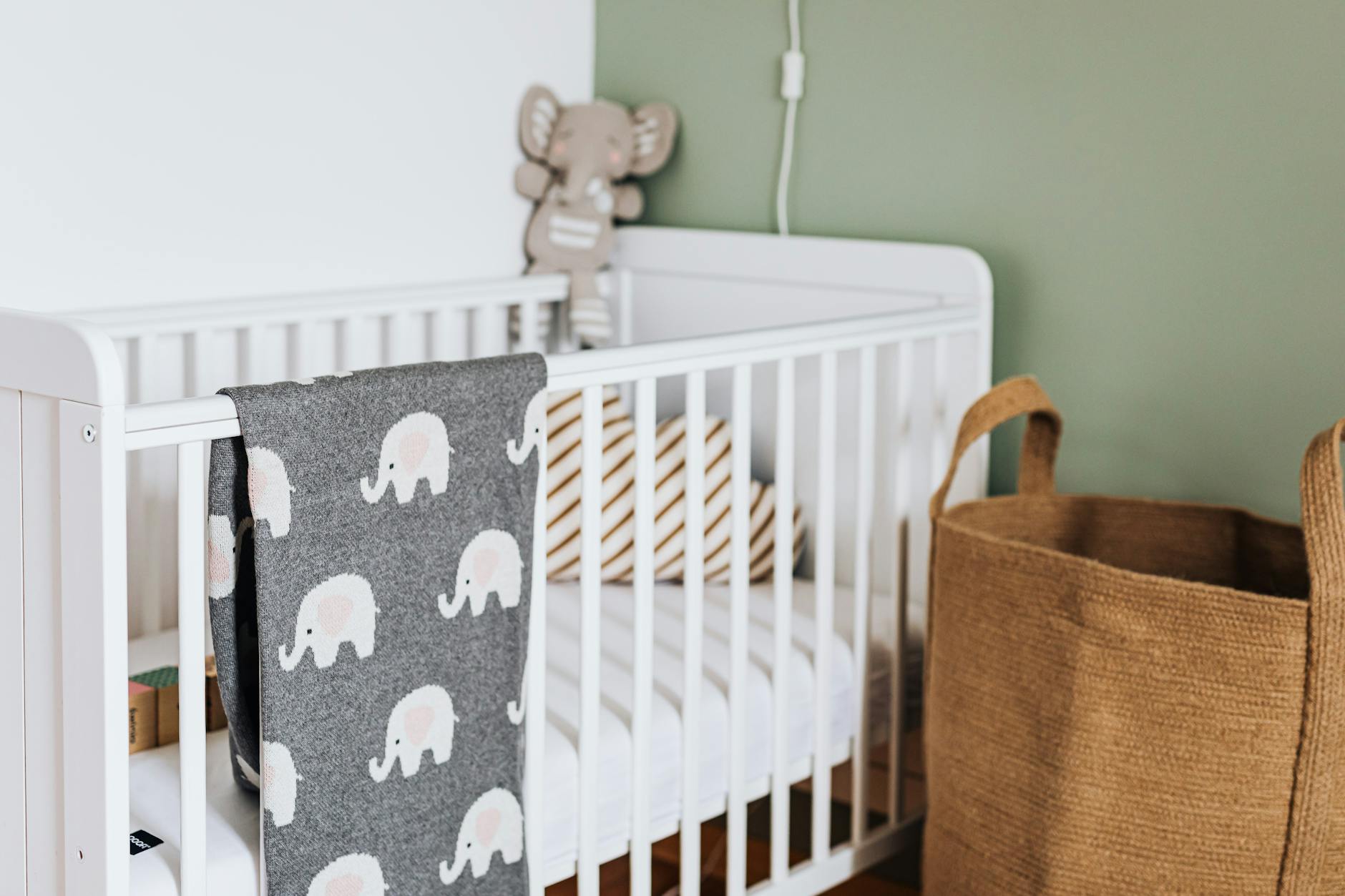
Hand me down baby furniture often includes outdated crib models with sides that slide down for easier access. The consumer product safety commission banned the manufacture and sale of drop side cribs due to severe safety hazards. The moving hardware can easily break or detach and create a dangerous gap where an infant might become trapped. Modern fixed side cribs offer vastly superior structural integrity and eliminate these terrifying entrapment risks. Parents should always invest $200 or more in current sleep furniture that meets all modern regulatory standards.
Warm Bottles In The Microwave

Heating formula or breastmilk in a microwave oven presents a quick but highly dangerous shortcut for exhausted parents. Microwaves heat liquids unevenly and create hidden scalding pockets that can severely burn an infant mouth and throat. Extreme heat also destroys the valuable immunological properties and essential nutrients found in human breastmilk. Placing a sealed bottle in a bowl of warm water offers a much safer and more consistent warming method. Testing the liquid temperature on the inside of the wrist remains a necessary step before every single feeding.
Put Cereal In A Bottle For Reflux
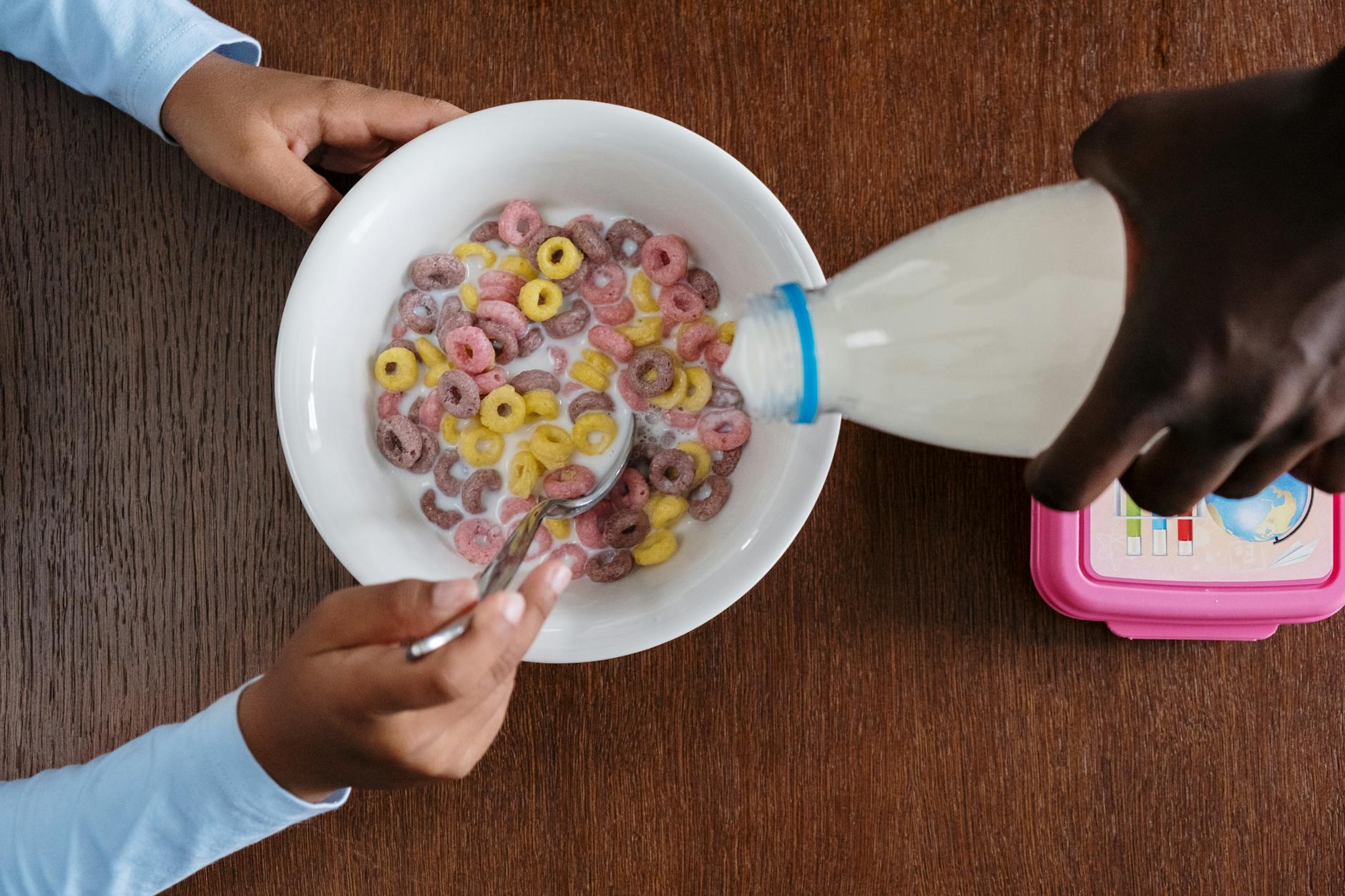
Well intentioned friends sometimes suggest thickening milk to prevent an infant from spitting up after meals. This outdated practice can actually exacerbate digestive discomfort and cause unnecessary weight gain. Most infant reflux results from an immature digestive sphincter that naturally strengthens over time without dietary interventions. Keeping the baby upright for twenty minutes after feeding provides a safe and effective way to minimize stomach upset. Parents should consult their medical provider for appropriate medication if reflux causes the infant genuine pain or poor growth.
Buy Hard Soled Walking Shoes
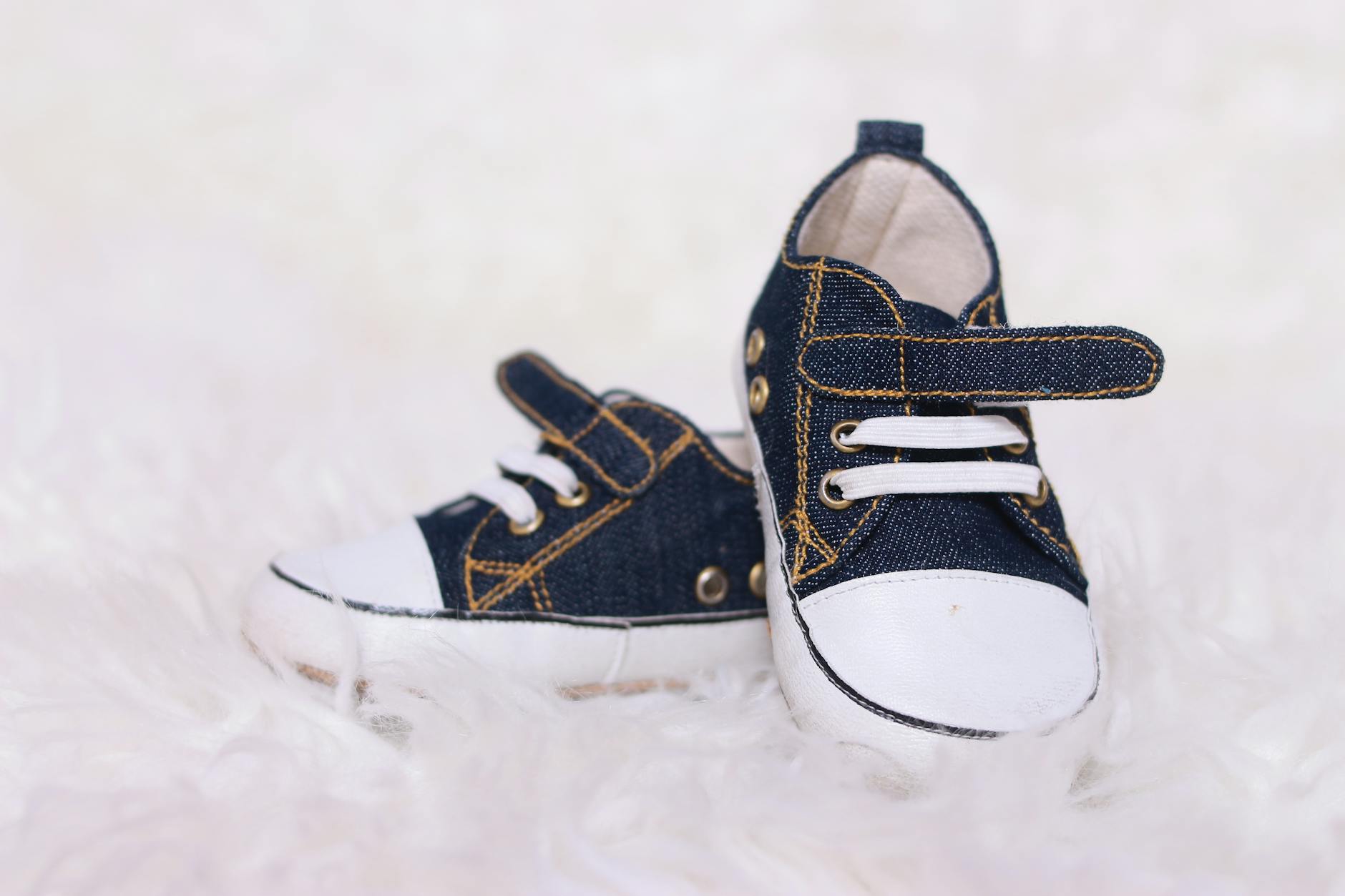
Relatives love to gift stiff leather walking shoes to infants who are just beginning to pull themselves up. Barefoot walking actually promotes better balance and allows the foot muscles to develop proper strength and coordination. Rigid shoes restrict natural movement and can alter the developing gait of a toddler learning to navigate their environment. Soft flexible booties provide sufficient protection from cold floors while still allowing the toes to grip the ground. Bare feet or grippy socks remain the absolute best choice for babies mastering their first steps.
Rub Honey On A Pacifier

Coating a pacifier in honey might seem like a natural way to soothe a fussy baby or encourage sucking. Raw honey harbors microscopic botulism spores that a mature digestive tract can easily process and eliminate. An infant lacks the necessary stomach acids to destroy these spores and can develop a rare but life threatening illness. The high sugar content also promotes early tooth decay as soon as the first primary teeth begin to emerge. Parents must completely avoid giving honey to any child under twelve months of age for optimal safety.
Give Them A Sibling Immediately

Pressuring new parents to plan their second pregnancy right away completely disregards maternal health and physical recovery. The human body requires roughly eighteen to twenty four months between pregnancies to fully replenish depleted vitamin and mineral stores. Spacing children too closely together increases the risk of premature birth and low birth weight for the subsequent baby. Families also need adequate time to adjust emotionally and financially to the massive life changes brought by their first child. The decision to expand a family belongs solely to the parents when they feel truly ready for another transition.
Please share your thoughts and any unhelpful parenting advice you received in the comments.