Creating a last will and testament is a fundamental responsibility that secures a legacy and protects loved ones. Many individuals approach this task with good intentions but fall victim to procedural errors that invalidate their wishes. A poorly constructed document can lead to family disputes and expensive legal battles that drain the estate. Understanding the common pitfalls ensures that asset distribution remains smooth and legally binding. The following errors represent the most significant threats to effective estate planning.
Procrastination and Intestacy

Many individuals delay writing a will because they believe they have plenty of time or possess few assets. This procrastination often leaves families navigating complex state laws during an already emotional period. Intestacy laws determine distribution when no legal document exists and might not align with personal wishes. Creating a will ensures your specific desires regarding property and guardianship are honored legally. It is the only way to retain control over your estate after passing.
Failing to Update Beneficiaries

Failing to update beneficiary designations on life insurance policies or retirement accounts creates major conflicts. These designations legally supersede whatever is written in the actual will document. An ex-spouse could unintentionally receive funds intended for a current partner or children if the paperwork remains outdated. Regular reviews of all financial accounts ensure that asset distribution aligns with current life circumstances. This step prevents lengthy legal battles between family members and unintended recipients.
Choosing the Wrong Executor

Selecting an inappropriate executor can lead to disastrous delays and administrative errors during probate. This role requires significant organizational skills and financial literacy rather than just sentimental closeness. An overwhelmed or incapable executor may struggle with tax filings or asset distribution timelines. Professional fiduciaries or legally savvy family members often make better choices than a favorite sibling. Careful consideration of their ability to handle stress and paperwork is essential.
Ignoring Digital Assets

Modern estate planning frequently overlooks the vast network of digital assets and online accounts. Family members often find themselves locked out of email or social media and cryptocurrency accounts without proper access codes. Most standard wills do not automatically grant authority to access or manage digital property. A specific digital estate plan or clause allows the executor to manage these intangible but valuable items. Securing passwords in a separate but accessible location is a crucial accompanying step.
Improper Witnessing
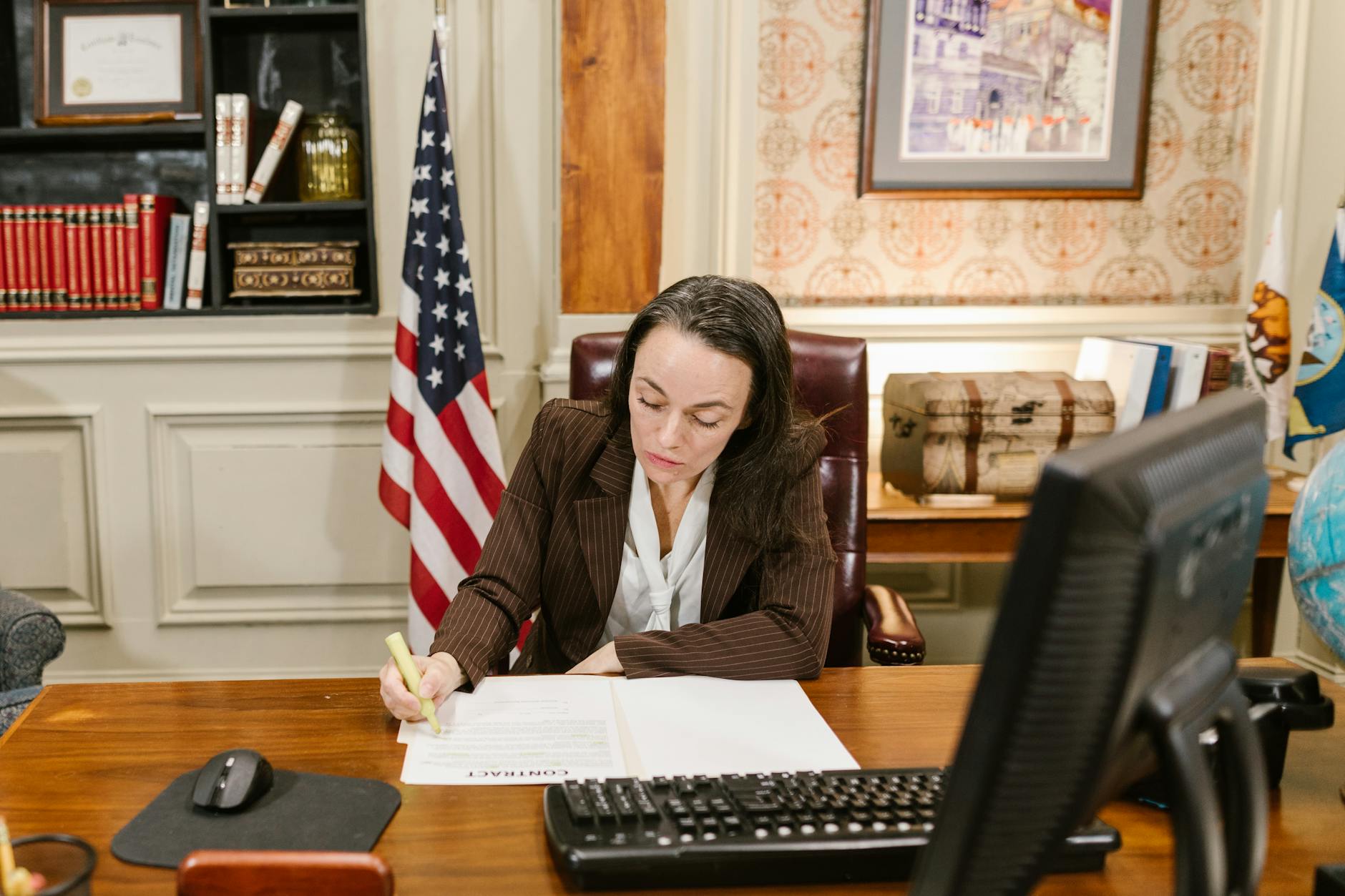
Improper witnessing remains one of the most common reasons wills are contested or declared invalid. Most jurisdictions require two disinterested witnesses to be present effectively at the same time during the signing. Using a beneficiary as a witness often disqualifies them from receiving their inheritance under state laws. Strict adherence to state-specific signing formalities safeguards the document against future legal challenges. A formalized signing ceremony with a notary often adds an extra layer of authentication.
Hiding Funeral Instructions

Placing funeral instructions solely within the will often renders them useless for the immediate event. Wills are typically located and read days or even weeks after the memorial service has concluded. Family members need guidance on burial or cremation preferences immediately upon passing. A separate letter of instruction or a discussion with loved ones ensures these wishes are known in time. This prevents the family from guessing or overspending during a moment of grief.
Forgetting Guardianship for Minors

Parents of minor children sometimes neglect to name a legal guardian in their estate documents. The court will decide who raises the children if no designation exists in the valid will. This judicial process can lead to family disputes and place children in the care of someone the parents would not have chosen. A clearly stated guardianship clause provides peace of mind and stability for the minors involved. Discussing this responsibility with the appointed guardian beforehand is equally important.
Direct Bequests to Pets

Animals are considered property under the law and cannot legally own money or assets directly. Leaving a sum of cash directly to a pet often results in that provision failing completely. A pet trust or a bequest to a caretaker with specific instructions is the legally correct method. This ensures funds are available for veterinary care and food throughout the animal’s life. Neglecting this specific structure puts the animal at risk of being surrendered to a shelter.
Ignoring Major Life Events

Failing to update a will after major life events renders the document partially or wholly obsolete. Marriage and divorce or the birth of a child should trigger an immediate review of the existing plan. State laws may automatically revoke provisions for a former spouse but relying on statutes is risky. Regular updates ensure that new assets and new family members are accounted for properly. An outdated will is often worse than having no will at all.
Vague Asset Descriptions

Being too vague about specific items or bequests invites confusion and family infighting. Descriptions of personal property must be detailed enough to distinguish between similar items like jewelry or artwork. A lack of clarity forces the executor to interpret the deceased’s intent subjectively. Creating a detailed memorandum referenced in the will helps manage the distribution of sentimental personal effects. Precision prevents the emotional toll of arguments over heirlooms.
Omitting the Residuary Clause

Forgetting to include a residuary clause leaves the remaining unassigned assets in legal limbo. This clause covers everything not specifically mentioned in the main body of the bequests. Without it any overlooked bank accounts or personal items fall under intestacy laws. The residuary beneficiary receives the balance of the estate after debts and specific gifts are paid. This catch-all provision is a safety net for the entire estate plan.
Reliance on DIY Kits

Relying solely on generic online templates without legal review creates significant risk of errors. Standard forms may not account for specific state laws or complex family dynamics involving stepchildren. Ambiguous language in a homemade will costs more to fix in probate court than hiring a lawyer initially. Professional advice ensures the document is robust enough to withstand potential contests. One size rarely fits all when dealing with unique financial situations.
Overlooking Tax Implications

Overlooking the impact of estate and inheritance taxes can significantly deplete the assets left to heirs. Wealthier estates need specific strategies to minimize the tax burden on beneficiaries. Failing to plan for the source of tax payments might force the sale of a family home or business. Professional tax advice integrates with the will to preserve the maximum value of the legacy. This foresight protects heirs from unexpected financial liabilities.
Misunderstanding Joint Ownership

Misunderstanding how joint tenancy and shared ownership work negates provisions written in the will. Property owned as joint tenants with rights of survivorship passes automatically to the co-owner. The will has no power to transfer this specific type of asset to a different beneficiary. Reviewing deeds and titles ensures that property ownership aligns with the distribution plan. Conflicts between titles and wills are almost always resolved in favor of the title.
Inaccessible Document Storage

Hiding the original will so well that no one can find it is a practical failure. A copy is often not accepted by the probate court without a lengthy process to prove the original was not revoked. The executor must know exactly where the original signed document is stored. A safe deposit box can be problematic if the executor does not have immediate access authorization. Storing the document with an attorney or in a fireproof home safe is typically preferred.
Illegal or Conditional Bequests

Attempting to rule from the grave with strict conditional bequests often backfires legally. Courts may strike down conditions that are considered against public policy or impossible to enforce. Stipulating that an heir must marry or divorce to receive money can invalidate the entire provision. Trust structures are generally better tools for incentivizing behavior than direct will bequests. Simple and unconditional gifts usually result in a smoother probate process.
Informal Handwritten Amendments

Writing handwritten notes or crossing out lines on the original document threatens its validity. These informal alterations are rarely recognized and can create suspicion of tampering. The proper legal method to change a will is through a separate document called a codicil. Ideally a completely new will is drafted to replace the old one to avoid confusion. Defacing the original document often leads to the entire will being thrown out.
Ignoring Debts and Expenses

Failing to account for outstanding debts and funeral expenses leads to angry creditors and disappointed heirs. The estate must settle all financial obligations before any assets are distributed to beneficiaries. If the will does not specify which assets should be sold to pay debts the court decides. This could result in the sale of sentimental property that the deceased intended to keep in the family. Liquidity planning is essential to cover these inevitable final costs.
Unexplained Disinheritance

Omitting an explanation for disinheriting a close family member invites legal challenges. A child or spouse who is left out may argue that the omission was an accidental oversight. Including a specific statement acknowledging the individual and the intentional decision to exclude them strengthens the document. This clarity discourages claims of undue influence or lack of capacity. Silence is ambiguous and ambiguity fuels litigation.
Waiting Until Health Declines

Waiting until health declines raises questions about mental capacity and validity. Wills signed by individuals suffering from dementia or under heavy medication are prime targets for contests. The testator must be of sound mind and fully aware of their assets at the moment of signing. Creating estate documents while healthy and sharp removes this common avenue of attack. A doctor’s note attesting to capacity at the time of signing provides excellent defense.
Share your thoughts on estate planning or your own experiences with drafting a will in the comments.