Italy is renowned worldwide for its impeccable craftsmanship and high-quality artisanal goods ranging from leather to ceramics. Visitors often feel overwhelmed by the sheer volume of shops lining the streets of major tourist hubs like Rome and Venice. Many of these vendors peddle mass-produced trinkets that have little connection to authentic Italian culture or tradition. Identifying these poor-quality items ensures that luggage space is reserved for genuine treasures worth bringing home.
Plastic Venetian Masks

True Venetian masks are handcrafted using paper-mache and decorated with meticulous attention to detail by skilled artisans. The cheap alternatives found on street corners are typically made from brittle plastic and mass-produced in factories abroad. These low-quality knockoffs often feature messy glue lines and synthetic ribbons that fray easily. Purchasing these items undermines the centuries-old tradition of mask-making that defines the history of the Carnival of Venice.
Novelty Aprons And Boxer Shorts

Stores near major monuments frequently display clothing items featuring crude prints of Michelangelo’s David or the Birth of Venus. These aprons and shorts are almost always made from stiff synthetic polyester that feels uncomfortable against the skin. The printing quality is usually poor and tends to fade or peel after a single wash cycle. Such items reduce magnificent Renaissance art into tacky gags that rarely see use after the initial purchase.
Multi-Colored Novelty Pasta
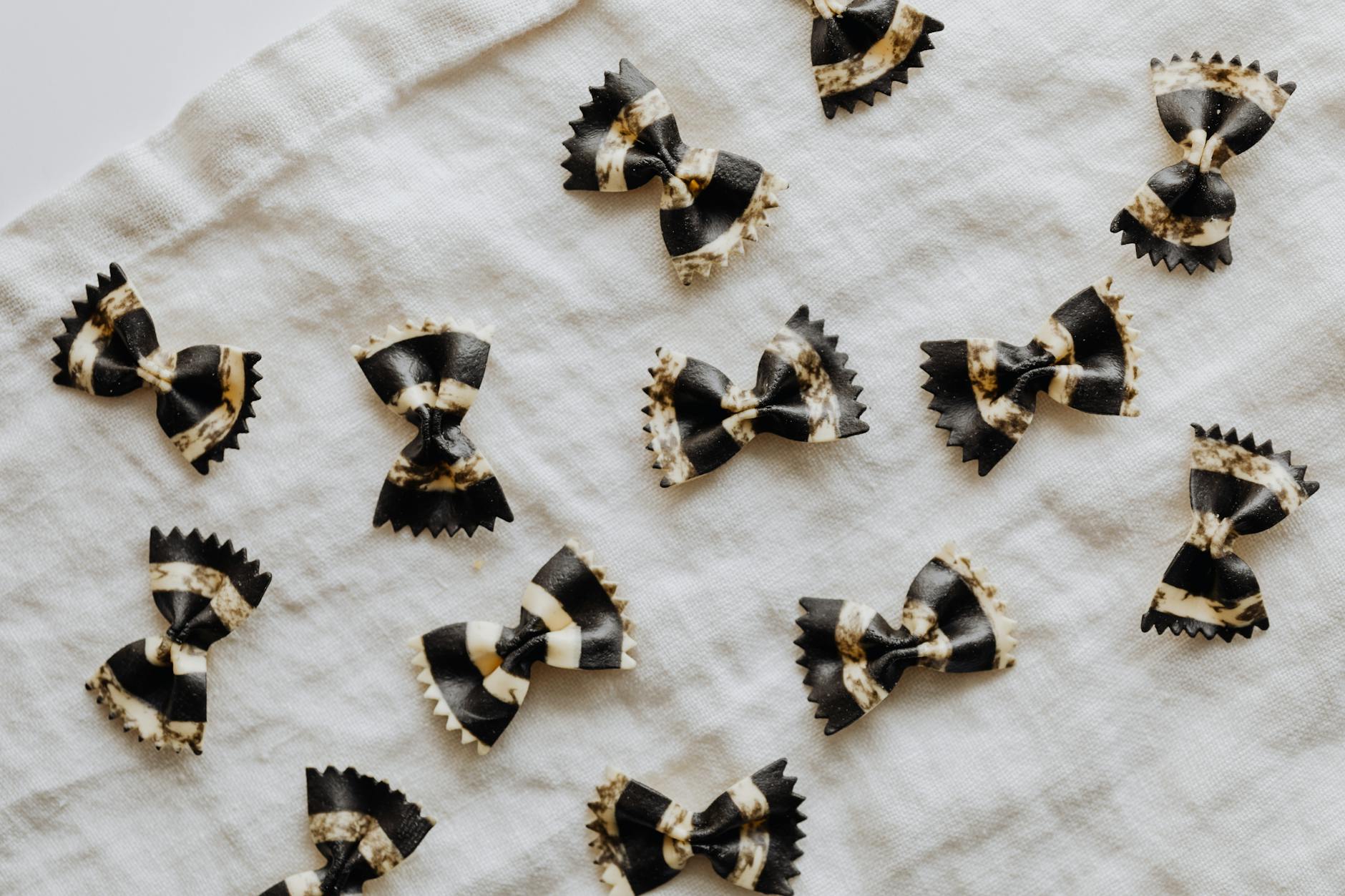
Bags of dried pasta shaped like Italian monuments or colored in bright neon hues are a common sight in tourist grocery stores. These products often rely on artificial food dyes rather than traditional natural ingredients like spinach or tomatoes. The pasta itself is generally of inferior quality and turns into a mushy consistency when cooked. Italians do not eat these novelty shapes and stick to high-quality durum wheat semolina varieties.
Fake Murano Glass
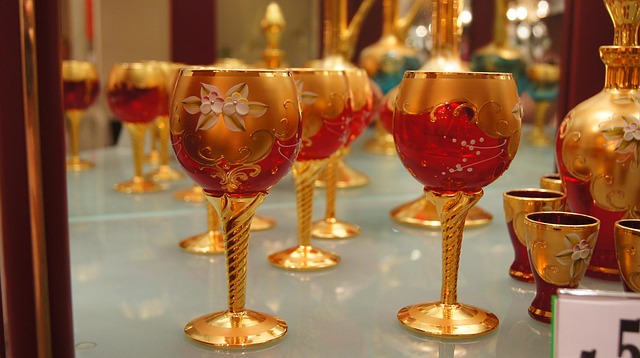
Authentic glass from the island of Murano is a significant investment and always comes with a certificate of origin. Street vendors selling colorful glass pendants or figurines for a few dollars are merchandising imported counterfeits. These fake pieces lack the clarity and light-refracting properties of genuine Venetian glasswork. Close inspection often reveals air bubbles and imperfections that a master glassblower would never accept.
Resin Monument Miniatures

Small replicas of the Colosseum or the Leaning Tower of Pisa are among the most ubiquitous items in souvenir kiosks. They are typically cast from cheap resin and painted with historically inaccurate colors. These dust collectors offer no artistic merit and are prone to breaking inside checked luggage. A high-quality print or a book on architecture serves as a much more sophisticated reminder of Italian landmarks.
Pinocchio Dolls

The story of Pinocchio originated in Tuscany and wooden puppets are a traditional craft in the region. Most shops throughout the country now sell generic wooden dolls that are not made by local woodcarvers. These mass-market versions use lightweight wood and generic paint that chips easily. A genuine collectible will bear the mark of the specific artisan and cost significantly more than the tourist versions.
Industrial Limoncello
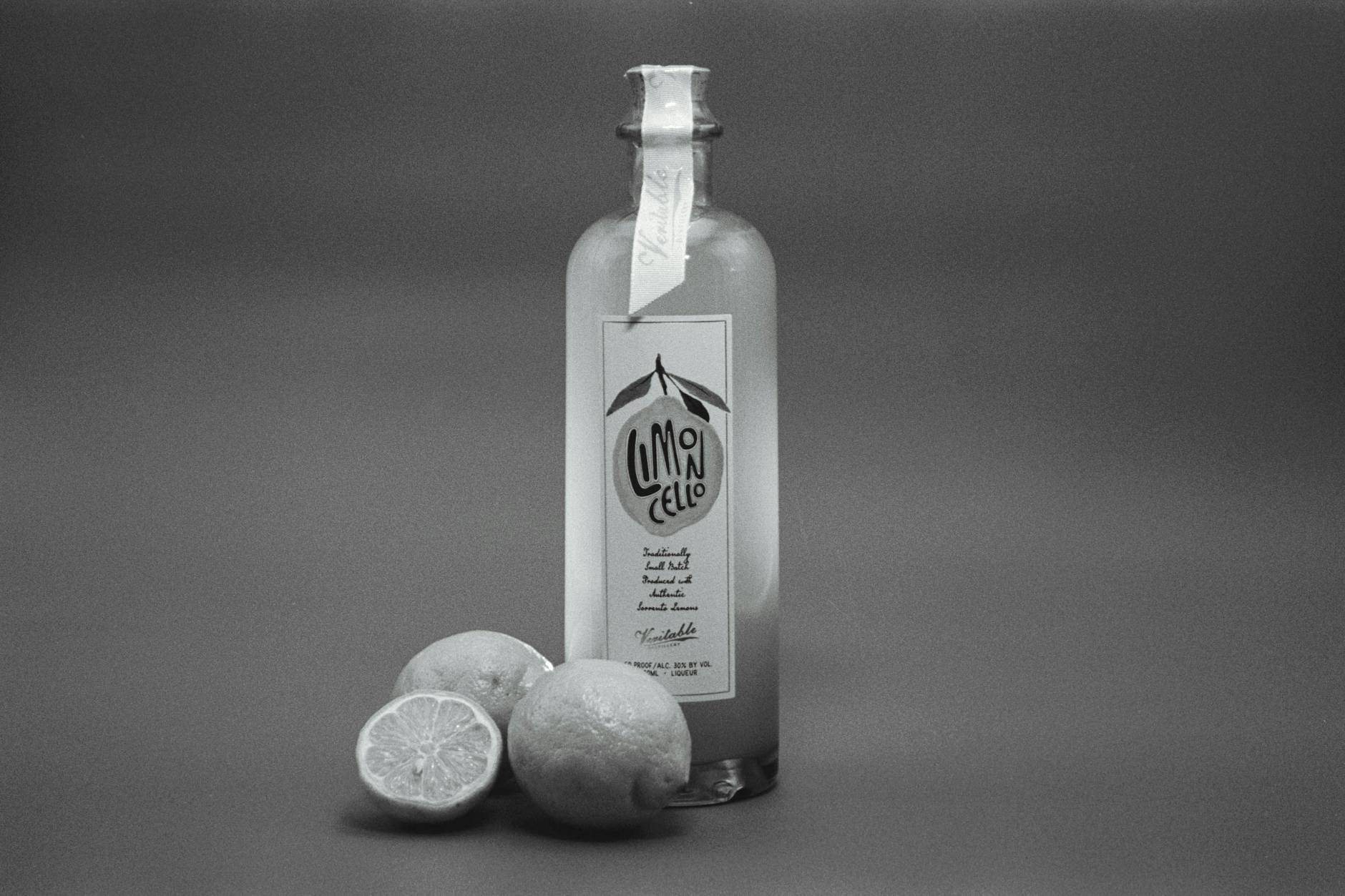
High-quality Limoncello is made from the zest of fresh lemons and pure alcohol with a balanced sugar content. The novelty bottles sold in gift shops often contain a mixture of water, high-fructose corn syrup, and artificial lemon flavoring. This results in a cloying and neon-yellow liquid that lacks the refreshing bite of the real digestive. It is better to buy a bottle from a reputable distillery or a grocery store frequented by locals.
Please mention your own experiences with disappointing travel purchases in the comments.