Your credit score acts as a financial passport that determines your ability to secure loans and favorable interest rates. Lenders use this three-digit number to assess the risk of lending you money based on your past behavior. Many consumers inadvertently damage their standing through habits they believe are harmless or simply by lacking awareness of how credit bureaus calculate scores. Understanding the specific actions that negatively impact your credit profile is essential for maintaining financial health. Avoiding these common pitfalls ensures you remain eligible for mortgages and other essential financial products.
Missing Bill Payments
Payment history is the single most influential factor in calculating your credit score. A single payment made more than thirty days late can cause a significant drop in your rating. Lenders report these delinquencies to credit bureaus and the negative mark remains on your report for seven years. Even one missed payment signals to potential creditors that you are a higher risk borrower.
Maxing Out Credit Cards
Your credit utilization ratio measures the amount of credit you use compared to your total limit. Using the full amount available on your cards suggests financial instability to scoring models. Experts recommend keeping your utilization below thirty percent to maintain a healthy score. Carrying a balance close to your limit can lower your score even if you make every monthly payment on time.
Closing Old Accounts
The length of your credit history contributes positively to your overall score calculation. Closing an older credit card account reduces the average age of your credit history and shortens your track record. This action also reduces your total available credit and often spikes your utilization rate. Keeping older accounts open with occasional small purchases is generally a safer strategy for credit maintenance.
Applying for Multiple Cards at Once

Every time you apply for a new line of credit the lender performs a hard inquiry on your report. A hard inquiry typically lowers your score by a few points temporarily. Submitting several applications within a short timeframe creates multiple hard inquiries that compound the damage. Lenders view this behavior as a sign of financial distress or a desperate attempt to access cash.
Co-signing for Loans
Agreeing to co-sign a loan means you accept full legal responsibility for the debt if the primary borrower fails to pay. Any late payments made by the other person will appear on your credit report and damage your score. The full loan amount also appears as debt in your name and increases your debt-to-income ratio. This increased debt load can make it difficult for you to qualify for your own financing.
Ignoring Credit Report Errors
Credit bureaus process millions of data points and mistakes frequently occur in consumer files. An incorrect report of a late payment or an account that does not belong to you can unjustly lower your score. failing to review your report regularly means these errors go unchallenged and continue to damage your profile. Disputing inaccuracies is a necessary administrative task for protecting your financial reputation.
Letting Accounts Go to Collections
When a debt remains unpaid for several months the creditor may sell the account to a collection agency. The presence of a collection account on your credit report is a severe derogatory mark. This status indicates you defaulted on your original agreement and failed to resolve the issue with the original lender. Collections stay on your report for seven years and significantly hinder your ability to get new credit.
Filing for Bankruptcy
Bankruptcy is the most damaging event that can appear on a consumer credit report. It indicates a complete inability to repay debts and overrides almost all positive credit history. A Chapter 13 bankruptcy stays on your report for seven years while a Chapter 7 bankruptcy remains for ten years. Most lenders will automatically deny applications from individuals with a recent bankruptcy filing on their record.
Foreclosure
Losing a home because of failure to make mortgage payments has a catastrophic impact on your credit standing. A foreclosure entry proves you defaulted on a large secured loan and poses a major risk to future lenders. This negative mark prevents you from qualifying for a new mortgage for several years. The impact on your score is comparable to bankruptcy and takes considerable time to overcome.
Defaulting on Student Loans
Student loans generally cannot be discharged in bankruptcy and defaulting on them carries heavy consequences. The government can garnish your wages or withhold tax refunds to repay federal student loan debt. The default status remains on your credit report and destroys your eligibility for future federal aid or deferment plans. Rehabilitating a defaulted student loan is a long and complex process.
Taking Cash Advances
Using your credit card to withdraw cash at an ATM is an expensive transaction that signals poor cash flow management. Cash advances usually come with high fees and interest rates that begin accruing immediately without a grace period. While the advance itself does not appear differently on a report it often leads to higher utilization. Reliance on cash advances suggests you lack liquid savings.
Settling Debts for Less
Debt settlement involves negotiating with a creditor to pay a lump sum that is smaller than the total amount owed. The account will likely be marked as settled for less than the full balance rather than paid in full. This notation informs future lenders that you did not honor the original terms of your credit agreement. It is a negative mark that is only slightly better than a total default.
Vehicle Repossession

Failing to make auto loan payments leads to the lender seizing your vehicle to recoup their losses. The repossession appears on your credit report and indicates a default on a secured installment loan. You may still owe a deficiency balance if the car is sold for less than the amount remaining on the loan. Unpaid deficiency balances can then be sent to collections and cause further damage.
Carrying High Balances
Consistently carrying a large balance from month to month costs you money in interest and hurts your score. High outstanding debt lowers your creditworthiness even if you haven’t maxed out the card completely. Scoring models look at the total amount you owe across all accounts as a predictor of risk. Paying down balances is one of the fastest ways to improve a depressed score.
Paying Only the Minimum Due
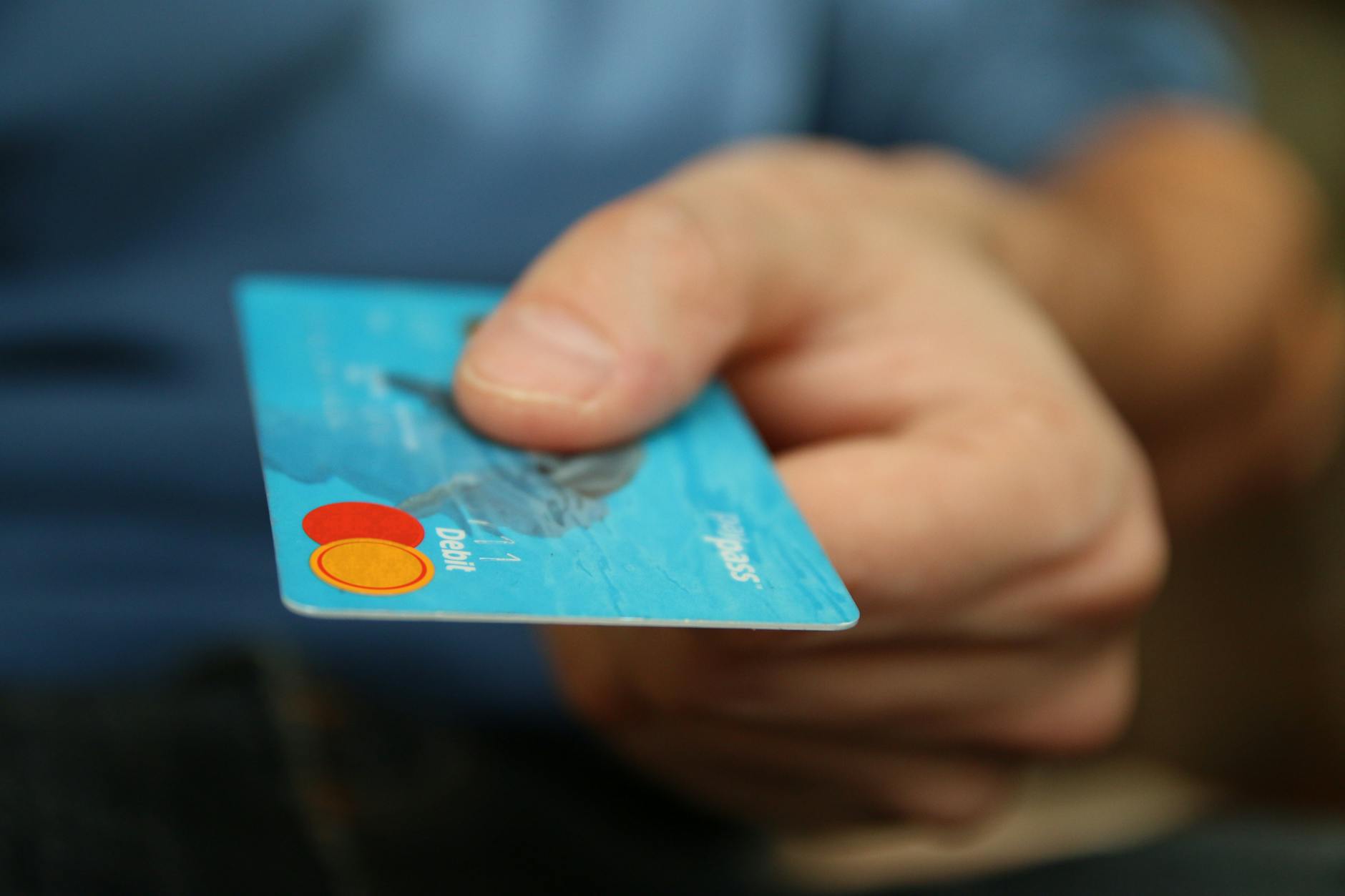
Making only the minimum payment keeps your account in good standing but does little to reduce your principal debt. This habit causes interest to accrue rapidly and can keep you in debt for decades. Your credit utilization remains high because the balance barely decreases each month. Lenders may view this pattern as a sign that you are stretched too thin financially.
Ignoring Medical Bills

Medical debt that goes unpaid can eventually be sent to collections and appear on your credit report. While newer scoring models treat medical debt less harshly it can still cause a score drop if it remains unresolved. Many consumers assume insurance covers everything and miss invoices that later turn into collection accounts. Verifying that all medical providers are paid promptly is crucial for a clean report.
Avoiding Credit Entirely
Having no credit history is known as being credit invisible and poses a problem for automated scoring systems. Lenders cannot assess your reliability if there is no data on how you manage debt. You may be denied loans or apartments simply because you have no track record to reference. Building a score requires opening at least one account and using it responsibly.
Unpaid Parking Tickets

Municipalities often send unpaid parking violations and library fines to collection agencies after a certain period. These small debts can turn into collection accounts that damage your credit score just like larger loan defaults. A minor oversight regarding a city fine can result in a disproportionate amount of financial trouble. Paying these fines immediately prevents them from escalating into credit problems.
Using Cards for Business Expenses

Putting large business expenses on a personal credit card can spike your personal utilization ratio significantly. If the business hits a rough patch you are personally liable for the debt and your personal score suffers. This practice mixes liabilities and exposes your personal financial health to business risks. Opening a dedicated business credit card protects your personal credit profile.
Hard Inquiries for Small Rewards

Signing up for store credit cards solely to get a one-time discount at the register impacts your credit file. The ten percent discount is rarely worth the hard inquiry and the new account affecting your average credit age. Accumulating several of these retail cards creates a cluttered report with a lower average account age. Strategic credit application is far better than impulsive sign-ups for minor perks.
Share your experiences with building or repairing credit in the comments.