As the calendar winds down, it is natural to look back and take stock of what the year brought. For many people, though, that reflection can slip into a harsh mental tally of what did not happen, what was left unfinished, and what goals never quite made it across the line. Once the festive buzz fades, that mix of comparison, pressure, and self criticism can quickly turn into a familiar kind of end of year anxiety.
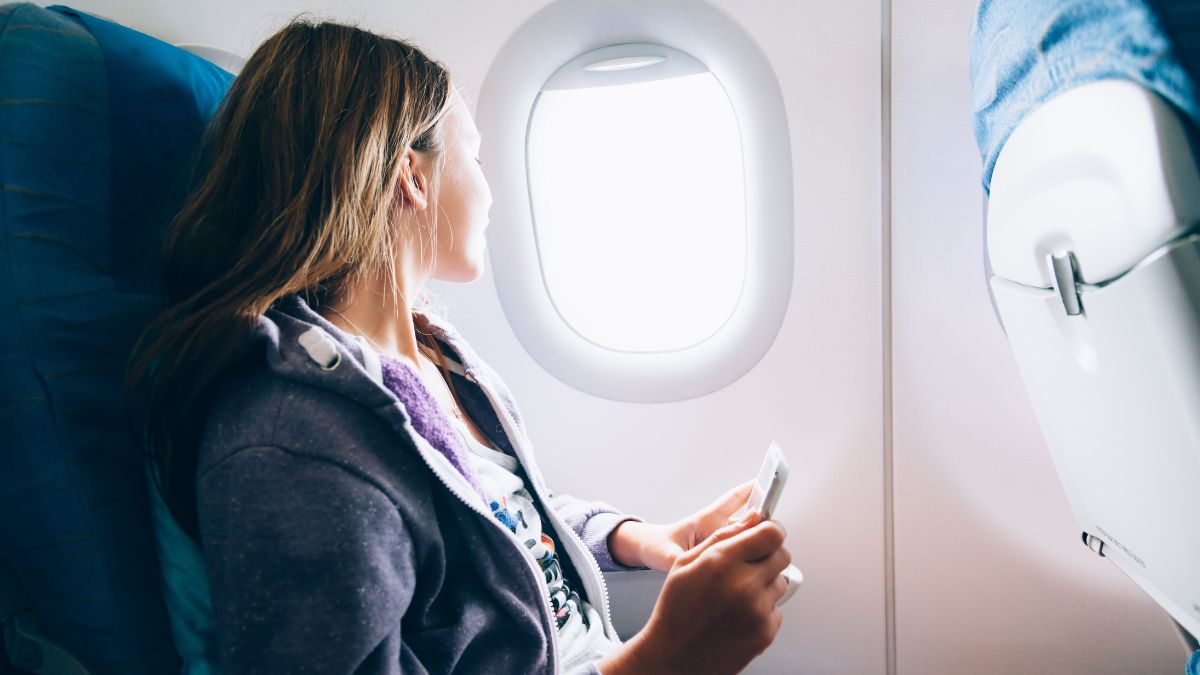
Psychologist Ravi Gill says one of the clearest ways to spot anxiety is to pay attention to how often certain thoughts return. A negative thought now and then is normal, but anxiety tends to show up when the mind keeps looping back to the same worries. When people repeatedly fixate on what they did not do, it becomes easy to feel stuck, even when nothing is actually happening in the moment.
Gill also points out that anxiety can blur judgement. In that mindset, it is harder to consider that a goal may have been unrealistic, or that the year may have been genuinely difficult. Instead of seeing any progress, the brain zooms in on the gaps, which can make everything feel heavier than it needs to. Over time, that constant stress stops being motivating and can start to chip away at overall wellbeing.
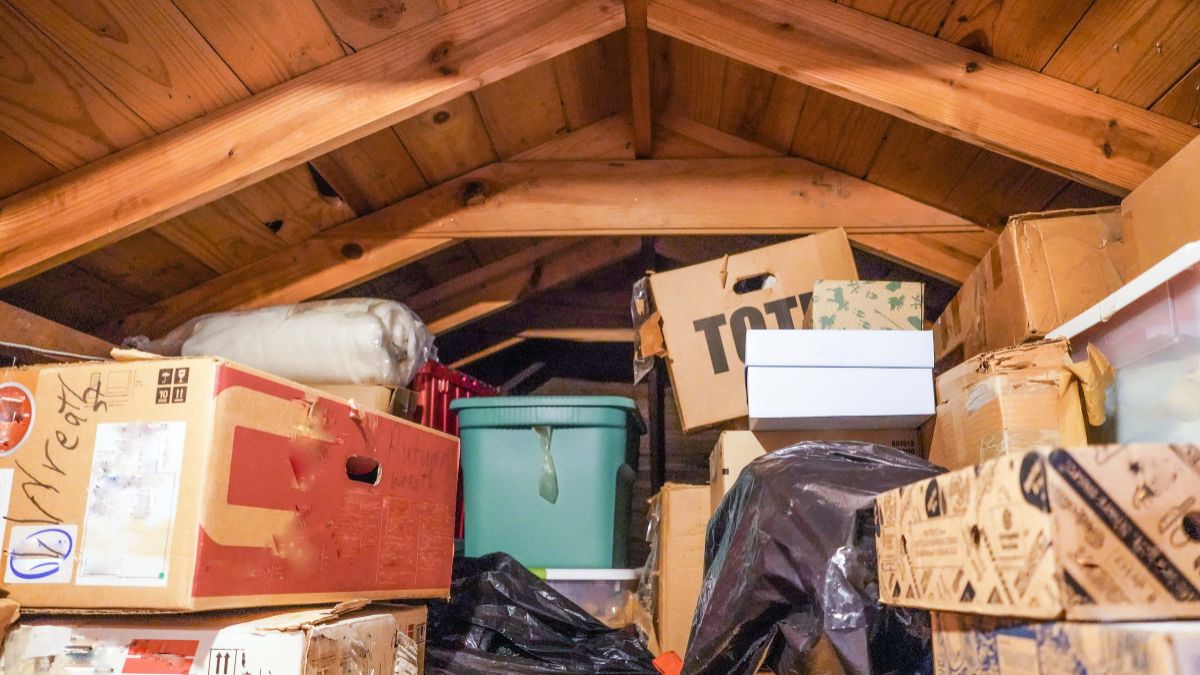
Several things can trigger this spiral. Conversations with friends or colleagues often drift toward New Year resolutions, which naturally encourages comparison between what was planned and what was achieved. Social media can intensify it further, since people tend to share highlights and wins while leaving out setbacks, boredom, and ordinary days. There is also that quiet stretch between Christmas and New Year, when routines are disrupted and there is more time to notice unfinished chores and lingering projects around the house. Add short winter days and less sunlight, and motivation can feel lower right when expectations for fresh starts feel highest.
Gill suggests a few practical ways to regain balance. Reframing helps, especially separating self worth from outcomes and naming at least one achievement that may have been overlooked. Routine matters too, since structure can reduce the fear of the unknown and help the nervous system settle. Sleep is another anchor that supports emotional regulation, and it is often the first thing that gets disrupted during the holidays. In tense moments, slow deep breathing can help the body move out of panic mode. Finally, instead of one sweeping resolution for the whole year, smaller monthly goals can feel more realistic and easier to build on.
Have you felt this year end pressure, and what helps you stay grounded when the countdown begins? Share your thoughts in the comments.