Cruise ships are floating cities that operate on a complex web of logistics and hidden protocols. While passengers enjoy the buffet and pool decks, the captain and crew manage a very different reality behind the scenes to keep everyone safe and calm. From secret codes to hidden facilities, there are many aspects of maritime life that remain strictly classified. The following items reveal the fascinating and sometimes unsettling truths that exist just beyond the passenger areas.
Code Alpha
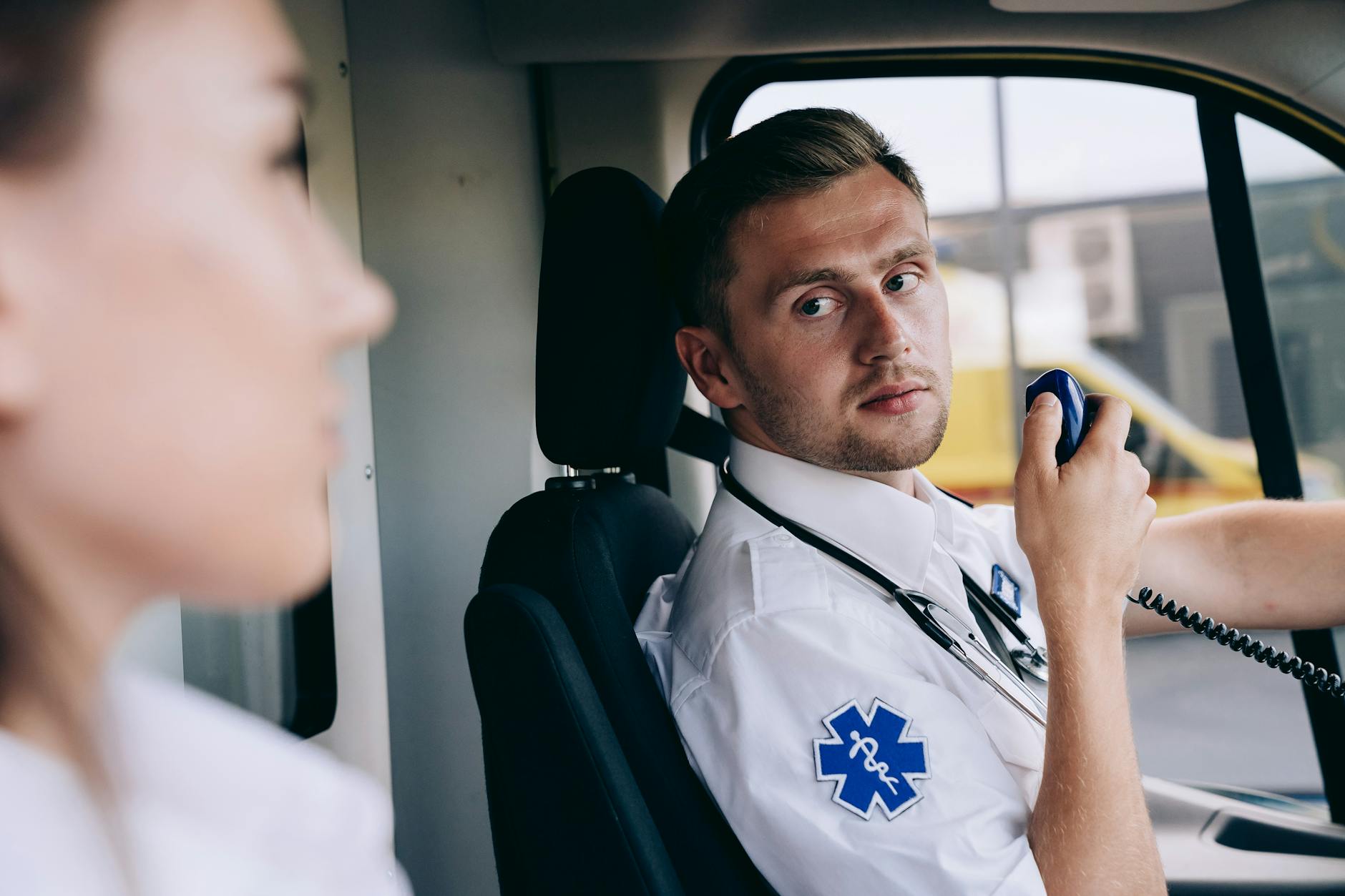
Medical emergencies require discretion to avoid panic among the guests. Crew members use specific codes over the public address system to communicate urgent situations without alarming the public. Hearing this specific code usually indicates a medical emergency requiring immediate response teams at a specific location. This allows staff to coordinate life-saving measures while passengers continue their vacation undisturbed.
The Onboard Morgue
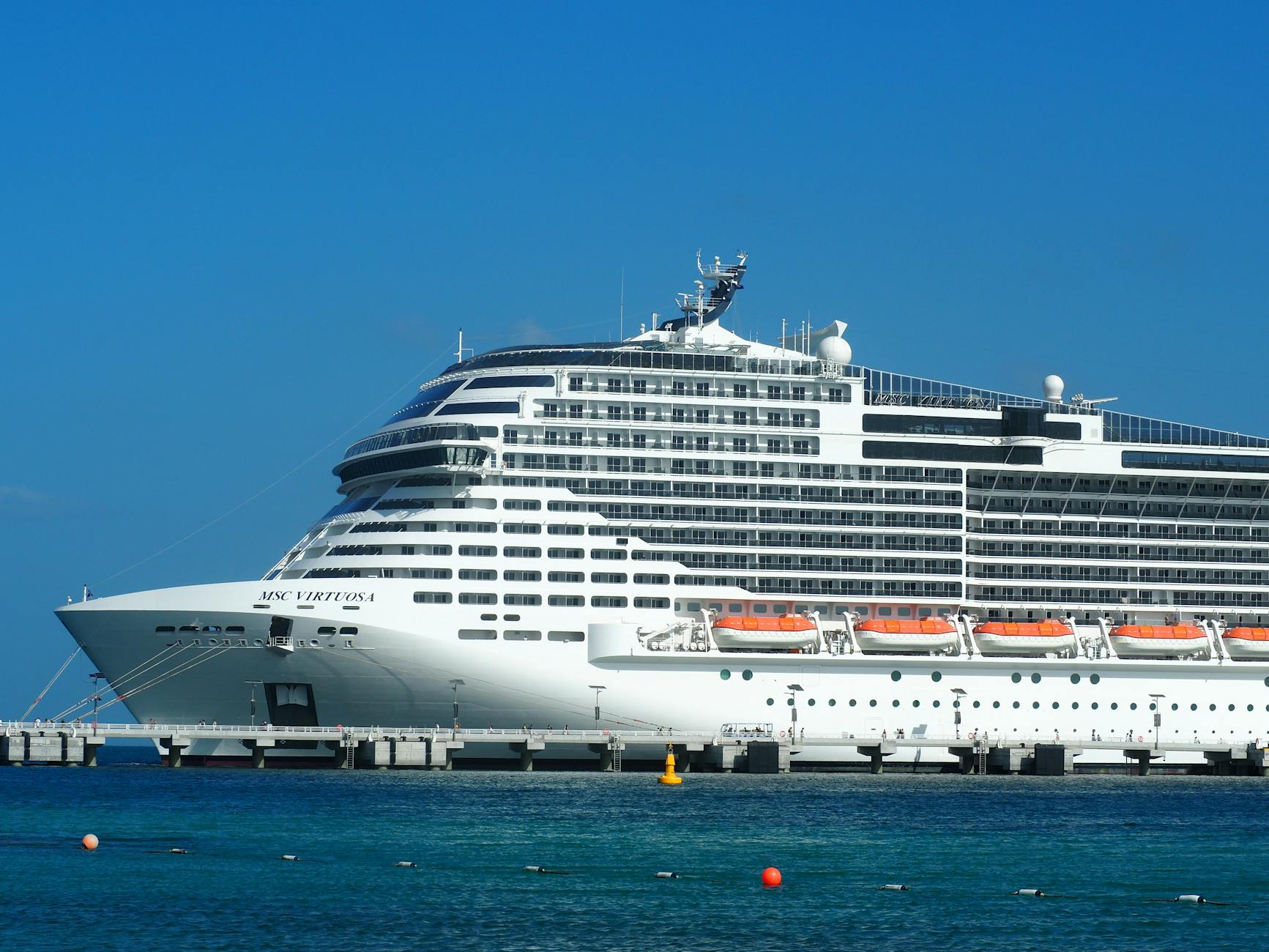
Every large cruise ship is legally required to carry body bags and maintain a designated morgue. Natural deaths occur more frequently than expected due to the older demographic of many cruise passengers. These facilities are tucked away in the lower decks far from guest areas to ensure dignity and discretion. The capacity varies but usually allows for the storage of several bodies until the ship reaches the next port.
Pirate Defense Systems

Modern vessels are equipped with high-tech defenses to repel potential pirate attacks in dangerous waters. Sonic weapons known as LRADs can blast painful sound waves to deter approaching skiffs long before they board. High-pressure water cannons are also strategically placed to flood small boats or knock attackers off ladders. Captains often practice evasion maneuvers that make it nearly impossible for smaller vessels to match the speed and wake of the ship.
Missing Passengers
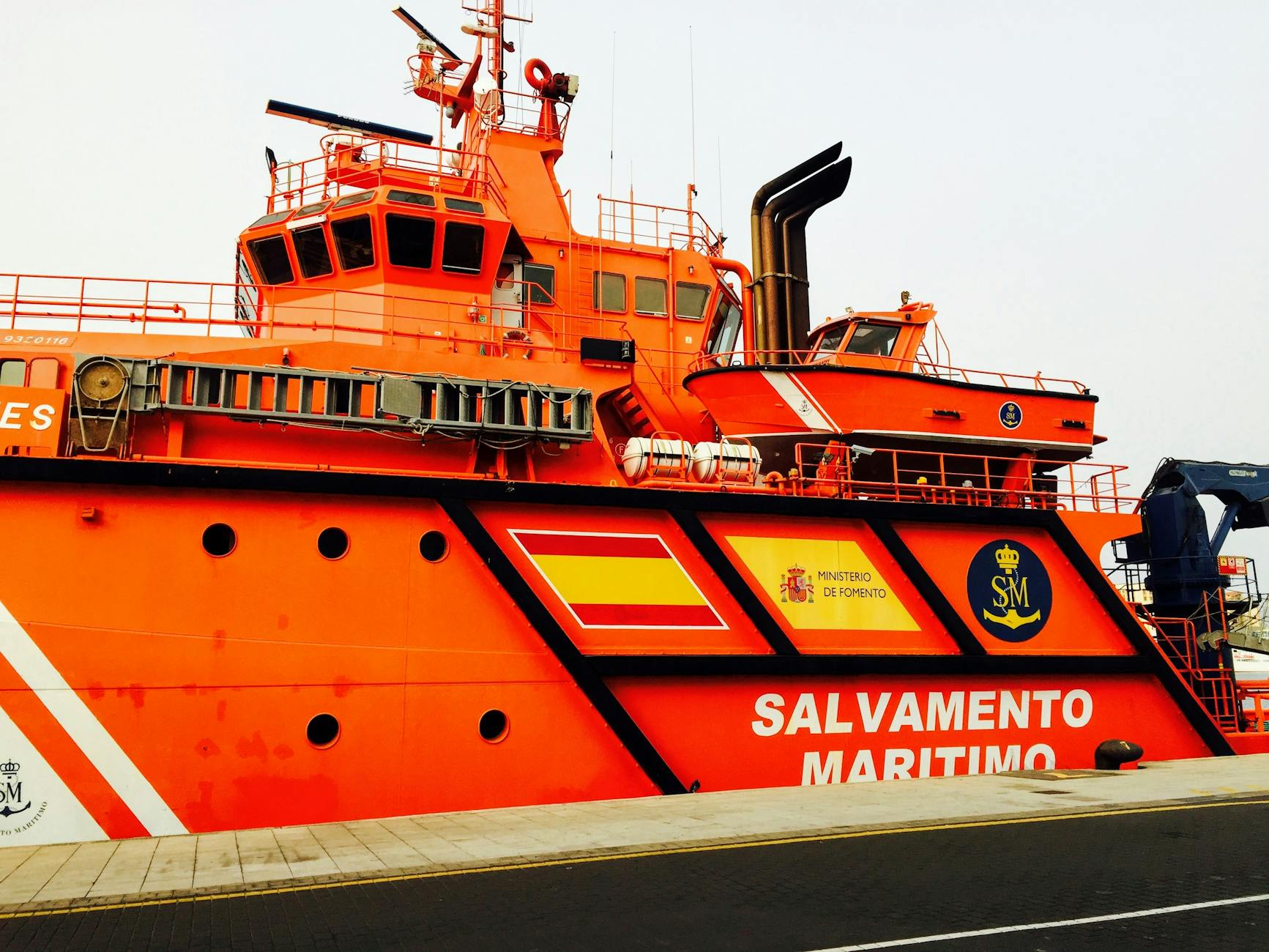
People falling overboard is a statistically rare but serious occurrence that triggers immediate protocols. Sensors and thermal cameras along the hull often detect falling objects and alert the bridge immediately. The ship creates a specific turn maneuver to return to the location while deploying rescue boats. Captains rarely announce the specifics to the general public until the situation is fully resolved to maintain order.
The Brig

Disruptive passengers can be detained in a dedicated jail cell often referred to as the brig. Security teams have the authority to lock up individuals who commit crimes or threaten the safety of others on board. These cells are stark and devoid of the luxuries found in passenger cabins to ensure safety during confinement. The guest remains there until they can be handed over to local law enforcement at the next port of call.
Operation Bright Star

Severe medical emergencies requiring blood transfusions may trigger a call for blood donors among the crew. This specific code alerts staff members to report to the medical center if they have a compatible blood type. The ship hospital is fully equipped but relies on a walking blood bank in critical trauma situations. Guests remain unaware that their waiter or cabin steward might be saving a life during their shift.
Cameras Everywhere

Surveillance coverage on a cruise ship is nearly total outside of private cabins and bathrooms. Security teams monitor thousands of cameras to prevent crime and ensure safety in public areas. This footage is frequently used to resolve disputes or investigate accidents that occur on deck. The bridge can review almost any incident instantly to determine liability or necessary action.
Skipping Ports

The captain reserves the right to bypass a scheduled stop without offering a refund to passengers. High winds or rough seas can make docking dangerous and force the ship to stay at sea for safety. Mechanical issues or medical evacuations might also cause delays that make a port call impossible. Guests often feel disappointed but the safety of the vessel and everyone on board always takes precedence.
Fire Risks

Fire at sea is the most terrified scenario for any mariner due to the lack of escape routes. Smoke detectors and sprinkler systems are highly sensitive and monitored constantly by the bridge. Crew members undergo rigorous firefighting training that exceeds the preparation for almost any other emergency. A confirmed fire triggers an immediate and massive response that prioritizes containment above all else.
Code Oscar

A man overboard situation is frequently communicated to the crew using the code word Oscar. This signal initiates a rapid response where designated spotters scan the ocean surface for the missing person. The bridge marks the GPS location instantly to calculate wind and current drift for search patterns. Silence is often enforced on the open decks to help lookouts hear any cries for help from the water.
The 13th Deck

Many cruise lines skip numbering a deck thirteen due to deep-seated maritime superstitions. Builders often label the level after twelve as fourteen to avoid bad luck and unease among the guests. This tradition persists even on modern mega-ships designed with advanced engineering and technology. It serves as a subtle nod to the historical myths that still influence sailor culture today.
Below Deck Reality

The crew quarters are vastly different from the opulent guest areas and often resemble a college dormitory. Staff members live in small shared cabins with bunk beds and minimal storage space for their belongings. They have their own cafeteria and recreation bars that are strictly off-limits to paying passengers. This separation allows employees to relax and unwind away from the demands of constant customer service.
Filthy Water

Ballast water is pumped in and out of the ship to maintain stability as fuel and supplies are consumed. This water often contains marine organisms that are transported across the world to foreign ecosystems. Cruise lines must follow strict environmental regulations to treat this water before releasing it. The murky liquid keeps the ship upright but is far from the pristine blue ocean guests admire.
Engine Breakdowns

Minor mechanical failures happen frequently without passengers ever noticing a change in the voyage. The ship has redundant systems that allow it to continue sailing even if one engine goes offline. Engineers work around the clock to repair these issues while the vessel remains in motion. Only catastrophic failures that impact propulsion or electricity ever make the news headlines.
Ice Cream Parties

A sudden abundance of free ice cream can sometimes indicate a freezer malfunction in the storage areas. The crew distributes the perishable stock quickly to avoid waste before it melts completely. Passengers view it as a generous treat while the culinary team manages a logistical headache behind the scenes. This tactic turns a potential loss into a positive guest experience.
Flag of Convenience

Most ships are registered in countries with lenient labor and tax laws rather than the headquarters of the cruise line. Flying a flag from the Bahamas or Panama allows companies to bypass stricter American or European employment regulations. This affects everything from the wages paid to the crew to the safety standards enforced on board. Guests rarely notice the port of registry painted on the stern of the vessel.
Norovirus Protocols

An outbreak of gastrointestinal illness triggers an intense sanitation response often hidden from healthy guests. Cleaning crews switch to stronger chemicals and wipe down high-touch surfaces constantly to stop the spread. Infected passengers are quarantined in their cabins to protect the rest of the ship population. The captain focuses on containment to prevent the cruise from being cut short by health authorities.
Crew Hookups
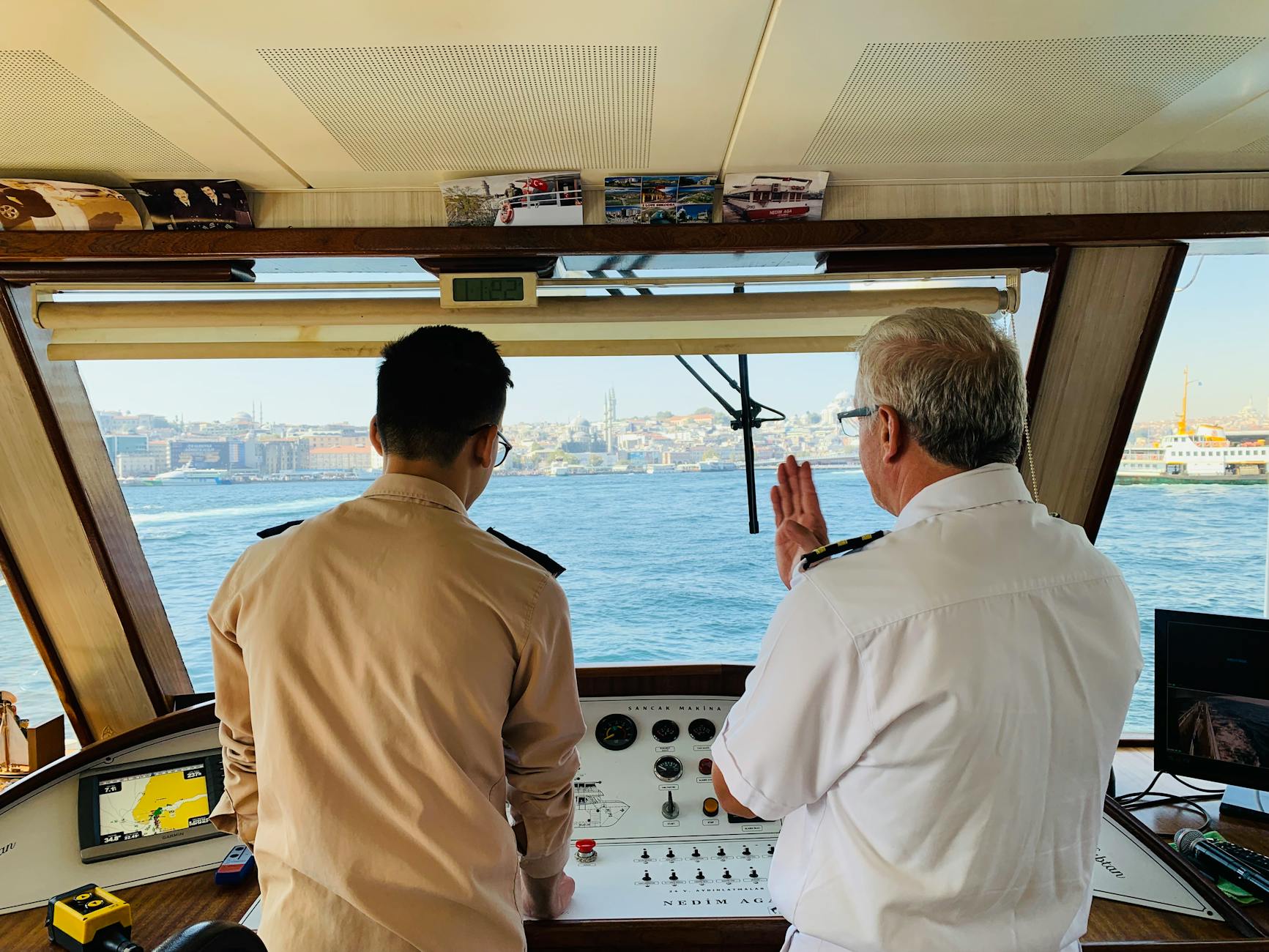
Relationships and romantic encounters among the staff are incredibly common due to the isolated nature of the job. The close quarters and long contracts foster a culture of intense but short-lived romances often called ship life dating. These interactions are strictly regulated and managers must remain professional at all times. Relationships between crew and passengers are strictly forbidden and result in immediate termination.
Alcohol Confiscation

Security scans all luggage for smuggled alcohol to protect onboard revenue and control consumption. Bottles found in suitcases are removed and stored until the end of the voyage. Guests trying to sneak in cheaper booze face the embarrassment of being called to the naughty room to unlock their bags. The cruise line relies heavily on bar sales and enforces this rule rigorously.
Rogue Waves

Massive walls of water can appear seemingly out of nowhere even in relatively calm seas. Modern ships are designed to withstand these impacts but they can still cause damage to windows and furniture. Officers on the bridge monitor radar and weather patterns to avoid these freak occurrences whenever possible. Encountering a rogue wave is a terrifying experience that is rarely discussed in marketing brochures.
Dead Zones
There are areas on the ship where radios and communication devices fail to work properly. Crew members know these spots well and avoid them during emergencies to ensure messages are received. Steel walls and complex interference from onboard electronics create these silent pockets. Technical teams work to install repeaters but some dead zones persist on even the newest vessels.
Fuel Costs

A single cruise ship consumes a staggering amount of heavy fuel oil every single day of the voyage. The cost of fuel is the single largest expense for the cruise line and dictates the cruising speed. Captains are incentivized to sail efficiently to save the company thousands of dollars per hour. This economic pressure is why ships often arrive at ports early in the morning and leave late at night.
Autopilot Usage

The ship is steered by a computer system for the vast majority of the time it spends at sea. Human officers monitor the instruments and make adjustments but rarely touch the manual wheel in open water. This allows for precise navigation and fuel efficiency over long distances. Manual control is resumed during docking or when navigating through busy shipping lanes.
Code Bravo

This specific alarm code signals a fire or other serious incident occurring on the ship. The crew knows exactly where to assemble based on the location announced with the code. Passengers might hear the announcement but remain unaware of the severity of the situation. Keeping guests calm while the fire team investigates is a primary operational strategy.
Unmarked Doors

Many doors in the corridors lead to crew staircases or utility shafts that allow staff to move unseen. These hidden passageways enable room service and housekeeping to navigate the ship rapidly without blocking guest areas. They also serve as vital escape routes for the crew during emergencies. Curious passengers who try to open them will usually find them locked or alarmed.
Medical Costs

Visiting the ship doctor is an expensive affair that is usually not covered by standard health insurance. The medical center charges high fees for consultations and medications that are billed directly to the room account. Serious conditions requiring evacuation can cost tens of thousands of dollars to coordinate. Captains always recommend travel insurance because they see the financial fallout of medical crises weekly.
The Garbage Room

Ships generate massive amounts of waste that must be sorted and processed below deck. Glass is crushed and cardboard is baled while food waste is pulped for legal discharge into the ocean. The environmental officer oversees this operation to ensure compliance with international maritime laws. It is a noisy and smelly industrial operation hidden completely from the luxury upstairs.
Dry Dock Secrets

Ships often look pristine on the surface while suffering from wear and tear underneath the waterline. Rust and hull fatigue are patched up during periodic dry dock sessions every few years. The cosmetic maintenance seen by passengers often hides the aging steel structure of the vessel. Captains are acutely aware of the structural history and limitations of their specific ship.
Codes for Pests

A report of specific innocuous names over the radio can be code for a pest infestation. Bed bugs or cockroaches are a nightmare scenario that requires immediate and discreet extermination. The housekeeping management isolates the affected rooms to prevent the pests from spreading to adjacent cabins. These incidents are kept strictly confidential to protect the reputation of the cruise line.
Pay Disparity

The captain and senior officers earn high salaries while the lower-level service staff earn very little. Many cleaners and laundry workers rely almost entirely on tips to send money home to their families. This vast income gap creates a distinct hierarchy within the crew population. Passengers enjoying the service are often unaware of the economic reality facing the people serving their dinner.
Please let us know which of these maritime secrets surprised you the most by sharing your thoughts in the comments.