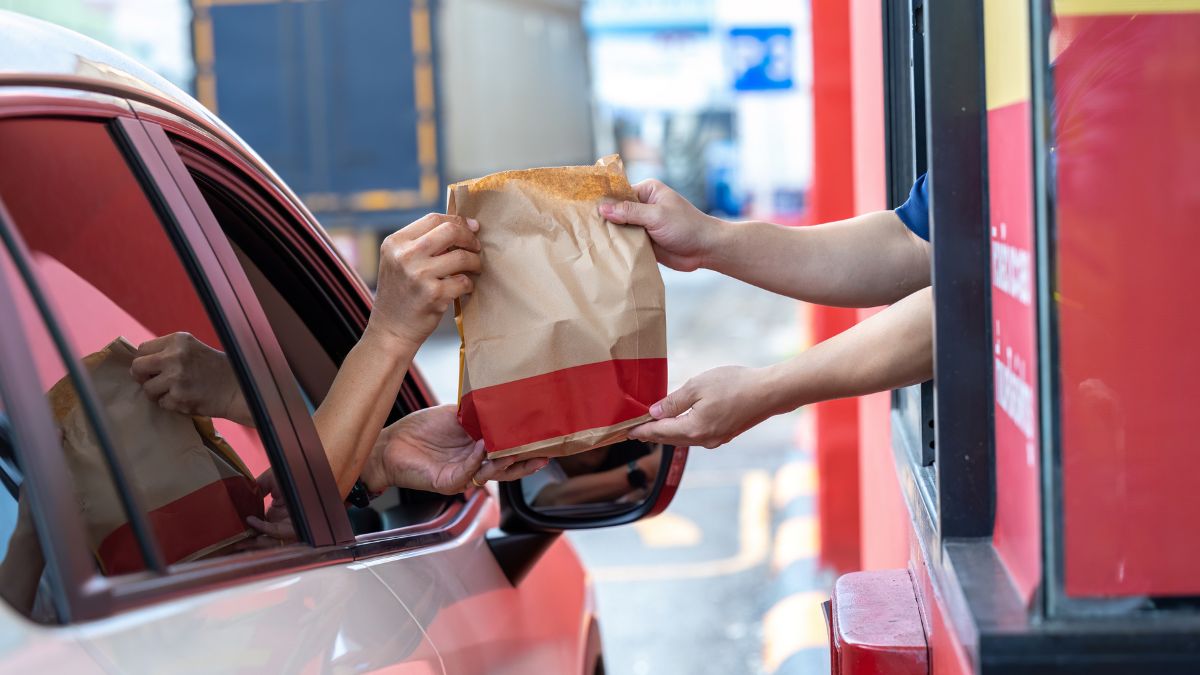
Fast food restaurants move at a relentless pace, and the people behind the counter navigate challenges that most customers never stop to consider. A little awareness of how these environments actually operate can make the experience smoother and more pleasant for everyone involved. These are the things fast food workers quietly wish every customer already knew before stepping up to the counter.
Peak Hours
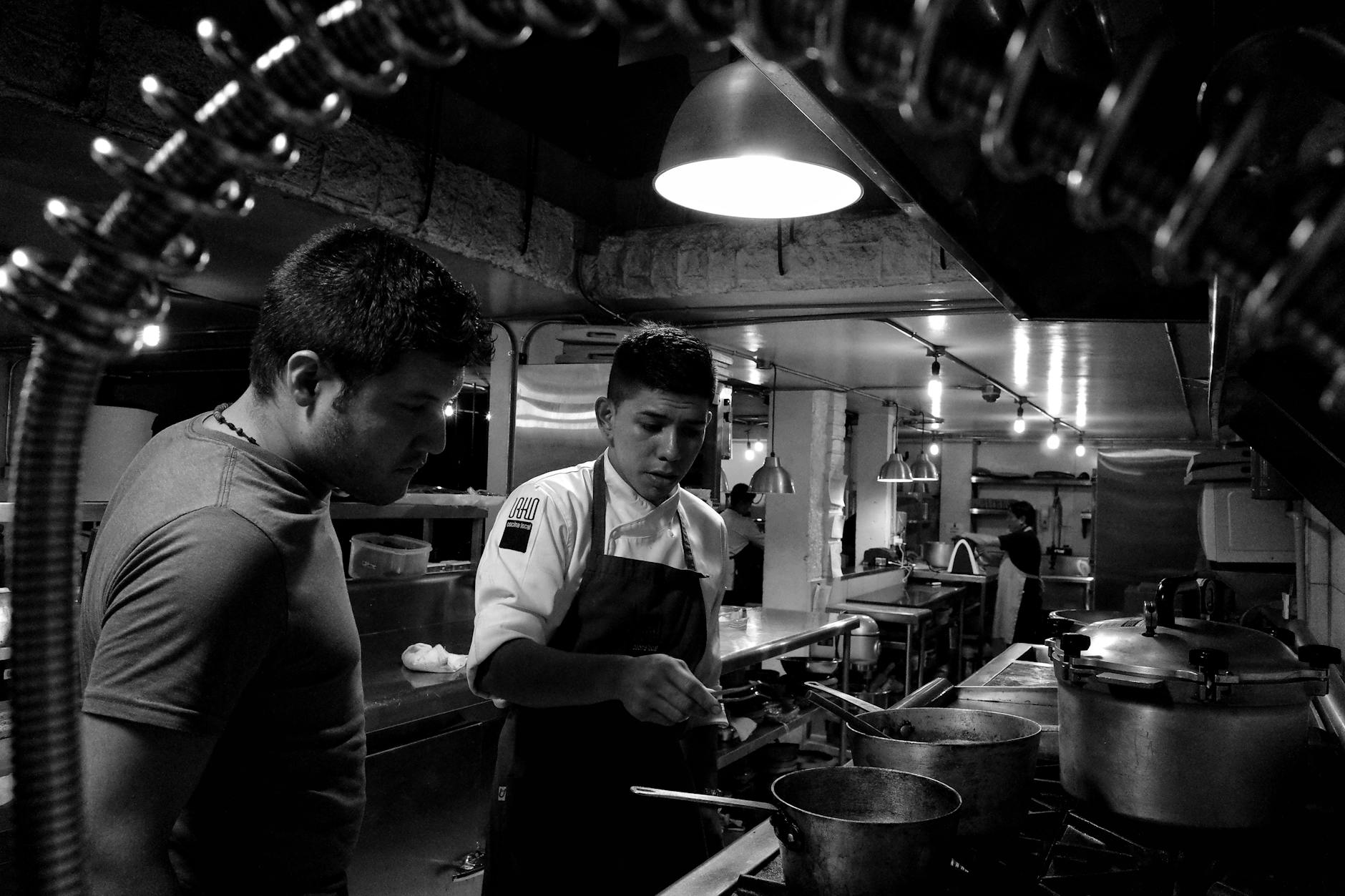
The lunch and dinner rushes are genuinely chaotic periods during which every station is operating at full capacity. Orders pile up faster than they can be fulfilled, and mistakes become more likely under that kind of sustained pressure. Arriving during off-peak hours such as mid-morning or mid-afternoon almost always results in fresher food and faster service. Workers appreciate customers who understand that a two-minute wait during a rush is actually a small miracle of coordination.
Drive-Through Etiquette
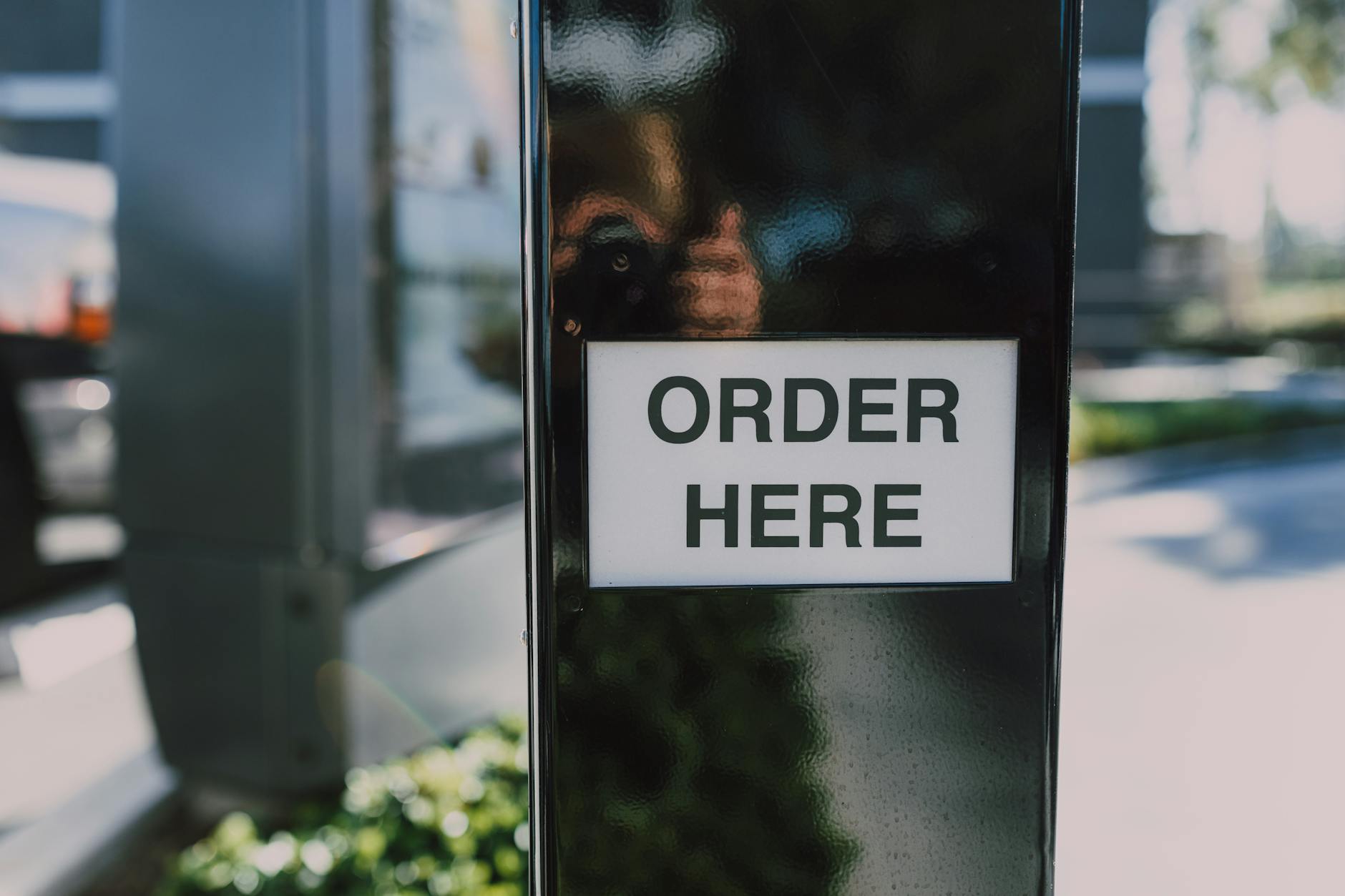
Pulling up to the speaker before knowing your order creates a bottleneck that slows down every car behind you. Workers are often timed on how quickly they move vehicles through the lane, and an unprepared customer can throw off those metrics for the entire shift. Taking a moment to review the menu on your phone or at the board before reaching the speaker makes an enormous difference. A clear, organized order delivered confidently is one of the small things that genuinely brightens a worker’s day.
Menu Changes
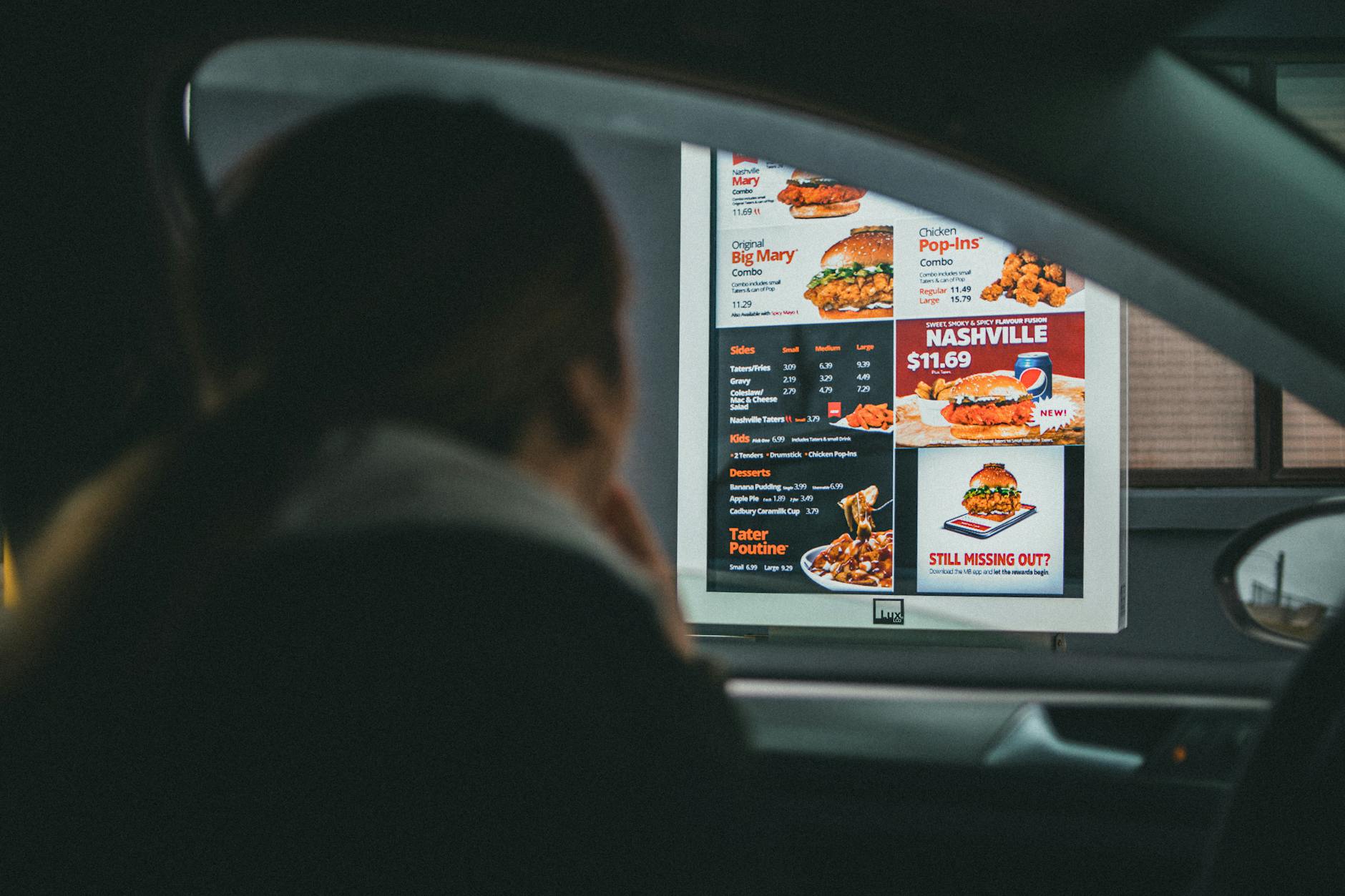
Fast food menus are updated seasonally and sometimes without much advance notice to front-line staff. Workers may not have had time to fully learn a new item on the day it launches, and that is not a reflection of their competence. Asking questions patiently and allowing a moment for the employee to check the details leads to a far more accurate order. Customers who extend that small grace tend to receive noticeably better service as a result.
Fresh Requests

Asking for a freshly made item is completely acceptable and most workers are happy to accommodate the request. The key is to ask politely and to be prepared to wait a few additional minutes for the food to be prepared. Workers genuinely prefer making a fresh item over handing over something that has been sitting under a heat lamp, because it reflects better on their work. A simple and calm request goes a long way toward making that interaction feel easy rather than tense.
Condiment Packets
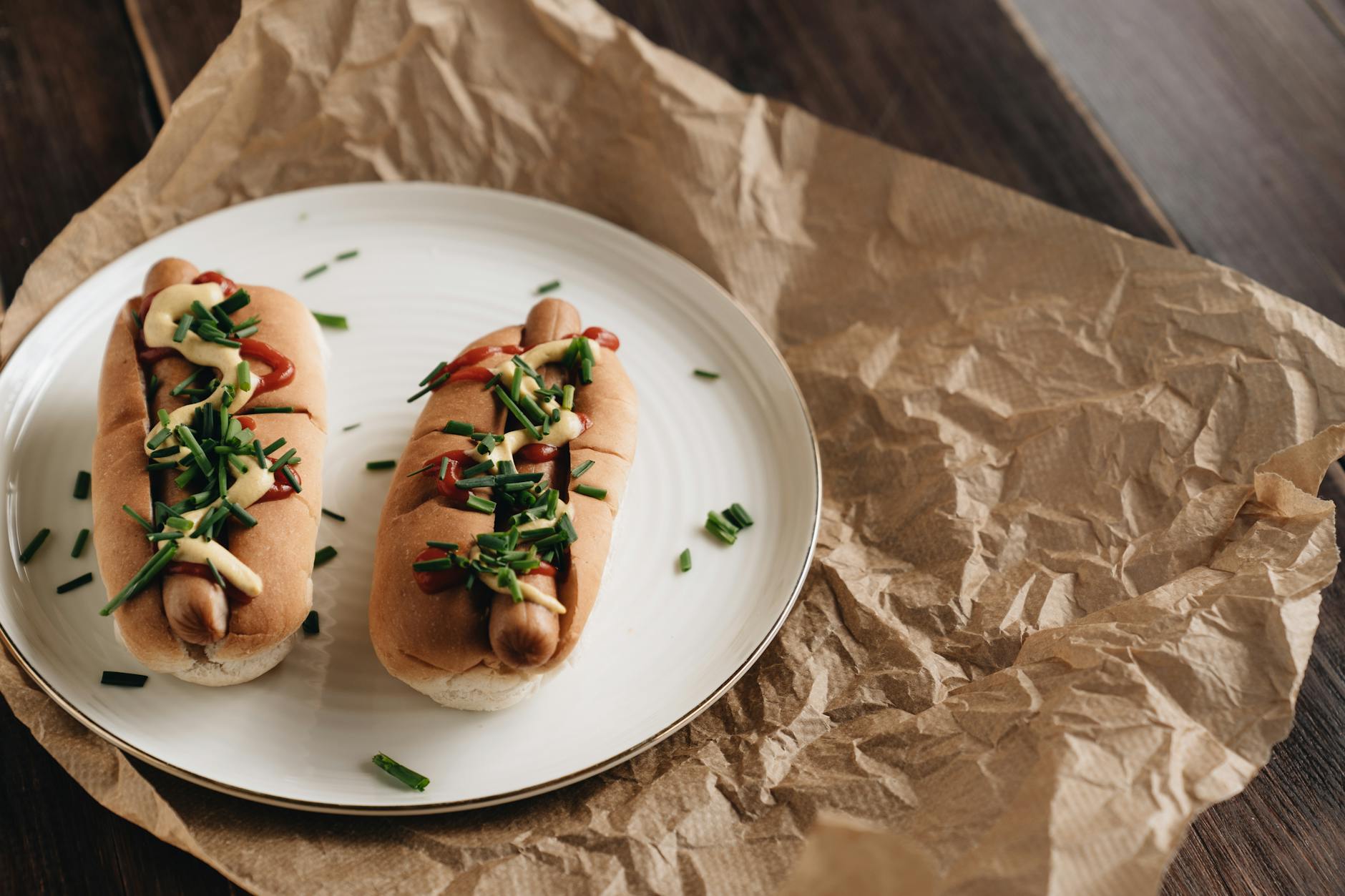
Grabbing a reasonable number of condiment packets is a perfectly normal part of the fast food experience. However, taking a fistful of fifty ketchup packets for a small order of fries creates real supply shortages during busy periods. Condiments are a stocked resource that workers have to actively manage and replenish throughout the day. Taking only what you genuinely need is one of the easiest ways to be a considerate customer without any extra effort.
Order Accuracy
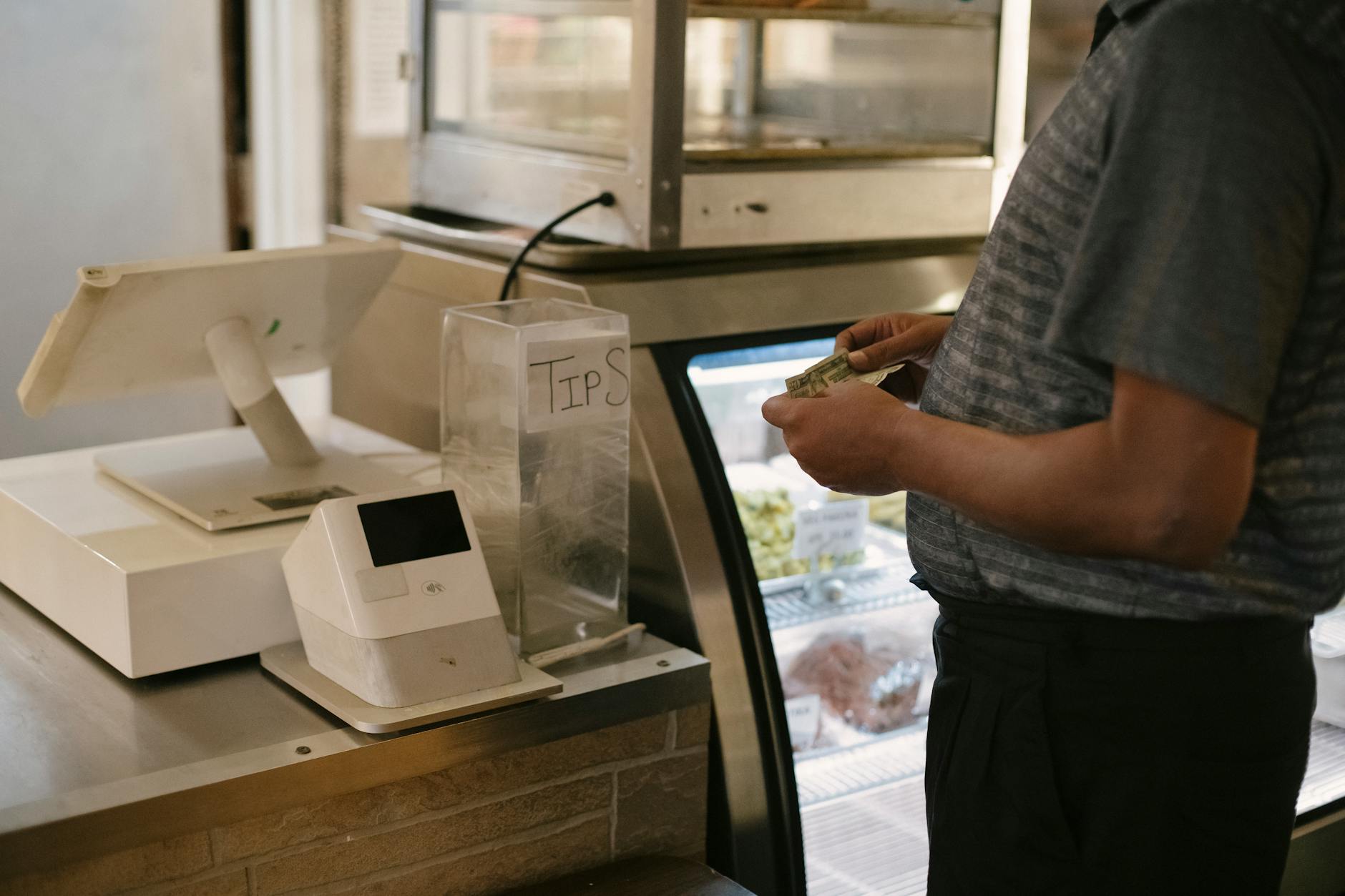
Reading back your order on the receipt screen or listening carefully when the cashier confirms it prevents the vast majority of mistakes before they happen. Workers cannot correct an error they are not aware of, and flagging a problem at the window is far easier than discovering it at home. The confirmation step exists precisely to create that opportunity for both parties to catch discrepancies. Customers who engage with that step rather than ignoring it almost always leave with exactly what they wanted.
Cleaning Hours
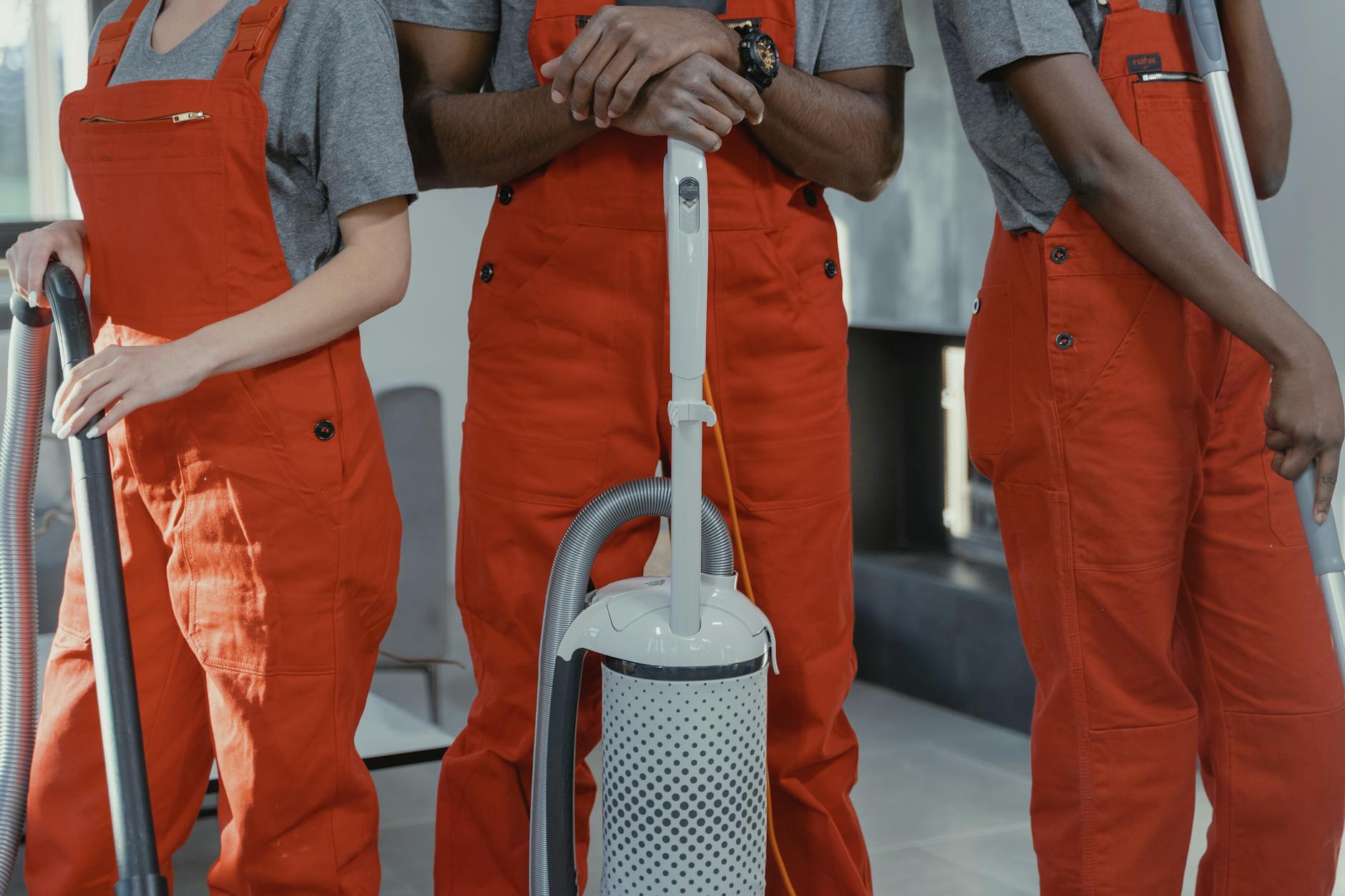
Late-night visits in the final hour before closing often coincide with active deep-cleaning of the kitchen and dining area. Equipment may already be broken down and sanitized in preparation for the overnight shutdown, which limits what can reasonably be prepared. Workers are not being obstructive when they explain that certain items are unavailable near closing time. Understanding that cleaning is a health and safety requirement rather than an excuse makes those late interactions far less frustrating for everyone.
Headset Communication
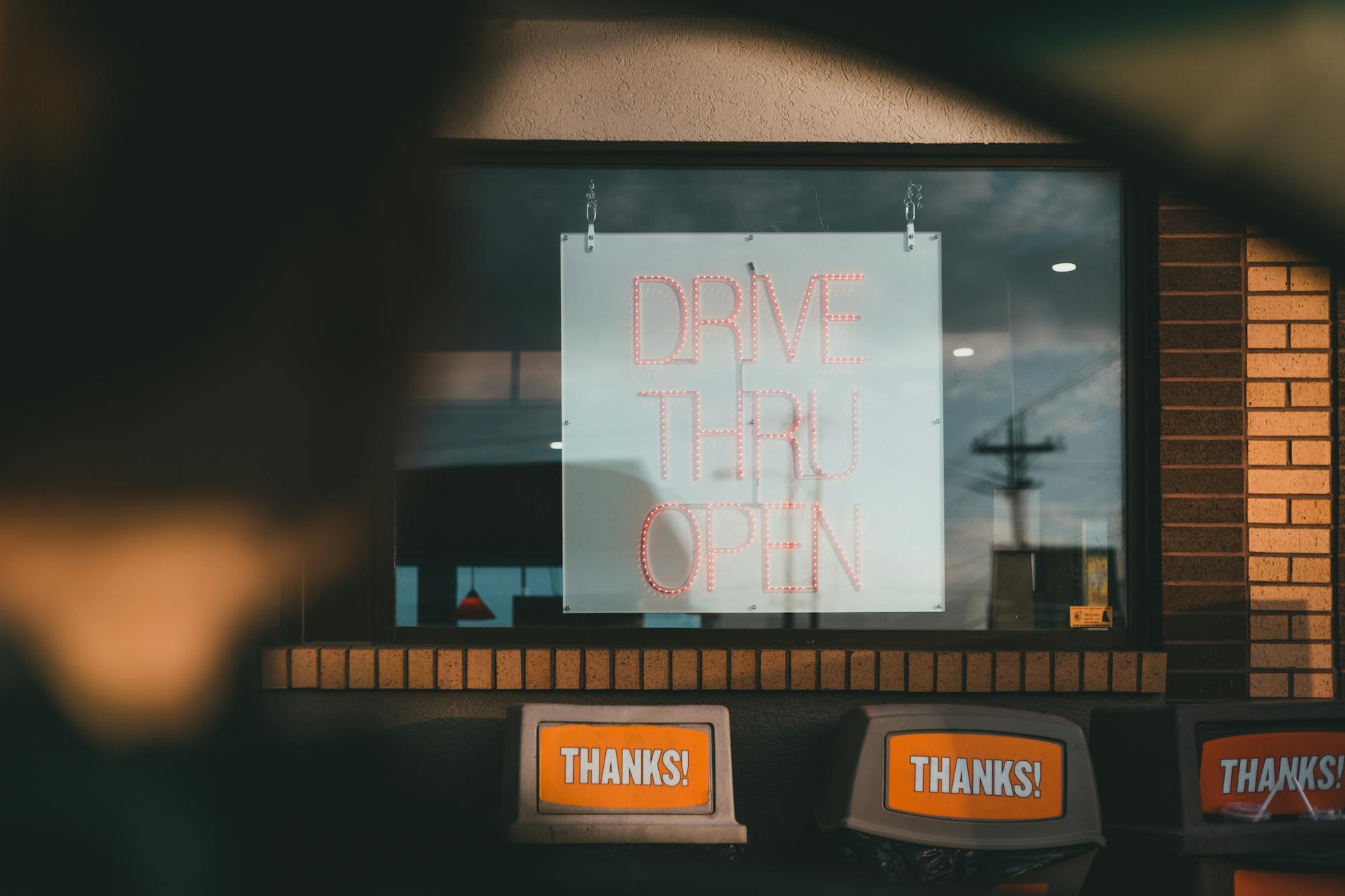
Drive-through workers are almost always wearing a headset that connects them to multiple stations simultaneously. Side conversations happening inside the car can bleed into the microphone and make it genuinely difficult to hear the actual order being placed. Speaking directly and clearly into the speaker, and pausing when needed, helps the worker catch every detail on the first attempt. That small adjustment reduces repeat clarifications and keeps the line moving efficiently.
Tray Returns
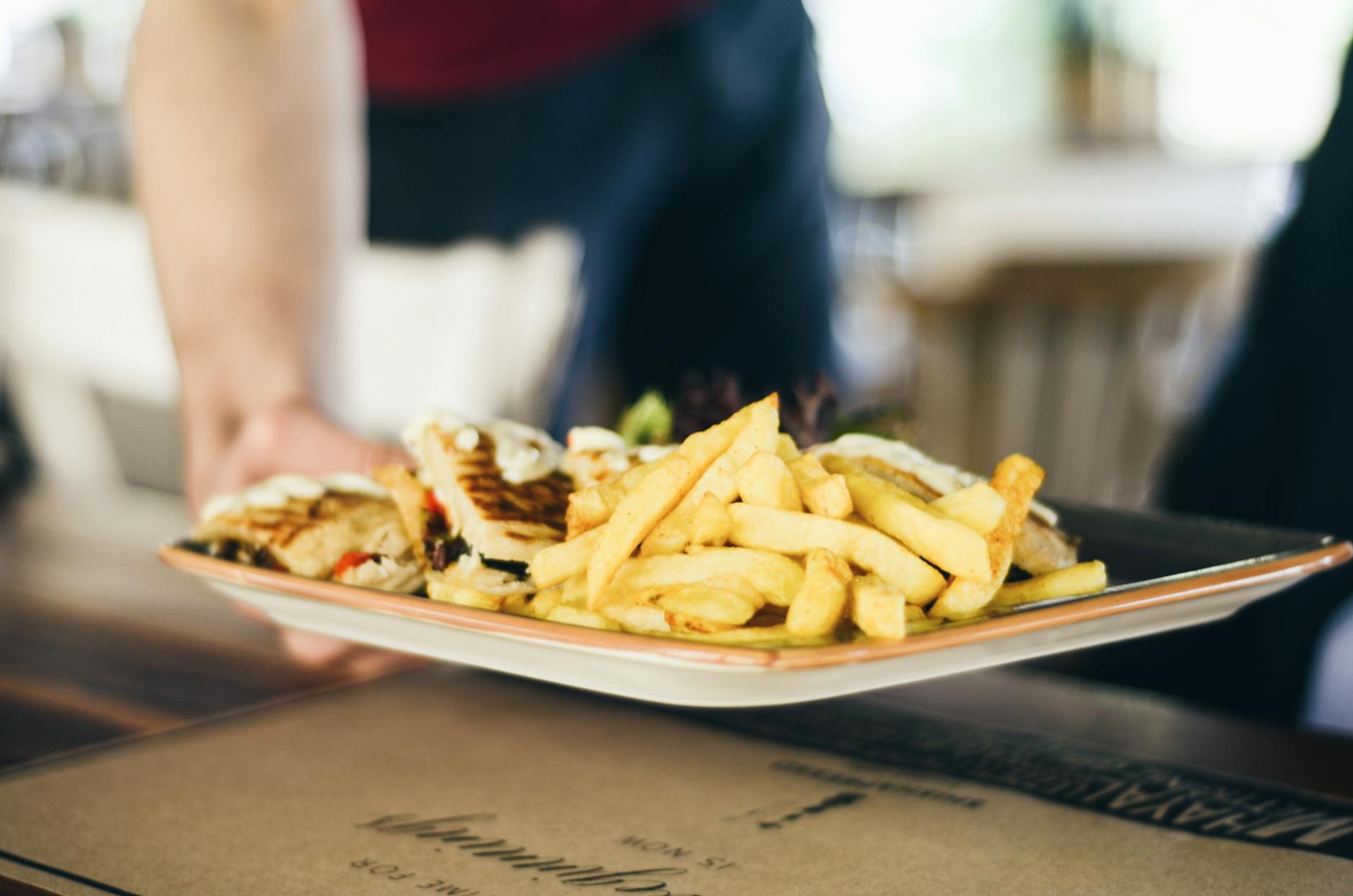
Returning your tray and disposing of your trash at the end of a dine-in visit is one of the most appreciated things a customer can do. Dining room staff are responsible for keeping that space clean for incoming customers, and a cleared table dramatically reduces their turnaround time. Many fast food locations operate with very lean front-of-house staffing, meaning every small act of tidiness has a real operational impact. It takes under thirty seconds and makes a measurable difference to the people working that floor.
Substitution Complexity
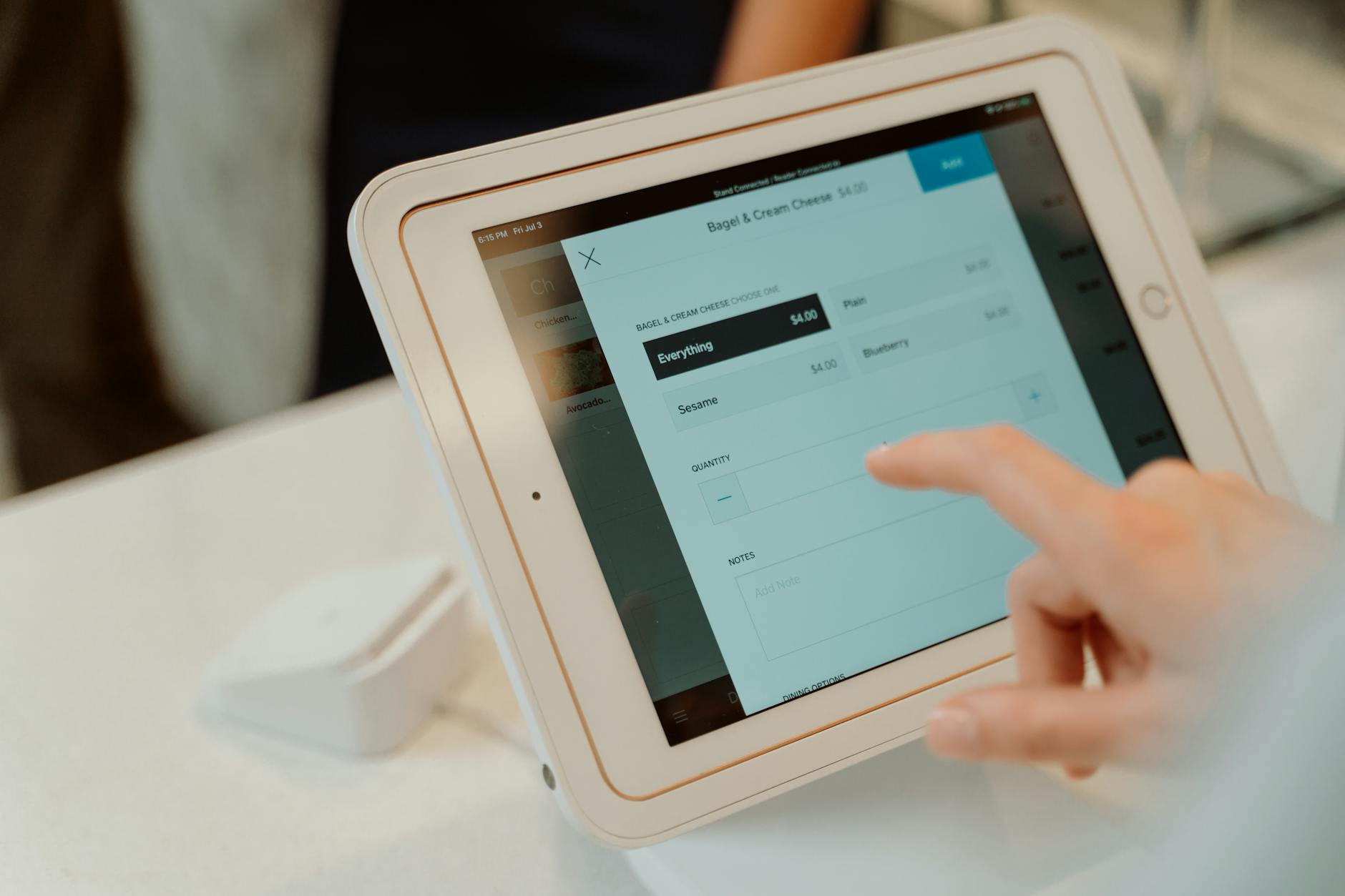
Highly customized orders with multiple substitutions, deletions, and additions require careful manual entry and increase the likelihood of something being missed. Each modification has to be entered individually into the system, and a long list of changes during a rush creates pressure on both the cashier and the kitchen. Keeping customizations simple and specific rather than layered and complex tends to result in greater order accuracy. Workers are far more confident delivering a straightforward modified order than navigating a lengthy chain of adjustments.
Payment Readiness
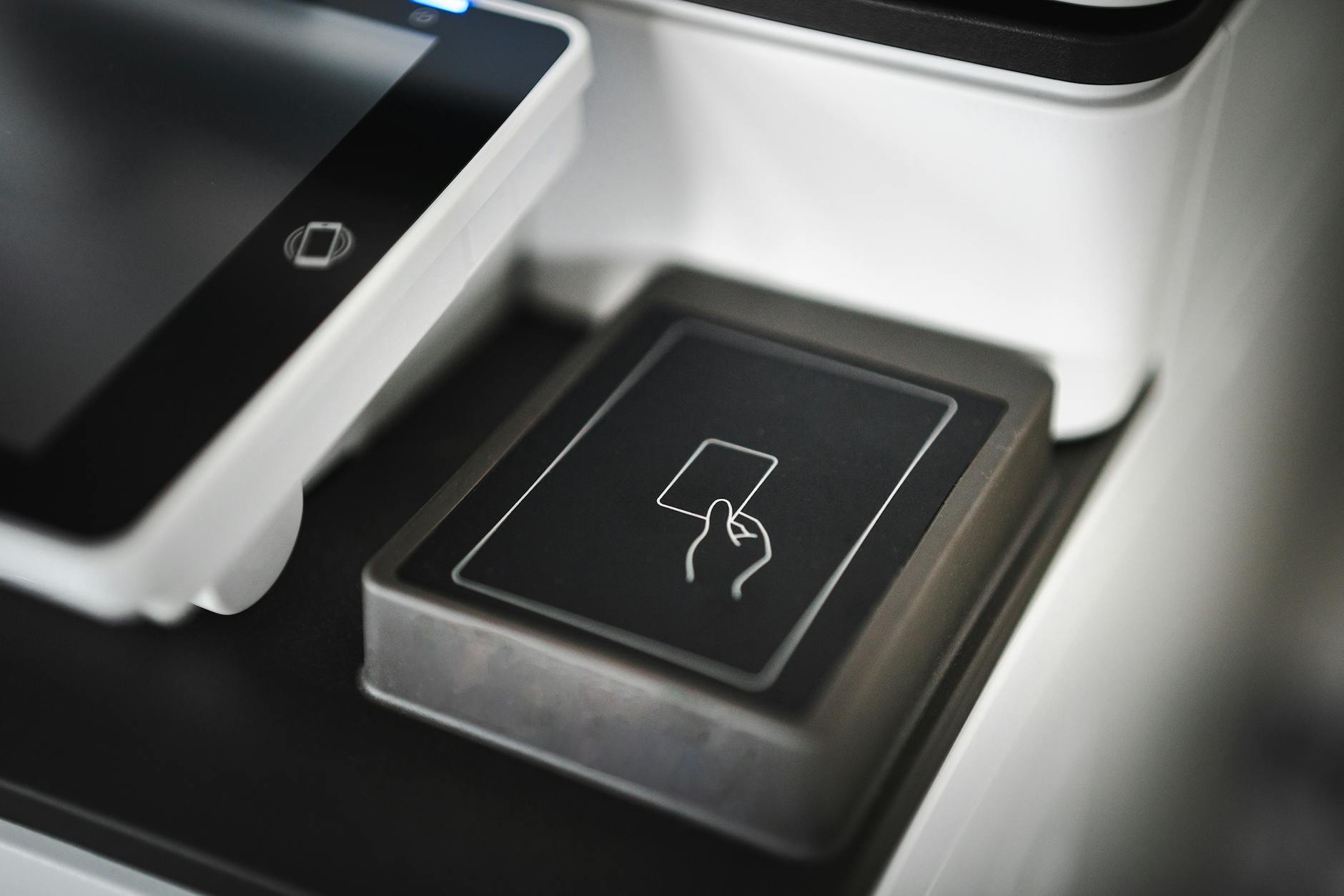
Having your payment method ready before reaching the register or the window keeps the transaction moving smoothly for the entire line. Searching through a bag or wallet while a queue builds behind you adds unnecessary stress to an already fast-paced environment. Workers are often evaluated on transaction speed, and a delayed payment moment can affect those measurements in ways customers never see. A simple habit of preparing payment in advance shows a level of consideration that workers genuinely notice and appreciate.
Noise Levels
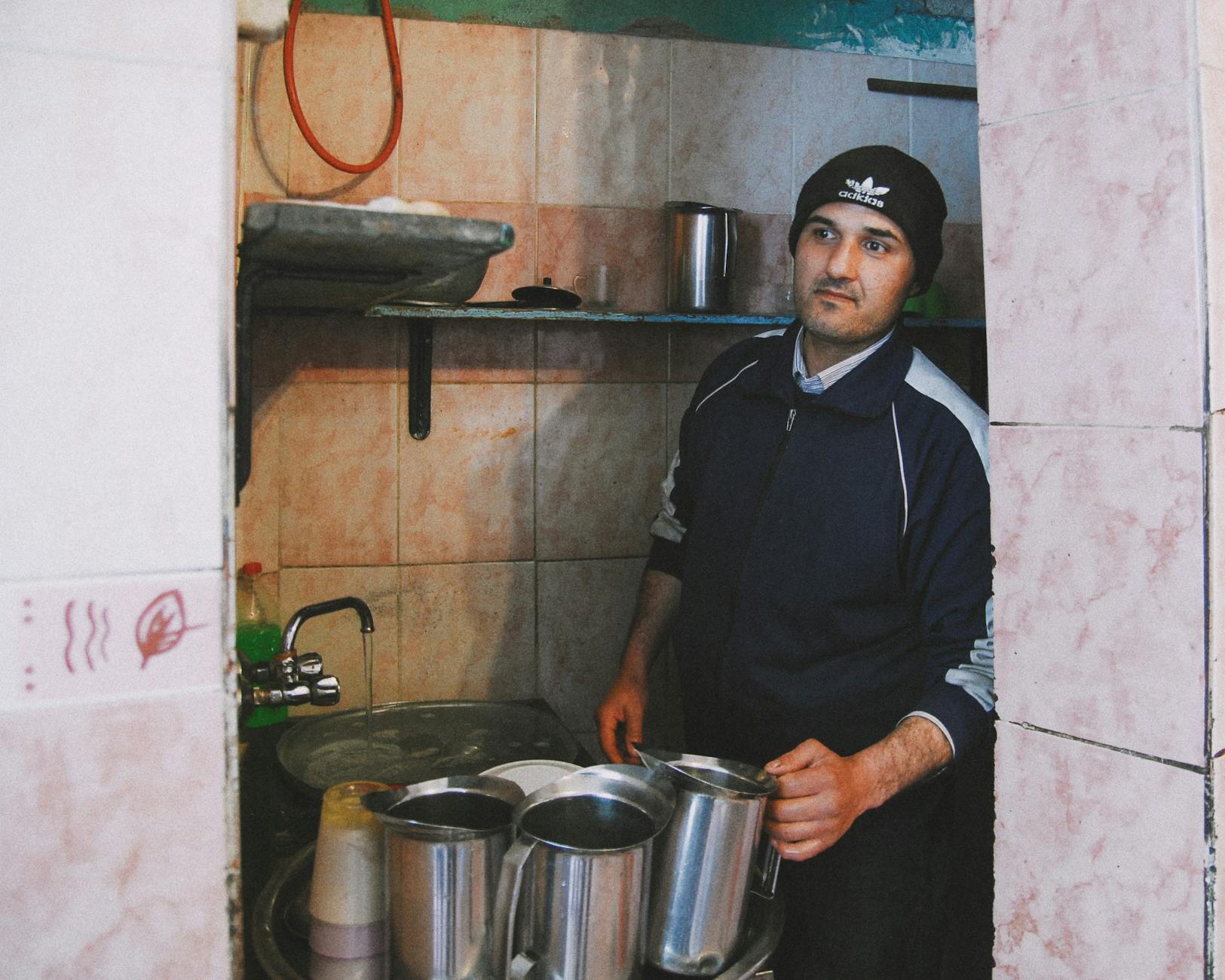
Fast food kitchens are already loud environments filled with fryers, timers, and the constant movement of a working crew. Raising your voice, speaking aggressively, or creating additional noise at the counter makes communication harder and contributes to a more stressful atmosphere. A calm and measured tone, even when an order has gone wrong, allows workers to focus on solving the problem rather than managing the emotional temperature of the interaction. Customers who remain composed during issues are consistently served more effectively and efficiently.
Complaints Protocol
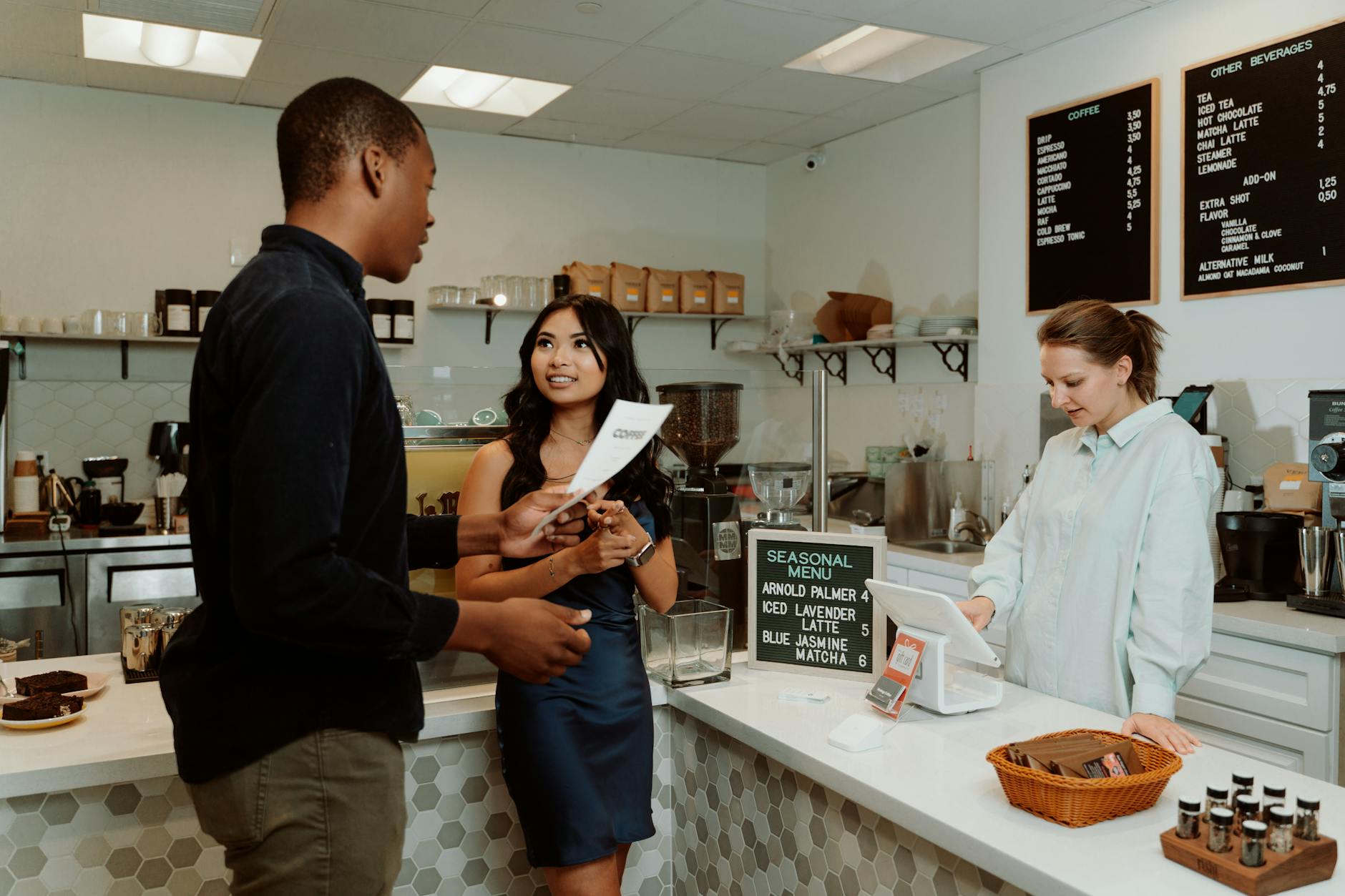
Bringing a concern about an order directly to the counter is always the right move, and most workers genuinely want to fix the problem. Going straight to a harsh review or social media post without giving the restaurant a chance to make it right deprives the team of an opportunity to correct the situation. Workers take pride in resolving issues on the spot and appreciate customers who allow them to do so. A calm and specific description of what went wrong makes resolution faster and far more satisfying for both sides.
Understaffing Realities

Many fast food locations are perpetually operating with fewer staff than the volume of business actually requires. A longer wait, a slower line, or a brief moment of confusion at the register is often a direct result of that structural challenge rather than individual carelessness. Workers managing three or four roles simultaneously are doing their best under conditions that are not always in their control. Extending patience in those moments costs nothing and is one of the most meaningful forms of respect a customer can offer.
Basic Courtesy

A simple greeting, a please, and a thank you at the counter require almost no effort and have a genuinely significant effect on a worker’s experience during a long shift. Fast food employees interact with hundreds of people every day, and the customers who treat them with basic human warmth are remembered. That recognition does not need to be elaborate or performative to be felt. Courtesy is the single most universally appreciated thing a customer can bring through the door, and it costs absolutely nothing.
If you’ve ever worked in fast food or have a story about a moment that changed how you see these workers, share your experience in the comments.