Relationships between parents and teachers rely on mutual respect to foster a successful learning environment for students. Many well-intentioned actions by parents can inadvertently disrupt the classroom or create unnecessary stress for educators. Teachers often hesitate to voice these grievances directly to avoid conflict or awkwardness during the school year. Understanding these common friction points helps parents build a stronger and more collaborative partnership with the school.
Sending Sick Kids

Sending a visibly ill child to school compromises the health of the entire classroom environment. Teachers notice when medication wears off by mid-morning and the student becomes lethargic or feverish. This forces educators to shift their focus from instruction to nursing a sick child until pickup. Keeping a contagious student home ensures a safer space for everyone and leads to a faster recovery for the little one.
Doing Homework for Them

Completing homework assignments for a child prevents the teacher from accurately assessing the student’s actual understanding of the material. Educators need to see mistakes and struggles to know where to offer additional support or instruction during class time. When a project arrives looking professional and polished it is obvious the adult took over the creative process. Allowing children to submit imperfect work builds resilience and helps them take ownership of their learning journey.
Emailing During Class Time

Expecting an immediate response to an email sent during instructional hours creates unrealistic pressure on the teacher. Most educators are actively teaching and managing a classroom full of students throughout the day without access to their inbox. Constant digital notifications can disrupt the flow of a lesson and take attention away from the students present in the room. A reasonable window for a reply usually extends to twenty-four hours to allow for planning periods or after-school administrative time.
Overscheduling After School

Packing a student’s schedule with back-to-back extracurricular activities leaves little time for rest or necessary homework. Exhausted children often struggle to pay attention in class or exhibit behavioral issues due to a lack of downtime. Teachers observe this fatigue when students fall asleep at their desks or seem emotionally fragile over minor setbacks. Prioritizing free play and adequate sleep helps children arrive at school refreshed and ready to engage with new concepts.
Ignoring the Dress Code
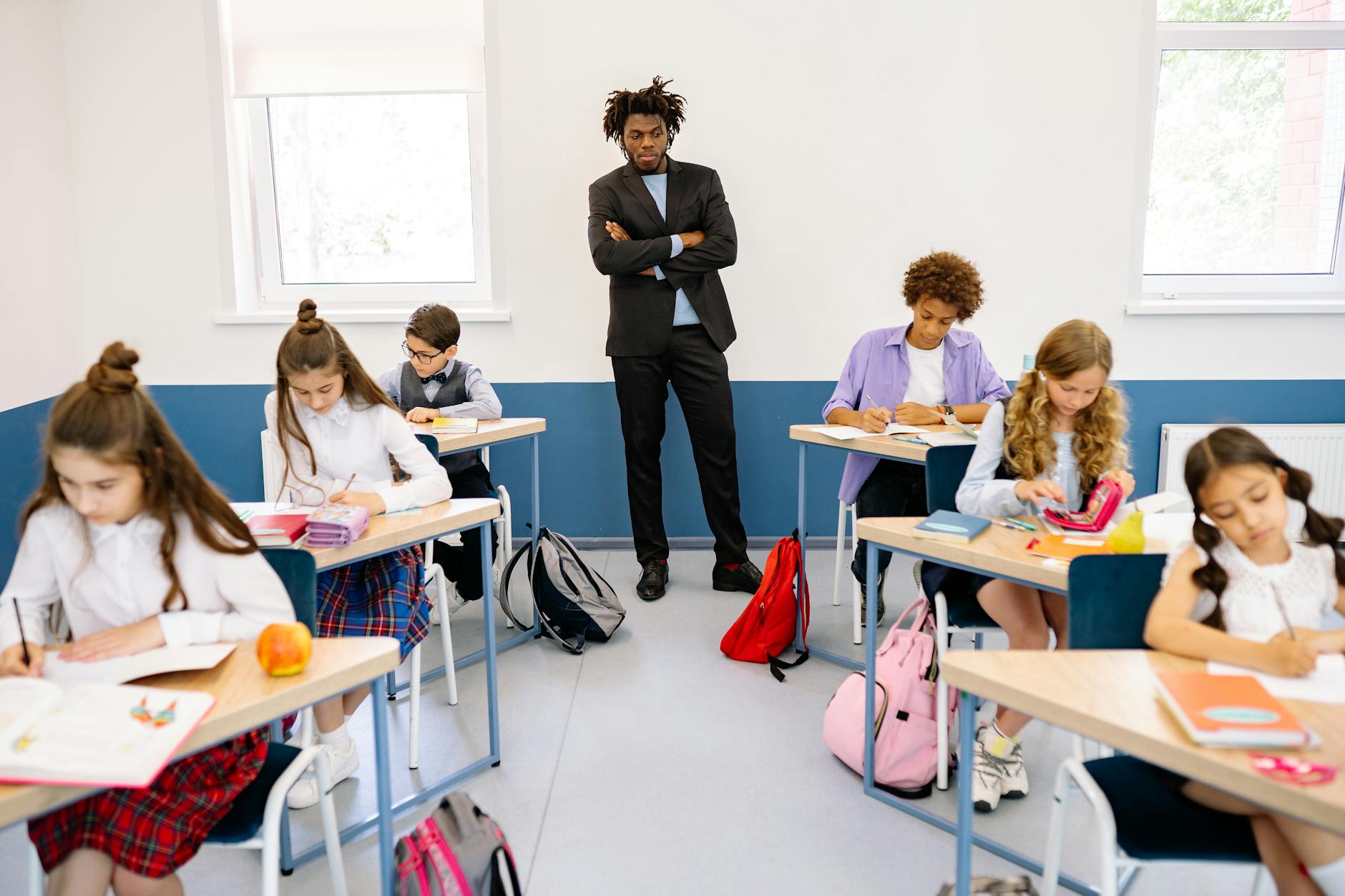
Sending a child to school in clothing that violates the dress code puts the teacher in the uncomfortable position of enforcing administrative rules. This often leads to unnecessary conflict or embarrassment for the student who may not have another outfit available. Reviewing the handbook before shopping for back-to-school clothes prevents these daily distractions from occurring in the learning environment. Respecting these guidelines helps maintain the focus on academics rather than wardrobe choices.
Talking Badly About the Teacher
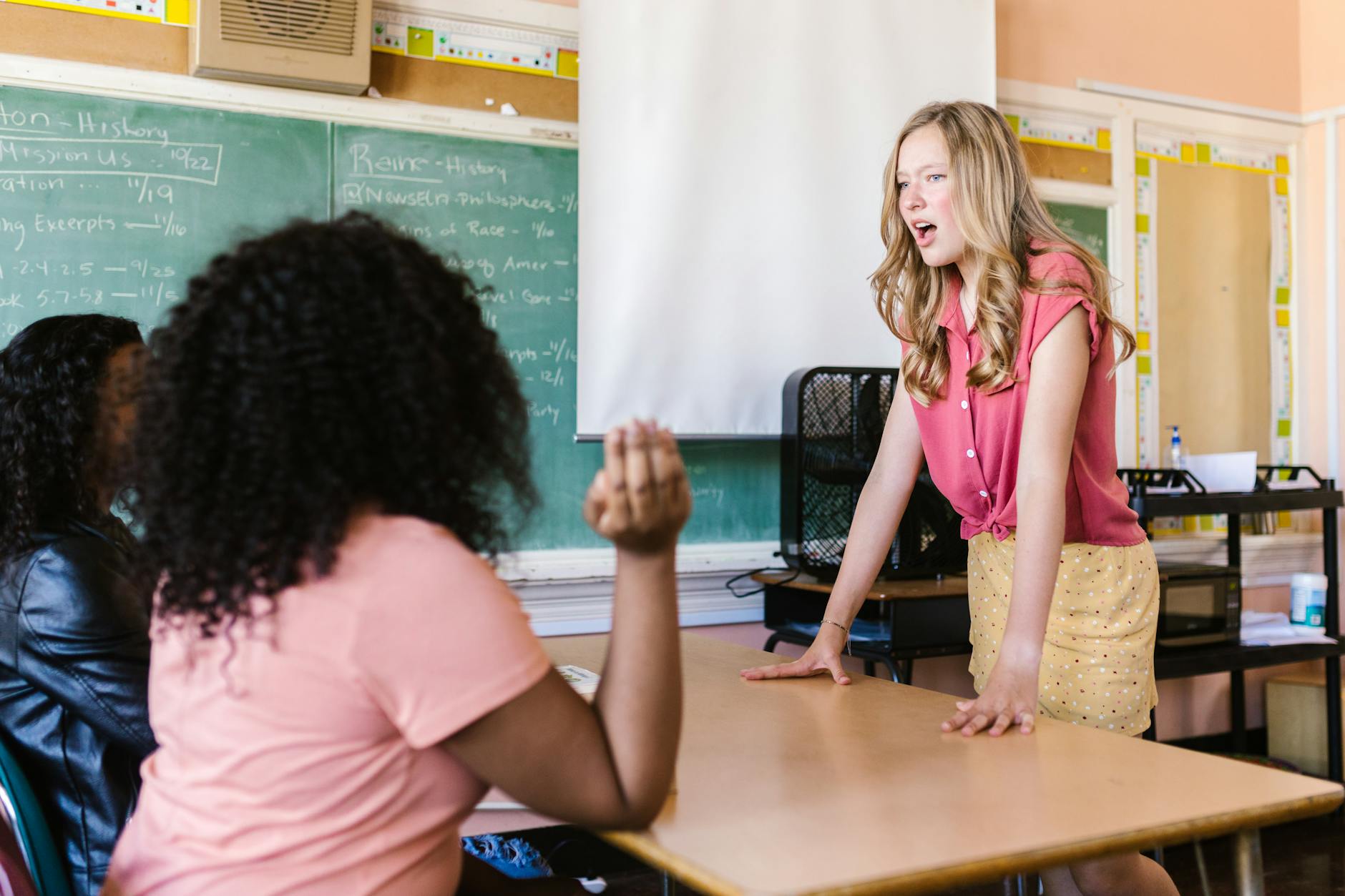
Discussing negative opinions about a teacher in front of the child undermines the educator’s authority in the classroom. Students mimic the attitudes they hear at home and bring that disrespect into the school setting. A unified front between parents and teachers creates a sense of security and consistency for the student. Concerns are best addressed directly with the school staff in a private manner away from little ears.
Believing the Child’s Version Unconditionally

Accepting a child’s account of a school incident as the absolute truth often ignores the nuances of the situation. Children naturally frame events to protect themselves or minimize their own role in a conflict. Teachers appreciate when parents approach a situation with curiosity rather than accusation to find out the full context. Open communication clarifies misunderstandings and prevents minor issues from escalating into major disputes.
Skipping Parent-Teacher Conferences

Missing scheduled conferences signals a lack of engagement in the student’s academic progress and social development. These meetings provide crucial insights that go beyond what is visible on a report card or graded assignment. Teachers spend significant time preparing data and observations to share with families during these dedicated slots. Attending these sessions strengthens the partnership required to support the child effectively throughout the year.
Disrespecting Drop-Off Rules

Ignoring designated drop-off lanes or parking in restricted zones causes dangerous traffic jams during the morning rush. Teachers and staff members on duty must prioritize student safety over the convenience of a single driver. Cutting the line or stopping in crosswalks models impatience and disregard for community rules to the observing students. Following the established traffic flow ensures a smooth and safe arrival for every family at the school.
Packing Difficult Lunches

Including food items that a child cannot open independently leads to significant delays during a short lunch period. Teachers or lunch monitors spend valuable time peeling oranges or opening vacuum-sealed packages instead of supervising the cafeteria. Practicing with containers at home helps the student build autonomy and confidence in managing their own meal. Simple packaging allows children to maximize their eating and playing time during the break.
Labeling Nothing
Sending jackets and water bottles to school without a name label guarantees they will eventually end up in the lost and found. Teachers spend hours trying to reunite stray items with their owners when a simple marker could solve the problem. Classrooms quickly become cluttered with unidentified sweatshirts and lunchboxes that no student claims. Labeling personal belongings saves money for parents and preserves valuable instructional time for educators.
Questioning Every Grade

Challenging every point deduction on a test or assignment creates an adversarial relationship with the instructor. This behavior teaches the student to focus on the score rather than the learning process or skill mastery. Teachers grade based on established rubrics to ensure fairness and accuracy for all students in the course. Encouraging a child to ask the teacher for clarification fosters self-advocacy and understanding.
Bypassing the Chain of Command

Contacting the principal or superintendent before speaking with the classroom teacher escalates minor issues unnecessarily. Most concerns can be resolved quickly and effectively through a direct conversation with the person closest to the situation. Going over the teacher’s head undermines their professional judgment and creates tension in the school community. Following the proper protocol shows respect for the educator’s role in the child’s life.
Comparing Siblings

Expecting a younger sibling to perform exactly like an older brother or sister ignores individual differences and strengths. Teachers strive to see each student as a unique learner with distinct needs and talents. Constant comparisons can damage a child’s self-esteem and create anxiety about their performance in the classroom. Celebrating each child’s own path fosters a healthier attitude toward school and personal growth.
Not Checking the Backpack

Allowing permission slips and important newsletters to accumulate at the bottom of a backpack leads to missed deadlines. Teachers rely on these physical notes to communicate vital information about field trips and school events. A messy bag also results in lost homework or crumpled assignments that become illegible before grading. Establishing a daily routine of emptying the folder ensures parents stay informed and organized.
Sending Toys to School

Allowing personal toys or trading cards in the backpack almost always results in distraction or conflict during the day. These items often get lost or broken and cause tears that disrupt the learning environment. Teachers prefer that personal treasures remain at home to keep the focus on educational activities. Keeping the backpack free of gadgets helps the student engage fully with peers and lessons.
Late Pickups

Arriving late for pickup consistently causes anxiety for the child and inconvenience for the staff member on duty. Teachers have their own families and commitments waiting for them after the final bell rings. A pattern of tardiness requires the school to allocate resources to childcare that are not budgeted or planned. Being punctual shows respect for the teacher’s personal time and professional boundaries.
Ignoring Reading Logs

Faking signatures on reading logs without ensuring the child actually reads undermines literacy development. Daily reading practice is essential for building vocabulary and comprehension skills required for future success. Teachers can tell when a student is not engaging with text outside of the classroom setting. Prioritizing this homework builds a habit of lifelong learning and supports academic growth.
Buying Gifts Instead of Supplies

Spending money on elaborate teacher gifts while ignoring the requested supply list is a misalignment of priorities. Teachers often spend their own wages on basic necessities like tissues and pencils for the classroom. A well-stocked classroom benefits the child much more than a scented candle or a generic mug. Fulfilling the supply list first ensures that all students have the tools they need to learn.
Asking for Special Treatment
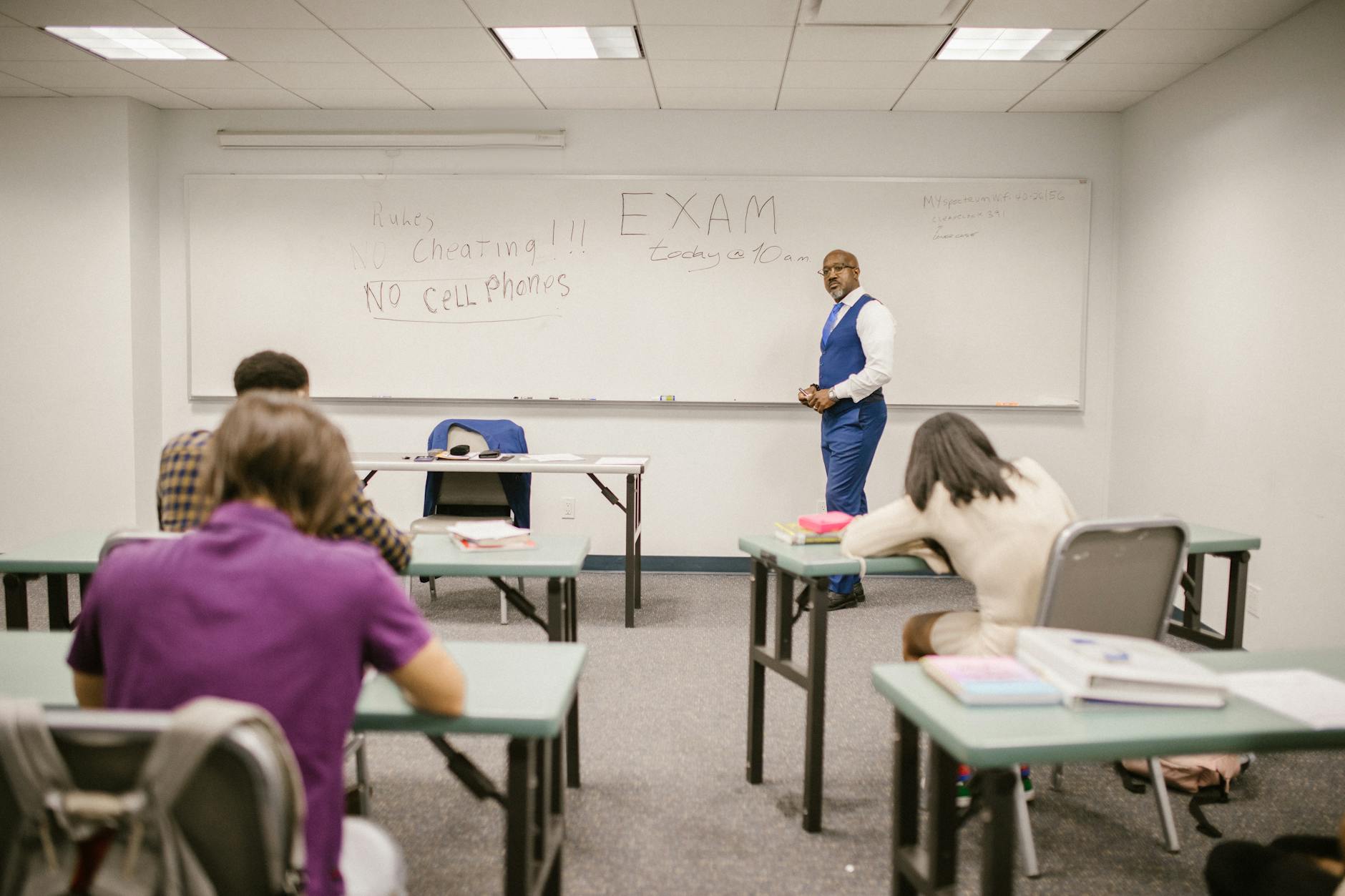
Requesting exceptions to class rules or deadlines for one student creates an unfair environment for the rest of the group. Teachers work hard to establish consistent standards that apply to everyone to teach responsibility. Special favors teach children that rules are negotiable rather than essential for community function. Supporting the teacher’s policies helps the child learn accountability and fairness in a group setting.
Gossiping on Social Media

Airing grievances about the school or specific teachers in local social media groups spreads misinformation rapidly. This behavior damages the reputation of the school and demoralizes the staff members who see the comments. Constructive feedback is helpful when delivered through appropriate channels rather than public forums. A supportive online presence builds a positive community spirit that benefits the students.
Interrupting Morning Arrival
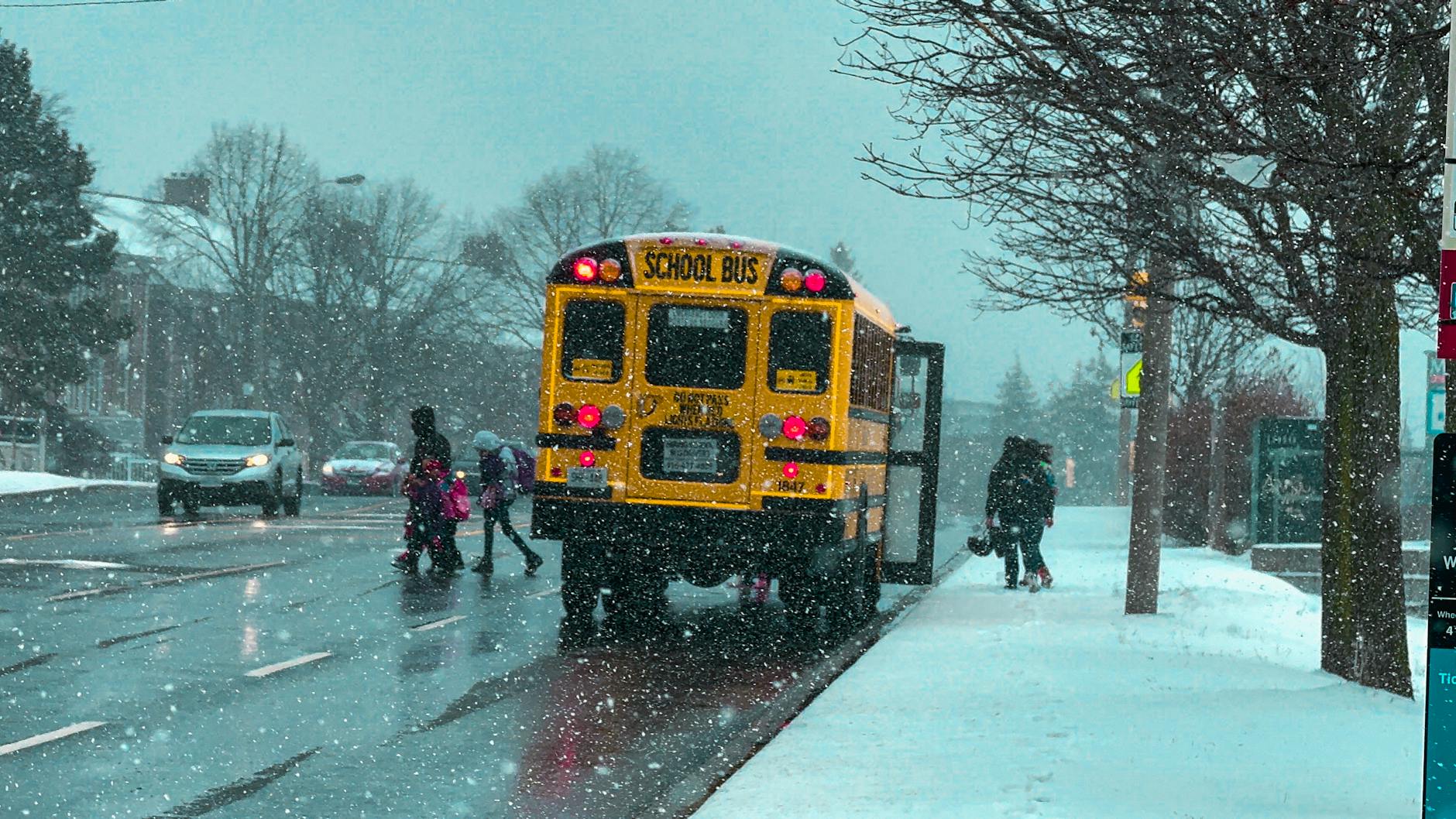
Trying to have a spontaneous parent-teacher conference at the classroom door during drop-off disrupts the morning routine. The teacher’s primary focus at that moment is welcoming students and ensuring a safe start to the day. Important conversations deserve dedicated time and privacy that the morning rush cannot provide. Scheduling an appointment allows the teacher to give the concern their full and undivided attention.
Vacationing During School Term

Booking family vacations during instructional weeks forces the student to miss valuable interactive lessons that cannot be replicated. Asking teachers to create a packet of work in advance adds a significant burden to their planning time. Students often return feeling overwhelmed by the material they missed while they were away. Adhering to the school calendar safeguards the continuity of the child’s education.
Blaming the Teacher for Behavioral Issues

Refusing to acknowledge a child’s disruptive behavior prevents the implementation of effective strategies for improvement. Teachers document incidents to help the student succeed rather than to criticize the parenting style. Collaboration is necessary to address the root causes of acting out in the classroom. Owning the problem together leads to better social and emotional outcomes for the student.
Sending Unhealthy Snacks

Packing snacks loaded with sugar results in energy crashes that affect a child’s ability to concentrate in the afternoon. Teachers notice a distinct difference in behavior and focus when students consume nutritious food. Providing balanced options like fruit or cheese sustains energy levels for learning and play. Good nutrition supports the brain and helps the child regulate their mood throughout the day.
Not Updating Contact Info

Failing to provide current phone numbers or emergency contacts creates a safety risk if an incident occurs. School staff waste critical minutes trying to reach disconnected numbers when a child is sick or injured. Keeping records updated ensures that parents can be reached immediately in urgent situations. Regular checks of the parent portal guarantee clear lines of communication remain open.
Over-helping with Science Projects

Taking over a science fair project to ensure a winning result defeats the purpose of the assignment. Teachers assign these tasks to encourage inquiry and problem-solving skills appropriate for the student’s age. An obviously adult-made project sets an unrealistic standard and discourages students who did the work themselves. Valuing the process over the prize teaches integrity and genuine scientific curiosity.
Ignoring Screen Time Limits

Allowing unrestricted access to screens late at night affects a student’s attention span and sleep quality. Teachers see the effects of sleep deprivation and overstimulation in the classroom every day. Setting boundaries around device use helps the child disconnect and rest their brain for the next day. A well-rested student is far more capable of retaining information and managing emotions.
Critiquing Teaching Methods

Constantly questioning the pedagogical approach of the teacher implies a lack of trust in their professional training. Education evolves and methods used today often differ from what parents experienced in school. Trusting the educator’s expertise allows them to implement the curriculum effectively for the whole class. Open-mindedness toward new strategies can actually help parents support learning at home better.
Forgetting It Is a Partnership

Viewing the relationship with the school as a service provider rather than a partnership limits the child’s potential. Education works best when the home and school environments reinforce the same values and expectations. Teachers dedicate their careers to helping children grow and succeed in all areas of life. Recognizing this shared goal builds a bridge that supports the student every step of the way.
Please share your own experiences or thoughts on this topic in the comments.