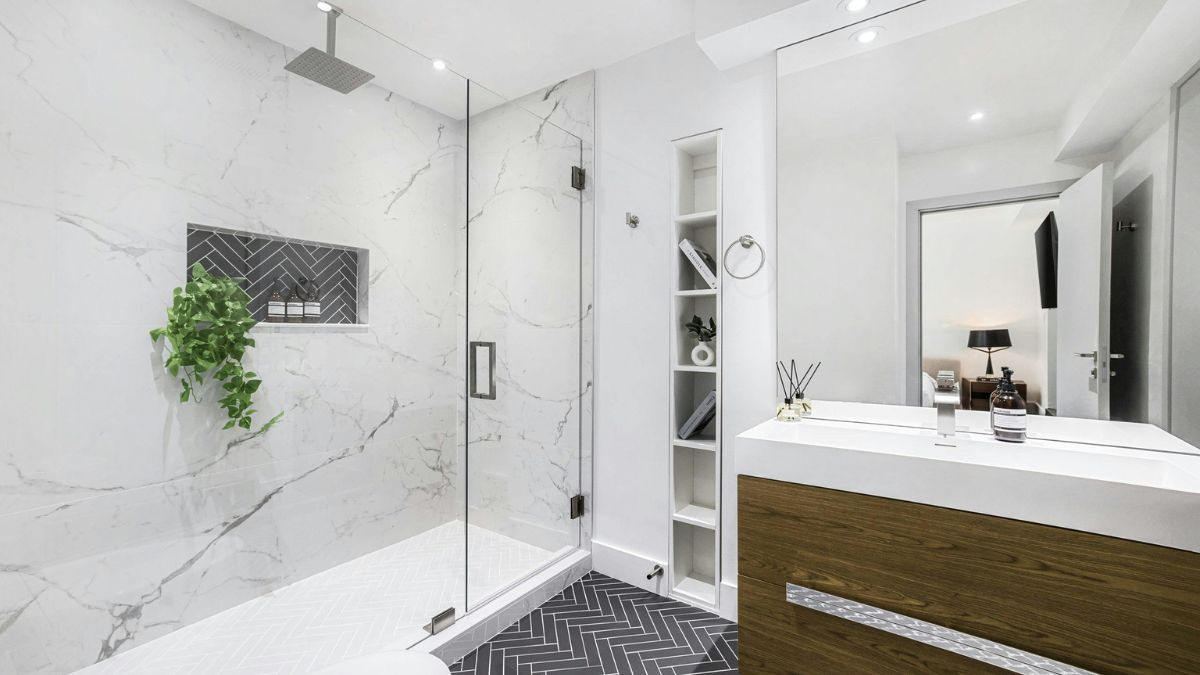
Every bathroom tells a story, and guests notice far more than hosts realize. A quick trip to the facilities can reveal a surprising amount about the person who lives there, from their hygiene habits to their organizational tendencies. While no one is expected to maintain a showroom-quality space at all times, certain items send unintended messages to visitors. The following things are the most common bathroom culprits that guests quietly take note of when no one is watching.
Expired Medications

Medicine cabinets filled with outdated prescriptions and long-expired over-the-counter products are a common sight that guests find unsettling. Medications lose their effectiveness past their expiration dates and some can even become harmful with age. A cluttered collection of old pill bottles also suggests a lack of attention to household safety. Health professionals consistently recommend conducting a full medicine cabinet review at least once a year. Disposing of expired medications through a pharmacy take-back program is the most responsible course of action.
Old Loofahs
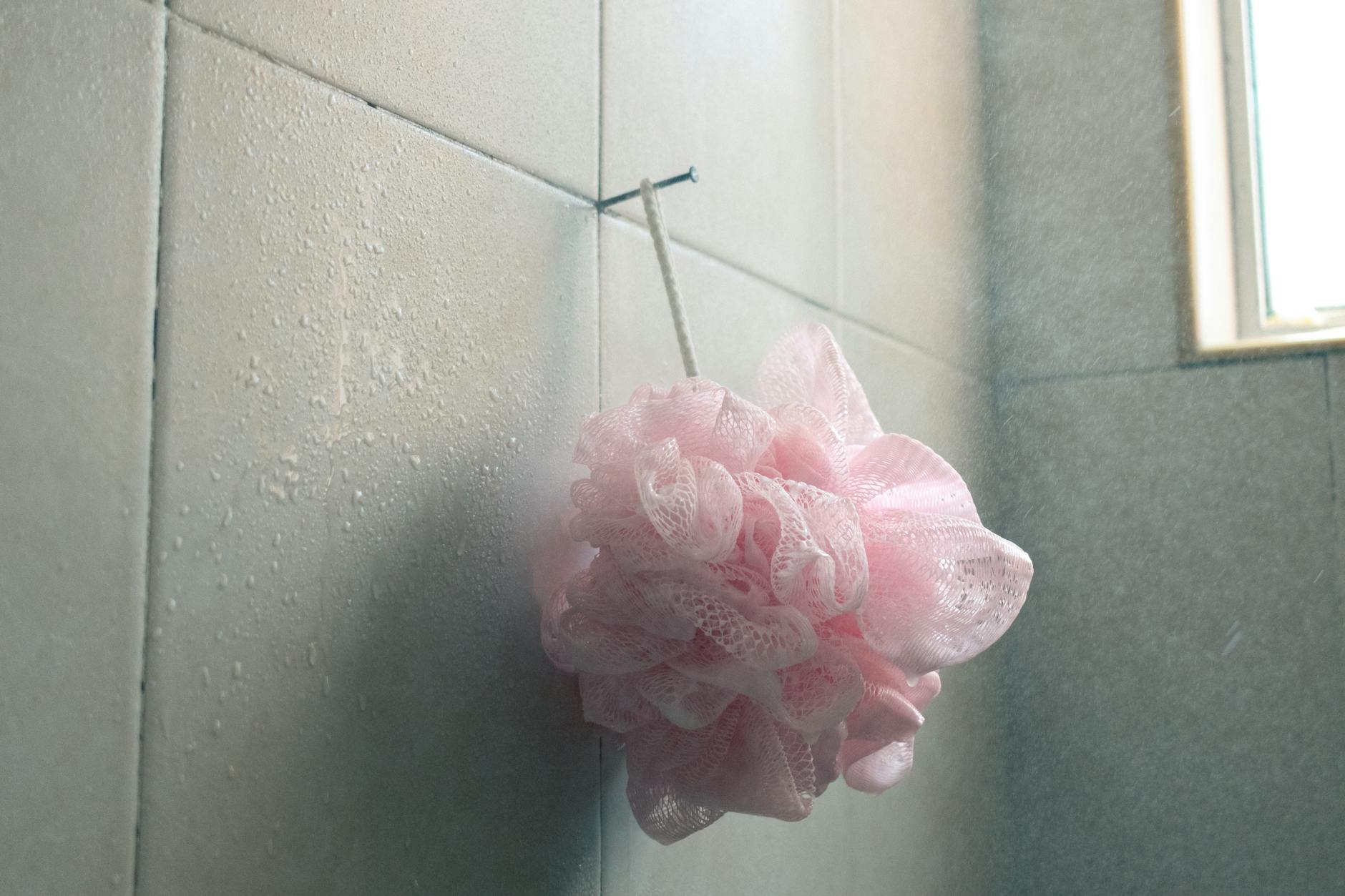
A discolored or fraying loofah hanging in the shower is one of the first things a perceptive guest will notice. These bathing tools harbor bacteria, mold, and dead skin cells at a rapid rate due to the warm and damp environment they live in. Dermatologists recommend replacing loofahs every three to four weeks to maintain proper hygiene. A slimy or misshapen loofah signals that this replacement schedule has been ignored for quite some time. Switching to a silicone scrubber can be a more hygienic and longer-lasting alternative.
Cluttered Countertops

A bathroom counter overflowing with products, tools, and miscellaneous items creates an impression of disorder that guests immediately register. When every inch of surface space is occupied, the room feels smaller and harder to navigate for a visitor simply looking for the soap. Product buildup often includes duplicates, empties, and items that belong in other rooms entirely. Streamlining countertop essentials to only daily-use items makes a significant visual difference. Drawer organizers and small trays are simple solutions that create an instantly tidier appearance.
Dirty Grout
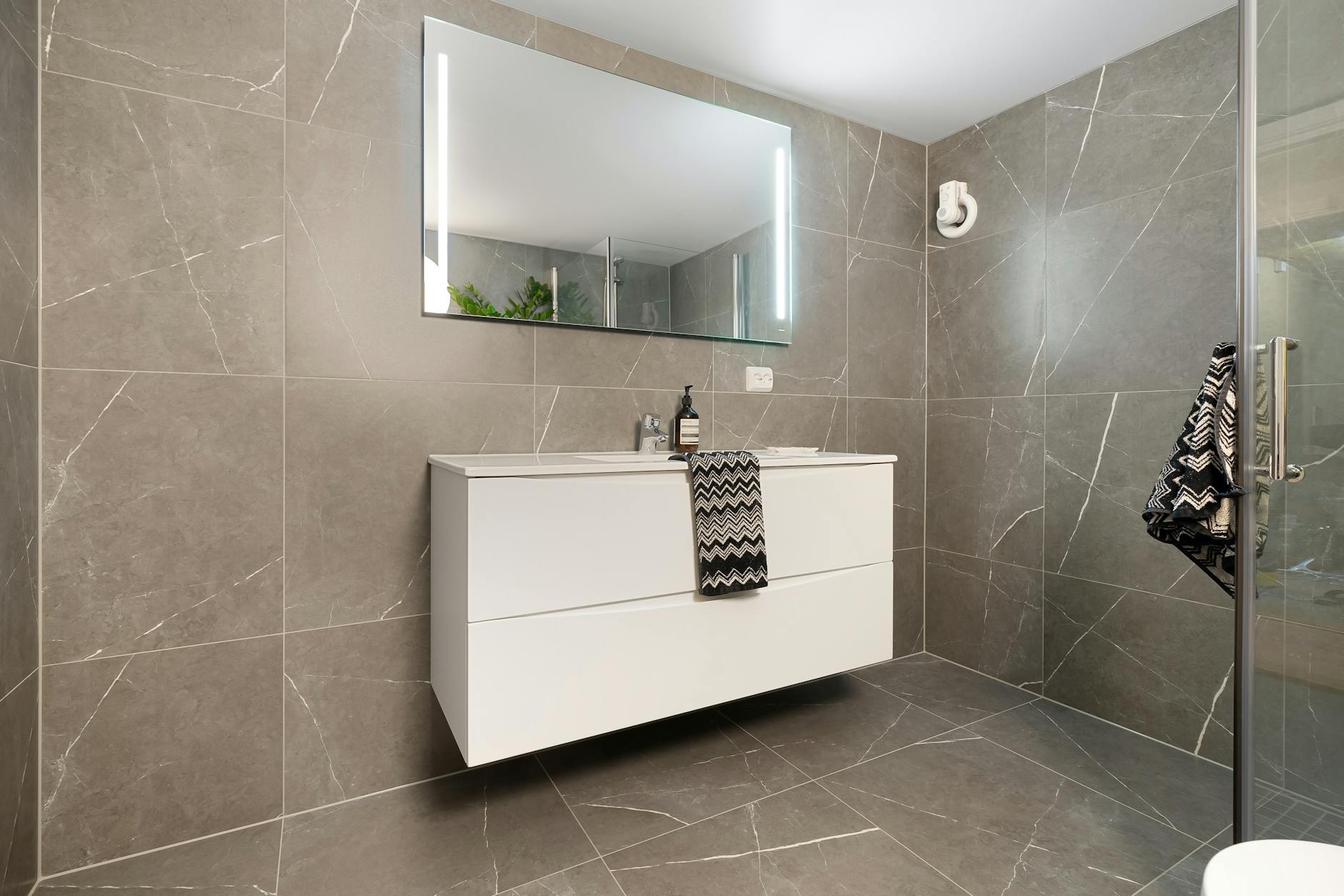
Grout lines that have turned gray, brown, or black from mildew and soap scum are a telltale sign of infrequent deep cleaning. While surface cleaning keeps a bathroom looking passable day-to-day, grout requires dedicated attention to stay bright. Guests tend to notice grout discoloration especially in white or light-tiled bathrooms where the contrast is stark. A mixture of baking soda and hydrogen peroxide applied with a stiff brush can lift years of buildup effectively. Sealing grout after cleaning helps prevent future staining and keeps the tile looking fresh longer.
Toilet Brush Holders
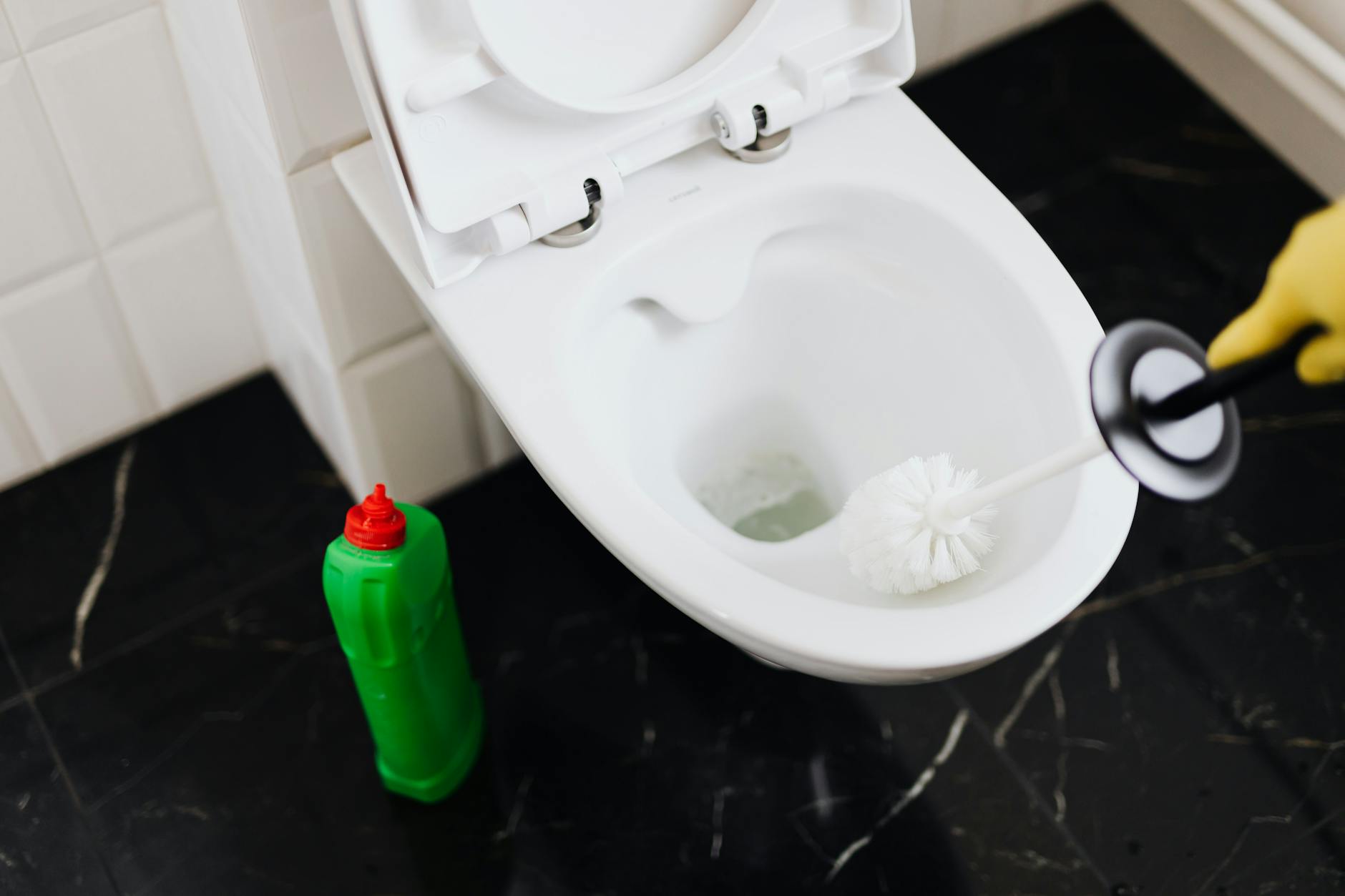
A toilet brush left in a grimy holder beside the toilet is something guests encounter in nearly every bathroom, yet it remains one of the most overlooked cleaning tasks. Standing water accumulates at the bottom of the holder and becomes a breeding ground for bacteria over time. Holders that are visibly stained or cracked give the impression that sanitation is not a top priority in the home. Disposable toilet brush systems have become a popular alternative that eliminates the problem of storing a soiled brush. At minimum, the holder should be emptied, disinfected, and dried on a regular basis.
Piled Towels
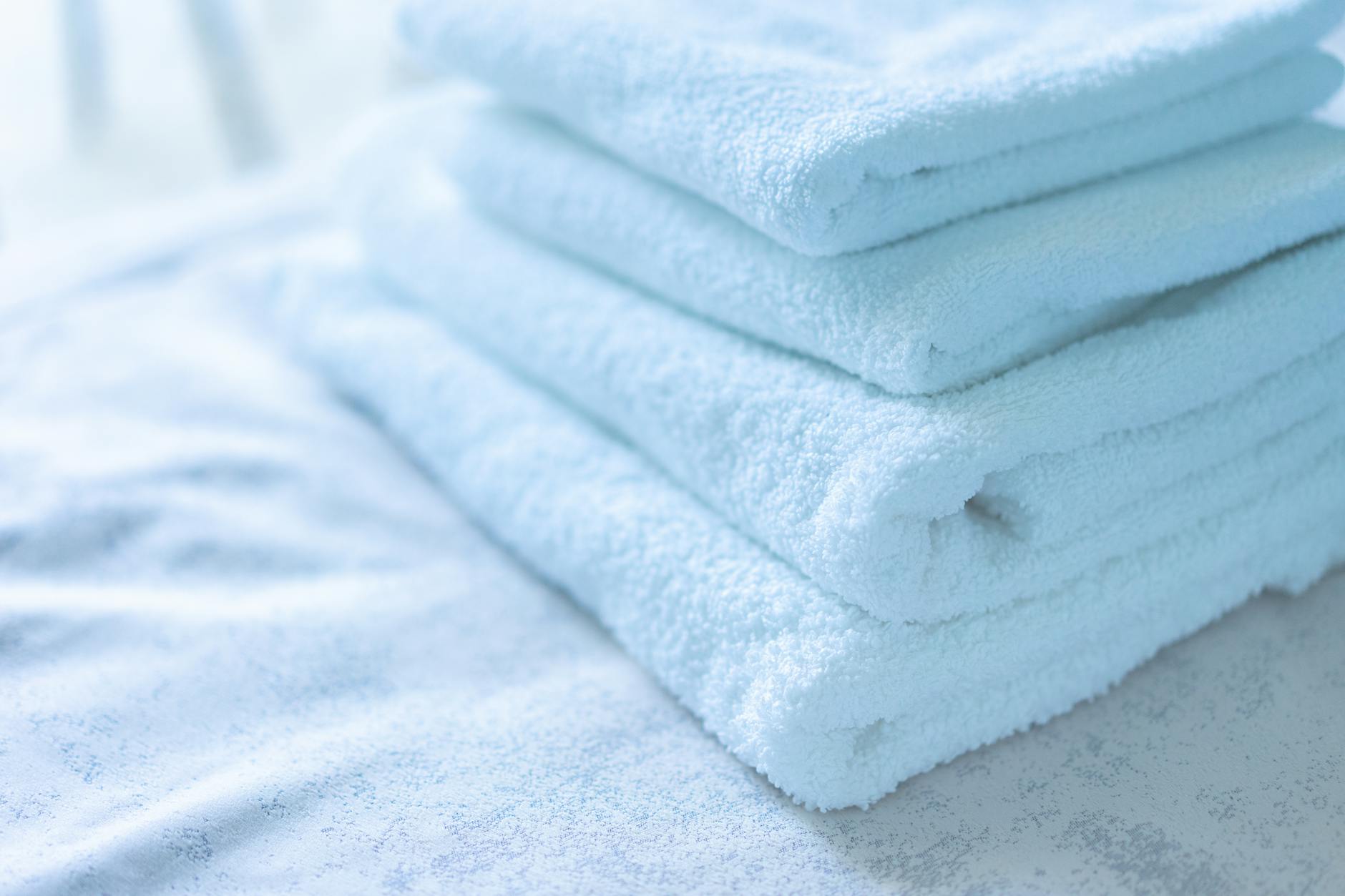
A heap of used towels tossed over a door, rail, or the floor is a sight that registers quickly with guests who are trying to find a clean one to dry their hands. Damp towels that have been sitting for days carry an unmistakable musty odor that is difficult to ignore in a confined space. Guests are often unsure whether any of the towels in the pile are clean or available for use. Keeping a clearly designated guest towel in a visible and accessible spot removes the awkwardness of the situation entirely. Rolled or folded towels displayed on a small rack also elevate the overall look of the bathroom instantly.
Hair Clippings
Stray hairs left on the sink basin, mirror, or toilet lid are among the most viscerally off-putting things a guest can encounter in a shared bathroom. Whether from shaving, trimming, or general grooming, leftover clippings are easy to produce and equally easy to forget to clean up. Guests who encounter this scenario are unlikely to voice their discomfort but are very unlikely to forget it. A quick wipe-down of all surfaces immediately after any grooming session prevents the buildup entirely. Keeping a small handheld vacuum near the sink makes post-grooming cleanup a much faster habit to maintain.
Soap Scum
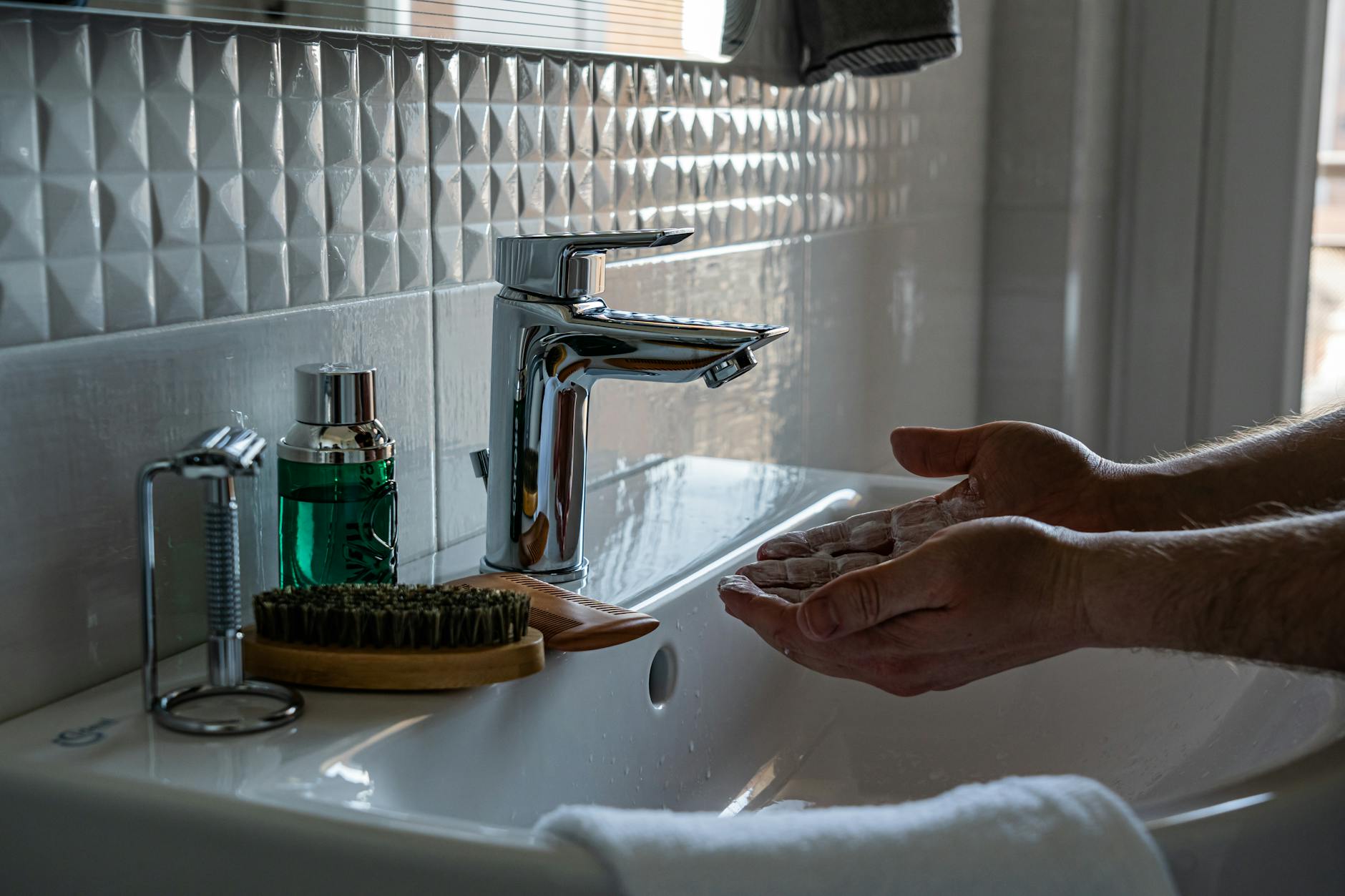
A thick layer of soap scum coating the shower walls or glass doors is one of the most visually prominent signs of inconsistent bathroom maintenance. The chalky, filmy residue builds up gradually from the combination of soap, hard water minerals, and body oils. Because it develops slowly, homeowners often stop noticing it long before a guest does. Daily use of a squeegee on shower glass can prevent the majority of buildup before it becomes entrenched. A dedicated soap scum remover applied weekly keeps surfaces looking clean without requiring a major scrubbing effort.
Unflushed Residue
Skid marks left in the toilet bowl are something guests encounter more often than hosts would care to imagine, and the impression left is a lasting one. Regular toilet bowl cleaning with a good brush and appropriate cleaner prevents this kind of buildup from becoming a recurring issue. Hard water stains and mineral deposits can also accumulate in the bowl and are frequently mistaken for a lack of cleaning. Automatic toilet bowl cleaning tablets that attach inside the tank are a low-effort way to maintain cleanliness between deep cleans. A visibly clean toilet bowl is one of the single strongest indicators of overall bathroom hygiene.
Scattered Makeup
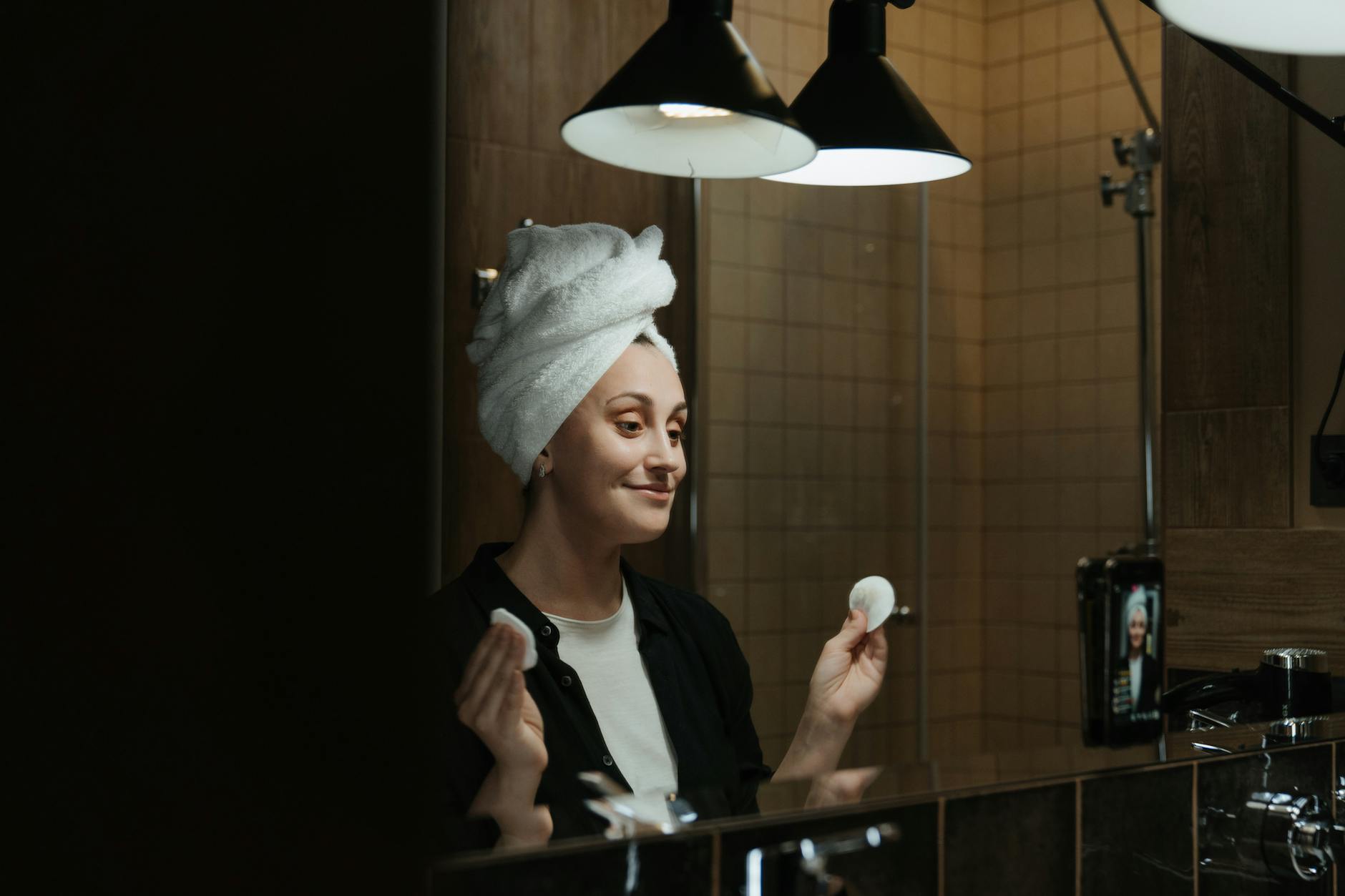
An arrangement of open makeup products, used applicators, and foundation-stained tissues spread across the bathroom counter sends a clear message about daily habits. Guests navigating a shared bathroom space feel intrusive when personal grooming items are left in full display without any organized system. Products without caps dry out faster and are more susceptible to bacterial contamination, making organization both a hygienic and aesthetic concern. A simple cosmetic bag or a designated drawer keeps the essentials accessible while maintaining a cleaner visual presentation. Guests consistently rate tidy bathroom surfaces as one of the top factors that contribute to feeling welcome in someone’s home.
Mold Around Fixtures
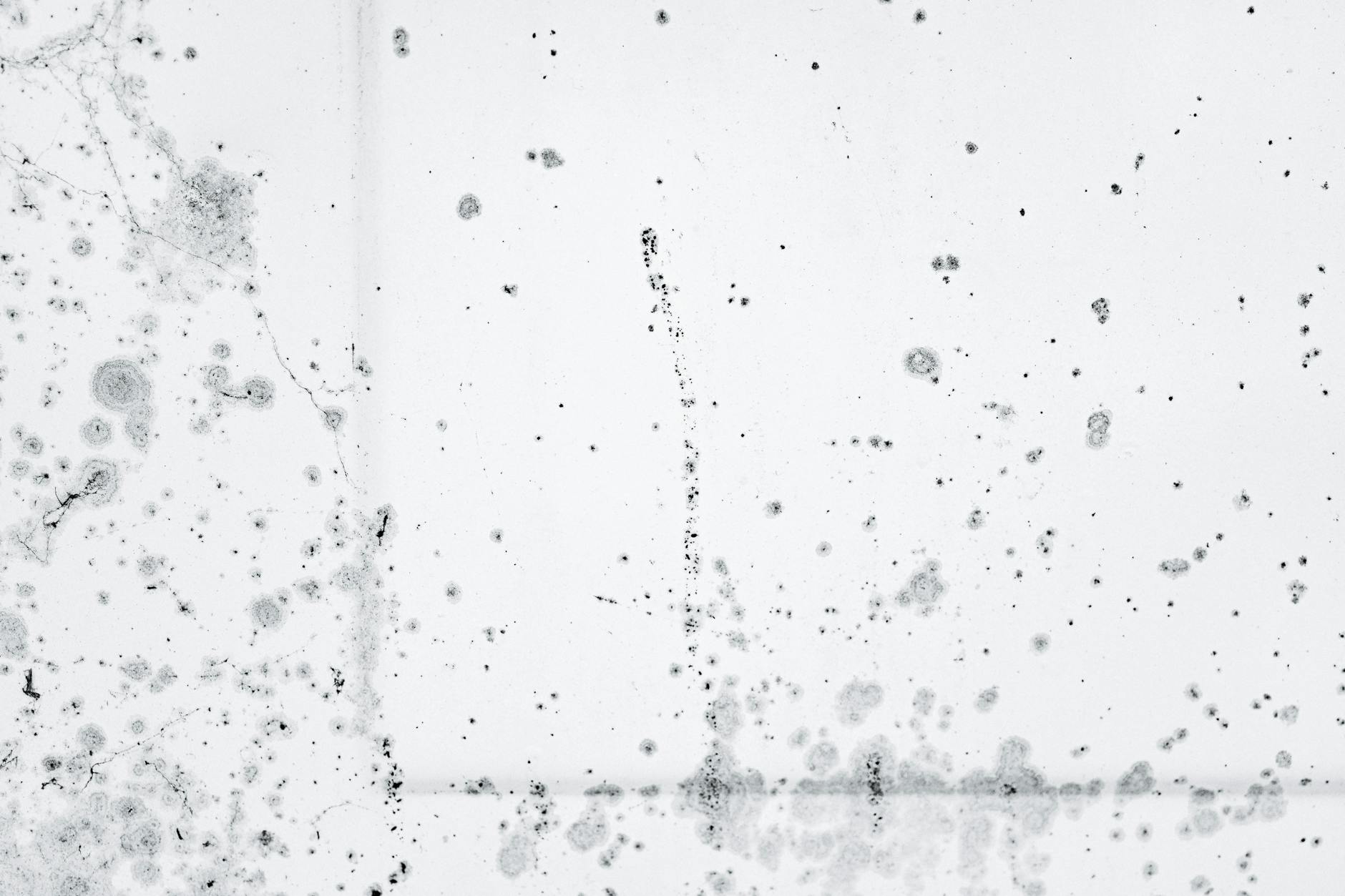
Dark mold spots forming around the bathtub faucet, showerhead, or caulking are a red flag that guests note with concern regardless of how clean the rest of the bathroom appears. Mold thrives in consistently damp environments and can develop within 24 to 48 hours on unsealed or aging caulk. Beyond aesthetics, certain mold varieties pose genuine health considerations for people with allergies or respiratory sensitivities. Replacing deteriorating caulk and ensuring the bathroom is properly ventilated after each use significantly slows mold development. A mold-resistant caulk applied during resealing provides an extra layer of protection in high-moisture areas.
Single-Ply Toilet Paper
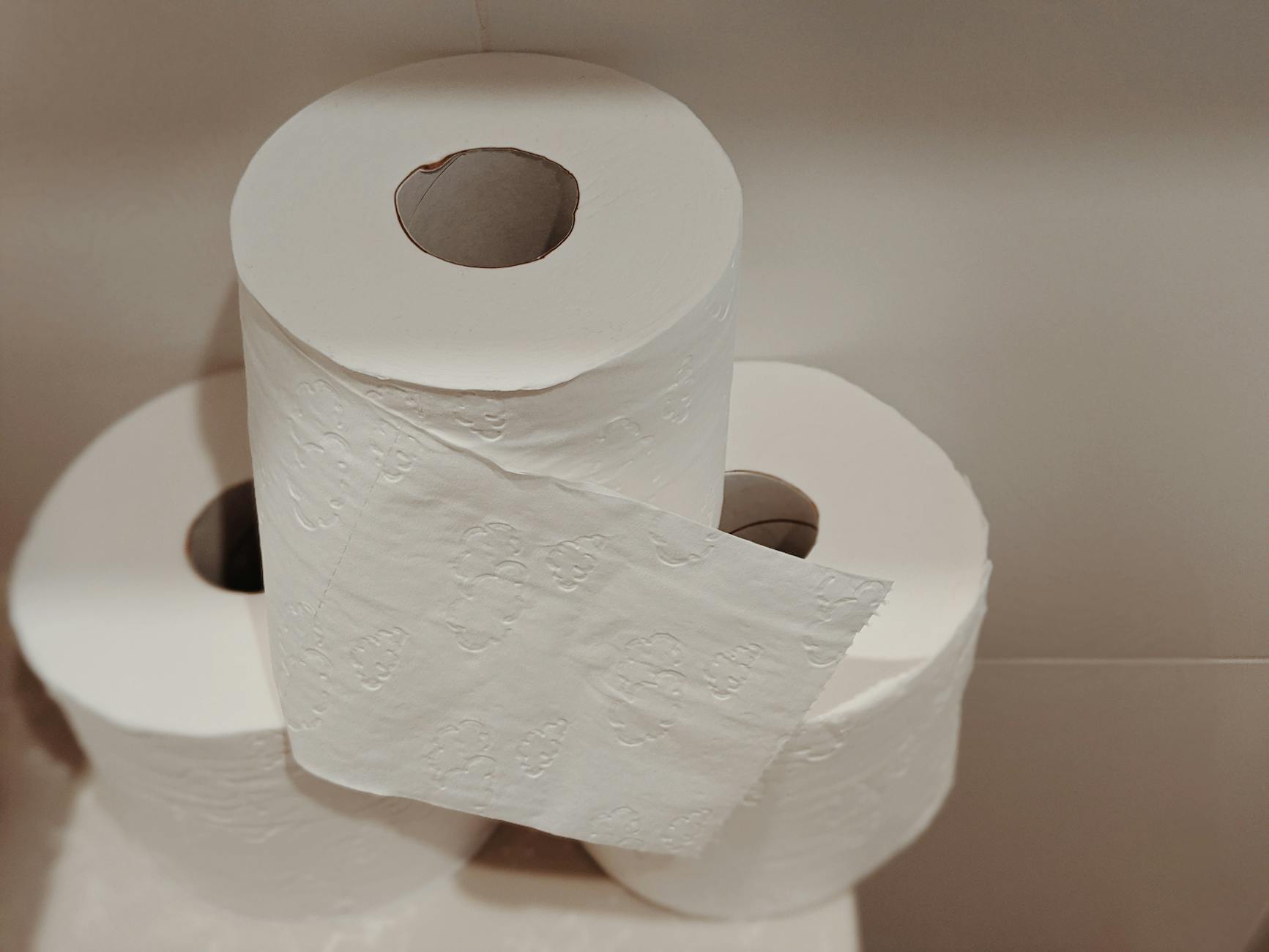
Running out of toilet paper mid-visit is a guest’s worst nightmare, but finding only a thin, rough single-ply roll is a close second. The quality of toilet paper stocked in a bathroom communicates subtle but real signals about how much comfort the host extends to visitors. Guests who encounter a nearly empty roll with no backup visible are left scrambling in an awkward and unnecessary situation. Keeping a small basket or built-in holder stocked with at least two extra rolls eliminates any anxiety about running short. Opting for a quality two-ply or three-ply option is a small expense that makes a noticeably positive impression on anyone who visits.
Children’s Toys
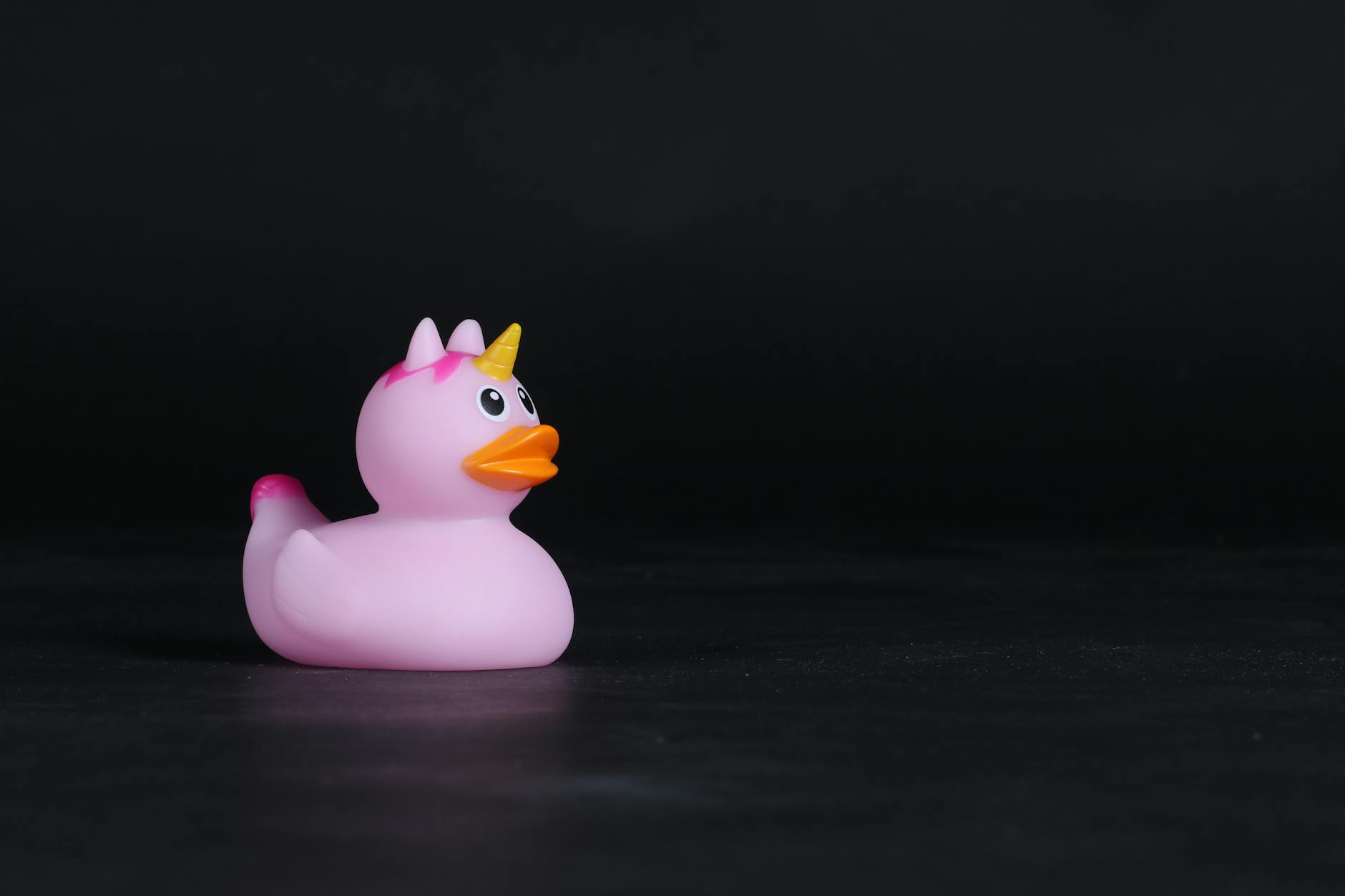
A bathroom crowded with bath toys, plastic figures, and waterlogged foam letters can catch guests off guard when they are expecting a relatively neutral space. While completely understandable in homes with young children, bath toys left out indefinitely often develop mold on the inside where water becomes trapped. Guests who look closely at a rubber duck or squeeze toy with dark mold spots visible inside the nozzle are unlikely to shake the image quickly. Storing bath toys in a mesh bag that allows full airflow between uses dramatically reduces internal mold growth. Clearing toys into a storage basket before guests arrive requires very little effort and makes a considerable difference in presentation.
Decorative Clutter
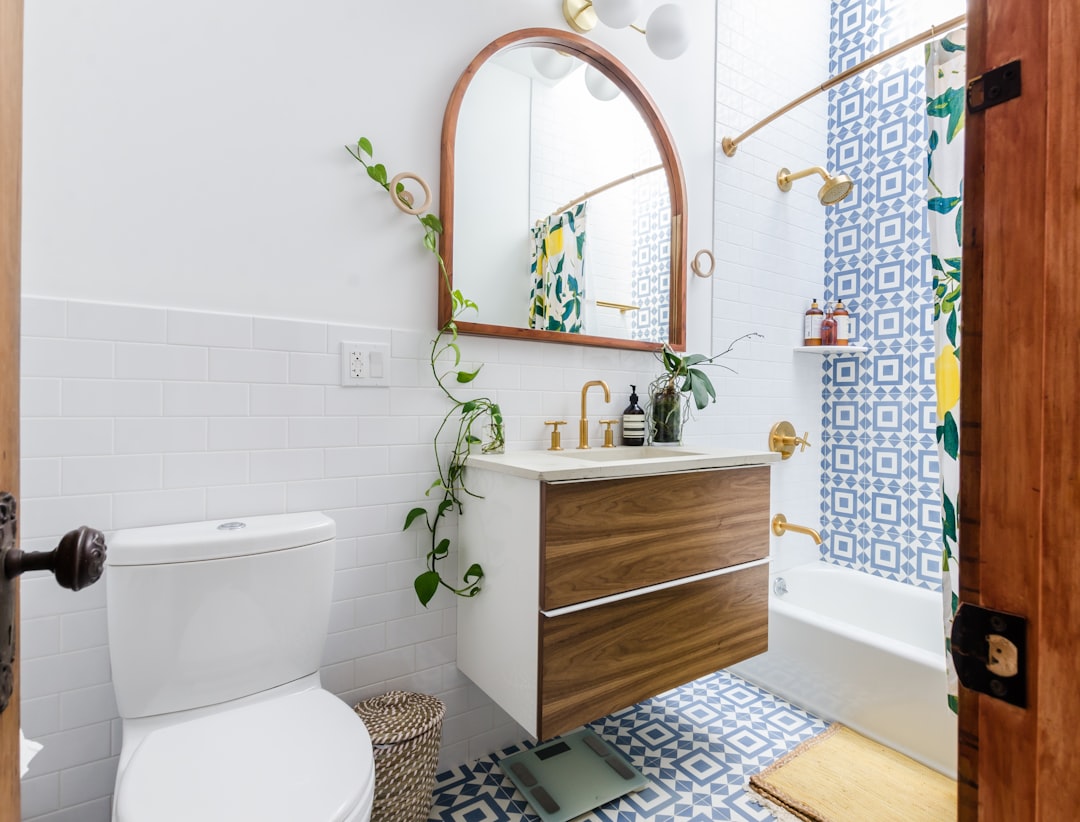
Shelves lined with an excess of decorative figurines, candles, fake plants, and miscellaneous keepsakes can make a bathroom feel claustrophobic and hard to clean. Guests often find it difficult to set down personal belongings or find clear surface space when every inch is occupied by decorative items. Dust and moisture accumulate rapidly on bathroom decor, and items that are not cleaned regularly develop a grimy coating that undermines the decorative intent entirely. A more curated approach with one or two intentional accent pieces communicates thoughtful design rather than accumulation. Rotating decor seasonally also keeps the space feeling intentional and well-maintained rather than stagnant.
Overflowing Trash
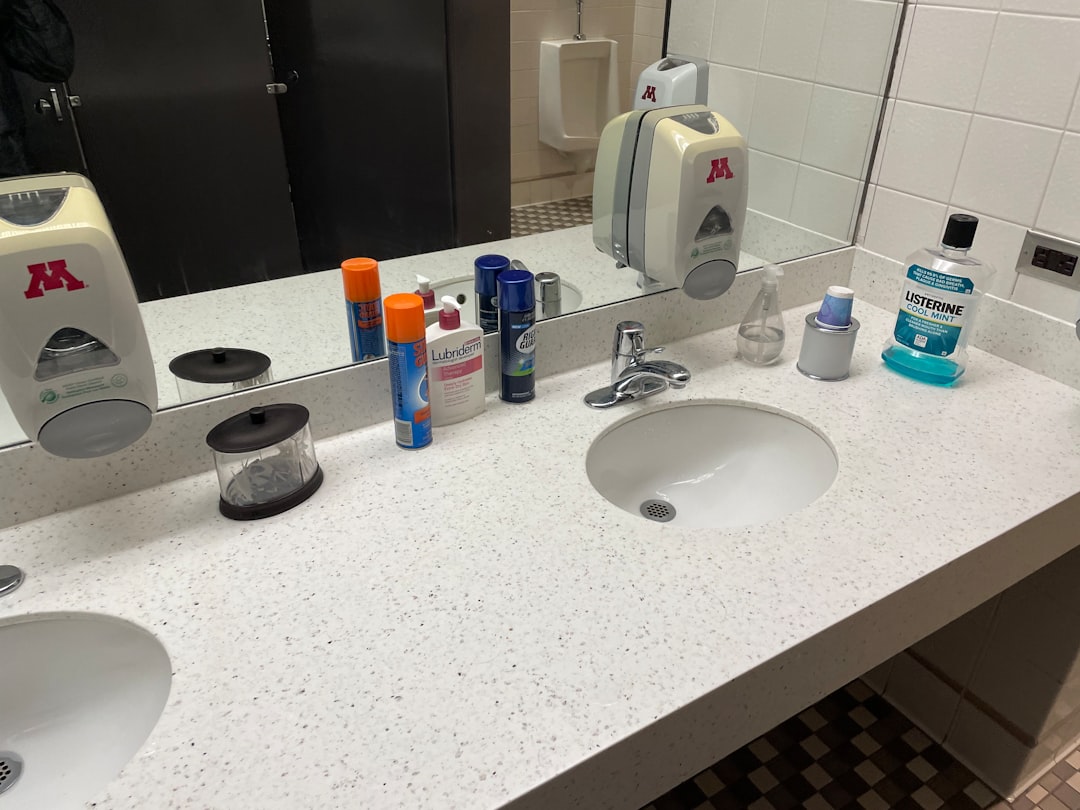
A waste bin that is visibly overflowing with used cotton rounds, tissues, and packaging is one of the most unflattering things a guest can encounter during a bathroom visit. The sight and potential odor of an overfull trash can makes the entire space feel neglected regardless of how clean the rest of the room may be. Small bathroom bins fill up quickly and require more frequent emptying than many people anticipate. Lining the bin with a small bag makes the emptying process significantly faster and keeps the bin itself cleaner over time. Emptying the trash before any expected guests arrive is one of the simplest and most impactful hosting courtesies available.
Old Air Fresheners
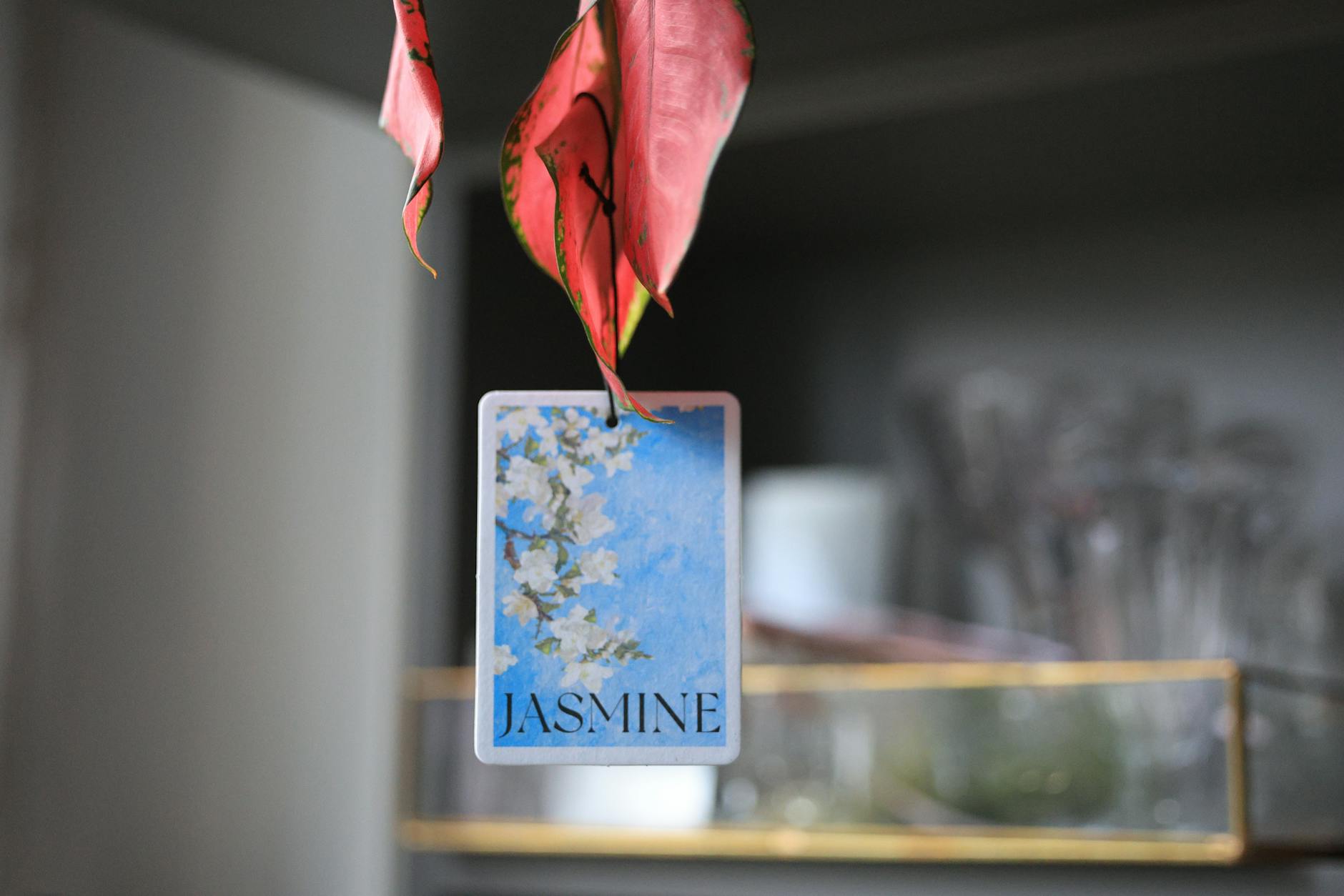
A dried-out plug-in air freshener, a crumbling wax melt, or an empty spray bottle left on the shelf signals to guests that the product has been forgotten rather than intentionally kept. Ineffective air fresheners that no longer emit any scent do nothing to mask odors while still occupying space and gathering dust. Guests notice the difference between a bathroom that smells genuinely fresh and one that has a faint chemical undertone from an overworked or exhausted product. Replacing air care products before they reach complete depletion ensures the bathroom always smells as intended. Reed diffusers and small sachets of dried botanicals offer a subtler and longer-lasting alternative to conventional spray fresheners.
Stained Grout Mats
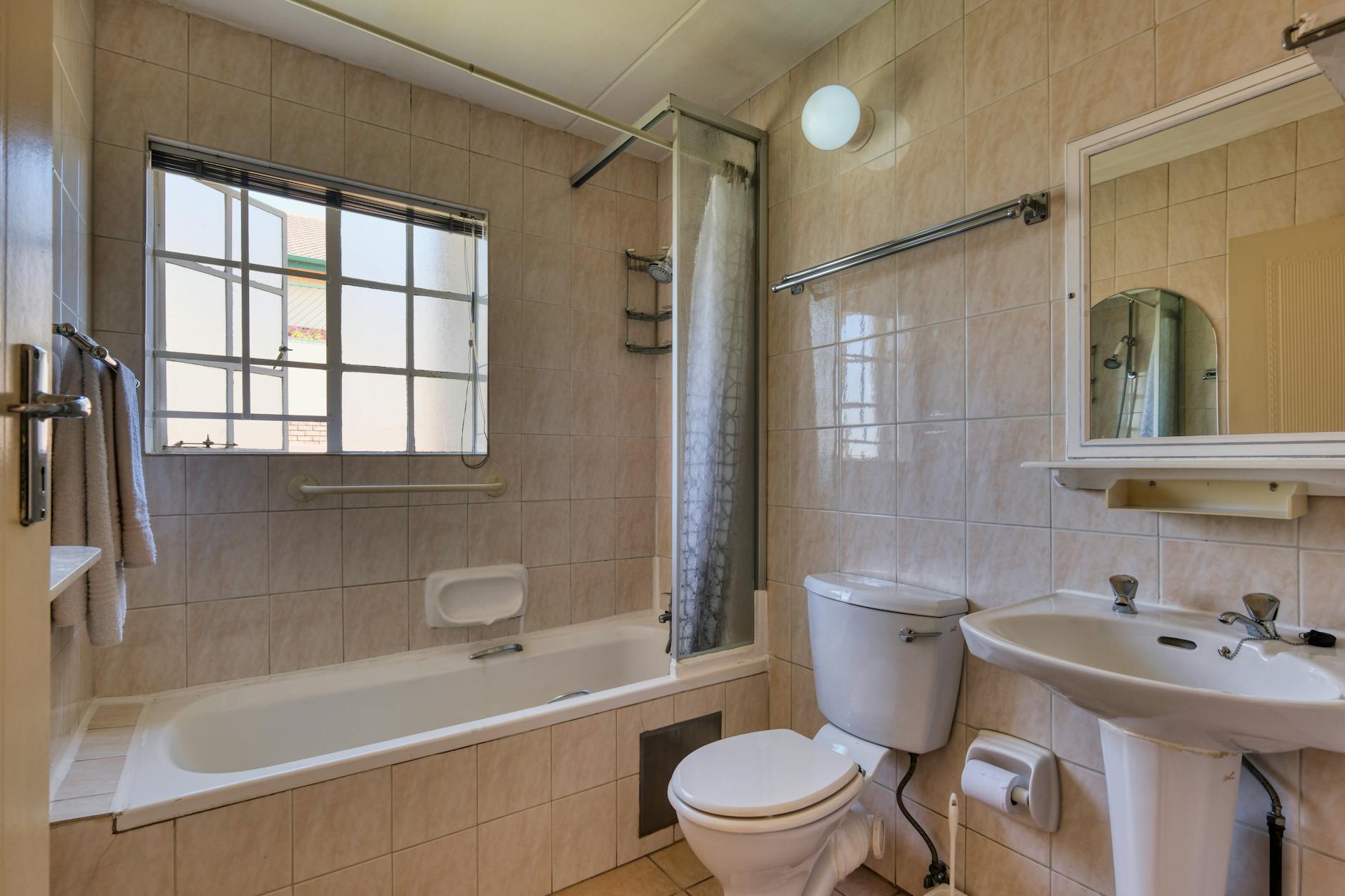
A bathroom mat that has seen better days communicates a great deal about household upkeep to any guest who steps onto it. Mats that are discolored, fraying at the edges, or carrying a persistent damp odor are among the most noticeable hygiene oversights in any bathroom. Because they rest on the floor and absorb water daily, bath mats require washing at least once a week to stay fresh and sanitary. A mat with visible mold spotting along the underside is not only unsanitary but can also damage the flooring beneath it over time. Replacing bath mats every one to two years keeps them looking and functioning at their best.
Mystery Bottles
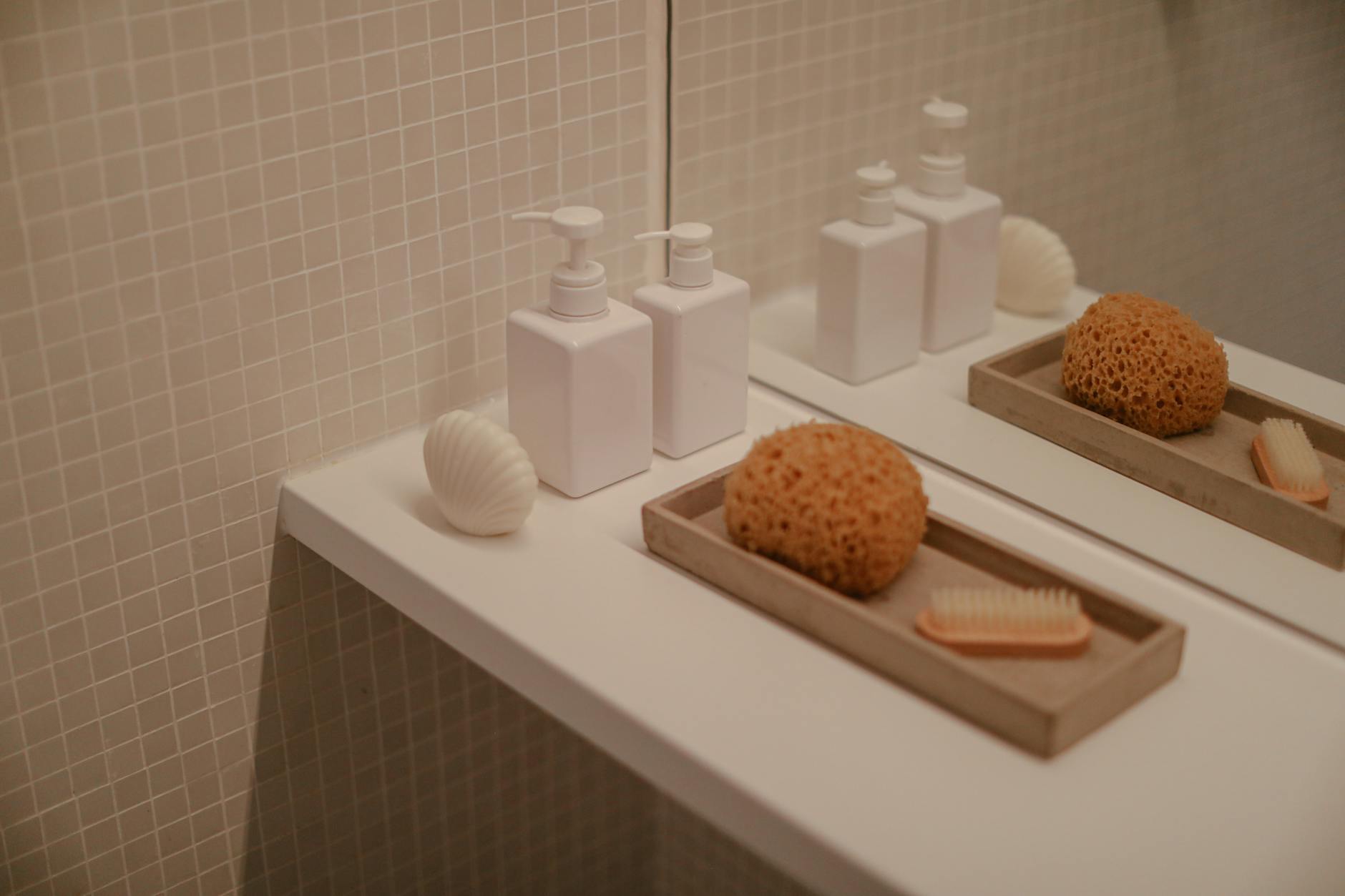
A collection of nearly empty, unlabeled, or long-discontinued product bottles lined up in the shower or along the tub ledge is a fixture in many bathrooms that guests find puzzling. Bottles kept well past their useful life contribute to visual clutter and are often harboring product that has separated, soured, or simply stopped working effectively. Guests navigating a shower as a visitor are left uncertain about which products are available for use and which are being kept for unclear reasons. Conducting a monthly shower shelf edit and discarding anything under ten percent full prevents the buildup from reaching unwieldy levels. Decanting frequently used products into matching dispensers also creates a cleaner and more polished overall look.
Fingerprinted Mirrors

A bathroom mirror covered in toothpaste flecks, fingerprints, and dried water spots is something guests clock immediately upon entering the space. The mirror is often the focal point of the bathroom and one of the most-used surfaces in the room, making its condition particularly visible. Streaky or spotted mirrors make the entire bathroom feel less clean than it may actually be, as the eye is naturally drawn to reflective surfaces. A quick wipe with a microfiber cloth and a small amount of glass cleaner takes under a minute and delivers an outsized improvement to the room’s overall appearance. Keeping a dedicated glass cleaning cloth tucked under the sink makes this a much easier habit to maintain on a regular basis.
Wrong Lighting
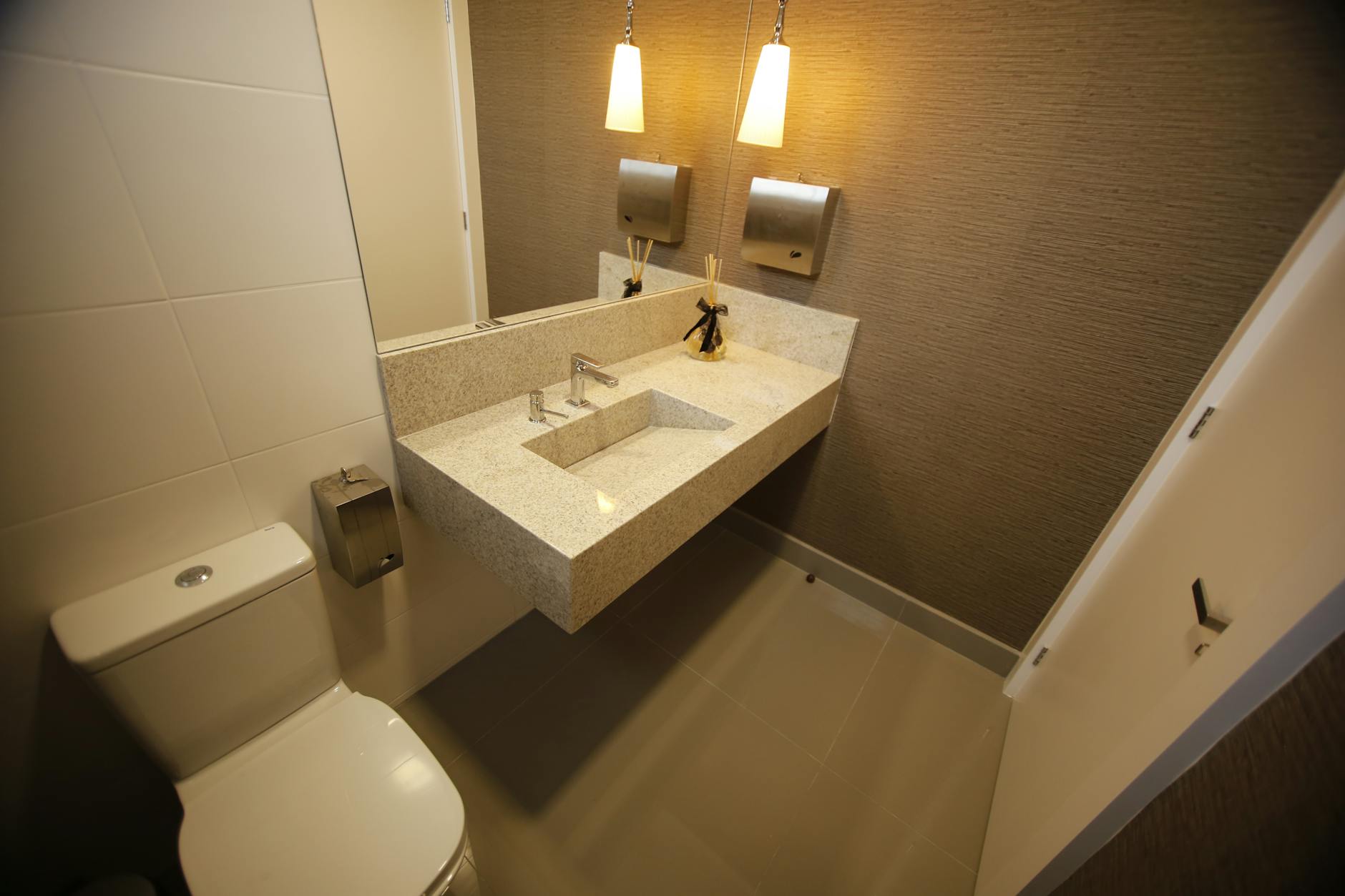
Harsh overhead lighting that casts unflattering shadows or a bulb that has been left burnt out without replacement are bathroom lighting situations that guests notice and feel immediately. Poor lighting makes the space feel unwelcoming and can actually make the bathroom appear dirtier than it is by emphasizing shadows and uneven surfaces. Guests who are trying to use the mirror for even basic tasks like washing their face or checking their appearance will struggle in a poorly lit environment. Layered lighting with a combination of overhead and vanity-level sources creates the most functional and flattering bathroom environment. Replacing bulbs promptly and choosing warm white tones over cool fluorescent options makes a significant difference in how the space feels to anyone who enters.
What bathroom habits or items do you think guests notice most often? Share your thoughts in the comments.