
Social media has blurred the line between personal expression and professional reputation in ways many people still underestimate. What feels like a casual post in the moment can follow someone for years, surfacing during background checks, client research, or internal promotion reviews. Human resources professionals and hiring managers routinely screen candidates and current employees on every major platform before making decisions. Understanding which behaviors cross the line from personal to professionally damaging is essential for anyone who wants to protect their livelihood in the digital age.
Drunk Party Photos

Images of excessive drinking at social gatherings send an immediate signal to employers about judgment and professionalism. Recruiters and managers form lasting impressions based on a single photograph, and photos featuring alcohol in abundance are among the most commonly flagged during hiring reviews. Even when posted on a personal account, these images are rarely protected from professional scrutiny. Many companies have formal social media policies that allow for disciplinary action when employee behavior reflects poorly on the brand. The damage extends beyond one job opportunity and can follow a person across an entire industry.
Profanity-Laced Rants

Public outbursts filled with offensive language suggest poor emotional regulation and a lack of professional composure. Employers look for individuals who can handle conflict and frustration with maturity, and a profanity-filled post signals the opposite. These rants frequently go viral in unintended circles, reaching colleagues, clients, and supervisors who were never the intended audience. Even when the frustration behind the post is understandable, the delivery destroys credibility faster than the grievance itself. Deleted posts rarely disappear completely, as screenshots circulate long after the original content is removed.
Workplace Complaints

Publicly venting about a boss, coworker, or company policy is one of the most direct ways to end a career prematurely. Even vague posts that seem anonymous are often traced back to the original poster through context clues or mutual connections. Potential employers who see this behavior immediately question whether the candidate would do the same to them. Current employers who discover such posts frequently use them as grounds for termination under existing conduct policies. Grievances belong in private conversations or formal HR channels, not on public feeds.
Political Extremism
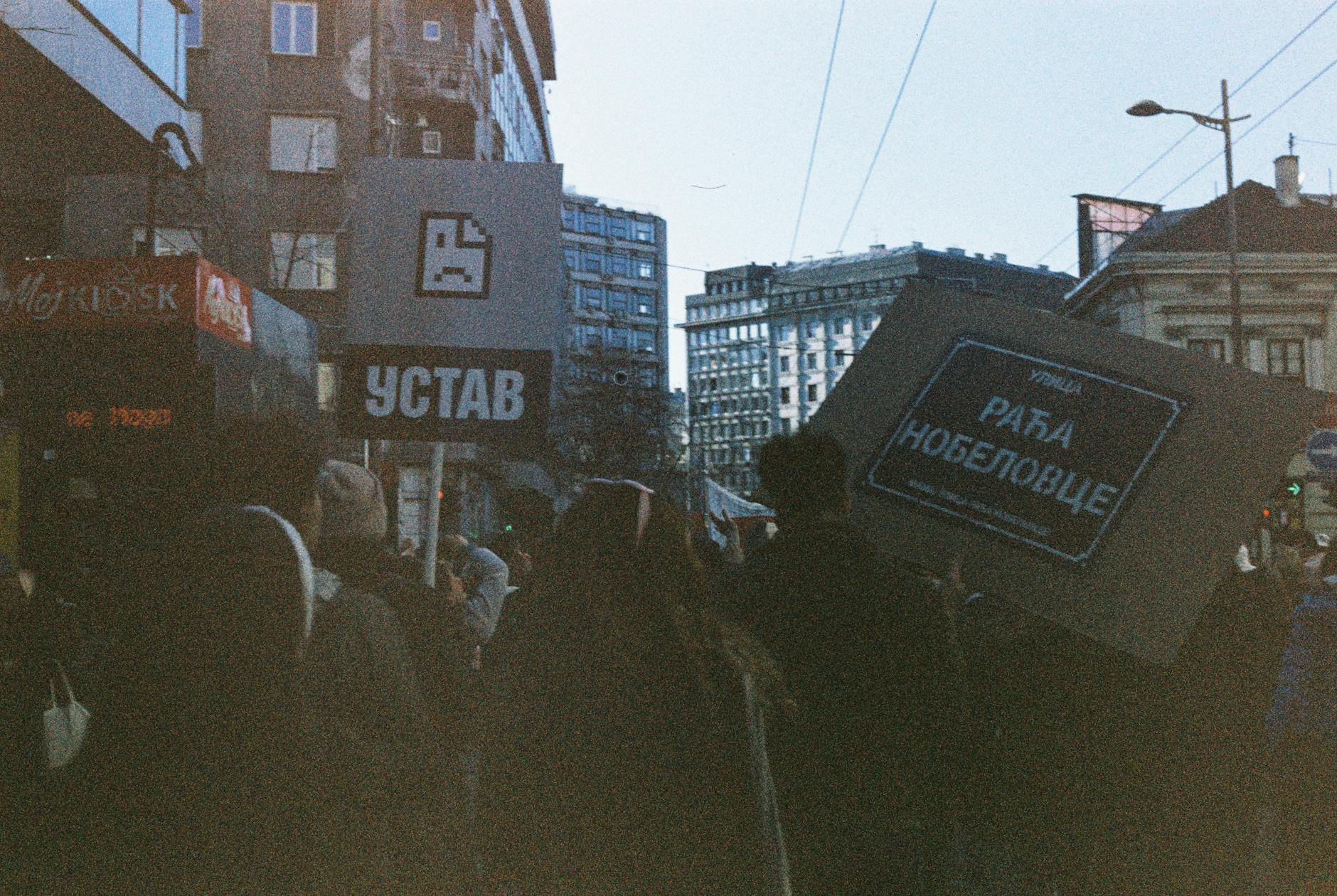
Sharing extreme political content or engaging in hostile partisan debates marks a person as potentially divisive within a workplace team. While moderate political expression is generally protected in many contexts, posts that promote hostility, spread misinformation, or attack groups of people create serious reputational risk. Clients and colleagues from all political backgrounds interact with professional networks, and alienating even a portion of them carries real financial and social consequences. Employers increasingly worry about liability and workplace harmony when they encounter this kind of content during screening. The professional cost of extreme political posting often far outweighs any sense of online validation.
Confidential Information

Sharing internal company details, trade secrets, client names, or proprietary data on social media is grounds for immediate termination in most organizations. Even well-intentioned posts that celebrate a new client win or reference an internal project can breach nondisclosure agreements. Legal consequences can follow beyond the loss of employment, including civil suits and professional licensing reviews in regulated industries. The instinct to share exciting work news must always be filtered through an understanding of what information is genuinely public. One careless caption can unravel months of professional trust built with an employer or client.
Discriminatory Jokes
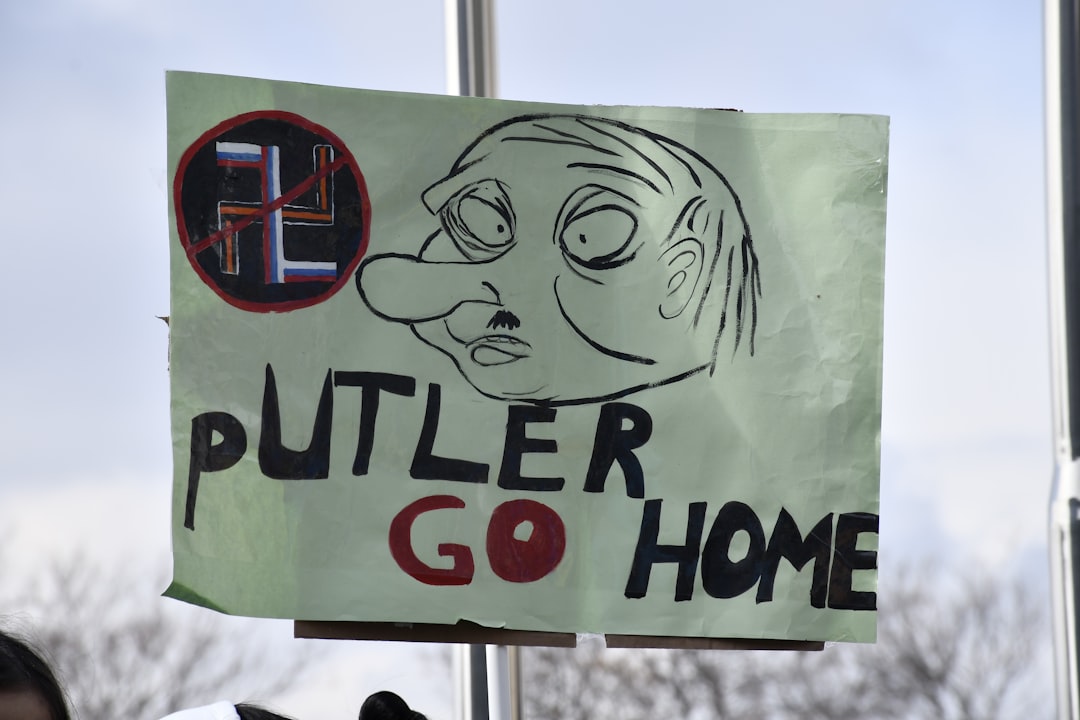
Humor that targets people based on race, gender, religion, sexuality, or disability signals a fundamental disrespect that employers cannot afford to overlook. Even when framed as sarcasm or irony, discriminatory content creates legal exposure for companies associated with the person who posted it. Coworkers and clients who encounter these posts often lose trust immediately and permanently. Diversity and inclusion considerations now factor heavily into hiring, retention, and promotion decisions across most industries. A single post of this nature can become a defining data point in every future professional evaluation.
Fake Achievements
Claiming false credentials, exaggerating accomplishments, or fabricating professional milestones online invites scrutiny that almost always ends badly. Professional networks like LinkedIn are actively monitored by recruiters, and inconsistencies between posted claims and verified records are quickly identified. Background check processes have become more thorough, and discovery of false information during any stage of hiring or employment typically results in immediate dismissal. Beyond employment, fake achievement posts damage credibility within peer communities and industry circles where reputation is currency. The short-term gratification of appearing more successful rarely justifies the long-term professional fallout.
Passive-Aggressive Posts

Cryptic status updates or indirect jabs clearly aimed at a colleague, client, or employer broadcast conflict in a way that reflects poorly on everyone involved. Professionals observing from the outside draw unflattering conclusions about a person’s ability to communicate directly and resolve issues constructively. These posts frequently create unnecessary drama that spills back into the workplace even when names are never mentioned. Managers and senior leaders who spot this behavior tend to remove the individual from consideration for leadership roles. Subtlety does not reduce the damage when the professional context is obvious to anyone who knows the poster.
Illegal Activity

Posting photos or videos that document illegal behavior removes all plausible deniability and creates a permanent digital record that employers, law enforcement, and licensing boards can access. Even minor infractions that seem culturally normalized carry significant professional weight when documented publicly. Industries with regulatory oversight treat evidence of illegal conduct as grounds for revoking professional credentials entirely. Insurance policies and liability concerns mean that employers take this category of post more seriously than almost any other. What feels like an inside joke among friends can become exhibit A in a termination or legal proceeding.
Oversharing Personal Drama
Broadcasting relationship breakdowns, family conflicts, financial crises, or personal struggles in exhaustive public detail projects instability to professional observers. Employers value discretion, and individuals who cannot maintain personal boundaries online raise concerns about how they handle sensitive matters in the workplace. Oversharing creates a perception of poor judgment that is difficult to reverse once established in a professional network. Clients and business partners who stumble across this content frequently reconsider their professional relationships. Personal challenges are a universal human experience, but their appropriate venue is never a public professional feed.
Attention-Seeking Selfies

Excessive self-promotional photos that prioritize appearance over substance gradually shift a professional’s personal brand toward superficiality in the eyes of colleagues and employers. This is particularly damaging when the content appears flirtatious or provocative in contexts tied to a professional profile. Clients and collaborators who encounter a stream of appearance-focused content begin to question the person’s priorities and seriousness. Professional networks expect content that adds value, demonstrates expertise, or contributes meaningfully to a relevant conversation. A pattern of attention-seeking imagery signals that personal validation takes precedence over professional contribution.
Conspiracy Theories

Regularly sharing unverified or debunked content signals a disregard for critical thinking that makes employers deeply uncomfortable. Decision-making roles require employees who can evaluate evidence carefully, and a social media history full of conspiracy theories undermines confidence in that ability. Clients and partners who view this content frequently question whether the individual can be trusted with accurate information or sound judgment. In fields like healthcare, finance, law, and education, association with misinformation is a particularly serious professional liability. The credibility cost accumulates with every post and becomes increasingly difficult to rehabilitate.
Competitor Attacks

Publicly mocking or attacking competitor companies, even when working independently or as a freelancer, damages professional reputation across an entire industry. It reveals a combative character that most employers and clients prefer to avoid when making partnership or hiring decisions. Companies that are targets of these attacks sometimes respond publicly, creating unflattering exchanges that further harm the aggressor’s standing. Industry communities are smaller and more interconnected than they appear from the outside, and word of this behavior spreads quickly among decision-makers. Confidence in one’s own work is best communicated through results rather than public attacks on others.
Salary Discussions

While transparent conversations about compensation have legitimate value in appropriate contexts, posting specific salary grievances or publicly shaming employers over pay creates immediate professional friction. Human resources teams and senior management monitor employee sentiment online, and public pay complaints often accelerate the very termination an employee may be trying to avoid. Future employers who see this pattern worry about confidentiality and internal cultural disruption. The information shared in anger frequently contains details that violate employment agreements or expose colleagues who confided privately. Compensation concerns are most effectively addressed through documented internal channels rather than public posts.
Graphic Violence

Sharing violent imagery, whether real or framed as entertainment, raises immediate red flags among professional contacts who encounter it while browsing a network. It suggests a desensitization or appetite for disturbing content that makes colleagues and employers question character and workplace conduct. Even sharing violent news content without thoughtful framing or commentary can register as gratuitous to professional observers. Many workplaces have explicit social media policies that extend to personal accounts and include provisions around violent material. The professional cost is disproportionate to whatever momentary impact the post was intended to achieve.
Constant Negativity

A social media presence defined by ongoing complaints, criticism, cynicism, and pessimism creates a lasting impression of someone who is difficult to work with and damaging to team morale. Employers and clients seek collaborators who demonstrate resilience and a constructive approach to challenges, and a chronically negative online presence contradicts that entirely. Even when individual complaints are valid, the cumulative pattern becomes the story that others tell about the person. Leadership opportunities are rarely extended to individuals whose public presence radiates consistent dissatisfaction. Positivity is not about being dishonest but about understanding that a professional network is not the appropriate venue for persistent grievance.
Public Intoxication Videos

Live or recorded video of visible intoxication is among the most shareable and most damaging categories of content a professional can post. Unlike a static photograph, video captures behavior in motion and often includes audio that removes any possibility of misinterpretation. These clips spread quickly through professional and personal networks simultaneously, often reaching supervisors before the poster has even sobered up. Employers have terminated employees over viral intoxication videos even when the incident occurred entirely outside of work hours. The permanence of video combined with its shareability makes this category of post among the most professionally catastrophic of all.
Have you experienced any of these social media missteps firsthand or watched someone’s career take a hit because of a careless post? Share your thoughts in the comments.