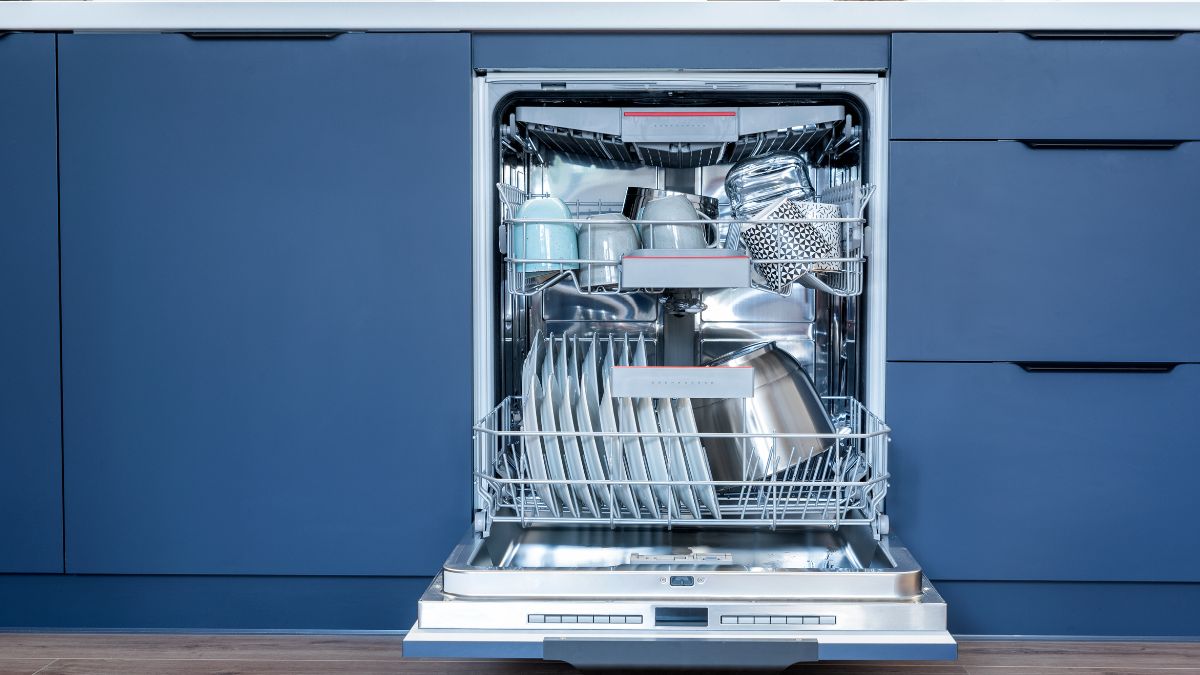
Every dishwasher seems like a miracle of modern convenience, promising to clean nearly anything tossed inside without effort or thought. Yet the machine has its limits, and the wrong items can cause cascading damage that extends well beyond the appliance itself. Warped racks, clogged drains, shattered seals, and flooding floors are just some of the consequences that unsuspecting homeowners face. Understanding what not to load is one of the most important pieces of kitchen knowledge any household can have.
Cast Iron
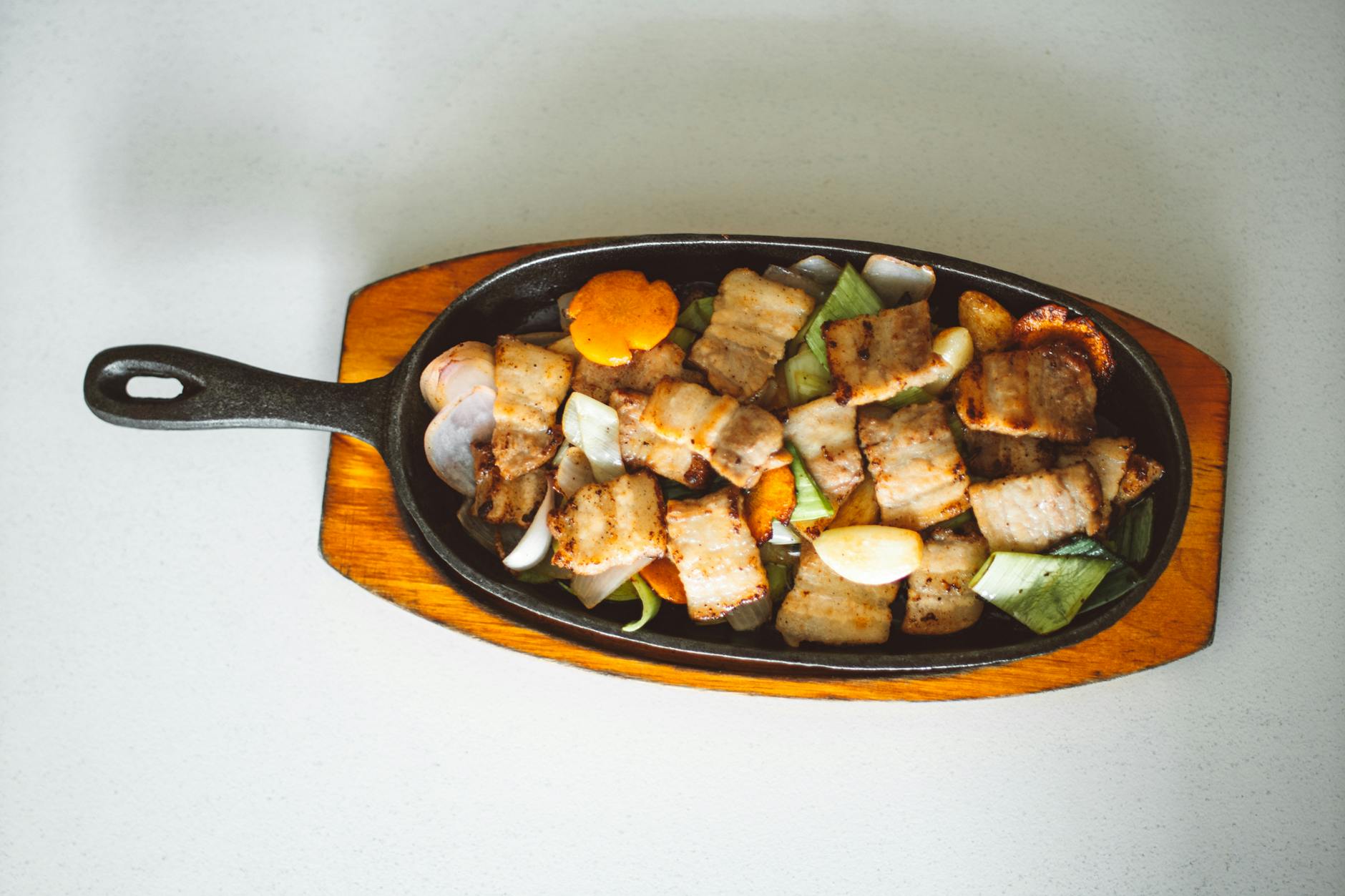
Cast iron cookware depends entirely on its seasoning, which is a carefully built layer of polymerized oil that forms the natural nonstick surface. A dishwasher strips this layer completely, leaving the pan vulnerable to rust within hours of drying. The rust can then flake into surrounding dishes and coat the dishwasher’s interior with orange residue. Restoring a neglected cast iron pan is possible but requires significant time and effort that is entirely avoidable. Cast iron should always be cleaned by hand with minimal soap and dried immediately over heat.
Wooden Cutting Boards
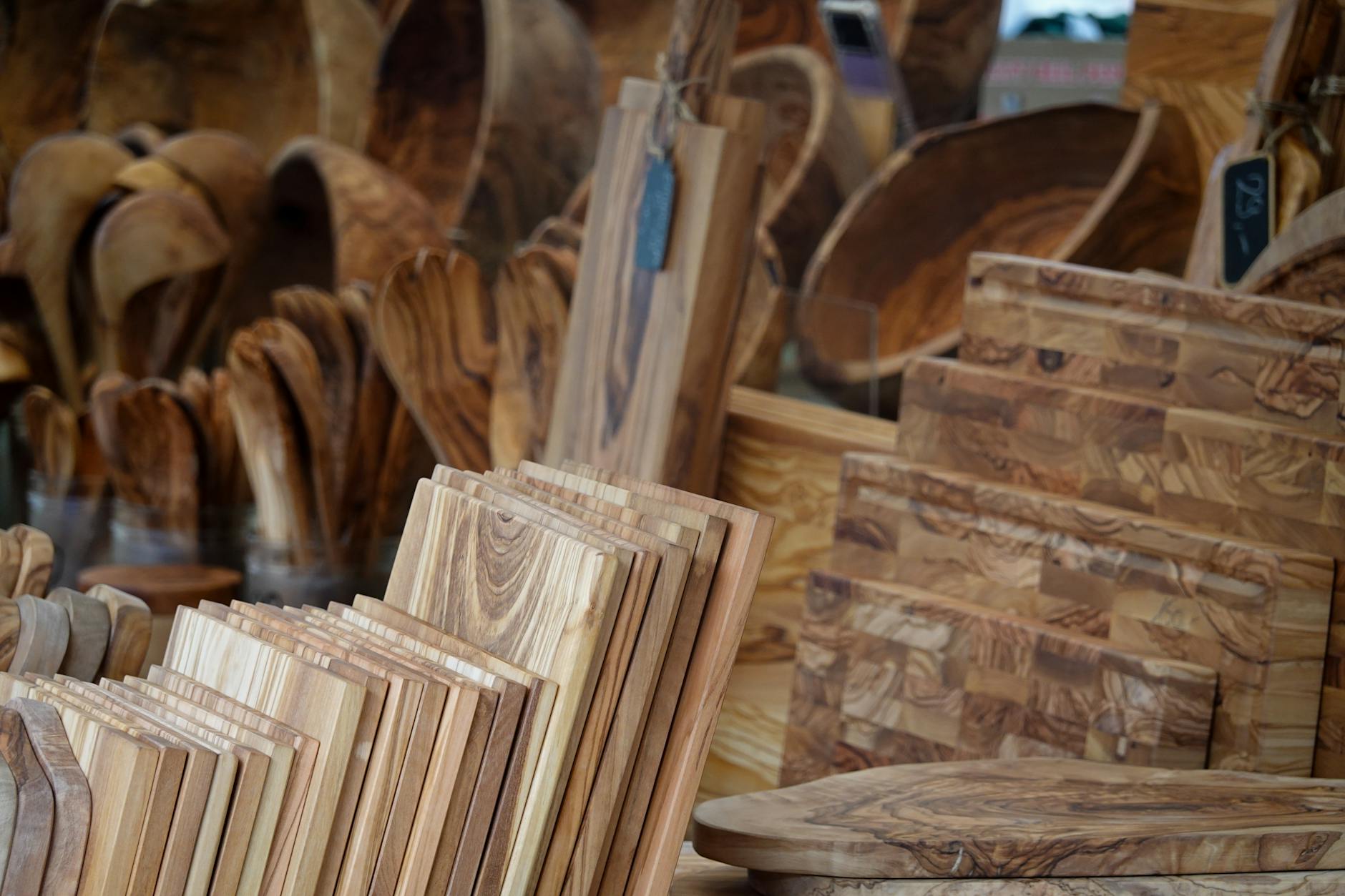
Wood and prolonged moisture exposure are fundamentally incompatible, making the dishwasher one of the worst possible places for a wooden cutting board. The high heat and sustained water pressure cause the wood to swell, crack, and eventually split along the grain. Bacteria can then settle into those newly formed crevices, making the board less sanitary than it was before washing. Warping is another common outcome, leaving the board rocking on the counter and creating an unstable surface for chopping. Hand washing with warm soapy water and thorough air drying keeps wooden boards in safe working condition.
Nonstick Pans
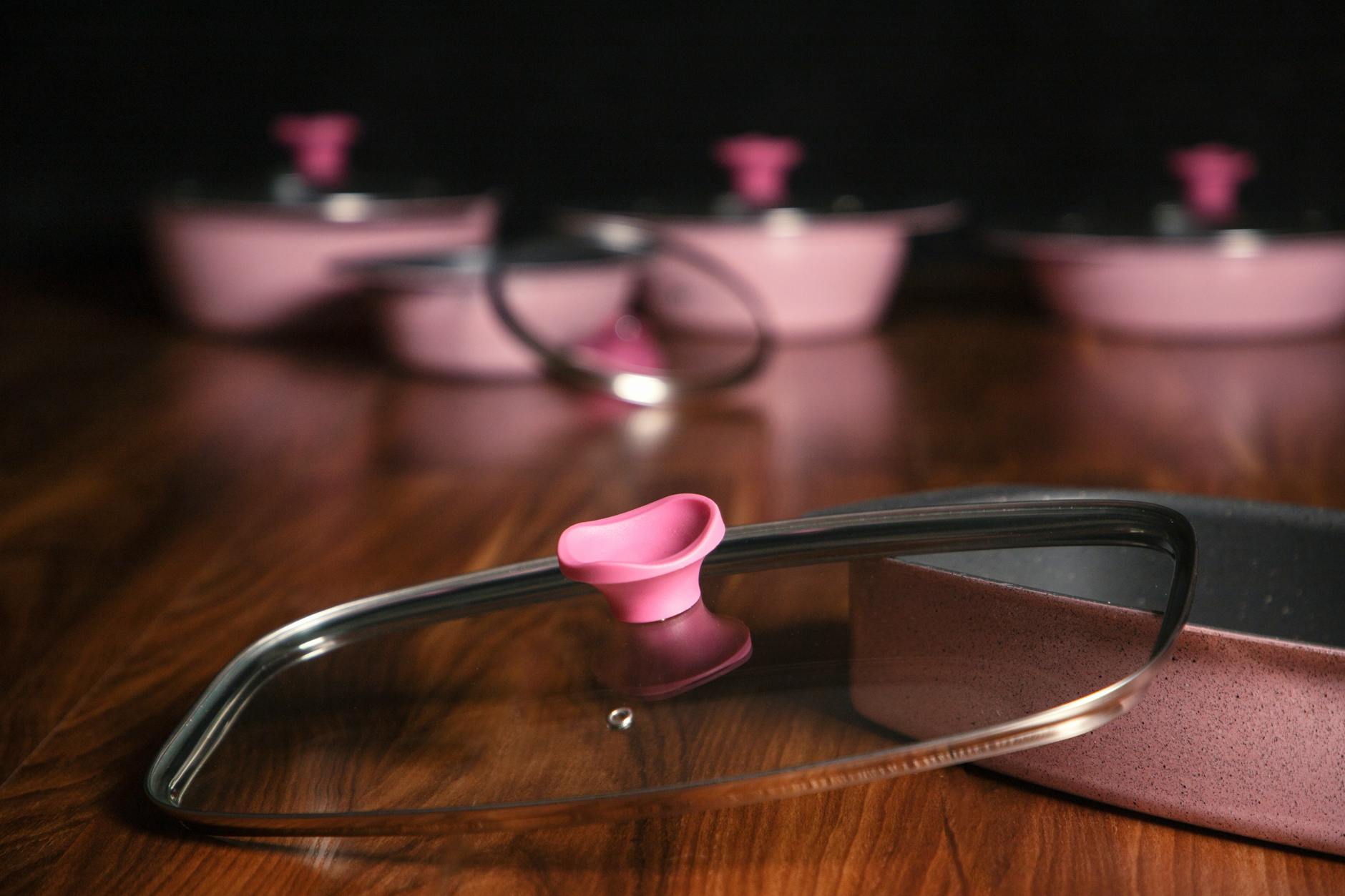
The coating on nonstick pans is a delicate surface that degrades rapidly when exposed to dishwasher detergent and high-temperature water jets. Once the coating begins to chip or peel, it can migrate onto food cooked in the pan, introducing unwanted particles into meals. A damaged nonstick surface also loses its primary function, causing food to stick and burn during cooking. Manufacturers of nearly every nonstick brand explicitly recommend hand washing to preserve the integrity of the surface. A single dishwasher cycle is often enough to begin the irreversible deterioration of a quality nonstick pan.
Sharp Knives
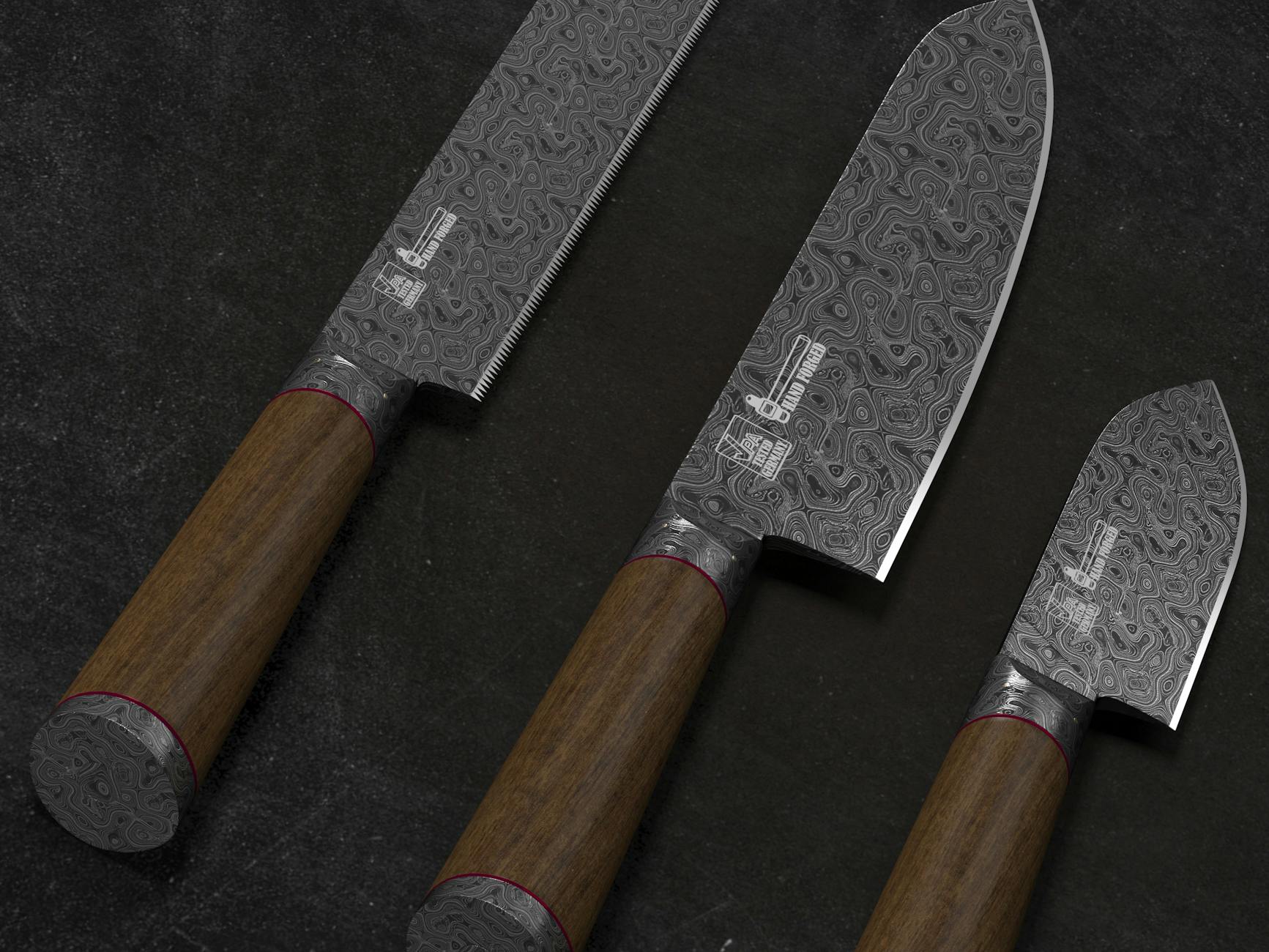
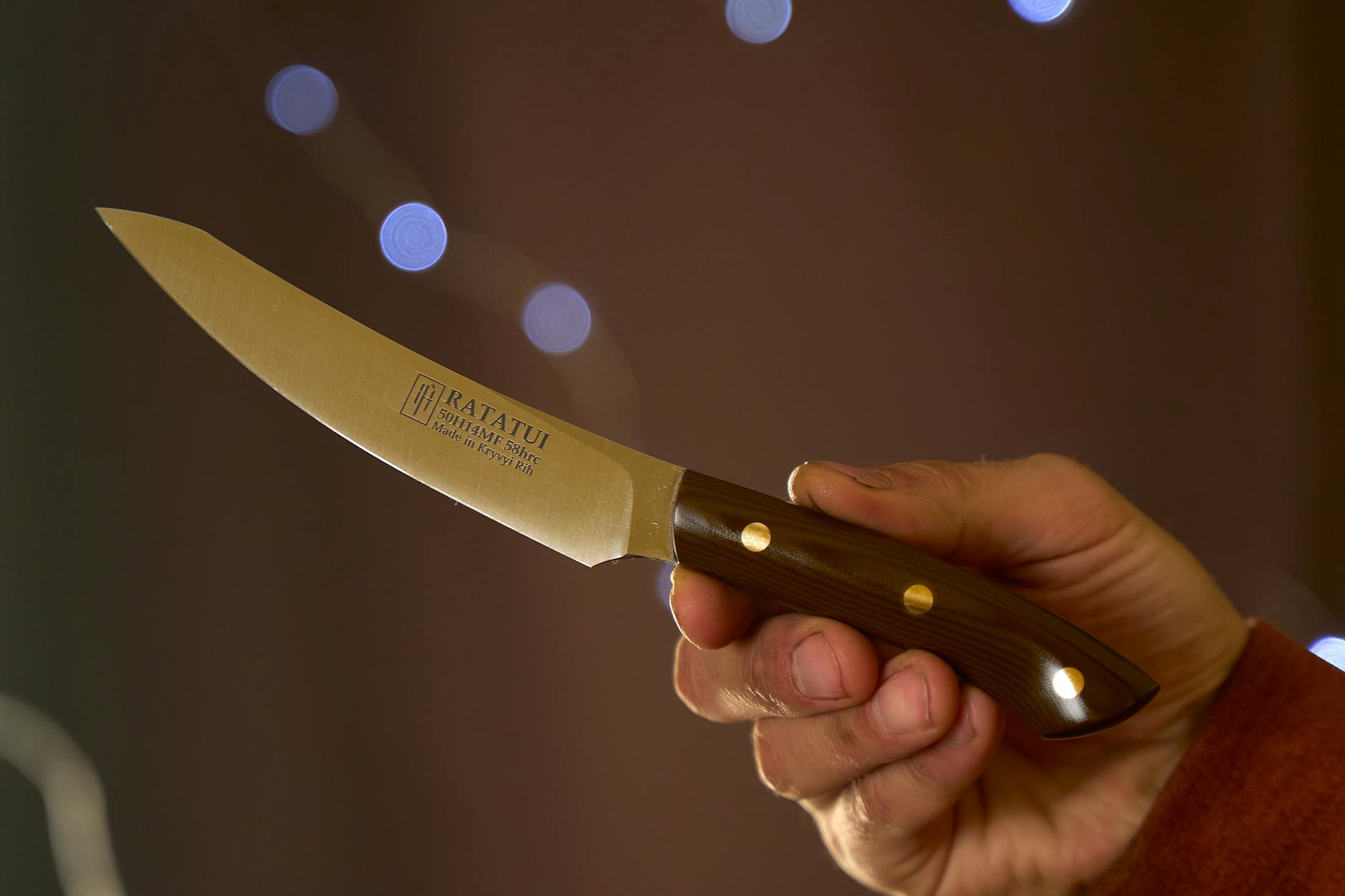
Quality kitchen knives lose their edge significantly faster when run through a dishwasher, as the powerful spray arms and hard detergents erode the blade’s fine edge. The tumbling motion inside the machine also causes knives to knock against other items, creating small but damaging nicks along the blade. Wooden handles on knives suffer the same swelling and cracking problems that affect any wood exposed to repeated moisture cycles. Perhaps most dangerously, knives shifted inside a running dishwasher can puncture the rubber seal on the door, causing leaks that damage flooring and cabinetry. A quick hand wash and immediate towel dry is the only proper care routine for a quality knife.
Crystal Glassware
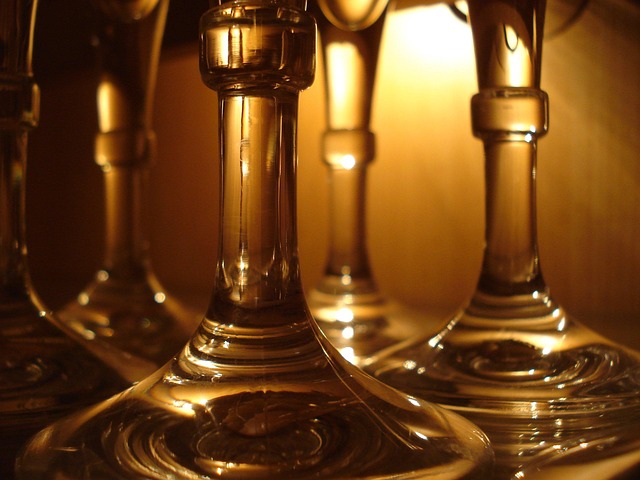
Fine crystal is far more fragile than standard glass and cannot withstand the thermal stress created inside a dishwasher’s high-temperature environment. The rapid heating and cooling cycles cause micro-fractures to develop, which eventually lead to cracking or shattering during regular use. Dishwasher detergents are also abrasive enough to permanently cloud the surface of crystal, destroying the clarity that makes it valuable. Tall stemware can tip over during the wash cycle, breaking inside the machine and sending glass shards throughout every rack. Crystal should always be washed gently by hand in warm water with a mild dish soap.
Insulated Tumblers

Insulated tumblers and travel mugs are constructed with a vacuum-sealed double wall that creates their temperature-retaining properties. The dishwasher’s heat can force water into the space between the walls, breaking the vacuum seal and permanently destroying the insulation. Once the seal is compromised, the tumbler will no longer keep beverages hot or cold for any meaningful length of time. Some lids on insulated cups contain small valves and gaskets that warp or melt under dishwasher temperatures, making them impossible to seal correctly afterward. Most manufacturers specify hand washing to protect both the function and the warranty of insulated drinkware.
Pressure Cooker Lids
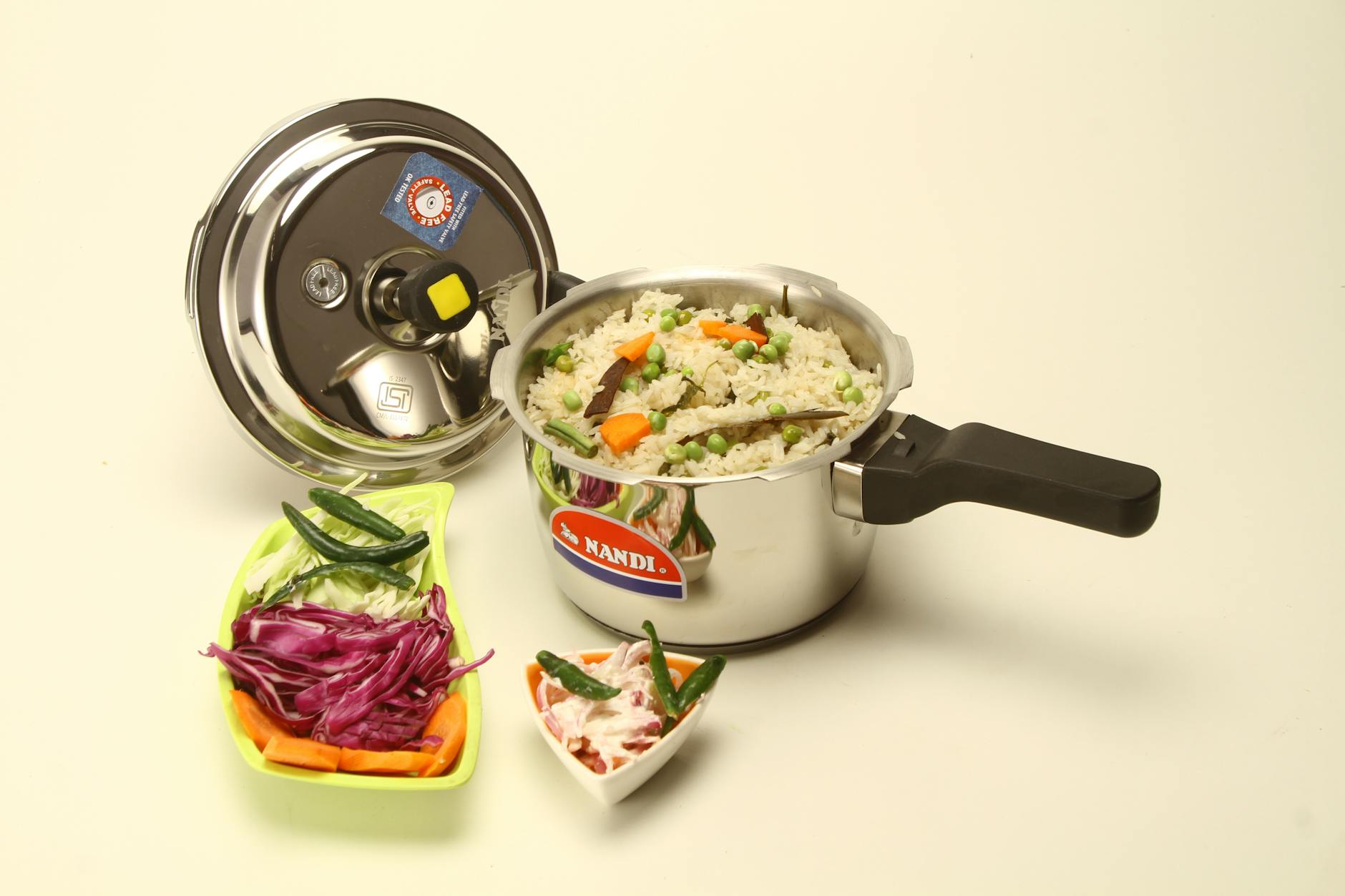
Pressure cooker lids contain a series of small rubber gaskets, valves, and pressure-release mechanisms that are essential for safe operation. Dishwasher detergents degrade the rubber components, causing them to stiffen, crack, or lose their ability to form an airtight seal. A compromised gasket on a pressure cooker is not merely an inconvenience but a genuine safety hazard during future use. The small valve openings can also become clogged with mineral deposits left behind by dishwasher water, further impairing function. Manufacturers universally recommend hand washing pressure cooker lids and inspecting the gaskets regularly for any signs of wear.
Cheese Graters
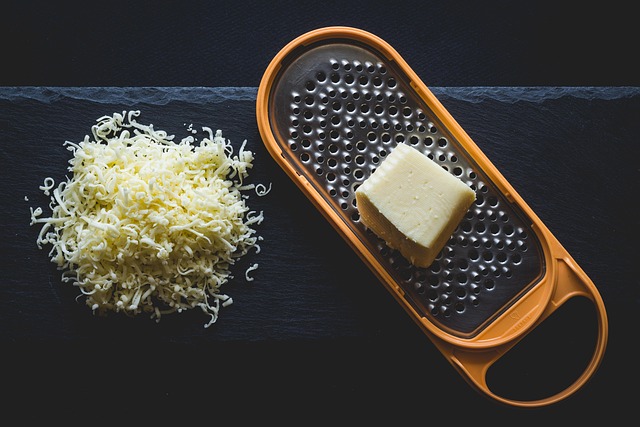
Cheese graters may appear to be simple metal tools that could withstand any cleaning method, but dishwashers cause significant problems for these kitchen staples. Food particles embedded in the tiny grating holes are rarely removed effectively by water jets alone, often baking further into place during the drying cycle. The high heat also causes many graters to corrode or rust, particularly those made from lower-grade stainless steel or those with any exposed raw metal edges. A rusting grater deposits metal traces onto food during subsequent use, creating both a taste issue and a potential health concern. A stiff brush and warm soapy water cleans a grater far more effectively than any dishwasher cycle.
Copper Cookware
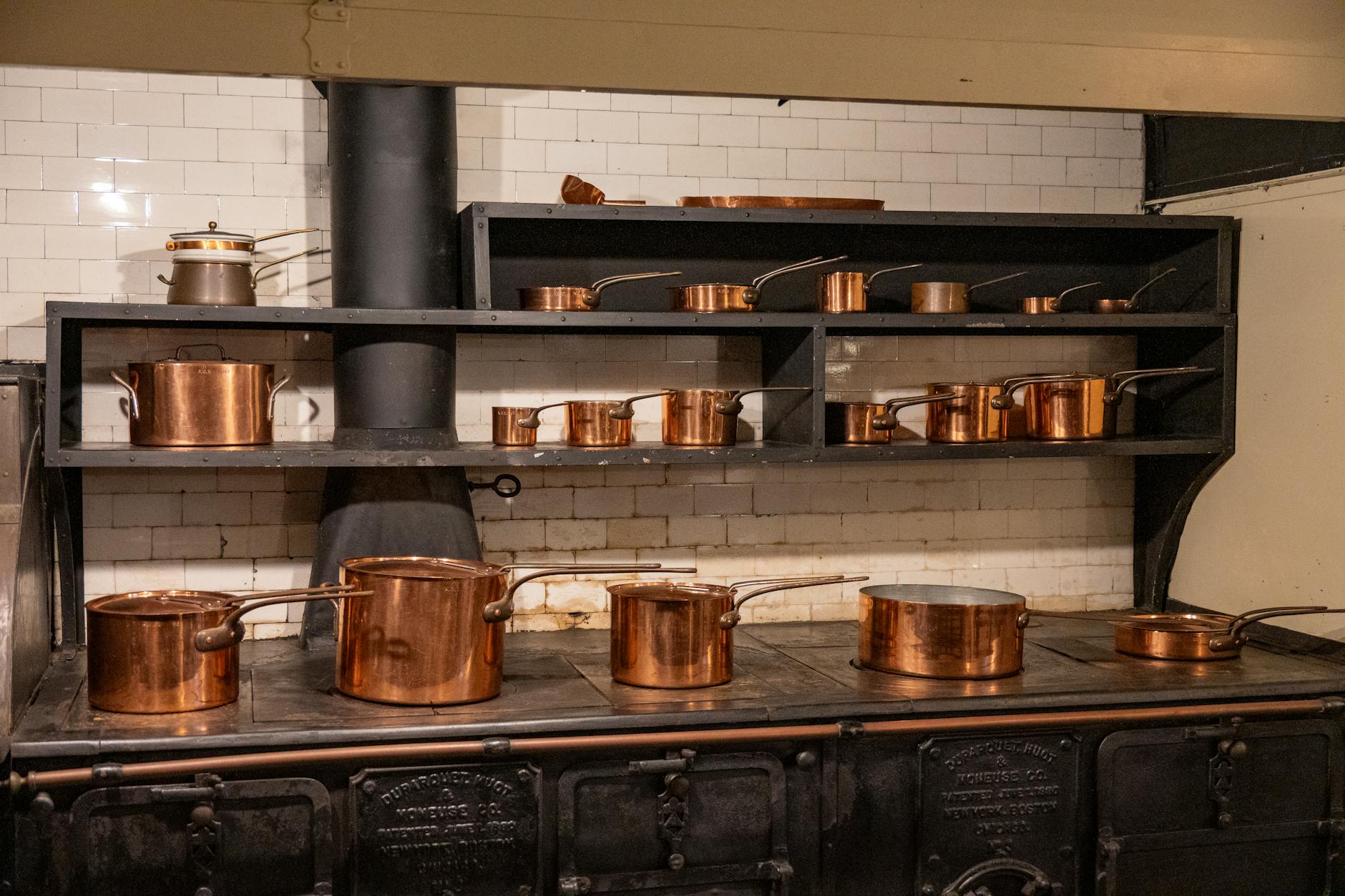
Copper cookware and bakeware develop a distinctive patina and polished finish that are destroyed almost immediately upon contact with dishwasher detergent. The alkaline compounds in dishwasher pods react chemically with copper, causing permanent discoloration and surface pitting that cannot be reversed through polishing alone. Copper’s value is tied closely to its appearance and its superior heat conductivity, both of which are compromised by machine washing. Pans with copper exteriors bonded to stainless interiors are equally at risk of delamination along the seams after repeated dishwasher exposure. Copper should be washed by hand and buffed dry to maintain its appearance and structural integrity.
Aluminum Cookware
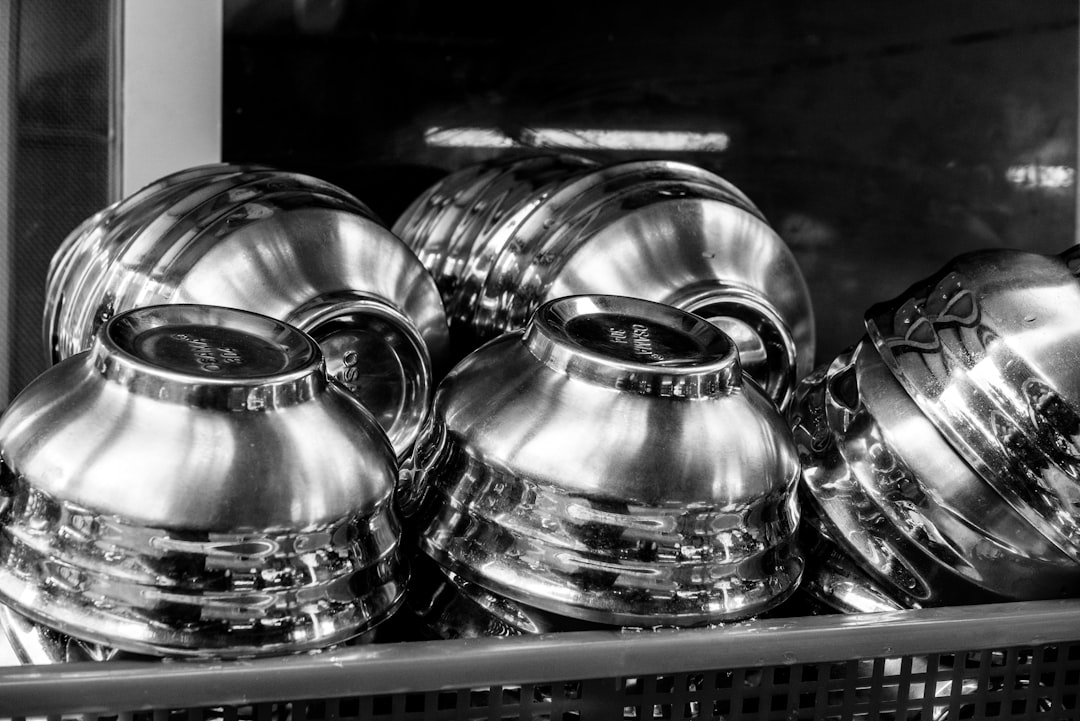
Aluminum pots and pans undergo an oxidation reaction when exposed to the powerful alkaline detergents used in dishwashers. This reaction causes the metal to darken and develop a dull, chalky discoloration across the entire surface. The oxidized residue can then transfer to other items in the dishwasher, leaving dark smudges on dishes, glasses, and plasticware loaded in the same cycle. Pitted aluminum surfaces become increasingly difficult to clean over time, trapping food residue that contributes to bacterial growth. Hand washing aluminum cookware with a gentle soap preserves its appearance and prevents contamination of the surrounding load.
Hollow-Handle Cutlery
Cutlery pieces with hollow handles are bonded together using an adhesive that is not designed to withstand sustained heat exposure. The high temperatures generated during the dishwasher’s drying cycle soften this adhesive, causing handles to loosen and eventually separate from the blade or fork tines entirely. Once the bond weakens, moisture seeps into the hollow cavity, creating an environment inside the handle where mold and bacteria can establish themselves invisibly. The handles themselves are often made from a different material than the working end of the utensil, expanding and contracting at different rates and accelerating the separation. Hand washing hollow-handle cutlery and drying it promptly preserves both its appearance and its structural integrity.
Gold-Rimmed China
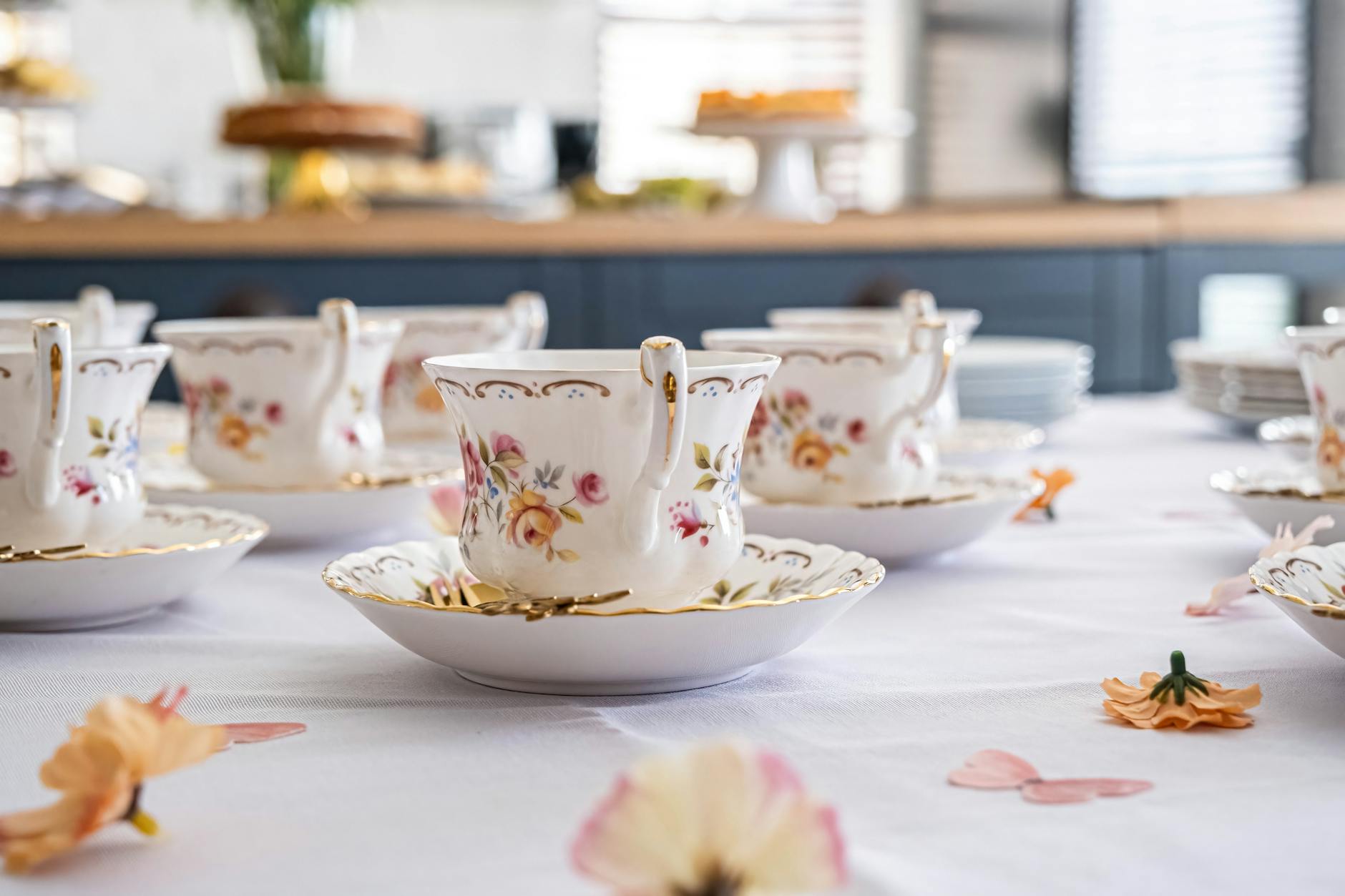
Gold and silver trim on fine china is applied as a metallic glaze that bonds to the porcelain surface during kiln firing. Dishwasher detergents are abrasive enough to strip this delicate metallic border with each wash cycle, causing it to fade and eventually disappear entirely. The process is gradual but irreversible, meaning that every machine wash permanently reduces the quality and monetary value of heirloom pieces. Some gold-rimmed dishes also develop tiny cracks in the glaze from the thermal stress of repeated machine washing, which can harbor bacteria. Fine china with any metallic decoration should always be washed by hand and stored carefully to preserve its condition.
Plastic Containers
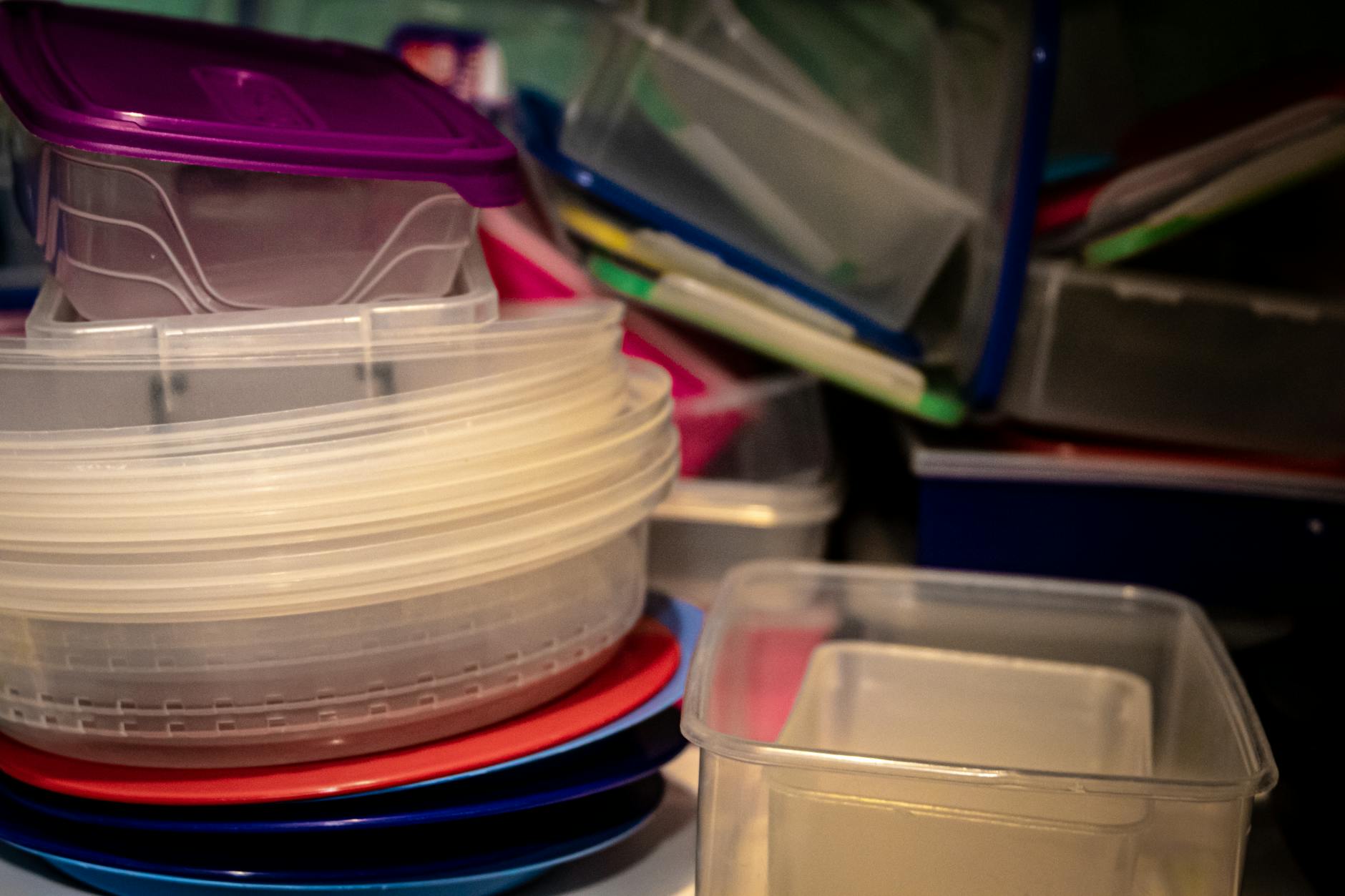
Not all plastic containers are created equal, and many carry hidden risks when repeatedly exposed to dishwasher heat. Lower-grade plastics soften and warp during the drying cycle, losing their shape and rendering lids unable to seal properly with their corresponding bases. Some plastics leach chemical compounds more readily after structural damage from heat exposure, contaminating food stored inside them afterward. The high-pressure spray can also drive water under label stickers, causing them to peel and leave adhesive residue that collects on other items in the load. Checking for a dishwasher-safe symbol before loading any plastic container protects both the item and the quality of surrounding dishes.
Self-Cleaning Oven Racks
Oven racks are sometimes placed in the dishwasher as a convenient cleaning shortcut, but the machine cannot remove baked-on grease effectively and causes other problems in the process. The racks are often too large to sit properly on the lower tray, warping the rack guides and misaligning the spray arm below. The weight and bulk of oven racks can also crack the plastic tines of the dishwasher’s lower rack, requiring costly replacement. Grease loosened but not fully removed during the cycle is redistributed as a thin oily film across every other item in the load. Oven racks are best cleaned with a dedicated degreaser and a scrubbing pad outside of the dishwasher entirely.
Milk Glass
Milk glass and vintage opaque glassware are highly susceptible to a process called etching, which is caused by the combination of soft water and alkaline dishwasher detergent. Etching permanently clouds and scratches the glass surface at a microscopic level, dulling the finish and making the piece look aged and worn. Unlike regular glass cloudiness from mineral deposits, etching cannot be reversed through any cleaning or polishing method. Antique milk glass pieces often have hairline cracks invisible to the naked eye that widen dramatically under the thermal stress of machine washing. These pieces should be soaked gently in cool soapy water and dried with a soft cloth to preserve their original finish.
Electric Griddles
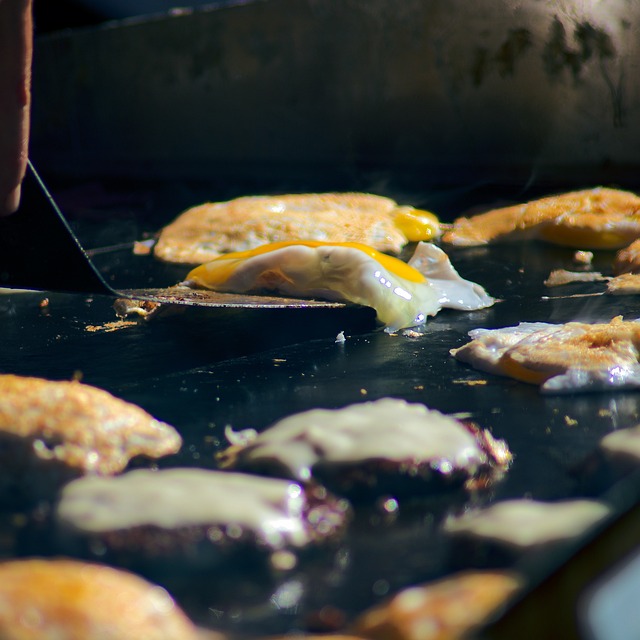
Electric griddles often have removable plates that homeowners assume are dishwasher safe simply because they detach from the heating element. Many of these plates have a nonstick coating that degrades rapidly in the dishwasher’s high-heat environment, causing the same peeling problems associated with nonstick pans. The electrical contacts and any remaining circuitry near the plate edges are vulnerable to corrosion from sustained water exposure, creating a safety risk when the griddle is next plugged in. Warping of the griddle plate is also common after machine washing, resulting in uneven heat distribution during cooking. Checking the appliance manual before attempting any machine washing of removable cooking surfaces is always the correct first step.
Thermos Bottles

Thermos bottles rely on the same vacuum-seal technology as insulated tumblers, making them equally vulnerable to damage from dishwasher heat and pressure. The narrow opening of most thermos designs means that water forced inside under machine pressure cannot drain freely, leaving moisture trapped in areas that promote mold growth. Rubber sealing rings inside the cap assembly distort and harden after repeated dishwasher cycles, reducing the effectiveness of the seal and causing leaks during regular use. Many thermos brands void their product warranty when evidence of machine washing is detected during a service claim. Hand washing with a long bottle brush and mild soap is the recommended cleaning method for all thermos-style beverage containers.
Garlic Presses
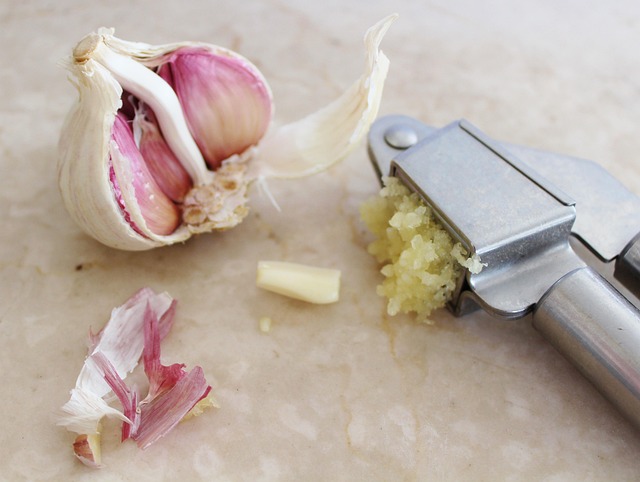
Garlic presses have a dense grid of small holes through which garlic pulp is forced under significant pressure during use. Tiny fragments of garlic skin and pulp become deeply embedded in these holes and are rarely dislodged by the dishwasher’s spray, instead hardening during the drying cycle and making the residue even more difficult to remove afterward. The joint mechanism connecting the two handles on hinged garlic presses can corrode or stiffen after repeated dishwasher exposure, reducing the mechanical advantage needed to press garlic cleanly. Metal presses without a protective coating develop surface corrosion that eventually contaminates the garlic being pressed. A toothpick or thin brush used immediately after each use is a far more effective cleaning method than relying on the dishwasher.
Acrylic Drinkware
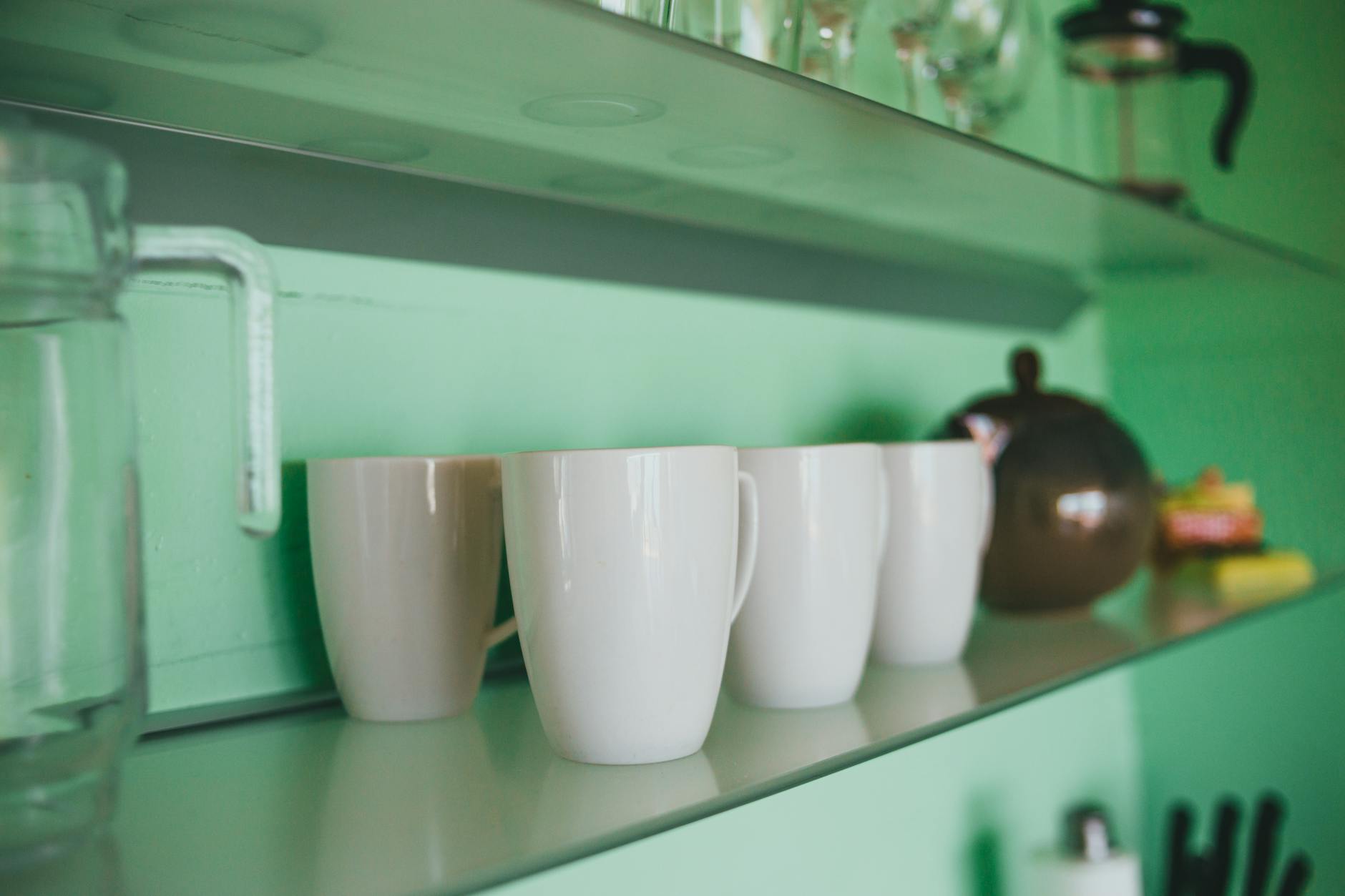
Acrylic drinkware is a popular alternative to glass for outdoor entertaining, but it requires far gentler cleaning than the dishwasher can provide. The high heat of the drying cycle causes acrylic to warp, cloud, and develop a crazed surface texture that permanently impairs visibility through the material. Once acrylic becomes scratched and cloudy from machine washing, the rough surface acts as a harbor for bacteria that is extremely difficult to remove even with rigorous scrubbing. The distorted shapes that result from warped acrylic bases mean the glasses no longer sit flat on surfaces, creating a tipping hazard. Acrylic drinkware stays clearer and lasts significantly longer when washed by hand in cool or warm water only.
Cheese Boards

Cheese boards made from wood, slate, or marble each carry specific vulnerabilities that make machine washing problematic regardless of material. Wooden cheese boards suffer the same cracking and warping issues as wooden cutting boards, with the added complication that many are finished with food-safe oils that are stripped entirely by detergent. Slate boards can absorb moisture unevenly when submerged in the dishwasher environment, causing the stone to expand and potentially crack along natural fault lines. Marble boards are particularly sensitive to alkaline detergents, which etch and dull the polished surface permanently. All varieties of cheese boards are best cleaned quickly with a damp cloth and dried immediately to preserve their surface and appearance.
What items have you discovered the hard way should never go near a dishwasher? Share your experience in the comments.