Navigating a restaurant menu can be an exciting culinary journey but industry insiders know that not every dish is created equal. Professional chefs have a unique perspective on how ingredients are sourced and prepared during a busy service. They understand which items are prone to spoilage or are commonly used to mask older inventory. This knowledge helps them avoid overpriced plates that lack freshness or require risky preparation shortcuts. Avoiding these specific orders can ensure a safer and more delicious dining experience for everyone at the table.
Fish on Mondays
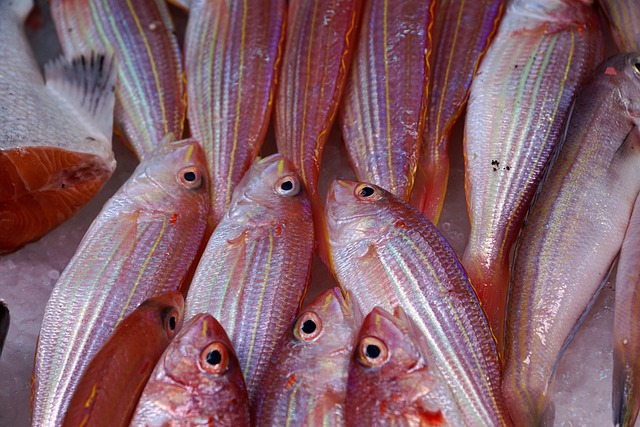
Chefs famously warn against ordering fish at the start of the week because fresh deliveries usually arrive later. Most restaurants rely on weekend stock that has been sitting in the cooler for several days. This often results in seafood that lacks the vibrant flavor and texture of a fresh catch. Ordering later in the week ensures you are getting the highest quality product available.
Hollandaise Sauce
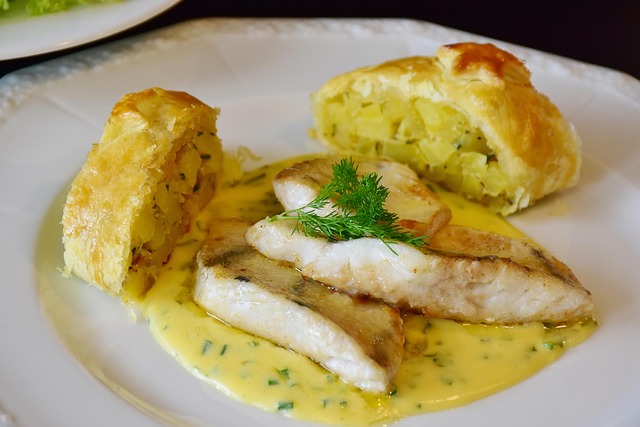
This rich sauce requires holding at a specific lukewarm temperature that encourages bacterial growth if not managed perfectly. Busy brunch services often make large batches that sit out longer than recommended safety guidelines allow. The texture can separate or become unappetizingly thick when it is not prepared fresh to order. Many kitchens reuse the sauce throughout the shift which increases the risk of foodborne illness.
Well-Done Steak
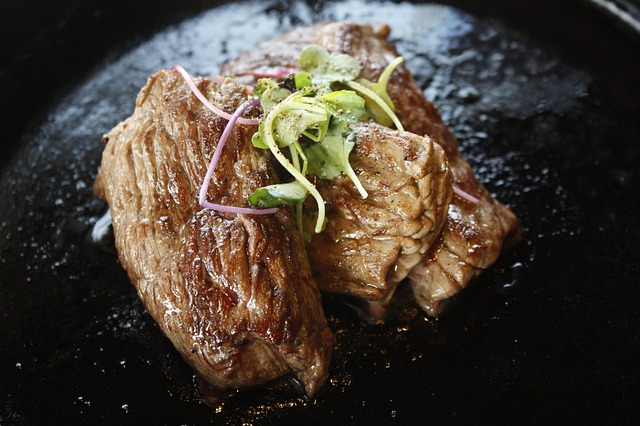
Ordering a premium cut of beef well-done destroys the fat marbling that provides flavor and tenderness. Chefs often select their toughest or least desirable cuts for these orders since the cooking process masks the quality. The prolonged cooking time can also slow down the flow of the entire kitchen service. You are essentially paying top dollar for a piece of meat that has lost its distinguishing characteristics.
Truffle Oil
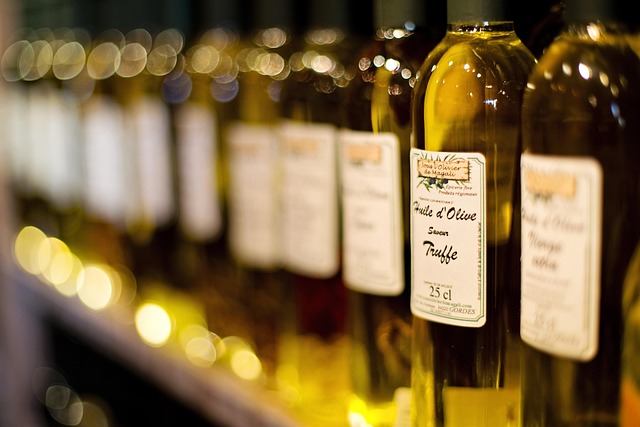
Most truffle oils used in restaurants contain absolutely no real truffles and rely entirely on synthetic chemical flavorings. The dominant compound is usually a chemical that mimics the aroma of truffles without the earthy complexity. Chefs consider this an overpriced garnish that overpowers the delicate flavors of a dish. It is a shortcut ingredient that allows establishments to charge a premium for an artificial product.
Mussels
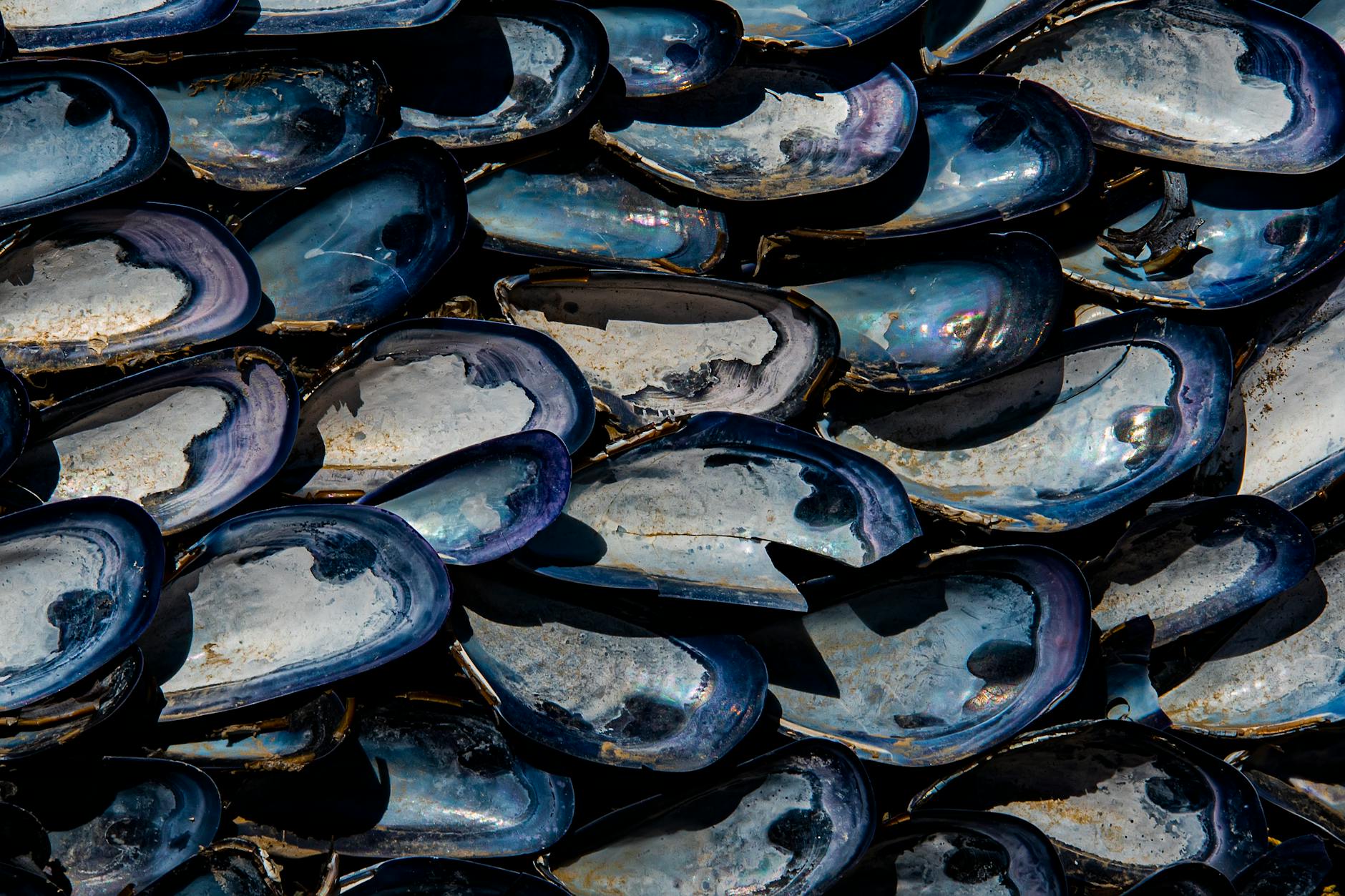
These shellfish require meticulous cleaning and storage to ensure they are safe for consumption. Even a single bad mussel can taint an entire dish and cause severe digestive distress for the diner. Many kitchens do not have the time to scrub and debit each individual shell during a rush. Chefs often skip this menu item elsewhere because they know how easily the quality control process can fail.
The Special That Isn’t Seasonal
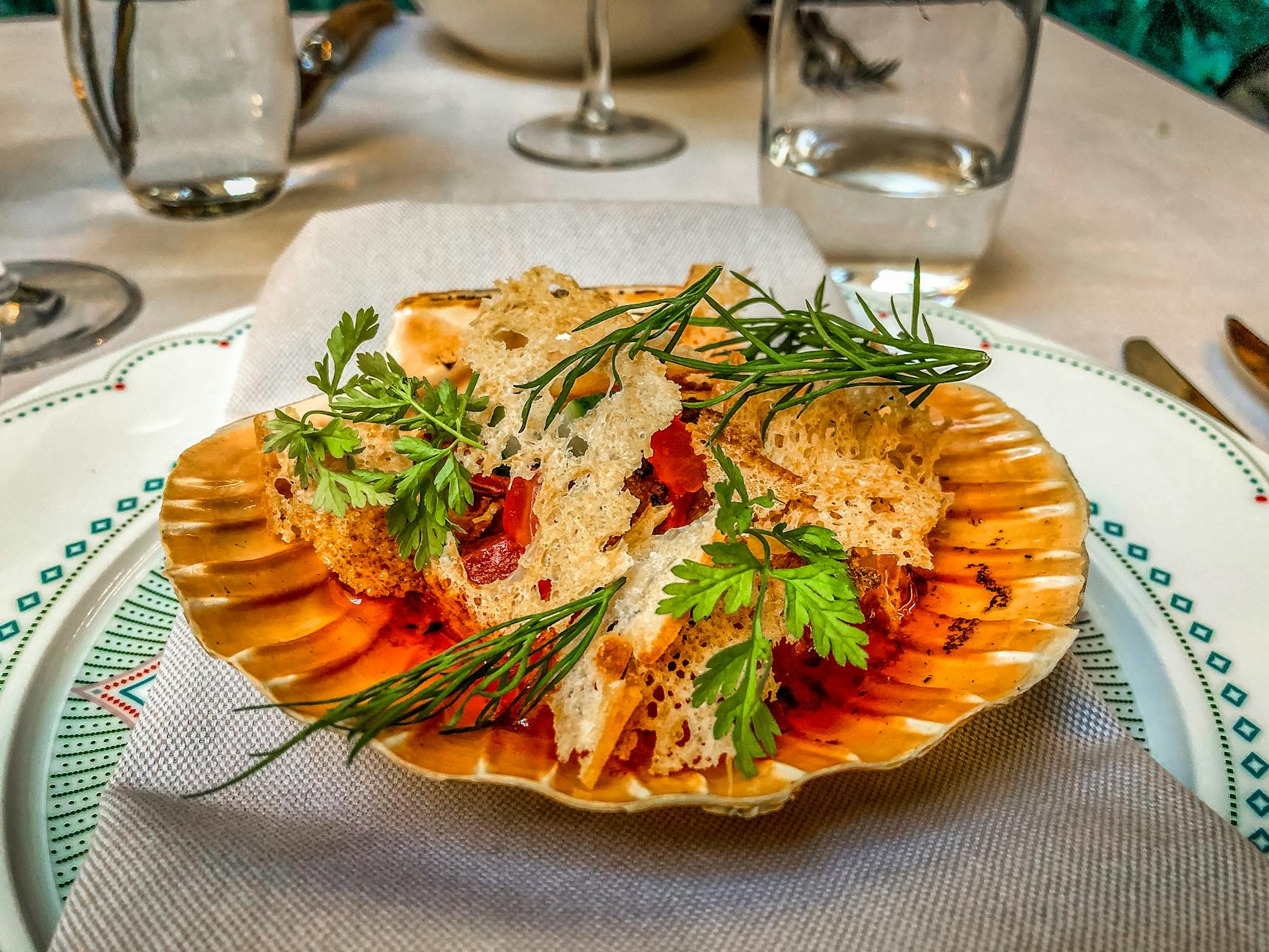
Daily specials are sometimes a strategic way for the kitchen to offload ingredients that are about to expire. If a dish features heavy sauces or stews that hide the main ingredient it is likely a leftover repurposing effort. A true special should feature seasonal produce or a unique preparation rather than a disguised inventory dump. Diners should be wary of expensive proteins appearing in a heavily processed format on the specials board.
Iceberg Lettuce Salad
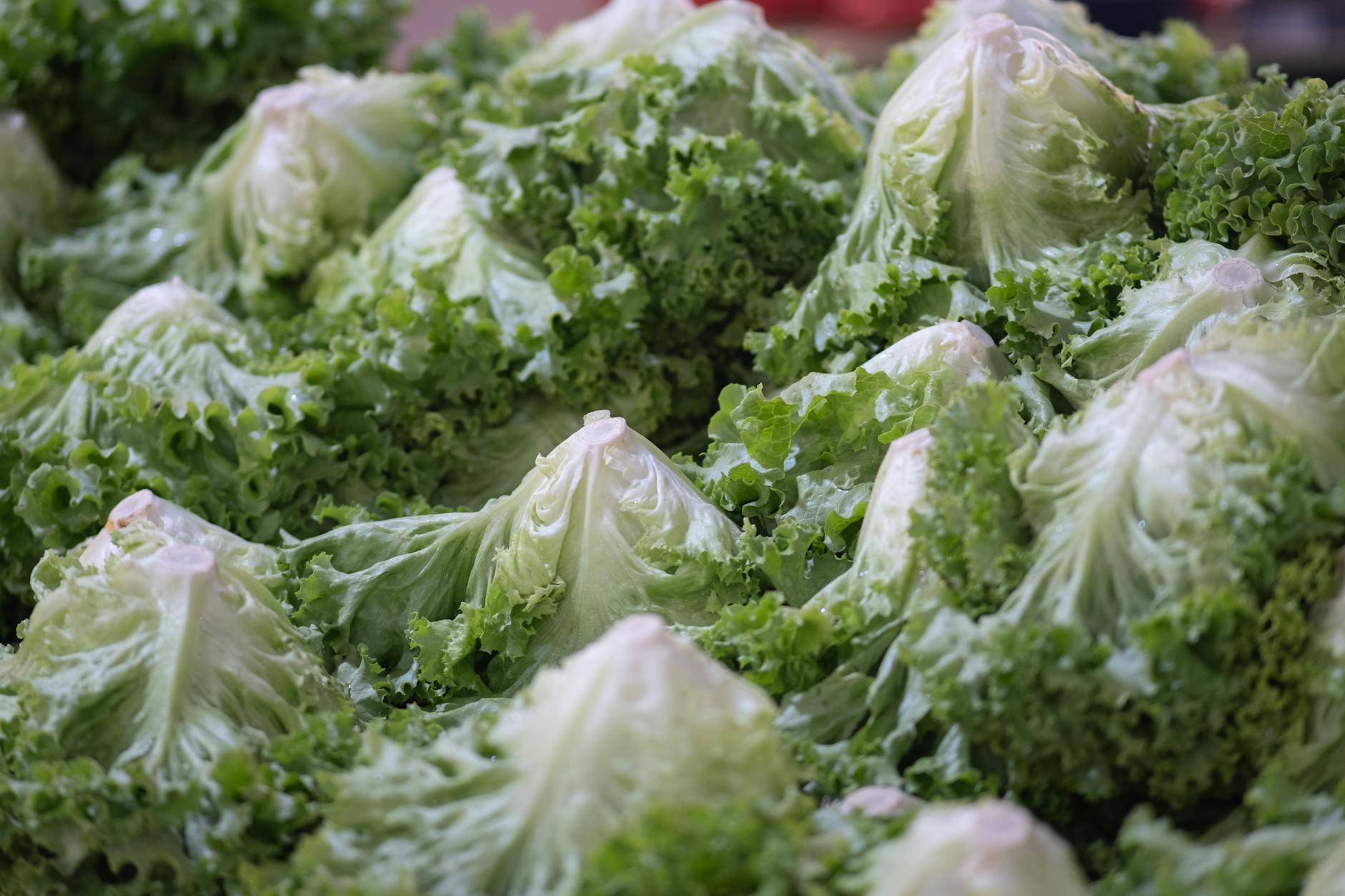
This menu item offers almost no nutritional value and consists mostly of water with very little flavor. Restaurants mark up this cheap ingredient significantly by adding heavy dressing and processed toppings. The washing process for bulk lettuce can sometimes be rushed and lead to wilted or soggy leaves. You are often paying a high price for a filler dish that requires minimal culinary skill to assemble.
Chicken Pasta
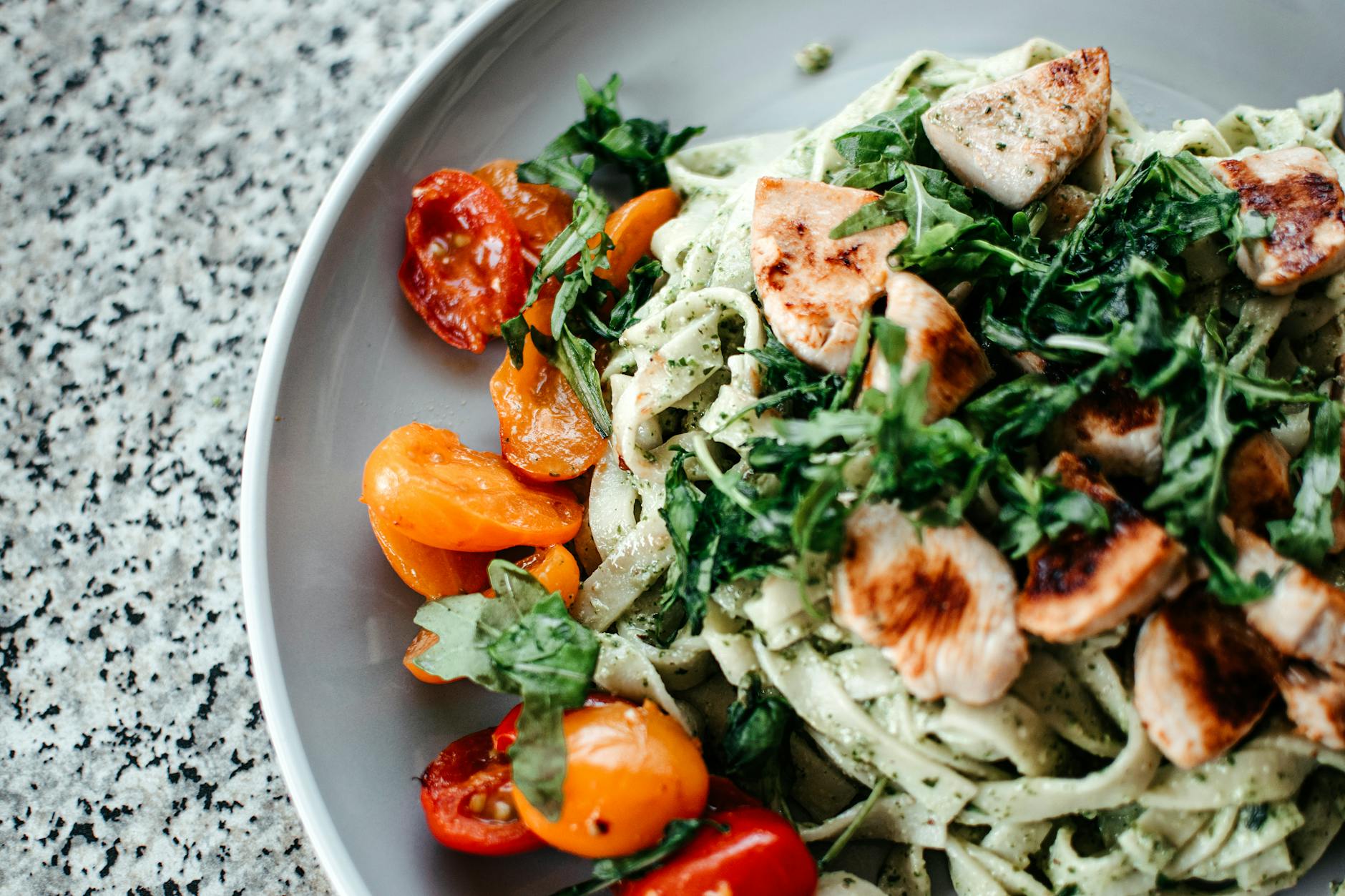
This ubiquitous dish is often considered a boring menu filler that generates high profit margins for the restaurant. The chicken is frequently precooked and reheated which leads to a dry and rubbery texture. Heavy cream sauces are used to mask the lack of freshness in both the protein and the pasta. Chefs rarely order this themselves as it represents a lack of creativity and culinary effort.
Seafood in a Non-Seafood Restaurant
Ordering fish at a steakhouse or a burger joint usually guarantees you are getting a frozen product. These establishments do not have the turnover rate required to keep delicate seafood items fresh. The kitchen staff may not be trained in the specific techniques needed to cook fish properly. It is safer to stick to the specialty of the house to ensure the best quality meal.
Gourmet Burgers with Expensive Toppings
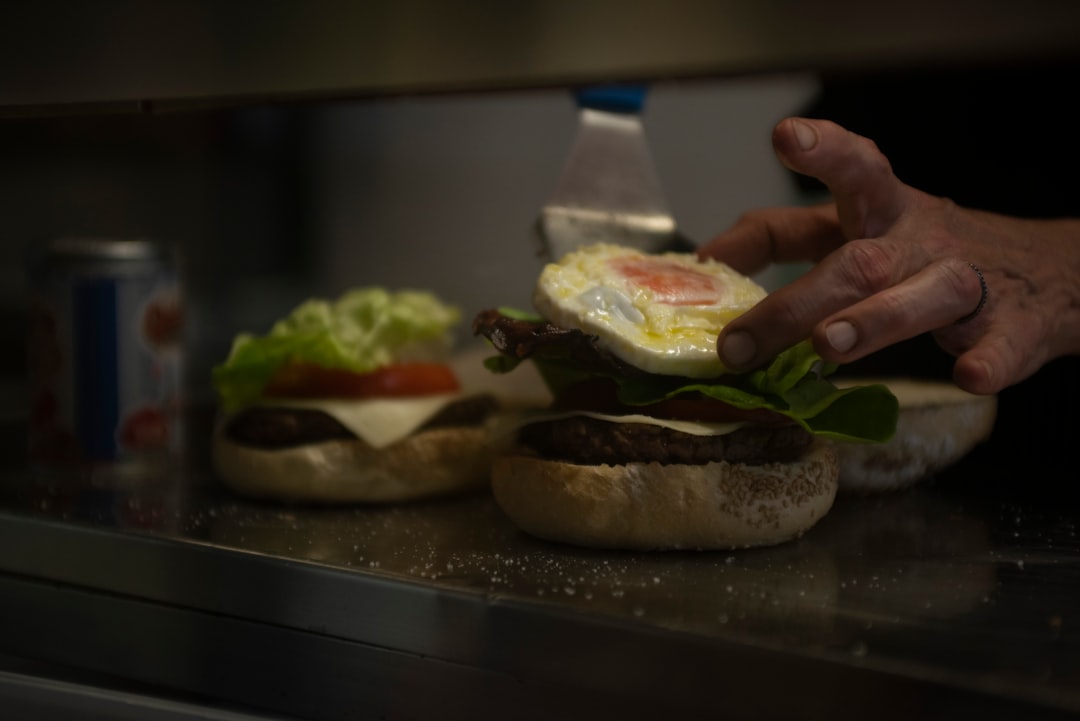
Piling ingredients like foie gras or lobster on a burger makes the dish difficult to eat and confuses the palate. The bold flavor of the beef patty usually overpowers the subtle nuances of the expensive add-ons. You end up paying a premium for luxury ingredients that you cannot actually taste or enjoy properly. A simple burger prepared well is almost always a better culinary experience than an overloaded one.
Swordfish

This large predatory fish is known to carry high levels of mercury and often suffers from parasitic infections. The texture can become unpleasantly dry and woody if it is not cooked with extreme precision. Chefs are aware of the visible parasites that must be removed during the butchering process. Many industry professionals avoid this fish entirely due to both health concerns and quality consistency issues.
Bread Basket
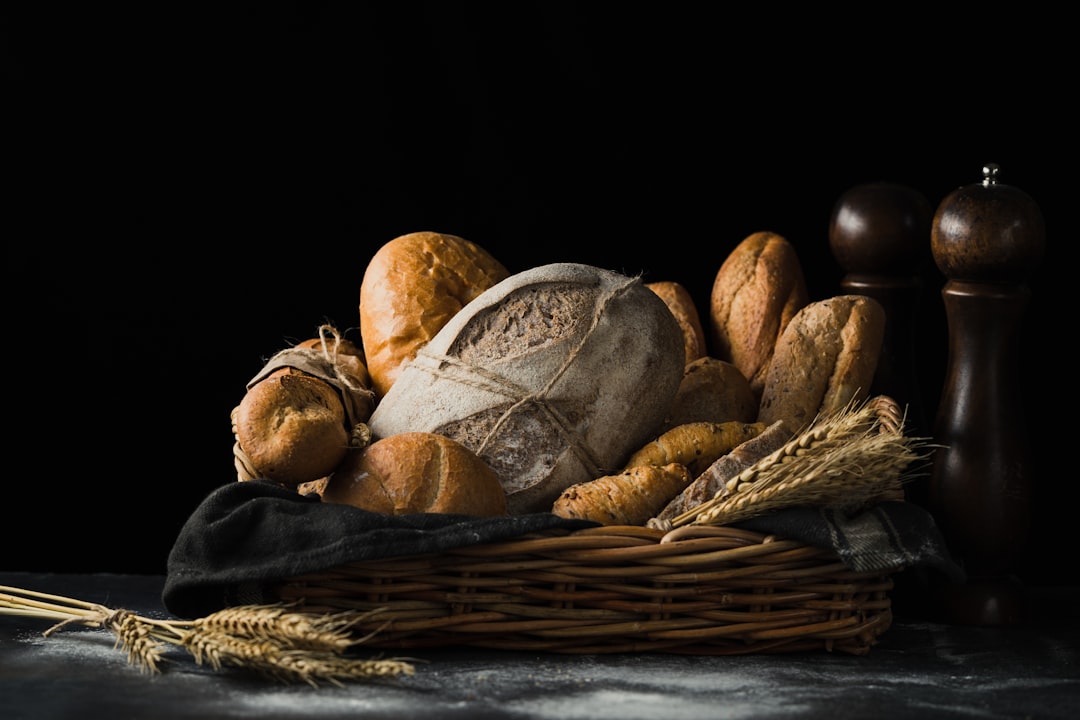
Filling up on free or cheap bread dulls your appetite before the actual meal arrives. The bread is sometimes recycled from other tables or has been sitting out in open air for hours. It offers empty calories that prevent you from fully enjoying the appetizers and entrees you ordered. Saving your hunger for the main event ensures a more satisfying dining experience.
Chicken Breast
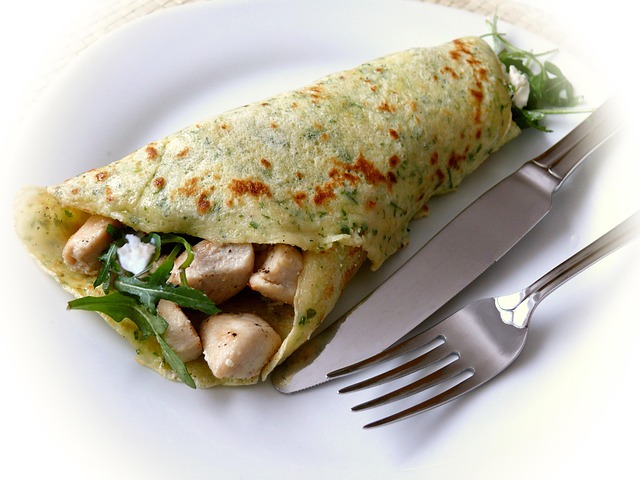
This lean cut of meat is notoriously difficult to keep moist during a busy dinner service. Kitchens often overcook it to ensure food safety standards are met which results in a tough texture. The flavor is generally mild and relies heavily on sauces or marinades to be interesting. Ordering chicken thighs or bone-in cuts usually yields a juicier and more flavorful result.
Soup of the Day
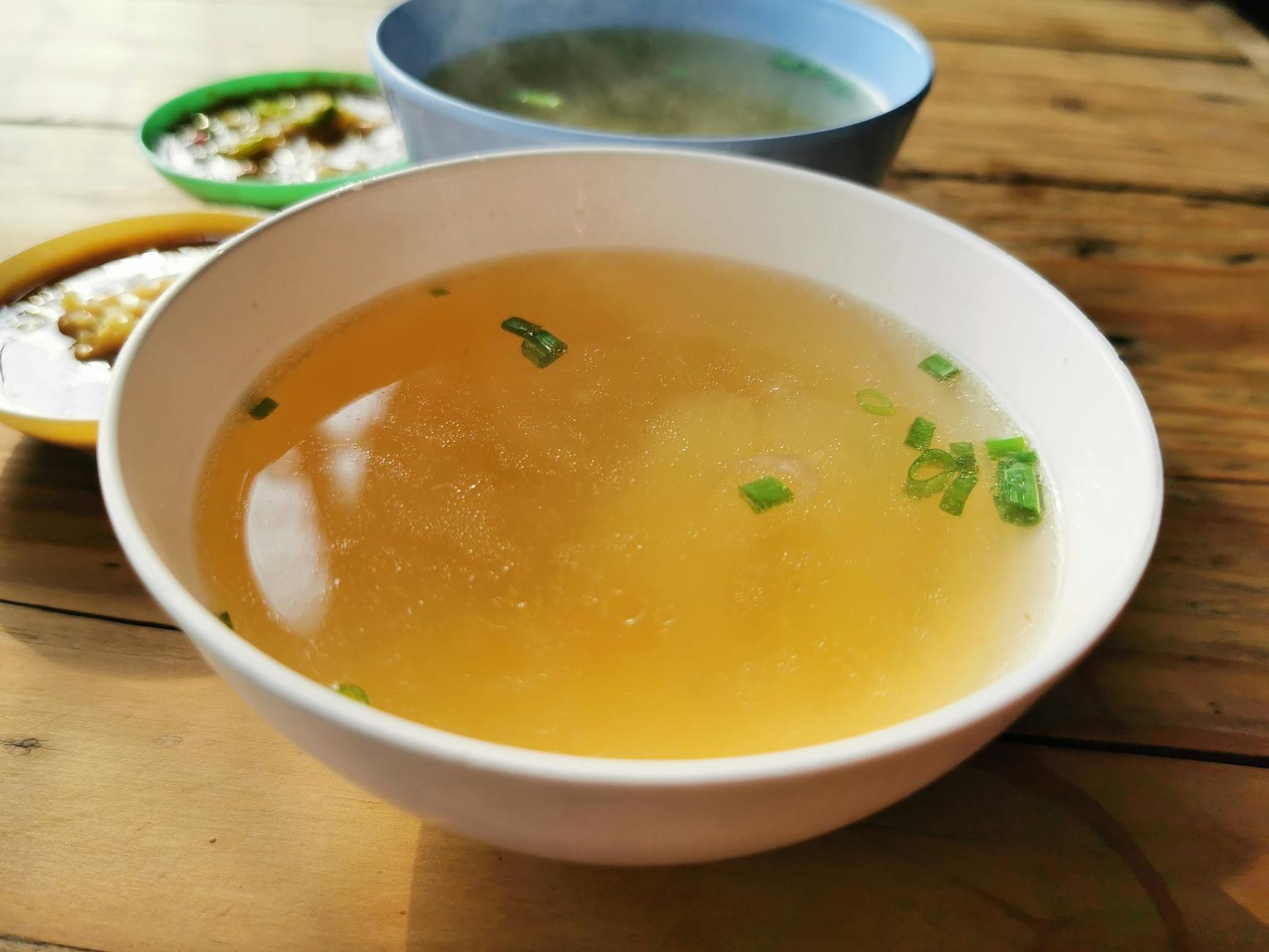
This rotating menu option is the classic method for kitchens to use up leftovers from the previous night. Vegetable scraps and unsold meats are boiled down to create a passable soup for the lunch crowd. While it reduces food waste it rarely represents the best culinary work the chef has to offer. Unless the restaurant is famous for a specific soup it is often an afterthought dish.
Edamame
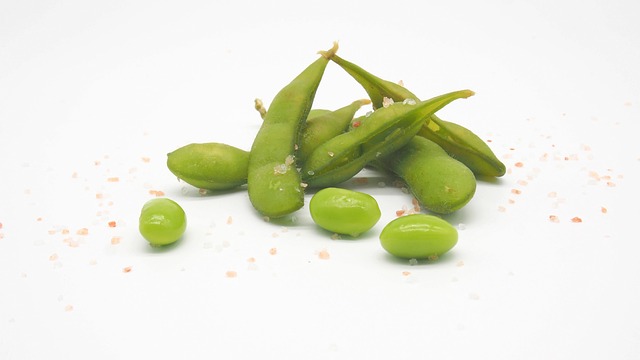
This simple appetizer is almost always purchased frozen in bulk bags and simply microwaved or steamed. The markup on a bowl of soybeans is astronomical compared to the labor and cost involved. It requires zero culinary skill and often arrives at the table with uneven seasoning. You are essentially paying restaurant prices for a snack you could make at home in minutes.
Raw Sprouts
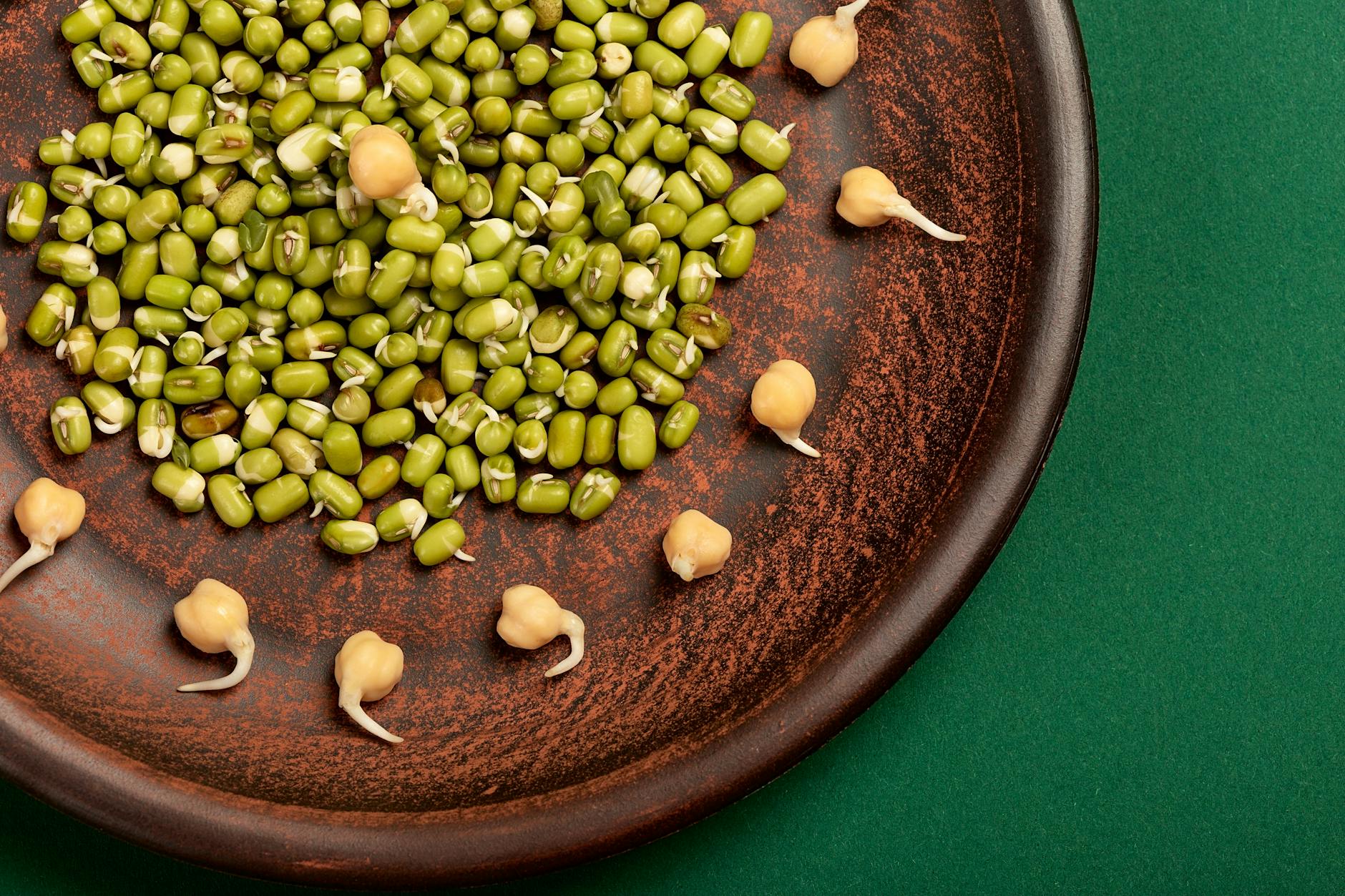
These delicate greens are grown in warm and humid conditions that are perfect for bacterial growth like Salmonella. They are difficult to wash thoroughly without destroying their texture so kitchens often rinse them lightly. Food safety experts consider them one of the riskiest raw foods to consume in a restaurant setting. Many chefs refuse to serve them due to the high potential for causing foodborne illness.
Wagyu Beef Burgers
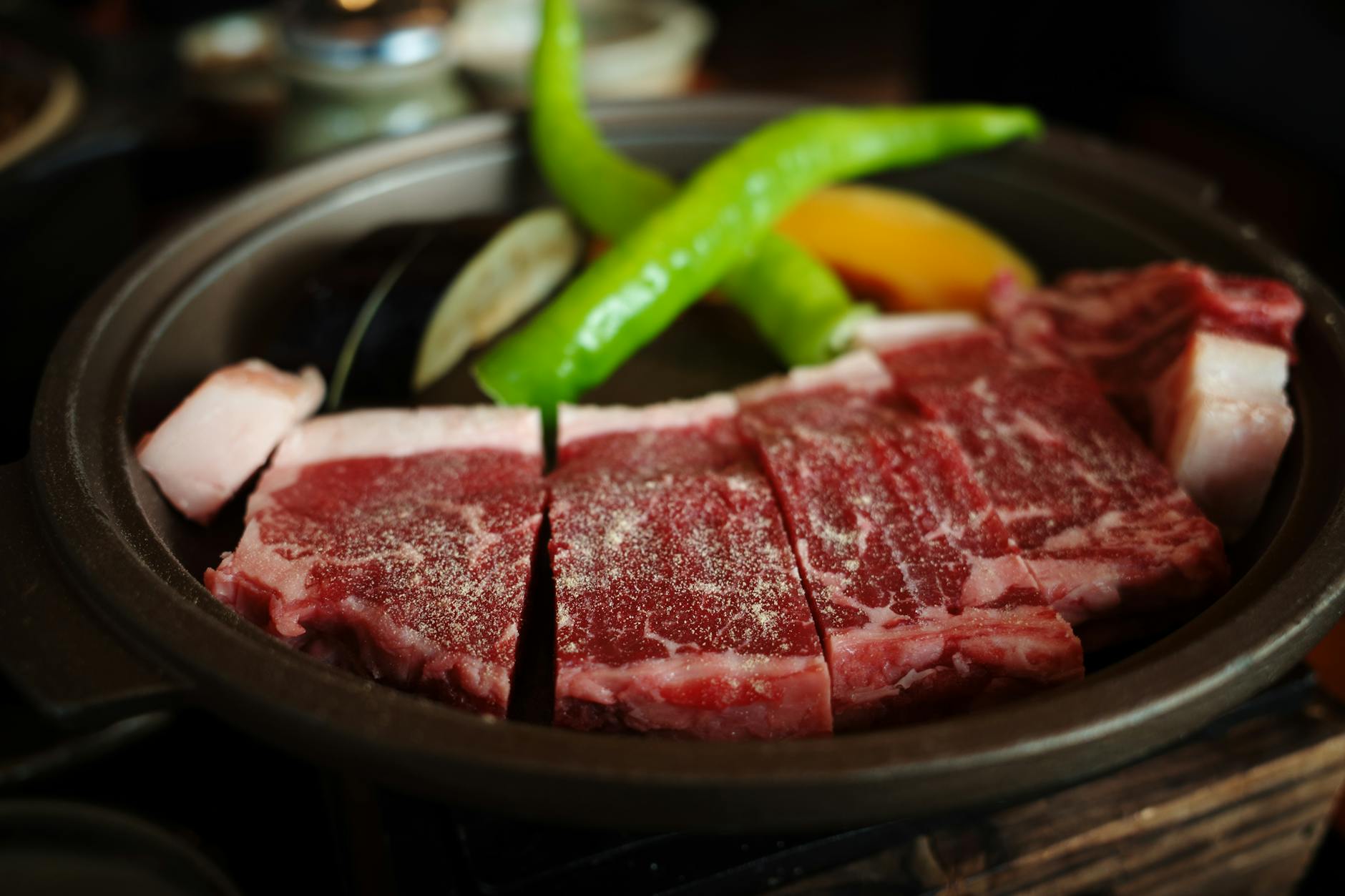
Grinding up high-quality Wagyu beef destroys the delicate fat structure that makes the meat expensive and desirable. The melting point of the fat causes it to render out quickly during grilling and leaves a greasy patty. You are paying for the brand name rather than the texture experience of a whole steak. A standard chuck blend often produces a better burger with superior structural integrity.
Fugu

This dangerous delicacy contains a potent neurotoxin that can be fatal if the fish is not prepared correctly. Only highly specialized and licensed chefs are qualified to butcher and serve this ingredient safely. Eating it at a general sushi restaurant that lacks a specialist is an unnecessary gamble with your life. The flavor is quite subtle and arguably not worth the extreme risk involved.
Oysters
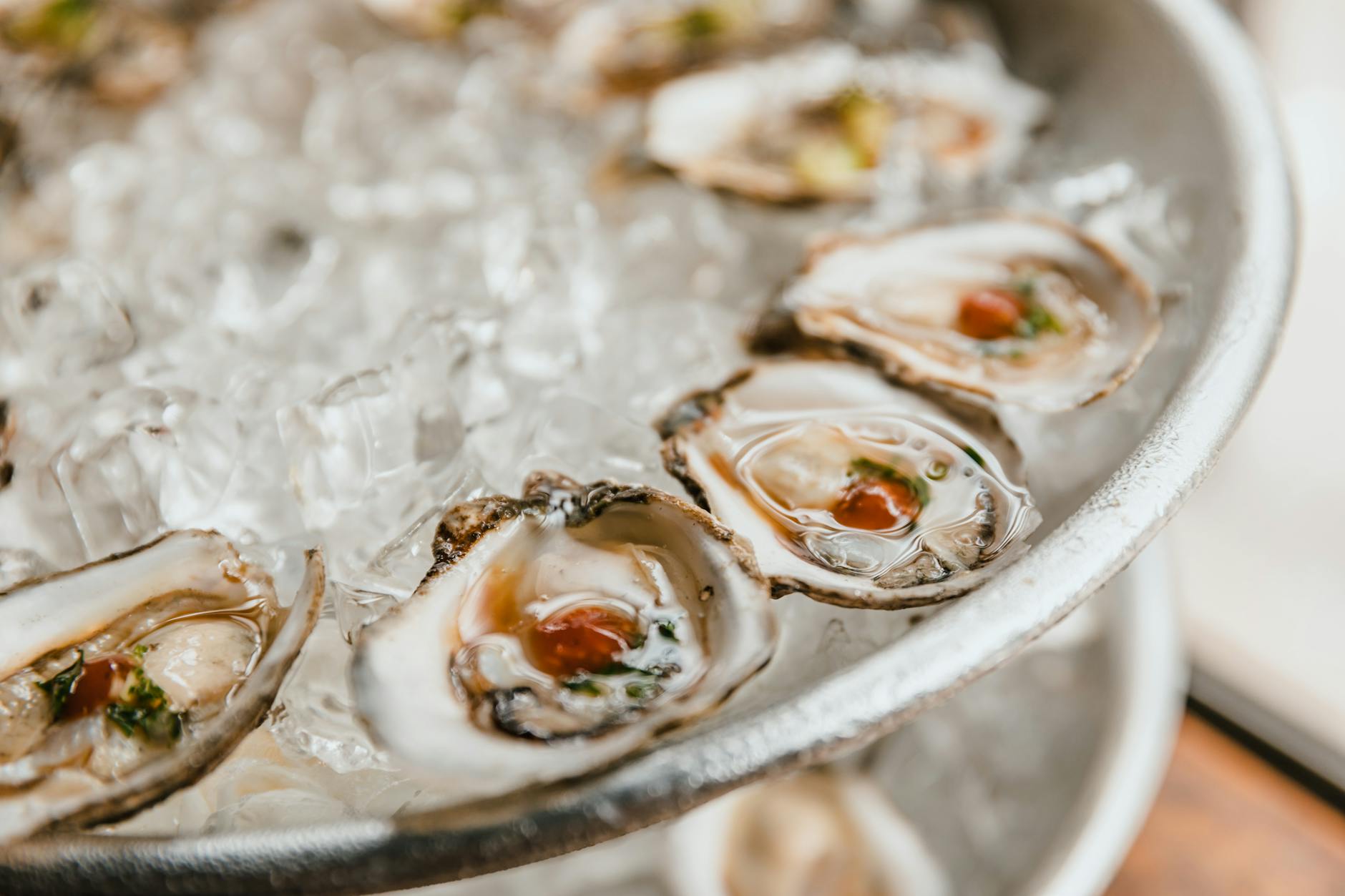
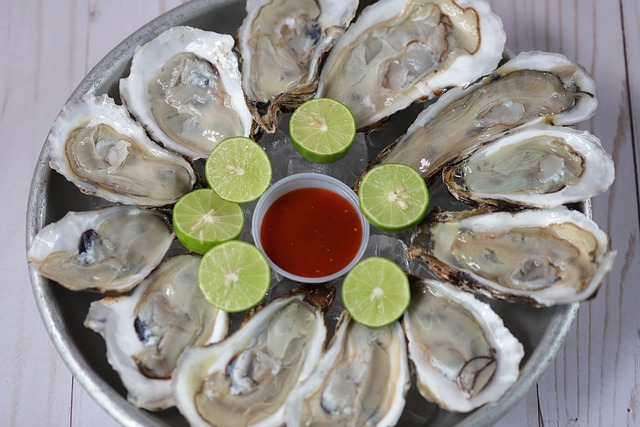
Raw shellfish can harbor dangerous bacteria specifically Vibrio vulnificus if not handled with strict temperature controls. Restaurants that do not specialize in raw bars may not turn over their inventory fast enough. An oyster that has been sitting too long loses its briny liquor and develops a murky taste. It is best to only order these at establishments known for high volume and fresh seafood.
Meatloaf
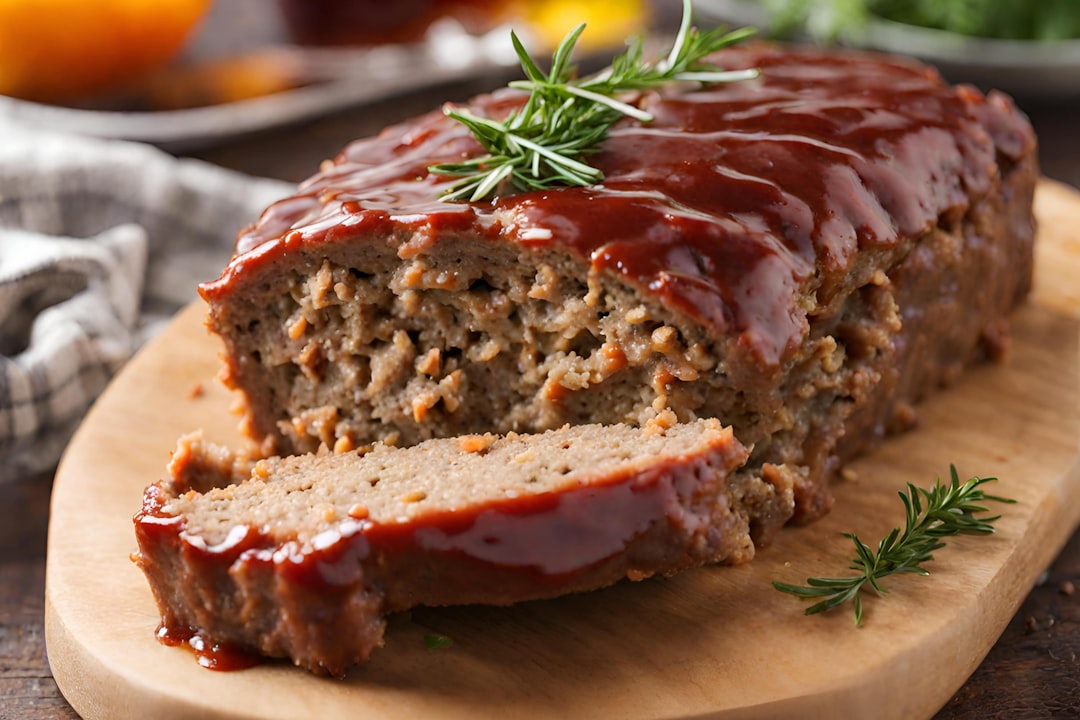
This comfort food classic is frequently used as a vehicle to hide ground meat that is nearing its expiration date. Heavy seasoning and glazes are applied to mask any off-flavors from the aging protein. The texture often becomes dense and dry due to the use of fillers and binders. Unless it is a signature item at a reputable diner it is often a culinary letdown.
Salad Bar
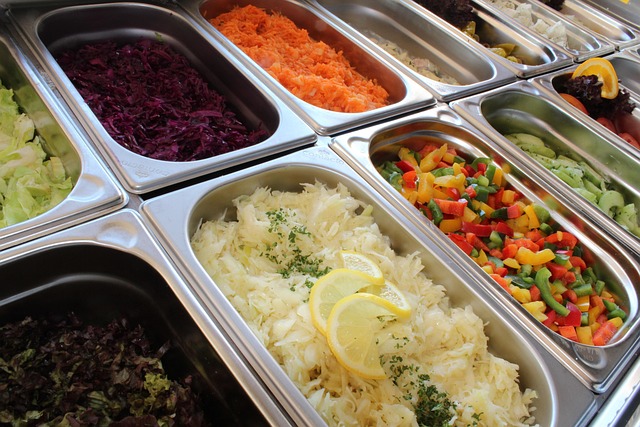
Open food displays are prone to contamination from other customers who may sneeze or touch the ingredients. The temperature controls on these bars are notoriously difficult to maintain consistent safety levels. Ingredients at the bottom of the containers can sit for long periods while fresh food is piled on top. Chefs view these self-serve stations as breeding grounds for germs and bacteria.
Tap Water
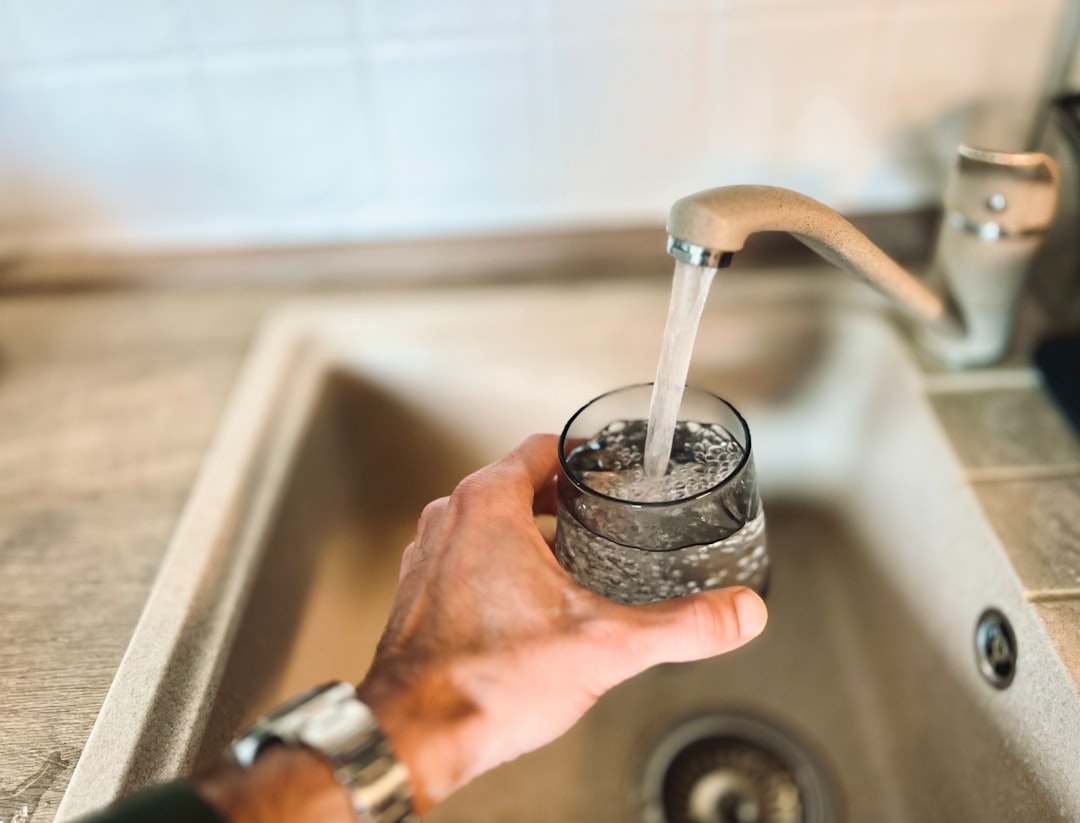
While tap water is generally safe the cleanliness of the restaurant’s ice machine and pitcher is not guaranteed. Ice machines are often neglected during cleaning schedules and can develop mold or slime buildup. Pitchers that sit out on service stations can collect dust or be handled by multiple staff members. Ordering bottled water or a beverage ensures a sealed and sanitary product.
Eggs Benedict
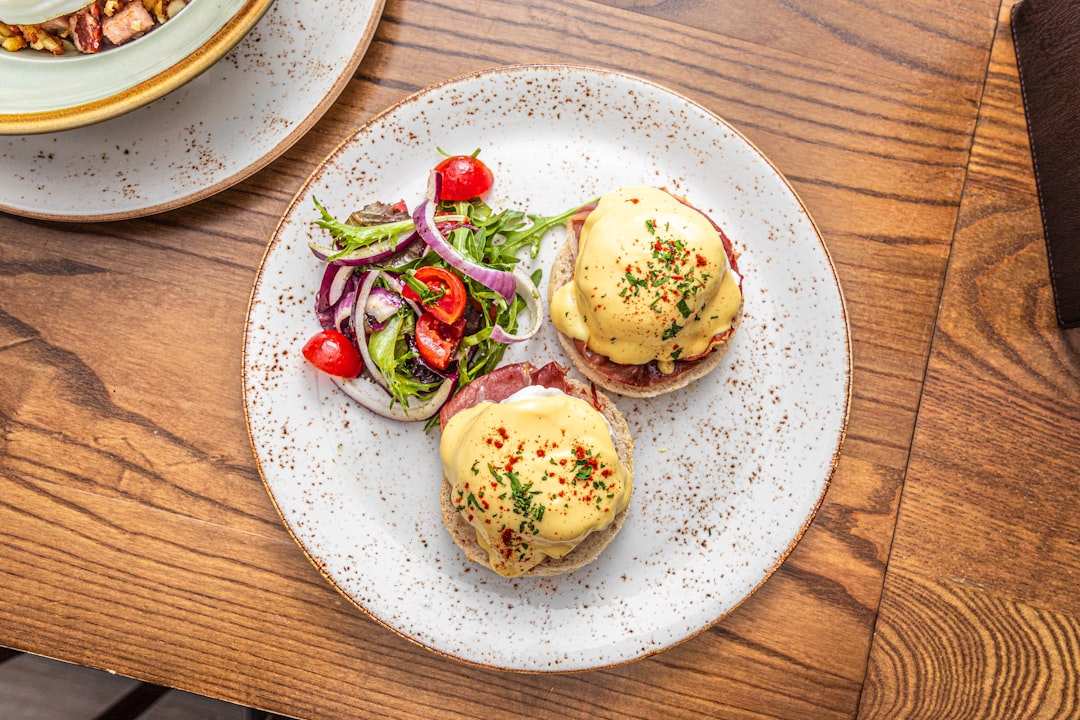
The combination of poached eggs and hollandaise sauce makes this a high-risk dish for bacterial growth. Keeping the water at the right temperature for poaching while maintaining the sauce is a juggling act. Pre-poached eggs are often held in water baths that can become tepid and unsafe. It is a dish best enjoyed when made fresh at home rather than in a rush.
Fried Calamari
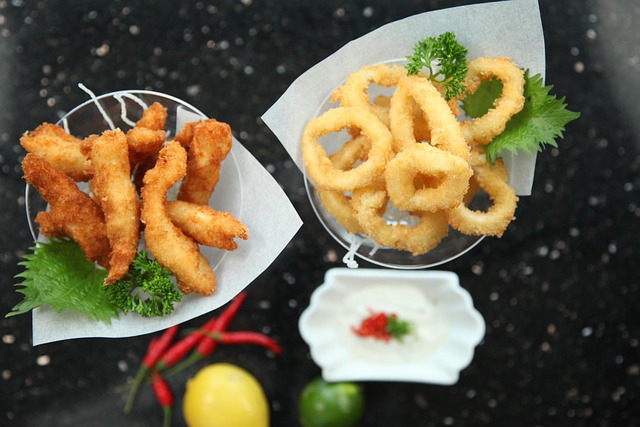
Much of the calamari served in average restaurants comes pre-breaded from a freezer bag. The rings can be tough and rubbery if they are overcooked even slightly in the fryer. There is also a persistent industry concern about lower quality substitutes being used in place of squid. The heavy batter often masks the flavor of the seafood completely.
House Wine

The house wine is typically the cheapest bulk option the restaurant could secure from their distributor. The markup on these glasses is significant compared to the quality of the beverage served. It is often a generic blend that has been open for an indeterminate amount of time. Spending slightly more for a specific bottle or glass usually yields a much better value.
Stuffed Vegetables
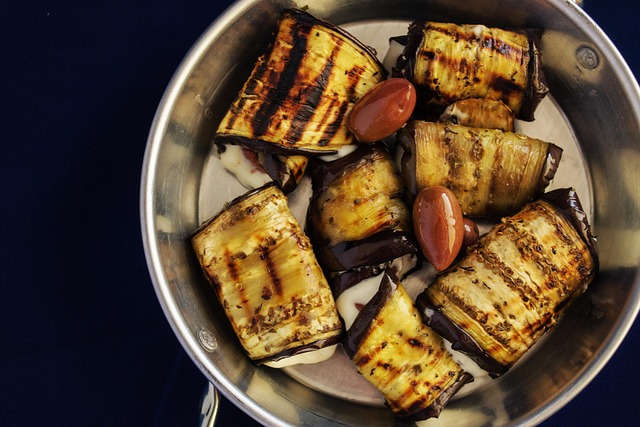
Dishes like stuffed peppers or mushrooms are labor-intensive ways to use up older produce and meat scraps. The filling often consists of breadcrumbs and heavy cheese to disguise the small amount of protein. The vegetables themselves can become soggy and unappealing during the baking process. It is rarely a fresh preparation and often served as a reheat.
Pizza at a Non-Pizza Place
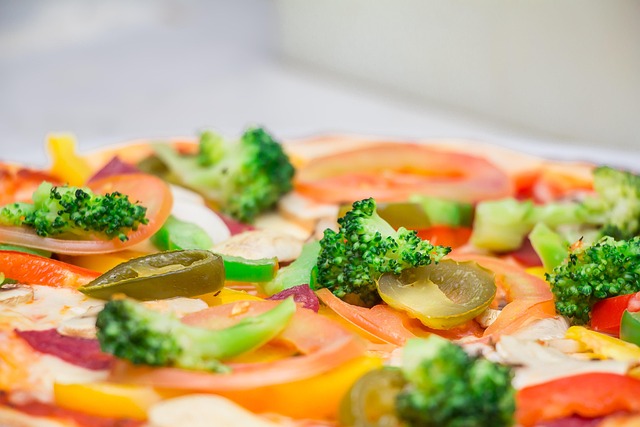
Kitchens that do not have a dedicated pizza oven cannot produce a quality crust or proper char. You will likely receive a frozen base or a flatbread that mimics a pizza poorly. The toppings are often standard line ingredients rather than specific pizza toppings. It is a menu item added to appease children rather than culinary enthusiasts.
Macaroni and Cheese
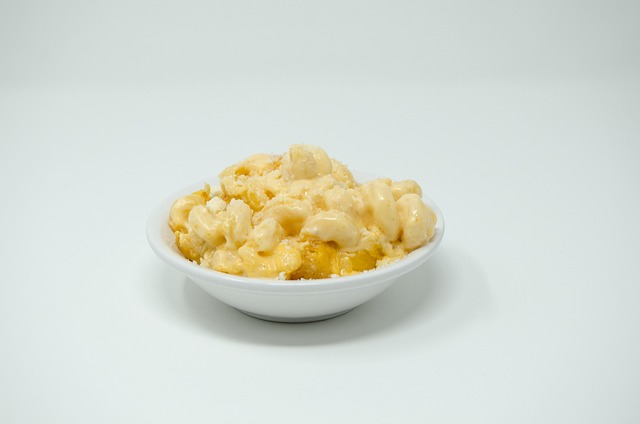
Restaurant versions of this dish often rely on pre-made cheese sauces that are high in sodium and preservatives. Even gourmet versions with lobster or truffle are usually just the basic sauce with a garnish. The pasta is frequently precooked and can become mushy when reheated with the heavy sauce. It is a high-calorie filler that rarely matches the quality of a homemade version.
Antipasto Platter
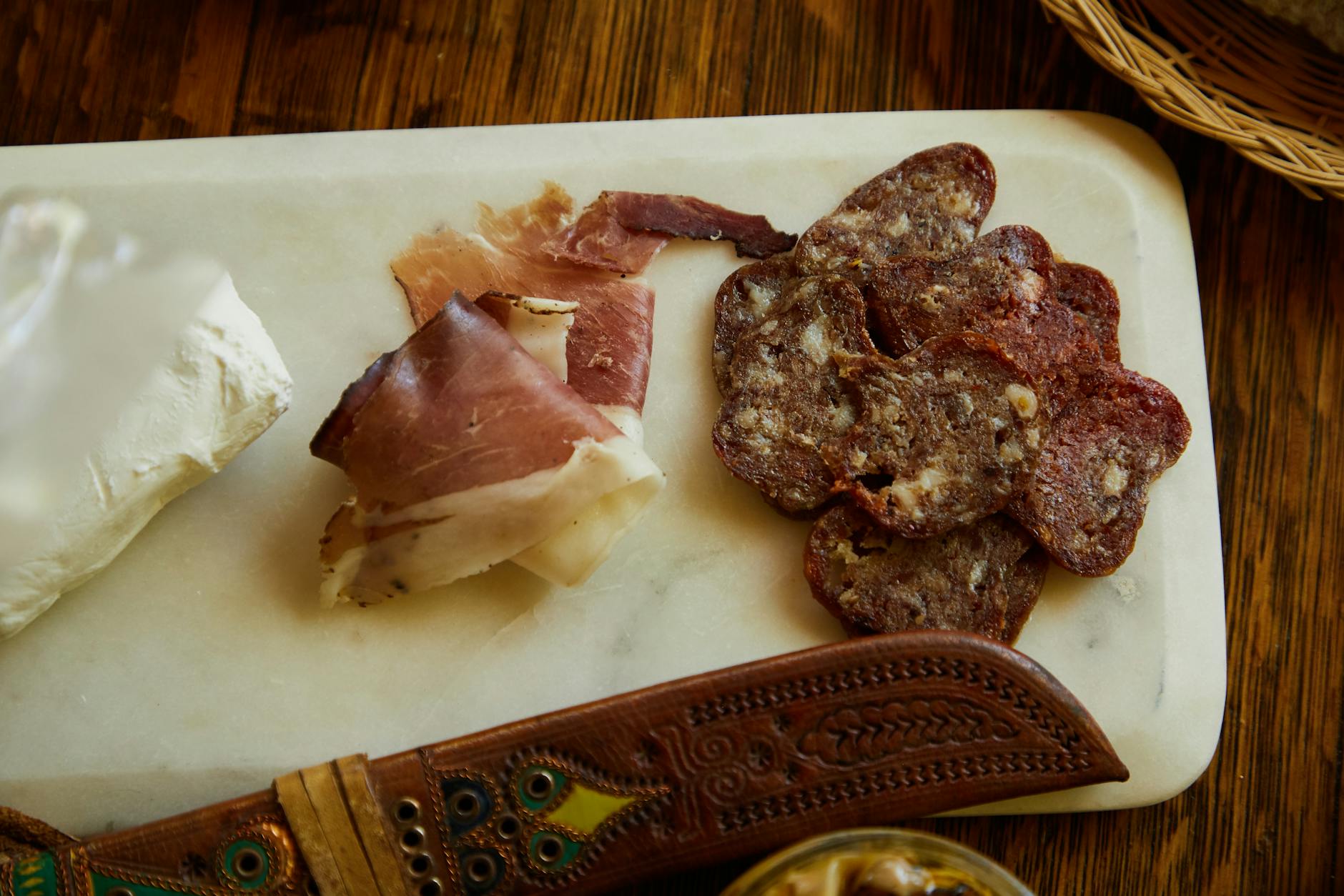
These boards are often assembled from the cheapest deli meats and jarred vegetables available in the kitchen. The ingredients are marked up significantly for what is essentially a plate of cold cuts. Items may have been sliced hours before service and dried out in the refrigerator. You are paying for the visual presentation rather than the quality of the charcuterie.
Kobe Beef
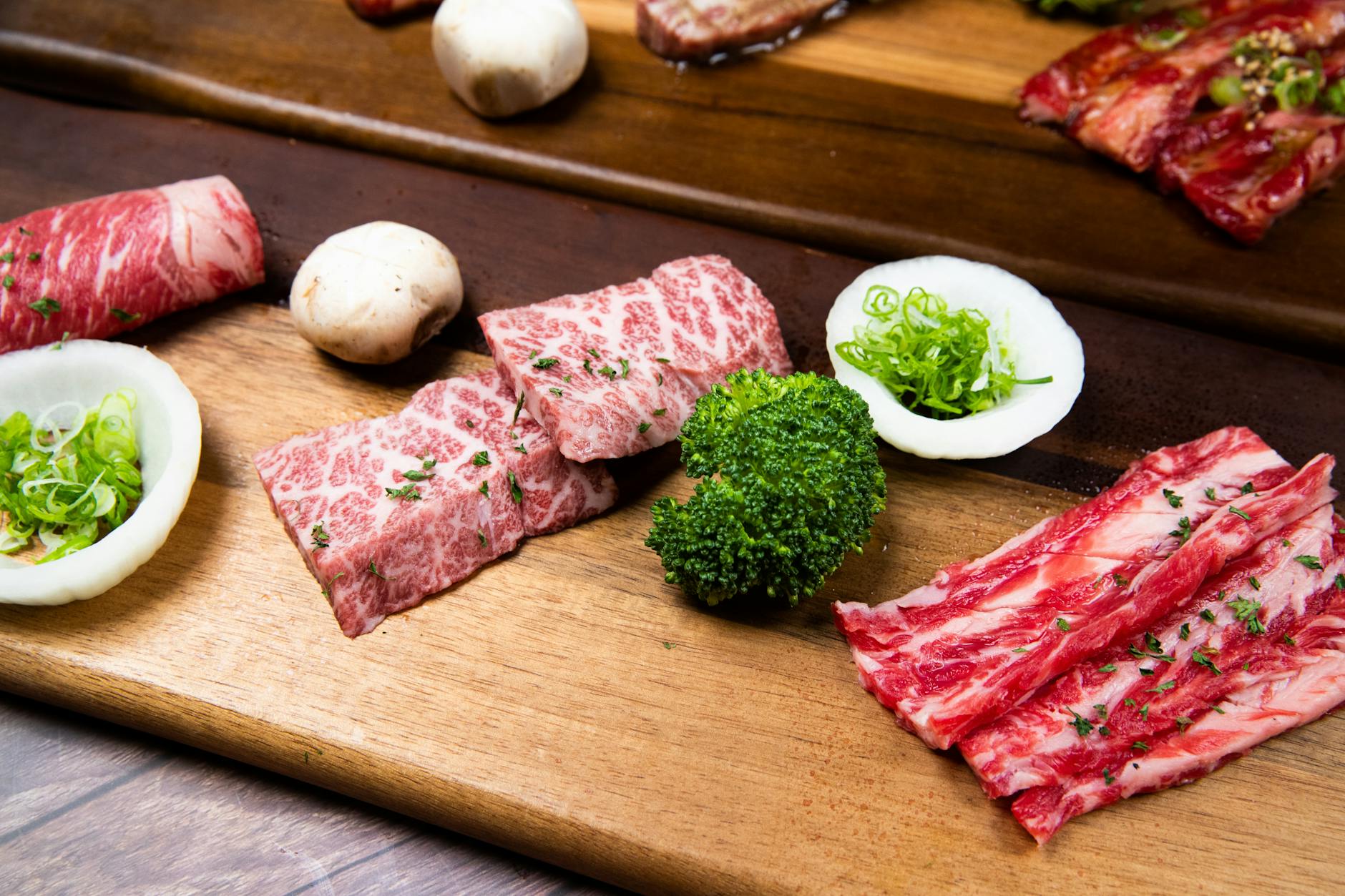
Real Kobe beef from Japan is incredibly rare and strictly regulated regarding its export and labeling. Many menus use this term loosely to describe American Wagyu or other high-quality domestic beef. If the price seems too good to be true it is definitely not authentic Japanese Kobe. You are likely paying a premium for a marketing term rather than the actual product.
We would love to hear which of these items you will be skipping on your next night out in the comments.