
For introverts, energy is a finite and precious resource that must be carefully managed rather than freely spent. Unlike extroverts who recharge through social interaction, introverts restore themselves through solitude, reflection, and deliberate boundary-setting. The most successful introverts have developed a set of consistent practices that allow them to thrive in a world designed for outward personalities. These strategies are not antisocial habits but sophisticated tools for sustaining focus, creativity, and emotional wellbeing over the long term.
Solo Mornings

Successful introverts guard their mornings with fierce consistency, beginning each day before the demands of others can take hold. This quiet window sets the mental tone for everything that follows, allowing the mind to wake gradually rather than reactively. Time spent alone in the morning might include reading, journaling, stretching, or simply sitting with a cup of tea. The absence of noise and obligation in these early hours replenishes a reserve that social interactions will draw from throughout the day. This intentional start is one of the most powerful rituals in an introvert’s daily architecture.
Hard Limits

Introverts who thrive professionally have learned to say no without guilt or lengthy explanation. They treat their time and energy as non-renewable assets, allocating them only to commitments that align with their values and goals. This might mean declining after-work gatherings, skipping optional meetings, or simply not responding to every message the moment it arrives. Over time, consistent limit-setting builds a reputation for reliability rather than coldness, because others learn to expect thoughtful and intentional engagement. The introvert who masters this practice rarely experiences the burnout that comes from overextension.
Deep Work

Focused and uninterrupted work is where introverts consistently outperform because it aligns naturally with their cognitive strengths. They structure their schedules around extended blocks of concentration, protecting those periods from interruption with the same seriousness they apply to physical appointments. Email, chat notifications, and open-door policies are managed on their own terms rather than dictated by others. Research consistently shows that deep work produces higher-quality output than fragmented multitasking environments. Introverts who institutionalize this practice often become the most dependable high performers in any organization.
Digital Silence

Successful introverts are deliberate about their relationship with technology, treating constant connectivity as a threat rather than a convenience. Phones are frequently set to silent, notifications are culled to a minimal essential list, and social media is engaged with on a schedule rather than compulsively. This digital quiet prevents the low-grade anxiety that comes from perpetual availability and allows for genuine mental rest. The ability to disconnect without fear of missing something critical is a skill that takes time to develop but pays dividends in sustained clarity. An introvert who controls their digital environment controls a significant portion of their daily energy budget.
Alone Time

Where an extrovert might fill a free afternoon with plans, a successful introvert treats solitude as a scheduled priority rather than a last resort. Time spent alone is not wasted time but restorative time that directly improves performance in every other area of life. This might take the form of a solo walk, an afternoon reading without obligation, or simply an hour of unstructured quiet at home. Introverts understand that their best thinking, creativity, and emotional regulation happen when they have had enough time to themselves. Protecting this space is not selfishness but a non-negotiable component of sustainable success.
Selective Socializing
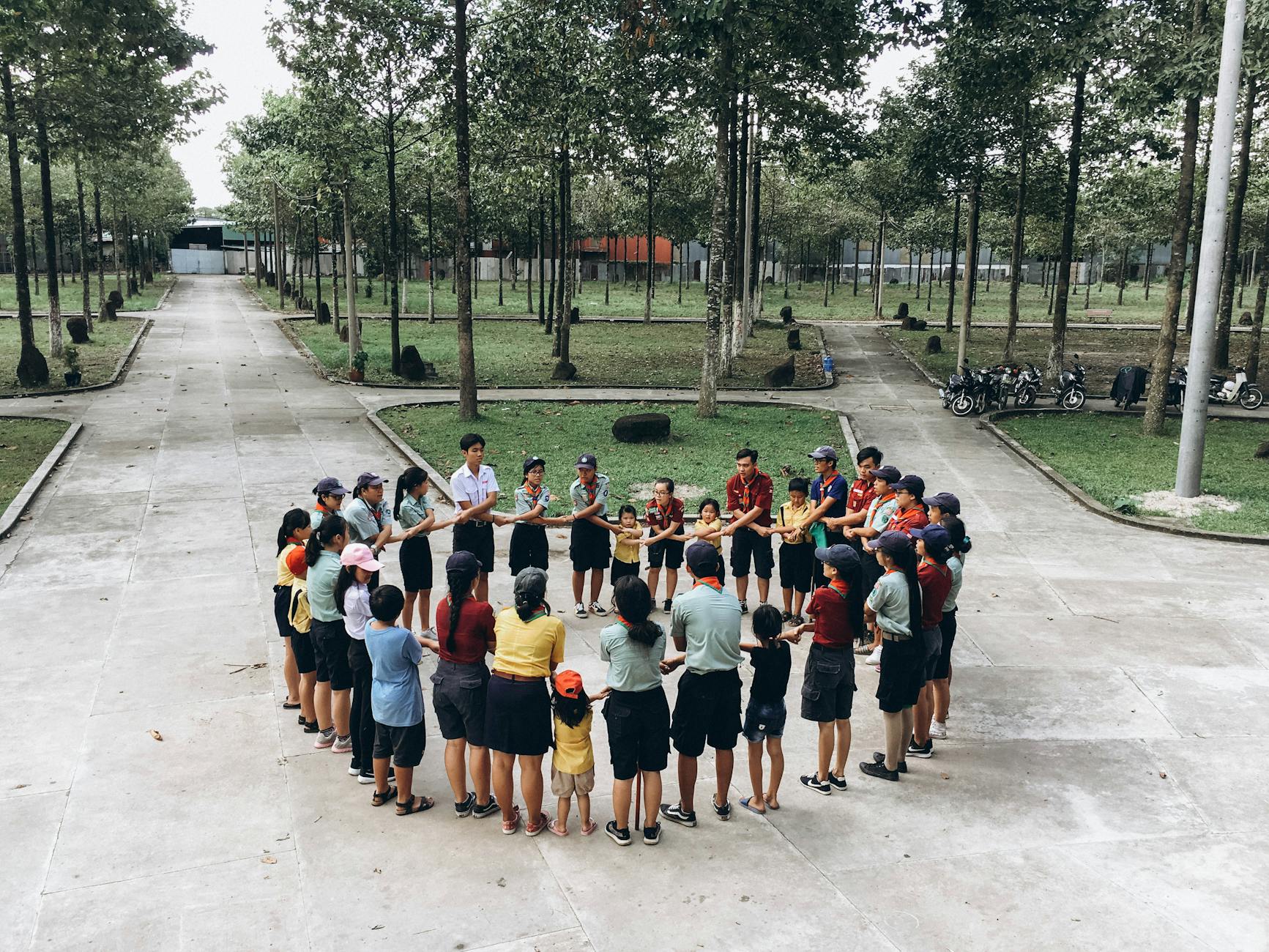
Rather than attending every event and accepting every invitation, successful introverts curate their social lives with considerable care. They invest deeply in a small number of meaningful relationships rather than spreading themselves thin across a wide and shallow network. This means choosing gatherings that offer real connection over large parties where surface-level interaction dominates. When they do attend social events, they arrive with intention and give themselves permission to leave when their energy begins to deplete. The result is a social life that feels nourishing rather than draining.
Pre-Event Planning

Before any significant social engagement, successful introverts take time to mentally prepare rather than walking in cold. This preparation might include reviewing the guest list, setting a clear intention for the event, or simply taking a few quiet minutes beforehand to center themselves. Knowing what to expect reduces the cognitive load of navigating unfamiliar social terrain, which in itself consumes introvert energy at a rapid rate. They also plan their exit in advance, giving themselves a defined end point that prevents commitment fatigue. This level of pre-event strategy turns potentially exhausting situations into manageable and even enjoyable experiences.
Post-Event Recovery

After social commitments, introverts deliberately schedule recovery time rather than immediately moving to the next obligation. This decompression period allows the nervous system to process the stimulation of interaction and return to a baseline of calm. It might look like an evening at home, a quiet meal, or simply an early night without explanation or apology. Successful introverts do not fight this need or view it as a weakness but treat it with the same seriousness as physical recovery after exercise. Building this buffer into the schedule prevents the cumulative exhaustion that derails productivity in the days that follow.
Quiet Spaces

Introverts are highly attuned to their physical environment and actively seek out spaces that support calm rather than stimulate overstimulation. At home, this often means a dedicated corner, room, or chair that functions as a personal sanctuary free from noise and clutter. In professional settings, they seek offices, remote work arrangements, or quiet zones that allow for sustained concentration. Even in public, they gravitate toward the quieter end of a restaurant or a window seat rather than the center of the room. Control over physical environment is a direct lever for managing energy levels throughout the day.
Journaling

Writing privately and consistently is one of the most common practices among high-functioning introverts across every field. The journal functions as a processing tool, allowing thoughts, frustrations, plans, and observations to be organized externally rather than circulating endlessly within the mind. This habit reduces mental load, improves decision-making clarity, and provides an emotional outlet that does not require another person. Many successful introverts describe journaling as the single practice they would least willingly give up, even on the busiest days. The regular act of reflection also accelerates self-awareness, which is the foundation of every other energy-management strategy.
Intentional Listening

While extroverts often lead conversations with energy and volume, successful introverts bring a different and equally powerful skill to the table. They listen with full attention rather than waiting for their turn to speak, which means they absorb more information and respond with greater precision. This makes them exceptionally effective in negotiations, interviews, and relationships where depth of understanding matters more than speed of response. They also manage their own contribution carefully, speaking when they have something meaningful to add rather than filling silence for its own sake. This intentional approach to communication conserves energy while simultaneously elevating the quality of every exchange.
Mindful Commuting

For introverts who must commute, that transit time is treated as a transition ritual rather than dead time. Rather than filling it with phone calls or social media, they use it to listen to a podcast, audiobook, or playlist that gradually prepares them for the demands ahead. The return commute functions as a decompression corridor between work and home life, allowing them to shed the social weight of the day before arriving in their personal space. This boundary between environments is psychologically significant for introverts who otherwise struggle to switch modes. Commuting intentionally turns an obligation into one of the most valuable energy management windows in the day.
Niche Expertise

Successful introverts frequently channel their natural focus into a specific area of deep knowledge rather than cultivating broad generalist appeal. This expertise becomes both a professional asset and a social anchor, giving them a subject they can engage with confidently and enthusiastically in any setting. Deep specialization suits the introvert temperament because it rewards extended study, solitary practice, and sustained attention over time. It also tends to attract a specific community of like-minded individuals, reducing the need to navigate wide and exhausting social landscapes. The introvert who becomes the most knowledgeable person in a room on a specific topic has found a formula for confident and energizing engagement.
Meeting Boundaries

In professional environments, successful introverts actively shape how and when they participate in group settings rather than accepting the default structure imposed by others. They advocate for agendas in advance so they can arrive prepared rather than improvising, which depletes energy quickly. They offer thoughtful written contributions before or after meetings rather than competing in real-time verbal exchanges that favor louder personalities. When possible, they negotiate the length and frequency of meetings, recognizing that back-to-back scheduling is one of the most efficient ways to exhaust an introvert’s reserves. This proactive approach ensures their contributions are recognized without requiring them to operate outside their natural strengths.
Creative Outlets

Many successful introverts maintain a consistent creative practice that functions as both an expressive and restorative activity. Whether it is writing, painting, playing an instrument, cooking, or building, creative engagement allows the introvert mind to enter a flow state that is deeply replenishing. This kind of absorbed solitary focus is the opposite of draining because it aligns completely with how introverts naturally prefer to spend their mental energy. Creative outlets also provide a sense of autonomous achievement that does not depend on external validation or social performance. Maintaining this practice through even the busiest periods is a marker of the most sustainable introvert lives.
Slow Weekends

While social culture often frames a full weekend calendar as a sign of a rich and successful life, successful introverts intentionally leave large portions of their weekends unscheduled. This open time is not idleness but strategic recovery, allowing the mind and body to reset after a week of external demands. A slow morning, an unplanned walk, or an afternoon spent reading without obligation can restore more energy than a weekend of activities ever could. Introverts who protect this unstructured time consistently report higher motivation, clearer thinking, and better mood at the start of each new week. The slow weekend is one of the most underrated and misunderstood tools in the introvert energy management toolkit.
Trusted Inner Circle

Successful introverts invest the bulk of their relational energy in a very small group of people they trust completely. These relationships are characterized by depth, honesty, and mutual understanding rather than frequency of contact or social performance. Within this circle, the introvert can be fully themselves without the energy cost of managing impressions or navigating unfamiliar social expectations. This inner circle also functions as a support system that the introvert can lean on precisely because the connections are so carefully maintained. Quality over quantity is not just a preference for introverts but a practical strategy for sustaining emotional energy across a lifetime.
Personal Rituals

Highly successful introverts structure their days around a series of small and consistent rituals that create predictability and reduce decision fatigue. These might include a specific order to the morning routine, a particular way of ending the workday, or a regular evening walk taken at the same time each day. Predictable structure removes the energy cost of improvisation and allows the introvert to move through the day without constantly renegotiating their environment. These rituals also function as anchors that signal to the nervous system when to shift between modes of engagement and recovery. The introvert who lives by intentional ritual rarely feels scattered or depleted without understanding why.
Strategic Networking
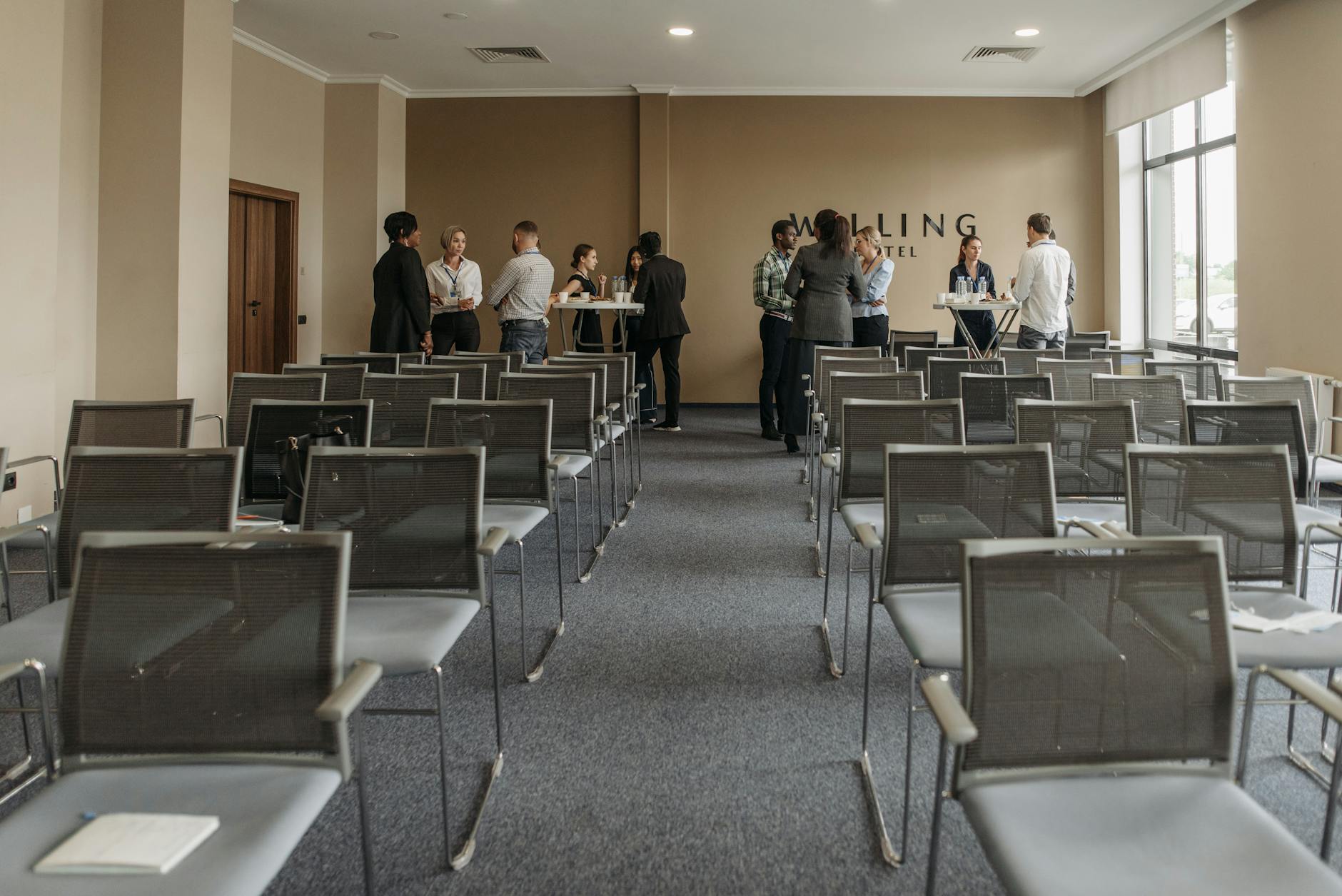
Rather than avoiding professional networking entirely, successful introverts approach it with a specific strategy that minimizes energy expenditure while maximizing meaningful connection. They attend events with a defined goal rather than a vague hope of meeting someone useful, and they follow up with the one or two most promising contacts rather than collecting a stack of business cards. One-on-one conversations over coffee are preferred to large mixers because they allow for the depth of exchange where introverts naturally excel. They also leverage written communication, online communities, and long-form content to build professional visibility without requiring constant in-person presence. Networking done this way becomes sustainable and even satisfying rather than a dreaded obligation.
Boundaries as Self-Care

Perhaps the most misunderstood practice of successful introverts is the way they frame boundary-setting not as rejection but as a form of active self-preservation. Every time they decline an invitation, end a conversation, or protect a block of quiet time, they are making a deliberate investment in their own functioning. This reframing removes the guilt that many introverts are socialized to feel when prioritizing their own needs over the expectations of others. Over time, this consistent practice builds a life architecture that genuinely fits the introvert temperament rather than forcing constant adaptation to an extrovert-oriented world. The most successful introverts understand that protecting their energy is not a luxury but the very foundation upon which everything else they achieve is built.
If you identify as an introvert, share the energy-protecting strategies that have made the biggest difference in your life in the comments.