Teenagers naturally crave privacy and often create secret sanctuaries within their bedrooms to explore their developing identities away from adult supervision. This desire for autonomy leads them to stash various items in creative hiding spots that usually escape a cursory glance. Understanding what these objects are and where they are concealed helps guardians stay informed about the habits or struggles of the young adults in their care. The following list explores common items found in teen rooms and the clever ways they remain undetected.
Vaping Devices
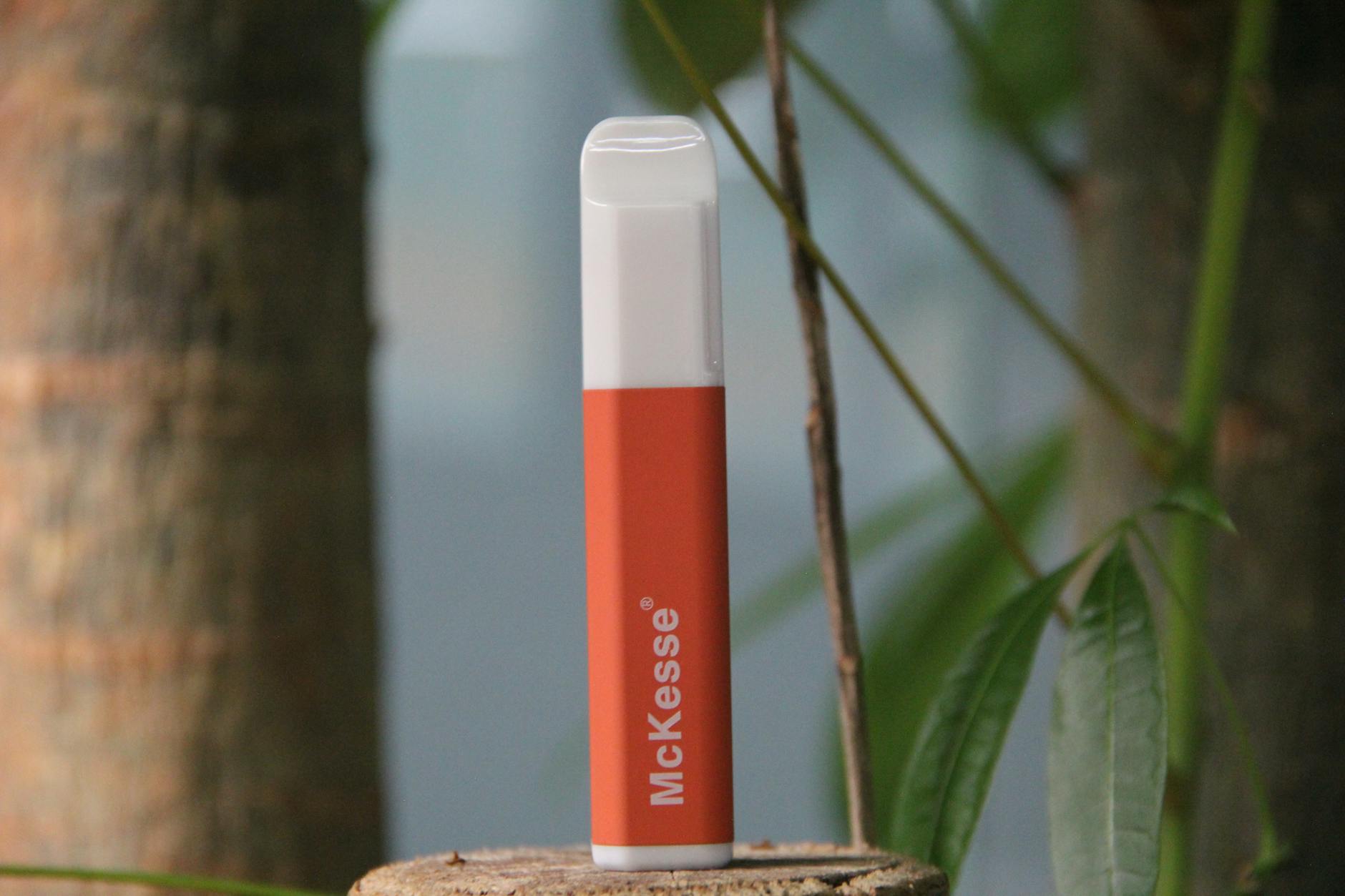
Electronic cigarettes often resemble common school supplies or tech accessories to evade detection. Teens frequently purchase devices shaped like USB drives or highlighters that blend perfectly into a cluttered desk environment. The vapor dissipates quickly and leaves little scent compared to traditional smoke. Parents may overlook these small gadgets unless they inspect stationary or computer ports closely.
Burner Phones
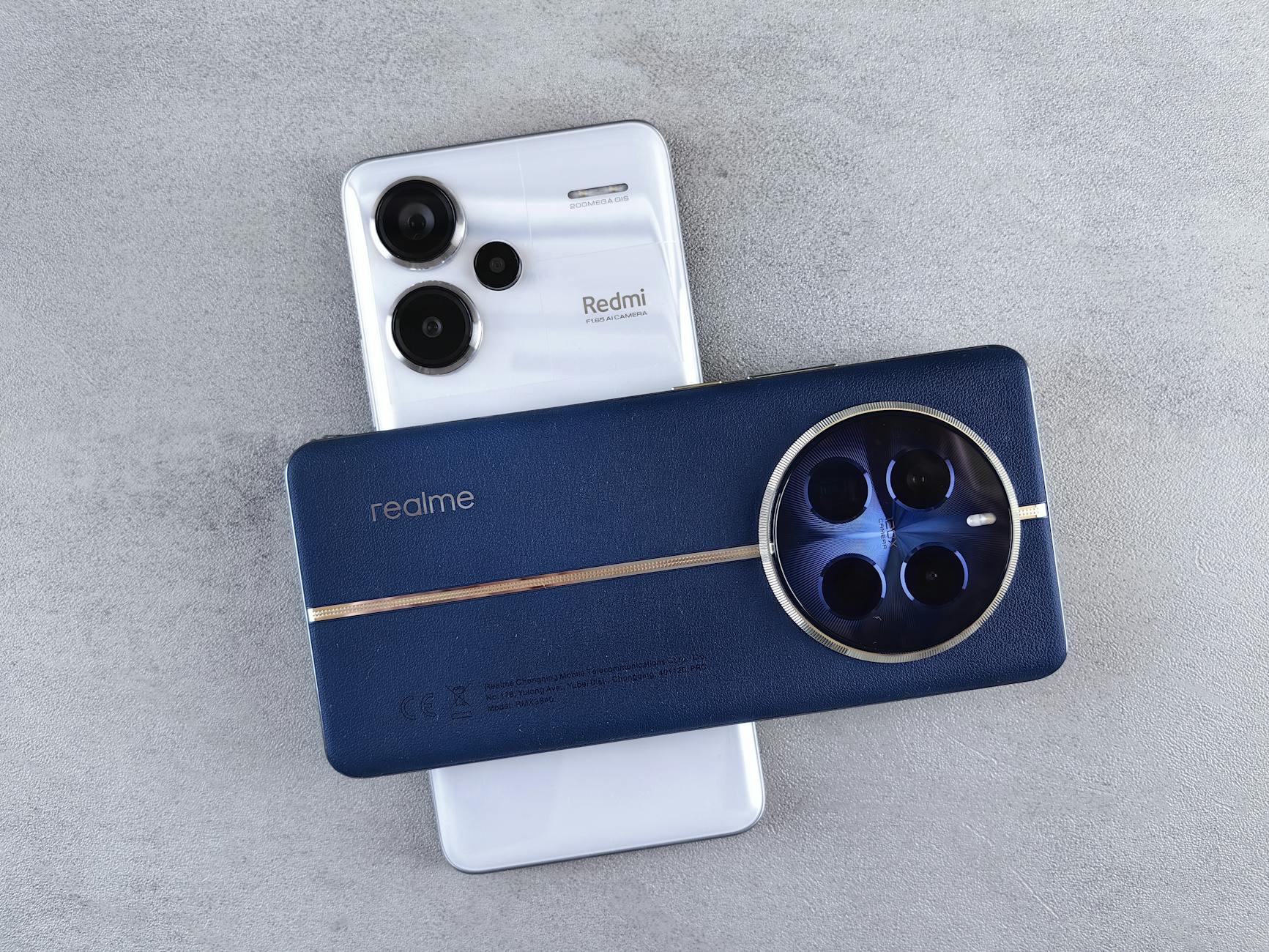
A secondary smartphone allows teenagers to bypass parental controls or communicate without restrictions. These devices are often kept on silent mode and hidden inside pillowcases or taped underneath drawers. Prepaid plans make it easy for young people to maintain a private line without a contract. Discovery usually happens only when a parent stumbles upon an unfamiliar charger or hears a vibration at night.
Diversion Safes

Everyday objects can be modified to hold secret stashes while appearing completely innocent on a shelf. A hollowed hairbrush or a fake soda can with a screw-off bottom provides a perfect concealment vessel. These items look and feel heavy enough to pass a casual inspection during cleaning. Teens use them to store anything from cash to contraband right in plain sight.
Alcohol in Water Bottles

Clear spirits like vodka or gin are easily disguised in standard plastic water bottles. Teenagers may keep these bottles mixed in with legitimate hydration sources on their nightstand or in a gym bag. The smell is the only giveaway if the bottle is opened or if the contents are spilled. This method allows for consumption in the bedroom without raising suspicion through clinking glass bottles.
Personal Journals

Diaries remain a timeless place for venting frustrations and documenting crushes away from prying eyes. Modern hiding spots for these notebooks include the space between a mattress and box spring or taped behind a headboard. Teens view these written records as an extension of their mind and guard them fiercely. Finding one often indicates a deep need for emotional processing and privacy.
Condoms and Contraceptives

Adolescents exploring their sexuality often hide protection to avoid awkward conversations with guardians. Foil wrappers are flat enough to slip inside phone cases or between the pages of a rarely read book. Some teens tape them to the underside of their desk chair or tuck them into socks. The presence of these items signals active or anticipated sexual activity.
Fake IDs

Identification cards with altered birth dates are essential for underage entry into clubs or purchasing age-restricted goods. These cards are typically slim enough to slide inside a wallet behind a library card or into a hidden slit in a backpack. They look remarkably authentic and are often ordered online with ease. Discovery usually occurs when a wallet is left open or dropped casually.
Prescription Pills

Medications taken from the family medicine cabinet often end up in small plastic bags or tissue bundles. Teens might hide these in hollow curtain rods or inside the battery compartments of electronic remotes. This behavior can indicate experimentation or self-medication for anxiety and pain. Guardians rarely count their own pills frequently enough to notice the missing inventory immediately.
Cash Stashes

Financial independence is a priority for many teens who want to buy items without a paper trail. Large amounts of cash may be rolled up and inserted into empty lip balm tubes or tucks inside winter boots. This money is often saved for unapproved purchases or social outings. Keeping cash hidden ensures they avoid questions about where the money came from or where it is going.
Lighters and Matches

Fire sources are necessary for smoking or lighting candles to mask odors. Small lighters easily slip into the coin pocket of jeans or get tossed into a pencil cup. Matches can be kept in a small box tucked behind books on a shelf. Their presence suggests combustion is happening in the room despite house rules.
Hollowed Books

A classic hiding spot involves cutting out the center pages of a hardcover book to create a storage niche. This method works well because most parents do not pull books off the shelf to inspect them individually. The spine remains intact so the book looks undisturbed from the outside. Inside the cavity teens store anything from notes to illicit substances.
Cigarettes

Traditional tobacco products are harder to hide due to their smell but are still common. Loose cigarettes are often stored in mint tins to mask the odor of fresh tobacco. Packs may be flattened and taped to the back of a poster or wall hanging. Teens rely on strong air fresheners to cover any lingering scents after smoking near a window.
Drug Paraphernalia
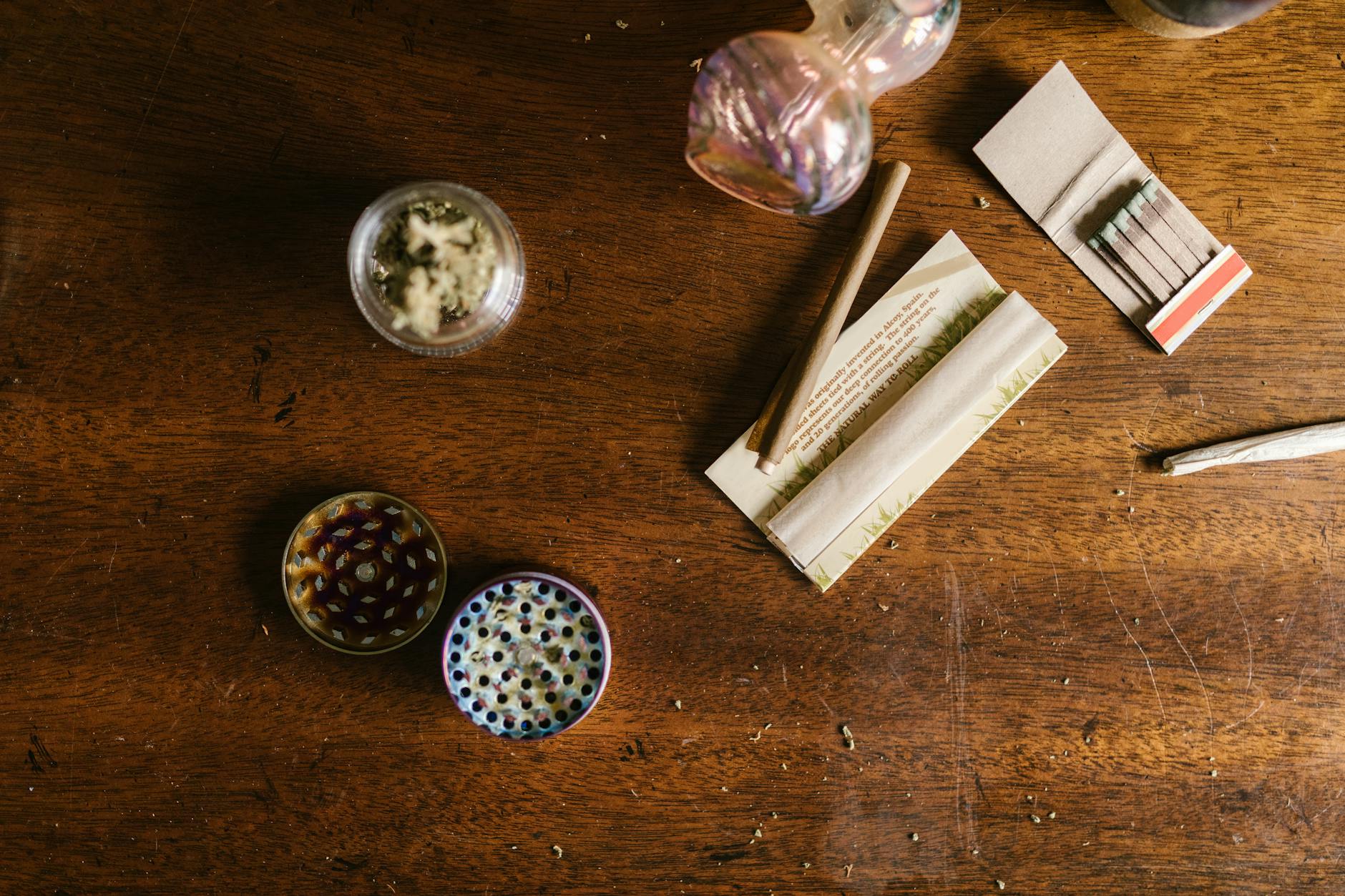
Items used for drug consumption come in many shapes and sizes that confuse the untrained eye. A small metal pipe might look like a machine part or a peculiar keychain charm. Grinders for herbs often resemble oversized makeup containers or hockey pucks. Parents often miss these items because they do not recognize their specific function.
Pregnancy Tests

Fear of an unplanned pregnancy leads many teenage girls to purchase and hide tests. Used tests are usually disposed of quickly but unused ones may be kept in the back of a messy closet or inside a shoebox. The anxiety surrounding the result makes secrecy a top priority. Finding this item indicates a significant scare and a need for guidance.
Secret Notes

Handwritten notes from friends or romantic partners hold immense sentimental value. These papers are folded into tiny squares and shoved into pockets of clothing that is out of season. Some are taped to the inside of a locker door or a closet frame. They contain the social gossip and private thoughts that define the high school experience.
Razors or Sharp Objects
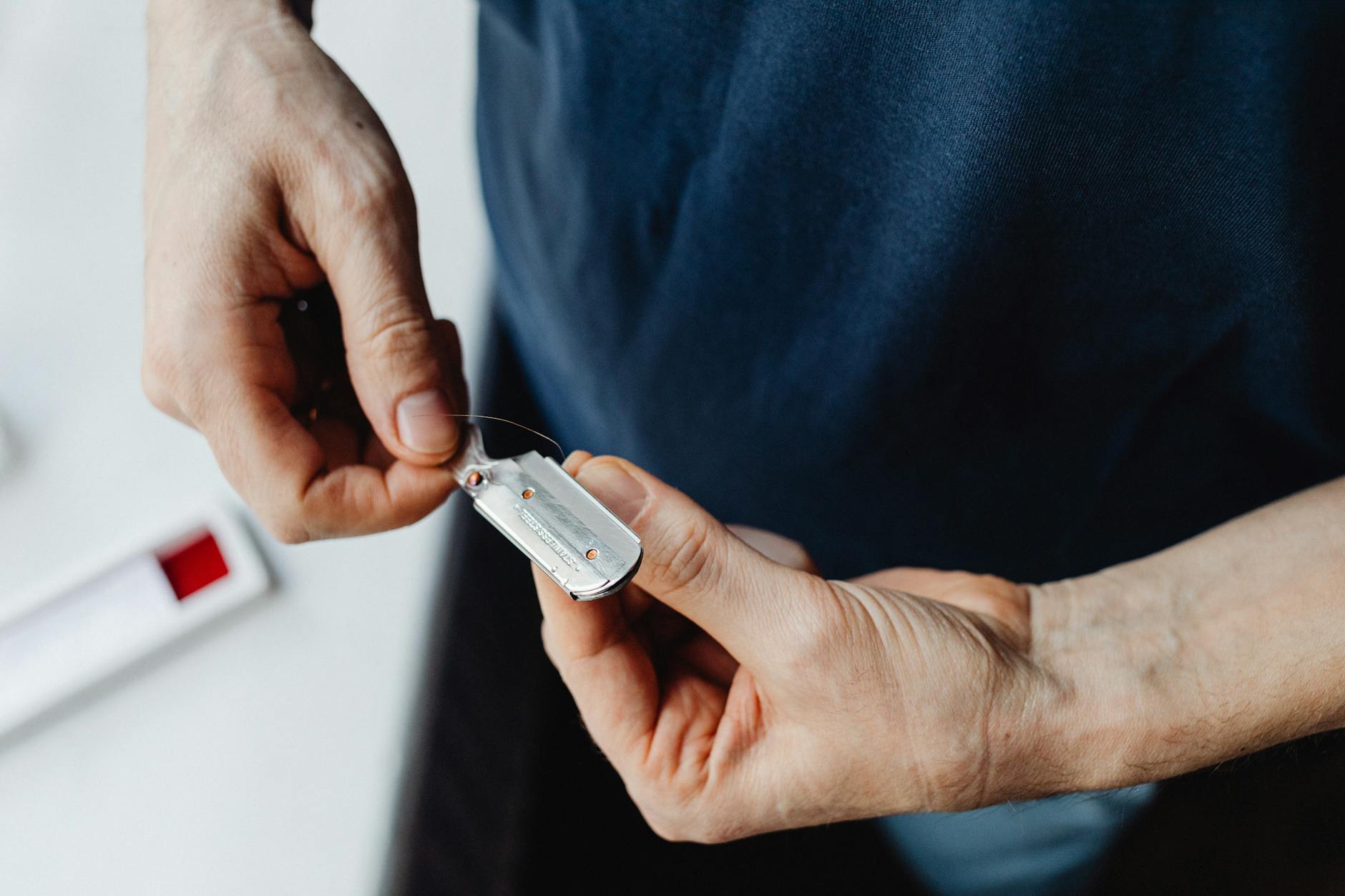
Teens struggling with emotional pain may hide razor blades or pencil sharpener blades. These small metal pieces are easily concealed inside phone cases or taped to the bottom of a drawer. They are difficult to spot because of their diminutive size. Discovery of these items often requires immediate and compassionate mental health support.
Explicit Photos

Printed photographs of a sensitive nature may be kept as keepsakes or for trading. These images are often hidden beneath the drawer liner of a desk or inside a video game case. The digital age has moved much of this to phones but physical copies still exist. Privacy regarding these images is paramount to the teenager to avoid shame.
Unwashed Laundry

Teens often hoard dirty clothes to avoid doing chores or to hide stains from prohibited activities. A pile of laundry can hide smells of smoke or alcohol that would be obvious on fresh fabric. Sometimes the laundry pile itself serves as a hiding spot for other contraband items. Parents rarely dig through the bottom of a hamper.
Broken Electronics
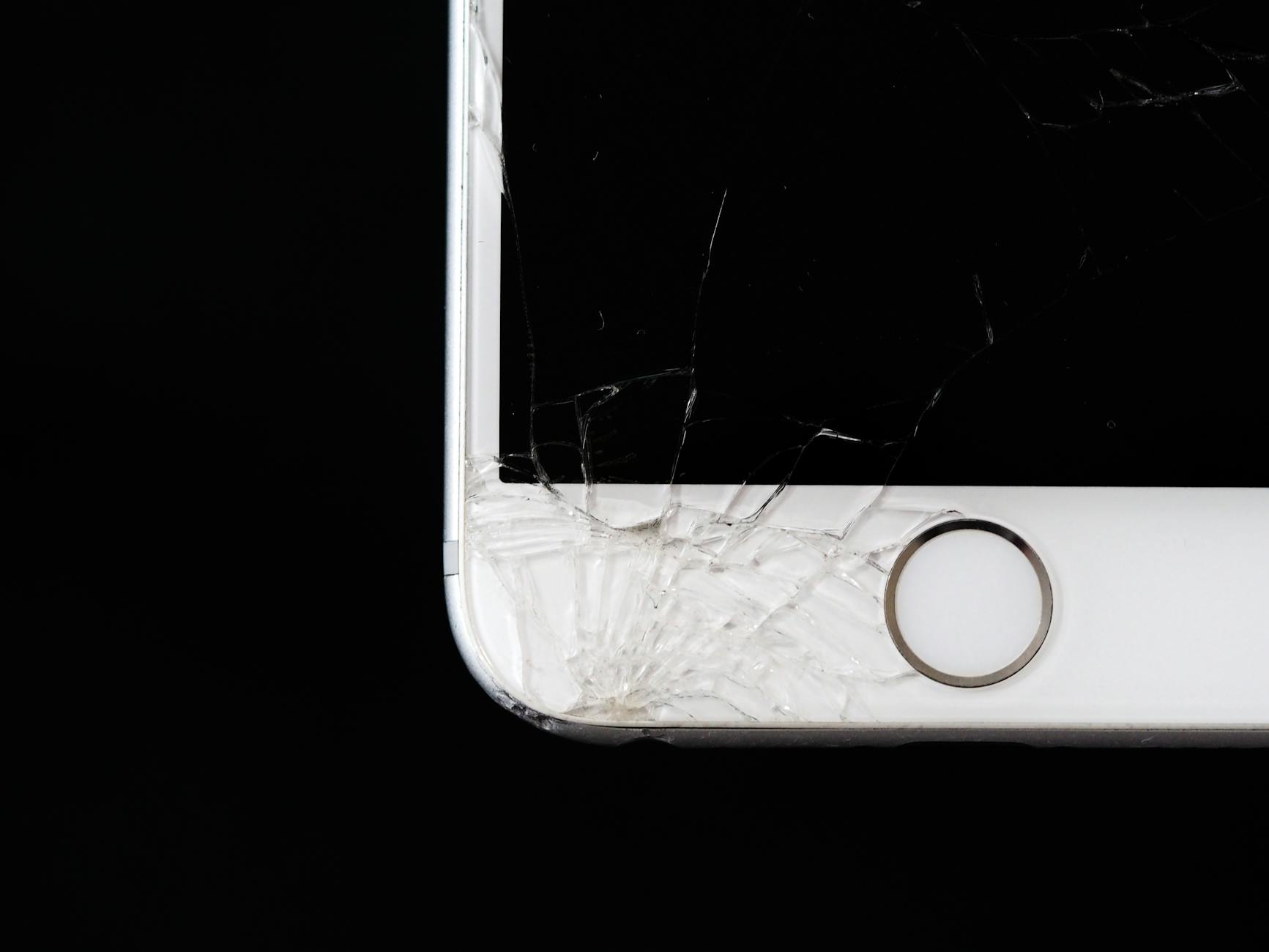
Damaged phones or tablets that were broken during unauthorized activities are often stashed away. A teen might hide a cracked screen to avoid punishment or the cost of repairs. These devices are usually powered off and shoved to the back of a junk drawer. The silence surrounding the broken item is an attempt to delay the inevitable confrontation.
Piercing Kits

Home piercing supplies allow teens to alter their appearance without parental consent. Needles and jewelry are small enough to fit in a mint container or a jewelry box false bottom. The desire for a nose ring or extra ear piercing often outweighs safety concerns. These kits are often bought online and hidden immediately upon arrival.
Hair Dye

Chemical dyes and bleach kits are kept secret by teens planning a sudden look change. Bottles are easily hidden under the bathroom sink or deep within a closet organizer. The distinct chemical smell is usually the first alert to parents that a change is happening. This signifies a desire for control over their physical appearance.
Second SIM Cards
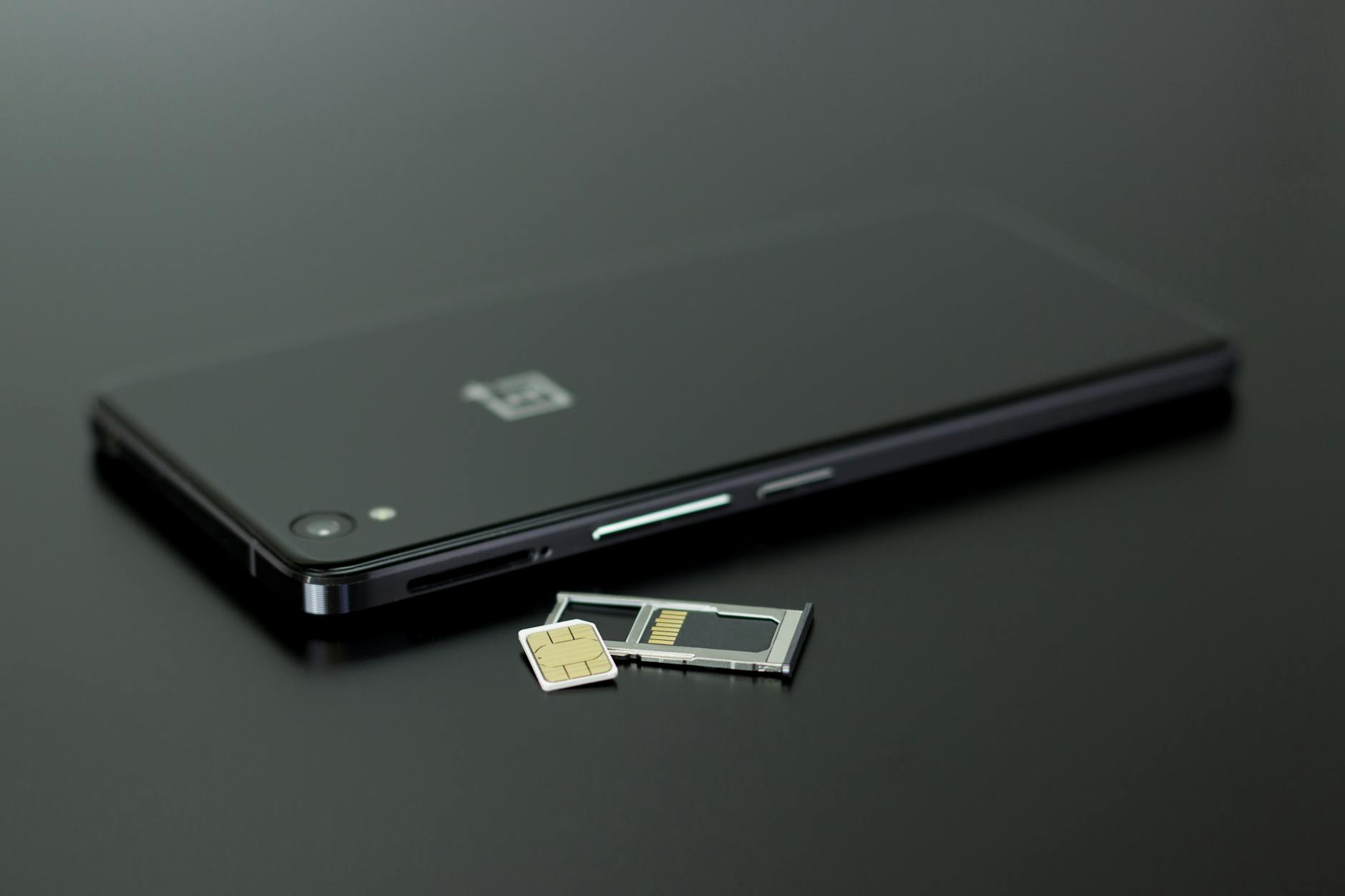
A secondary SIM card allows a teen to change their phone number temporarily or use a different data plan. These tiny chips are incredibly easy to lose and easier to hide in a wallet or taped to a card. They enable communication channels that are completely separate from the primary family plan. Finding one suggests a sophisticated level of digital secrecy.
USB Drives

Digital privacy is crucial and USB drives allow teens to store files off their main computer. These drives can hold private journals or encrypted chat logs or unauthorized software. They are easily mistaken for school supplies and ignored by adults. The data on them is often password protected for an extra layer of security.
Incense and Candles

Strong fragrances are frequently used to mask the smell of smoke or damp clothes. While often innocent decor they can also serve a functional purpose for concealment. Teens might burn specific scents known for their potency right before parents arrive home. An excessive collection of these items can be a red flag for air quality issues.
Breath Mints and Gum

Large quantities of mints or gum are often used to cover the smell of alcohol or tobacco on the breath. A stash found in a nightstand might seem normal but excessive use is a common cover-up tactic. Teens will pop a mint immediately upon entering the house to neutralize odors. It is a simple and effective way to avoid detection during face-to-face conversations.
Energy Drinks

Caffeine dependency often leads teens to hoard energy drinks against parental advice. Empty cans may be crushed and hidden in bags to avoid filling the recycling bin with evidence. Full cans are often kept warm in a closet to avoid taking up space in the family fridge. This habit speaks to late-night gaming or studying sessions.
Cheat Sheets

Academic pressure drives some students to create small notes for use during exams. These slips of paper are often hidden in calculator cases or written on the inside of a hat brim. They are kept as insurance policies for difficult tests and hidden to avoid shame. Discovery reveals a struggle with school performance and integrity.
Passwords

Lists of passwords for social media and private accounts are often written down to prevent locking out. These lists are usually disguised as math homework or random doodles on a back page. Teens know that access to their digital life is the ultimate prize for a snooping parent. Keeping these codes safe is a top priority for maintaining digital autonomy.
Sentimental Trinkets

Objects from a forbidden relationship or a secret friend are treasured and hidden. A movie ticket stub or a small stone can hold immense meaning and is easily overlooked as trash. These items are often kept in a jewelry box or a special tin. They serve as physical reminders of connections the parents may not approve of.
Edgy Art
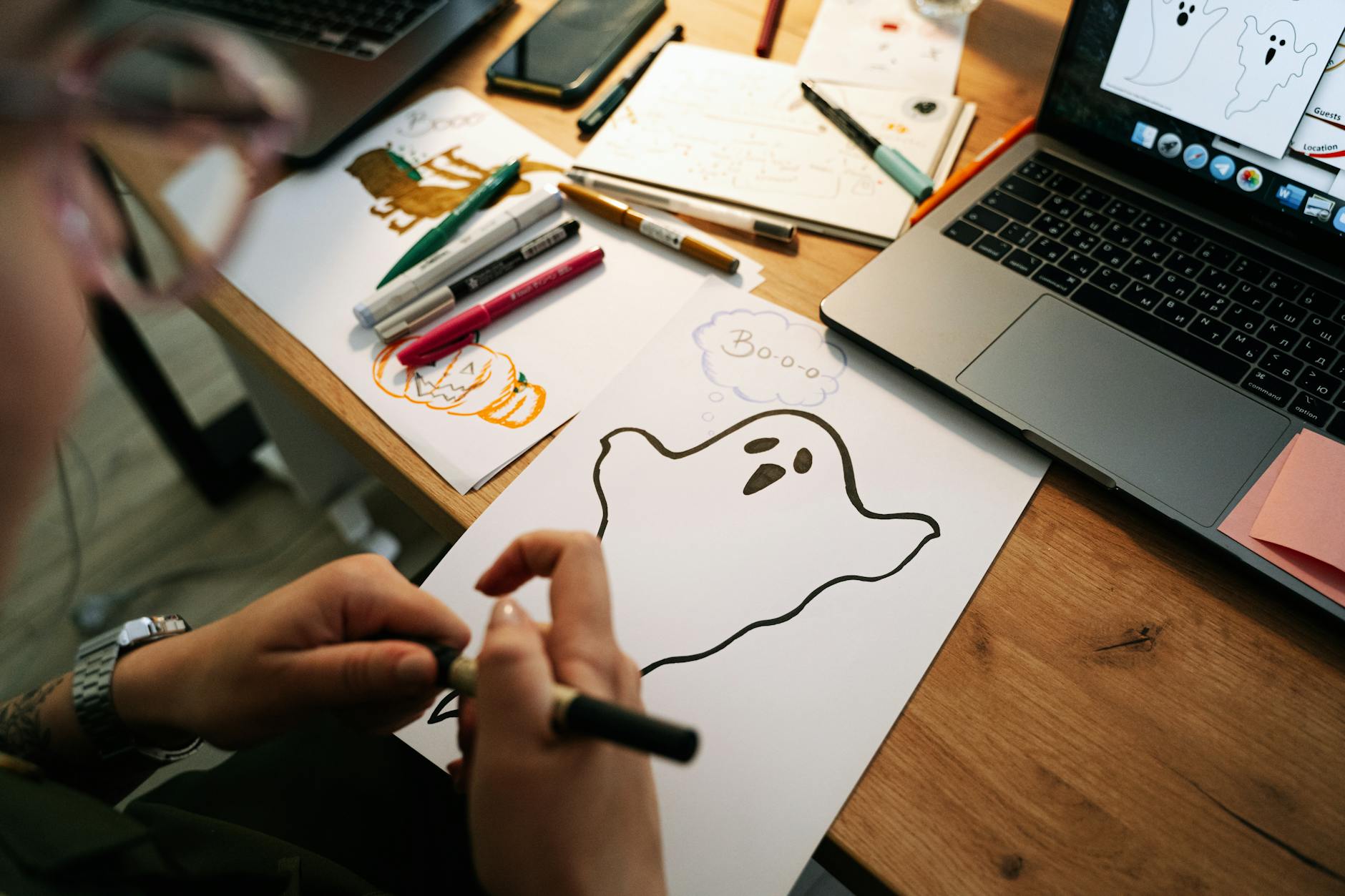
Drawings or prints that feature dark themes or explicit content are often kept rolled up in tubes. Teens use art to express complex emotions that they do not feel comfortable sharing openly. These pieces are only displayed when the teen is alone in the room. They represent a safe outlet for rebellion and emotional exploration.
Unauthorized Snacks

Food is often restricted in bedrooms so teens hoard non-perishable snacks. Wrappers are stuffed into gaps in the furniture to avoid the trash can. Bags of chips or candy are kept in desk drawers for late-night hunger pangs. This behavior attracts pests but gives the teen control over their diet.
Makeup

Cosmetics that are deemed too mature or heavy for daily wear are often applied and removed in secret. Teens hide expensive palettes or bold lipsticks in pencil cases or mixed with art supplies. They experiment with these looks late at night or before leaving the house for school. It is a form of identity play that happens behind closed doors.
Video Games

Rated-M games or titles forbidden by parents are easily concealed in generic cases. Digital downloads are hidden in folders deep within the console menu system. Physical discs can be swapped into innocent-looking sports game cases. The allure of forbidden content makes these games highly prized.
Digital Scales

Small digital scales are used to weigh portions of drugs or herbs. They often look like smartphones or computer mice to avoid detection. Teens hide them in drawers or boxes with other electronic debris. Finding a scale is a strong indicator of distribution or precise consumption habits.
Sploofs

A homemade filter used to dampen the smell of smoke is known as a sploof. It is typically made from a toilet paper roll stuffed with dryer sheets. Teens blow smoke through the tube to neutralize the odor before it hits the room air. Finding a dryer sheet stuffed cardboard tube is a definitive sign of smoking in the room.
Share your experiences or other hiding spots you have discovered in the comments.