People who work in thrift stores occupy a uniquely informed position in the world of secondhand shopping. They handle hundreds of donated items every single week, developing an eye for quality, condition, and hidden risk that most casual shoppers never acquire. While thrift stores can be extraordinary sources of genuine value and unexpected treasure, the people who sort, price, and shelve the merchandise develop strong and well-reasoned opinions about which categories of items are simply not worth the risk regardless of how low the price tag reads. Their reluctance is not snobbery but rather accumulated practical wisdom earned through direct and repeated experience with the full spectrum of what people donate. Here are 25 things that thrift store employees consistently decline to purchase for themselves even when the items appear clean, intact, and attractively priced.
Upholstered Furniture
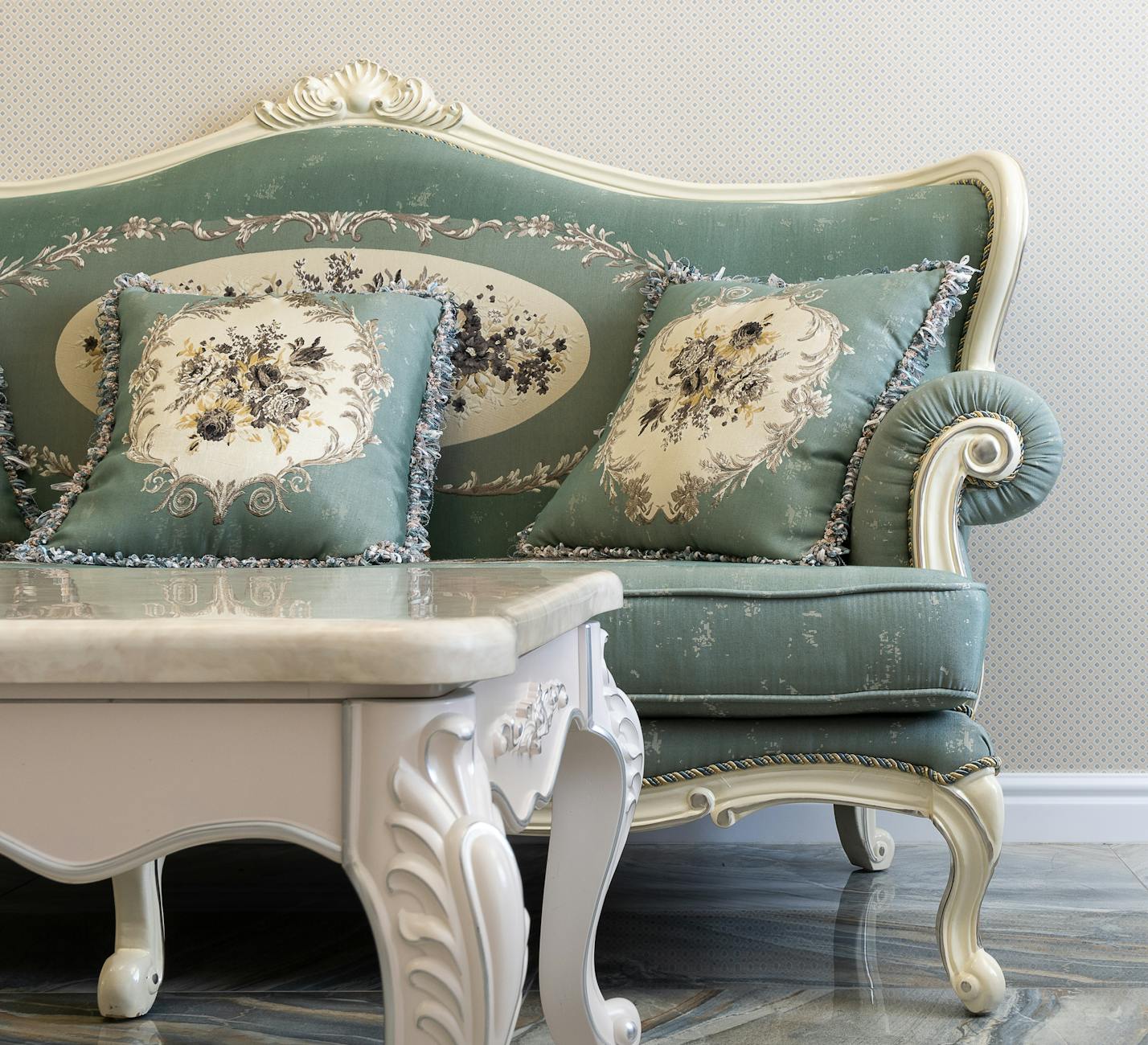
Upholstered sofas, armchairs, and ottomans are among the most visually appealing and deceptively risky items on the thrift store floor. The fabric and foam interior of any upholstered piece provides an ideal habitat for bed bugs, which are notoriously difficult to detect with a visual inspection and virtually impossible to eliminate through standard home cleaning methods. A single infested sofa brought into a home can result in a bed bug infestation that costs thousands of dollars and months of disruption to resolve. Thrift store employees who handle donated furniture regularly understand that a piece can look immaculate on the surface while harboring active insect populations deep within the cushion layers and frame joints. The financial saving offered by a secondhand sofa rarely justifies the potential cost and stress of the alternative outcome.
Mattresses
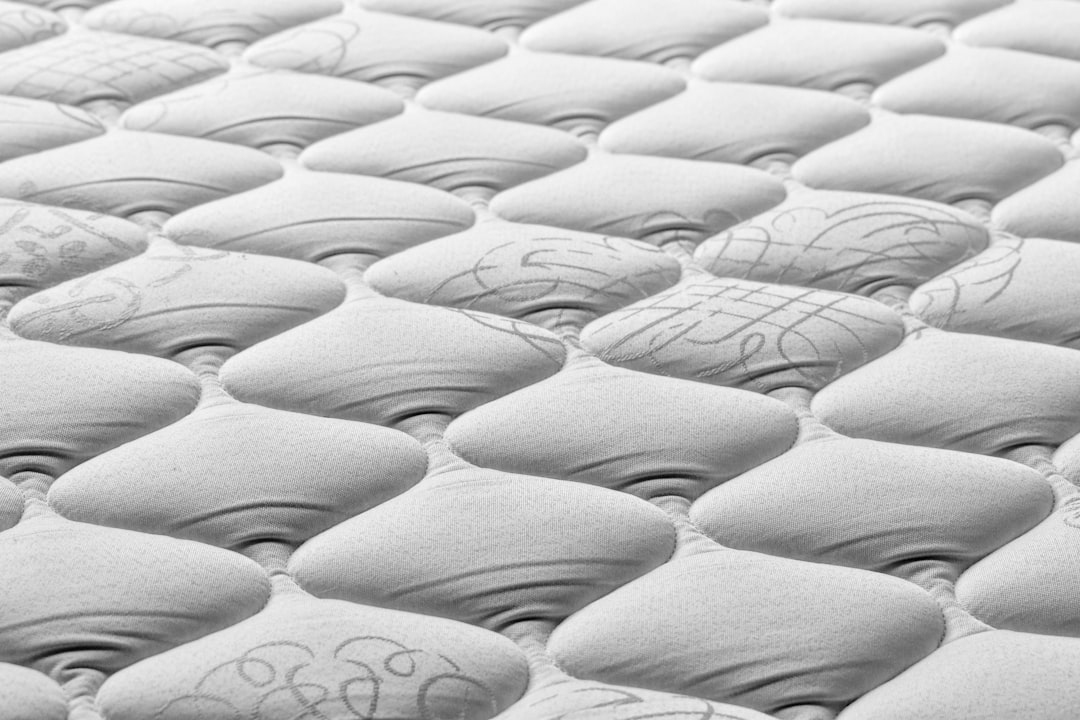
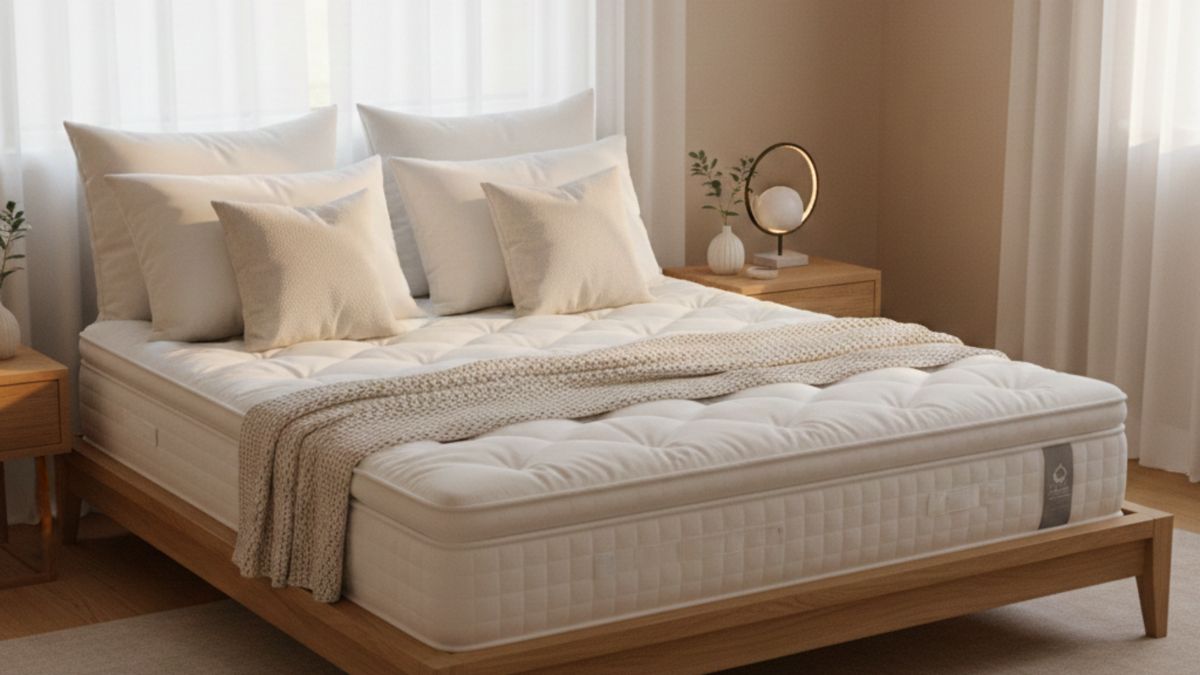
Mattresses represent perhaps the single most universally avoided purchase among thrift store workers regardless of how clean or new a donated example appears. Beyond the bed bug concern that applies to all upholstered items, mattresses accumulate years of sweat, skin cells, body oils, dust mites, and biological material that cannot be removed through surface cleaning or even professional treatment. The internal structure of a mattress including its springs, foam layers, and fabric encasing absorbs and retains everything it has been exposed to in a way that is completely invisible from the outside. Many regions have strict regulations governing the resale of used mattresses for precisely these hygiene reasons, and thrift stores in compliant jurisdictions are prohibited from selling them at all. Employees who understand what goes into a mattress over its lifespan view even a briefly used donated example with a level of skepticism that makes personal purchase essentially unthinkable.
Helmets
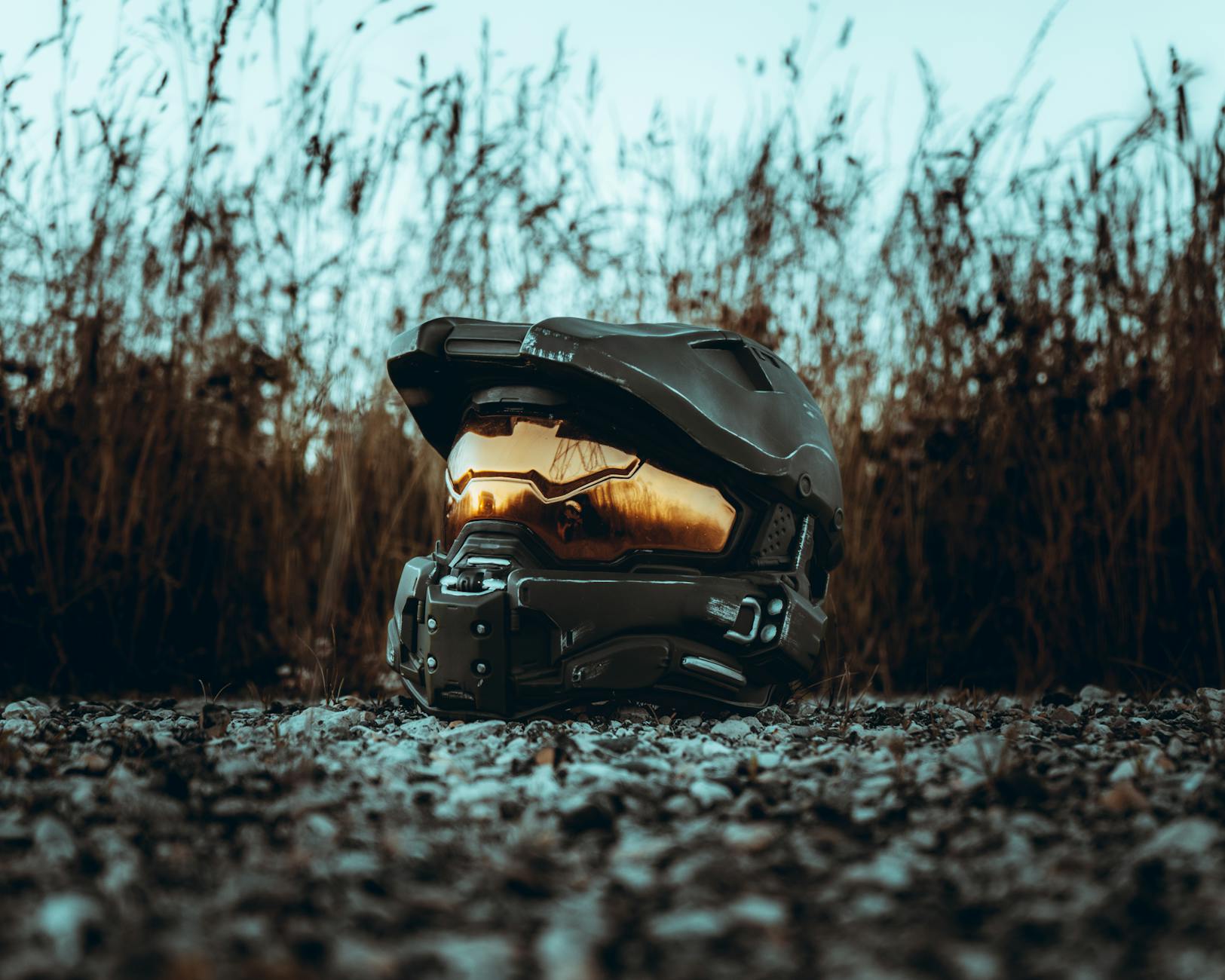
Bicycle helmets, motorcycle helmets, ski helmets, and any other protective headgear are items that thrift store employees handle regularly and purchase essentially never. Helmets are designed to absorb the energy of a single significant impact through the controlled deformation of their internal foam liner, after which they are compromised regardless of whether any external damage is visible. A helmet that has been involved in a fall or collision looks identical to one that has never been used, making it impossible for a buyer or even an experienced employee to assess its true protective capacity. The consequences of wearing a compromised helmet in a subsequent impact are potentially fatal, making the modest financial saving involved an entirely unreasonable trade-off. Safety equipment of any kind whose protective history cannot be verified has no reliable second life as personal protective gear.
Car Seats
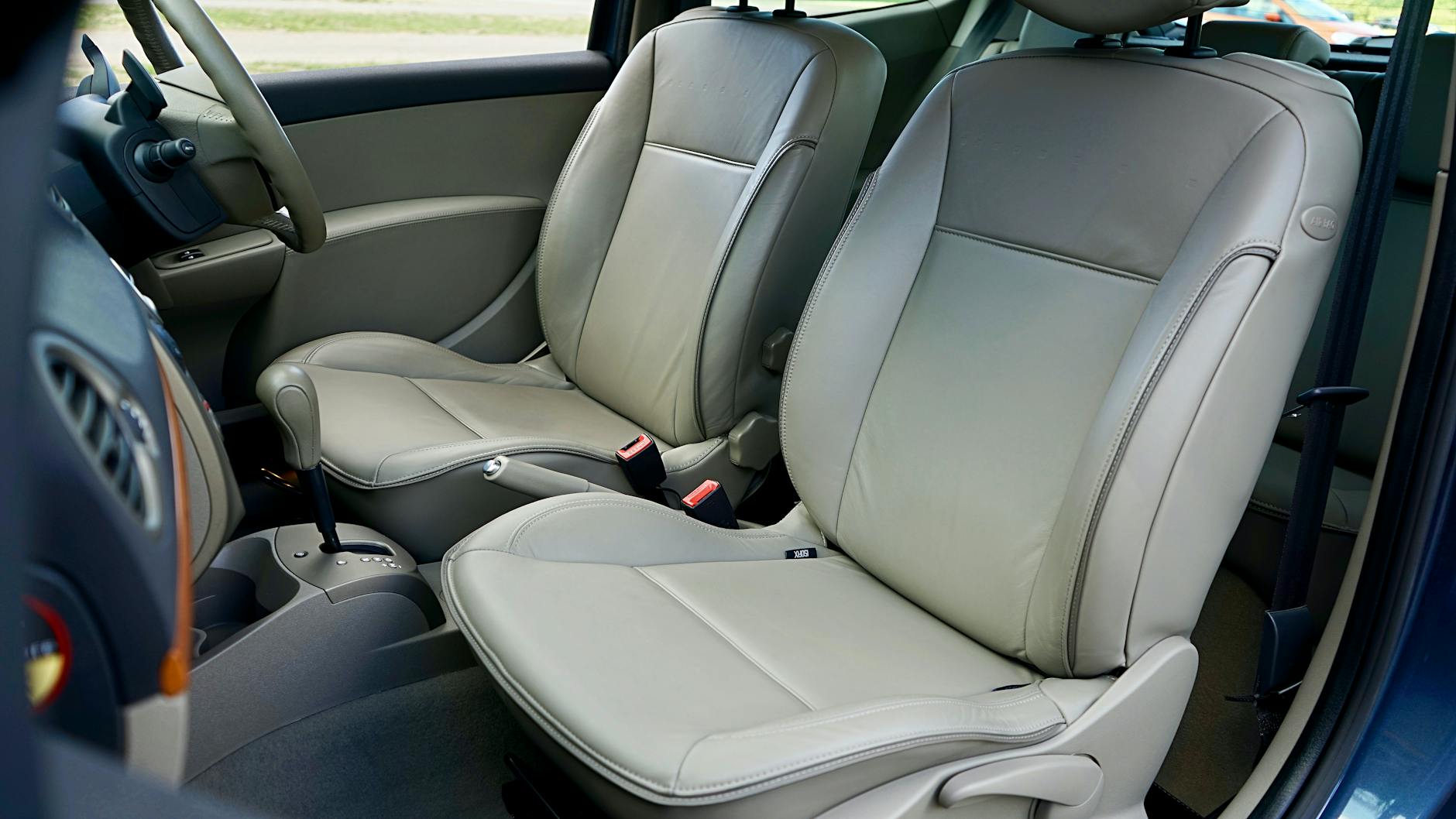
Child car seats are subject to the same fundamental problem as helmets, compounded by the additional vulnerability of the passenger they are designed to protect. A car seat that has been involved in any vehicle accident may have sustained invisible structural damage to its shell, harness system, or anchor connections that renders it unsafe for further use. Manufacturers and road safety authorities universally recommend replacing car seats after any collision, even minor ones, precisely because internal damage cannot be detected visually. Thrift store employees are aware that donated car seats arrive with no verifiable history and that expiration dates printed on the base are frequently ignored or unnoticed by donors. Purchasing a used car seat for any child is considered by those with professional exposure to donated goods to be an unacceptable safety risk regardless of the price.
Cookware with Damaged Coating
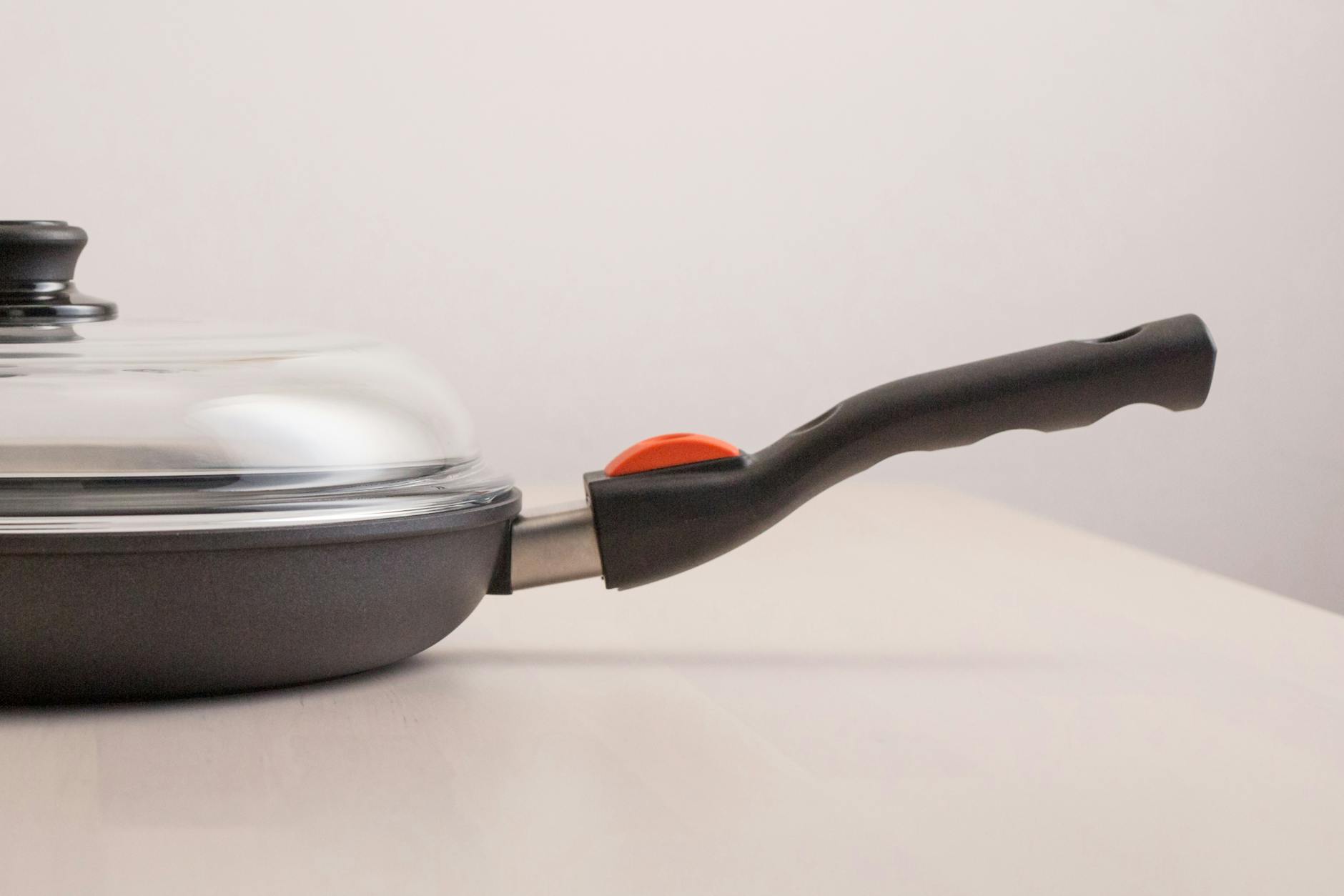
Non-stick pots and pans with scratched, chipped, or flaking coatings are donated to thrift stores in substantial quantities and represent one of the most commonly flagged health concerns among employees who process kitchen goods. The polytetrafluoroethylene coating used in most non-stick cookware is considered safe when intact but begins to release chemical compounds when the surface is damaged and subjected to cooking temperatures. Replacing scratched non-stick cookware is the standard recommendation of both manufacturers and food safety professionals, and thrift stores receive significant quantities of pieces donated specifically because the previous owner reached that same conclusion. Employees who understand why the cookware was donated in the first place are understandably reluctant to acquire what someone else has already decided to discard for safety reasons. Cast iron, stainless steel, and carbon steel cookware without coatings are considered by experienced thrift shoppers to be the only categories of secondhand cookware worth acquiring.
Stuffed Animals
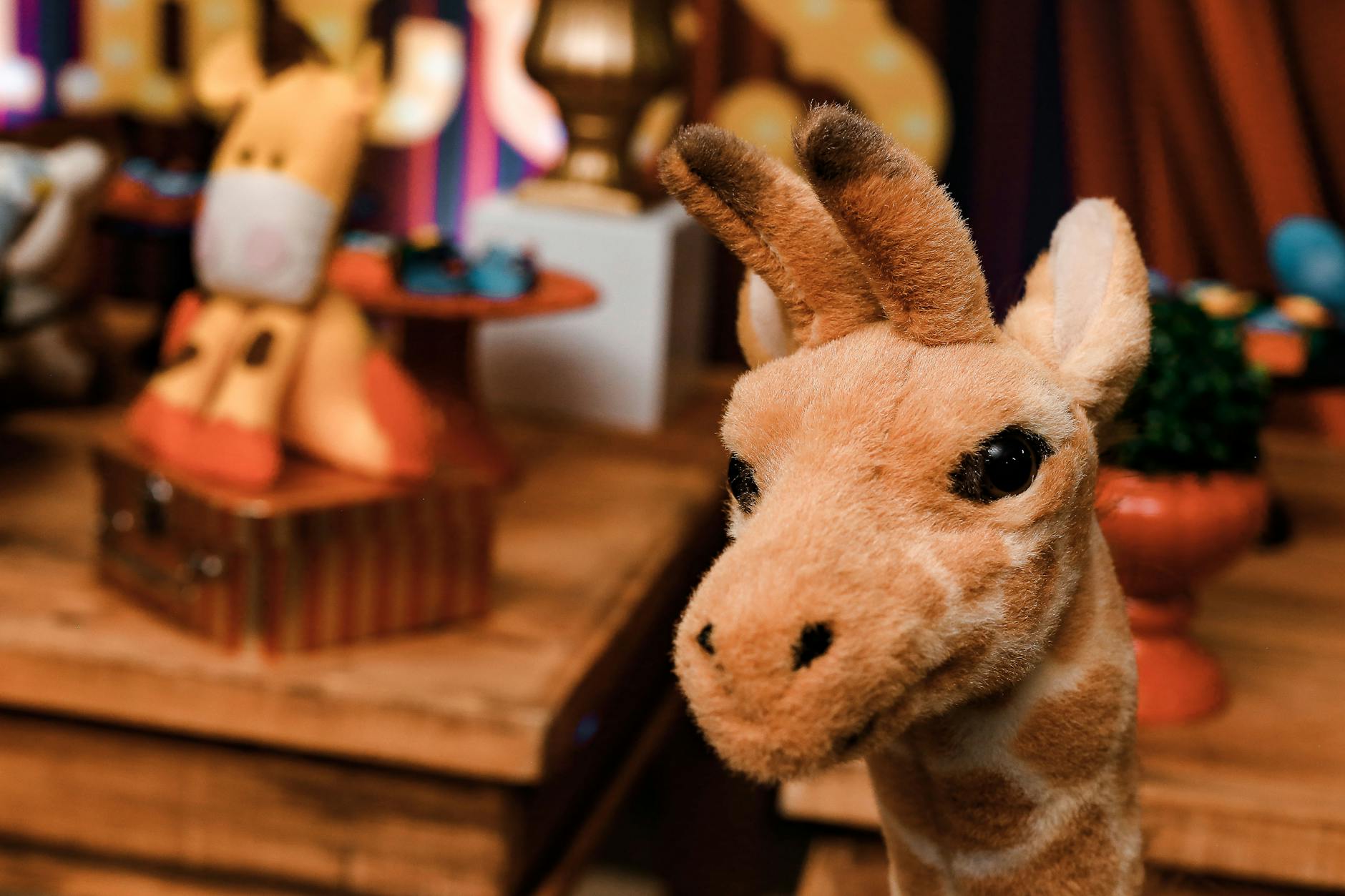
Stuffed toys and plush animals are among the most emotionally resonant items in any thrift store and also among the most practically problematic from a hygiene standpoint. The fabric, stuffing, and seams of a well-used stuffed animal accumulate years of contact with children including saliva, tears, food residue, and general biological material that standard washing cycles do not always fully address. Dust mites colonize the filling of plush toys in significant numbers over time, making them a meaningful allergen source that is difficult to eliminate through home laundering. The sentimental associations that lead to a stuffed animal being donated are also sometimes the result of circumstances including illness that employees with experience prefer not to think too carefully about. Thrift store workers who handle bins of donated plush toys regularly tend to develop a very pragmatic view of their desirability as secondhand purchases.
Shoes
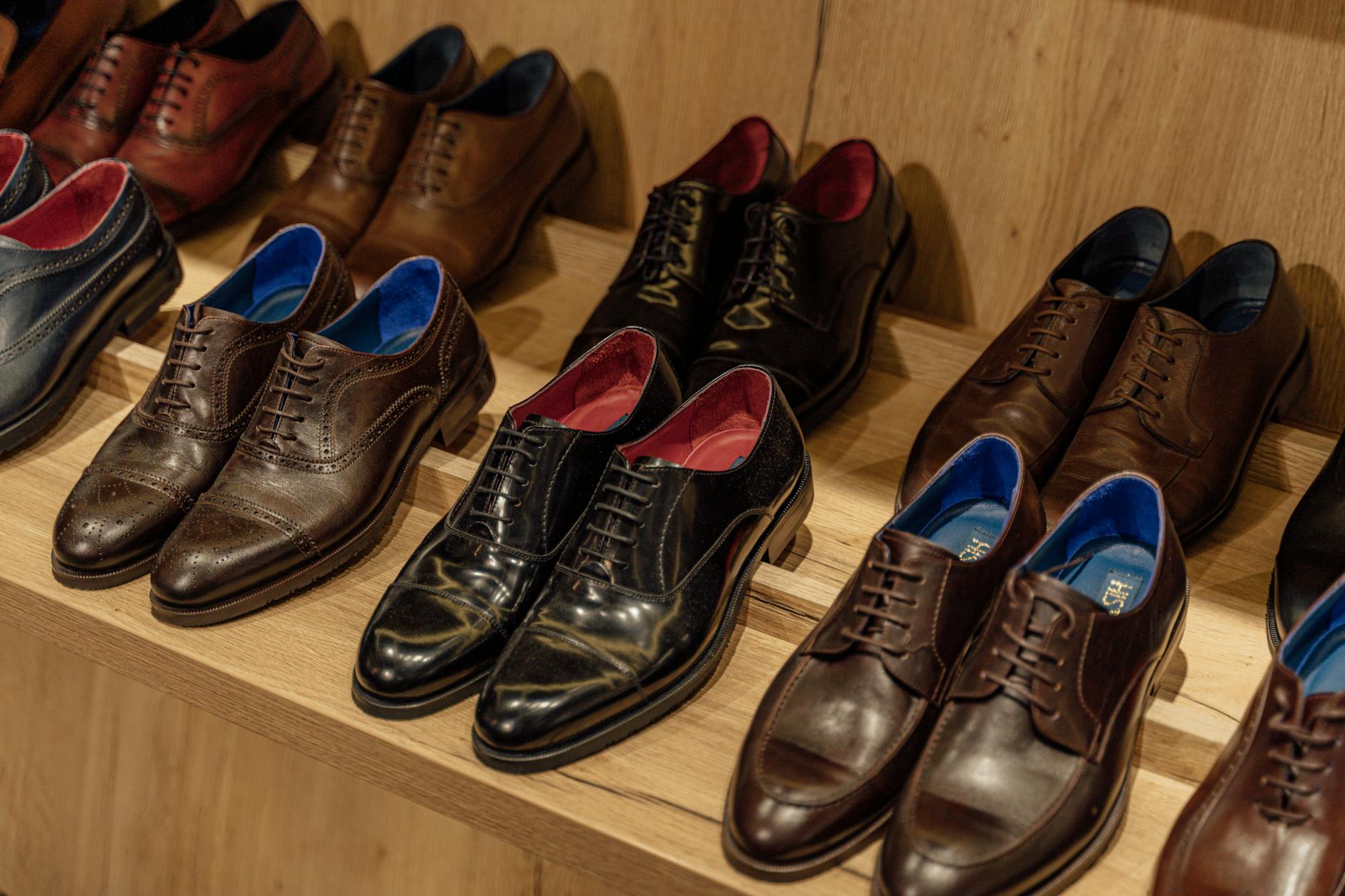
Footwear is one of the most consistently avoided categories of personal purchase among thrift store employees despite representing excellent apparent value in many cases. Shoes mold themselves over time to the specific gait, weight distribution, and foot shape of their original wearer, meaning that a used shoe forces the new wearer’s foot into a pattern of contact and support that was designed for a different anatomy. This biomechanical issue is invisible from the outside and can contribute to foot pain, altered gait, and joint stress in the new wearer. Beyond the structural concern, the internal environment of a worn shoe harbors fungal organisms including those responsible for athlete’s foot that are not reliably eliminated by standard surface cleaning. Employees who understand the full biology of a worn shoe tend to purchase new footwear as a firm personal policy.
Cribs and Baby Furniture
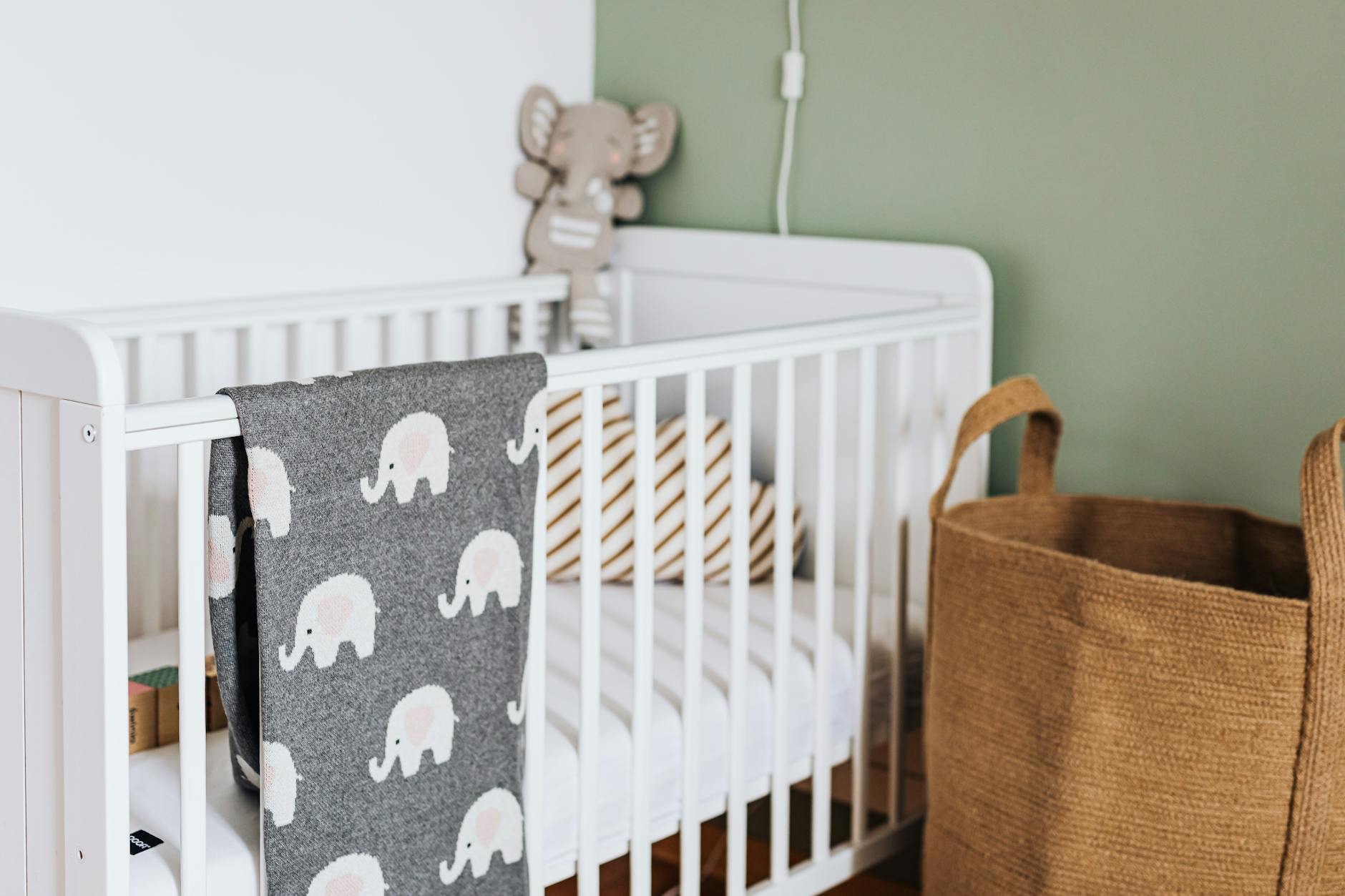
Baby cribs and infant sleep furniture donated to thrift stores present safety concerns that parallel those of car seats in their combination of invisible structural risk and vulnerable end user. Crib safety standards have been updated repeatedly over recent decades, meaning that older donated cribs may not meet current regulations regarding slat spacing, mattress support integrity, and drop-side mechanisms. A crib that appears sturdy may have stress fractures in its joints or a compromised mattress support platform that only reveals its weakness under the sustained load of an infant. The Consumer Product Safety Commission in the United States has issued recalls on numerous crib models that continue to circulate in the secondhand market because recall notices do not reliably reach subsequent owners through donation chains. Thrift store employees who process baby furniture consistently advise that infant sleep environments are not an area where secondhand purchasing makes practical sense.
Cosmetics and Skincare
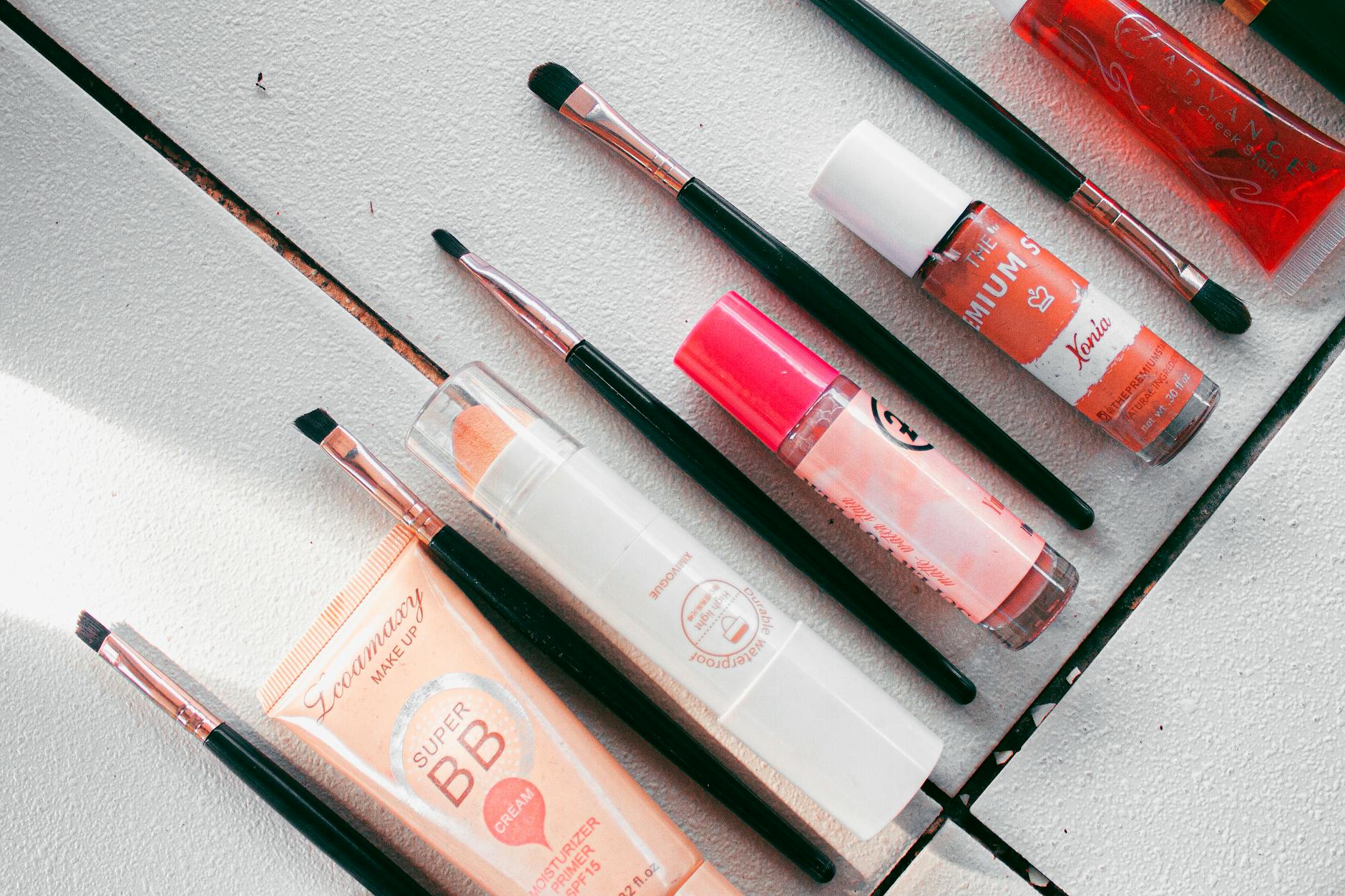
Open or partially used cosmetics and skincare products are donated to thrift stores with surprising regularity and represent one of the clearest hygiene concerns encountered in the personal care category. Mascaras, lip products, foundations, and skincare formulations that have been opened and used harbor the bacteria and potential pathogens introduced during the original owner’s use, which cannot be sterilized or reversed through any practical cleaning method. The mucous membranes of the eye and lip areas are particularly susceptible to infection from contaminated cosmetic products, and conditions including conjunctivitis and herpes simplex virus can be transmitted through shared makeup with genuine ease. Product expiration dates on donated cosmetics are also frequently exceeded by the time the items arrive at a thrift store, further compounding the safety concern. Employees who handle donated personal care products develop an immediate and lasting aversion to purchasing them secondhand.
Electric Blankets
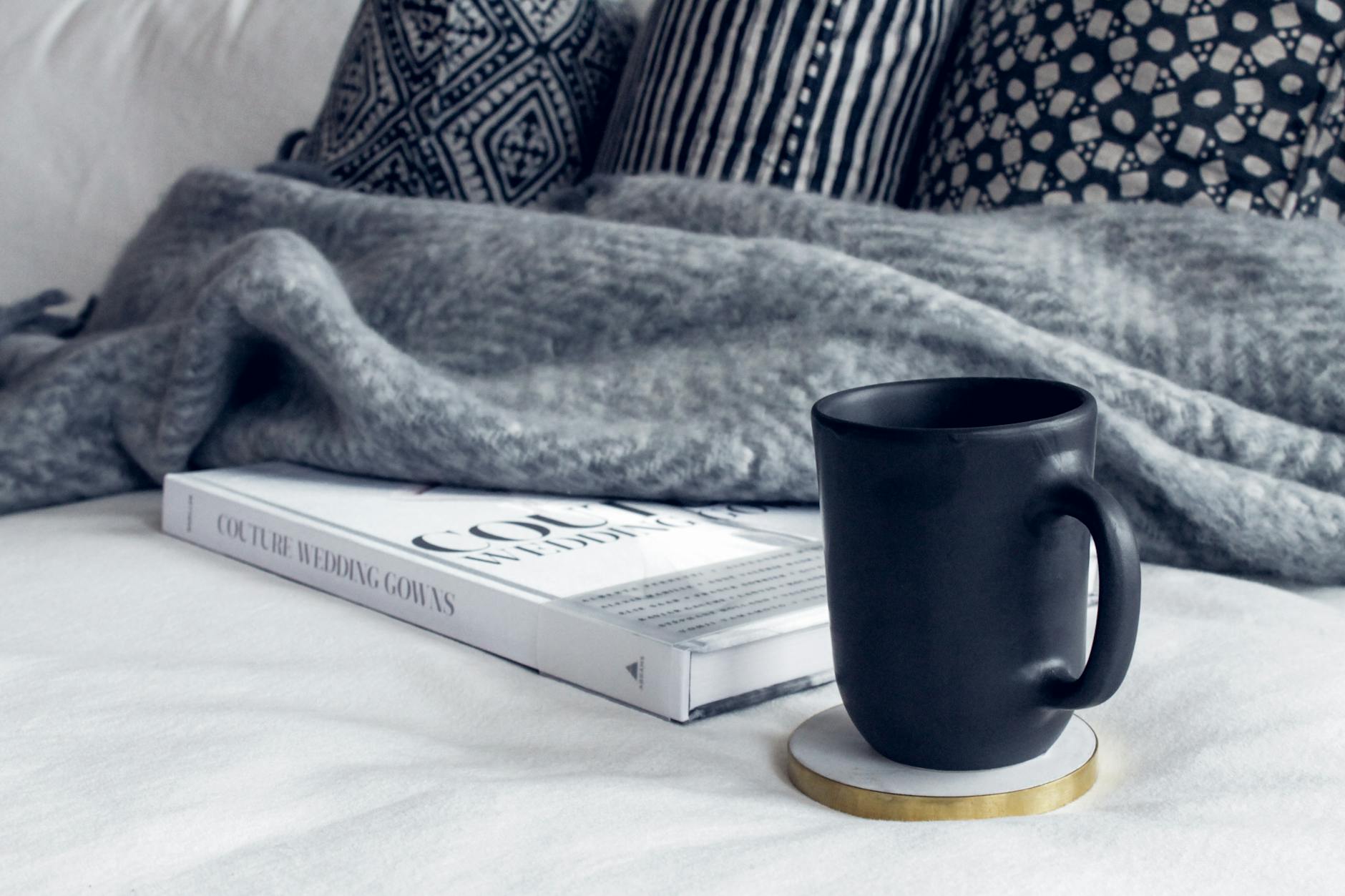
Electric blankets and heated throws represent a category of electrical goods that thrift store employees approach with consistent wariness regardless of how new or clean a donated example appears. The internal heating elements of an electric blanket can sustain damage through years of folding, compression, and washing that is entirely invisible from the outside but creates a genuine fire and electrocution risk during use. Manufacturer safety guidance recommends replacing electric blankets every ten years at maximum and discarding any blanket that has been folded and stored for extended periods rather than rolled as recommended. A donated electric blanket arrives with no service history, no way to verify its age, and no means of assessing the integrity of its internal wiring without professional equipment. The fire risk associated with a compromised electric blanket in use overnight in a bedroom is a consequence that experienced employees consider sufficient to rule out the purchase entirely.
Vintage Ceramic Dishes
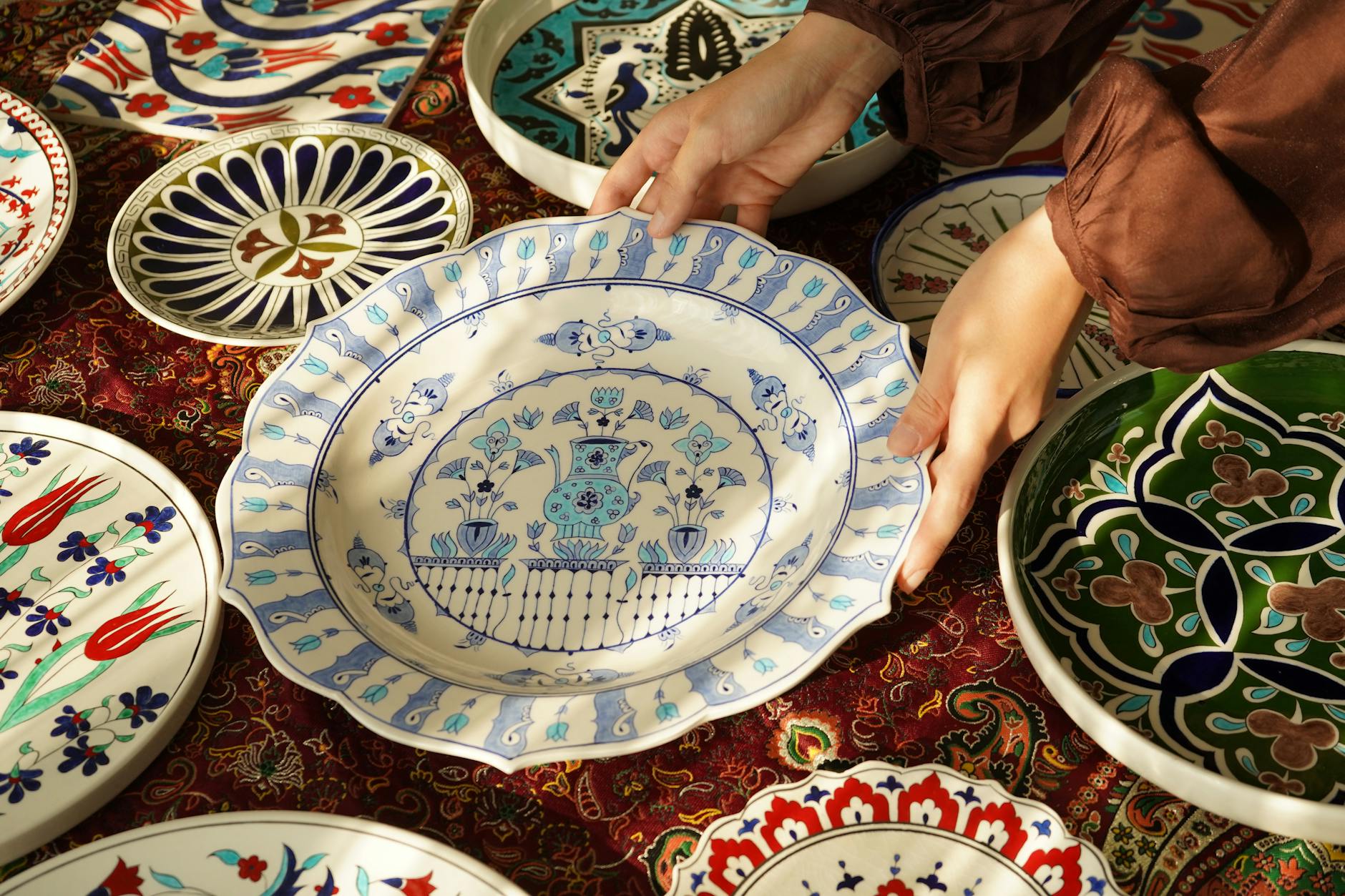
Colorful vintage ceramic dishes from the mid-twentieth century are among the most visually appealing items in the thrift store kitchenware section and also among the most chemically concerning for regular food use. Many ceramic glazes manufactured before modern safety regulations were established contained lead or cadmium as coloring and stabilizing agents, and these compounds can leach into acidic foods including tomato sauce, citrus-based dishes, and vinegar preparations during cooking and serving. The amount of leaching increases with heat exposure, dishwasher cycling, and the microscopic surface crazing that develops in older ceramics over time. Testing vintage ceramics for lead content requires specific test kits that are not available at the point of purchase in a thrift store environment. Employees who are aware of this history tend to reserve vintage ceramic pieces for decorative display rather than active food use and avoid purchasing them for kitchen service entirely.
Wigs and Hairpieces
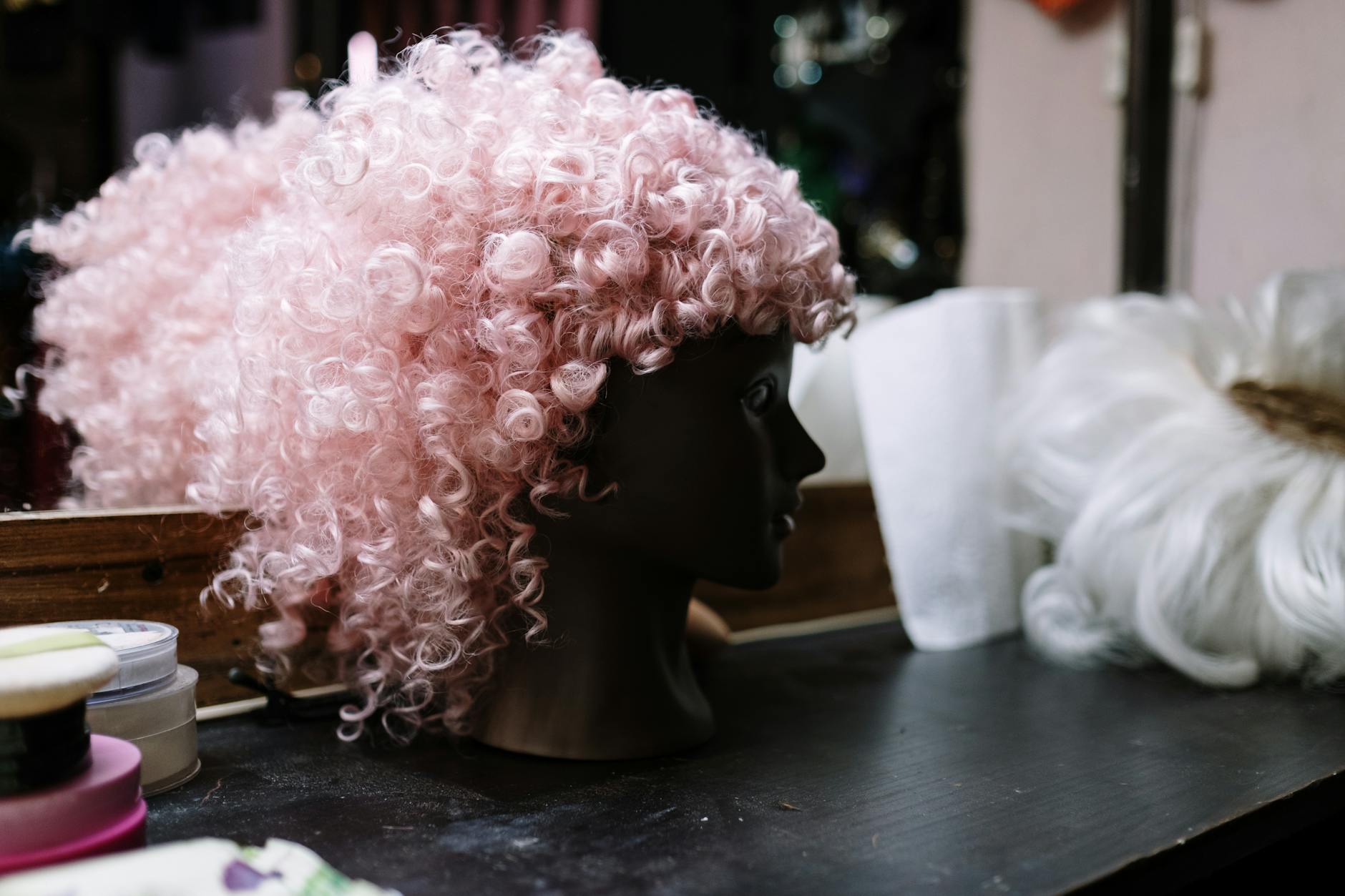
Human hair wigs and synthetic hairpieces are donated to thrift stores occasionally and represent one of the most hygiene-sensitive personal items that employees encounter in the accessories category. Even thoroughly washed wigs retain the scalp oils, hair products, and potential fungal or bacterial residue of their previous wearer in a way that standard shampooing does not fully eliminate. The cap construction of most wigs involves layers of mesh and adhesive binding that are difficult to sanitize comprehensively and that provide a hospitable environment for organisms that prefer warm and enclosed spaces. Head lice eggs attached to hair fibers can survive for an extended period outside a host, making a donated wig a potential vector for transmission that visual inspection cannot reliably rule out. Employees who process personal accessories understand this risk clearly enough to make wigs an automatic personal exclusion.
Portable Space Heaters
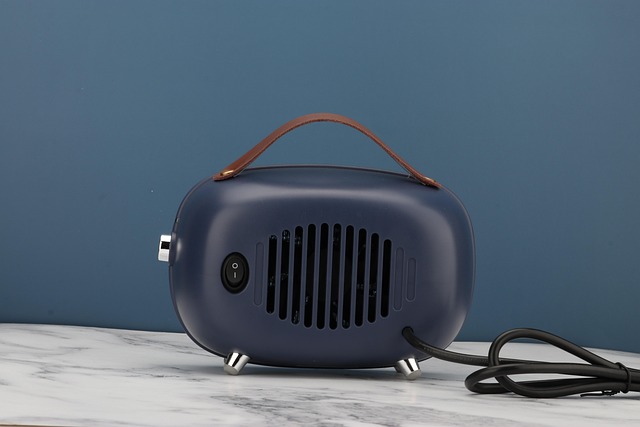
Portable electric space heaters are a practical and popular donation item that thrift store employees consistently avoid purchasing for personal use due to the fire safety concerns associated with older and unverifiable heating equipment. Space heaters are among the leading causes of residential fires in countries where they are commonly used, and the risk increases significantly with age, prior damage, and absence of modern safety shutoff features. A donated heater arrives without any service or usage history, and internal component degradation including damaged wiring and compromised thermal cutoffs is not detectable through visual inspection of the exterior. Modern space heaters include multiple safety features including tip-over shutoff and overheat protection that may be absent or non-functional in older donated models. The cost difference between a new heater with a current safety certification and a secondhand one is small enough that employees with awareness of the risk category consistently favor the new purchase.
Swimwear

Swimwear is one of the most straightforwardly declined categories of secondhand clothing among thrift store employees and experienced shoppers alike. The intimate nature of swimwear contact with the body and the degradation of elastic fibers through chlorine and sun exposure means that a used swimsuit offers neither the hygiene assurance nor the structural performance of a new one. Standard retail hygiene liners used in swimwear bottoms for in-store try-on purposes are absent from secondhand pieces, and washing does not provide equivalent reassurance in a category of clothing with this level of body contact. The elastic components of swimwear lose their recovery and support properties progressively with each wash and wear cycle, meaning that a used swimsuit is likely already compromised in fit and function relative to its original state. Employees who handle donated clothing universally identify swimwear as an item where the price saving is not proportionate to the practical and hygiene trade-offs involved.
Blenders and Food Processors
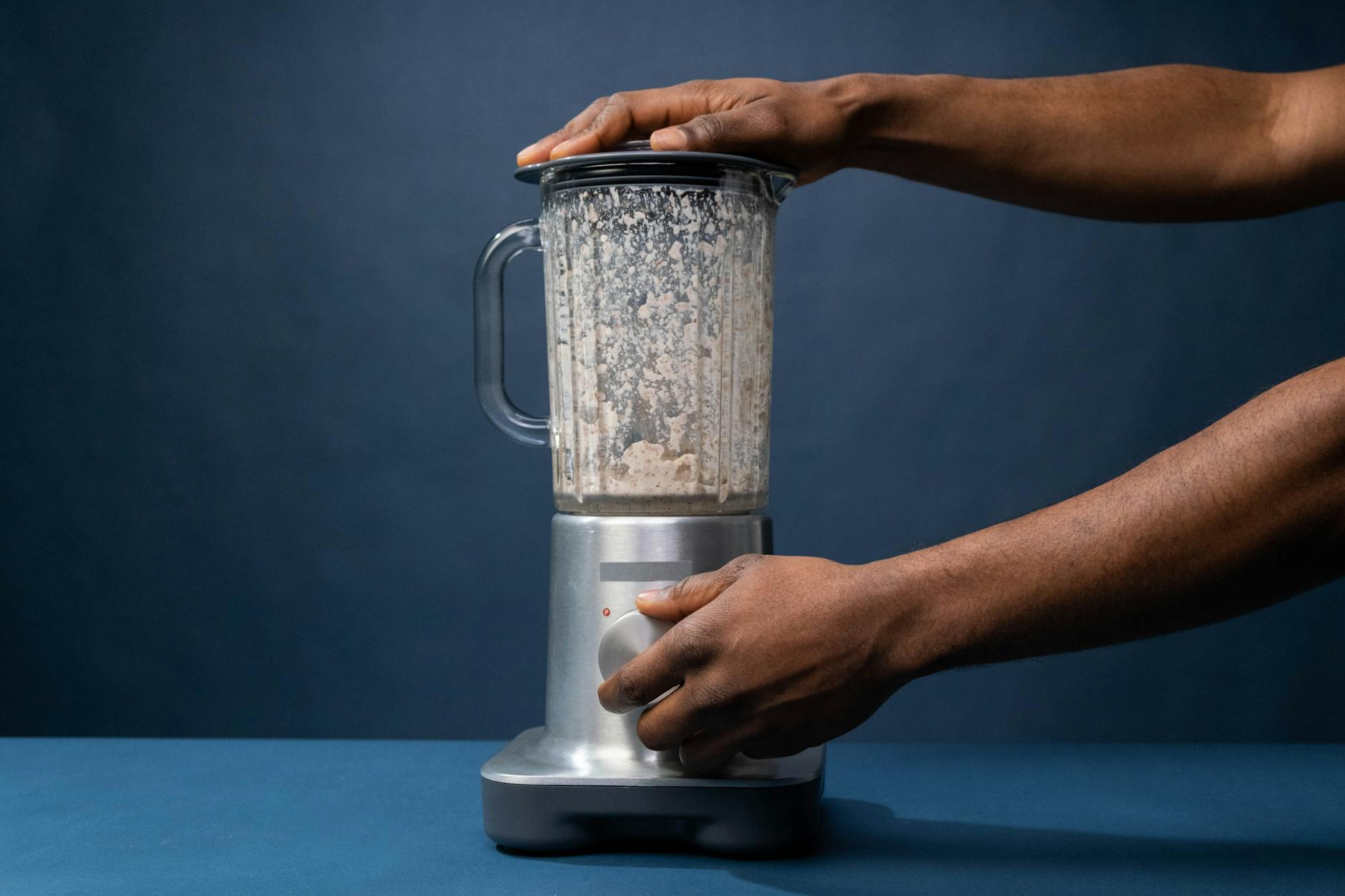
Blenders and food processors appear regularly on thrift store shelves in apparently functional condition and are declined by experienced employees for reasons that go beyond surface appearance. The blade assemblies, gaskets, and sealing rings of these appliances are extremely difficult to disassemble and clean thoroughly without professional tools, and residual food material trapped in these components can harbor mold and bacteria that is invisible without disassembly. The motor housing of older blenders and food processors also cannot be assessed for internal wear, overheating history, or electrical degradation from the outside, making their safety and longevity entirely unverifiable at the point of purchase. Replacement gaskets and blade assemblies for older models are frequently discontinued, meaning that a secondhand appliance with any component wear has a limited functional lifespan regardless of its apparent condition. Employees who understand the internal architecture of these appliances tend to consider new purchases the more practical investment.
Pressed Wood Furniture
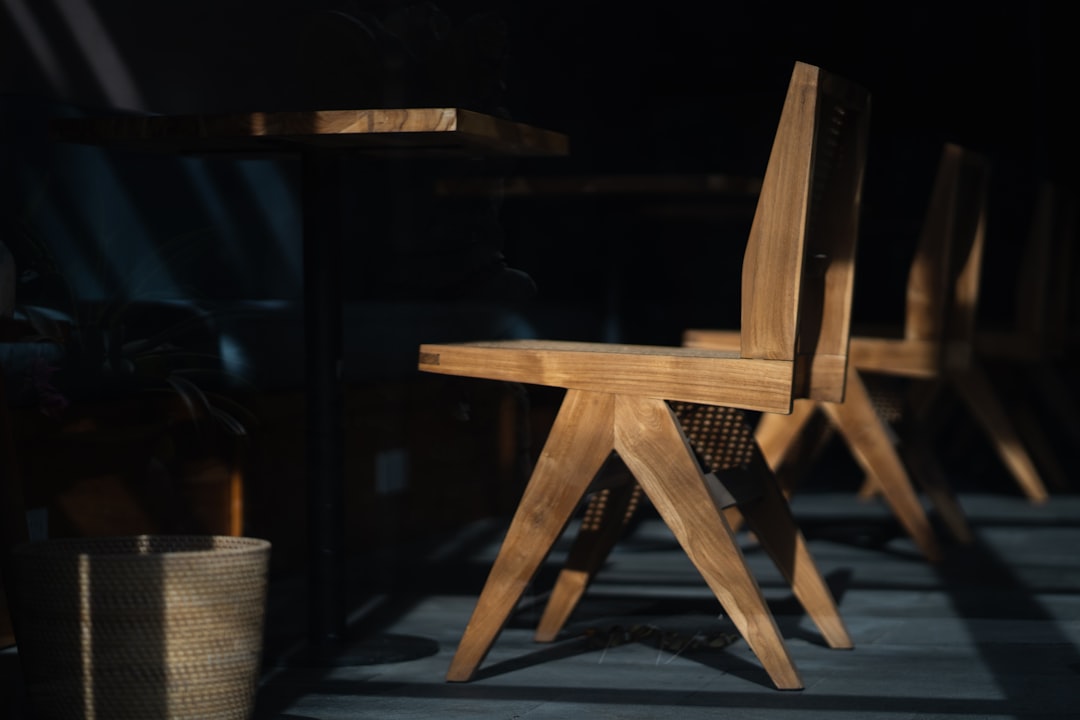
Flat-pack and pressed wood furniture including particleboard bookshelves, laminate dressers, and MDF storage units are among the most donated items in any thrift store and among the least valued by employees with experience handling them. Pressed wood furniture is not designed to be disassembled and reassembled, and any piece that has been built, used, moved, and donated has almost certainly been through at least one disassembly cycle that has compromised the integrity of its connection points. The raw particleboard exposed at any drilled or cut surface also continues to off-gas formaldehyde and other volatile organic compounds from the adhesive resins used in its manufacture, a process that accelerates when the surface laminate is chipped or damaged. Employees who handle large quantities of donated furniture develop a clear preference for solid wood pieces and a firm skepticism toward anything constructed from compressed wood composite materials.
Pillows
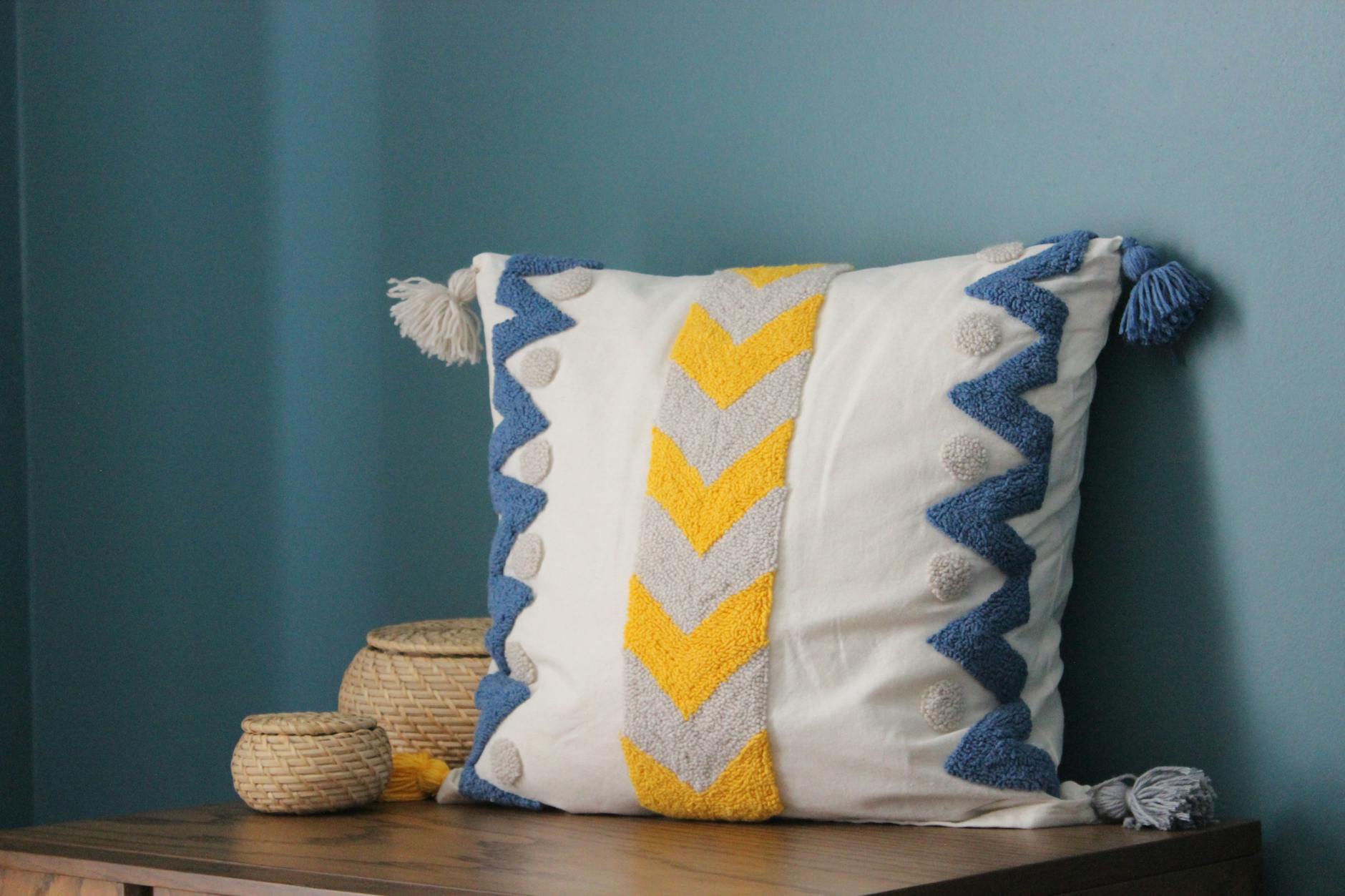
Bed pillows are declined by essentially every thrift store employee who is asked about personal purchasing habits, and for reasons that parallel the mattress concern in miniaturized form. A used pillow has absorbed years of sweat, saliva, skin cells, and hair and scalp oils from its previous user, along with the dust mite population that these biological materials support and sustain. The internal fill of a pillow whether synthetic, feather, or foam cannot be effectively sanitized through home washing, and the external casing provides no meaningful barrier to the allergen and biological material contained within. Pillows have a recommended replacement cycle of one to two years under normal use conditions, meaning that a donated pillow has frequently already exceeded its practical service life before it reaches the donation bin. The direct and prolonged contact between a pillow and the face and airways during eight hours of sleep makes this one of the clearest cases where the secondhand saving is not a reasonable trade-off.
Vintage Toys with Paint
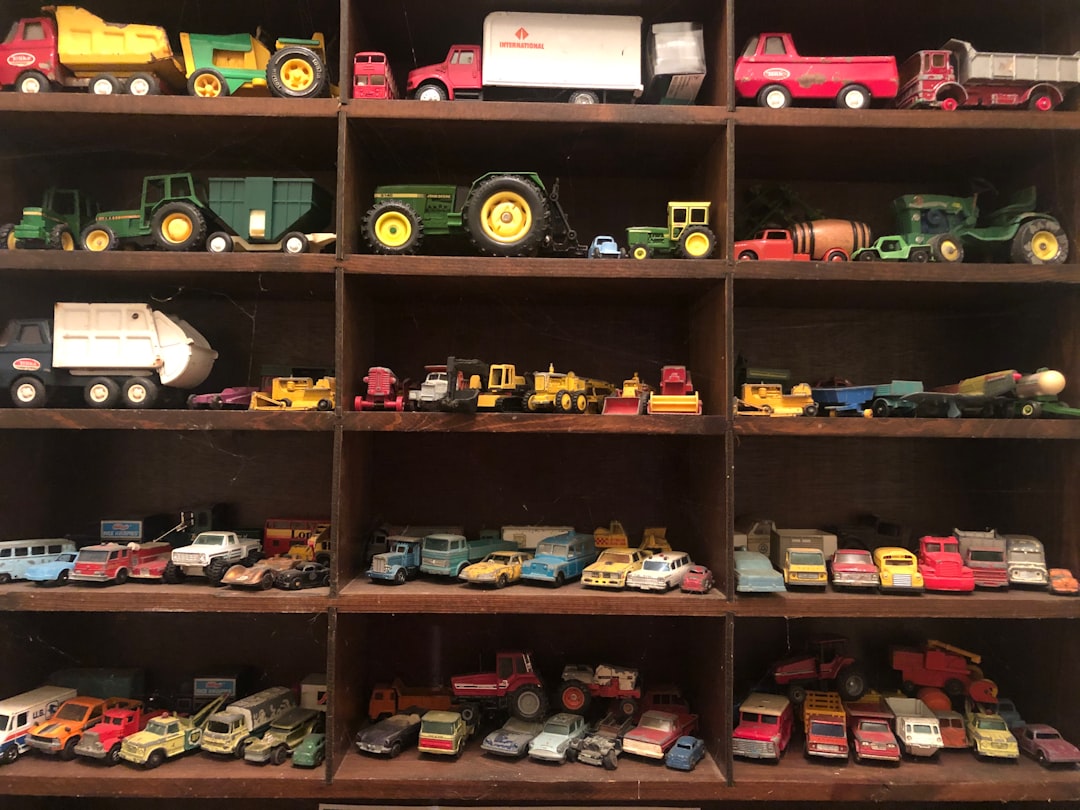
Painted wooden toys, tin toys, and vintage playthings manufactured before the late 1970s represent a lead paint risk that thrift store employees who are aware of the history of toy manufacturing take seriously. Lead-based paint was used extensively in toys produced before regulatory restrictions came into effect in most countries, and the paint on old wooden and metal toys chips, flakes, and degrades in ways that create a direct ingestion risk for the young children who use them. The bright and attractive colors on vintage toys are frequently the result of lead chromate and lead carbonate pigments that were prized for their vibrancy and durability before their toxicity was fully understood. Visual inspection cannot distinguish lead-based paint from modern safe alternatives without chemical testing. Employees who handle donated toy inventories consistently advise keeping vintage painted toys out of reach of children and declining to purchase them for household use with young family members.
Undergarments

Undergarments of all categories are universally declined by thrift store employees and represent the clearest and least contested example of a category where hygiene concerns make secondhand purchasing impractical regardless of condition or price. The intimate contact between undergarments and the most hygiene-sensitive areas of the body combined with the impossibility of verifying the cleaning history or condition of donated items makes this a category with no reasonable argument for secondhand acquisition. Many thrift stores do not accept donated undergarments for resale for precisely this reason, though the category continues to appear in donations received at locations without strict intake screening. Even items that appear unworn and still carry tags cannot be verified as genuinely unused once they leave the original retail environment and pass through a donation chain. Employees consider this one of the clearest and most straightforwardly explained purchasing exclusions in the entire store.
Inflatable Items
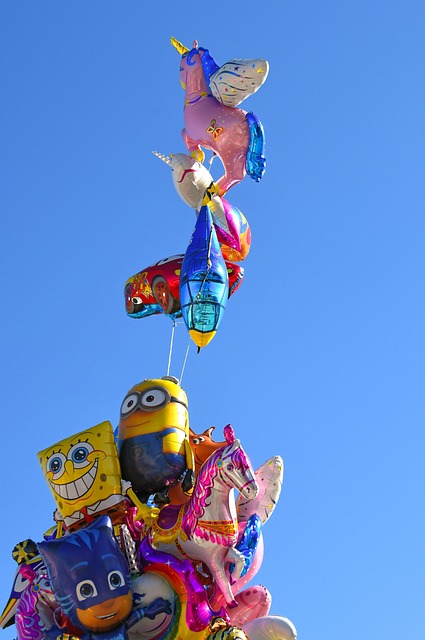
Inflatable products including air mattresses, pool floats, inflatable furniture, and exercise balls are donated regularly and declined consistently by employees who understand the fundamental limitation of inspecting them in a retail environment. An inflatable item can only be properly assessed for leaks, valve integrity, and seam strength when fully inflated and held under pressure for an extended period, a test that is not conducted during thrift store pricing and shelving. A deflated air mattress or pool float that appears perfectly intact may have multiple small punctures or a compromised valve that reveals itself only after the buyer has invested time in inflating it at home. The repair patches commonly used on donated inflatables also frequently fail under renewed pressure, particularly at seams that have been previously stressed. Employees who have processed donated inflatables understand that the return rate on this category is high enough to make personal purchasing essentially unreasonable.
VHS and Cassette Tapes
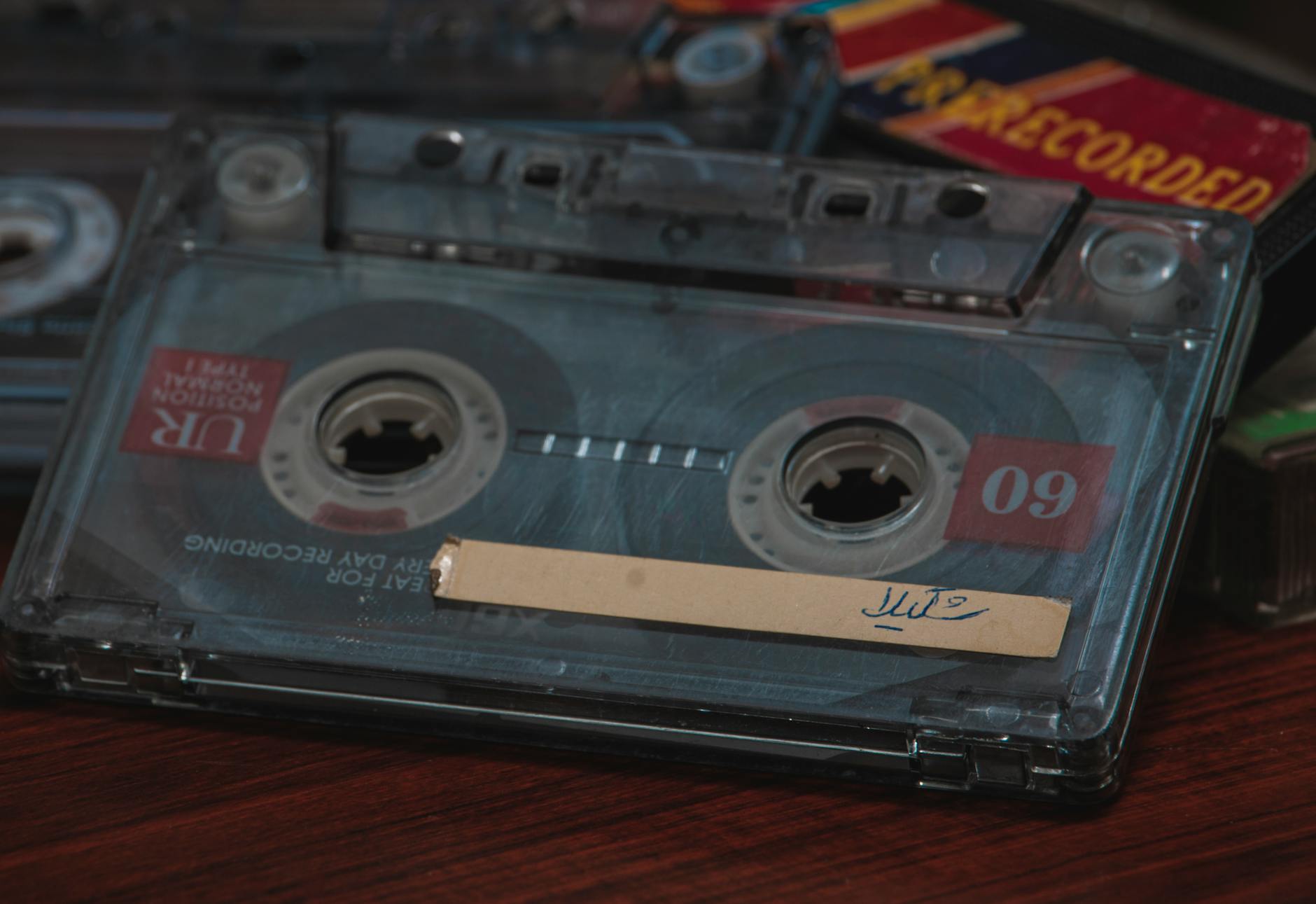
VHS videotapes and audio cassettes represent a category that thrift store employees decline not on safety grounds but on the straightforward practical reality of format obsolescence and media degradation. Magnetic tape stored in variable temperature and humidity conditions over years degrades through a process called tape rot that is invisible on the outside of the cassette but results in picture and audio drop-out, oxide shedding, and sometimes complete unplayability on the first attempt. The playback equipment required to use these formats is itself aging and increasingly rare, and introducing a degraded tape into a functioning VCR or cassette player risks damaging the playback heads of the equipment. Thrift store employees who are familiar with the physical realities of aged magnetic media tend to pass over cassette and VHS sections entirely in their personal shopping regardless of the apparent value of the titles on offer.
Bicycle Helmets Specifically
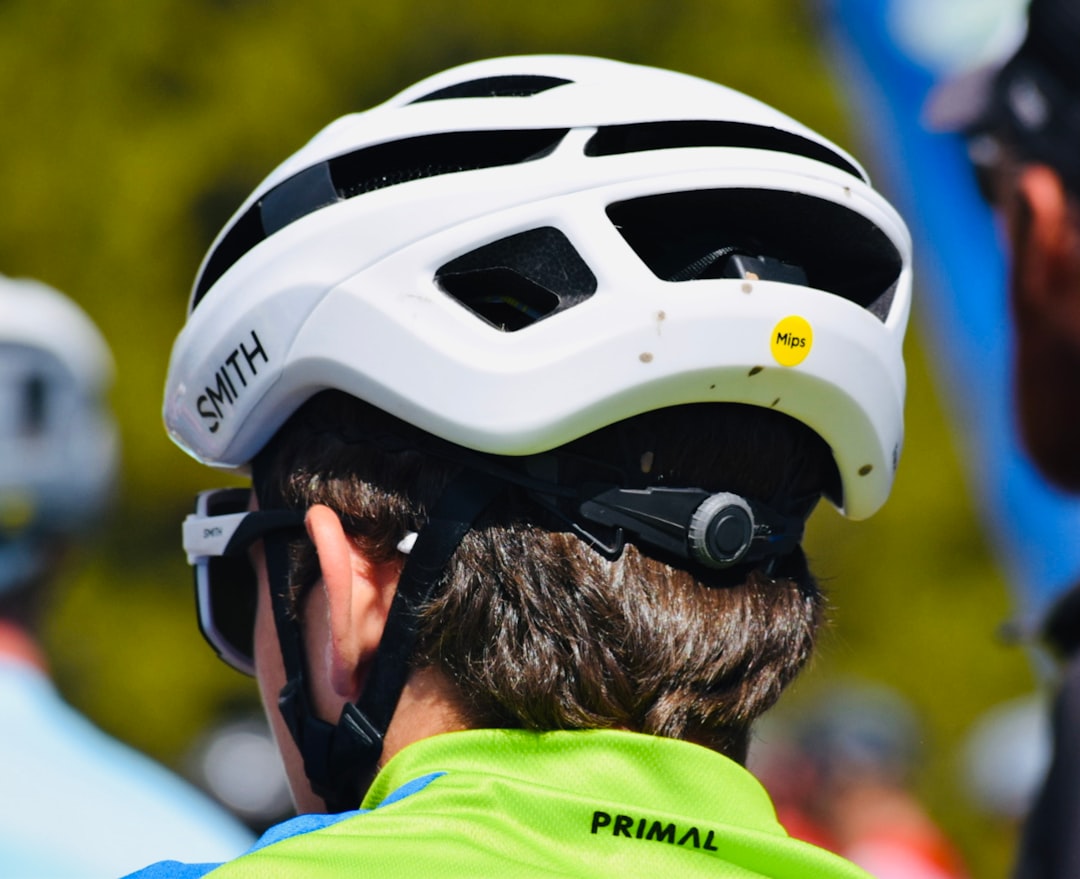
Beyond the general helmet concern addressed earlier, bicycle helmets deserve specific attention as a frequently donated item that carries an additional layer of risk due to the regularity of undisclosed low-impact incidents in cycling. A cyclist who drops their helmet, has a minor fall, or taps their head against a low beam may not even register the event as significant enough to replace the helmet while the foam liner has nonetheless been compromised. The outer shell of a bicycle helmet is specifically engineered to distribute impact force to the foam beneath, meaning that the shell can appear entirely undamaged after an event that has rendered the interior protection non-functional. Thrift store employees who process sporting goods donations and who cycle themselves are among the most consistent decliners of secondhand helmets in any category. A bicycle helmet retailing at a modest price point new represents a protection-to-cost ratio that makes secondhand purchasing of this specific item particularly difficult to justify.
Rugs from Unknown Origins
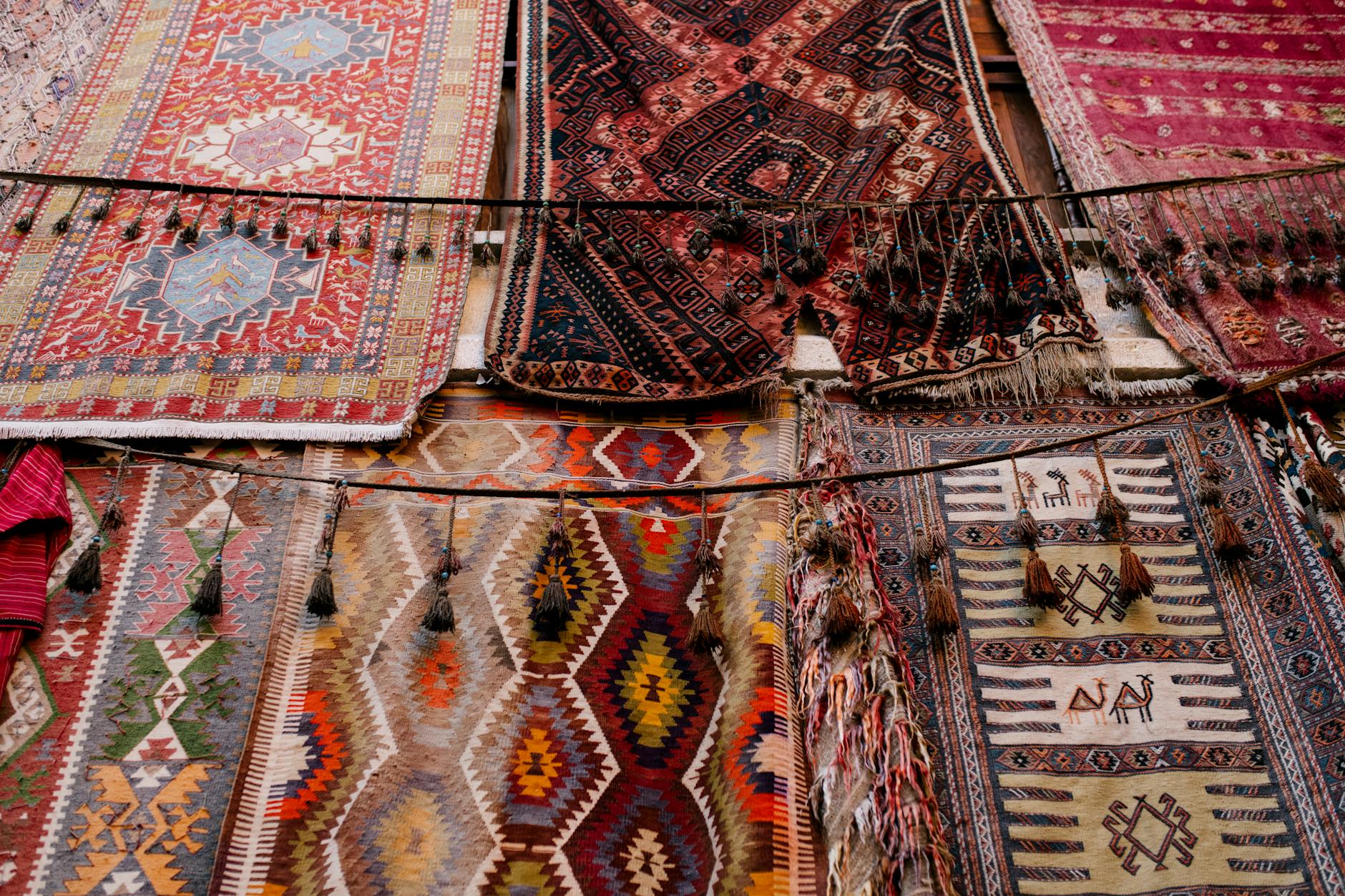
Large area rugs and decorative floor coverings represent one of the most significant bed bug transmission vectors in the secondhand goods market and one that thrift store employees with pest awareness consistently flag as a personal purchasing exclusion. Floor rugs accumulate an extraordinary density of biological material including pet dander, human skin cells, food residue, and insect populations from every environment they have inhabited, and this material is embedded too deeply for standard cleaning methods to address comprehensively. A rug that has hosted a bed bug population retains viable eggs in its pile that can survive for months without a host and that hatch into a new infestation in a new home with no visible warning signs at the point of purchase. Professional rug cleaning is effective but expensive enough to potentially eliminate the financial advantage of a secondhand purchase entirely. Employees who understand the pest biology involved tend to limit their own rug purchases to new items or verified clean sources with documented cleaning histories.
Electrical Appliances Without Testing
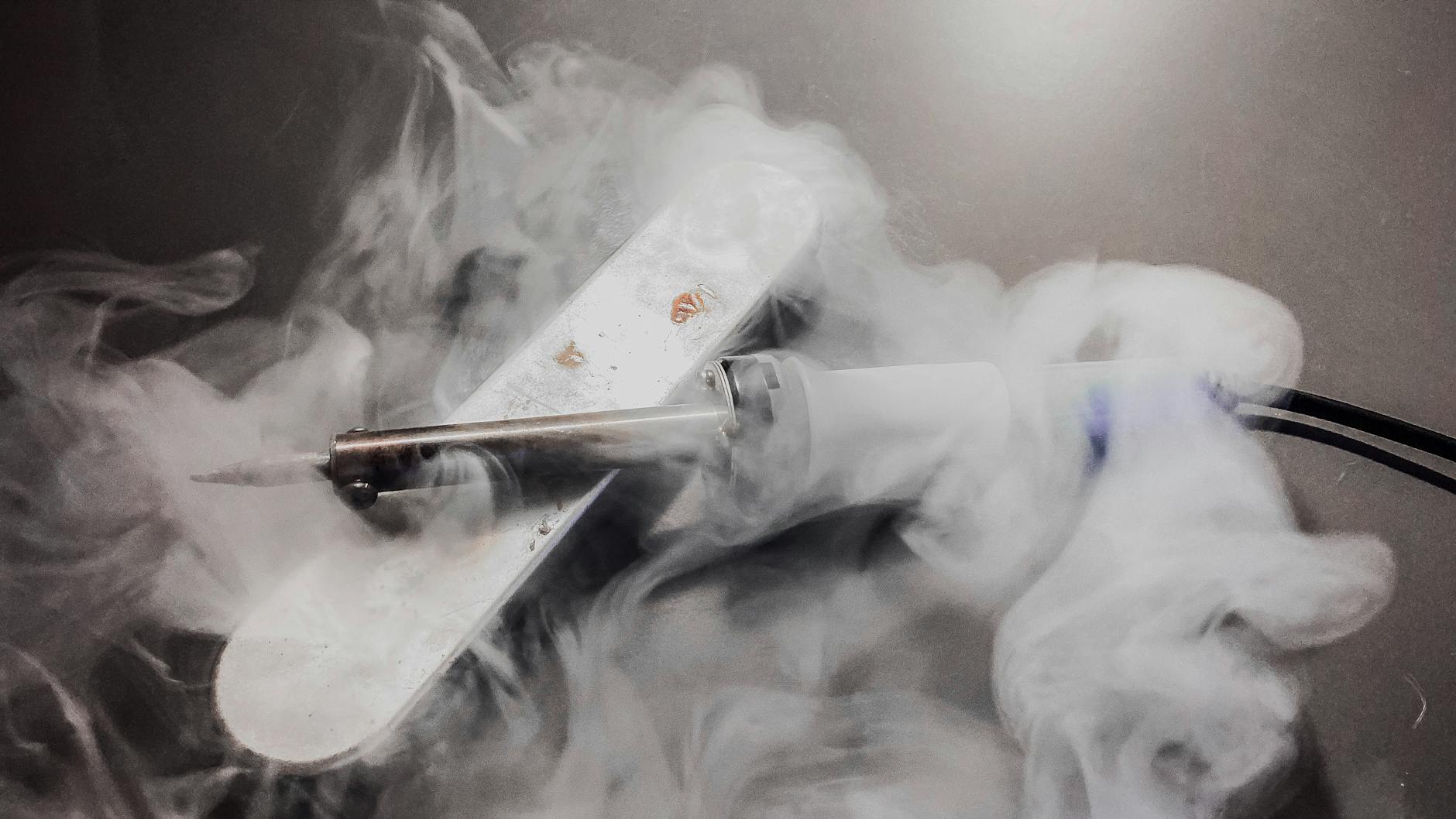
Any electrical appliance that has not been independently tested and certified as safe represents a purchasing category that thrift store employees approach with considerable personal caution even when the item appears to be in perfect working order. Electrical faults including damaged internal wiring, compromised insulation, and failing capacitors are not detectable through external visual inspection and can cause fires, electrical shocks, or equipment damage in unpredictable ways. Many thrift stores in regulated markets test donated electrical goods before sale and apply a certification sticker to passing items, but compliance with this practice is inconsistent across the sector. Employees who are aware of what testing does and does not detect understand that even a basic functional test does not guarantee the long-term safety of an appliance with unknown history. The combination of unknown age, unknown usage history, and the absence of a manufacturer warranty makes secondhand electrical appliances a category where professional judgment consistently favors caution over apparent value.
If you work in a thrift store or have your own secondhand shopping rules you live by, share your experiences and advice in the comments.