
Most people treat their daily shower as a harmless ritual, but certain common habits can quietly damage the skin barrier, accelerate aging, and trigger conditions like eczema, dryness, and inflammation. Dermatologists consistently flag the same mistakes in their patients, many of whom are entirely unaware that their cleansing routine is working against them. Understanding what to avoid is just as important as knowing what products to use. Small adjustments to shower behavior can make a meaningful difference in long-term skin health.
Hot Water

Extremely hot showers feel comforting, especially in colder months, but the heat strips the skin of its natural oils far more aggressively than lukewarm water. The outer layer of the skin, known as the stratum corneum, depends on those oils to maintain moisture and protect against environmental irritants. Repeated exposure to high temperatures leads to redness, flaking, and a compromised barrier that struggles to retain hydration. Dermatologists consistently recommend keeping the water temperature warm rather than hot to preserve the lipid layer. Over time, this single change can dramatically reduce dryness and sensitivity.
Long Showers

Spending extended time under running water may seem harmless, but prolonged exposure to water actually draws moisture out of the skin through a process called osmosis. The longer the skin remains wet, the more its natural protective oils are washed away, leaving it vulnerable to dehydration and irritation. Dermatologists typically recommend keeping showers to ten minutes or under to minimize this effect. Those with conditions like psoriasis or eczema are especially sensitive to long shower durations. Shorter showers also reduce the environmental impact of daily hygiene routines.
Loofahs
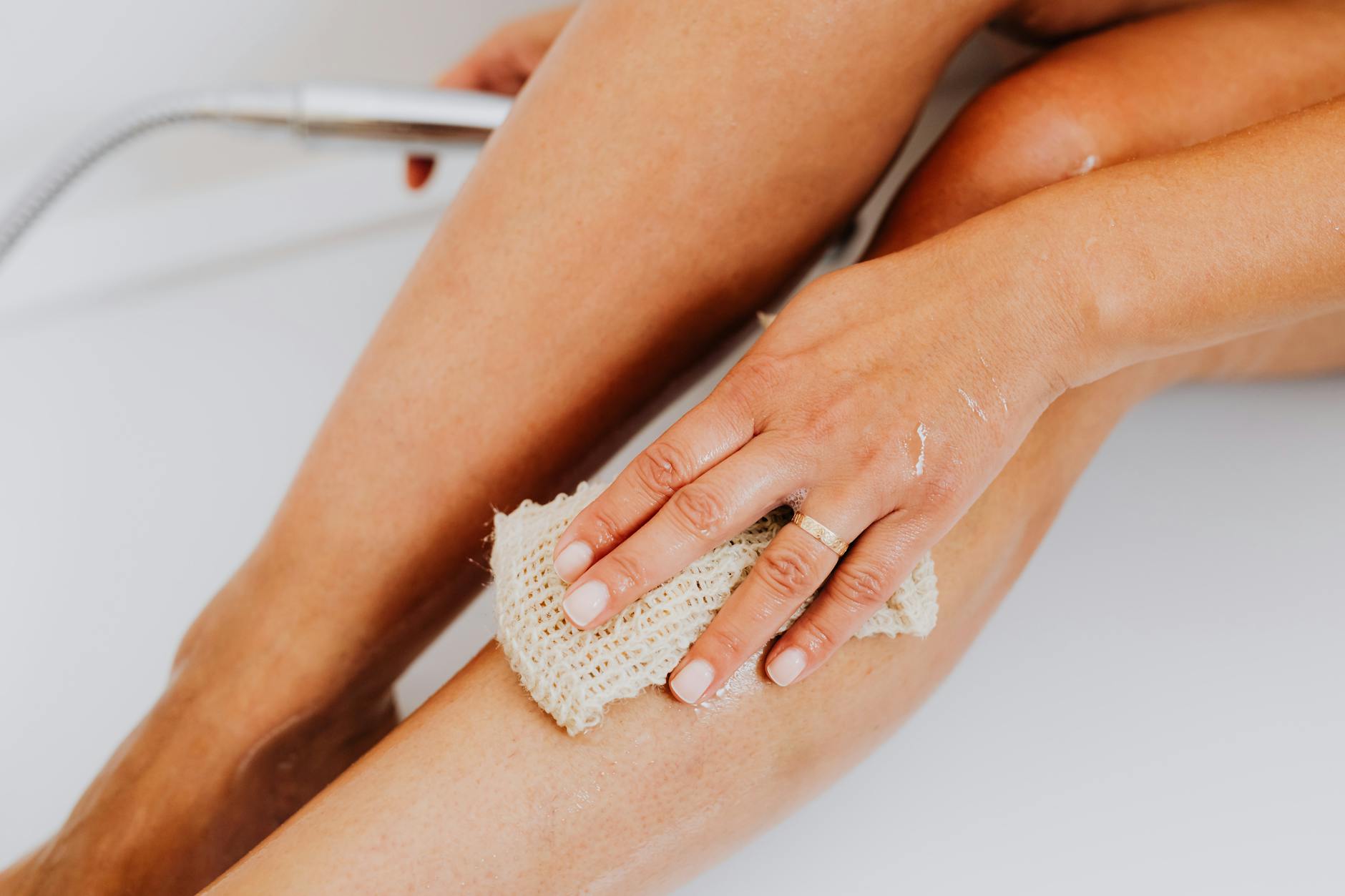
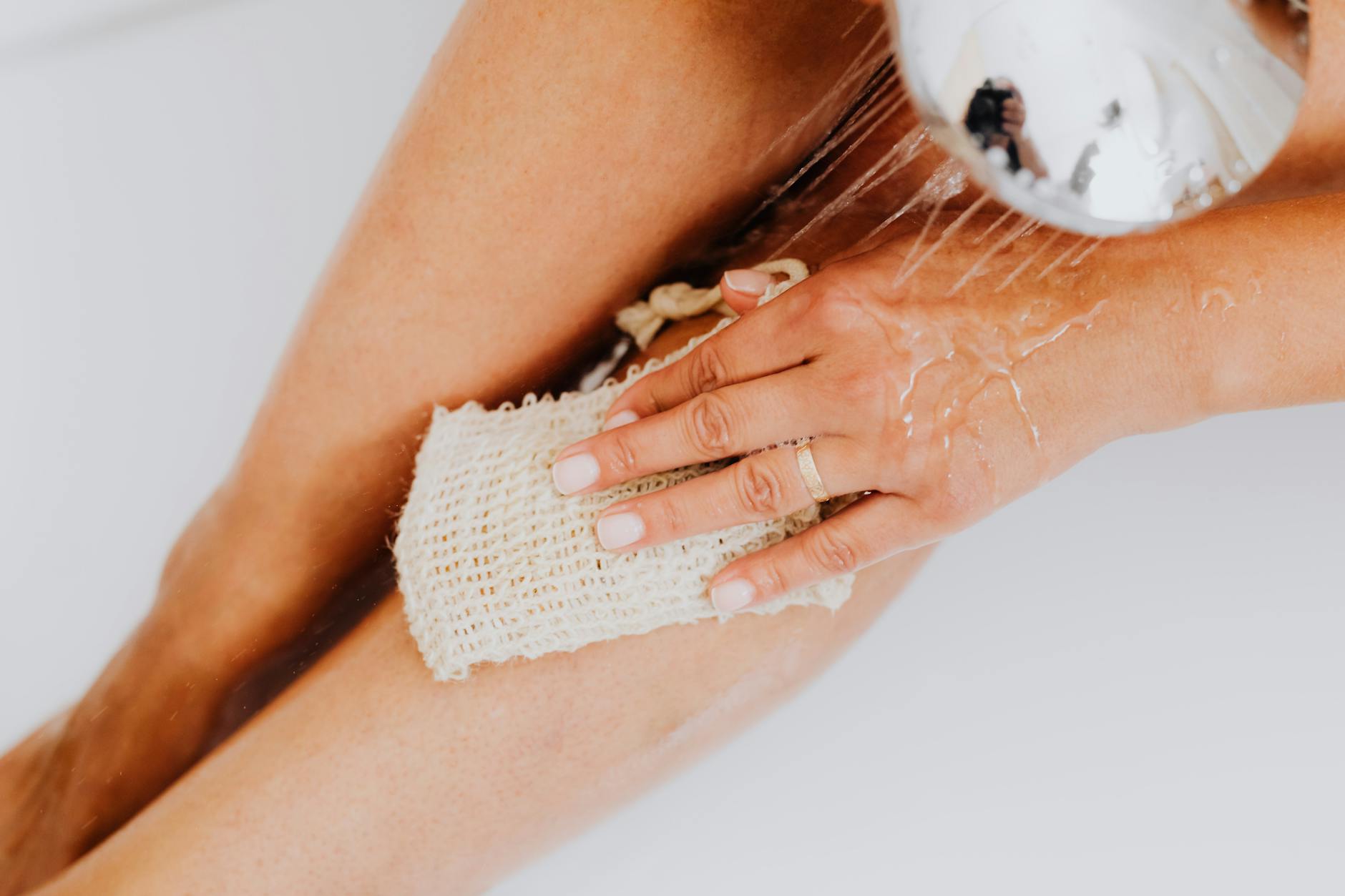
Natural and synthetic loofahs are among the most bacteria-prone tools found in any bathroom. Their porous structure traps dead skin cells, soap residue, and moisture, creating a warm breeding ground for mold and harmful microorganisms. Studies have shown that loofahs can harbor a significant number of bacterial colonies even after just a few days of use. Scrubbing the skin with a contaminated loofah can introduce bacteria into pores and cause breakouts or infections. Dermatologists suggest using clean hands or a fresh washcloth that is laundered regularly as a safer alternative.
Bar Soap
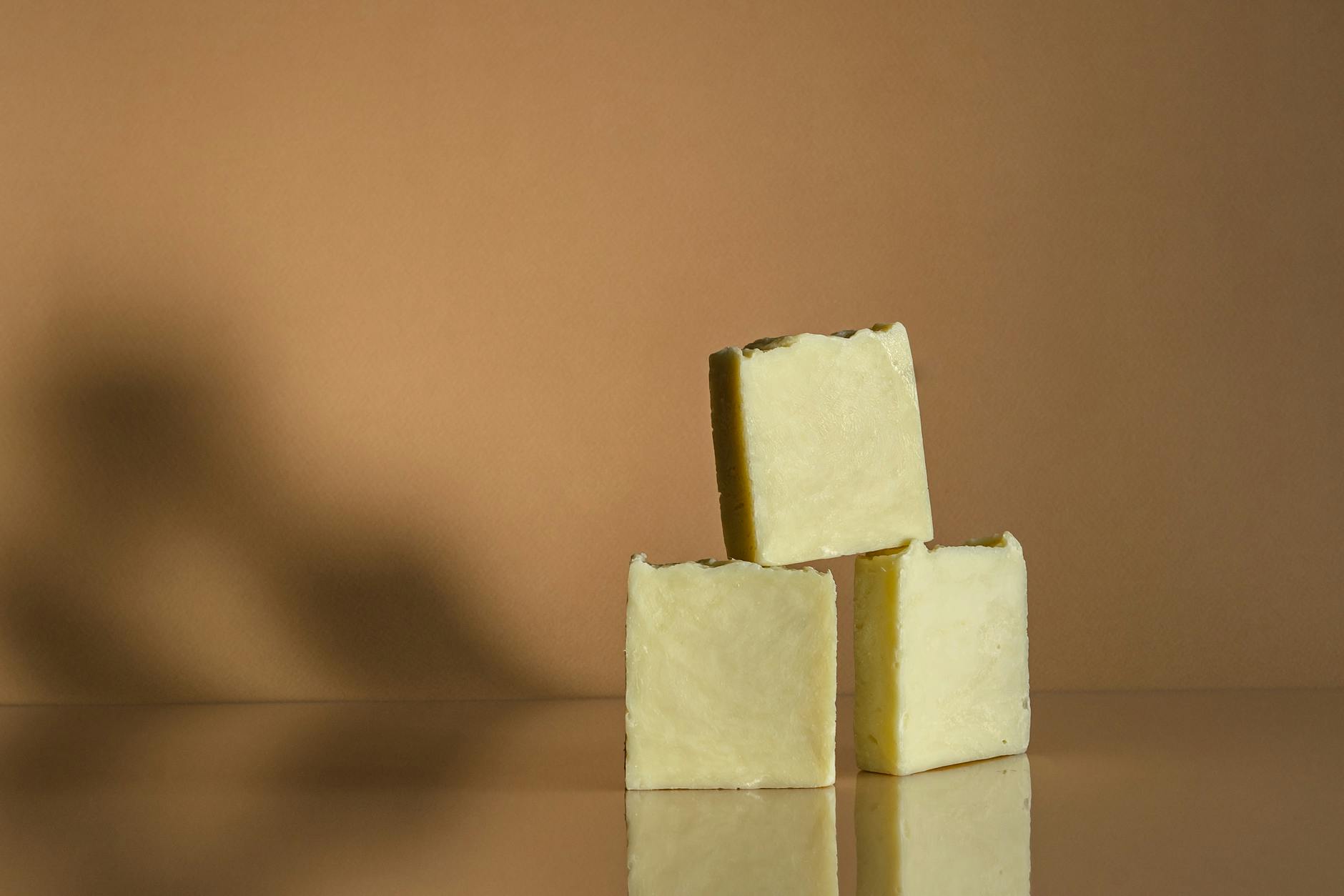
Traditional bar soaps often have a high alkaline pH that disrupts the skin’s naturally acidic environment, which sits around 4.5 to 5.5. This disruption weakens the acid mantle, the invisible film that acts as a first line of defense against bacteria and pollutants. Frequent use of harsh bar soap can leave the skin feeling tight, rough, and prone to breakouts. People with sensitive or acne-prone skin are particularly susceptible to these effects. Dermatologists prefer pH-balanced, fragrance-free body washes that cleanse without compromising the skin’s protective chemistry.
Overwashing

Washing the body from head to toe with soap every single day is not actually necessary for most skin types and can do more harm than good. The skin produces beneficial bacteria as part of its microbiome, and aggressive daily cleansing disrupts this delicate ecosystem. Areas like the arms and legs rarely accumulate enough oil or bacteria to require daily soaping, unlike the underarms, groin, and feet. Overwashing leads to chronic dryness and inflammation that many people mistakenly attribute to other causes. Dermatologists typically advise focusing soap on areas that truly need it rather than lathering the entire body daily.
Harsh Scrubbing
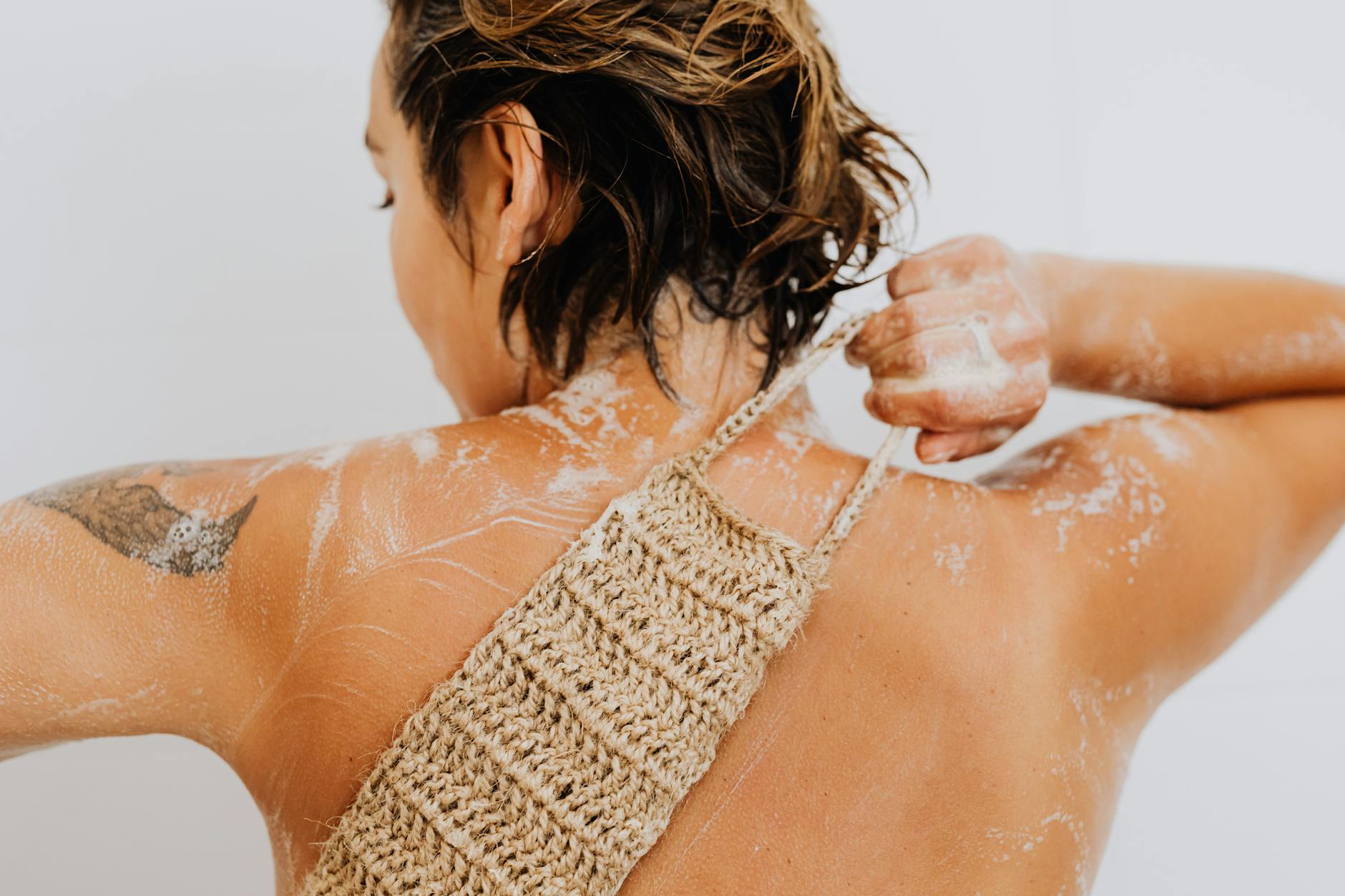
Vigorously scrubbing the skin with a rough cloth or exfoliating product in the shower removes far more than dirt and dead cells. Aggressive friction damages the skin’s surface layer, triggering inflammation and accelerating moisture loss. For those with active acne, harsh scrubbing can spread bacteria across the face and worsen breakouts significantly. Physical exfoliation more than once or twice a week is considered excessive by most dermatological standards. A gentle circular motion with minimal pressure is all that is needed to cleanse the skin effectively without causing damage.
Facial Cleansers in the Shower
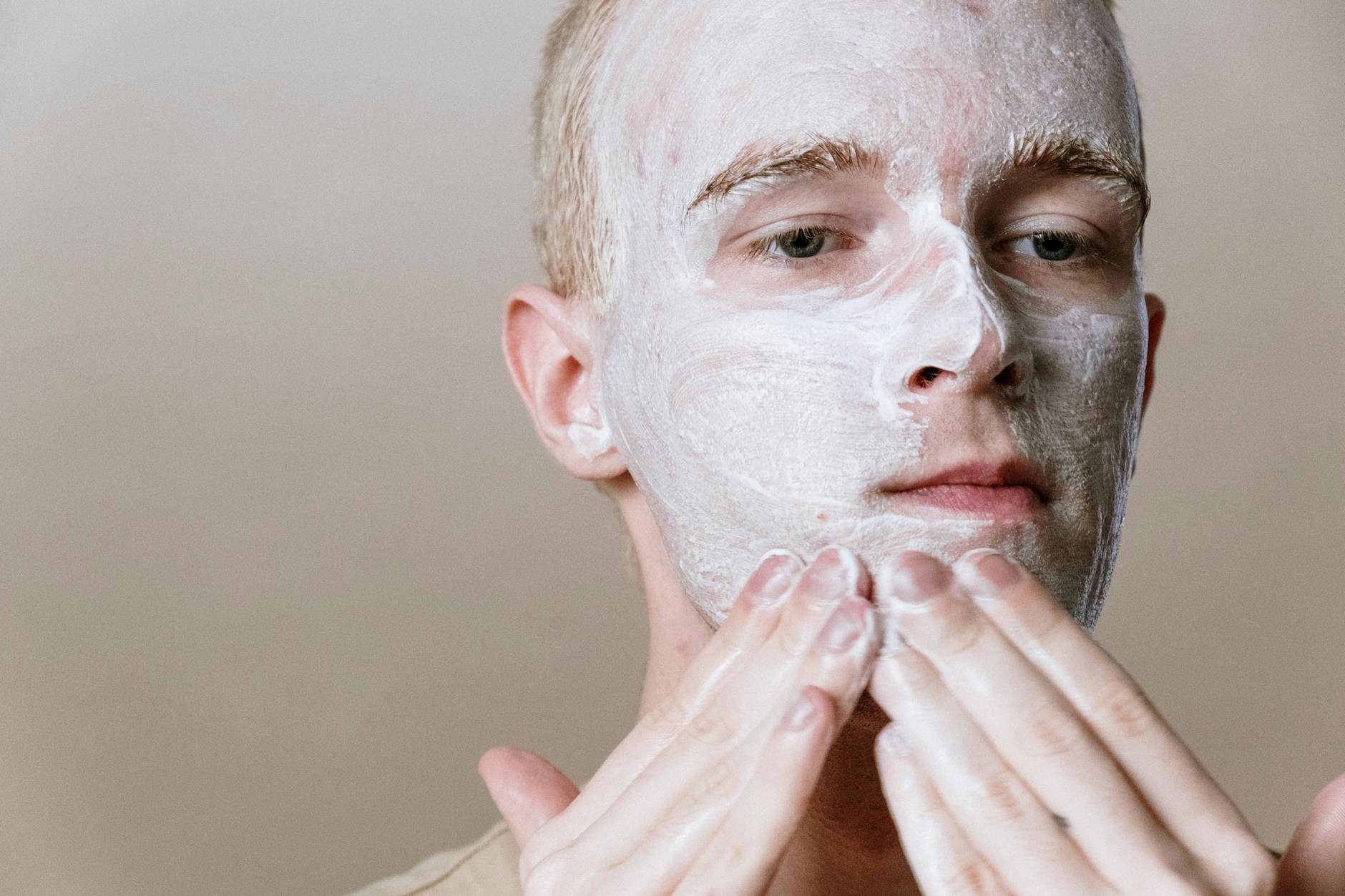
Washing the face in the shower exposes it to the same hot water and steam conditions that dermatologists already flag as problematic for the body. The increased temperature opens pores and makes the facial skin more reactive to whatever cleanser is being applied. Many people also tilt their head back under the stream, which rinses products off too quickly and unevenly. Facial skin is thinner and more sensitive than body skin, requiring gentler conditions and more precise product contact time. Dermatologists generally recommend washing the face at the sink with lukewarm water to maintain better control over temperature and technique.
Skipping Moisturizer
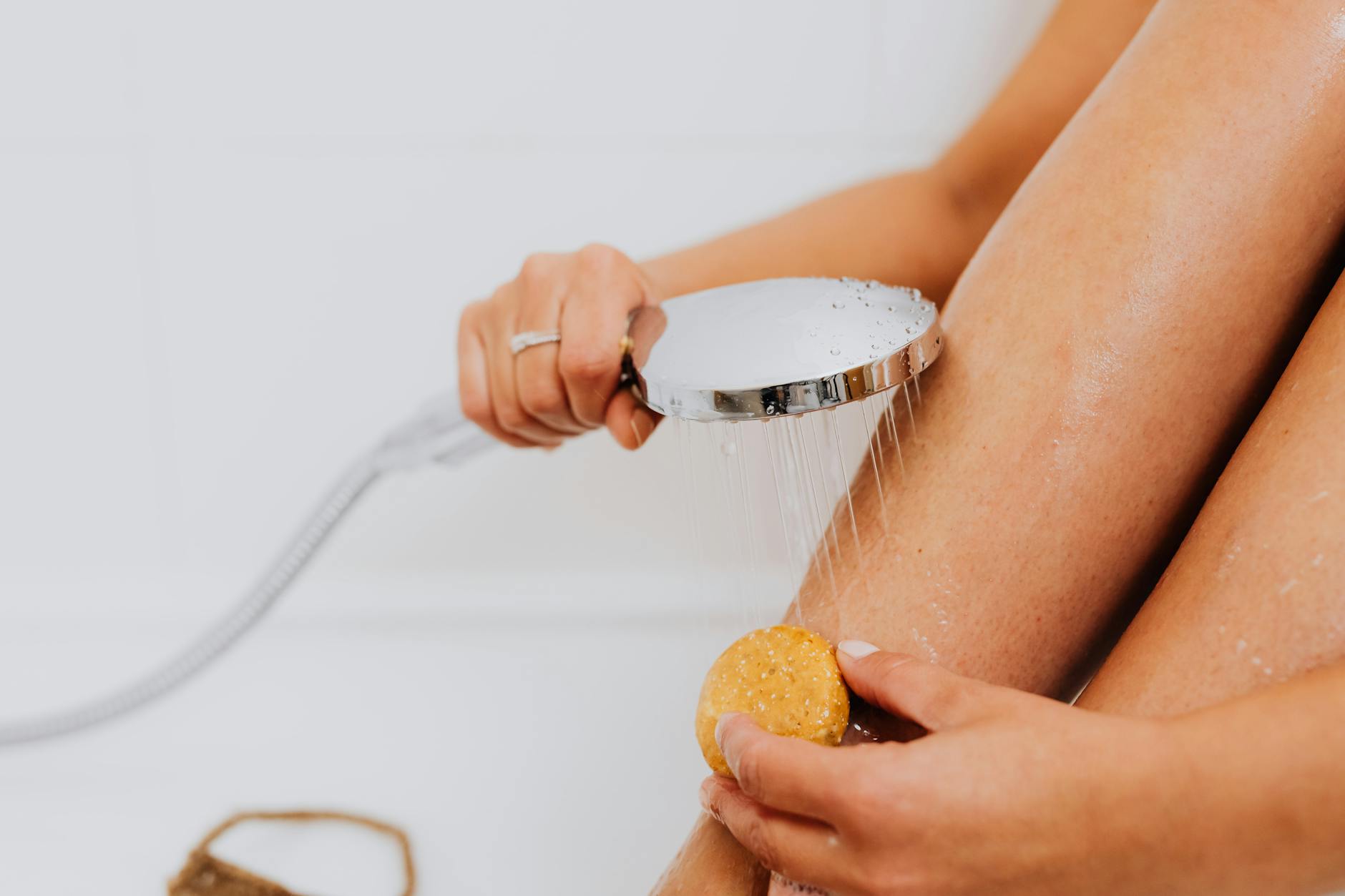
What happens immediately after the shower is just as important as what happens during it, and skipping moisturizer is one of the most damaging post-shower habits. Towel drying without applying a moisturizer within a few minutes allows the water on the skin’s surface to evaporate rapidly, pulling hydration from deeper layers along with it. This process, known as transepidermal water loss, is significantly accelerated when the skin is warm and the pores are open after bathing. Dermatologists recommend patting the skin lightly dry and applying a moisturizer while a slight amount of moisture remains on the surface. This technique seals hydration in rather than letting it escape into the air.
Shared Razors
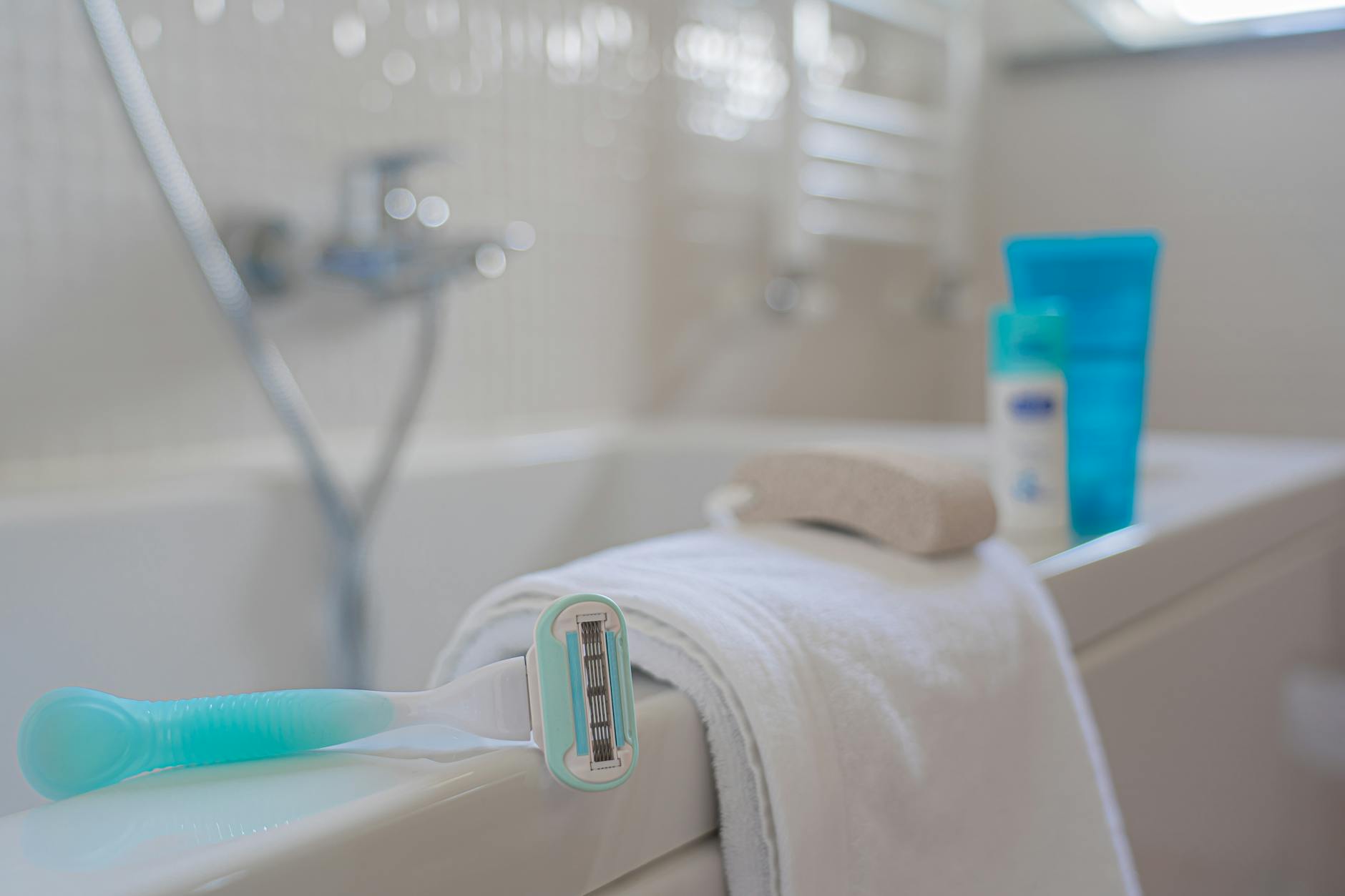
Using a razor shared with another person, or even reusing a personal razor well past its prime, introduces serious risks that dermatologists regularly warn against. Shared razors can transmit bacteria, fungi, and bloodborne pathogens between users, creating opportunities for infection even through minor nicks. Dull blades from overused razors drag across the skin rather than gliding cleanly, causing micro-tears that invite irritation and ingrown hairs. The warm, moist shower environment also accelerates rust and bacterial growth on razor blades left between uses. Replacing blades regularly and storing razors in a dry location outside the shower are both practices dermatologists strongly endorse.
Antibacterial Soap
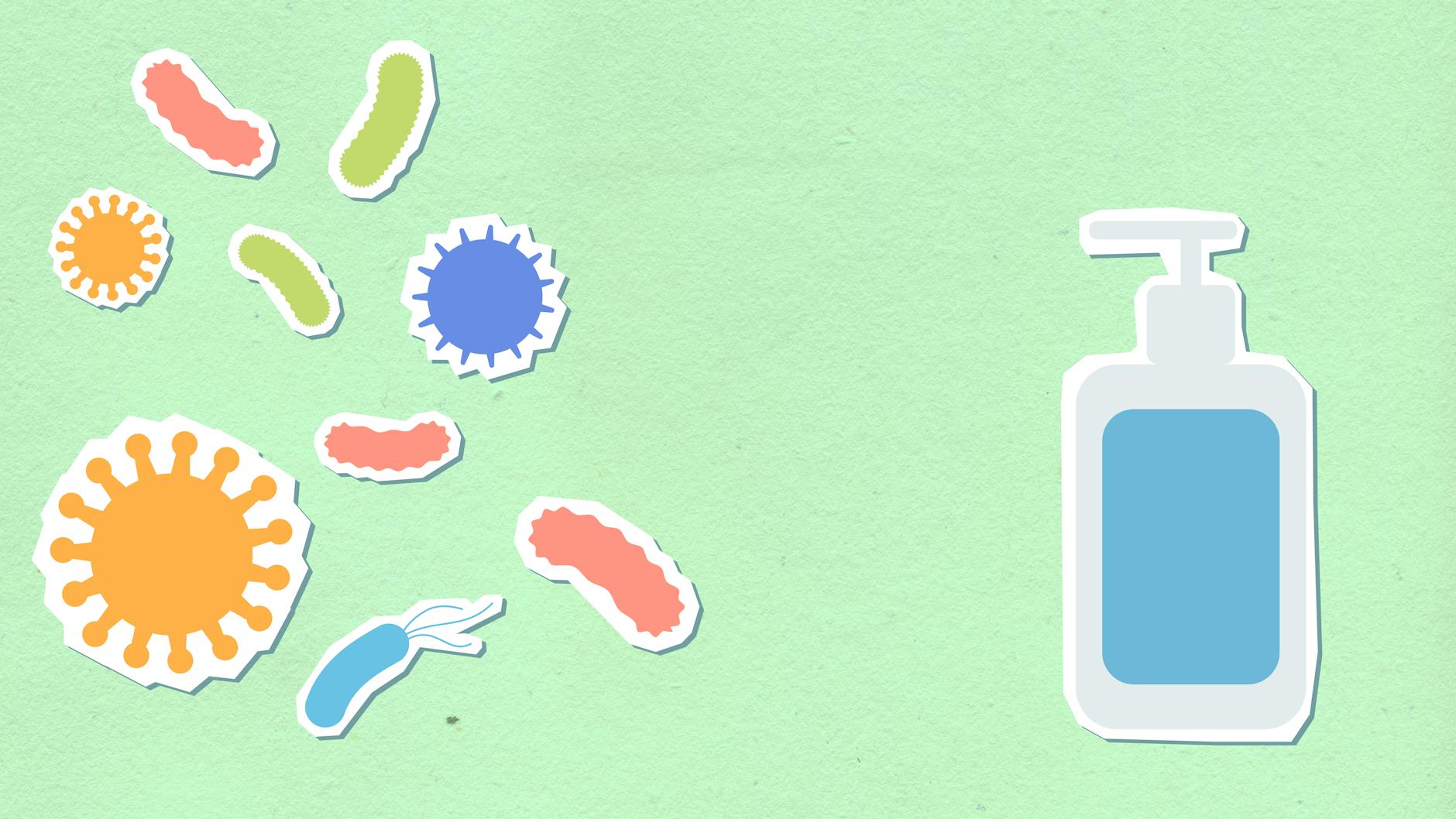
Antibacterial soaps are marketed as a superior cleansing option, but dermatologists view them with significant skepticism for everyday use. The active ingredient triclosan, found in many antibacterial formulations, has been associated with skin irritation and potential hormonal disruption with prolonged exposure. More importantly, regular use of antibacterial soap disrupts the skin’s natural microbiome, eliminating beneficial bacteria that help protect against pathogens. Regulatory bodies in several countries have moved to restrict or ban certain antibacterial soap ingredients over safety concerns. Standard gentle cleansers are considered more than sufficient for daily hygiene by dermatological consensus.
Waterproof Makeup

Attempting to remove waterproof makeup while in the shower is a common habit that rarely achieves a thorough result and often causes unnecessary skin damage. Waterproof formulas are designed to resist water and require dedicated oil-based or micellar cleansers to break down their bonding agents effectively. Rubbing and tugging at the skin around the eyes to remove stubborn mascara or liner causes cumulative trauma to an already delicate area. Shower steam and water alone cannot dissolve the polymers in waterproof products, leaving residue behind that clogs pores. Makeup removal is best completed before entering the shower using appropriate targeted products.
Fragrant Products
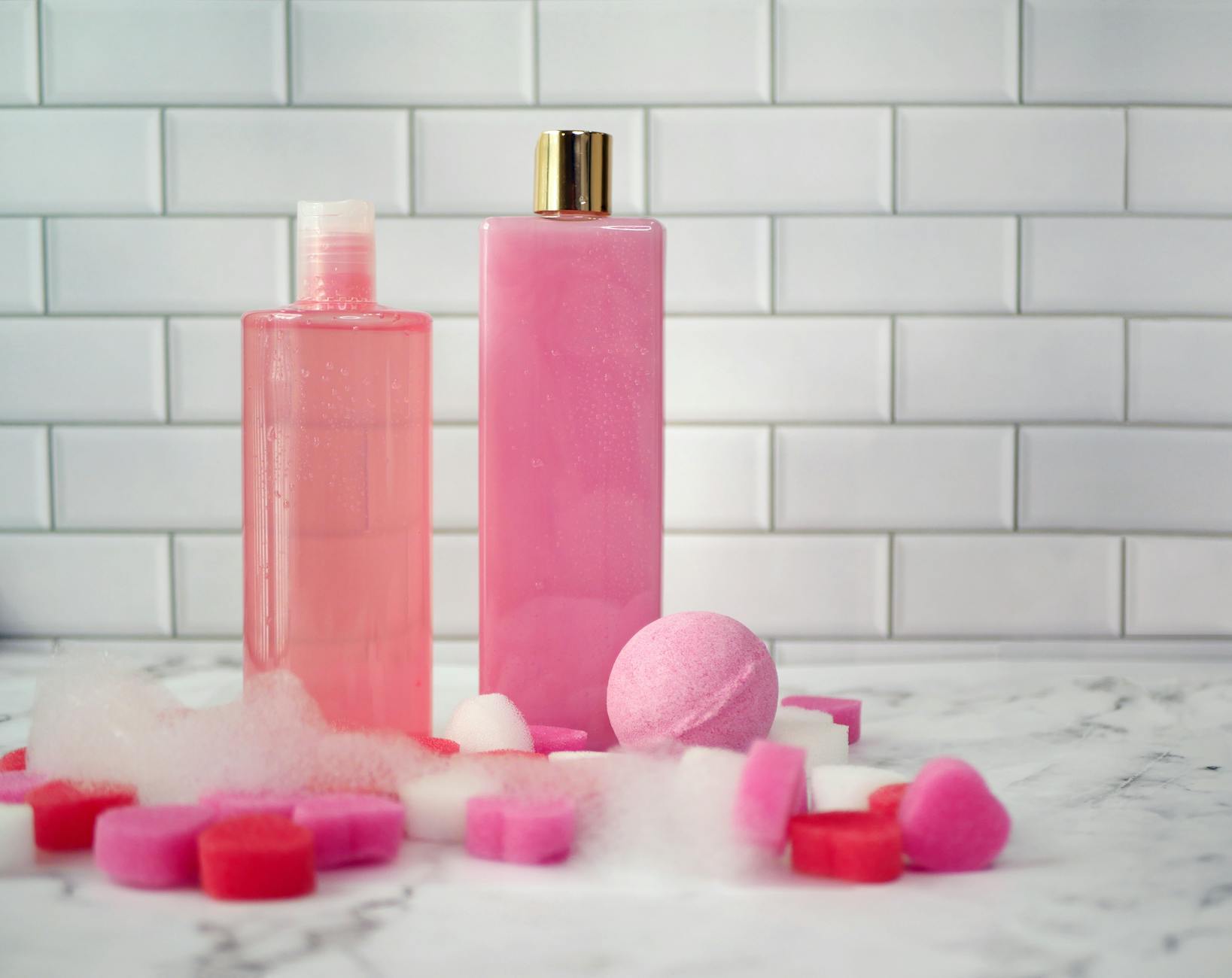
Heavily fragranced shower gels, shampoos, and body scrubs may smell appealing but frequently contain irritants that dermatologists identify as common culprits behind contact dermatitis. Synthetic fragrance blends can include dozens of undisclosed chemical compounds, many of which are known allergens capable of triggering reactions even in people without a prior history of sensitivity. The warm, open-pored environment of a shower accelerates the skin’s absorption of these compounds, making reactions more likely. Fragrance is consistently listed among the top contact allergens in dermatological research literature. Switching to fragrance-free products is one of the most universally recommended steps for improving skin health.
Dry Shaving
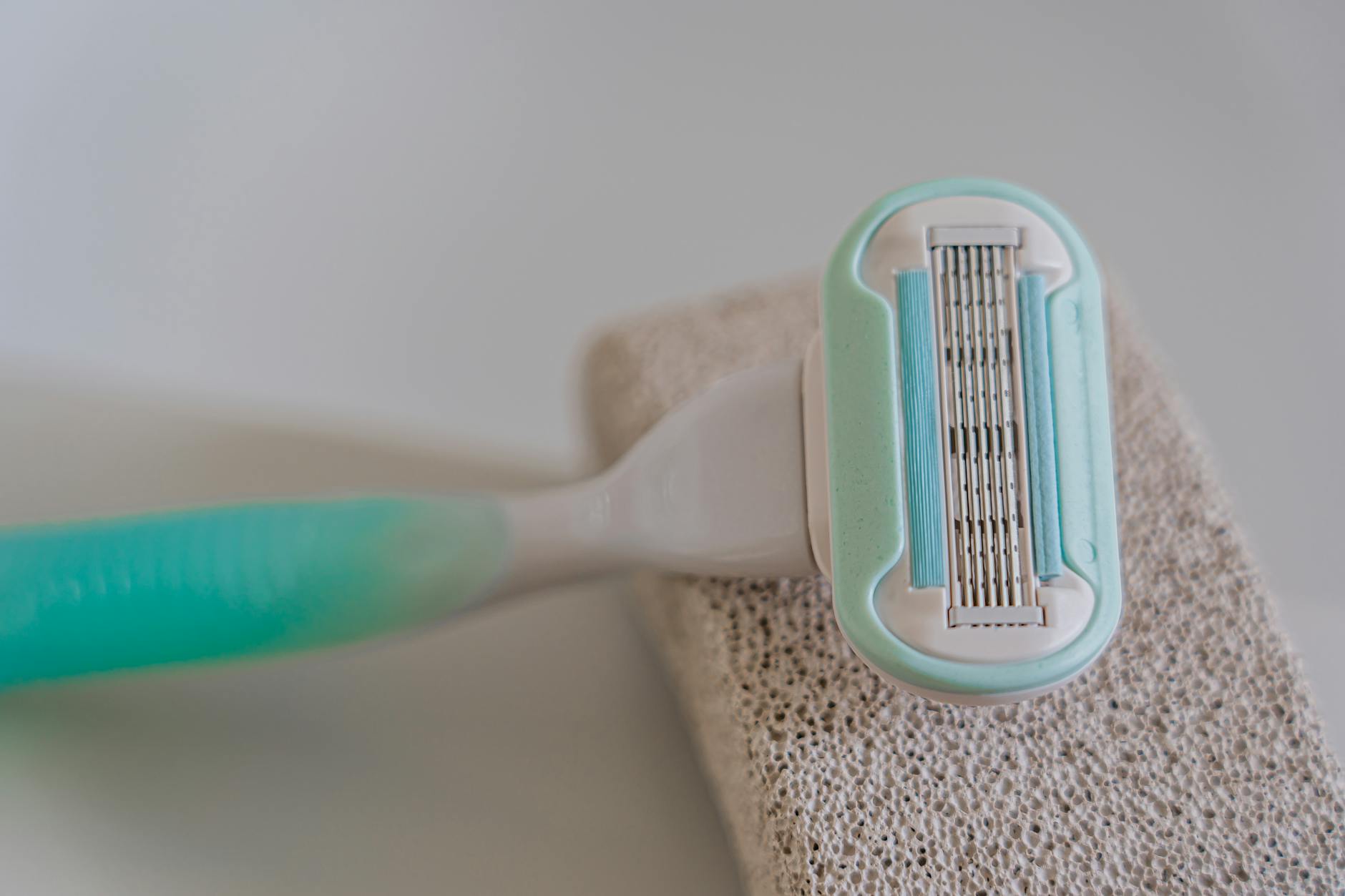
Shaving without adequate water saturation or a proper lubricating medium, sometimes done hastily at the tail end of a shower, creates ideal conditions for skin damage. Dry or semi-dry hair shafts are stiffer and harder to cut cleanly, requiring more blade pressure and increasing the likelihood of cuts, razor burn, and ingrown hairs. The skin beneath also needs moisture and a slick surface to allow the blade to move without friction-induced trauma. Dermatologists recommend allowing the skin and hair to soak for at least two minutes before shaving and always using a gel or cream designed specifically to reduce drag. Rushing this step is among the most preventable causes of chronic skin irritation in regular shavers.
Hard Water
Showering in hard water, which contains elevated levels of calcium and magnesium minerals, has a measurable impact on skin health that many people do not consider. These minerals form deposits on the skin’s surface that interfere with the natural moisture barrier and can leave a residue that exacerbates conditions like eczema and acne. Research has found a notable correlation between hard water exposure and increased rates of eczema, particularly in children. Hard water also reacts with soap to form insoluble compounds that are difficult to rinse away fully, contributing to pore congestion. Installing a shower filter designed to reduce mineral content is a dermatologist-approved step for those in high hard water areas.
Dirty Shower Heads

The shower head itself is an often-overlooked source of skin and health concerns that dermatologists and microbiologists point to with increasing frequency. Studies have demonstrated that shower head interiors can harbor significant colonies of mycobacteria, organisms that thrive in warm, stagnant water and can be inhaled or deposited directly onto the skin during each use. These bacteria are particularly relevant for individuals with compromised immune systems or existing respiratory conditions. Biofilm buildup inside shower heads is largely invisible and persists without regular cleaning. Soaking the shower head in a vinegar solution monthly and replacing older models periodically are straightforward measures that reduce microbial exposure significantly.
Which of these shower habits surprised you the most? Share your thoughts in the comments.