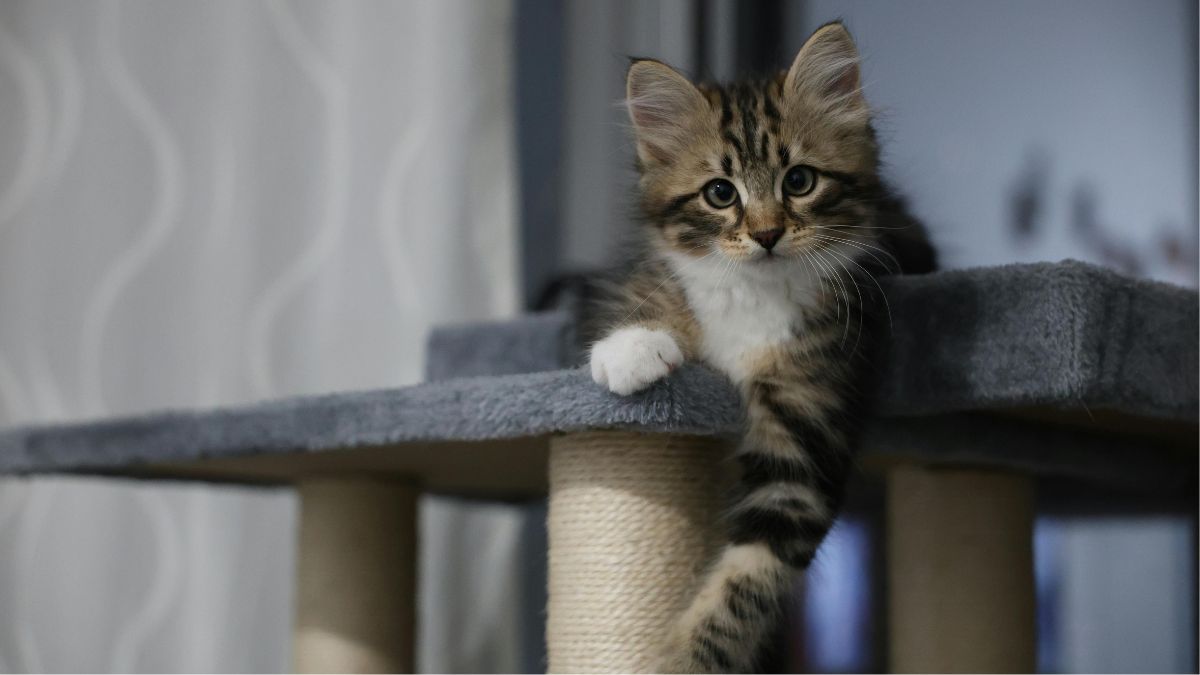
Indoor cats are perceptive creatures with a finely tuned sense of routine, and even small disruptions in their environment can leave them puzzled or unsettled. Unlike their outdoor counterparts, house cats rely entirely on their human companions to make sense of the world around them. Understanding the subtle ways you might be throwing your cat off can make a meaningful difference in their comfort and wellbeing. From daily habits to environmental changes, these common behaviors often leave your feline companion genuinely bewildered.
Direct Eye Contact
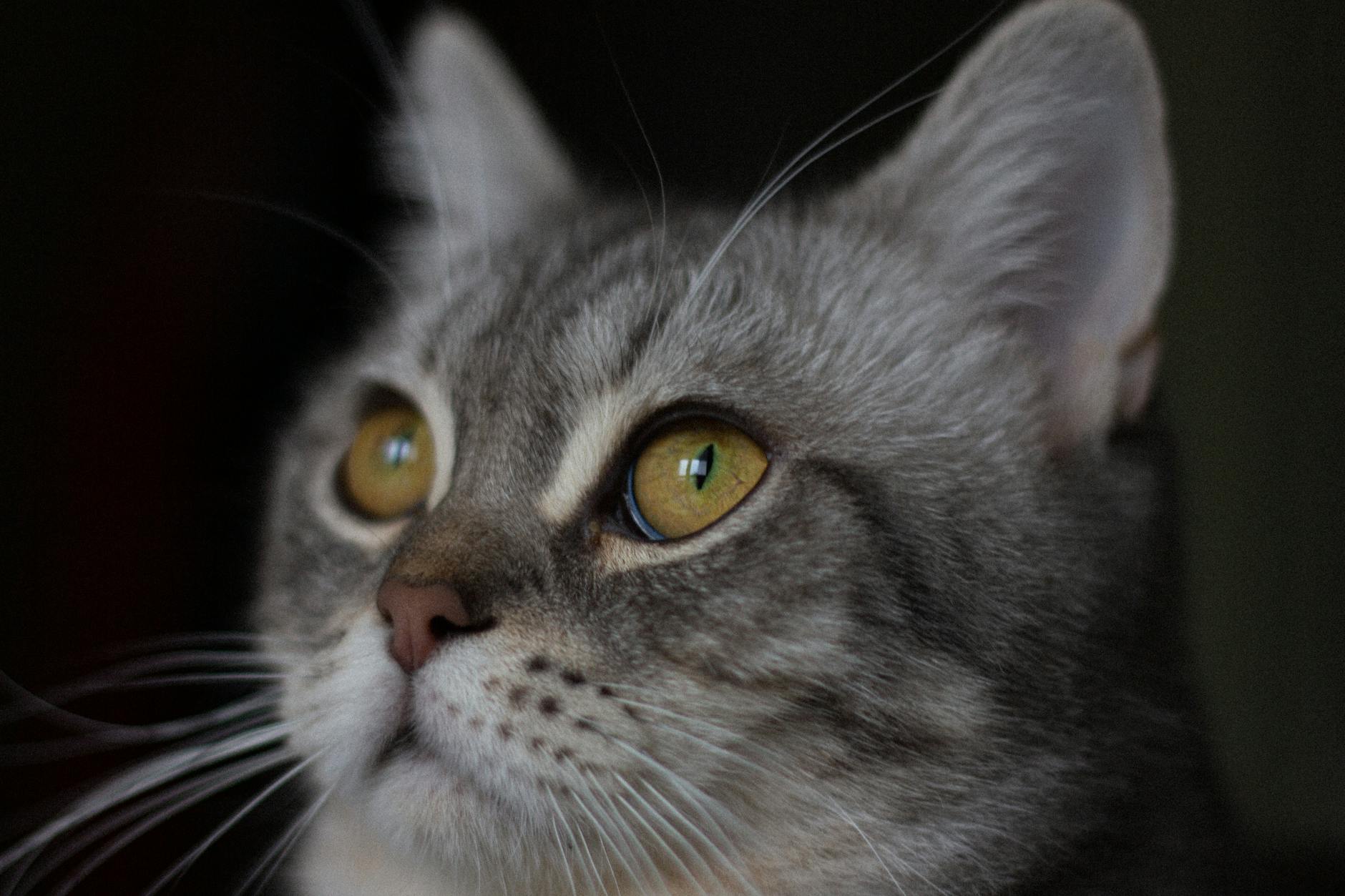
Cats communicate trust by slow-blinking and looking away, so sustained direct eye contact from a human can feel like a challenge or a threat. In feline social language, a steady unbroken gaze is something predators do, not companions. Your cat may freeze, flick their tail, or leave the room entirely as a response. Softening your gaze or offering a slow blink back is a far more reassuring form of communication for them.
Sudden Loud Noises

A cat’s hearing is significantly more sensitive than a human’s, picking up frequencies and volumes that go unnoticed by most people. Blenders, vacuum cleaners, and unexpected bursts of sound are genuinely startling to their nervous systems. Even raising your voice during a phone call can cause a cat to retreat and hide for a prolonged period. Their confusion stems from not being able to predict when these sounds will occur or understand where they are coming from.
Inconsistent Feeding Times
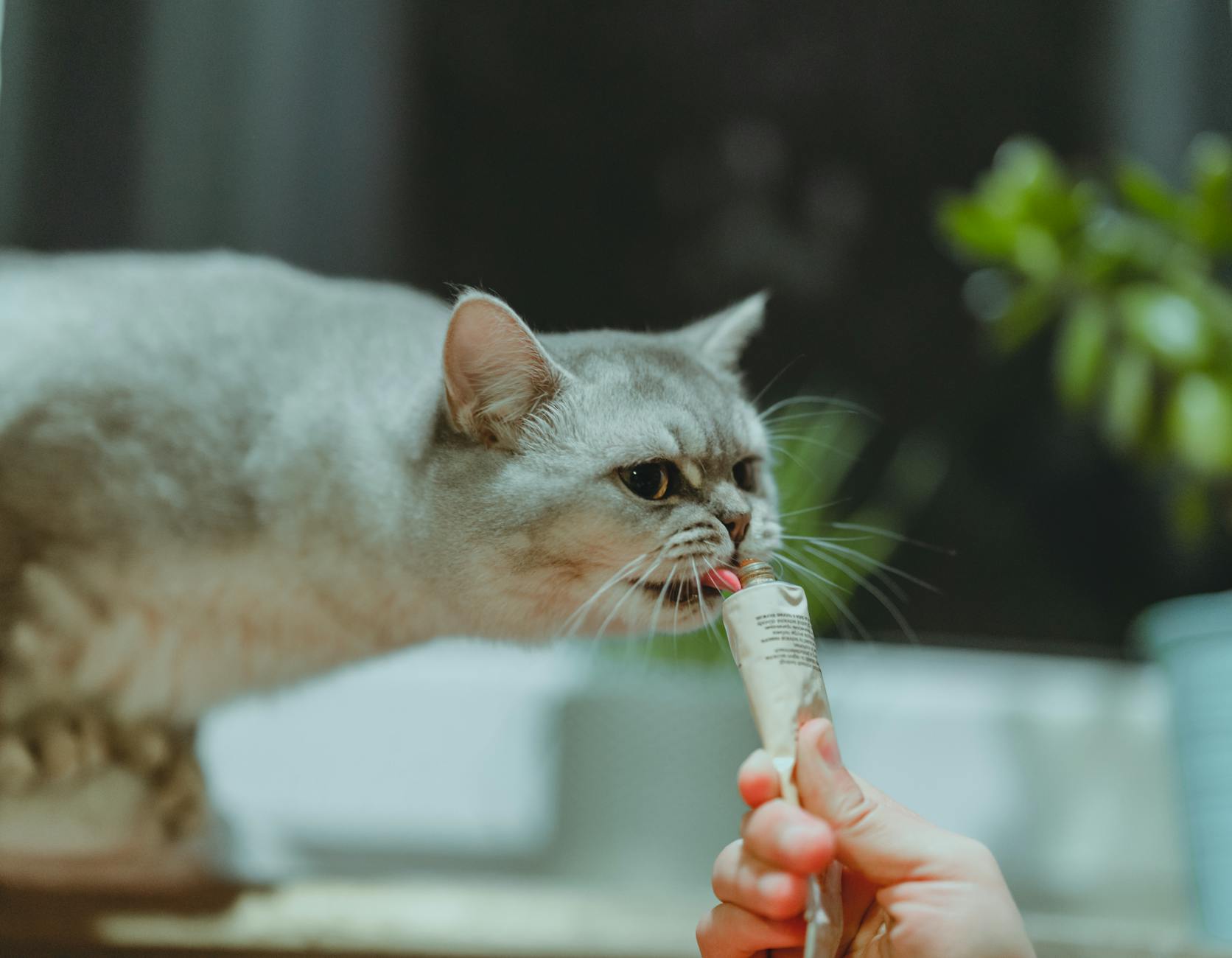
Cats are deeply governed by internal clocks and thrive on predictability, especially around mealtimes. When food appears at wildly different hours each day, their biological rhythms become disrupted and their stress levels rise. You may notice increased vocalization, pacing, or attention-seeking behavior as a result of this uncertainty. Maintaining a consistent feeding schedule is one of the simplest ways to keep your cat feeling secure and understood.
Picking Them Up Uninvited
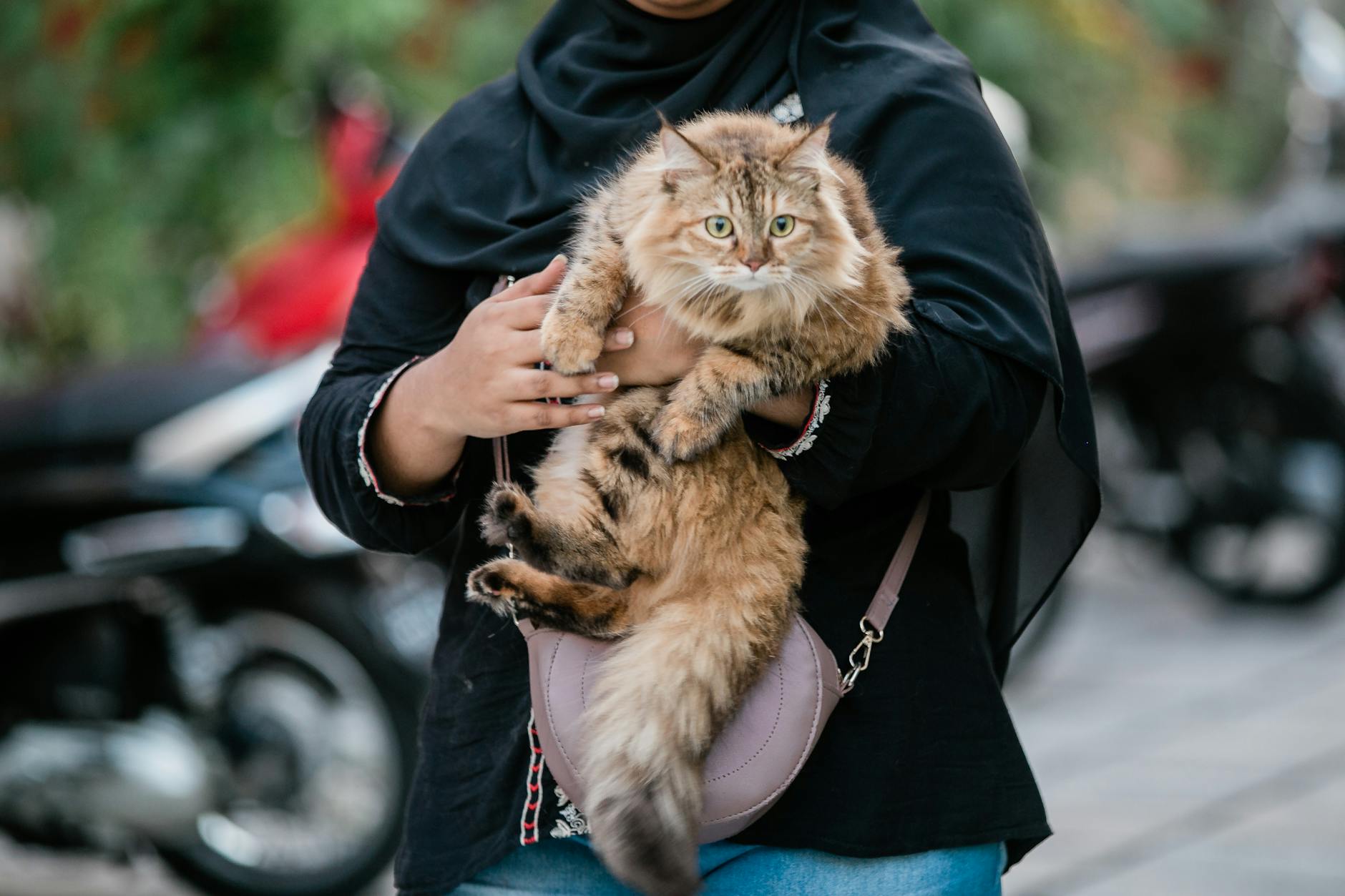
Cats are highly independent animals that prefer to initiate physical contact on their own terms. Being scooped up without warning removes their sense of control and can feel genuinely threatening, even when done with affection. Many cats will squirm, scratch, or show signs of agitation when lifted before they are ready. Waiting for your cat to approach you and then inviting touch is far more respectful of their boundaries and strengthens trust over time.
Rearranging the Furniture

A cat’s spatial memory is remarkably detailed, and they build mental maps of their environment that guide their movement and behavior. When furniture is moved around, that internal map becomes unreliable and causes real disorientation. You may notice your cat sniffing new arrangements extensively or becoming hesitant to walk through areas they once navigated with complete confidence. These mapping sessions are not curiosity so much as necessary recalibration of their understanding of the space.
Using Strong Perfume

A cat’s sense of smell is estimated to be around fourteen times stronger than a human’s, making heavily scented products genuinely overwhelming for them. Strong perfumes, scented candles, and chemical sprays can mask the familiar scents that make a cat feel safe in their environment. Many cats will avoid their owner or a particular room for hours after exposure to a new or intense smell. Opting for unscented or lightly scented products around the home makes a considerable difference to their comfort.
Staring at Screens

From a cat’s perspective, the flickering images and sudden sounds coming from televisions and phones are deeply confusing visual stimuli. They can detect motion on screens but struggle to process what they are actually seeing in a meaningful way. This often leads to a tense stare, a tentative paw swipe, or a rapid retreat when the image changes unexpectedly. The unpredictability of screen activity is particularly disorienting for cats who otherwise rely on visual patterns to interpret their world.
Changing Cleaning Products
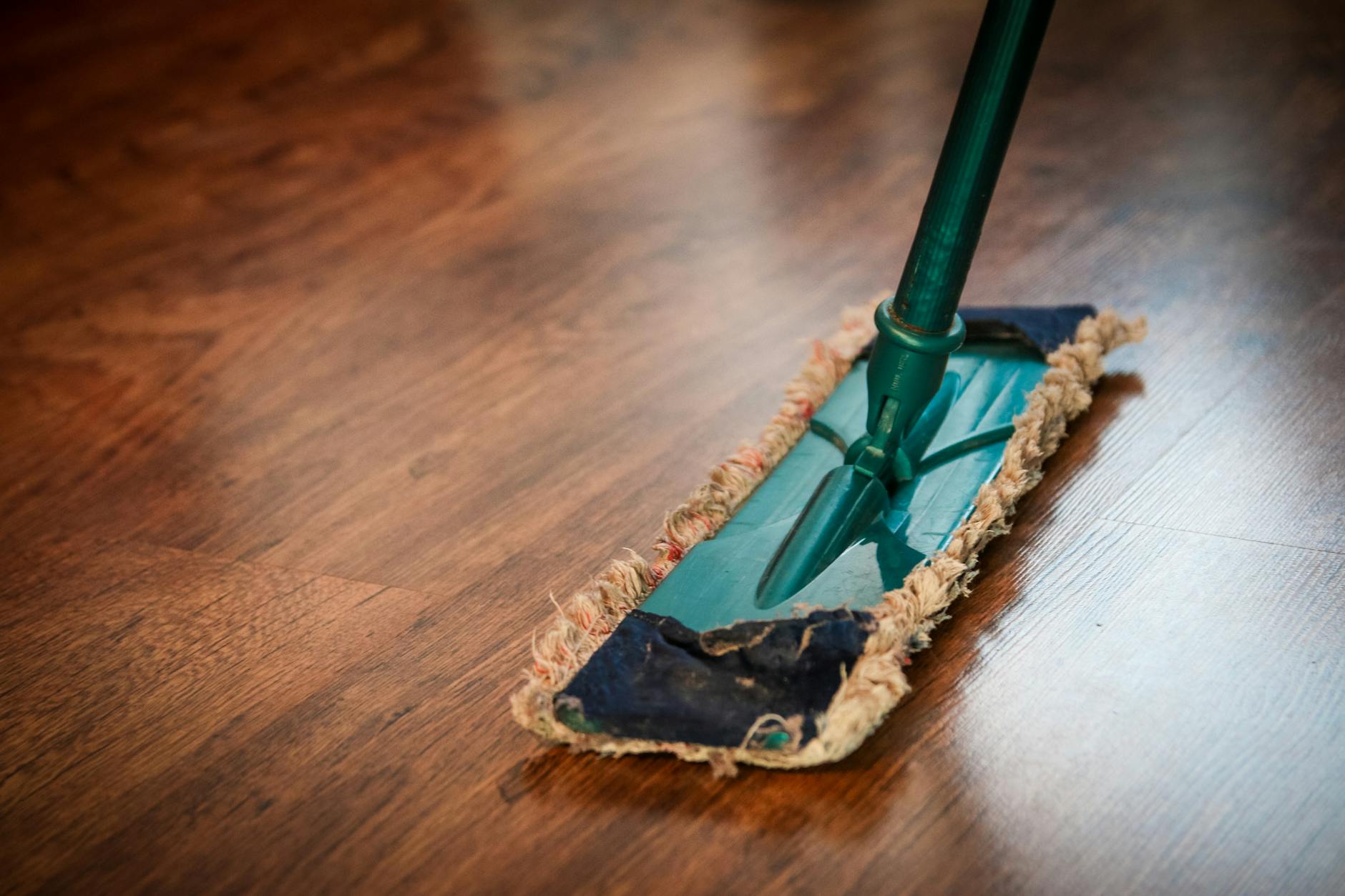
Cats are territorial animals who track and recognize their home through a complex web of familiar scents. Switching to a new floor cleaner, laundry detergent, or surface spray introduces unfamiliar chemical signatures into spaces your cat considers their own. They may react by rubbing their face against surfaces more intensely or urinating in unusual spots to re-establish their scent markers. These behaviors are not acts of defiance but rather attempts to restore a sense of familiar safety.
Ignoring Their Slow Blink
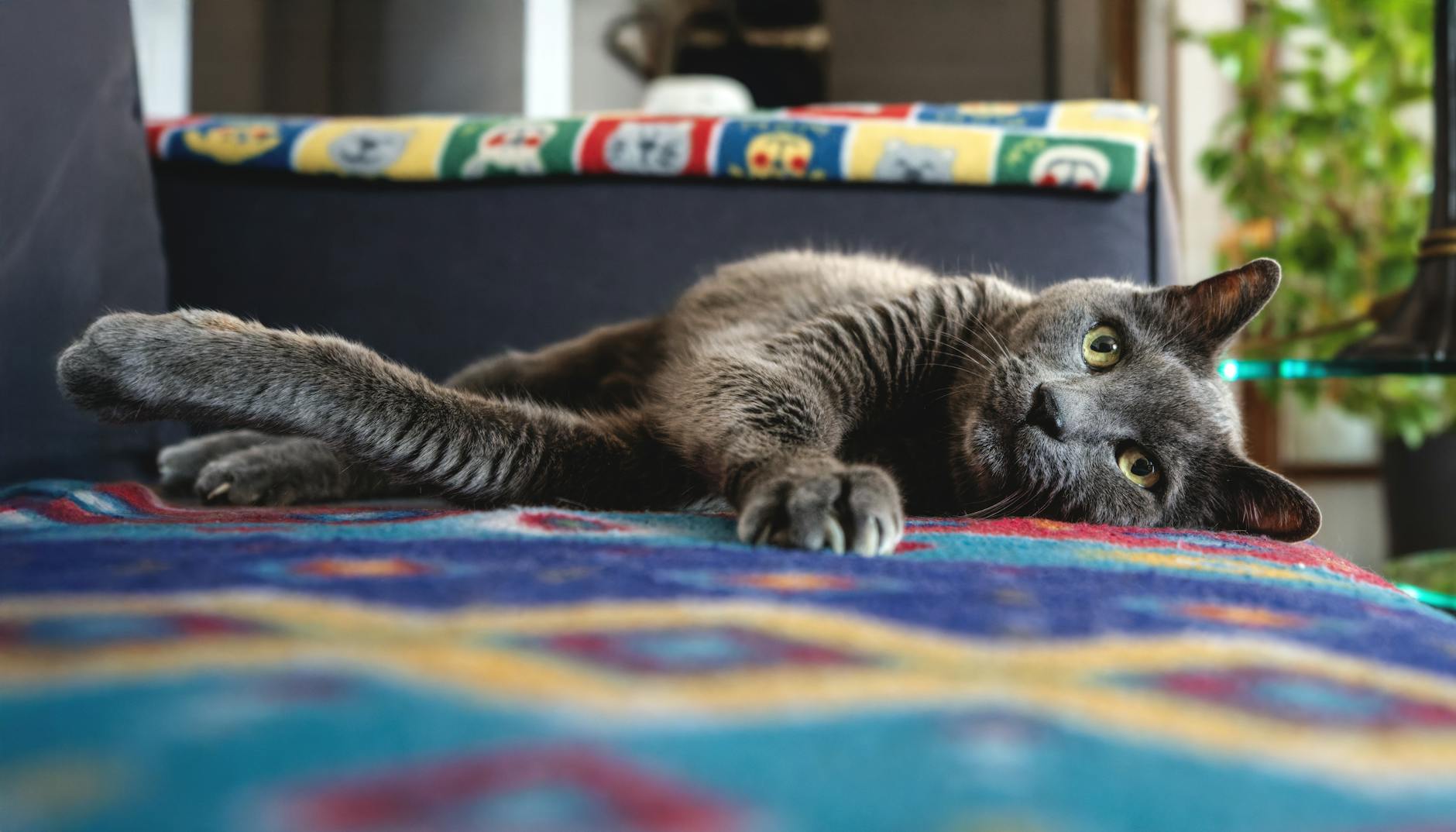
The slow blink is one of the most significant gestures in feline social communication, functioning as a non-verbal signal of trust and affection. When a cat offers you a slow blink and receives no response, or receives a wide-eyed stare in return, the signal goes unacknowledged entirely. Over time, this lack of reciprocation can create subtle social confusion and make it harder for your cat to read your emotional state. Returning a slow blink is a small gesture that communicates safety and familiarity in a language your cat naturally understands.
Inviting Strange Guests

Cats are highly attuned to social dynamics and find the arrival of unfamiliar people in their territory inherently stressful. The unfamiliar scents, voices, and movements of strangers disrupt the established social landscape of the home. Many cats will hide for the duration of a visit and take hours or even days to feel fully comfortable again after guests have left. Providing a quiet retreat space during social gatherings gives your cat the autonomy to re-engage on their own schedule.
Wearing Hats or Costumes

Cats recognize their human companions primarily through scent, voice, and the visual outline of their silhouette. When a person appears wearing an unfamiliar hat, glasses, or a costume that alters their shape, a cat may not immediately recognize them. This sudden visual discrepancy can cause startled behavior, hissing, or defensive posturing even toward a well-known companion. The disorientation typically resolves once your cat gets close enough to confirm the familiar scent underneath the altered appearance.
Playing Rough
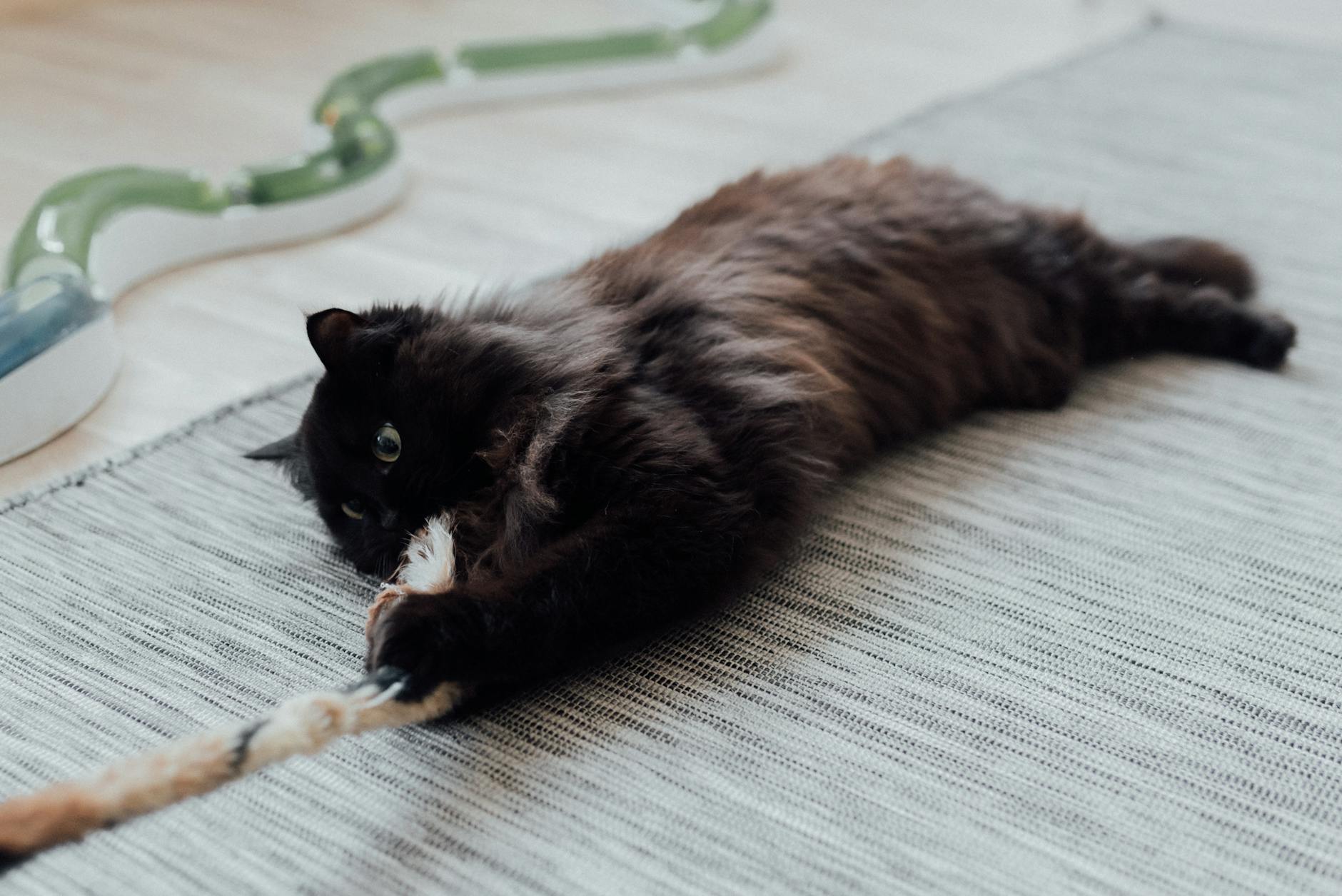
Cats that are played with using hands or feet rather than toys can develop deeply ingrained confusion about boundaries. When a human hand becomes associated with aggressive play, the cat has no reliable way to distinguish between a playful gesture and a real threat. This confusion often escalates into biting or scratching during moments that were intended as calm affection. Consistently using wand toys and dedicated play objects helps establish clear behavioral expectations that your cat can follow with confidence.
Sleeping in Their Spot

Cats are devoted creatures of habit who attach strong significance to specific resting locations within the home. When a human regularly occupies a spot the cat has claimed as their own, it creates genuine territorial uncertainty. Your cat may circle the area, knead nearby surfaces, or attempt to squeeze in regardless of available space elsewhere. This behavior reflects their need to reaffirm ownership over a place that their scent has already designated as theirs.
Talking in Baby Voice
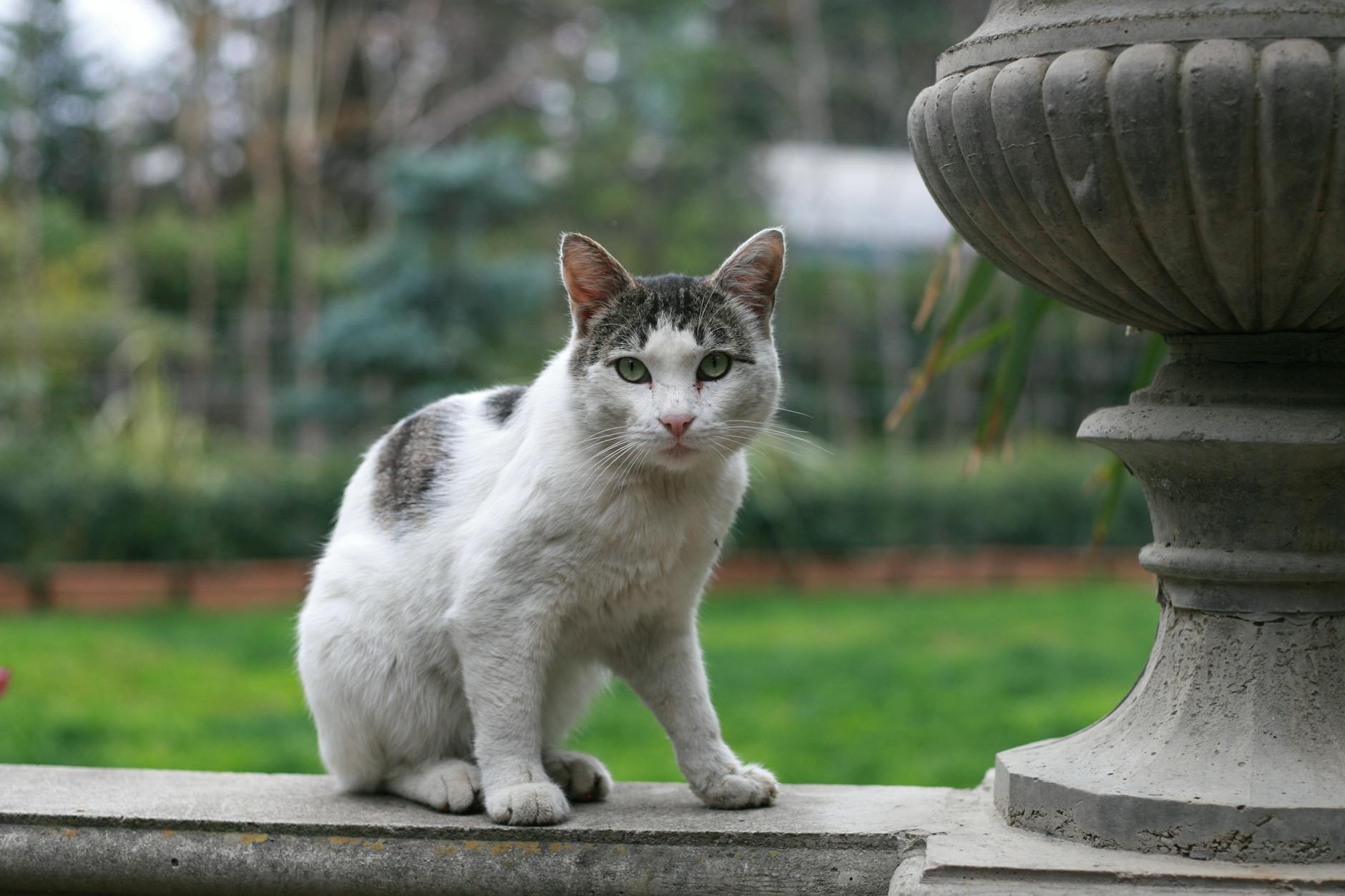
While cats do respond to higher-pitched voices and associate tone with emotion, dramatic vocal exaggeration can register as an unexpected social signal. The unpredictable pitch changes and unusual phrasing of baby talk do not map onto any form of communication cats use with one another. Your cat may tilt their head, flatten their ears, or simply walk away when confronted with this type of vocalization. Speaking in a calm and consistent tone is far more legible to your cat and far less likely to produce a puzzled exit from the room.
Bringing in New Pets
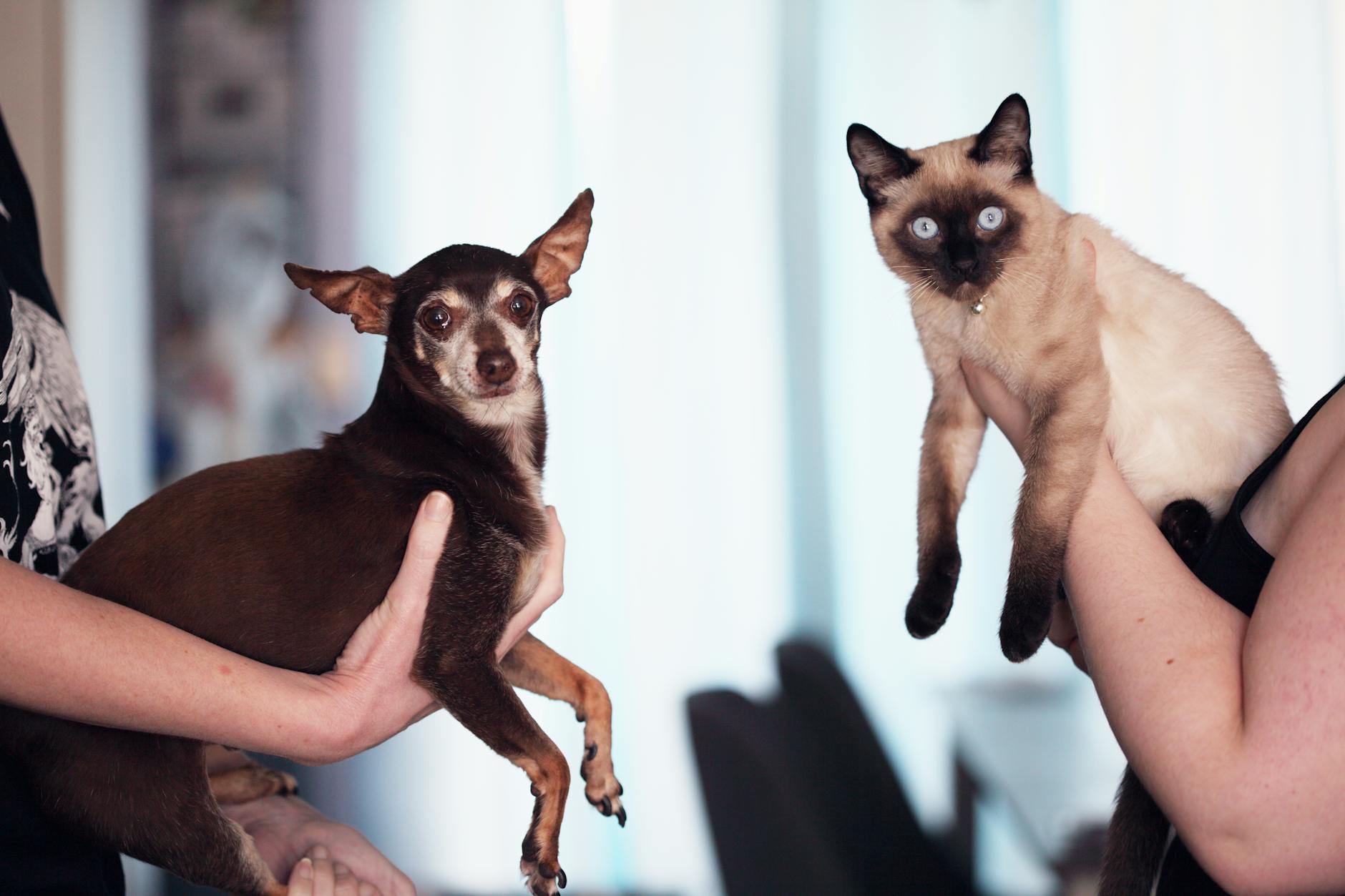
The introduction of a new animal into the household is one of the most disorienting events a resident cat can experience. Their established hierarchy, scent map, and sense of exclusive territory are all called into question simultaneously. Even cats that eventually become comfortable with a new companion typically experience weeks of confusion, stress, and behavioral change during the transition. Gradual introductions using scent swapping and physical separation allow the resident cat to process the change at a pace that feels manageable rather than overwhelming.
Which of these habits do you recognize in your own home with your cat? Share your experiences in the comments.